Stellantis is preparing a major change to its motorsport strategy, ending its factory-backed participation in the World Endurance Championship and Formula E to redirect resources toward performance vehicles and customer racing.
The decision will bring Peugeot’s 9X8 endurance program to a close after the 2026 season, while Citroën and Opel will leave Formula E after the 2026-27 season.
Rather than abandoning motorsport completely, the automaker plans to use its racing expertise to develop new high-performance models and support private competition teams. The move forms part of its wider FaSTLAne 2030 business strategy.
Peugeot, Citroën, and Opel Programmes Face Different Exit Timelines
Stellantis announced the restructuring on November 23, confirming that its official participation in the FIA World Endurance Championship will end with the 2026 season. Its Formula E involvement will continue until the conclusion of Season 13 in summer 2027.
The move involves three European automakers, with Peugeot affected in endurance racing and Citroën and Opel impacted in electric single-seater competition.
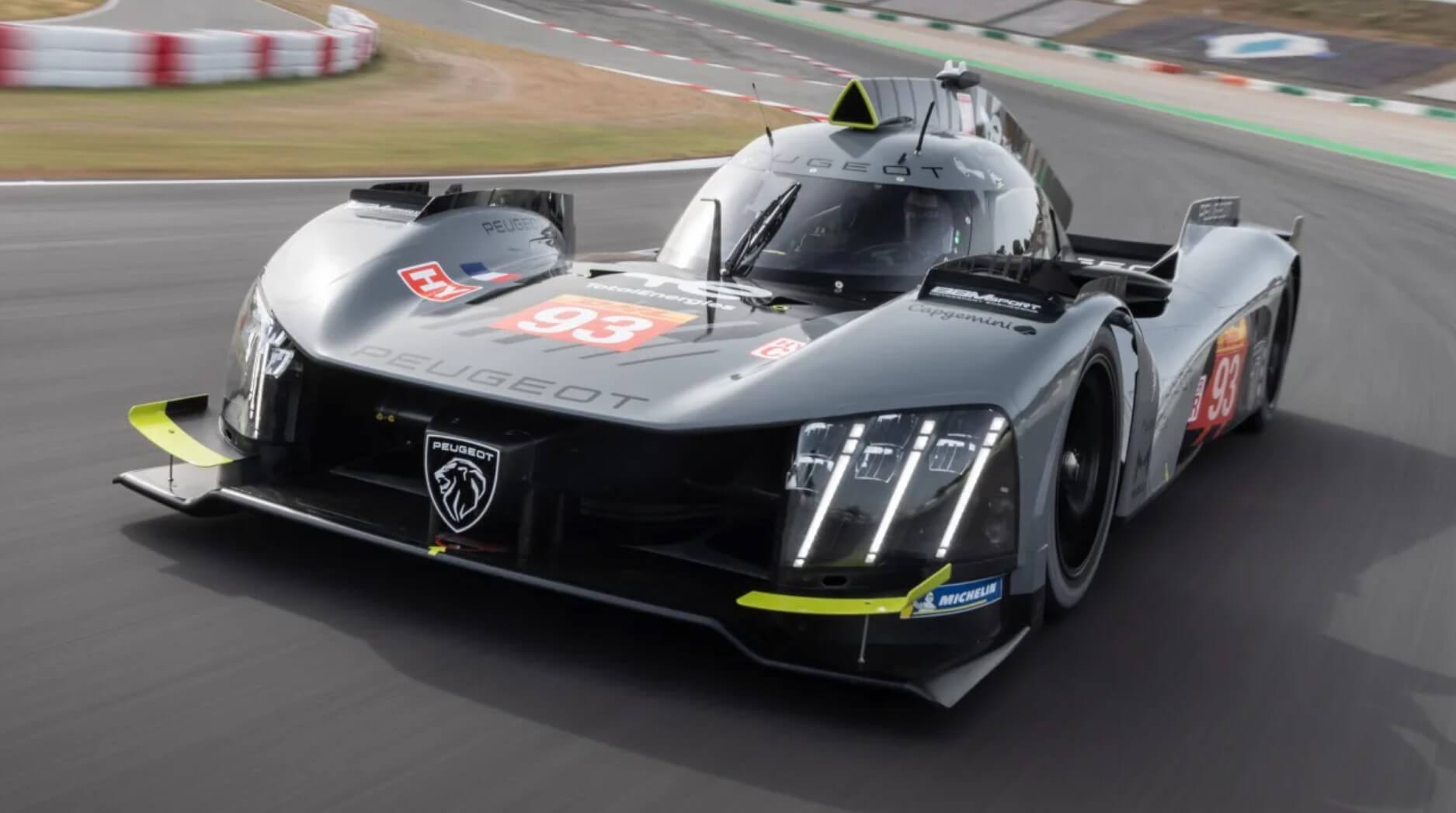
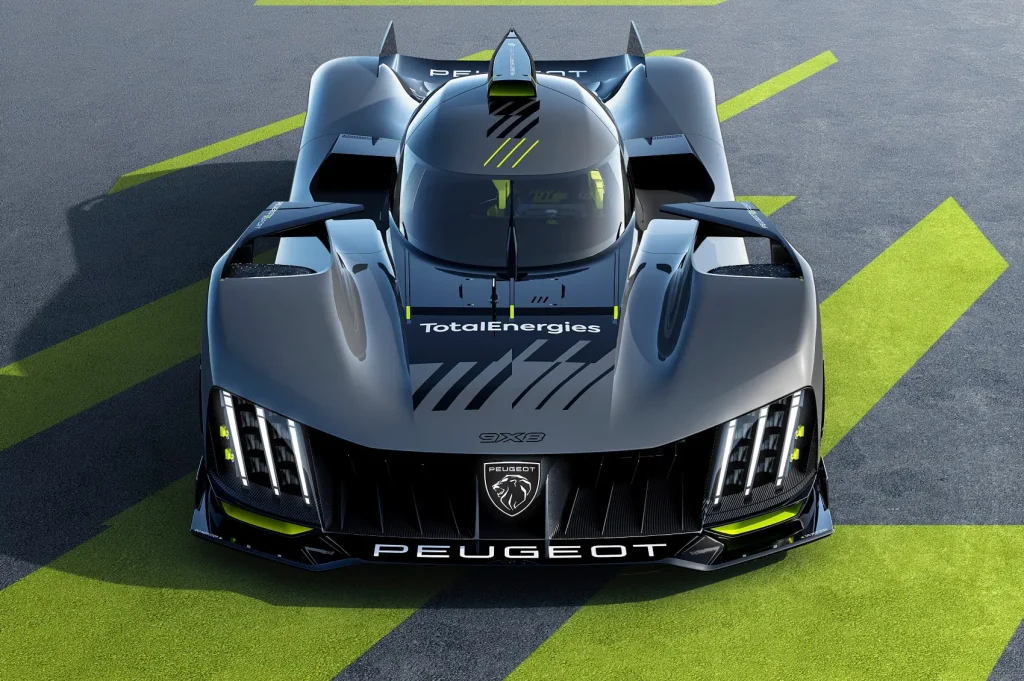
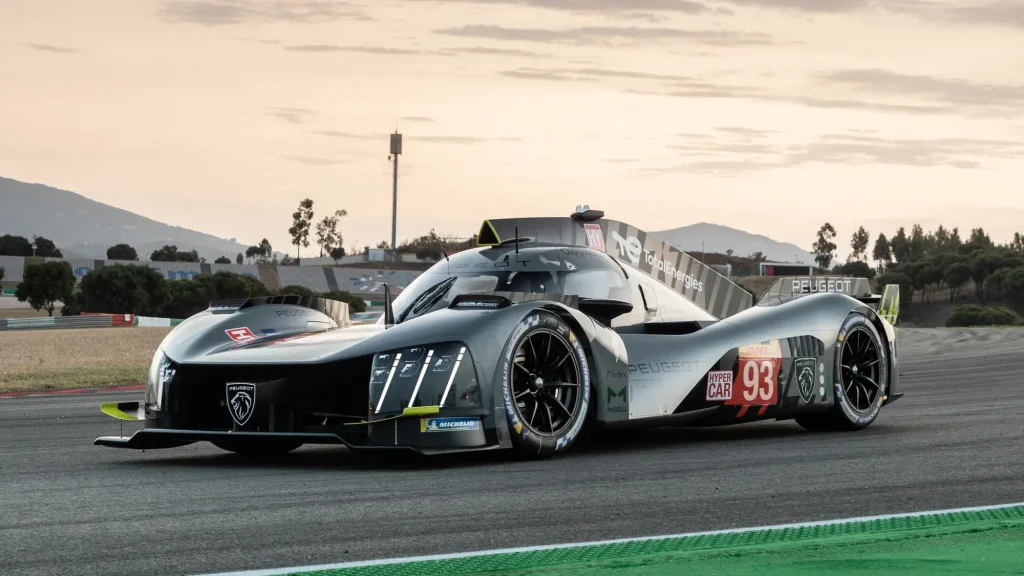
For Peugeot, the announcement marks the end of its return to top-level endurance racing. The brand re-entered the World Endurance Championship in 2022 with the 9X8 Le Mans Hypercar, a distinctive prototype developed to compete against manufacturers including Ferrari, Toyota, Porsche, and Cadillac.
The program was intended to strengthen Peugeot’s performance identity and demonstrate its engineering capabilities on an international stage.
However, the 9X8 did not achieve the results Peugeot had hoped for. Despite updates and continued development, the car did not secure a WEC victory during its factory campaign.
The team’s final season has therefore become the closing chapter of a project that attracted attention for its unusual aerodynamic approach and ambitious return to endurance competition.
Its withdrawal also means Peugeot will not continue developing the factory-backed hypercar program for future championship seasons.
Citroën and Opel will remain in Formula E longer. Their programs are scheduled to conclude after Season 13, which ends in summer 2027. The timing is particularly notable for Opel, which had been preparing to enter the championship with its own factory-backed identity and the GSE 27FE programme.
The decision means its planned involvement will be limited to the final season covered by Stellantis’ announcement rather than becoming a long-term racing commitment.
The three exits are part of one corporate decision, but they do not happen simultaneously. Peugeot’s WEC operation ends after the 2026 campaign, while the Formula E program continues into 2027. That distinction matters for employees, racing partners, suppliers, and championship organizers who must prepare for the transition.
Stellantis has not provided a detailed breakdown of the financial savings expected from ending these factory programs. Reuters reported that the company did not disclose expected savings or potential charges associated with the decision.
The announcement instead focused on where the automaker intends to direct its engineering resources in the coming years.
Stellantis Wants Racing Expertise to Support New Performance Cars
The company says it will redirect its motorsport capabilities toward customer racing and high-performance vehicle development. This means engineering knowledge gained from international competition will increasingly support vehicles that customers can purchase, as well as race cars built for private teams.
Stellantis believes this approach creates a closer connection between motorsport investment and its wider vehicle business.
Several brands are expected to benefit from the change. Stellantis specifically identified exclusive performance models for Alfa Romeo and Maserati, alongside Veloce, GTi, HF, and GSE derivatives for Alfa Romeo, Peugeot, Lancia, and Opel, respectively.
These names represent different performance identities across the company’s portfolio, allowing the group to develop specialized versions of existing vehicles rather than concentrating its resources on a small number of factory racing entries.
For Peugeot, the GTi identity could become particularly important as the company develops its future performance lineup. The badge has a long association with compact performance cars, and the brand has previously used motorsport-inspired engineering to strengthen the appeal of its road models.
Lancia’s HF identity also provides a route for performance-focused products, especially given the brand’s renewed involvement in rally competition. Alfa Romeo and Maserati, meanwhile, offer opportunities for more exclusive sports and performance models.
Stellantis has not announced the specifications, launch dates, or prices of these future vehicles. It has also not confirmed which models will receive the new performance treatments first. The company’s announcement establishes the direction of its strategy, not a detailed product launch schedule.
Buyers should therefore avoid interpreting the decision as confirmation that a particular racing engine, hybrid system, or technology will appear in a future showroom model.
Customer racing will remain another important part of the program. Stellantis already supports competition vehicles across several brands, including rally cars developed for private teams.
Its existing portfolio includes the Citroën C3 Rally2 and Lancia Ypsilon Rally2 HF Integrale, alongside vehicles competing in lower rally categories. The company intends to build on this business rather than withdraw from motorsport entirely.
This distinction changes the type of racing involvement Stellantis wants to prioritize. Factory-backed championship programs require substantial investment in engineering, logistics, personnel, and race operations.
Customer racing can maintain a presence in competition while distributing more of the operating responsibility across private teams and customers who purchase or operate the cars.
The restructuring also affects the people working in the current programs. Stellantis says it intends to retain and redeploy employees affected by the closures, identifying opportunities in customer racing, performance vehicle development, and other activities connected to its business plan.
Reuters reported that just over 200 employees work in the motorsport unit. The company has not published a detailed breakdown of where every employee will be assigned.
FaSTLAne 2030 Shapes the Company’s New Motorsport Direction
The decision is part of Stellantis’ FaSTLAne 2030 strategic plan, which places greater emphasis on new products, quality improvements, and broader market coverage.
The company has outlined 50 product introductions and updates in Europe over five years, including 25 new products. That product-development target helps explain why management wants to redirect engineering resources from international factory racing toward projects with a more direct connection to its vehicle lineup.
The strategy comes as Stellantis manages a large portfolio of brands with different customer bases and product requirements. Developing separate performance models for Alfa Romeo, Maserati, Peugeot, Lancia, and Opel requires engineering resources, testing, and investment.
Motorsport experience can contribute to chassis development, powertrain calibration, braking performance, aerodynamics, and durability testing. However, the company has not said that every future performance model will directly use technology from the WEC or Formula E programs.
The restructuring should not be interpreted as Stellantis ending all racing activities worldwide. The announcement specifically concerns its official FIA World Championship participation in WEC and Formula E.
Its customer rally programs are expected to continue, while North American motorsport operations are separate from the European factory programs affected by this decision. A Stellantis North America spokesperson told RACER that the changes do not affect the company’s North American motorsport plans, including Dodge and Ram activities.
That distinction is relevant for American fans following Dodge’s return to the NASCAR Cup Series and Ram’s participation in the NASCAR Craftsman Truck Series. Those programs are not part of the European WEC and Formula E withdrawal.
The company is therefore changing its international factory racing commitments without announcing a blanket exit from motorsport across all its brands and regions.
The decision also highlights a broader challenge for major automakers as they weigh the marketing exposure and technological benefits of motorsports against the rising costs of vehicle development.
Factory competition can generate global attention, but it requires sustained funding and does not guarantee commercial success. Stellantis is choosing to place more emphasis on performance products and customer racing, where it expects its technical experience to support a broader range of activities.
For enthusiasts, the immediate result is the end of Peugeot’s 9X8 campaign after 2026 and the departure of Citroën and Opel from Formula E in summer 2027. The longer-term outcome will depend on whether Stellantis delivers the promised performance models and strengthens its customer racing business.
Its motorsport expertise is not disappearing, but its priorities are changing. Instead of concentrating on factory-backed championship entries, the company wants more of that engineering effort to reach road-going performance cars and privately operated racing machines.