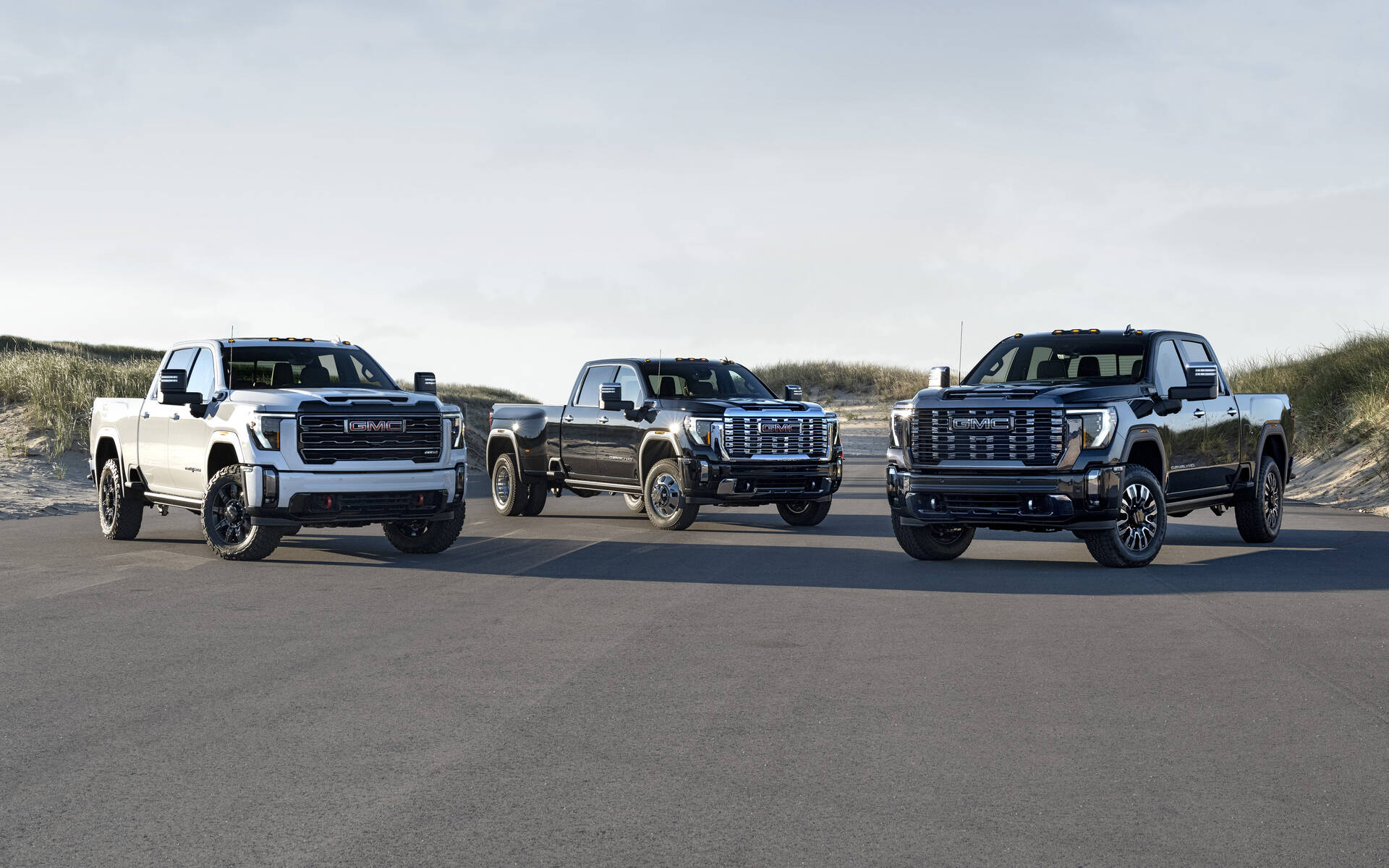
The U.S. automotive industry could soon find another use for its manufacturing expertise beyond building passenger cars and trucks. The Pentagon is exploring whether major manufacturers, including General Motors, Ford, and parts supplier Magna International, can help expand domestic military drone production.
The discussions reportedly involve supplying components such as electric motors, actuators, engines, and sensors to specialized drone companies. The idea is to use America’s established industrial supply chains to increase production capacity as the military prepares to purchase large numbers of unmanned aircraft.
However, the companies are at different stages of involvement, and no mass-production agreements for military drones have been announced.
Pentagon Approaches Major Automotive Manufacturers
The Wall Street Journal reported on November 24, 2026, that the Pentagon had held preliminary discussions with General Motors, Ford, and other manufacturers about supporting military drone production.
Canadian automotive supplier Magna International was also among the companies involved in the conversations. The discussions reportedly focus on whether these manufacturers could supply components to specialized drone producers rather than independently designing and building complete aircraft.
Potential components include motors, actuators, engines, sensors, and lidar systems. These parts perform different functions, from powering an aircraft and controlling its movement to collecting information about its surroundings.
Automakers already manufacture complex mechanical, electrical, and electronic systems in large quantities, making their industrial experience potentially useful to the defense sector.
General Motors appears to have shown particular interest in the opportunity. The Detroit News reported that GM was in preliminary conversations with the Pentagon about manufacturing components for military drones, with electric motors among the possibilities discussed in the Wall Street Journal’s reporting.
GM has also reportedly been in discussions with defense contractors RTX and L3Harris about other potential manufacturing arrangements. However, no drone-component contract has been confirmed.
Ford’s position is different. Although the automaker confirmed that it has held discussions with the Pentagon, reporting from The Detroit News indicated that Ford was not actively discussing drone production.
Its current conversations have focused on military vehicles and other defense-related opportunities. Ford also recently announced a minority investment in Revolution Space, a U.S.-based space systems company, to support satellite manufacturing.
Magna has participated in preliminary discussions but has not announced any advanced negotiations or manufacturing commitments.
The company has also declined to provide further details about the conversations. Its involvement therefore remains exploratory rather than a confirmed move into military drone production.
The distinction matters because the headline discussions do not represent three automakers agreeing to build military drones. Instead, the Pentagon is examining whether different companies can contribute specific manufacturing capabilities.
Some could supply components, while specialized defense businesses would remain responsible for aircraft design, integration, and military requirements.
Why the Pentagon Wants Automotive Manufacturing Capacity
The military’s interest is connected to a growing demand for unmanned aircraft and concerns about the ability of existing suppliers to produce them at the required scale.

Smaller drone manufacturers may have the technical knowledge to develop effective systems, but expanding production requires factory space, skilled workers, reliable suppliers, and repeatable manufacturing processes.
The Pentagon has indicated that it intends to purchase millions of drones in the coming years. That ambition creates a challenge for a domestic industry that includes many relatively young companies without the production capacity of established automotive manufacturers.
Bringing larger industrial businesses into the supply chain could help increase output and reduce dependence on limited suppliers.
Supply-chain security is another concern. Many drone components and related manufacturing inputs are connected to overseas supply networks, including China.
U.S. defense officials want to strengthen domestic production and reduce vulnerabilities involving components that could become difficult to obtain during an international crisis. A larger network of American manufacturers could provide additional sources for motors, electronics, and other critical parts.
Automotive companies have several capabilities that could be adapted to this work. They manufacture electric motors, power electronics, sensors, wiring systems, and precision mechanical components.
They also operate factories built around high-volume production, quality control, and supplier coordination. These capabilities do not make automotive manufacturing identical to aircraft production, but they could help defense companies scale selected parts more quickly.
GM’s electric-vehicle experience is particularly relevant to the discussion about motors. Its engineering teams have developed electric propulsion systems and power electronics for passenger vehicles.
Drone motors have different requirements involving size, weight, operating speed, and efficiency, but the underlying electrical and manufacturing expertise could provide a starting point for developing suitable components.
There is already evidence that GM’s defense business can contribute to military manufacturing.
In August 2026, GM Defense signed an agreement with Lockheed Martin to produce housing components for the PAC-3 Missile Segment Enhancement interceptor, which is used in the Patriot air and missile defense system.
Lockheed announced on September 17 that it had received the first batch of components after a production period of just 22 days from the contract signing.
That project involved missile components, not drones, but it demonstrates how commercial manufacturing capabilities can support established defense contractors. GM Defense used its casting and machining expertise to produce components that met Lockheed Martin’s specifications.
The arrangement provides a practical example of the type of supplier relationship that could potentially develop in the drone industry.
Commercial Challenges Could Limit Automakers’ Involvement
Despite the potential opportunity, military manufacturing presents risks that automotive companies must evaluate carefully. One concern is profitability. Small drones can be relatively inexpensive, meaning component suppliers may face pressure to keep production costs low.
Automakers would need to determine whether the expected order volumes justify the engineering expenses, factory modifications, and additional quality-control requirements.
Defense procurement also differs from the commercial vehicle business. Government orders can depend on budget approvals, changing military priorities, and lengthy contract processes. Even when officials announce ambitious purchasing plans, suppliers cannot assume that every proposed program will receive funding or generate consistent long-term demand.
There are reputational considerations as well. Manufacturing parts for military equipment can associate a consumer-facing automotive brand with weapons production.
Some companies may be comfortable supplying transport vehicles or non-weapon systems but less willing to manufacture components for offensive military equipment. Ford’s reported position illustrates why each automaker may approach these opportunities differently.
Ford is already pursuing defense-related vehicle opportunities. At a November 18 investor conference, company executives discussed prototypes based on the Super Duty pickup for U.S. military programs, alongside work on a Ranger-based vehicle with British partners.
These projects involve adapting existing vehicle platforms for government requirements, rather than entering drone manufacturing.
For GM, defense manufacturing is becoming a broader business opportunity. The company re-established GM Defense in 2017 and has since pursued military vehicle and equipment contracts.
Its work with Lockheed Martin demonstrates that the division can use resources and manufacturing expertise from the wider GM organization to support defense production. However, the company’s experience with missile components should not be mistaken for a confirmed commitment to produce drone motors.
Magna could also offer valuable capabilities through its extensive automotive supplier operations, but its participation remains at an early stage. The company would need to assess the technical requirements, potential order volumes, and financial returns before making any major investment.
For now, the Pentagon’s outreach is best understood as an effort to identify additional manufacturing partners rather than a completed shift by Detroit’s automakers into military drone production.
GM has shown interest in potential component work, Magna has participated in preliminary discussions, and Ford’s confirmed defense conversations are focused elsewhere.
If agreements eventually emerge, automotive manufacturers could help strengthen the domestic drone supply chain without becoming aircraft makers themselves. Their role may involve producing motors, electronic systems, or mechanical components for specialized defense companies.
The opportunity is significant, but its commercial value will depend on confirmed contracts, sustainable demand, and the willingness of automakers to take on the responsibilities of defense manufacturing.