As electric vehicles become more common, the automotive industry faces an increasingly important challenge involving battery disposal and resource recovery. A key concern is how to properly manage used EV batteries and recover their valuable materials once these vehicles reach the end of their service life.
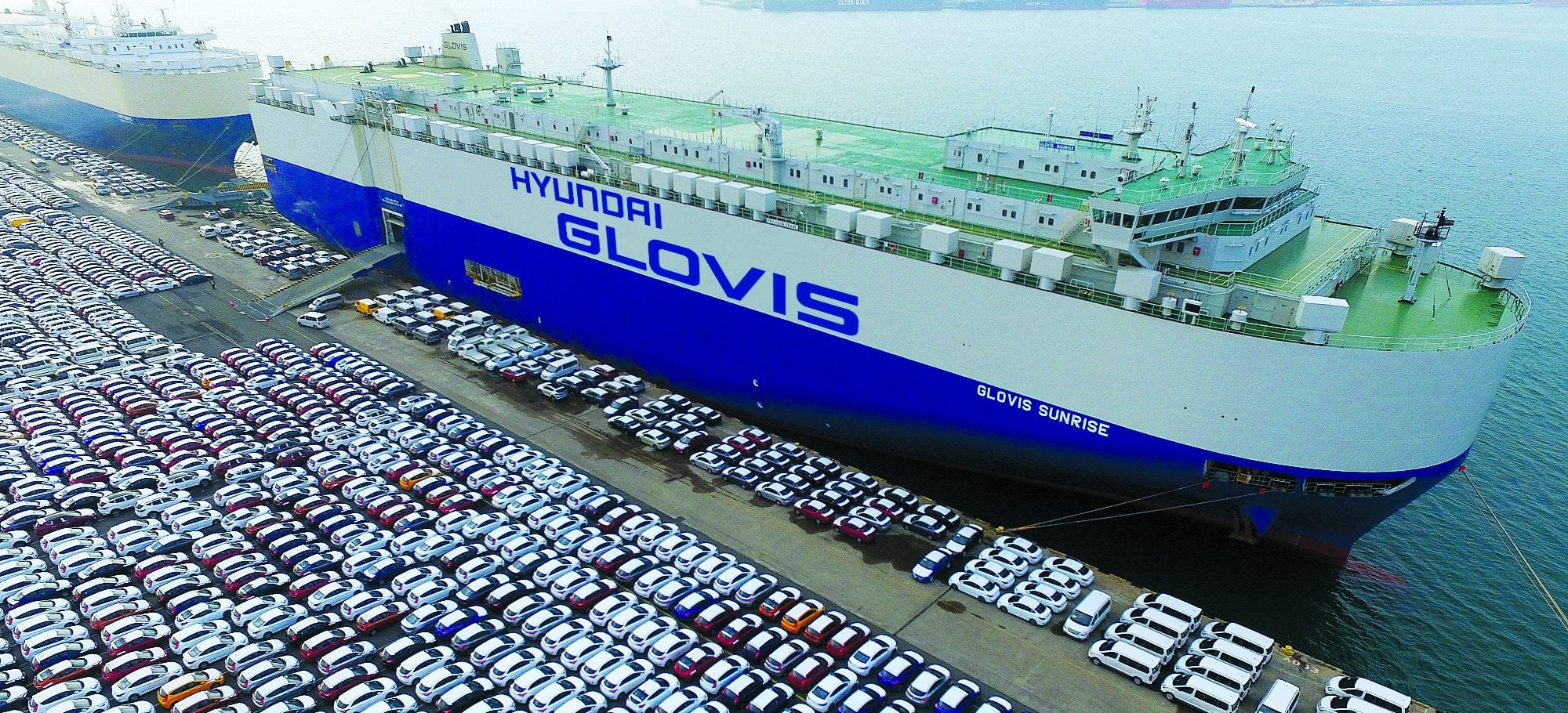
South Korea’s Hyundai Glovis is working to address that question through a new partnership with the country’s vehicle dismantling and recycling industry.
The agreement aims to connect end-of-life vehicle dismantling with the recovery, transportation, recycling, and reuse of materials. Used EV batteries are the immediate priority, while aluminum and other valuable resources could become important parts of a wider automotive recycling network.
Hyundai Glovis Builds a Wider Vehicle Recycling Network
Hyundai Glovis has signed a memorandum of understanding with the Korea Auto Dismantling and Recycling Association to strengthen South Korea’s automotive resource-recycling industry.
The agreement was signed on November 24, 2026, at the company’s headquarters in Seoul and announced publicly on November 26. Hyundai Glovis CEO Lee Kyu-bok and association chairman Kim Jong-sik attended the signing ceremony alongside other representatives.
The partnership is designed to establish a network that connects vehicle dismantlers with companies capable of recovering, processing, and reusing automotive materials. Rather than treating a scrapped vehicle simply as waste, the two organizations want to make its components and raw materials part of a more organized industrial supply chain.
The agreement covers several vehicle categories, including battery-electric vehicles, hydrogen-powered vehicles, and conventional internal-combustion models. These vehicles contain different combinations of components and materials, so dismantling them safely and recovering useful resources requires appropriate procedures and technical support.
The partners plan to cooperate on safer dismantling practices, improved recovery efficiency, and ways to convert recovered materials into resources that can be used by other industries.
This approach also reflects the changing role of vehicle dismantling businesses. Traditional dismantlers have focused on recovering reusable components and separating scrap materials for resale.
However, electrification is adding more complex components, particularly high-voltage battery packs, that require specialized handling. A coordinated network could help smaller dismantling operators connect with logistics providers, battery recyclers, and manufacturers that need recovered materials.
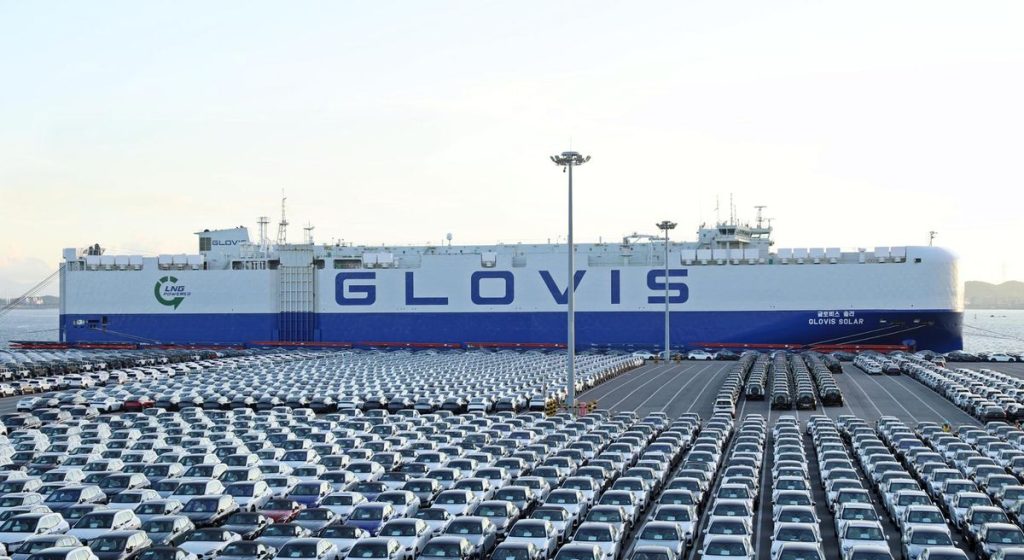
Hyundai Glovis intends to contribute its logistics and supply chain management experience. Its role is not limited to collecting materials from dismantling facilities. The company wants to help coordinate the movement of recovered resources through transportation, storage, recycling, and eventual industrial reuse.
That could make the recovery process more consistent and help manufacturers access secondary raw materials through a more dependable supply chain.
However, the memorandum is a cooperation framework rather than a fully operational recycling program with publicly disclosed production targets.
The companies have not announced specific annual battery recovery volumes, investment figures, recycling capacity, or a detailed timetable for nationwide expansion. Those details will matter when assessing how much material the partnership can actually return to the market.
Used EV Batteries and Aluminum Become the Main Priorities
Used electric-vehicle batteries are the first major focus of the partnership. Battery packs contain valuable materials, including lithium, nickel, and cobalt, but removing them from damaged or end-of-life vehicles is not a straightforward dismantling task.
High-voltage systems can present electrical and fire hazards if they are handled incorrectly, while damaged battery packs may require additional precautions during storage and transportation.
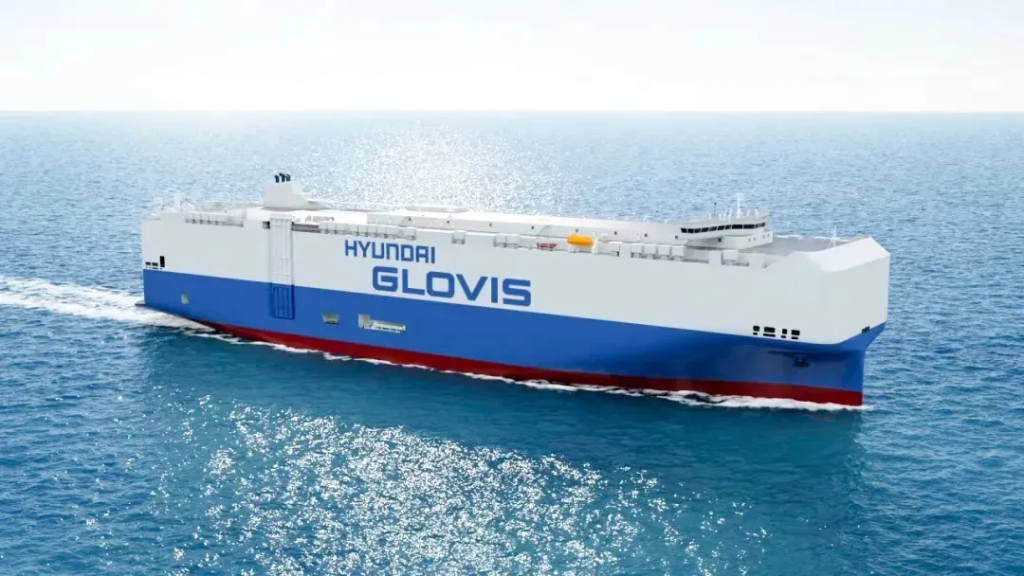
Under the agreement, Hyundai Glovis will support technologies and procedures for safely removing, transporting, and storing used batteries.
It will also manage the process through which recovered batteries enter recycling and return to industrial supply chains. The objective is to connect the dismantling stage with the companies that can process batteries and recover useful materials.
This is an important distinction because battery recycling involves several separate operations. A battery must first be removed from the vehicle, assessed, and transported under suitable safety conditions.
Depending on its condition, it may be considered for further use or sent for material recovery. Recycling processes can then extract valuable substances from battery cells, which may be refined and supplied to manufacturers.
Not every battery removed from an electric vehicle is necessarily ready for immediate recycling. Some packs may retain enough capacity for applications beyond their original automotive use, while others may be unsuitable for continued operation and need to be processed for their constituent materials.
The Hyundai Glovis agreement focuses on building the chain that handles recovered batteries, rather than announcing a single fixed destination for every pack.
Aluminum is another important target. Automakers use aluminum in various vehicle structures and components because it can reduce weight compared with some alternative materials. In electric vehicles, battery enclosures and other components add to the potential supply of recoverable aluminum.
Recovering this metal from scrapped vehicles can help provide manufacturers with material for future production, reducing the need to rely entirely on newly mined and processed resources.
The partnership also identifies nickel, cobalt, and lithium as valuable resources that can be recovered through vehicle recycling. These materials are important to battery manufacturing, although the amount and quality recovered will depend on the battery chemistry, condition, and recycling method.
A reliable collection and processing network could help connect these recovered materials with industrial buyers.
Hyundai Glovis has also developed a dedicated container for transporting used batteries and secured a patent for it, according to Aju Press. That work is relevant because transportation is one of the practical challenges in building a battery-recycling system.
Batteries removed from vehicles need suitable packaging and handling arrangements, particularly when they are damaged or have uncertain conditions.
The aluminum side of the program presents a different logistical challenge. Unlike complete battery packs, aluminum components can be recovered from different parts of a vehicle and sorted according to their material characteristics.
Their value depends on effective separation and processing. Improving dismantling efficiency could therefore help reduce the amount of usable material lost during the scrapping process.
European Recycling Rules Add Pressure to the Automotive Supply Chain
The partnership arrives as governments and regulators place greater attention on the materials used to manufacture vehicles and batteries. The European Union is developing requirements that will make recycled content and material recovery increasingly important for automakers selling vehicles in the region.
Under the EU Battery Regulation, minimum recycled-content requirements for certain battery materials are scheduled to apply from 2031. The thresholds include 16% recycled cobalt, 6% recycled lithium, and 6% recycled nickel.
These requirements create a commercial reason for battery manufacturers and vehicle companies to establish reliable sources of recovered materials before the rules take effect.
The EU’s End-of-Life Vehicles Regulation is another important part of the picture. The rules are intended to increase the recovery and reuse of materials from vehicles that have reached the end of their operating lives.
Reporting on the proposed requirements has highlighted a target of at least 15% recycled plastic content in new vehicle production, with a recycled-aluminum requirement also under development. The precise timetable and final details should be distinguished from requirements that are already in force.
For automakers with international operations, these developments can influence decisions well beyond Europe. A manufacturer may need to manage material sourcing across several markets, while battery suppliers and recycling companies must demonstrate that recovered materials meet the necessary quality and traceability standards.
Establishing a dependable supply chain now could help companies prepare for future compliance obligations.
There is also a potential environmental benefit. Recycled materials can require less energy and produce lower emissions than extracting and processing virgin raw materials. South Korean reports on the Hyundai Glovis agreement cite potential carbon-emissions reductions of up to 70% compared with mining virgin ore.
That figure should be understood as a reported potential benefit, not a guaranteed reduction for every material, recycling process, or vehicle. Actual results depend on energy sources, transportation distances, and the technology used.
For Hyundai Glovis, the agreement offers a way to apply its logistics capabilities to a growing part of the automotive industry. Battery recycling is not simply a matter of developing a process that can recover valuable metals.
Companies also need to collect batteries from different locations, transport them safely, store them appropriately, and deliver recovered materials to manufacturers. Each stage affects the cost and reliability of the system.
The partnership could also give South Korea’s vehicle dismantling businesses a stronger role in the emerging circular economy. Many dismantling operations are smaller businesses, and specialized battery handling can require equipment, training, and coordination that individual operators may struggle to establish independently.
Cooperation with a large logistics company could help connect these businesses to a broader industrial network.
The next challenge will be turning the memorandum into measurable results. The partners still need to demonstrate how many batteries and vehicle components they can recover, how efficiently materials can move through the network and whether manufacturers will consistently purchase the resulting recycled resources.
They have not yet disclosed specific capacity or financial targets. Hyundai Glovis’s agreement is therefore an early step toward a more connected vehicle-recycling system, rather than evidence that a complete nationwide network is already operating.
As electric vehicles become a larger part of the global fleet, the ability to recover their batteries and materials will become increasingly important.
Building the logistics and dismantling infrastructure now could help South Korea prepare for that shift while giving automakers another route to secure the materials needed for future vehicle production.