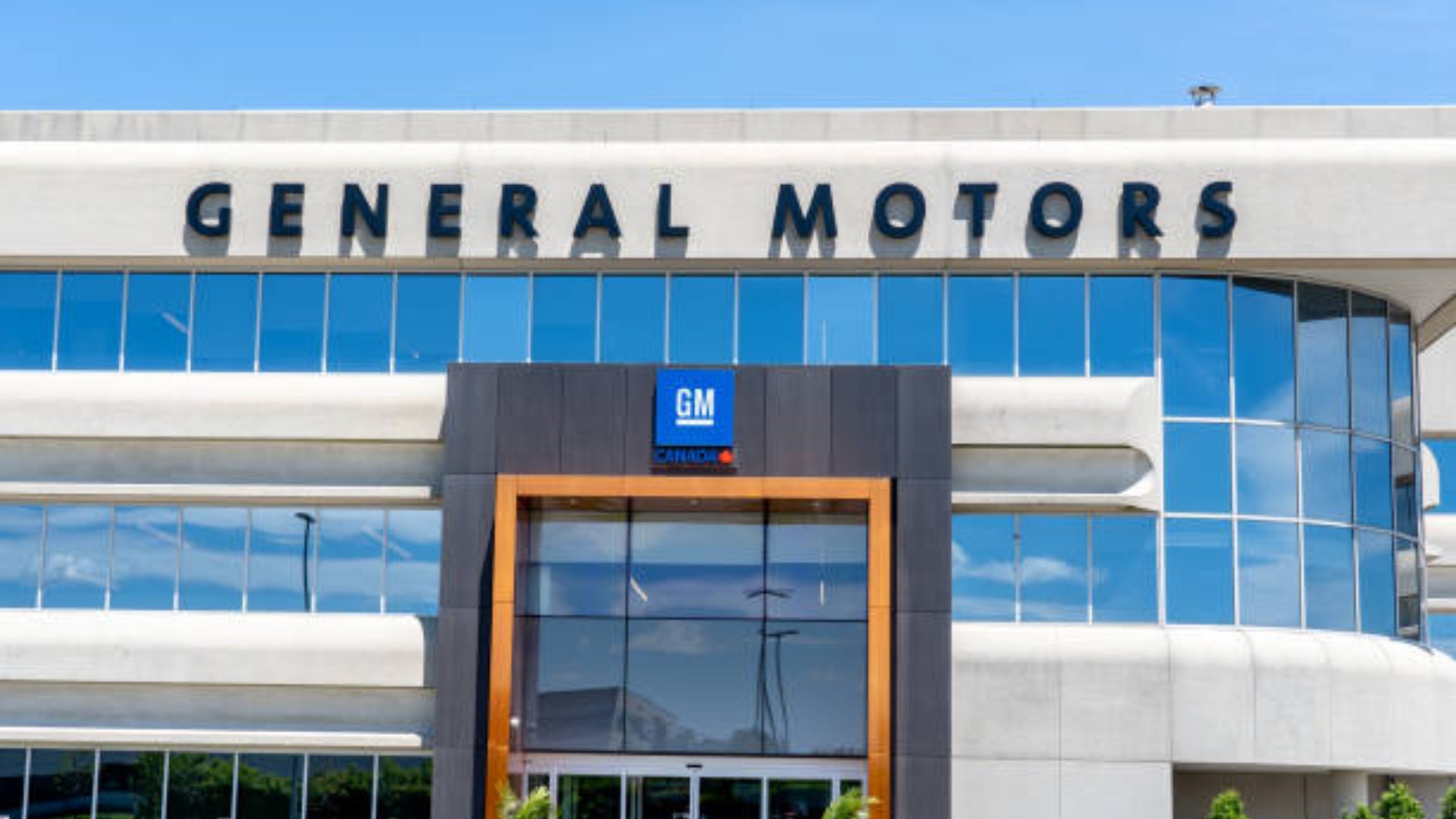
General Motors is expanding its technology operations beyond its traditional Detroit base with a new technical office in Seattle, Washington.
The facility, scheduled to open in early 2027, will bring together engineers and specialists working on digital products, autonomous vehicles, artificial intelligence, and other technology programs.
Located in the city’s Denny Triangle neighborhood, the 43,000-square-foot office reflects GM’s growing reliance on software and connected services as part of its vehicle development strategy.
The company already employs approximately 200 people in the Seattle region and plans to use the new location to strengthen collaboration while recruiting additional technical talent.
GM Establishes a 43,000-Square-Foot Seattle Technology Hub.
GM’s new Seattle office will occupy two floors of the West8 building in the Denny Triangle neighborhood, close to the Amazon Spheres and several major technology companies. The 43,000-square-foot facility is expected to open in early 2027 and provide a shared workplace for employees who are currently spread across the Seattle region.
The company already has approximately 200 employees in the Seattle area. Bringing these workers together will give existing teams a common location while providing additional room for recruitment.
GM has not disclosed a final employee target, but its careers website describes the office as capable of accommodating up to a couple hundred employees across different departments.
The facility will support several business areas, including digital products, autonomous vehicles, information technology, and marketing. These teams work on different parts of GM’s technology operations, from the software customers use in their vehicles and mobile applications to the engineering systems behind connected services and automated driving.
The location itself is an important part of the decision. Seattle has a large concentration of software engineers, cloud-computing specialists, and artificial intelligence professionals. Major technology companies have established operations in the region, creating a talent pool that GM can access without requiring every specialist to relocate to Michigan.
The West8 office is designed to support collaboration between engineering disciplines. Its planned amenities include conference rooms, shared work areas, an on-site café, outdoor spaces, fitness facilities, bicycle storage, and electric-vehicle charging.
The company wants the location to function as a workplace where software and vehicle engineers can work together rather than as a small satellite office used only for occasional meetings.
Software and AI Are Becoming More Important to GM Vehicles
The Seattle expansion comes as GM places greater emphasis on digital products that connect vehicles with mobile applications, cloud services, and external technology platforms.
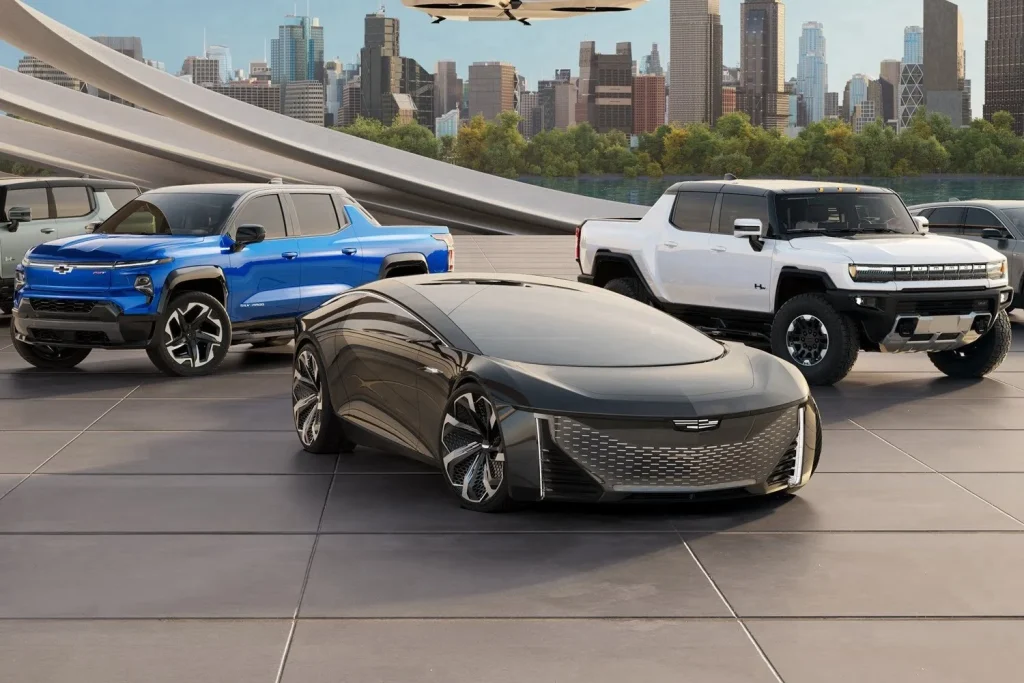
Modern vehicles increasingly depend on software for infotainment, navigation, driver assistance, charging services, and vehicle connectivity. These systems require expertise that extends beyond traditional automotive engineering.
One example is Energy Pass, a feature available through GM’s myCadillac, myChevrolet, and myGMC mobile applications. It allows compatible electric-vehicle owners to locate participating charging stations, begin charging sessions, and make payments through a single application across multiple public charging networks.
At compatible locations, Plug & Charge technology can simplify the process by handling authentication and payment automatically.
Developing such a service involves more than creating an attractive smartphone interface. Engineers must coordinate vehicle communication, charging networks, payment systems, cloud infrastructure, and data security.
A problem in any one of these areas can affect the customer experience, making cooperation between different technical teams essential.
GM’s digital organization is led by Ed Nightingale, vice president of Digital Products. His previous experience includes positions involving Microsoft Research, Bing, Windows, Azure Sphere, and Apple’s cloud infrastructure operations.
GM is using that experience as it develops software platforms and services that connect its vehicles with digital systems outside the car.
The Seattle office is also expected to support the company’s autonomous-vehicle development. This work requires engineers with experience in artificial intelligence, machine learning, software frameworks, and data analysis.
Autonomous driving systems must process information from cameras, sensors, and other vehicle components while making decisions in changing road conditions.
GM’s hiring activity in Seattle already reflects these priorities. Its career listings include positions involving autonomous-vehicle frameworks, data-labeling engineering, machine-learning platforms, and software development.
The new office is intended to give these specialists a shared environment while helping the company recruit from the region’s established technology workforce.
Another area of development involves virtual testing. GM’s digital engineering teams are building environments that allow software to be developed and validated before it reaches physical vehicles.
These platforms can help engineers identify problems earlier, reduce dependence on repeated physical testing, and improve the speed of software development. The Seattle team is expected to contribute to this wider engineering effort.
Seattle Strengthens GM’s Technology Network Beyond Detroit
Detroit remains central to GM’s operations, but the company has increasingly established technology centers in regions with different engineering specializations. Its U.S. locations include Austin, Mountain View, and Seattle, each providing access to technical talent and established innovation communities.
The expansion reflects an effort to distribute engineering capabilities rather than concentrate all software development at the company’s headquarters.
Seattle offers access to professionals experienced in cloud computing, artificial intelligence, large-scale software systems, and connected services. These skills are becoming increasingly relevant as automakers develop vehicles that receive software updates, communicate with external services, and offer more advanced digital features.
For GM, recruiting from this environment could help strengthen the software infrastructure supporting Chevrolet, Cadillac, Buick, and GMC vehicles. It could also provide additional engineering resources for future autonomous-driving systems and connected customer services.
The expansion is not a manufacturing investment. GM is leasing office space at West8 rather than building a vehicle assembly plant or research factory. Its purpose is to bring together technical employees and create an environment for software development, engineering collaboration, and recruitment.
That distinction is important because the investment is aimed at strengthening the company’s intellectual and technical capabilities rather than increasing vehicle production capacity.
There are also challenges associated with expanding software operations. Hiring experienced engineers in a competitive technology market can be expensive, and maintaining cooperation between teams in different cities requires clear project responsibilities and communication.
GM will need to ensure that the Seattle office works closely with its established engineering operations instead of becoming an isolated technology center.
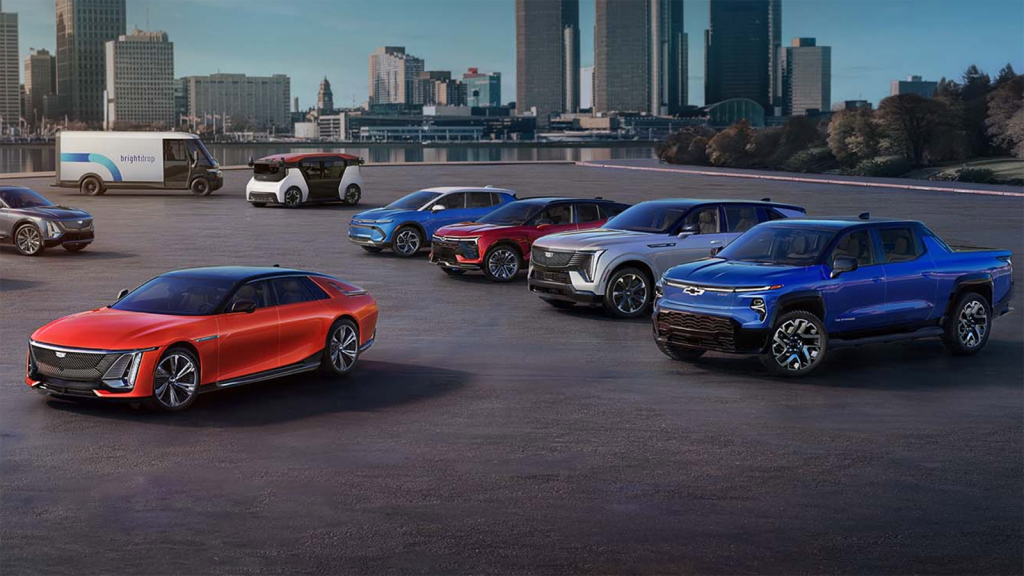
The company also faces the wider challenge of delivering software that remains reliable throughout a vehicle’s life. Connected features and digital services must work consistently across different models, operating systems, and network conditions.
As vehicles become more dependent on software, testing, cybersecurity, and long-term support become increasingly important parts of automotive development.
GM’s Seattle investment therefore represents a strategic expansion of its engineering workforce at a time when software is becoming a more significant part of vehicle ownership. The 43,000-square-foot office will give approximately 200 existing regional employees a shared base while creating opportunities to recruit additional specialists.
With its planned early 2027 opening, the facility will become another part of GM’s technology network outside Detroit. Its contribution will be measured less by the size of the building than by the software, digital services, and engineering systems developed by the teams working inside it.