
Most Nissan owners drive their cars for years without ever discovering half of what’s built into them. Between the manual and the dozens of buttons scattered around a modern cabin, some genuinely useful functions slip right past everyday attention. A few of these features solve small daily annoyances, while others exist purely as backup options for situations most drivers hope they never face.
This rundown covers nine functions tucked inside various Nissan models, from quiet key fob tricks to cargo tools most people walk right past. Not every feature applies to every Nissan, so checking the owner’s manual for your specific model is always worth the five minutes it takes.
1. Key Fob Horn-Chirp Cancellation
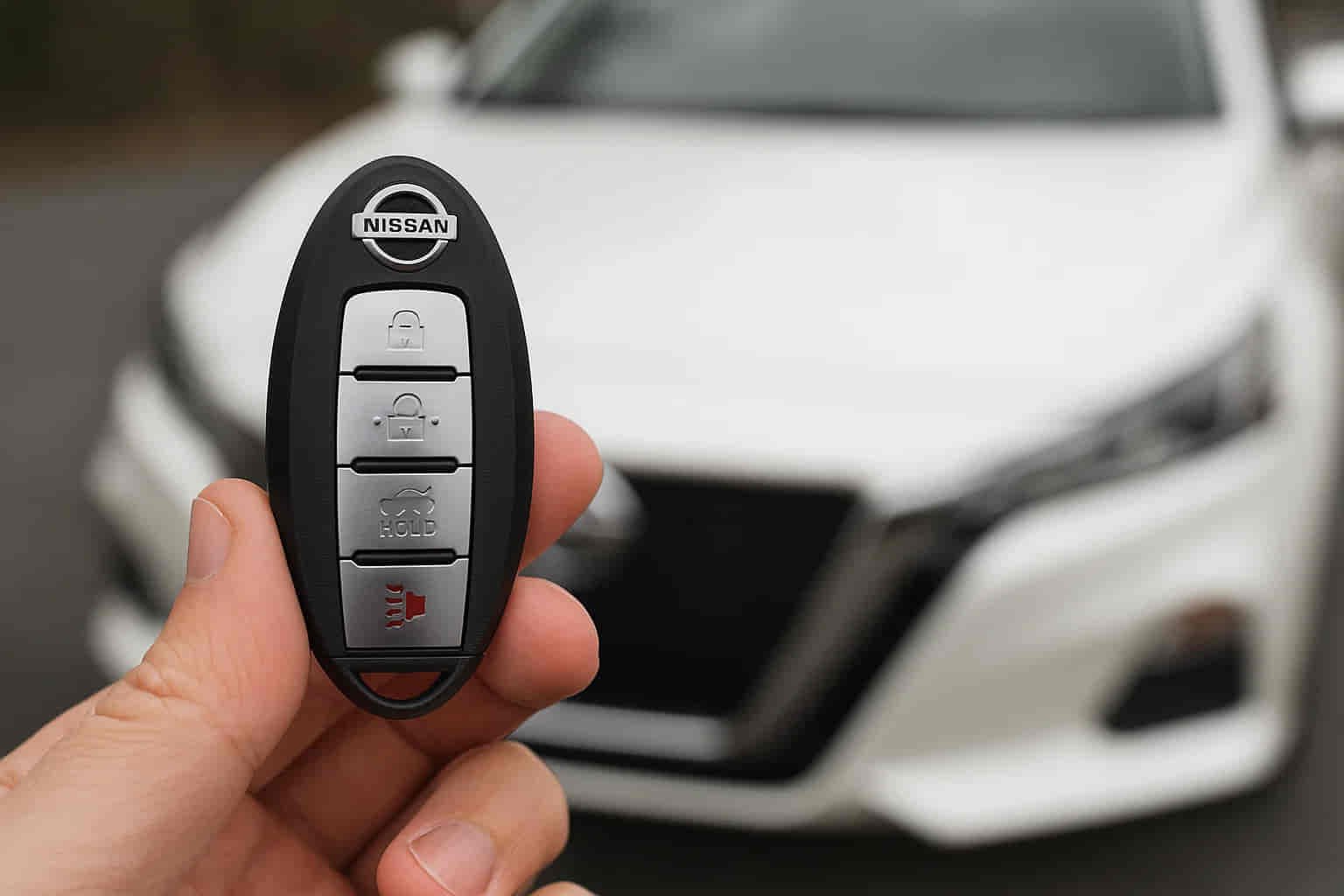
That familiar horn sound after locking your Nissan may seem harmless, but it can become irritating when you are parking late at night or leaving home early in the morning. Fortunately, some Nissan models let you disable the locking sound with the vehicle’s key fob, so there is no need to visit a dealership or change settings in the infotainment system.
Getting the setting changed is quite easy once you know the correct button combination. Press and hold the Lock and Unlock buttons together for at least two seconds. Instead of hearing the usual horn sound, the hazard lights should flash twice to confirm that the setting has been changed. From then on, the car can lock quietly while the lights confirm.
If you prefer having the horn confirmation again, simply repeat the same procedure. The vehicle will restore the locking chirp, allowing you to choose whichever option suits your preference at the time. There is no need for special equipment or professional assistance.
It is also important to understand what this setting actually controls. Turning off the locking confirmation does not disable the vehicle’s security alarm. If the car detects unauthorized entry or another condition that activates its security system, the alarm will still operate as designed.
The adjustment only removes the short horn sound that confirms the doors have been locked during normal use, making it a convenient option for drivers who prefer quieter operation.
2. Selective Door Unlocking
Picture this scenario. You’re walking up to your car in a parking lot, and you’d rather not have every door unlock the instant you touch the handle, especially with strangers nearby or kids who might wander toward the wrong side of the vehicle.
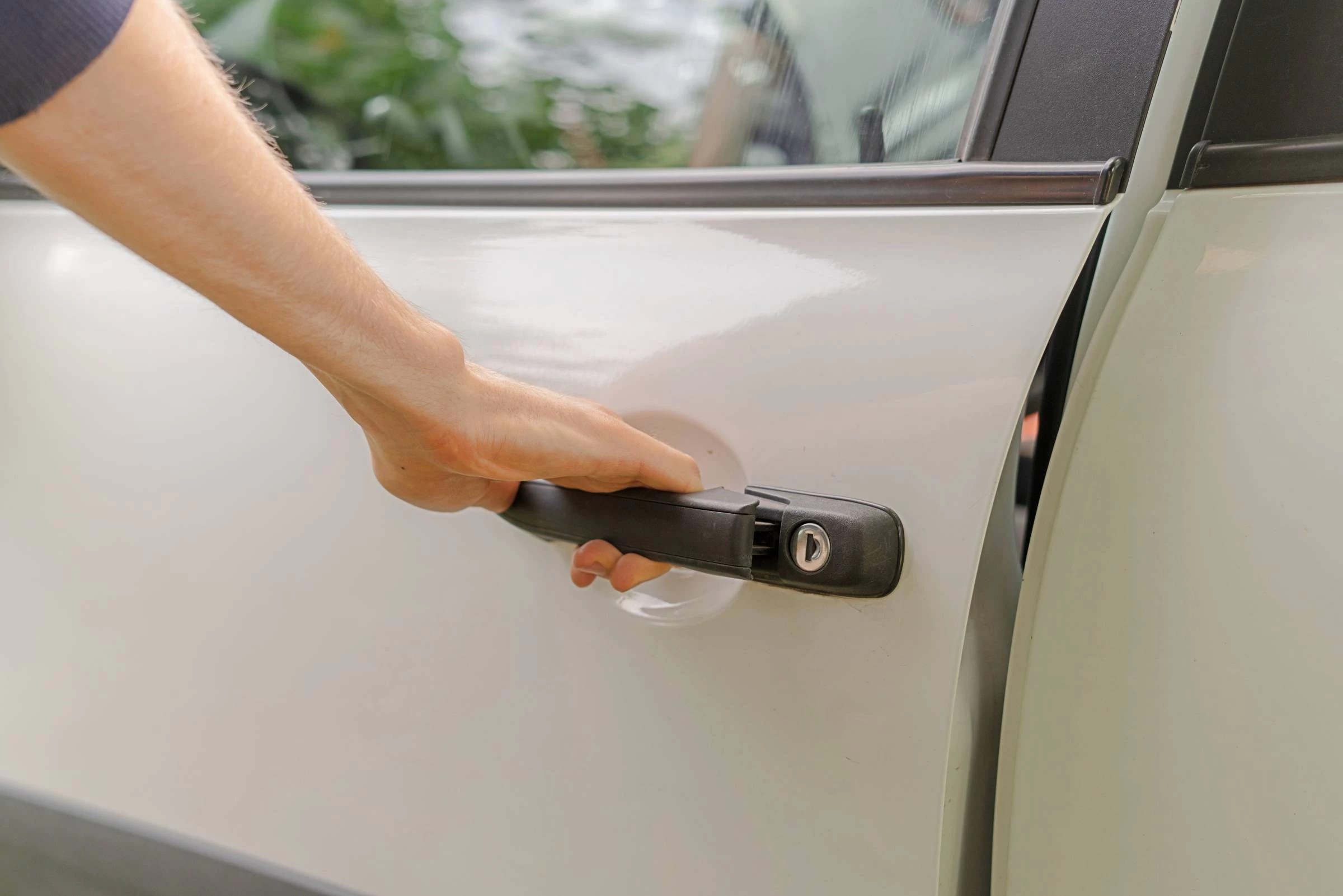
Certain Nissan models solve this through a configurable setting built into the Intelligent Key system. On equipped vehicles, the first press of the exterior door-handle request switch unlocks only the driver’s door. Everyone else stays locked out until you decide otherwise.
If you want to let passengers in too, pressing that same request switch again within a set window of time unlocks the remaining doors. It’s a small sequence, but it puts control back in the driver’s hands rather than defaulting to unlocking the entire vehicle at once.
This setup tends to appeal most to drivers parking in busy areas, whether that’s a crowded downtown street or a packed grocery store lot. Being able to slide into the driver’s seat, get settled, and then decide when to let others in adds a layer of control that a lot of drivers don’t realize their car already offers.
Nissan documents this exact operation in owner’s information for models built with the feature, so anyone curious whether their specific vehicle supports it should check the manual rather than assume every Intelligent Key system behaves identically across the lineup.
3. Hidden Mechanical Key Inside the Intelligent Key
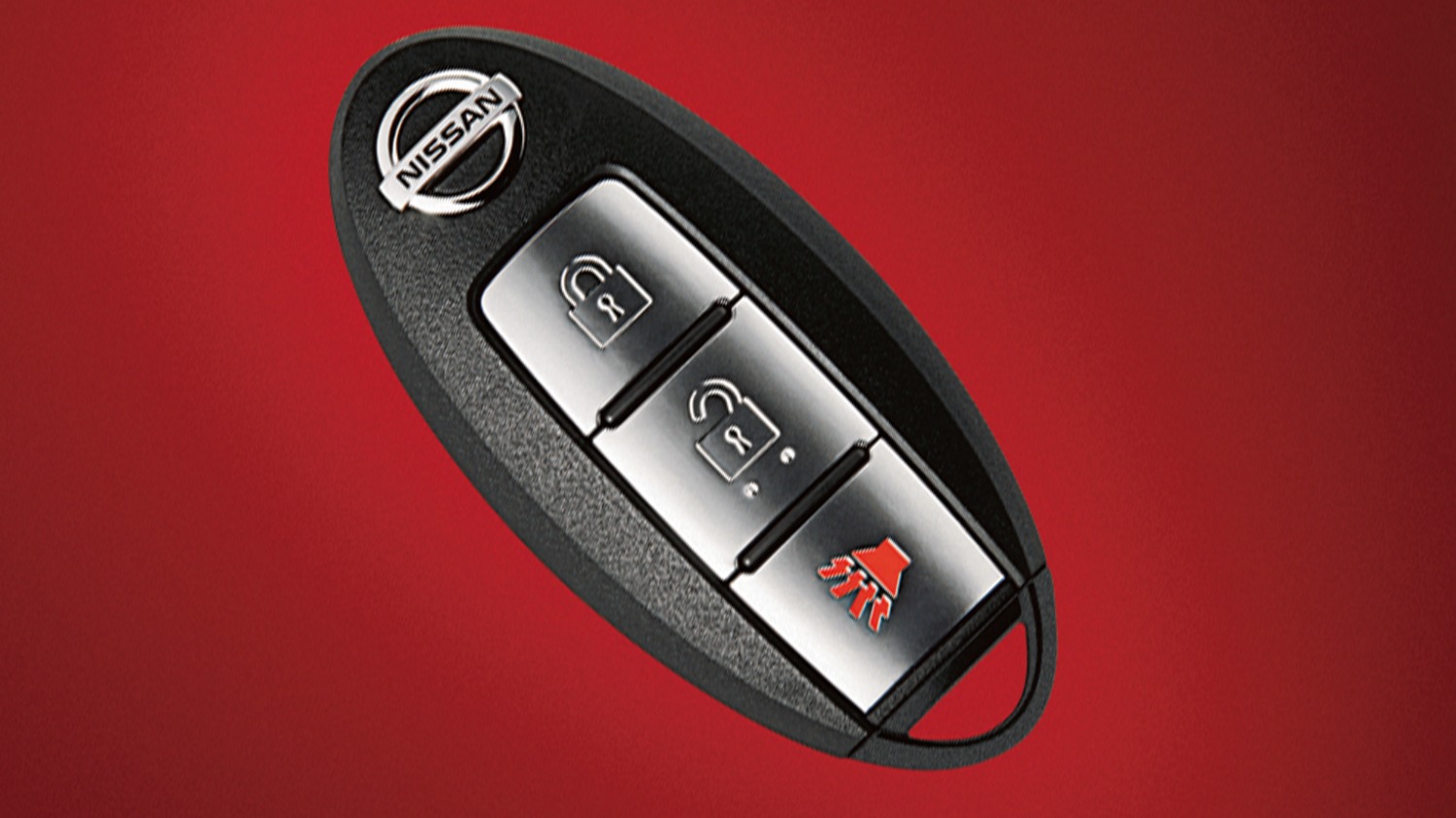
Every Nissan Intelligent Key holds a secret most owners never notice until they actually need it. Tucked inside the fob itself sits a small mechanical key, hidden until pulled or slid out through a release mechanism specific to that particular fob design.
Why does this matter? Key fob batteries die eventually, usually at the least convenient moment possible. When that happens on a vehicle equipped with this backup system, that hidden mechanical key becomes your way back into the car.
Instead of getting locked out entirely, you can use the physical key blade to access the door lock directly, bypassing the electronic system altogether. Finding and removing that mechanical key isn’t always obvious on the first attempt.
Some fobs use a small button or switch that releases the key blade, while others require sliding a cover panel first. The exact mechanism, along with where the physical lock cylinder sits on the car itself, varies depending on which Nissan model you’re driving.
Given how easy it is to forget this feature even exists, it’s worth taking five minutes to locate the mechanical key inside your own fob before an actual emergency forces you to figure it out under pressure.
A quick look through your owner’s manual will walk through the exact release method and show where the corresponding lock sits on your specific vehicle.
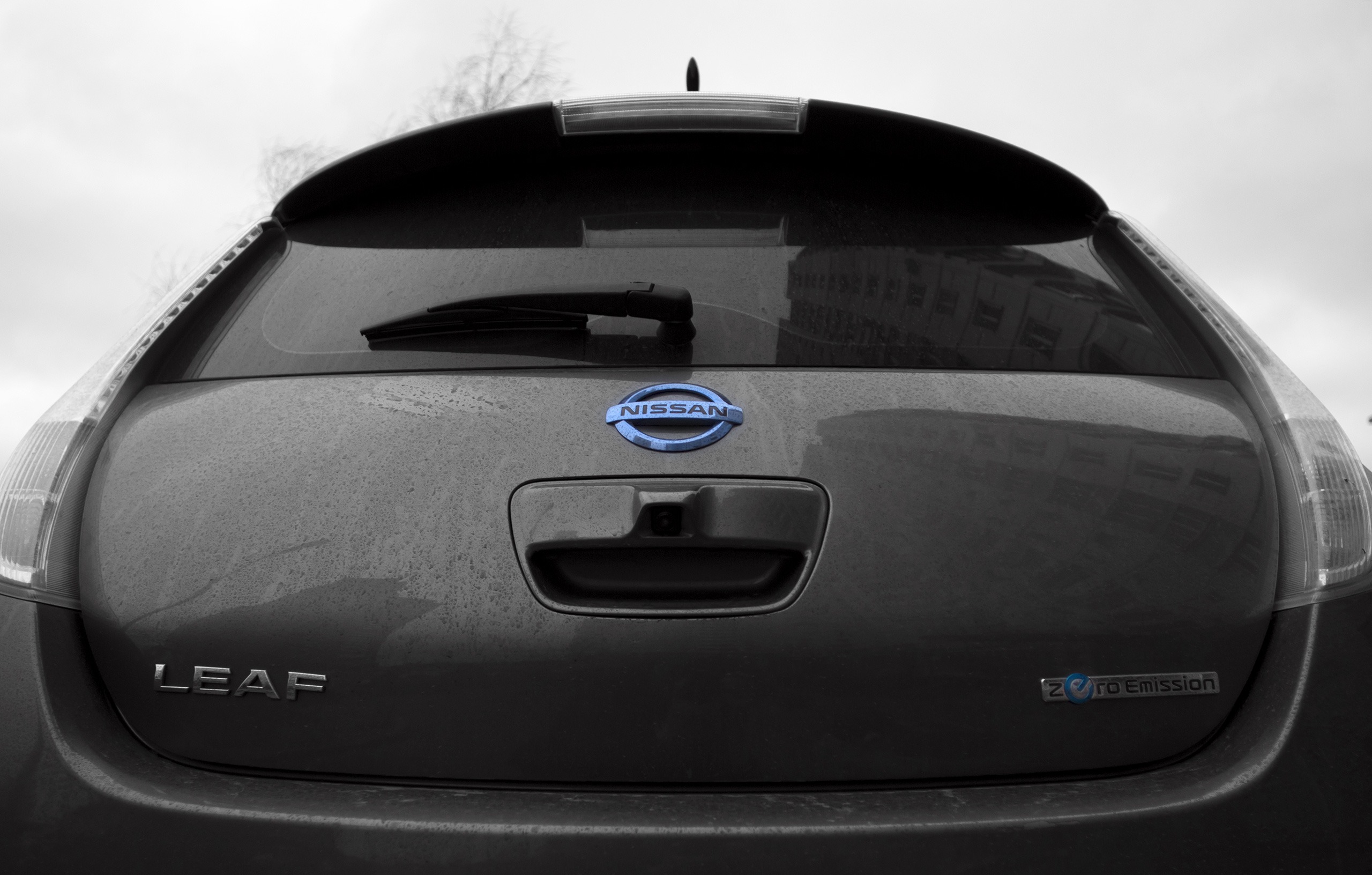
4. Automatic Rear Wiper in Reverse
Reversing out of a parking space during heavy rain can be frustrating, especially when water streaks across the rear window and reduces visibility. Certain Nissan vehicles address this problem automatically, helping clear the rear glass without requiring the driver to operate a separate control.
Here’s how it plays out. When the front windshield wipers are already running, and the transmission gets shifted into Reverse, certain models automatically kick the rear wiper into action too. That timing matters.
Rather than backing up first and then reaching for the rear wiper control, the system anticipates the need and activates before you’ve even started moving. The logic behind this feature makes sense once you think through the alternative.
Rear visibility already tends to be more limited than what’s available through the windshield, and adding rain or snow into that mix compounds the problem considerably. Automating the rear wiper removes one more thing drivers need to remember while already managing mirrors, backup cameras, and surrounding traffic during a reverse maneuver.
This function isn’t universal across every Nissan built. Availability depends heavily on trim level and model year, so drivers curious whether their vehicle includes this automatic pairing between front and rear wipers should check their specific owner’s manual rather than assuming it applies simply because the car has a rear wiper at all.
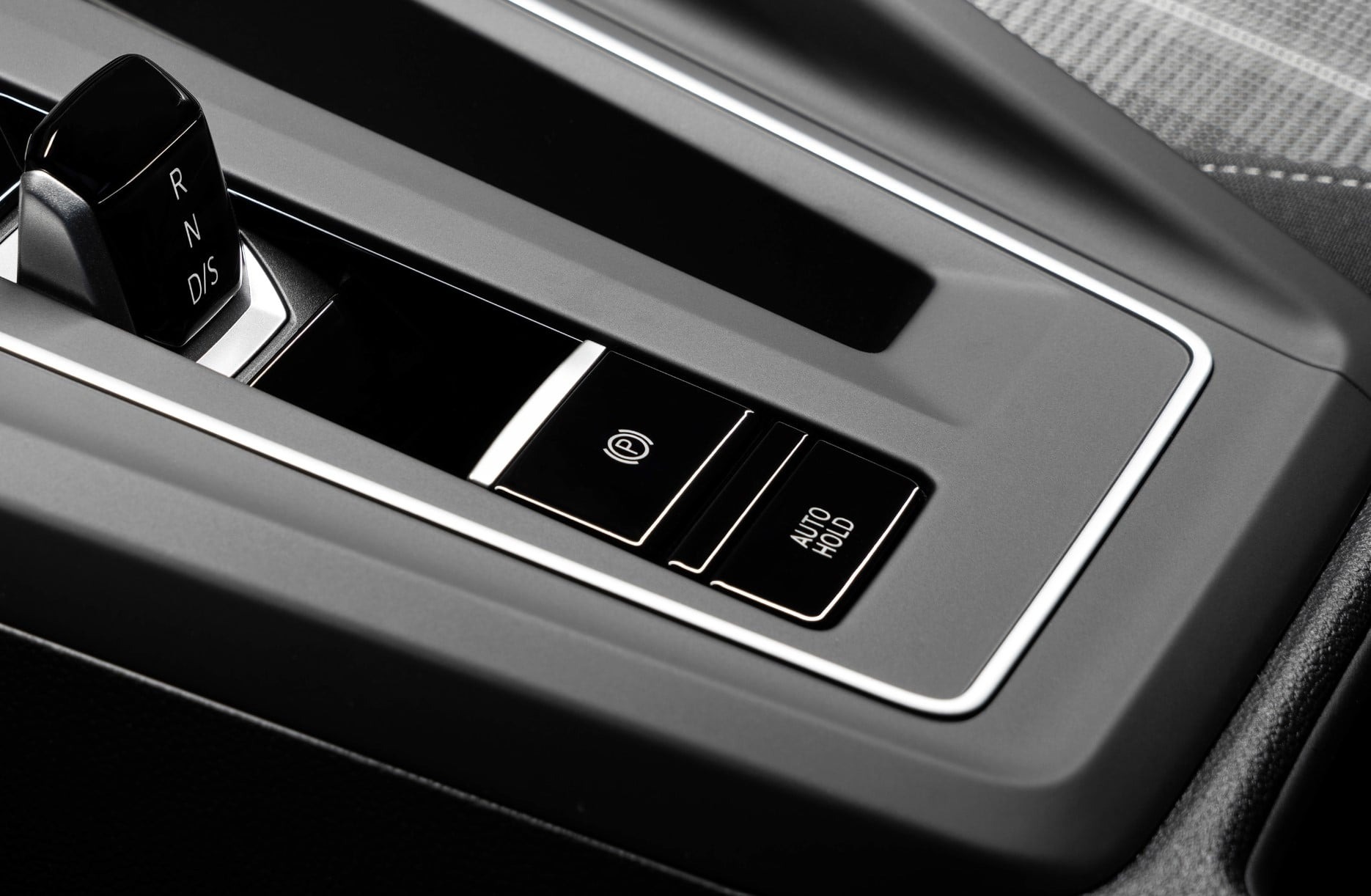
5. Automatic Brake Hold
Sitting at a long red light with your foot pressed against the brake pedal gets tiring after a while, especially in stop-and-go traffic during a commute. Several newer Nissan models include Automatic Brake Hold, a feature built specifically to ease that fatigue.
Once activated, the system takes over holding braking force after the vehicle reaches a complete stop. That means drivers can lift their foot off the pedal entirely while remaining stopped, without the car rolling forward or backward in the meantime.
Releasing the brake pedal doesn’t disengage anything unexpected. The vehicle simply stays put until you press the accelerator again, at which point it releases the hold automatically and moves forward as normal.
Traffic conditions where this shines are easy to picture. Long red lights, backed-up highway exits, stop-and-go congestion during rush hour. Anywhere a driver would otherwise need to keep steady pressure on the brake pedal for an extended stretch, this system takes that physical demand off their plate.
Nissan’s documentation confirms this function specifically on equipped models, meaning it isn’t standard across every vehicle in the lineup. Drivers should check trim-level details for their particular Nissan to confirm whether Automatic Brake Hold comes included, since availability tends to concentrate on newer model years and higher trim configurations rather than appearing across the board.
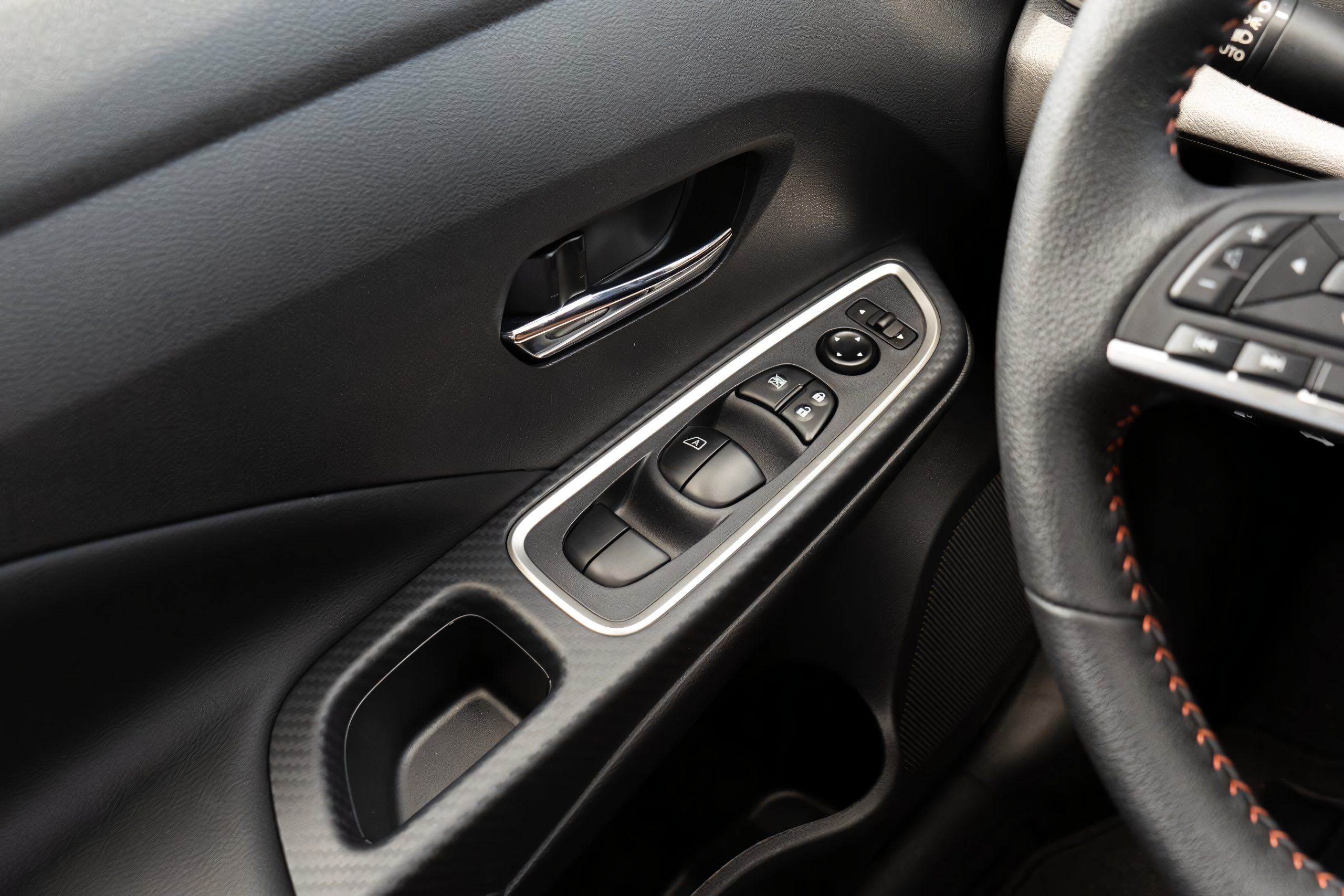
6. Power Window Reinitialization
Ever notice your power windows acting a little off after your battery gets disconnected for service work? That’s not a malfunction. It’s a built-in safety and calibration system doing exactly what it’s designed to do, and most Nissan vehicles require a specific reinitialization process to get everything working normally again.
The general idea involves operating the window controls in a particular sequence, typically running the window fully up or down and holding the switch for a set period beyond what’s normally needed.
This resets the window’s internal memory, which governs features like automatic up and down movement and anti-pinch safety detection. Here’s where drivers commonly run into trouble. There’s no single universal timing that applies across every Nissan model built.
Some vehicles need the switch held for a shorter window, others require a longer hold, and the exact sequence of steps can differ depending on the model year and trim.
Treating any specific number of seconds as a fixed rule across the entire lineup risks leaving the reinitialization incomplete, which can cause the automatic window features to behave inconsistently afterward.
Anyone dealing with battery disconnection, whether from a dead battery, service work, or a battery replacement, should pull up the specific reinitialization steps listed in their owner’s manual rather than relying on a generic method pulled from a different Nissan model entirely.
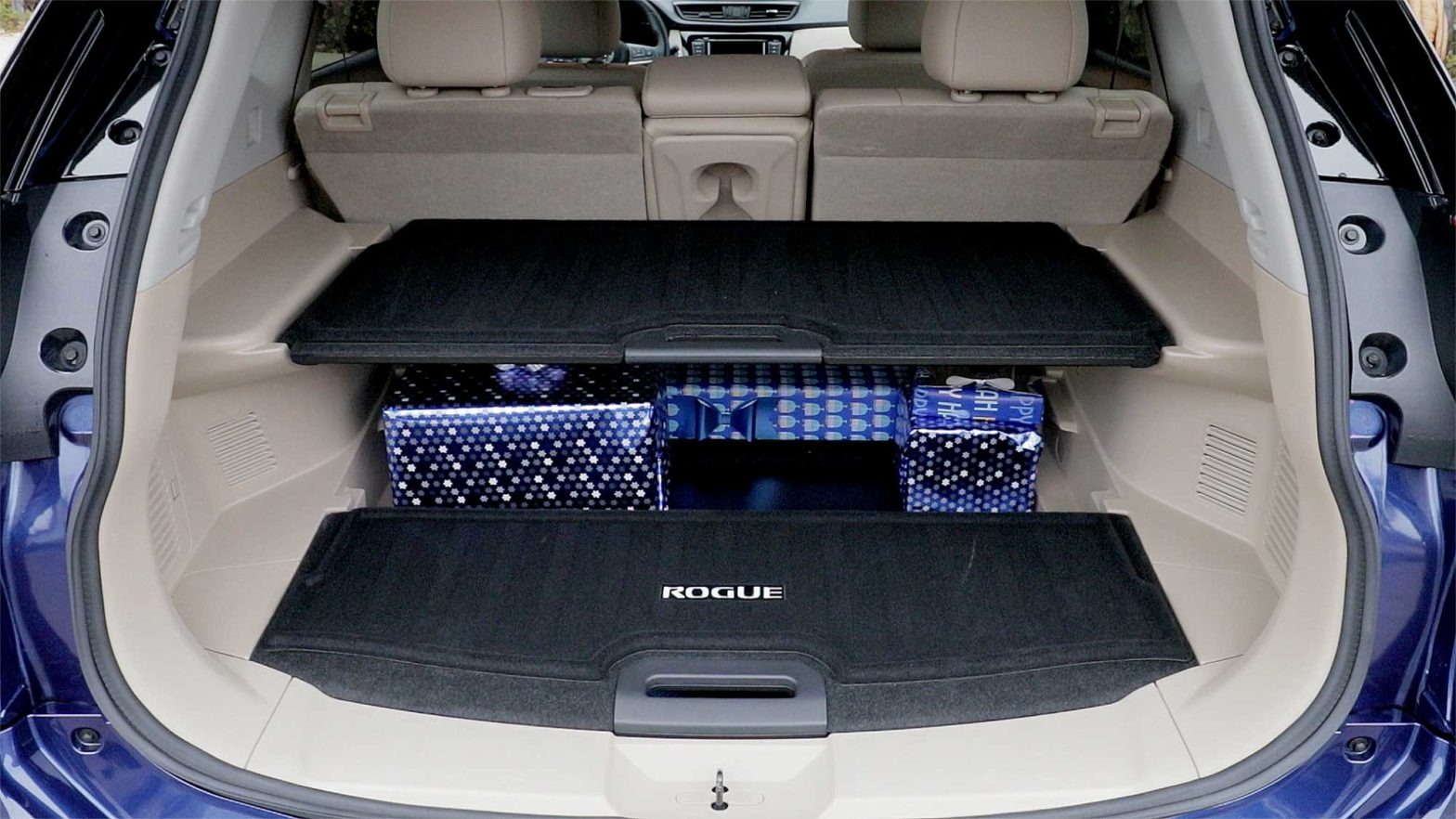
7. Divide-N-Hide Cargo System
Cargo space in an SUV rarely gets used efficiently without some kind of organizational system, and Nissan built exactly that into certain models through what it calls the Divide-N-Hide cargo system.
Versions of the Rogue carry this feature prominently, giving owners a genuinely flexible way to manage whatever they’re hauling. At its core, the system uses adjustable panels positioned within the cargo area. These panels aren’t fixed in one configuration.
Owners can rearrange them to create separate sections, useful for keeping groceries from tipping over during a drive or separating muddy gear from clean items after an outdoor trip.
Beyond simple dividers, the panels can also be arranged to conceal items below the visible cargo floor, adding a layer of storage that stays out of sight from anyone glancing through the rear window.
That concealment aspect matters more than it might seem at first glance. Valuables left visible in a parked car often become targets, and having a built-in way to hide items below the standard cargo floor adds a practical layer of security without requiring any aftermarket accessories or extra effort.
Nissan states that equipped Rogue models can provide multiple cargo configurations through this system, giving owners flexibility that adjusts based on whatever they’re transporting on a given day, whether that’s luggage for a trip, sports equipment, or a simple grocery run that benefits from a little extra organization.
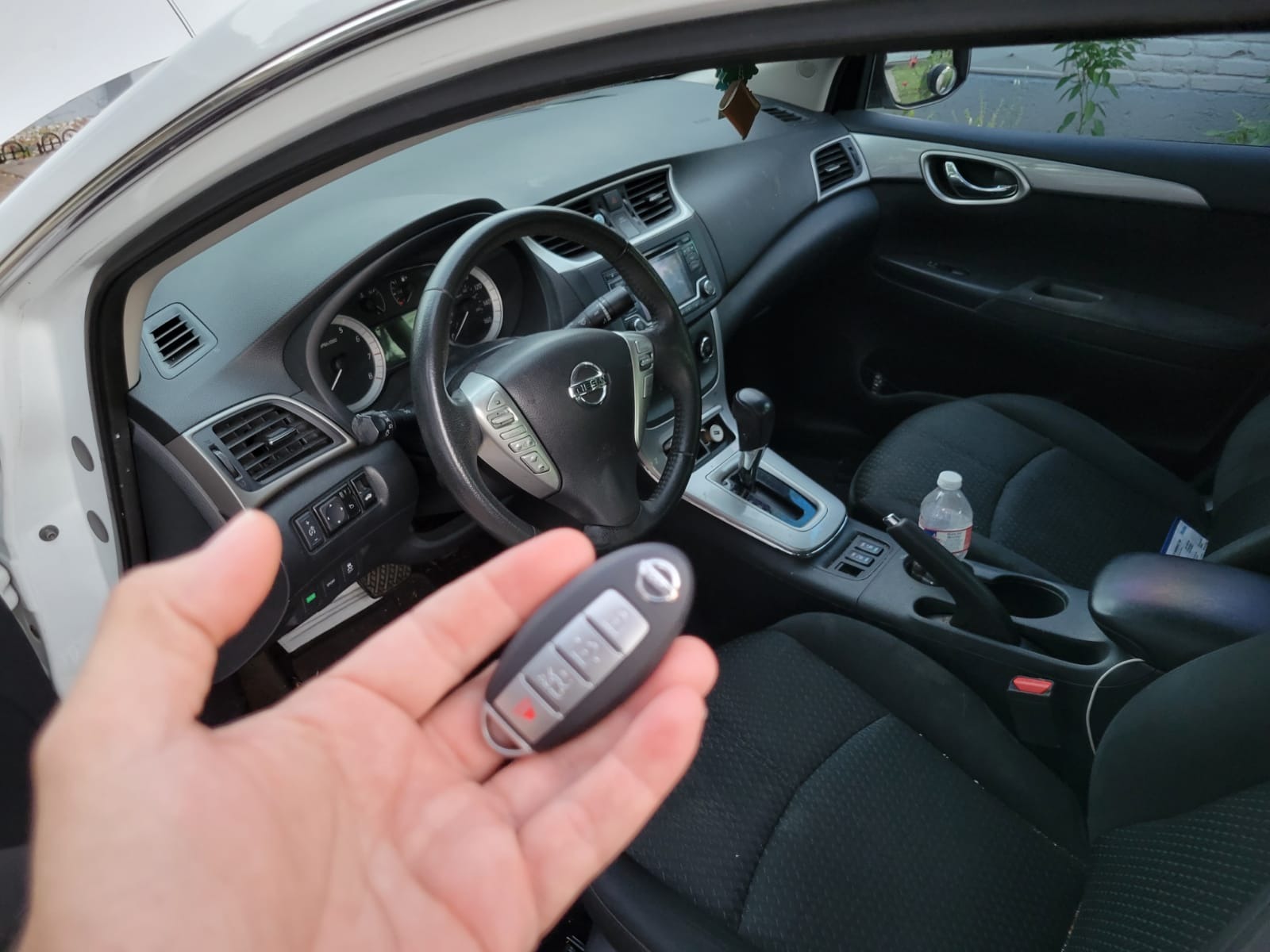
8. Intelligent Key Request-Switch Unlocking
Digging through pockets or a bag for keys while your hands are full of groceries ranks among the more universally frustrating parts of daily driving. Nissan’s Intelligent Key system addresses this directly on equipped models, letting drivers unlock their vehicle without ever removing the fob from wherever it’s stored.
As long as the key stays within the system’s operating range, typically meaning it’s somewhere on your person like a pocket or bag, pressing the request switch built into the door handle triggers the unlock function directly.
No button press on the fob itself required. The car recognizes the key’s presence nearby and responds to the touch on the door handle instead. Depending on how the specific vehicle is configured, that first press might unlock just the driver’s door, mirroring the selective unlocking behavior mentioned earlier.
A second press on the request switch then unlocks the remaining doors, giving drivers the same layered control without ever needing to physically handle the key fob at all.
This kind of proximity-based unlocking has become increasingly common across the auto industry, but Nissan’s implementation through the request switch offers a tactile, straightforward interaction that doesn’t rely on hovering a hand near a sensor or fumbling with a touch-sensitive panel.
It’s a small convenience that becomes noticeable mostly in its absence, once drivers get used to walking up and simply touching the handle.
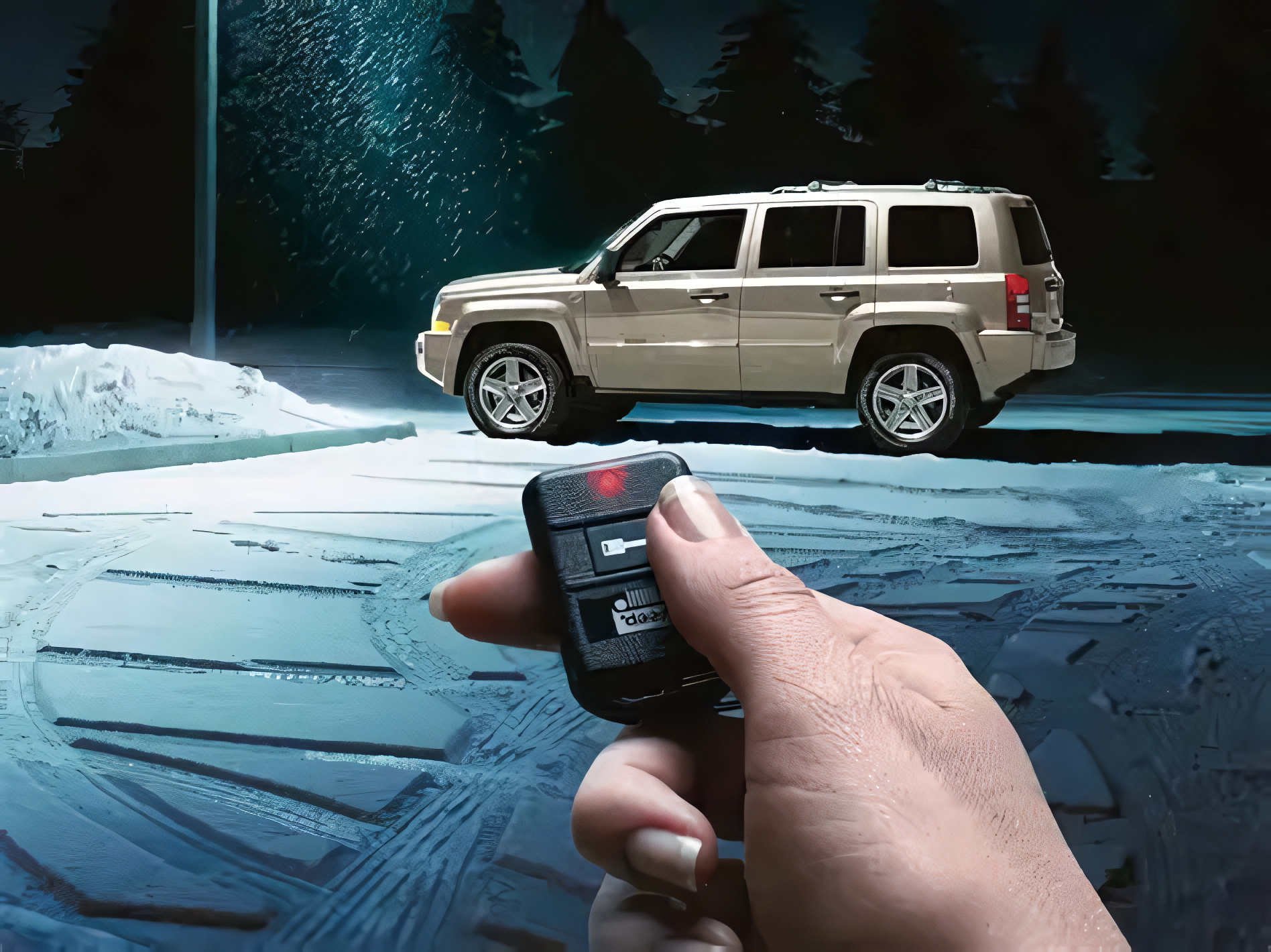
9. Remote Engine Start
Cold mornings and blazing summer afternoons can make getting into a parked car unpleasant. Nissan’s Remote Engine Start gives drivers a simple way to improve the cabin temperature before they get inside. With the key fob, the engine can be started from outside, allowing the vehicle to run before the driver opens the door.
Depending on the Nissan model, the system may also turn on the climate controls. This allows the interior to warm up during chilly weather or cool down when temperatures are high. Instead of sitting through several uncomfortable minutes, the driver can enter a cabin that is already more comfortable.
Nissan also places limits on how long the engine can run without the driver taking control. For example, information for the Kicks states that remote starting provides an initial 10-minute operating period.
If nobody enters and assumes control, the engine shuts off automatically. Other Nissan vehicles may have slightly different settings, but the basic safety feature remains the same.
For drivers dealing with icy windshields or extremely hot interiors, remote start can make trips much easier. If you own a Nissan, checking whether your model includes this feature could be worthwhile, especially if you regularly park outside.
