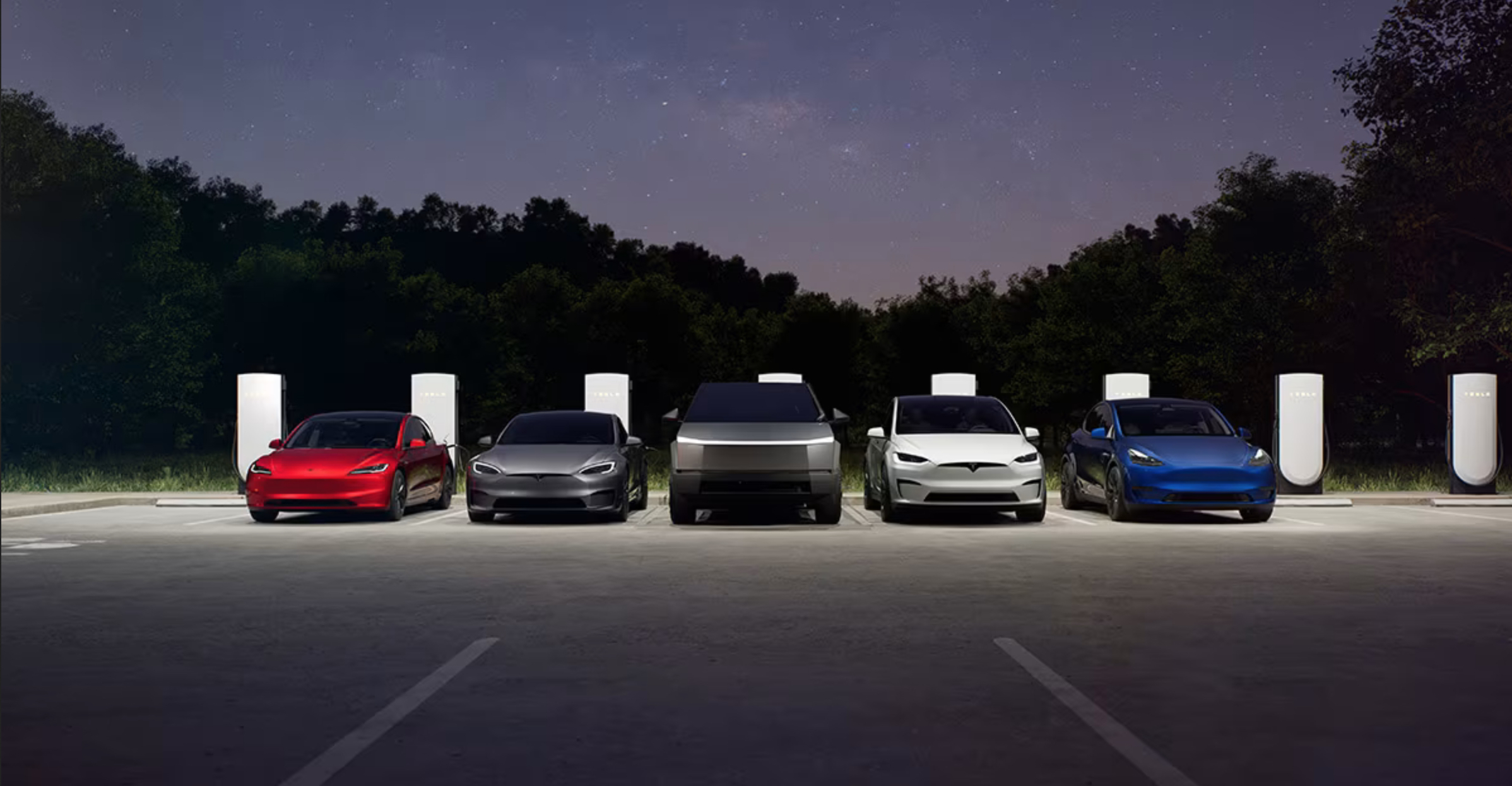
Tesla has achieved a major improvement in Consumer Reports’ 2026 automotive reliability rankings, climbing eight positions to reach ninth place among 26 automakers.
It is the first time the electric vehicle manufacturer has entered the organization’s top 10 for reliability, marking a significant turnaround after years of criticism over build quality and recurring ownership problems.
Consumer Reports credited improvements across Tesla’s vehicle lineup, particularly in body hardware, paint and trim, and electrical accessories. The Model 3 and Model Y delivered especially strong results, while the Cybertruck remained a notable weak point.
Tesla Climbs Eight Places to Become a Top 10 Reliability Brand
Tesla’s ninth-place finish represents one of the most significant improvements in Consumer Reports’ latest reliability assessment. The company moved up eight positions from 17th place in the previous year’s rankings, making it the most improved automaker in the survey.
Its performance is particularly noteworthy because Tesla ranked 27th out of 28 brands in 2022, placing it near the bottom of the reliability table just a few years earlier.
The distinction between reliability rankings and Consumer Reports’ broader brand report card is important. Tesla also finished 10th in the 2026 Automotive Brand Report Card, which combines road-test performance, predicted reliability, owner satisfaction, and safety.
Its ninth-place reliability result is a separate achievement based specifically on predicted dependability. The two rankings measure different aspects of vehicle quality and should not be confused.
Consumer Reports gathered information on approximately 380,000 vehicles for its 2026 assessment, covering model years 2000 through 2025 and some early 2026 vehicles. The organization collected feedback from owners about problems experienced during the previous 12 months and analyzed up to 20 potential trouble areas.
These include engines, transmissions, electric motors, batteries, charging systems, suspension, interior electronics, and vehicle hardware.
The survey is designed to measure the ownership problems people actually experience rather than relying exclusively on manufacturer specifications or laboratory testing. Serious issues that can lead to expensive repairs receive greater weight in the reliability calculations. The results are then used to estimate how dependable newer vehicles are likely to be.
For Tesla, the improvement reflects progress in areas that have historically damaged its reputation. The company has received criticism over inconsistent panel alignment, paint defects, interior fit and finish, and electrical accessories.
Consumer Reports says the frequency of problems involving body hardware, paint and trim, and electrical accessories has decreased substantially.
These improvements matter because Tesla’s electric powertrains have generally been one of its strongest areas. The company has developed extensive experience with electric motors, battery systems, and power electronics since beginning production of the Model S in 2012.
However, dependable propulsion does not automatically make an entire vehicle reliable. Owners also depend on door mechanisms, windows, seats, climate controls, electronics, and body components functioning properly.
Tesla’s latest ranking suggests that its improvements are extending beyond the powertrain. That is a meaningful development for a manufacturer whose reputation has often been divided between strong electric vehicle technology and inconsistent manufacturing quality.
Model 3 and Model Y Lead Tesla’s Reliability Improvement
The Model 3 sedan and Model Y SUV were major contributors to Tesla’s improved performance.
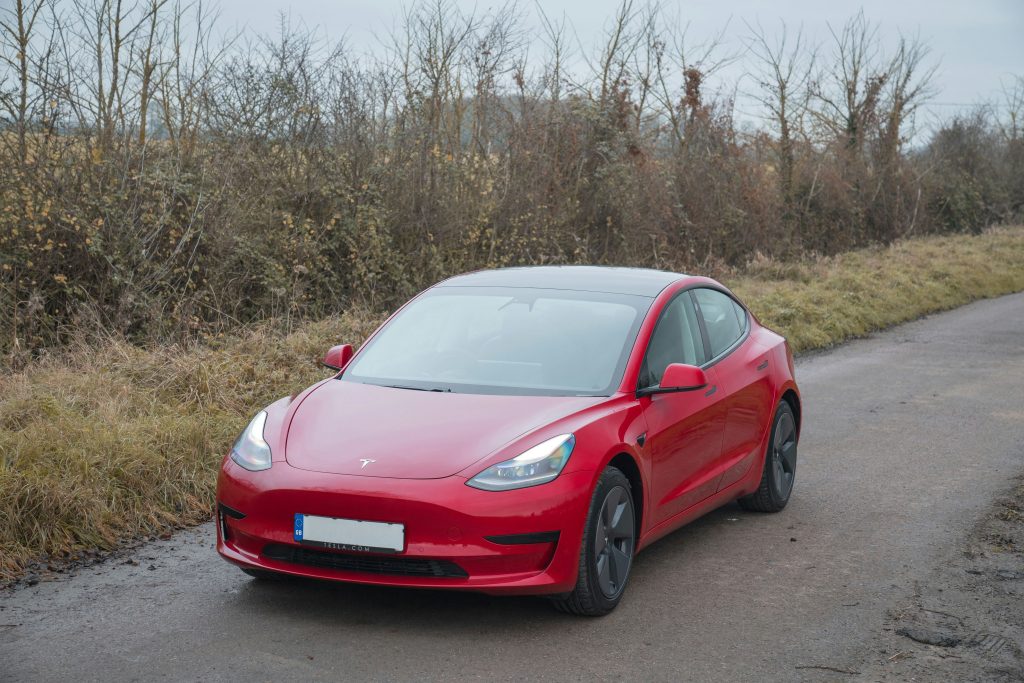
According to Consumer Reports, the Model 3 ranked as the most reliable electric car in its survey, while the Model Y earned the top spot among electric SUVs and all electric vehicles. Both models also received higher predicted reliability ratings, reflecting improvements in their reported performance.
The Model 3 has been part of Tesla’s lineup since 2017 and has undergone several production and equipment revisions. Its established manufacturing process gives the company an opportunity to address recurring problems without introducing an entirely new vehicle architecture. The latest survey indicates that its reliability has reached an above-average level.
The Model Y has followed a similar path. Introduced in 2020, it shares substantial engineering and manufacturing components with the Model 3. That relationship can help Tesla apply production improvements across both vehicles.
Consumer Reports’ latest findings suggest that the SUV has become one of the strongest performers in its electric vehicle reliability assessment.
The results are particularly important because these are Tesla’s highest-volume models. Improvements in their reliability can influence the ownership experience of a much larger number of customers than changes affecting a low-volume specialty vehicle.
Tesla’s two older models also improved. The Model S sedan and Model X SUV received average predicted reliability ratings in the latest survey.
The Model S has been on sale since 2012, making it one of the longest-running electric vehicle nameplates in the modern market. Its long production history has allowed Tesla to refine manufacturing processes and address problems across successive model years.
The Model X has a more complicated history. Its distinctive falcon-wing rear doors and associated mechanisms have been a source of reliability concerns.
Consumer Reports has previously declined to recommend the SUV because of problems involving those doors. Its improvement to average reliability is encouraging, but it does not mean every earlier concern has disappeared.
The Cybertruck remains the exception in Tesla’s lineup. Consumer Reports rated it below average for predicted reliability, making it the only Tesla model in the survey with that assessment.
As a relatively new vehicle with a distinctive stainless-steel body, unconventional construction, and new components, it faces a different reliability challenge from the more established Model 3 and Model Y.
This result also demonstrates why a strong brand ranking should not be interpreted as proof that every model from a manufacturer is dependable.
Tesla’s ninth-place position reflects improvements across its range, but buyers considering a Cybertruck should pay attention to its individual reliability assessment rather than relying on the company’s improved brand reputation.
What Helped Tesla Improve, and What Buyers Should Know
One major factor behind Tesla’s improvement is manufacturing consistency. Consumer Reports Senior Director of Auto Testing Jake Fisher has explained that Tesla’s relatively unchanged vehicle lineup may actually be helping its reliability.
The company has spent years producing similar models in established factories, giving it opportunities to identify recurring problems and refine production processes.
This is an important distinction in the automotive industry. A completely redesigned vehicle can introduce new engines, electronics, suspension components, and manufacturing processes simultaneously. Even when the engineering is promising, those changes can create problems that only become apparent after customers begin using the vehicles.
Tesla’s experience suggests that refining an established design can produce meaningful reliability improvements. The Model 3 and Model Y have received manufacturing and component updates over several years, allowing the company to address weaknesses without completely replacing their underlying platforms.
The findings also highlight the difference between electric powertrain reliability and complete vehicle reliability. Tesla’s electric motors and propulsion systems have generally performed well in Consumer Reports’ assessments. Its historical problems have more frequently involved vehicle construction, body components, and electrical accessories.
This is relevant because electric vehicles are not automatically more reliable than gasoline-powered cars. Consumer Reports found that EVs and plug-in hybrids experienced approximately 80% more problems on average than conventional gasoline vehicles in its latest survey.
Charging equipment, batteries, and electric drive systems remain potential trouble areas, particularly in newer vehicle designs.
Tesla’s improvement is therefore significant, but it does not overturn the broader findings about electric vehicle reliability. Instead, it shows that established EV manufacturers can improve their products as production experience accumulates.
For American buyers, Tesla’s latest results provide a stronger reason to consider the Model 3 and Model Y when comparing electric vehicles.
The Model Y’s position as Consumer Reports’ most reliable electric vehicle is particularly notable because it combines strong predicted dependability with the practicality of an SUV. The Model 3 also benefits from its leading position among electric cars.
However, used-car shoppers should be more cautious. Consumer Reports placed Tesla 26th in its used-car reliability rankings, a much weaker result than its ninth-place position for new-car reliability.
This distinction suggests that improvements in recently produced vehicles do not automatically eliminate problems associated with older model years. Buyers considering a used Tesla should check its service history, condition, warranty coverage, and the specific model year’s reliability record.
Tesla’s next challenge will be maintaining this progress as it introduces new products and updates existing models. The Cybertruck’s below-average result shows that newer designs can still experience reliability setbacks.
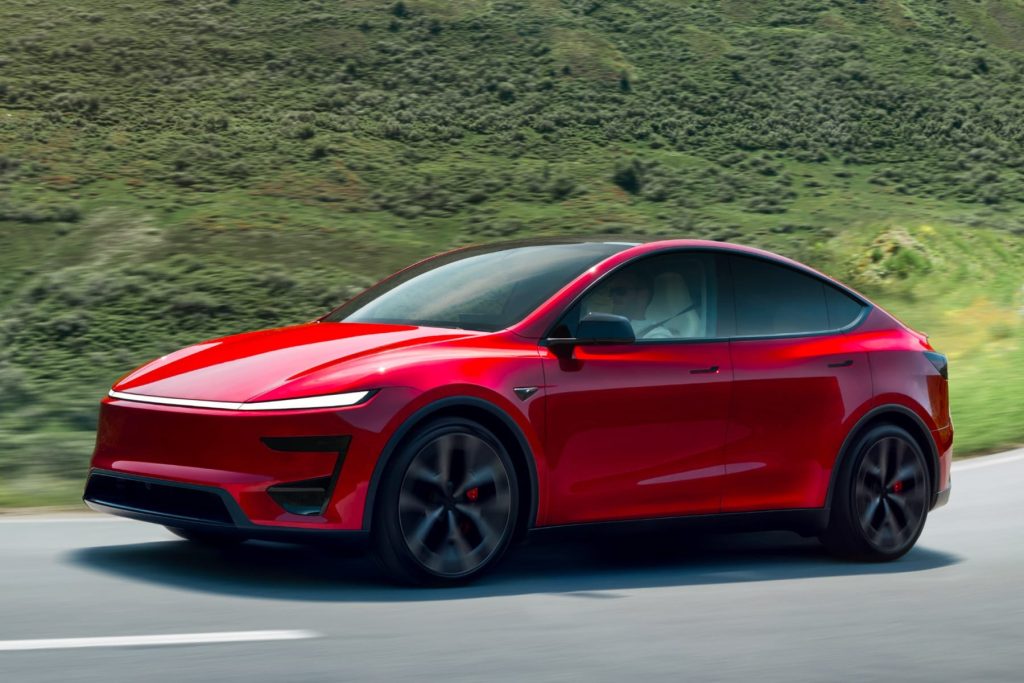
Future changes to vehicle architecture, manufacturing methods, and electronic systems will need to deliver improvements without creating another round of quality problems.
The 2026 Consumer Reports findings nevertheless represent an important milestone for Tesla. Moving from 17th to ninth place and becoming the survey’s most improved brand demonstrates that its manufacturing quality has made measurable progress.
The Model 3 and Model Y are now leading performers in their respective electric vehicle categories, while the Model S and Model X have reached average reliability.
Tesla has not become the most reliable automaker, and its Cybertruck still has significant ground to cover. But entering the reliability top 10 for the first time is a substantial achievement for a company that was near the bottom of the rankings in 2022.
The next test will be whether Tesla can maintain that position as its vehicles become more technologically advanced and its lineup continues to evolve.