
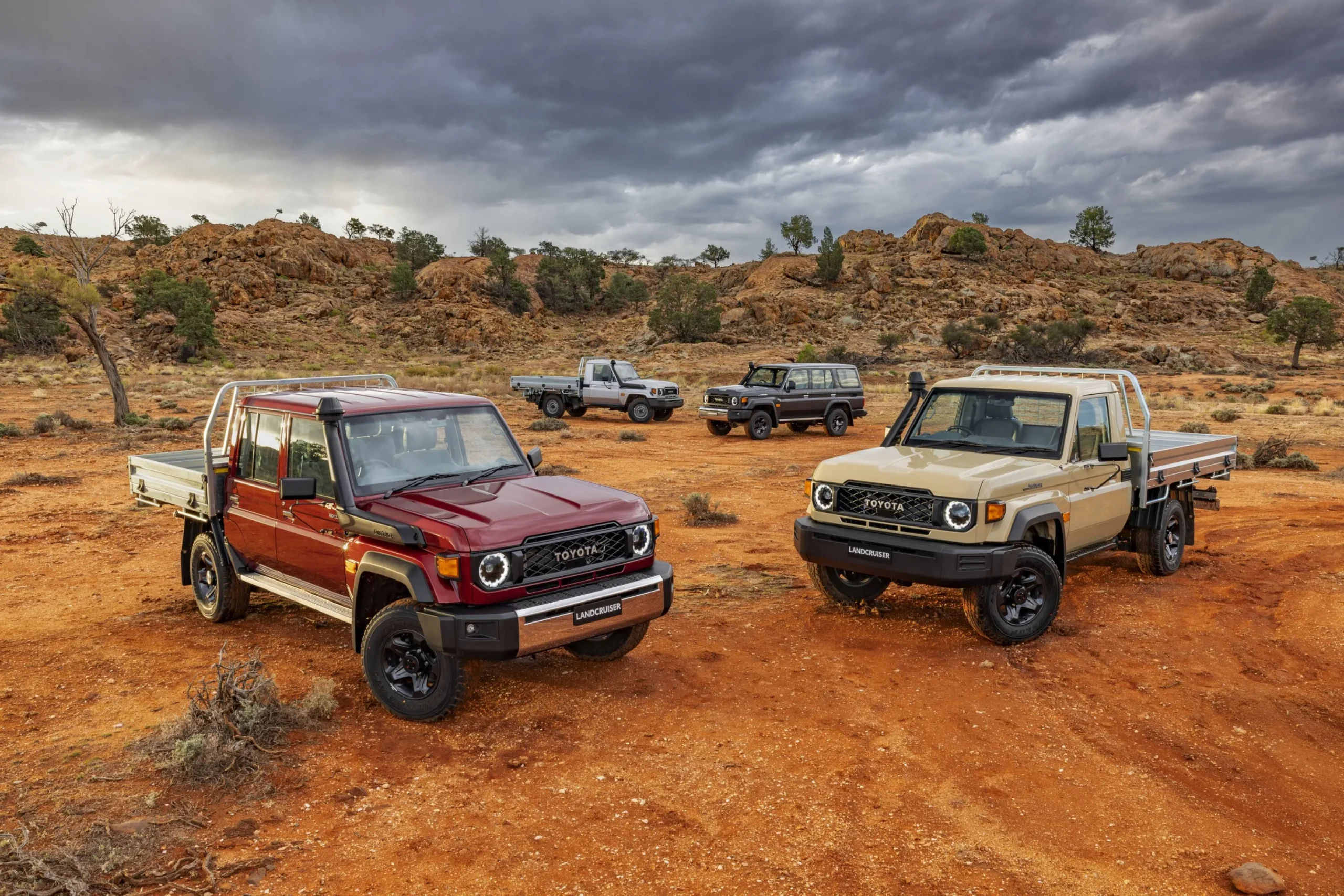
You know that feeling when you walk past a parked car and something just makes you stop and stare? That exact thing is happening right now in dealership auctions across the globe, but here’s the interesting part: people are not losing their minds over some flashy new release with all the fancy tech and electric motors.
Instead, they are going absolutely wild for an old Toyota that most folks probably forgot even existed. Yes, you heard that right. Grown men and women who buy and sell vehicles for a living are practically fighting each other to get their hands on a particular Toyota model that rolled off the assembly line years ago.
What makes this whole situation even more surprising is the amount of money changing hands. We are talking about auction prices that would make you think someone is bidding on a brand-new luxury vehicle straight from the showroom floor. But no, this is a used Toyota, and yet dealers are treating it like the Holy Grail of automobiles.
Some of these cars are going for more money now than they cost when they were brand new, which sounds completely mad until you dig deeper and understand what is really going on here. There is a perfect storm of factors creating this frenzy, and it tells us something fascinating about how the car market works, what people truly value in their vehicles, and why sometimes the old ways are actually the best ways.
Let’s break down this automotive mystery and discover exactly why dealers seem to be unable to get enough of this particular Toyota model.
The Toyota Behind the Trend
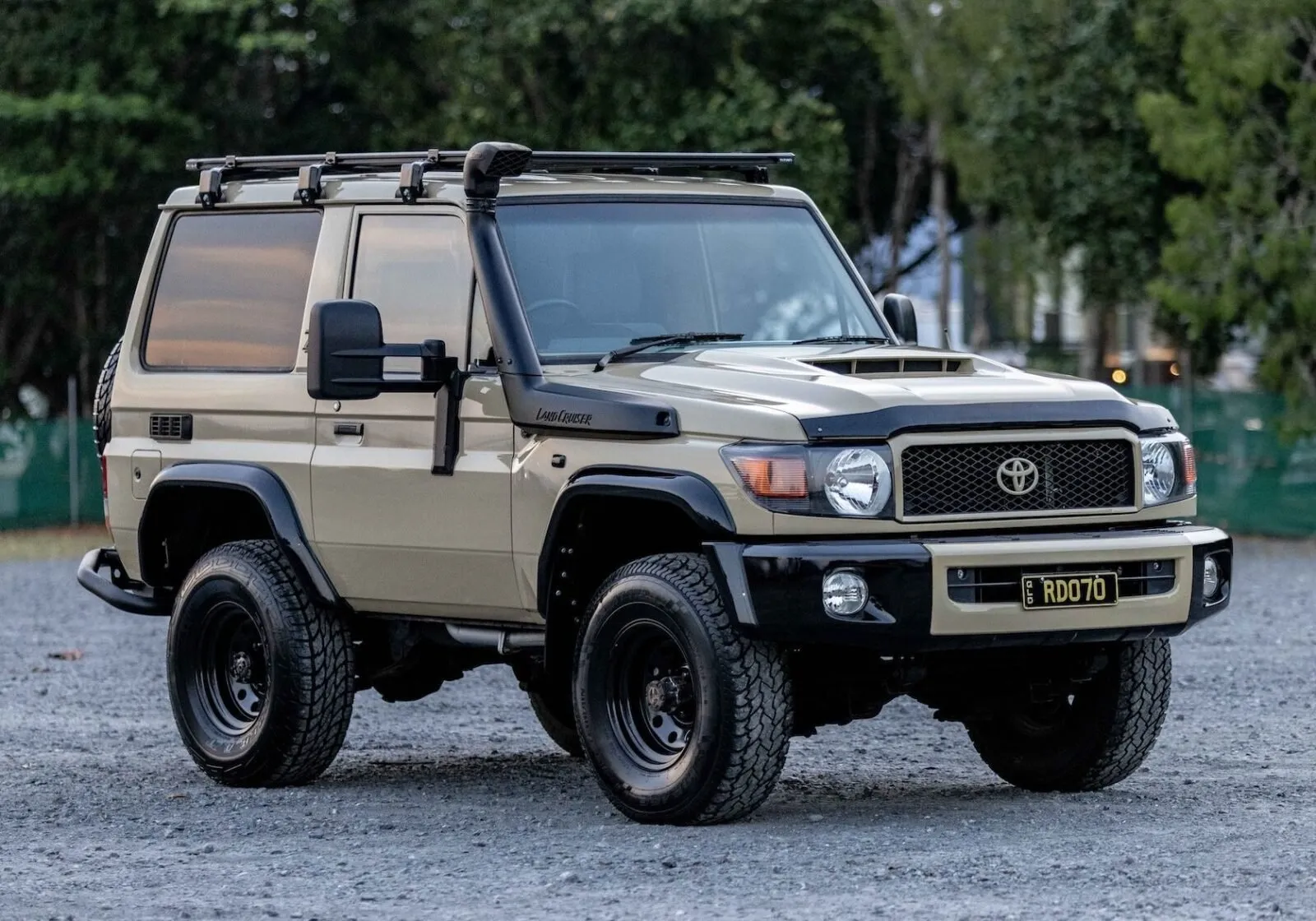
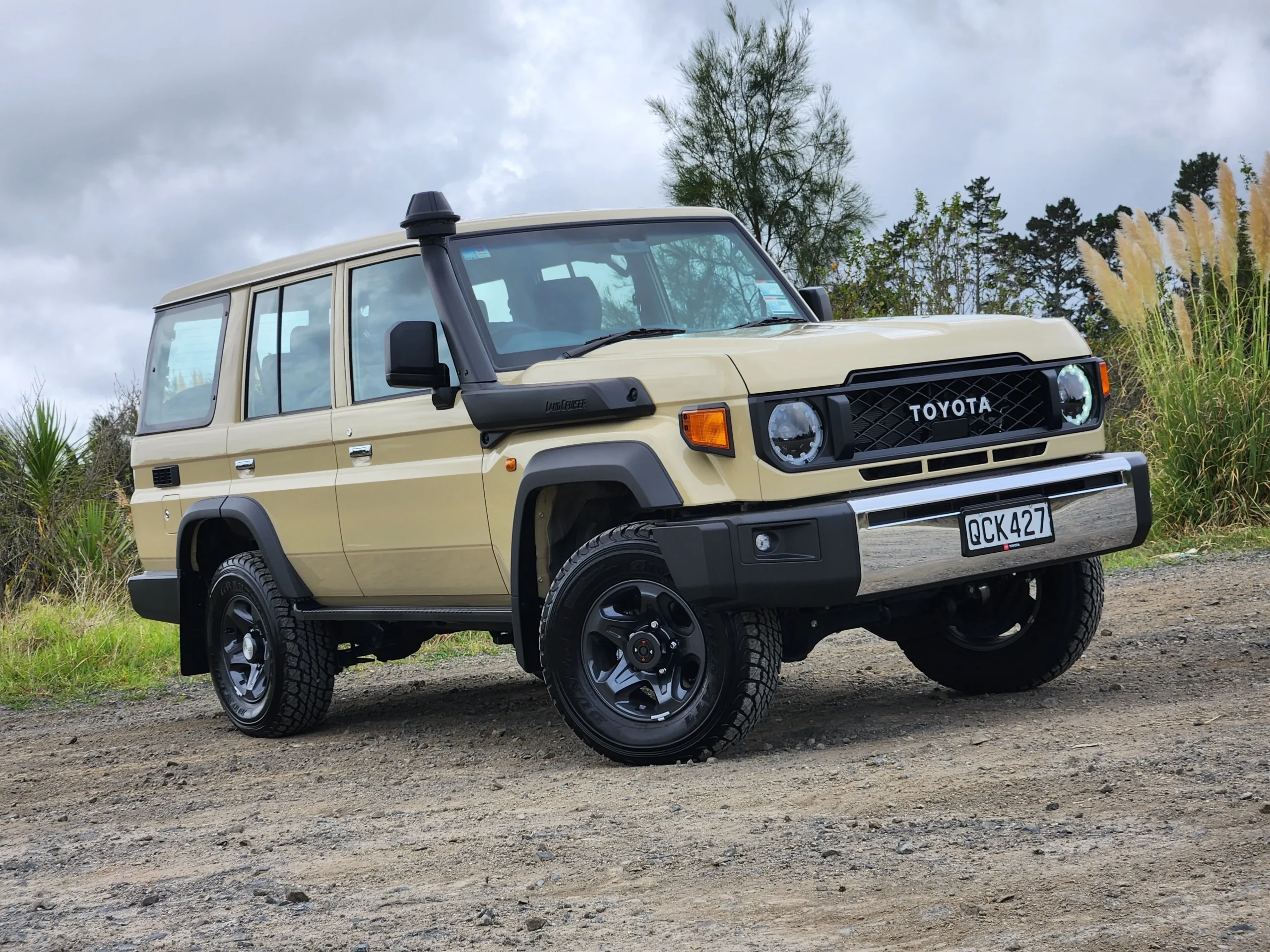
Right, so which Toyota are we even talking about here? Drum roll, please: it’s the Toyota Land Cruiser 70 Series that has got everyone acting like they have lost their senses at these auctions. Now, before you start thinking this is just another SUV story, let me tell you why this particular vehicle is different from everything else you see on the roads today.
First manufactured back in 1984, this beast has been in continuous production for nearly four decades, which already tells you something important. Car manufacturers do not keep making the same model for that long unless people are buying it, and people do not keep buying the same thing for forty years unless it actually works.
But what exactly makes the Land Cruiser 70 Series so special that dealers are practically throwing money at it? Well, start with the fact that it was built during an era when vehicles were designed to last forever, not to be replaced every few years.
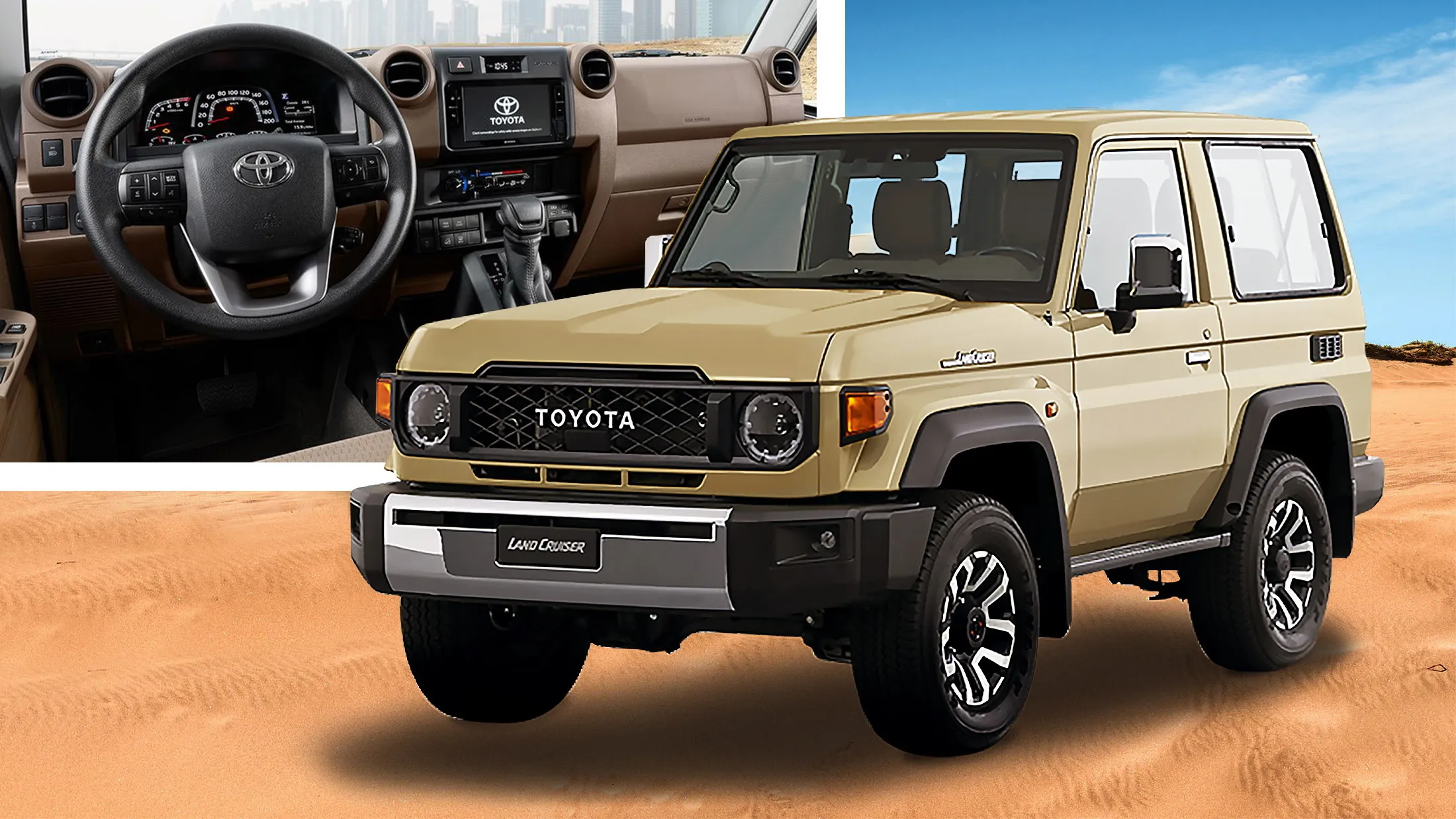
We are talking about a time when engineers focused on durability and reliability instead of how many screens they could fit inside the dashboard.
This Land Cruiser came with a solid front axle, a ladder frame chassis, and mechanical systems that any decent mechanic could fix with basic tools. Nothing fancy, nothing computerized to the point where you need a software engineer just to change the oil.
What really gets people excited, though, is how this vehicle performs in the real world. Take it to the most remote village in the countryside, drive it through mud that would swallow other SUVs whole, or use it to haul loads that would make modern crossovers weep, and the Land Cruiser 70 Series just keeps going.
Farmers love it, adventure seekers swear by it, and businesses that need reliable transportation in harsh conditions will not use anything else. It has proven itself in Australian outback conditions, African deserts, South American mountains, and Middle Eastern sandstorms. When your vehicle can handle all that without breaking down, people notice.
Comparing this to something like the Jeep Wrangler Rubicon might seem fair on paper since both are proper off-roaders, but the Toyota has this reputation for simply refusing to die. While the Wrangler has its own loyal following and impressive capability, the Land Cruiser 70 Series has become legendary for going 300,000 kilometers and still running like it just left the factory.
Dealers know this, which is why they are willing to pay premium prices for well-maintained examples. A Land Rover Defender 110, another iconic off-roader, also commands high prices now, but even those are not seeing the same auction frenzy as the Toyota. That tells you something about how much people trust this particular machine.
Also Read: Why Dealers Fight Over This Toyota SUV at Auction
Why Dealers Are Going Crazy at Auctions
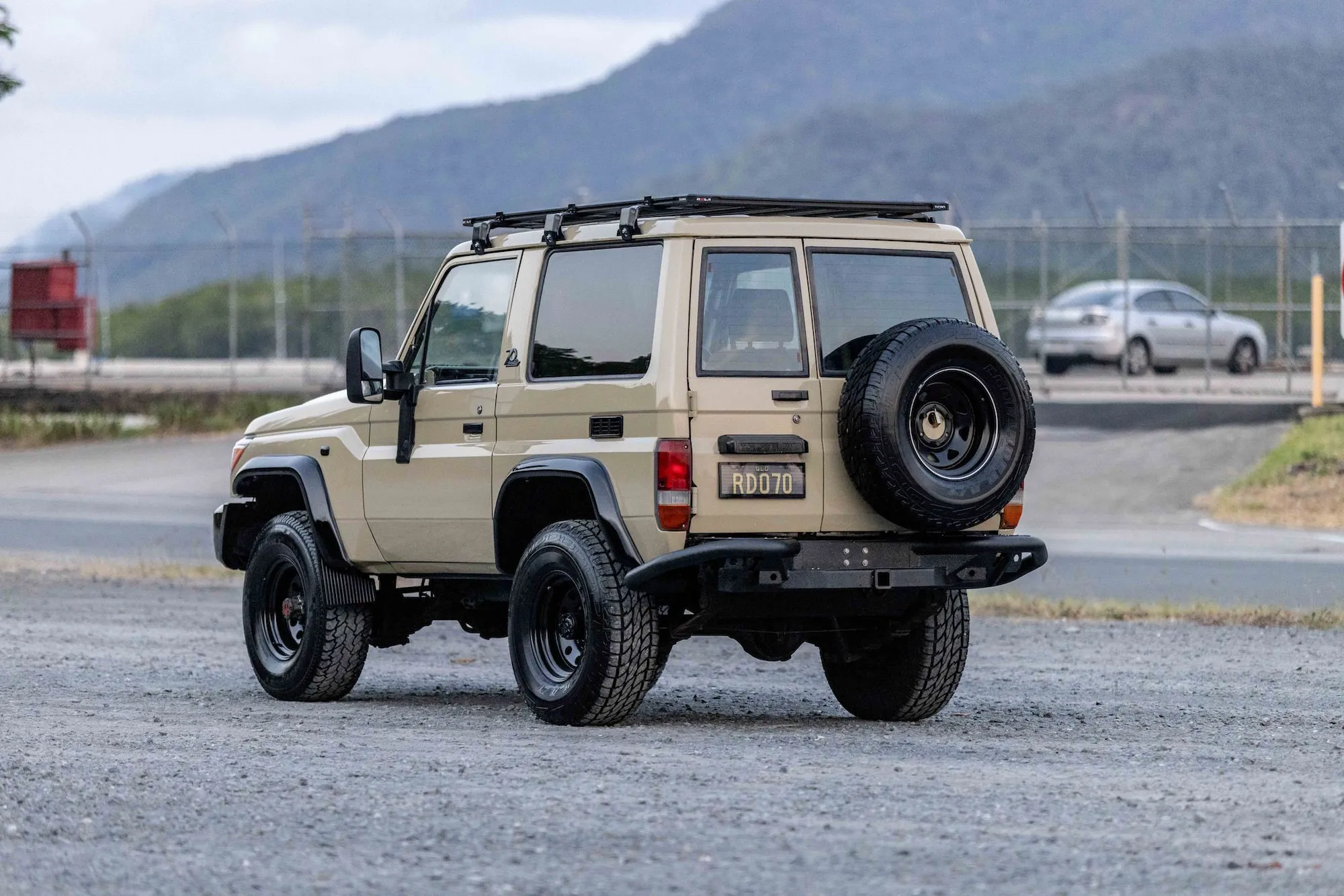
Let’s talk about what actually happens when one of these Land Cruisers shows up at a dealer auction. Picture this: experienced car dealers who have seen everything, who normally keep poker faces and bid strategically, suddenly start acting like fans at a concert when their favorite artist walks on stage.
Hands shoot up, bids climb rapidly, and before you know it, the hammer falls at a price that makes everyone in the room shake their heads in disbelief. But here’s the thing, those same dealers walk away happy because they know what they have just bought.
Professional car dealers are not stupid people. They do not throw money around for fun. Every dollar they spend at auction needs to come back with profit attached, which means they only bid high on vehicles they know they can sell for even more.
When they are fighting each other to buy an old Land Cruiser 70 Series, it is because they have customers already lined up waiting for exactly that vehicle. These are not speculative purchases. These are dealers who know that the moment they park that Toyota on their lot, someone will come and buy it, probably within days, possibly within hours.
Several factors drive this dealer’s enthusiasm. First, there is the simple economics of supply and demand. Toyota stopped selling the Land Cruiser 70 Series in many markets, which means the supply of good examples keeps shrinking while demand keeps growing. Second, these vehicles have proven their worth in the used car market.
A dealer who buys a Land Cruiser today knows it will still be worth good money five years from now, which is not something you can say about most vehicles. Try buying a Nissan Patrol Y62 and watch its value drop the moment you drive it off the lot. Great vehicle, sure, but the resale value does not hold like the Toyota.
Then there is the practical side of things. Dealers love vehicles that do not come back to haunt them with warranty claims and angry customers. When you sell someone a Land Cruiser 70 Series, you are selling them something that will probably outlast their mortgage. That creates happy customers who tell their friends, which brings more business.
Compare that to selling someone a modern Mitsubishi Pajero Sport that might look good but could have electrical gremlins or transmission issues down the line. Dealers have long memories about which brands cause problems and which ones just work.
Speaking of working, let’s talk about repair costs. When a modern Ford Everest breaks down, you are looking at diagnostic computers, specialized tools, and parts that might need to be ordered from halfway around the world. When a Land Cruiser 70 Series needs fixing, any competent mechanic can sort it out with standard tools and parts that are widely available.
Dealers factor this into their bidding because they know their customers care about long-term ownership costs. Nobody wants to buy a vehicle that costs a fortune to maintain, which is why simple, mechanical reliability never goes out of style.
What Sets This Toyota Apart from Modern Cars
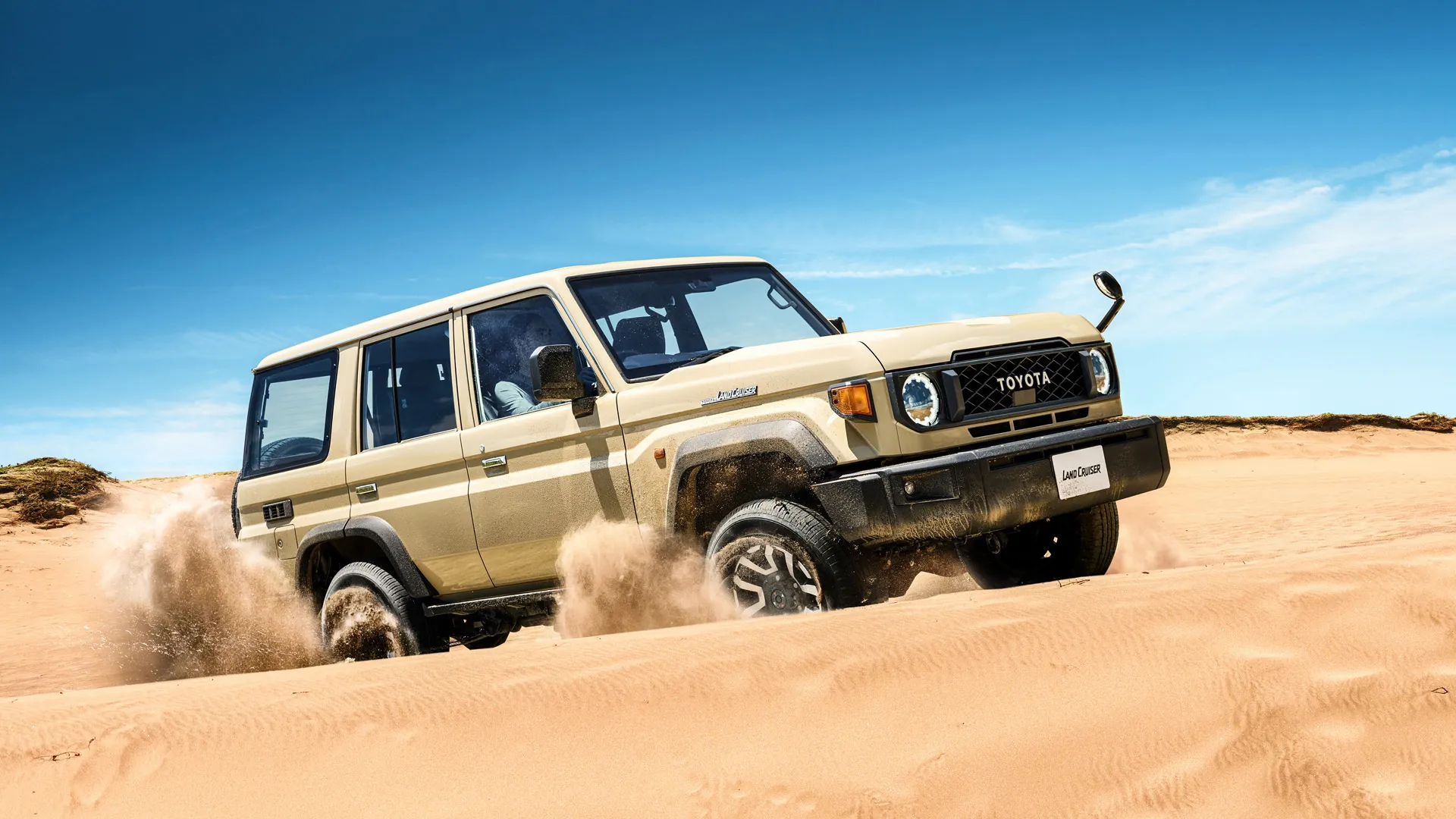
Now we need to address the elephant in the room: why would anyone prefer an old Toyota over a brand-new vehicle with all the latest features? After all, modern cars have better fuel economy, more safety features, comfortable interiors with climate control, and enough technology to launch a space mission. But here is where things get interesting, because sometimes more is not actually better, and sometimes new technology creates new problems.
Think about modern vehicles for a minute. Sure, they are comfortable and packed with gadgets, but what happens when something goes wrong? You cannot fix them yourself. You need to take them to an authorized dealer where technicians plug in diagnostic computers costing thousands of dollars just to figure out what is broken.
Then you need specialized parts that might take weeks to arrive, and the labor costs alone could pay for a nice holiday. Meanwhile, your vehicle sits in the shop, and you are stuck using public transport or renting a car.
Compare that with the Land Cruiser 70 Series. Something goes wrong? You can probably figure out what it is by listening to the sound or looking under the bonnet. Parts are mechanical, not electronic, which means they either work or they do not.
No mysterious error codes, no software updates, no computers refusing to talk to each other. Just good old-fashioned mechanical engineering that humans have understood for over a century. For people who need their vehicle to work every single day without fail, this simplicity is worth more than any touchscreen infotainment system.
But it goes deeper than just ease of repair. Modern vehicles are designed with planned obsolescence built right in. Manufacturers want you to buy a new car every few years, so they make older models difficult or expensive to maintain.
After ten years, good luck finding parts or getting software support. Your perfectly functional vehicle becomes worthless because the manufacturer stopped supporting it. Land Cruiser 70 Series owners laugh at this concept because their vehicles were built before manufacturers figured out this particular business model.
Safety is usually where people defend modern vehicles, and yes, newer cars have more airbags, electronic stability control, and crumple zones designed by computer simulations. Fair enough. But the Land Cruiser 70 Series has something else going for it: mass, structure, and simplicity that prevent accidents in the first place.
That solid frame construction means when you hit a pothole that would destroy a modern crossover’s suspension, you barely feel it. The simple mechanical systems mean there is less to go wrong while you are driving. No sudden loss of power steering because a computer glitch. No transmission decides to change erratically because a sensor failed.
Let’s compare this philosophy to a couple of modern alternatives. Take the Toyota Fortuner, which is a perfectly good vehicle that many people buy. It has modern comforts, decent off-road ability, and the Toyota reliability badge. But it is also full of electronics, has independent front suspension that is more complicated and less durable than solid axles, and uses technology that will be outdated in five years.
Or look at the Isuzu MU-X, another popular choice with similar strengths and weaknesses. Both are fine vehicles, but neither has the legendary status of the Land Cruiser 70 Series because neither was built with that same focus on ultimate durability above all else.
The Money Side of the Frenzy
Economics might sound boring, but understanding the money side of this situation explains a lot about why dealers are behaving this way. We are living through a strange time in the automotive market where normal rules do not seem to apply anymore, and nowhere is this more obvious than in how much people will pay for certain used vehicles.
The Land Cruiser 70 Series has become something that economists call a “hard asset” in car form, meaning it holds value better than almost anything else on four wheels.
Here is how it works: most vehicles are depreciating assets, meaning they lose value from the moment you buy them. Buy a new Hyundai Santa Fe today, and it will be worth considerably less tomorrow, even if you never drive it. This depreciation continues year after year until the vehicle is worth a fraction of what you paid.
But some vehicles, particularly those with proven reliability and limited availability, depreciate slowly or even appreciate. The Land Cruiser 70 Series falls into this special category, where a well-maintained example might actually be worth more today than it was five years ago.
Dealers understand this better than anyone. When they buy a Land Cruiser at auction, they are not just buying inventory to sell; they are buying a financial asset that will hold its value. If market conditions change or if they cannot sell it immediately, no problem. They can hold onto it knowing the value will not collapse.
Try doing that with a Chevrolet Trailblazer or a Mazda CX-9, both fine vehicles, but neither holds value like the Toyota. A dealer sitting on one of those for six months loses money every day. A dealer sitting on a Land Cruiser for six months might actually make more money when they finally sell it.
Then there is the international aspect of this market. Because the Land Cruiser 70 Series has proven itself across so many different environments, there is demand for it from all over the world. Dealers in one country can buy vehicles and export them to markets where demand is even higher.
This creates competition that drives auction prices up because you are not just competing with local dealers anymore. You are competing with buyers from Australia, the Middle East, Africa, and South America, all of whom know exactly how good this vehicle is.
But there is another economic factor at play here: inflation and currency concerns. When economic uncertainty hits, people look for places to park their money where it will not lose value. Classic cars and certain collectible vehicles have become alternative investments for this reason.
While the Land Cruiser 70 Series might not be a Ferrari or a Porsche 911, it serves a similar function for a different market segment. People who need working vehicles that will not depreciate see the Land Cruiser as a smart place to put their money, which increases demand and drives prices higher.
How It Stacks Up Against Other Legends
Every generation has its automotive legends, those vehicles that transcend mere transportation and become cultural icons. Some earn this status through racing pedigree, others through revolutionary design, and some, like the Land Cruiser 70 Series, earn it through sheer unstoppable reliability. Understanding how this Toyota stacks up against other legendary vehicles helps explain why dealers are so eager to get their hands on it.
Start with the Mercedes-Benz G-Class, another vehicle that has earned legendary status through decades of production. Like the Land Cruiser, it features body-on-frame construction and was designed for serious off-road work. But here is where they differ: the G-Class has evolved into a luxury status symbol with a price tag to match, while the Land Cruiser 70 Series has remained focused on function over fashion.
Both are excellent, but they serve different masters. A dealer can sell a G-Class for huge money, but they can also get stuck with one if the luxury market softens. Land Cruisers sell consistently regardless of economic conditions because the people buying them need them for work, not status.
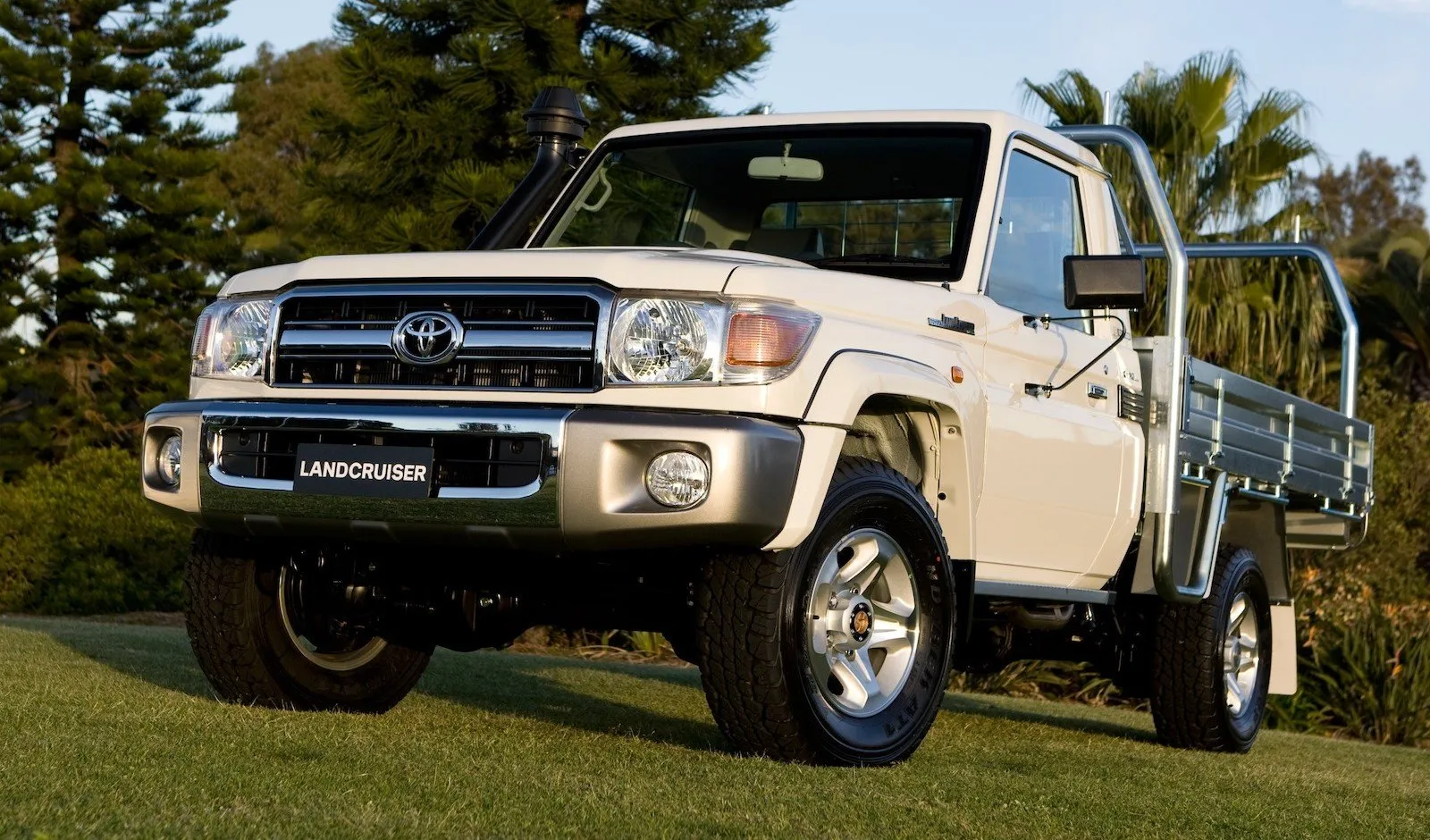
Then there is the Land Rover Defender, which many people cross-shop with the Land Cruiser. Before Land Rover discontinued the old Defender and introduced the new version, it was the closest competitor to the Toyota in terms of rugged capability and cult following. Both vehicles have similar design philosophies, and both attract passionate owners.
The difference is in execution. Land Rovers are brilliant when they work, but they are infamous for electrical problems, oil leaks, and frequent repairs. Land Cruisers just work, period. Ask any dealer which one they would rather stock and sell, and most will tell you Toyota all day long because they do not want customers coming back angry about breakdowns.
American trucks deserve mention here, too. Ford F-150, Chevrolet Silverado, and Ram 1500 all have their loyal followings and excellent capabilities for certain tasks. They dominate the North American market for good reason, as they are versatile, powerful, and comfortable. But try taking a modern American pickup through the African bush or across the Australian outback, and you will quickly discover its limitations.
They are built for paved roads and highway cruising, with independent front suspension and complicated electronics that do not handle extreme conditions well. The Land Cruiser was built specifically for those extreme conditions, which is why it rules in markets where roads are suggestions rather than guarantees.
What about Japanese competitors? The Nissan Patrol has a long history and impressive capability, earning respect in many of the same markets where the Land Cruiser thrives. Some people even prefer the Patrol, arguing it offers similar durability with more comfort.
Fair argument, and the Patrol is certainly a worthy vehicle. But it has never achieved quite the same legendary status, perhaps because Toyota has been more consistent with the Land Cruiser formula. Nissan has made various versions of the Patrol over the years, some great and some less so, while Toyota has stuck with the “if it is not broken, do not fix it” approach to the 70 Series.
Also Read: 10 Toyota SUVs That Run for Decades
What This Means for the Future of Cars
Looking at this Land Cruiser phenomenon reveals something important about where the automotive industry is heading and what people actually want versus what manufacturers keep trying to sell them.
Car companies are racing toward an electric, autonomous, software-defined future, but there is a growing group of people who are looking at that future and saying, “no, thank you.” They want vehicles they can understand, fix, and rely on for decades, not gadgets on wheels that become obsolete faster than smartphones.
This creates a fascinating tension in the market. On one hand, manufacturers are investing billions into developing electric vehicles like the Tesla Model Y, Hyundai Ioniq 5, and even Toyota’s own bZ4X. These vehicles represent the future of transportation according to industry experts and government regulators.
They are quiet, fast, and produce zero emissions at the point of use. But they also require massive batteries with limited lifespans, depend on charging infrastructure that does not exist in many places, and contain so much technology that only factory technicians can service them properly.
Meanwhile, old-school vehicles like the Land Cruiser 70 Series just keep chugging along, outlasting the modern vehicles that were supposed to replace them. When a ten-year-old electric car needs a new battery pack costing half the vehicle’s original price, that old Land Cruiser will still be going strong with nothing more than regular oil changes and basic maintenance.
When the software in a modern vehicle becomes unsupported and the touchscreen stops working, the Land Cruiser’s mechanical controls will still function perfectly because mechanical things do not need updates.
Some people argue this is just nostalgia, that people are clinging to the past and refusing to embrace progress. But is it really progress if the new thing is more expensive, less reliable, and harder to fix than what came before?
Progress should mean improvement, and for many people, modern vehicles are not actually better at the fundamental job of reliable transportation. They are better at entertainment, sure. They are better at harvesting your data and showing you advertisements. But better at getting you where you need to go year after year without problems? That is debatable.
What dealers are seeing in these auctions is market forces speaking loudly and clearly. People are willing to pay premium prices for vehicles that embody old-fashioned virtues: simplicity, reliability, and durability. This is not happening because people are stupid or backward.
It is happening because people have learned through experience that sometimes the old ways actually work better. Every person who has been stranded by electronic failures in a modern car, every business that has watched repair costs spiral out of control, every farmer who has had a vehicle die during harvest season because a sensor failed, they all understand why simple mechanical reliability matters.
Looking ahead, we might see manufacturers responding to this demand. There are already signs of pushback against excessive technology in vehicles. Some companies are experimenting with simpler electric vehicles focused on utility rather than luxury.
Others are keeping mechanical systems in their off-road vehicles because they know their customers demand it. The success of the Land Cruiser 70 Series at auctions sends a clear message: there is a market for vehicles built to last, and that market is willing to pay good money for them.
Whether this changes the industry’s direction remains to be seen. Big automotive companies have already made massive investments in their electric and autonomous future, and they are not going to abandon those plans just because some people prefer old-school reliability. But there might be room in the market for both approaches.
Just as vinyl records made a return despite being supposedly obsolete, mechanical vehicles might find a sustainable niche serving people who value function over features. Those auction prices suggest that the niche might be bigger and more profitable than anyone expected.
