
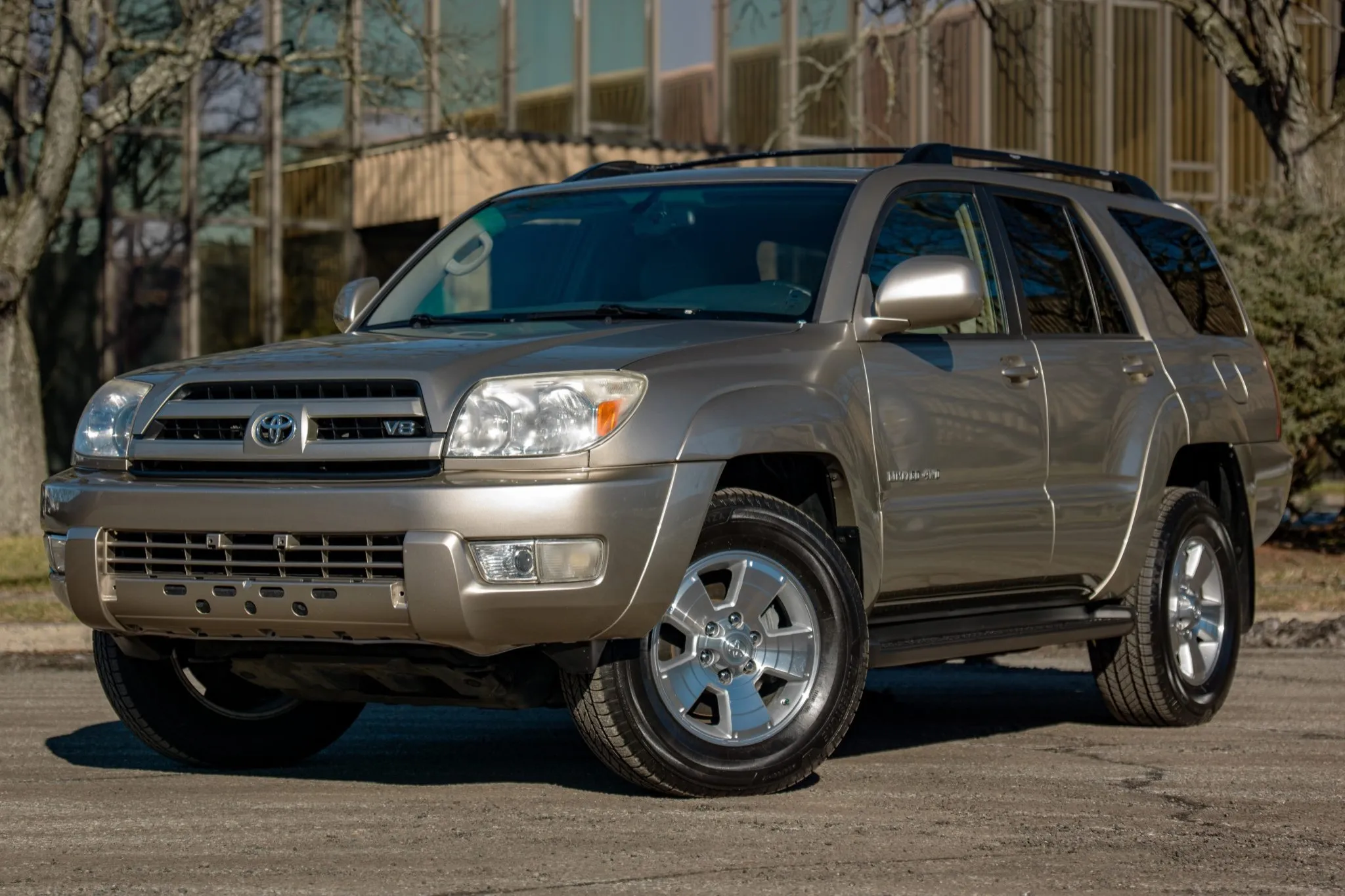
The Toyota 4Runner has built a loyal following by staying true to its body-on-frame design in a market increasingly dominated by crossover SUVs. Its reputation for durability, off-road capability, and long-term reliability has made it one of the most respected SUVs on the used market. Many owners report driving their 4Runners well beyond 200,000 miles, reinforcing the model’s image as a dependable long-term vehicle.
However, the 4Runner’s decades-long production history means not every model year delivers the same ownership experience. Different generations, engines, and engineering updates have resulted in varying levels of reliability. While some years are celebrated for exceptional durability, minimal maintenance concerns, and strong resale value, others are associated with mechanical issues that can lead to costly repairs.
This comparison examines both ends of the spectrum. It highlights five of the most reliable 4Runner model years, praised by owners, mechanics, and enthusiasts for their dependability and longevity. It also reviews five years that require extra caution, helping prospective buyers identify potential problem areas and make more informed purchasing decisions when shopping for a used Toyota 4Runner.
Also Read: 5 Acura Models Worth the Price vs 5 to Skip
5 Best Toyota 4Runner Years
The strongest 4Runner model years tend to share several characteristics. They benefit from mature engineering, proven powertrains, and the absence of widespread reliability concerns. These are the versions that helped establish the SUV’s legendary reputation.
1. 2019 Toyota 4Runner
The 2019 Toyota 4Runner represents a mature stage in the fifth-generation model’s lifecycle, benefiting from nearly a decade of refinement and Toyota’s long-established focus on durability. By this point, most early production concerns had been addressed, leaving buyers with a highly dependable SUV built around proven mechanical components.
A major reason for its popularity is the reliable 4.0-liter V6 engine. While it does not deliver class-leading power figures, it has earned a strong reputation for longevity, smooth performance, and the ability to accumulate high mileage with proper maintenance. This dependable powertrain remains one of the model’s biggest strengths.
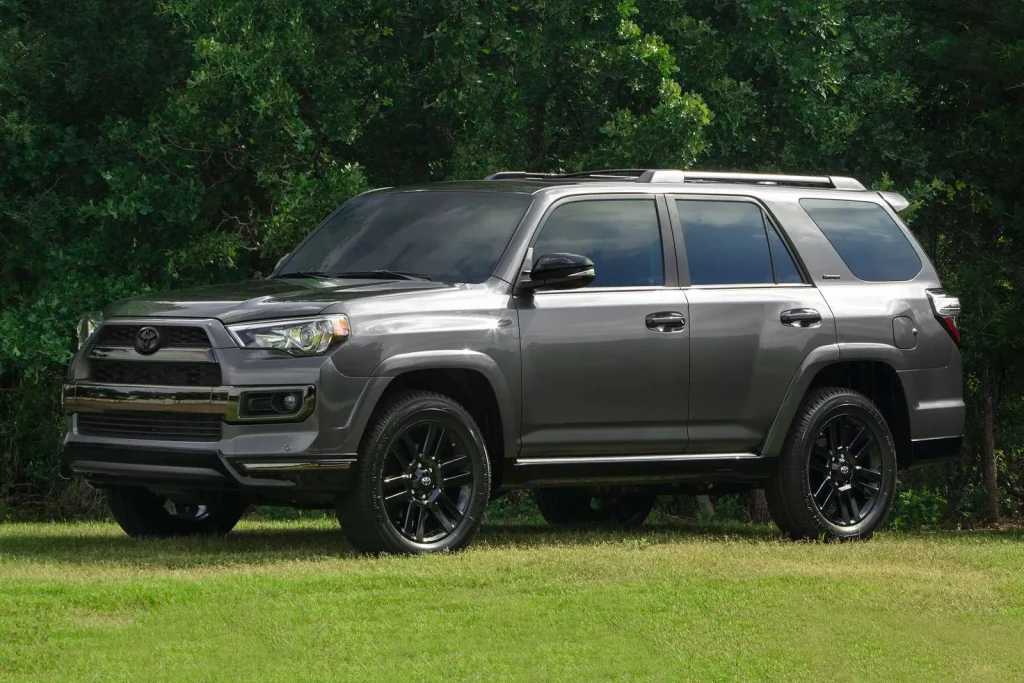
The 2019 4Runner also stands out for its genuine off-road capability. TRD Off-Road variants feature equipment such as locking differentials and terrain management systems, allowing the SUV to handle challenging trails with confidence rather than simply offering rugged styling.
Despite its body-on-frame construction, the 4Runner remains practical for everyday driving. It provides a comfortable interior, generous cargo capacity, and excellent visibility, combining traditional SUV toughness with modern convenience.
Strong demand in the used market further reflects its reputation. Modest depreciation and a proven track record for reliability make the 2019 Toyota 4Runner one of the most desirable and dependable used SUVs available.
Specifications
- Engine: 4.0L V6
- Torque: 278 lb ft
- Horsepower: 270 hp
- Length/Width: 190.7 in / 75.8 in
2. 2008 Toyota 4Runner
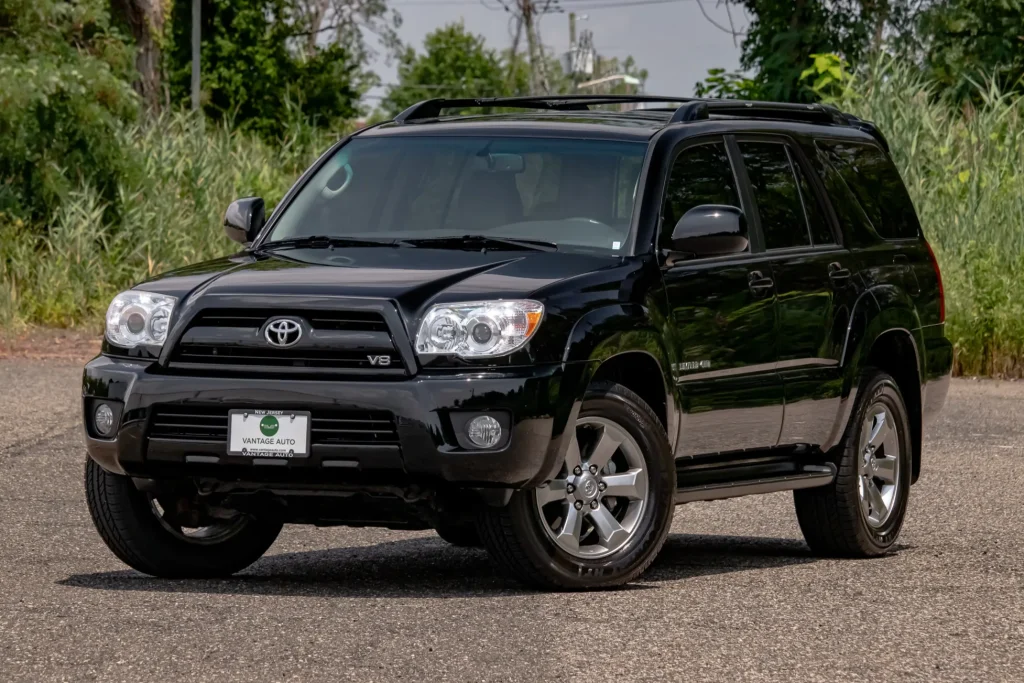
By the late 2000s, Toyota had thoroughly refined its fourth-generation 4Runner, creating a midsize SUV that blended rugged capability with dependable day-to-day usability. Years of incremental improvements helped eliminate many of the issues found in earlier models, leaving the 2008 version with a reputation for outstanding reliability and durability.
One of the model’s most desirable features is its available V8 engine. Offering strong towing performance and proven longevity, it became increasingly rare as many competitors shifted toward smaller powerplants. As a result, V8-equipped examples continue to attract buyers who value mechanical simplicity and long-term dependability.
The driving experience emphasizes strength rather than crossover-like comfort. Built on a body-on-frame platform, the SUV feels solid and substantial on the road, while its rugged character remains a defining part of its appeal. Many owners appreciate this traditional SUV personality, even if it lacks some of the refinement found in newer vehicles.
The interior was designed with durability and ease of use in mind. Excellent visibility, intuitive controls, and rugged materials create a practical environment that has proven capable of enduring years of regular use and adventure.
Versatility is another key reason the 2008 Toyota 4Runner remains highly regarded. Whether used for towing, commuting, off-road exploration, or long-distance travel, it performs a wide range of tasks with confidence. More than a decade later, it continues to represent the durability and usefulness that helped establish the 4Runner’s loyal following.
Specifications
- Engine: 4.7L V8
- Torque: 306 lb ft
- Horsepower: 260 hp
- Length/Width: 189.2 in / 75.2 in
3. 1999 Toyota 4Runner
Some vehicles become legendary because they introduce revolutionary technology. Others earn their reputation by proving nearly impossible to wear out. The 1999 Toyota 4Runner belongs firmly in the second category.
The third-generation 4Runner is widely regarded as one of the most durable SUVs Toyota has ever produced, and many enthusiasts point to 1999 as the sweet spot of the entire generation. By that point, the platform had matured, earlier production issues had largely been resolved, and Toyota had refined the vehicle into an exceptionally dependable package.
A major part of its appeal comes from simplicity. Modern SUVs often rely on complex electronic systems and layers of technology that can become expensive to repair as vehicles age.
The 1999 4Runner predates much of that complexity. Its mechanical layout is straightforward, making maintenance easier and helping owners keep these SUVs on the road for decades.
The available 3.4-liter V6 has become one of Toyota’s most respected engines. Mechanics frequently praise it for its longevity, and examples exceeding 300,000 miles are not uncommon when maintenance schedules are followed.
The engine may not be particularly powerful by modern standards, but reliability rather than speed is what attracts buyers to this generation.
Off-road enthusiasts continue to seek out the 1999 model because of its rugged construction and strong aftermarket support. Lift kits, suspension upgrades, armor, and recovery equipment are widely available, making it an excellent platform for adventure-focused builds.
What makes this model especially impressive is how many remain in active service. Decades after leaving dealerships, they continue to function as daily drivers, weekend trail vehicles, and family transportation. That kind of longevity does not happen by accident.
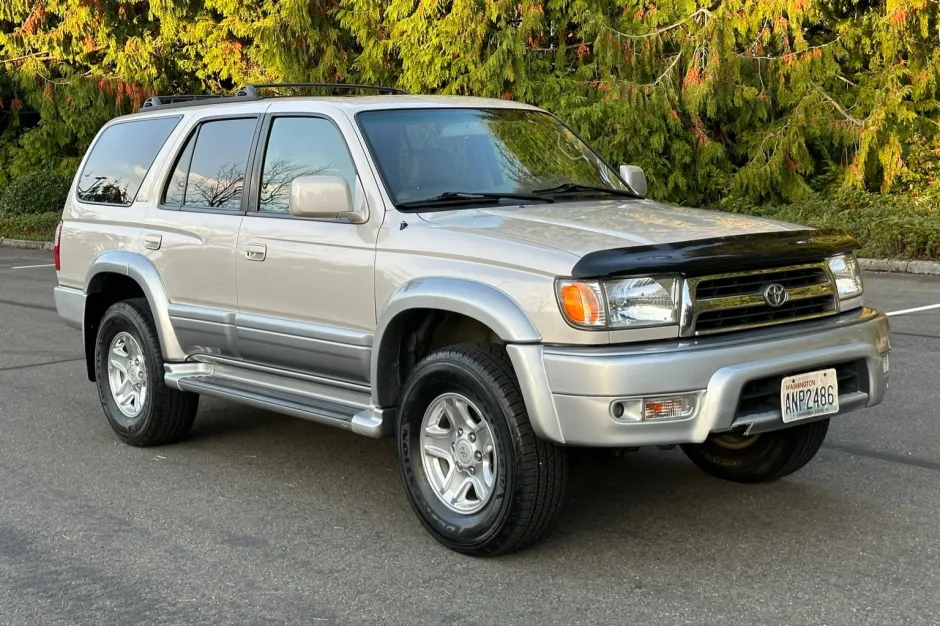
The 1999 4Runner represents Toyota engineering at its most durable, which explains why it remains one of the most sought-after used SUVs among enthusiasts and collectors alike.
Specifications
- Engine: 3.4L V6
- Torque: 217 lb ft
- Horsepower: 183 hp
- Length/Width: 183.3 in / 66.5 in
4. 2021 Toyota 4Runner
Many vehicles evolve by chasing the latest trends, but the 2021 Toyota 4Runner took a different path. Instead of undergoing a major redesign, it continued to build on a formula that had already proven successful. This approach helped preserve the model’s reputation for reliability, giving buyers confidence in a platform known for handling years of demanding use.
Technology received some welcome attention in 2021. Previous versions of the fifth-generation 4Runner had fallen behind competitors in infotainment features, but updated connectivity options and smartphone integration made the cabin feel more modern while retaining the SUV’s practical nature.
Adventure-focused buyers had even more reason to take notice. The TRD Pro model arrived with specialized off-road equipment, including upgraded suspension hardware and advanced terrain management systems. These enhancements strengthened the vehicle’s ability to tackle difficult trails straight from the factory.
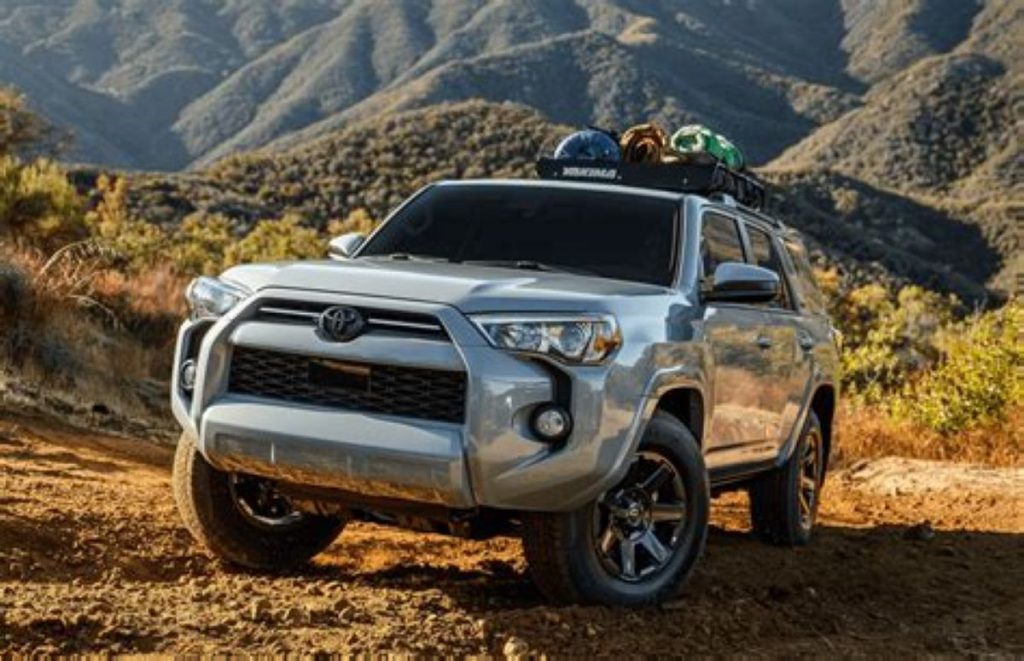
Another advantage was its impressive value retention. Strong demand in the used market and Toyota’s long-standing reputation for durability helped keep resale prices high, making ownership more attractive over the long term.
The driving experience remained distinctly traditional. Its body-on-frame construction delivered a solid, rugged feel that many modern crossovers cannot match. By focusing on durability, capability, and proven engineering, the 2021 4Runner continued to satisfy the needs of buyers who valued substance over trends.
Specifications
- Engine: 4.0L V6
- Torque: 278 lb ft
- Horsepower: 270 hp
- Length/Width: 190.7 in / 75.8 in
5. 2002 Toyota 4Runner
As the final model year of the third-generation 4Runner, the 2002 Toyota 4Runner benefited from years of refinement and incremental improvements. By this stage, Toyota had addressed many earlier issues, creating one of the most polished and dependable versions of the generation. Its reputation continues to be built on proven engineering, durability, and relatively low ownership costs.
A major part of its appeal is its mechanical simplicity. Compared with newer SUVs filled with advanced electronics and complex systems, the 2002 model offers straightforward maintenance and generally lower repair expenses. This simplicity has helped many examples remain on the road for decades.
The SUV also enjoys a strong following among off-road enthusiasts. Its body-on-frame construction, generous ground clearance, and durable suspension components allow it to handle challenging terrain with confidence. Even by current standards, it remains a highly capable off-road vehicle.
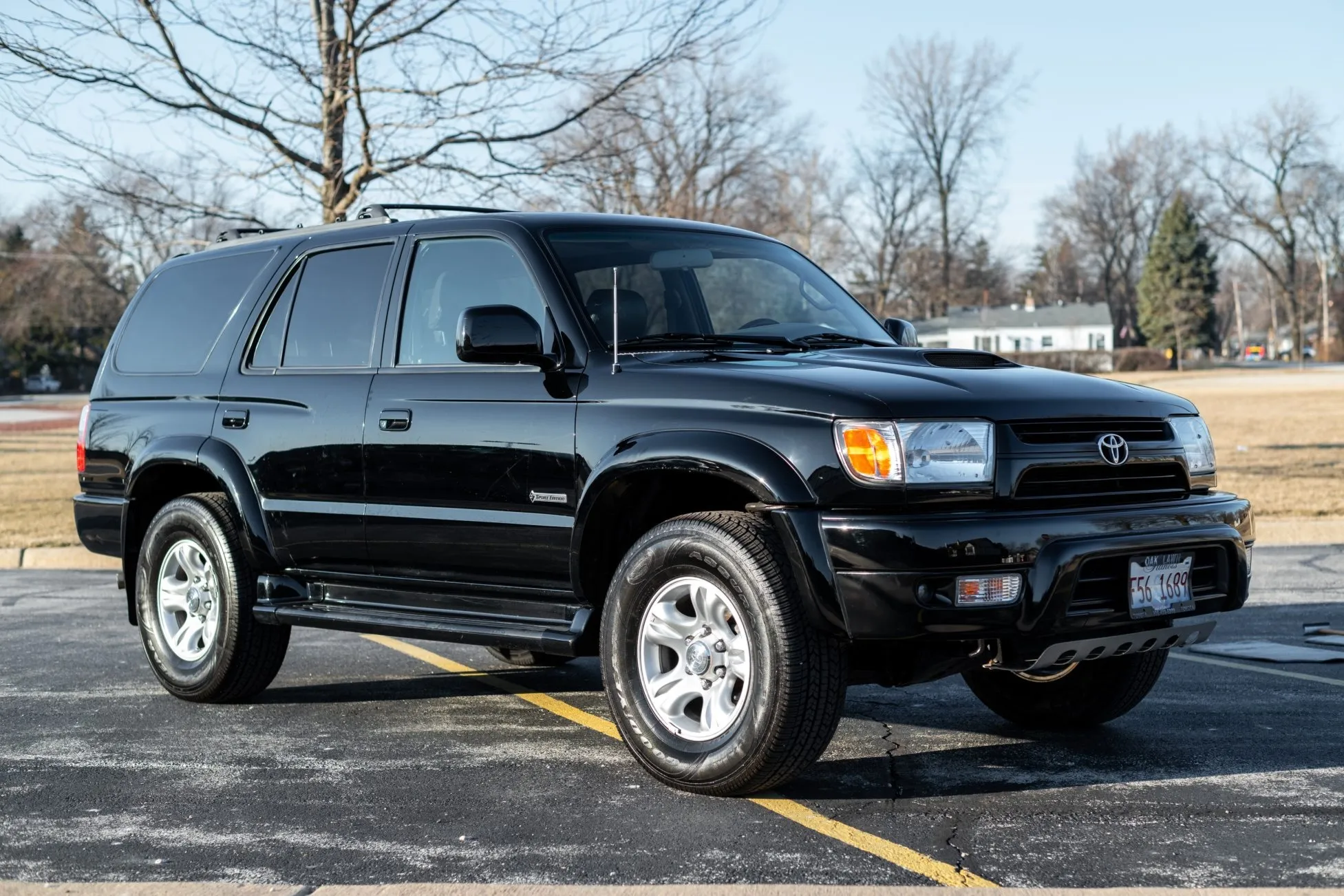
Power comes from Toyota’s respected 3.4-liter V6, an engine known for smooth performance and exceptional longevity. Properly maintained examples frequently surpass 250,000 miles while continuing to provide dependable service.
Practicality further enhances the model’s appeal. Excellent visibility, intuitive controls, comfortable seating, and a durable cabin create a user-friendly driving experience. For buyers seeking a classic SUV that embodies the qualities that made the 4Runner famous, the 2002 model remains one of the best choices available.
Specifications
- Engine: 3.4L V6
- Torque: 217 lb ft
- Horsepower: 183 hp
- Length/Width: 183.3 in / 66.5 in
5 Toyota 4Runner Years to Avoid
The Toyota 4Runner is known for strong reliability, but not every model year performs equally well. Some years have reported higher owner complaints, redesign-related issues, or costly mechanical problems that place them below the brand’s usual standards. These models are not necessarily unreliable, but they do require more caution when buying used.
Because the 4Runner name carries a strong reputation, even weaker model years can command high prices, making careful evaluation essential. Maintenance records and the vehicle’s condition play a major role in determining its value and reliability. While a well-maintained example may still prove dependable, choosing a model year with a stronger track record is often the safer option for long-term ownership.
1. 2003 Toyota 4Runner
The 2003 Toyota 4Runner marked the introduction of the fourth generation, bringing a full redesign with updated styling, improved engineering, and added technology. Although these changes later helped shape a highly successful SUV lineup, the first model year was affected by enough early issues to weaken its reputation compared with later versions.
One of the most frequently reported problems involved electrical systems. Owners experienced issues such as malfunctioning instrument clusters and intermittent glitches in various interior and convenience features. While not universal, the occurrence rate was high enough to raise concerns among buyers.
Compared with its predecessor, this generation relied more heavily on electronic systems, resulting in greater mechanical and electrical complexity. Over time, that complexity made certain repairs and diagnostics more challenging, often leading to higher maintenance costs than many Toyota owners expected.
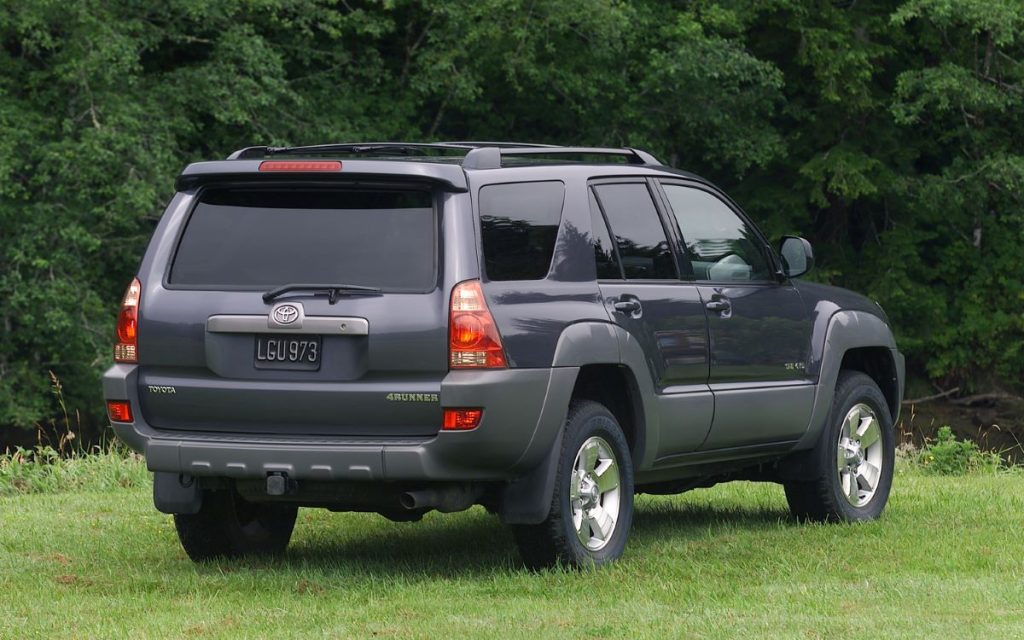
Some drivers also noted concerns with drivetrain behavior, particularly related to automatic transmission performance. Although widespread failures were not common, the complaints were enough to influence caution in the used market.
Despite these drawbacks, the 2003 model offered meaningful improvements, including a smoother ride, stronger engine options, and a more refined interior. However, early production issues mean later fourth-generation 4Runners are generally viewed as more reliable and easier to own long term.
Specifications
- Engine: 4.0L V6
- Torque: 283 lb ft
- Horsepower: 245 hp
- Length/Width: 189.2 in / 75.2 in
2. 2004 Toyota 4Runner
The 2004 Toyota 4Runner is an early fourth-generation model that introduced several improvements over its predecessor, but it still has enough drawbacks to keep it from ranking among the generation’s best years. While the platform is generally capable and solidly engineered, its reputation in the used market is influenced by a combination of strengths and several well-documented reliability concerns.
One of the most discussed problems involves head gasket failures on certain V6 engines. Although not extremely common, the repairs can be costly, making inspection history important for buyers. Some owners also reported drivetrain concerns, including hesitation and rough shifting from the automatic transmission. These issues were more likely to be addressed in later model years as Toyota refined the platform.
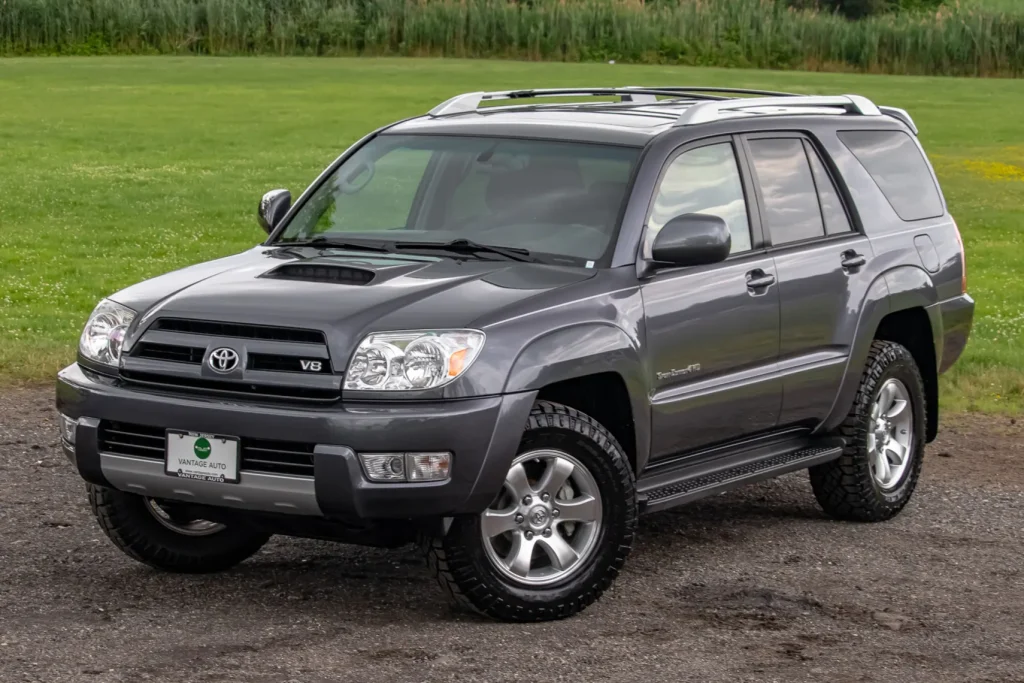
Rust is another major factor affecting long-term ownership. Frame corrosion, particularly in regions exposed to road salt, can become severe over time and significantly impact the vehicle’s safety and value. Because of this, condition and maintenance records are critical when evaluating a used example.
Despite these drawbacks, the 2004 4Runner still offers solid advantages. It features a more refined interior compared with earlier generations, improved ride comfort, and the availability of a durable V8 engine that remains highly respected. These qualities helped it stay competitive during its time.
However, continued improvements in later fourth-generation models mean buyers often find more reliable and better-developed alternatives within the same lineup. As a result, the 2004 model is generally viewed as a mid-tier option rather than a standout choice in the 4Runner family.
Specifications
- Engine: 4.0L V6
- Torque: 283 lb ft
- Horsepower: 245 hp
- Length/Width: 189.2 in / 75.2 in
3. 2005 Toyota 4Runner
The 2005 Toyota 4Runner occupies an interesting position in the model’s history. It arrived after Toyota had already addressed some early fourth-generation concerns, yet it continued to generate enough owner complaints to keep it off most enthusiast lists of recommended years.
Unlike some vehicles plagued by a single major flaw, the 2005 model’s reputation stems from several smaller issues that collectively affect ownership satisfaction.
One of the most commonly reported concerns involved premature wear in certain suspension components. While not catastrophic, repairs could become frustrating for owners expecting the legendary durability associated with the Toyota badge.
Brake-related complaints also appeared with greater frequency than many buyers expected. Some owners reported uneven brake wear and vibration issues that required attention sooner than anticipated. These problems were not universal, but they occurred often enough to become recurring discussion points within the 4Runner community.
The vehicle’s age has amplified another concern: rust. As with many body-on-frame SUVs from this era, corrosion can affect structural components if preventive maintenance is neglected. Buyers considering a 2005 example should pay particular attention to the frame and underbody during inspections.
Fuel economy represented another weakness. Even by midsize SUV standards of the time, the 4Runner’s thirst for fuel could surprise owners. While most buyers accepted this tradeoff for capability and durability, rising fuel prices made the issue more noticeable.
What keeps the 2005 model from falling further down the rankings is that it still possesses the core strengths that define the 4Runner. It remains capable off-road, offers impressive cargo space, and can provide years of service when properly maintained.
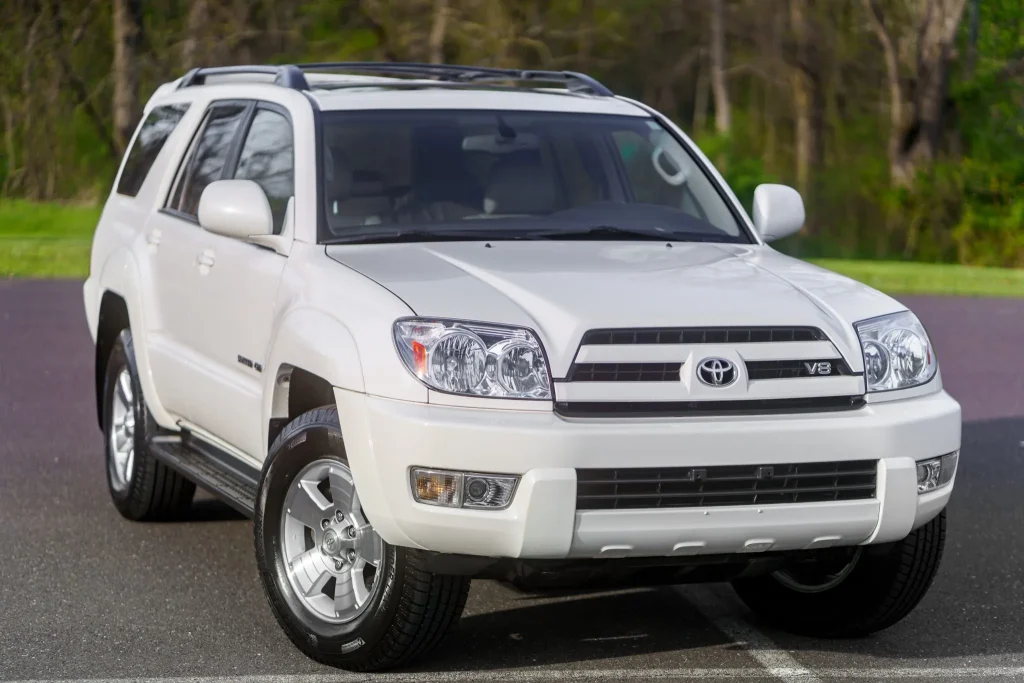
The challenge is that several neighboring model years simply offer stronger reliability records. When buyers have access to better alternatives within the same generation, the 2005 version becomes harder to recommend as the first choice.
Specifications
- Engine: 4.0L V6
- Torque: 283 lb ft
- Horsepower: 245 hp
- Length/Width: 189.2 in / 75.2 in
4. 2014 Toyota 4Runner
The 2014 Toyota 4Runner arrived during a significant transition period for the fifth generation. Toyota introduced a major facelift that gave the SUV a far more aggressive appearance, helping it stand out in a market increasingly filled with softer-looking crossovers.
While the redesign succeeded visually, the first year of the updated model was not entirely free of concerns.
One issue involved fit-and-finish complaints that appeared more frequently than expected. Some owners reported rattles, interior trim noises, and minor quality-control inconsistencies. These problems were not severe enough to undermine the vehicle’s functionality, but they contrasted with the high standards buyers typically associate with Toyota products.
Technology also became a point of criticism. The updated exterior gave the impression of a thoroughly modern SUV, yet many of the underlying systems already felt dated compared with rivals. Infotainment functionality lagged behind competitors, and buyers expecting cutting-edge features often came away disappointed.
Ride quality represented another area where opinions were divided. The 4Runner’s body-on-frame construction remained excellent for off-road use, but many owners found it less refined than newer crossover alternatives. As consumer expectations shifted toward smoother, more car-like SUVs, the 2014 model sometimes felt behind the curve.
Fuel economy further complicated the ownership experience. Competitors increasingly adopted more efficient powertrains, while the 4Runner continued relying on its proven but thirsty V6. The engine’s durability remained a major strength, yet operating costs became harder to ignore for some buyers.
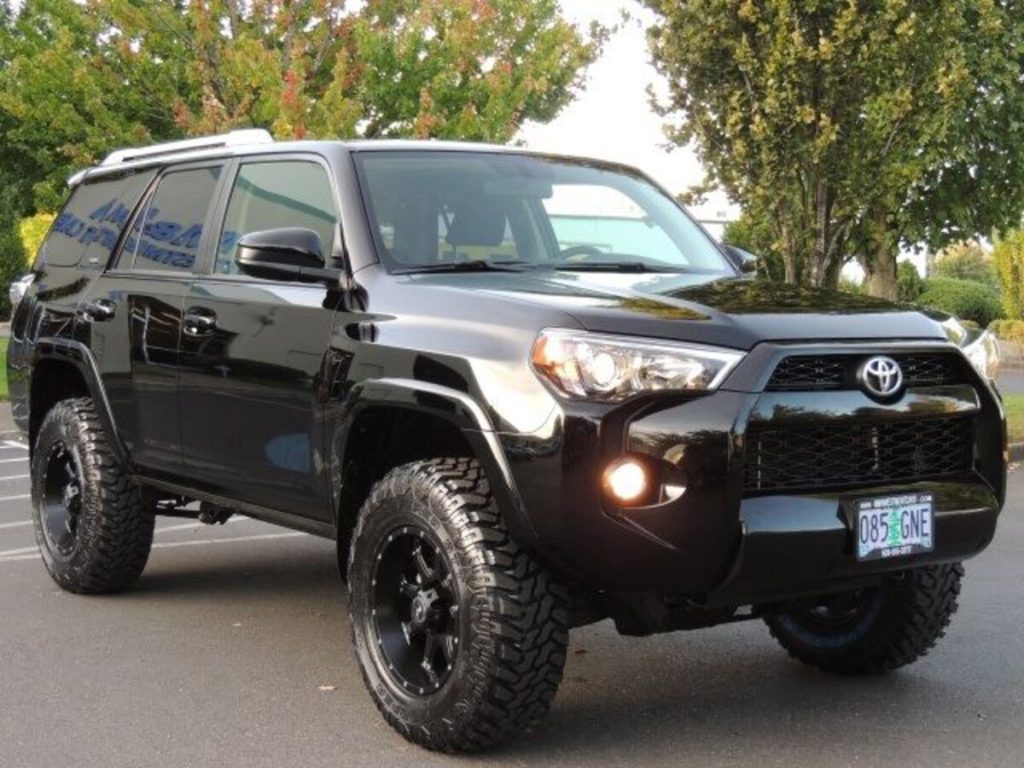
The 2014 model was by no means a poor SUV. It retained the toughness, reliability, and off-road capability that define the 4Runner. However, later fifth-generation examples benefited from additional refinement and technology improvements, making them more attractive choices for buyers seeking the best version of the platform.
Specifications
- Engine: 4.0L V6
- Torque: 278 lb ft
- Horsepower: 270 hp
- Length/Width: 190.2 in / 75.8 in
5. 2001 Toyota 4Runner
The inclusion of the 2001 Toyota 4Runner on this list may surprise some enthusiasts because it belongs to one of the most respected generations the model has ever produced. The reality is that even strong generations can contain years that are less desirable when compared with their closest relatives.
The biggest challenge facing the 2001 model today is age. More than two decades have passed since these SUVs left dealership lots, and time introduces concerns that go beyond original engineering quality.
Components such as suspension parts, seals, wiring, and cooling system components inevitably experience wear regardless of how well the vehicle was built.
Frame rust remains one of the most serious concerns. Third-generation 4Runners have developed loyal followings, but corrosion can dramatically reduce the lifespan of neglected examples. Buyers in northern climates must pay particular attention to structural integrity before making a purchase.
The 3.4-liter V6 remains an excellent engine, yet surrounding systems often require attention as mileage accumulates. Timing belt maintenance, aging sensors, and worn accessories become increasingly common considerations. None of these issues is unusual for a vehicle of this age, but they can add significantly to ownership costs.
Safety is another factor separating the 2001 model from newer alternatives. While it was competitive during its era, modern vehicles offer substantial advancements in crash protection, driver-assistance technology, and occupant safety systems.
Perhaps the strongest argument against the 2001 model is that better options exist within the same generation. The 1999 and 2002 model years generally enjoy stronger reputations among enthusiasts and mechanics alike, making them more appealing choices for buyers seeking a third-generation 4Runner.
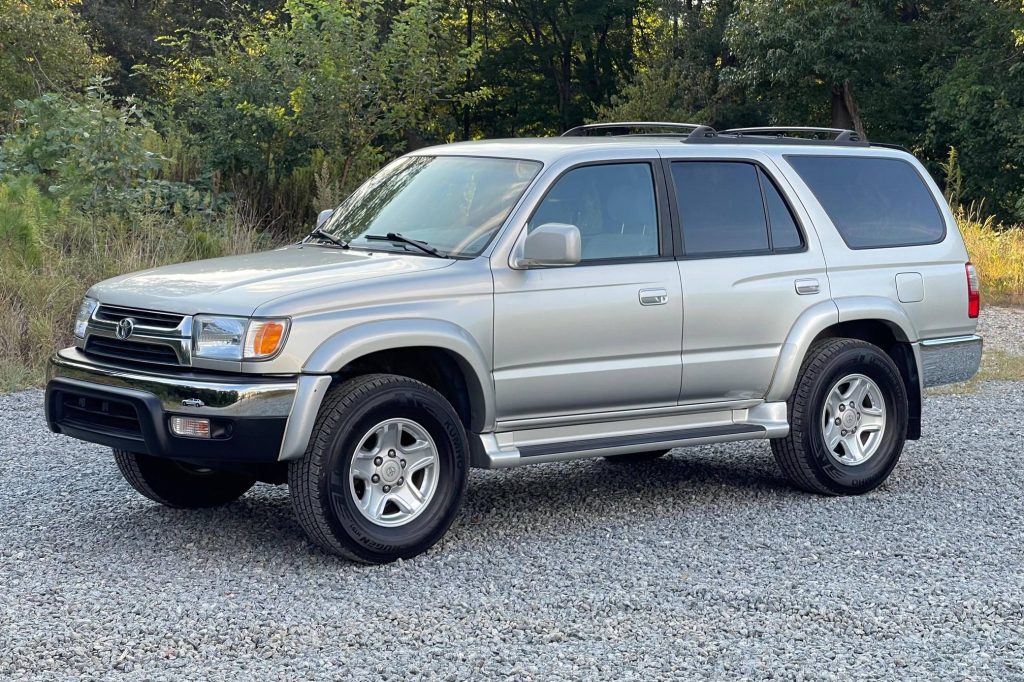
The 2001 model still possesses many of the qualities that made the 4Runner famous. It simply falls short of the very best years surrounding it, making it a year that deserves extra scrutiny before purchase.
Specifications
- Engine: 3.4L V6
- Torque: 217 lb ft
- Horsepower: 183 hp
- Length/Width: 183.3 in / 66.5 in
Also Read: 10 Cars Cheapest to Drive Per Mile
