
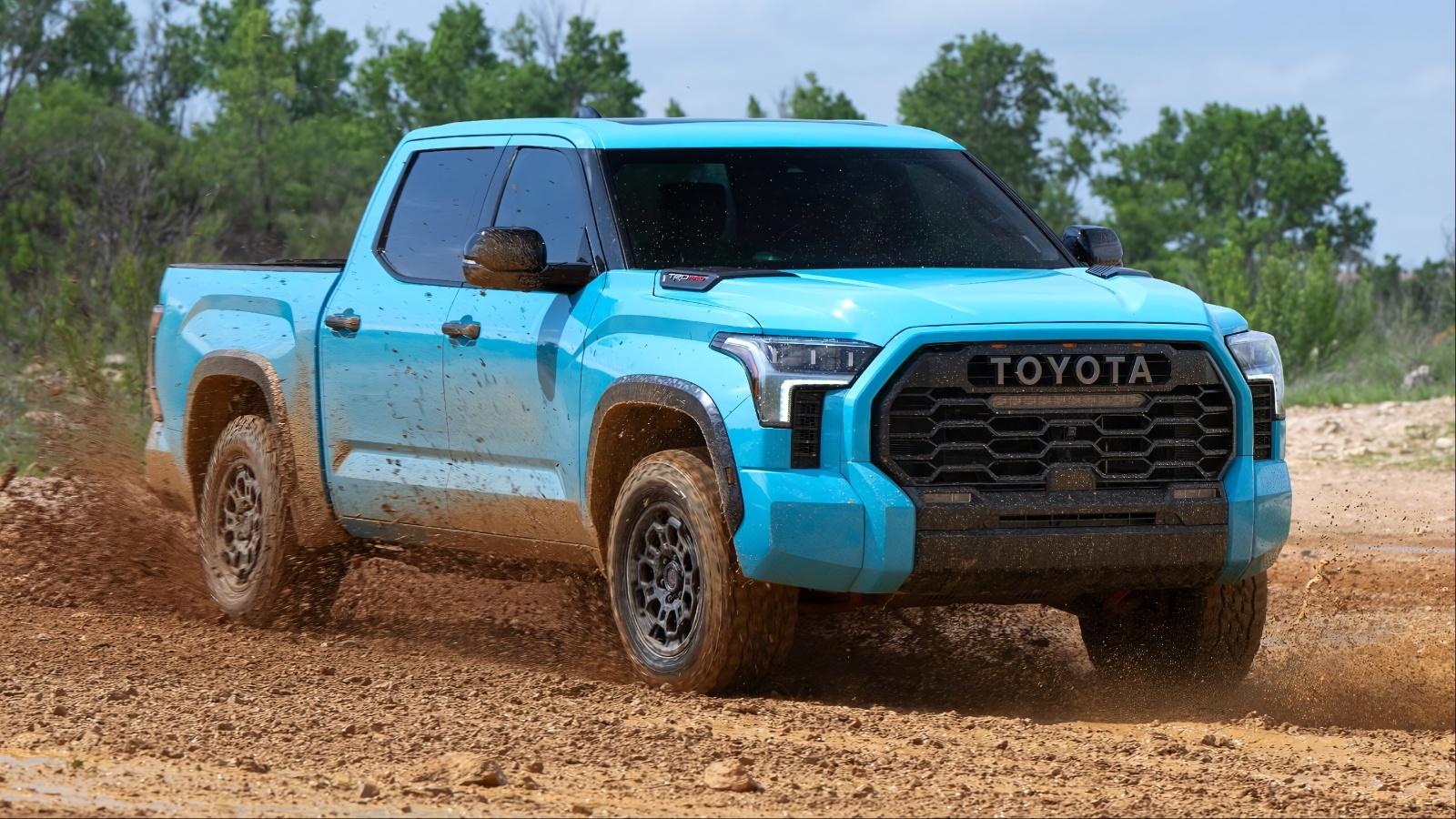
The Toyota Tundra has built its reputation around durable engines, strong towing capability, and a straightforward approach to full-size truck ownership. Yet not every model year deserves the same confidence in the used market.
Changes in engines, transmissions, equipment, recalls, and owner complaints can make one Tundra a smart purchase while another becomes an expensive gamble. This guide separates five Tundra years that stand out for used buyers from five years that deserve more caution.
The goal is not to label every truck from a particular year as good or bad, but to identify patterns that can help shoppers narrow their choices and inspect the right areas before spending their money.
5 Best Toyota Tundra Years
1. 2014 Toyota Tundra
The 2014 Tundra earns its place because it marked the beginning of a major redesign for the second-generation truck while retaining the mechanical character that helped make the Tundra popular.
Toyota introduced updated exterior styling, a revised cabin, and chassis changes, but the familiar 5.7-liter V8 remained available. That gives used buyers an appealing middle ground: a newer-looking truck than earlier examples without moving into the newer turbocharged generation.
For buyers who care about towing, the 2014 model has meaningful capability. Depending on configuration, it could tow more than 10,000 pounds, while the 5.7-liter V8 produced 381 horsepower and 401 lb-ft of torque.
The six-speed automatic is another reason this year remains attractive. It is not cutting-edge today, but its conventional design is well understood and suits a pickup that may spend years hauling trailers, equipment, or heavy loads.
The redesigned cabin adds another advantage. Toyota gave the truck a more substantial interior and useful equipment, making it feel less dated than the outgoing version.
That matters because many used-truck buyers need one vehicle for commuting and work. A Tundra that can handle both duties without an overly complicated powertrain makes a practical proposition.
Buyers still need to inspect these trucks carefully. The 2014 model is now more than a decade old, so age-related wear can matter as much as the original design.
Check the VIN for completed recalls, inspect the frame and suspension for corrosion, look for drivetrain leaks, and confirm that the transmission shifts smoothly. A truck that spent its life towing heavy loads can also show more wear than a lightly used example.
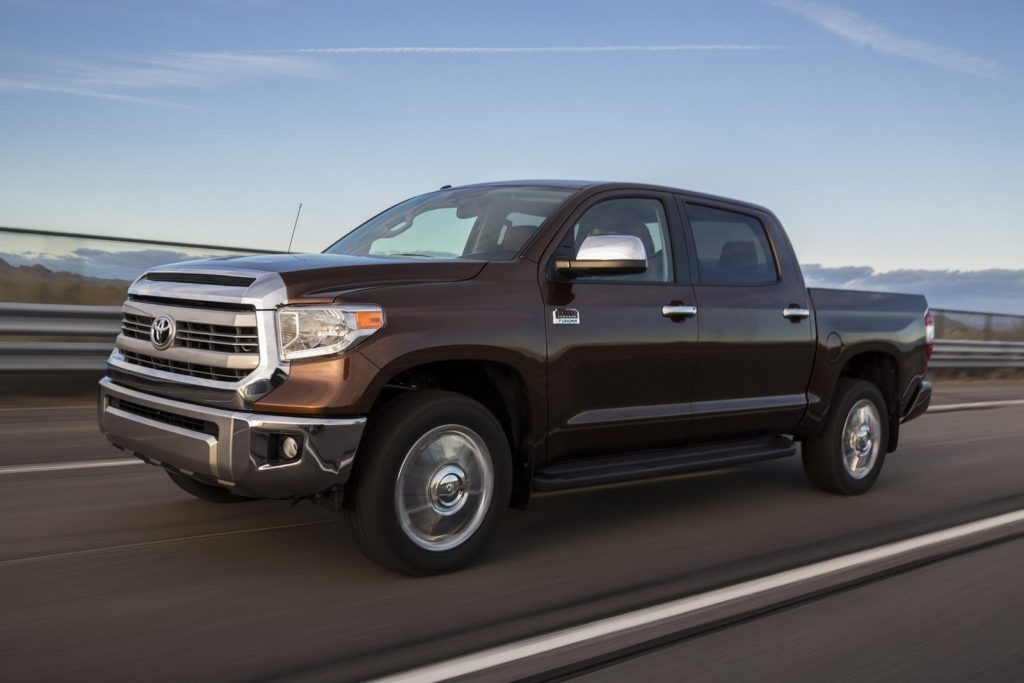
The combination of a proven V8, strong towing ability, updated design, and conventional automatic makes the 2014 Tundra one of the more compelling older choices. Toyota’s specifications list 381 horsepower and 401 lb-ft of torque from the 5.7-liter V8.
2. 2016 Toyota Tundra
If the priority is finding a second-generation Tundra with a strong reliability record, the 2016 model deserves serious attention. Consumer Reports has rated the 2016 Tundra more favorably for reliability than many other vehicles from the same model year.
That makes it interesting for used buyers who want the established 5.7-liter V8 while avoiding the earliest years of the generation.
The mechanical recipe is familiar: a 5.7-liter V8, six-speed automatic transmission, and available four-wheel drive. With 381 horsepower and 401 lb-ft of torque, the engine provides substantial muscle for towing, while the conventional powertrain keeps the ownership formula relatively straightforward.
For someone buying a truck after its warranty has expired, that simplicity can be valuable because many independent shops know the platform well.
The 2016 model also benefits from being several years removed from the 2014 redesign. Toyota had time to refine production, while buyers could avoid paying the premium attached to newer generations. That makes the year a sensible compromise for someone who wants a proven truck rather than the latest technology.
There is a specific area that deserves attention during inspection: the brakes. Consumer Reports lists brake-related trouble spots for this model, including owner reports involving premature pad and rotor wear, caliper problems, and vibration.
This does not mean every 2016 Tundra has brake trouble, but it gives buyers a useful checkpoint. A test drive should include repeated stops, while an inspection should examine rotor condition, pad thickness, caliper operation, and warning lights.
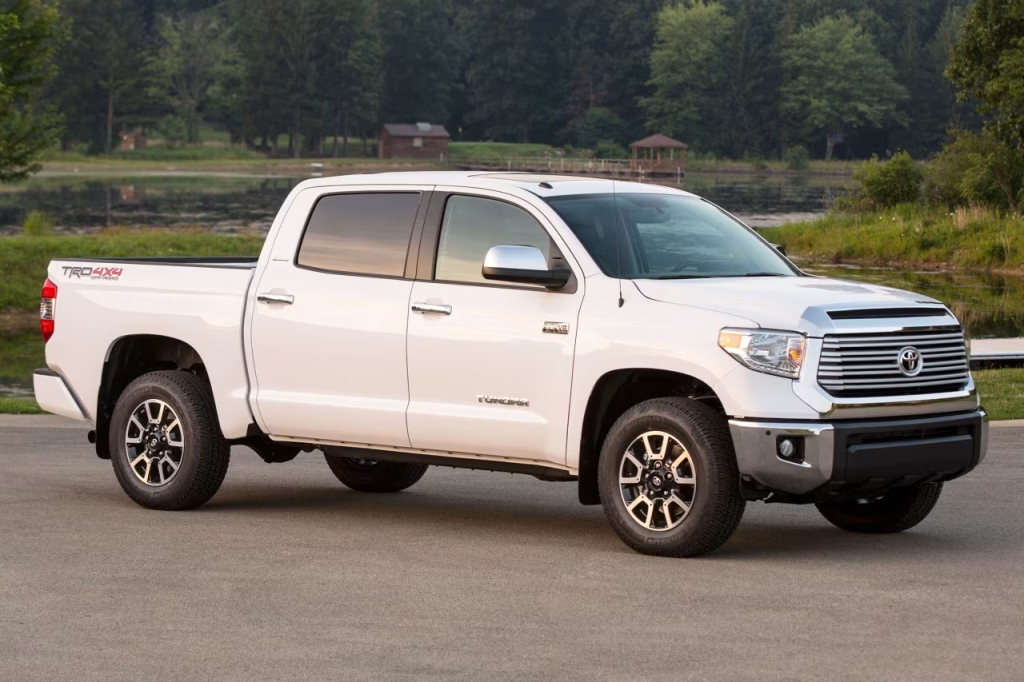
The 2016 Tundra therefore offers a useful balance. It is old enough to be more affordable than a late-model truck, mature enough to have a long operating history, and supported by a powertrain that has become familiar to owners and technicians.
Its 5.7-liter V8 delivers 381 horsepower and 401 lb-ft of torque, making it particularly appealing to buyers who want traditional full-size-truck power without moving into Toyota’s later twin-turbo V6 era.
3. 2018 Toyota Tundra
The 2018 Tundra is one of the more appealing choices for buyers who want a mature second-generation truck without paying the premium associated with newer Tundra generations. By this point, Toyota had spent years refining the platform, and the available 5.7-liter V8 remained one of the truck’s strongest selling points.
Its combination of naturally aspirated power, a conventional six-speed automatic, and proven four-wheel-drive hardware makes this year particularly interesting for people shopping for a used work truck.
The 5.7-liter engine produces 381 horsepower and 401 lb-ft of torque, giving the truck enough strength for substantial towing and hauling duties.
The power delivery is also predictable. There is no turbocharger to worry about and no complicated modern hybrid system in this version, which can appeal to owners who prefer mechanical simplicity.
Another reason the 2018 model deserves attention is its balance between age and equipment. It is considerably newer than early second-generation examples, so buyers can find trucks with features such as modern infotainment, available Toyota Safety Sense P, larger displays, upgraded driver-assistance technology, and more comfortable cabin configurations.
Yet the truck still retains the familiar mechanical architecture that made the earlier Tundras attractive.
The used-market condition is particularly important here. A 2018 Tundra may have been used as a family vehicle, a contractor’s truck, or a serious towing machine.
Those histories can produce dramatically different levels of wear even when two trucks have similar mileage. Check the hitch, transmission behavior, driveshaft, suspension, brakes, frame, and four-wheel-drive system before purchasing.
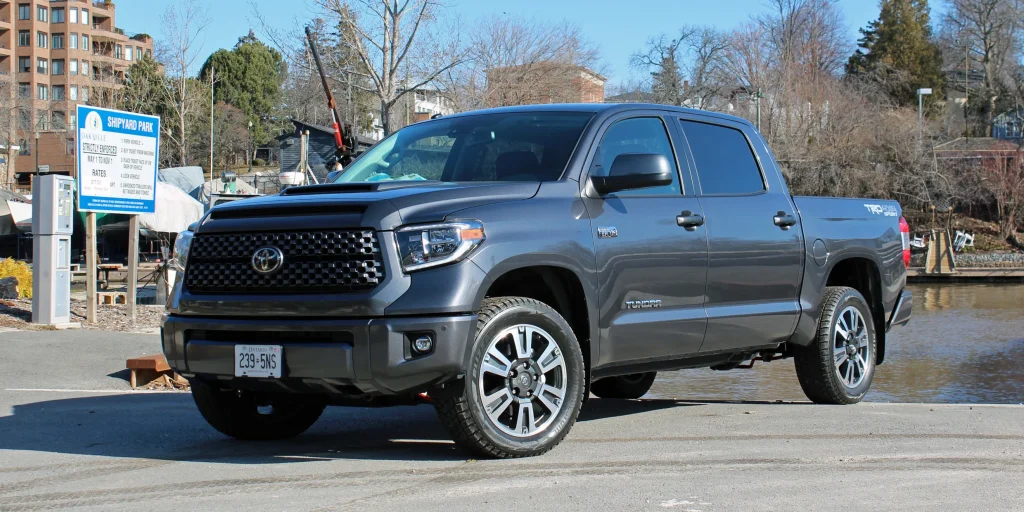
For buyers seeking a late second-generation Tundra, this year provides an appealing combination of established engineering and newer equipment. It can make more sense than choosing an older truck simply because it has a reputation for durability.
A properly maintained 2018 model gives buyers access to Toyota’s familiar V8 formula while avoiding some of the complexity found in newer powertrains.
4. 2020 Toyota Tundra
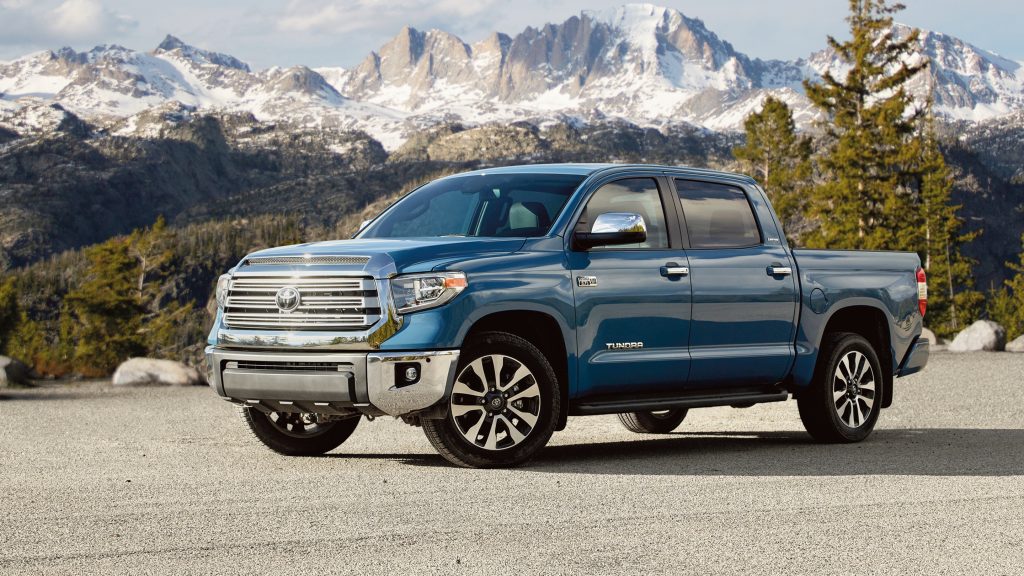
The 2020 Tundra stands out for a different reason: it represents one of the final years of the long-running second-generation formula before Toyota introduced the completely redesigned 2022 truck. For used buyers, that creates an interesting opportunity.
The truck looks relatively modern, carries contemporary safety equipment, and still uses the naturally aspirated 5.7-liter V8 rather than the twin-turbocharged powertrain that arrived with the next generation.
Consumer Reports has rated the 2020 Tundra positively for predicted reliability, making it one of the more interesting recent options for shoppers who place durability high on their list. That does not remove the need for an inspection, but it provides another reason to put this year on a used-truck shortlist.
The powertrain is straightforward. The 5.7-liter V8 generates 381 horsepower and 401 lb-ft of torque and works with a six-speed automatic transmission.
For someone who regularly tows, that familiar setup can be appealing because there is no need to learn how the newer turbocharged system behaves under sustained loads. The engine also has a long history in Toyota and Lexus products, giving technicians substantial experience with it.
Technology is another advantage compared with earlier Tundras. The 2020 model could be equipped with Toyota Safety Sense P, which included systems such as pre-collision warning with pedestrian detection, lane-departure alert, automatic high beams, and adaptive cruise control.
That makes the truck more suitable for buyers who use a pickup as a daily driver rather than solely as a work vehicle.
There is one important distinction between finding a 2020 Tundra and finding a good 2020 Tundra. Maintenance records remain critical.
A truck with low mileage but repeated heavy towing may have experienced more drivetrain stress than a higher-mileage example used mainly for commuting. Inspecting the frame, suspension, brakes, fluid condition, cooling system, and transmission should be part of the buying process.
For someone seeking a mature V8-powered Tundra with relatively modern equipment, the 2020 model is difficult to ignore. It represents the end of an established mechanical era and gives buyers a chance to obtain the traditional Toyota full-size pickup formula without stepping into the newer generation.
5. 2021 Toyota Tundra
The 2021 Tundra is an especially interesting choice for buyers who want the classic Toyota full-size pickup formula but prefer to purchase one of the newest trucks from that generation.
It sits at the end of a design that had been continuously refined for many years, so shoppers can get the familiar 5.7-liter V8, a six-speed automatic transmission, and a broad selection of configurations without stepping into the mechanical changes introduced for 2022.
That distinction matters. The 2022 redesign brought a twin-turbocharged V6, a new transmission, a redesigned frame, and a substantially different electrical and technological architecture.
Those changes brought major improvements in power, efficiency, ride quality, and available features, but buyers who specifically want the established V8 have to look at the final second-generation trucks.
The 5.7-liter V8 in the 2021 model produces 381 horsepower and 401 lb-ft of torque. That output remains competitive for a naturally aspirated full-size pickup, and the engine’s long production history means there is extensive knowledge surrounding its maintenance and repair. For a used buyer planning to keep the truck for years, familiarity can be an advantage.
The 2021 model also benefits from Toyota Safety Sense P and available technology that makes it easier to live with than some older Tundras. Depending on trim and configuration, buyers could find features such as adaptive cruise control, lane-departure alert, automatic high beams, a backup camera, and smartphone connectivity.
Condition should still determine the final decision. A one-owner truck with detailed maintenance records can be considerably more attractive than a cheaper example that spent years pulling a heavy trailer.
Inspect the underbody, check for corrosion, examine the suspension, test the four-wheel-drive system, and verify that every electronic feature operates correctly.
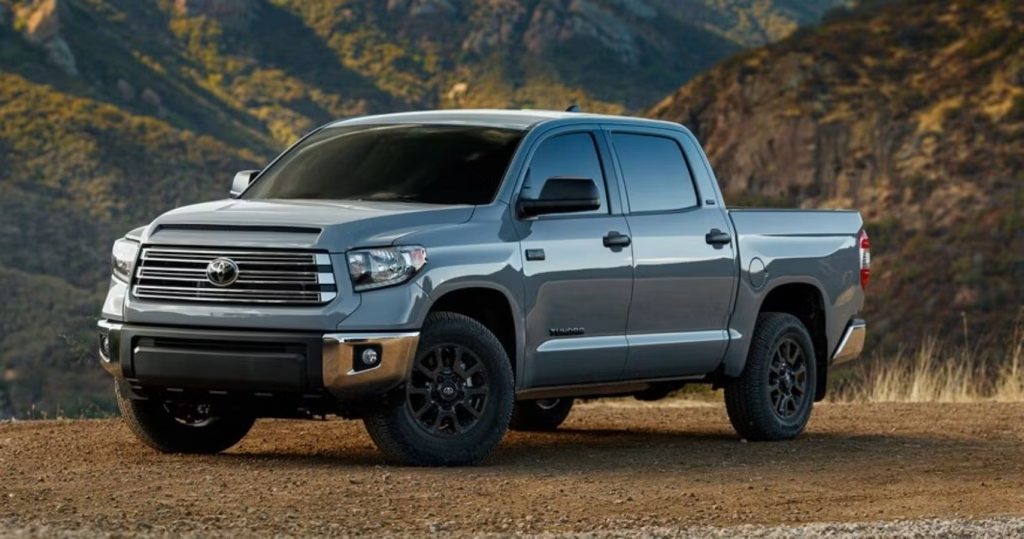
For buyers who specifically want the last version of Toyota’s long-running V8 Tundra, the 2021 model is a strong candidate.
It combines the established engine and transmission with newer safety and convenience equipment, making it one of the easiest recommendations for shoppers who want to avoid the first model year of the redesigned truck.
5 Toyota Tundra Years to Avoid
1. 2007 Toyota Tundra
The 2007 Tundra deserves caution because it was the first model year of Toyota’s second-generation full-size pickup. The redesign brought major improvements in size, capability, engine choices, and towing capacity, but first-year vehicles can carry additional risk when a manufacturer introduces a substantially new truck.
One of the biggest concerns with an older 2007 example today is not simply its original design but its age. These trucks are approaching two decades old, meaning deterioration can become just as important as the underlying engineering.
Frame corrosion is particularly significant because structural rust can turn an otherwise affordable pickup into a poor investment.
Toyota issued a recall campaign involving frame corrosion on certain Tundra pickups, and buyers considering an older example should verify the vehicle identification number and determine whether the applicable repair was completed. A truck with serious structural corrosion should not be purchased simply because its engine runs well.
The 2007 model also offered several engine choices, including a 4.0-liter V6, 4.7-liter V8, and 5.7-liter V8. The 5.7-liter engine produced 381 horsepower and 401 lb-ft of torque, giving the truck impressive performance for its era.
However, buyers today should be less interested in the original horsepower figure than in how the individual engine has been maintained after years of use.
Suspension components, steering parts, seals, cooling-system components, brakes, and exhaust hardware can all require attention on an older truck. Even a well-maintained engine cannot compensate for a severely deteriorated chassis.
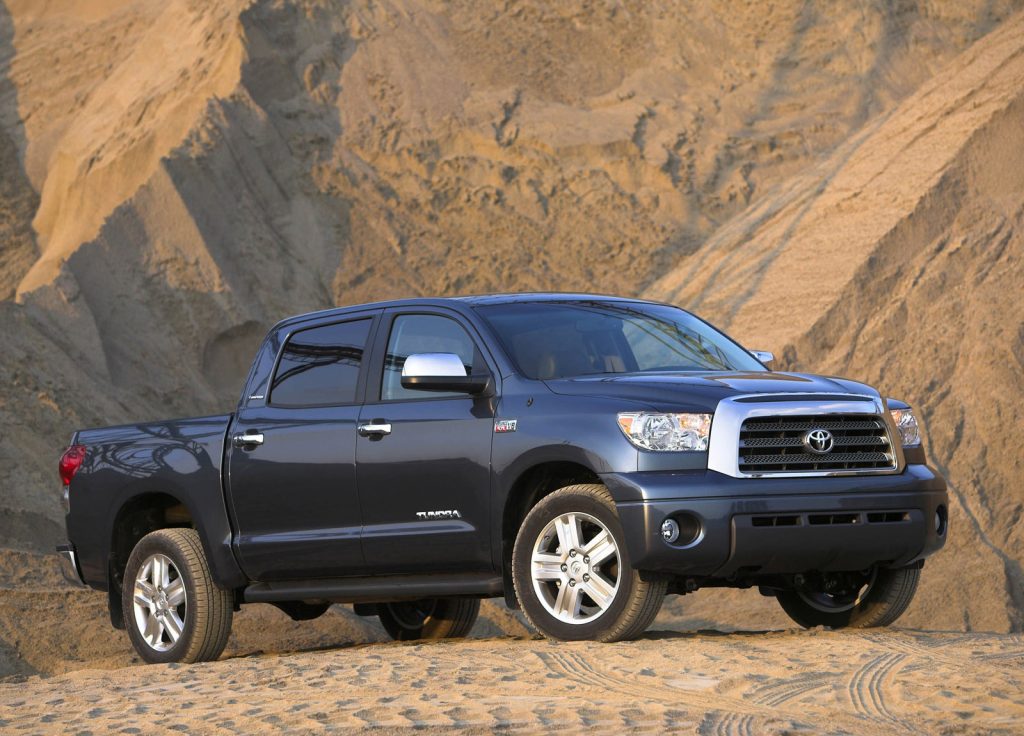
That is why the 2007 Tundra belongs on the caution list. It is not necessarily a truck that should never be purchased. Instead, it is one where the inspection must be exceptionally thorough.
A clean example with documented maintenance and a healthy frame can still be useful, but buyers should not assume that Toyota’s reputation eliminates the risks associated with an early redesigned pickup that is now nearly twenty years old.
2. 2008 Toyota Tundra
The 2008 Tundra carries many of the same age-related concerns as the preceding model year, which makes careful screening essential. It belongs to the early period of the second-generation truck, and today the condition of an individual vehicle can matter considerably more than its original factory specification.
For shoppers searching the used market, the biggest attraction is often price. A 2008 Tundra can cost far less than a late second-generation example while still offering the 5.7-liter V8 and substantial towing ability.
That combination can make the truck look like a bargain. The problem is that the money saved at purchase can disappear quickly if the truck requires major structural, suspension, brake, drivetrain, or corrosion-related repairs.
Frame condition deserves particular attention. Toyota conducted a corrosion-related recall involving certain Tundra pickups from this era.
Anyone considering a 2008 truck should have the underside inspected professionally rather than relying on a quick visual check from outside the vehicle. Rust around critical structural areas can be difficult to evaluate without putting the truck on a lift.
The engine itself can remain strong when properly maintained, but maintenance history is crucial. At this age, oil leaks, cooling-system problems, worn belts and pulleys, exhaust issues, and aging seals can appear even when the powertrain has been dependable. A pre-purchase inspection can reveal problems that a short test drive will not.
The 2008 Tundra also needs to be judged according to its previous job. A pickup that spent its life hauling a trailer or carrying heavy loads may have substantially more wear than one that was used as a commuter vehicle.
Check the hitch, transmission, driveshaft, differential, brakes, wheel bearings, and suspension for evidence of prolonged heavy use.
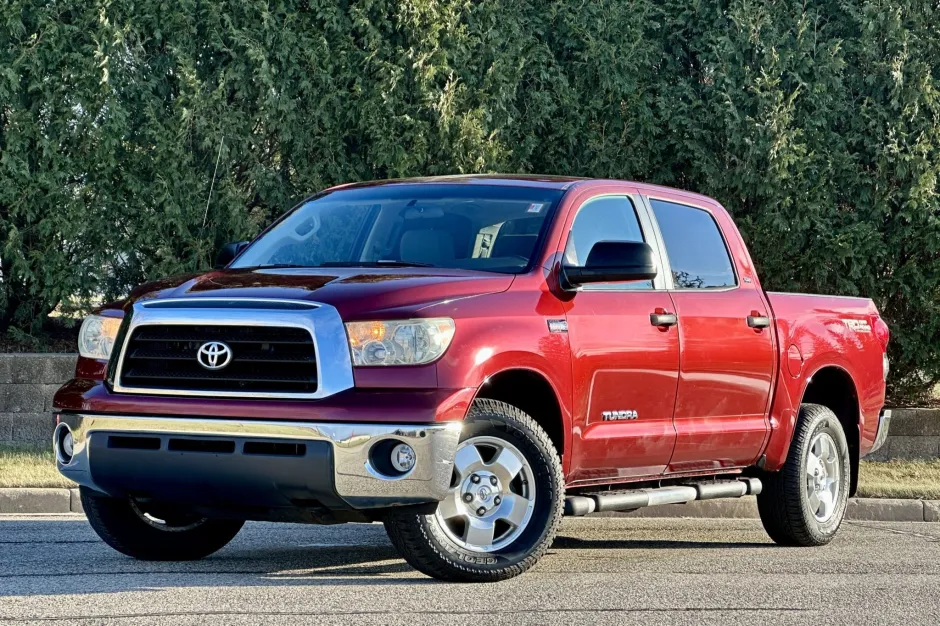
This year can still make sense for a buyer who finds an exceptionally clean example at the right price. However, compared with later Tundras, the additional age and corrosion risk make it harder to recommend blindly.
The 2008 model is therefore best approached as a truck requiring evidence, inspection, and realistic budgeting rather than a simple low-cost Toyota purchase.
3. 2009 Toyota Tundra
The 2009 Tundra deserves caution primarily because its age, recall history, and used-market condition can create more risk than its relatively affordable purchase price suggests.
Consumer Reports currently lists 13 NHTSA recalls for the 2009 model, while its reliability assessment places the truck around average for vehicles from the same model year. That does not make every 2009 Tundra unreliable, but it gives buyers a reason to investigate the individual truck carefully.
The second-generation platform itself can still provide impressive capability, especially with the available 5.7-liter V8.
However, nearly two decades of use means age-related wear is now a major consideration. Suspension components, brakes, steering parts, drivetrain components, seals, and electrical equipment can all require attention.
The recall history is another reason to avoid buying one without checking its VIN. Buyers should confirm that every applicable safety campaign has been completed before considering the truck.
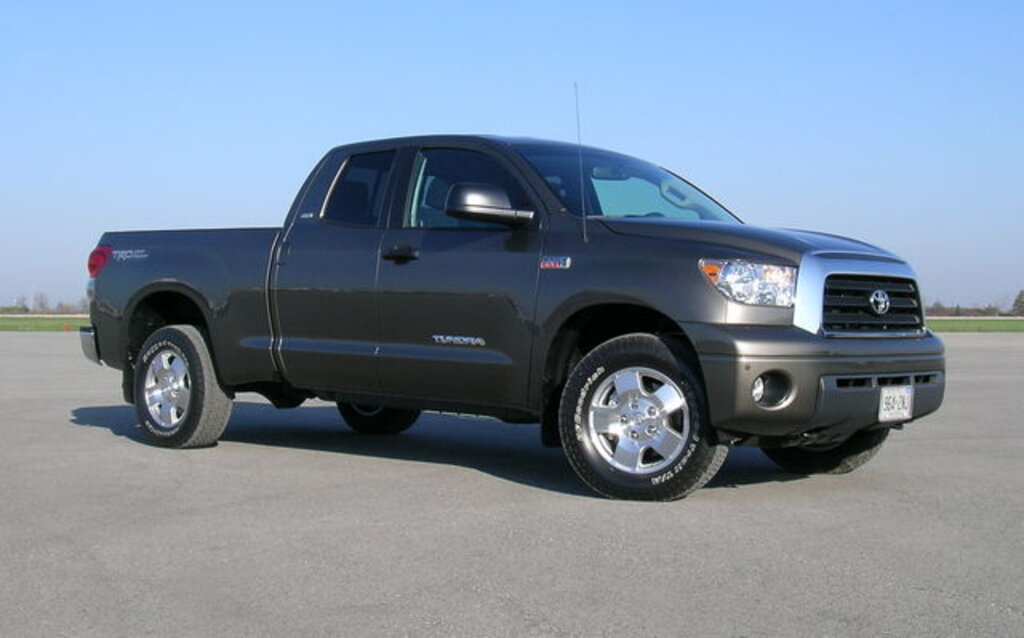
A thorough underbody inspection is particularly important for vehicles that spent their lives in areas where road salt is heavily used. Surface rust is one thing, but corrosion affecting structural components deserves immediate attention.
The 2009 Tundra can still be worthwhile when exceptionally well maintained, but it is difficult to recommend when similarly priced trucks from later years are available. Its combination of age and recall history makes careful inspection more important than the Toyota badge alone.
4. 2010 Toyota Tundra
The 2010 Tundra is another year where buyers should resist the temptation to judge the truck solely by its strong V8 reputation. Consumer Reports records 16 NHTSA recalls for the model and identifies several owner-reported trouble areas, including exhaust components, brakes, paint and trim, climate-system components, and drivetrain-related concerns.
Rust deserves particular attention. Owner reports collected by multiple sources describe corrosion involving the truck bed and other areas, with some complaints involving substantial rust. That makes an inspection from underneath particularly valuable, especially for trucks that spent time in northern states where road salt is common.
The 5.7-liter V8 remains a major attraction because it produces 381 horsepower and 401 lb-ft of torque. Yet engine strength does not eliminate the possibility of expensive problems elsewhere. A buyer could end up spending heavily on brakes, suspension, exhaust repairs, rust remediation, air-conditioning components, or drivetrain work.
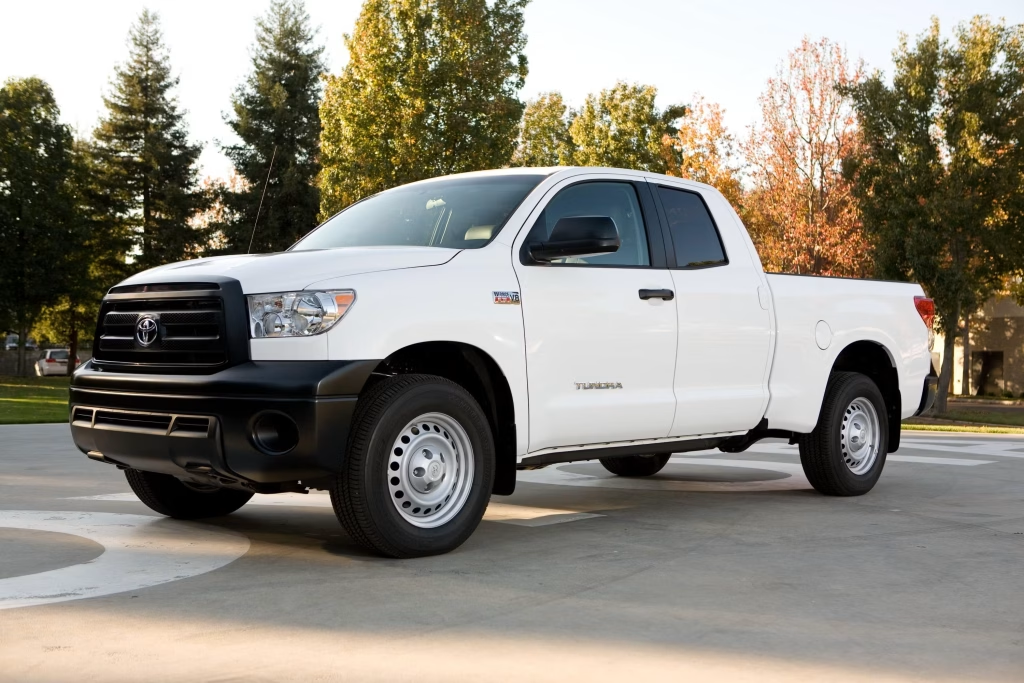
The 2010 model can therefore make sense only when the individual truck has strong maintenance records and a clean inspection. Buyers should examine the frame, bed mounting areas, brake system, exhaust, transmission behavior, four-wheel-drive operation, and electrical equipment before committing.
A low asking price should not automatically be considered a bargain. If substantial corrosion or multiple neglected repairs are discovered, moving to a later Tundra can be the financially smarter choice.
5. 2012 Toyota Tundra
The 2012 Tundra is a more complicated case because it is not a universally poor performer. In fact, Consumer Reports rates the 2012 model as more reliable than other vehicles from the same model year.
The reason it appears in a cautionary list is that buyers can encounter specific areas requiring attention, particularly with an older truck that has accumulated substantial mileage.
Brake-related complaints appear among the reported trouble spots, including premature wear, vibration, caliper problems, and parking-brake concerns.
Transmission problems are also documented in owner reports, including high-mileage examples requiring significant repairs. These reports do not mean every 2012 truck will develop such faults, but they are useful inspection points.
The model also has documented recalls. One campaign involved certain power-steering gear assemblies that could leak oil and potentially cause a loss of power-steering assist.
Other recalls involved load-carrying-capacity labeling and passenger-occupant sensing-system calibration. Buyers should verify recall completion through the vehicle’s VIN before purchasing.
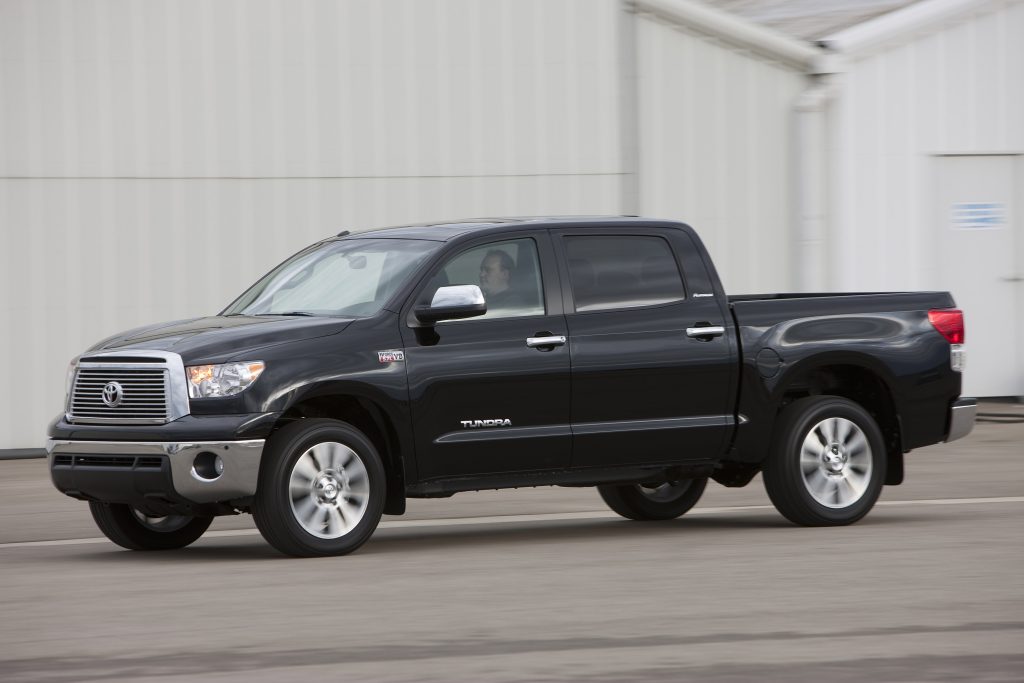
The available 5.7-liter V8 remains a strong part of the truck’s appeal, producing 381 horsepower and 401 lb-ft of torque. However, the condition of the transmission, brakes, steering system, and underbody should take priority during a used-truck inspection.
For that reason, the 2012 Tundra is not a truck that should automatically be rejected. Instead, it belongs in the caution group because buyers need to be more selective. A documented, well-maintained example can still be a capable purchase, while a neglected high-mileage truck can quickly become expensive.
