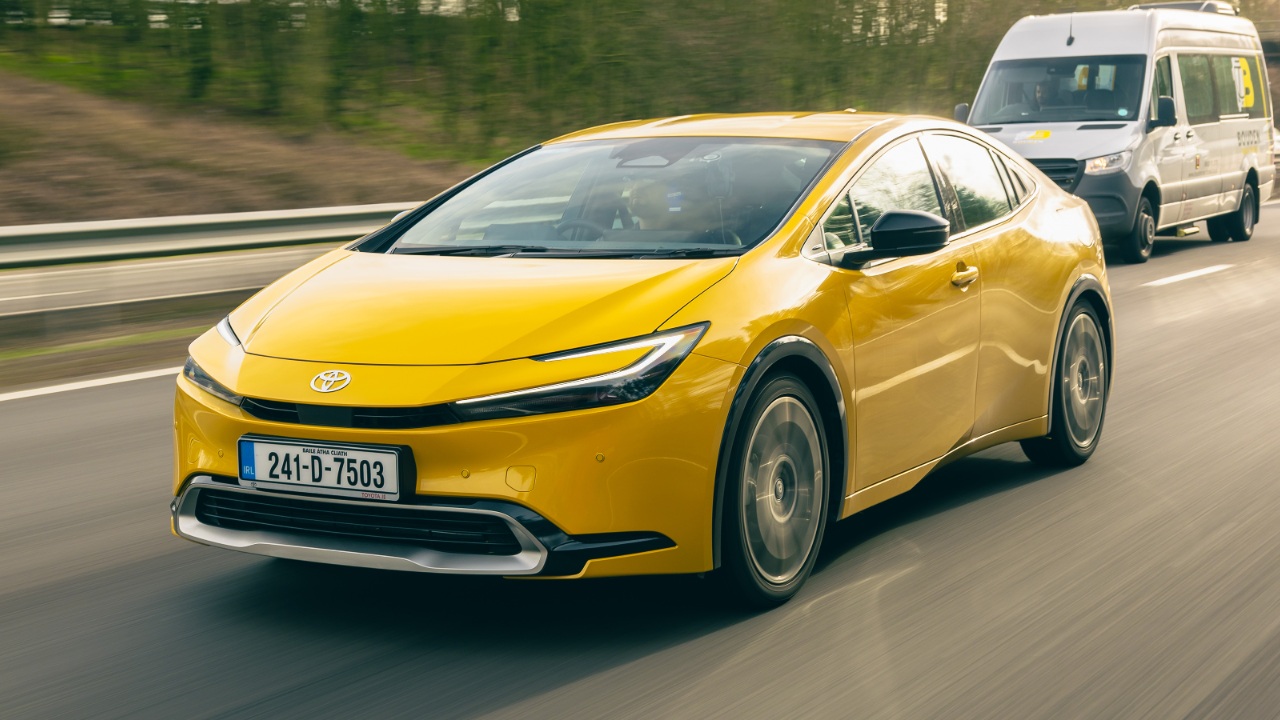
The Toyota Prius is famous for fuel economy, but its fifth-generation design hides plenty of technology beyond its hybrid powertrain. Some features sit inside the multimedia system, while others are built into the key, charging area, seats, or driver-assistance systems.
Depending on trim, the 2026 Prius can offer a digital key, wireless phone charging, a power liftback, six USB-C charging ports, advanced driver assistance, and available all-wheel drive. Toyota also gives the Prius up to 57 mpg combined on front-wheel-drive models.
These details can make the car considerably easier to live with, yet many owners may never use them until they discover where they are located.
1. Your Smartphone Can Become the Prius Key
The physical key fob is not the only way to access and start a properly equipped 2026 Prius. Toyota offers a digital key, which allows a compatible smartphone to function as the vehicle key.
The feature is available depending on trim and requires Toyota’s connected-services setup. Toyota’s 2026 Prius brochure specifically identifies Digital Key as a capability that can replace the physical key with a smartphone.
That can be especially useful when the Prius is shared between family members. Instead of handing another driver a spare physical key, the owner can use Toyota’s connected-services system to provide digital access when supported by the vehicle and subscription.
The feature is also part of a larger connected ecosystem. Toyota says its Remote Connect service can provide vehicle functions through a smartphone or smartwatch, including remote start, remote climate control, vehicle-status information, and last-parked-location information. Digital Key is included among the available connected functions on compatible vehicles.
There is a practical distinction between Digital Key and Remote Connect, however. Digital Key is designed to function as the vehicle access and starting credential, while Remote Connect provides remote functions through the connected-services system.
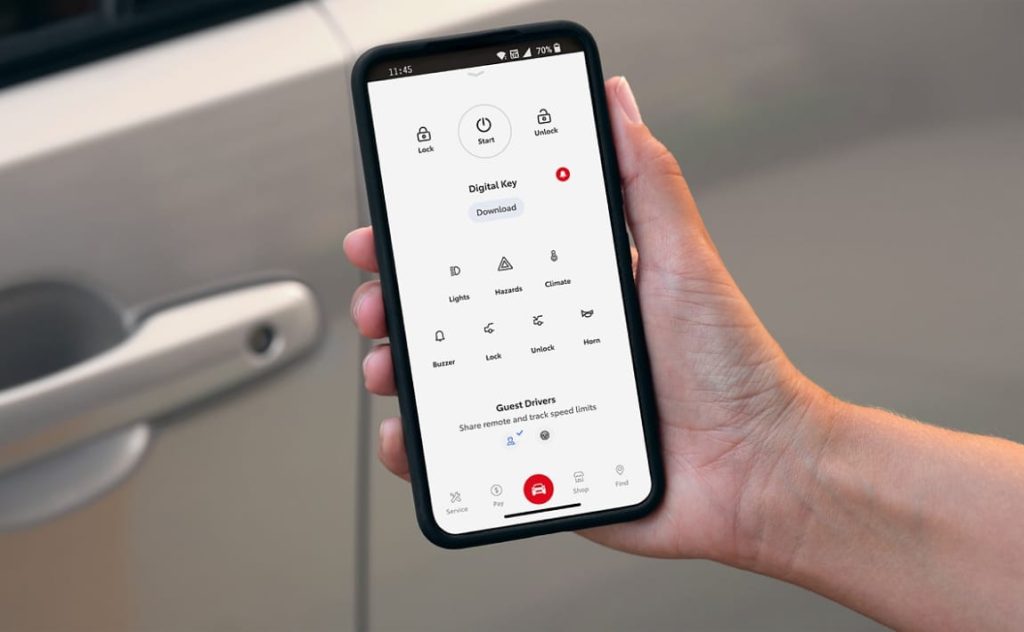
Owners should therefore configure the feature according to Toyota’s instructions rather than assuming that simply having the Toyota app installed turns a phone into a key.
The capability is not standard on every 2026 Prius trim. Toyota’s U.S. brochure shows Digital Key as available on several grades and standard on the limited versions. That makes checking the exact trim important before assuming the feature is present.
For drivers who already rely heavily on their smartphone, this can quietly become one of the Prius’s most convenient features. The physical key can remain available as a backup while the phone handles everyday access.
2. The Prius Has Six USB-C Charging Ports
The number of USB ports may not sound exciting, but Toyota has made the 2026 Prius unusually convenient for passengers carrying multiple devices. The U.S. Prius brochure lists six USB-C charging ports, with two located at the front, two in the center console area and two for rear passengers.
That arrangement means the charging system is not concentrated around the driver and front passenger. Rear-seat occupants have dedicated charging access too, which can be useful on longer trips when phones, tablets, or other USB-C devices need power simultaneously.
The feature becomes particularly valuable because newer consumer electronics are increasingly moving away from older USB-A connections. Instead of forcing passengers to share one front charging point or carry multiple adapters, the Prius provides dedicated USB-C charging locations throughout the cabin.
Toyota also offers Qi-compatible wireless smartphone charging on applicable Prius grades. The 2026 brochure identifies wireless charging with a charge-indicator light, making it possible to power a compatible phone without connecting a cable.
There is a useful distinction between the USB-C charge ports and the USB media connection used for the infotainment system. Not every USB connection is intended for the same purpose, so owners should use the appropriate port for charging or media connectivity.
The setup becomes even more interesting when combined with wireless Apple CarPlay and Android Auto. Toyota’s 2026 Prius multimedia system supports wireless smartphone integration, meaning a driver can potentially connect to the infotainment system without physically plugging the phone into a media cable.
For a vehicle designed around efficient everyday transportation, this is a small but thoughtful piece of packaging. Six charging ports reduce the need for passengers to negotiate over a single connection, while wireless charging and wireless smartphone integration can leave the front cabin noticeably less cluttered.
It is easy to miss because USB ports rarely appear in a vehicle’s headline specifications. Yet for families and commuters, this may be one of the Prius features that gets used more frequently than many of its more expensive technologies.
3. Safe Exit Alert Can Warn You Before You Open the Door
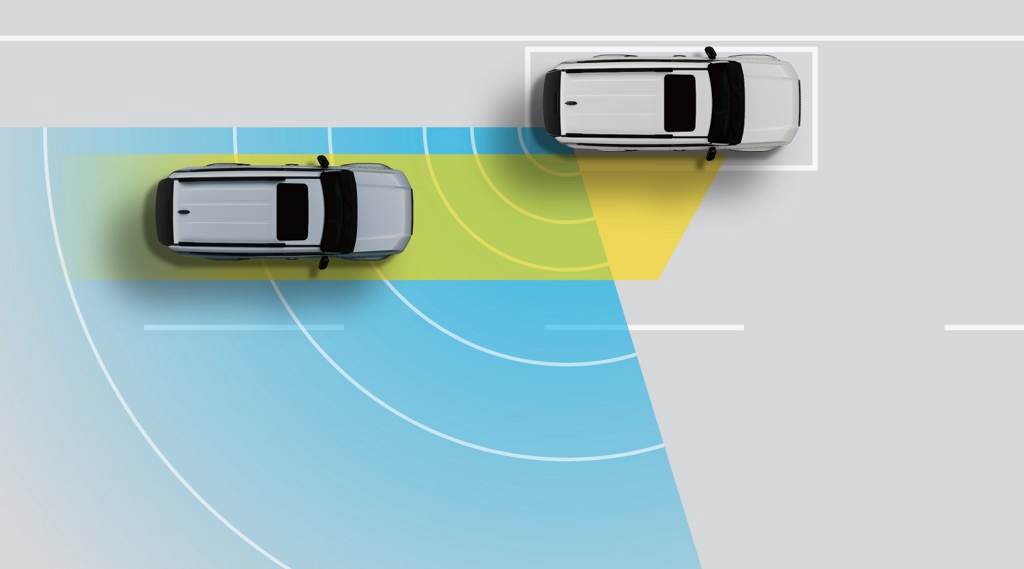
One of the Prius features that can quietly prevent a dangerous situation is Safe Exit Alert. Toyota includes the system as standard equipment on the 2026 Prius, and it is designed to warn occupants if a vehicle or cyclist is approaching from behind when someone is preparing to open a door.
The technology is easy to overlook because it does not require the driver to activate a special driving mode. Instead, the vehicle’s sensors monitor the area beside and behind the Prius. If the system detects a potential approaching hazard, warning indicators can appear, and an audible warning can alert the occupant.
This is particularly useful in crowded urban environments. A Prius parked along a busy street can have traffic, bicycles, or other road users passing close to the driver’s side. Someone inside the car may naturally look forward before opening the door and miss something approaching from behind.
Toyota includes Safe Exit Alert as part of the 2026 Prius safety equipment rather than restricting it to the most expensive Limited trim. The same equipment list also includes a blind spot monitor and rear cross-traffic alert, creating several layers of monitoring around the vehicle.
The important thing to understand is that Safe Exit Alert is an assistance system, not a replacement for checking the surroundings. Toyota’s safety systems can have limitations based on conditions, obstructions, and the way another vehicle or cyclist approaches. Drivers and passengers should still look before opening a door.
The feature becomes even more valuable when children or passengers frequently ride in the rear seats. A passenger who immediately reaches for a door handle after the Prius stops may not notice a cyclist approaching along the curb. The warning provides an additional opportunity to wait.
It is exactly the kind of feature that can remain invisible during a dealership test drive because nothing has to be pressed or configured. Yet once owners understand what the warning means, they can recognize it as an important part of the Prius’s everyday safety technology.
4. The Prius Can Give You a 360-Degree View Around the Car
Parking a low-slung vehicle in a tight space can be difficult when the driver cannot see the area immediately surrounding the body. On higher-trim 2026 Prius models, Toyota addresses that problem with an available Panoramic View Monitor. The system combines camera images to create a simulated overhead view of the vehicle and its immediate surroundings.
Toyota’s U.S. equipment list identifies the system as providing a 360-degree overhead view during low-speed driving and reverse, along with a Curb View function. On the 2026 Prius, it is available on the Limited and certain higher-equipment configurations rather than being standard across the lineup.
The Curb View function can be especially useful because wheels and tires are vulnerable when maneuvering close to concrete curbs. Instead of relying entirely on the driver’s mirrors and judgment, the camera system provides a much clearer picture of the area immediately around the vehicle.
There is also a practical advantage when reversing into a narrow parking space. A conventional backup camera shows what is behind the Prius, but it does not provide the same perspective of the vehicle’s front corners and sides. The panoramic system combines those areas into a broader visual reference.
Toyota’s system should still be treated as an aid rather than a replacement for physically checking the surroundings. Camera views can be affected by dirt, water, snow, or other obstructions, and objects outside the cameras’ coverage can remain difficult to see.
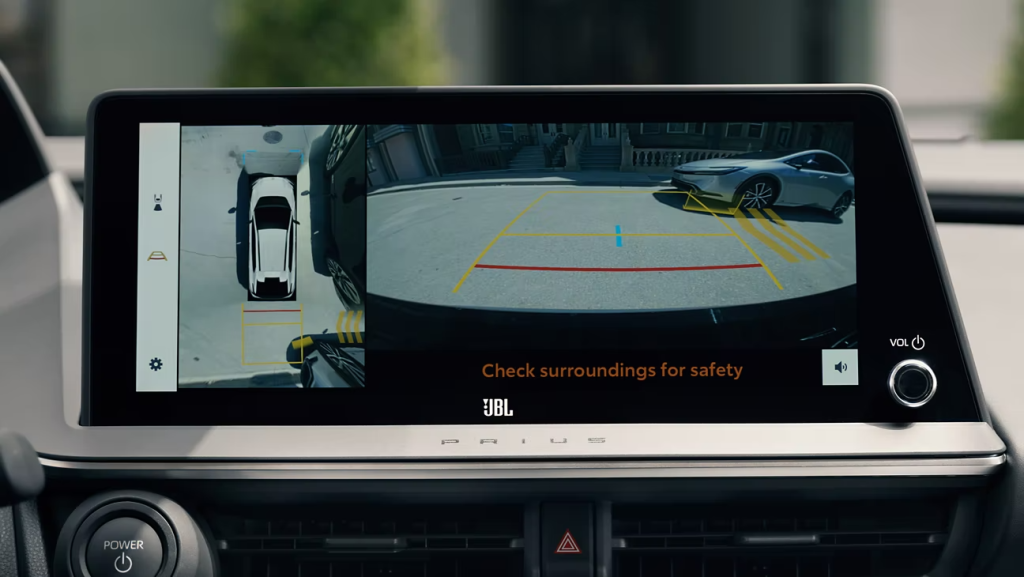
What makes this feature easy to miss is its relationship with trim level. Someone shopping for a Prius LE or XLE may not encounter the same camera functionality as someone sitting in a Limited. Toyota’s 2026 brochure specifically lists the Panoramic View Monitor as an available feature rather than universal equipment.
For owners who regularly park in garages, crowded shopping centers, or narrow urban spaces, the system can become one of those features that seems unnecessary until it is used. Once familiar with the camera angles, the additional visibility can make precise low-speed maneuvering much easier.
5. The Prius Can Use Your Phone for Remote Climate Control
The Toyota Prius can quietly turn into a remotely controlled climate system when the appropriate connected services are active. Through Toyota’s app, compatible 2026 Prius models can support Remote Connect, which allows owners to perform certain functions from a smartphone.
Toyota lists remote vehicle start and remote climate-control capabilities among the services available through its connected-services system.
That is more useful than it might sound. A Prius parked outside during a hot summer afternoon can be uncomfortable when you first get inside. Instead of starting the vehicle and waiting for the cabin to reach a more comfortable temperature, an owner can use the connected-services system before walking to the car.
The same idea works during cold weather. Remote climate functions can prepare the interior before departure, reducing the amount of time spent sitting in an uncomfortable cabin while the climate system gets to work.
Toyota’s system is not simply a universal smartphone feature. Remote Connect availability depends on the vehicle’s equipment and connected-service terms, and Toyota says trial periods and subscription requirements vary by model and service.
The Prius’ hybrid powertrain also makes this function different from what many owners may expect from a conventional gasoline car. The gasoline engine can cycle on and off as the hybrid system manages energy and climate demands, so remote operation does not behave exactly like leaving a conventional engine idling continuously.
Toyota’s 2026 Prius also offers a Smart Key System on applicable grades, while the connected-service ecosystem adds another layer of convenience. Owners can check vehicle status and use remote functions without being physically next to the car.
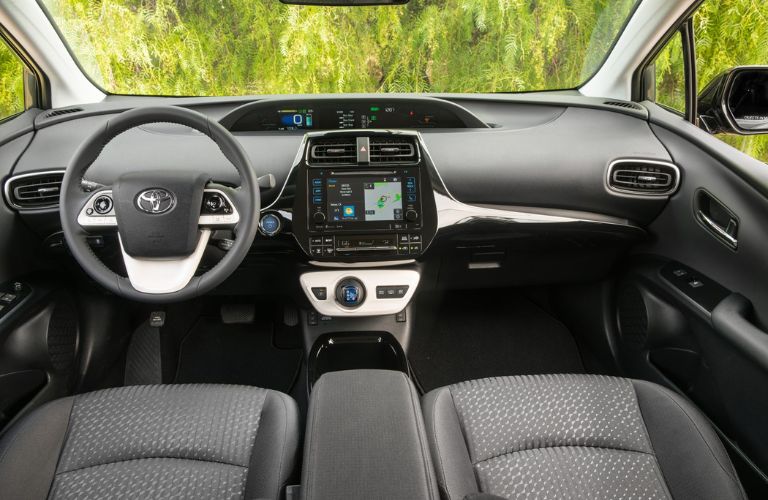
The hidden aspect is the way several technologies work together. The Prius does not need a dedicated physical climate-control remote sitting on a key ring. The owner’s smartphone becomes the interface for those functions.
For people who park outdoors, commute during very hot summers, or regularly leave work at a predictable time, this can be one of the Prius features worth setting up early rather than discovering months into ownership.
6. The Rear Seats Can Fold to Create a Surprisingly Useful Cargo Area
The Prius’ sleek shape can make it look more focused on efficiency than practicality, but its hatchback body hides a useful cargo advantage. Toyota gives the 2026 Prius a 60/40 split-folding rear seatback, allowing owners to expand the cargo area when carrying longer or bulkier objects.
The split is important because the entire rear seat does not have to be sacrificed whenever additional cargo length is needed. One portion can be folded while another remains available for a passenger. That arrangement is particularly useful for everyday errands, sports equipment, or smaller home-improvement purchases.
Toyota lists up to 23.8 cubic feet of cargo capacity behind the rear seats for the 2026 Prius. That figure gives the hatchback considerably more flexibility than a conventional sedan with a fixed trunk opening.
The low roofline does impose some limitations. Tall objects can be harder to accommodate than they would be in a larger crossover, and owners still need to respect the vehicle’s load limits. But the hatchback opening makes it easier to load items that would be awkward to place through a traditional trunk lid.
Another useful detail is that the Prius’ rear seatbacks can be folded from the cargo area. This allows you to adjust the interior configuration without having to walk around to the rear passenger doors each time. The exact operation may vary depending on the equipment, so Toyota’s owner’s manual is still the best reference for the specific vehicle.
This flexibility can change how the Prius is used. A driver might keep the rear seats upright during the workweek and then fold one side for a weekend project without giving up the ability to carry a passenger.
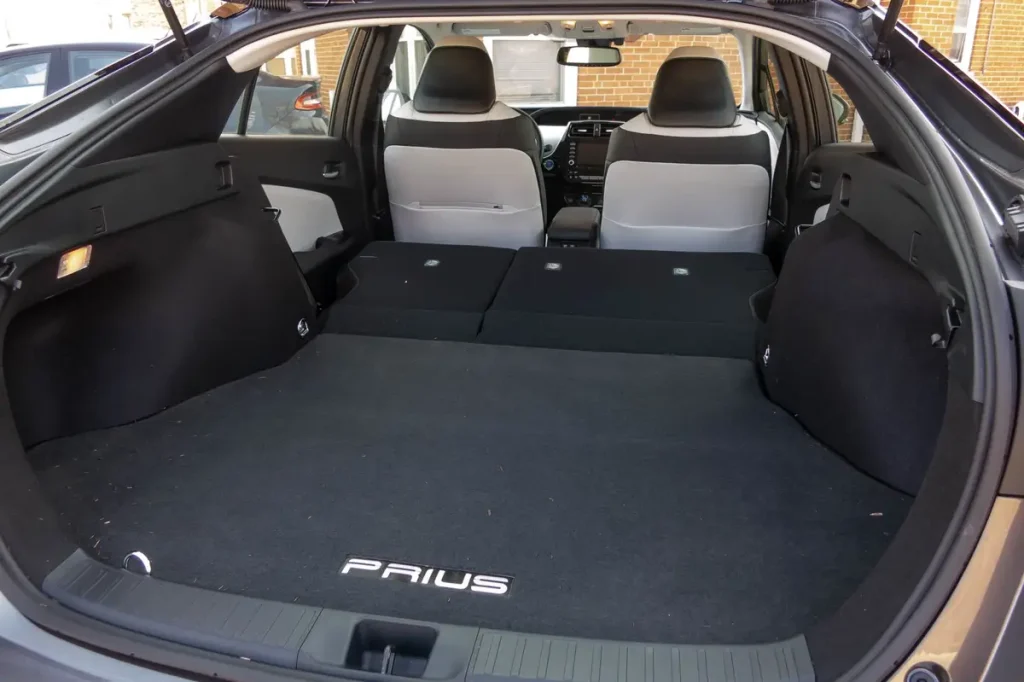
The feature is not particularly flashy, which explains why it can be overlooked. Yet cargo versatility is one of the strongest practical advantages of the Prius’ hatchback design.
For drivers who think of the Prius primarily as a fuel-saving commuter, the rear-seat arrangement is a reminder that the car was engineered to handle more than daily highway miles. Its combination of a hatchback opening, folding seats, and a dedicated cargo area makes it substantially more adaptable than its exterior silhouette suggests.
7. The Prius Can Automatically Hold the Brakes at a Stop
A useful feature for heavy traffic is Brake Hold, available on appropriately equipped 2026 Prius models. It allows the vehicle to maintain braking force after coming to a complete stop, letting the driver release the brake pedal while waiting at traffic lights or in stop-and-go traffic.
Brake Hold is designed for temporary stops during normal driving and should not be confused with the parking brake. Drivers must still monitor traffic and be ready to accelerate or brake. Toyota’s documentation explains the system’s operating conditions and limitations, including situations where it may cancel or become unavailable.
The feature can reduce the repetitive effort of keeping a foot on the brake during urban driving, where frequent stops are common. However, it is not standard on every Prius configuration, so buyers should verify the equipment for their specific trim.
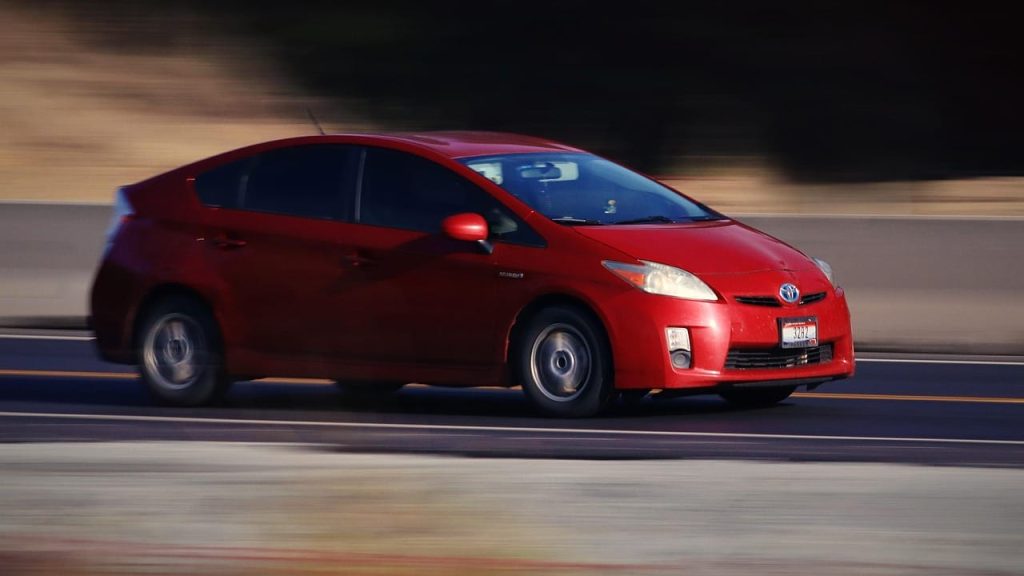
Once activated correctly, brake hold can become a convenient part of daily driving. Its main benefit is simplicity, particularly for drivers who regularly encounter congestion. Understanding when the system is engaged is important because drivers should never assume the vehicle will remain stationary without confirming Brake Hold is operating.
8. The Prius Can Be Equipped With Solar Charging for the Traction Battery
One of the Prius family’s most unusual features is the available solar roof on the Prius Plug-in Hybrid. Toyota says the integrated roof panels can convert sunlight into electricity that contributes energy to the vehicle’s drive battery.
The system works while the vehicle is exposed to sunlight, allowing it to generate energy without being connected to a charger.
The solar roof is optional rather than standard, and its energy contribution depends on factors such as sunlight, weather, and how long the vehicle remains parked. It should therefore be considered a supplementary energy source rather than a replacement for conventional charging.
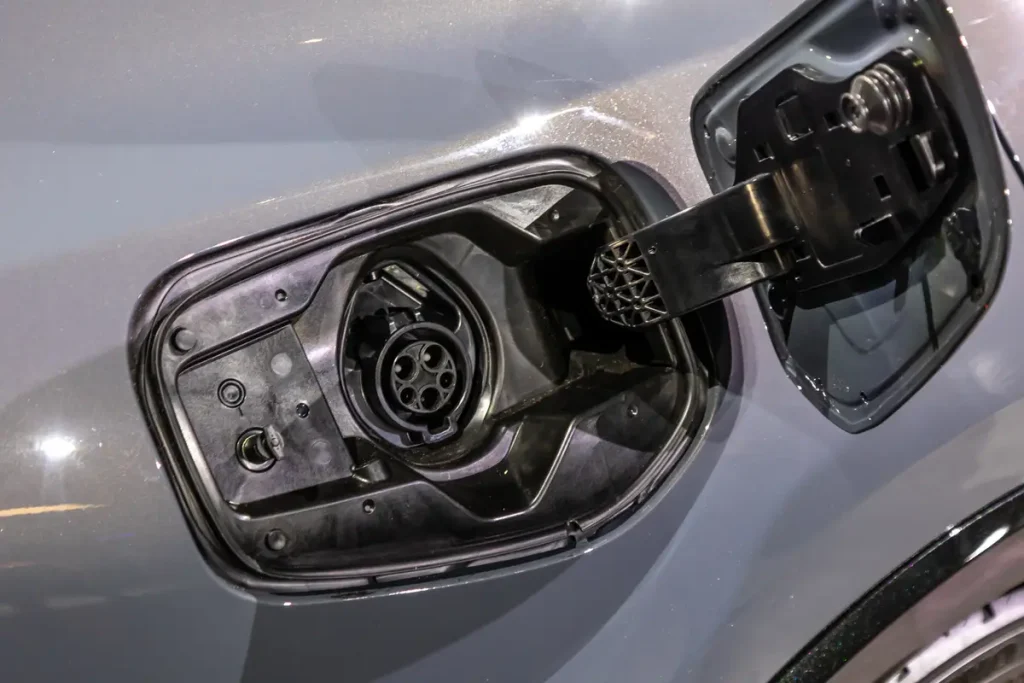
The distinction between the regular Prius and the Prius Plug-in Hybrid is important. The standard Prius recharges its hybrid battery through regenerative braking and the gasoline engine, while the plug-in version has a larger battery that can be charged externally and provides dedicated electric driving.
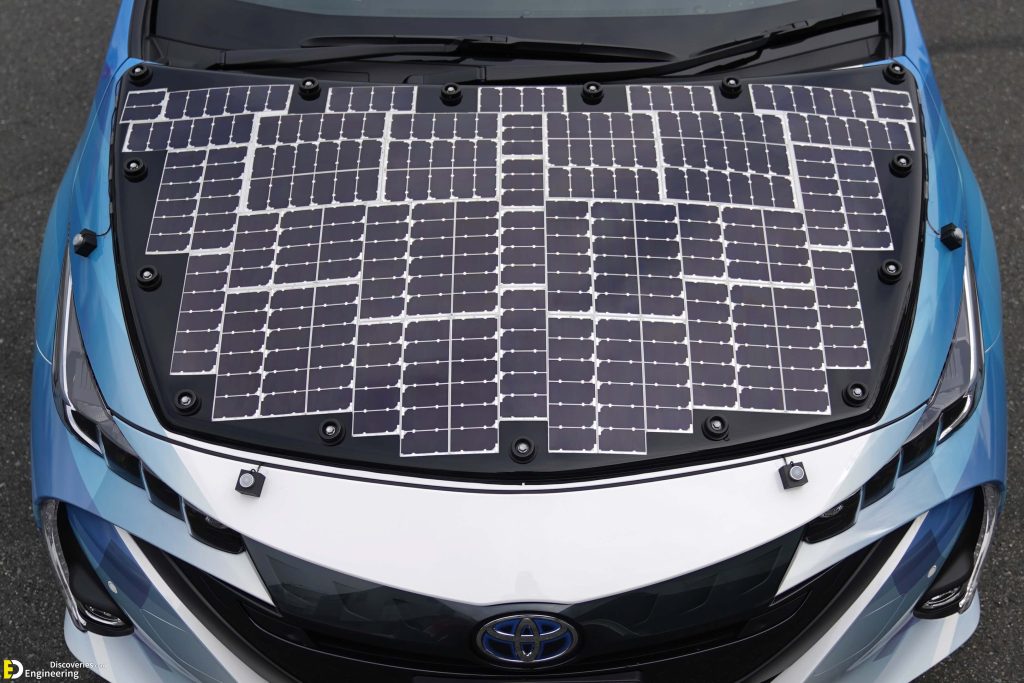
Toyota says the 2026 Prius Plug-in Hybrid can travel up to 44 miles on electric power, depending on configuration. The solar roof can therefore provide a small additional energy contribution over time.
Its appeal is largely in its design. Instead of leaving the roof as unused surface area, Toyota uses it to generate electricity. For owners who regularly park outdoors, the system can quietly add energy without another charging session, making it one of the Prius family’s more distinctive available technologies.