
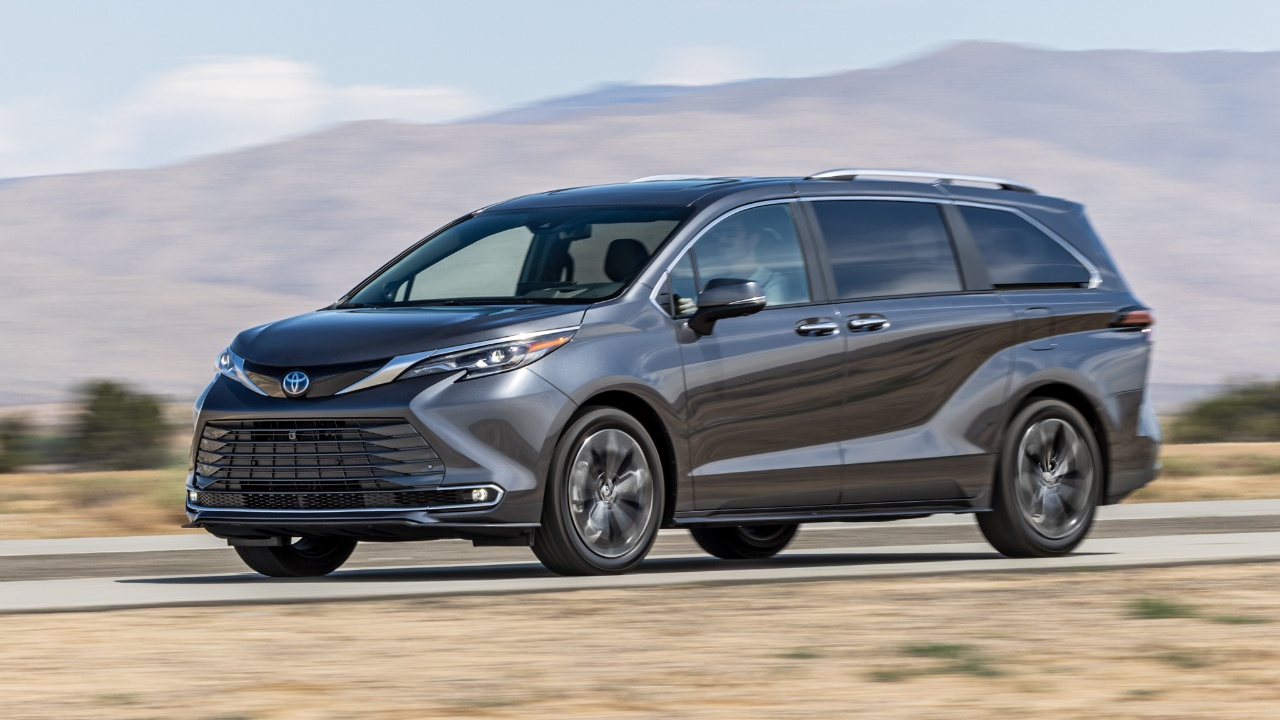
The Toyota Sienna is designed for family practicality, but some of its most useful features are easy to miss because they are integrated into places owners may not check right away.
Depending on trim, the minivan can cool drinks in the center console, vacuum crumbs without a separate cleaner, open its sliding doors with a foot gesture, and offer an unusually flexible second-row seating arrangement.
Other clever touches involve the rear seats, power outlets, cameras, and cabin communication. These features are not gimmicks. They are designed to solve everyday problems that appear when a vehicle is carrying children, luggage, groceries, and passengers on long trips.
1. The Center-Console Fridge Box Can Keep Drinks Chilled
One of the easiest Sienna features to overlook is hiding in the center console rather than somewhere obvious in the rear cabin. On appropriately equipped 2026 Sienna models, Toyota offers a FridgeBox built into the center console, giving passengers a dedicated place to keep drinks and snacks chilled during a drive.
Toyota says the feature is available on the Limited and standard on the Platinum, making it particularly useful for families who spend long periods in the vehicle.
The clever part is its location. Because the FridgeBox sits in the center-console area, refreshments can remain accessible to people in both the front and second rows without filling a separate cooler with ice.
Toyota specifically describes it as being useful for keeping drinks and snacks cool on family trips, although it should be viewed as a convenience feature rather than a replacement for a full-size refrigerator.
Owners should also keep one practical detail in mind. The FridgeBox operates when the Sienna is powered on, according to Toyota’s 2026 brochure. It is designed to keep items cool during travel rather than function as a standalone refrigerator that can operate independently.
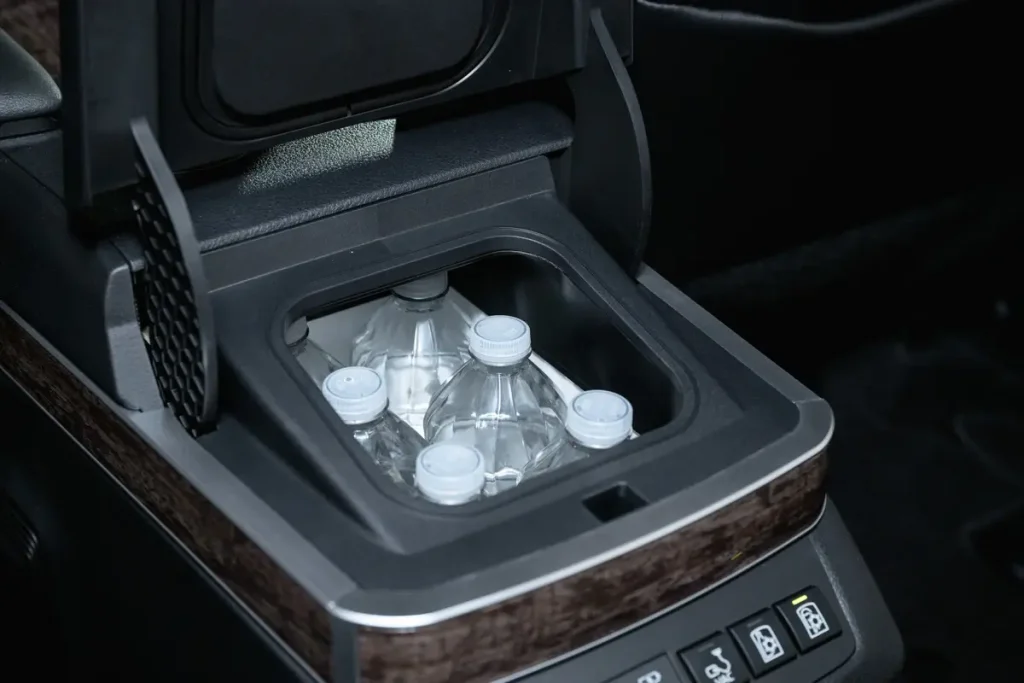
For road trips, this can eliminate one of those small annoyances that families deal with constantly. Instead of stopping to retrieve drinks from a cooler in the cargo area, passengers can keep frequently needed refreshments much closer at hand. It is an excellent example of how the Sienna’s interior was designed around everyday family use.
2. The Sienna Has a Built-In Vacuum for Quick Cleanup
Minivans can accumulate crumbs, dirt, and bits of food surprisingly fast, especially when children regularly ride in the second and third rows. Toyota tackles this everyday problem with one of the Sienna’s more unusual convenience features, a built-in vacuum cleaner integrated into the center console.
For the 2026 Sienna, Toyota makes the vacuum standard on the Platinum grade and available on the Limited. The system is not simply a hose stored somewhere in the vehicle. Toyota’s documentation identifies it as a built-in vacuum with a removable dustbin and filter, allowing owners to clean up everyday debris without carrying a separate portable vacuum.
Its location is what makes the feature particularly easy to miss. The vacuum is incorporated into the center-console area, so it can be used without opening the rear cargo compartment or searching through storage compartments.
That makes it suitable for small jobs such as cleaning crumbs from the floor, removing dirt from the seat area, or picking up debris after a family meal.
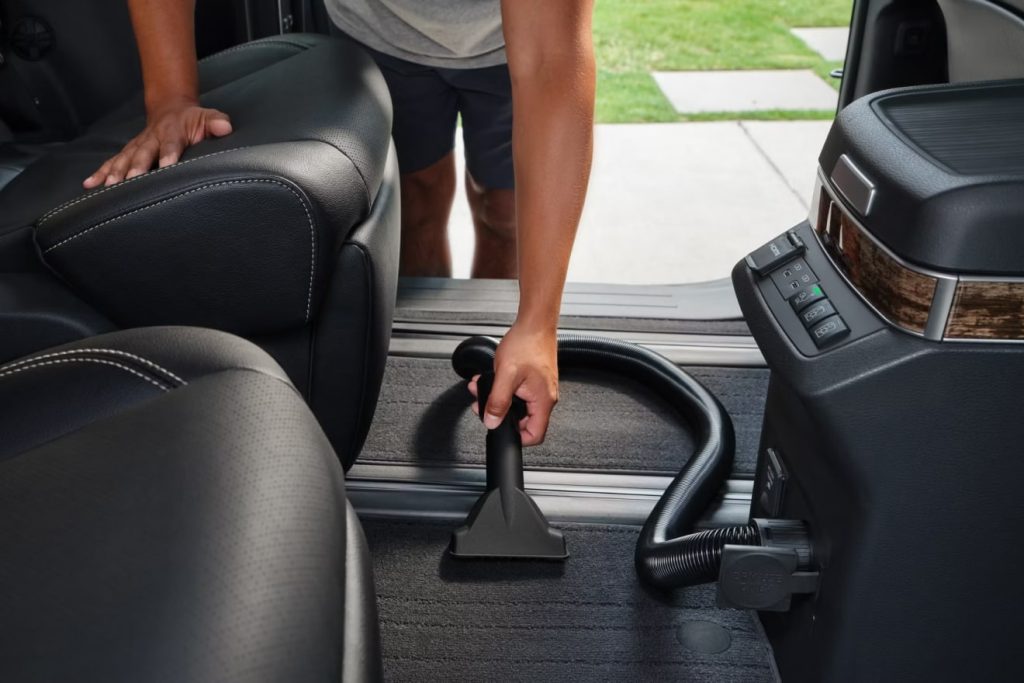
It is worth emphasizing what Toyota designed it for. This is a convenience vacuum for routine messes, not a substitute for a powerful household vacuum. Its value comes from accessibility. If a child spills crackers across the floor or sand gets tracked into the cabin after a trip, the cleanup tool is already inside the vehicle.
That can make a surprisingly big difference to ownership. Instead of allowing small messes to accumulate until the next trip to a car wash, the Sienna gives owners a way to deal with them immediately.
3. The Kick Sensor Can Open the Sliding Door Hands-Free
When both hands are occupied with groceries, luggage, or a child, reaching for the Sienna’s sliding-door handle can be awkward. Toyota addresses that problem with a hands-free kick sensor on appropriately equipped models.
By making a deliberate kicking motion beneath the side of the vehicle, the power sliding door can open without requiring the driver or passenger to touch the handle.
Toyota’s 2026 Sienna feature information lists the kick sensor for the power sliding doors on higher trims, including the Limited and Platinum. The system is particularly useful because the sensor is positioned low on the body, allowing an owner carrying bags to trigger the door without putting anything down first.
There is a small technique to remember. The motion is not meant to be a forceful kick against the vehicle. A quick, deliberate movement under the appropriate sensor area is enough to activate the system. When the vehicle recognizes the request, the power door opens automatically.
The feature becomes especially practical when loading children. A parent can approach the Sienna with a child in one arm and a bag in the other, activate the door, and place the child directly into the second row. The same system can be useful in parking lots when both hands are occupied after shopping.
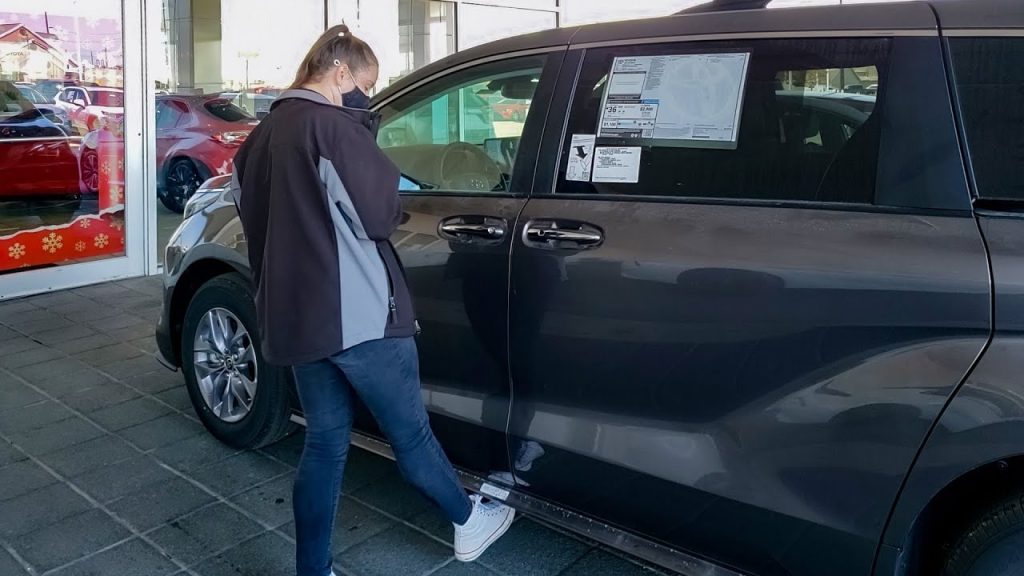
It is one of those features that can seem unnecessary during a quick test drive but becomes much more valuable during regular ownership. Toyota has essentially removed one small physical step from entering the rear cabin.
The availability is trim-dependent, so buyers should verify the equipment on the particular Sienna they are considering rather than assuming every version has the kick sensor.
4. The Driver Can Use Driver Easy Speak to Talk to Rear Passengers
The Sienna addresses a common challenge for minivan drivers, communicating with passengers seated several feet behind them while road noise, music, and other conversations make it difficult to hear each other.
Toyota calls its solution Driver Easy Speak, and it uses the vehicle’s microphone and speakers to make communication with rear passengers easier.
On equipped Sienna models, activating Driver Easy Speak allows the driver’s voice to be picked up through the microphone and transmitted through the vehicle’s rear speakers. Toyota includes the system among the Sienna’s available family-oriented technologies, giving the driver a way to address passengers without turning around or raising their voice.
The feature is particularly useful in a three-row vehicle because distance can make normal conversation surprisingly difficult. A child in the third row may not hear a quiet instruction from the driver, especially when the climate-control fan, tires, and traffic are generating background noise. Driver Easy Speak provides another way to make the driver’s voice heard.
There is also a safety benefit to the basic idea. The driver does not need to twist around to address someone behind the front seats. Keeping attention directed toward the road is preferable to physically turning around while the vehicle is moving.
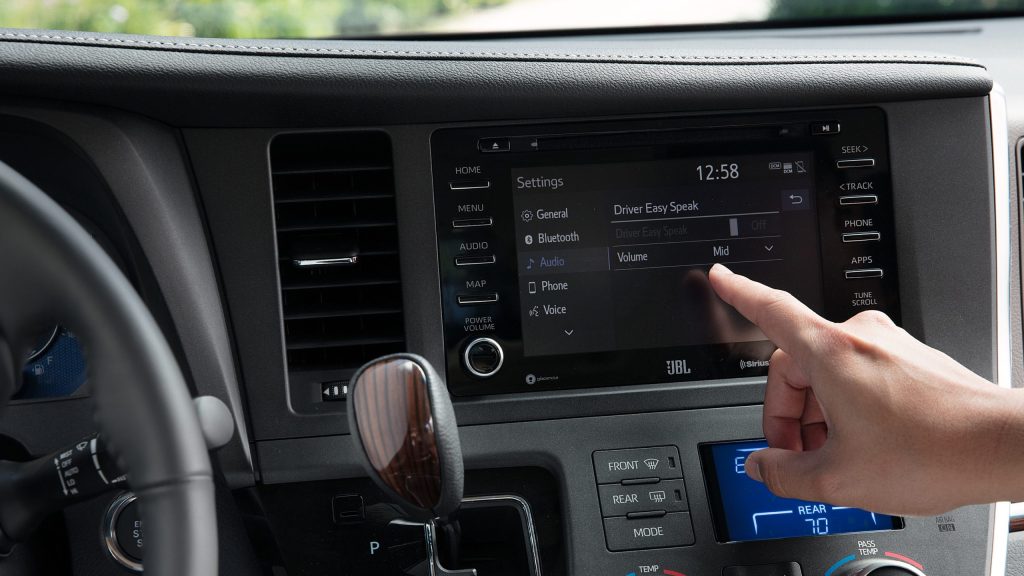
Toyota’s implementation is deliberately simple. It does not require the driver to shout or use a separate handheld microphone. Instead, the vehicle uses equipment that is already part of its communication and audio system.
For families, the feature can become useful far beyond emergencies. It can be used to remind passengers to buckle up, ask someone in the third row to pass an item forward, or communicate with children during a long journey.
5. The Second-Row Seats Can Slide Farther Than You Might Expect
The Sienna’s second-row captain’s chairs hide one of its most useful family-oriented tricks. On appropriately equipped seven-passenger models, the seats have a super-long-slide function that lets them move significantly farther forward and backward than a conventional second-row seat.
Toyota pairs this feature with available built-in ottomans, creating a setup that can change the cabin from a passenger-focused space into a much more flexible cargo area.
The sliding range matters because the Sienna’s third row does not simply depend on passengers accepting one fixed seating position.
When the second-row chairs are moved forward, additional space can be created behind them for third-row passengers or cargo. Move them rearward, and occupants get a more relaxed seating position, with the ottomans providing additional leg support.
Toyota’s brochure specifically notes that the ottomans can fold down to create more room for cargo or passengers. That means the feature is useful in more situations than simply giving someone a comfortable place to stretch their legs.
A family carrying luggage, sports equipment, or bulky purchases can reposition the seats according to what needs to fit inside.
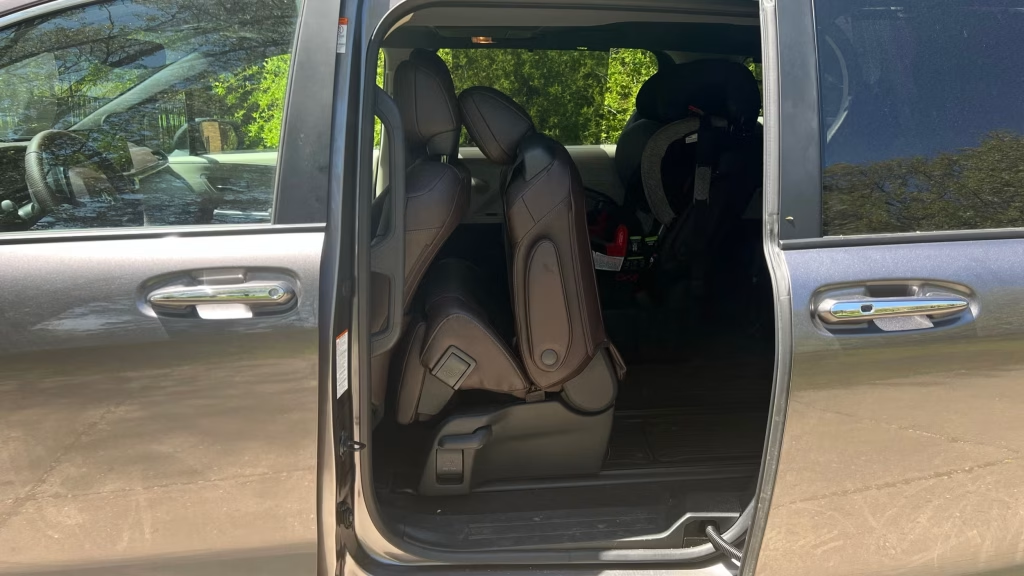
The setup is particularly interesting because the second-row seats remain removable from the vehicle when maximum cargo flexibility is needed.
The sliding seat system offers a practical middle ground. Owners can create more cargo room without removing the seats, while still having the option to rearrange the cabin when carrying larger loads.
6. The Third Row Folds Into the Floor With One Motion
A feature that becomes especially valuable when the Sienna suddenly needs to carry cargo is Toyota’s Split & Stow 3rd Row Seat. Rather than requiring owners to remove the third-row seats, the 60/40-split bench can be folded and stowed into the floor area.
Toyota designed the arrangement specifically so the passenger compartment can change quickly between people-carrying and cargo-carrying duties.
The 60/40 split is the key detail. Owners do not have to sacrifice the entire third row when only part of the rear seating needs to disappear. One section can remain available for a passenger while the other side provides additional room for luggage, groceries, or recreational equipment.
That makes the system particularly useful for families whose needs change from one trip to the next. A Sienna can carry a full group during the morning, then accommodate a large shopping load later without requiring the owner to find somewhere to store a removed seat.
The mechanism also works well with the second-row super-long-slide seats. Moving those chairs forward and stowing the third row can create a much more useful cargo area without turning the minivan into a stripped-down van.
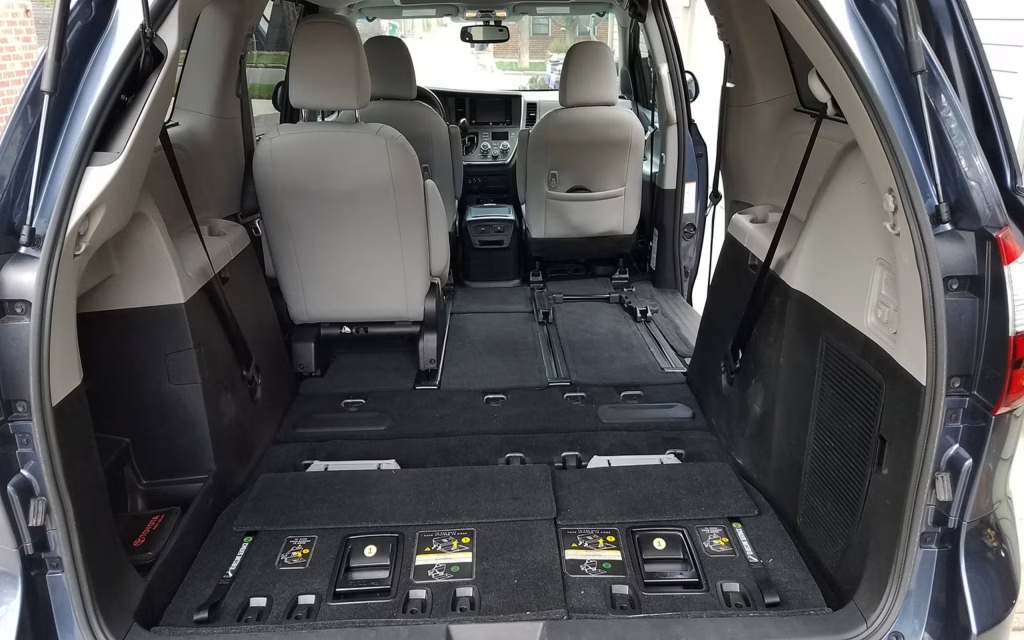
Toyota’s design is easy to underestimate because the seats look conventional when they are upright. The useful part becomes apparent only when the owner needs to change the cabin configuration. Instead of treating the third row as permanent furniture, the Sienna effectively makes it part of the vehicle’s cargo-management system.
For owners who regularly alternate between passengers and bulky loads, that flexibility can be more valuable than a complicated collection of electronic gadgets.
7. The Panoramic View Monitor Can Create a Virtual Overhead View
Parking a large minivan in a tight space can be stressful, particularly when the vehicle is surrounded by shopping carts, curbs, or other cars.
The Sienna’s available Panoramic View Monitor is designed to make that job easier by combining images from four cameras around the vehicle. Toyota says the system can generate a virtual overhead perspective when the vehicle is moving at low speeds or in reverse.
The clever part is that there is no physical camera mounted above the Sienna looking straight down. Instead, the system processes the feeds from cameras positioned around the vehicle and creates a simulated top-down image. From the driver’s seat, this can make the minivan appear as though the driver is looking at it from above.
The system also provides a Curb View, which can be particularly useful when positioning the Sienna close to a curb. That matters because a minivan’s relatively long body can make it difficult to judge exactly where the front or rear corner is from the driver’s normal viewpoint.
Toyota reserves the full Panoramic View Monitor with the 360-degree overhead view for the higher-end Platinum trim in the 2026 U.S. lineup.
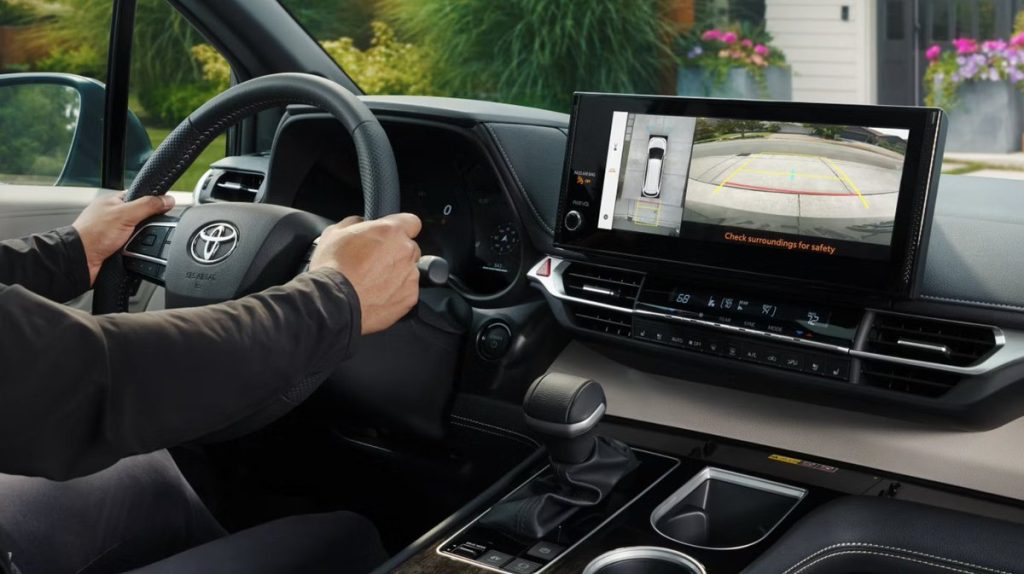
For a family vehicle, this is more than a flashy camera feature. It can make everyday parking easier while helping the driver see areas that would otherwise be difficult to judge from inside the cabin. It is especially useful when maneuvering the Sienna into narrow parking spaces or backing into a crowded driveway.
8. The Rear Entertainment System Has Its Own HDMI Connection
The Sienna’s available rear entertainment system is more capable than simply providing a screen for built-in media. Toyota offers an 11.6-inch 1080p HD display with an HDMI input, allowing compatible external devices to send video to the rear screen. The package also includes a remote control and two wireless headphones.
That HDMI connection is the detail many owners may overlook. Instead of relying entirely on whatever entertainment functions are built into the vehicle, passengers can connect a compatible HDMI device and use the Sienna’s rear display for supported content.
This gives families another option when factory-provided entertainment or streaming services are not enough for a long journey.
The two wireless headphones are equally useful because they let rear passengers listen without forcing everyone in the front seats to hear the same audio. A child can watch something in the second row while the driver and front passenger continue listening to music or having a conversation.
Toyota makes the entertainment center available across several Sienna trims, although availability depends on the specific model and equipment configuration.
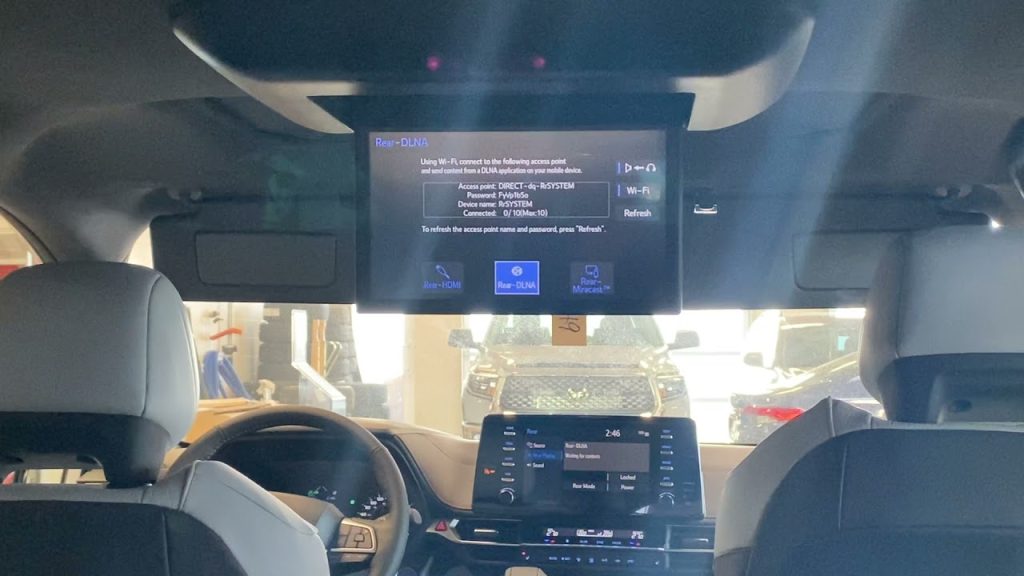
The 2026 Sienna also provides USB-C charging throughout the cabin, which complements the entertainment setup by giving passengers convenient ways to keep personal devices powered during longer trips.
This feature becomes particularly valuable on road trips because it gives the rear cabin its own entertainment zone. Instead of passing phones and tablets between passengers or having everyone watch a small handheld screen, the Sienna can turn its dedicated rear display into a shared viewing area.
For a minivan designed around families, that is precisely the kind of hidden capability that can make a long drive noticeably easier.
