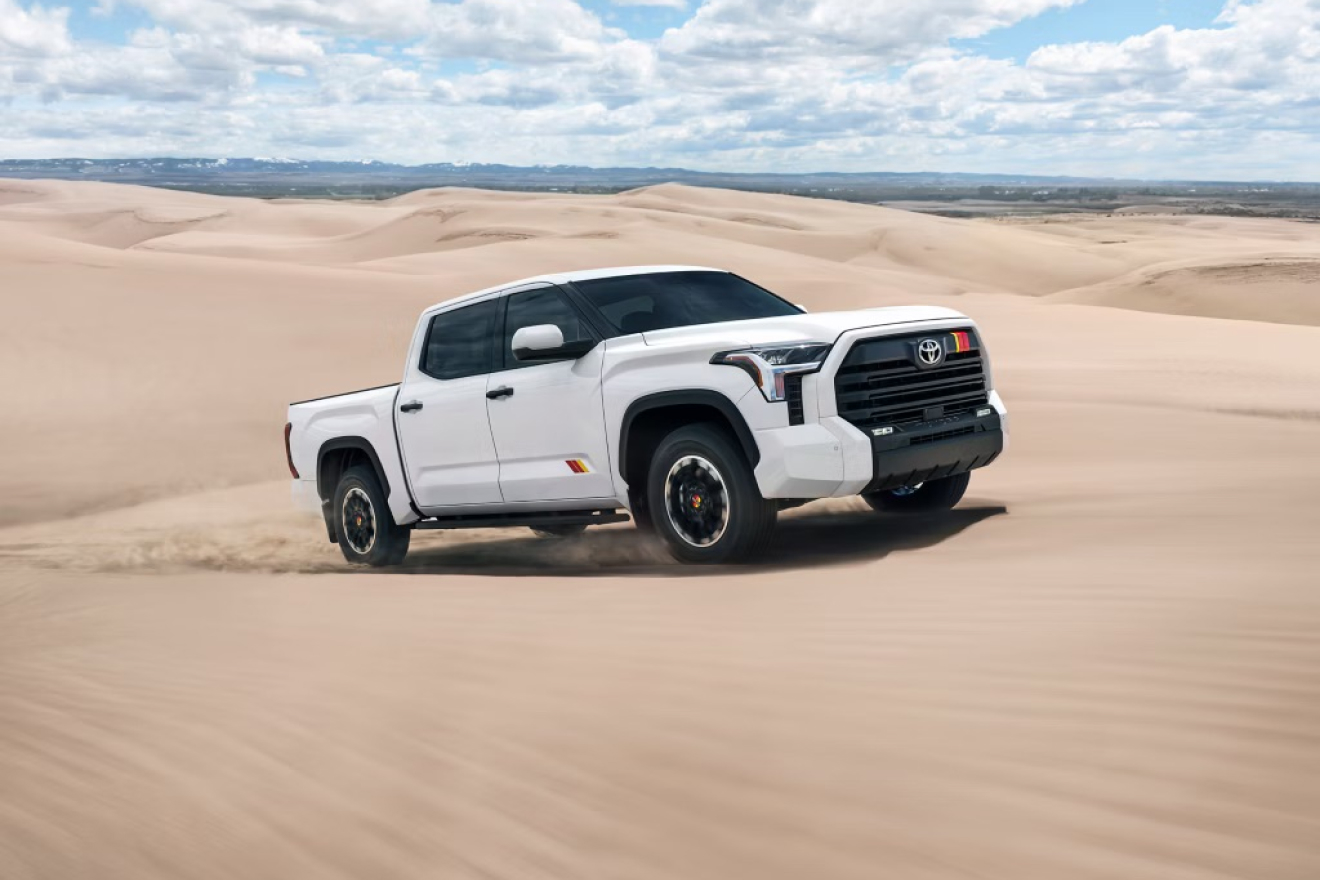
A Toyota with 150,000 miles on its odometer can still be a sensible used-car purchase, but the badge alone should never decide whether it is worth buying. Some Toyota models have established reputations for long service lives, manageable maintenance costs, and durable powertrains.
Others have particular model years with documented engine, transmission, or structural problems that deserve closer investigation. The difference often comes down to the exact year, engine, maintenance history, and driving conditions.
This guide identifies five Toyota models worth considering at high mileage and five that warrant extra caution before buyers commit their money.
5 Toyota Models Safe to Buy at 150,000 Miles
1. Toyota Camry, particularly the 2.5-Liter Four-Cylinder Models
The Toyota Camry is a compelling high-mileage candidate because it combines a practical cabin with a widely used naturally aspirated four-cylinder engine. Buyers looking at a 2012 to 2017 example equipped with the 2.5-liter engine have a useful starting point, provided the vehicle’s maintenance history checks out.
These sedans are common in the United States, so replacement parts and experienced independent repair shops are generally easy to find.
RepairPal gives the Camry a reliability rating of 4.0 out of 5.0 and reports average annual repair and maintenance costs of approximately $388 across the model line. Those figures cover multiple model years and do not predict the expenses of a particular car at 150,000 miles.
Nevertheless, they provide a useful indication that the Camry can be relatively affordable to maintain compared with many vehicles in its class.
Inspect the engine for oil leaks and unusual noises, and check whether the coolant level remains stable. During the test drive, the automatic transmission should shift smoothly without slipping, harsh engagement, or unexpected hesitation.
Review service records for oil changes, transmission servicing, brake work, and cooling system repairs. Also examine the suspension, engine mounts, air-conditioning system, and underbody for age-related deterioration.
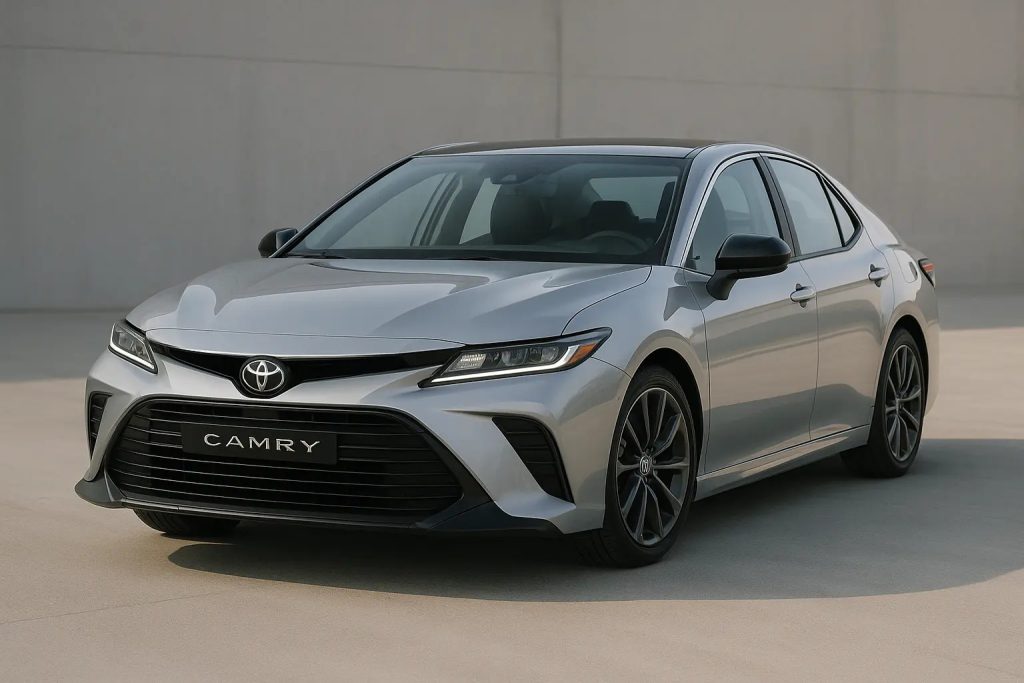
Model-year research remains essential. Some older Camrys, including certain 2007 and 2008 examples, have documented excessive oil-consumption complaints. Do not assume that a recommendation for the Camry applies equally to every generation.
The four-cylinder Toyota Camry is worth considering for its comfortable ride, easy access to replacement parts, and reasonable repair costs when properly maintained. However, buyers looking at examples with 150,000 miles should prioritize mechanical condition and verified maintenance history over the model’s reputation alone.
2. Toyota 4Runner, Particularly Well-Maintained 2010 to 2019 Models
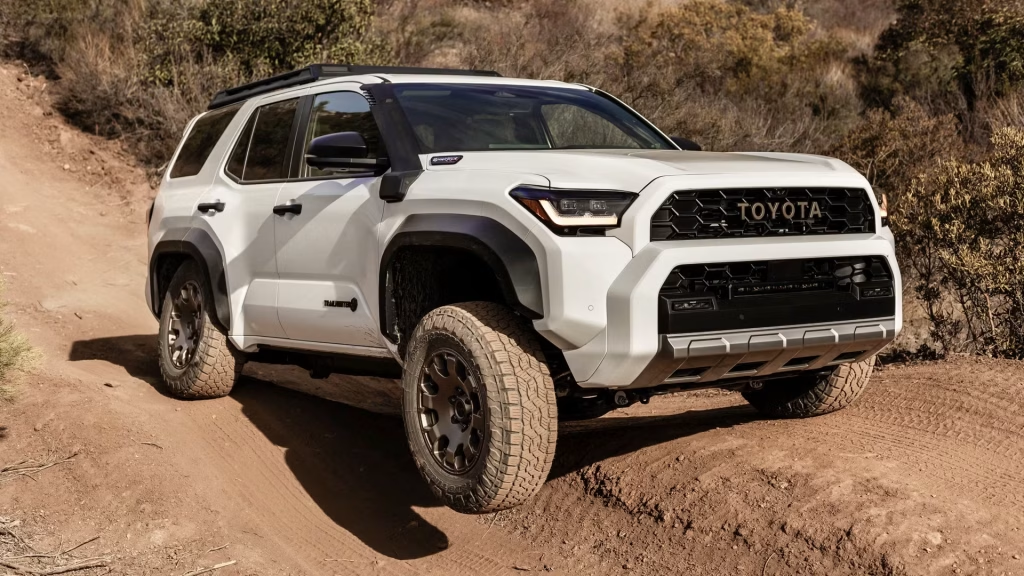
The Toyota 4Runner appeals to a different kind of high-mileage buyer. Rather than prioritizing sedan-like fuel economy, it offers body-on-frame construction, substantial ground clearance, and the ability to handle rough roads and recreational use.
Those characteristics make it attractive to drivers who need an SUV for towing within its rated limits, outdoor activities, or regular travel on uneven surfaces.
RepairPal assigns the 4Runner a reliability rating of 4.0 out of 5.0, with average annual repair and maintenance costs of approximately $514 across the model line. Its reported reliability is encouraging, although an individual SUV with 150,000 miles may need substantially more attention than those averages suggest.
The 4Runner’s weight and off-road use can also accelerate wear on tires, brakes, suspension components, and steering parts.
For buyers considering 2010 to 2019 examples, inspect the underbody carefully before focusing on engine condition. Rust can be particularly important on vehicles driven in regions that use road salt.
Examine the frame and structural areas for corrosion, previous repairs, or damage caused by off-road impacts. A mechanic should also inspect the suspension, differential, transfer case on four-wheel-drive versions, and evidence of fluid leaks.
The test drive should include ordinary road speeds and, where safe, a variety of surfaces. Listen for clunks from the suspension or drivetrain, check for vibration, and confirm that four-wheel-drive equipment operates correctly if fitted.
Ask whether differential and transfer-case fluids have been serviced according to the vehicle’s maintenance requirements.
A well-maintained Toyota 4Runner can be a solid choice for buyers seeking a rugged SUV built for demanding conditions. However, mileage alone does not reveal how much wear the vehicle has experienced, as frequent towing and off-road driving can place greater strain on its components than regular highway use.
Before purchasing, carefully inspect the frame and underbody for structural damage or rust and review the vehicle’s maintenance records.
3. Toyota Corolla, Particularly the 1.8-Liter Four-Cylinder Models
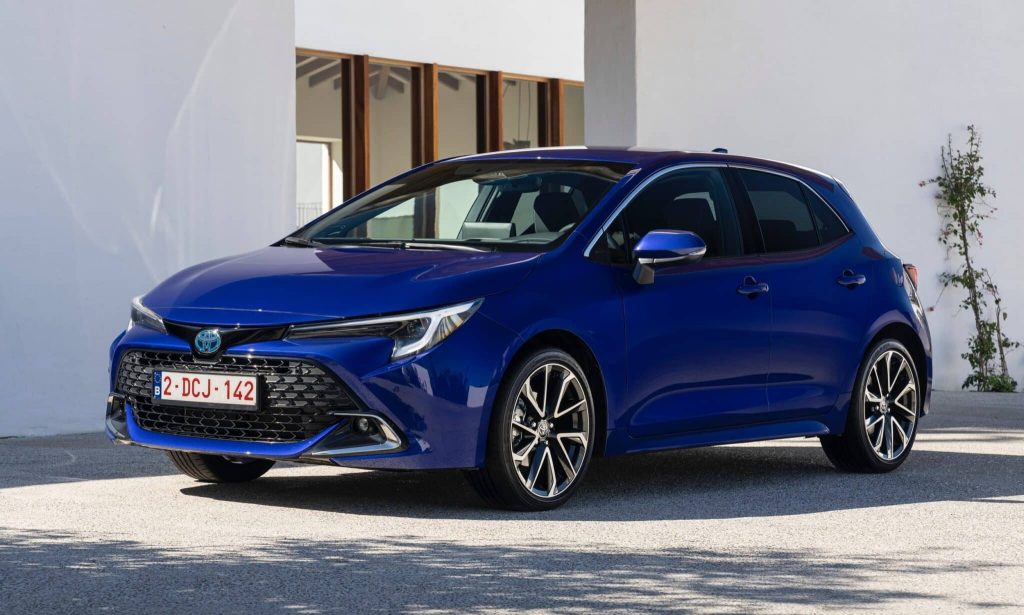
For buyers who want to keep running costs predictable, the Toyota Corolla deserves serious consideration. Its compact size, practical interior, and widespread availability make it a sensible choice for commuting and everyday errands.
Selected 2014 to 2019 models equipped with the naturally aspirated 1.8-liter four-cylinder engine are worth investigating when shopping around 150,000 miles.
The Corolla’s appeal is not based on any promise that it will never break. Rather, its conventional engine design, broad parts availability, and established service network can make repairs easier to manage than those on some more complicated vehicles.
RepairPal reports an average annual repair and maintenance cost of approximately $362 for the Corolla. That is a model-line average, not a prediction for an older car with substantial mileage, so buyers should leave room in their budget for age-related work.
Start by checking the engine’s oil level and looking for leaks around the engine and valve cover. Listen for unusual rattling during a cold start, and watch for warning lights or irregular idle.
The automatic transmission should respond smoothly, while the clutch on a manual version should engage without excessive slipping. Service records should demonstrate consistent oil changes and appropriate transmission-fluid maintenance.
The Corolla’s compact dimensions do not eliminate wear elsewhere. Inspect the shocks, struts, wheel bearings, brakes, tires, and air-conditioning system. Uneven tire wear may indicate alignment issues or worn suspension components. Also check for corrosion beneath the vehicle if it has spent years in a snowy region.
The Toyota Corolla can be a cost-effective choice for high-mileage buyers, offering practical transportation with relatively simple maintenance needs. For a vehicle with 150,000 miles, check the reliability history of its specific model year, have a trusted mechanic inspect it, and determine whether the purchase price justifies any upcoming repairs.
4. Toyota Highlander, Particularly Well-Maintained V6 Models
The Toyota Highlander is worth considering for buyers who need a family SUV but do not necessarily require the rugged construction of a 4Runner. It offers three-row seating in many configurations, a comfortable ride, and a powertrain designed for everyday family use.
Carefully maintained examples from the 2012 to 2019 period can be attractive high-mileage candidates, although engine and model-year differences must be checked before buying.
Selected V6 versions use Toyota’s 3.5-liter engine, which has been fitted to several Toyota vehicles over the years. Its broad use means many independent repair shops are familiar with it.
However, the V6 is more complex than a basic four-cylinder engine, and buyers should not assume that every older Highlander will be inexpensive to maintain. Fuel economy, repair costs, and the vehicle’s previous workload all deserve consideration.
Inspect the cooling system, engine for oil leaks, and transmission for smooth operation. On certain older Toyota V6 applications, oil-line and oil-leak history deserves particular attention, so have a mechanic identify the exact engine and check for relevant service campaigns or repairs.
A pre-purchase inspection should also cover the suspension, wheel bearings, brakes, air-conditioning system, and any all-wheel-drive components fitted to the vehicle.
Family SUVs may have spent years carrying passengers and luggage, making the condition of the interior and rear suspension worth checking. Test all seat adjustments, power accessories, climate controls, and safety equipment. Look for evidence of collision repairs or water intrusion, particularly around the cargo area.
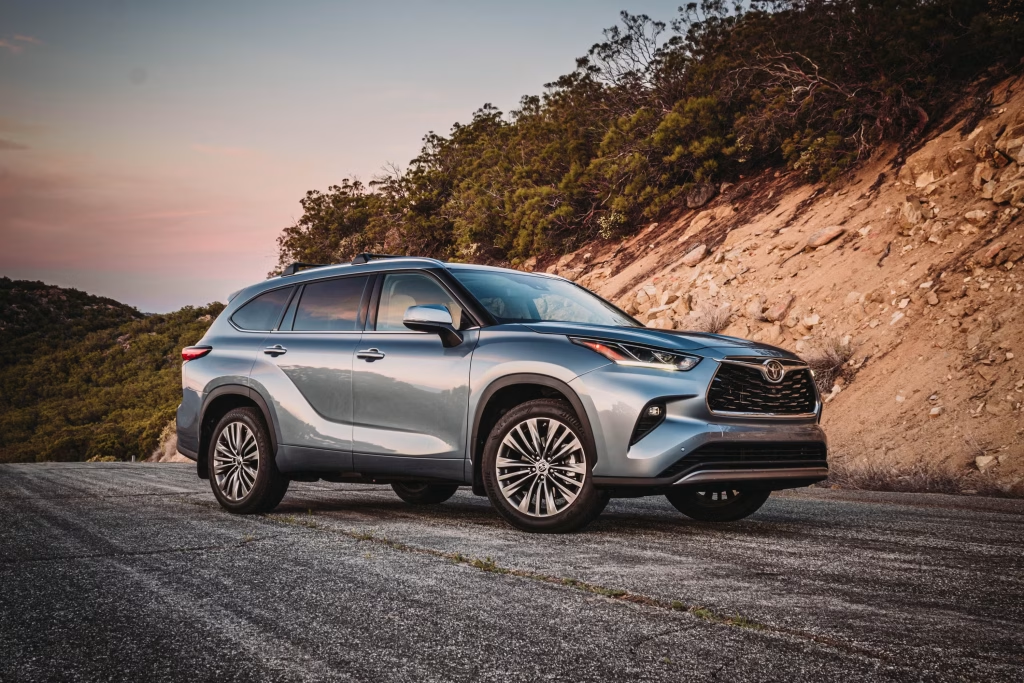
A properly maintained Toyota Highlander can remain a practical family SUV at high mileage, offering generous passenger space and a comfortable ride. However, buyers should evaluate the specific engine and drivetrain, review service records, and arrange a thorough mechanical inspection rather than relying solely on Toyota’s reputation for reliability.
5. Toyota Avalon, Particularly Well-Maintained 2013 to 2018 Models
The Toyota Avalon is an appealing option for high-mileage buyers who want a larger, more comfortable sedan without moving into a luxury brand with potentially higher repair bills.
Its roomy cabin, quiet highway manners, and available 3.5-liter V6 engine make it suitable for drivers who spend long hours commuting or regularly travel between cities. Selected 2013 to 2018 models deserve consideration when the maintenance history is convincing.
The V6 provides strong performance, but buyers should remember that a larger engine can cost more to service than a basic four-cylinder. Fuel consumption is also higher than that of many compact sedans. At 150,000 miles, the Avalon should be evaluated as an aging vehicle rather than simply as a historically dependable model.
Begin with the service records. Look for regular oil changes, coolant maintenance, and evidence that the required timing-belt or timing-chain-related service items were handled according to the exact engine’s requirements.
The 3.5-liter V6 uses a timing chain, but that does not mean every engine component is maintenance-free. Check for oil leaks, coolant loss, unusual noises, and signs of previous overheating.
On the road, the transmission should engage and shift smoothly. Pay attention to vibration, steering looseness, suspension knocks, and braking behavior.
The Avalon also has comfort and convenience equipment that can become expensive to repair as it ages, including power seats, climate-control components, and electronic features. Test these systems individually rather than assuming they work because the cabin appears well-kept.
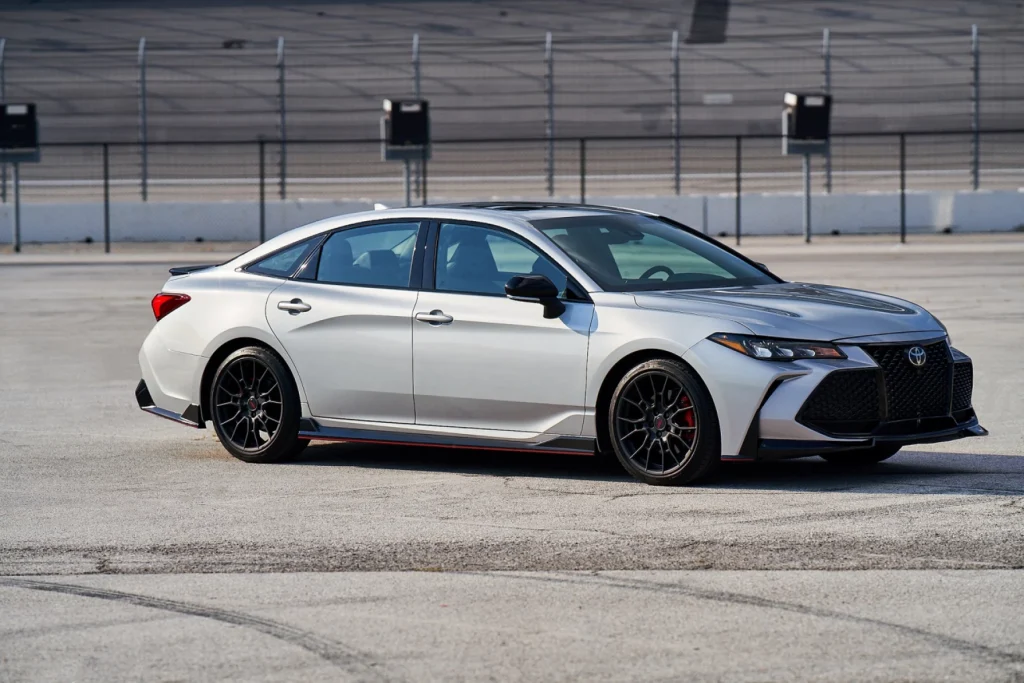
The Toyota Avalon can be a suitable choice for buyers seeking a spacious, comfortable sedan for long-distance driving. A well-maintained example with complete service records may offer good value, but prospective owners should factor in possible repairs caused by age and assess whether its maintenance and fuel costs are reasonable compared with those of a smaller car.
5 Toyota Models to Be Careful With at 150,000 Miles
1. Toyota Tacoma, Particularly Certain 2016 to 2017 Automatic Models
The Toyota Tacoma has a strong following among pickup buyers, but its reputation for durability should not prevent a careful evaluation of older examples. The 2016 model year introduced the third-generation Tacoma in the United States, bringing updated powertrains and a new six-speed automatic transmission.
Some owners have reported gear-hunting, hesitation, and shift behavior they considered rough or inconsistent. These complaints do not establish that every Tacoma from these years has a defective transmission, but they make a thorough test drive important.
At 150,000 miles, transmission behavior should be examined both when the truck is cold and after it has reached normal operating temperature.
Drive through city streets and at highway speeds, checking for delayed engagement, repeated unnecessary downshifts, slipping, or pronounced jolts. Ask the seller whether the truck has received transmission-related software updates or repairs, and have a mechanic scan for stored diagnostic codes.
The Tacoma’s previous workload matters just as much. A truck used for frequent towing, off-road driving, or heavy hauling may have more wear than one used primarily for commuting. Inspect the frame for corrosion, particularly in regions that use road salt.
Examine the suspension, steering joints, driveshaft, differential, and transfer case on four-wheel-drive versions. Look for damage beneath the truck that could indicate hard off-road use.
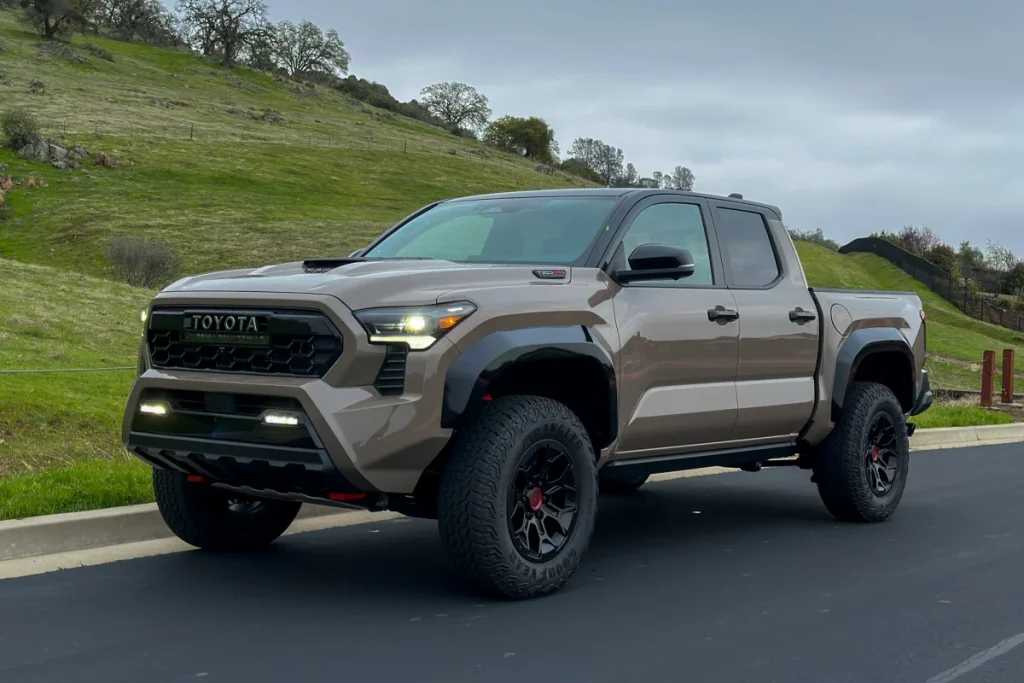
Some early third-generation Toyota Tacoma models with automatic transmissions warrant extra scrutiny, particularly regarding shifting performance and maintenance history. Before purchasing, buyers should check for irregular gear changes, review service records, and arrange a thorough mechanical inspection.
A truck with smooth operation, documented maintenance, and a sound frame may still be worth buying, but do not dismiss unusual transmission behavior as normal without having it assessed by a qualified mechanic.
2. Toyota RAV4, Particularly Certain 2006 to 2008 V6 Models
The Toyota RAV4 is popular with used-car buyers because it offers SUV practicality without the size of a full-size vehicle. However, shoppers considering an older V6 version should investigate the specific engine and model year rather than assuming that every RAV4 shares the same reliability profile.
Certain 2006 to 2008 RAV4 models were available with a 3.5-liter V6 engine. This provides strong acceleration, but the engine’s configuration and maintenance history deserve attention as the vehicle ages.
One important issue to investigate is the condition of the oil cooler line on applicable Toyota V6 engines. Some versions used a rubber section in the oil-cooler line that could deteriorate and leak engine oil.
Toyota issued a service campaign for certain vehicles equipped with the affected arrangement, so buyers should check the vehicle identification number and confirm whether the relevant repair was completed.
A significant oil leak can reduce engine lubrication and, if ignored, cause severe damage. Before buying, have a mechanic inspect the oil-cooler plumbing and surrounding areas for leakage or signs of a previous repair.
Check the engine oil level, look for warning lights, and ask whether the vehicle has a history of oil-pressure problems or overheating.
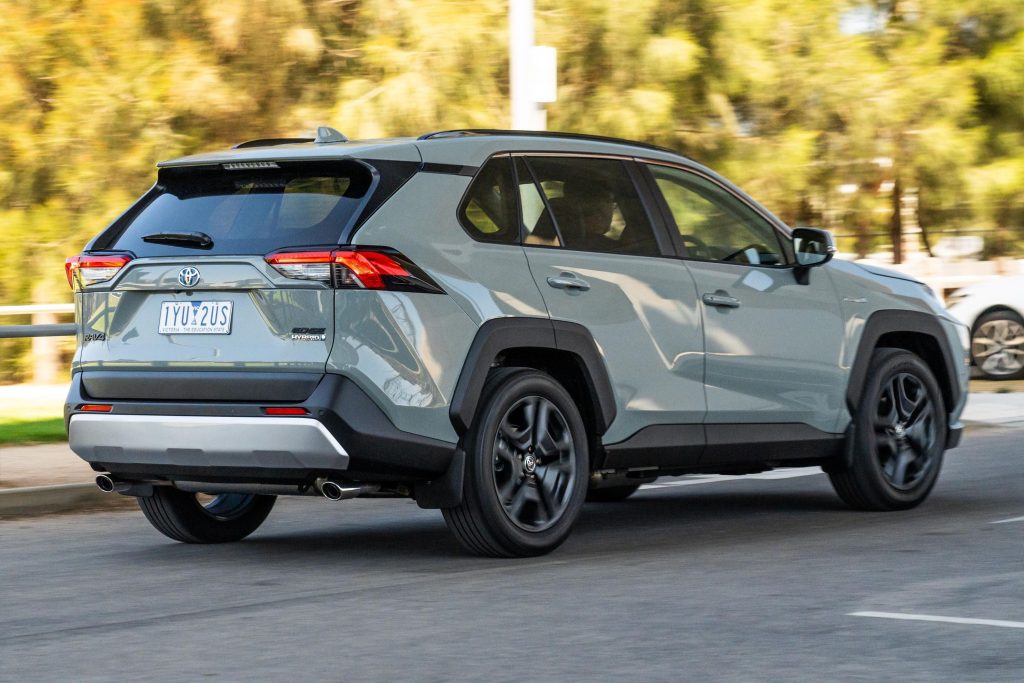
The rest of the RAV4 needs attention as well. Test the automatic transmission for smooth engagement, inspect the suspension and steering, and check the underbody for corrosion. On all-wheel-drive models, ask about differential-fluid servicing and have the system examined for leaks or unusual noises.
An older V6 Toyota RAV4 may still be worth considering, provided it has been properly maintained and is in good mechanical condition. However, unresolved oil leaks and gaps in its service history can lead to expensive repairs. Before buying a high-mileage example, verify the engine specifications, check whether any applicable service campaigns have been completed, and arrange an independent inspection.
3. Toyota Prius, Particularly 2010 to 2014 Models With Unresolved Engine Issues
The Toyota Prius has an established reputation for fuel efficiency, and its hybrid system can deliver years of useful service when maintained correctly.
Nevertheless, buyers considering a third-generation Prius with 150,000 miles should pay close attention to engine condition rather than focusing exclusively on fuel economy or the reputation of its hybrid battery.
Toyota issued technical service bulletin T-SB-0168-16 for certain 2010 to 2014 Prius models equipped with the 2ZR-FXE engine. It describes excessive engine oil consumption and an inspection procedure to determine whether the condition is present.
Toyota also documented rough running or engine misfires in certain 2010 to 2015 Prius vehicles when the exhaust gas recirculation system was active. These bulletins apply to specified vehicles and conditions, not every Prius from those years.
At high mileage, oil consumption deserves serious attention because an engine can continue running while its oil level gradually drops. If the owner fails to check and replenish it, insufficient lubrication can cause extensive damage.
Ask the seller how much oil the car uses between scheduled changes, and review invoices for previous engine repairs. A mechanic should check the oil level, inspect for leaks, scan for misfire codes, and investigate rough running or unusual noises during a cold start.
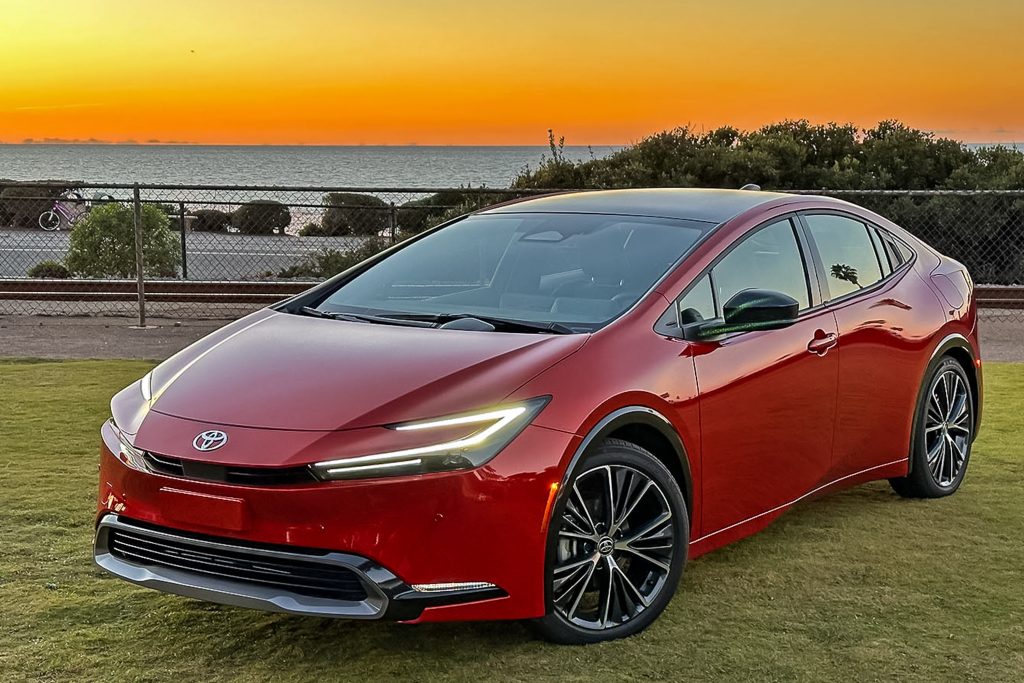
The hybrid system also needs assessment. A specialist should evaluate the hybrid battery’s condition, cooling fan, inverter cooling system, and stored diagnostic codes. A warning-free dashboard alone does not prove that every hybrid component is healthy.
The 2010 to 2014 Toyota Prius can still be a practical used-car option, but excessive oil consumption and engine performance issues may lead to costly repairs. Buyers should prioritize examples with a documented maintenance history and have the hybrid system inspected by a qualified professional. Excellent fuel economy alone does not guarantee affordable long-term ownership.
4. Toyota Tundra, Particularly 2007 to 2010 Models With Secondary Air Injection Problems
The Toyota Tundra is built for demanding work, but its reputation as a durable full-size pickup does not eliminate the possibility of expensive repairs. Buyers looking at 2007 to 2010 models should investigate the secondary air injection system, an emissions-related component that can develop faults on certain vehicles.
Toyota issued a customer support program covering air injection pumps and air switching valves on certain 2007 to 2010 Tundras. The manufacturer reported concerns involving moisture entering these components, potentially illuminating the malfunction indicator light.
Toyota’s technical documentation also describes diagnostic trouble codes associated with faults in the secondary air injection system. The coverage applied to specified vehicles and was not a guarantee that every truck experienced the problem.
The financial concern is that diagnosis and repair can be complicated. A truck may run reasonably well while displaying an emissions warning, but ignoring the fault can lead to failed inspections in applicable states or prevent the vehicle from passing emissions testing.
Repairs may involve more than replacing a single sensor, depending on which components have failed.
Before purchasing, scan the truck for diagnostic trouble codes and ask whether the secondary air injection system has been repaired. Look for invoices showing which parts were replaced and whether the repair resolved the original problem.
Do not rely solely on the absence of a warning light, because diagnostic codes may have been cleared shortly before a sale.
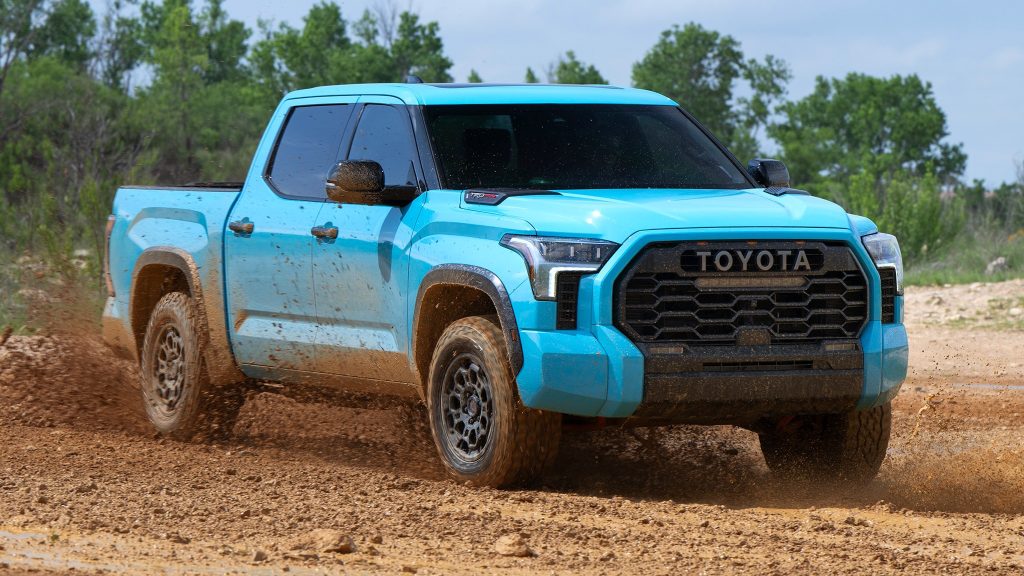
The Tundra’s work history is equally important. Inspect the frame for rust, examine the suspension and steering components, and look for evidence of frequent towing or heavy hauling. Check the transmission, differential, and transfer case on four-wheel-drive versions, and verify that the engine has received regular oil changes.
An older Toyota Tundra can provide years of dependable service, but unresolved air injection system problems and heavy use can result in expensive repairs. Before purchasing, review its repair records, scan the vehicle for electronic fault codes, and arrange a thorough mechanical inspection to identify potential issues.
5. Toyota Highlander Hybrid, Particularly Older Models With Unverified Hybrid-Battery Condition
The Toyota Highlander Hybrid can be an appealing family SUV because it combines gasoline power with electric assistance, helping reduce fuel consumption compared with many conventional three-row SUVs.
However, buyers considering an older example at 150,000 miles should pay particular attention to the hybrid battery and the condition of the vehicle’s cooling systems.
Hybrid batteries gradually age through repeated charging and discharging, temperature exposure, and time. Their lifespan varies considerably, so mileage alone cannot establish whether a battery is healthy.
An older Highlander Hybrid might still have its original battery operating satisfactorily, while another vehicle with similar mileage may need expensive repairs. The key is to establish the actual condition of the hybrid system before purchase.
Arrange an inspection with a mechanic experienced in Toyota hybrids. The assessment should include a scan of the hybrid control system, battery-related diagnostic codes, battery cooling components, and the inverter cooling system.
Ask whether the battery has ever been replaced or repaired, and request invoices if the seller claims that work has been completed. A replacement battery’s age, type, warranty, and installation quality can all affect its value.
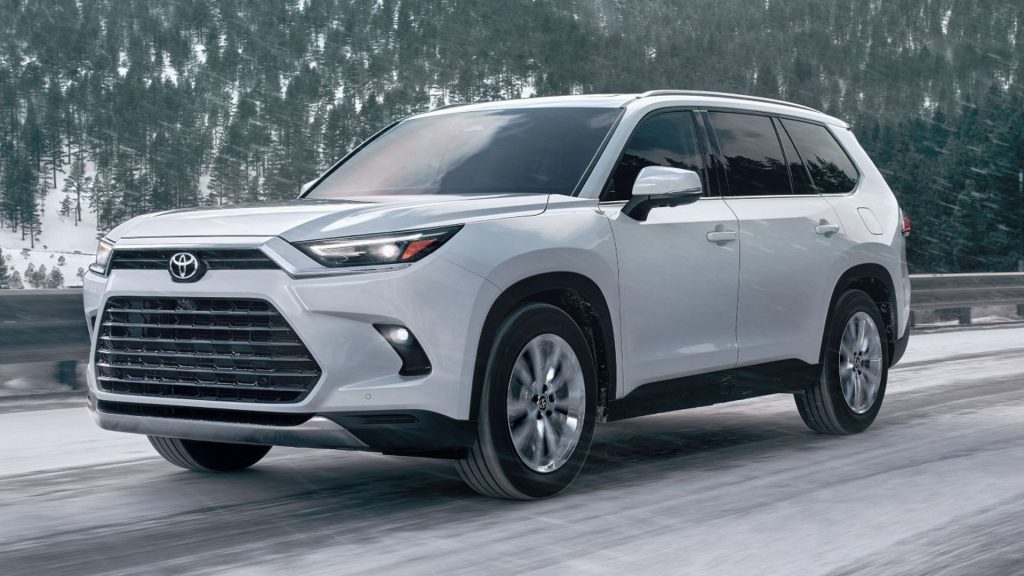
Do not ignore the conventional mechanical components. Check the gasoline engine for leaks and overheating, verify that the transmission operates normally, and inspect the suspension, brakes, and air-conditioning system. A neglected cooling system or unresolved engine problem can add to the expense of an already aging hybrid.
The precise model year matters, too. Hybrid components and warranty provisions differ across generations, so buyers should check the original warranty documentation and any applicable coverage for the specific vehicle.
An older Toyota Highlander Hybrid can still serve as a practical family SUV, but an aging hybrid battery may lead to significant replacement costs if its condition has not been assessed. For a vehicle with 150,000 miles, buyers should have a qualified technician inspect the hybrid battery and related systems before making a purchase decision.