A new vehicle’s price is only the beginning of its financial story. Depreciation can become one of the highest costs of ownership, particularly for buyers who plan to trade in or sell after a few years.
Toyota has earned notable recognition for its resale value, with Kelley Blue Book naming it the 2026 Best Resale Value Brand. The automaker also secured nine individual awards across different vehicle categories.
The awards, announced on March 19, 2026, assess projected values for 2026 model-year vehicles over their first five years. Toyota’s results span cars, hybrids, SUVs, minivans, and pickups, illustrating how resale strength reaches well beyond one popular model.
Toyota Takes Nine Category Titles and the Brand Award
Kelley Blue Book’s 2026 Best Resale Value Awards cover 24 vehicle categories, alongside separate brand and top-10 recognitions.
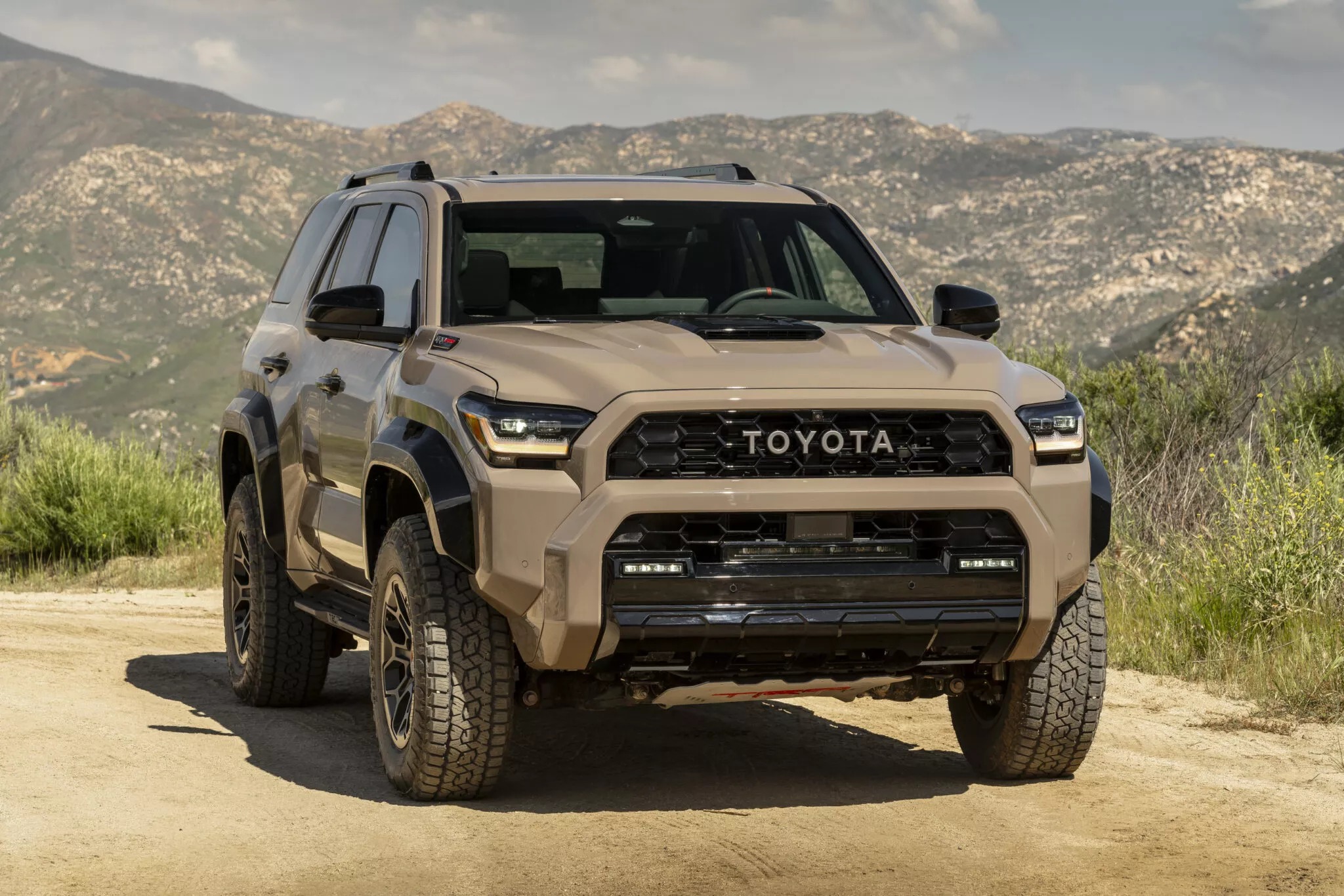
Toyota claimed nine category awards, with the Camry recognized as the top midsize car, the GR Supra as the top sports car, and the Prius as the top hybrid. The Sienna earned the minivan title, while the 4Runner, Grand Highlander, and Sequoia were recognized in the off-road SUV, midsize SUV, and full-size SUV categories, respectively.
Toyota also took both pickup awards, with the Tacoma named the top midsize pickup and the Tundra the top full-size pickup.
The spread is notable because it includes vehicles serving very different needs, from daily commuting to family transport and truck duties. KBB’s official announcement confirms each category winner.
Toyota also took the Best Resale Value Brand award. KBB said Toyota’s average projected five-year resale value was 53% of the original manufacturer’s suggested retail price, the highest average among mainstream brands.
The 2026 award marked Toyota’s tenth Best Resale Value Brand win and its sixth consecutive year receiving the honor. These figures represent two separate achievements. Toyota’s nine category titles recognize individual models, while the brand award is a separate distinction based on the resale value of its vehicle lineup.
Lexus, Toyota’s luxury division, won the Best Resale Value Luxury Brand title with a projected average retention of 47%, its fifth consecutive win and seventh in total.
The results are based on KBB’s 2026 model-year residual-value projections, not a survey of owners or a guarantee of what a particular used vehicle will sell for. The values used for the awards came from vehicles listed in the January/February 2026 Kelley Blue Book Residual Value Guide.
That methodology makes the awards a forecast of expected retained value during the initial five-year ownership period. It does not mean every Toyota will retain 53%, nor that every model in the lineup performs equally.
Toyota’s category awards are separate from its representation on KBB’s top-10 resale value list. Five of its models made the ranking of vehicles projected to retain the highest percentage of their original MSRP: the Tacoma, Tundra, 4Runner, GR Supra, and Sienna.
The category awards compare vehicles within defined segments, while the top-10 ranking selects individual models across the market. Together, the two measures show both the breadth of Toyota’s performance and the strength of several particular nameplates.
Tacoma, Tundra, and 4Runner Lead the Top-10 Results.
The 2026 Toyota Tacoma topped KBB’s top-10 list with a projected five-year resale value of 63% of its original MSRP. That means the forecast places its value after five years at nearly two-thirds of its original sticker price, assuming the guide’s standard vehicle and condition assumptions.
The Tacoma’s position is especially relevant in the U.S. market, where midsize pickups appeal to buyers who want truck utility without moving to a full-size model. Its category win and first-place top-10 position make it Toyota’s standout result in this year’s awards.
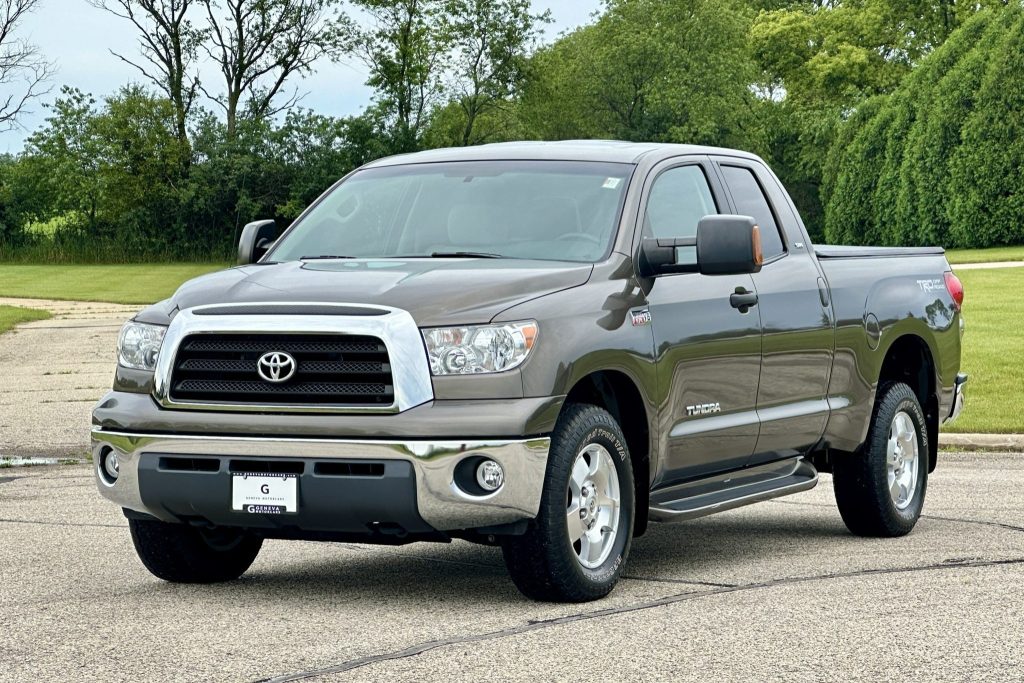
The full-size Tundra ranked second, with projected retention of 59.9%. Its position shows that Toyota’s resale performance is not confined to smaller trucks.
Full-size pickups are often purchased for towing, work, recreation, and everyday driving, and used demand can vary with engine, cab, bed, and equipment choices. The KBB percentage is a model-level projection, however, not a promise that every trim or configuration will command the same resale price.
The 4Runner placed third at 58%. Its off-road orientation and body-on-frame SUV format distinguish it from car-based crossovers. Buyers seeking trail capability and a more traditional sport-utility layout form a different audience from shoppers focused mainly on commuting or maximum fuel economy.
The 4Runner’s category victory and third-place position in the top 10 underline its appeal in that specialist segment.
Toyota’s GR Supra ranked fourth with a projected 56% retention. Sports cars can follow different depreciation patterns from high-volume family vehicles because production numbers, enthusiast interest, specifications, and condition can have an outsized effect on demand.
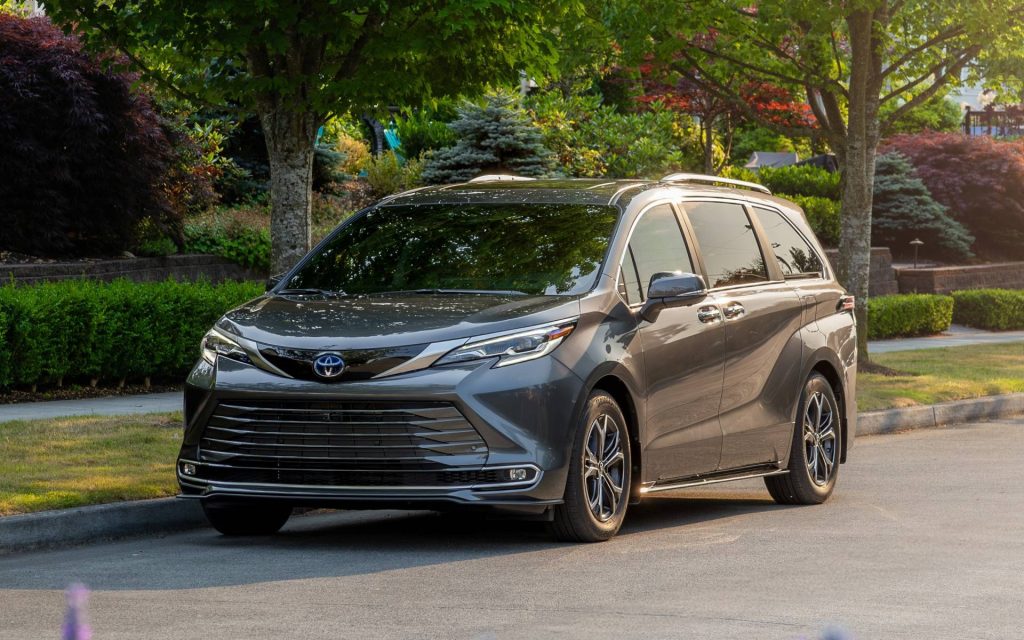
The Sienna rounded out Toyota’s five top-10 entries at 54.3%. As a minivan, it competes on passenger space, sliding-door practicality, and family usability rather than off-road ability or performance. Its strong projection suggests that resale demand is not limited to trucks and enthusiast vehicles.
The remaining top-10 places went to the Mercedes-Benz G-Class at 55%, the Ford Maverick at 54.1%, the Chevrolet Corvette at 54%, the Porsche 911 at 53.9%, and the Ford Ranger at 53.4%.
KBB’s published ranking places the Tacoma first, followed by the Tundra, 4Runner, and GR Supra. The remaining positions go to the G-Class in fifth, Sienna in sixth, Maverick in seventh, Corvette in eighth, 911 in ninth, and Ranger in tenth. This broader ranking shows that while Toyota claimed the top four spots, other automakers also have models with strong projected resale values.
What the Awards Tell Buyers About Depreciation
Kelley Blue Book estimated that an average 2026 model-year vehicle would retain about 44.7% of its original value after 60 months. The ten vehicles in its top-10 list were projected to average 56.2%.
KBB demonstrated the impact of depreciation using a $35,000 vehicle, showing that differences in resale value could exceed $4,000 after five years. This example highlights why buyers should consider depreciation alongside monthly payments, fuel expenses, insurance premiums, and maintenance costs when evaluating a vehicle’s long-term affordability.
Resale value is not the same as affordability. A vehicle with a high retention percentage can still lose more dollars than a cheaper vehicle with a lower percentage. For example, 60% retention on a $60,000 vehicle leaves a projected value of $36,000, a $24,000 reduction. Retaining 45% of a $30,000 vehicle leaves $13,500, a $16,500 reduction.
The first vehicle holds a greater share of its price, but the owner loses more money in absolute terms. Buyers should consider both the percentage and the likely dollar depreciation.
The published estimates also assume a defined vehicle profile. Mileage, accident history, service records, mechanical condition, trim, optional equipment, geographic location, and local used-car supply can all affect an actual sale or trade-in.
A well-maintained Tacoma with average mileage may attract a different offer from a heavily used work truck, even if both began with the same model-year designation. Used-car prices can also shift as interest rates, new-vehicle incentives, and consumer preferences change.
For shoppers comparing vehicles, the practical approach is to treat the awards as one useful data point. A buyer who needs a three-row cabin may find the Grand Highlander or Sienna relevant, while someone who regularly tows may compare the Tundra with rival full-size pickups.
The Camry and Prius serve very different driving priorities despite both receiving category recognition. Equipment, purchase price, financing terms, and expected annual mileage should remain part of the calculation.
Toyota’s nine category victories and tenth brand award make the 2026 results a strong showing, but they do not remove the need to shop carefully. KBB’s projections suggest that several Toyota models may preserve more of their original value than many competitors over five years.
For buyers who plan for resale or trade-in, that potential can matter. The key is to combine projected retention with the vehicle’s real purchase cost and suitability, rather than treating an award as a guarantee of future value.