
Not every car owner wants a vehicle that needs a specialist at every oil change or computer diagnostic. While some people appreciate high-end engineering and cutting-edge features, others simply want a car that runs reliably and doesn’t make them feel like they’re entering a labyrinth every time the check engine light flickers.
The reality is, some cars are designed with simplicity, accessibility, and mechanical friendliness in mind. Others, however, are built with such proprietary systems and complex engineering that even experienced mechanics hesitate before lifting the hood. This gap in approach can determine whether a car is a dream or a nightmare to own once the warranty runs out.
For people who prefer to do their own maintenance or want to keep service costs down, vehicle choice matters a lot. Older drivers might recall the golden era of cars when almost everything could be fixed in a driveway with basic tools and a weekend.
While modern safety, emissions, and technology have advanced, they’ve also made certain models significantly harder to maintain. Some automakers still make vehicles that strike a balance, blending newer tech with designs that are relatively forgiving when it comes to routine service. On the other hand, some cars practically require a technician with a master’s degree and a specialized diagnostic tool just to reset a service light.
The choice between easy and difficult maintenance doesn’t always align with price or brand. There are budget cars that are nightmares to service and luxury models that are surprisingly approachable. However, when it comes to long-term ownership costs, maintenance accessibility plays a key role. For people who plan to keep their vehicles for years or who want to avoid dealership visits for everything short of a full rebuild, knowing which cars support that goal makes all the difference.
Below are ten cars, split evenly. The first five are vehicles that many owners or local shops can maintain with ease. The second five are those best left to dealers, not because of luxury or prestige, but because of how tightly the automaker controls access to tools, parts, or information. Choosing wisely could save thousands over the life of a car and spare countless hours of frustration.
Also Read: 10 Vehicles With Great Visibility for Short Drivers
5 Cars With Easy Maintenance
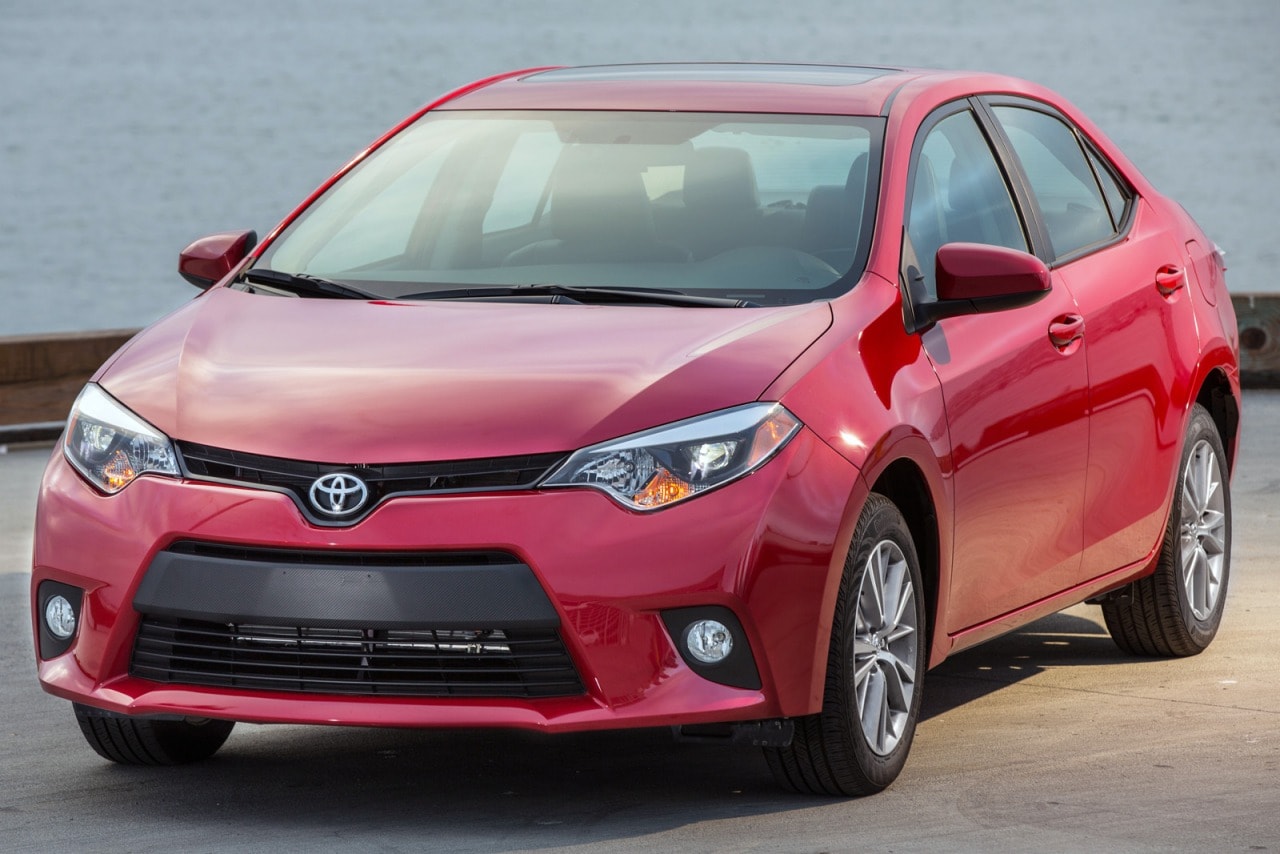
1. Toyota Corolla (Easy Maintenance)
The Toyota Corolla is often cited as one of the most user-friendly vehicles when it comes to long-term ownership, and that includes its ease of maintenance. For decades, the Corolla has built a reputation on reliability and simplicity. The engine bay is well-organized, with essential components easily accessible.
Tasks like oil changes, air filter replacement, and spark plug swaps can typically be done with minimal tools and without removing unrelated parts. Many models come with comprehensive manuals, and third-party support is widespread. Even novice car owners often find themselves surprised at how easy it is to keep the Corolla running smoothly.
One major reason the Corolla is easy to maintain is that it doesn’t rely heavily on proprietary parts or tools. Aftermarket support is extensive, with everything from filters to brake components available at nearly every auto parts store. The design avoids the overuse of electronic sensors or specialized systems that complicate basic repairs.
In many trims, Toyota continues to use naturally aspirated engines that don’t require high-pressure fuel systems or exotic turbocharger maintenance. Even hybrid models keep complexity relatively low compared to competitors. This thoughtful design approach keeps service intervals straightforward and affordable.
Another point in the Corolla’s favor is its wide availability of information. Because it’s one of the most common cars globally, there are thousands of tutorials, videos, and forum posts dedicated to helping owners troubleshoot and repair their cars.
Whether you’re searching for torque specs or looking to resolve a random noise, chances are someone has documented it. This community-driven support, combined with Toyota’s clear service schedules, makes the Corolla a practical choice for those who like to understand and control their maintenance.
Lastly, the long production runs and platform consistency ensure parts are interchangeable across several years, making used parts easy to source. For owners who want to keep costs low, junkyards and salvage parts can be goldmines. In the end, the Corolla stands out not because it does anything flashy, but because it makes ownership less of a hassle. It’s the kind of car that simply works, and keeps working, with a little basic care.
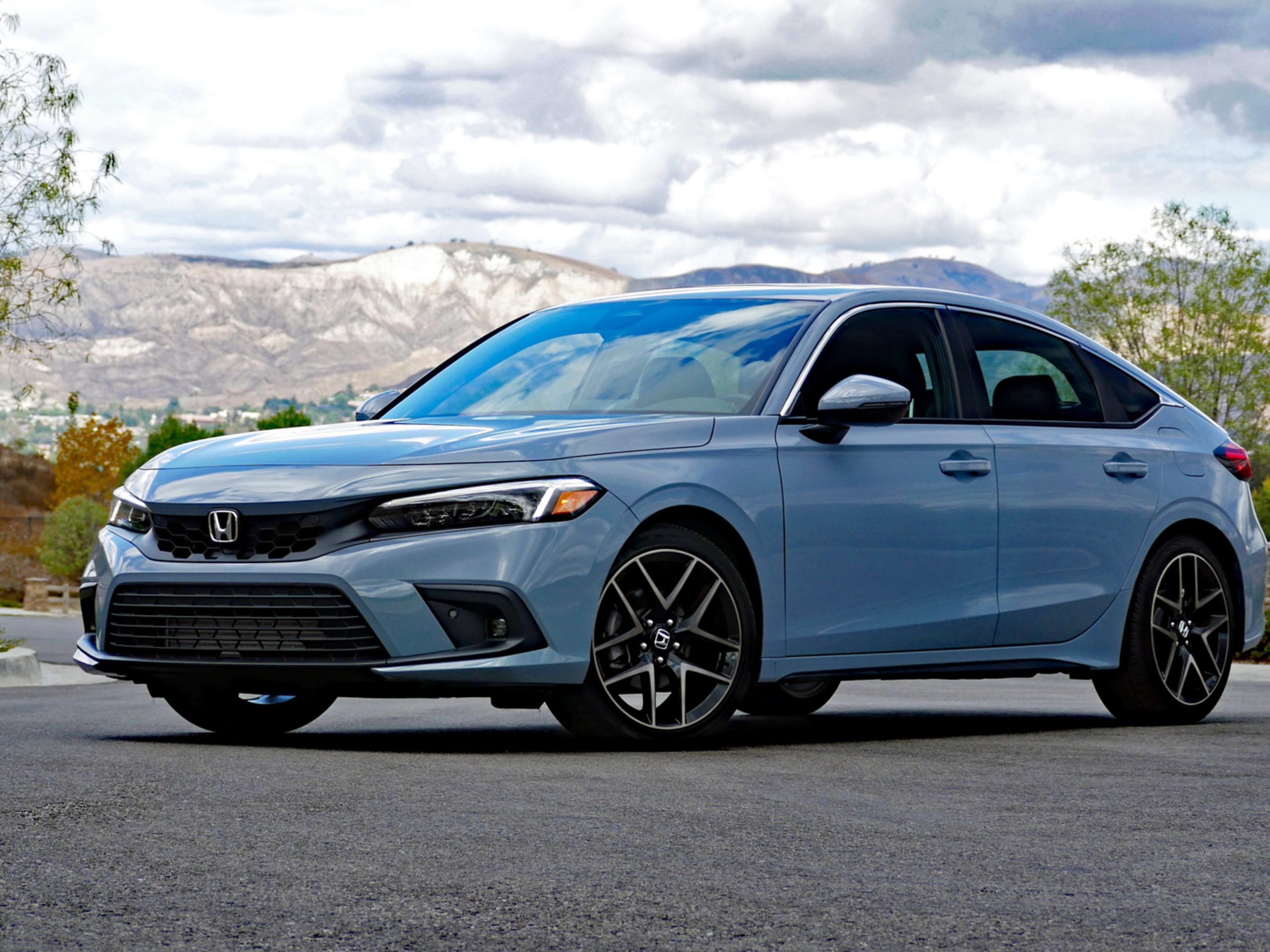
2. Honda Civic (Easy Maintenance)
The Honda Civic, much like the Toyota Corolla, is a vehicle that’s been engineered with the average driver and home mechanic in mind. Its layout and mechanical structure are designed in a way that allows even those with minimal automotive experience to carry out many essential maintenance tasks.
From oil changes to brake pad replacements, the Civic is about as accommodating as it gets. Owners frequently report being able to perform basic services using only a floor jack, a few sockets, and an afternoon of time. This ease of maintenance has helped the Civic build a loyal following over the decades.
Honda’s consistent approach to engine design plays a big role here. Many Civic models over the years have shared similar engine platforms, which means there’s a lot of knowledge and experience floating around. These engines are compact but not overly crammed, which means you’re not fighting with components just to reach a belt or tensioner.
On models with manual transmissions, even clutch replacements can be relatively straightforward compared to other vehicles in the same class. Because there are fewer tightly integrated electronic systems, you don’t always need a computer to reset or diagnose problems.
Availability of parts is another major factor. Civic parts are widely available, affordable, and reliable. You don’t need to go through a dealer for most components, and aftermarket brands offer excellent alternatives. Whether you’re looking for stock parts or performance upgrades, the Civic platform is so well-supported that you’re rarely stuck waiting days for a component to ship from halfway around the world. This widespread availability keeps repair times and costs low, especially for those who can handle installation themselves.
In addition to mechanical simplicity, Honda vehicles tend to come with clear and sensible maintenance schedules. You’re not surprised by sudden system checks or impossible-to-reach filters. If anything, Civics have been known to keep running even when maintenance is delayed, although that’s not something anyone recommends.
The Civic’s user-friendly design, accessible parts, and mechanical reliability make it an ideal choice for owners who want more control over their vehicle’s upkeep without making regular trips to a dealership.
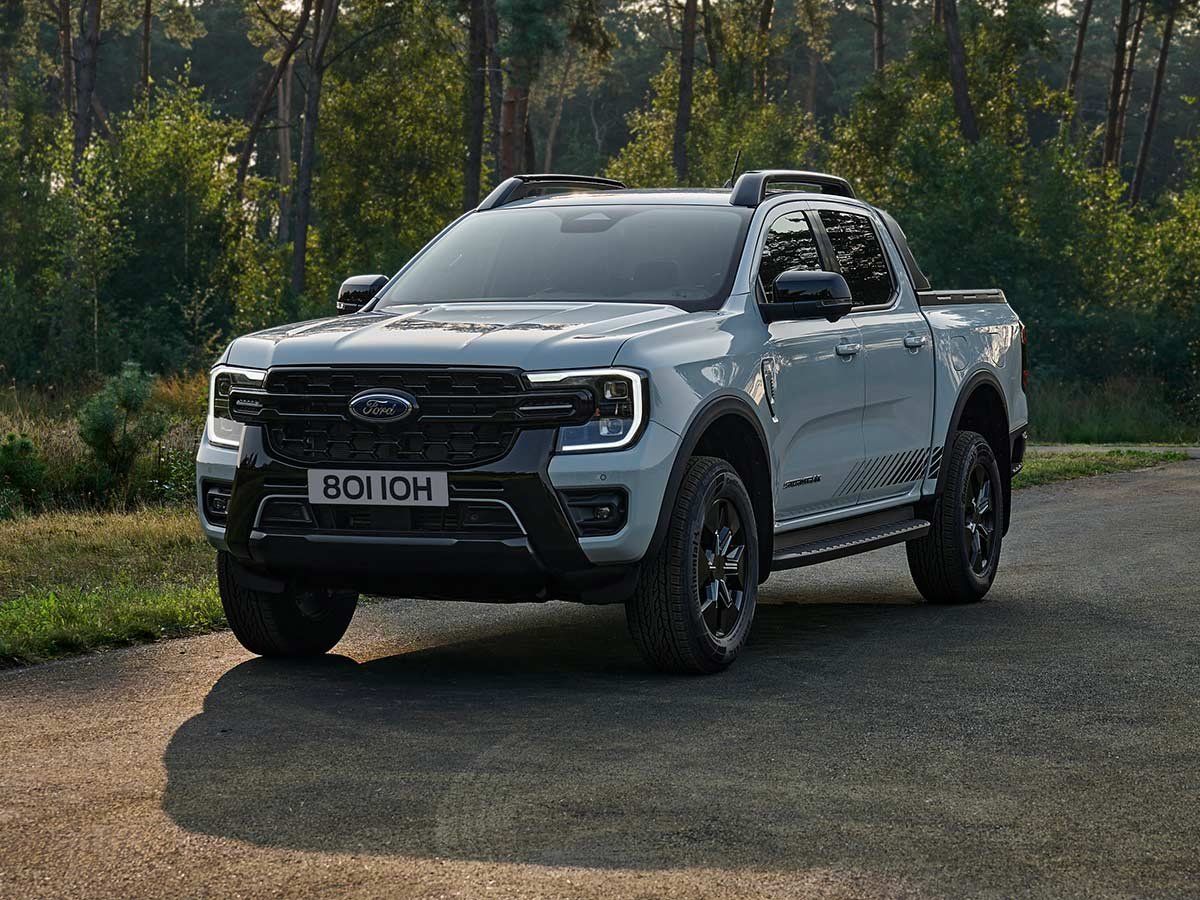
3. Ford Ranger (Easy Maintenance)
The Ford Ranger, especially in its earlier generations, is another standout when it comes to simple and approachable maintenance. Known for its rugged durability and no-nonsense engineering, the Ranger has earned its reputation as a solid choice for both work and personal use.
Under the hood, things are laid out logically, and most service points are easy to reach. Whether it’s replacing the serpentine belt or changing out the battery, most maintenance tasks can be handled with basic hand tools. The Ranger’s simplicity is a key part of its appeal, especially for those who prefer to avoid frequent dealership visits.
Many of the engines used in the Ranger over the years have been shared across Ford’s lineup, which helps with part compatibility and service knowledge. These engines are typically naturally aspirated, which means there are fewer parts to fail and fewer complications when performing repairs.
Components like spark plugs, oil filters, and fuel pumps are not deeply buried under layers of plastic or electronics. For those who want to perform routine maintenance in their garage or driveway, the Ranger is refreshingly cooperative. It’s the kind of truck you can get to know well and work on with confidence.
Parts for the Ford Ranger are readily available and often inexpensive. Whether you’re looking for genuine OEM components or aftermarket alternatives, you’ll have plenty of choices. Online retailers, salvage yards, and auto parts chains usually stock a wide range of Ranger parts.
In addition to the mechanical parts, there’s a large amount of repair literature available, including manuals and community forums that have documented every kind of problem and fix imaginable. This makes diagnosing issues and finding step-by-step instructions easier than with many newer or more complex vehicles.
The Ranger’s build also supports a long service life, with owners often putting well over 200,000 miles on their trucks. For people who want to keep their vehicles running on a budget, that’s an attractive feature. Even the newer Rangers, while more modern, have retained a relatively straightforward design compared to other midsize trucks.
Although newer models include more electronic features, they haven’t completely abandoned the mechanical simplicity that made earlier versions so popular with DIYers and independent mechanics alike.
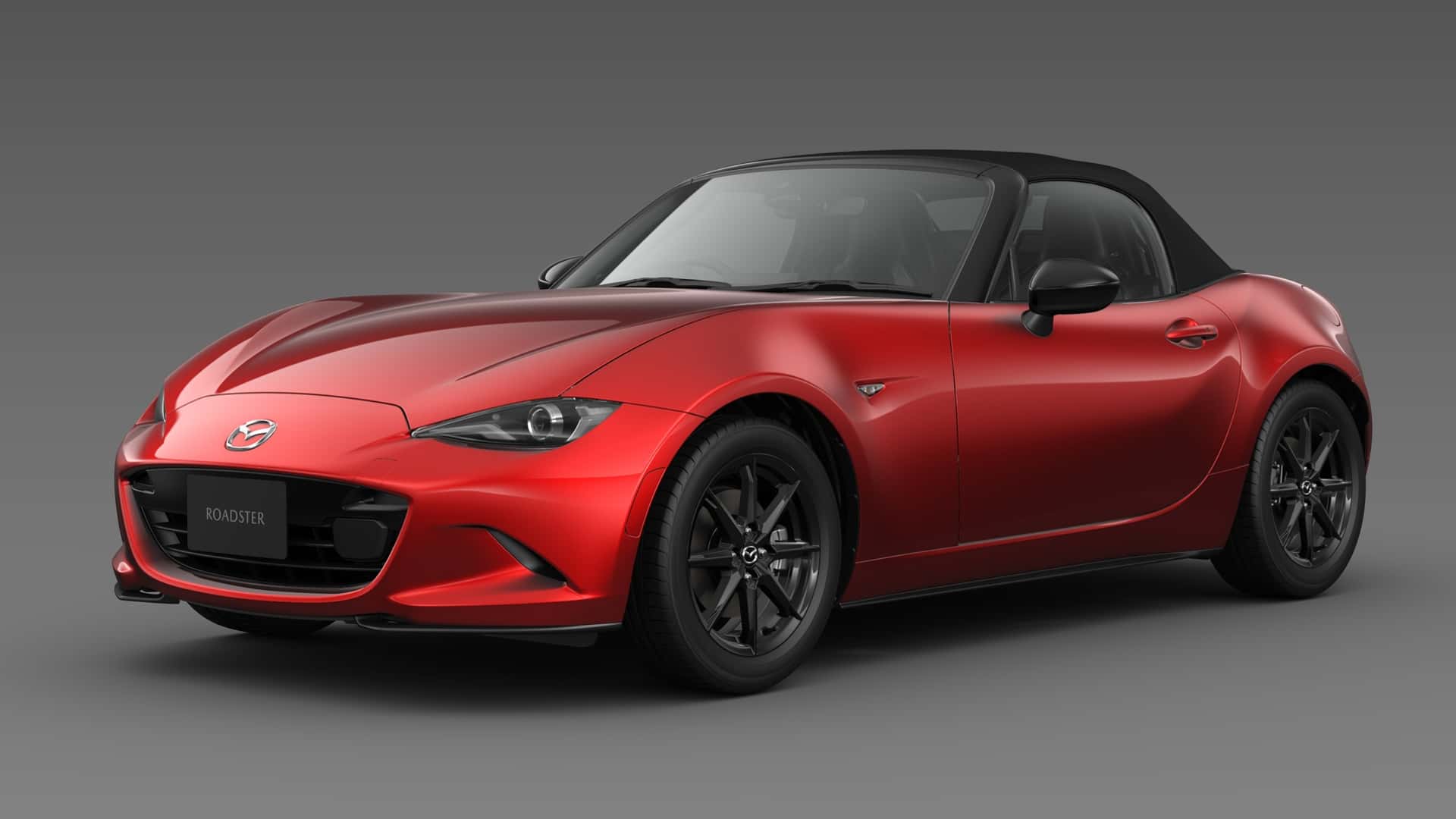
4. Mazda MX-5 Miata (Easy Maintenance)
The Mazda MX-5 Miata is one of the few sports cars that combines fun driving dynamics with a level of mechanical simplicity that makes it a joy to own and maintain. Designed from the start to be a lightweight, straightforward vehicle, the Miata avoids many of the over-engineered complexities found in other performance cars.
The engine bay is spacious relative to the size of the car, and the four-cylinder engines are typically mounted in a way that allows easy access to most components. This layout, combined with a simple rear-wheel-drive platform, makes it surprisingly easy to work on.
One of the biggest advantages of owning a Miata is how modular and open its systems are. Suspension, brakes, intake systems, and even engine internals are all accessible with minimal dismantling. Regular maintenance like changing the oil, flushing the coolant, or replacing brake pads can be done quickly.
For more advanced tasks, like timing belt replacement on earlier models or coil pack swaps on newer ones, the Miata still keeps the process straightforward. Unlike other sports cars, there’s no need to drop the engine or disassemble half the vehicle just to get to essential components.
Support from the Miata community is another major strength. Enthusiasts around the world have contributed to an enormous library of how-to guides, videos, and troubleshooting tips. Because so many people modify and race these cars, there is a constant stream of shared knowledge that helps owners with both basic and advanced maintenance.
Additionally, aftermarket support is vast, and many parts are interchangeable across different model years, which makes sourcing replacements much easier. It’s a vehicle built for people who enjoy not just driving, but also understanding how things work.
Even though the Miata is a fun-focused car, it doesn’t demand high-cost upkeep. Brake parts, filters, fluids, and sensors are all affordable, and the car’s design helps extend the life of components. Its relatively low curb weight also means there’s less stress on tires, brakes, and suspension components, translating into less frequent wear and easier servicing.
It’s one of the rare vehicles that lets you enjoy spirited driving without paying the price in complex maintenance. That’s what makes the Miata a practical choice for enthusiasts who like to keep things simple under the hood.
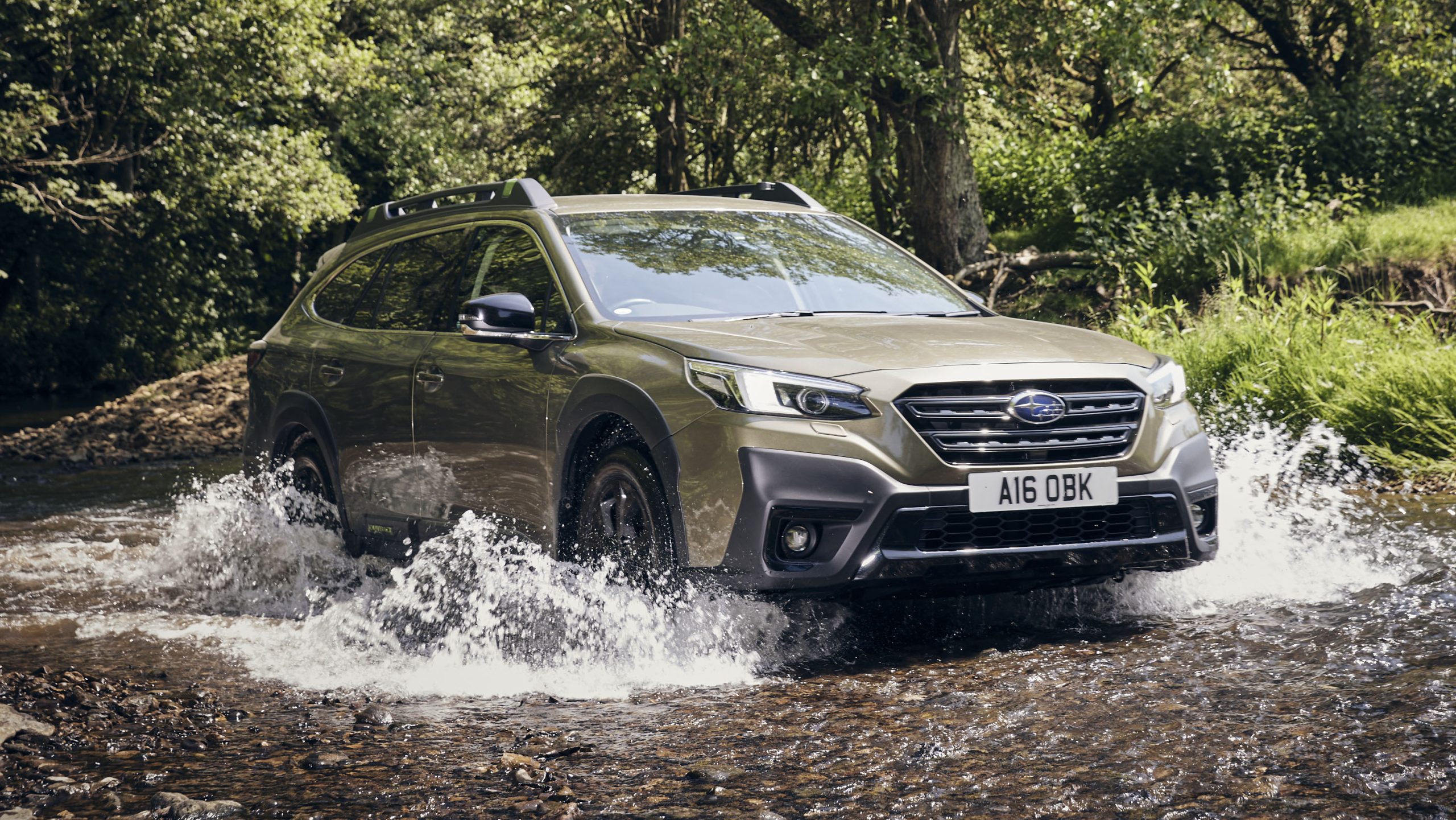
5. Subaru Outback (Easy Maintenance)
The Subaru Outback strikes a great balance between practicality and mechanical accessibility. It has earned a loyal following not just for its all-wheel-drive capability and cargo space, but also because it allows for relatively easy routine maintenance. Many models, particularly those from the late 2000s through the mid-2010s, use naturally aspirated engines that are known for being fairly easy to work on.
Access to components like spark plugs, air filters, and belts is manageable, and the oil filter is often placed in an accessible spot. Subaru’s design choices help owners carry out many of the regular service tasks without requiring extensive disassembly or electronic intervention.
One of the best aspects of Subaru maintenance is the predictability of its service intervals. The company provides straightforward schedules for fluid changes, inspections, and component replacements. This clarity helps owners keep track of what’s needed and when.
Timing belt changes, while more involved, are well-documented and follow a regular interval, and guides for the procedure are widely available. With patience and basic tools, a competent DIYer can handle more complex tasks without relying on dealership-level equipment. Subaru’s use of a symmetrical layout also helps with working around the engine bay, though space can be a bit tight in some configurations.
Subaru owners benefit from an active and resourceful community. Forums like Subaru Outback, NASIOC, and others provide thousands of discussions on every conceivable issue, often with photos and detailed step-by-step instructions.
Whether someone is trying to diagnose a misfire or flush their coolant system, the chances are high that someone has documented the process thoroughly. In addition, the brand has enjoyed widespread popularity in the United States and other regions, which keeps parts availability strong. Whether OEM or aftermarket, most parts are readily available, and many repairs can be completed in a weekend.
Although some newer Subaru models have integrated more electronic features, they haven’t strayed as far as other brands from allowing owner interaction. Systems like EyeSight or electronic steering do add complexity, but the core drivetrain remains familiar.
As long as a buyer sticks with non-turbo models and avoids the highest trims loaded with tech, the Outback remains a car that respects the owner’s ability to perform basic service. For people who want dependable all-wheel drive, solid fuel economy, and a vehicle that won’t demand dealership attention every few months, the Outback offers a compelling package.
Also Read: 10 Vehicles With Great Visibility for Short Drivers
5 That Only Dealers Can Touch
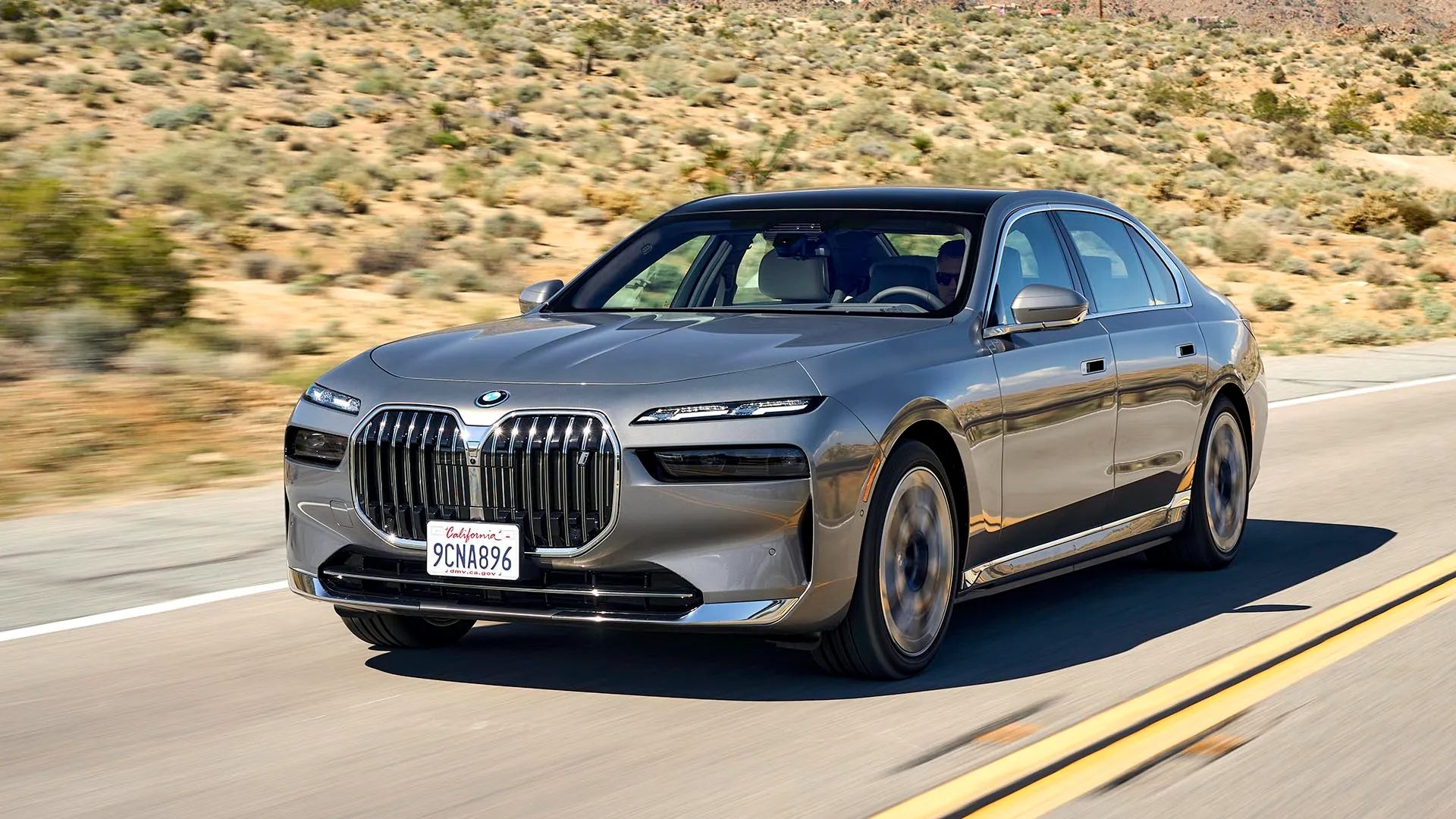
6. BMW 7 Series (Dealer-Dependent)
The BMW 7 Series is the epitome of engineering complexity, and that engineering comes with a significant cost when it comes to maintenance. This full-size luxury sedan is packed with technology, much of which is deeply integrated into the car’s electrical and computer systems.
From active suspension to adaptive cruise control and extensive infotainment features, nearly every system in the 7 Series relies on a network of proprietary software and control units. Attempting to service this vehicle without factory-level tools and access can lead to frustration, misdiagnoses, or even component failures. Even something as seemingly simple as a battery replacement may require dealer-level reprogramming.
One of the biggest hurdles with the 7 Series is its heavy reliance on proprietary diagnostic tools. BMW uses systems like ISTA (Integrated Service Technical Application) that aren’t accessible to most independent mechanics or certainly not the average owner. Many repairs require the technician to update or code modules to ensure compatibility and functionality.
While this approach helps the vehicle perform optimally and integrate all its systems seamlessly, it also means that most maintenance work can’t be done without a deep understanding of BMW-specific processes. This limits who can work on the car and drives up service costs.
In addition to its electronic complexity, the mechanical design of the 7 Series is not forgiving to non-specialists. The engine bays are cramped, and many components are buried under layers of insulation, covers, and support structures. Turbocharged engines in modern 7 Series models complicate things even further.
Turbo maintenance, coolant hose replacements, or even routine oil changes can be time-consuming and require disassembly that seems excessive. Furthermore, BMW’s use of “lifetime” fluids and sealed systems make owners reliant on the dealership’s interpretation of what should be serviced and when. That lack of transparency creates a barrier for anyone trying to take control of their car’s upkeep.
Lastly, the cost of parts and the lack of third-party alternatives add another layer of dependence on the dealership. While some independent BMW specialists can service these vehicles properly, they are not always easy to find, and their prices often match those of authorized dealers.
For most owners, the only safe route is to return to the BMW service center for even minor issues. For this reason, the 7 Series is better suited to those who are comfortable with high service bills and who don’t intend to do any of the work themselves. It’s a car best enjoyed by those who view maintenance as someone else’s job entirely.
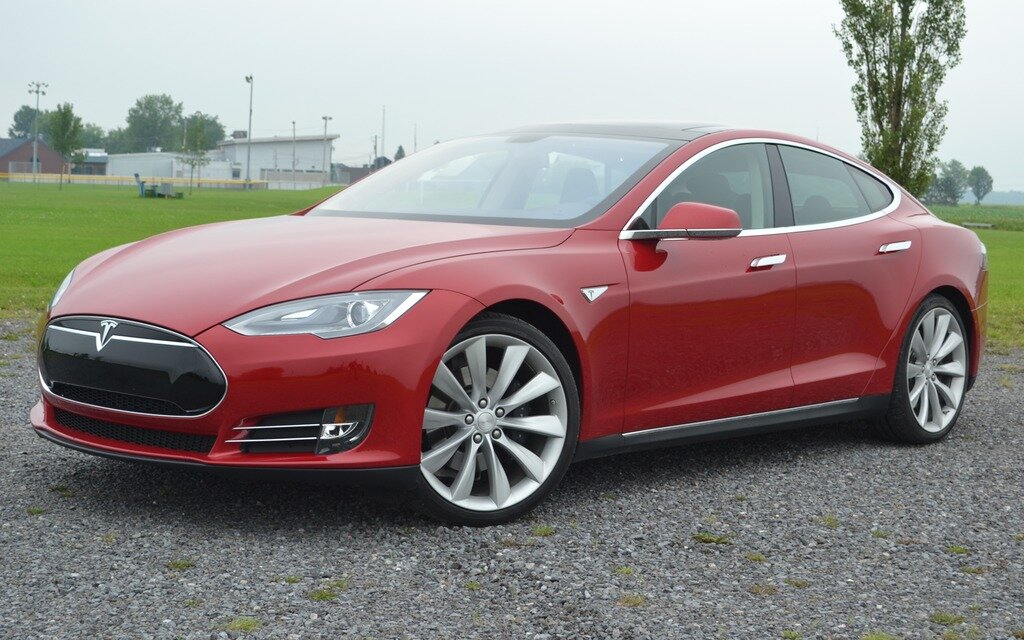
7. Tesla Model S (Dealer-Dependent)
The Tesla Model S is known for pushing the automotive industry forward, but it also represents a dramatic shift in how vehicle maintenance is handled and not necessarily in a way that supports owner autonomy. Teslas are fully electric vehicles, and nearly all of their systems are software-controlled.
From battery management to cabin climate, nearly every feature is integrated into a central touchscreen that receives over-the-air updates. While that brings convenience and innovation, it also means that repairs, even routine ones, are almost entirely controlled by Tesla. The company does not support traditional repair models and often discourages third-party service through design choices and access restrictions.
Beyond the structural challenges, Teslas rely heavily on specialized tools for basic maintenance. Lifting a Model S requires specific jack pads to avoid damaging the battery pack. Tires must be replaced with extreme care, and alignment requires precise calibration of sensors.
The cooling systems for the battery and drive units are unique and can’t be serviced using generic procedures. Tesla has also made software locking a common feature, meaning that even after parts are replaced, the system may not recognize them until a Tesla technician reprograms the vehicle. This forces owners back into the official service ecosystem, whether they want to or not.
Lastly, because the Model S is a rolling computer more than a traditional car, many common repairs are simply unavailable to owners. For instance, if a sensor malfunctions or a window regulator fails, replacing the part may not be enough; the system must be reinitialized through Tesla’s network.
In practice, this means that unless you’re dealing with tires or wiper blades, very little can be done without Tesla’s involvement. It’s a high-tech machine built for performance and luxury, but not designed with the independent mechanic or DIY enthusiast in mind.
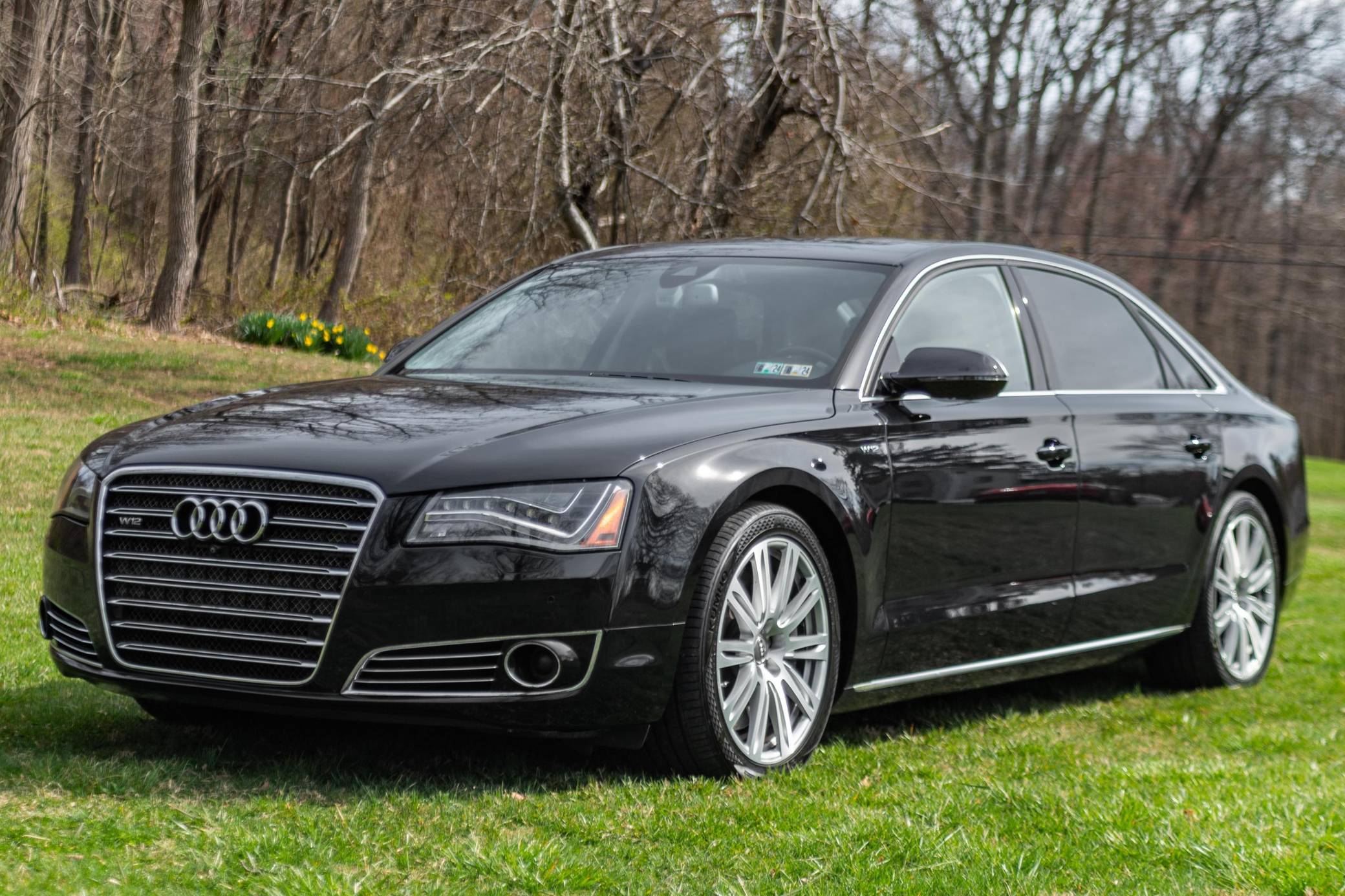
8. Audi A8 (Dealer-Dependent)
The Audi A8 is a flagship luxury sedan that’s impressive in performance, technology, and comfort, but it’s also one of the most difficult vehicles to maintain without dealership support. From its air suspension to its sophisticated all-wheel-drive system, the A8 is engineered with precision and tightly integrated components.
While that results in a smooth and refined driving experience, it also creates an environment where even minor repairs become complicated. Audi’s heavy use of electronic systems to control everything from lighting to steering requires tools and knowledge that only trained technicians typically possess.
Routine maintenance on the A8 can be a significant undertaking. Changing the oil may require navigating multiple underbody panels, while accessing the battery, sometimes located under the trunk floor, requires special disconnection procedures. Air suspension components, which are standard in many trims, are prone to failure and are expensive to replace or repair.
Even cabin components like climate control units are intricately tied to the vehicle’s computer systems, meaning simple fixes can become coding projects. Diagnostic tools are needed for nearly every procedure, and without access to Audi’s service platform, it’s easy to misstep.
Adding to the difficulty is Audi’s tendency to limit parts availability to authorized dealers. While some generic components may be found through online suppliers, many critical parts are VIN-specific and not sold to independent shops.
Replacing a failed sensor or ECU requires not only the part itself but also access to Audi’s online coding platform, which is typically restricted. This ensures that only those within Audi’s service network can perform the complete repair process. It’s a model that reinforces dependence and makes the idea of self-service nearly impossible.

9. Mercedes-Benz S-Class (Dealer-Dependent)
The Mercedes-Benz S-Class is often seen as a benchmark for luxury, technology, and refinement. However, this level of sophistication comes at a steep cost when it comes to maintenance. The S-Class incorporates advanced suspension systems, cutting-edge driver assistance, and highly integrated comfort features that all depend on proprietary hardware and software.
Whether you’re dealing with the air suspension (AIRMATIC), dual-pane soundproofing, massaging seats, or adaptive cruise control, nearly every system is intertwined with the vehicle’s computer network. Attempting to maintain or repair one of these cars without access to Mercedes’ tools and diagnostic software is extremely difficult.
Even basic services can become complex. The S-Class often hides components in hard-to-reach places, making routine tasks like changing spark plugs or swapping the cabin air filter more involved than necessary. The electronic parking brakes, intelligent lighting systems, and advanced infotainment require factory-specific diagnostics to reset or calibrate.
And if a component fails, it’s not always as simple as replacing it, the part may need to be paired or coded to the car using software that is not publicly available. This design essentially locks out all but trained Mercedes technicians from even moderate repairs.
Another hurdle is the cost and exclusivity of parts. Mercedes vehicles often require brand-specific components that are difficult to substitute with aftermarket alternatives. Sensors, ECUs, and comfort modules are VIN-specific and need to be ordered through a dealer.
This tight control over the supply chain, coupled with the need for specialized reprogramming, makes independent service either incredibly difficult or impossible. While there are shops that specialize in Mercedes-Benz service, most lack the same tools available at the dealership and must refer more difficult problems back to the source.

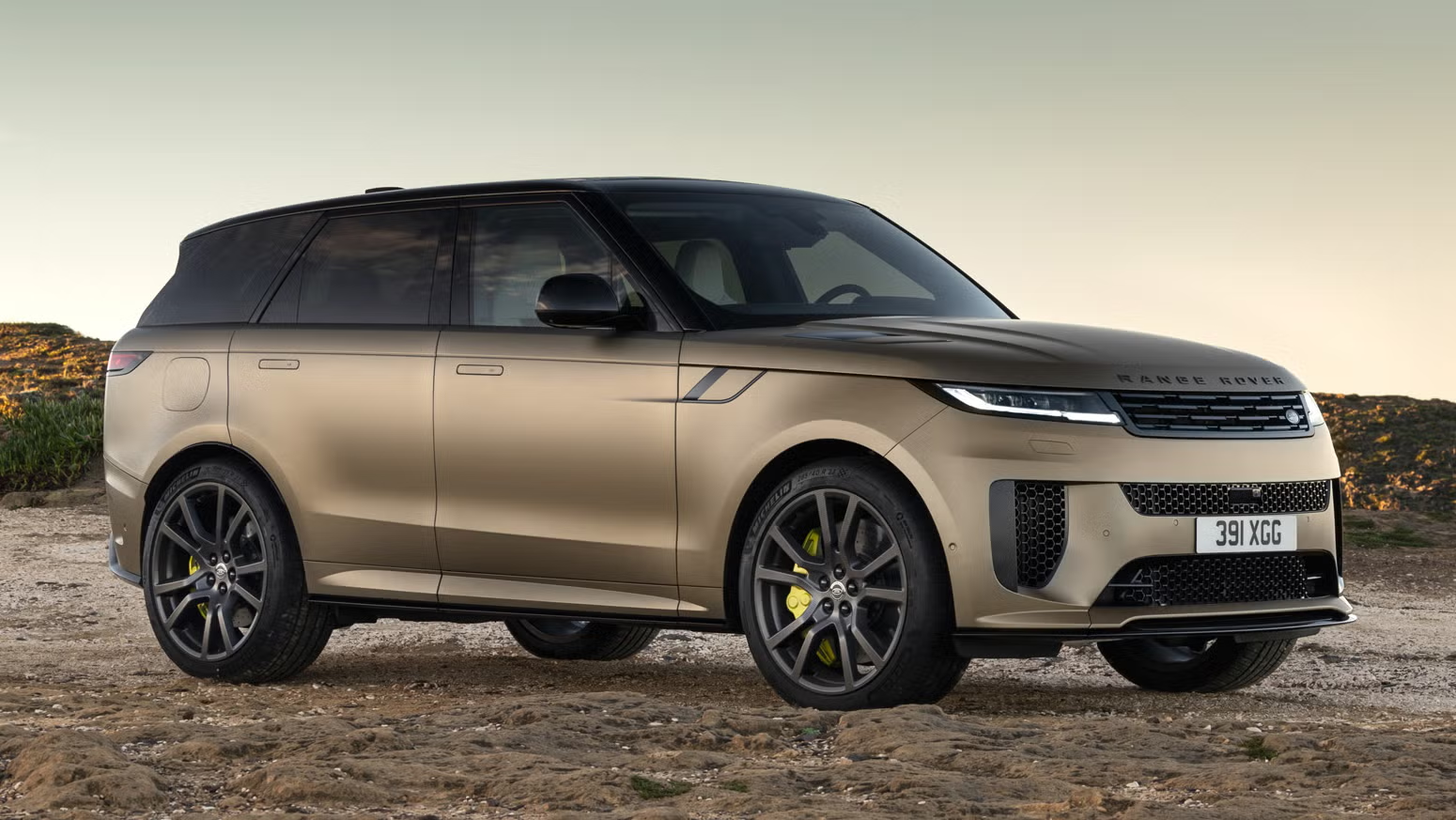
10. Range Rover (Dealer-Dependent)
The Range Rover is one of the most iconic luxury SUVs in the world, known for blending off-road prowess with upscale refinement. Yet, this blend also brings a notorious reputation for maintenance challenges.
Whether it’s electrical gremlins, air suspension faults, or cooling system issues, the Range Rover is packed with complexity that makes it unsuitable for anything other than dealership or brand-specific specialist maintenance. Owners quickly find that even simple problems can become expensive headaches due to the proprietary nature of the vehicle’s systems and the lack of public access to tools or repair information.
Range Rovers rely heavily on software to control nearly every aspect of their functionality. From terrain response systems to interior lighting and audio controls, nearly every feature is managed by computer modules. Diagnosing a fault requires a Land Rover-specific diagnostic tool such as the SDD or Pathfinder systems.
These are not available to consumers and come with significant licensing fees for independent shops. Without access to these tools, troubleshooting becomes guesswork. As a result, even skilled mechanics often decline to work on these vehicles without the proper systems in place.
In addition to software complexity, the mechanical layout can be frustrating. Modern Range Rovers use air suspension systems that are sensitive and prone to failure, especially as they age. Replacing a component like a compressor or air strut is more than just a parts swap; it often requires system re-initialization and recalibration.
Components such as radiators, thermostats, and timing chain assemblies are often packed tightly, making access difficult and labor-intensive. Even replacing brake pads or rotors can sometimes involve reprogramming the parking brake system or resetting sensors that are linked to the electronic control unit.
