
The car market is no stranger to shifting trends, but in recent years, the competition among dealerships for specific SUVs has taken on a new intensity.
Inventory shortages, rising consumer expectations, supply chain bottlenecks, and the evolution of hybrid and electric powertrains have combined to make certain SUV models incredibly difficult to get.
Dealers aren’t just trying to meet demand; they’re scrambling, negotiating, and even engaging in bidding wars with each other to secure units of these hot-selling vehicles.
This isn’t just about fulfilling customer orders anymore; it’s about winning the local market, gaining a competitive edge, and keeping high-margin sales flowing through the doors.
Some of these SUVs are highly sought-after for their rugged capability, others for their hybrid fuel efficiency, and a few because they blend luxury features with reasonable price tags. What they all have in common is scarcity, demand, and profitability.
Dealers are very aware that having even one or two of these models on their lot gives them a clear edge, not only in terms of foot traffic but also in sales volume.
And with buyers willing to travel across state lines or put down deposits months in advance, these vehicles often sell themselves before they even reach the showroom floor.
Manufacturers are doing what they can to ramp up production, but the tug-of-war among dealerships is growing more aggressive by the month.
Allocation strategies from automakers often favor higher-volume dealers or those in densely populated areas, but even those with access to regular shipments find themselves unable to keep these SUVs in stock for long.
The result is a high-stakes environment where dealers are forced to get creative, swapping vehicles, using insider connections, or paying above invoice just to have a fighting chance. Below are 10 SUVs that have become prized assets in dealer networks and why competition for them remains fierce.
Also Read: 10 Cars That Rarely Fail Their Owners vs 10 That Constantly Disappoint
1. Toyota Land Cruiser
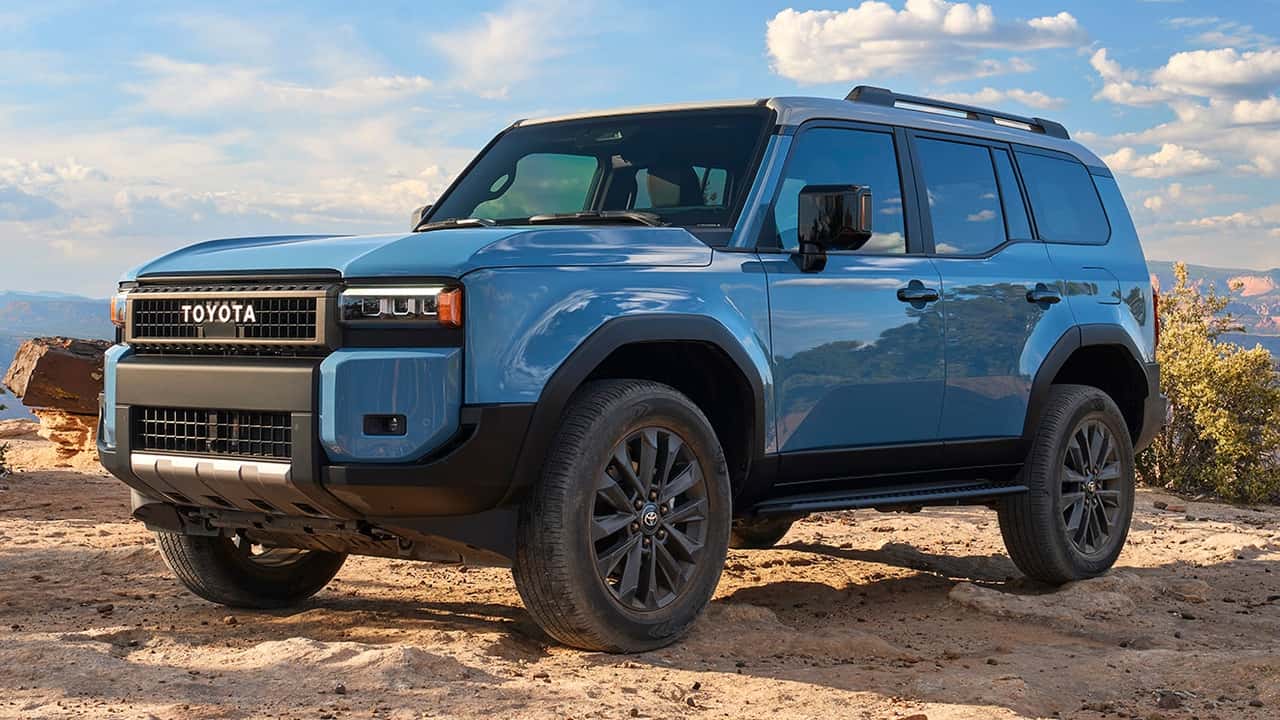
The return of the Toyota Land Cruiser has sparked a frenzy among both buyers and dealers alike. After taking a brief hiatus from the U.S. market, the Land Cruiser came back with a fresh platform, more efficient powertrains, and a slightly smaller footprint.
What didn’t shrink was its reputation. Known for legendary durability, global dependability, and serious off-road prowess, the new Land Cruiser found itself in such high demand that dealers are fighting just to get a single unit.
Orders began piling up before the first deliveries even happened, creating a backlog that many dealerships couldn’t fulfill even with months of lead time.
Dealers love the Land Cruiser not just for its reputation, but for what it does to their showroom traffic. It’s a nameplate that carries weight. Even customers who may not buy one are drawn in by the mystique, and that foot traffic often turns into sales of other Toyota SUVs.
The scarcity of this model means dealerships lucky enough to receive one often find themselves fielding offers above sticker price. For dealers, it’s a chance to make full-margin sales without needing to offer incentives or discounts, and that’s an increasingly rare opportunity in today’s retail climate.
Customer perception is a huge factor in why this model is in such demand. The Land Cruiser isn’t just seen as another SUV; it’s viewed as an investment. Many buyers consider it a 20-year vehicle, something they can drive for a decade or more with minimal trouble.
This perception creates urgency. Buyers believe that if they don’t act quickly, they’ll miss out. And with waitlists forming in many cities, that fear is entirely justified. As a result, dealers who can’t get them are constantly negotiating with other stores, sometimes across state lines, just to bring one in.
The market impact is substantial. Toyota has managed to position the Land Cruiser as both a heritage vehicle and a modern solution for off-road enthusiasts. It hits a unique demographic of practical buyers who still want something iconic and capable.
For dealers, this vehicle brings status. Being known as the local dealership with access to the new Land Cruiser isn’t just good for business, it builds credibility, increases service visits, and strengthens the brand’s presence in the community.
2. Ford Bronco
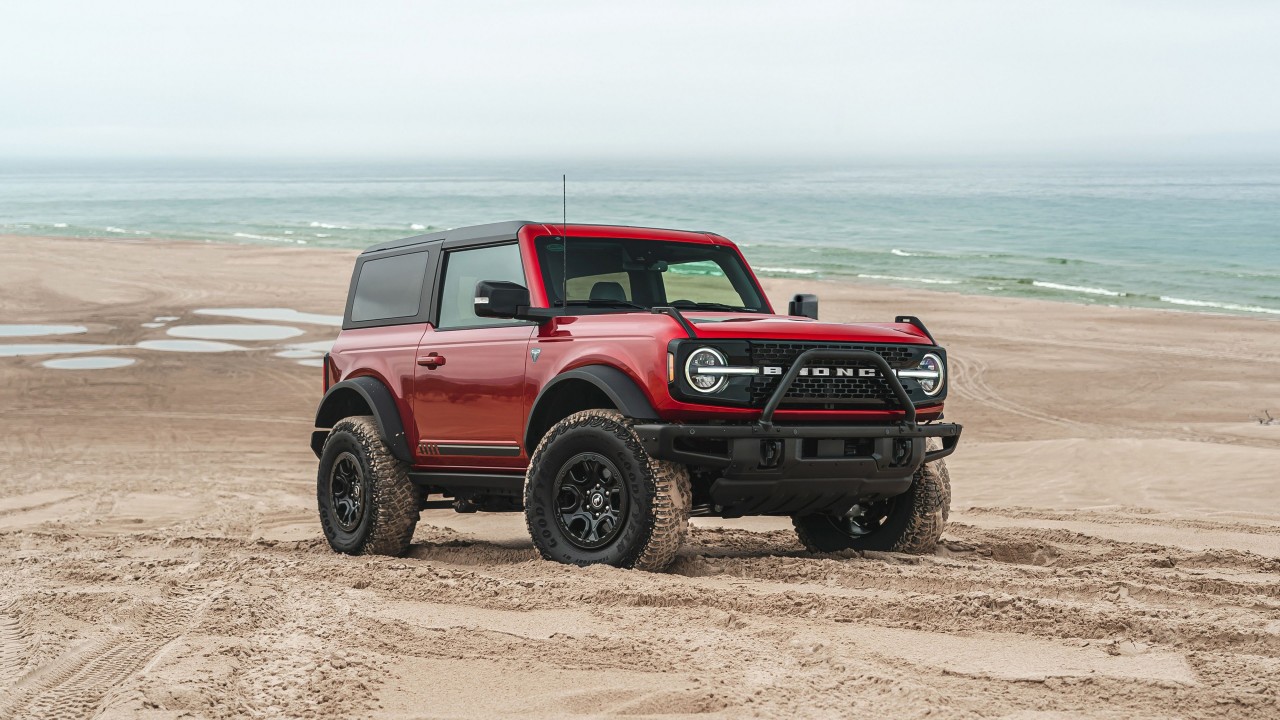
The Ford Bronco made a triumphant return to the SUV scene with unmistakable confidence. Its reintroduction wasn’t just a nostalgic move; it was a strategic answer to the Jeep Wrangler’s dominance. Ever since it hit the market, the Bronco has been in high demand, and dealers have found themselves scrambling to get more.
Allocations haven’t kept up with orders, leading to a shortage that turns each available unit into a prized possession. Some dealerships have even created waitlists that extend beyond a year, with deposits taken on vehicles that haven’t even been built yet.
The dealer competition over the Bronco is intense for a few reasons. First, it’s a high-margin vehicle that attracts both off-road enthusiasts and urban buyers who want the rugged look without necessarily needing all the capability.
Second, Ford limited the initial rollout by offering a range of trims that often had supply constraints built-in, such as the Wildtrak and First Edition variants.
These rare trims became currency among dealerships, who would sometimes trade them like stock assets to balance regional demand or curry favor with key customers. A single high-trim Bronco can mean big profits and a flood of customer inquiries.
Buyers see the Bronco as a symbol of independence and fun. It’s not just a utility vehicle, it’s a lifestyle purchase. That emotional connection is part of what makes the demand so strong. Many customers who place an order are emotionally invested in the wait, checking production updates and dealer status like it’s a countdown to a major life event.
That emotional attachment makes them less likely to abandon their purchase, even if they have to wait six months or more. It also makes them more willing to pay premium prices, which only feeds into the dealer rush to secure more units.
On the broader market level, the Bronco has helped reshape what consumers expect from an SUV. It’s encouraged other automakers to reexamine their offerings, adding off-road packages and retro-inspired designs to their lineups.
The model’s success has also allowed Ford dealerships to gain a stronger foothold among buyers who may have never considered the brand before. For dealers, it’s more than just a product, it’s a competitive weapon, and having one on the lot is like winning a local lottery.
3. Toyota RAV4 Hybrid
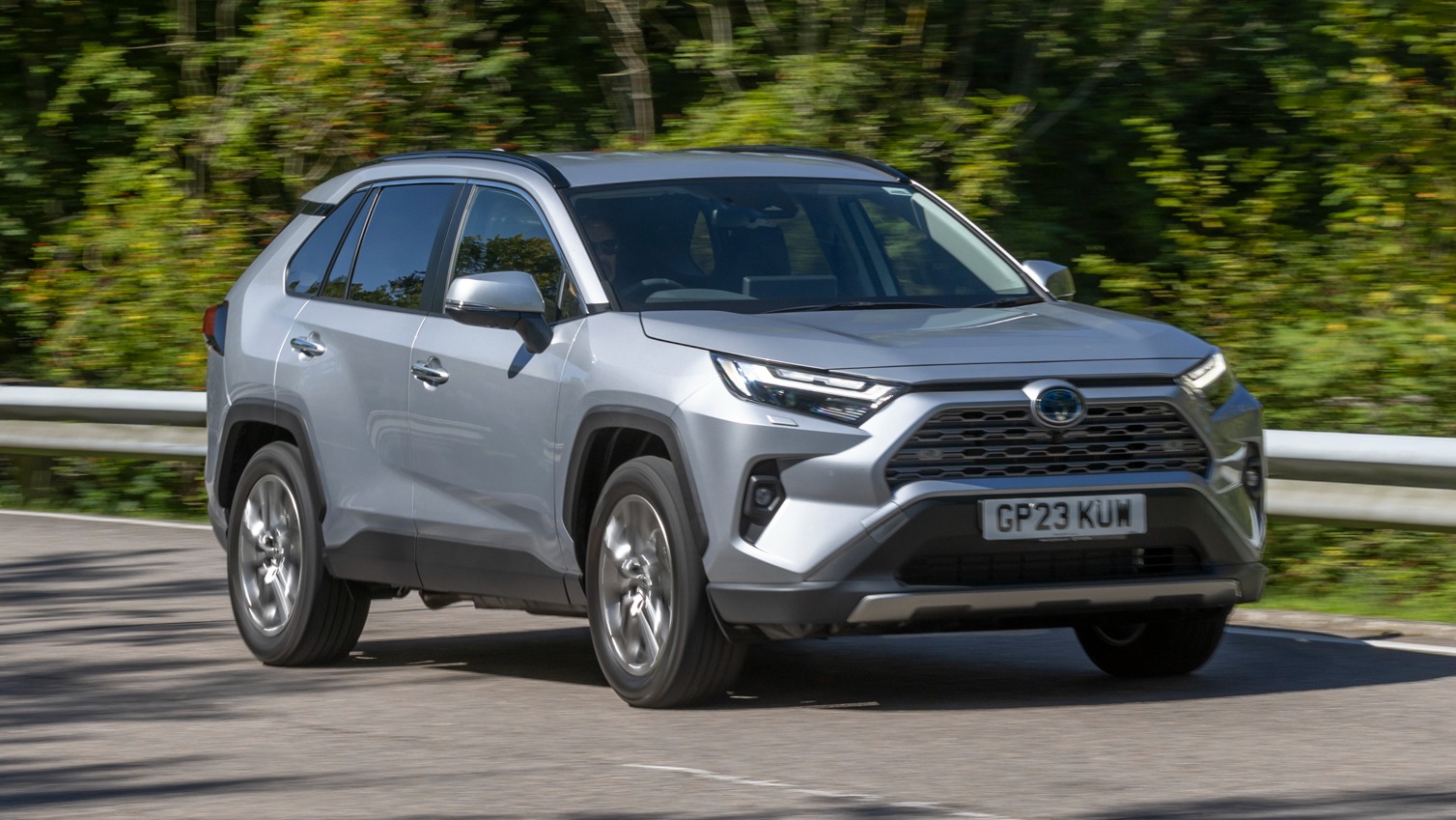
The Toyota RAV4 Hybrid has become one of the most in-demand vehicles in the country, and not just among eco-conscious buyers. It strikes a rare balance between fuel economy, reliability, and affordability. That combination has made it almost impossible to keep in stock.
For dealerships, the RAV4 Hybrid isn’t just another compact SUV, it’s a high-rotation product that sells itself. Its availability can make or break monthly sales targets, especially in urban markets where hybrid vehicles are more popular.
Dealers are in a tough spot. Toyota’s allocation system prioritizes higher-volume stores, meaning smaller or rural dealerships often find themselves left out. This creates an imbalance where some dealerships are getting 10 to 15 units a month while others are getting just one or two, or none at all.
In response, dealers have started to negotiate directly with others in their network to secure stock. Some even go as far as purchasing them outright from other stores and marking them up for resale, just to meet demand and keep customers from defecting to other brands.
What makes the RAV4 Hybrid especially desirable is that it fits into multiple buyer personas. It appeals to the commuter looking to save on gas, the family shopper who needs space and safety, and the environmentally conscious buyer who doesn’t want to go full electric.
That wide appeal makes every unit a quick sale. In many cases, vehicles are sold before they even arrive. This pre-sold inventory approach creates a backlog of deposits and promises that dealers must fulfill, making them even more desperate to secure allocation.
The vehicle’s popularity has led to wider conversations about hybrid availability across the industry. Toyota’s success with this model is pressuring competitors to produce more efficient options, but none have quite hit the same sweet spot.
For dealers, having access to RAV4 Hybrids means customer retention, higher service volume, and better performance metrics. Losing out on this model isn’t just a missed sale, it’s a missed opportunity to strengthen the long-term customer relationship.
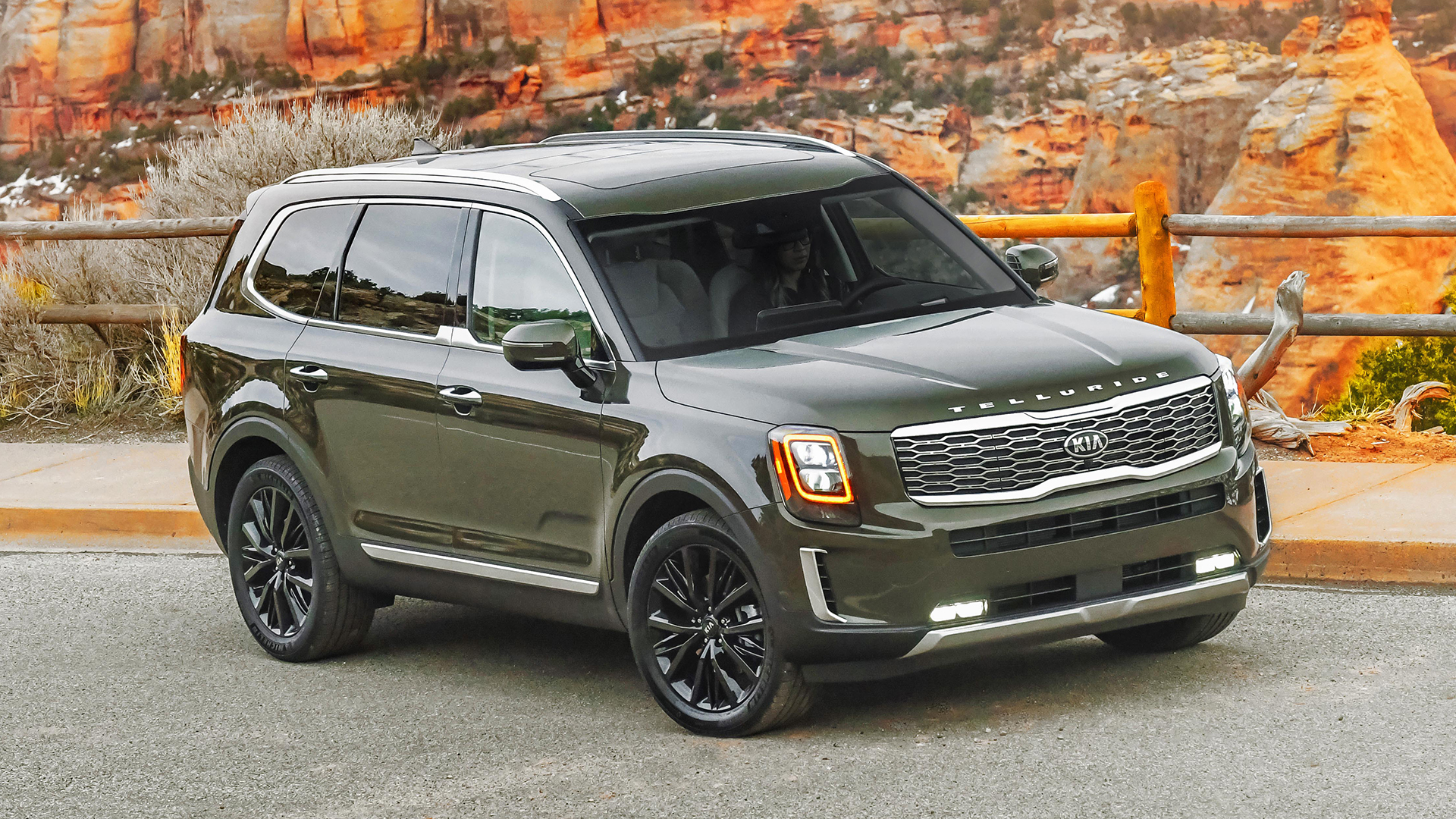
4. Kia Telluride
The Kia Telluride has completely transformed the brand’s image and has given dealers a serious asset in the highly competitive three-row SUV segment. When it first debuted, it shocked critics and consumers alike with its premium feel, high-end design, and surprising affordability.
It didn’t take long for word to spread, and since then, demand has surged well beyond production capacity. Dealers who manage to secure a steady supply of Tellurides often find themselves fielding phone calls from other dealerships trying to trade for units or even offer cash just to get one or two on their lot.
The combination of value, utility, and luxury-like appeal has made the Telluride one of the most wanted mainstream SUVs in the country.
What makes the Telluride even more of a hot commodity among dealers is how consistent its demand remains, even as other models fluctuate in popularity. It’s not just a flavor-of-the-month SUV; it has sustained demand year over year. That consistency means dealers build strategies around it.
They time their marketing campaigns, employee staffing, and showroom displays around Telluride arrivals. It’s become the cornerstone of many Kia dealership operations.
And because of limited allocation and high demand, many dealerships never have more than one or two on hand at a time, making each vehicle a source of tension and negotiation among competing stores.
In fact, it’s not uncommon for managers to get directly involved in securing specific units for VIP clients, creating internal bidding wars even within corporate dealership groups.
Customers view the Telluride as punching far above its weight class. It competes favorably with vehicles that cost $10,000 to $15,000 more, which adds to the sense that it’s a steal. Families love the spacious third row, refined interior, and advanced safety tech.
At the same time, younger professionals appreciate the design-forward approach that makes it look more expensive than it actually is. These factors come together to create a loyal customer base that often includes repeat buyers or those referring friends and family. The waiting lists are real, and they’re long.
This puts pressure on dealers to offer test drives using their only unit on the lot, or even borrow a customer’s car just to let potential buyers experience the vehicle. The lengths to which dealers will go to show or sell a Telluride are unusually high for a non-luxury brand.
On the business side, the Telluride plays a critical role in boosting Kia’s perception and profitability. It commands higher transaction prices than most of the brand’s other vehicles and frequently sells at or above MSRP. This makes it one of the few vehicles in the lineup that generates healthy margins without factory incentives.
Dealerships use that profitability to offset lower-margin sales elsewhere. For Kia dealers, the Telluride is a badge of honor. Being known as the “dealer that always has Tellurides” is a marketing edge that’s hard to quantify, but undeniably valuable. It draws attention, increases digital traffic, and improves the dealer’s ranking in local market search results.
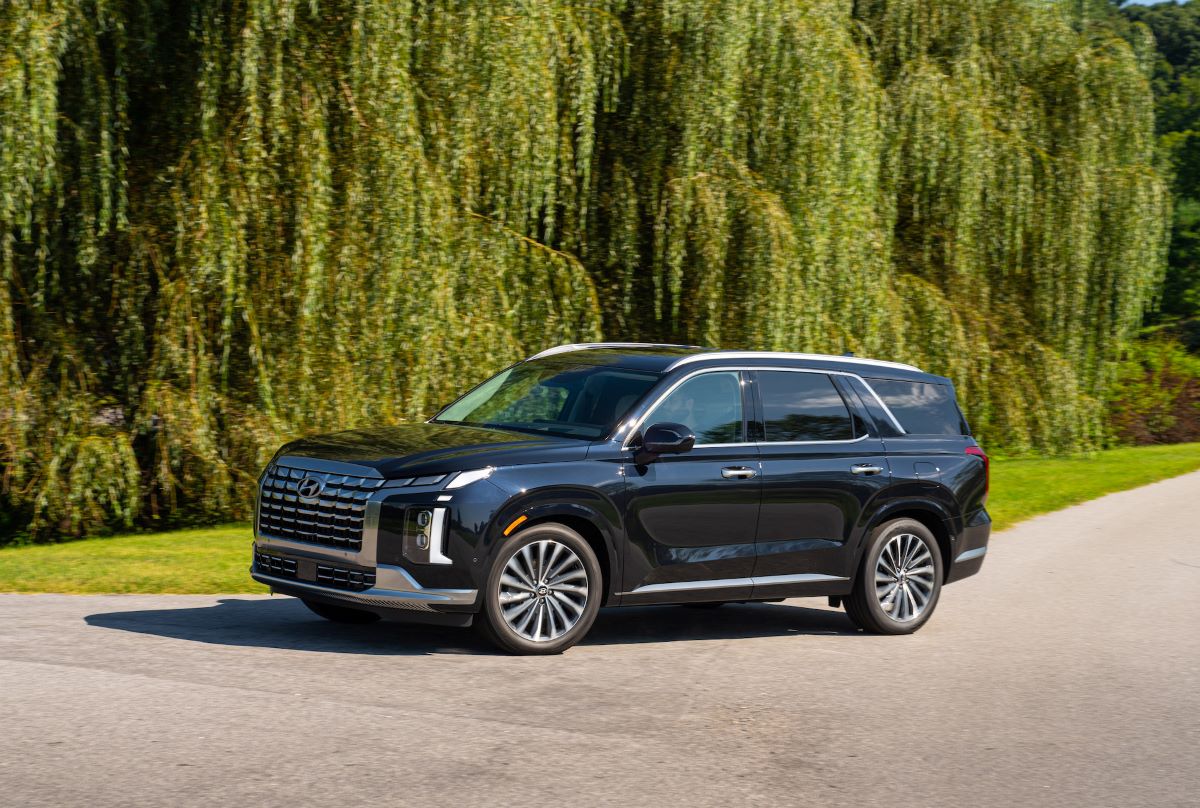
5. Hyundai Palisade
The Hyundai Palisade, like its corporate cousin the Telluride, has carved out a significant place in the crowded SUV industry. Initially viewed with some skepticism by brand loyalists of more traditional makes, the Palisade quickly earned its respect.
It brought an elevated level of quality and design to the Hyundai lineup and gave buyers a true alternative to more expensive SUVs without feeling like a compromise. Dealers recognized this potential immediately.
Since its launch, demand has regularly outpaced supply, and dealership managers have scrambled to stay ahead of customer interest. When inventory is low, as it often is, stores resort to tactics like dealer trades, order holds, and scheduled allocation planning meetings to maximize every Palisade delivery.
Internally, many Hyundai dealerships consider the Palisade one of the most important models on their lots. It’s a high-volume vehicle with strong gross profit per unit, and more importantly, it drives showroom traffic. Families walk in looking for it specifically.
The marketing is effective, the word-of-mouth is strong, and because of the rave reviews it consistently receives, there’s little need to convince anyone once they see the vehicle in person.
It effectively sells itself, which allows dealers to focus on upsells, financing, and accessories. This adds up to a very desirable sales package that most dealerships would gladly replicate across more models, if only Hyundai could build them fast enough to meet demand.
From the buyer’s perspective, the Palisade delivers a near-luxury experience at a mid-level price point. Features like ventilated seats, digital dash clusters, and high-end materials on the interior make it feel like something from a higher price bracket.
This has attracted both budget-conscious families and buyers who previously shopped luxury brands but are now rethinking their priorities.
Because of this, the Palisade competes not only with Toyota and Honda but also against the likes of Acura, Infiniti, and even entry-level BMWs. That broad appeal creates intense pressure on dealerships to not just have it in stock but to have the right trims and colors to satisfy picky customers who know exactly what they want.
On the market level, the Palisade has strengthened Hyundai’s position in North America in a way that few other models have. It symbolizes a shift in how buyers perceive the brand, less economy-focused, more design-driven. Dealers understand this shift and see the Palisade as the front-line ambassador of that new identity.
When a dealership can show a customer a fully loaded Calligraphy trim with every available feature, it sends a message that Hyundai isn’t what it used to be, it’s aiming higher. And that message resonates, making the Palisade not just a sales hit but a vehicle that shapes brand loyalty and long-term customer relationships.
Also Read: 10 Cars Known For Smooth Ride Quality vs 10 That Become Bumpy Messes
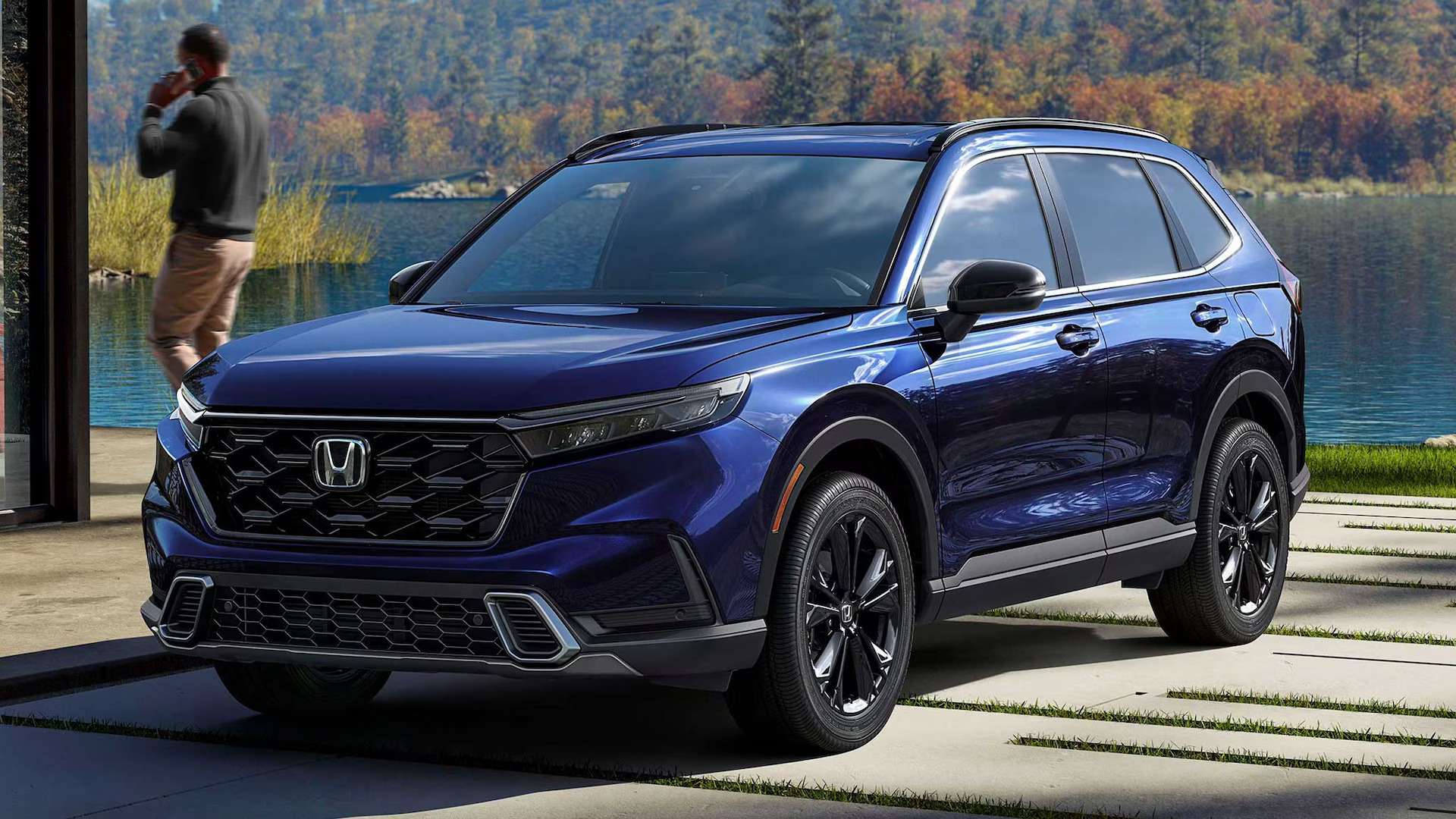
6. Honda CR-V Hybrid
The Honda CR-V Hybrid has grown into a powerhouse for the brand, and its hybrid variant is now among the most contested vehicles in dealership networks. It brings together fuel efficiency, practicality, and Honda’s reputation for longevity in one package that appeals to a wide variety of buyers.
This has placed enormous pressure on dealers to keep it in stock, especially in areas with high gas prices or where hybrid incentives are still active.
Competition among dealerships can get so intense that Honda’s regional sales managers often step in to manage expectations or reallocate shipments based on projected sell-through rates. It’s become a balancing act of satisfying demand while maintaining fairness among dealers.
For many Honda dealerships, the CR-V Hybrid is a volume machine. It brings in buyers who are specifically seeking better fuel economy but who don’t want to sacrifice space or traditional driving feel. What makes it particularly valuable is how low-maintenance the ownership experience tends to be.
This gives dealerships confidence in selling it to long-term Honda customers, knowing it won’t generate an unusual number of service issues down the line.
However, that same confidence has created bottlenecks. Some dealers are receiving allocations that barely match local demand, while others are left on waiting lists for specific trims or colors. This disparity sparks tension within dealership networks and leads to constant maneuvering behind the scenes.
From the consumer’s perspective, the CR-V Hybrid is a no-brainer for those seeking reliability and efficiency in a familiar format. It’s not flashy, and it doesn’t aim to be revolutionary. Instead, it’s consistent, solid, and dependable, qualities that many buyers value more than novelty.
The hybrid system improves fuel economy significantly, yet retains the traditional driving characteristics that buyers expect from a CR-V. That familiarity, combined with economic benefits, makes it appealing across age groups and income brackets.
As a result, dealers frequently face situations where the hybrid trims sell out weeks before the non-hybrid versions, creating lopsided inventory and unmet customer demand.
In terms of market positioning, the CR-V Hybrid represents Honda’s practical step toward electrification. While competitors push aggressive EV lineups, Honda is playing the long game with hybrids that appeal to the mass market first. This has made the CR-V Hybrid a strategic pillar for the brand’s short-term goals.
Dealerships view it as a critical bridge between internal combustion and the eventual arrival of more electric vehicles. As such, they put extra emphasis on customer experience, quick turnarounds, and managing expectations with waitlisted buyers. Every hybrid unit on the lot is practically a guaranteed sale, which only fuels the race among dealers to get more of them.
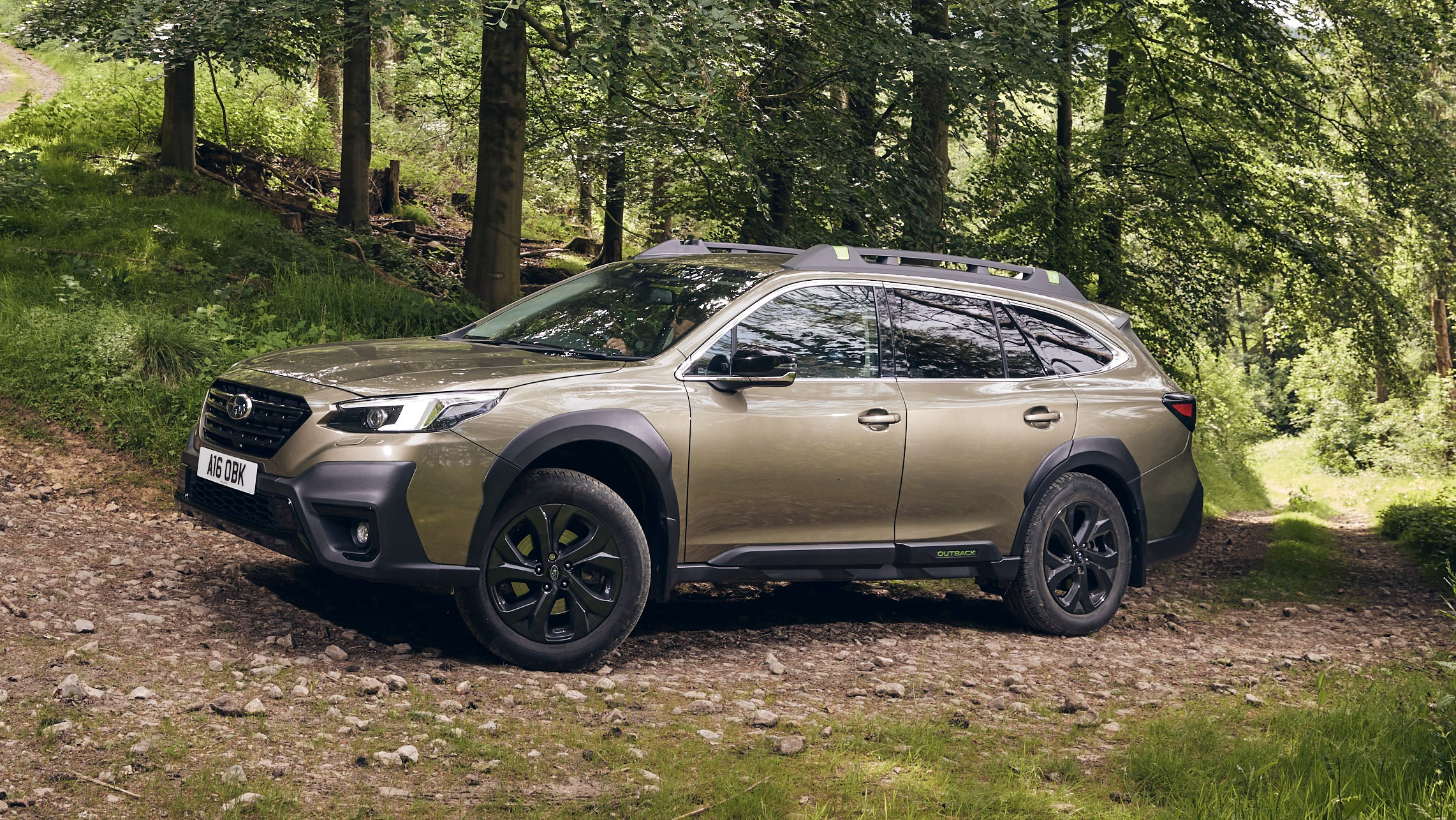
7. Subaru Outback
The Subaru Outback continues to be one of the most unique and dependable entries in the SUV segment, consistently drawing a loyal and growing customer base.
Its blend of wagon-like practicality, SUV ground clearance, and standard all-wheel drive make it a perfect match for a variety of lifestyles, from outdoor adventurers to families in snowy climates.
For dealers, the Outback is one of those models that rarely sits on the lot for long. Even as new competitors enter the market with flashier technology or more aggressive styling, the Outback remains a strong seller thanks to its consistency, reputation, and Subaru’s cultivated brand image.
What adds to the Outback’s value at the dealership level is how tightly Subaru controls its inventory flow.
Unlike some brands that flood the market with various trims and colors, Subaru is more deliberate, often shipping Outbacks in batches based on specific dealer orders or regional trends. This means some dealers get more of them, while others may wait weeks for a restock.
It’s a logistical challenge that leads to internal pressure, with sales managers often calling their regional reps daily to track incoming units. The Outback’s broad demographic appeal, from retirees to younger professionals, only amplifies this pressure. It checks so many boxes that not having one in stock can mean losing out on multiple different types of customers.
Buyers trust the Outback in ways that go beyond specs and price. They associate the nameplate with safety, durability, and community values. It’s often purchased by people who have owned multiple Subarus and who value function over flash. This emotional connection strengthens the urgency when inventory runs low.
Customers are willing to wait, but they expect transparency and communication, which means dealerships need to be more proactive with updates and honest about timelines.
That adds to the operational strain, especially when demand consistently outpaces supply and every other Subaru dealer in the region is also asking for more units.
For the broader SUV market, the Outback continues to be a category-defying presence. It’s not quite a crossover and not quite a station wagon, but it attracts shoppers from both groups. Dealers see this versatility as a major advantage, and many have tailored their marketing strategies to highlight the Outback’s unique positioning.
In places with rough winters or rugged terrain, it’s often the go-to vehicle for buyers who don’t want or need a full-size SUV. This strategic market position makes it one of Subaru’s most important models, and one that dealers are constantly jockeying to keep on their lots.
8. Chevrolet Tahoe
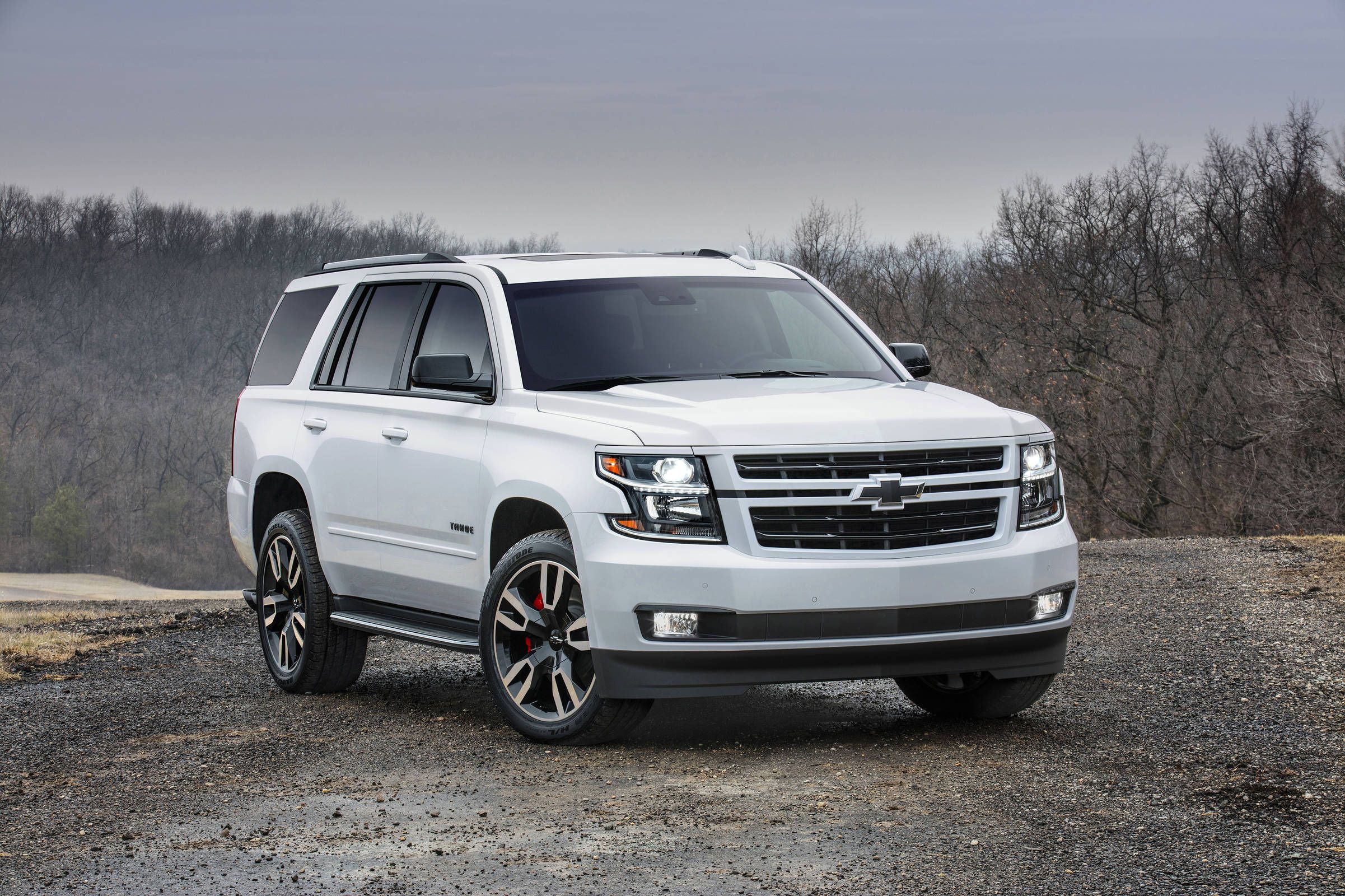
The Chevrolet Tahoe has long been a staple in the full-size SUV segment, but in recent years, it has evolved from a practical utility vehicle into one of the most in-demand and fiercely contested models in GM’s lineup.
It offers a unique blend of space, towing capability, upscale design, and strong performance that appeals to large families, law enforcement agencies, business owners, and even luxury-minded buyers.
This wide appeal has led to inventory shortages across the country. Dealers often can’t get enough units to satisfy their markets, and when they do, those units often sell within days, sometimes hours, of arriving.
High demand paired with limited supply has fueled intense competition between Chevrolet dealers, who are willing to make significant concessions or pay a premium just to get additional Tahoes from other stores.
Buyers see the Tahoe as a long-term investment. Its truck-based platform, large cargo area, powerful V8 and turbocharged diesel engine options, and commanding road presence make it a preferred choice for buyers who need real capability. It’s especially popular among buyers who regularly tow boats, trailers, or campers.
Others appreciate it for its interior space and elevated driving position. In either case, customers are increasingly aware of its scarcity. Many are willing to place factory orders and wait several months for the exact configuration they want.
Dealers are constantly walking a fine line between satisfying current demand and preparing for incoming builds. With order banks filling quickly, it’s not uncommon for dealers to turn away prospective buyers or try to switch them into similar, but less in-demand, models like the Traverse or Trailblazer.
9. Jeep Wrangler 4xe
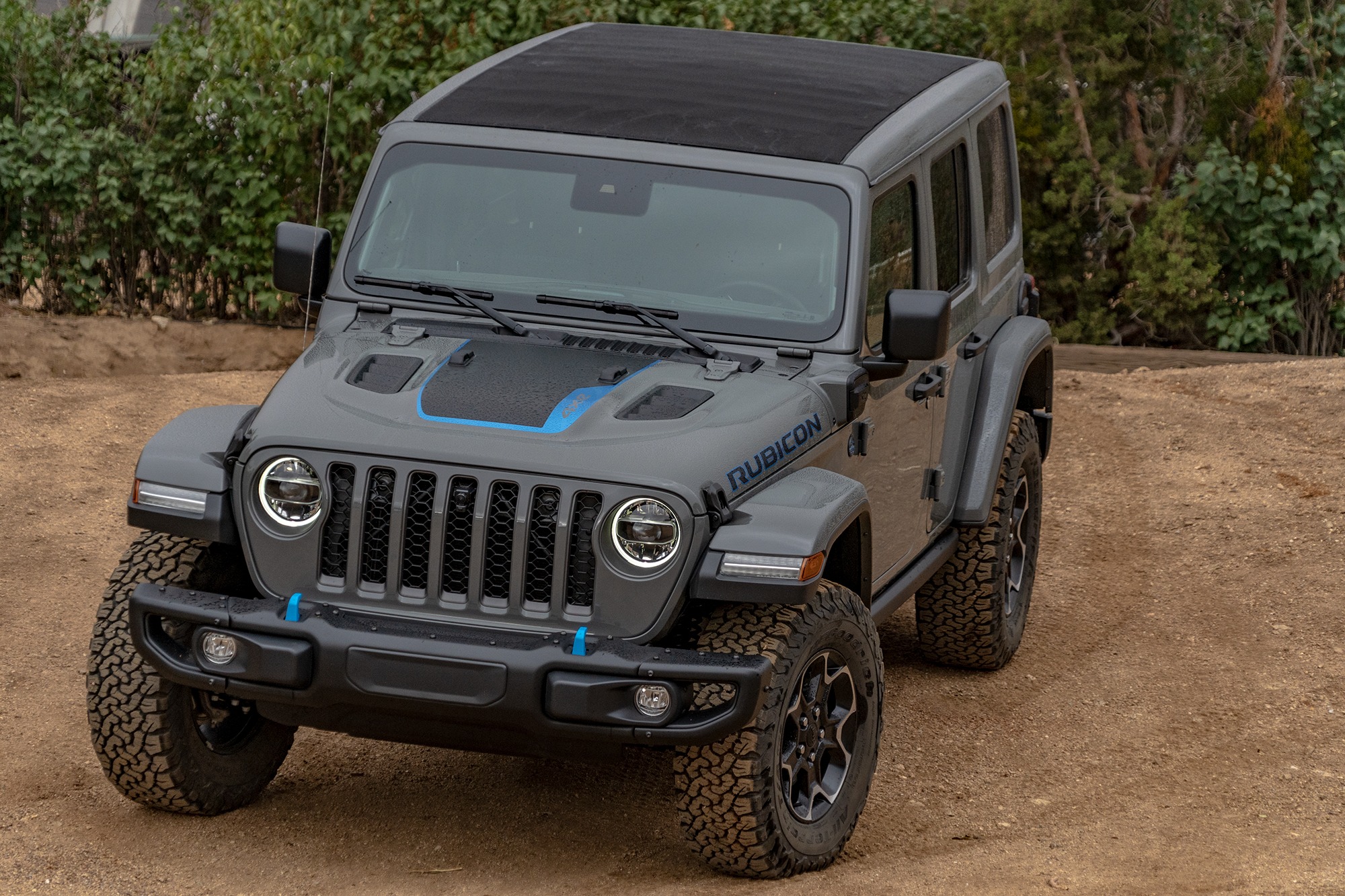
The Jeep Wrangler 4xe represents a turning point for both the Jeep brand and the plug-in hybrid SUV category. It marries the iconic off-road image of the Wrangler with a plug-in hybrid powertrain, giving it environmental appeal without sacrificing rugged capability.
Since its release, it has been a runaway success, outselling many traditional hybrids and putting Jeep on the electrified map.
Dealers have found themselves in an ongoing tug-of-war for 4xe allocations, especially in states with strong green incentives. In places like California, New York, and Colorado, where buyers receive state rebates in addition to federal tax credits, the Wrangler 4xe sells faster than any other vehicle on the lot.
Buyers are drawn to the Wrangler 4xe not just for its capabilities but for what it represents. It’s the only mainstream vehicle that allows you to drive silently through a trail on electric power, then switch to gas for the highway ride home. That dual-purpose flexibility makes it attractive to both adventure seekers and daily commuters.
It also offers a psychological advantage, people feel like they’re part of a forward-thinking movement while still retaining the “authentic” Jeep experience. As a result, many customers are willing to travel across state lines or wait for months just to secure their preferred build. Dealers regularly report waiting lists, especially for higher trims like the Rubicon or Sahara.
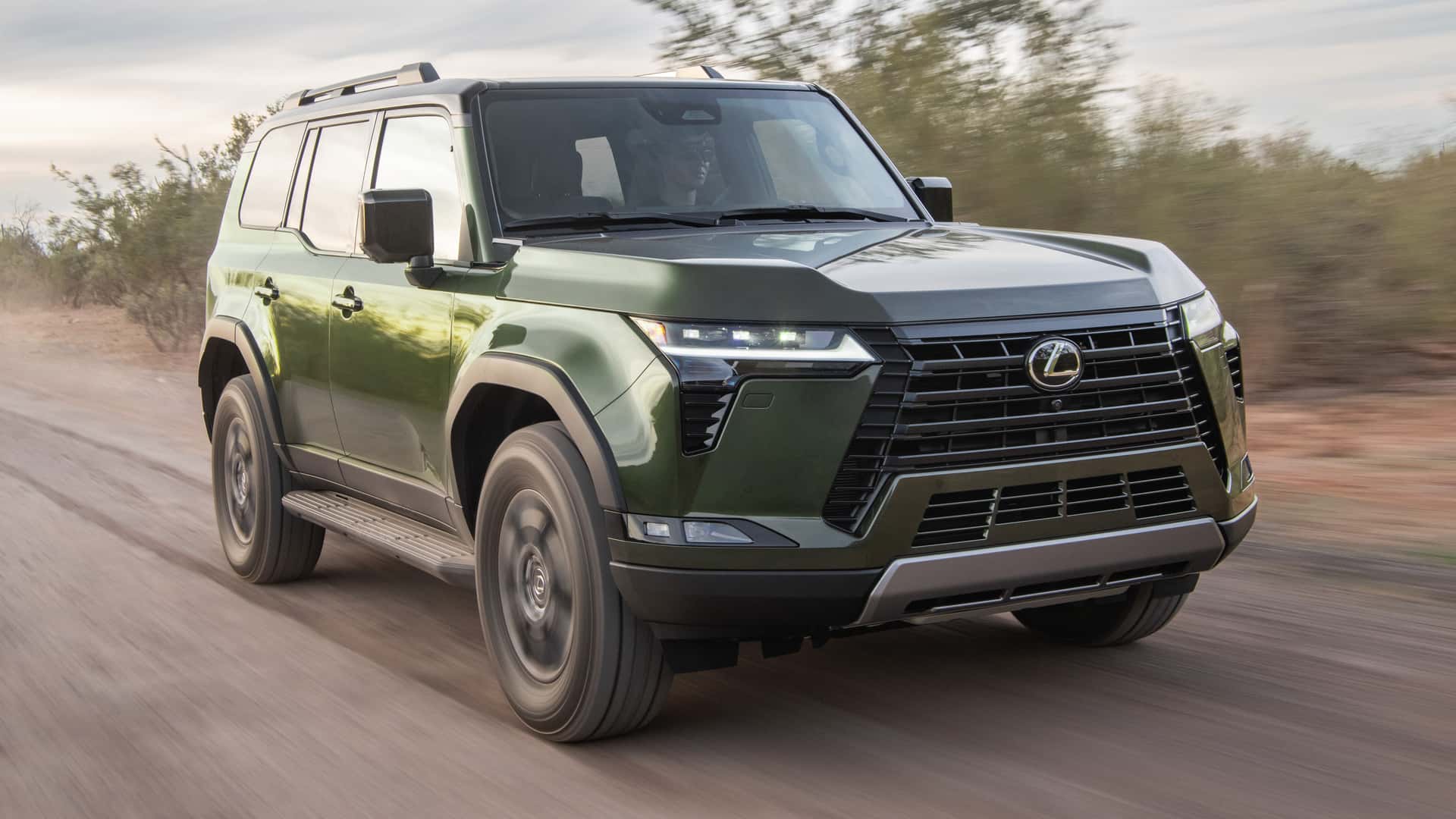
10. Lexus GX550
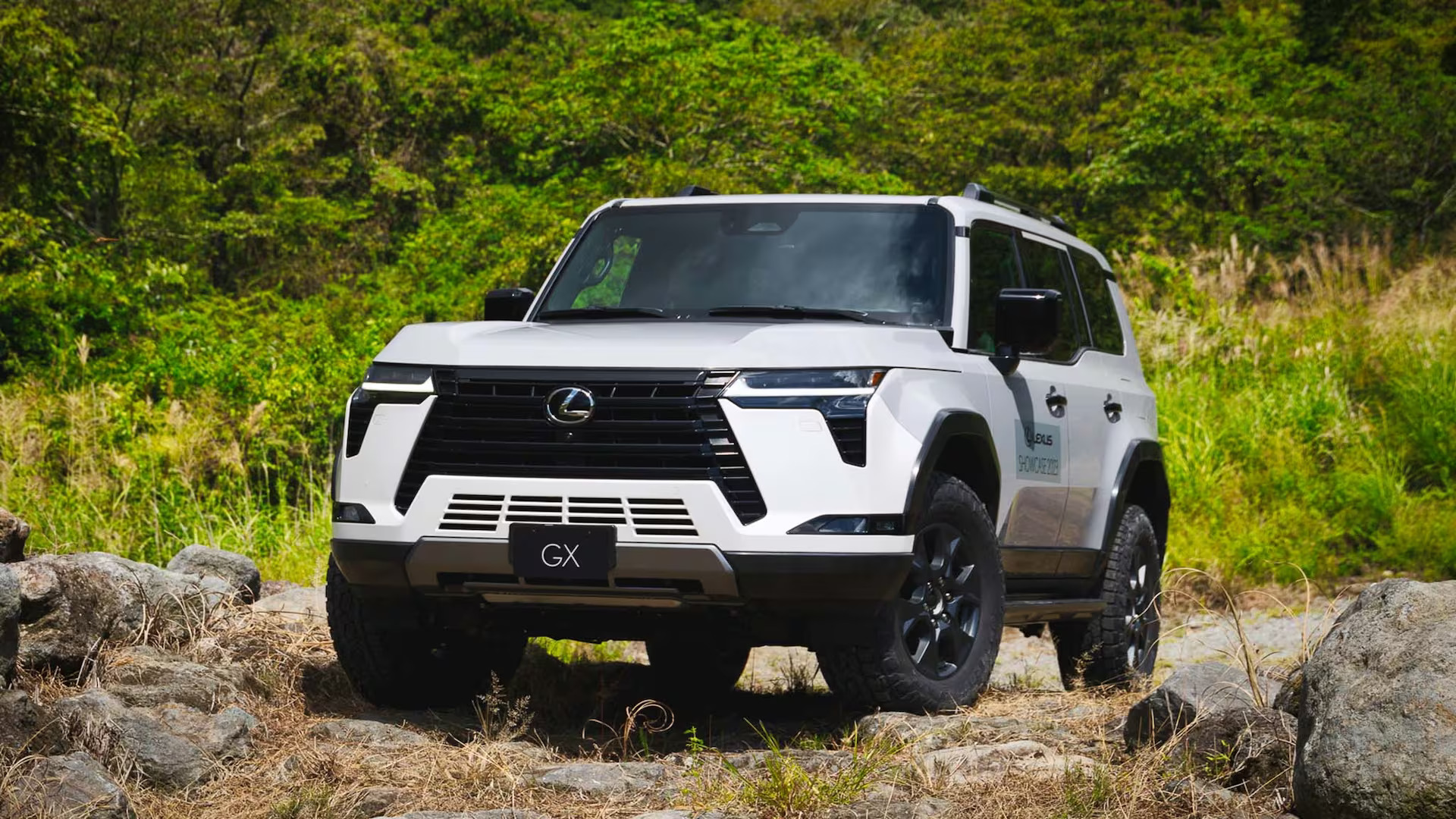
The Lexus GX550 is the latest iteration of a nameplate that has quietly built one of the most loyal followings in the luxury SUV world.
While its predecessor, the GX460, was known for its rugged underpinnings and bulletproof reliability, the new GX550 modernizes the formula with a turbocharged engine, a new suspension setup, a completely redesigned interior, and much-needed tech upgrades.
The result is a luxury SUV that still retains off-road credibility but now feels far more refined and current. Dealers saw the buzz coming early, with early reservations flooding in even before full pricing and specs were confirmed.
The moment production started, it became clear that the GX550 was going to be a major point of contention in Lexus dealership networks.
Inventory is extremely tight. Lexus, like many automakers, is pacing production carefully to avoid overstocking. But the side effect is that dealerships are receiving only a handful of GX550s at a time, often with little control over trim and color.
This limited supply has turned each vehicle into a prized asset, particularly for dealers in upscale suburban areas where Lexus already commands strong brand loyalty.
Store managers are frequently fielding calls from other dealerships asking about swaps, and in some cases, trying to pre-buy inventory before it hits the ground.
The desire to get just one or two more GX550s a month is so strong that dealers are adjusting their entire ordering strategies just to get noticed in Lexus’s internal allocation system.
From the buyer’s side, the GX550 strikes an ideal balance. It satisfies long-time Lexus owners who want a luxury SUV that can last a decade or more while also attracting new buyers who may have previously looked at Land Rover or BMW.
The redesigned interior, modern technology package, and improved efficiency make it feel like a fresh product, yet it still retains the old-school toughness that made previous GX models legendary among overlanders and off-road enthusiasts. The combination is rare, luxurious, durable, and has real capability.
Many buyers view it as a “buy-it-for-life” vehicle, and that sentiment drives quick decisions when units become available. Dealers often don’t have to push hard to make a sale; in most cases, they’re managing multiple interested parties for the same unit.
