
When buying or trading in an SUV most people think first about price, features, reliability and aesthetics. Dealers think about many of the same things plus resale value, cost of maintenance, parts availability, depreciation rate and how easy or hard it is to sell the SUV afterwards.
Some models hold their value, some are popular in used car lots, some are costly to maintain and slow to sell. Dealers buy back certain SUVs because they know they will resell quickly, with less cost, and with minimal risk.
On the other hand there are SUVs they avoid because of repair issues, high depreciation, parts scarcity, or low demand in secondhand markets. The difference in what dealers prefer and what they avoid influences what features cost, how leases are priced, and what trade‑in offers customers receive.
This article will examine five SUVs that dealers like to buy back when customers want to trade in or lease return or resale. These are models with a strong reputation, steady demand, low maintenance cost, good fuel economy (or at least acceptable), and relatively strong resale value.
After that it will cover five SUVs that dealers tend to steer away from. These are models that tend to depreciate rapidly, have costly repairs, limited parts or weak demand, or reputational issues. Understanding both sides helps buyers make smart decisions whether buying new, buying used, or trading in.
It also helps owners of less desirable SUVs to anticipate what their trade‑in or resale process might look like. That knowledge could save thousands over several years. Following here are the five desirable SUVs from a dealer’s perspective, then five that usually give them pause or cause caution.
Also Read: 12 Trucks With the Longest-Lasting Frames in 2025
5 SUVs Dealers Love to Buy Back
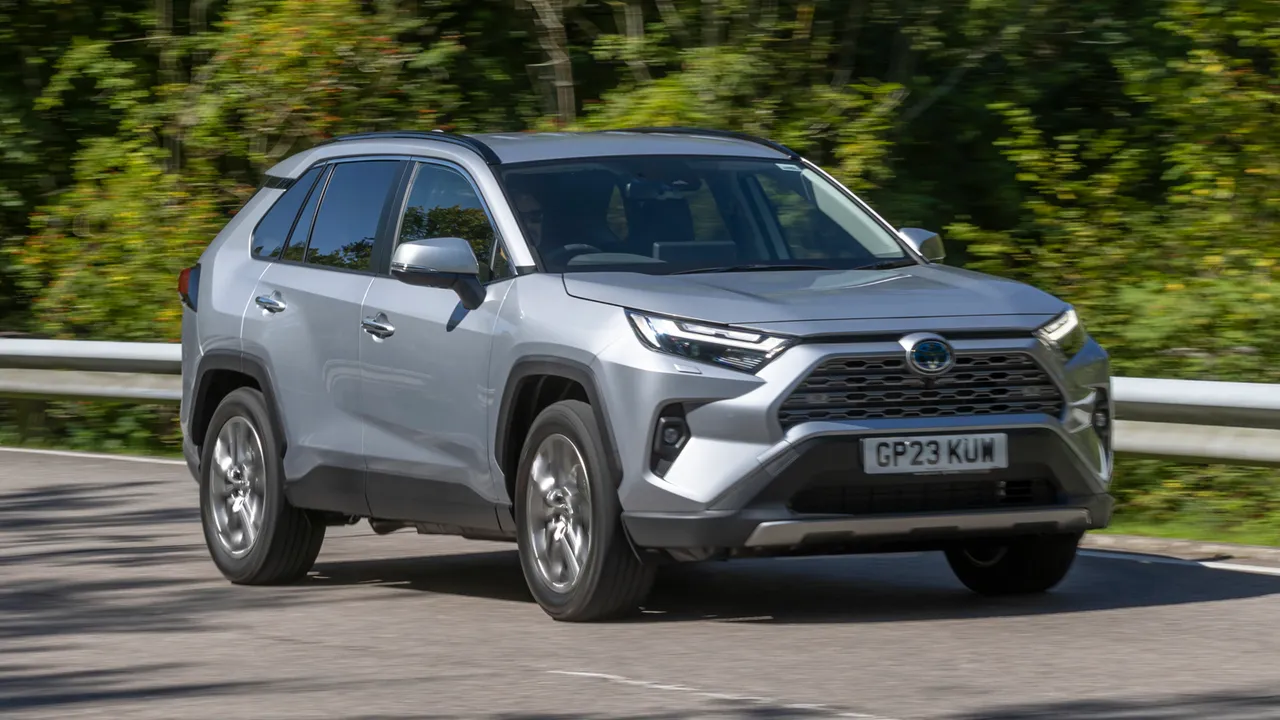
1. Toyota RAV4
The Toyota RAV4 remains one of the most sought-after SUVs in both the new and used markets. For dealers, this SUV consistently performs well in terms of trade-in and resale. A major reason for this is its reputation for long-term reliability.
The RAV4’s powertrains, especially in the last three generations, have proven to be solid across various climates and road conditions. Owners tend to drive these for many years, and even with higher mileage, RAV4s hold up mechanically. This gives dealers confidence when accepting them on trade, since extensive mechanical rework is rarely needed.
In terms of maintenance, the RAV4 scores well again. Its parts are widely available and affordable, thanks to Toyota’s large-scale manufacturing and consistent part-sharing across models. Most independent repair shops are familiar with the RAV4’s systems, and that means any necessary reconditioning can be completed quickly and economically.
Dealers value vehicles that can be prepared for resale with minimal delays and unexpected costs, and the RAV4’s ease of service makes it a strong performer in this area. It’s also less likely to have complex issues with electronics or software systems compared to some newer competitors.
Resale value is another reason the RAV4 tops the list of SUVs that dealers love to buy back. Used RAV4s sell quickly, and at prices that maintain respectable margins for dealerships. Models from 2018 onwards, particularly hybrid variants, are in especially high demand.
Even those from earlier years find interested buyers due to Toyota’s brand reputation. For customers who took good care of their vehicle, trade-in offers tend to be more generous than average, simply because dealers know they won’t struggle to resell them.
The RAV4 also benefits from broad appeal. It’s not niche, it doesn’t cater only to off-roaders or luxury buyers or performance enthusiasts. Families, commuters, students, and even retirees find something in the RAV4 that suits their needs. This wide range of potential buyers keeps demand high across multiple age groups and price points.
A dealer doesn’t need to rely on a narrow audience; the car sells itself based on practicality and known quality. Color, trim, and mileage of course affect value, but even base models do well in resale.
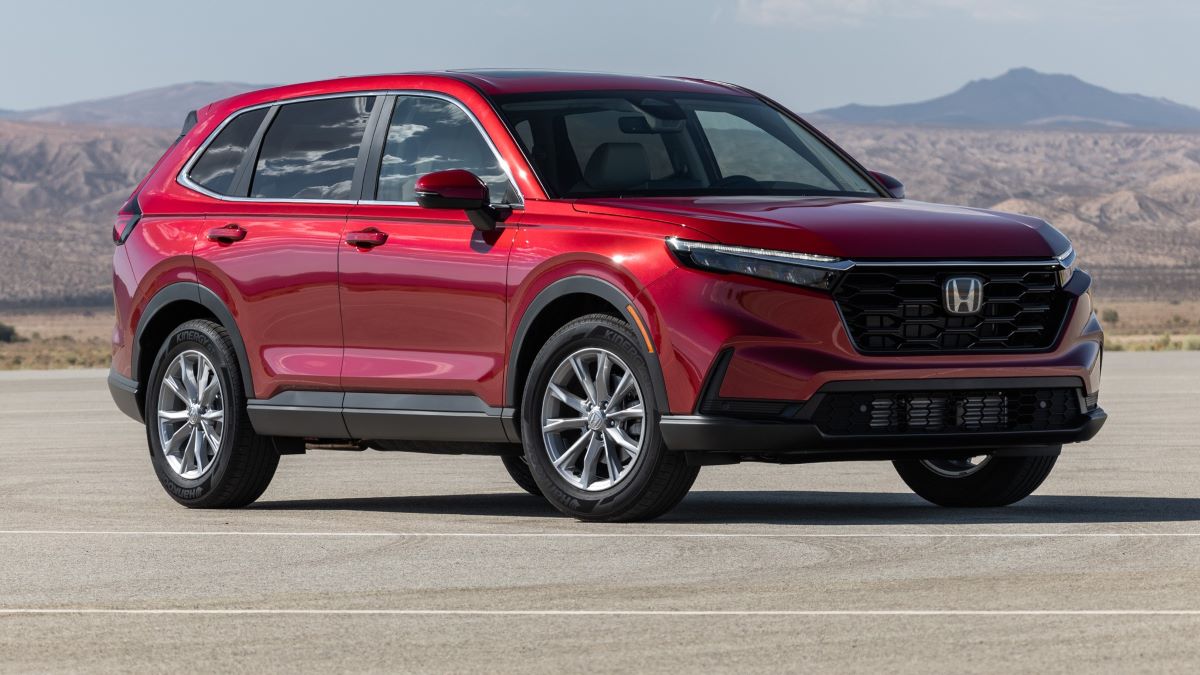
2. Honda CR-V
The Honda CR-V has earned its reputation as a go-to choice for families and commuters who value efficiency, reliability, and practicality. Dealers are well aware of its strong track record, which is why they are often eager to buy back CR-Vs that are in decent shape.
The CR-V’s appeal lies in its consistency, buyers know what to expect, and dealers know that used CR-Vs won’t sit on the lot for long. For many, it’s the benchmark in the compact SUV category, and demand tends to stay steady throughout the year.
Maintenance and repair costs are a major reason CR-Vs are dealer favorites. Honda engineering focuses on efficiency and simplicity, making most repairs straightforward. Dealerships and independent shops alike have the tools and experience to work on CR-Vs without needing highly specialized diagnostics.
This means turnaround times are short, and parts costs stay within a manageable range. Additionally, CR-Vs don’t tend to have surprise failures in powertrain, suspension, or safety systems. That predictability is key for dealers calculating margins.
Another key strength is how well CR-Vs age. Their interiors resist wear and tear better than many competitors in the same price range. Materials used in the cabin are sturdy, and layout choices reduce the risk of damage or visible wear. Even with families using the CR-V heavily, the upholstery and trim often hold up well.
That’s a bonus for dealers because cosmetic flaws are among the most expensive and time-consuming issues to fix before resale. A cleaner trade-in reduces the prep cost and improves profitability.
The CR-V also offers strong fuel economy, even in non-hybrid versions. That’s a big selling point in the used market, especially when fuel prices are unstable. Buyers of used vehicles often care more about long-term costs than flashier features.
Lastly, Honda’s consistent update strategy without overcomplication helps keep older CR-Vs desirable. Unlike some brands that overhaul everything every few years, Honda typically enhances features in a predictable, refined way. This keeps older models from feeling too dated.
For dealers, that means they can confidently market a five-year-old CR-V as a solid, value-packed option for budget-conscious buyers. That stability in design, performance, and reliability makes it one of the most dependable options to keep on a used lot.
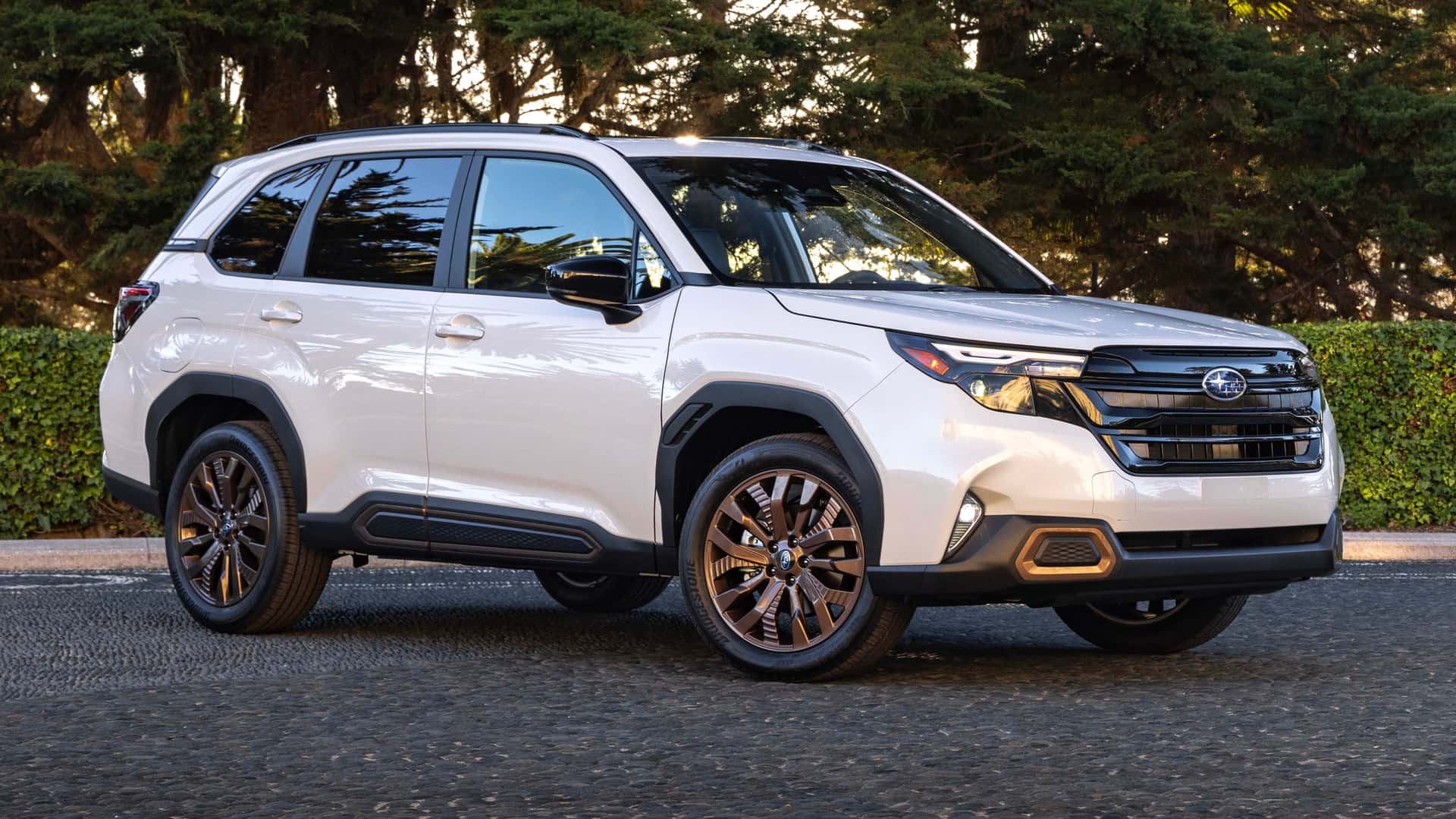
3. Subaru Forester
The Subaru Forester stands out because of its standard all-wheel drive, practicality, and rugged yet refined character. Dealers particularly appreciate the Forester in markets with variable weather conditions, since it’s one of the few mainstream compact SUVs that offer AWD as standard equipment.
That makes it an automatic contender for buyers in regions that see snow, rain, or uneven terrain. When a Forester comes in on trade, dealers know there’s likely a pool of ready buyers looking for an SUV that’s safe, capable, and modestly priced.
Reliability is another strong suit. Subaru’s engines, particularly the naturally aspirated flat-four found in most Foresters, have proven reliable when properly maintained. Dealers know that if the previous owner followed standard service intervals, the chances of major engine or transmission repairs are low.
Even when issues do arise, Subaru’s dealer network and widespread independent support mean parts and labor are manageable. The relatively simple design, compared to some feature-laden competitors, also means fewer expensive surprises during inspection or resale prep.
The Forester’s resale value has improved significantly over the last decade. Once considered more of a niche vehicle, it has entered mainstream buyer awareness, particularly among families and outdoor enthusiasts.
That wider recognition has boosted demand in the used market, which translates to better trade-in values. Dealers can offer competitive buy-back prices because they know they’ll likely recover the investment. Models with added features like EyeSight driver assistance or upgraded infotainment tend to sell especially fast.
Interior durability is another reason Foresters are welcomed by dealers. The layout is practical, with materials chosen for resilience rather than glamor. The seats resist staining and tearing better than average, the buttons and controls are solidly built, and the cargo area is well-protected against heavy use.
Even if a Forester has been used for camping, hauling, or frequent trips, it often still looks good enough for resale without major cosmetic investment. This reduces prep time and cost, which in turn improves dealer margin.
The last factor is Subaru’s loyal customer base. Many Forester owners are repeat buyers or Subaru enthusiasts who maintain their vehicles with care.
That means trade-ins are more likely to be in decent condition with a full maintenance history. This kind of vehicle is gold for a dealership: lower risk, lower investment, faster turnaround. Combined with steady used-market demand, it’s no surprise that Forester consistently ranks among the SUVs that dealers are glad to take back.
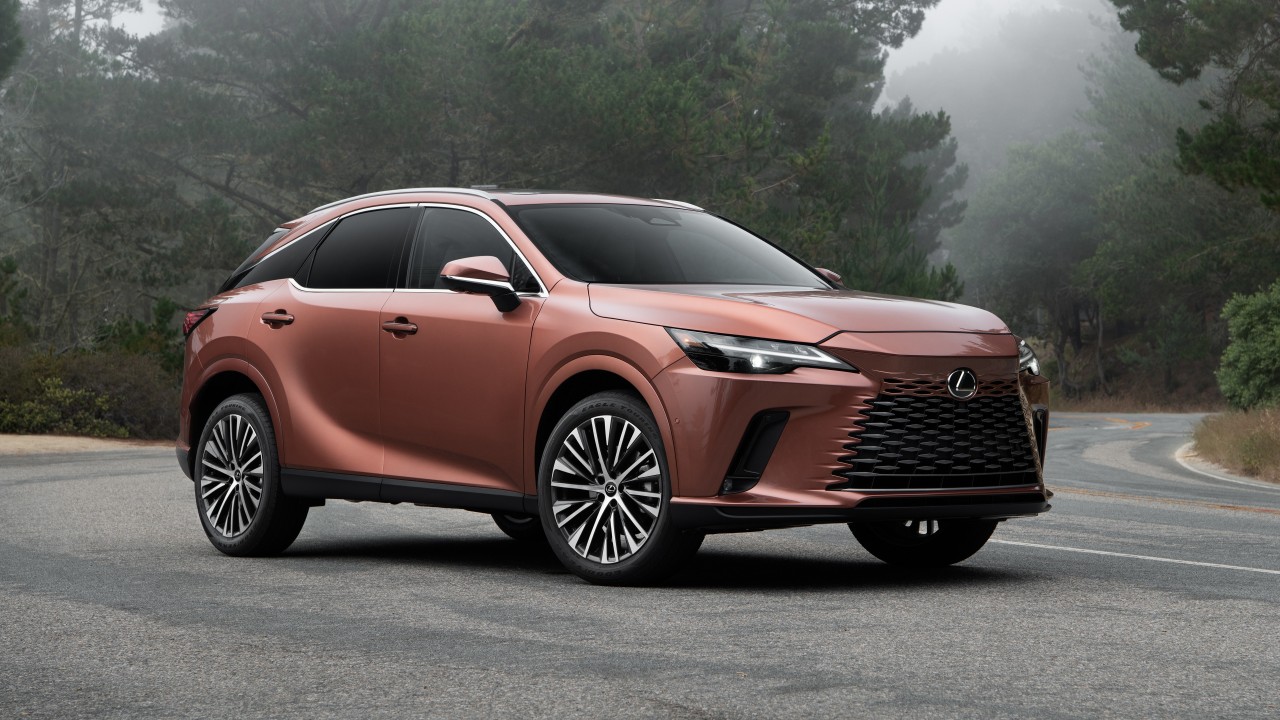
4. Lexus RX
The Lexus RX is consistently one of the best-selling luxury SUVs in the country, and for good reason. It blends reliability, comfort, and a premium driving experience in a way that few others can match.
For dealers, the RX is a smart acquisition because it has a wide buyer base across age groups and lifestyles. From empty-nesters to younger professionals seeking a used luxury vehicle, the RX is seen as a dependable status symbol that’s not flashy, but quietly refined.
One of the biggest advantages of the RX from a dealer standpoint is its longevity. Lexus, as a brand, is known for bulletproof reliability, and the RX is one of its strongest models in that regard. Many units reach 150,000 miles or more with minimal serious issues.
That makes high-mileage examples still viable in the used market. Buyers trust the brand, and that trust is reflected in higher-than-average resale prices. A dealership that takes in a five- or even seven-year-old RX knows it will sell, assuming reasonable condition.
Maintenance costs are lower than most European competitors. That’s a huge advantage in the luxury segment. Lexus shares many parts and systems with parent company Toyota, which reduces costs and makes servicing easier.
Dealers benefit from this when preparing vehicles for resale, fewer specialized parts, shorter labor hours, and fewer delays waiting on rare components. Customers who buy used Lexus RXs are also less likely to be hit with massive repair bills, which helps maintain the vehicle’s reputation and resale momentum.
Interior quality is another major reason why RXs age gracefully. The materials used inside a Lexus tend to be more durable and better finished than those found in similarly priced vehicles.
Leather seats, wood trim, and touchscreen controls tend to hold up well even after several years of use. That translates into less refurbishment cost for the dealership and a stronger resale price. Plus, buyers appreciate that even older RXs feel luxurious inside, which helps close deals faster.
Finally, the Lexus RX benefits from strong brand loyalty, which directly influences resale dynamics. Many Lexus owners tend to stick with the brand when purchasing their next vehicle, creating a steady stream of trade-ins that dealers value highly.
This loyalty translates to vehicles that are typically well-maintained and cared for, which reduces the risk for dealerships when accepting them as trade. Additionally, Lexus models often come with comprehensive maintenance records, reassuring dealers of their condition.
This consistency in care and quality helps dealers confidently invest in RX trade-ins, knowing they can move them quickly on the lot. It’s this combination of reputation, quality, and customer base that makes the RX a perennial favorite for buybacks.
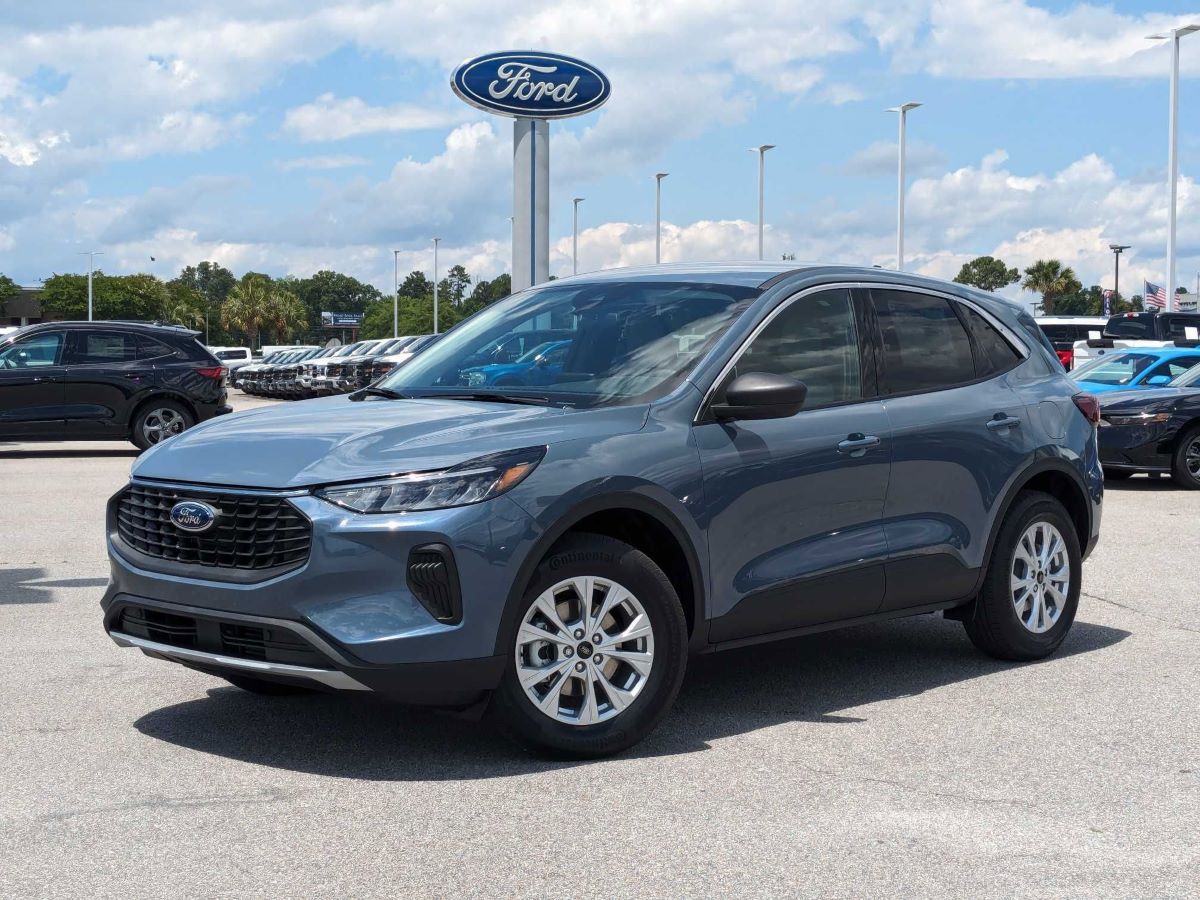
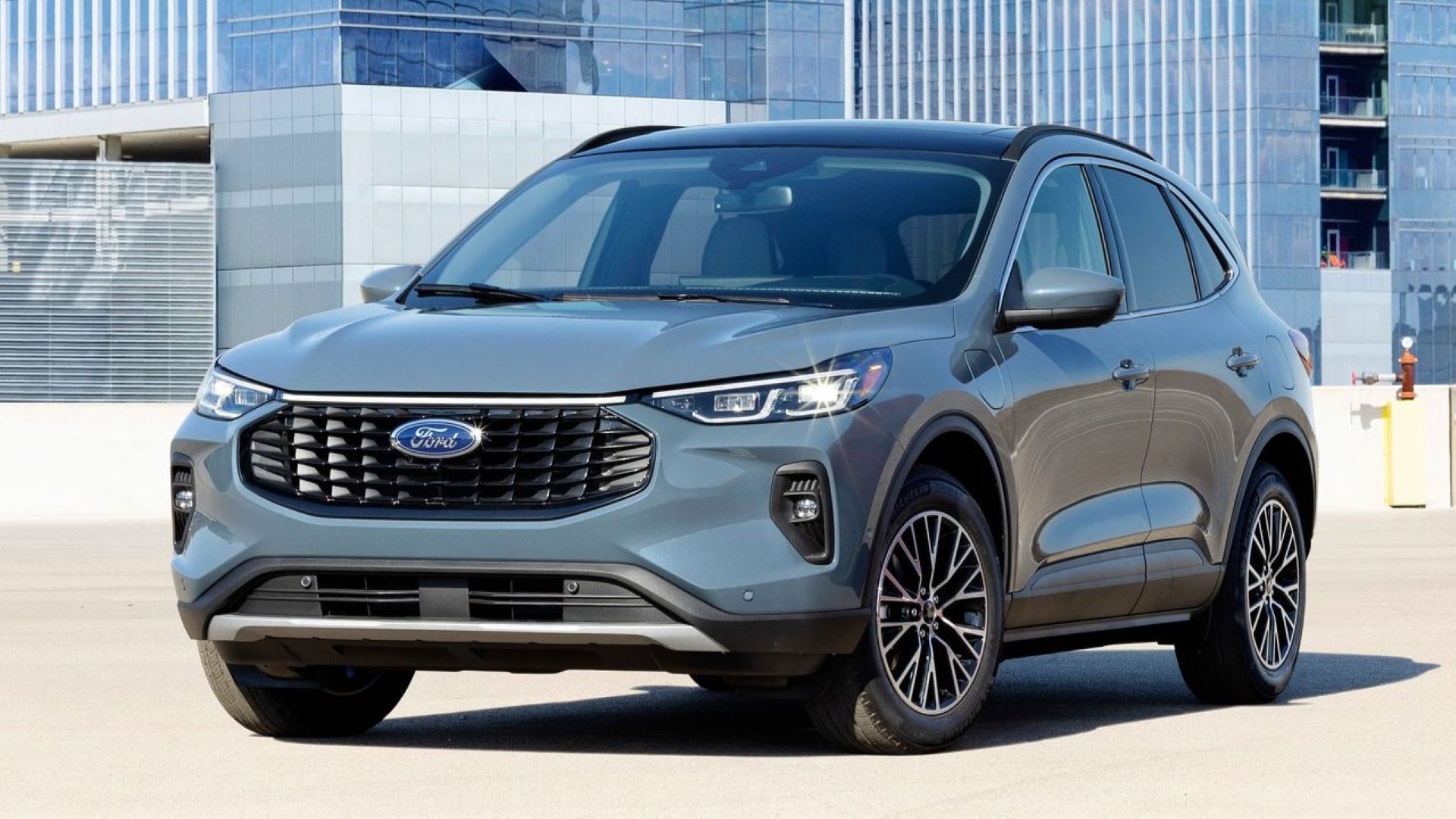
5. Ford Escape
The Ford Escape is one of the most popular American compact SUVs, known for its versatile features and balanced performance. Dealers favor the Escape because it strikes a solid balance between affordability and capability, making it a vehicle with broad market appeal.
It consistently attracts buyers looking for a practical yet stylish SUV that doesn’t carry a premium price tag, which is a major factor dealers consider when accepting vehicles on trade. Escapes tend to sell fairly quickly in the used market, especially recent models equipped with newer technology and safety features.
One of the key reasons dealers like buying back the Escape is its wide availability of parts and straightforward mechanical layout. Ford has a vast dealer network and parts supply, and many independent mechanics are familiar with the Escape’s common maintenance and repair needs.
This helps keep reconditioning costs manageable. While some models with turbocharged engines require more attentive maintenance, the reliability of the Escape’s engines and transmissions is solid enough that dealers feel comfortable investing in them.
Fuel economy and drivability are also important selling points. The Escape offers multiple engine options, including efficient four-cylinder engines and hybrid variants that appeal to eco-conscious buyers. This variety means dealers can cater to different buyer preferences, from those who want maximum fuel savings to those who want a bit more power.
The vehicle’s comfortable ride quality and user-friendly infotainment system make it appealing to a broad demographic, including young professionals and small families. This diverse appeal makes Escapes easy to sell on the used market.
From a cosmetic perspective, the Escape’s interior and exterior hold up fairly well over time. While it may not have the luxury finishes of higher-end SUVs, its design is modern and practical. Seats generally maintain their shape and comfort, and the dashboard controls remain intuitive.
Minor wear and tear are typically straightforward to repair or refresh, which reduces dealer prep time and expense. A well-maintained Escape trade-in rarely requires extensive detailing or major refurbishment to be market-ready.
Lastly, Ford’s continued improvements and moderate redesigns help keep the Escape competitive in resale markets. With updated safety packages, connectivity options, and efficiency gains in newer models, used Escapes remain attractive choices even several years after their release.
Dealers appreciate the consistent demand and predictable pricing that come with the Escape, making it a reliable SUV to buy back. Its combination of affordability, familiarity, and practicality ensures it stays on dealer wishlists across many regions.
Also Read: 12 Trucks With the Longest-Lasting Frames in 2025
5 SUVs Dealers Tend to Avoid
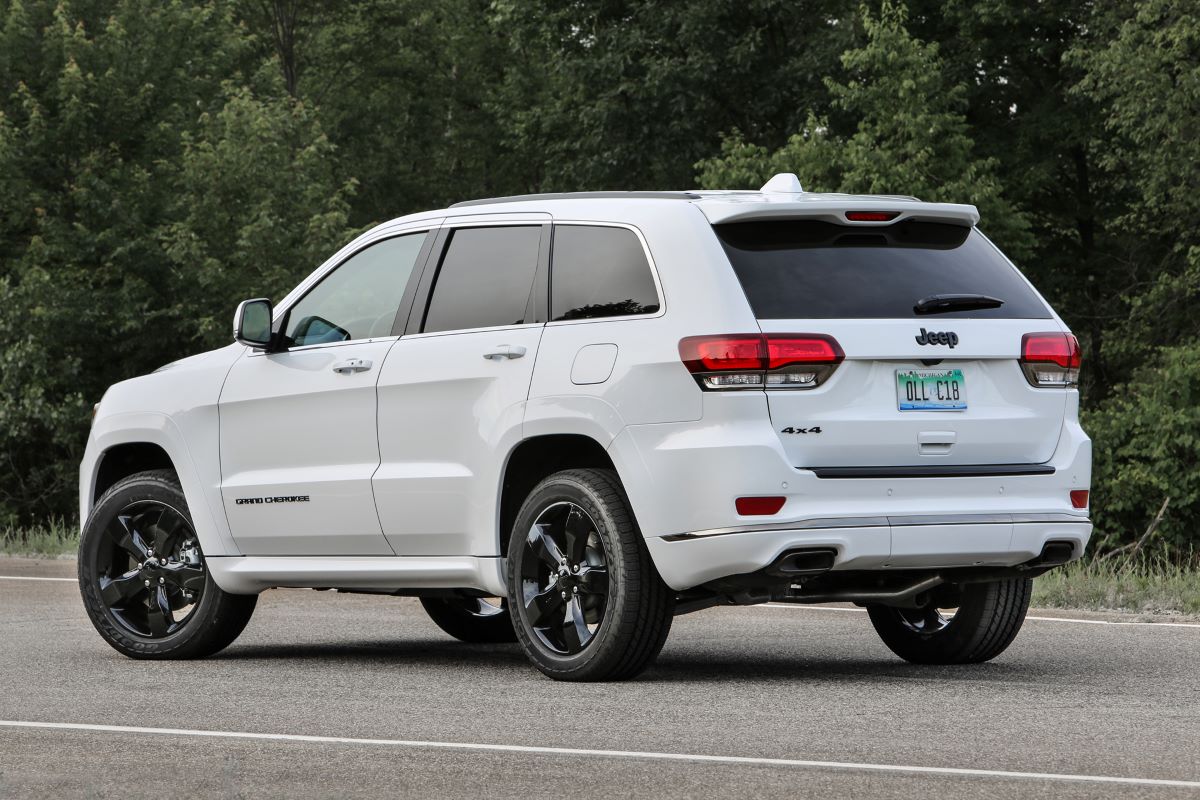
1. Jeep Cherokee
The Jeep Cherokee often lands on the list of SUVs that dealers are cautious about buying back due to its mixed reliability record. While Jeep has a loyal following, the Cherokee in particular has experienced issues with certain model years, especially those from the mid-2010s.
Problems with the transmission, electrical systems, and engine performance have been reported frequently, which increases the risk for dealers. When trade-ins come in, there’s a higher chance the vehicle will require expensive repairs before it can be resold, which eats into dealership profits.
Moreover, maintenance and repair costs for the Cherokee can be significant. Jeep parts, especially for electronics and drivetrain components, tend to be pricier compared to mainstream competitors.
Additionally, the complexity of the Cherokee’s 4WD systems and modern electronics means that independent shops may charge higher labor rates, or the vehicle might require factory-level service.
This makes preparing the Cherokee for resale more time-consuming and costly. Dealers prefer vehicles that can be quickly and inexpensively reconditioned, and the Cherokee often falls short on this front.
The resale market for the Cherokee is also less robust than for more reliable rivals. Although it has a niche following among off-road enthusiasts, the average used car buyer is often wary of its reputation for costly repairs and inconsistent performance.
This results in slower sales and more aggressive pricing from dealers when trying to move Cherokee trade-ins. In markets where demand for rugged SUVs is high, some dealers might have success with the Cherokee, but it remains a harder sell.
Another factor dealers consider is the interior quality and wear resistance. While Jeep interiors have improved over time, many Cherokee models, particularly older ones, feature materials that don’t hold up well under heavy use.
Wear on seats, controls, and trim tends to be more pronounced, which increases the time and expense required to bring the vehicle up to a marketable condition. Cosmetic defects have a big impact on buyer interest, especially when competing with rivals that offer more durable interiors.
Lastly, the Cherokee’s driving experience can be polarizing. While some buyers appreciate its off-road capabilities, others find the ride less refined compared to other compact SUVs. The vehicle’s handling, noise levels, and comfort often receive mixed reviews.
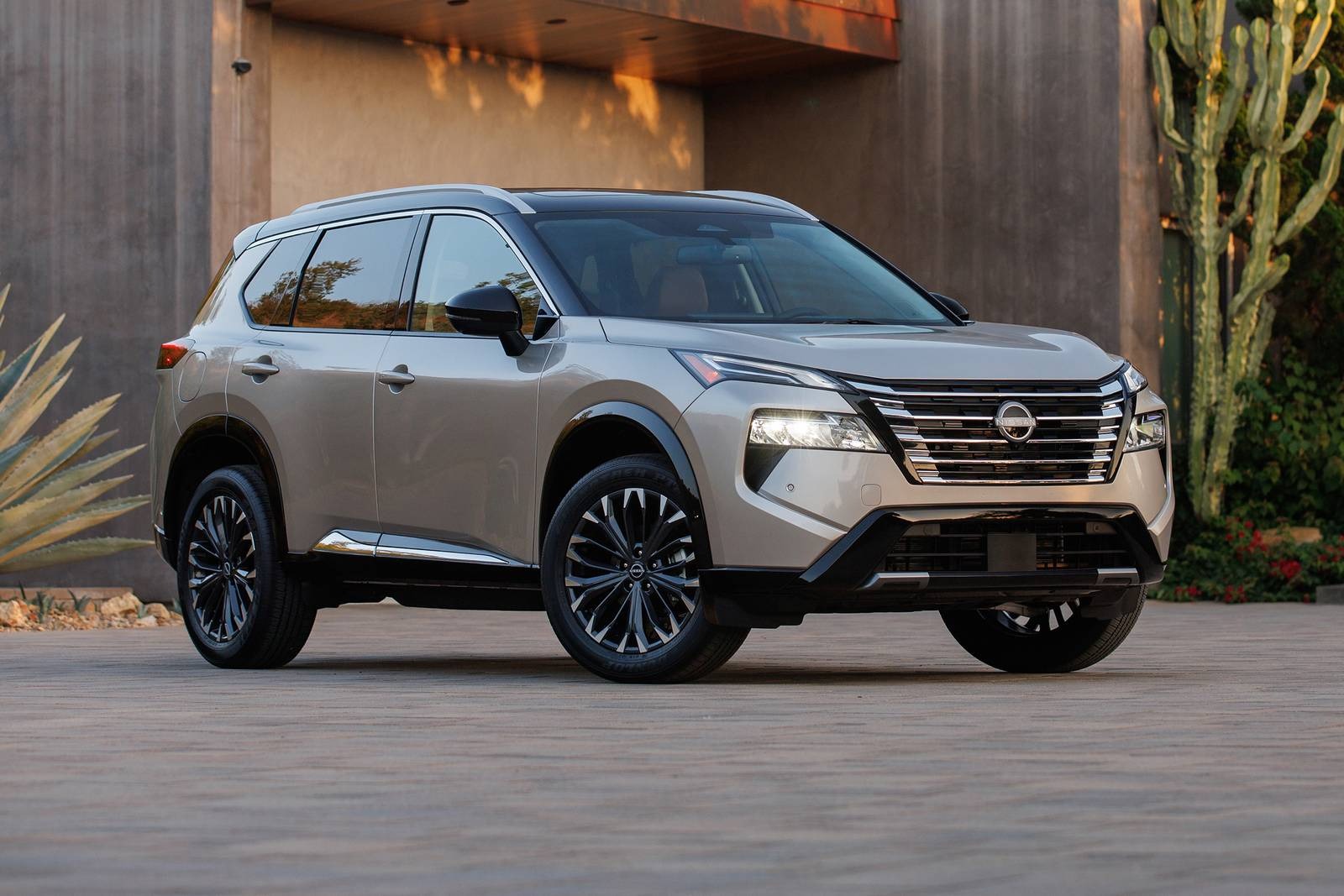
2. Nissan Rogue
The Nissan Rogue is a popular SUV, but dealers often approach trade-ins with caution. Certain generations of the Rogue, especially models from the early 2010s, have been associated with transmission issues and some electrical gremlins.
These problems can manifest in expensive repairs that dealers would rather avoid. The unpredictable maintenance and repair costs reduce profit margins and increase the risk of holding unsold inventory for extended periods.
The CVT, in particular, has been a sticking point for many owners and dealers alike, since failures often require transmission replacement, which is expensive and time-consuming. Dealers factor these risks heavily when deciding whether to accept a Rogue on trade.
From a resale perspective, the Rogue’s value depreciation tends to be steeper than comparable SUVs like the CR-V or RAV4. Buyers often perceive Nissan as less prestigious or less reliable than some of its Japanese rivals, impacting resale prices.
Dealers consequently have to offer lower trade-in values to protect their margins, but even then, selling used Rogues can take longer, particularly in competitive markets. This slower turnover ties up capital and lot space, which dealers want to avoid.
The interior quality of the Rogue also doesn’t help its standing among dealers. While it is functional, the materials used in older models can feel cheap and wear quickly. Seat fabrics may stain or tear, and plastics can develop rattles or cracks with age.
These cosmetic shortcomings require additional detailing or replacement parts before resale, increasing dealership expenses. In a segment where buyers expect both comfort and durability, the Rogue’s interior can be a liability.
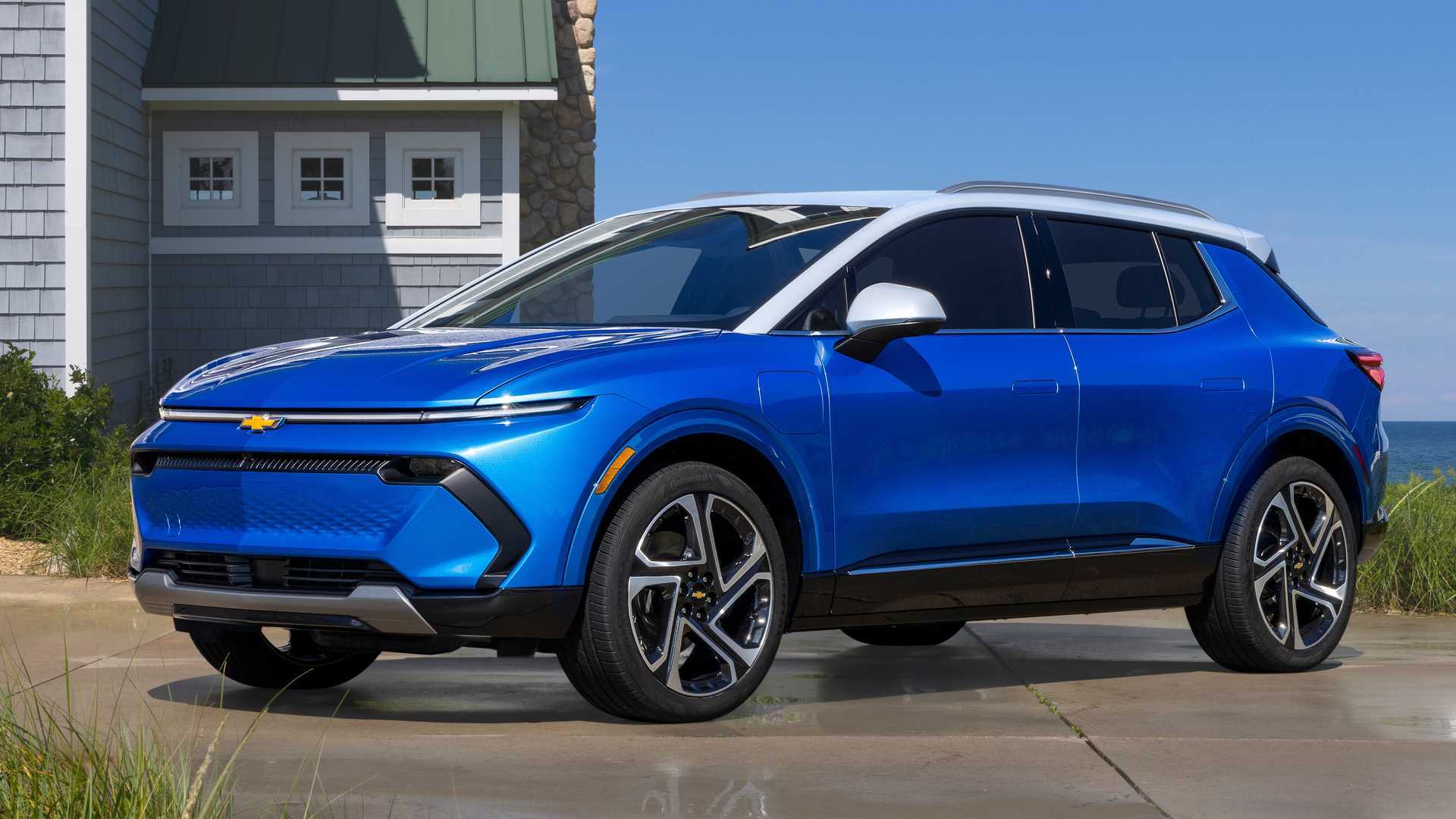
3. Chevrolet Equinox
Dealers are generally wary of the Chevrolet Equinox, particularly models from the early-to-mid 2010s, due to its well-documented engine and transmission problems. Some Equinox variants have experienced issues such as excessive oil consumption, stalling, and transmission failures.
These concerns often result in costly repairs and warranty claims that damage the vehicle’s resale reputation. When a dealer is offered an Equinox on trade, they must weigh the likelihood of expensive mechanical work against the resale value, and the balance often tips unfavorably.
The resale value of the Equinox is often lower than competitors such as the Honda CR-V or Toyota RAV4. Buyers are less willing to pay premium prices for a vehicle with a reputation for mechanical unpredictability.
This results in longer holding periods on the lot and tighter margins for dealers. Moreover, some markets simply lack enthusiasm for the Equinox, which can stagnate sales and tie up valuable inventory space.
The interior of the Equinox, while spacious, is often criticized for its cheap materials and lack of refinement, especially in lower trims. Seats and upholstery can wear quickly, and dashboard components may become loose or creak with age.
These factors necessitate cosmetic work before resale, further cutting into profits. Dealers must consider the total cost of preparing an Equinox for sale, and this often weighs against accepting it in trade.
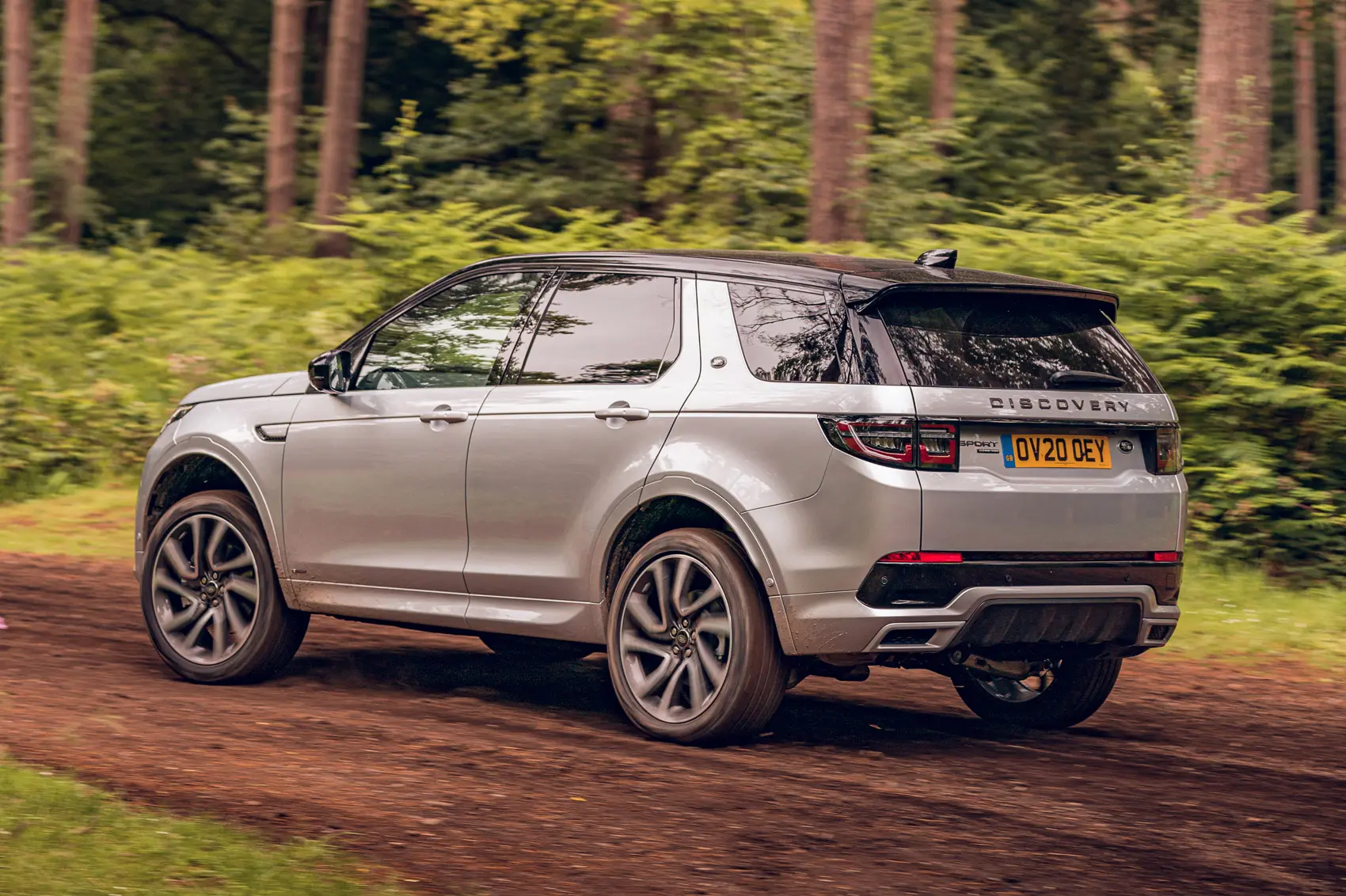
4. Land Rover Discovery Sport
The Land Rover Discovery Sport, while appealing for its luxury and off-road image, is frequently a red flag for dealers. Land Rover vehicles, in general, have a reputation for high maintenance costs and reliability issues, and the Discovery Sport is no exception.
Recurring problems with electrical systems, air suspension components, and turbocharged engines make the vehicle a costly proposition for dealerships. When faced with Discovery Sport trade-ins, dealers often anticipate expensive repairs that can significantly erode potential profits.
Maintenance and repair on the Discovery Sport can be prohibitively expensive. Genuine parts and labor costs for Land Rover vehicles tend to be higher than most mainstream SUVs, and finding qualified technicians can sometimes be challenging outside major metro areas.
Because these vehicles often require dealer-level diagnostics and repairs, the service turnaround time can be longer, tying up inventory and cash flow. This reduces the appeal of accepting the Discovery Sport on trade for many dealerships.
Resale value is another major concern. The Discovery Sport depreciates steeply compared to more reliable luxury competitors like the Lexus RX or Acura RDX. Buyers are wary of the potential for costly repairs and lack the confidence to pay premium used prices.
This creates a tough market for dealers trying to sell Discovery Sports at prices that justify repair and reconditioning expenses. The result is a smaller pool of buyers and slower turnover.
Inside, the Discovery Sport offers luxury materials but often struggles with long-term durability. Issues such as rattles, wear on leather seats, and malfunctioning infotainment systems are common complaints.
Fixing these issues adds to preparation costs and delays sales. Dealers recognize that cosmetic and electronic refurbishments are expensive and time-intensive, which detracts from the vehicle’s appeal as a trade-in candidate.
Lastly, the Discovery Sport’s driving characteristics can alienate potential buyers. Despite its off-road credentials, it doesn’t always provide the refined, comfortable ride expected from luxury SUVs.
Some owners report problems with ride quality, noise levels, and electronic gremlins that contribute to an less-than-premium experience. Dealers weigh these factors heavily when deciding whether to accept the Discovery Sport, often erring on the side of caution.
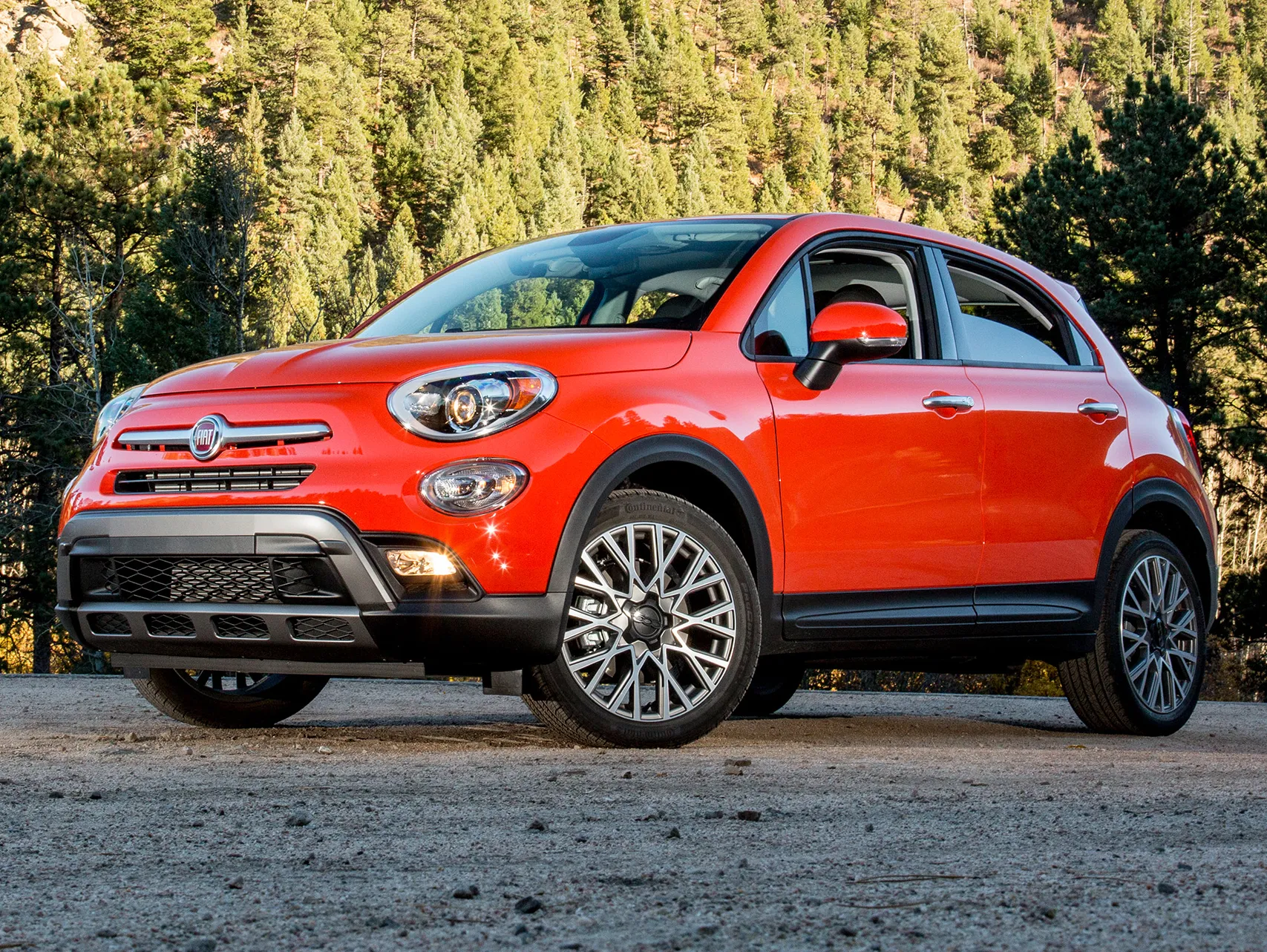
5. Fiat 500X
The Fiat 500X is another SUV that dealers frequently avoid due to its inconsistent reliability and niche appeal. While the 500X offers unique styling and a small footprint, it struggles in key areas such as mechanical dependability and resale demand. Dealers know that accepting a 500X on trade carries risks, including costly repairs and longer holding periods on the lot.
Reliability issues have been reported, particularly with the 500X’s transmission and electrical systems. Some model years suffer from premature transmission wear and problems with electronic modules, both of which can be expensive to diagnose and fix.
Dealers often encounter higher-than-average reconditioning costs with these vehicles, which directly impacts their willingness to take them on trade.
Parts availability and service expertise for Fiat vehicles are less widespread than for mainstream brands. This limits repair options and can increase labor costs and repair times, especially in areas without specialized Fiat or FCA service centers. The added difficulty in servicing the 500X reduces dealer confidence in quick and affordable turnarounds.
Resale values for the 500X are generally low compared to other subcompact SUVs. Fiat’s brand presence in the U.S. is smaller and less established, which translates to limited buyer interest and reduced prices. This can leave dealers holding 500X units on the lot longer than desirable, straining cash flow and inventory space.
Finally, the 500X’s interior quality and driving dynamics often fail to impress buyers. While quirky styling appeals to some, many find the cabin cramped and materials lacking compared to competitors.
The driving experience is average at best, with underwhelming acceleration and handling. These factors narrow the market appeal and discourage dealers from investing heavily in these vehicles.
