
Buying an SUV is a major decision for most families and individuals. These vehicles are often purchased with the expectation that they’ll last for years, offer consistent performance, and demand minimal attention when it comes to repairs. But not all SUVs are created equal.
Some have built a reputation for being rock-solid and rarely giving their owners any trouble. Others, on the other hand, seem to have a direct line to the dealership’s service center, with owners finding themselves returning more often than they’d like.
Reliability, build quality, and long-term durability are some of the most important aspects to consider when choosing an SUV, especially for buyers who are planning to keep the vehicle well beyond the warranty period.
The differences between these vehicles often come down to engineering, manufacturing standards, and the track record of the brand. It’s not just about how new or flashy the SUV looks on the lot. What matters more is how it holds up after 40,000 or 100,000 miles.
Some SUVs quietly do their job for years, needing little more than oil changes and tire rotations. Others develop nagging issues that may start as small annoyances but can eventually become costly repairs. What’s more frustrating is when those issues are not isolated incidents, but common complaints shared across thousands of owners.
This article compares five SUVs known for their long-lasting dependability with five others that frequently require attention and repairs. The goal is not just to label a few vehicles as good or bad but to provide a clearer understanding of what real-world ownership might look like for each.
Reliability often doesn’t show itself until after years of use, so this list reflects how these vehicles have fared in terms of long-term ownership. If you’re someone who values peace of mind, this breakdown should help you spot which models are less likely to give you problems and which ones might test your patience and wallet.
5 SUVs That Rarely Visit the Dealer
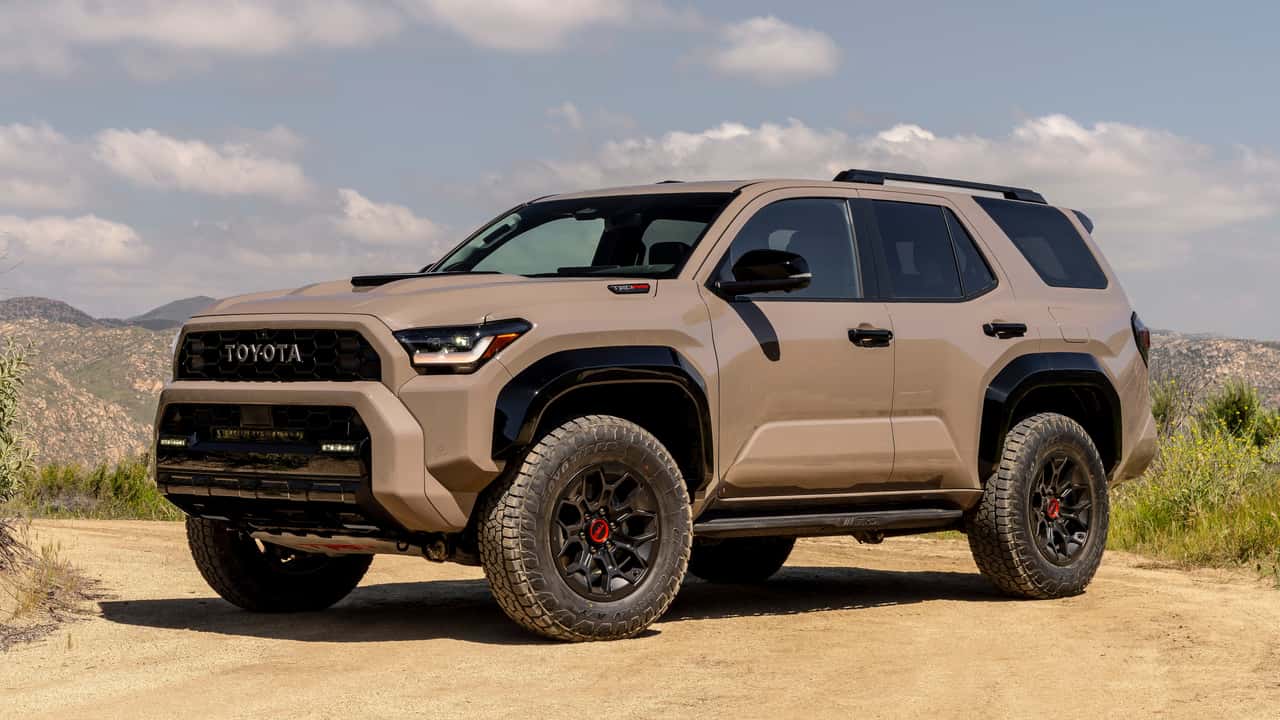
1. Toyota 4Runner
The Toyota 4Runner stands out as one of the most dependable midsize SUVs on the market. Built on a truck-based, body-on-frame platform, it is engineered for durability rather than refinement.
While some may find the ride a bit stiff compared to crossovers, those who choose the 4Runner typically do so for its toughness and long life. The structure and drivetrain have remained largely unchanged for years, which is often cited as a key reason why it performs reliably in the long run.
One of the most valuable aspects of the 4Runner is its drivetrain, especially the 4.0-liter V6 engine paired with a five-speed automatic transmission.
This combination may seem outdated in terms of modern efficiency, but its simplicity works in its favor. The fewer the moving parts and electronic systems involved, the fewer things there are to go wrong. The engine doesn’t rely on turbocharging or advanced hybrid systems, which lowers the chances of expensive repairs once the vehicle is out of warranty.
In real-world use, owners often report 4Runners passing the 200,000-mile mark without needing major repairs. The most common issues revolve around normal wear items, brakes, tires, suspension bushings, and other maintenance-related components.
The frame is known to resist corrosion better than some rivals, especially in areas with heavy road salt. Moreover, the 4Runner’s off-road components, such as its locking rear differential and crawl control system, have proven to be durable under demanding conditions.
Toyota’s reputation for quality control is another piece of the puzzle. Assembly standards are high, and it shows in how the vehicle ages. Interior plastics, switches, and seating materials hold up well over time, even after years of heavy use.
This reduces the need for small, annoying repairs like broken handles or rattling panels. Many 4Runner owners say their vehicles still feel solid and drive well even after a decade on the road.
The 4Runner is ideal for those who want a vehicle that works hard without needing constant attention. It’s not the most modern or luxurious SUV out there, but it does exactly what it’s built to do: keep going. It’s the kind of vehicle you buy if you want to avoid service appointments, worry less about mechanical issues, and focus more on getting where you need to go.
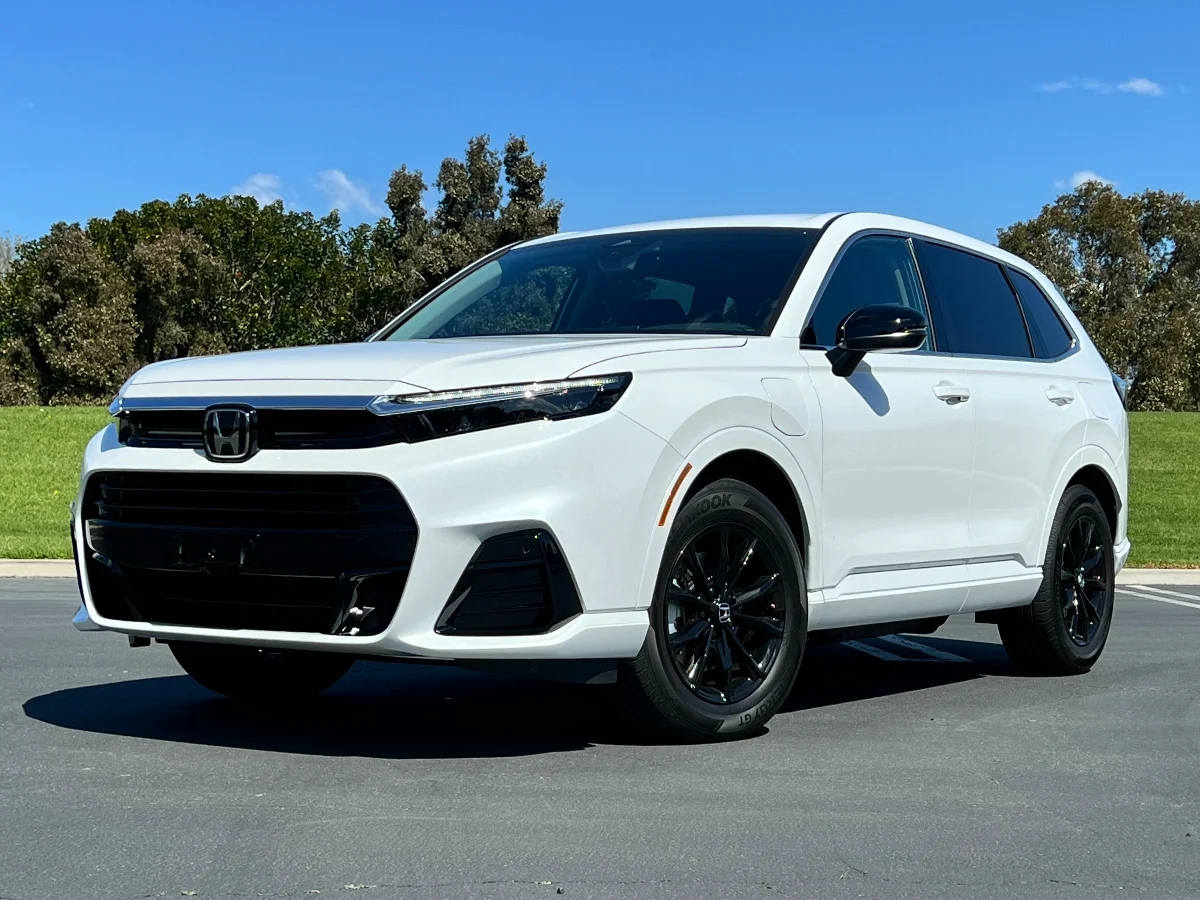
2. Honda CR-V
The Honda CR-V has been a consistent presence in the compact SUV category for decades. It’s often recognized for being one of the most well-rounded choices for families and commuters alike. Beyond practicality, one of its most praised qualities is reliability.
Many buyers are drawn to the CR-V because they know it’s likely to perform year after year without requiring frequent or costly service visits. This consistency makes it one of Honda’s best-selling models.
What helps the CR-V stand out is its mechanical simplicity. Older generations used naturally aspirated four-cylinder engines that were known to run smoothly for hundreds of thousands of miles with minimal issues.
Even the continuously variable transmissions (CVTs) in newer models, which can be more problematic in other vehicles, have proven to be more dependable in the CR-V when properly maintained. This strong foundation gives the vehicle a long service life and predictable ownership costs.
Honda’s parts and repair network is another factor that works in favor of the CR-V. Because the vehicle is so common, parts are widely available and relatively inexpensive.
Technicians are also familiar with the CR-V’s systems, meaning repairs are typically quicker and less likely to result in unexpected complications. Scheduled maintenance items, such as timing chain inspections, oil changes, and brake replacements, can usually be completed without needing specialized attention.
In terms of real-world reliability, the CR-V sees very few serious complaints from owners. Most reported issues involve minor electronic components, such as infotainment quirks or occasional sensor replacements.
However, mechanical breakdowns, transmission problems, or engine failures are extremely rare. As long as the vehicle is serviced on time, the CR-V tends to perform reliably even with high mileage.
The CR-V is a strong example of how smart engineering and restraint can create a long-lasting vehicle. It doesn’t chase trends or overload the driver with unnecessary systems that break down over time.
Instead, it focuses on reliability, fuel efficiency, and comfort, all things that matter in the long run. For individuals seeking to avoid unplanned dealership visits, the Honda CR-V remains a dependable choice.
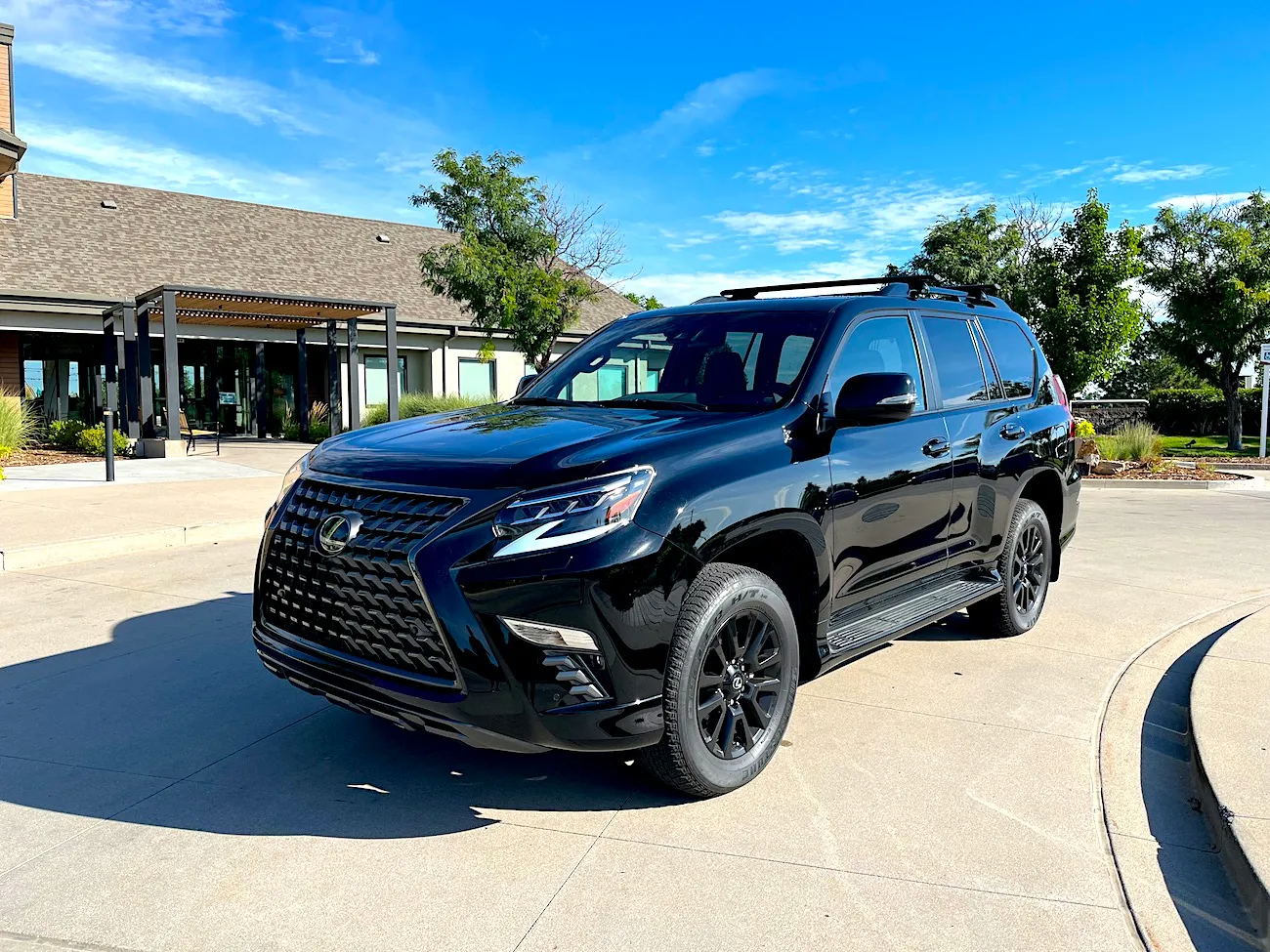
3. Lexus GX 460
The Lexus GX 460 is a unique combination of old-school durability and modern luxury. It’s one of the few remaining body-on-frame luxury SUVs, which makes it structurally tougher than most unibody crossovers in its class.
Built with reliability in mind, the GX benefits from Toyota’s experience in off-road and long-term vehicle engineering. While many luxury SUVs are built to impress in the short term, the GX 460 is built to last.
One of its strongest features is the 4.6-liter naturally aspirated V8 engine. This powertrain, while not the most fuel-efficient, is widely considered bulletproof.
It’s free of complicated turbochargers or hybrid systems, which helps reduce the chances of expensive breakdowns. The engine pairs with a six-speed automatic transmission that is also regarded as dependable, with smooth shifts and minimal service issues even after many miles of use.
The Lexus GX is also known for its suspension and drivetrain durability. The standard full-time four-wheel drive system and available off-road features are designed for real-world use, not just show.
Air suspension systems in some models can sometimes require attention, but this is relatively rare and often only necessary after very high mileage. For the most part, the mechanical components are overbuilt, meaning they can handle more abuse than most drivers will ever throw at them.
Another factor that makes the GX 460 so reliable is its conservative evolution. Lexus hasn’t made drastic changes to the platform over the years. Instead, they’ve focused on refining and strengthening proven parts. While this has led some critics to call it outdated, the upside is a vehicle with very few engineering missteps. Fewer new features often mean fewer new problems.
Many GX 460 owners report driving their SUVs for over 200,000 miles without needing anything beyond basic maintenance. Interior materials hold up well, and the fit and finish remain solid for years. If you’re looking for a luxury SUV that doesn’t bring luxury-sized repair bills, the GX 460 is one of the few that lives up to the reputation of quality and reliability.
4. Subaru Forester
The Subaru Forester has consistently been one of the most practical and durable compact SUVs available. It appeals to buyers who want a vehicle with standard all-wheel drive, high safety ratings, and simple mechanics that don’t fail easily.
While it may not carry the same flash as other crossovers, it makes up for it in long-term performance. Subaru has made steady improvements to the Forester’s reliability in recent years, especially with its newer engines and electronics.
One of the best things about the Forester is its symmetrical all-wheel-drive system. This feature comes standard and is known for being both effective and durable.
Unlike some AWD systems that only activate when needed, Subaru’s setup is always on, which provides better stability without increasing complexity. Despite the constant engagement, it rarely needs repairs or adjustments. It’s designed to function well in all conditions, from snowy roads to gravel trails.
The flat-four Boxer engine used in the Forester offers a low center of gravity, which improves stability and driving feel. In earlier years, Subaru had issues with oil consumption, but they addressed those problems in later versions.
Newer Foresters with direct-injection engines and updated cooling systems show significant improvements in durability. The engines are not especially powerful, but they are built for longevity rather than speed.
When it comes to maintenance, the Forester is very reasonable. Timing chain-driven engines mean you don’t have to worry about timing belt replacements.
Suspension and brake components are easy to service, and the design of the vehicle allows good access for DIY maintenance if needed. Owners frequently mention that the car just keeps going as long as they stay on top of regular oil changes and inspections.
Interior materials are practical and designed for long life. You don’t get overly soft plastics or fancy trim that wears down quickly. Everything feels functional and solid.
The infotainment system, though basic, doesn’t tend to suffer from the failures that plague more complex systems in other SUVs. For those who prioritize reliability, safety, and value, the Subaru Forester remains one of the top contenders in the compact SUV segment.
5. Mazda CX-5
The Mazda CX-5 may not be as old or established as some of the other names on this list, but it has quickly earned a reputation for being one of the most reliable and enjoyable compact SUVs.
Its sleek design and sporty feel attract attention, but underneath that modern appearance is a very solid mechanical foundation. Mazda has focused heavily on quality control and engineering consistency, and it shows in how the CX-5 performs over time.
One of the key reasons the CX-5 is dependable is its SkyActiv engine and transmission system. Mazda chose not to jump into the turbocharger or dual-clutch bandwagon too early.
Their naturally aspirated 2.5-liter engine is both efficient and long-lasting. It’s designed to run cleanly, and its relatively simple construction makes it easier to maintain than more high-strung alternatives. Even the available turbocharged version in later trims has proven to be solid if properly maintained.
Transmission reliability is another bright spot. The CX-5 uses a traditional automatic transmission that avoids many of the issues seen in CVTs or dual-clutch units.
Gear shifts are smooth, and the unit rarely fails unless abused or neglected. The transmission fluid is long-life, and the system is not known for overheating or mechanical glitches. It’s a good example of Mazda choosing tested technology over trendier, unproven solutions.
Mazda’s commitment to quality also extends to the interior, which feels more upscale than many competitors without adding complexity.
Unlike luxury vehicles that introduce features just for marketing appeal, the CX-5 keeps its cabin smart and efficient. Electronics are straightforward and tend to be reliable. Screen freezes or software glitches are rare, and climate controls, window motors, and switchgear hold up well over time.
The CX-5 is also praised for how it drives. It offers better handling and road feel than many of its competitors, making it more enjoyable to own and drive for the long haul.
That fun-to-drive factor doesn’t compromise its reliability either. It’s one of the few vehicles in the segment that blends performance with dependability. For someone looking for an SUV that’s both reliable and refined, the Mazda CX-5 deserves serious consideration.
5 SUVs That Constantly Visit the Dealer
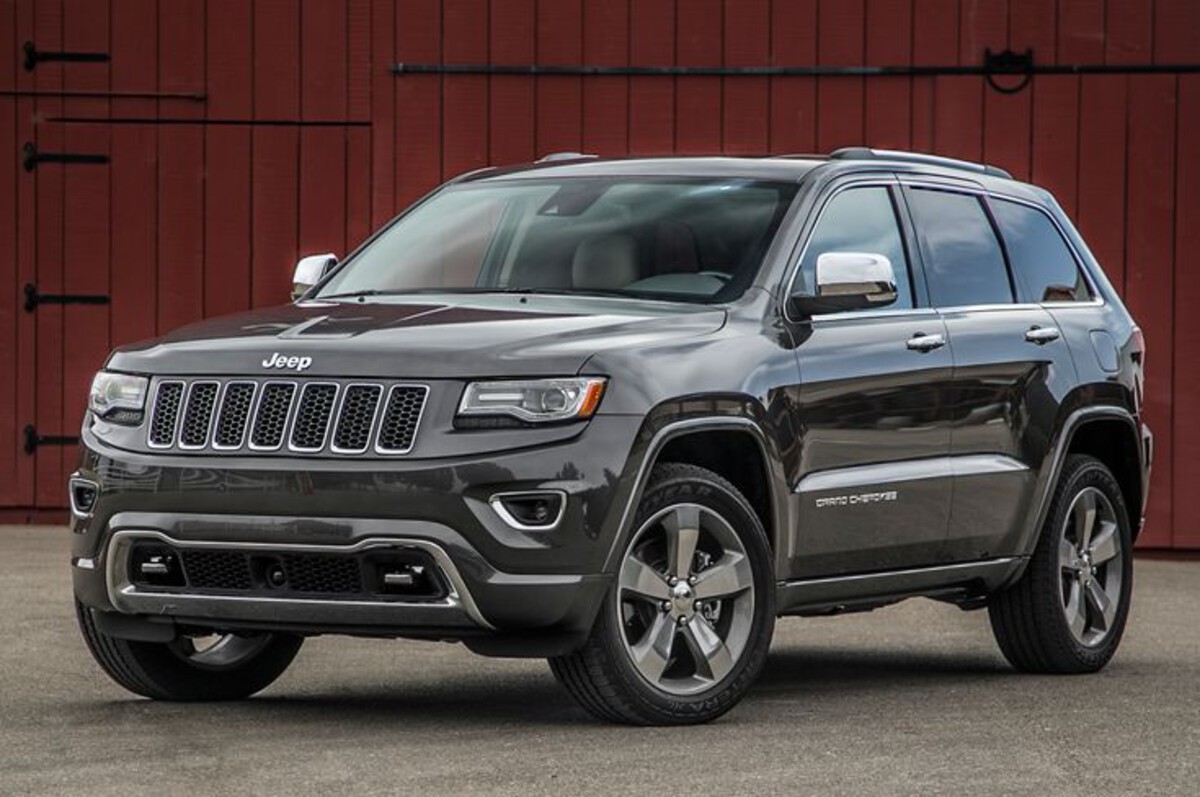
1. Jeep Grand Cherokee (2011–2020)
The Jeep Grand Cherokee has always been appealing for its rugged looks, off-road capability, and strong engine options. However, when it comes to long-term reliability, especially in the 2011–2020 models, it has faced a number of issues that send owners back to the dealership more often than they’d like.
Despite its popularity, it’s a vehicle that frequently lands on lists of the most commonly serviced SUVs in its class. While the newer models have improved slightly, those within this generation have consistently struggled with mechanical and electrical problems.
One of the main complaints about this generation of Grand Cherokee has to do with the electronics. Problems range from touch screen failures to issues with the vehicle’s security systems, sensors, and wiring harnesses.
Electrical gremlins tend to show up unpredictably, which can frustrate owners who rely on the SUV for daily use. Often, these problems require dealership-level diagnostics, which adds to the inconvenience and cost.
The Grand Cherokee’s drivetrain, while powerful, has also been a source of trouble. Models equipped with the 3.6L V6 or 5.7L V8 engines have been known to develop issues with the cylinder heads and valve trains.
On top of that, some transmissions, particularly the 8-speed automatic in earlier versions, have been known to shift erratically, hesitate, or fail prematurely. These aren’t minor repairs, and they can leave owners facing expensive service visits well before the vehicle hits 100,000 miles.
Suspension issues are another recurring problem. The Grand Cherokee’s air suspension system, available on many trims, has had a high failure rate, especially in cold-weather climates.
Replacing these components is costly, and when multiple systems fail at the same time, it can result in a very expensive repair bill. Even models without air suspension have reported premature wear in bushings and control arms, which again leads to frequent service.
While the Grand Cherokee excels in features, comfort, and versatility, it’s not a vehicle that offers peace of mind over the long term.
It’s well-liked during the early ownership years, especially under warranty, but as the miles add up, the chances of costly dealer visits increase significantly. For buyers looking for long-term reliability, this is a vehicle that requires careful consideration and often a budget for repairs.
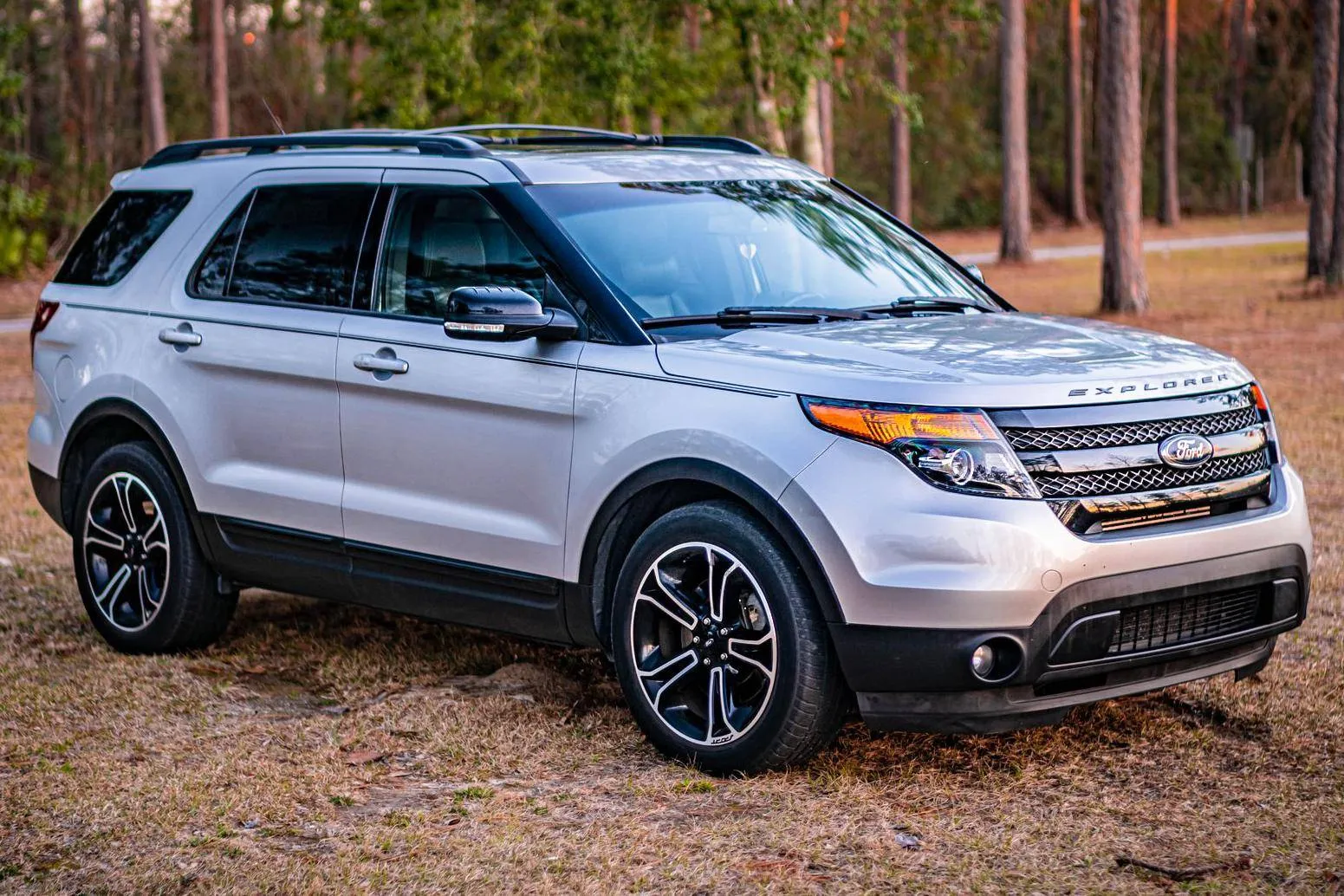
2. Ford Explorer (2011–2019)
The Ford Explorer has remained one of the best-selling SUVs in America, but popularity doesn’t always equate to long-term dependability. The 2011–2019 generation, in particular, has been marked by a number of reliability issues that affect core systems like the engine, transmission, and electronics.
While it’s praised for its roomy interior and family-friendly design, the Explorer has caused many owners repeated frustration due to ongoing mechanical problems and unexpected repairs.
One of the most common trouble spots with this generation is the 2.0L and 3.5L EcoBoost engines. While these turbocharged powertrains offer good performance and fuel economy on paper, they have not aged well in real-world use.
Many owners report problems with coolant intrusion, timing chain wear, and internal gasket failures. These types of engine issues can lead to catastrophic failure, often with very little warning, resulting in major repairs or even full engine replacements.
Transmission reliability is another issue. Several versions of the Explorer have been plagued by hard shifting, slipping, and early transmission wear. Owners have reported shudders, jerks, and delayed engagement, often within the first 60,000 miles.
Ford has issued technical service bulletins and updates for these problems, but in many cases, full replacements are needed. These aren’t isolated incidents; they’re patterns reported across thousands of vehicles.
Beyond the engine and transmission, the Explorer has suffered from a range of build quality issues. These include premature wear in interior materials, leaky sunroofs, malfunctioning climate systems, and problems with the door panels and trim falling apart. Electrical issues are also common, particularly with infotainment systems and rearview cameras.
The added complexity in newer trims only increases the likelihood that something will go wrong, and send the owner back to the dealer.
While the Ford Explorer does well in terms of initial appeal, its long-term performance is less impressive. For many, the frequent issues become an ongoing financial burden. Routine maintenance often turns into major repairs, making it a frustrating vehicle to own outside of the warranty period. If reliability is a top priority, the Explorer is often seen as a riskier choice among midsize SUVs.
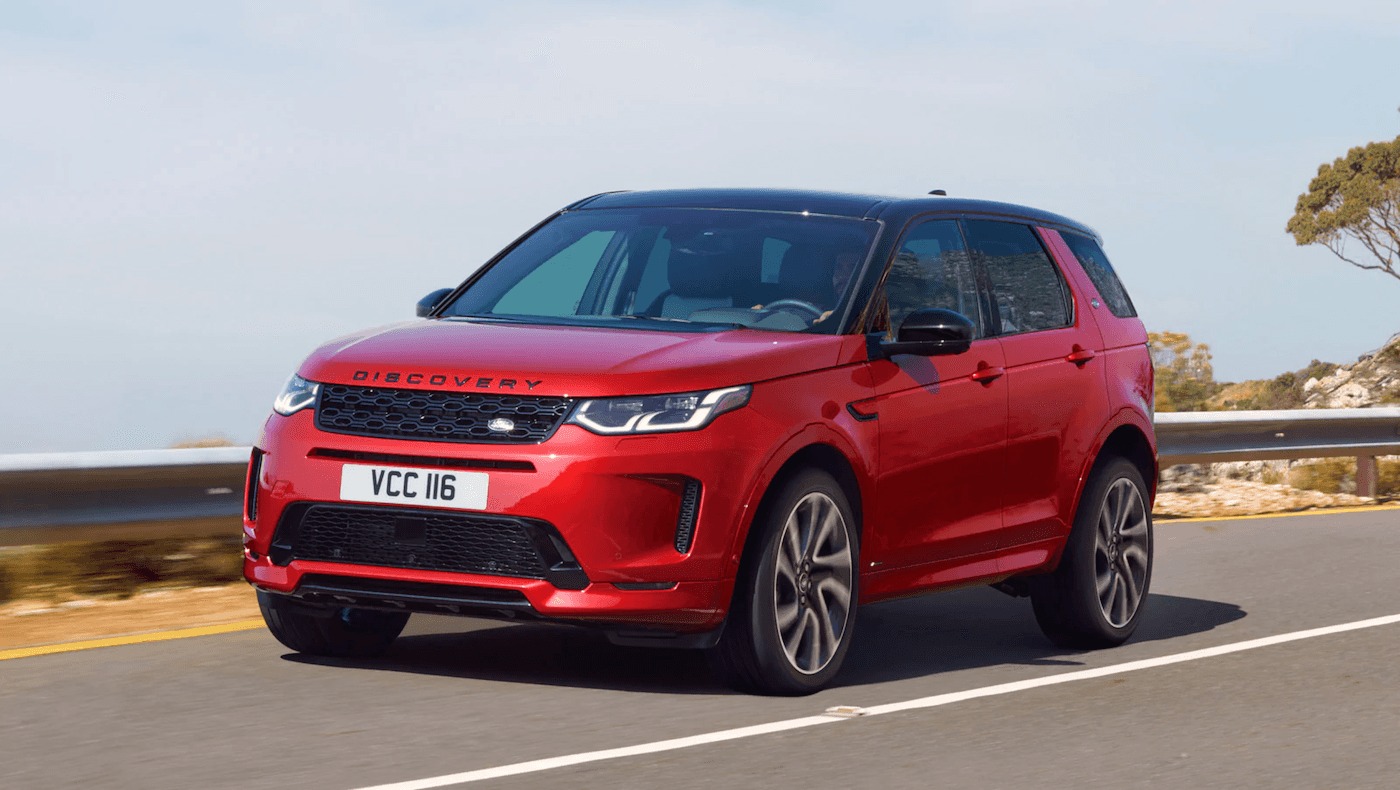
3. Land Rover Discovery Sport
Land Rover has long struggled with reliability concerns, and the Discovery Sport is no exception. While it boasts a premium design, refined interior, and solid off-road credentials, the Discovery Sport often ends up in the dealership service bay far more than many of its competitors.
Owners are frequently disappointed by the vehicle’s ongoing mechanical problems, warning lights, and a range of system failures that make long-term ownership expensive and frustrating.
The engine is one of the Discovery Sport’s more troublesome components. Both the 2.0-liter turbocharged gasoline and diesel engines have experienced recurring issues with timing chain wear, oil leaks, and overheating.
The cooling systems are known to be fragile, and when they fail, they often lead to bigger problems like blown head gaskets or warped engine blocks. These issues aren’t just inconvenient, they can result in extensive, time-consuming, and very costly repairs.
Another area that sees frequent problems is the electronics. From early infotainment malfunctions to repeated sensor failures, Land Rover’s technology suite is known to glitch.
The Discovery Sport uses complex electrical architecture that controls many features in the vehicle, and when one part of it malfunctions, it often has a ripple effect. Diagnostic work for these systems usually requires specialist equipment, meaning most repairs must be done at the dealership, and that drives up the cost.
The transmission also gets frequent complaints. Harsh shifting, delayed engagement, and occasional failure to move out of park have been reported by many owners.
Land Rover has issued multiple software updates in attempts to resolve some of these problems, but many drivers still experience inconsistent performance. Adding to that, there are reports of differentials and transfer cases wearing prematurely, which can be very expensive to repair once the vehicle is out of warranty.
For all its luxury and off-road ability, the Discovery Sport struggles to match the basic reliability expectations of everyday SUV buyers. It’s the kind of vehicle that performs well when everything is working, but too often, something isn’t. For drivers who prioritize consistency and long-term ease of ownership, the Discovery Sport is more likely to test their patience than reward it.
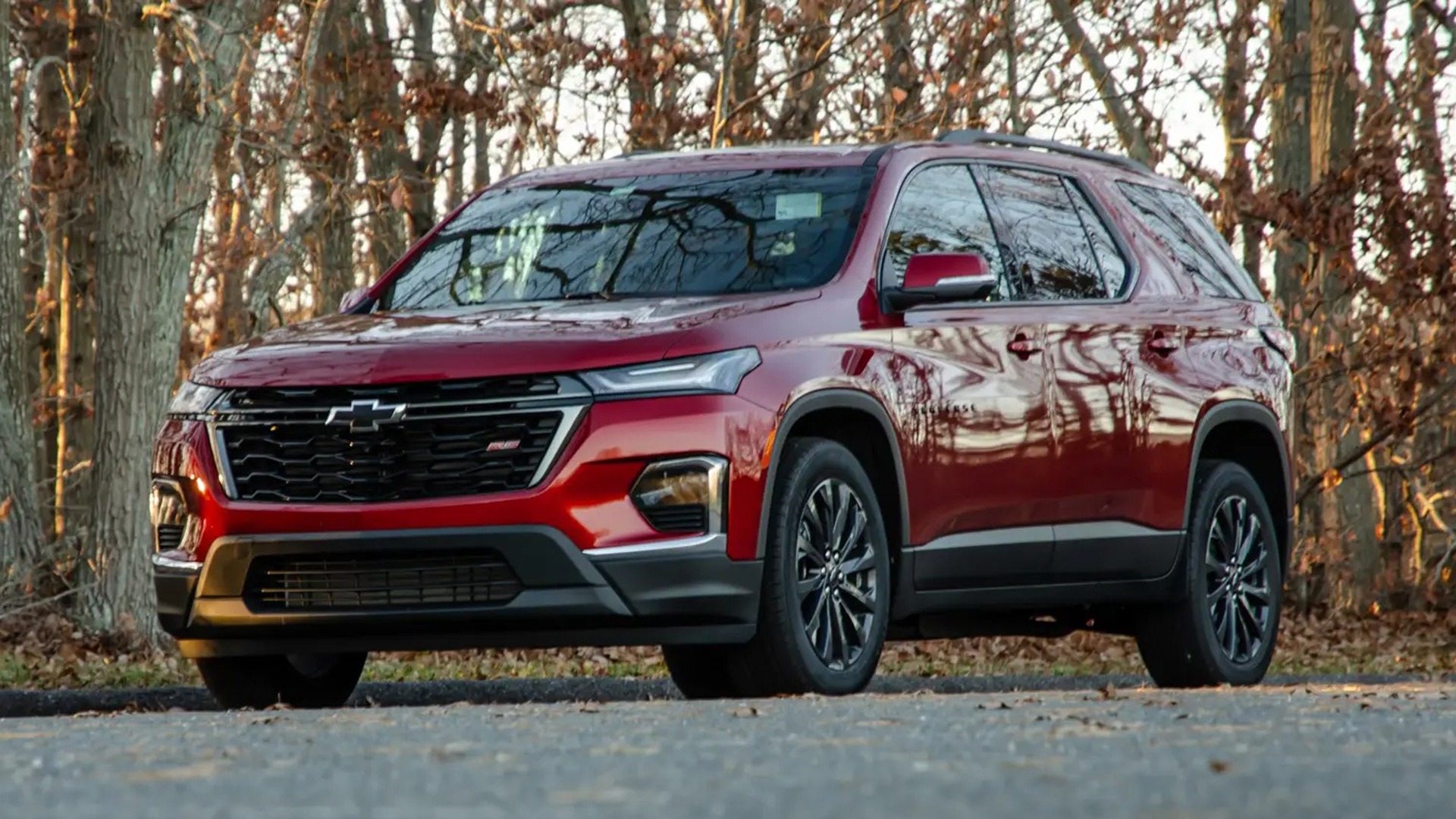
4. Chevrolet Traverse (2009–2017)
The Chevrolet Traverse has often been praised for its spacious interior and practicality, especially for large families. However, the 2009–2017 models have experienced significant reliability issues that have led to high rates of dealership visits.
Many owners have found that while the Traverse starts out strong, problems tend to appear far earlier than expected, often affecting the engine, transmission, and various electronic systems.
One of the biggest concerns with this generation of Traverse is engine failure. The 3.6-liter V6 engine used during these years has a known problem with timing chain wear, which can cause the engine to run poorly or stop altogether.
Once this component fails, repairs are costly and can easily exceed several thousand dollars. Poor oil maintenance can speed up this process, but even well-maintained engines have shown signs of premature timing chain wear.
Transmission trouble is another recurring theme. Many owners have reported transmission slipping, hard shifts, and eventual failure, sometimes as early as 60,000 miles.
Rebuilding or replacing the transmission is not only costly, but also time-consuming, leaving families without a vehicle for days or even weeks. There have been service bulletins issued, but no complete fix that has eliminated the problem across the board.
Electronics in the Traverse haven’t fared much better. Problems with power windows, infotainment systems, backup cameras, and door locks are common.
While individually these may seem like minor inconveniences, the frequency with which they occur can wear down a driver’s confidence in their vehicle. Often, what starts as one small problem turns into a chain of dealership visits, where multiple systems need attention over the course of a year.
Structurally, the vehicle holds up fairly well, but component quality varies widely. Suspension parts and brakes wear out more quickly than average, and interior materials degrade faster than in many competitors.
While the Traverse may suit buyers who need maximum space at a low price, those who keep their vehicles for the long term often regret the choice due to its high repair frequency and lack of dependability past 100,000 miles.

5. BMW X5 (2010–2018)
The BMW X5 is often seen as a blend of performance, luxury, and utility. While it delivers a high-end experience, the tradeoff is frequent and expensive maintenance.
The 2010–2018 X5, in particular, is known for its complex systems and mechanical weak points that send owners back to the dealership more than expected. It’s a vehicle that performs beautifully when everything is working, but the cost of ownership can escalate quickly.
Engine issues are a major concern, especially with the six-cylinder and V8 turbocharged models. Oil leaks from valve cover gaskets, turbo failures, and cooling system problems are common across multiple years.
The X5’s engines are tightly packed and require hours of labor to reach some components, which significantly increases the repair costs. Over time, small leaks and sensor failures often turn into more serious issues that demand immediate attention.
The air suspension system, which provides a smooth ride when working, is another frequent trouble spot. It can fail prematurely, leading to costly repairs.
When the suspension malfunctions, the vehicle may sag or lean to one side, causing uneven tire wear and poor handling. Replacing air struts or compressors often requires a significant outlay, and these parts tend to fail again if underlying issues are not addressed. Owners often face multiple trips to the dealer to fully diagnose and fix suspension problems.
Transmission issues have also been reported, especially with the automatic units in the X5. While generally robust, the transmissions can develop software glitches that cause erratic shifting, slipping, or delayed engagement.
Some owners experience warning lights and activation of limp mode, which require dealer intervention. In some cases, a full transmission rebuild or replacement becomes necessary, costing thousands of dollars. Preventive maintenance is crucial, but even then, problems can arise unexpectedly.
Electronics and onboard technology are a mixed bag in the X5. The infotainment system, parking sensors, and driver-assistance features occasionally malfunction, sometimes due to faulty wiring or software bugs.
While these issues rarely affect the vehicle’s core drivability, they are inconvenient and often require dealer visits to update software or replace components. The complexity of these systems means simple repairs can turn into lengthy and expensive procedures.
The BMW X5 is a vehicle that offers a premium driving experience but demands a premium maintenance budget. It’s a common sight at dealerships for both routine and unexpected repairs. Buyers who prioritize reliability and low maintenance costs might want to look elsewhere, as the X5’s frequent need for service and repairs often diminishes its appeal as a long-term family SUV.
