
Starting a mobile small business has never been more accessible than it is today. From food trucks and mobile repair services to delivery operations and pop up retail, the foundation of success often begins with choosing the right vehicle.
A used van offers a practical and cost effective entry point, allowing entrepreneurs to focus their capital on building the business rather than overspending on new equipment.
What makes vans particularly appealing is their versatility. Unlike standard cars or pickups, vans provide enclosed space that can be customized to suit very specific needs.
Whether you need shelving for tools, refrigeration for food, or open cargo space for deliveries, the right van can become a moving workspace that adapts to your daily demands. This flexibility is essential for small businesses that evolve quickly in their early stages.
Reliability is another major factor. When your income depends on mobility, unexpected breakdowns can cost more than just repair bills. Used vans with proven track records offer peace of mind, especially when sourced from models known for durability and low maintenance costs.
Many of these vehicles are built to handle commercial use, which means they are often capable of withstanding years of heavy duty operation even after being purchased second hand.
Fuel efficiency, ease of maintenance, and availability of spare parts also play a crucial role. Some vans are better suited for urban environments with tight spaces and frequent stops, while others excel in long distance hauling.
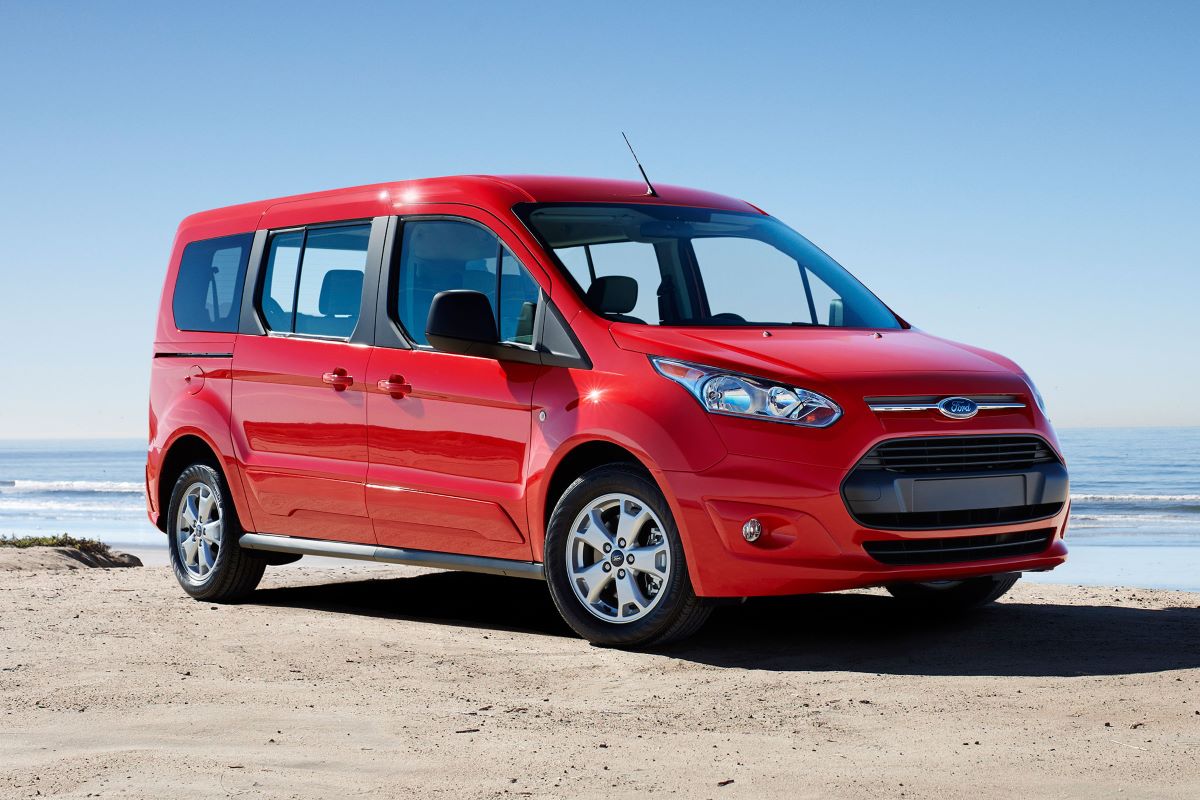
Choosing the right one depends heavily on the nature of your business and how you plan to operate day to day.
This guide highlights ten used vans that stand out for their practicality, reliability, and adaptability. Each option brings something unique to the table, ensuring that no matter what type of mobile business you are starting, there is a van that aligns with your goals and budget.
Also Read: 10 Reasons to Buy a 2026 Model Instead of an Overpriced 2024 Used Car
1. Ford Transit
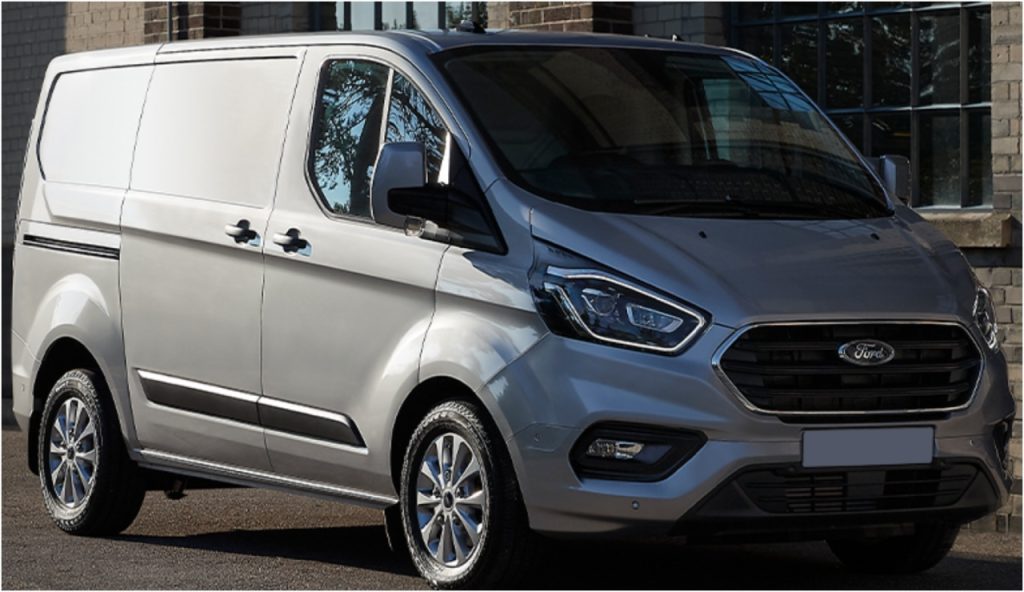
The Ford Transit has built a reputation as one of the most adaptable work vans available, making it an excellent choice for entrepreneurs entering the mobile business world. What sets it apart is the sheer variety of configurations it offers, even in the used market.
Buyers can find different roof heights, wheelbase lengths, and engine options, allowing them to select a model that fits their exact operational needs rather than settling for a compromise.
Inside, the Transit feels more like a modern workspace than a traditional cargo vehicle. The driving position is comfortable, visibility is strong, and the cabin layout supports long hours on the road without excessive fatigue.
For someone running a mobile service such as plumbing, electrical work, or delivery logistics, this comfort becomes more important over time than most first time buyers expect.
Where the Transit really shines is in its cargo adaptability. The interior space is boxy and easy to modify, which simplifies the process of installing racks, counters, or specialized equipment.
This makes it particularly attractive for food based businesses or mobile workshops that require structured layouts. Even second hand units often retain enough structural integrity to handle significant customization without issues.
Another advantage lies in parts availability and service support. Since the Transit is widely used across commercial sectors, finding replacement parts is relatively easy and affordable. Mechanics are familiar with its systems, which reduces downtime during repairs and keeps maintenance predictable.
From a performance standpoint, the engines are designed for steady, consistent work rather than aggressive driving. This suits business owners who prioritize dependability over speed. Fuel efficiency is reasonable for its size, especially in diesel variants, which can make a noticeable difference in long term operating costs.
For anyone starting a mobile business that requires flexibility, space, and long term reliability, the Ford Transit stands as a strong and practical investment that can grow alongside the business.
2. Mercedes-Benz Sprinter
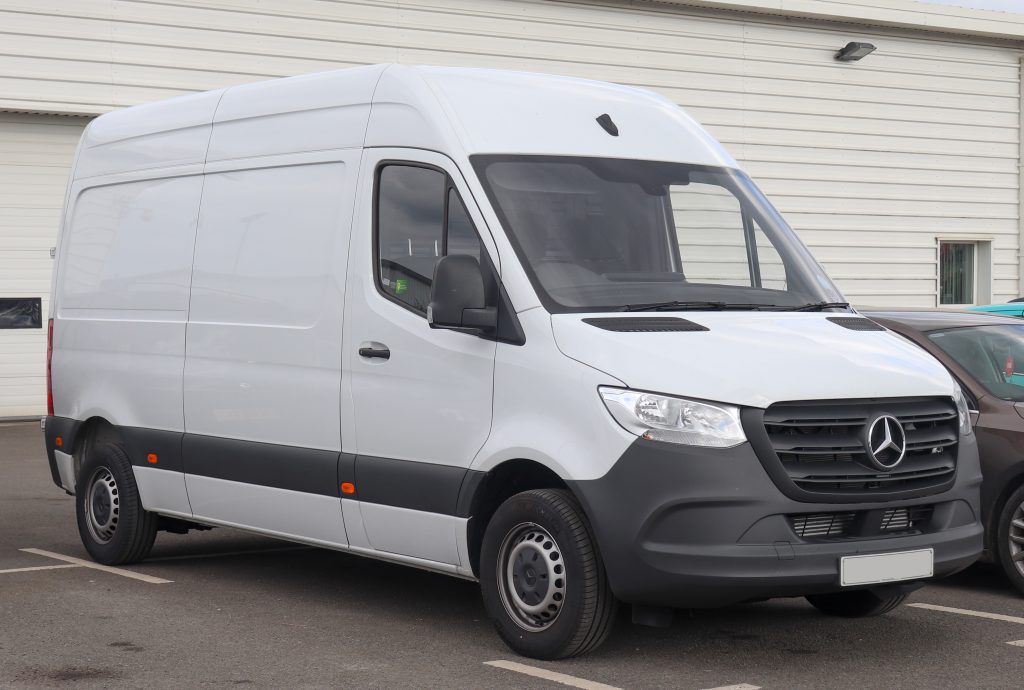
The Mercedes-Benz Sprinter approaches the concept of a work van from a slightly different angle. Instead of focusing purely on utility, it combines functionality with a more refined driving experience.
This makes it particularly appealing to business owners who want their vehicle to represent a higher level of professionalism, especially in client facing roles.
Driving a Sprinter feels closer to operating a large passenger vehicle than a traditional cargo van. The steering is precise, the ride quality is smoother than many competitors, and long distance journeys are less tiring. This can be a major advantage for businesses that involve frequent travel between cities or extended hours on highways.
The interior cargo area is one of the most spacious in its class. High roof versions allow standing room, which opens the door for more complex setups such as mobile clinics, boutique retail spaces, or fully equipped food vans.
The layout supports creativity, enabling owners to design interiors that go beyond basic functionality and create memorable customer experiences.
Diesel engine options are a key highlight. They are known for their efficiency and torque, making them well suited for carrying heavy loads without excessive strain. Over time, this contributes to better fuel economy and reduced wear, especially when the van is used daily for demanding tasks.
However, owning a Sprinter requires a slightly different mindset. Maintenance costs can be higher compared to simpler vans, and it benefits from proper servicing rather than neglect. For business owners who are willing to maintain it correctly, the payoff is a vehicle that delivers consistent performance and a premium feel.
The Sprinter is not just a transport solution. It becomes part of the brand image. For mobile businesses that rely on presentation, customer trust, and comfort, this van offers a combination of capability and sophistication that is difficult to match in the used market.
3. Ram ProMaster
The Ram ProMaster takes a very different approach compared to many traditional vans, and that difference can work strongly in favor of small business owners.
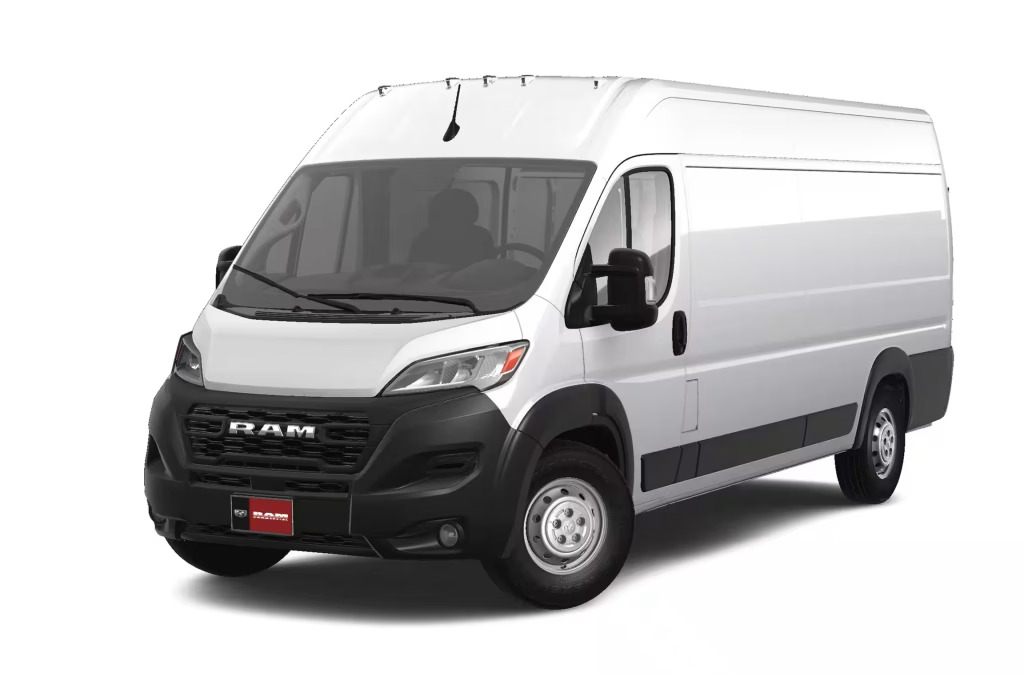
Its front wheel drive layout immediately sets it apart, offering better traction in urban conditions and eliminating the bulky rear drivetrain components that often eat into cargo space.
This results in a lower floor height, which may not sound significant at first but becomes incredibly useful when loading and unloading equipment multiple times a day.
Step inside the cargo area and one thing becomes clear quickly. The walls are nearly vertical, and the shape feels almost like a blank canvas.
For someone planning to build a mobile coffee setup, repair station, or even a compact retail store, this design simplifies customization in ways that other vans cannot match.
Installing shelves, counters, or storage compartments becomes more straightforward, reducing both time and cost during the conversion phase.
Another advantage of the ProMaster is how it behaves in tight city environments. The turning radius is surprisingly manageable for a van of its size, and the driving position gives a commanding view of the road.
If your business involves navigating crowded streets or making frequent stops, this ease of handling can save both stress and time throughout the workday.
From a maintenance perspective, the ProMaster leans toward simplicity. Its engine options are not overly complex, and parts availability is generally solid, especially in markets where the van has been widely used for commercial purposes.
This translates into predictable upkeep costs, which is crucial for businesses operating on tight margins during their early stages.
One area where it differs slightly from competitors is refinement. The ride quality and cabin materials may feel more utilitarian than premium. However, for many business owners, that trade off is acceptable when balanced against its practicality and ease of use.
The ProMaster works best for entrepreneurs who value efficiency in design and daily operation. It is not trying to impress with luxury or performance. Instead, it focuses on being a functional, adaptable workspace that supports the demands of a growing mobile business.
4. Nissan NV200
The Nissan NV200 represents a completely different category of van, and that is precisely why it deserves attention. While larger vans dominate conversations around mobile businesses, not every operation requires a massive vehicle.
For startups focused on urban services, deliveries, or compact mobile setups, the NV200 offers a more manageable and cost effective solution.
Its compact size is its biggest strength. Parking in crowded areas becomes significantly easier, and navigating narrow streets feels less intimidating compared to full size vans. This can be a game changer for businesses operating in dense city environments where time is often lost searching for suitable parking spaces.
Despite its smaller footprint, the NV200 uses its interior space intelligently. The cargo area is designed to maximize usable room, allowing for creative setups even within limited dimensions.
It is particularly well suited for businesses like courier services, small scale food delivery, mobile gadget repair, or floral distribution, where efficiency matters more than sheer capacity.
Fuel economy is another strong point. The NV200 consumes less fuel than larger vans, which directly impacts operating costs. For a business that relies on frequent short trips throughout the day, these savings can add up quickly over months of operation.
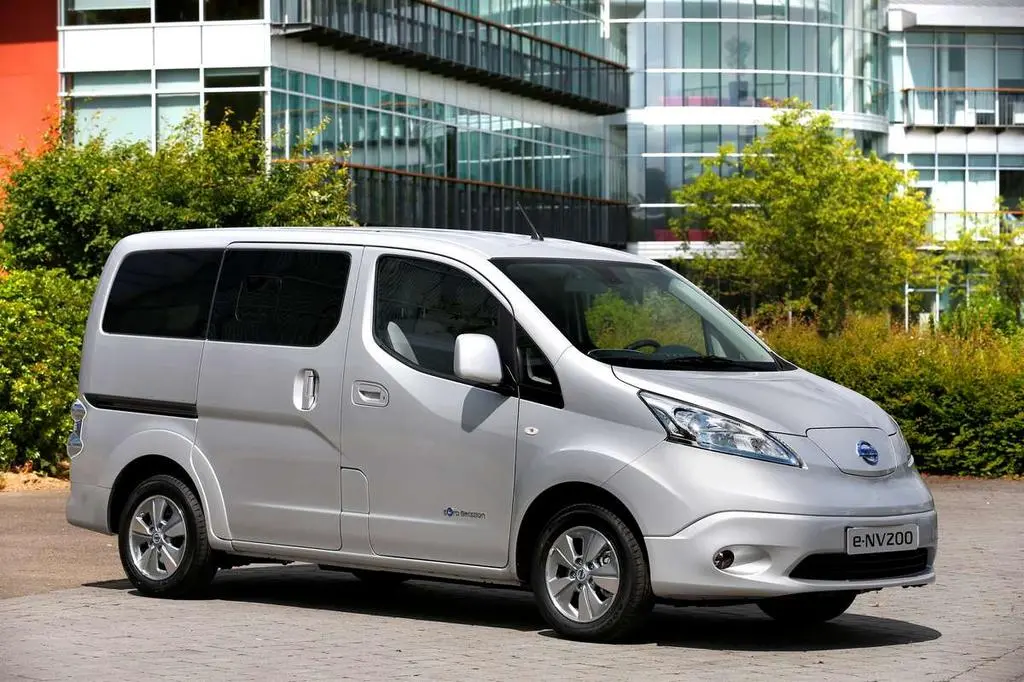
The driving experience is simple and approachable. It feels closer to a car than a commercial vehicle, making it ideal for first time business owners who may not be comfortable handling larger vans.
This ease of use reduces the learning curve and allows operators to focus more on their business activities rather than adjusting to a new driving style.
However, it is important to recognize its limitations. The NV200 is not designed for heavy loads or large scale conversions. It works best when the business model aligns with its compact nature.
For entrepreneurs starting small but thinking smart, the Nissan NV200 provides a practical entry point into the world of mobile businesses without overwhelming them with size, cost, or complexity.
5. Chevrolet Express
The Chevrolet Express belongs to a category of vans that have stayed consistent over the years, and that consistency is exactly what makes it valuable for certain types of businesses.
Instead of chasing modern trends or complicated redesigns, it continues to rely on a traditional body on frame construction and proven mechanical components.
For many business owners, this translates into durability that feels predictable rather than experimental.
Under the surface, the Express is built to handle demanding workloads. Its available V6 and V8 engines are not designed for efficiency alone but for endurance.
This makes it especially suitable for businesses that involve hauling heavy equipment, tools, or bulk goods over long distances. It does not feel delicate, and that rugged nature becomes reassuring when the van is pushed to its limits on a daily basis.
Step into the cargo area and the experience shifts toward practicality. The space is not as refined or as customizable as some newer vans, but it offers solid capacity and a straightforward layout.
For trades like construction support, mobile detailing, or equipment transport, this simplicity often works better than complex interior designs. It allows business owners to focus on function without worrying about delicate fittings or specialized installations.
One of the biggest advantages of the Express is how easy it is to maintain. Its long production run means parts are widely available, and mechanics are extremely familiar with its systems.
Repairs tend to be less complicated, which reduces downtime and keeps operating costs under control. This reliability is often the deciding factor for businesses that cannot afford frequent interruptions.
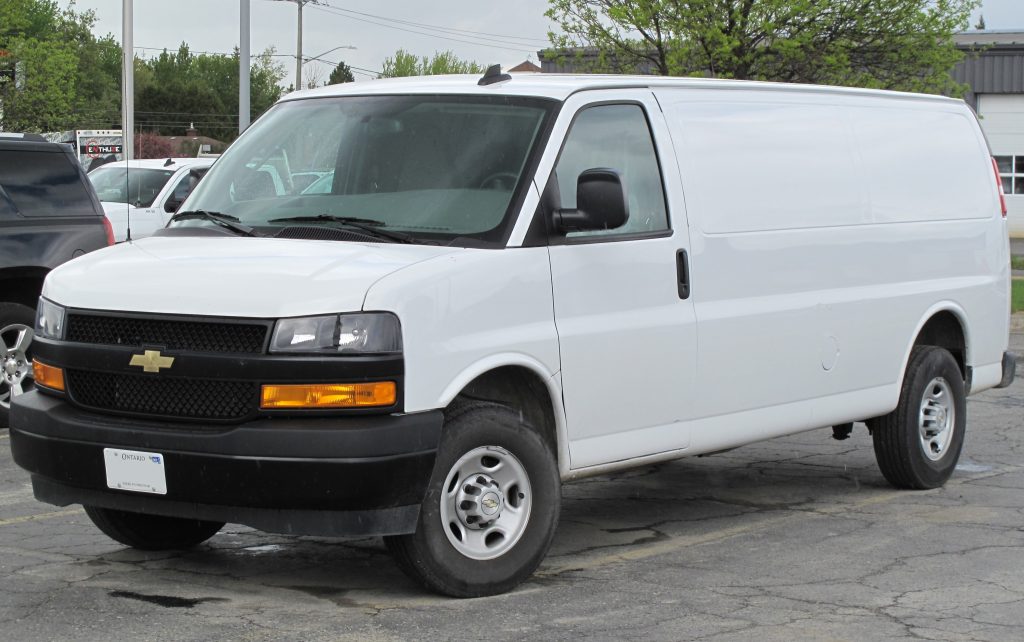
Driving the Express feels different compared to more modern vans. It has a heavier, more traditional feel on the road, which some drivers may need time to adjust to. However, once accustomed, it delivers a stable and confident driving experience, particularly when carrying significant loads.
For businesses that prioritize toughness, mechanical simplicity, and long term dependability, the Chevrolet Express remains a strong contender in the used van market.
6. Toyota HiAce
The Toyota HiAce has earned a global reputation for reliability that few vehicles can match. In many parts of the world, it is considered a backbone for small businesses, public transport, and logistics operations. That reputation is not built on marketing but on years of consistent performance under demanding conditions.
What makes the HiAce particularly appealing is its ability to keep running even with heavy daily use. The engines are designed with longevity in mind, often prioritizing durability over aggressive performance.
For a mobile business owner, this means fewer unexpected breakdowns and a greater sense of confidence when planning daily operations.
The interior layout is highly practical, offering a clean and open cargo space that adapts well to different business needs. Whether it is used for transporting goods, setting up a mobile service station, or even converting into a food van, the HiAce provides a reliable base that can handle modifications without compromising structural integrity.
Another important aspect is ease of ownership. Maintenance requirements are straightforward, and parts availability is generally strong in most markets. This keeps running costs manageable, which is essential for businesses operating with limited budgets during their early stages.
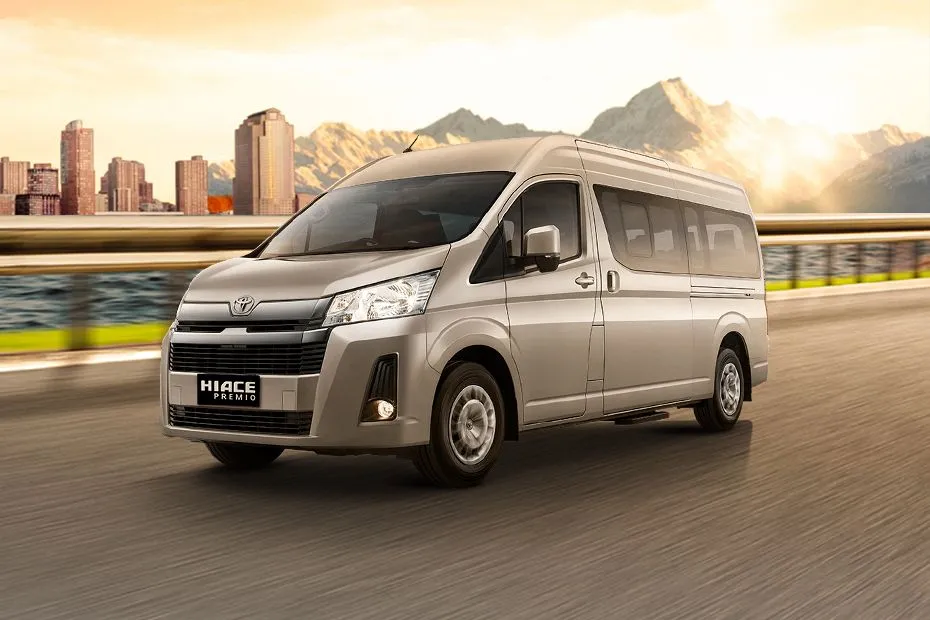
The driving experience is focused on function rather than comfort. It may not offer the refinement of some European vans, but it delivers exactly what is needed for daily work. Visibility is good, controls are simple, and the overall design supports consistent, no nonsense operation.
Where the HiAce truly stands out is in its reputation for lasting through years of use without major issues. Many owners report extremely high mileage with minimal problems, which speaks to its engineering philosophy.
For entrepreneurs who value dependability above all else, the Toyota HiAce represents a vehicle that can quietly support a business for years without demanding constant attention or costly repairs.
7. Ford Transit Connect
The Ford Transit Connect fills a very specific gap that many new business owners often overlook. It sits comfortably between compact vans and full size workhorses, offering a balance that works particularly well for service based businesses that do not require excessive cargo volume but still need more capability than a standard car.
What immediately stands out is how approachable it feels. The driving dynamics are closer to a hatchback than a commercial vehicle, which makes it ideal for people transitioning into business ownership without prior experience handling large vans.
This ease of use can make a real difference during long workdays filled with constant stops, tight turns, and unpredictable traffic conditions.
The interior is where the Transit Connect quietly proves its worth. Instead of overwhelming the user with space that may go unused, it provides just enough room to create an efficient and organized setup.
Electricians, technicians, cleaning services, and mobile repair professionals often benefit from this kind of layout because it encourages smarter storage rather than excess clutter.
Fuel efficiency is another area where this van performs well. Its smaller engine and lighter build mean lower running costs, especially for businesses that operate within cities and rely on frequent short trips. Over time, this can significantly improve profit margins, particularly in industries where fuel expenses are a constant concern.
There is also a subtle advantage in terms of perception. The Transit Connect does not appear as bulky or intimidating as larger vans, which can make it more suitable for businesses that interact directly with residential customers.
It blends into neighborhoods more naturally, which can be beneficial for maintaining a professional yet non intrusive presence.
However, it is important to match expectations with its capabilities. It is not designed for heavy duty hauling or large scale conversions. Instead, it excels when used for organized, lightweight operations that prioritize efficiency over volume.
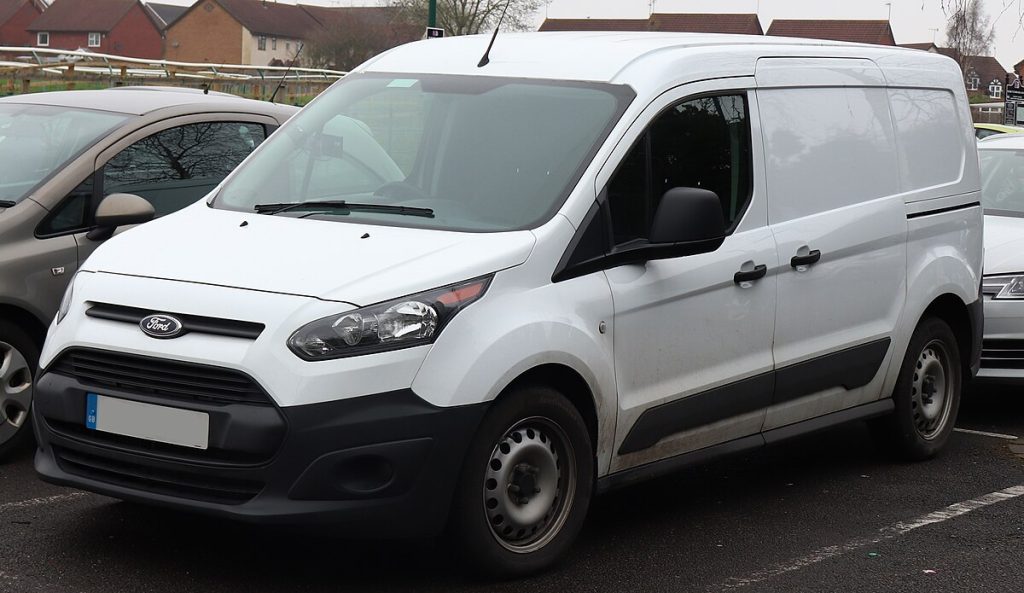
For business owners who want something practical, economical, and easy to live with every day, the Ford Transit Connect offers a thoughtful and well balanced solution.
8. Renault Kangoo
The Renault Kangoo brings a distinctly European approach to the concept of a small commercial van, focusing heavily on efficiency, clever design, and usability in tight environments.
While it may not be as common in every market, those who find a well maintained used unit often discover a vehicle that feels purpose built for small scale urban businesses.
One of its most noticeable strengths is its compact footprint combined with smart interior packaging. The Kangoo manages to offer a surprisingly usable cargo area without feeling oversized on the road.
This makes it particularly effective for businesses that operate in congested areas where maneuverability is just as important as storage capacity.
The sliding side doors are more than just a convenience feature. They play a significant role in daily operations, especially when loading and unloading in narrow spaces. For delivery services, catering support, or mobile vendors working in crowded locations, this small detail can save time and reduce frustration throughout the day.
Efficiency is at the core of the Kangoo’s design. Its engines are tuned to deliver strong fuel economy, which directly benefits businesses that rely on frequent travel. Lower fuel consumption, combined with generally reasonable maintenance requirements, helps keep operating costs under control.
Inside the cabin, the design leans toward simplicity and functionality. Controls are easy to understand, and the layout supports quick adjustments without distraction. This straightforward approach allows drivers to stay focused on their tasks rather than dealing with unnecessary complexity.
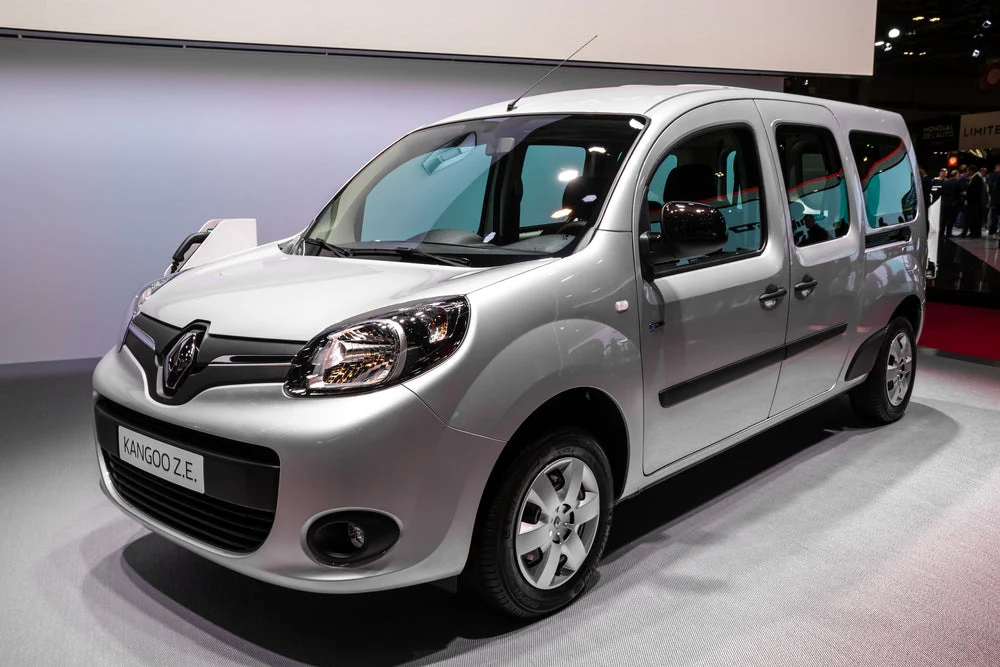
The Kangoo also encourages creative use of space. Its interior can be adapted for a variety of purposes, from small mobile shops to specialized service units. While it may not support large scale conversions, it excels in scenarios where thoughtful organization and efficient use of limited space are key.
For entrepreneurs who value agility, cost efficiency, and practical design, the Renault Kangoo offers a refreshing alternative to larger, more demanding vans. It proves that a successful mobile business does not always require the biggest vehicle, but rather the one that fits the job perfectly.
9. Volkswagen Transporter
The Volkswagen Transporter carries a legacy that blends practicality with a subtle sense of refinement.
Unlike some vans that focus purely on ruggedness or minimalism, this one strikes a balance that appeals to business owners who want capability without sacrificing driving comfort. It has been a popular choice across different industries for decades, and that experience shows in how well it adapts to various roles.
From the moment you get behind the wheel, the Transporter feels composed and predictable. The steering is responsive, and the suspension handles uneven roads with a level of control that reduces fatigue during long working hours.
For businesses that require frequent travel between locations, this smoother driving experience can make daily operations far less exhausting.
The cargo area is thoughtfully designed, offering a clean and structured space that supports different types of setups. It does not force a single way of working. Instead, it allows business owners to configure the interior based on their specific needs.
Whether it is used for transporting equipment, setting up a mobile service station, or running a small delivery operation, the layout adapts without unnecessary complications.
Another important factor is build quality. The Transporter tends to feel solid, with materials and construction that hold up well over time.
This durability becomes evident as the van ages, often maintaining its functionality and structural integrity even after years of use. For someone investing in a used vehicle, this consistency adds a layer of confidence.
Maintenance can vary depending on the specific model and engine, but many owners find that regular servicing keeps it running reliably. It may not always be the cheapest van to maintain, yet it often compensates by delivering fewer unexpected issues when properly cared for.
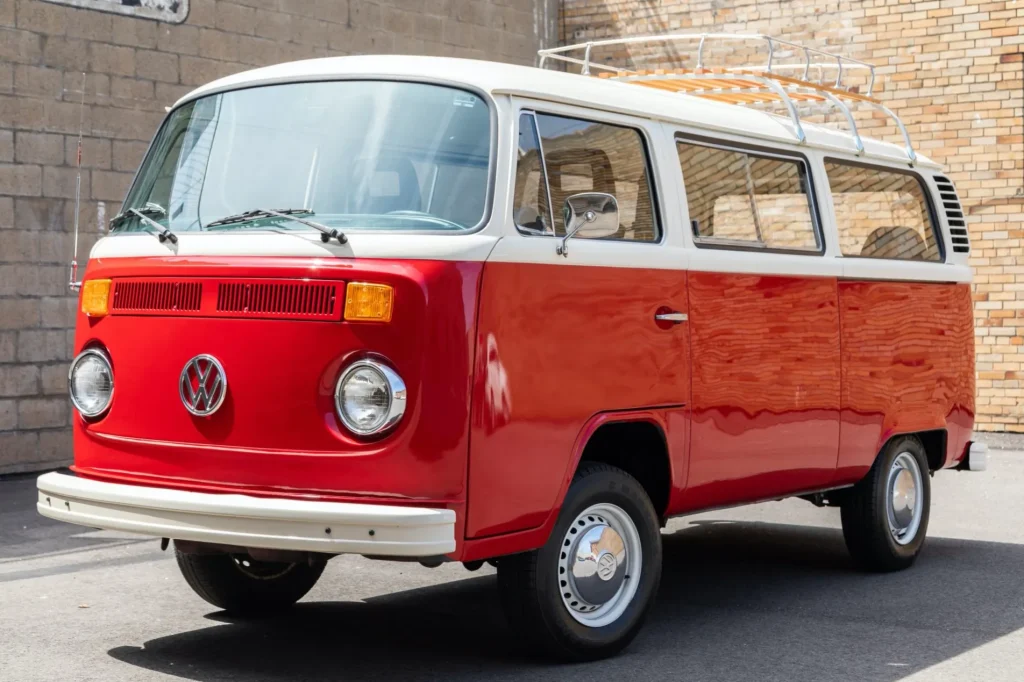
The Transporter suits businesses that value a balanced approach. It is not the most basic option, nor is it overly complex. Instead, it offers a dependable platform that supports both daily work and long term growth without feeling limiting or excessive.
10. Fiat Doblo
The Fiat Doblo approaches the idea of a work van with a focus on practicality in a compact and efficient form. It may not have the imposing presence of larger vans, but what it offers is a clever use of space and a design that aligns well with smaller, more focused business operations.
One of the most notable aspects of the Doblo is how effectively it uses its dimensions. The cargo area feels more spacious than expected, thanks to its boxy design and tall roofline. This allows business owners to organize their tools, products, or equipment in a way that maximizes every inch without feeling cramped.
Its compact size also works in its favor when operating in urban environments. Navigating through traffic, finding parking, and making quick stops all become easier compared to larger vans. For businesses that depend on speed and accessibility rather than volume, this can improve daily efficiency in a meaningful way.
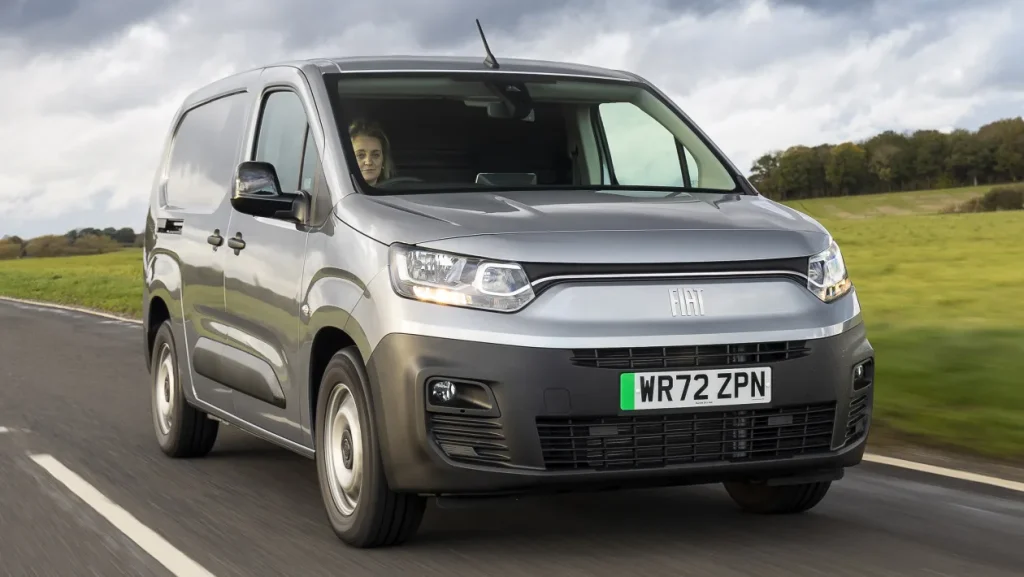
The Doblo is also known for being economical to run. Its engines are generally tuned for fuel efficiency, which helps keep operating expenses manageable. For startups that need to monitor every cost closely, this can provide a noticeable advantage over time.
Inside the cabin, the focus remains on usability. Controls are straightforward, and the driving position offers good visibility, making it easier to handle day to day tasks without unnecessary distractions. It does not try to impress with luxury features, but it delivers where it matters most.
Another strength lies in its adaptability. The Doblo can support a range of business types, from small deliveries to mobile services that require organized storage rather than large open space. It encourages efficiency and thoughtful planning, which often leads to better workflow management.
For entrepreneurs who are starting with a clear plan and a focused operation, the Fiat Doblo provides a reliable and practical foundation. It proves that success in a mobile business is not about size alone, but about choosing a vehicle that complements the way you work.
Also Read: 10 Cars With Intuitive Physical Controls That Reduce Modern Driver Distraction
