Driving through Colorado’s I 70 mountain corridor is a completely different experience compared to flat city highways.
Elevation changes, steep grades, unpredictable weather, and thin air combine to create one of the most demanding driving environments in the United States. Vehicles that perform well at sea level can behave very differently when pushed into high altitude conditions.
This is where engineering truly gets tested. Power delivery, traction, cooling systems, and drivetrain behavior all come under pressure as elevation increases. Air becomes thinner, reducing engine efficiency, while steep inclines demand consistent torque and stability.
For drivers navigating routes between Denver and the mountain passes, choosing the right vehicle is not just about comfort, it is about capability and confidence.
All wheel drive vehicles play a major role in this environment. They provide traction on snow, stability on winding roads, and the ability to maintain control when conditions suddenly change. However, not all AWD systems are created equal.
Some are designed for occasional use, while others are built to handle extreme terrain and weather without hesitation.
At the same time, certain engines struggle significantly at altitude. Naturally aspirated setups, underpowered configurations, or poorly tuned systems can lose noticeable performance as oxygen levels drop. This can turn steep climbs into stressful situations, especially when passing or maintaining highway speeds becomes difficult.
The contrast between capable AWD vehicles and engines that struggle at elevation highlights how important it is to match a vehicle to its environment. What works perfectly in one region may become a limitation in another.
In this article, we first explore five AWD vehicles that are well suited for the demanding conditions of I 70 mountain passes near Denver. Then, we examine five engines that tend to lose effectiveness at altitude, explaining why they fall short in these conditions.
Also Read: 5 Hybrid Commuters for the Atlanta Perimeter vs. 5 V8s to Avoid in Traffic
5 AWDs for I 70 Mountain Passes In Denver
Driving through Colorado’s mountain passes requires more than just basic transportation. It demands vehicles that can handle steep climbs, sudden weather changes, and long stretches of high elevation without losing composure. All wheel drive becomes less of a luxury and more of a necessity in this setting.
This section focuses on vehicles that are particularly well suited for these conditions. These AWD systems are not just designed for occasional traction support, but for consistent performance across varying terrain.
They provide stability on snow covered roads, confidence on sharp turns, and the ability to maintain grip when surfaces become unpredictable.
Another key factor is power delivery. Climbing at altitude requires engines that can maintain performance despite thinner air. Vehicles that pair AWD with strong torque output tend to perform better, especially when dealing with long uphill stretches where maintaining speed is critical.
The five vehicles selected here represent different approaches to solving the same problem. Some emphasize rugged capability, others focus on refined control, and a few strike a balance between performance and comfort. What they share is their ability to handle the unique challenges of I 70 with confidence.
These vehicles are included because they reflect real world suitability. They are not just capable on paper, but proven in conditions that demand reliability and control. For drivers navigating Colorado’s mountain passes, these are the kinds of vehicles that make the journey feel manageable rather than stressful.
1. Subaru Outback Wilderness
The Subaru Outback Wilderness feels purpose built for environments like the I 70 corridor. It takes an already capable platform and enhances it in ways that directly address the challenges of mountain driving. From the moment it starts climbing, its character becomes clear.
Unlike standard crossovers that treat all wheel drive as a secondary feature, this system is central to how the Outback Wilderness operates. It actively distributes power in a way that maintains traction across uneven or slippery surfaces.
Whether the road is dry, snow covered, or somewhere in between, the system adjusts without requiring constant driver input.
Ground clearance also plays a critical role here. Mountain passes often include rough patches, snow buildup, and unexpected obstacles. The increased ride height of the Wilderness version allows it to navigate these conditions without hesitation, reducing the risk of getting stuck or scraping the underbody.
Another strength lies in its low speed control. Steep climbs and descents require careful management of speed and traction. The vehicle’s tuning allows it to maintain composure in these situations, giving drivers confidence even when conditions are less than ideal.
Inside, the experience remains practical. Visibility is good, controls are straightforward, and the overall layout supports long drives without fatigue. This matters on routes where concentration needs to remain high for extended periods.
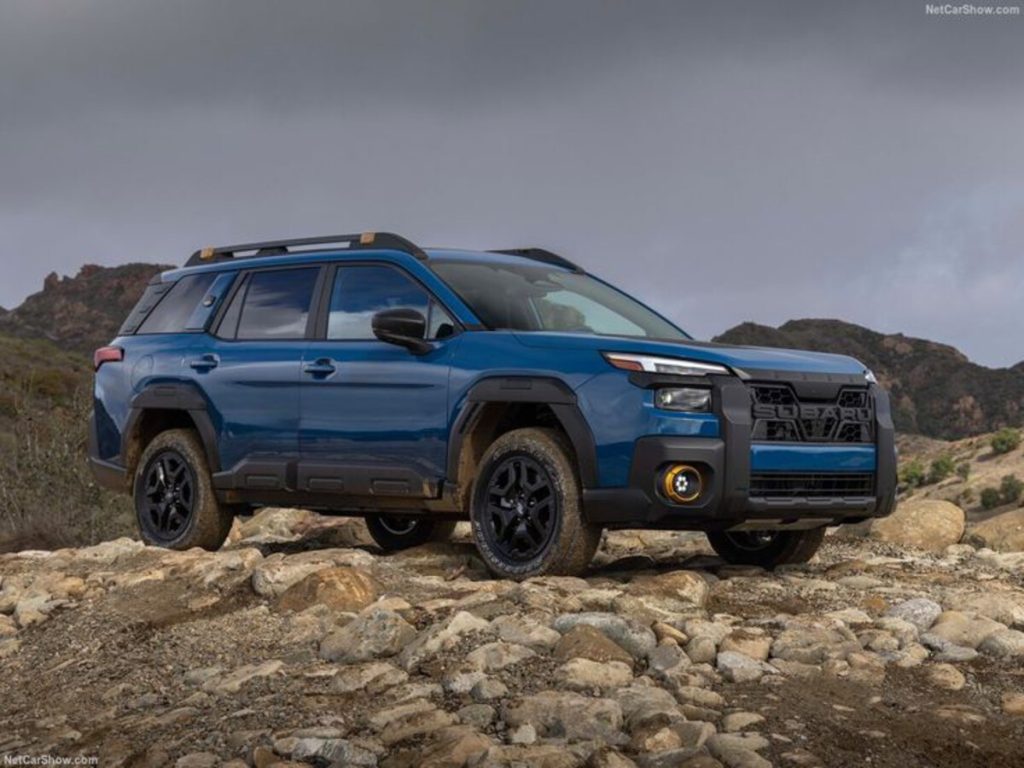
I am including the Outback Wilderness because it represents a focused solution. It does not try to be everything at once. Instead, it prioritizes the specific needs of challenging terrain and delivers on them consistently, making it a strong choice for mountain driving.
2. Audi Q5 Quattro
The Audi Q5 Quattro approaches mountain driving from a more refined and balanced perspective. While it may not appear as rugged as some alternatives, its strength lies in how seamlessly it combines capability with everyday usability. This makes it particularly appealing for drivers who want confidence in the mountains without sacrificing comfort in the city.
At the core of its performance is the Quattro all wheel drive system. Unlike simpler setups, this system is designed to respond quickly to changes in traction.
It distributes power intelligently, helping the vehicle maintain stability on slippery or uneven surfaces. On winding mountain roads, this translates into a sense of control that feels natural rather than forced.
The engine plays an equally important role. Turbocharging helps offset the effects of high altitude by maintaining power levels more effectively than naturally aspirated engines. This ensures that the Q5 does not feel strained when climbing steep grades, allowing for smoother and more predictable acceleration.
Handling is another area where the Q5 stands out. The steering is precise, and the chassis feels composed even on tight curves. This becomes especially valuable on mountain passes where quick adjustments and consistent control are necessary.
The interior adds another layer to its appeal. It offers a quiet and comfortable environment, which can make long drives through challenging terrain less tiring. Features are integrated in a way that supports the driving experience without becoming distracting.
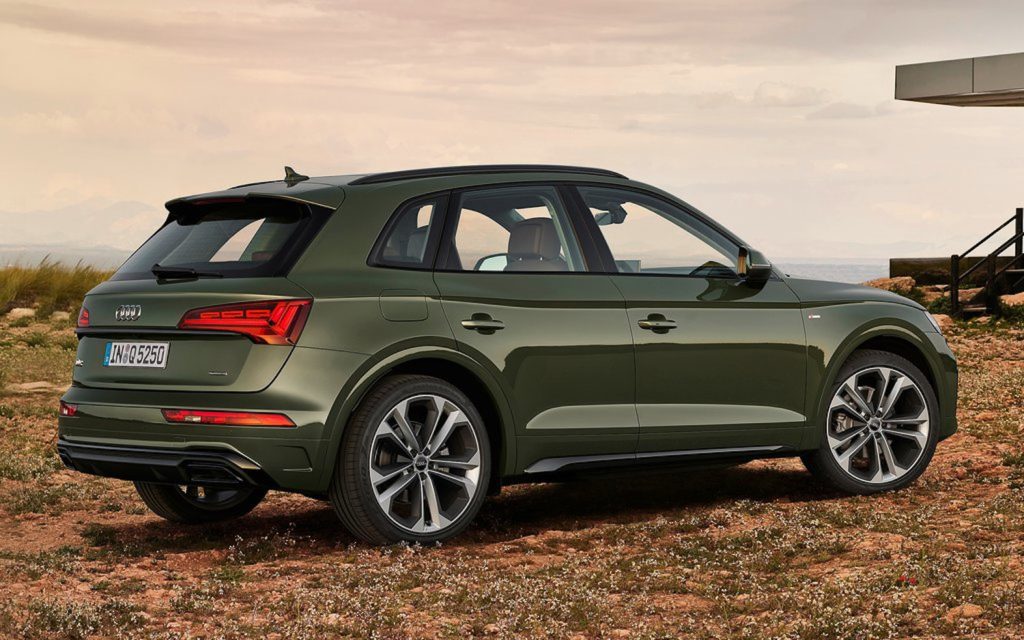
I am writing about the Q5 Quattro because it demonstrates that capability does not always need to come with a rugged image. It shows how advanced engineering can deliver confidence in demanding conditions while still maintaining a refined and comfortable driving experience.
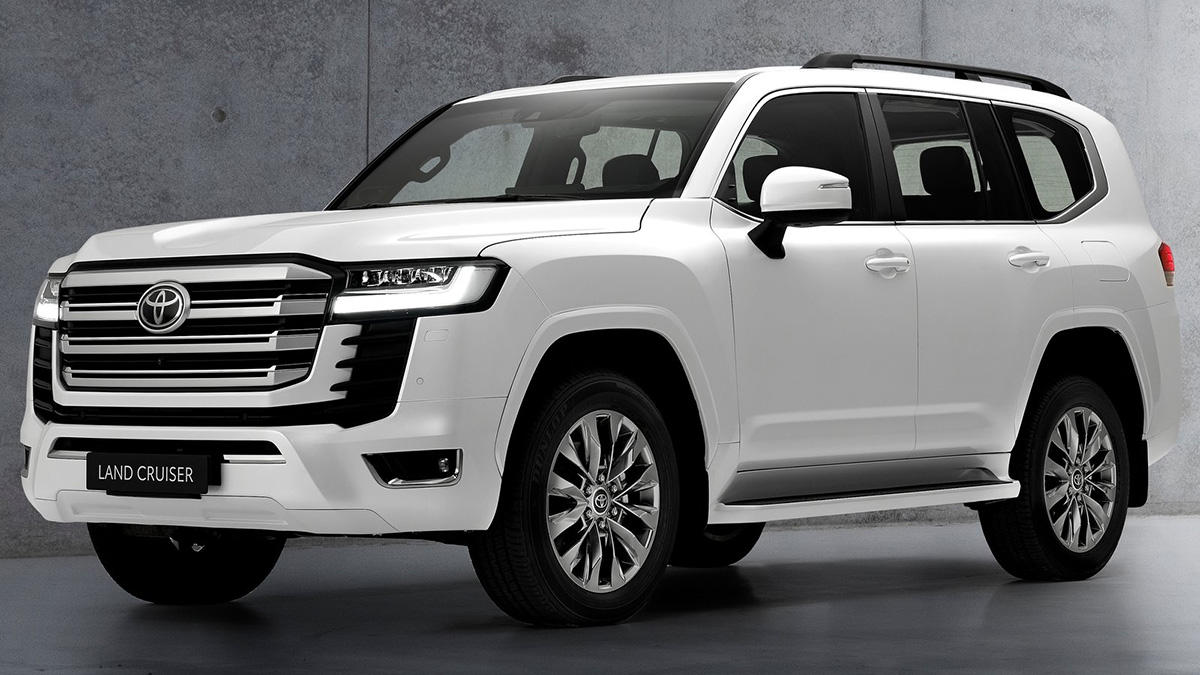
3. Toyota Land Cruiser (Recent Generation)
There are vehicles that adapt to mountain conditions, and then there are vehicles that seem built with those conditions in mind from the very beginning. The Toyota Land Cruiser belongs firmly in the second category. It does not approach I 70 as a challenge to overcome, but as an environment it already understands.
Its strength begins with its foundation. The Land Cruiser is engineered for durability and long term reliability, which becomes especially valuable in high altitude driving where mechanical stress increases. Steep inclines, extended climbs, and changing weather all demand consistency, and this is where the vehicle excels without hesitation.
The all wheel drive system is designed for continuous engagement rather than occasional intervention. It provides steady traction across surfaces that can shift from dry pavement to packed snow within a short distance. Drivers do not need to second guess the system because it operates with a level of predictability that builds trust over time.
Another defining trait is torque delivery. Mountain passes require sustained pulling power rather than quick bursts of speed. The Land Cruiser delivers this in a way that feels effortless, allowing it to maintain momentum on long climbs without constant throttle adjustments. This reduces driver fatigue and makes the journey smoother.
There is also a sense of composure in how it handles uneven terrain. Even when the road surface becomes inconsistent, the vehicle absorbs imperfections without disrupting stability. This creates a calm driving experience in situations that might feel stressful in less capable vehicles.
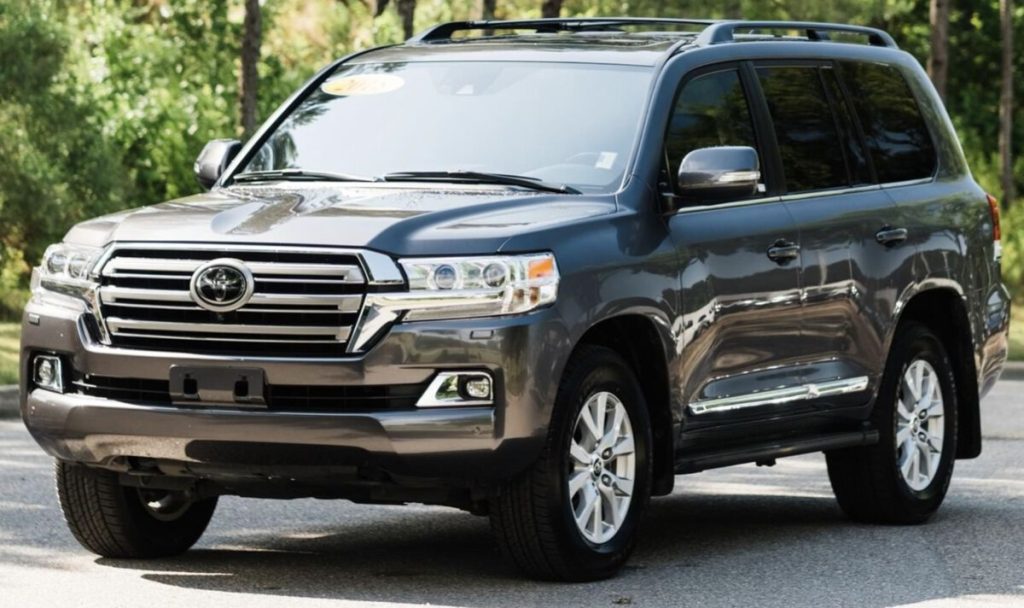
I am including the Land Cruiser because it represents confidence through engineering. It does not rely on technology alone but on a proven approach to capability that continues to perform in demanding environments like Colorado’s mountain passes.
4. Ford Bronco (Sasquatch Package)
The Ford Bronco with the Sasquatch package brings a more adventurous personality to the mountain driving experience. It is not subtle about its intentions. Every aspect of its design signals readiness for challenging terrain, and that confidence translates directly into how it performs on routes like I 70.
What makes the Bronco particularly effective is its focus on adaptability. Mountain conditions can change quickly, and the ability to adjust to those changes is critical.
The Bronco’s system allows drivers to select different driving modes that alter how power is distributed and how the vehicle responds to varying surfaces. This level of control gives drivers a sense of involvement in the process.
Traction is a major strength. The combination of advanced all wheel drive, aggressive tires, and locking differentials allows the Bronco to maintain grip in situations where other vehicles might struggle. Whether dealing with loose gravel, snow, or steep inclines, it holds its line with confidence.
Visibility also plays a role in its effectiveness. The upright design and clear sightlines make it easier to read the road ahead, which is particularly useful on winding mountain passes where anticipation is key. Being able to see obstacles and changes in terrain early helps drivers react more effectively.

The driving experience itself feels engaging. Unlike more refined vehicles that isolate the driver from the road, the Bronco provides a more connected feel. This can make navigating challenging conditions feel less intimidating and more controlled.
I am writing about the Bronco because it represents a hands on approach to capability. It invites the driver to participate in the experience while still providing the tools needed to handle demanding conditions.
In an environment like the Colorado mountains, that combination can make a meaningful difference.
5. Volvo XC90 AWD
The Volvo XC90 AWD approaches mountain driving with a philosophy that feels very different from the rugged machines typically associated with high altitude terrain. It does not rely on aggressive styling or overt off road cues. Instead, it delivers capability through control, balance, and a strong emphasis on safety.
This becomes evident the moment it begins climbing. The AWD system works in a subtle but effective way, constantly adjusting power distribution to maintain grip without drawing attention to itself. Drivers are not overwhelmed with feedback or complexity. The system operates in the background, allowing them to focus on the road ahead.
One of the most important advantages here is the use of turbocharged and supercharged engines in many XC90 models. These setups help compensate for the loss of power that naturally occurs at higher elevations.
As a result, the vehicle maintains steady performance even as the air becomes thinner, which is critical for maintaining speed on steep grades.
Stability is another area where the XC90 stands out. The suspension is tuned to provide a composed ride, even on uneven or winding roads. This reduces the sense of strain that can come from constant elevation changes and tight curves. The vehicle feels planted, which adds to driver confidence over long distances.
Inside, the environment is calm and supportive. Long drives through mountain passes require sustained attention, and a comfortable cabin can make a significant difference. The XC90 provides that comfort without becoming distracting, allowing drivers to remain focused.
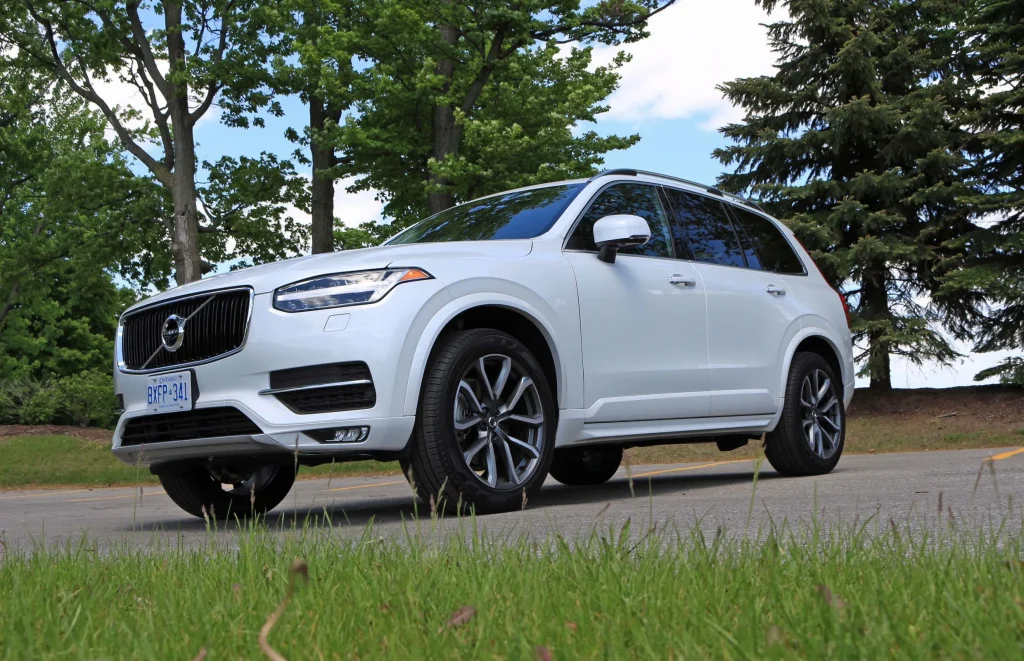
I am including the XC90 because it shows that capability does not always need to be aggressive. It proves that a vehicle can handle demanding conditions through refinement and intelligent engineering rather than sheer ruggedness.
5 Engines That Die at Altitude
Not all engines are created equal when it comes to high elevation driving. As altitude increases, air density decreases, which directly affects how engines produce power. This is especially noticeable in naturally aspirated engines that rely on atmospheric pressure to draw in air for combustion.
In environments like the I 70 mountain passes, this loss of power becomes more than just a technical detail. It affects real world driving. Acceleration slows, climbing becomes more difficult, and maintaining highway speeds on steep grades can turn into a challenge. For drivers, this translates into increased stress and reduced confidence.
This section focuses on engines that tend to struggle in these conditions. The issue is not necessarily poor engineering, but rather how certain designs respond to reduced oxygen levels. Engines that perform well at sea level can feel significantly weaker as elevation rises.
Another factor is vehicle weight. When an underpowered engine is paired with a heavier vehicle, the effects of altitude become even more pronounced. This combination can lead to sluggish performance, particularly when quick acceleration is needed for passing or merging.
The five engines included here highlight different reasons why performance can drop at altitude. Some lack forced induction, others are tuned for efficiency rather than power, and a few are simply not designed for demanding conditions.
Understanding these limitations is important for anyone planning to drive in mountainous regions. Choosing the right engine can make the difference between a smooth journey and a frustrating one.
1. Naturally Aspirated 4 Cylinder Economy Engines (Older Compact Cars)
The simplest example of altitude related performance loss can be found in older naturally aspirated four cylinder engines.
These engines are often designed with efficiency in mind, making them ideal for city driving and flat terrain. However, their limitations become clear when they are pushed into high elevation environments.
At the core of the issue is air intake. Naturally aspirated engines depend entirely on atmospheric pressure to bring air into the combustion chamber. As altitude increases, the air becomes thinner, meaning less oxygen is available for combustion. This results in a noticeable drop in power output.
In practical terms, this can make climbing steep grades feel labored. Drivers may find themselves pressing the accelerator harder just to maintain speed, with limited response from the engine. Passing slower vehicles becomes more difficult, and the overall driving experience can feel strained.
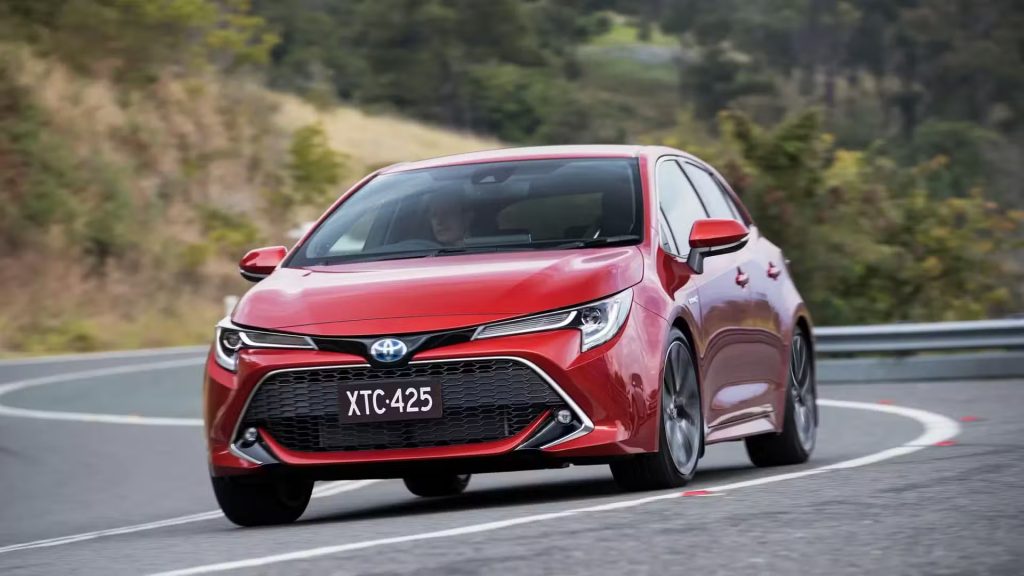
These engines are often paired with smaller vehicles, which helps to some extent. However, when faced with long uphill stretches, even lighter cars can struggle. The lack of torque becomes especially apparent, forcing the engine to work harder for extended periods.
I am including this category because it represents a common scenario. Many drivers use compact cars for daily commuting, and while they perform well in most situations, they are not always suited for high altitude driving. This highlights the importance of understanding how engine design affects performance in different environments.
2. Small Naturally Aspirated V6 Engines (Older Mid Size Sedans)
Moving up in size does not always solve the problem. Small naturally aspirated V6 engines, particularly those found in older mid size sedans, face a similar challenge when dealing with altitude. While they offer more power than four cylinder engines at sea level, they still rely on the same basic principle of atmospheric air intake.
At higher elevations, the reduction in oxygen affects these engines in much the same way. The difference is that drivers may not expect the same level of performance loss. A V6 engine suggests strength and capability, but in thin air, that advantage begins to fade.
This becomes noticeable during sustained climbs. The engine may need to rev higher to maintain speed, leading to increased noise and reduced efficiency. What once felt smooth and effortless can start to feel strained, particularly when carrying passengers or cargo.
There is also a psychological aspect. Drivers often rely on the assumption that a larger engine will handle any situation with ease. When that expectation is not met, it can create a sense of uncertainty, especially on demanding routes like mountain passes.
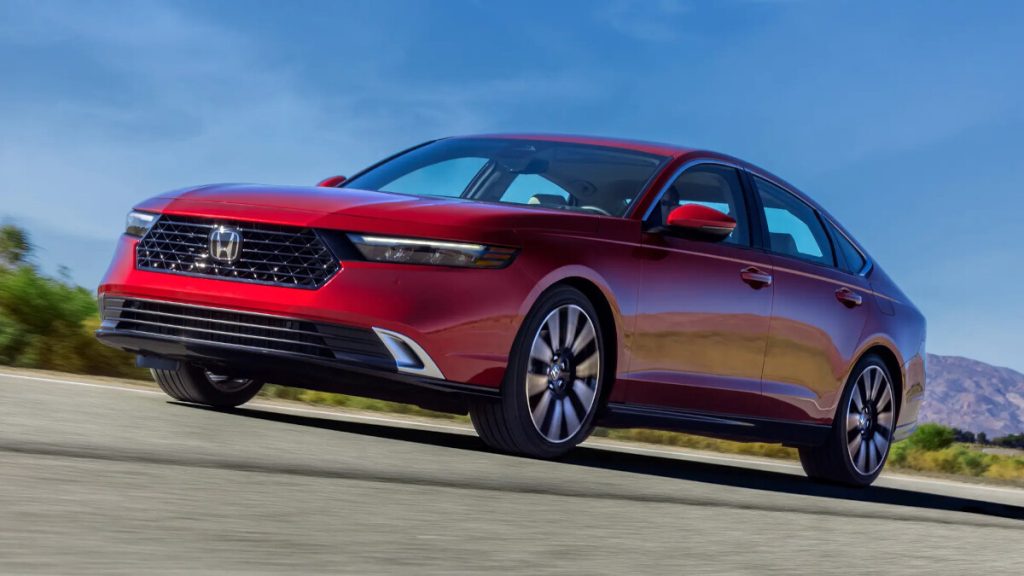
I am writing about these engines because they illustrate a subtle misconception. More cylinders do not automatically mean better performance in every environment. Without forced induction, even a larger engine can struggle when the conditions change.
3. Naturally Aspirated V8 Truck Engines (Older Generations)
There is a common belief that a large V8 engine can handle anything without effort. At sea level, that confidence is often justified. These engines deliver strong torque, smooth power, and the ability to move heavy vehicles with ease. However, high altitude changes the equation in a way that exposes their limitations.
The issue again comes down to air density. Even though a V8 has more displacement and can draw in a greater volume of air, it still depends on atmospheric pressure. As elevation increases, the reduction in oxygen affects each cylinder equally. The result is a noticeable drop in overall output, despite the engine’s size.
This becomes especially apparent when these engines are placed in heavy trucks. The combination of reduced power and increased weight creates a situation where the vehicle feels slower and less responsive.
Long climbs on mountain passes can require sustained throttle input, and the engine may struggle to maintain consistent speed without frequent downshifting.
Another factor is expectation. Drivers often assume that a V8 will provide effortless performance in all conditions. When the engine begins to feel strained at altitude, it can be surprising. The power is still there, but it is reduced enough to change the driving experience significantly.
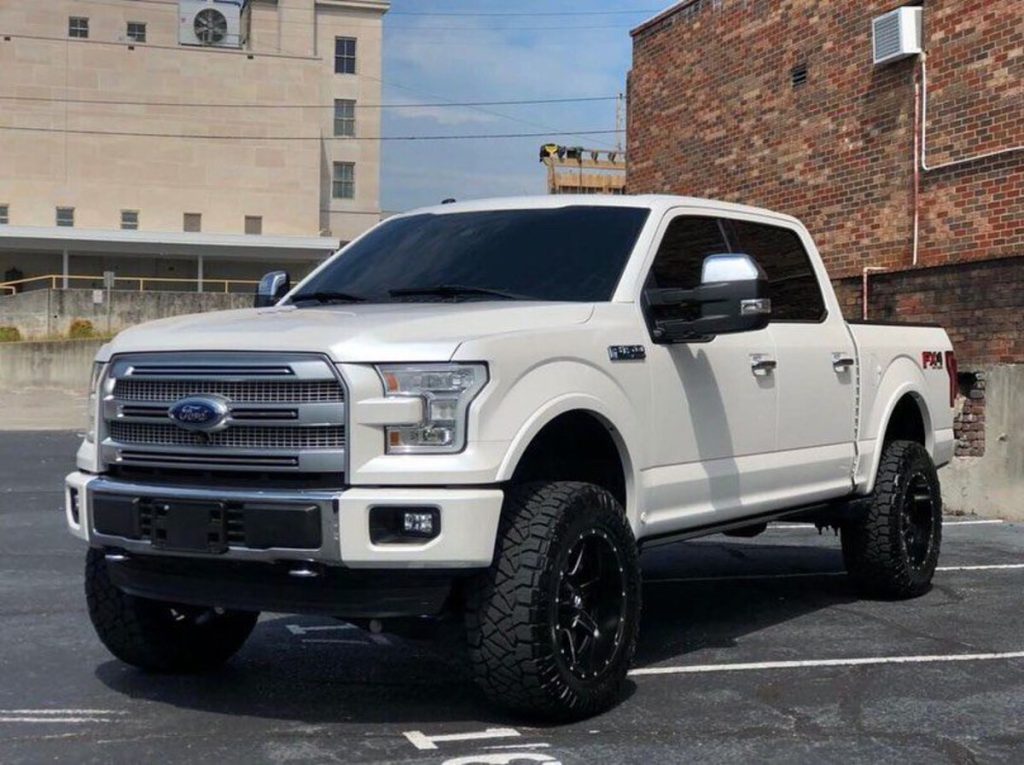
Fuel consumption also tends to increase in these conditions. As the engine works harder to compensate for the thinner air, efficiency drops. This adds another layer of challenge, particularly on longer trips through mountainous regions.
I am including older naturally aspirated V8 truck engines because they highlight an important point. Size alone does not guarantee performance in every environment. Without forced induction, even a powerful engine can lose a significant portion of its capability when pushed into high altitude conditions.
4. Early CVT Paired Underpowered Engines (Compact Crossovers)
Not all altitude related struggles come purely from the engine itself. In some cases, the transmission plays a role in how power is delivered, and early continuously variable transmission setups paired with underpowered engines provide a clear example of this interaction.
These combinations are often designed for efficiency and smoothness rather than performance. At lower elevations, they can feel adequate for daily driving, offering seamless acceleration and good fuel economy. However, when faced with steep inclines and reduced air density, their limitations become more pronounced.
The engine, already modest in output, loses additional power at altitude. The CVT then attempts to compensate by keeping the engine in its optimal power range.
While this approach is technically sound, it can create a driving experience that feels strained. The engine may remain at higher revs for extended periods, producing noise without delivering the expected increase in performance.
This can be particularly frustrating on mountain passes. Drivers may press the accelerator expecting a surge of power, only to experience a gradual and limited response. The lack of distinct gear changes can also make it harder to gauge how the vehicle is reacting, adding to the sense of disconnect.
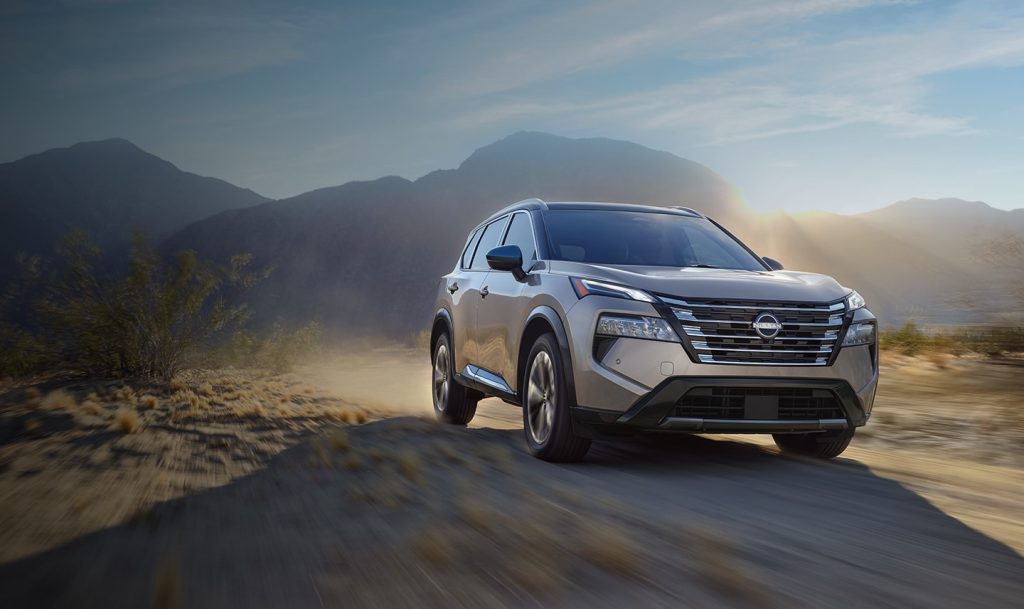
Vehicle weight plays a role here as well. Compact crossovers are often heavier than the engines they are paired with can comfortably manage at altitude. This imbalance becomes more noticeable during long climbs, where maintaining speed requires sustained effort.
I am writing about this category because it demonstrates how multiple components can contribute to performance loss. It is not just about the engine’s design, but how the entire drivetrain responds to challenging conditions. In high altitude environments, these combinations can feel out of their depth.
5. Small Displacement Naturally Aspirated Three Cylinder Engines
The smallest engines on the road often represent the biggest compromise when it comes to high altitude performance. Naturally aspirated three cylinder engines are designed with efficiency, weight reduction, and urban usability in mind.
In the right environment, they perform exactly as intended. In the mountains, however, their limitations become impossible to ignore.
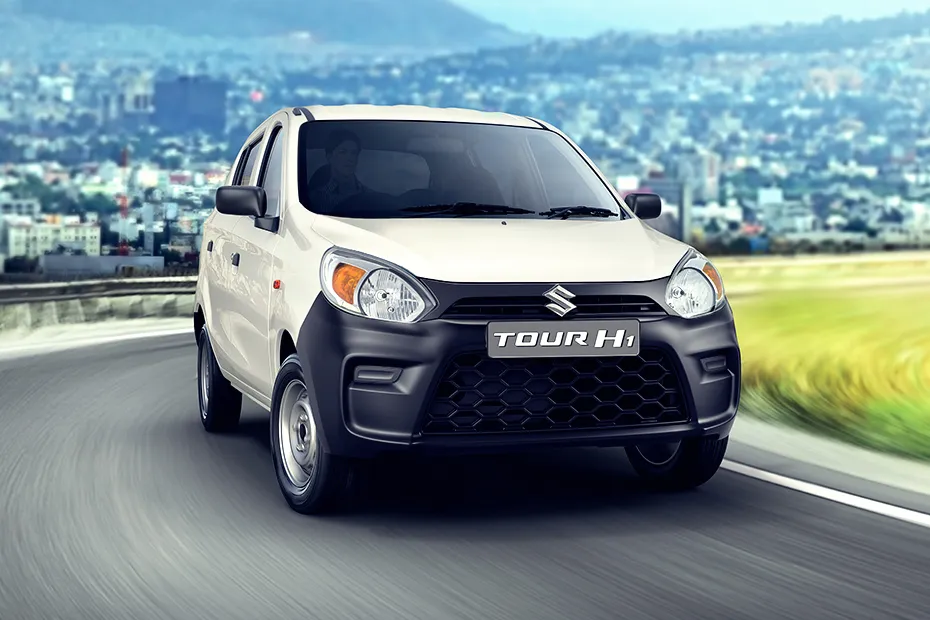
The primary challenge is scale. With fewer cylinders and smaller displacement, these engines already operate with limited power reserves.
At sea level, that limitation is manageable because the engine can still access enough oxygen to maintain acceptable performance. At altitude, the reduced air density cuts into that already modest output in a way that feels immediate.
Climbing steep grades becomes the most obvious test. The engine may need to work near its upper limits just to maintain speed, and even then, progress can feel slow. Drivers often find themselves planning overtakes more carefully or avoiding them altogether because the available power is simply not sufficient for quick acceleration.
There is also a difference in how the engine feels under stress. Smaller engines tend to rely on higher revs to produce power, and at altitude, this can result in a constant sense of strain. The sound becomes more noticeable, and the effort required to sustain performance can make longer drives feel more demanding.
Another aspect is vehicle pairing. These engines are typically found in compact cars, which helps reduce the burden. Even so, when faced with extended climbs and thinner air, the balance shifts. What once felt adequate in the city can feel underpowered in the mountains.
I am including this category because it represents the extreme end of the spectrum. It shows how engine design priorities influence performance in specific environments. While these engines excel in efficiency and simplicity, they are not well suited for the demands of high altitude driving.
Also Read: 5 Rain-Ready Hatchbacks In Seattle vs. 5 RWD Sports Cars That Are Dangerous