
Detroit is a city where the automobile is not just a mode of transportation but a deep part of identity and history. It is the heart of American car manufacturing, a place where domestic brands are not only common but culturally significant.
Daily drivers here are often chosen with a different mindset compared to other cities. Reliability, affordability, and ease of maintenance matter, but so does a sense of connection to the brands that built the city itself.
At the same time, the modern car market is global. Imports have carved out strong positions across every segment, offering innovation, design variety, and competitive pricing. However, not all imported vehicles hold their value equally.
Some lose resale value quickly due to factors like brand perception, reliability concerns, or shifting consumer demand.
This creates an interesting contrast. On one side, domestic daily drivers in Detroit often benefit from familiarity, strong service networks, and a reputation that aligns with local preferences. On the other, certain imported models struggle in the resale market, even if they offer appealing features when new.
The difference is not always about quality alone. Market perception, long-term ownership costs, and how well a car fits its environment all play a role. A vehicle that works well in one region may not perform the same way in another, especially when resale value becomes part of the equation.
In this article, we explore both sides of that contrast. First, we focus on five domestic vehicles that make strong daily drivers in Detroit, highlighting why they suit the city’s conditions and culture. Then, we shift to five imported cars that tend to lose value quickly, examining the reasons behind their depreciation.
Together, these two categories reveal how location, brand loyalty, and long-term ownership considerations shape automotive choices in ways that go beyond simple specifications.
Also Read: 5 Compact Cars Perfect for Traffic In New York City vs. 5 That Are a Nightmare to Park
5 Domestic Daily Drivers In Detroit
Detroit drivers tend to prioritize vehicles that can handle a mix of urban roads, changing weather, and long-term ownership without unnecessary complications. Domestic brands often meet these expectations through a combination of accessible parts, familiar engineering, and strong dealership support.
This section is focused on vehicles that fit naturally into that environment. These are not necessarily the most exciting cars on the market, but they are dependable, practical, and well-suited to everyday use. They reflect the kind of decision-making that values consistency over novelty.
Another important factor is cost of ownership. Daily drivers need to remain affordable over time, not just at the point of purchase. Domestic vehicles often benefit from lower maintenance costs and easier access to service, which becomes especially important in a city where driving is a daily necessity.
The five cars selected here represent different approaches to the idea of a daily driver. Some emphasize comfort, others focus on durability, and a few strike a balance between performance and practicality. What they share is their ability to meet the demands of real-world driving in Detroit.
These vehicles are included because they reflect how people actually use their cars. They are not chosen for trends or headlines, but for their ability to perform reliably day after day in a city that expects a lot from its vehicles.
1. Ford Fusion (Final Generation Models)
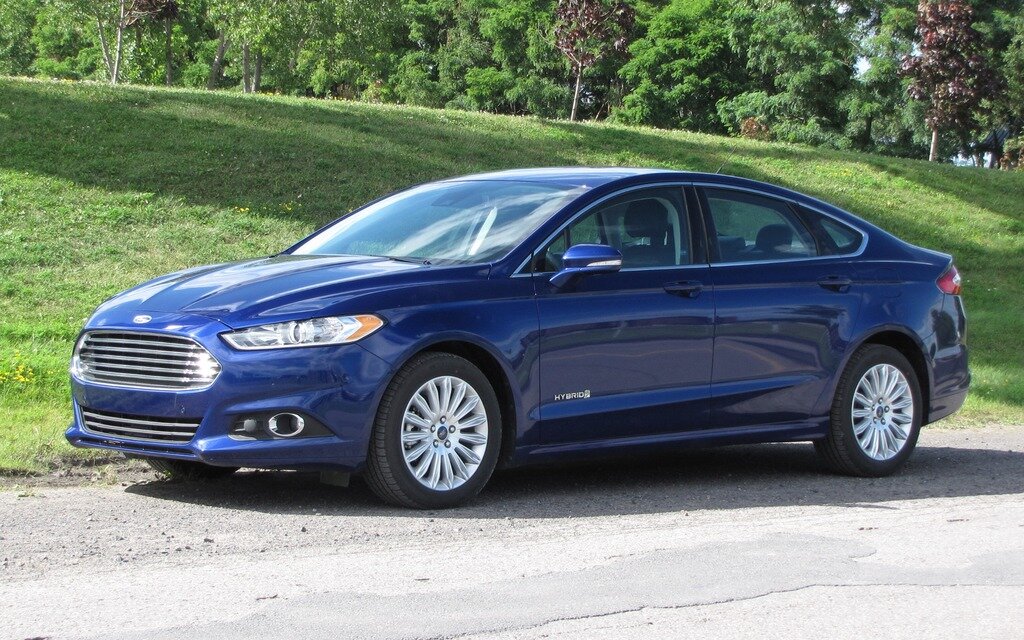
The Ford Fusion stands as one of the most well-rounded sedans to come out of a domestic manufacturer in recent years, and in Detroit, it feels like a natural choice for daily driving. Even though it is no longer in production, its presence in the used market keeps it highly relevant.
What makes the Fusion particularly suitable is its balance. It does not lean too heavily in any one direction, which allows it to adapt to a variety of driving needs. Whether it is commuting through city traffic, handling longer highway drives, or dealing with rougher road conditions, it manages each task with a level of competence that feels reassuring.
The design also plays a role in its appeal. It carries a clean and slightly upscale look that does not age quickly. This helps maintain a sense of value over time, something that matters for a car expected to serve as a daily driver for several years.
Inside, the Fusion offers a comfortable and straightforward environment. Controls are easy to understand, seating is supportive, and the overall layout avoids unnecessary complexity. For drivers who spend a significant amount of time in their cars, this kind of usability becomes a major advantage.
Maintenance and serviceability further strengthen its position. Being a domestic model, parts are widely available, and most mechanics are familiar with its systems. This reduces the uncertainty that can sometimes come with long-term ownership.
I am including the Fusion because it represents a dependable middle ground. It does not try to stand out through extreme features, but it consistently delivers where it matters most, making it a strong fit for everyday driving in Detroit.
2. Chevrolet Malibu (Recent Models)
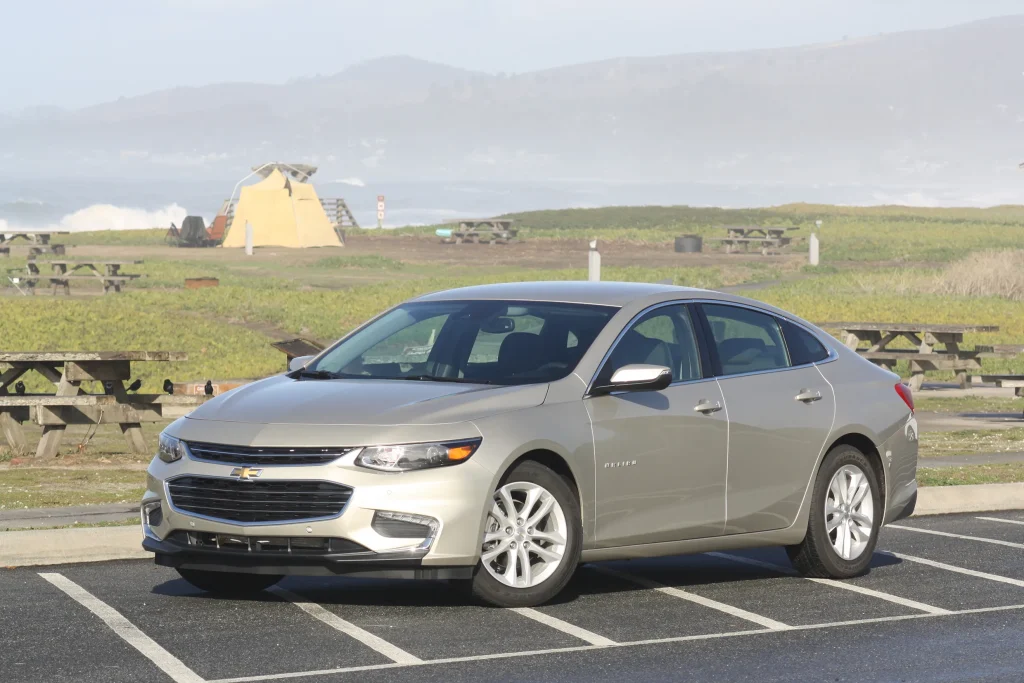
The Chevrolet Malibu approaches the daily driver role with a slightly different mindset. Where the Fusion emphasizes balance, the Malibu leans more toward comfort and ease of use. In a city like Detroit, where daily commutes can vary in length and condition, that focus becomes particularly valuable.
One of its strongest qualities is ride quality. The Malibu is tuned to absorb road imperfections in a way that makes driving less tiring. Potholes, uneven pavement, and long stretches of urban roads become easier to manage, which is an important consideration for a daily-use vehicle.
The design is understated, but that works in its favor. It avoids trends that might age quickly, instead opting for a clean and neutral appearance. This helps it remain visually relevant over time without drawing unnecessary attention.
Inside the cabin, the emphasis continues on simplicity and comfort. The layout is intuitive, with controls that are easy to reach and understand. There is a sense of familiarity that makes it accessible to a wide range of drivers, regardless of experience level.
Another advantage is its efficiency. While not a hybrid in most configurations, the Malibu still delivers respectable fuel economy, helping to keep running costs manageable. For a daily driver, this balance between comfort and efficiency is key.
I am writing about the Malibu because it highlights a different aspect of practicality. Not every driver is looking for performance or advanced features. Sometimes, the goal is simply to have a car that makes everyday travel easier and more comfortable, and the Malibu does exactly that.
3. Dodge Charger (V6 Models)
There is a certain expectation attached to the Dodge Charger, and most people immediately think of power and aggressive performance. However, the V6 versions tell a different story, one that fits surprisingly well into the role of a daily driver in Detroit.
Instead of focusing on raw speed, the V6 Charger offers a blend of practicality and presence. It retains the bold exterior design that gives it road presence, yet it avoids the higher fuel consumption and maintenance demands of the more powerful variants. This balance makes it more usable for everyday commuting.
Detroit roads can be unpredictable, and having a car that feels solid and planted can make a difference. The Charger delivers that through its size and stance. It feels substantial on the road, which can add a sense of confidence, especially during highway driving or in poor weather conditions.
Inside, the experience leans toward space and comfort. The cabin is roomy, and the seating accommodates longer drives without discomfort. This matters in a daily driver, where small details like seating position and cabin layout can affect the overall ownership experience over time.
Another aspect worth considering is familiarity. The Charger has been around for years, and its design and engineering are well understood. This reduces uncertainty for buyers in the used market, as they can rely on established knowledge about maintenance and ownership.
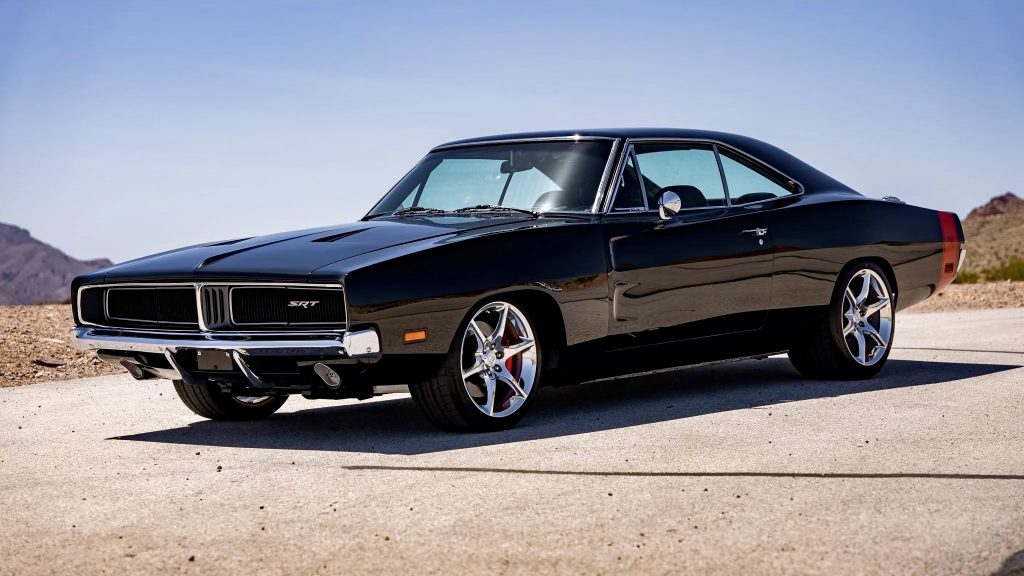
I am including the V6 Charger because it shows how a car known for one thing can adapt to another role. It maintains its identity while still functioning as a practical, everyday vehicle, which is exactly what many Detroit drivers look for.
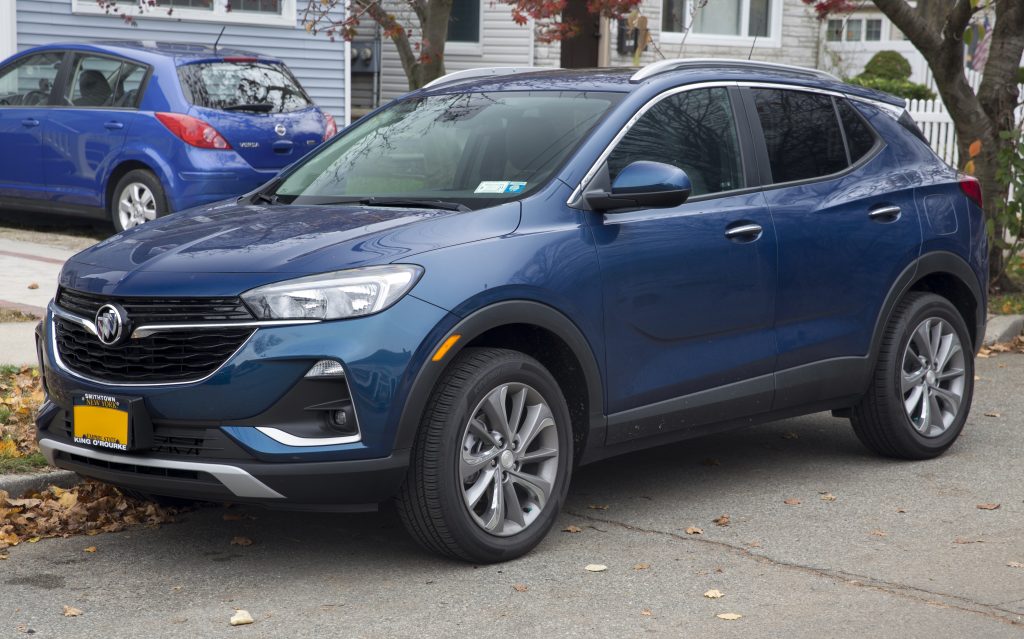
4. Buick Encore (First Generation)
The Buick Encore takes a completely different approach compared to traditional sedans. It brings the benefits of a compact SUV into a package that is easy to manage in an urban environment, making it a strong candidate for daily driving in Detroit.
Its size is one of its biggest advantages. Unlike larger SUVs that can feel difficult to maneuver in tight city spaces, the Encore remains compact enough to handle parking and narrow streets with ease. This makes it particularly useful for drivers who navigate busy areas regularly.
Despite its smaller footprint, it does not sacrifice comfort. The interior is designed to feel more refined than its size might suggest, offering a quiet cabin and materials that create a slightly upscale atmosphere. For daily use, this adds a level of satisfaction that goes beyond basic functionality.
The driving experience is focused on ease rather than excitement. Steering is light, visibility is good, and the overall behavior of the vehicle is predictable. These qualities make it approachable for a wide range of drivers, from those new to driving to those who simply want a stress-free commute.
Efficiency also plays a role in its appeal. As a smaller vehicle, it consumes less fuel than larger SUVs, helping to keep running costs under control. This is an important factor for a daily driver that will be used frequently.
I am writing about the Encore because it represents adaptability. It brings together the practicality of an SUV with the convenience of a compact car, creating a vehicle that fits naturally into the rhythm of city life in Detroit.
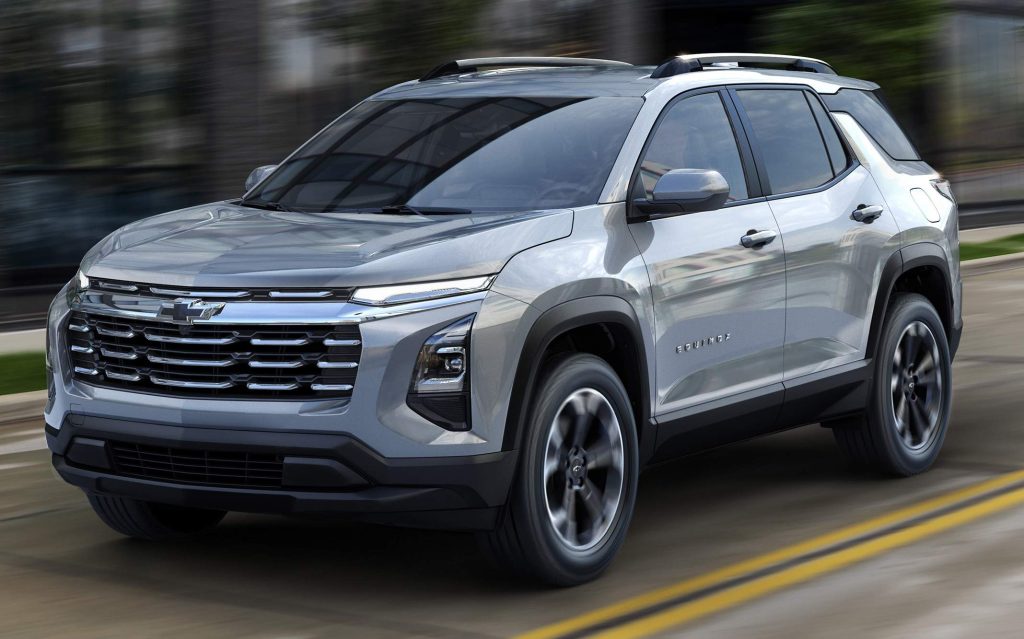
5. Chevrolet Equinox (Recent Generation)
The Chevrolet Equinox represents a shift toward practicality that aligns closely with how many Detroit drivers actually use their vehicles. It is not designed to impress with bold styling or performance claims. Instead, it focuses on delivering consistency, which is exactly what a daily driver needs.
This is the kind of vehicle that quietly fits into everyday routines. Morning commutes, grocery runs, long highway stretches, and unpredictable weather conditions are all handled without drawing attention to themselves. That predictability becomes a strength over time, especially in a city where driving is not optional but essential.
The Equinox also benefits from its positioning as a compact SUV. It offers more space than a sedan without becoming difficult to manage in urban environments. For families or individuals who need extra cargo room, this added flexibility makes a noticeable difference in daily use.
Inside, the design emphasizes usability. Controls are clearly laid out, technology is integrated in a straightforward way, and the overall experience avoids unnecessary complexity. This simplicity helps reduce distractions, allowing drivers to focus on the road rather than figuring out features.
Another reason it fits well in Detroit is serviceability. As a widely used domestic model, parts are easy to find and maintenance is generally straightforward. This reduces downtime and keeps ownership costs predictable, which is important for a vehicle that is used regularly.
I am including the Equinox because it reflects a realistic approach to car ownership. It may not stand out in a crowd, but it delivers exactly what is needed day after day, making it a dependable choice for a city that values function over flash.
5 Imports That Lose Resale Fast
Resale value is often overlooked at the time of purchase, but it becomes one of the most important factors over the life of a vehicle. Some cars hold their value well due to strong demand, reliability, or brand reputation. Others, despite offering appealing features when new, tend to depreciate quickly.
This section focuses on imported vehicles that struggle in that area. The reasons vary. In some cases, it is due to reliability concerns or higher maintenance costs. In others, it is tied to brand perception or shifting market preferences that make these cars less desirable over time.
Another important factor is competition. The global automotive market is crowded, and newer models constantly raise expectations. Vehicles that fail to keep up with evolving design, technology, or efficiency standards often lose value faster as a result.
It is also worth noting that depreciation does not necessarily mean a car is bad. Many of these vehicles can still offer a good driving experience. The issue is how they are perceived in the used market, where buyers become more cautious and selective.
The five cars in this section are included because they illustrate different reasons why resale value can decline. Each one highlights a specific challenge, whether it is market saturation, reliability concerns, or changing consumer preferences.
1. BMW 7 Series (Older Models)
The BMW 7 Series is a car that makes a powerful impression when new. It represents luxury, advanced technology, and a level of prestige that places it at the top of the brand’s lineup. However, that same complexity becomes one of the main reasons it loses value quickly over time.
Luxury sedans in this category often face steep depreciation, and the 7 Series is a clear example. As newer models introduce updated technology and design, older versions begin to feel outdated much faster than simpler vehicles.
Buyers in the used market tend to prioritize reliability and lower ownership costs, which can work against high-end luxury cars.
Maintenance is another key factor. The 7 Series is packed with advanced systems that can become expensive to repair as the car ages. Even if the vehicle was well-maintained, the perception of potential costs can discourage buyers, leading to lower resale values.
There is also the issue of market demand. Large luxury sedans are not as popular as they once were, with many buyers shifting toward SUVs and crossovers. This change in preference reduces the pool of potential buyers, further impacting resale value.
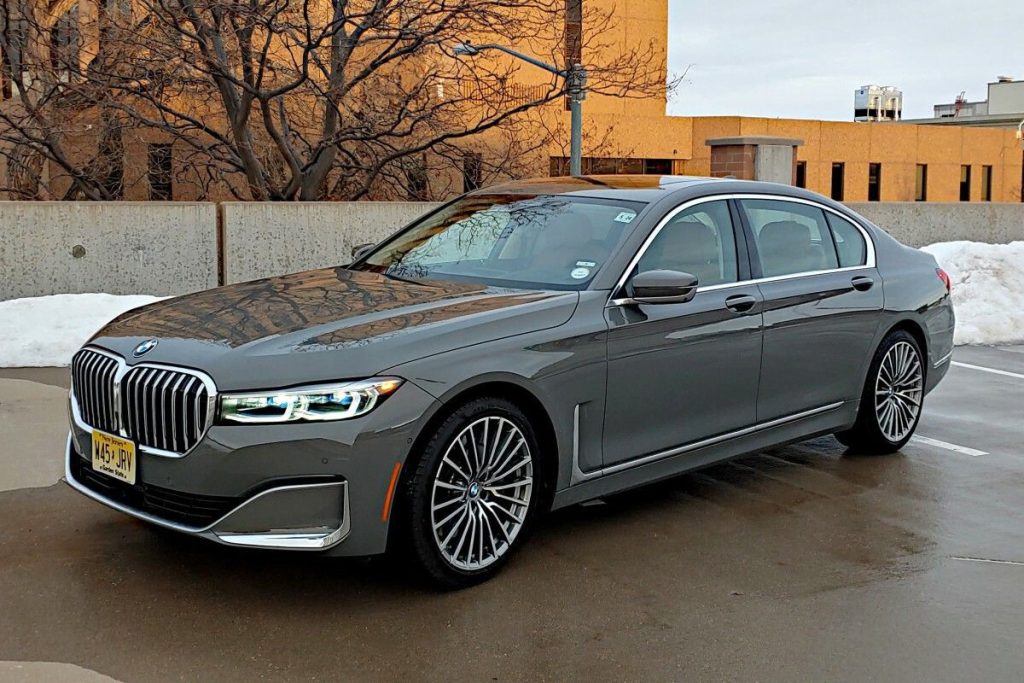
I am writing about the 7 Series because it represents a classic case of depreciation driven by complexity and changing trends. It shows how a car that starts at the top of the market can quickly lose value when the factors that once made it desirable become concerns for future owners.
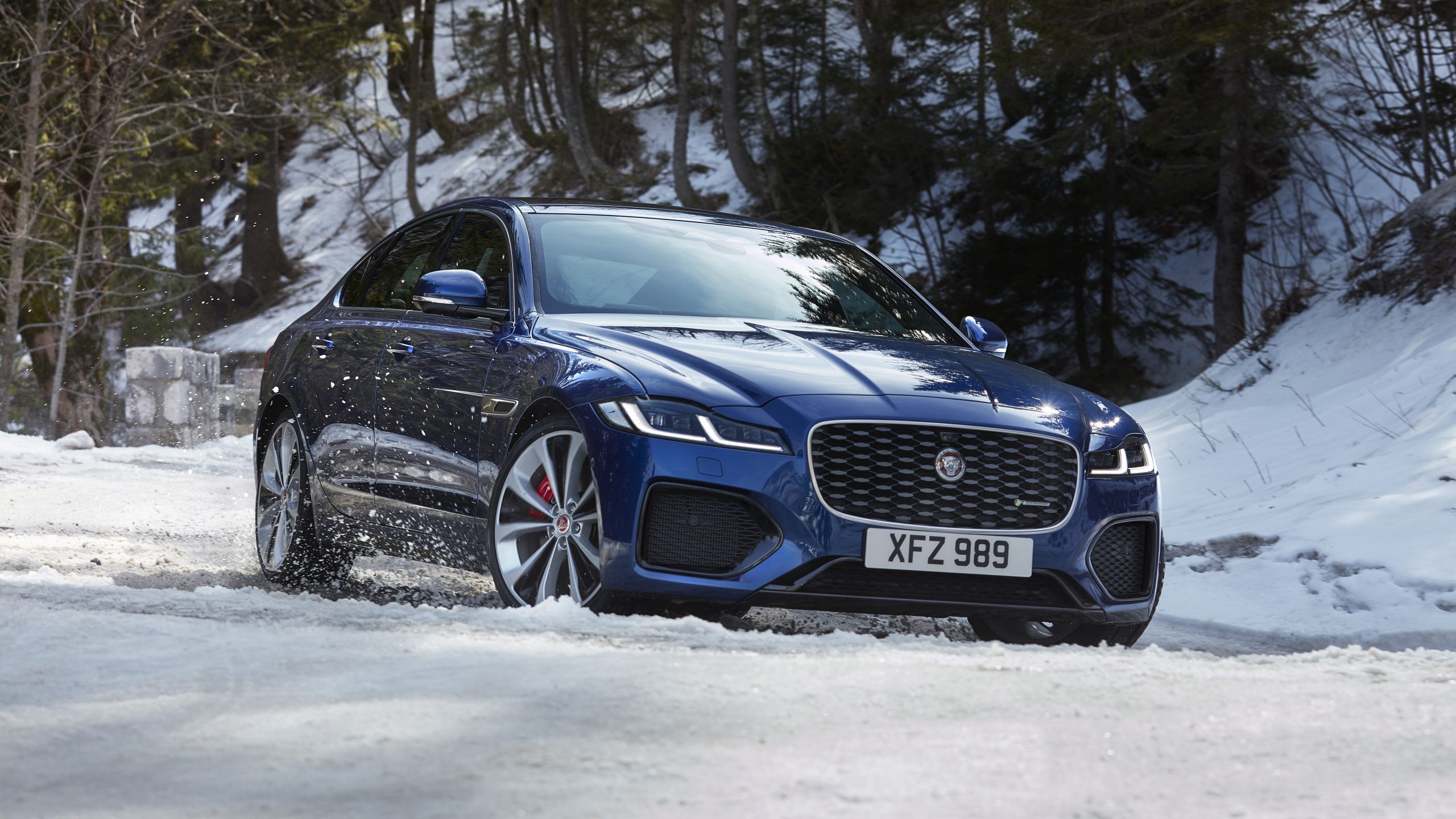
2. Jaguar XF
The Jaguar XF approaches luxury from a design-focused perspective, offering sleek styling and a distinctive identity that sets it apart from more common competitors. However, that uniqueness does not always translate into strong resale value.
One of the main challenges for the XF is brand perception. While Jaguar has a long history and strong heritage, it does not always carry the same reliability reputation as some of its competitors. This affects how buyers view the car in the used market, where dependability becomes a top priority.
Another factor is availability of service and parts. Compared to more widely sold brands, Jaguar vehicles can be more difficult and expensive to maintain. This creates hesitation among potential buyers, which in turn affects resale value.
The XF also faces strong competition. The luxury sedan segment is filled with well-established models that have built a reputation for reliability and long-term ownership. Against that backdrop, the XF can struggle to maintain its position, especially as it ages.

I am including this car because it highlights how perception can influence value. Even if a vehicle offers a compelling design and driving experience, concerns about ownership costs and reliability can have a significant impact on how it performs in the resale market.
3. Audi A8 (Previous Generation Models)
The Audi A8 represents a different kind of depreciation story, one shaped less by reputation issues and more by the pace of technological change.
When new, the A8 stands as a flagship sedan filled with advanced features, refined design, and a driving experience that emphasizes smoothness and control. Over time, however, those same strengths begin to work against it in the resale market.
Technology is at the center of this shift. The A8 is designed to showcase cutting-edge systems, from digital interfaces to driver assistance features.
As newer models enter the market with updated versions of these technologies, older A8 models begin to feel outdated more quickly than simpler vehicles. Buyers in the used market often see these aging systems as potential liabilities rather than advantages.
There is also a perception issue related to complexity. Vehicles with advanced electronics can be more expensive to maintain, especially as they age. Even if the car remains reliable, the possibility of costly repairs can make buyers cautious. This hesitation directly affects resale value, as fewer people are willing to take on that risk.
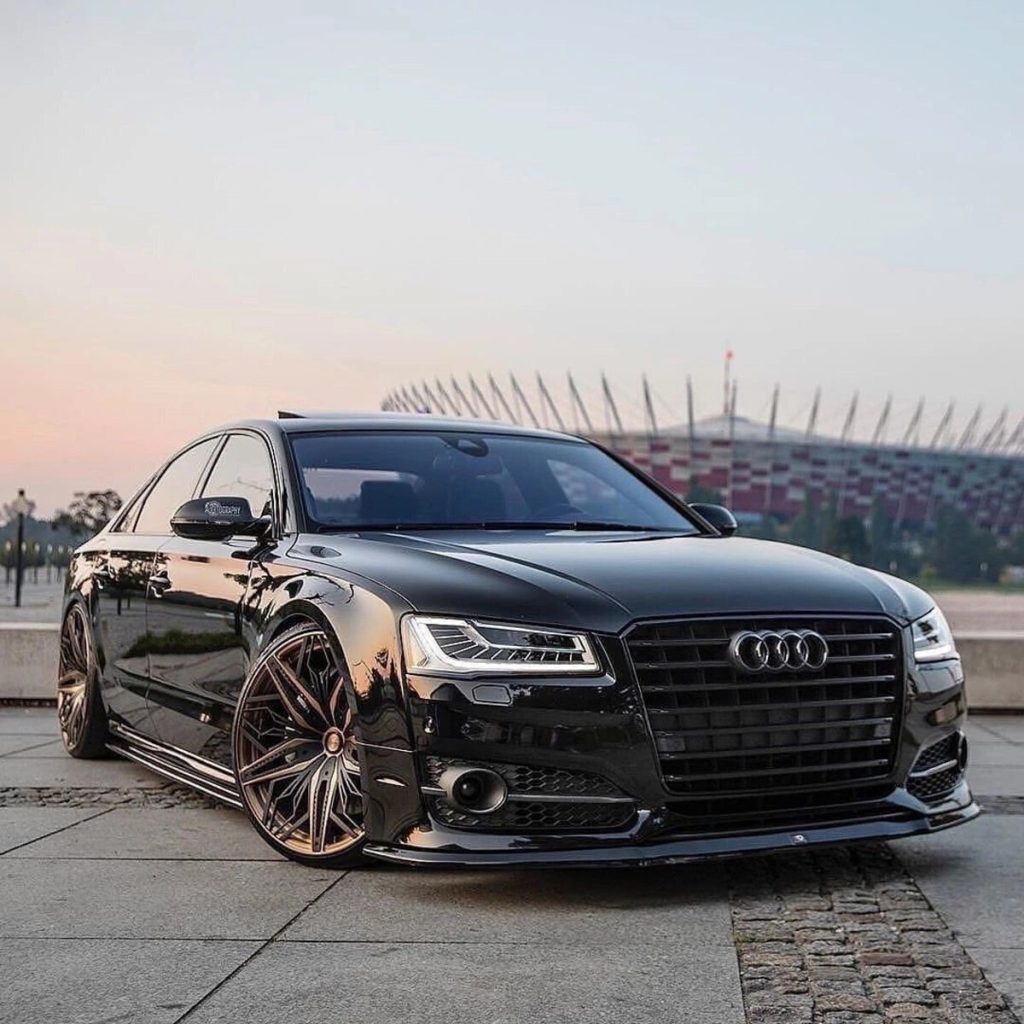
The design of the A8 contributes in a more subtle way. It is intentionally understated, which works well when the car is new and positioned as a modern luxury flagship. However, as design trends evolve, that subtlety can start to feel less distinctive. In a used market filled with more visually expressive options, the A8 may struggle to stand out.
Market trends also play a role. Large luxury sedans have seen declining demand compared to SUVs, which limits the number of potential buyers. This reduced demand puts additional pressure on resale values.
I am writing about the A8 because it demonstrates how innovation can have a downside. A car that is ahead of its time when new can become difficult to maintain and less appealing as it ages, leading to faster depreciation.
4. Volvo S90
The Volvo S90 brings a different perspective to the luxury sedan segment, focusing on clean design, safety, and a more relaxed driving experience. It stands apart from more performance-oriented competitors, offering a calm and composed alternative. Despite these qualities, it tends to lose value more quickly than some of its rivals.
One reason is its niche appeal. The S90 is not designed to attract everyone. Its understated styling and focus on comfort appeal to a specific group of buyers, which limits its reach in the used market. When demand is more specialized, resale value often follows the same pattern.
Another factor is brand positioning. Volvo has built a strong reputation for safety and thoughtful design, but it does not always carry the same prestige perception as some German luxury brands. In the resale market, where brand image can influence decisions significantly, this difference becomes noticeable.
The shift in market preferences also affects the S90. Like other large sedans, it faces competition from SUVs that offer more versatility and a higher driving position. Many buyers who might have considered a sedan in the past now look toward crossovers instead, reducing demand for vehicles like the S90.
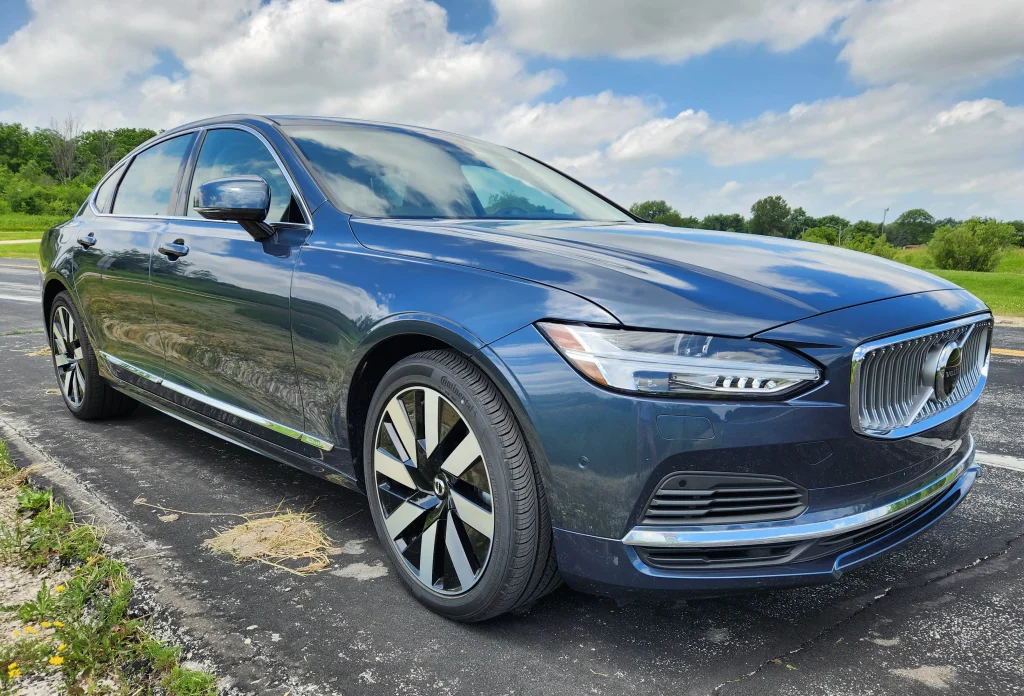
There is also the matter of long-term ownership considerations. While Volvo has improved reliability over the years, concerns about maintenance costs and complexity can still influence buyer decisions. This perception, whether fully accurate or not, plays a role in how the car is valued over time.
I am including the S90 because it shows how even well-designed, high-quality vehicles can struggle in the resale market if they do not align with broader demand. It is a reminder that value retention is influenced by more than just the car itself.
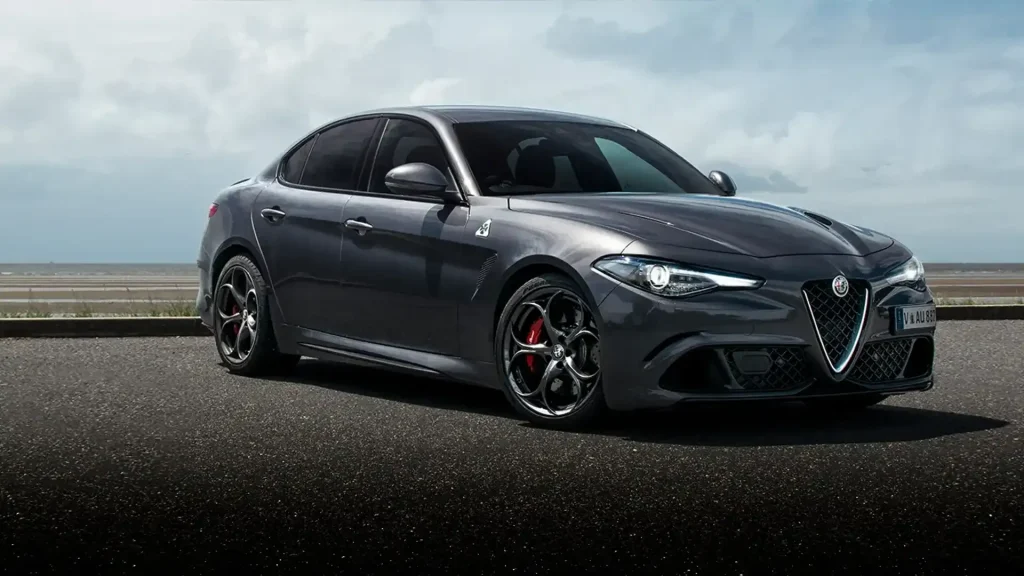
5. Alfa Romeo Giulia
The Alfa Romeo Giulia enters the conversation with a completely different personality compared to the other cars on this list. It is not defined by restraint or subtlety.
Instead, it is driven by emotion, design, and a focus on delivering a more engaging driving experience. When new, this approach makes it one of the most exciting options in its segment. Over time, however, that same character contributes to its rapid depreciation.
The first thing that stands out about the Giulia is its styling. It carries a distinct Italian design language that feels expressive and unique. In a showroom, this individuality works strongly in its favor, drawing attention away from more conservative competitors.
In the resale market, though, uniqueness can become a limitation. Buyers often lean toward familiarity, especially when considering long-term ownership, and the Giulia does not always provide that sense of reassurance.
Another important factor is brand perception. Alfa Romeo has a passionate following, but it also carries a history that includes concerns about reliability and maintenance. Even if newer models have improved, those perceptions tend to persist. For used car buyers, this creates hesitation, which directly impacts resale value.
The driving experience itself is often praised, and that is part of what makes this situation interesting. The Giulia offers sharp handling and a level of engagement that many competitors cannot match.
However, in the used market, performance is not always the top priority. Practical considerations such as reliability, service costs, and ease of ownership tend to take precedence.
There is also the issue of dealership and service networks. Compared to more established brands, Alfa Romeo has a more limited presence in some areas. This can make maintenance less convenient, further discouraging potential buyers.
I am including the Giulia because it represents a different kind of depreciation. It is not about lack of quality or appeal, but about how emotional design and brand perception interact with practical concerns.
It shows that a car can be highly desirable when new yet struggle to maintain that appeal over time in the resale market.
Also Read: 5 Commuters for the 405 In Los Angeles vs. 5 Cars That Will Overheat in Traffic
