
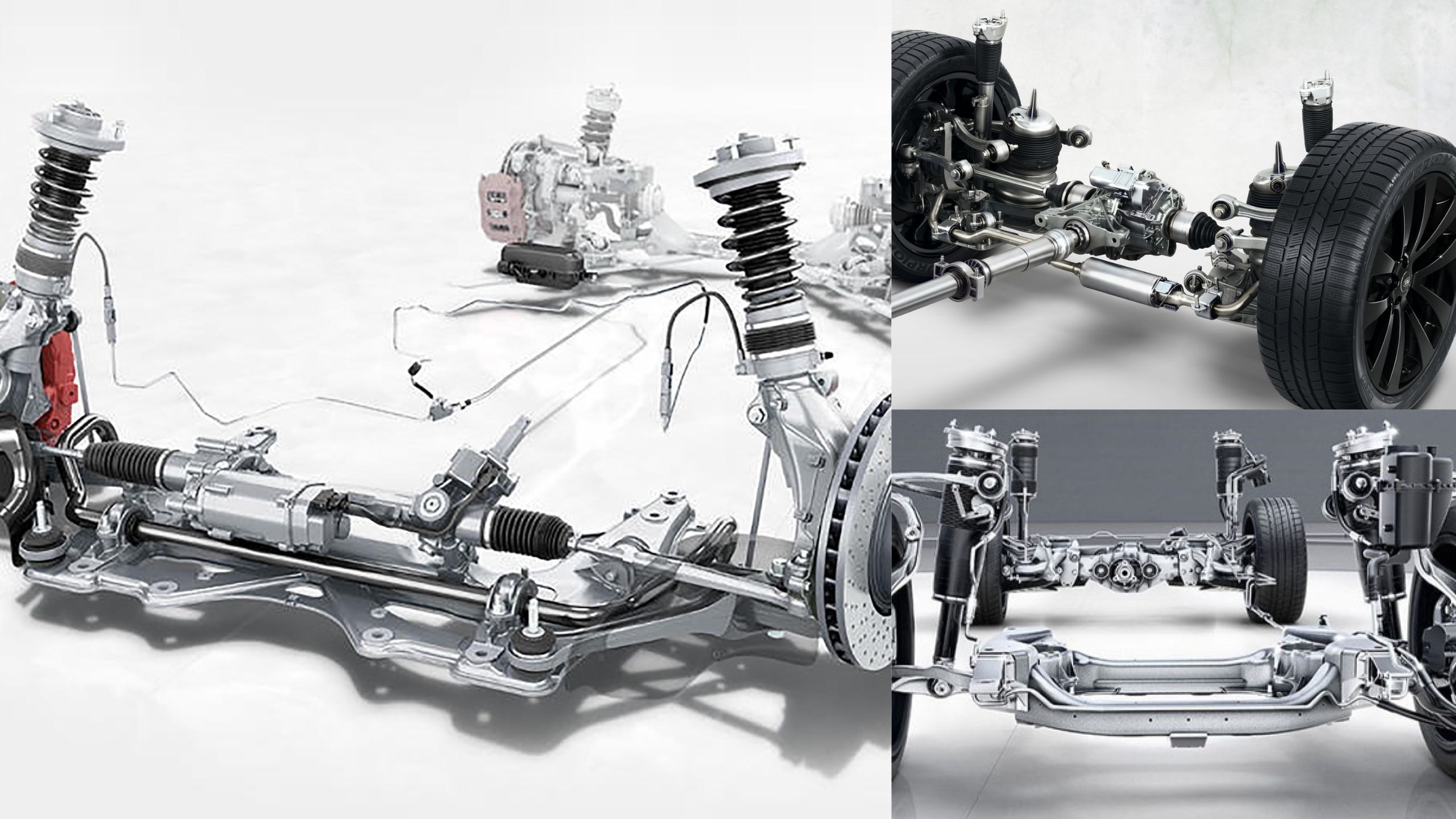
American roads are a brutal test of engineering. From frost-heaved highways in Minnesota to pothole-riddled city streets in Detroit, suspensions must be built tough. European roads, by contrast, are largely smooth and well-maintained. This allows engineers to prioritize comfort over durability, leading to sophisticated air ride systems.
The difference in road culture shapes how each continent builds its vehicles. American trucks and SUVs are designed to absorb punishment daily. European luxury sedans float over pavement with pneumatic precision. Both philosophies represent the peak of their respective engineering traditions.
This comparison digs deep into 12 remarkable suspension systems. Six are rugged, battle-hardened setups built for the American frontier. Six are elegant, complex air rides engineered for European refinement. Each tells a story about priorities, terrain, and identity.
American suspensions value simplicity, strength, and repairability. A rancher in Texas doesn’t want sensors and air compressors failing in the field. European systems value ride quality, adaptability, and luxury feel. A businessman in Munich wants to glide silently over cobblestone.
Neither approach is wrong. Both are brilliant responses to different environments. Understanding these systems gives us a window into how geography shapes engineering. Buckle up this is a deep into suspension philosophy.
6 Rugged Suspensions for American Roads
These exceptionally durable suspension systems are built to handle rough highways, potholes, uneven city roads, and long-distance highway travel with confidence.
Designed with strong coil springs, heavy-duty shocks, and robust control arms, they offer excellent durability and lower long-term maintenance costs. Their straightforward engineering makes them well-suited for American road conditions, where daily driving often includes broken pavement, expansion joints, and variable weather-related wear.
1. Ford F-150 Twin I-Beam Front Suspension
The Ford F-150 Twin I-Beam suspension is an American engineering icon. It was introduced in 1965 and has remained a symbol of durability ever since. Ford designed it specifically to handle the rough, unpredictable terrain of North American roads. It became the backbone of the best-selling truck in America for decades.
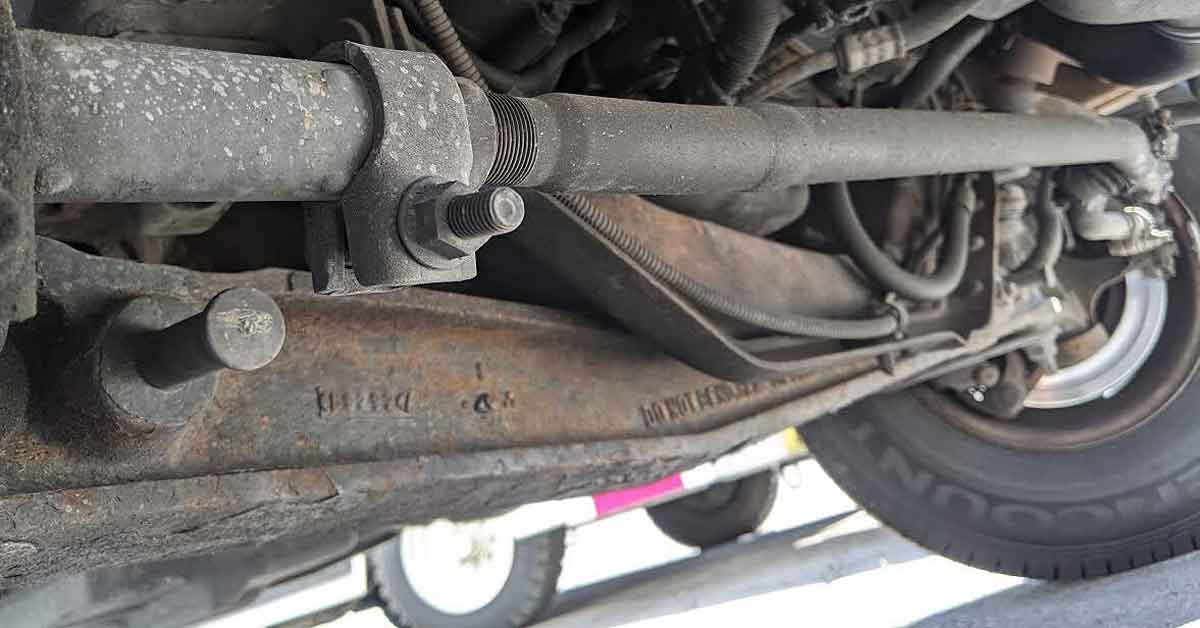
The system uses two independent I-shaped beams running across the front axle. Each beam pivots independently, allowing each wheel to respond to obstacles separately. This design gives the truck outstanding wheel travel and ground clearance. It also maintains strong axle geometry even under extreme loads.
The Twin I-Beam is built from high-strength steel throughout. It resists bending, cracking, and fatigue even after years of punishment. Farmers and construction workers have relied on it for hauling heavy equipment across uneven fields. It simply refuses to give up under pressure.
One of its greatest strengths is serviceability. Mechanics across rural America can repair it with basic tools. Replacement parts are cheap and widely available at any auto parts store. This accessibility makes it the preferred choice for working-class Americans in remote areas.
The suspension handles washboard gravel roads with remarkable composure. It absorbs the repetitive hammering of rough surfaces without transmitting excessive shock to the cabin. Drivers can maintain highway speeds on poorly maintained rural roads. This capability is something European luxury systems simply cannot replicate reliably.
Payload capacity is another area where this system shines. The rigid I-beam design handles heavy loads without sagging or losing geometry. A contractor loading a full bed of concrete blocks won’t feel the suspension collapse. It maintains ride height and steering precision even under maximum payload.
Critics point to its slightly older design language compared to modern independent setups. However, Ford engineers argue that simplicity is itself a feature. Fewer moving parts mean fewer failure points. In a truck that might see 300,000 miles, that reliability is everything.
The Twin I-Beam represents a uniquely American philosophy. It was built not for comfort, but for survival. It doesn’t pamper the driver — it protects the vehicle. And on American roads, that trade-off has proven spectacularly successful.
2. Ram 2500 Solid Front Axle Suspension
The Ram 2500’s solid front axle is one of the toughest suspension setups on any production vehicle. It has been a defining feature of heavy-duty American trucks for generations. Ram engineers kept this design when competitors switched to independent front suspension. That decision has earned the loyalty of serious truck owners everywhere.
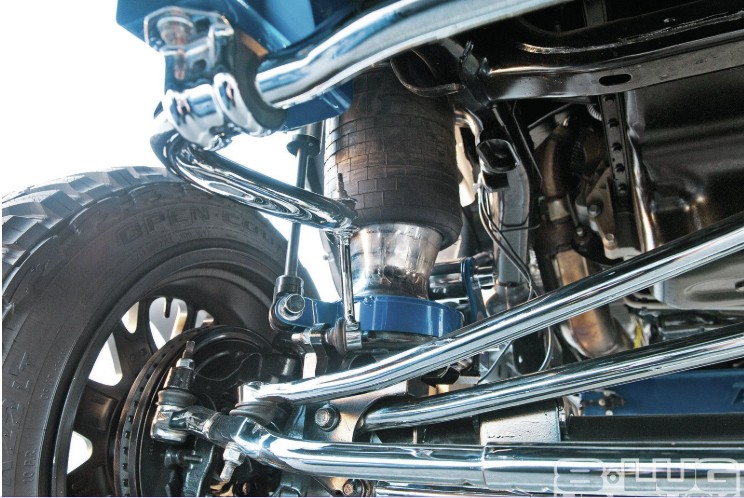
A solid front axle connects both front wheels through a single rigid beam. When one wheel hits an obstacle, the geometry of the entire axle shifts together. This might sound like a disadvantage, but it creates extraordinary strength. The axle can handle twisting forces that would destroy an independent setup.
Off-road enthusiasts love the solid axle for its articulation ability. The axle can flex dramatically over rocks and ruts without binding. It keeps both tires planted on the ground in extreme terrain. This traction advantage is critical when pulling heavy trailers across rugged world.
The Dana 60 front axle fitted to many Ram 2500s is legendary in the truck world. It’s been used in military vehicles, emergency service trucks, and race vehicles. Its cast iron construction resists cracking under enormous stress. Many Ram owners have logged over 400,000 miles on original axle components.
Towing capacity is where this suspension truly proves its value. The Ram 2500 can tow over 20,000 pounds in properly equipped configurations. The solid axle provides a stable, consistent platform under that immense load. Steering remains predictable and safe even at highway towing speeds.
The suspension also features heavy-duty coil springs at the front. These provide a surprisingly comfortable ride for such a capable truck. Ram tuned the spring rates to balance load-carrying ability with daily comfort. It’s a truck you can drive every day without punishing your spine.
Ground clearance is exceptional with the solid axle design. The differential sits in the center of the beam, keeping it high off the ground. Rock crawlers and off-road adventurers appreciate this protection on rough trails. It prevents the kind of undercarriage damage that sidelines lesser vehicles.
The Ram 2500’s solid front axle is uncompromising in the best way. It was built for people who use their trucks as tools, not toys. It handles America’s most demanding roads and job sites with authority. It is the definition of rugged American engineering.
3. Chevrolet Colorado ZR2 Multimatic DSSV Suspension
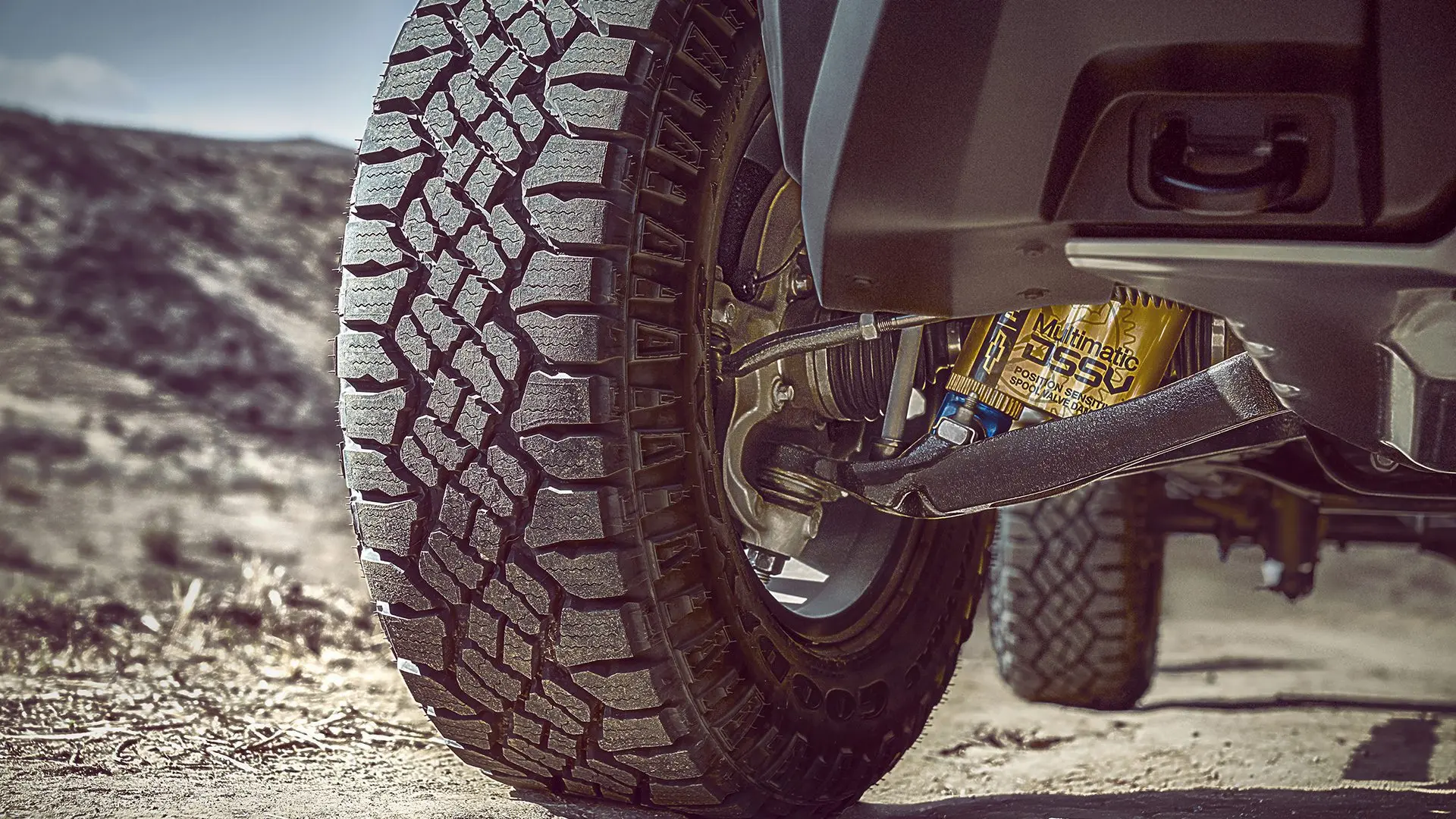
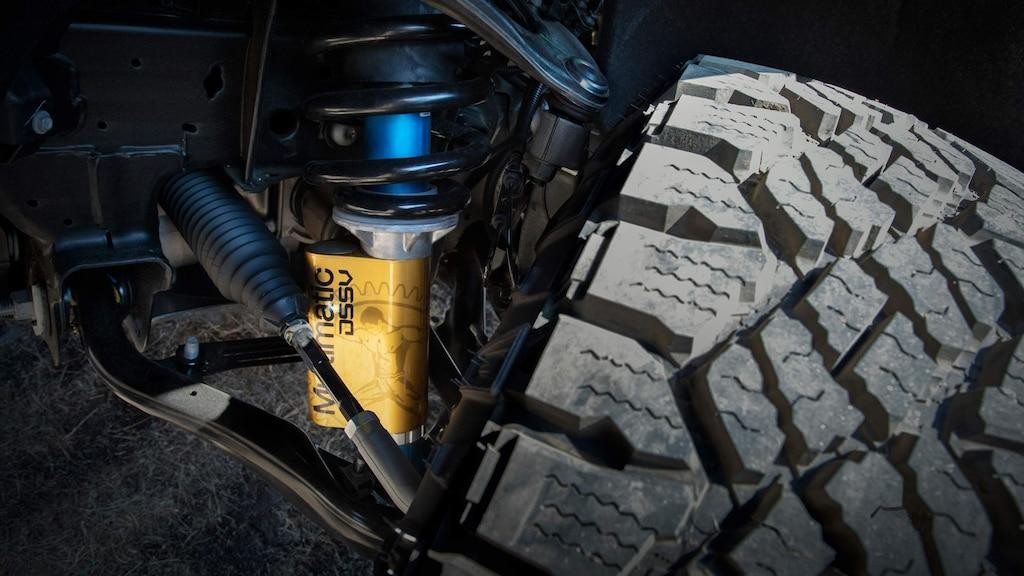
The Chevrolet Colorado ZR2 brings race-derived technology to a production off-road truck. Its Multimatic Dynamic Suspension Spool Valve (DSSV) dampers are the centerpiece of the system. This technology was originally developed for motorsport applications and endurance racing. Chevrolet brought it to a factory truck, which was a genuinely bold engineering decision.
DSSV dampers use a unique internal spool valve mechanism instead of traditional shims. This allows incredibly precise control over damping forces at different speeds. The result is a suspension that is both compliant over small bumps and controlled during high-speed impacts. It is one of the most sophisticated mechanical damping systems on any production truck.
The ZR2 also features front and rear electronic locking differentials. Combined with the DSSV suspension, this creates a truck capable of tackling almost any terrain. Drivers can lock both axles for maximum traction in extreme conditions. The suspension’s long travel complements this by keeping wheels on the ground.
Front suspension travel is significantly increased over the standard Colorado. Extended upper and lower control arms allow the wheel to move through a much larger arc. This extra travel absorbs the kinds of impacts that would bottom out a standard suspension. High-speed desert driving becomes surprisingly manageable as a result.
The rear suspension features a five-link setup with the DSSV dampers as well. This provides excellent lateral control and prevents the rear axle from wandering. Under hard acceleration off-road, the rear end stays planted and predictable. This stability inspires confidence in even the most challenging terrain.
Ground clearance sits at 8.9 inches, which is generous for a mid-size truck. Rock sliders are fitted from the factory to protect the rocker panels. The approach, breakover, and departure angles are all optimized for serious trail work. Chevrolet clearly designed this truck to be used, not just admired.
Daily driving comfort is better than expected given the off-road focus. The DSSV dampers provide a controlled but not harsh ride on pavement. Road noise is managed well for a truck with aggressive all-terrain tires. It bridges the gap between trail weapon and everyday vehicle surprisingly well.
The ZR2 represents American engineering ambition at its finest. It proves that rugged capability and technical sophistication can coexist. No European air ride system could survive what this truck endures daily. It is a rugged American suspension built for a continent that demands the best.
4. Jeep Wrangler Rubicon Solid Axle Suspension
The Jeep Wrangler Rubicon is the gold standard of factory off-road suspension. It carries on the legacy of a vehicle that has been conquering rough terrain since World War II. The suspension design philosophy has remained consistent across generations — keep it strong, keep it simple. That consistency has built one of the most loyal fanbases in automotive history.
Both front and rear axles on the Rubicon are solid beam units. The front Dana 44 and rear Dana 44 axles are purpose-built for extreme articulation. Their differential housings are specially reinforced to handle rock crawling abuse. These are not standard axles with minor upgrades they are purpose-designed units.
Axle articulation is measured by a metric called ground clearance angle. The Rubicon achieves a Ramp Travel Index score that few production vehicles can match. This means one wheel can rise dramatically while the other drops without lifting either axle off the ground. That capability allows the Wrangler to walk over boulders that stop other vehicles cold.
Electronic sway bar disconnect is one of the Rubicon’s most innovative features. At the push of a button, the front sway bar unlinks from the axle. This dramatically increases the suspension’s range of motion for off-road use. On the highway, the sway bar reconnects to restore normal handling dynamics.
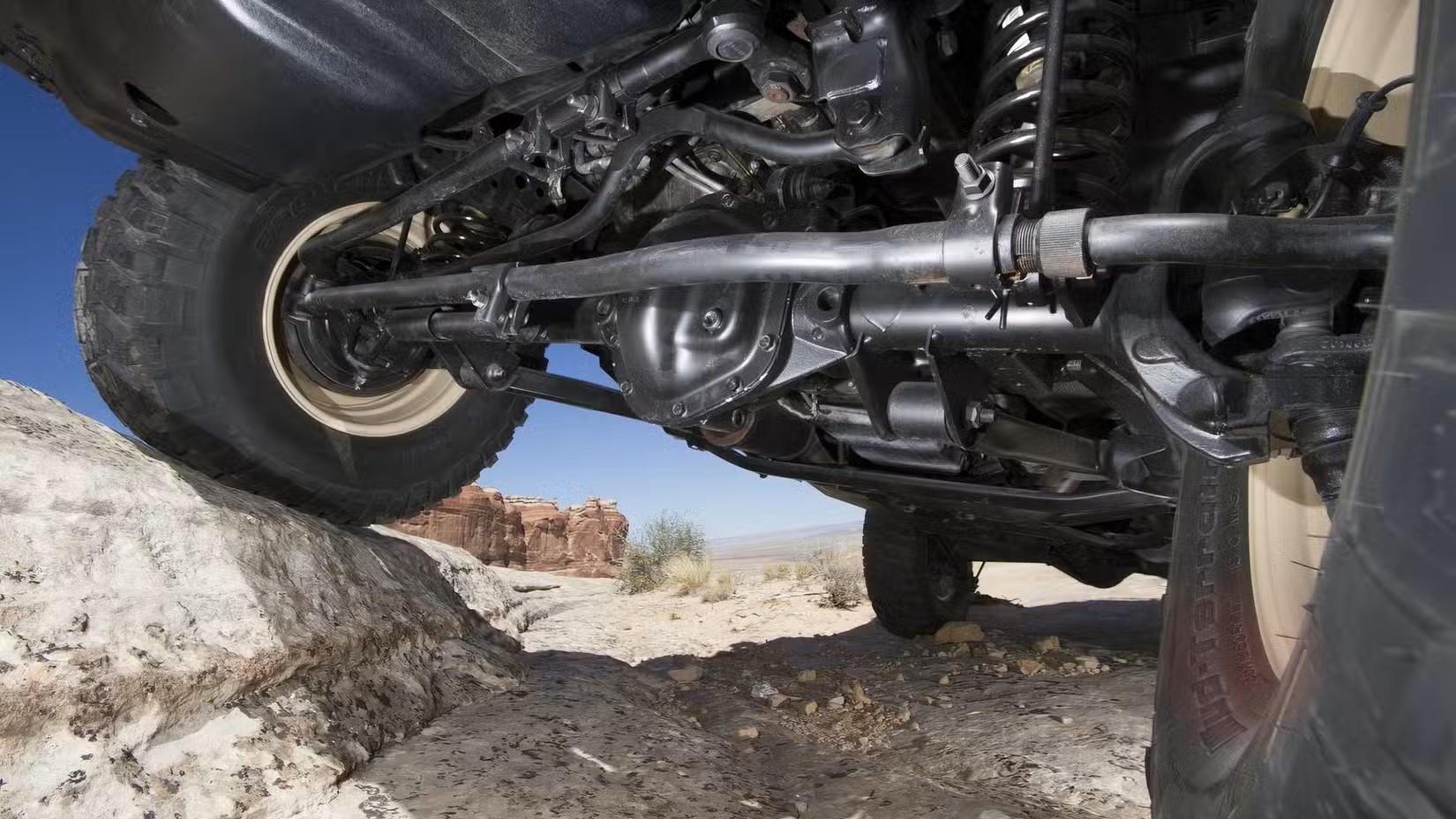
Ground clearance measures 10.8 inches at the lowest point. Skid plates protect the fuel tank, transfer case, and differentials. The approach angle of 47.2 degrees allows the Rubicon to climb steep obstacles without the bumper touching. These numbers represent serious capability, not marketing exaggeration.
The coil spring suspension provides a surprising amount of comfort for city driving. Jeep engineers tuned the spring rates to handle off-road abuse while remaining tolerable on pavement. Owners who daily drive their Rubicons report reasonable comfort on smooth roads. The payoff in off-road capability far outweighs the minor compromises in ride quality.
Aftermarket support for the Rubicon suspension is virtually unmatched. Thousands of lift kits, upgraded axles, and performance shocks are available. The community of Jeep enthusiasts has collectively engineered solutions for every imaginable terrain. This ecosystem makes the Rubicon endlessly upgradeable.
The Rubicon suspension is a monument to American off-road engineering culture. It was built to go where no other production vehicle dares. It defines what rugged really means in the context of American roads. Every component carries the weight of a tradition that values capability above all else.
Also Read: 5 Used Luxury Sedans With Reliable Air Conditioning vs 5 Prone to Evaporator Leaks
5. Ford Raptor Fox Racing Suspension
The Ford F-150 Raptor with Fox Racing shocks is a high-speed desert racing machine sold to the public. It was designed to mimic the suspension performance of Baja 1000 race trucks. Ford partnered with Fox, one of the most respected names in off-road shock absorbers. The result is a factory truck that can fly over rough terrain at speeds that would destroy ordinary vehicles.
The Raptor uses Fox 3.0 Live Valve Internal Bypass shocks on the latest generation. These shocks feature an electronically controlled valve that adjusts damping in real time. Sensors monitor wheel position, body movement, and terrain type continuously. The system makes thousands of adjustments per second to optimize ride quality at all times.
Front suspension travel measures 13 inches on the latest Raptor generation. This enormous wheel travel allows the truck to absorb massive hits without bottoming out. Desert whoops the repetitive bumps that punish suspension systems become manageable at speed. Professional Baja racers use the same travel figures in competition vehicles.
The rear suspension uses a five-link setup with coil springs. This replaces the traditional leaf springs found on standard F-150 trucks. Coil springs provide better compliance and more controlled articulation than leaf setups. The rear end tracks straight and true even when landing from jumps.
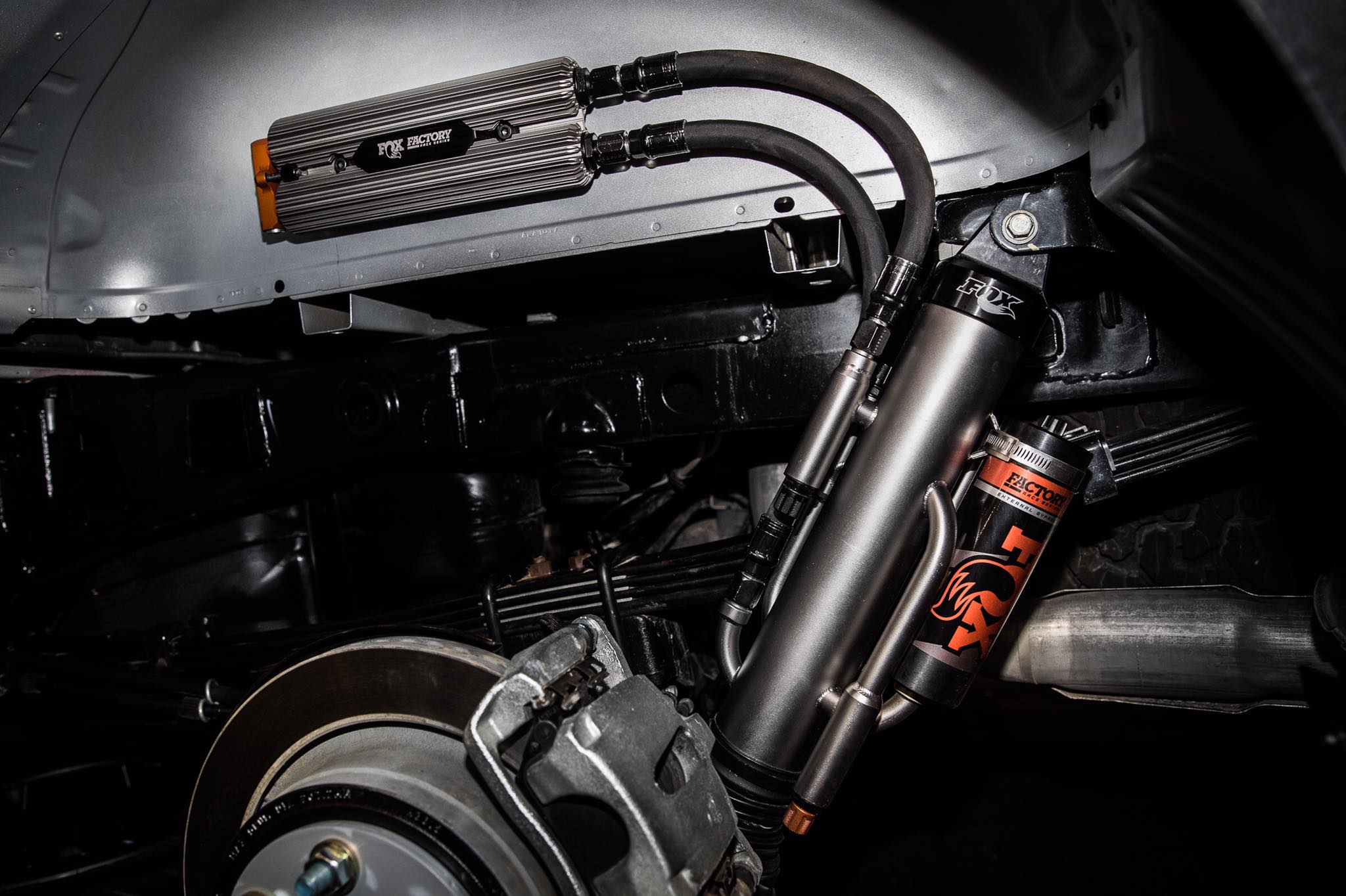
Track width is increased by six inches compared to the standard F-150. This wider stance lowers the center of gravity during high-speed cornering. It also allows larger, more protective fender flares to accommodate 35-inch BFGoodrich tires. The combination of width and tire size is visually intimidating and functionally essential.
The Raptor’s suspension tuning varies dramatically between driving modes. In Normal mode, the shocks are tuned for comfortable highway driving. In Baja mode, the suspension opens up fully for maximum travel and speed. This versatility makes the Raptor usable every single day while remaining race-ready when needed.
Durability testing for the Raptor included hundreds of miles of continuous high-speed desert running. Ford engineers beat prototypes until components failed, then redesigned them. The production version reflects hundreds of iterations of brutal testing. Very few vehicles on earth receive this level of suspension-focused development.
The Raptor is the ultimate expression of American suspension engineering ambition. It takes road-racing technology and wraps it in a practical truck body. No European air ride system is designed to jump sand dunes and land without breaking. The Raptor does this as a Tuesday afternoon activity.
6. GMC Sierra 1500 AT4X AEV Edition Suspension
The GMC Sierra AT4X AEV Edition represents a collaboration between GM and American Expedition Vehicles. AEV is one of the most respected names in serious off-road vehicle preparation. This partnership produced a factory truck with suspension capability approaching custom-built expedition vehicles. It is the most capable production Sierra ever built.
The suspension features Multimatic DSSV shocks similar to those on the Colorado ZR2. These motorsport-derived dampers provide exceptional control across all terrain types. They manage the transition between smooth roads and rough terrain with remarkable composure. The technology feels overqualified for a production truck, which is exactly the point.
Front and rear suspension lift is increased by two inches over the standard AT4. This additional height improves approach angles and increases ground clearance significantly. The modified geometry maintains proper alignment throughout the suspension’s range of motion. Steering feel and on-road handling remain precise despite the increased ride height.
Locking differentials front and rear provide maximum traction in extreme conditions. The electronic locker engages quickly and holds securely under heavy torque loads. Combined with the long-travel suspension, this creates a truck that rarely gets stuck. Rock crawlers and overland explorers alike praise this combination of features.
AEV-designed aluminum skid plates protect the underside comprehensively. The transfer case, fuel tank, and front differential are all shielded from rock strikes. These plates are not thin stamped steel they are thick, heat-treated aluminum. They can absorb direct hits from sharp rocks without deforming.
The 18-inch beadlock-capable wheels are another AEV-specific feature. Beadlock wheels allow drivers to run extremely low tire pressures without the tire slipping off the rim. This is critical when airing down tires for maximum traction on soft terrain. It is a feature usually reserved for custom-built expedition rigs.
Ride quality on pavement is impressively refined given the off-road focus. The DSSV shocks absorb road imperfections without transmitting harsh impacts to the cabin. GMC’s magnetic ride control further smooths out the experience on highways. Daily driving in this truck is genuinely comfortable, not a compromise.
The AT4X AEV Edition proves that American trucks continue to evolve and improve. It blends factory reliability with the credibility of one of America’s top off-road builders. It tackles the harshest American terrain with confidence and authority. This is American suspension engineering operating at the very top of its game.
6 Fragile European Air Rides
These premium suspension setups rely on complex air ride systems that deliver excellent comfort and luxury-level smoothness but are often more vulnerable to long-term failures.
Aging air struts, leaking air bags, failing compressors, and height sensors can quickly turn a smooth ride into an expensive repair issue. While they provide exceptional comfort when new, these systems are often considered fragile in older vehicles, especially on rough roads where repeated impacts accelerate wear and increase maintenance costs.
1. Mercedes-Benz S-Class AIRMATIC Suspension
The Mercedes-Benz S-Class AIRMATIC system is the benchmark of luxury air suspension. It has been refined over multiple generations to achieve near-perfect ride isolation. Mercedes engineers treat road noise and vibration as enemies to be eliminated completely. The AIRMATIC system is their most powerful weapon in that fight.
Air springs replace traditional coil springs at all four corners of the vehicle. Each air spring is pressurized by a central compressor and regulated by individual valves. The system continuously adjusts pressure to maintain a consistent ride height. It also varies spring stiffness based on driving conditions and driver preferences.
The system works in conjunction with adaptive dampers at each corner. These dampers can be tuned from comfort to sport in milliseconds. The transition between settings is imperceptible to the driver. It feels as though the road beneath simply ceases to exist.
Sensors monitor the road ahead using cameras and radar on newer S-Class models. The suspension pre-adjusts for detected bumps before the wheel even reaches them. This predictive technology is called Road Surface Scan. It represents the absolute cutting edge of suspension refinement.
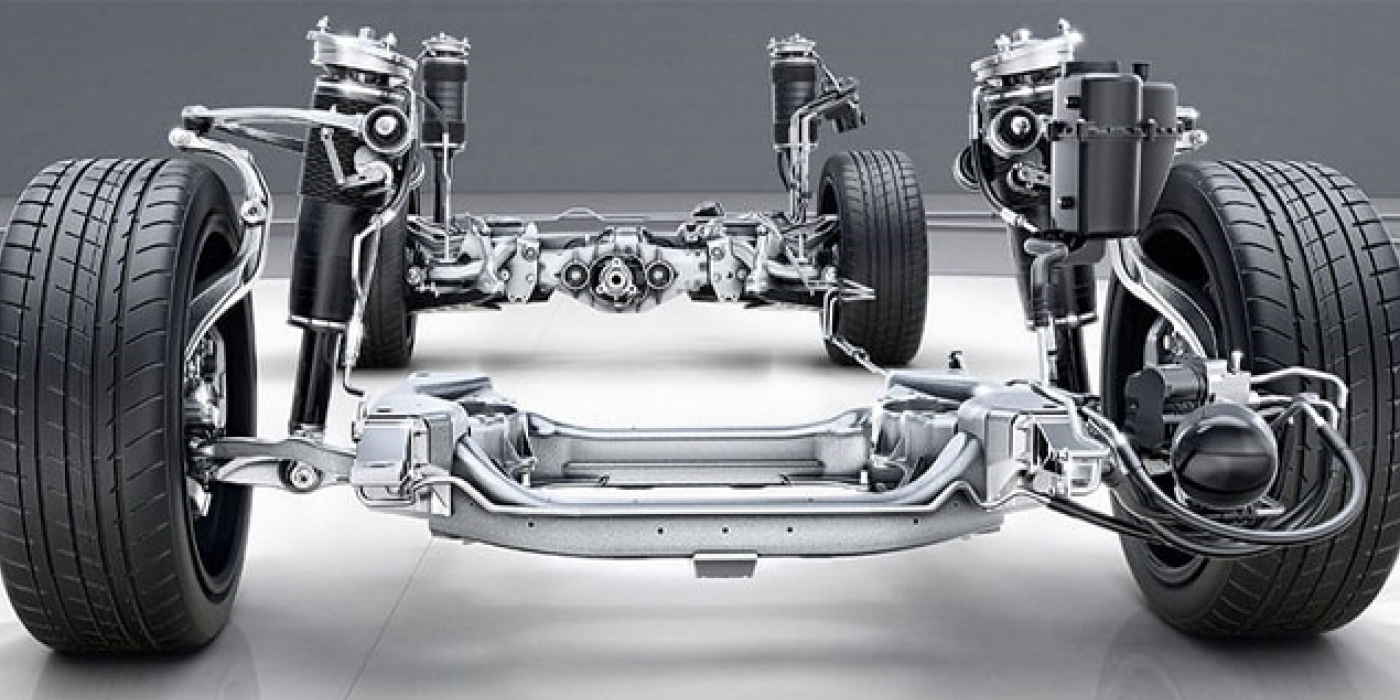
Ride height adjusts automatically at highway speeds to reduce aerodynamic drag. At low speeds, the car can raise itself for improved clearance over speed bumps. The range of height adjustment is approximately 50mm between lowest and highest settings. This versatility allows the S-Class to handle most urban obstacles with dignity.
The system’s weakness emerges on poorly maintained roads. American-style potholes and frost heaves can overwhelm the air springs’ ability to respond. The compressor works harder and the airbags flex in ways they were not designed for. Over time, this leads to premature wear and expensive repairs.
Repair costs for AIRMATIC components are notoriously high. A single failed air spring can cost $800 or more to replace. The central air compressor, if it fails, can cost over $2,000 installed. Many owners of older S-Class models eventually convert to conventional coil springs to avoid these bills.
The AIRMATIC is a masterpiece of comfort engineering built for European roads. Its sophistication is genuine and its luxury feel is unmatched. But it operates within a narrow band of conditions where roads are smooth and well-maintained. Outside that band, it becomes vulnerable and expensive to maintain.
2. Rolls-Royce Ghost Self-Levelling Air Suspension
The Rolls-Royce Ghost air suspension system is the most opulent ride system ever fitted to a production car. Rolls-Royce engineers describe their target as achieving a “magic carpet” sensation. Every component in the system was designed to eliminate the awareness of road surfaces entirely. The result is a vehicle that seems to exist in its own frictionless dimension.
The system uses air springs with electronically controlled adaptive dampers. These work together with camera-based road scanning technology. The system reads the road surface 500 meters ahead using a front-mounted stereo camera. Adjustments are made proactively, before the wheel reaches any detected imperfection.
Damping force can be varied individually at each wheel. This allows the system to manage asymmetric road surfaces like road edge drop-offs. One wheel can be softened while the other is stiffened simultaneously. This level of individual control is extraordinary even by luxury car standards.
The self-levelling feature ensures the Ghost remains perfectly flat regardless of passenger weight. A full load of four large adults does not cause the rear to sag perceptibly. The system adds air pressure to compensate within seconds of detecting a change in load. This contributes enormously to the refined appearance and feel of the vehicle.
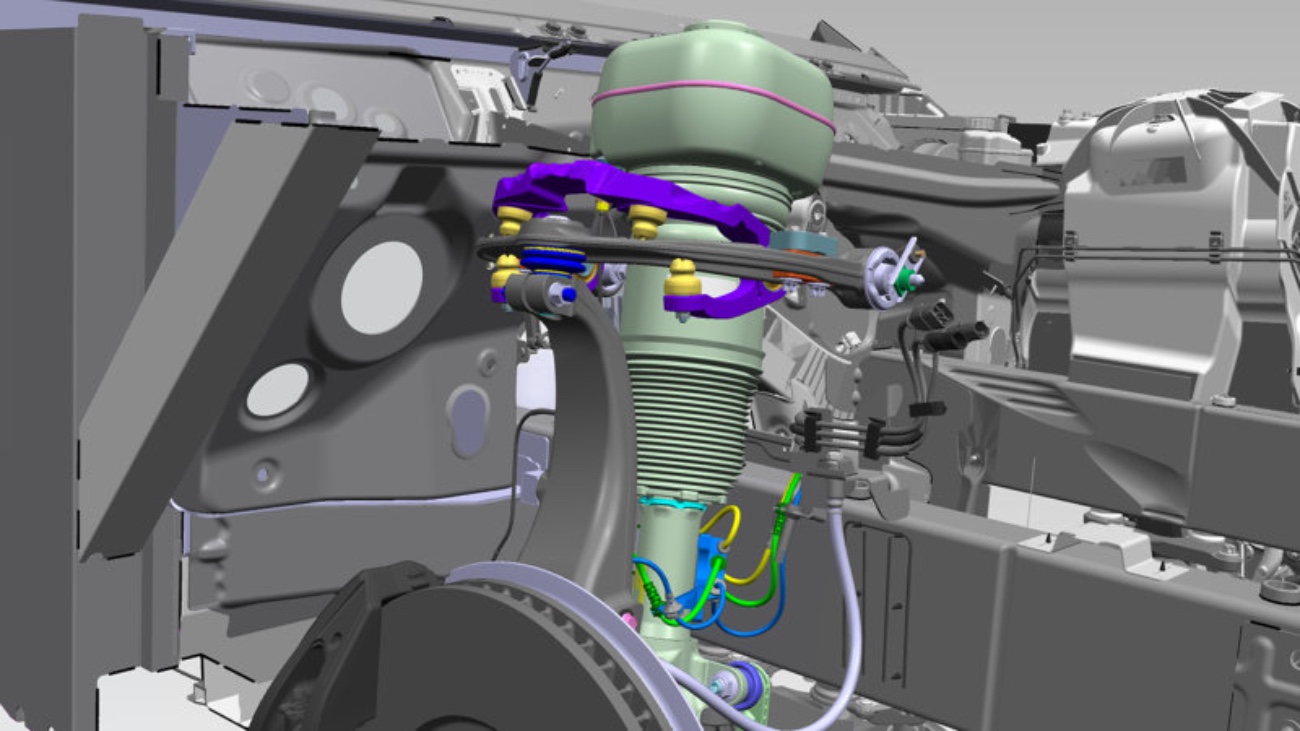
Noise isolation is a secondary benefit of the air suspension system. The air springs act as acoustic barriers as well as mechanical ones. Road noise transmitted through the suspension is absorbed by the air-filled chambers. Combined with the Ghost’s extensive sound deadening, the cabin achieves near-silence at speed.
The system’s fragility on rough roads is significant. Rolls-Royce recommends against driving on unpaved or severely damaged surfaces. The air springs and precision dampers were calibrated for the smoothest European roads. Exposure to sharp-edged potholes risks puncturing the air bags or damaging the valve assemblies.
The Ghost’s air suspension is a technological triumph in the right environment. On smooth European motorways and well-maintained urban streets, it delivers an almost supernatural experience. On broken American roads, it becomes a liability. It is beautiful, expensive, and deeply fragile.
3. Bentley Flying Spur Continuous Damping Control Air Suspension
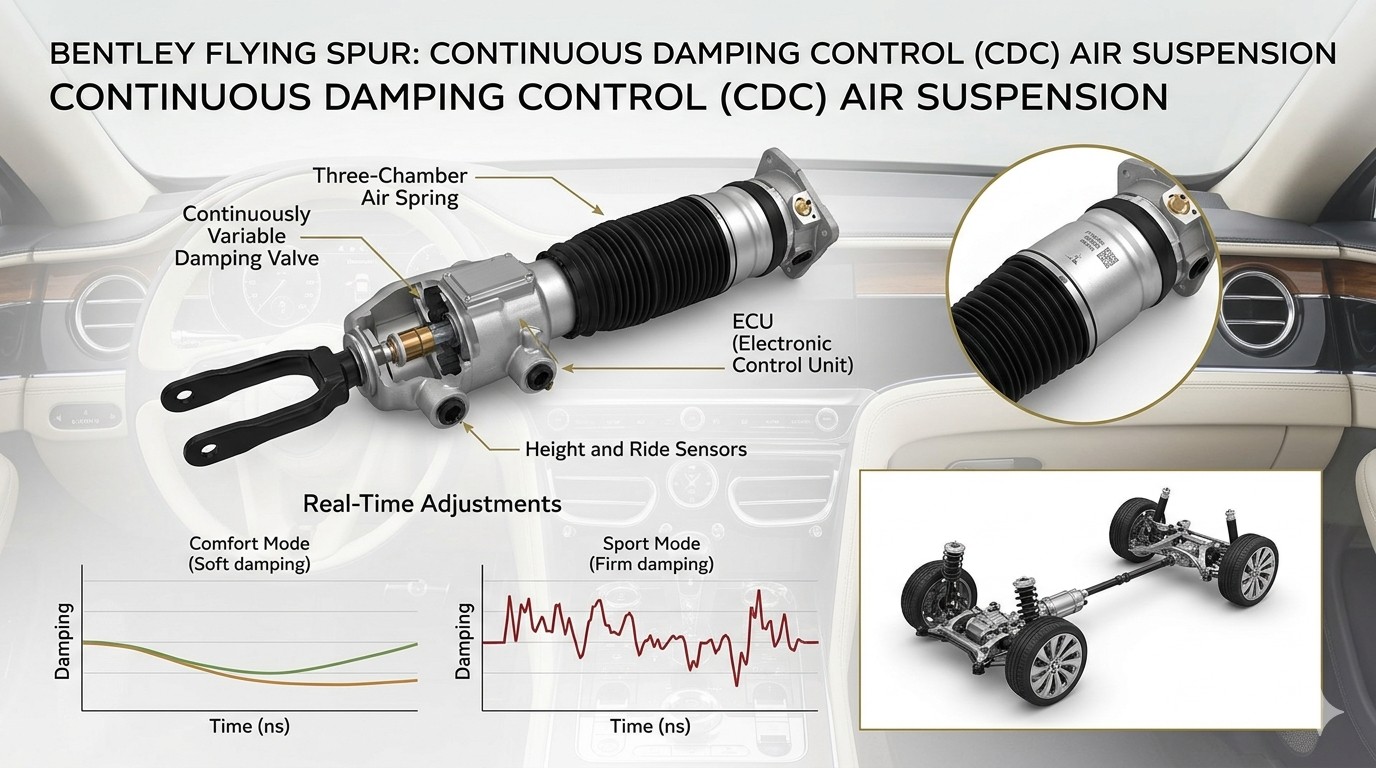
The Bentley Flying Spur uses a sophisticated combination of air springs and Continuous Damping Control. This system was co-developed with specialist supplier Continental. It represents Bentley’s interpretation of the ideal balance between sport and comfort. The execution is flawless in the right conditions.
The air springs are dual-chamber units. This means each air spring has two separate chambers that can work independently or together. At low speeds, both chambers work together for maximum compliance and comfort. At higher speeds, one chamber is isolated to increase spring stiffness for better handling.
The Continuous Damping Control adjusts damper settings hundreds of times per second. Wheel-speed sensors, lateral acceleration sensors, and steering angle sensors all feed data to the control unit. The system interprets all this data simultaneously to determine the optimal damping force. This computational demand makes it one of the most sophisticated suspension systems in production.
Bentley offers four suspension modes through the driver interface. These range from Comfort to Sport, with Bentley mode sitting in the middle as a default. Each mode represents a completely different character for the suspension system. A driver can transform the Flying Spur’s personality with a single button press.
The system’s interaction with the four-wheel drive system adds another layer of complexity. Torque distribution between axles influences suspension load distribution dynamically. The suspension control unit communicates with the drivetrain control unit continuously. This integration makes the Flying Spur feel cohesive rather than like a collection of separate systems.
European roads are essential to the system’s performance as designed. The Flying Spur was tuned on the smooth autobahns of Germany and the country roads of England. Its damper settings assume a certain level of road surface quality. When that quality drops significantly, the system reaches the edge of its operating envelope.
Reliability over time is a genuine concern for Flying Spur owners. The dual-chamber air springs are complex components with many potential failure modes. The electronic control system depends on a network of sensors that can develop faults. A single sensor failure can trigger a cascade of warning lights and system limitations.
The Flying Spur suspension is an engineering achievement of considerable ambition. It delivers on its promise in the environment it was designed for. Outside that environment, its complexity becomes its greatest vulnerability. It is European luxury engineering operating at maximum sophistication and maximum fragility simultaneously.
4. Audi A8 Predictive Active Suspension
The Audi A8’s Predictive Active Suspension is the most technologically advanced system on this list. It uses electric actuators at each wheel, working alongside air springs. The actuators can actively push or pull the wheel in response to detected road irregularities. This moves beyond passive or adaptive suspension into genuinely active territory.
A front-facing camera system scans the road surface continuously at 60 frames per second. When a pothole, speed bump, or road joint is detected, the system calculates the optimal wheel and body response. The actuators begin moving before the wheel reaches the obstacle. The body of the car barely moves, even when the wheel drops dramatically.
The system can raise a single wheel in anticipation of a pothole. Rather than allowing the wheel to drop into the hole, the actuator lifts the wheel to maintain body height. This reverses the traditional relationship between road surface and vehicle body. The Audi engineers essentially made the car immune to certain types of road imperfections.
Body roll during cornering is actively managed by the system. When lateral acceleration is detected, the actuators on the outside of the curve push down while the inside ones pull up. This counteracts the natural tendency to lean in corners. The result is an almost imperceptible degree of body roll even during aggressive driving.
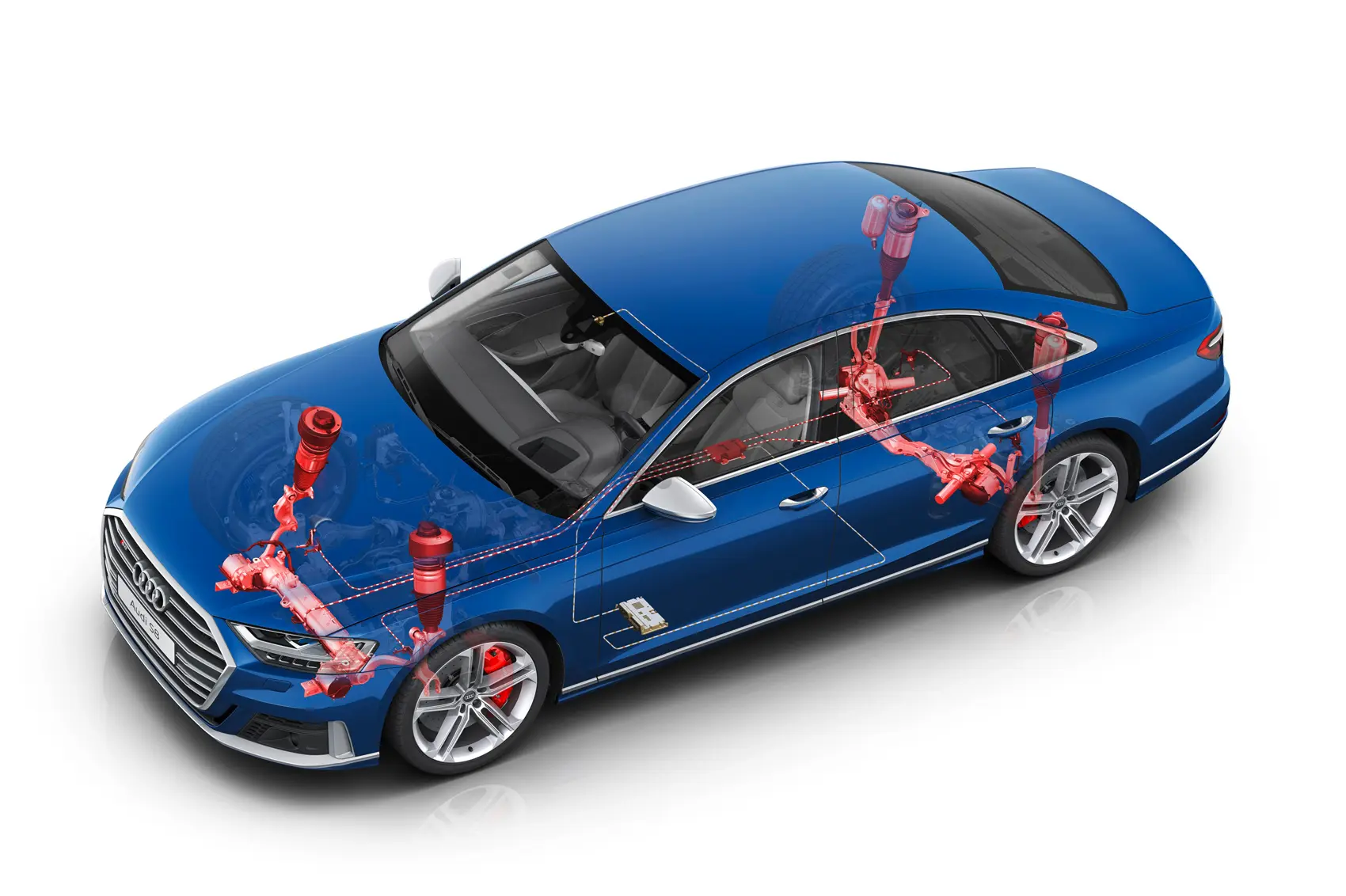
The system also adjusts for braking and acceleration pitch. Under heavy braking, the front actuators resist the nose. Under hard acceleration, the rear actuators resist the squat. The car remains visually level during these dynamic events. Passengers experience a sensation of effortless, controlled motion.
The energy demand of the active actuators is significant. Audi uses a 48-volt electrical system to supply the power needed. Standard 12-volt systems cannot provide enough current for the actuators to function at full speed. This 48-volt architecture adds cost and complexity throughout the vehicle’s electrical system.
The Audi A8’s Predictive Active Suspension is the future of ride quality technology. It is extraordinary in its capabilities and deeply impressive in execution. But it is designed specifically for the smooth, predictable surfaces of European roads. On American-style broken pavement, its sensors and actuators face a challenge they were never designed to meet.
5. Porsche Panamera PASM Air Suspension
The Porsche Panamera with PASM Air Suspension is a unique proposition. It attempts to deliver sports car handling alongside luxury car comfort in the same system. Porsche Active Suspension Management (PASM) adjusts dampers continuously based on driver inputs and road conditions. Adding air springs to this system creates a remarkably versatile platform.
The air springs allow the Panamera to vary ride height across a range of 40mm. In Sport mode, the car lowers to improve aerodynamics and handling. In the Normal setting, it rides at the optimal height for daily driving. A raised setting provides extra clearance for parking garage ramps and speed bumps.
Damper tuning in Sport Plus mode is extremely firm. This transforms the Panamera into a near-sports car experience. Body movements are controlled with precision usually reserved for track-focused vehicles. Porsche engineers spent enormous effort calibrating this mode to feel engaging without being punishing.
The transition between comfort and sport modes is electronically managed. The change happens smoothly rather than abruptly, which prevents the jarring sensation found in some competitor systems. Even in the firmest setting, the air springs maintain a level of compliance that coil spring sports cars cannot achieve. This dual nature is genuinely impressive.
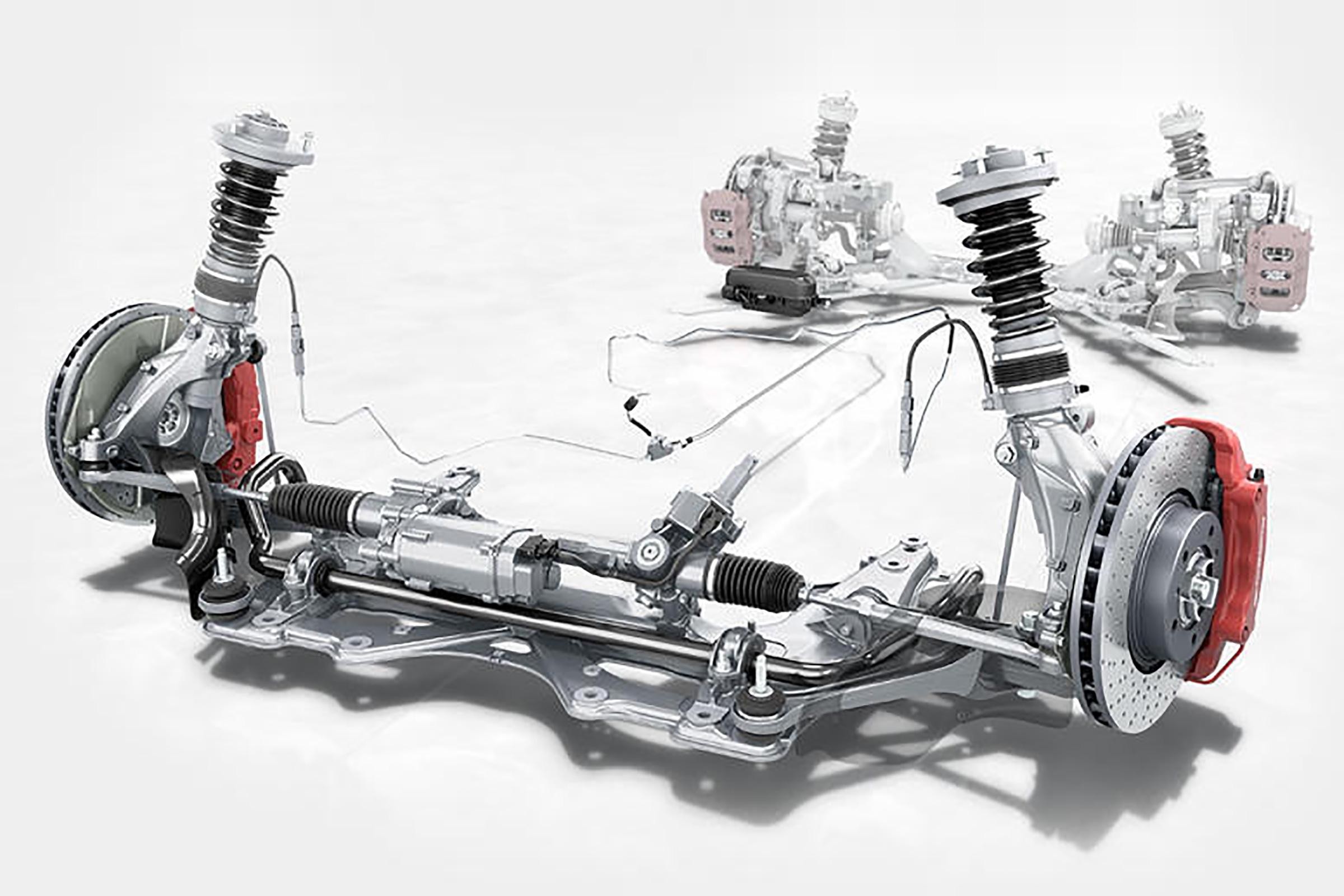
Porsche’s sports car heritage shows in the suspension’s handling characteristics. Lateral stiffness is higher than comparable luxury sedans. Steering feel is communicated more clearly through the suspension geometry. The Panamera feels alive in a way that a pure luxury vehicle like the S-Class does not.
The system’s fragility appears when pushed beyond its design parameters. American frost heaves and sharp-edged potholes assault the air springs with impacts they were not designed to absorb. The variable-height mechanism can develop leaks when the airbags flex repeatedly through extreme positions. Porsche dealers report that Panameras driven in northern American cities show higher air spring replacement rates.
The Panamera PASM Air Suspension is a stunning technical achievement for a performance luxury car. It succeeds brilliantly on European roads where its parameters are rarely exceeded. On rougher American surfaces, it reveals the cost of its ambition. It is brilliant, fragile, and best suited to the roads that inspired its creation.
6. Land Rover Range Rover Electronic Air Suspension
The Range Rover’s Electronic Air Suspension is unique among European air rides. It was designed with off-road capability in mind, which makes it more robust than many competitors. However, it still carries the fundamental vulnerabilities of complex air suspension architecture. It occupies an interesting middle ground between rugged intent and European fragility.
The system offers five ride height settings. These range from Off-Road High, which provides maximum ground clearance for serious terrain, down to Access Height for easy entry and exit. This range of 75mm is the widest of any production air suspension system. The versatility is genuinely impressive across a variety of real-world scenarios.
Terrain Response 2 integrates deeply with the suspension system. Different terrain modes alter the suspension height, spring stiffness, and damper tuning simultaneously. Rock Crawl mode raises the vehicle and softens the suspension for maximum articulation. Sand mode lowers it slightly and stiffens it to reduce body sway at speed.
The system is more durable than pure luxury-focused air rides. Land Rover specifically tested it on rough trails and deeply rutted tracks. The air springs are specified to a higher robustness standard than those on the S-Class or Ghost. However, this additional robustness has limits that become apparent with sustained rough-road use.
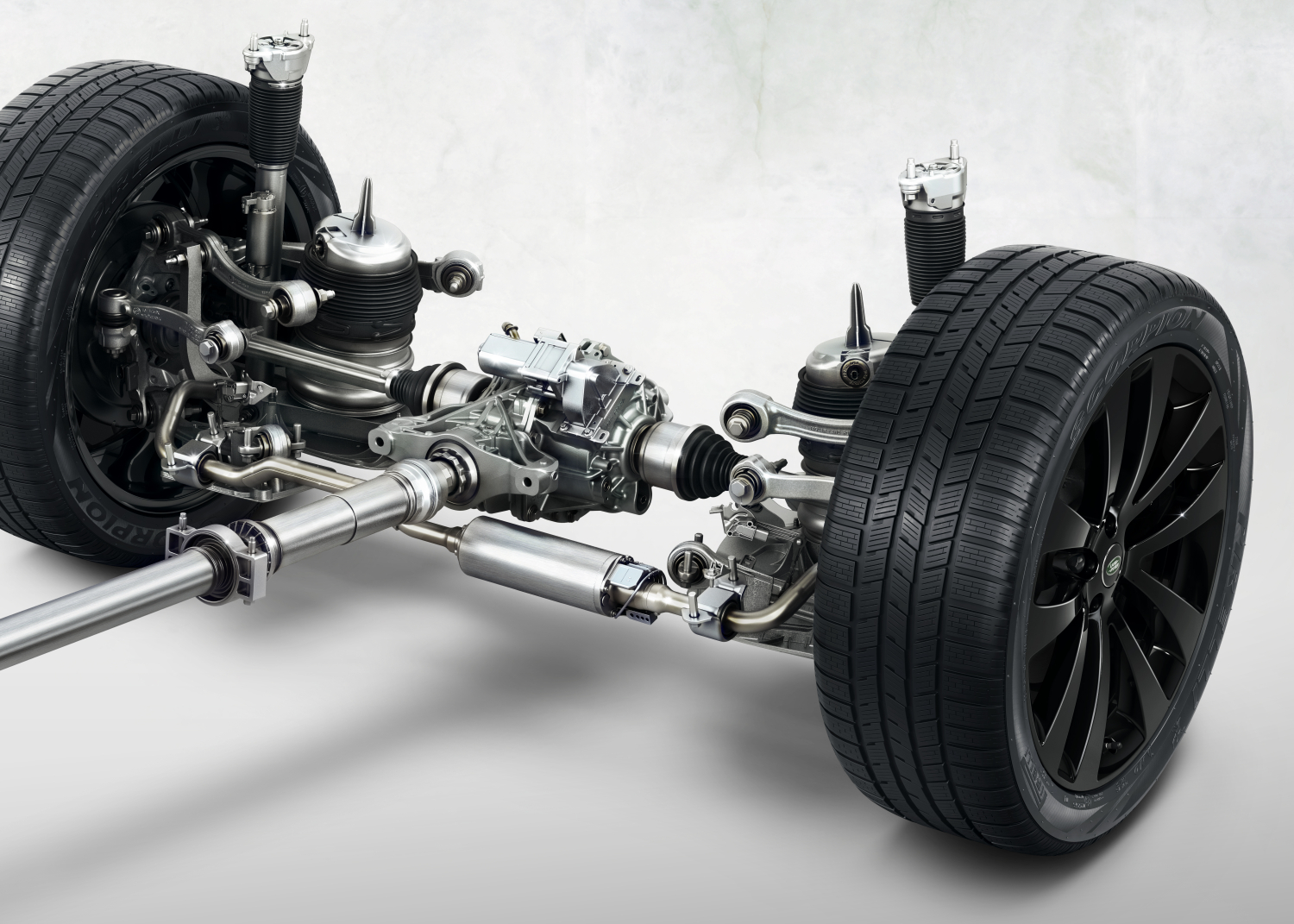
Long-term reliability remains a persistent concern for Range Rover owners. Online forums and owner surveys consistently report air spring failure as a top issue. Compressor wear from frequent cycling on rough terrain accelerates failure rates. Many long-term owners report replacing air springs multiple times over a vehicle’s lifespan.
Repair costs are high but not quite at Rolls-Royce levels. Air spring replacement runs approximately $600 to $900 per corner at Land Rover dealers. A full four-corner replacement, which is sometimes recommended to maintain balance, can exceed $3,500. Independent specialists can reduce these costs, but availability varies significantly by region.
The Range Rover Electronic Air Suspension is the most capable European air ride on this list. It reaches further toward the rugged end of the spectrum than any of its competitors. Yet it still falls short of the durability that American-market roads demand. It is a European system with off-road ambitions, doing its best in a world it was not entirely built for.
Also Read: 5 Vehicles With Simple Hood Release Latches vs 5 Prone to Snapping
