Covering more than 25,000 miles a year puts unusual stress on any vehicle, making fuel efficiency, reliability, and long-term durability far more important than performance or styling.
Hybrid vehicles have become the go-to solution for high-mileage drivers because they significantly reduce fuel costs while also lowering maintenance demands through simplified drivetrains and regenerative braking systems. Many modern hybrids are designed to last well beyond 200,000 miles, especially those built by Toyota, Honda, Hyundai, and Lexus, which dominate this segment for proven longevity.
This guide brings together 12 of the best-used hybrid vehicles from 2016 onward that consistently deliver strong fuel economy, low cost per mile, and dependable long-term ownership.
From ultra-efficient compact models like the Toyota Prius and Corolla Hybrid to comfortable long-distance cruisers such as the Lexus ES 300h, each vehicle offers a different balance of comfort, space, and efficiency.
Whether the priority is SUV practicality, sedan comfort, or luxury refinement, these hybrids are designed to make high-mileage driving more affordable, less tiring, and significantly more sustainable over time.
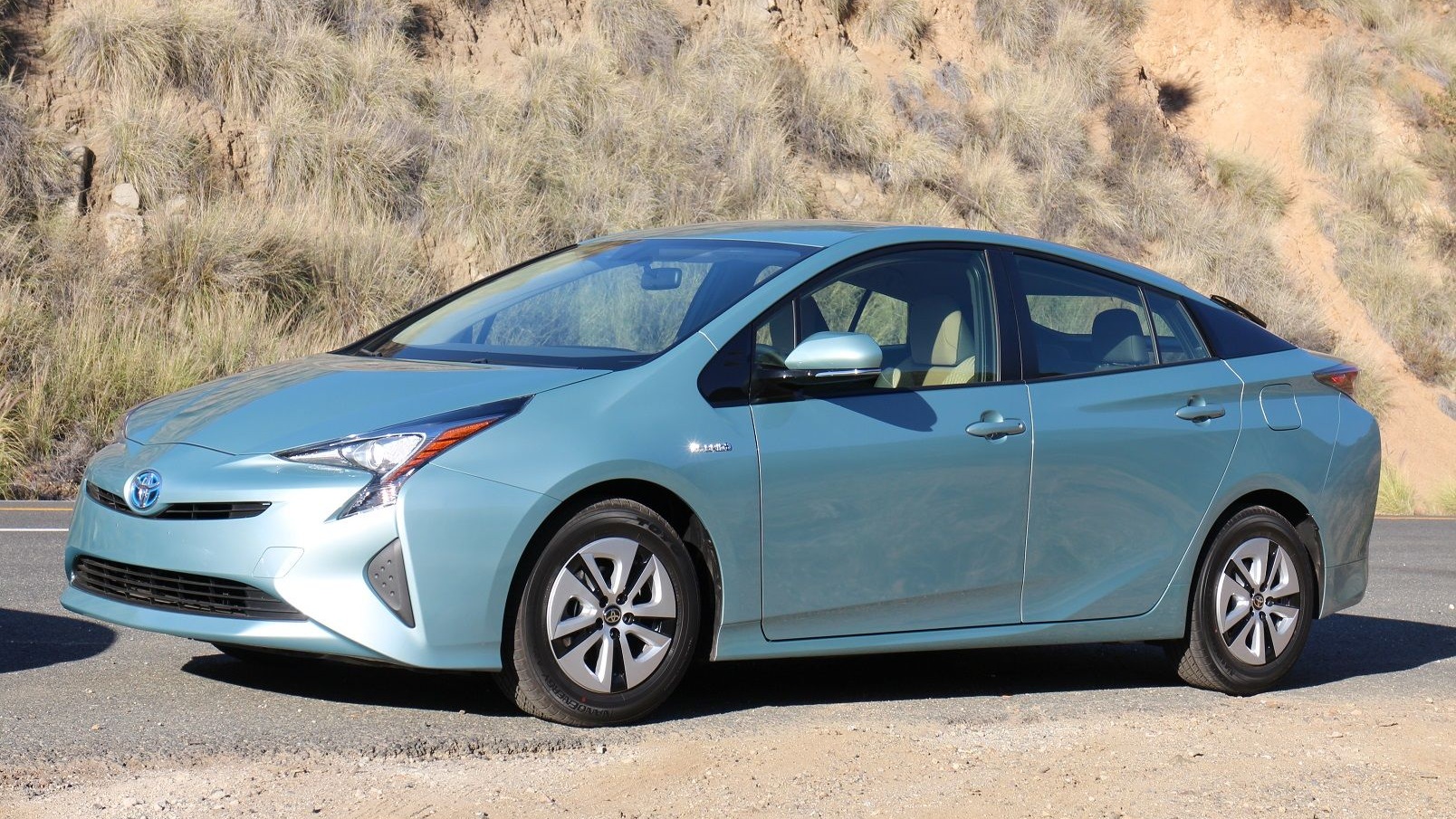
1. Toyota Prius (2016–Present): The Benchmark for High-Mileage Hybrid Efficiency
The 2016–Present Toyota Prius stands as one of the most reliable and cost-efficient hybrid vehicles for drivers covering 25,000 miles or more annually. Built on Toyota’s refined Hybrid Synergy Drive system, it is engineered for long-term durability, with many examples exceeding 250,000 miles when properly maintained.
Its reputation for reliability, combined with exceptional fuel economy of around 52–56 MPG (up to 67 MPG under WLTP for standard models), makes it especially appealing for high-mileage users looking to minimize total ownership costs.
One of the Prius’s strongest advantages is its fuel efficiency, which significantly reduces running costs compared to conventional petrol or diesel cars. Over extended yearly mileage, these savings become substantial.
The plug-in hybrid variant offers even higher theoretical efficiency and up to 34 miles of electric-only driving, although real-world benefits depend heavily on regular charging access. CO2 emissions are also impressively low at around 78g/km for standard models, with earlier versions qualifying for zero road tax.
The fourth-generation Prius (2016 onward) also improved comfort and usability. It features a smoother ride, better handling, and a practical hatchback body style with generous cargo space and flexible 60/40 split rear seats.
Inside, it offers a modern though unconventional dashboard layout, a 7-inch infotainment system, a head-up display on higher trims, and a range of safety technologies, including adaptive cruise control, lane departure warning, and blind-spot monitoring, depending on specification.
Driving dynamics are competent rather than exciting. The CVT transmission can cause engine revs to rise under hard acceleration, but in everyday commuting and highway cruising, refinement remains strong. While body roll is noticeable in sharper corners, the car maintains good grip and predictable handling, making it suitable for long-distance comfort rather than sporty performance.
Trim levels range from entry-level Active to well-equipped Excel, offering varying levels of comfort, technology, and convenience features such as heated seats, parking assistance, premium audio, and navigation. Maintenance costs are generally low and predictable, supported by Toyota’s wide service network and affordable parts availability.
The 2016–Present Toyota Prius remains a logical, proven, and highly economical choice for drivers prioritizing fuel savings, reliability, and low long-term operating costs over performance or luxury.
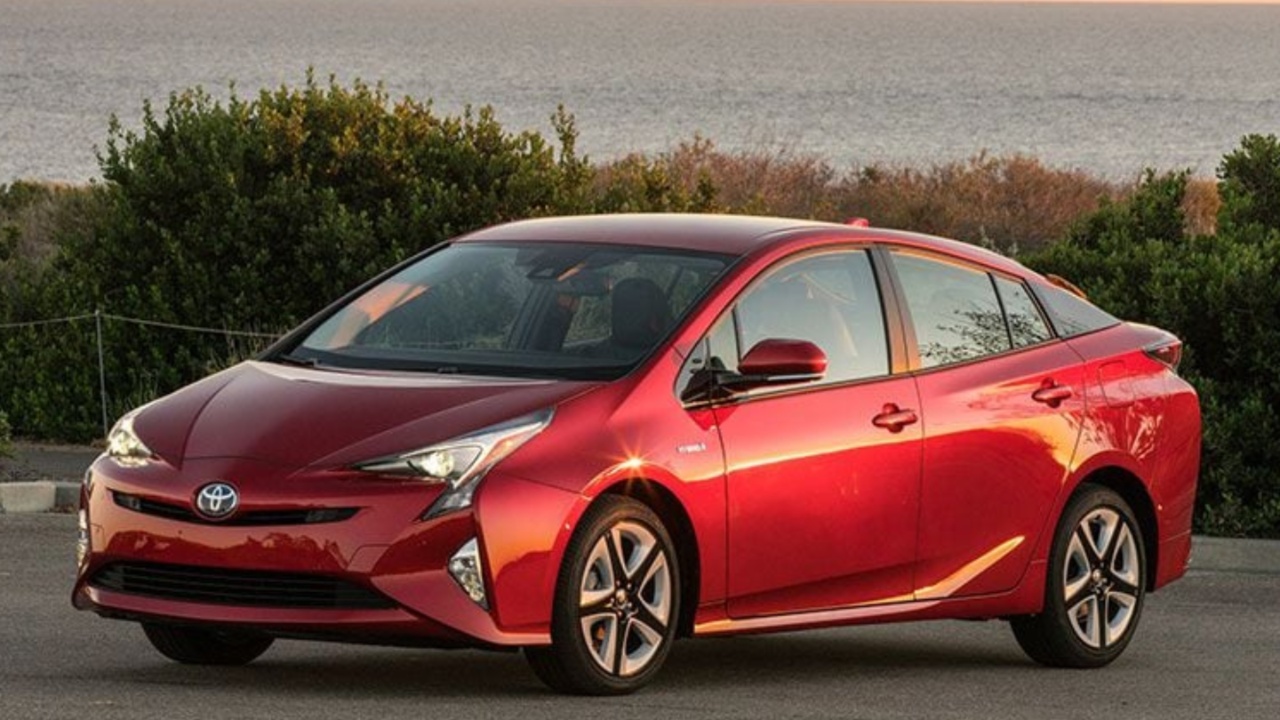
2. Toyota Camry Hybrid (2018–2024): Comfortable Long-Distance Efficiency for High-Mileage Drivers
The 2018–2024 Toyota Camry Hybrid is a top choice for high-mileage drivers who want the efficiency of a hybrid without the compact size and minimalism of smaller vehicles like the Prius.
Designed as a midsize sedan, it delivers a more spacious, refined, and comfortable driving experience while still maintaining excellent fuel economy in the range of roughly 45–55+ MPG, depending on driving conditions and trim. This balance makes it especially suitable for commuters covering 25,000 miles or more annually.
One of its biggest strengths is its low total cost of ownership. Toyota’s hybrid system is widely recognized for long-term durability, with battery packs commonly lasting 10–15 years or more under normal use.
Combined with reduced engine wear from hybrid operation, this translates into fewer maintenance needs and lower repair costs over time. Many high-mileage users report annual fuel savings of several hundred to over a thousand dollars compared to conventional gasoline sedans.
Comfort is a defining feature of the Camry Hybrid. It offers a quiet cabin, supportive seating, and generous rear legroom, making it ideal for long highway commutes or extended daily driving.
The suspension is tuned for stability and comfort, helping reduce fatigue during long hours on the road. The repositioned battery pack under the rear seats improves both trunk space and vehicle balance, contributing to a smoother and more composed ride.
Performance is another area where the Camry Hybrid stands out compared to smaller hybrids. Its 2.5-liter hybrid powertrain delivers smooth and confident acceleration, making it more capable in highway merging and overtaking situations.
However, the CVT transmission can feel noisy under hard acceleration, and the brake feel at low speeds is sometimes described as inconsistent. Some interior materials also use harder plastics, which slightly reduces the premium feel in lower trims.
Safety and technology are strong points, with Toyota Safety Sense features such as adaptive cruise control, lane departure warning, and automatic emergency braking available across most trims. Higher trims add more comfort and convenience features, making it adaptable for both personal and professional use.
The Camry Hybrid (2018–2024) is a highly reliable, comfortable, and fuel-efficient midsize sedan that excels as a long-distance commuter vehicle. It is particularly well-suited for drivers who prioritize space, comfort, and long-term dependability alongside strong hybrid efficiency.
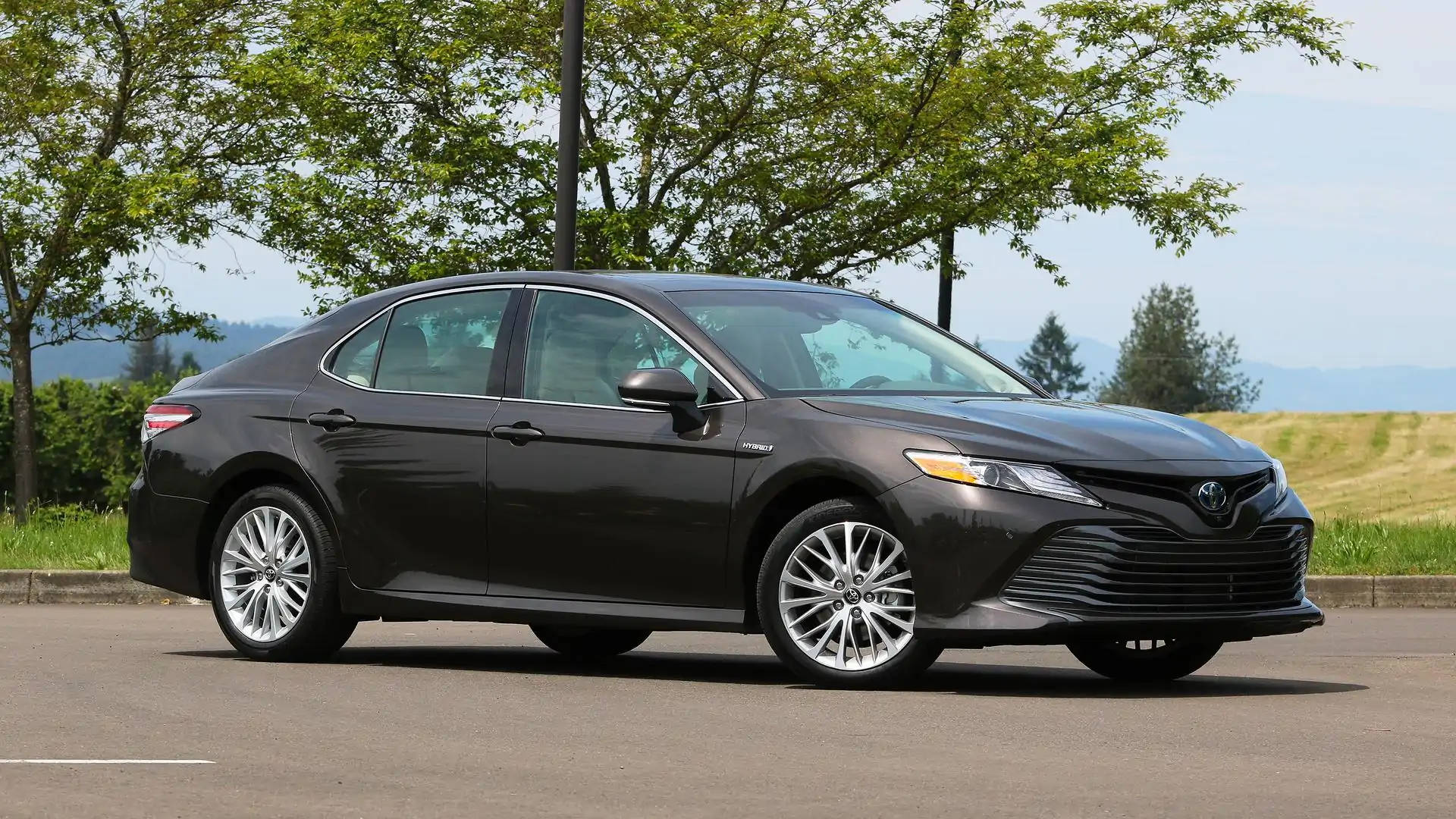
3. Honda Accord Hybrid (2017–2022): Efficient Performance with Premium Comfort for High-Mileage Driving
The 2017–2022 Honda Accord Hybrid is a strong option for high-mileage drivers seeking a balance between fuel efficiency, driving enjoyment, and premium comfort. Delivering around 47–49 MPG combined, it offers excellent fuel savings for those covering 25,000 miles or more per year while maintaining a more engaging and responsive driving feel compared to many other hybrids in its class.
A key advantage of the Accord Hybrid is its dual-motor hybrid system, which provides smooth, linear power delivery and strong low-end torque. This makes acceleration more natural and predictable, avoiding the “rubber-band” feel found in some CVT-based hybrids.
The system transitions seamlessly between electric and gasoline power, supporting both city commuting and highway cruising with ease. Despite its efficiency focus, the Accord remains one of the more enjoyable hybrids to drive, with stable handling and confident performance.
Comfort is another major strength. The cabin is quiet, spacious, and well-built, featuring high-quality materials and supportive seating designed for long-distance driving.
Active noise cancellation helps reduce fatigue on extended commutes, while improved rear legroom in the 10th-generation (2018–2022) models makes it especially suitable for passengers or professional use. The infotainment system is generally intuitive, and newer models include more advanced technology and safety features.
Reliability is a major reason for its popularity among high-mileage drivers. Honda’s hybrid system is known for long-term durability and relatively low maintenance requirements, often remaining dependable well beyond 200,000 miles when properly serviced. Since it is a self-charging hybrid, it does not require external charging, making it more convenient than plug-in alternatives.
The Accord Hybrid also benefits from strong resale value and relatively low depreciation compared to many competitors. However, there are some drawbacks, including occasional complaints about ride firmness on larger wheels, limited ground clearance, and less refined transmission behavior in certain conditions.
The Honda Accord Hybrid (2017–2022) is a well-rounded midsize hybrid sedan that combines efficiency, comfort, and engaging performance. It is especially well-suited for high-mileage commuters who want a fuel-efficient car that still feels refined, responsive, and comfortable on long daily drives.
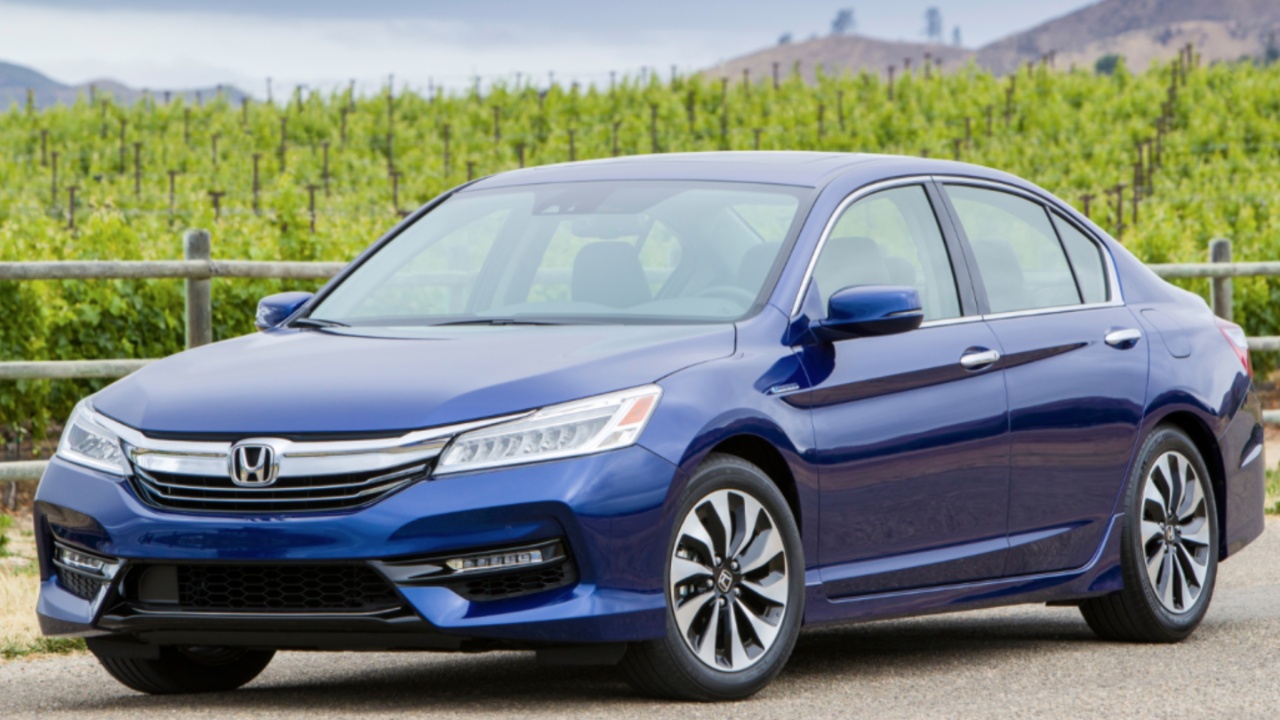
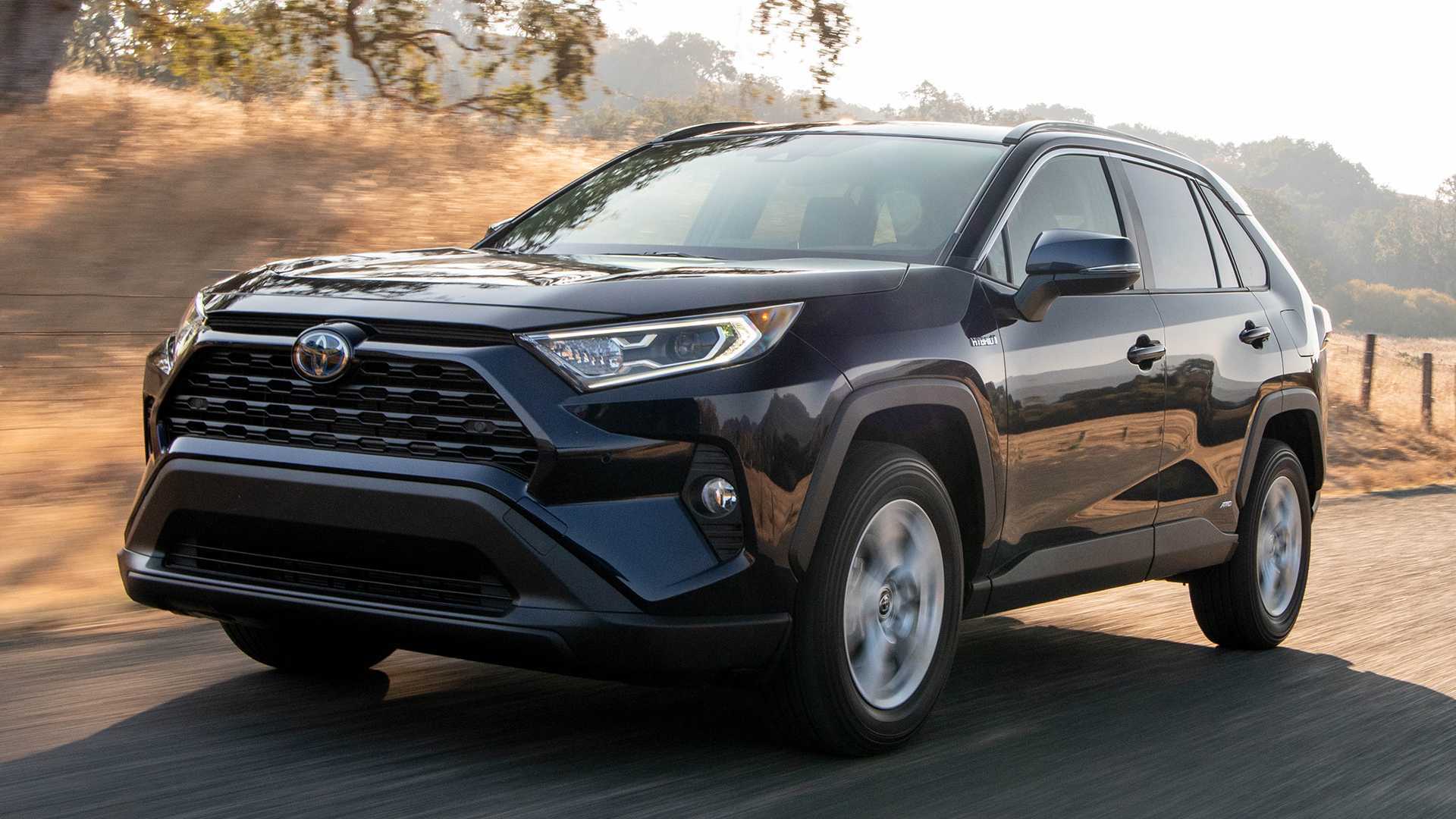
4. Toyota RAV4 Hybrid (2019–Present): High-Mileage Efficiency with SUV Practicality and All-Wheel Drive Confidence
The 2019–Present Toyota RAV4 Hybrid is a standout choice for high-mileage drivers who need the practicality of a compact SUV combined with strong fuel efficiency and Toyota’s well-known reliability. Delivering around 38–40+ MPG combined, it offers impressive fuel savings for drivers covering 25,000 miles or more annually, often reducing yearly fuel costs by over $1,000 compared to non-hybrid SUVs in its class.
One of its biggest strengths is durability. Built with Toyota’s proven hybrid system, the RAV4 Hybrid is engineered for long-term use, with components designed to last well beyond 100,000–150,000 miles when properly maintained. The hybrid battery system is similarly robust, typically lasting 8–10 years or more. This makes it a dependable option for drivers who prioritize low maintenance costs and long-term ownership reliability.
Comfort and practicality are central to its appeal. The RAV4 Hybrid offers a spacious cabin, supportive seating, and a large cargo area, making it ideal for commuters who also carry gear, luggage, or family equipment.
The higher driving position improves visibility, while standard all-wheel drive enhances stability and confidence in poor weather or rough road conditions. The ride is generally smooth and composed, especially at highway speeds, contributing to reduced fatigue during long-distance driving.
Performance is another positive aspect. The 2.5-liter hybrid powertrain produces about 219 horsepower in AWD versions, delivering smooth and responsive acceleration that feels stronger than the non-hybrid model. However, under heavy acceleration, the CVT transmission can become noisy, which is one of the more commonly noted drawbacks.
Other limitations include somewhat firm suspension tuning, early infotainment systems that lacked modern smartphone integration, and interior materials that feel less premium compared to some rivals. Early model years also had minor reported issues such as 12V battery drain, fuel filler inconsistencies, and occasional roof rail leaks, though many of these were addressed in later updates or service bulletins.
Despite these drawbacks, the RAV4 Hybrid maintains excellent resale value and strong safety ratings thanks to Toyota Safety Sense features like adaptive cruise control and collision mitigation systems.
The 2019–Present Toyota RAV4 Hybrid is a highly practical, efficient, and reliable SUV that excels in long-distance, high-mileage use, especially for drivers needing space, capability, and year-round versatility.
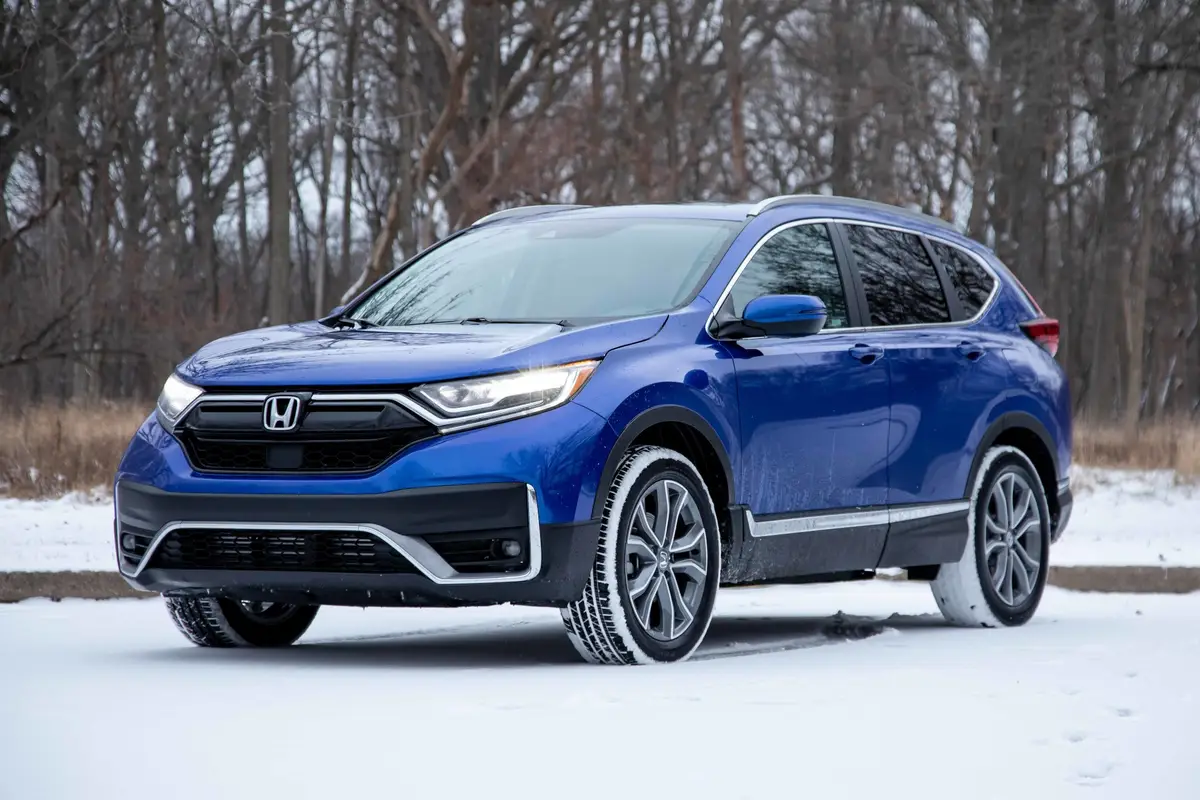
5. Honda CR-V Hybrid (2020–Present): Comfortable, Practical, and Reliable for High-Mileage SUV Driving
The 2020–Present Honda CR-V Hybrid is widely regarded as one of the most comfortable and practical compact SUVs for high-mileage drivers. With a fuel economy of around 38 MPG combined, it delivers strong efficiency for a vehicle of its size, helping reduce fuel costs significantly for those driving 25,000 miles or more annually. While it may not match hybrid sedans in outright efficiency, it strikes an excellent balance between economy and utility.
A major highlight of the CR-V Hybrid is its refined two-motor hybrid system, which eliminates the need for a traditional transmission. This design reduces mechanical complexity and potential long-term failure points, contributing to lower maintenance costs and improved reliability. Like most Honda hybrids, it is self-charging, meaning drivers do not need to worry about plugging in, making it especially convenient for daily long-distance use.
Comfort is where the CR-V Hybrid truly excels. It offers a plush, well-damped ride that absorbs road imperfections effectively, making long commutes less tiring.
The cabin is spacious, with generous legroom for both front and rear passengers, and supportive seating designed for extended periods behind the wheel. Honda’s reputation for user-friendly ergonomics is evident, with intuitive controls and a practical layout that enhances the driving experience.
In terms of utility, the CR-V Hybrid stands out with its large cargo capacity and flexible interior, making it ideal for drivers who need to transport gear, luggage, or family essentials regularly. Despite the hybrid system, it maintains excellent interior space without compromising usability.
Performance is smooth and responsive in everyday driving, although the engine can become noisy under hard acceleration. Some drivers also find the infotainment system slightly outdated or less intuitive compared to newer competitors. Minor concerns such as 12-volt battery issues or brake wear, have been reported but are generally manageable with proper maintenance.
Safety is another strong point, with Honda Sensing features like adaptive cruise control, lane-keeping assist, and collision mitigation braking included in most models.
The 2020–Present Honda CR-V Hybrid is a dependable, comfortable, and highly practical SUV that makes high-mileage driving easier and less stressful, offering a “set it and forget it” ownership experience.
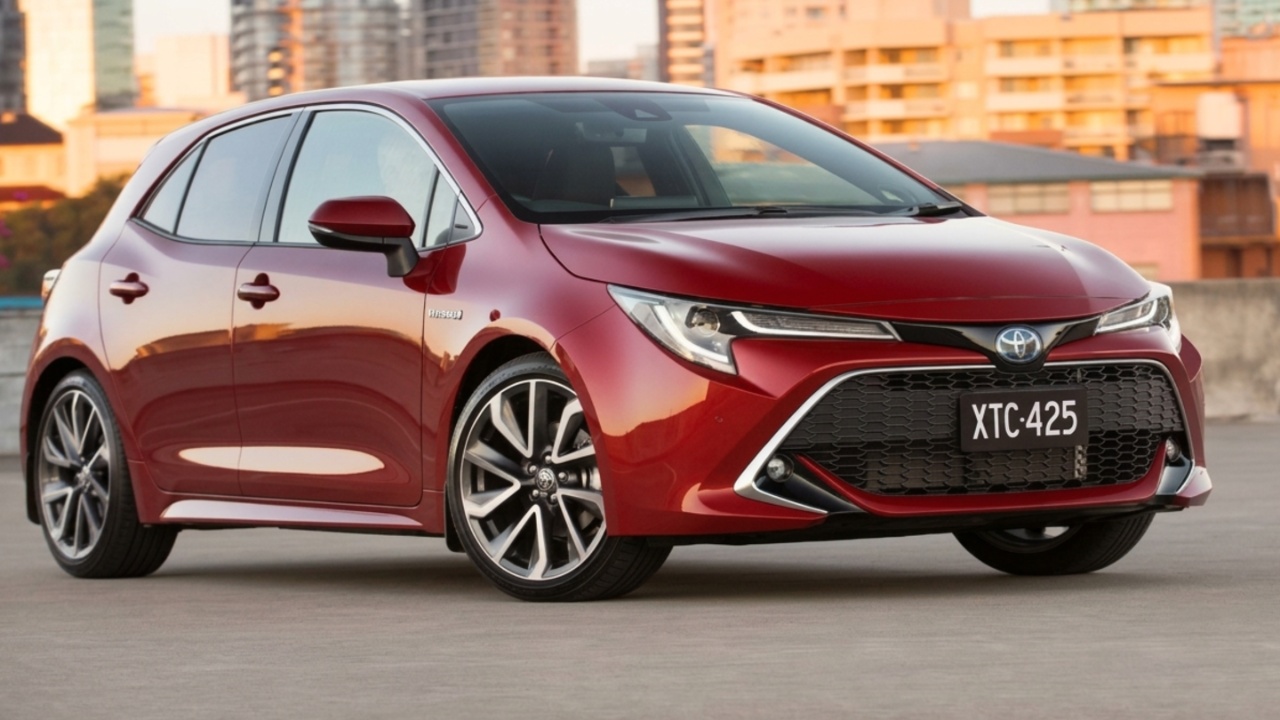
6. Toyota Corolla Hybrid (2019–Present): Ultra-Efficient and Dependable for High-Mileage Driving
The 2019 to present Toyota Corolla Hybrid is one of the most practical and economical choices for drivers who cover 25,000 miles or more each year. It combines the long-standing reputation of the Corolla for reliability with Toyota’s proven hybrid technology, resulting in excellent fuel efficiency that often exceeds 50 miles per gallon. Many drivers report real-world figures between 52 and 60 mpg, which leads to significant savings on fuel over time.
One of the biggest advantages of the Corolla Hybrid is its simplicity and durability. It uses a refined version of Toyota’s Hybrid Synergy Drive, which is engineered to last for many years with minimal issues.
The system has fewer moving parts than a traditional gasoline engine setup, which reduces wear and lowers maintenance costs. Features like regenerative braking also help extend the life of components such as brake pads. For most owners, maintenance is straightforward and limited to routine servicing like oil changes and tire rotations.
Reliability is a major highlight. The Corolla Hybrid consistently earns high ratings in dependability studies and is known for its ability to handle high mileage without major problems. Toyota also offers extended warranties on hybrid components, which adds confidence for long-term ownership.
Despite its focus on efficiency, the Corolla Hybrid provides a comfortable and stable driving experience. Its modern platform improves handling and ride quality compared to older models, while standard safety features such as adaptive cruise control, lane keeping assist, and collision mitigation systems make it well-suited for daily commuting and highway driving.
There are some compromises to consider. Rear seat space is limited compared to larger sedans, and cargo capacity in the hatchback is modest. Earlier infotainment systems may feel outdated, and acceleration is not particularly strong, especially at higher speeds.
The Toyota Corolla Hybrid is an excellent option for high-mileage drivers who prioritize fuel savings, low maintenance, and long-term reliability over performance and interior space.
Also read: 10 Cars With Intuitive Physical Controls That Reduce Modern Driver Distraction
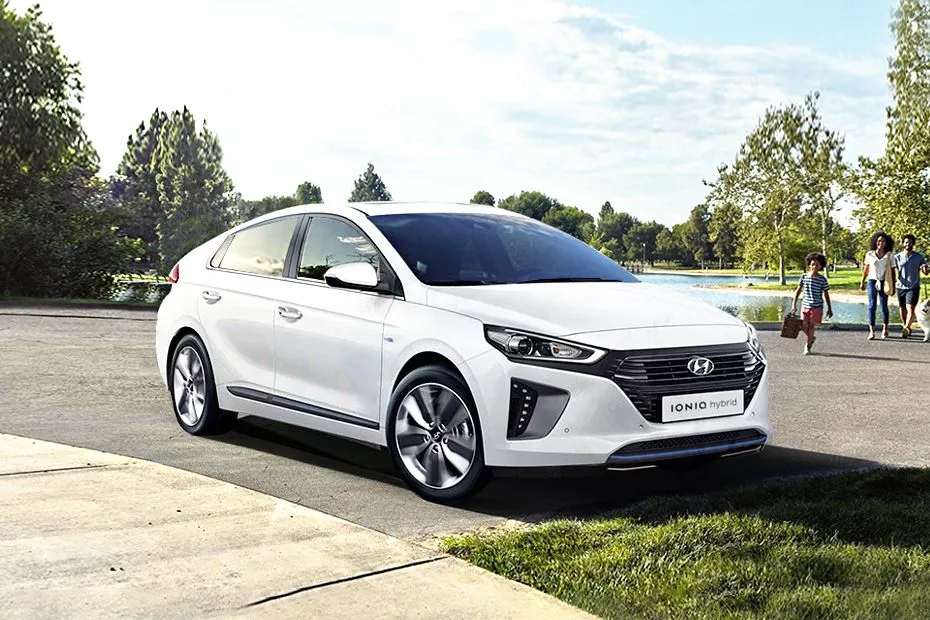
7. Hyundai Ioniq Hybrid (2017–2022): Maximum Efficiency and Low Running Costs for High Mileage Drivers
The 2017 to 2022 Hyundai Ioniq Hybrid is designed for drivers who want maximum fuel efficiency and minimal running costs, making it an excellent option for those covering 25,000 miles or more each year.
With real-world fuel economy often ranging from 55 to 60 miles per gallon, it is one of the most efficient non-plug-in hybrid vehicles available. This level of efficiency can result in significant annual fuel savings compared to conventional petrol cars and even many competing hybrids.
A key advantage of the Ioniq Hybrid is its strong focus on low ownership costs. It is generally cheaper to purchase on the used market than many similar Toyota Prius models, yet it still delivers comparable or better fuel efficiency.
Maintenance costs are also low, with affordable replacement parts and a reputation for mechanical simplicity and durability. The hybrid system is designed for long-term use, and many vehicles remain reliable even after heavy mileage accumulation.
Unlike many rivals that use continuously variable transmissions, the Ioniq Hybrid uses a six-speed dual clutch transmission. This gives it a more traditional driving feel with simulated gear changes, which some drivers prefer for a more engaging experience. However, it can feel slightly hesitant or jerky at low speeds, especially when starting from a stop or switching between electric and petrol power.
Comfort and practicality are also strong points. The cabin is spacious with a good-sized boot, making it suitable for both commuting and light family use. Standard safety features include adaptive cruise control and automatic emergency braking, supported by a strong safety rating that enhances confidence during long highway journeys.
There are some drawbacks to consider. The steering is very light and lacks feedback, the interior uses some lower-quality materials, and acceleration can feel limited at higher speeds. Some owners also report occasional infotainment issues, although major mechanical problems are rare.
The Hyundai Ioniq Hybrid is a highly efficient, affordable, and reliable choice for high-mileage drivers. It offers one of the lowest cost per mile ownership experiences in its class, with strong fuel savings and dependable long-term performance.
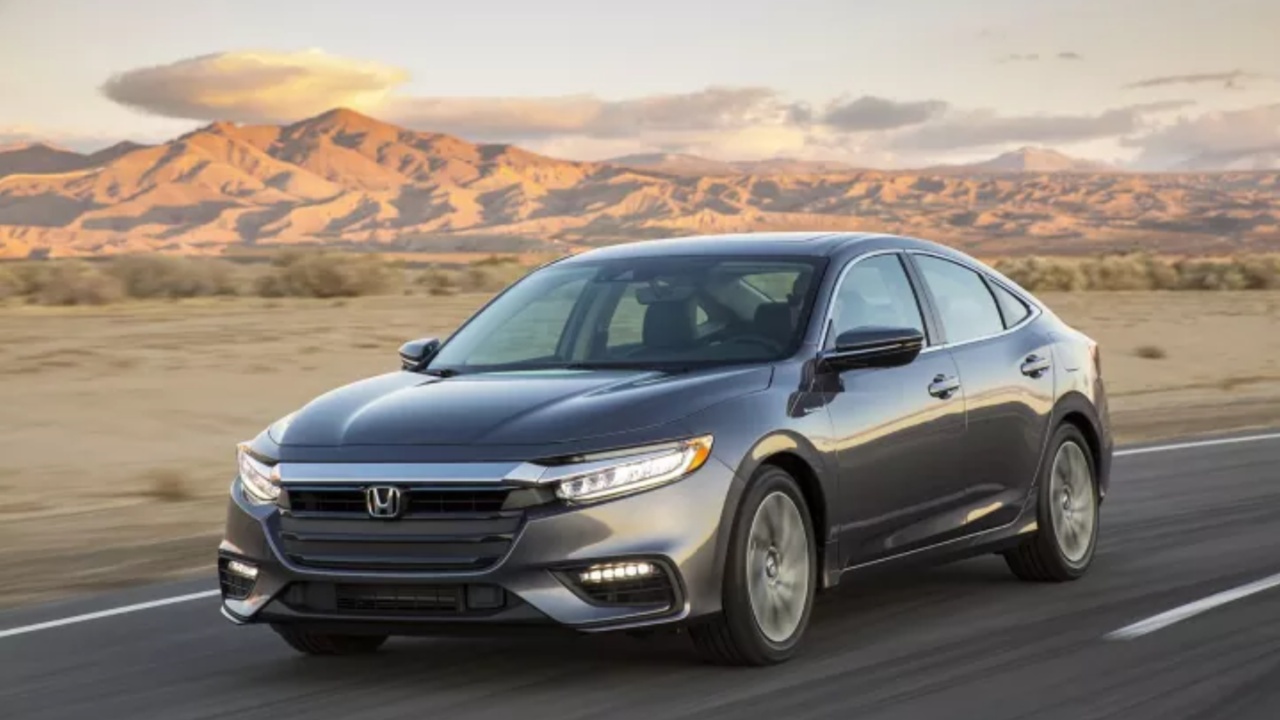
8. Honda Insight (2019–2022): Stylish, Efficient, and Quiet Hybrid for High-Mileage Commuting
The 2019 to 2022 Honda Insight is a refined hybrid sedan that blends strong fuel efficiency with a conventional, Civic-like driving experience. Designed for drivers who want excellent economy without the unusual styling of some hybrids, it delivers an appealing balance of comfort, practicality, and professional appearance. With real-world fuel economy often ranging from 45 to 55+ MPG, it is a strong choice for high-mileage commuters covering 25,000 miles or more each year.
One of the Insight’s biggest strengths is its efficiency paired with simplicity. It uses a 1.5-liter Atkinson-cycle hybrid system with no traditional gearbox, which reduces mechanical complexity and lowers long-term maintenance costs. This design improves reliability by removing common transmission-related issues found in conventional vehicles. As a result, it is considered a cost-effective option for long-term ownership.
Comfort and refinement are key highlights. The cabin is quiet and well insulated, making it ideal for long highway drives, phone calls, or listening to audio content without distraction. Built on a Civic platform, it offers a smooth ride and stable handling, with minimal body roll and predictable road behavior. The seating is comfortable, and the interior layout is clean and familiar, making it easy to use for daily commuting.
The hybrid system is also smooth in operation, transitioning seamlessly between electric and gasoline power. This makes stop-and-go traffic more relaxing and efficient compared to many traditional vehicles. Safety is another strong point, with standard Honda Sensing features such as adaptive cruise control, lane keeping assist, and collision mitigation braking, which help reduce fatigue during long drives.
There are a few minor drawbacks. Some owners report small electronic quirks such as inconsistent rain-sensing wipers or limited remote start range. The infotainment system is functional, but not class-leading, and occasional light interior rattles may appear over time.
The Honda Insight (2019–2022) is a smart, efficient, and understated hybrid sedan that offers excellent fuel savings, strong reliability, and a comfortable driving experience. It is especially well-suited for high-mileage drivers who want practicality and efficiency without sacrificing a traditional car-like feel.
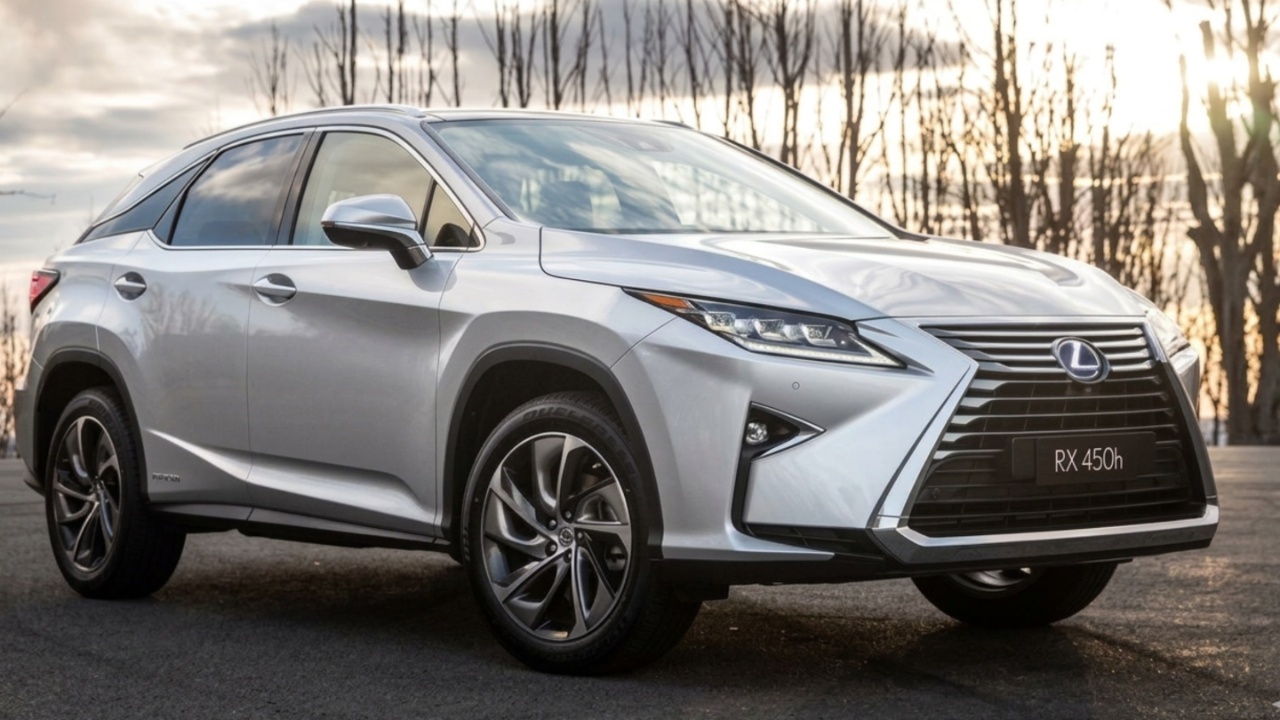
9. Lexus RX 450h (2016–2022): Luxury Comfort and Proven Reliability for High-Mileage Drivers
The 2016 to 2022 Lexus RX 450h is a strong option for high-mileage drivers who value comfort, refinement, and long-term dependability. Designed as a luxury hybrid SUV, it delivers a smooth and quiet driving experience that suits those covering 25,000 miles or more per year.
Although real-world fuel economy typically ranges around 29 to 30 miles per gallon, it remains efficient for its size and class, especially compared to traditional gasoline luxury SUVs.
One of its biggest strengths is reliability. Lexus has a long-standing reputation for durability, and the RX 450h benefits from Toyota’s proven hybrid technology. Its 3.5-liter V6 hybrid system is engineered for longevity and consistent performance, often lasting well beyond 150,000 miles with proper care. This reduces the risk of unexpected repairs and helps keep long-term ownership costs predictable.
Comfort is a defining feature of this model. The cabin is built with high-quality materials and excellent attention to detail, creating a premium environment for both driver and passengers. Sound insulation is particularly impressive, minimizing road and wind noise during long journeys.
The suspension is tuned for a soft, composed ride, which helps reduce fatigue during extended highway driving. Spacious seating further enhances its appeal for both daily commuting and long-distance travel.
Performance is smooth and confident. The hybrid system delivers strong, effortless acceleration, making highway merging and overtaking easy. Standard All Wheel Drive adds stability and confidence in varying road conditions. The driving experience is focused on ease and comfort rather than sporty handling, with light steering and a relaxed character.
There are a few drawbacks. The infotainment system can feel outdated and less intuitive compared to newer competitors. Cargo space is somewhat limited due to battery placement, and the engine can become louder during heavy acceleration.
The Lexus RX 450h stands out as a refined, durable, and comfortable vehicle that transforms high-mileage driving into a more relaxed and premium experience.
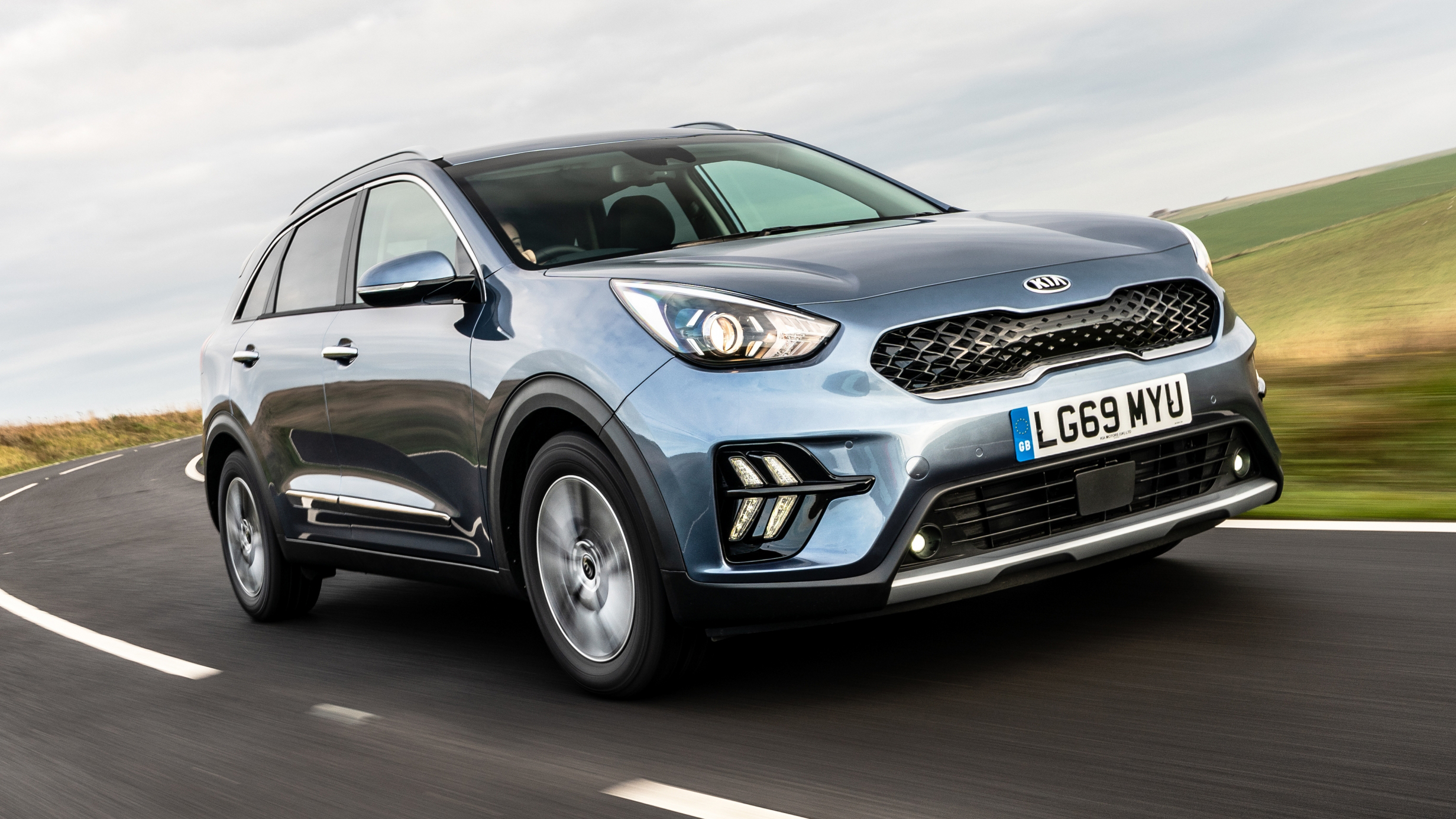
10. Kia Niro Hybrid (2017–2022): Efficient Urban Crossover Built for Low Running Costs and High Mileage Use
The 2017 to 2022 Kia Niro Hybrid is a practical and efficient compact crossover designed for drivers who want SUV-like usability without sacrificing fuel economy.
Delivering real-world efficiency of around 45 to 58 miles per gallon, it is one of the most economical vehicles in the small crossover category. For high-mileage drivers covering 25,000 miles or more annually, this level of efficiency results in substantial fuel savings compared to conventional petrol SUVs.
One of the key strengths of the Niro Hybrid is its balance of practicality and comfort. It offers a raised driving position that improves visibility and makes entry and exit easier, which is especially useful for drivers who are frequently on the road. Despite its compact footprint, it provides good interior space for passengers and luggage, making it suitable for both commuting and light family use.
Reliability is another major advantage. The Niro’s hybrid system is designed for long-term durability and has proven capable of high mileage with proper maintenance. It is also known for low running costs, with affordable servicing and strong efficiency helping reduce the total cost of ownership over time. Kia’s long factory warranty coverage in many markets adds further peace of mind for used buyers.
Unlike many rivals that use continuously variable transmissions, the Niro Hybrid uses a six-speed dual-clutch automatic transmission. This provides a more traditional and predictable driving feel, which some drivers find smoother and less tiring on long highway journeys. However, acceleration is modest, and the engine can sound strained under heavy load.
Comfort and technology are solid highlights. The ride is smooth and well-suited to city driving and commuting, while higher trims often include features such as Apple CarPlay, adaptive cruise control, and lane-keeping assist. A 2019 update improved styling, infotainment, and interior quality.
There are some limitations, including conservative design, modest performance, and some use of hard interior plastics. A plug-in hybrid version is also available, offering short electric-only driving for added efficiency.
The Kia Niro Hybrid stands out as a cost-effective, reliable, and highly efficient crossover that is especially well-suited for high-mileage drivers who value practicality and low ownership costs over performance.
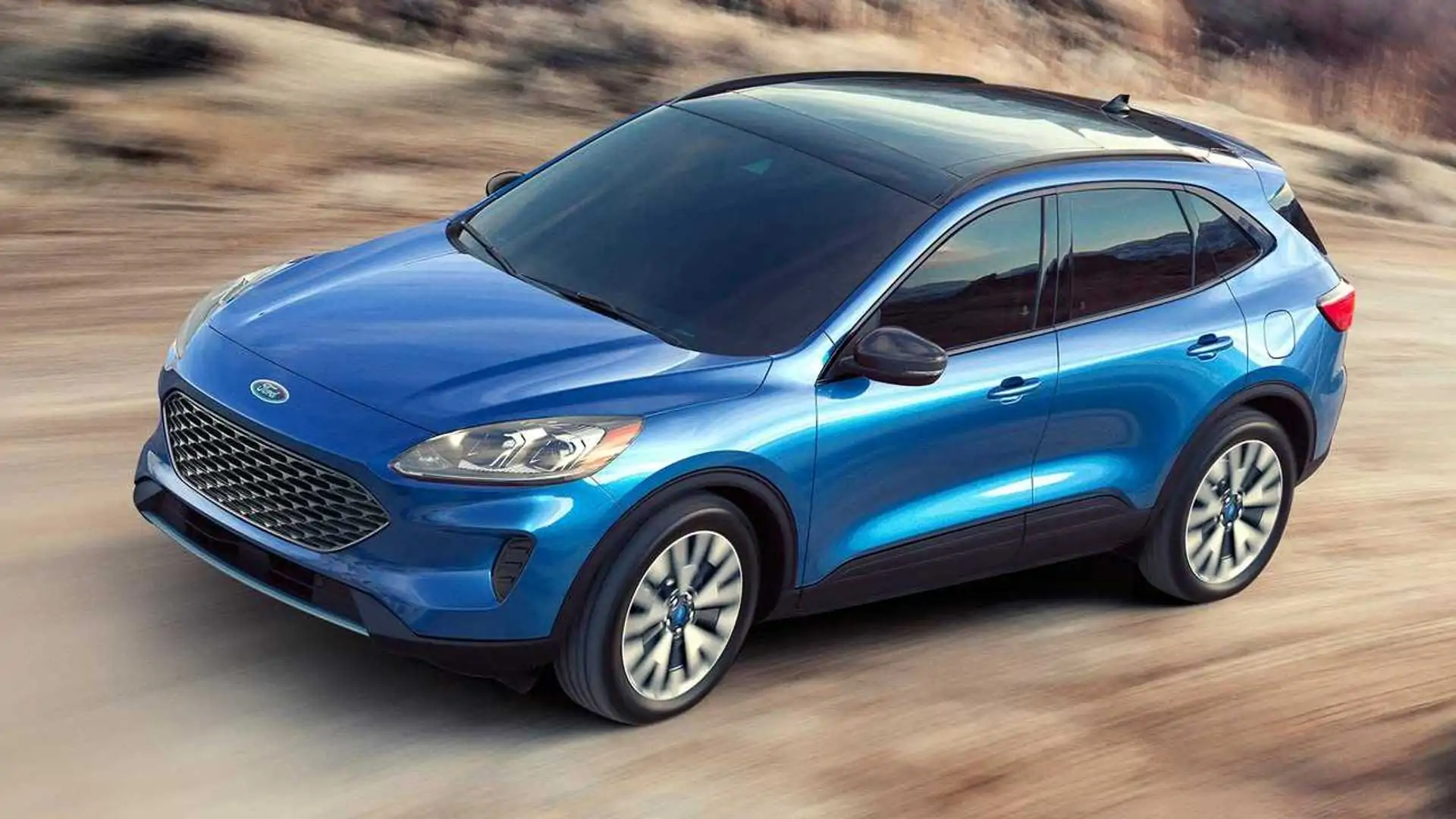
11. Ford Escape Hybrid (2020–Present): Efficient and Flexible SUV for High-Mileage Commuting
The 2020 to present Ford Escape Hybrid is a compact SUV designed to deliver strong fuel efficiency, everyday practicality, and a comfortable driving experience for high-mileage users. With a combined fuel economy of around 40 miles per gallon, it helps drivers covering 25,000 miles or more per year significantly reduce fuel expenses compared to conventional gasoline SUVs.
Its hybrid powertrain is one of its strongest features. The 2.5-liter Atkinson cycle engine works with an electronic continuously variable transmission to smoothly blend electric and gasoline power.
This setup creates a calm and predictable driving experience, especially in traffic or on long highway stretches. With around 200 horsepower combined, it also provides enough performance for confident merging and overtaking without feeling strained.
Comfort and versatility are central to its design. The cabin is spacious and thoughtfully arranged, with sliding rear seats that allow adjustment between passenger comfort and cargo space.
This flexibility makes it useful for commuting, travel, or family needs. Although hybrid models sacrifice a bit of cargo space due to battery placement, the interior remains practical and easy to live with. Ride quality is smooth and stable, which helps reduce fatigue during long daily drives.
Technology and safety features add to its appeal. Most models include Ford Co-Pilot360, offering adaptive cruise control, lane keeping assist, and automatic emergency braking. Apple CarPlay and Android Auto are commonly available, making the infotainment system easy to integrate with modern smartphones.
Reliability is generally solid, particularly in early model years of this generation, though some owners have reported occasional electronic glitches and adaptive system issues. Plug-in hybrid variants have also experienced battery-related recalls, so checking service history is important when considering a used model.
The Ford Escape Hybrid combines efficiency, comfort, and adaptability in a way that suits long-distance commuters and high-mileage drivers who need a practical SUV with modern features and low running costs.
12. Lexus ES 300h (2019–Present): Luxury Comfort and Long-Distance Reliability for High-Mileage Driving
The 2019 to present Lexus ES 300h is one of the best long-distance cruiser sedans for high-mileage drivers. Built on Toyota’s proven hybrid technology, it combines excellent fuel efficiency, strong reliability, and premium comfort in a package designed for sustained daily use.
Delivering around 44 miles per gallon combined and over 500 miles of driving range per tank, it is especially well-suited for drivers covering 25,000 miles or more annually.
A major advantage of the ES 300h is its reputation for durability. Lexus consistently ranks among the most reliable luxury brands, and this model continues that tradition with a hybrid system known for long-term stability and low failure rates compared to many European rivals. This makes it a dependable option for high-mileage ownership where minimizing repairs and downtime is essential.
Comfort is a defining strength. The cabin is exceptionally quiet, with excellent sound insulation that reduces road and wind noise even at highway speeds. High-quality materials and careful assembly create a refined, rattle-free interior that maintains its feel even after many years of use.
The suspension is tuned for smoothness, absorbing road imperfections and making long journeys significantly less tiring. Rear seat space is also generous, making it comfortable for passengers on extended trips.
Efficiency is another highlight. The 2.5-liter hybrid powertrain delivers smooth and consistent performance, prioritizing refinement over speed.
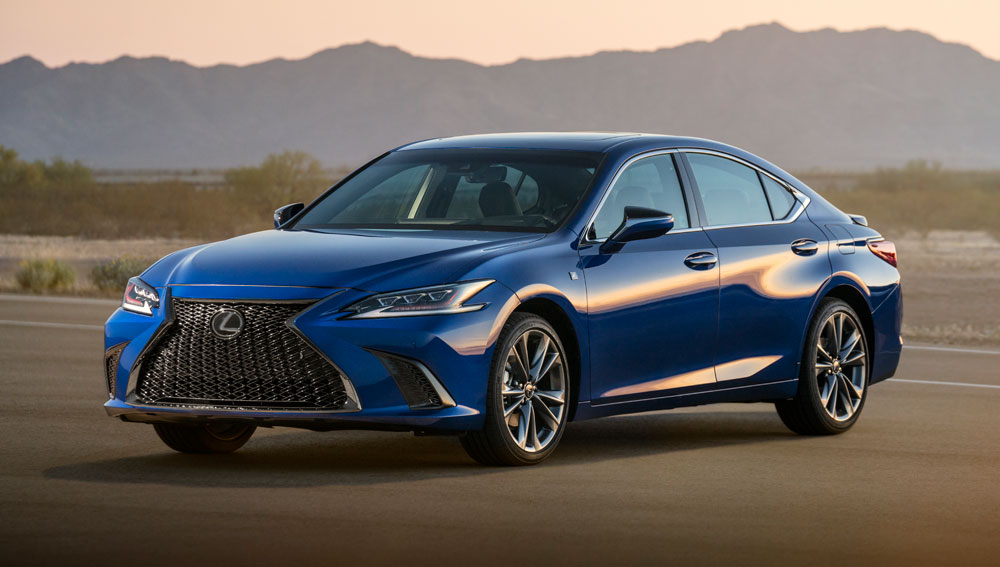
While it is not a performance-oriented sedan, it provides steady acceleration and excellent fuel economy that reduces long-term running costs. The Lexus Safety System+ adds adaptive cruise control and lane tracing assist, which help reduce driver fatigue during long highway commutes.
There are a few drawbacks. The infotainment system in earlier models uses a touchpad-style interface that many drivers find less intuitive than modern touchscreen systems. Regenerative braking can feel slightly uneven, and acceleration is modest compared to sportier rivals. Cargo space is practical but not class-leading.
The Lexus ES 300h stands out as a refined, comfortable, and highly reliable hybrid sedan that turns high-mileage driving into a calm and low-stress experience while keeping operating costs low.
Also read: 5 Cars With Indestructible Door Handles and 5 That Break in Winter