
Steering feel is one of the most important yet often misunderstood aspects of a sedan. It shapes how connected a driver feels to the road, how confidently the car changes direction, and how predictable it behaves at different speeds.
While engine power, fuel efficiency, and infotainment systems often dominate buying decisions, steering quality can completely change the driving experience once you are behind the wheel. Two cars with similar performance figures can feel totally different simply because one has precise steering feedback and the other does not.
A sedan with good steering feel communicates what the front tires are doing. It allows the driver to sense grip levels, road texture, and weight transfer during cornering.
This does not always mean heavy steering. Instead, it refers to accuracy, linear response, and a natural buildup of resistance as speed increases. Manufacturers like BMW, Mazda, and some models from Honda and Mercedes-Benz have built reputations around delivering this kind of connection in various segments.
On the other side, many modern sedans prioritize comfort, fuel efficiency, and ease of driving over feedback. This often results in overly light steering, excessive electronic filtering, or inconsistent response at different speeds.
While these traits can make city driving effortless, they can also reduce confidence during highway driving or spirited cornering. Drivers often describe these systems as numb, disconnected, or overly assisted.
This comparison is not about labeling cars as good or bad. Many sedans with lighter steering are still excellent in comfort, reliability, and daily usability. However, when focusing specifically on steering feel, differences become clear. Some models are tuned for engagement, while others are tuned for relaxation. Understanding this distinction helps buyers choose a car that matches their driving preferences more accurately.
In the following sections, we will look at five sedans known for their high quality steering feel and five that are often described as numb or less engaging. Each model is evaluated based on steering precision, feedback, road communication, and driving connection.
5 Sedans With High Quality Steering Feel
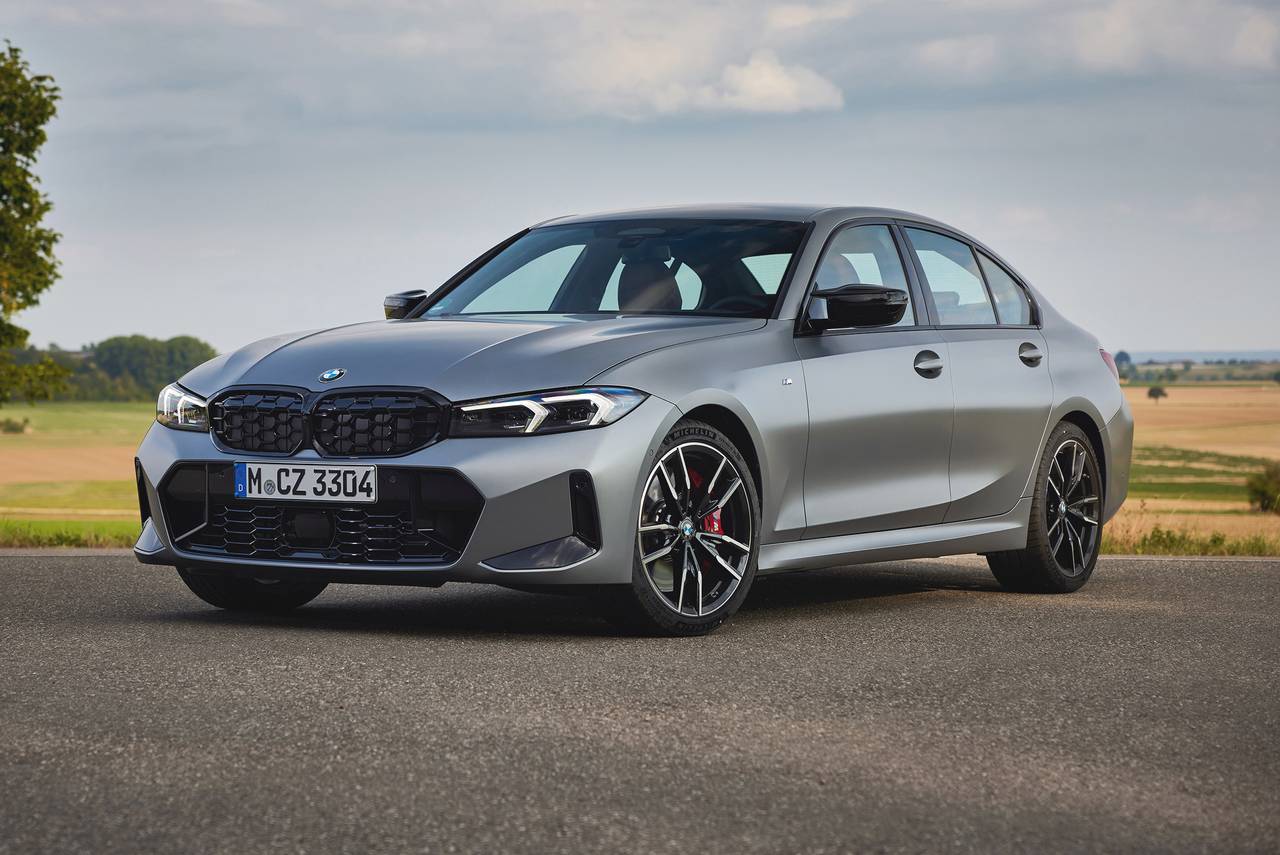
1. BMW 3 Series
The BMW 3 Series has built its reputation over decades as one of the most driver-focused compact luxury sedans, and its steering feel is a major reason for that status. Across multiple generations, BMW has consistently tuned this model to deliver a balance of precision, feedback, and stability that makes the car feel directly connected to the driver’s inputs.
Even in newer versions that use electric power steering instead of hydraulic systems, the engineering focus has remained on preserving a natural sense of road communication, which is not easy to achieve in modern comfort-oriented platforms.
One of the most defining characteristics of the 3 Series steering is its accuracy in response. When the driver makes even small adjustments to the steering wheel, the vehicle reacts in a clean and proportional way, without unnecessary delay or artificial smoothing.
This creates a sense of predictability that is especially valuable during high-speed lane changes, tight cornering, or driving on winding roads. The driver does not need to over-correct or second-guess the steering angle, which makes the car feel intuitive and well-synchronized with human input.
The weight buildup of the steering is another area where the 3 Series stands out. At low speeds, the steering remains light enough to make parking and urban maneuvering simple and effortless. However, as speed increases, there is a noticeable and progressive increase in steering resistance.
This change is not abrupt or inconsistent; instead, it feels carefully engineered to match the rising demands of higher-speed driving. The result is a stable and controlled steering experience that helps reduce fatigue on long highway journeys while still maintaining engagement.
Road feedback is also a key strength, even if it is more refined compared to older hydraulic setups. The steering wheel transmits subtle information about road texture, tire grip, and surface changes without becoming uncomfortable or overly harsh.
This level of communication helps drivers understand how much traction is available at any moment, which becomes especially important during spirited driving or in changing weather conditions. The system does not overwhelm the driver with vibration, but it still ensures that the connection to the front tires is never fully lost.
The BMW 3 Series continues to be a reference point in the sedan segment for steering feel because it successfully combines precision, controlled feedback, and adaptable weight in a way that feels natural and confidence-inspiring across different driving environments.
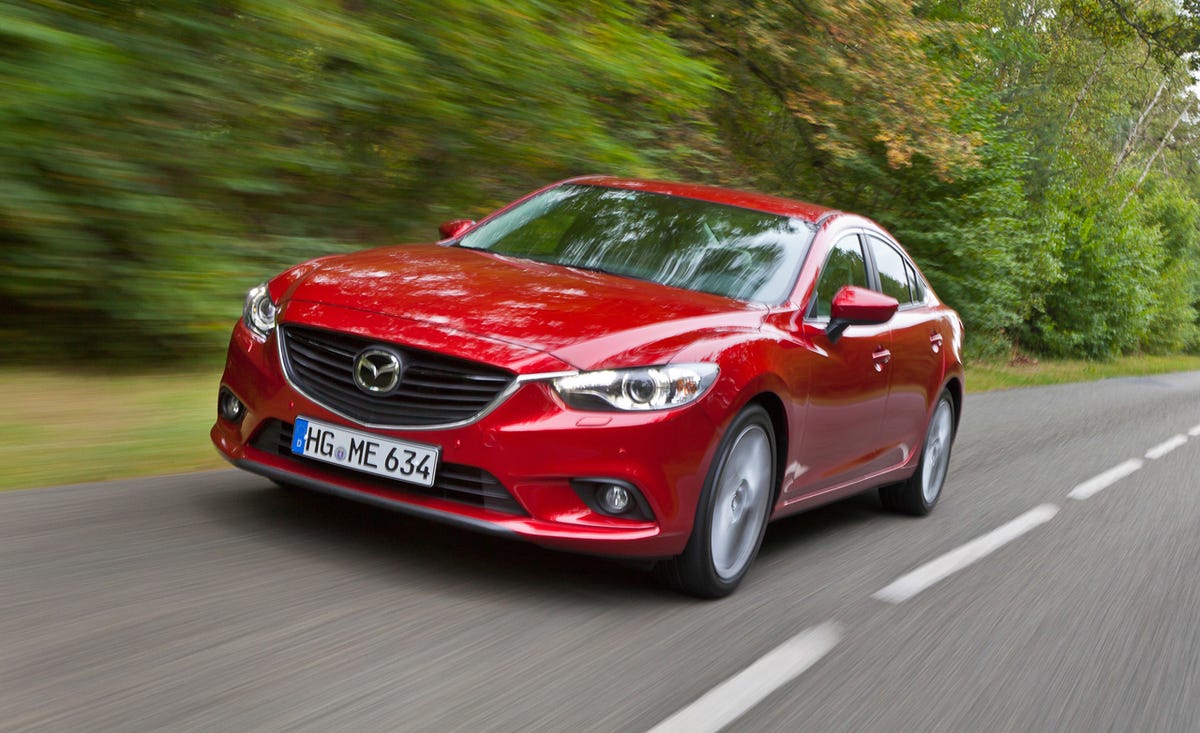
2. Mazda 6
The Mazda 6 is widely recognized as one of the most engaging midsize sedans outside the luxury segment, and its steering feel plays a central role in that identity. Mazda has consistently focused on driver-centric tuning across its lineup, and the Mazda 6 reflects this philosophy through steering that emphasizes responsiveness and mechanical clarity.
Unlike many competitors that prioritize insulation and comfort, the Mazda 6 aims to keep the driver closely connected to the movement of the front wheels, even in everyday driving conditions.
A major strength of the Mazda 6 steering is its immediate response to driver input. When the steering wheel is turned, the car reacts with minimal delay, creating a sense of directness that enhances confidence during cornering and directional changes.
This quick response makes the sedan feel more agile than its size might suggest, especially on narrow or winding roads where precise placement is important. The steering does not feel overly filtered, which helps maintain a sense of mechanical honesty in how the vehicle behaves.
The feedback provided through the steering system is another important aspect of its character. Drivers can feel changes in road surface, tire grip, and load transfer in a way that is informative without being uncomfortable.
This feedback allows the driver to better judge how hard the car can be pushed in different situations, which is particularly useful during spirited driving. It also contributes to a stronger sense of involvement, making even routine driving more engaging compared to more isolated steering systems.
At higher speeds, the Mazda 6 maintains a stable and controlled steering feel. While it is not as heavy as some German sport sedans, it avoids becoming vague or overly light when cruising on highways.
This balance helps the car remain composed during lane changes and long-distance travel, where consistent steering behavior becomes essential for comfort and safety. The transition in steering weight across speed ranges is smooth and predictable, avoiding sudden changes that can disrupt driver confidence.
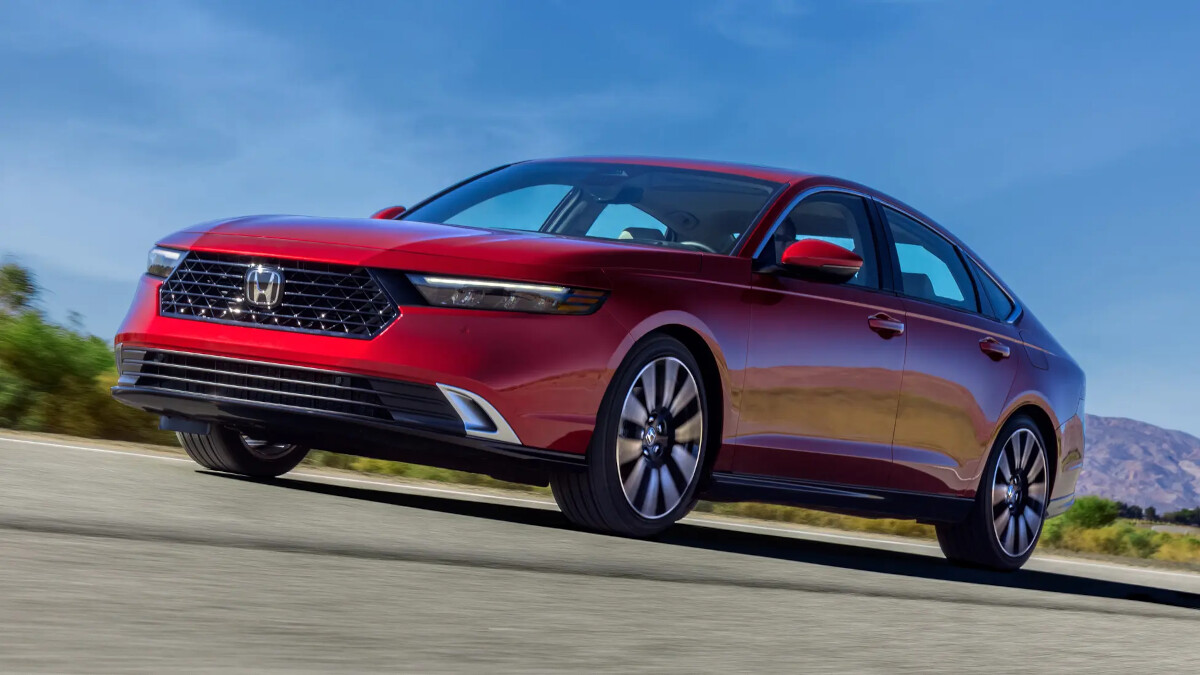
3. Honda Accord
The Honda Accord is traditionally known for its practicality, comfort, and reliability, but in recent generations it has also developed a steering system that offers a more refined and balanced driving experience.
While it does not aim to be a sports sedan, Honda has tuned the Accord’s steering to provide a level of precision and consistency that goes beyond basic commuter-focused design. This makes it one of the more confident-feeling mainstream sedans in terms of steering behavior.
One of the key strengths of the Accord’s steering is its consistency across different driving conditions. Whether driving in city traffic, on suburban roads, or at highway speeds, the steering response remains stable and predictable.
This eliminates the sense of unpredictability that can sometimes occur in heavily assisted systems. As a result, drivers can build trust in how the car will react, which reduces mental effort during longer drives and frequent lane changes.
The steering weight is carefully tuned to strike a balance between ease of use and road stability. At lower speeds, it remains light enough to make parking and tight maneuvering simple, but it does not become so light that it feels disconnected.
As speed increases, the steering gradually gains firmness, helping the driver feel more in control during highway driving. This progressive weighting contributes to a natural driving rhythm that does not feel forced or artificial.
In terms of road feedback, the Accord provides a moderate level of communication. It does not aggressively transmit every surface detail, but it offers enough information for the driver to understand basic grip levels and road conditions.
This allows for a comfortable driving experience while still maintaining a reasonable sense of connection to the road surface. The system is designed more for clarity and control than for sport-oriented feedback.
4. Mercedes-Benz C-Class
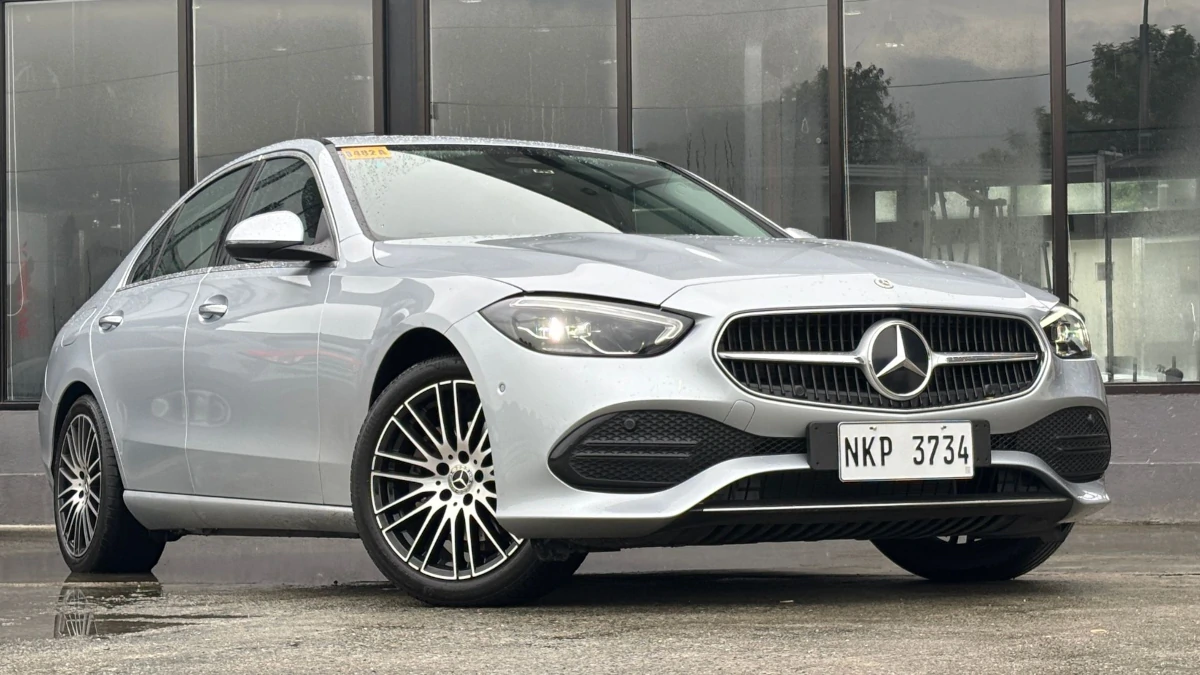
The Mercedes-Benz C-Class has evolved significantly over time, especially as it transitioned toward modern platforms that emphasize luxury refinement and digital integration.
In this evolution, steering feel has shifted away from sporty sharpness toward a smoother, more comfort-focused character. The result is a steering system designed primarily to reduce effort and isolate the driver from road imperfections, while still maintaining a sense of control and refinement.
At low speeds, the steering in the C-Class is light, which makes urban driving, parking, and tight maneuvering extremely easy. This lightness is intentional, as it aligns with the vehicle’s luxury-oriented identity, where ease of use is prioritized. Drivers can navigate congested streets without needing to apply much physical effort, which contributes to a relaxed and stress-free driving experience.
As the vehicle accelerates, the steering gradually gains weight, but the system remains relatively detached compared to sport-focused sedans. Instead of transmitting detailed road feedback, the steering filters out most surface irregularities. This creates a calm cabin environment where external disturbances are minimized, allowing occupants to focus on comfort and ride quality rather than road texture.
Despite its isolation, the steering remains precise enough for confident control. Drivers can position the vehicle accurately on highways and urban roads without feeling uncertain about direction changes. However, the lack of strong tactile feedback means that the driver relies more on visual cues and vehicle behavior rather than steering sensation to judge road conditions.
The C-Class steering system prioritizes comfort, refinement, and ease of operation, making it suitable for drivers who value a relaxed driving experience over engagement or detailed road communication.
5. Audi A4
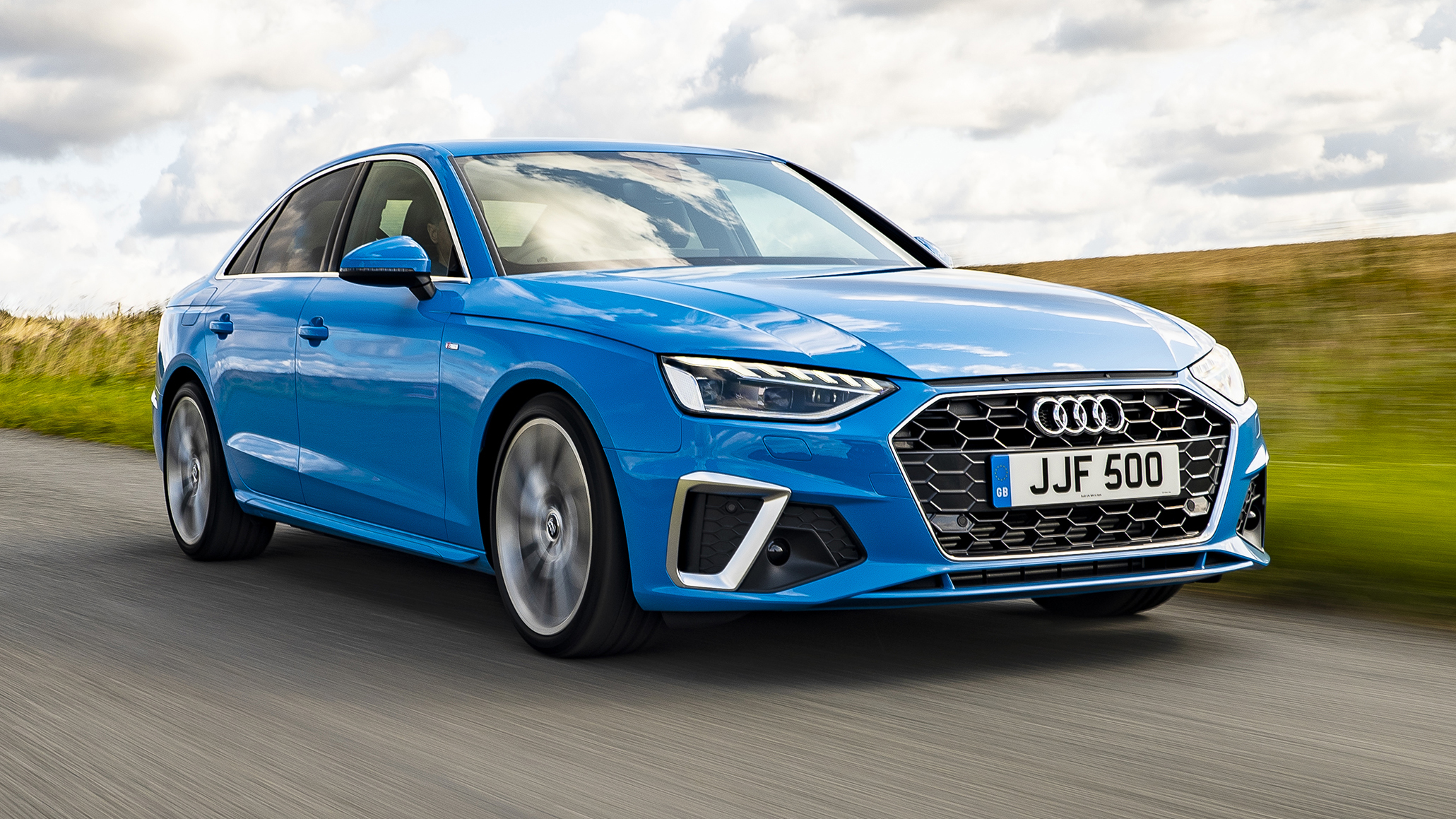
The Audi A4 is engineered with a strong focus on refinement, stability, and precision, and its steering feel reflects these priorities clearly. Instead of emphasizing strong road feedback or sporty weighting, Audi has tuned the system to deliver a smooth and controlled driving experience that remains consistent across different road conditions.
This makes the A4 particularly well-suited for long-distance driving and daily commuting where comfort and predictability are more important than aggressive responsiveness.
One of the defining characteristics of the A4 steering is its consistency. The response remains stable regardless of driving environment, meaning that the driver does not experience sudden changes in steering behavior when switching between city streets and highways. This consistency builds confidence and reduces the need for constant adjustment, allowing for a more relaxed driving style.
The steering is relatively light, especially at lower speeds, which makes maneuvering in tight urban environments simple and effortless. Despite this lightness, it does not feel uncontrolled or vague.
The system is engineered to maintain accuracy, ensuring that the vehicle follows the intended path with minimal correction required from the driver. This balance between ease and precision is one of the strengths of the A4’s tuning philosophy.
However, the steering does filter out a significant amount of road feedback. While this improves comfort by reducing vibrations and harshness, it also limits the driver’s ability to sense detailed changes in road texture or tire grip. This results in a more isolated driving experience compared to sportier sedans, where feedback plays a more central role.
The Audi A4 offers a refined and predictable steering experience that emphasizes comfort and control, making it ideal for drivers who prefer smoothness and stability over direct road communication.
5 Sedans That Feel Numb and Sloppy
1. Toyota Camry
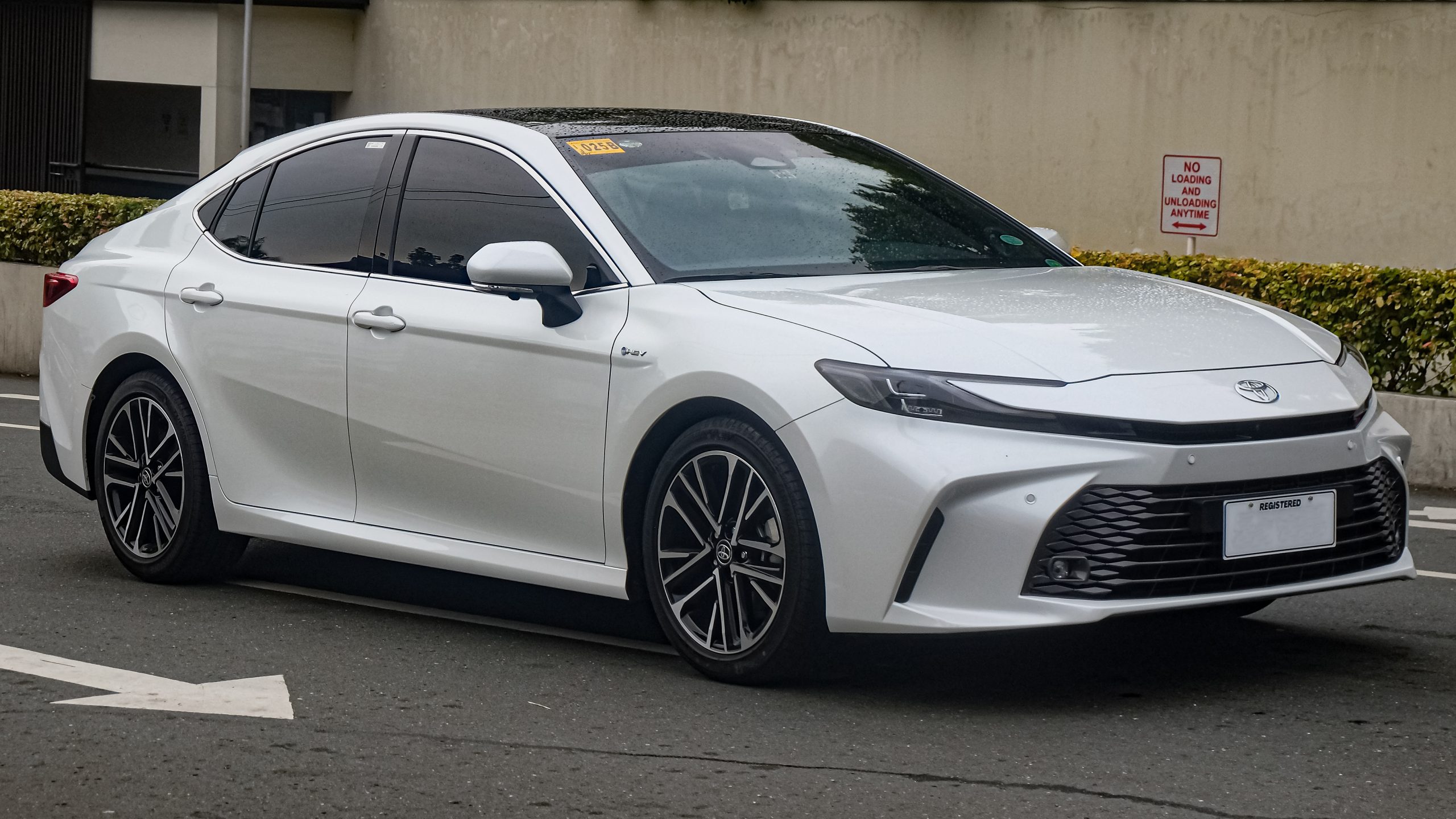
The Toyota Camry is one of the most widely recognized midsize sedans in the world, known for its long-term reliability, fuel efficiency, and comfortable ride quality. However, when it comes to steering feel, the Camry is often described as light, overly assisted, and somewhat disconnected from the road.
This tuning approach is intentional, as Toyota prioritizes ease of driving and comfort for a very broad customer base rather than driver engagement or sporty handling characteristics. As a result, the steering system reflects a design philosophy focused more on predictability and convenience than tactile feedback or precision.
At low speeds, the steering is extremely light, which makes the Camry very easy to maneuver in tight urban environments, parking lots, and congested city traffic. While this is beneficial for stress-free driving, the level of assistance can sometimes feel excessive, reducing the sense of physical connection between the driver and the front wheels.
The steering wheel can feel almost too effortless to turn, which removes some of the natural resistance that drivers often associate with more engaging vehicles.
As speed increases, the steering does gain some additional weight, but the transition is not particularly strong or informative. Instead of building a progressive sense of road tension, the system tends to remain filtered and smooth.
This means that during highway driving or quick lane changes, the driver may not receive detailed feedback about how the tires are interacting with the road surface. The result is a driving experience that remains stable but lacks a strong sense of engagement or communication.
Road feedback is one of the weakest areas in the Camry’s steering setup. Most vibrations, texture changes, and subtle grip variations are filtered out before they reach the steering wheel. While this contributes to a quiet and comfortable cabin environment, it also reduces awareness of road conditions. Drivers who prefer to feel connected to the surface beneath the tires may find this isolation noticeable, especially during spirited driving or on uneven roads.
The Toyota Camry delivers a comfortable and easy driving experience, but its steering feel is clearly tuned for convenience and comfort rather than engagement or precision, placing it firmly in the category of sedans with a more disconnected driving character.
2. Nissan Altima
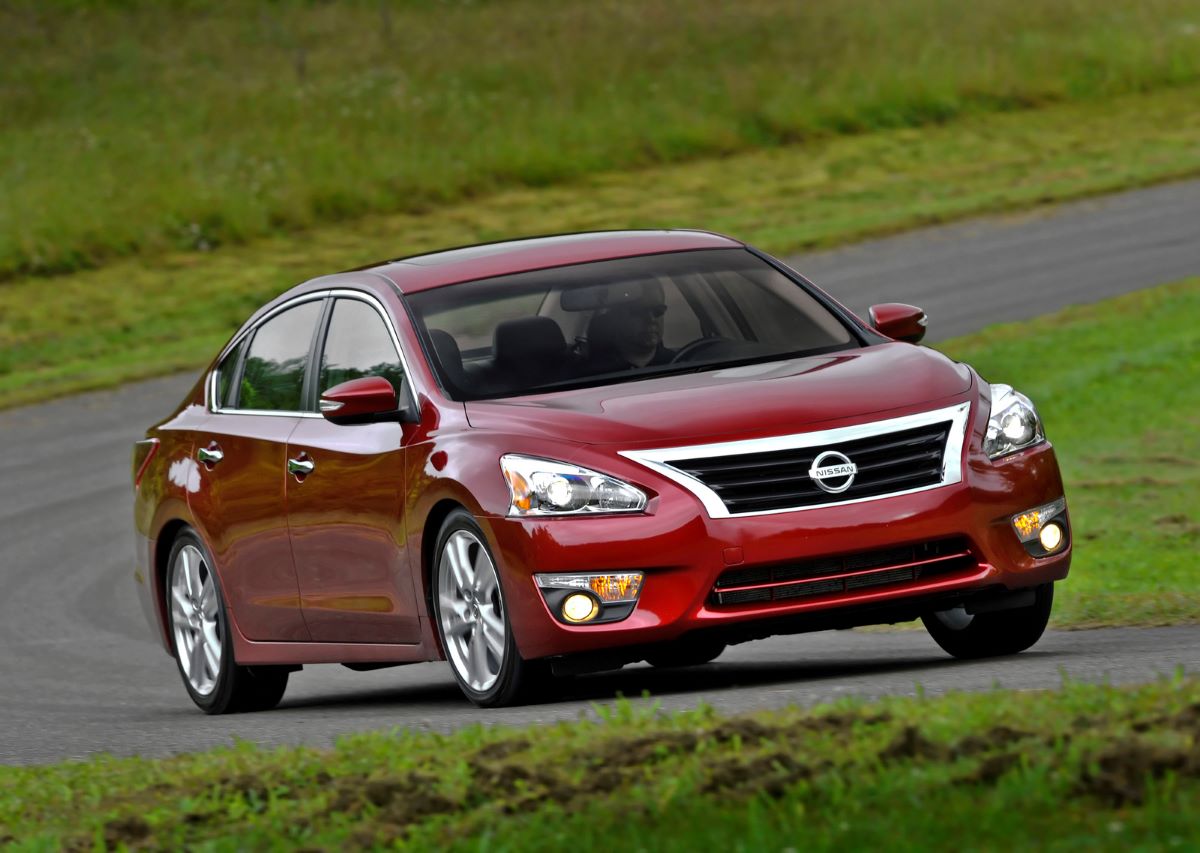
The Nissan Altima has improved significantly in design, technology, and efficiency over recent generations, but its steering feel continues to be a point of criticism among driving enthusiasts.
The system is engineered primarily for lightness and ease of use, which makes it suitable for relaxed daily commuting, but it sacrifices much of the tactile connection that defines more engaging sedans. This results in a steering experience that can feel overly assisted and somewhat inconsistent depending on driving conditions.
At low speeds, the steering is very light and easy to turn, which is beneficial in urban traffic and parking scenarios. However, this lightness can also make the steering feel detached, as there is very little physical resistance to help the driver gauge input levels. The steering wheel can feel somewhat disconnected from the front axle, especially when making quick directional changes or navigating tighter corners.
At higher speeds, the steering does become firmer, but the transition is not always smooth or natural. Instead of a gradual and predictable buildup of weight, the system can feel slightly artificial in its calibration.
This can reduce confidence during highway driving, particularly when making subtle corrections or changing lanes at speed. The lack of consistent progression in steering weight is one of the main reasons the Altima feels less refined in this area compared to segment leaders.
Road feedback is also quite limited in the Altima. The steering system filters out much of the information coming from the tires and road surface, which helps improve ride comfort but reduces driver awareness.
This means that changes in grip, surface texture, and minor road imperfections are not strongly communicated through the steering wheel. While this contributes to a smooth driving experience, it also weakens the sense of connection between driver and vehicle.
The Nissan Altima provides comfortable and easy driving dynamics, but its steering feel prioritizes convenience and simplicity over precision and engagement, resulting in a driving experience that can feel somewhat detached in more demanding situations.
3. Chevrolet Malibu
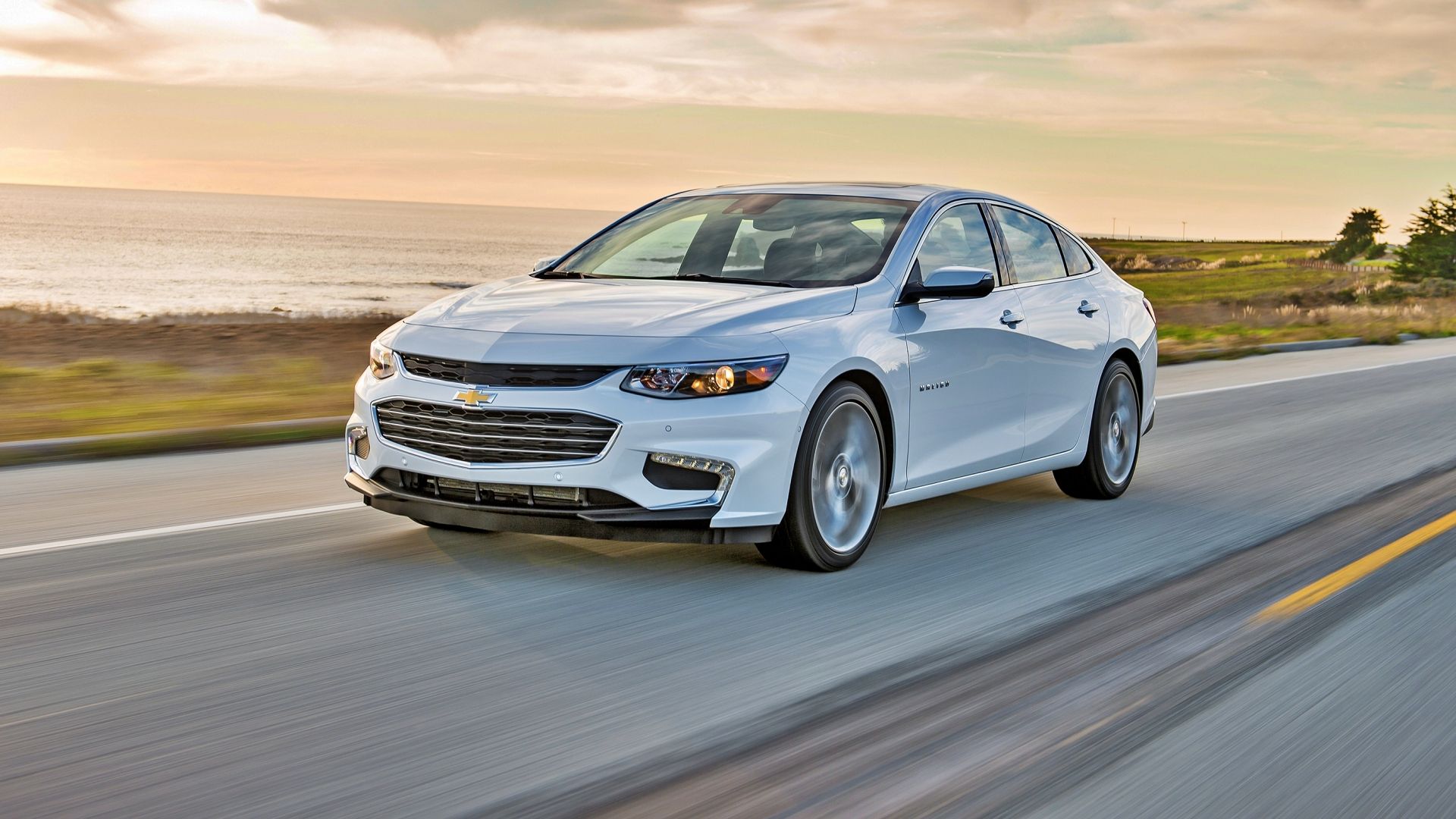
The Chevrolet Malibu is designed as a comfortable and affordable midsize sedan aimed at everyday commuting, and its steering system reflects this focus clearly.
While it performs well in terms of ride comfort and ease of driving, its steering feel is often described as soft, overly light, and lacking the precision needed for more engaging driving scenarios. The emphasis in tuning is clearly on reducing driver effort rather than providing detailed feedback or sharp response characteristics.
At low speeds, the steering is extremely easy to turn, which makes the Malibu simple to drive in city environments, parking structures, and tight residential streets. However, this ease of use comes at the cost of road connection, as the steering wheel offers very little resistance or feedback. Drivers may find it difficult to sense how much input is being applied, especially during quick or repeated steering movements.
When driving at higher speeds, the steering response improves slightly in terms of stability, but it still lacks sharpness and directness. The car may feel less immediate in reacting to steering inputs, creating a sensation of delay between driver action and vehicle response.
This can reduce confidence when performing quick lane changes or navigating winding roads, where precise timing and feedback are important.
Road feedback in the Malibu is heavily filtered, which is typical for comfort-focused sedans in this segment. While this helps isolate the cabin from vibrations and uneven surfaces, it also removes much of the sensory information that helps drivers understand road conditions. As a result, the steering wheel feels disconnected from what the tires are experiencing, particularly on imperfect or uneven roads.
The Chevrolet Malibu prioritizes comfort, simplicity, and ease of driving, but its steering system lacks the precision and communication needed to create a strong sense of driver engagement.
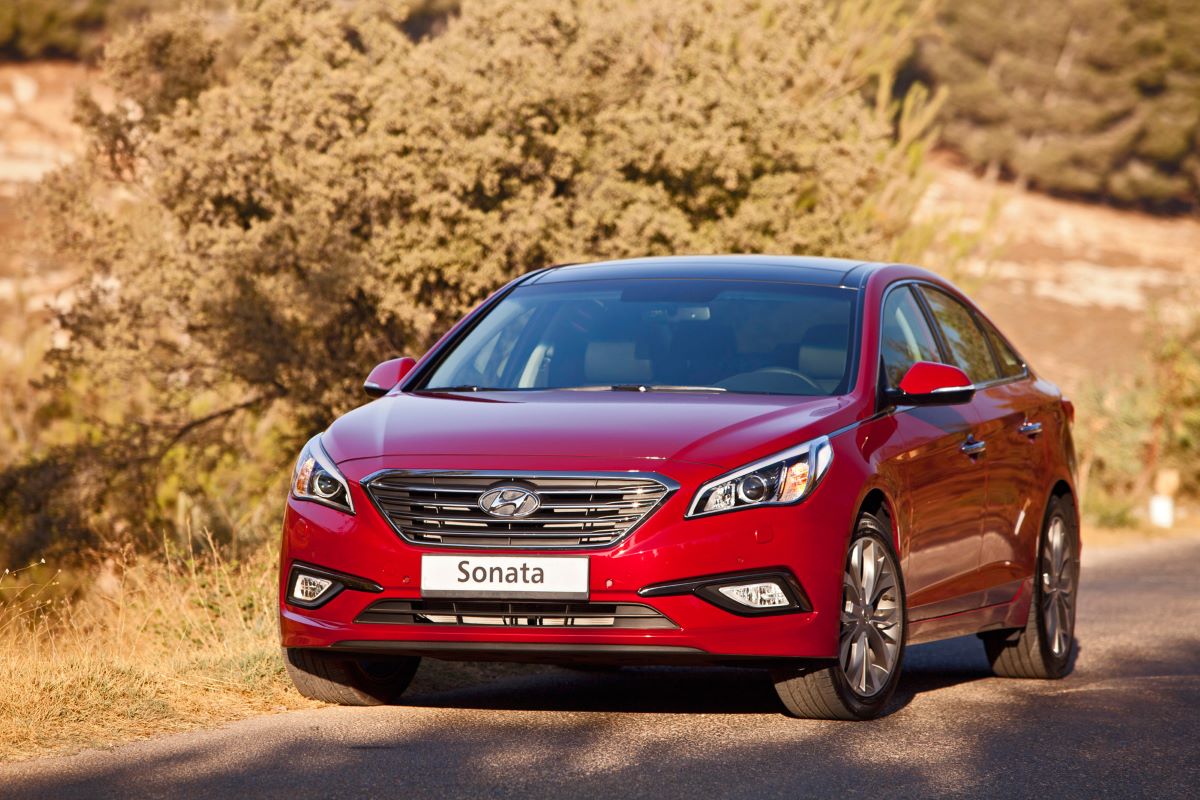
4. Hyundai Sonata
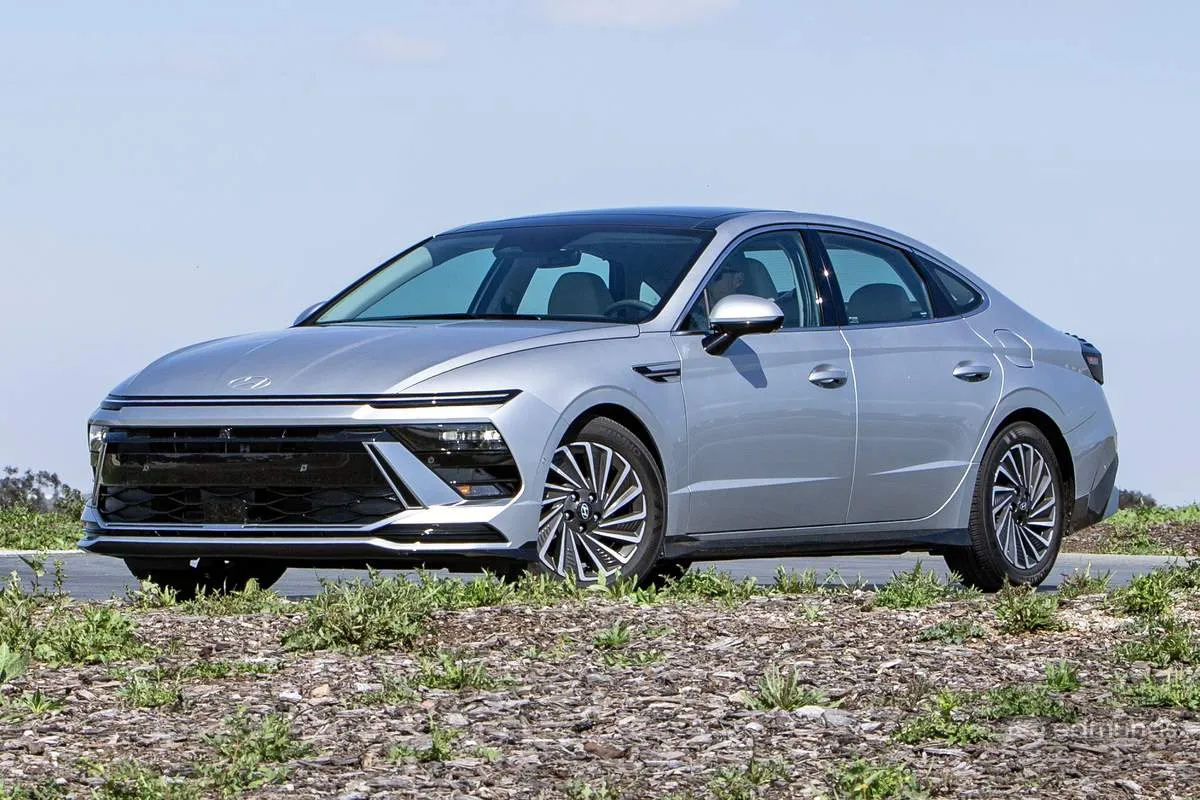
The Hyundai Sonata is a well-equipped and modern midsize sedan that emphasizes comfort, technology, and value, but its steering feel is generally tuned toward ease rather than engagement.
While it is a competent daily driver with predictable behavior, the steering system does not prioritize strong feedback or sharp responsiveness, resulting in a driving experience that can feel somewhat detached compared to more driver-focused alternatives in the segment.
At low speeds, the steering is very light and effortless, making the Sonata easy to maneuver in crowded urban environments, parking situations, and tight corners. This lightness reduces driver fatigue during daily commuting, but it also minimizes the physical sense of connection to the road. The steering wheel can feel overly assisted, which reduces the natural resistance that helps drivers gauge steering input in a more intuitive way.
As speed increases, the steering does become slightly heavier and more stable, but the change is not particularly dramatic or engaging. The system prioritizes smoothness and predictability rather than detailed communication or progressive feedback. This means that during highway driving, the steering remains controlled but does not provide a strong sense of road interaction or front-wheel behavior.
Road feedback is limited in the Sonata, as the steering system filters out much of the vibration and surface detail from the road. While this contributes to a comfortable and quiet ride, it also reduces the amount of information available to the driver about grip levels or road texture. This can make the driving experience feel more isolated, especially for those who are used to more communicative steering systems.
5. Toyota Corolla
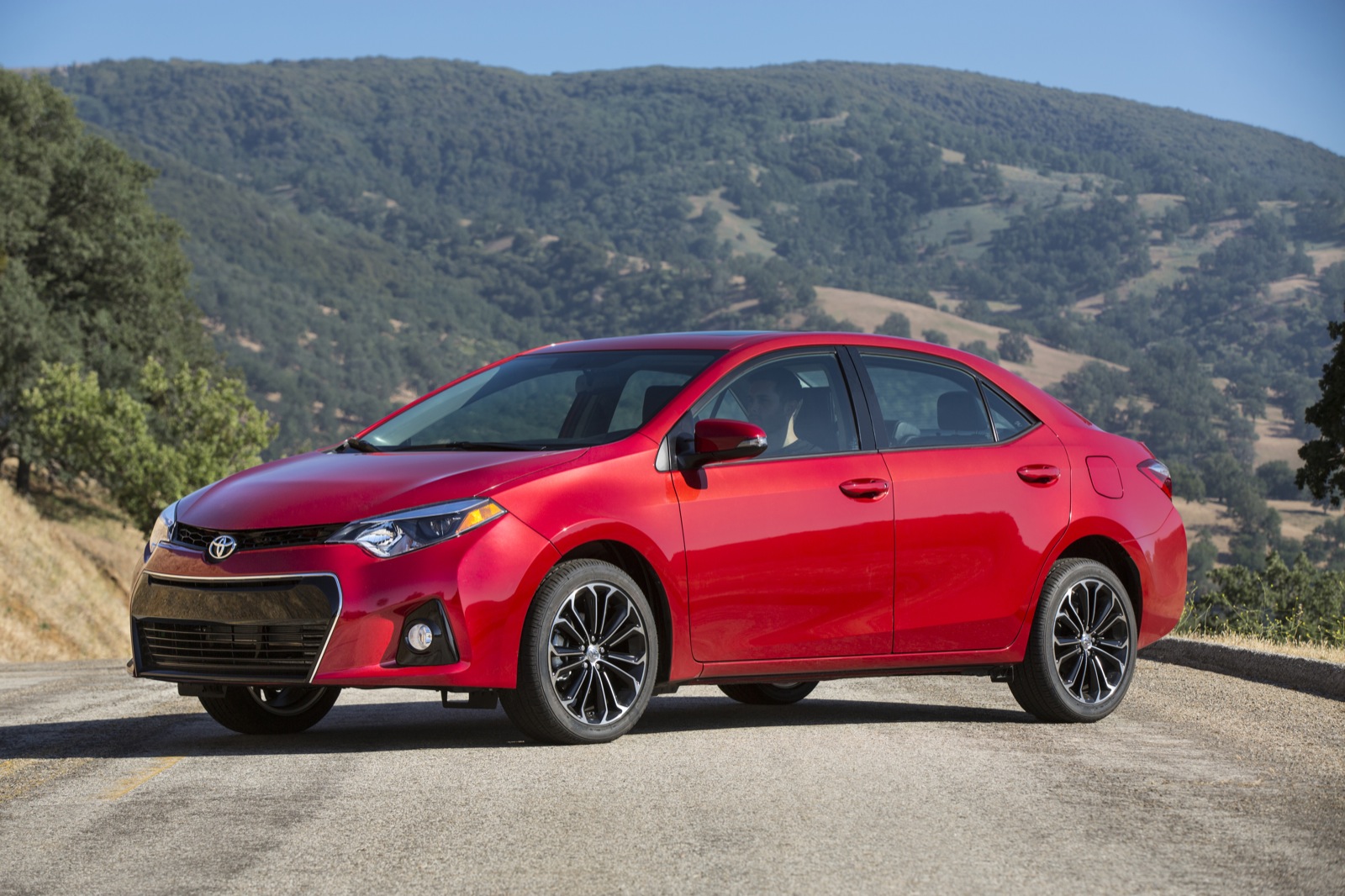
The Toyota Corolla is one of the best-selling compact sedans globally, known for its durability, affordability, and low running costs. However, when evaluated specifically for steering feel, it is often characterized as very light, highly assisted, and lacking in detailed road communication.
The tuning philosophy behind the Corolla is centered on maximum accessibility and ease of use, which naturally reduces the level of steering feedback and driver engagement.
At low speeds, the steering is extremely light, which makes the Corolla exceptionally easy to drive in dense traffic, parking situations, and narrow streets. While this is a major advantage for convenience and accessibility, it also means the driver receives very little physical feedback through the steering wheel. The result is a driving experience that feels smooth and effortless but not strongly connected.
At higher speeds, the steering remains stable but does not develop significant weight or feedback. The transition between city driving and highway driving is smooth, but it lacks the progressive increase in resistance that helps create a sense of road control. This can make the vehicle feel somewhat detached during faster driving conditions, especially when making quick corrections or lane changes.
Road feedback is minimal in the Corolla, as the system is designed to isolate the cabin from road imperfections and vibrations. While this improves comfort and reduces fatigue, it also removes much of the sensory input that helps drivers understand traction and surface conditions. This contributes to a calm driving experience but reduces the sense of mechanical connection between driver and vehicle.
