
Urban environments often expose the true strengths and weaknesses of vehicles in ways that brochures never fully capture. Providence is a perfect example of this contrast. With its historic streets, tight parking spaces, and dense neighborhoods, the city demands precision, compactness, and maneuverability from any vehicle that operates within it.
What works effortlessly in wide suburban roads or open highways can quickly become a burden when navigating narrow lanes or searching for parking in crowded districts.
This is where the difference between subcompact cars and full-size trucks becomes impossible to ignore. Subcompacts are designed with urban challenges in mind.
Their smaller footprints, tighter turning radiuses, and ease of parking make them natural fits for cities like Providence. They slip into spaces that larger vehicles cannot even consider, and they reduce the daily stress associated with urban driving.
On the other hand, full-size trucks represent the opposite philosophy. Built for capability, hauling, and open-road dominance, they prioritize size and strength over urban practicality.
While they excel in rural or work-focused environments, they often struggle in cities where space is limited and parking is unpredictable. Their dimensions, which are advantages elsewhere, become obstacles in a place like Providence.
This article examines both ends of this spectrum. First, it highlights subcompact cars that are particularly well-suited for Providence’s parking challenges, explaining why their design makes them effective in tight urban conditions.
Then it shifts focus to full-size trucks that face significant difficulties in the same environment, showing how size can become a disadvantage when space is constrained.
The goal is not to label one category as better than the other, but to demonstrate how context defines usability. A vehicle that feels perfect in one setting can feel completely out of place in another, and understanding that distinction is key to making the right choice.
Also Read: 6 Sand-Ready 4x4s for Beach Access In Jacksonville vs. 6 Luxury SUVs That Hate Salt
6 Parking-Friendly Subcompacts In Providence
Driving in Providence is less about speed and more about control. The city’s layout, shaped by history rather than modern planning, creates a landscape where narrow streets and limited parking dominate the experience. In such conditions, smaller vehicles are not just convenient, they are essential.
Subcompact cars thrive in this environment because they are built to handle constraints. Their compact size allows them to navigate tight corners, fit into small parking spots, and reduce the stress of urban driving. Beyond size, many of these cars also offer features like light steering and good visibility, which further enhance their suitability for city life.
This section focuses on subcompacts that stand out specifically for their parking friendliness. These are vehicles that make daily driving in Providence easier rather than more complicated. Each one has been selected based on how well it adapts to the realities of urban space limitations.
What makes these cars important is not just their dimensions, but how they transform the driving experience. Instead of constantly worrying about finding a spot or squeezing into tight spaces, drivers can move with confidence and efficiency. In a city where every inch matters, that advantage becomes significant.
1. Honda Fit
The Honda Fit approaches urban driving with a level of practicality that feels purpose-built for cities like Providence. Its compact exterior dimensions make it easy to maneuver through narrow streets, but what truly sets it apart is how intelligently it uses its size.
Unlike many small cars that sacrifice usability for compactness, the Fit manages to offer a surprisingly versatile interior. This means drivers do not have to compromise on functionality while enjoying the benefits of a smaller footprint. It becomes a vehicle that adapts to both tight parking conditions and everyday needs.
Another key aspect is its visibility. The design provides a clear view of surroundings, which is crucial when navigating crowded streets or aligning the car into tight parking spots. This reduces guesswork and increases confidence, making the driving experience smoother.
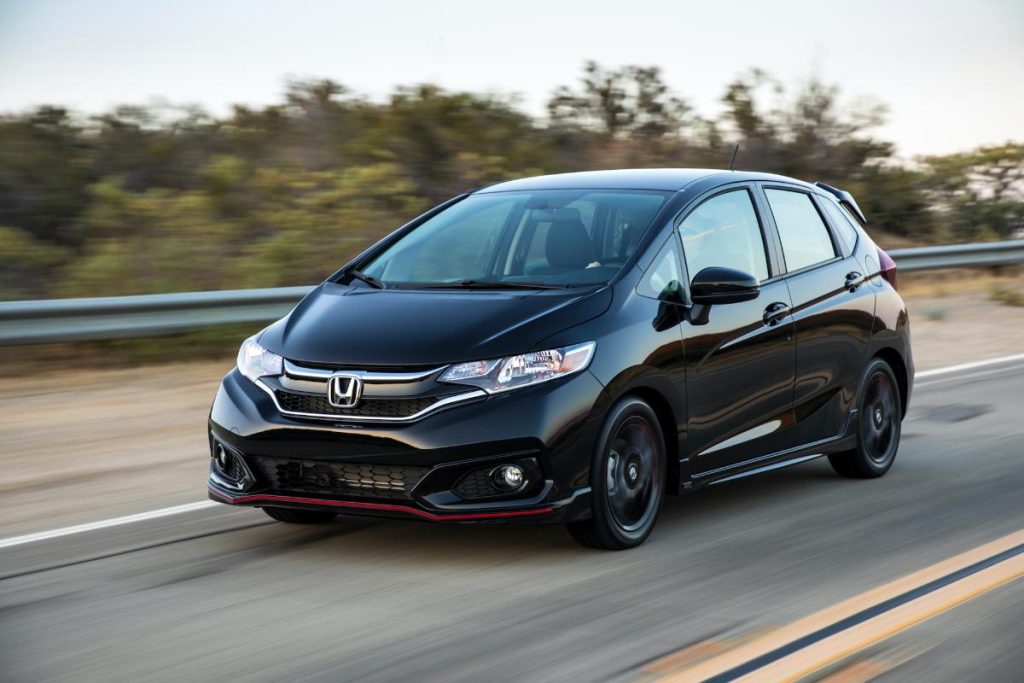
The reason this car is included here is its balance. It does not just fit into small spaces, it makes doing so feel effortless. In a city like Providence, where parking can often feel like a challenge, that ease becomes a defining advantage.
2. Mini Cooper Hardtop
The Mini Cooper Hardtop brings a different personality to the subcompact segment, combining distinctive styling with genuine urban practicality. Its small footprint makes it naturally suited for tight environments, but its appeal goes beyond just size.
Driving the Mini in a city setting feels engaging rather than restrictive. Its responsive steering and compact proportions allow it to weave through traffic and fit into spaces that would challenge larger vehicles. This creates a sense of agility that aligns perfectly with Providence’s layout.
Parking is where it truly shines. The short length of the car makes it easier to judge distances and position the vehicle accurately, even in spots that require precision. This reduces the stress that often comes with urban parking, turning a potential frustration into a manageable task.
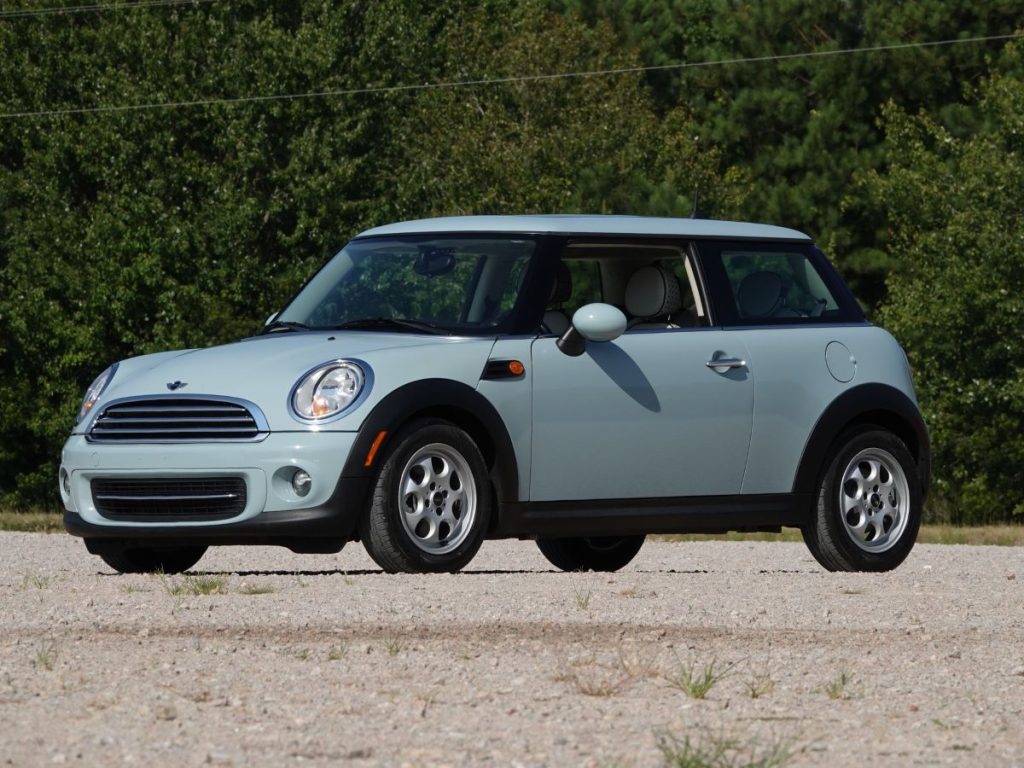
This car is featured because it shows that practicality does not have to come at the expense of character. It offers a driving experience that is both functional and enjoyable, making it a strong choice for those who want efficiency without sacrificing personality.
3. Toyota Yaris
The Toyota Yaris takes a straightforward approach to urban mobility, focusing on simplicity and efficiency in a way that aligns perfectly with Providence’s tight streets. It does not rely on flashy features to stand out. Instead, it delivers a predictable and manageable driving experience that becomes valuable in daily city use.
One of its strongest advantages is how easy it is to place on the road. The compact proportions make it simple to judge distances, which is especially useful when navigating narrow lanes or squeezing into parallel parking spots. Drivers do not have to constantly second-guess their positioning, which reduces stress in crowded areas.
Inside the city, the Yaris feels light and cooperative. Steering inputs require minimal effort, and the car responds without hesitation. This creates a sense of control that becomes important when dealing with frequent stops, tight turns, and unpredictable traffic patterns. It does not overwhelm the driver with complexity, which works in its favor.
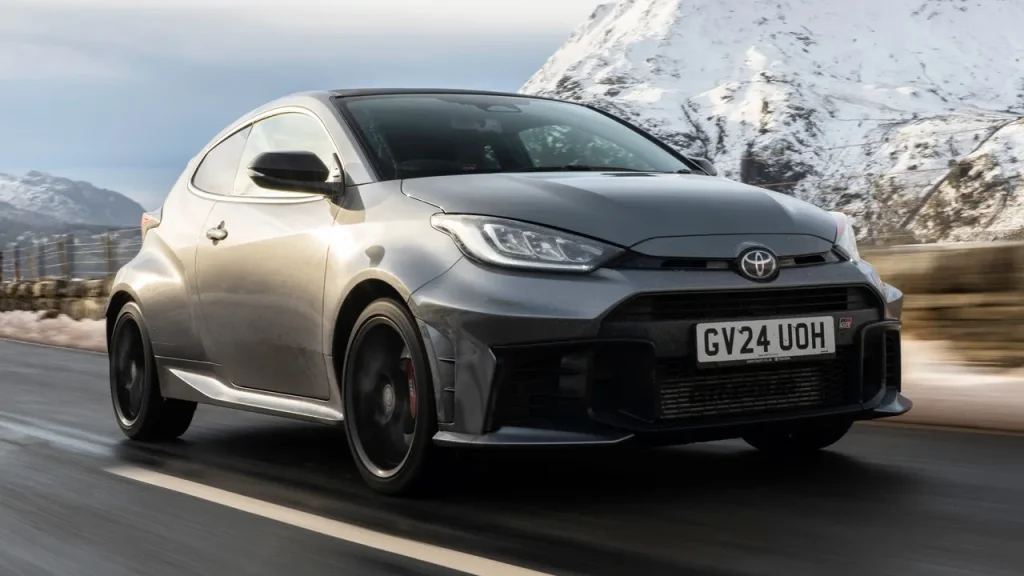
Another aspect that makes it suitable for Providence is its consistency. The Yaris behaves in a predictable manner, whether you are parking in a tight downtown space or navigating residential streets. That reliability builds confidence over time, especially for drivers who regularly deal with limited parking availability.
This car is included because it represents a practical solution that prioritizes ease over excitement. It may not be the most expressive vehicle in its segment, but it delivers exactly what urban drivers need. In a city where space is always at a premium, that kind of straightforward usability becomes a major advantage.
4. Kia Rio
The Kia Rio brings a slightly more refined feel to the subcompact category while still maintaining the compact dimensions necessary for urban environments like Providence. It strikes a balance between comfort and practicality, making it a strong option for drivers who want more than just basic transportation.
From the moment it enters a tight street, the Rio feels composed. Its size allows it to navigate confined spaces without difficulty, yet it does not feel overly small or cramped from the driver’s perspective. This balance helps create a sense of confidence, especially in areas where space is limited and precision matters.
Parking is where the Rio quietly excels. Its proportions make it easy to slot into spaces that would challenge larger vehicles, and its visibility supports accurate positioning. Drivers can approach tight parking situations with a level of assurance that reduces the usual frustration associated with city driving.
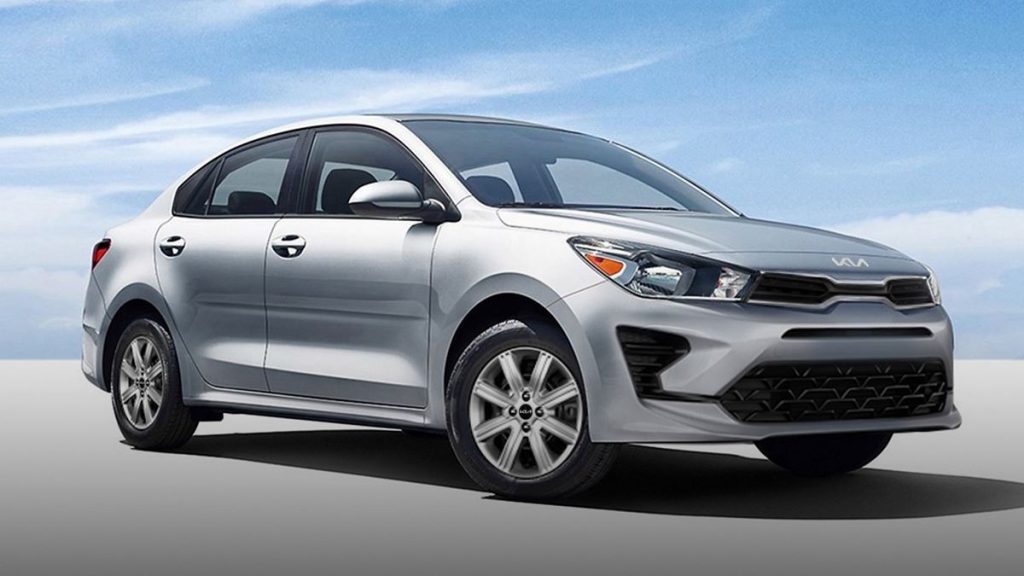
The interior also plays a role in its appeal. While compact, it is designed in a way that feels organized and accessible.
Controls are easy to reach, and the layout does not distract from the task of driving. This simplicity complements the car’s urban focus, allowing drivers to concentrate on navigating rather than managing complex systems.
This vehicle earns its place because it shows how refinement can exist within a compact form. It does not just fit into small spaces, it makes the entire driving experience feel more comfortable and controlled. In a city like Providence, that combination of ease and composure becomes especially valuable.
5. Chevrolet Sonic
The Chevrolet Sonic approaches the subcompact category with a slightly more substantial feel, which makes it stand out in a city like Providence where drivers often want both maneuverability and a sense of stability. It does not feel as tiny as some rivals, yet it remains compact enough to handle tight urban conditions without difficulty.
What makes the Sonic particularly useful is how it balances size with confidence. When navigating narrow streets, it does not feel overly delicate or twitchy. Instead, it maintains a composed character that helps drivers stay relaxed even in congested areas. This becomes important in a city where constant adjustments are part of everyday driving.
Parking is handled with a level of predictability that builds trust over time. The car’s dimensions allow it to fit into spaces that larger vehicles would struggle with, but more importantly, it is easy to judge where the edges of the car are. This clarity reduces hesitation and makes parallel parking less intimidating.
Another aspect worth noting is how the Sonic handles daily use. It feels capable enough for short highway stretches while still excelling in city environments. That versatility adds to its appeal for drivers who move between different types of roads but still prioritize urban practicality.
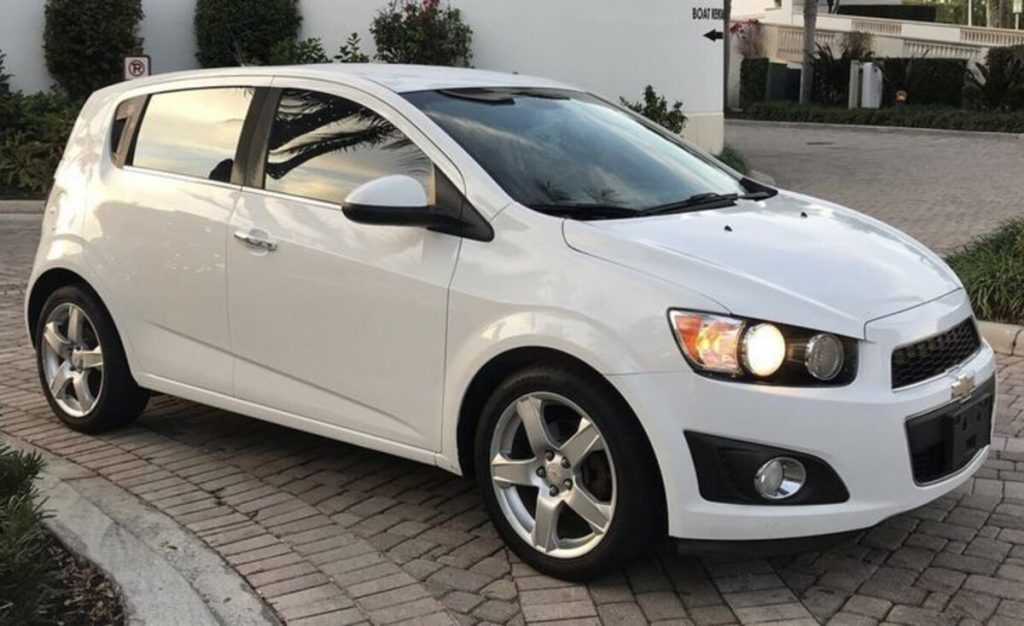
This car is included because it offers a slightly different interpretation of what a subcompact can be. It proves that a vehicle can feel solid and stable without becoming too large for tight spaces. In Providence, where drivers often need that balance, the Sonic delivers a dependable and approachable experience.
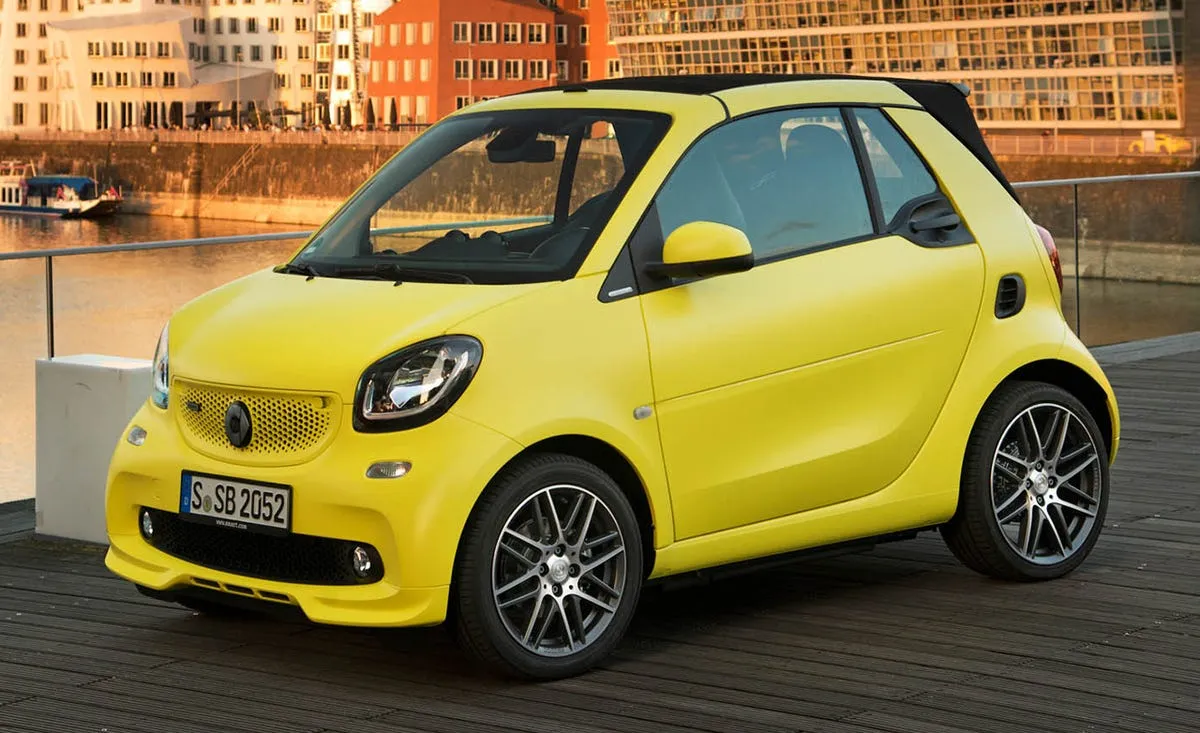
6. Smart Fortwo
The Smart Fortwo takes the idea of urban efficiency to its extreme, offering a driving experience that is almost entirely defined by its size. In a city like Providence, where parking can feel like a constant challenge, this car changes the equation completely.
Its most obvious advantage is its length. The Fortwo is so compact that it can fit into spaces that are simply unavailable to other cars. This opens up parking opportunities that would otherwise be ignored, giving drivers a level of flexibility that few vehicles can match.
Driving through tight streets also becomes less stressful. The small footprint allows for quick adjustments and easy navigation, even in areas where space is extremely limited. It feels almost purpose-built for environments where every inch matters.
However, what makes the Fortwo particularly interesting is how it reshapes expectations. Instead of trying to balance multiple roles, it focuses entirely on urban practicality. This means it sacrifices certain aspects of versatility, but in return, it excels in its intended purpose.
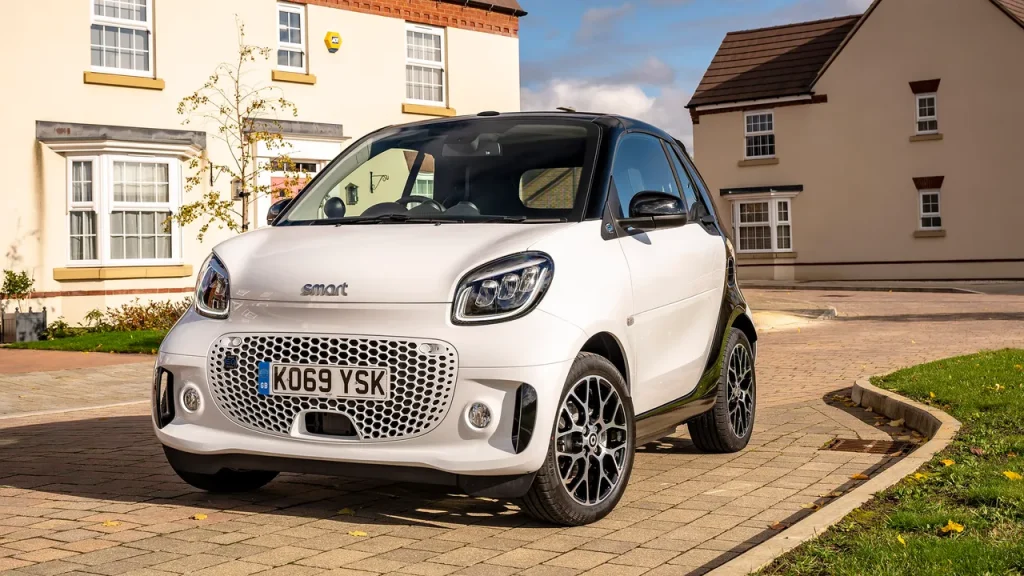
The reason this car is included is to highlight how far compact design can go in solving city challenges. It may not be suitable for every situation, but within the context of Providence’s parking constraints, it offers a unique and highly effective solution.
6 Full-Size Trucks That Won’t Fit
Providence presents a completely different challenge when full-size trucks enter the picture. The same streets that feel manageable in a subcompact quickly become restrictive when dealing with vehicles built for size and strength.
Parking garages, roadside spaces, and even residential lanes expose the limitations of trucks that are designed with entirely different priorities in mind.
Full-size trucks are engineered for capability. They excel in towing, hauling, and handling demanding workloads. However, those strengths are tied directly to their dimensions, which become a disadvantage in dense urban environments.
Long wheelbases, wide bodies, and large turning radiuses make simple tasks like parking or making tight turns significantly more complicated.
This section focuses on trucks that highlight these challenges most clearly. These are vehicles that perform exceptionally well in open spaces but feel out of place in cities like Providence. The goal is to show how context changes everything, and how a vehicle’s strengths can turn into limitations when the environment shifts.
1. Ford F-150
The Ford F-150 is one of the most recognizable trucks on the road, known for its versatility and capability. However, when placed in a city like Providence, its size becomes immediately noticeable in ways that are difficult to ignore.
Navigating narrow streets requires constant attention. The width of the truck leaves little room for error, especially when other vehicles are parked along the sides. Drivers often find themselves slowing down significantly, not because of traffic, but because of the need to carefully position the vehicle within limited space.
Parking presents an even bigger challenge. Standard parking spots can feel restrictive, and in many cases, the truck extends beyond the boundaries of the space. This forces drivers to search for larger spots or rely on less convenient parking options, which adds time and frustration to daily routines.
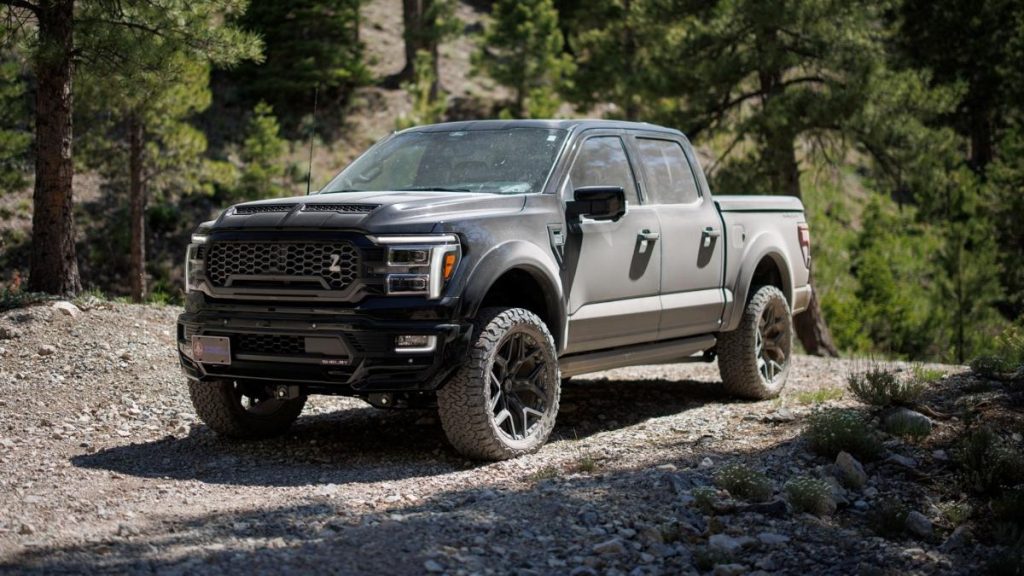
Another issue is maneuverability. The turning radius makes tight corners and confined areas more difficult to handle, requiring multiple adjustments where smaller cars would complete the same movement.
This truck is included because it perfectly illustrates the trade-off between capability and practicality. While it excels in environments that demand strength, it struggles in settings where space is limited, making it less suitable for Providence’s urban layout.
2. Chevrolet Silverado 1500
The Chevrolet Silverado 1500 carries a strong presence that works in its favor on open roads but becomes a disadvantage in compact urban environments. Its size and stance make it feel commanding, yet that same presence creates complications when space is limited.
Driving through Providence’s tighter areas can feel restrictive. The truck’s width and length require careful navigation, especially in older parts of the city where streets were not designed for modern vehicle dimensions. This often leads to slower movement and increased driver effort.
Parking is where the Silverado’s limitations become most apparent. Finding a suitable spot can take significantly longer, and even when one is found, fitting the truck properly can be challenging. The experience often involves multiple adjustments and a level of precision that can be stressful in busy areas.
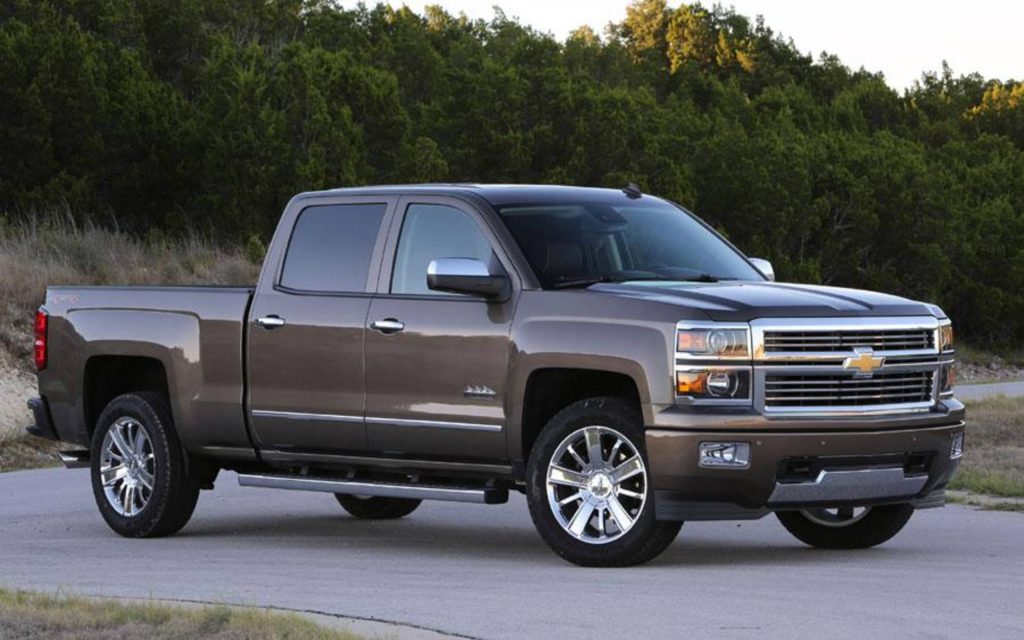
Another factor is visibility in tight spaces. While the truck offers a commanding view of the road, judging distances in confined areas can be more difficult due to its size. This adds another layer of complexity to everyday driving tasks.
The reason this vehicle is featured here is to emphasize how scale impacts usability. The Silverado 1500 is highly capable in the right environment, but in a city like Providence, its size turns routine activities into challenges that require extra effort and patience.
3. Ram 1500
The Ram 1500 brings a refined driving experience to the full size truck segment, but refinement does not solve the fundamental issue it faces in a city like Providence. Its size remains the defining factor, and that size quickly becomes a challenge when streets narrow and parking options shrink.
Driving the Ram through older parts of the city requires a constant awareness of surroundings. The truck feels wide in confined lanes, especially when vehicles are parked on both sides. What might be a simple pass in a smaller car turns into a slow, calculated movement here, often with very little margin for error.
Parking adds another layer of complexity. Even when a spot appears suitable, the length of the Ram 1500 can make it difficult to fit cleanly within marked lines. Drivers may find themselves adjusting multiple times just to achieve acceptable positioning. In busy areas, this process can feel stressful rather than routine.
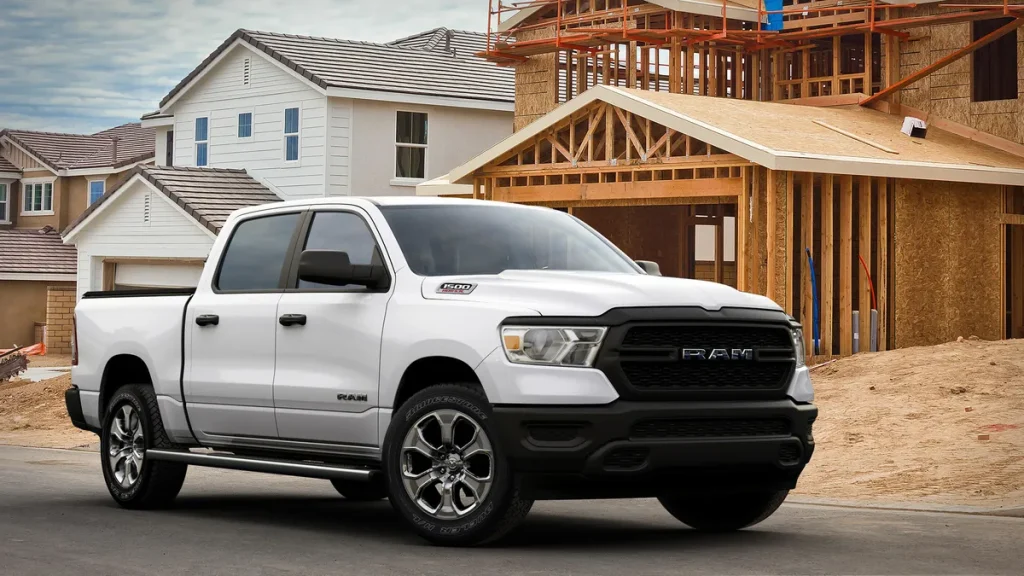
Another issue that stands out is how the truck handles tight turns. The turning radius is not designed for compact environments, which means corners often require extra space or careful maneuvering. This becomes particularly noticeable in parking garages or narrow intersections.
This vehicle is included because it highlights how even a well refined truck cannot escape the limitations of its size. The Ram 1500 is comfortable and capable, but those qualities do not translate easily into a city built around smaller vehicles. In Providence, it feels out of sync with the environment.
4. GMC Sierra 1500
The GMC Sierra 1500 shares much of its structure with other full size trucks, but it brings a slightly more premium feel to the experience. However, that added refinement does not change how it behaves in tight urban conditions. Its physical dimensions remain the primary challenge.
In Providence, the Sierra often feels larger than the streets can comfortably accommodate. Navigating through crowded areas requires patience, as the truck takes up a significant portion of available space. This can make even short drives feel more demanding than they should be.
Parking situations tend to highlight its limitations clearly. Standard city parking spots rarely feel sufficient, and even when the truck fits, it may leave very little room for opening doors or maneuvering out later. This creates an ongoing inconvenience for drivers who rely on street parking.
The sense of scale also affects driver confidence in confined areas. While the Sierra offers a strong road presence, that same presence can feel overwhelming when space is restricted. Judging distances becomes more difficult, especially in environments where precision is required.
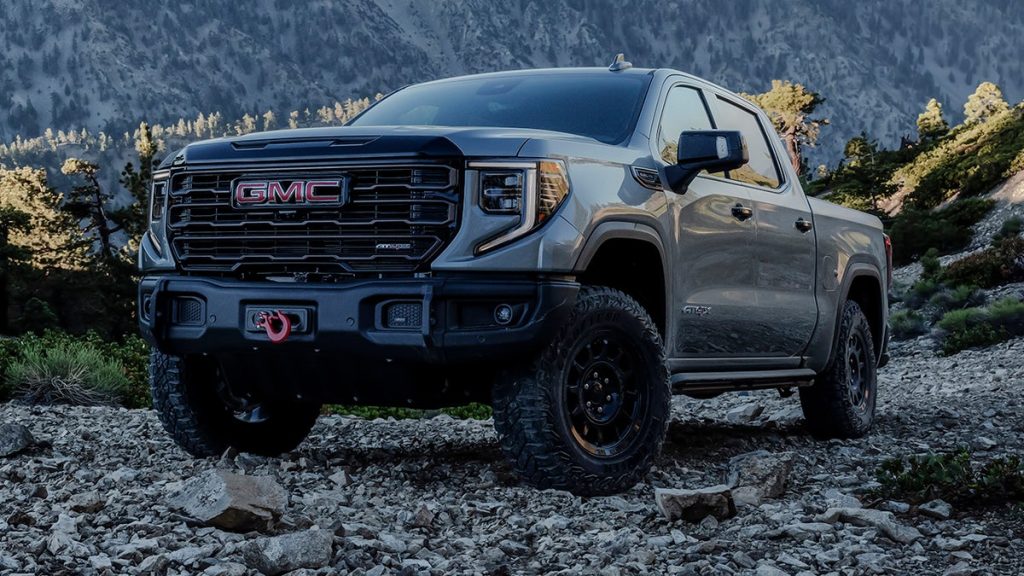
The reason this truck appears here is to show how luxury elements do not offset practical challenges. The Sierra 1500 may offer comfort and advanced features, but in a city like Providence, its size continues to work against it, making everyday tasks more complicated than necessary.
5. Toyota Tundra
The Toyota Tundra is known for its durability and straightforward approach to capability, but when it enters an urban setting like Providence, its strengths are overshadowed by its scale. It is built for endurance and workload, not for navigating compact city layouts.
One of the first things drivers notice is how much space the Tundra occupies. On narrow streets, it demands attention and careful positioning, often slowing down the flow of driving simply because there is less room to work with. This can make routine trips feel more demanding than expected.
Parking the Tundra requires planning rather than spontaneity. Drivers cannot rely on finding a spot quickly, as many available spaces are simply too small. Even when a suitable space is found, fitting the truck neatly can take multiple attempts and a great deal of patience.
Another aspect to consider is how the truck handles confined movement. Tight turns and crowded intersections reveal its limitations, requiring wider arcs and more deliberate control. This contrasts sharply with smaller vehicles that can navigate the same spaces effortlessly.
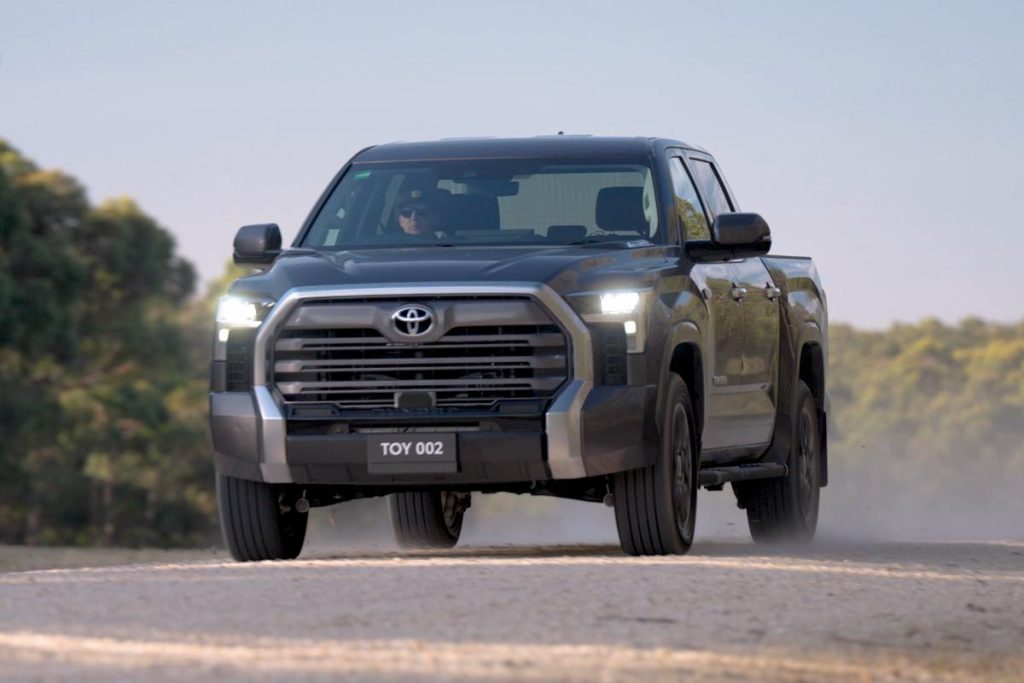
This vehicle is included because it demonstrates how purpose built capability does not translate universally. The Tundra excels in environments where space is abundant, but in Providence, it becomes a reminder that size must match setting to maintain practicality.
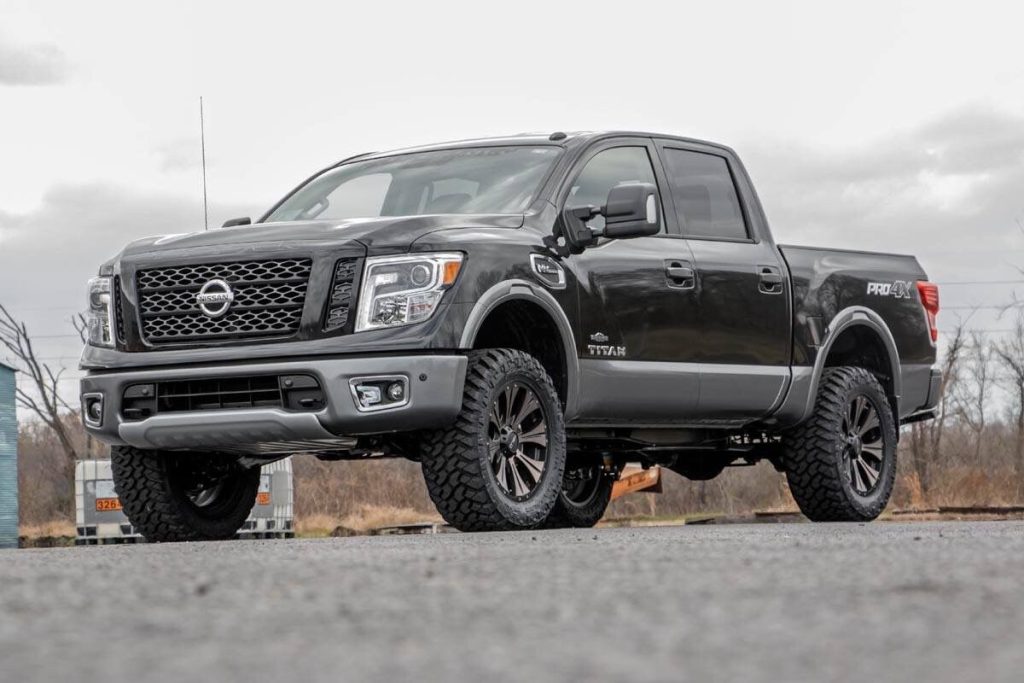
6. Nissan Titan
The Nissan Titan brings a bold design and strong performance to the full size truck category, yet it faces the same urban challenges as its competitors when placed in a city like Providence. Its proportions, while beneficial in open environments, create obstacles in tighter spaces.
Driving the Titan through city streets often requires a more cautious approach. The width and length make it less forgiving when navigating narrow lanes or passing through congested areas. This can lead to slower movement and increased driver effort, especially during peak traffic hours.
Parking is where the Titan’s limitations become most evident. Finding a spot that accommodates its size can be difficult, and once a spot is located, positioning the truck correctly can take time. This turns what should be a simple task into a repeated challenge.
The truck also struggles with tight maneuvering. Whether entering a parking structure or making sharp turns, its size demands extra space and careful control. This contrasts sharply with smaller vehicles that handle the same situations with ease.
The reason this truck is featured here is to underline a consistent theme. Full size trucks are not inherently flawed, but they are designed for a different context. In Providence, where space is limited and precision is required, the Titan feels mismatched to its surroundings, making everyday driving less convenient.
This article highlights how vehicle size directly impacts usability in a city like Providence, where tight streets and limited parking dominate daily driving.
Parking-friendly subcompacts such as the Honda Fit, Mini Cooper Hardtop, Toyota Yaris, Kia Rio, Chevrolet Sonic, and Smart Fortwo prove highly effective because of their compact dimensions, easy maneuverability, and stress-free parking capabilities.
These cars are designed to adapt to urban constraints, making them practical choices for navigating crowded environments.
In contrast, full-size trucks like the Ford F-150, Chevrolet Silverado 1500, Ram 1500, GMC Sierra 1500, Toyota Tundra, and Nissan Titan struggle in the same setting. Their large size, wide turning radius, and difficulty fitting into standard parking spaces make everyday driving more challenging.
The key takeaway is simple. Vehicles must match their environment. What works perfectly in open spaces becomes inconvenient in dense cities, and choosing the right size can significantly improve the driving experience.
Also Read: 6 Cars for Narrow Colonial Streets In Richmond vs. 6 Large SUVs That Can’t Turn
