Driving on coastal terrain introduces a completely different set of challenges compared to city streets or highways. In places like Jacksonville, where beach access is part of everyday life for many drivers, vehicles are expected to handle loose sand, salt exposure, and uneven surfaces with confidence.
These conditions are not forgiving, and choosing the wrong vehicle can quickly turn an enjoyable outing into a frustrating experience.
Sand driving demands traction, ground clearance, and a drivetrain that can distribute power effectively. Vehicles that are designed for such environments offer features like four wheel drive systems, durable suspensions, and the ability to maintain momentum without getting stuck. They are built not just to survive these conditions but to perform reliably over time.
At the same time, coastal environments introduce another challenge that is often overlooked, salt. Salt exposure can accelerate corrosion, affect sensitive components, and reduce the lifespan of a vehicle that is not properly equipped to handle it.
This is where the contrast becomes clear between rugged, purpose built 4x4s and luxury SUVs that prioritize comfort and refinement over durability in harsh conditions.
Luxury SUVs may excel on paved roads, offering quiet cabins and advanced technology, but they often struggle when exposed to sand and salt. Their materials, design priorities, and overall engineering may not align with the demands of beach driving. Over time, this mismatch can lead to increased maintenance and reduced reliability.
This article explores both sides of this contrast. It highlights vehicles that are well suited for beach access in Jacksonville, focusing on their ability to handle sand and resist environmental challenges. At the same time, it examines luxury SUVs that may not adapt as well, offering insight into why they can struggle in these conditions.
Also Read: 5 AWD Systems for Canyon Climbing In Salt Lake City vs. 5 That Struggle on Steep Grades
6 Sand-Ready 4x4s for Beach Access In Jacksonville
Beach driving is a unique experience that requires more than just a capable engine. The combination of soft sand, changing terrain, and exposure to salt demands a vehicle that is both strong and adaptable. In Jacksonville, where coastal access is common, having the right 4×4 can make all the difference between a smooth drive and getting stuck.
The most important factor in sand driving is traction. Vehicles equipped with effective four wheel drive systems can distribute power across all wheels, helping maintain momentum even when the surface shifts beneath them. This is essential because losing momentum in sand often leads to getting stuck.
Ground clearance is another key element. Sand can form uneven surfaces, and vehicles that sit too low risk scraping or becoming immobilized. A higher stance allows drivers to navigate these conditions with greater confidence.
Durability also plays a major role. Salt exposure can affect metal components and undercarriages over time, so vehicles that are built with rugged materials and protective features tend to perform better in coastal environments.
The following 4x4s have been selected because they combine these qualities effectively. Each one offers a different approach to handling sand and coastal conditions, but all share the ability to provide reliable performance where it matters most.
1. Jeep Wrangler
The Jeep Wrangler has long been associated with off road capability, and beach driving is one area where it truly shines. Its design is centered around handling difficult terrain, which makes it particularly well suited for navigating soft sand along Jacksonville’s coastline.
One of the Wrangler’s greatest strengths is its four wheel drive system. It allows the driver to maintain traction even when the sand becomes loose and unpredictable. This ability to keep moving forward without losing momentum is essential for avoiding situations where the vehicle could become stuck.
Another advantage is its ground clearance. The Wrangler sits high enough to handle uneven surfaces without difficulty, allowing drivers to move confidently across varying terrain. This reduces the risk of underbody contact and helps maintain stability.
Durability is also a defining feature. The Wrangler is built to withstand harsh conditions, and its construction helps protect it from the effects of salt exposure. This makes it a practical choice for regular beach use rather than occasional trips.
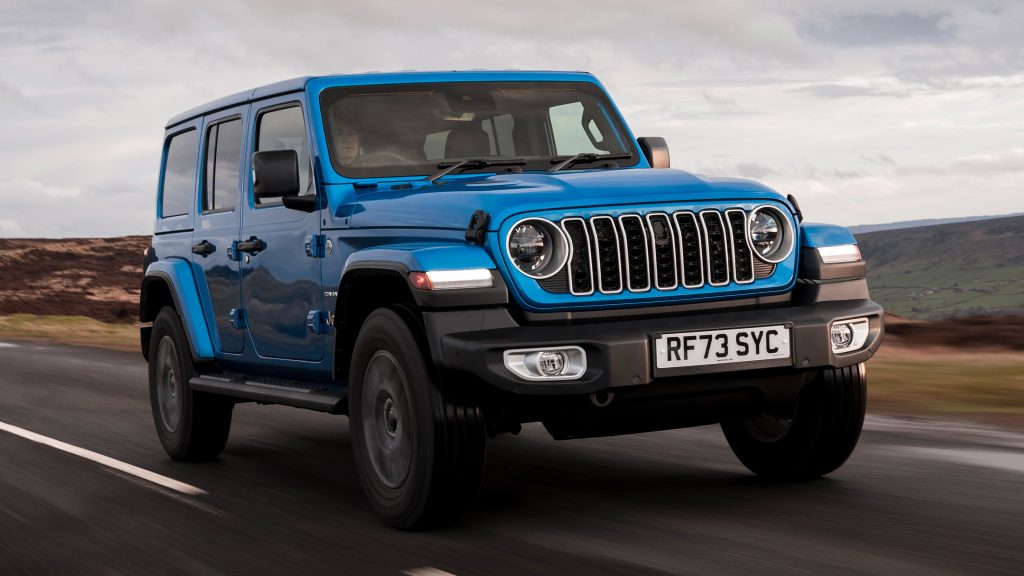
The Jeep Wrangler succeeds because it embraces the demands of off road driving fully. It does not attempt to balance conflicting priorities but instead focuses on delivering capability where it is needed most.
2. Toyota Land Cruiser
The Toyota Land Cruiser approaches beach driving with a different kind of strength, combining rugged capability with long term reliability. It is built to handle extreme environments, and this resilience translates well to the challenges of sand and salt exposure in coastal areas.
Its four wheel drive system is designed to adapt to different surfaces, providing consistent traction even in loose sand. This ensures that the vehicle remains stable and capable, allowing drivers to navigate difficult sections without hesitation.
The Land Cruiser’s weight and build quality also contribute to its performance. It feels planted, which helps maintain control even when the terrain shifts beneath it. This sense of stability can make a significant difference during longer drives on the beach.
Another important factor is its durability. The Land Cruiser is known for its ability to withstand harsh conditions over extended periods, and this includes resistance to environmental factors like salt. This reliability makes it a strong choice for drivers who frequently access coastal areas.
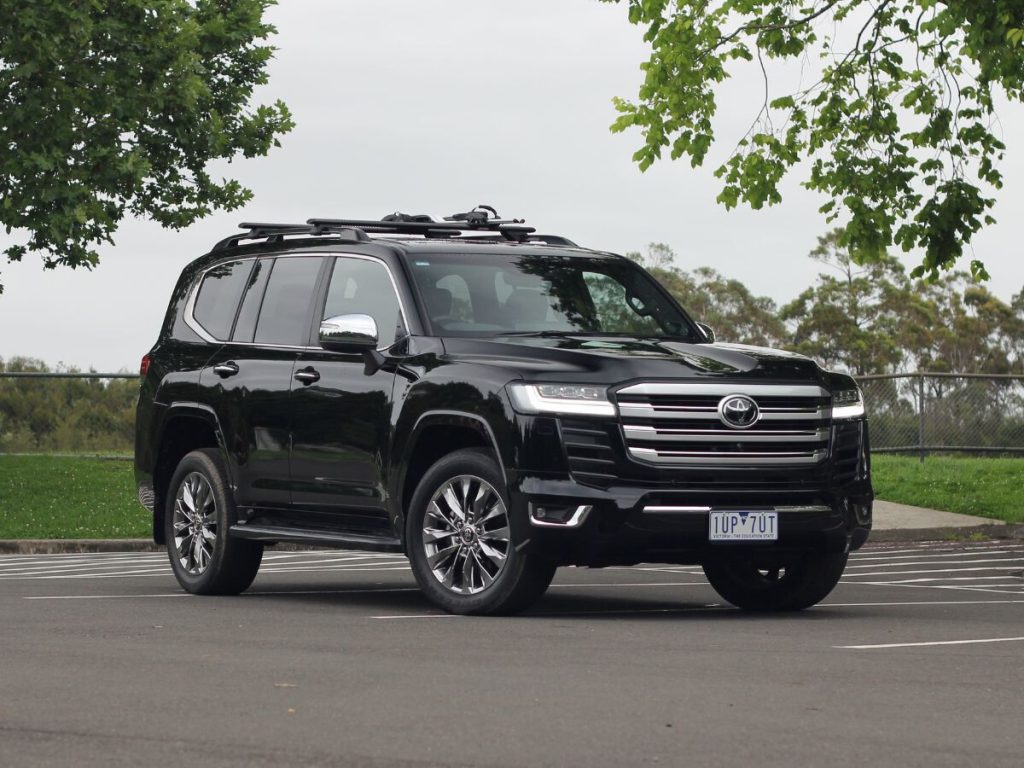
The Toyota Land Cruiser stands out because it combines capability with longevity. It is not just built to handle challenging terrain but to continue doing so consistently over time.
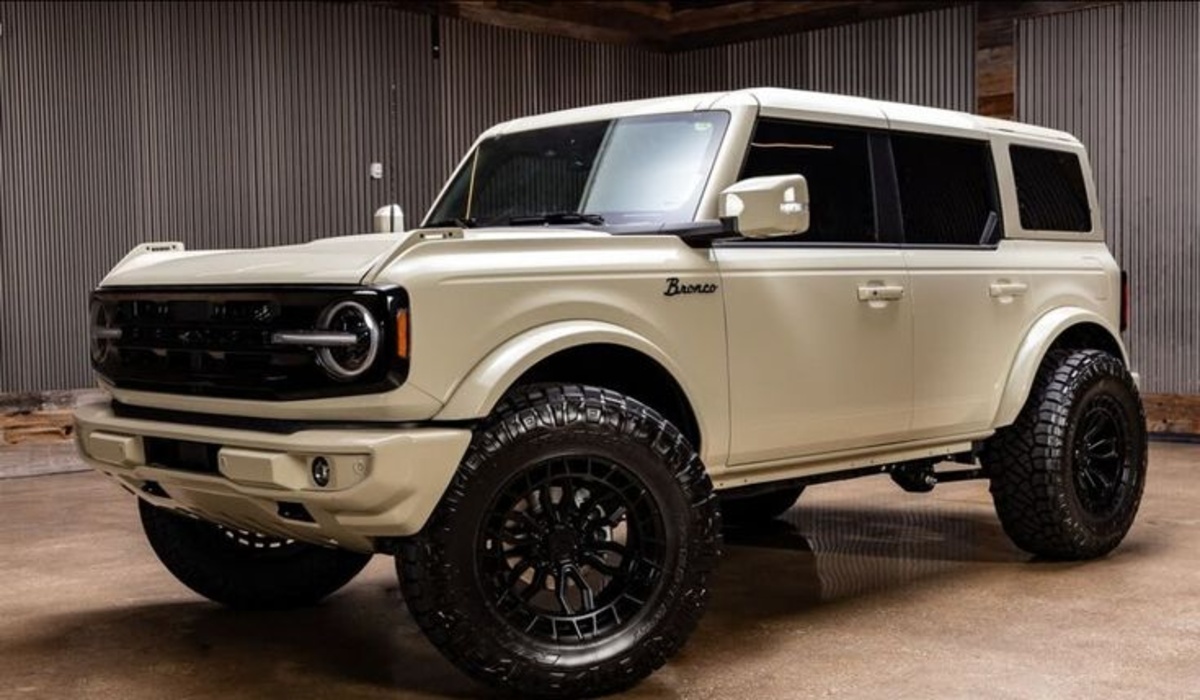
3. Ford Bronco
The Ford Bronco brings a modern interpretation of off road capability, and that focus translates well to beach environments like those in Jacksonville.
It is engineered to handle loose terrain with confidence, making it a strong contender for drivers who regularly venture onto sand. Rather than relying on a single strength, the Bronco combines multiple features that work together to create a controlled and adaptable driving experience.
A key advantage lies in its terrain management system. This allows drivers to select modes specifically designed for surfaces like sand, adjusting throttle response and power distribution accordingly. Instead of struggling to find grip, the vehicle adapts to the conditions, helping maintain forward momentum even when the surface becomes soft.
Ground clearance also plays an important role. The Bronco sits high enough to navigate uneven sand without scraping or losing stability. This added height allows drivers to approach changing terrain with confidence, reducing the risk of getting stuck in deeper patches.
Another element that makes the Bronco effective is its suspension design. It is built to absorb irregularities while keeping the vehicle composed, which is particularly useful on beaches where the surface can vary from firm to loose within short distances. This consistency helps the driver stay in control.
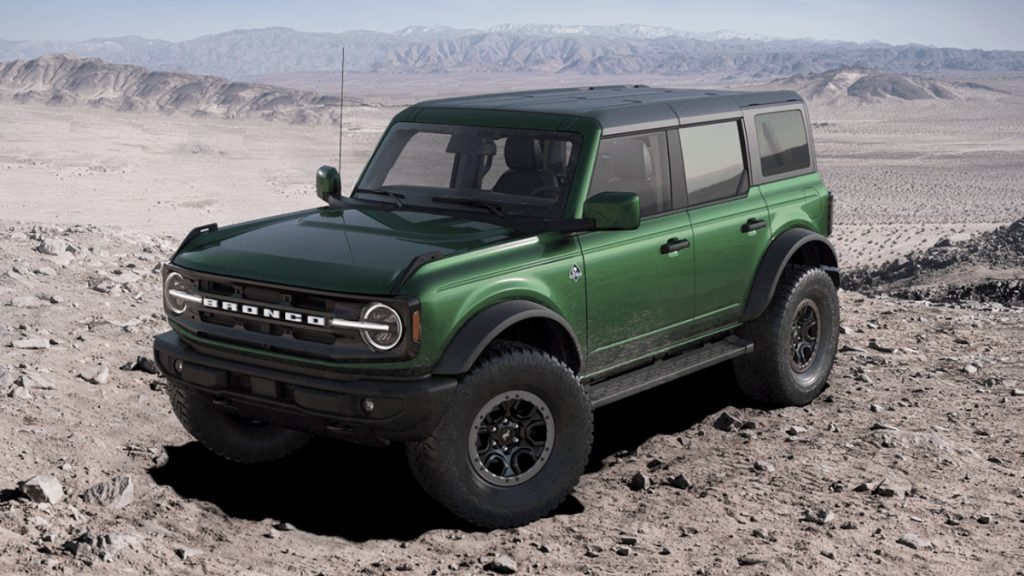
Durability is equally important in coastal conditions. The Bronco is constructed with materials and design considerations that help it withstand exposure to salt and moisture over time. This makes it more than just a capable off road vehicle, it becomes a reliable companion for repeated beach use.
The Ford Bronco succeeds by blending modern technology with rugged engineering. It adapts to the demands of sand driving while maintaining a level of control that inspires confidence in challenging conditions.
4. Nissan Patrol
The Nissan Patrol approaches beach driving with a focus on strength and endurance. It is a vehicle that has built its reputation in demanding environments, and that experience translates directly to coastal conditions. For drivers in Jacksonville, this means having a 4×4 that can handle both the terrain and the long term effects of salt exposure.
One of the Patrol’s defining characteristics is its powerful drivetrain. This allows it to maintain steady progress even in deep sand, where weaker vehicles might struggle. Instead of relying on momentum alone, it provides consistent power delivery that keeps the vehicle moving forward with control.
Its size and weight contribute to a planted feel on the sand. While heavier vehicles can sometimes struggle in soft terrain, the Patrol manages this balance effectively by combining weight with proper traction systems. This results in a stable driving experience that feels secure rather than cumbersome.
The suspension system is designed to handle rough conditions without compromising comfort. On the beach, where surfaces can shift unexpectedly, this ability to absorb changes helps maintain control. Drivers can navigate uneven areas without feeling unsettled.
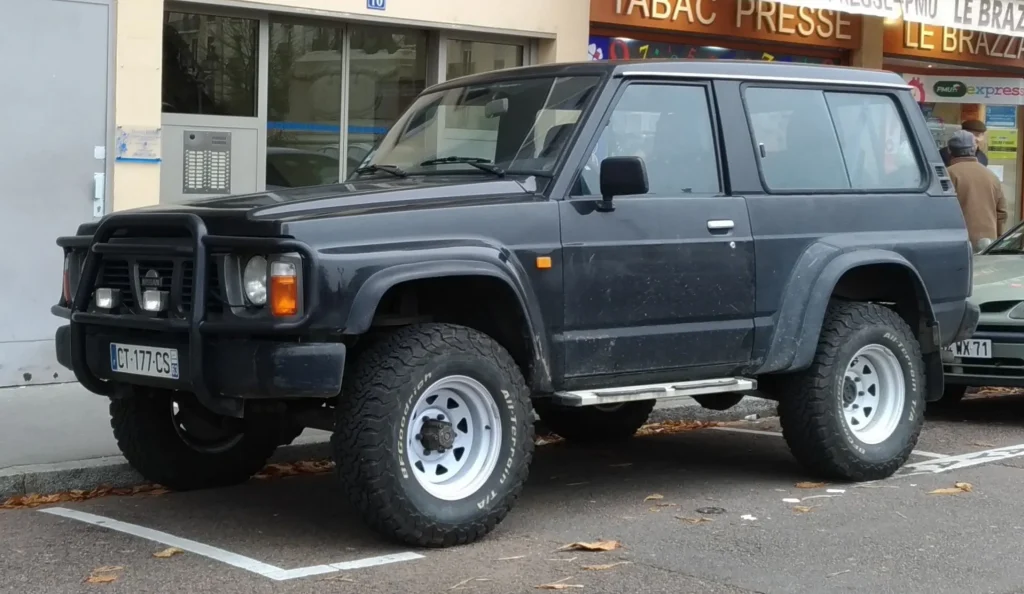
Durability is another area where the Patrol excels. It is built to withstand harsh environments, and its construction helps protect against corrosion caused by salt. This makes it a practical choice for frequent coastal use.
The Nissan Patrol stands out because it brings a sense of resilience to beach driving. It is not just capable of handling the terrain but is built to endure it over time, making it a dependable option for demanding conditions.
5. Land Rover Defender
The Land Rover Defender carries a legacy of tackling extreme environments, and that heritage makes it particularly effective for beach access in places like Jacksonville. It is designed with versatility in mind, allowing it to adapt to different terrains without losing composure. Sand driving is one of those scenarios where its engineering becomes especially valuable.
One of the Defender’s standout qualities is its intelligent traction system. Instead of relying purely on mechanical grip, it uses advanced electronics to monitor wheel movement and adjust power delivery in real time.
On soft sand, this helps prevent wheel spin while maintaining steady progress. The result is a smoother and more controlled drive, even in challenging conditions.
Ground clearance and approach angles further enhance its capability. The Defender is built to handle uneven terrain without hesitation, allowing drivers to move across dunes or soft patches without worrying about underbody contact. This confidence encourages a more relaxed driving style, which is important when navigating unpredictable surfaces.
Another aspect that sets the Defender apart is its structural durability. It is engineered to withstand harsh environments, including exposure to moisture and salt. This makes it suitable for repeated beach use without the same level of concern that might affect less rugged vehicles.
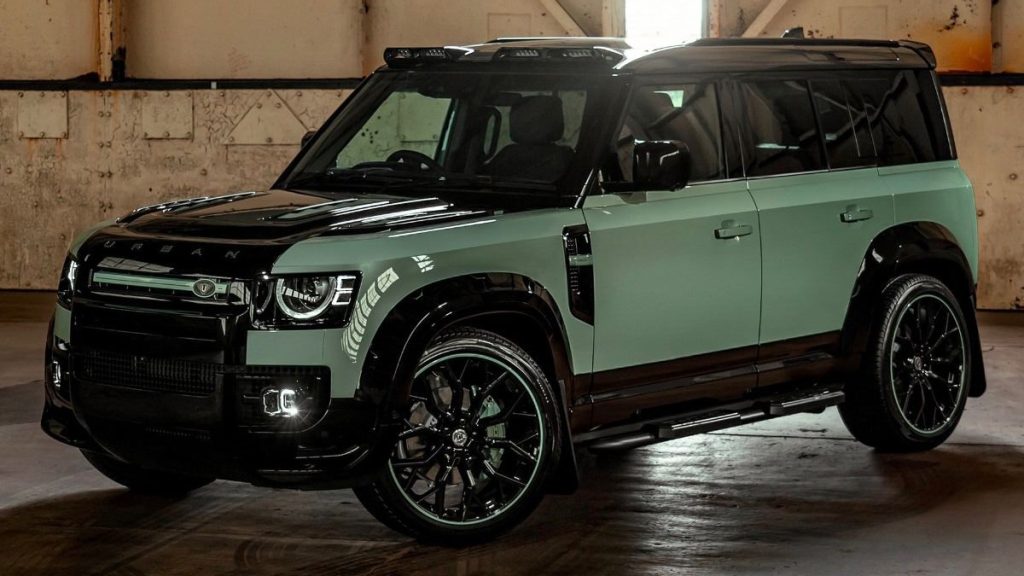
Inside, the Defender balances toughness with comfort. While it is clearly designed for demanding conditions, it still provides a refined driving environment that makes longer trips enjoyable. This combination of strength and usability adds to its appeal.
The Land Rover Defender succeeds because it integrates modern technology with proven off road capability. It adapts to sand driving conditions while maintaining durability, making it a strong choice for coastal environments.
6. Chevrolet Colorado ZR2
The Chevrolet Colorado ZR2 offers a more compact approach to beach ready performance, proving that a vehicle does not need to be full size to handle demanding conditions. Its design focuses on agility and control, which can be particularly beneficial when navigating tighter areas along the coastline.
One of its key strengths is its suspension system. The ZR2 is equipped with components that are specifically tuned for off road use, allowing it to absorb irregularities in the terrain while maintaining stability. On sand, where surfaces can shift quickly, this capability helps keep the vehicle composed.
The four wheel drive system is equally effective, providing the traction needed to move through loose sand without losing momentum. This ensures that the vehicle remains responsive and capable, even in sections where the surface becomes more challenging.
Its smaller size compared to larger 4x4s becomes an advantage in certain situations. It allows for easier maneuvering in tighter spaces, which can be useful when accessing specific areas of the beach. This agility complements its overall capability, creating a well rounded package.
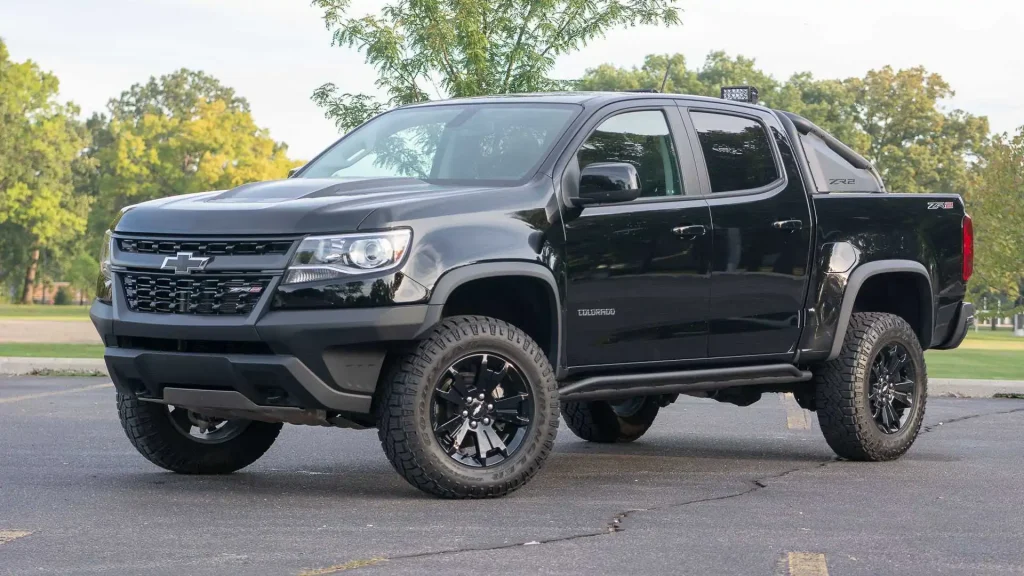
Durability is also a consideration. The Colorado ZR2 is built to handle off road conditions, and this includes resistance to the elements. While regular maintenance is still important, its construction helps it cope with the effects of sand and salt exposure.
The Chevrolet Colorado ZR2 demonstrates that capability comes in different forms. By combining off road engineering with a more manageable size, it provides a practical and effective solution for beach driving in Jacksonville.
6 Luxury SUVs That Hate Salt
Luxury SUVs are designed to deliver comfort, advanced technology, and refined driving experiences. They excel on smooth roads, where their quiet cabins and sophisticated features create a sense of ease. However, when exposed to coastal environments like Jacksonville’s beaches, their priorities can work against them.
Salt is one of the most challenging elements for any vehicle. It accelerates corrosion, affects exposed metal components, and can even impact electrical systems over time. Vehicles that are not specifically designed to handle these conditions may begin to show wear more quickly, especially with repeated exposure.
Luxury SUVs often emphasize materials and finishes that enhance comfort and appearance. While these elements contribute to a premium feel, they may not always offer the same level of durability as those found in more rugged vehicles. This creates a gap between their intended use and the demands of beach driving.
Another factor is their overall design. Many luxury SUVs are built with road focused dynamics in mind, prioritizing smoothness and refinement over resilience in harsh conditions. This can make them less suitable for environments where sand and salt are constant factors.
The following vehicles illustrate how luxury and coastal conditions do not always align. Each one highlights different challenges that can arise when a vehicle designed for comfort is placed in an environment that demands durability and resistance to the elements.
1. Range Rover
The Range Rover represents the pinnacle of luxury in the SUV segment, offering a combination of comfort, advanced technology, and refined performance. However, when exposed to coastal conditions, its focus on luxury can become a limitation rather than an advantage.
One of the primary concerns is its sensitivity to environmental factors like salt. The materials and finishes that contribute to its premium feel can be more vulnerable to corrosion over time. This is particularly relevant in beach environments where salt exposure is frequent.
The vehicle’s complex systems also play a role. Advanced electronics and features enhance the driving experience, but they can be more susceptible to issues when exposed to harsh conditions. This adds an extra layer of maintenance consideration for owners who frequently visit coastal areas.
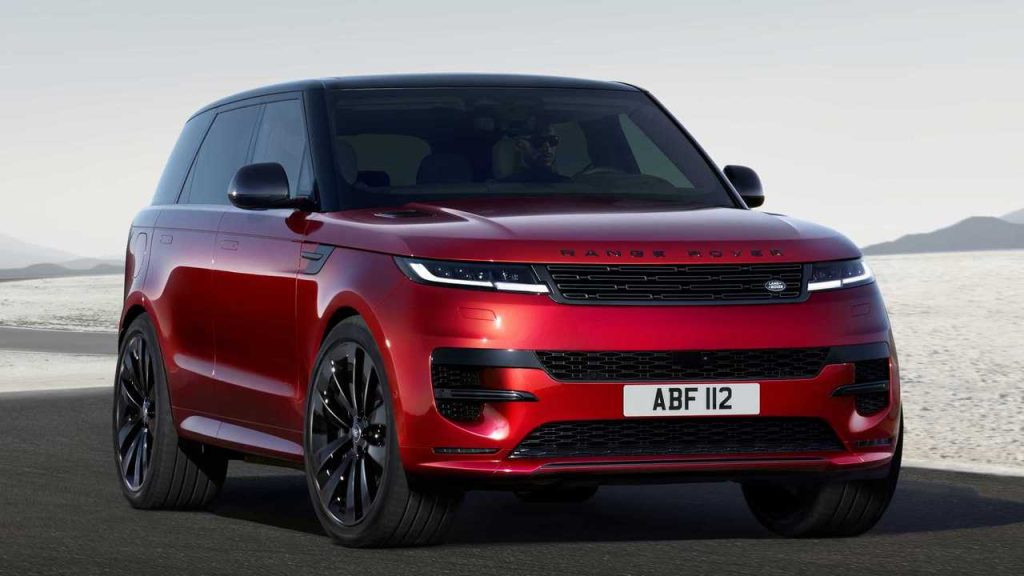
While the Range Rover is capable in many situations, it is not specifically designed for repeated exposure to sand and salt. Its strengths lie in comfort and refinement, which do not always translate into durability in challenging environments.
2. BMW X7
The BMW X7 is designed to deliver a sense of calm, refinement, and effortless performance on paved roads. It excels in environments where smooth surfaces and controlled conditions allow its engineering to shine. However, when it is exposed to coastal elements like sand and salt, its priorities begin to show clear limitations.
One of the main concerns with the X7 in beach environments is how it handles prolonged salt exposure. The vehicle relies heavily on finely finished surfaces and carefully detailed components that are meant to maintain a premium appearance.
Over time, repeated contact with salt air and residue can begin to affect these finishes, requiring more frequent care to preserve the vehicle’s condition.
Its construction also reflects a focus on comfort rather than rugged durability. While it feels solid and well built on the road, it is not specifically designed to handle abrasive particles like sand or the corrosive nature of salt. This means that components underneath the vehicle may need extra attention if used regularly near the coast.
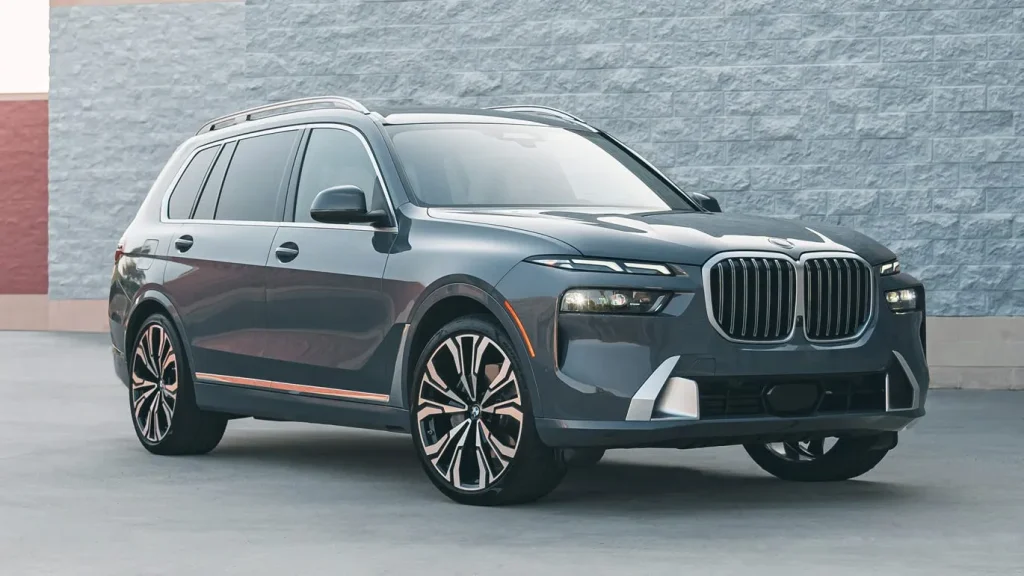
Another factor is its driving character. The X7 is tuned for smoothness and stability on highways, not for loose or shifting surfaces. Attempting to use it in sandy conditions can feel out of place, as the vehicle is not optimized for maintaining traction in such environments.
The BMW X7 remains an excellent luxury SUV for its intended purpose, but it illustrates how vehicles built for refinement may require caution and additional care when introduced to harsher coastal conditions.
3. Mercedes-Benz GLS
The Mercedes-Benz GLS presents itself as a refined and spacious luxury SUV, designed to provide a smooth and comfortable experience for both driver and passengers. It performs exceptionally well on well maintained roads, but when exposed to coastal environments, certain characteristics begin to work against it.
One of the primary issues is its sensitivity to salt exposure. The GLS features high quality materials and finishes that are intended to enhance its premium appeal.
While visually impressive, these elements can require careful maintenance when regularly exposed to salt laden air and surfaces. Over time, even small amounts of residue can affect the vehicle’s exterior and underbody if not addressed consistently.
The vehicle’s complexity also plays a role in how it handles such conditions. With numerous advanced systems and electronic features, there is an increased need to protect sensitive components from environmental factors. Coastal use introduces variables that the GLS is not specifically engineered to manage on a regular basis.
Driving dynamics further highlight the mismatch. The GLS is tuned for smoothness and composure on paved surfaces, prioritizing passenger comfort over rugged capability. On sand, this approach can feel less effective, as the vehicle is not designed to maintain traction in loose terrain.
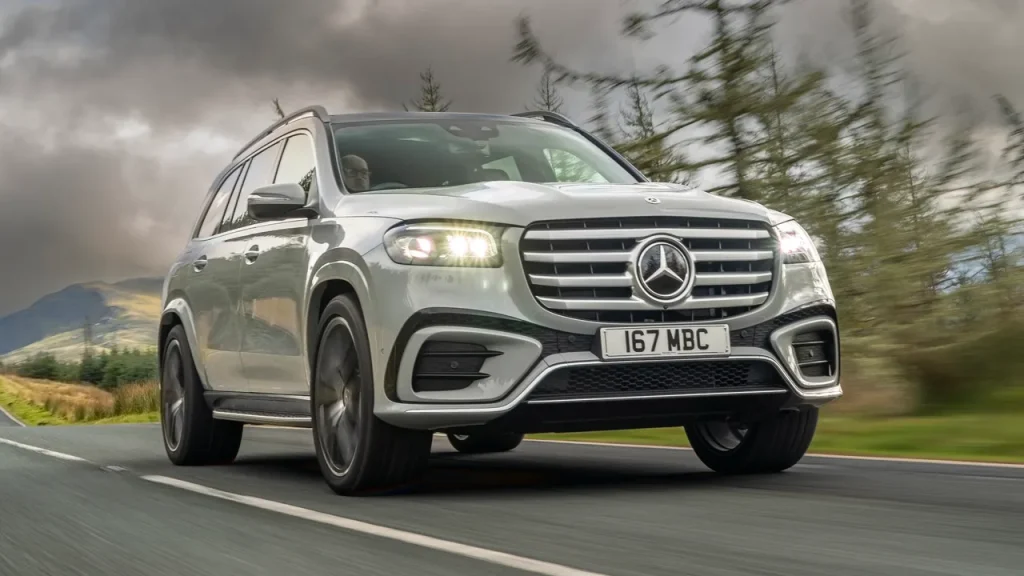
The Mercedes-Benz GLS demonstrates how luxury and comfort can come with trade offs. It excels in its intended setting but requires extra care and consideration when used in environments that demand durability and resistance to harsh elements.
4. Audi Q8
The Audi Q8 combines bold design with advanced technology, offering a driving experience that feels modern and refined. It is built to perform confidently on roads where precision and comfort are key. However, when introduced to coastal conditions, its strengths are not always aligned with the demands of the environment.
Salt exposure is one of the main challenges for the Q8. Its exterior detailing and premium finishes are designed to maintain a polished appearance, but these surfaces can be affected by repeated contact with salt. Without regular cleaning and maintenance, the impact of coastal conditions can become noticeable over time.
The vehicle’s structure and materials also reflect a focus on on road performance. While it is capable in many scenarios, it is not specifically engineered to handle the abrasive nature of sand or the corrosive effects of salt on a frequent basis. This means that owners need to be more attentive when using it near the beach.
From a driving perspective, the Q8 is tuned for stability and responsiveness on paved roads. On sand, this setup can feel less natural, as the vehicle is not optimized for maintaining grip on loose surfaces. This limits its practicality in beach environments.
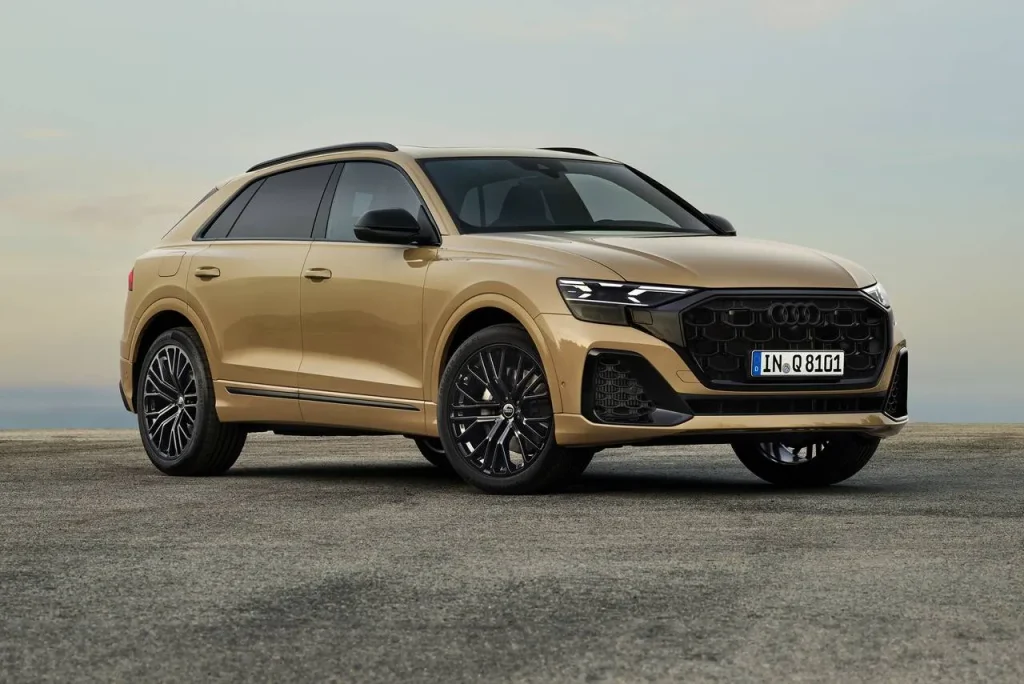
The Audi Q8 highlights how a vehicle designed for modern luxury may require adjustments in usage when faced with harsher conditions. It remains impressive in its intended role but is less suited for regular coastal exposure.
5. Lexus RX
The Lexus RX is known for its comfort, reliability, and smooth driving experience, making it a popular choice among luxury SUV buyers. It performs exceptionally well in everyday conditions, but its design priorities do not fully align with the challenges of coastal environments.
One of the key considerations is how it handles salt exposure. While the RX is well built, it is not specifically designed to endure frequent contact with corrosive elements. Over time, salt can affect various components, particularly if the vehicle is regularly driven on or near the beach without proper care.
The RX also emphasizes comfort in its suspension and overall driving dynamics. This makes it ideal for city driving and long highway trips, but less suited for navigating loose sand. The vehicle is not engineered to maintain traction in such conditions, which limits its effectiveness in beach settings.
Interior and exterior materials further reflect its focus on refinement. These features enhance the overall experience but may require additional maintenance when exposed to harsher environments. Keeping the vehicle in optimal condition can become more demanding with repeated coastal use.
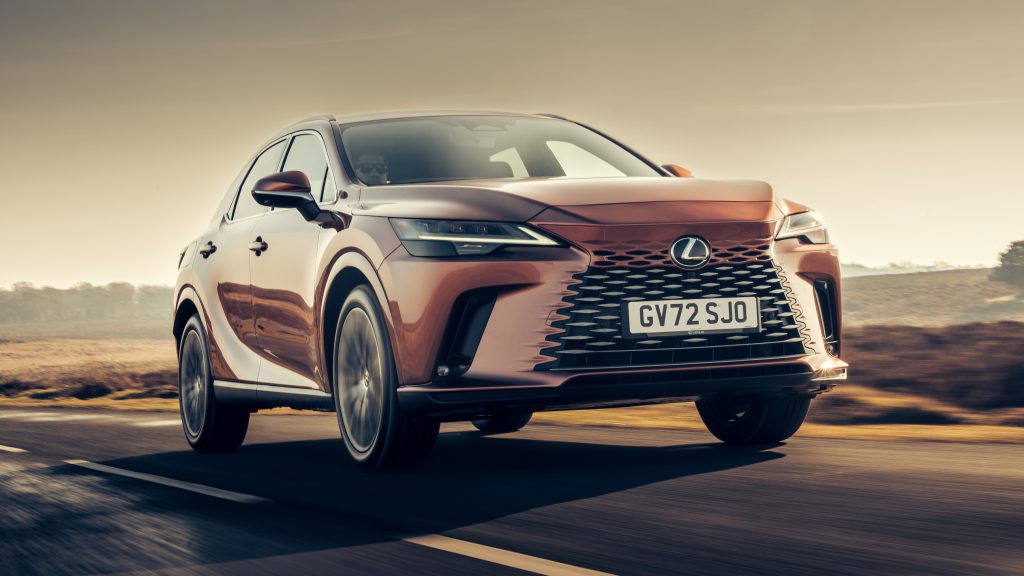
The Lexus RX remains a dependable and comfortable luxury SUV, but it demonstrates how vehicles designed for everyday convenience may face challenges when placed in more demanding conditions.
6. Volvo XC90
The Volvo XC90 offers a blend of safety, elegance, and modern design, creating a driving experience that feels both secure and refined. It is well suited for urban and highway environments, but its interaction with coastal conditions reveals certain limitations.
Salt exposure is a significant factor for the XC90. While it is constructed with high quality materials, it is not specifically built to handle repeated contact with corrosive elements. Over time, this can impact both visible surfaces and underlying components if not carefully managed.
The vehicle’s design prioritizes comfort and safety, which influences how it behaves on different terrains. Its suspension is tuned for smoothness, making it less effective on loose sand where maintaining traction is essential. This can make beach driving feel less controlled compared to vehicles designed for such conditions.
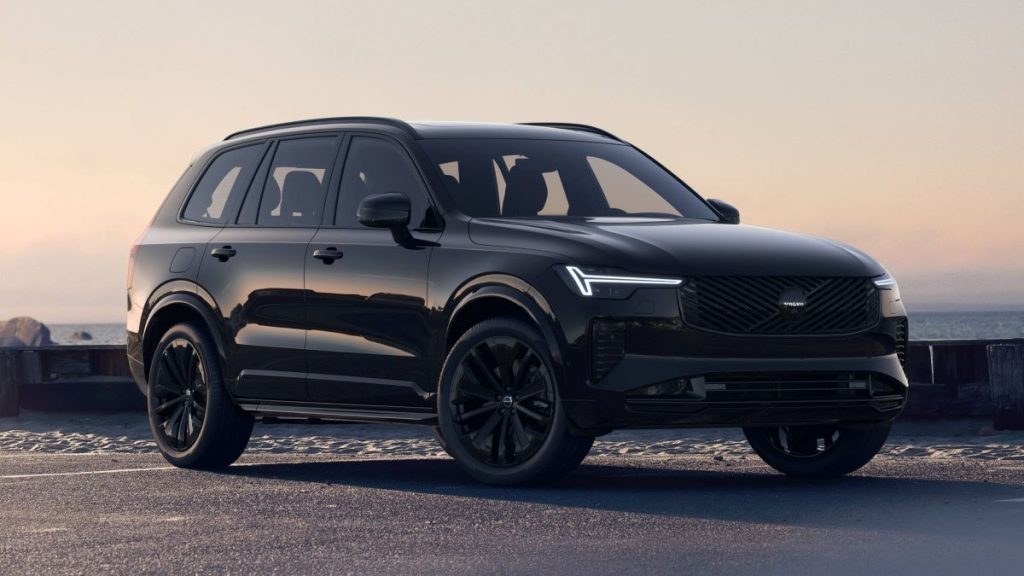
Another aspect is the level of care required to maintain its appearance and functionality. The XC90’s premium features and finishes demand attention, especially when exposed to environments that accelerate wear. Regular cleaning and maintenance become even more important in coastal settings.
The Volvo XC90 stands out for its refinement and safety, but it also illustrates how luxury oriented vehicles may not always align with the demands of harsh environments. It is best suited for conditions that match its design priorities.
Also Read: 5 Low-Emission Commuters In Sacramento vs. 5 Gas-Guzzlers with High Registration Fees