
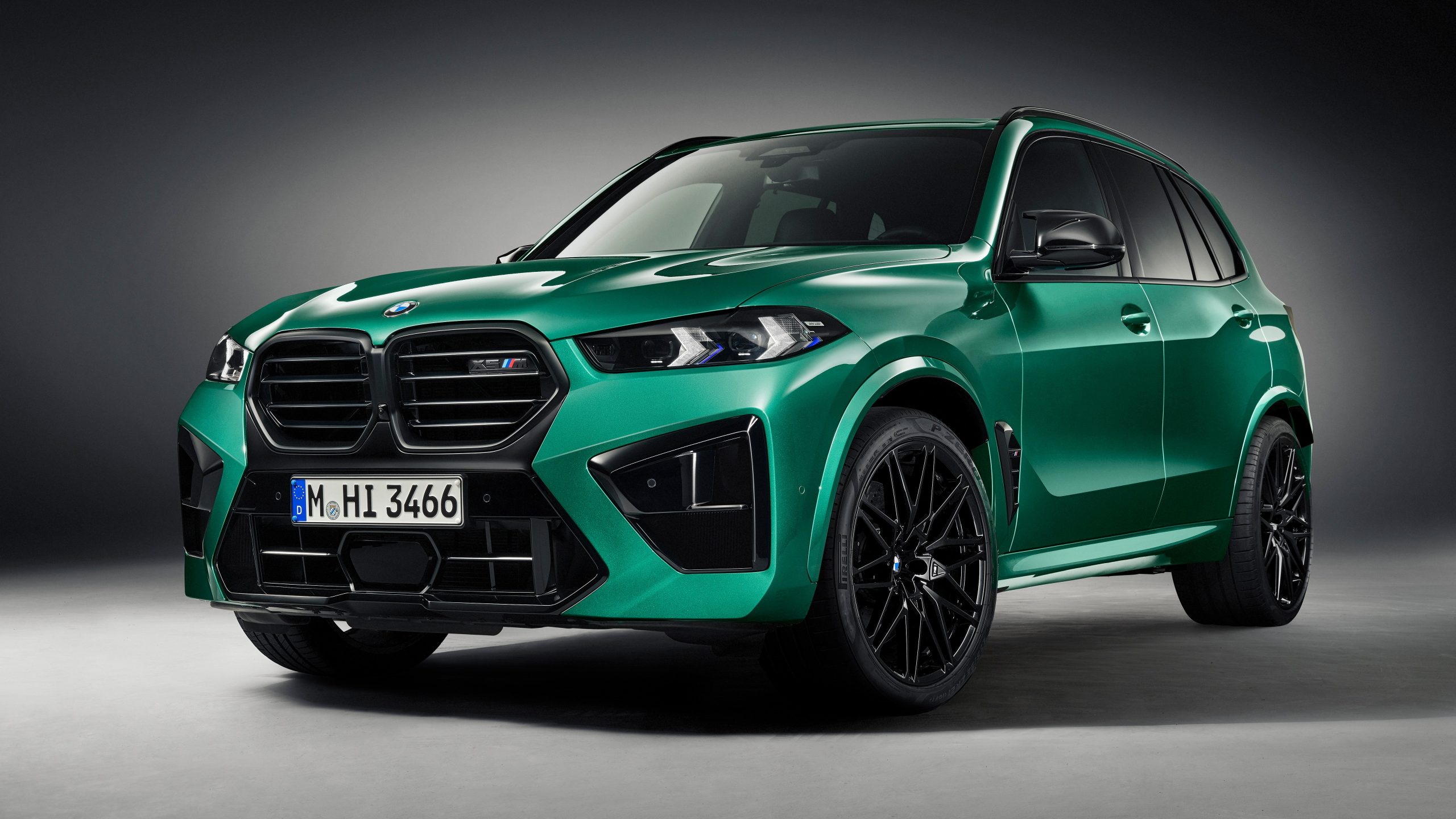
Extreme heat changes how vehicles behave, and nowhere is that more apparent than in places like Tucson. When temperatures rise consistently, the demands placed on a car go beyond engine performance or fuel efficiency.
Cooling systems become critical, not just for the engine, but for the entire driving experience. From maintaining optimal operating temperatures to ensuring cabin comfort, a well-engineered cooling setup can determine whether a vehicle feels dependable or constantly stressed.
At the same time, modern vehicles rely heavily on digital interfaces, and these systems are not immune to heat. Infotainment screens, now central to how drivers interact with their cars, can become vulnerable in high-temperature environments.
Overheating screens may lag, dim, or even shut down temporarily, disrupting navigation, media control, and essential settings. What was designed as a convenience quickly turns into a frustration when exposed to sustained heat.
This creates a clear divide between vehicles that are built with robust cooling solutions and those that struggle to manage thermal stress in their electronic systems.
In a city like Tucson, where heat is not occasional but constant, these differences become highly noticeable in everyday use. Drivers begin to value not just performance, but how well a vehicle maintains stability under environmental pressure.
This article explores both sides of that equation. First, it focuses on vehicles that excel in handling extreme heat through strong and reliable cooling systems, explaining why they stand out in such conditions.
Then it shifts to cars that face issues with overheating infotainment systems, highlighting how these weaknesses affect usability and long-term satisfaction.
The intention is to provide a practical perspective. Heat is not just a background factor in Tucson, it is a defining condition that shapes how vehicles perform, age, and function on a daily basis.
Also Read: 6 Sand-Ready 4x4s for Beach Access In Jacksonville vs. 6 Luxury SUVs That Hate Salt
6 High-Performance Cooling Systems In Tucson
Driving in Tucson is a test of endurance, not just for people, but for machines. Vehicles operating in this environment must deal with prolonged exposure to high temperatures that can push systems to their limits. Among all components, the cooling system becomes one of the most important, as it directly affects reliability and performance.
A well-designed cooling system does more than prevent overheating. It ensures that the engine operates efficiently, protects internal components from excessive wear, and maintains consistent performance even during long drives in intense heat. In addition, it supports climate control systems that keep the cabin comfortable, which is essential in such conditions.
This section focuses on vehicles that handle these challenges exceptionally well. These are models that have been engineered with thermal management in mind, offering strong cooling performance that holds up under pressure. They are not just capable on paper, but proven in environments where heat is a constant factor.
What makes these vehicles stand out is their ability to maintain stability. Instead of showing signs of stress, they continue to operate smoothly, giving drivers confidence even during the hottest days. This reliability becomes a key factor in long-term ownership satisfaction.
The following vehicles have been selected because they demonstrate how effective cooling systems can transform the driving experience in a place like Tucson.
1. Toyota Land Cruiser
The Toyota Land Cruiser has built its reputation in some of the harshest environments in the world, and that experience is reflected in how it handles heat. Its cooling system is designed with durability in mind, ensuring that the engine remains stable even under extreme conditions.
One of the key strengths of the Land Cruiser is its ability to manage heat over long periods. Rather than reacting to rising temperatures, it maintains a consistent operating range, which reduces strain on the engine. This makes it particularly well-suited for environments like Tucson, where heat is constant rather than occasional.
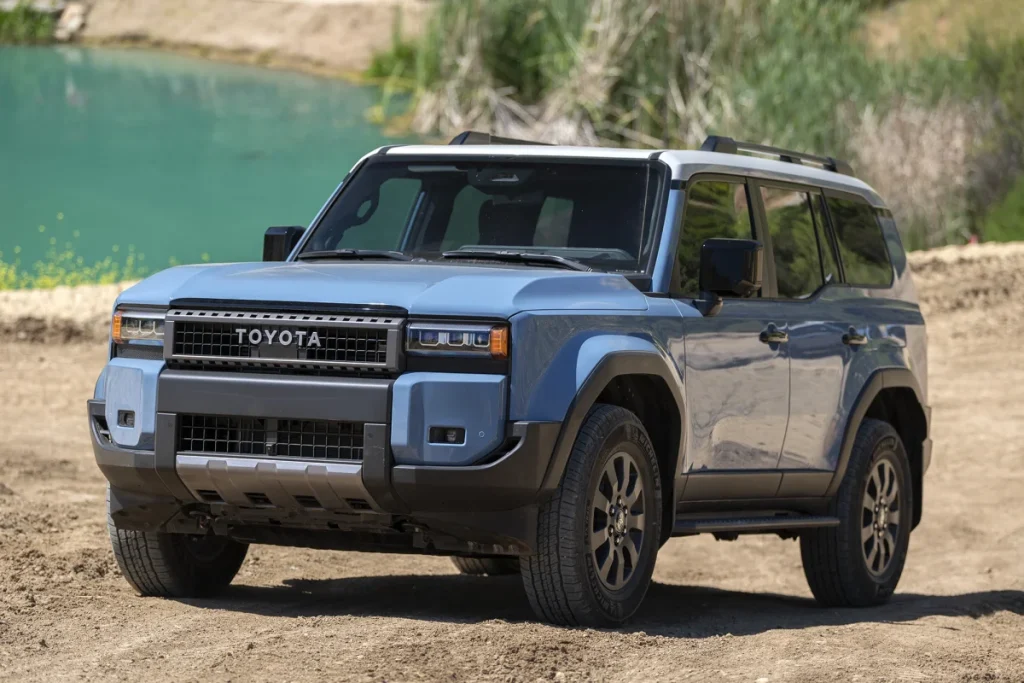
Another factor is the overall engineering approach. The Land Cruiser is built with the expectation that it will be used in demanding conditions, and its cooling system reflects that philosophy. It is not optimized for short bursts of performance but for sustained reliability.
This vehicle is included because it represents a benchmark in thermal management. It shows how proper engineering can ensure that a vehicle remains dependable regardless of environmental challenges.
2. Ford Raptor
The Ford Raptor approaches cooling from a performance-oriented perspective, designed to handle high stress situations without compromising stability. While it is often associated with off-road capability, its cooling system plays a crucial role in maintaining performance under extreme conditions.
High output engines generate significant heat, and the Raptor is equipped to handle that load effectively. Its cooling setup ensures that temperatures remain controlled even during demanding use, which translates well to hot climates like Tucson.
Another important aspect is how the system responds dynamically. Instead of simply preventing overheating, it actively manages temperature changes, allowing the engine to perform consistently without noticeable drops in efficiency.

The reason this vehicle is featured here is its ability to combine performance with resilience. It demonstrates that strong cooling systems are not just about preventing failure, but about maintaining peak capability even in challenging environments.
3. Chevrolet Tahoe
The Chevrolet Tahoe approaches cooling from the standpoint of sustained load management rather than outright performance bursts. In a place like Tucson, where vehicles are exposed to prolonged heat rather than short spikes, this distinction becomes extremely important.
The Tahoe is built to handle long drives, heavy passenger loads, and consistent operation without allowing temperatures to creep into unsafe territory.
Its cooling system is designed to support a large engine that often works under stress, especially when the vehicle is fully loaded. What stands out is how gradually and predictably it manages heat.
Instead of sudden spikes or fluctuations, the system maintains a steady balance, which helps preserve engine health over time. This consistency is what drivers begin to appreciate in extreme climates.
Another factor that makes the Tahoe relevant here is its ability to support cabin cooling alongside engine management.
In high temperatures, keeping the interior comfortable can place additional strain on the vehicle, yet the Tahoe handles this demand without compromising performance. The system feels capable of managing both responsibilities simultaneously.

There is also a sense of durability in how it operates. The Tahoe does not give the impression of working at its limits even during extended use. That confidence matters when driving in conditions where breakdowns can quickly become serious inconveniences.
This vehicle is included because it represents a practical approach to cooling. It is not about pushing boundaries but about maintaining reliability over time. In Tucson, where heat is relentless, that steady performance becomes a defining advantage.
4. Jeep Wrangler Rubicon
The Jeep Wrangler Rubicon brings a different perspective to cooling, one that is closely tied to its off-road identity. While it is often associated with rugged terrain, its ability to manage heat is equally important, especially in environments where both temperature and terrain can push a vehicle to its limits.
Unlike vehicles that rely solely on controlled conditions, the Wrangler is built to handle unpredictable scenarios. Its cooling system is designed to function effectively even when airflow is restricted, such as during slow off-road driving. This becomes highly relevant in Tucson, where heat can combine with challenging terrain to create demanding conditions.
Another aspect worth noting is how the system supports engine durability. The Wrangler is not designed for delicate operation, and its cooling setup reflects that philosophy. It prioritizes reliability over refinement, ensuring that the engine remains protected even when conditions are less than ideal.
The way it handles heat also contributes to driver confidence. There is a sense that the vehicle is prepared for stress, rather than reacting to it. This proactive approach is what makes it suitable for environments where temperature is a constant challenge.

This vehicle is included because it highlights how cooling systems can be adapted for specific use cases. The Wrangler Rubicon shows that managing heat is not just about maintaining performance, but about ensuring survival in demanding conditions.
5. BMW X5
The BMW X5 introduces a more refined approach to cooling, combining performance with precision. In a high-temperature environment like Tucson, this balance becomes particularly valuable, as it ensures that the vehicle remains both efficient and comfortable without sacrificing capability.
Its cooling system is designed to support a range of driving conditions, from relaxed cruising to more demanding performance scenarios. What makes it stand out is how seamlessly it adjusts to these changes. The system responds intelligently, maintaining optimal temperatures without drawing attention to itself.
Another key strength lies in its integration with other vehicle systems. The X5 does not treat cooling as an isolated function. Instead, it works in harmony with engine management and climate control, creating a cohesive experience that feels smooth and controlled.
This integration is especially noticeable during longer drives in extreme heat. The vehicle maintains a consistent performance level, avoiding the gradual fatigue that can affect less well-managed systems. Drivers are less likely to notice any strain, which contributes to a more relaxed driving experience.

The reason this vehicle is featured here is its ability to combine sophistication with reliability. It demonstrates that effective cooling does not have to come at the expense of refinement. In Tucson, where heat is a constant presence, that combination becomes particularly valuable.
6. Toyota Tacoma
The Toyota Tacoma represents a straightforward and dependable approach to cooling, focusing on reliability rather than complexity. In environments like Tucson, where conditions can be harsh and unpredictable, this simplicity becomes a strength rather than a limitation.
The Tacoma’s cooling system is built to handle sustained use without requiring constant attention. It does not rely on overly intricate mechanisms, which reduces the chances of failure under stress. This makes it particularly appealing for drivers who value long-term dependability.
Another aspect that stands out is how the system supports the vehicle’s overall durability. The Tacoma is often used in demanding conditions, and its cooling setup ensures that the engine remains protected even when pushed. This contributes to its reputation for reliability in challenging environments.
The vehicle also maintains a consistent performance level, avoiding sudden fluctuations that can indicate stress. This stability is important in high temperatures, where even small inefficiencies can lead to larger issues over time.

This truck is included because it embodies a practical philosophy. It shows that effective cooling does not always require advanced complexity. Sometimes, a well-designed and reliable system is enough to handle extreme conditions with confidence.
5 with Overheating Infotainment Screens
Modern vehicles increasingly rely on infotainment systems as central control hubs, but not all of them are designed to handle extreme heat effectively. In places like Tucson, where temperatures remain high for extended periods, these systems can become vulnerable.
Overheating screens are more than just an inconvenience. They can reduce visibility, slow down responsiveness, or temporarily shut down critical functions. This affects navigation, connectivity, and overall usability, turning what should be a seamless experience into a source of frustration.
This section focuses on vehicles that struggle in this area. These are models where infotainment systems are more sensitive to heat, leading to noticeable issues during regular use. Understanding these limitations is important for drivers who rely heavily on digital interfaces.
The following vehicles highlight how even modern technology can fall short when not properly adapted to extreme conditions.
1. Tesla Model S
The Tesla Model S is widely recognized for its technology-first approach, but that same reliance on a large central touchscreen introduces a vulnerability in extreme heat conditions.
In a place like Tucson, where temperatures can remain high for hours, the infotainment system becomes exposed to sustained thermal stress that it was not always designed to handle seamlessly.
One of the main concerns arises from the sheer dependency on the screen. Nearly every function in the vehicle flows through this interface, from navigation to climate controls.
When the screen begins to heat up, it can dim automatically to protect itself, reducing visibility during bright daytime conditions. This creates a situation where drivers must interact with a system that is both less responsive and harder to read.
Another aspect worth noting is how heat buildup occurs inside the cabin. Even with climate control active, prolonged sun exposure can raise internal temperatures significantly. The large glass surfaces amplify this effect, and the screen absorbs a portion of that heat.
Over time, this can lead to lag or temporary system limitations, especially during peak afternoon hours.
The issue is not constant failure, but inconsistency. The system works perfectly under normal conditions, yet in extreme heat, its behavior can change. This unpredictability becomes frustrating for drivers who expect a seamless digital experience at all times.
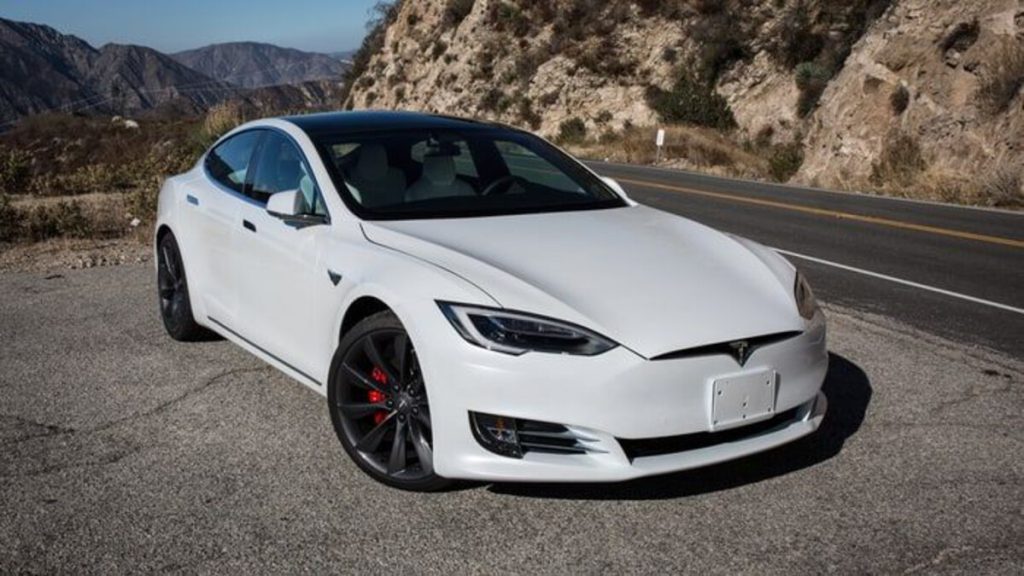
This vehicle is included because it highlights how advanced technology can still face practical challenges. The Model S represents innovation, but it also shows that heavy reliance on a single interface can become a drawback when environmental factors push that system beyond its comfort zone.
2. Ford Edge
The Ford Edge offers a modern infotainment setup, but earlier implementations have shown sensitivity to heat, particularly in regions with intense sunlight like Tucson. While the system is designed to provide a connected and user-friendly experience, prolonged exposure to high temperatures can reveal its limitations.
One of the noticeable issues is screen responsiveness. As the cabin heats up, the interface may begin to react more slowly to inputs, creating a delay that disrupts the flow of interaction. This is especially inconvenient when using navigation or adjusting settings while driving.
Visibility is another concern. Like many screens, it may dim under high temperatures as a protective measure. In bright sunlight, this can make it difficult to read information clearly, forcing drivers to rely on memory or repeated glances to confirm details.
The placement of the screen also contributes to the problem. Positioned in a way that exposes it to direct sunlight, it absorbs heat over time, which compounds the issue during long drives or when the vehicle is parked outdoors.

The reason this car appears on this list is to emphasize how environmental factors can affect technology that otherwise performs well. The Ford Edge is not lacking in features, but its infotainment system does not always maintain the same level of performance under extreme heat, which becomes noticeable in places like Tucson.
3. Dodge Charger
The Dodge Charger focuses heavily on performance and driving experience, but its infotainment system reflects a more traditional approach that does not always account for extreme environmental conditions. In high temperatures, the system can show signs of strain that impact usability.
One of the primary concerns is heat retention within the cabin. The Charger’s interior materials and layout can allow heat to build up, especially when parked in direct sunlight. This affects the infotainment screen, which may take longer to return to normal operation after being exposed to high temperatures.
Another issue is how the system handles prolonged use in hot conditions. While it may function normally at first, extended exposure can lead to slower response times or reduced clarity. This gradual decline is more noticeable during longer drives when the system is expected to perform consistently.
The design of the interface also plays a role. While functional, it does not incorporate advanced thermal management features seen in newer systems. This makes it more susceptible to environmental stress, particularly in regions where heat is a constant factor.
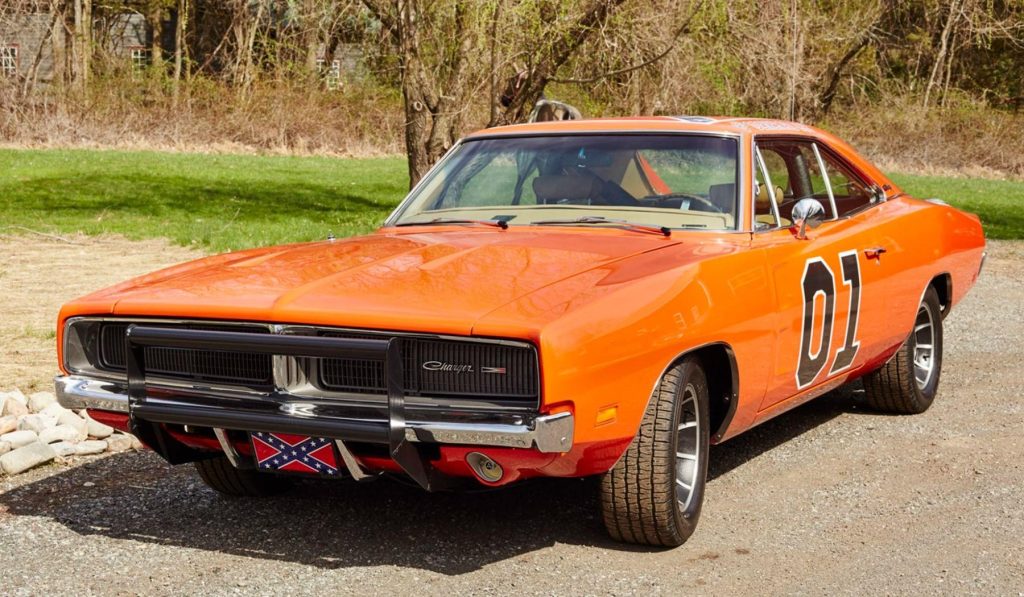
This vehicle is included because it demonstrates how performance-focused design can sometimes overlook digital resilience. The Charger delivers in terms of driving excitement, but its infotainment system does not always keep pace when temperatures rise significantly.
4. Nissan Altima
The Nissan Altima presents a balanced approach to everyday driving, but its infotainment system has shown limitations when exposed to sustained high temperatures. In a climate like Tucson, where heat is a daily reality, these issues become more apparent over time.
One of the key challenges is screen visibility. As temperatures increase, the display may dim to prevent overheating, which can make it harder to read in bright conditions. This becomes particularly inconvenient when using navigation or monitoring vehicle information.
Responsiveness is another factor that can be affected. Heat can introduce slight delays in how the system reacts to touch inputs, creating a less fluid experience. While not severe, these delays can add up and make the interface feel less intuitive.
The system’s design prioritizes simplicity, but it does not fully address the impact of extreme environments. Without advanced cooling or shielding, the screen is more exposed to temperature fluctuations, which affects its performance during peak heat.
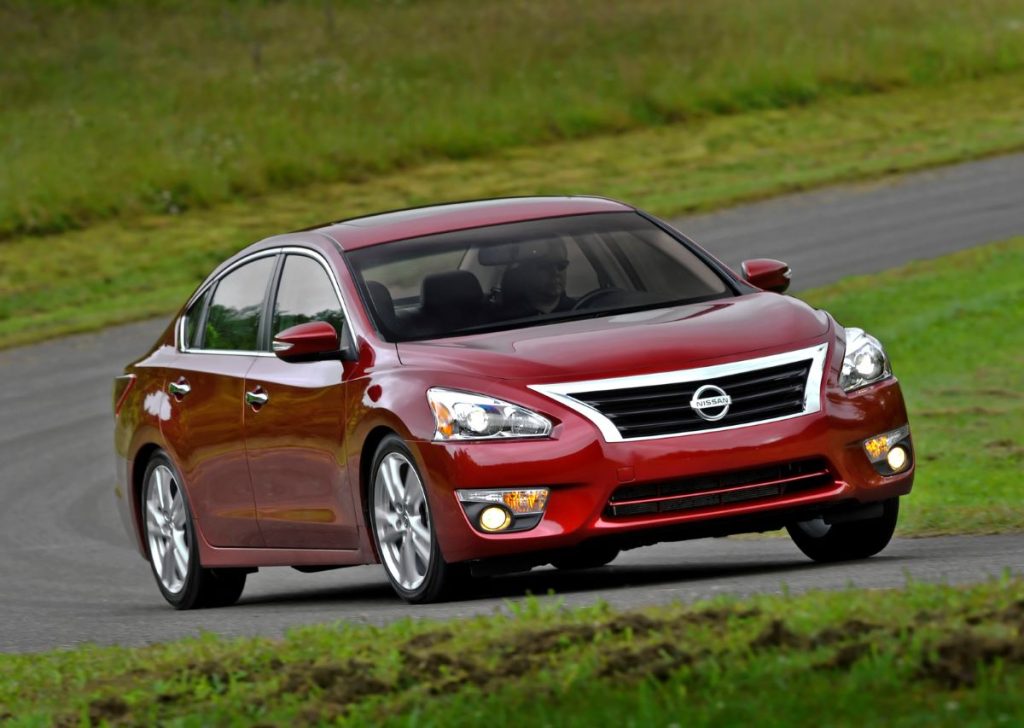
The reason this car is included is to highlight how even well-rounded vehicles can face challenges in specific conditions. The Altima performs reliably in many areas, but its infotainment system shows that environmental resilience is an important factor that cannot be overlooked.
5. Volkswagen Jetta
The Volkswagen Jetta offers a clean and modern infotainment experience, yet its system can struggle to maintain consistency in high-temperature environments. In Tucson, where heat exposure is prolonged, these inconsistencies become more noticeable.
One of the primary issues is how the screen reacts to direct sunlight. Positioned in a way that can receive significant exposure, it absorbs heat throughout the day. This can lead to temporary dimming or reduced responsiveness, particularly after the vehicle has been parked outside.
Another concern is how the system handles continuous operation in warm conditions. Over time, the interface may feel less responsive, and transitions between functions can become slower. This affects the overall user experience, especially for drivers who rely heavily on digital controls.
The Jetta’s infotainment system is designed to be user-friendly, but it does not always maintain that ease of use when temperatures rise. The lack of advanced thermal management features means it is more susceptible to environmental stress.
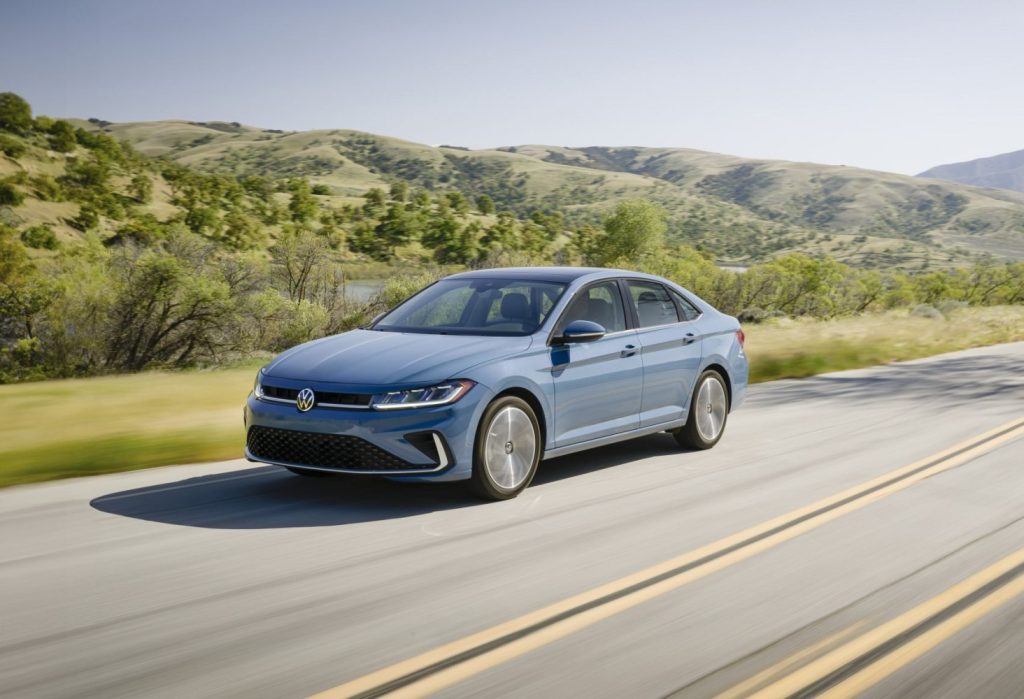
This vehicle is featured because it illustrates how modern design alone is not enough. A system may look advanced and perform well under normal conditions, but without proper heat management, it can struggle in extreme climates. In Tucson, that difference becomes clear during everyday use.
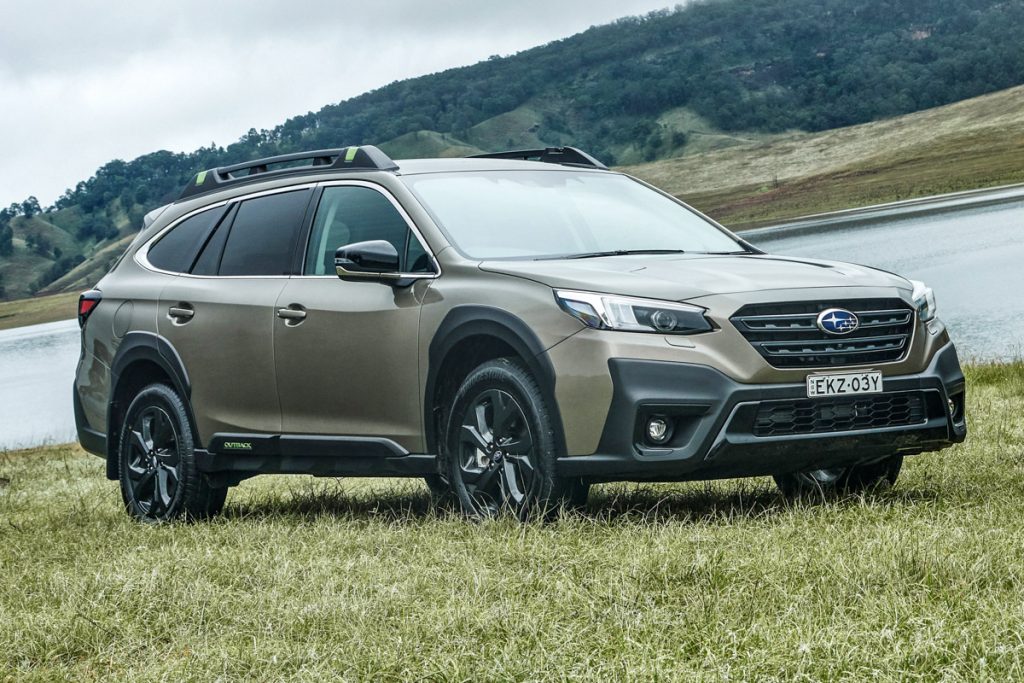
6. Subaru Outback
The Subaru Outback is often praised for its practicality and all-weather capability, but its vertically oriented infotainment system introduces a unique challenge in high-temperature environments like Tucson. The large portrait-style display becomes a focal point of the interior, and with that prominence comes increased exposure to heat.
One of the key concerns is how the screen reacts after the vehicle has been parked under direct sunlight. The cabin can heat up significantly, and the large surface area of the display absorbs that heat. When the system is first activated, it may respond more slowly than expected, creating a delay that disrupts the initial driving experience.
Another issue is how the system manages brightness and clarity. To protect itself, the display may reduce brightness levels when temperatures rise. In a region where sunlight is already intense, this can make it harder to read information clearly, especially for navigation or climate controls that rely heavily on the screen.
The Outback’s reliance on this central interface also adds to the problem. Many essential functions are integrated into the touchscreen, meaning any slowdown or dimming directly affects usability. Drivers may find themselves needing to repeat inputs or wait for the system to catch up, which can be frustrating during daily use.
This vehicle is included because it highlights how design choices can influence thermal performance. The large, integrated screen offers a modern experience, but in extreme heat, it becomes more vulnerable to environmental stress. In Tucson, where temperatures remain consistently high, this limitation becomes noticeable over time.
This article explores how extreme heat, especially in a place like Tucson, can reveal both strengths and weaknesses in modern vehicles. It highlights the importance of thermal management, not just for engines but also for digital systems that are now central to the driving experience.
The first half focuses on vehicles with strong cooling systems, including the Toyota Land Cruiser, Ford Raptor, Chevrolet Tahoe, Jeep Wrangler Rubicon, BMW X5, and Toyota Tacoma. These models are built to handle sustained high temperatures without performance drops.
Their cooling systems maintain engine stability, support long drives, and ensure consistent operation even under stress. Some emphasize durability and simplicity, while others combine cooling efficiency with refinement and advanced integration. Despite different approaches, they all share the ability to perform reliably in extreme heat.
The second half shifts attention to vehicles with infotainment systems that struggle in high temperatures. Cars like the Tesla Model S, Ford Edge, Dodge Charger, Nissan Altima, Volkswagen Jetta, and Subaru Outback show how heat can impact modern digital interfaces.
Common issues include screen dimming, lag, reduced responsiveness, and temporary system limitations. Since many of these systems control essential functions, their performance directly affects usability and driver experience.
The key takeaway is that heat resilience matters more than many buyers realize. A vehicle that performs well in mild conditions may behave very differently in extreme climates. Strong cooling systems enhance reliability, while weak thermal management in infotainment systems can lead to daily frustration.
Also Read: 6 Cars for Narrow Colonial Streets In Richmond vs. 6 Large SUVs That Can’t Turn
