
Owning a car should feel manageable, not like a constant drain on time and money. For drivers in places like Des Moines, where daily commuting, seasonal weather, and routine travel all place steady demands on a vehicle, long-term reliability matters just as much as comfort or performance. A car that spends more time on the road than in the repair shop quickly becomes the smarter choice.
Low-maintenance used vehicles tend to share a few important traits. They rely on proven engineering, widely available parts, and straightforward mechanical systems. These qualities reduce repair frequency and keep service costs predictable. For many drivers, that kind of consistency brings peace of mind and easier ownership.
At the same time, European imports often offer refined interiors, advanced technology, and strong driving dynamics. However, those benefits can come with higher service costs, specialized repair requirements, and more expensive parts. While they may deliver a premium experience, long-term ownership expenses can become a burden.
This page presents four used cars known for low maintenance demands, followed by four European imports that tend to require higher shop spending. Each model reflects a different ownership experience, from simple and cost-effective to more expensive and service-intensive.
By comparing both groups, it becomes easier to see how design philosophy influences long-term ownership. Some cars are built for convenience and affordability, while others prioritize refinement and performance at a higher maintenance cost.
4 Low-Maintenance Used Cars That Keep Costs Down
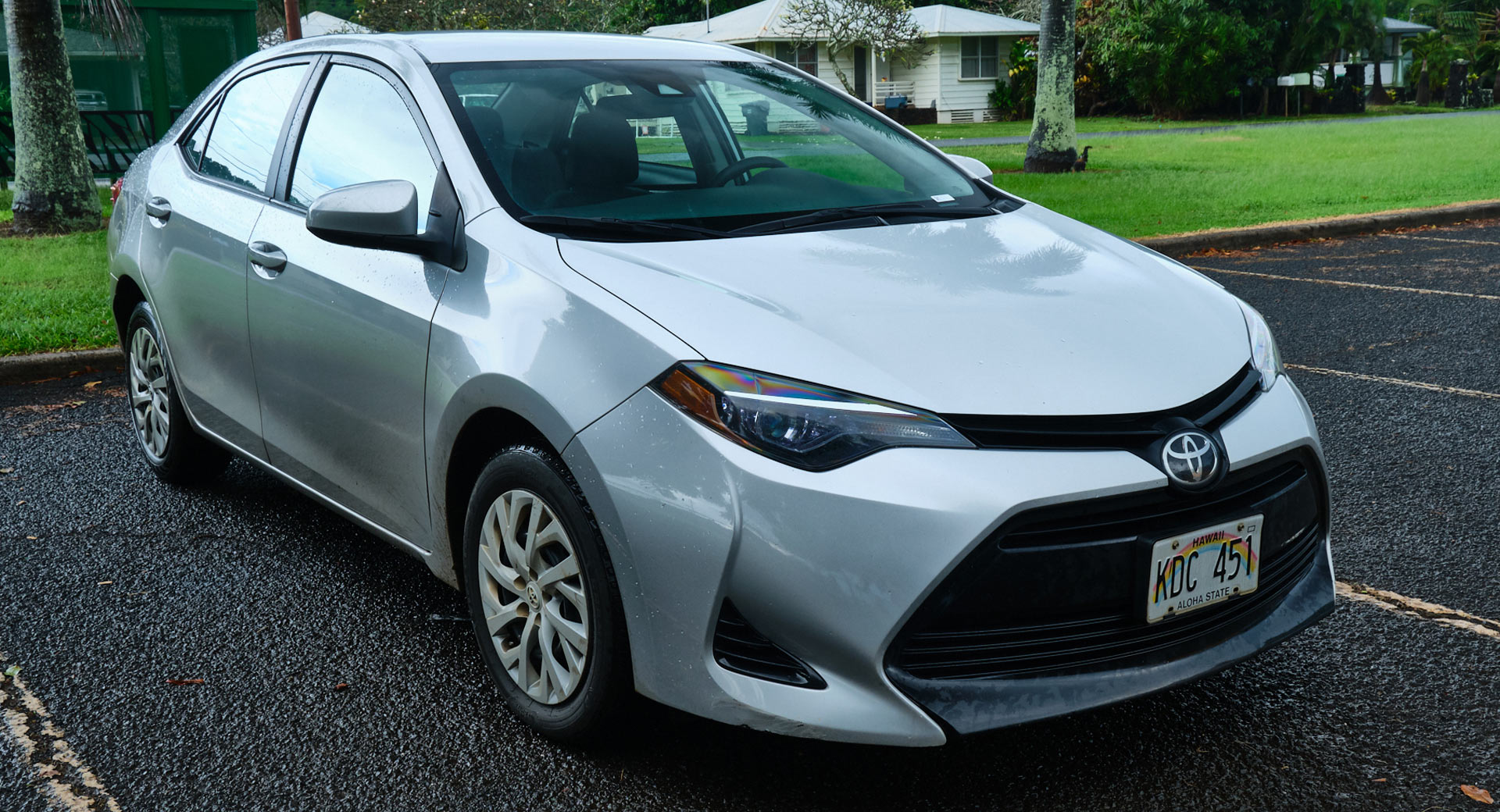
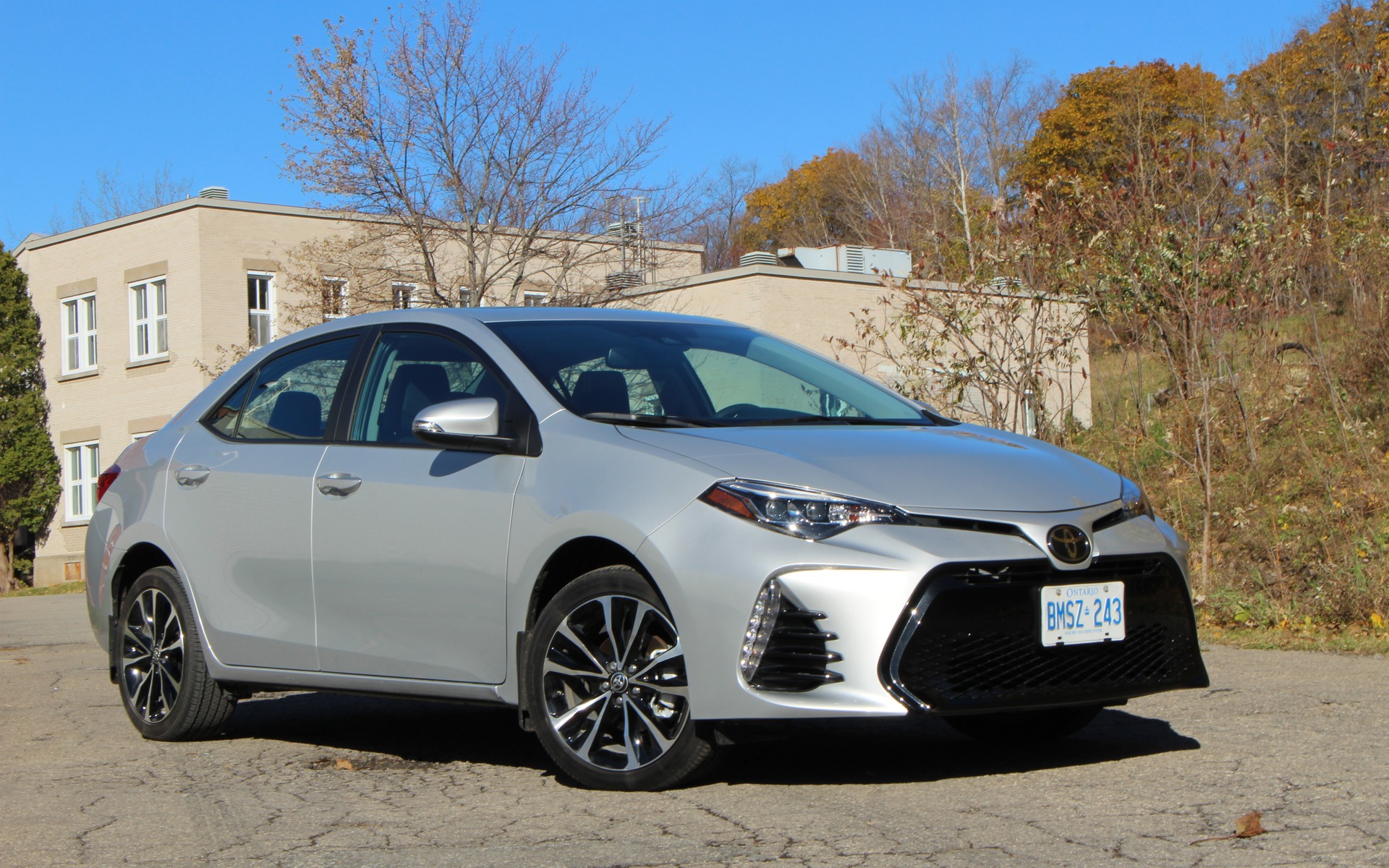
1. 2019 Toyota Corolla LE
Steady reliability defines the 2019 Toyota Corolla LE, a compact sedan widely recognized for its minimal maintenance demands and long service life. This vehicle is built with simplicity in mind, relying on proven mechanical systems that reduce the likelihood of unexpected repairs. For drivers who value predictable ownership costs, it stands as a dependable option.
Engine design plays a central role in its reputation. The four-cylinder powertrain is engineered for efficiency and durability rather than high performance. With routine servicing, it can operate smoothly for extended periods without requiring major mechanical attention. This straightforward engineering approach helps reduce long-term expenses.
Maintenance intervals are generally manageable. Oil changes, brake servicing, and basic inspections are typically sufficient to keep the vehicle in good condition. Parts availability is widespread, which helps keep repair costs reasonable when service is required.
Interior design focuses on function and durability. Materials are selected to withstand regular use without rapid wear. Controls are simple and easy to operate, reducing the likelihood of electronic complications. While the cabin does not emphasize luxury, it offers a practical environment suited for daily driving.
Fuel efficiency contributes to its low ownership cost. The Corolla LE delivers consistent mileage, helping drivers reduce spending on fuel as time goes on. This advantage becomes more noticeable during long-term use, especially for commuters.
Resale value remains relatively stable due to strong demand for reliable used vehicles. Buyers often seek models with a reputation for low maintenance, which helps sustain interest in the Corolla. Selecting this sedan means choosing a vehicle that prioritizes simplicity, durability, and affordability. It serves as a practical solution for drivers who prefer minimal repair concerns and steady performance.
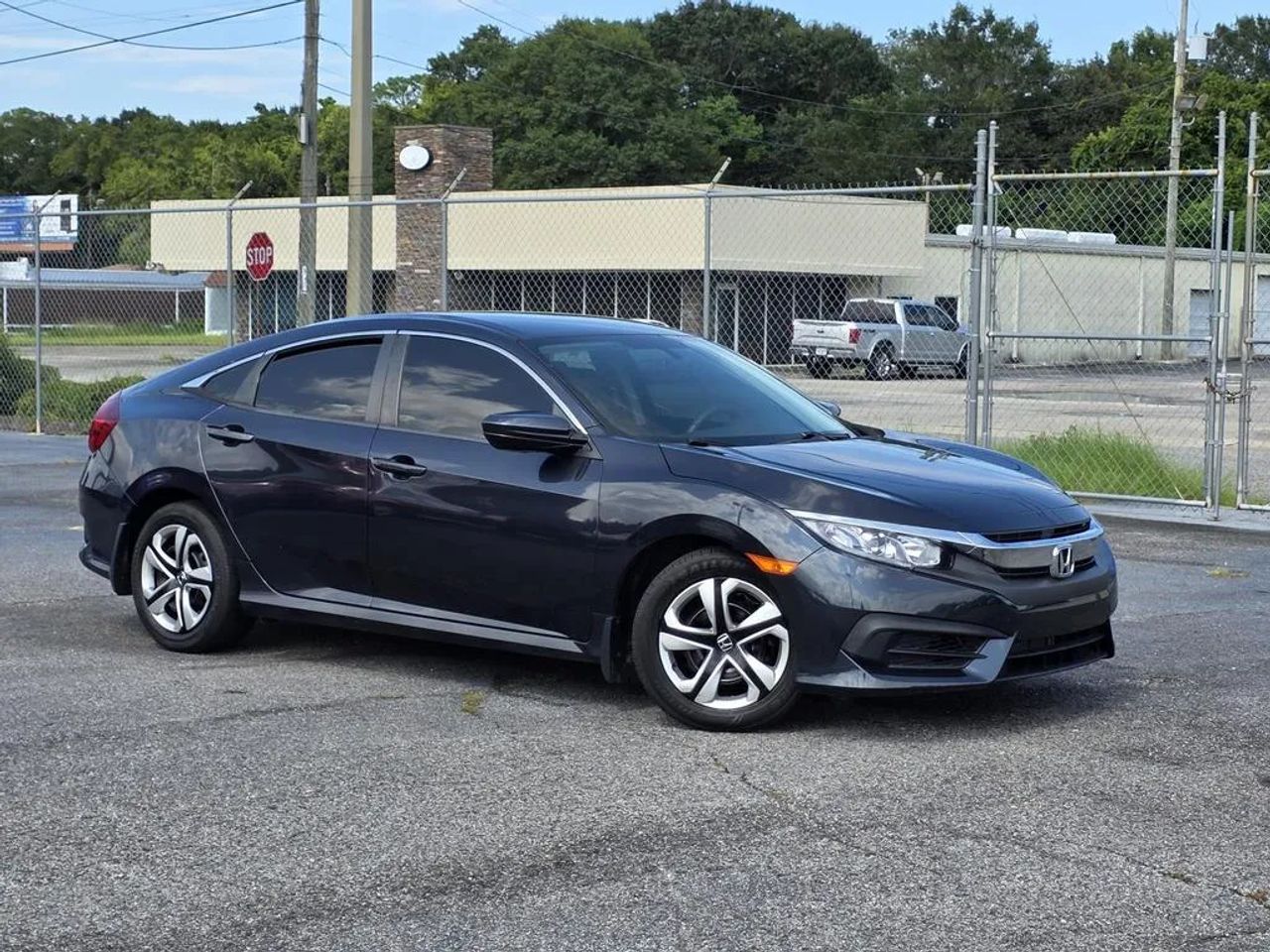
2. 2018 Honda Civic LX
Dependability and efficient design define the 2018 Honda Civic LX, a compact sedan known for its low maintenance requirements and long-term reliability. This model has earned a reputation for consistent performance without demanding frequent or costly repairs, making it appealing to budget-conscious drivers.
Engine construction emphasizes durability and fuel efficiency. The four-cylinder unit delivers steady performance while maintaining low stress on internal components. With regular maintenance, it can operate for high mileage without major mechanical issues, which contributes to reduced ownership costs.
Service needs remain predictable. Routine maintenance, such as fluid changes, brake servicing, and tire rotation, typically keeps the vehicle in good condition. Mechanical systems are widely understood by technicians, which helps keep labor costs reasonable.
Interior layout prioritizes usability. Controls are straightforward, and the design avoids unnecessary complications. While materials are practical rather than luxurious, they hold up well under daily use. This durability reduces the likelihood of interior-related repairs.
Technology features are functional and reliable. The infotainment system is simple, reducing the risk of electronic faults that can increase repair costs. This straightforward approach contributes to lower long-term maintenance expenses.
Driving experience remains balanced. The suspension and steering are tuned for comfort and ease of use rather than aggressive performance. This reduces wear on components and supports long-term durability. Fuel economy remains a strong advantage. Efficient consumption helps reduce operating costs, especially for drivers with long daily commutes.
Choosing the Civic LX means selecting a vehicle that emphasizes reliability and cost control. Its design supports long-term ownership with minimal mechanical concerns.
Also Read: 5 Pothole-Proof Daily Drivers In Boston vs. 5 Luxury Sedans with Fragile Wheels
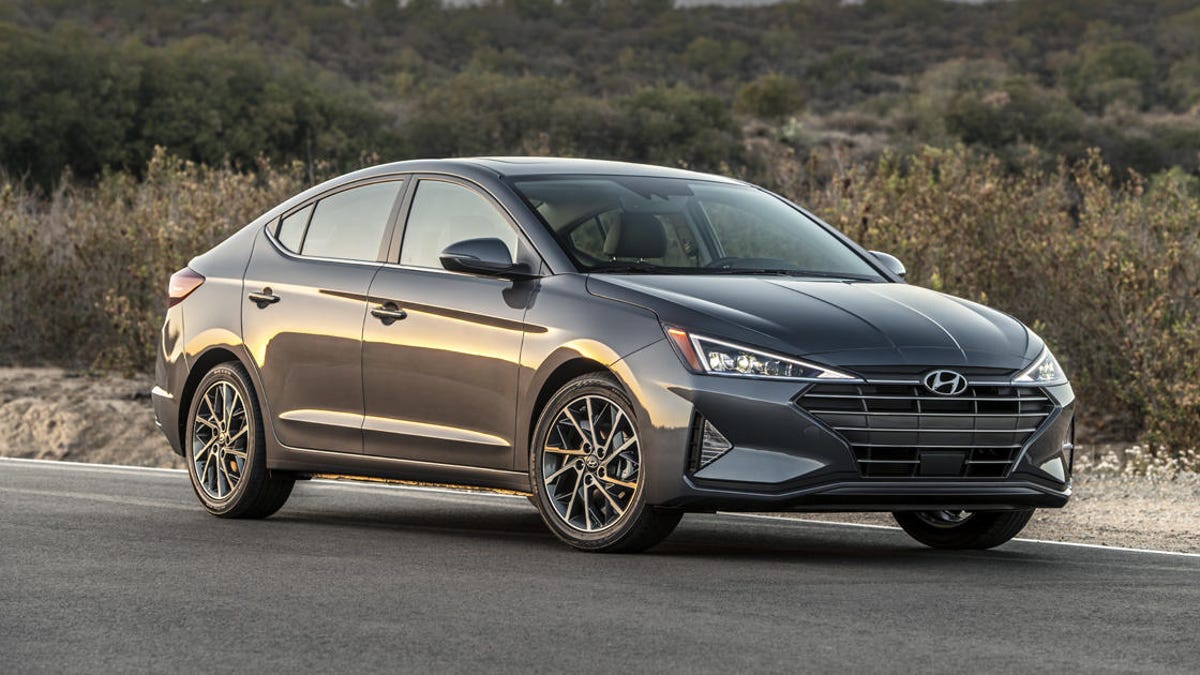
3. 2020 Hyundai Elantra SE
Practical automotive engineering defines the 2020 Hyundai Elantra SE, a compact sedan developed with affordability and reduced maintenance demands in mind. The design philosophy prioritizes dependable transportation with minimal mechanical and electronic complications, making it suitable for drivers seeking stable operation and controlled ownership expenses.
Engine performance is oriented toward efficiency and long-term durability. The four-cylinder configuration delivers steady output while keeping internal stress on components relatively low. When routine servicing is observed, the engine maintains consistent operation across extended mileage periods without frequent mechanical intervention.
Service requirements remain uncomplicated and predictable. Routine tasks such as oil replacement, air and cabin filter changes, brake inspections, and periodic fluid checks are sufficient to sustain proper function. Mechanical simplicity allows most repairs to be completed without specialized procedures, which helps keep labor expenses manageable.
Parts availability supports cost control. Components for this model are widely accessible in the automotive service network, reducing delays and limiting premium pricing situations. This accessibility plays a strong role in maintaining reasonable repair costs when servicing becomes necessary.
Interior construction emphasizes straightforward usability. Controls are arranged in a logical and accessible manner, reducing driver confusion and minimizing the risk of electronic faults. Cabin materials are selected for durability rather than luxury appeal, allowing the interior to withstand repeated daily use without rapid deterioration.
Electronic systems are kept at a functional level rather than an advanced one. This restrained approach reduces exposure to costly electronic malfunctions, which are often associated with more technologically dense vehicles. Simpler systems also contribute to easier diagnostics during servicing.
Ride quality is tuned for daily comfort and practicality. Suspension components are designed to absorb typical road irregularities without placing excessive strain on mechanical parts. This balanced setup supports durability while maintaining acceptable comfort for both short and extended journeys.
Fuel consumption performance strengthens the ownership value. The Elantra SE provides efficient mileage, reducing fuel expenditure for drivers who cover regular commuting distances. This efficiency supports long-term affordability and makes it suitable for consistent everyday transportation needs.
Selecting the Hyundai Elantra SE represents a preference for straightforward engineering, controlled maintenance requirements, and dependable daily operation. It suits drivers who prefer predictable service patterns and reduced repair exposure.
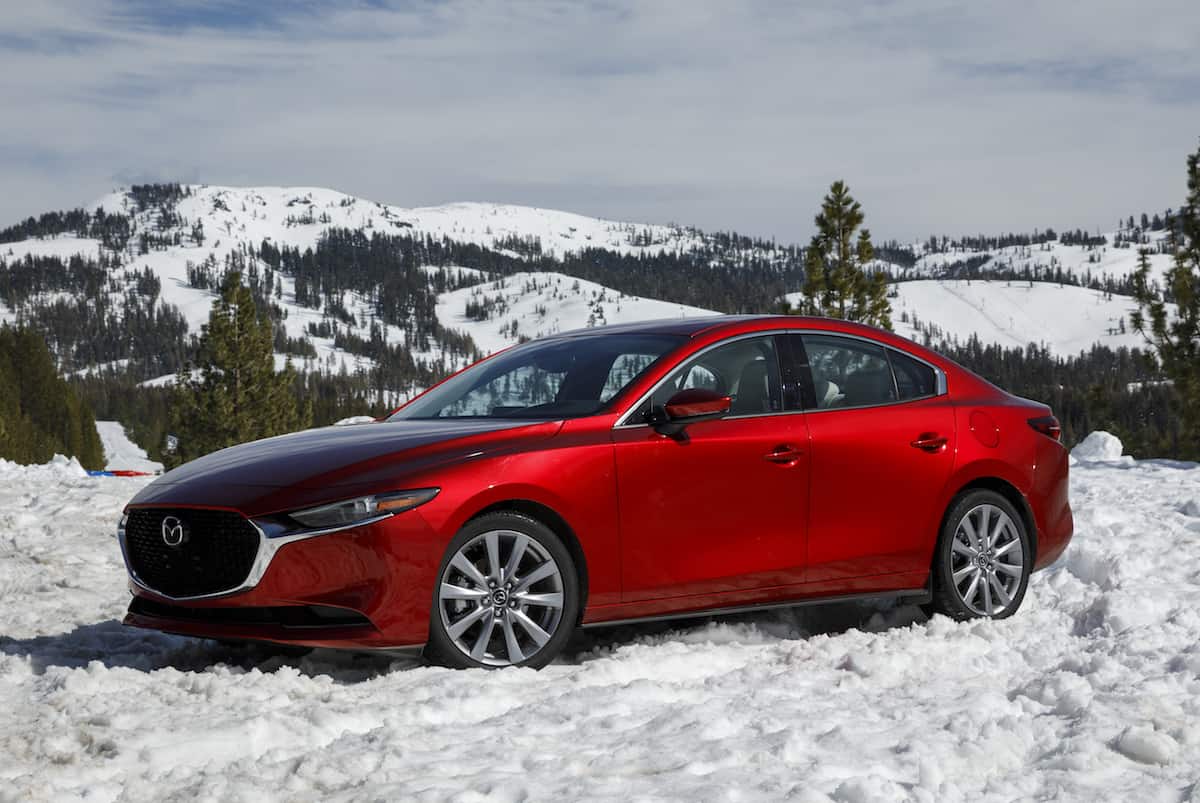
4. 2021 Mazda3 Sedan Sport
Balanced automotive engineering defines the 2021 Mazda3 Sedan Sport, a compact vehicle that combines reliability with moderately controlled maintenance demands. While offering a more refined driving character compared to basic economy sedans, it maintains a structure that avoids excessive ownership burdens.
Engine design emphasizes efficiency and mechanical durability. The four-cylinder powertrain delivers smooth power delivery while maintaining long-term stability when regular servicing is observed. Internal components are engineered to operate under moderate stress levels, supporting consistent performance across extended mileage periods.
Maintenance patterns remain predictable and manageable. Routine servicing, such as oil replacement, brake system inspection, tire rotation, and fluid monitoring, is sufficient to sustain operational quality. Mechanical familiarity among technicians contributes to reasonable labor charges and efficient repair processes.
Parts accessibility supports cost control during servicing. Components are widely available through standard automotive supply channels, reducing waiting periods and limiting inflated pricing. This availability assists in keeping repair expenses within practical limits.
Interior construction reflects a more refined approach while retaining durability. Material quality is higher than basic entry-level models, yet still designed for long-term use under daily driving conditions. Electronic systems are present but engineered with reliability in mind, reducing exposure to frequent electronic faults or expensive module replacements.
Driving dynamics offer a measured balance between comfort and responsiveness. Suspension calibration allows the vehicle to handle road irregularities while maintaining controlled body movement. This setup supports component longevity by reducing excessive mechanical stress during regular driving conditions.
Fuel efficiency remains competitive within its category. The vehicle delivers consistent mileage performance, reducing fuel-related expenses for drivers who rely on daily commuting or frequent travel. This efficiency supports long-term affordability without sacrificing driving comfort.
Market demand for this model remains stable due to its reputation for balanced performance and dependable operation. Buyers often view it as a practical choice that combines moderate refinement with manageable service requirements.
Selecting the Mazda3 Sedan Sport represents a decision favoring measured engineering, reliable operation, and controlled maintenance expectations. It suits drivers seeking a blend of comfort, durability, and predictable ownership costs.
4 European Imports with Higher Shop Costs and Demanding Ownership
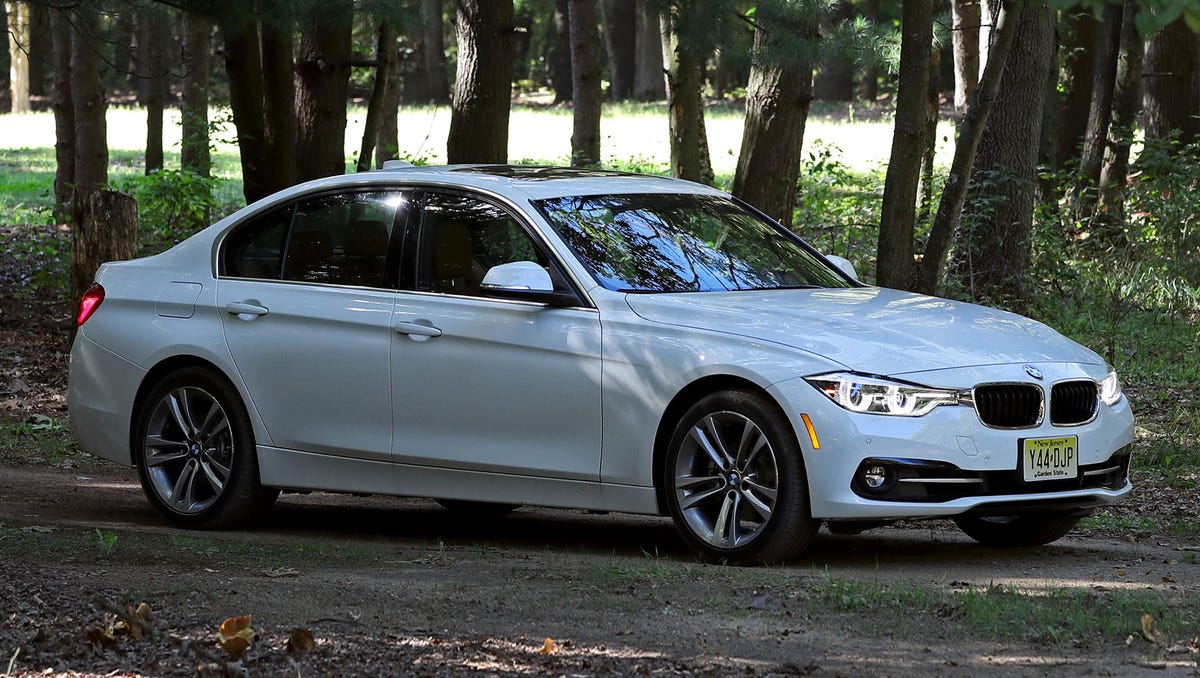
1. 2017 BMW 3 Series 330i
German engineering precision defines the 2017 BMW 3 Series 330i, a luxury compact sedan that delivers strong driving performance while requiring a higher level of maintenance commitment. This model is built with a focus on driving dynamics, refined materials, and advanced systems that enhance comfort and performance, yet these same features often lead to increased repair and service costs during ownership.
Engine performance stands as a major attraction. The turbocharged four-cylinder engine produces smooth acceleration with strong mid-range power delivery. However, this performance relies on tightly engineered components that require precise servicing. Oil specifications, cooling system maintenance, and electronic monitoring systems must be carefully maintained to avoid expensive repairs.
Maintenance costs tend to be higher due to specialized parts and labor requirements. Many components are designed specifically for BMW systems, meaning replacements are often more expensive than those found in mainstream vehicles. Independent repair shops may offer lower rates, but diagnostic work often still requires specialized tools.
Suspension and handling systems are tuned for precision driving. While this provides excellent road control and responsiveness, it also introduces components that wear faster under daily driving conditions. Adaptive systems and performance-oriented parts can become costly to repair or replace.
Interior design reflects premium craftsmanship. High-quality materials, advanced infotainment systems, and electronic features contribute to a refined driving environment. However, these electronics can introduce additional maintenance concerns as they age, particularly sensors, modules, and digital interfaces.
Ownership experience often includes higher insurance and service expenses. Parts availability is generally good, but pricing reflects the premium nature of the brand. Routine maintenance intervals are strict, and skipping scheduled service can lead to expensive mechanical issues.
Fuel efficiency remains respectable for its class, though it does not offset maintenance costs entirely. Drivers choosing this model often prioritize driving experience and brand appeal over long-term affordability. Selecting the BMW 3 Series 330i means accepting a higher cost of ownership in exchange for performance, refinement, and driving precision. It is a vehicle that rewards attentive maintenance but demands financial readiness for service requirements.
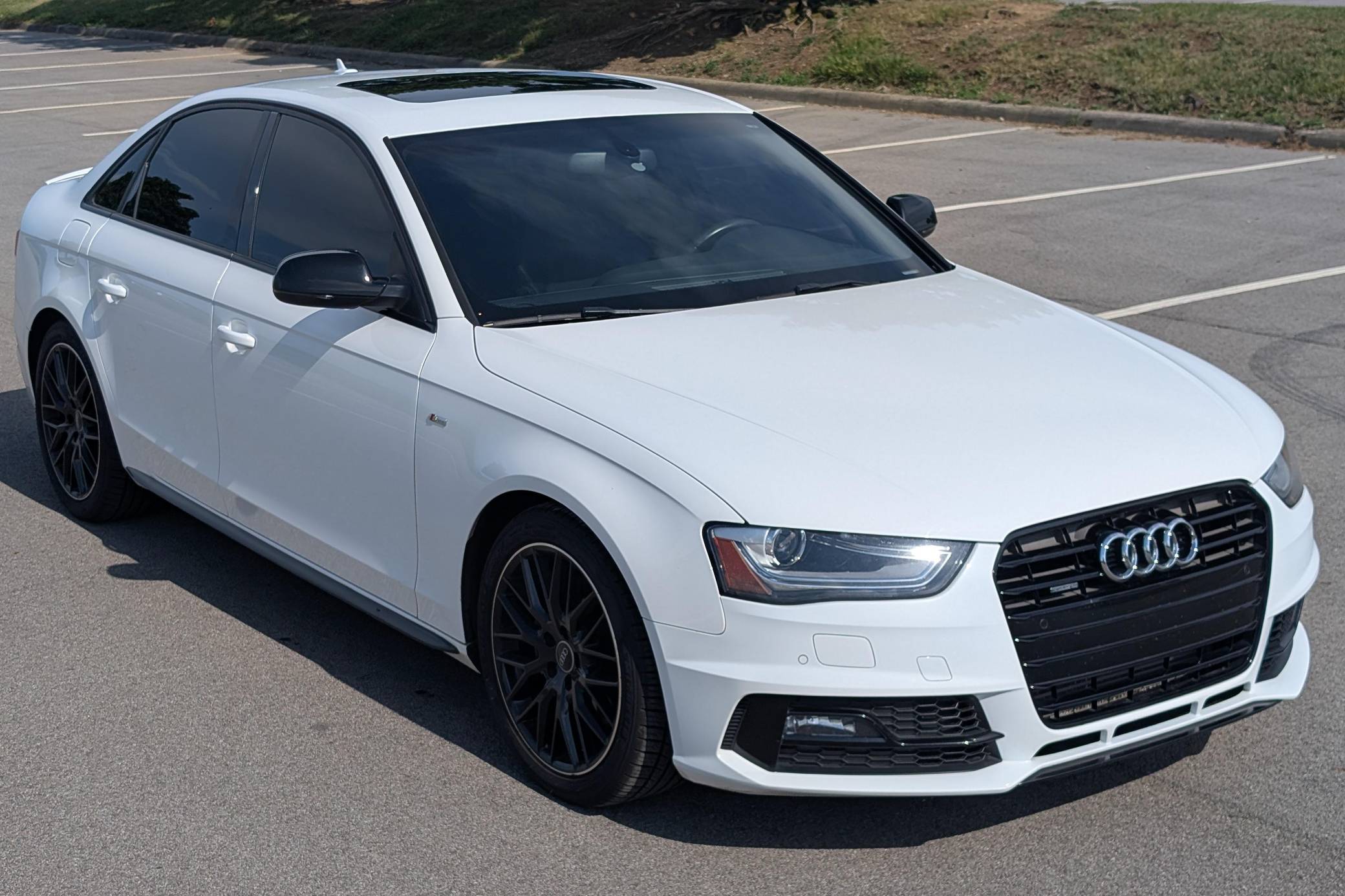
2. 2016 Audi A4 Premium Plus
Precision engineering and advanced automotive technology define the 2016 Audi A4 Premium Plus, a luxury sedan that delivers refined comfort and strong performance while requiring higher levels of financial commitment for maintenance and repair.
The vehicle is constructed with carefully integrated systems designed to enhance driving quality, yet those same systems introduce elevated service demands when compared with simpler automobiles. Turbocharged engine performance provides smooth acceleration with efficient power delivery across a wide range of driving conditions.
This engine design relies on tightly controlled mechanical tolerances and strict lubrication requirements. Regular servicing must follow manufacturer specifications closely, as deviations from recommended maintenance practices may result in costly mechanical issues that require specialised repair procedures.
Maintenance expenses tend to rise due to the use of advanced components and diagnostic requirements. Audi vehicles frequently depend on proprietary tools and software for accurate system evaluation and repair. As a result, servicing is often limited to specialised facilities equipped with brand-specific equipment, which increases labour charges and restricts service flexibility.
Suspension engineering focuses strongly on ride stability and passenger comfort. Advanced damping systems and precision suspension components work together to provide smooth handling on varying road conditions. However, these systems contain intricate parts that may require expensive replacement or recalibration when wear occurs, especially in electronically controlled configurations.
Interior construction reflects high-quality German craftsmanship, with premium materials used throughout the cabin. Digital interfaces, driver assistance systems, and advanced infotainment features contribute to a modern and refined driving environment.
Despite these advantages, electronic systems may become costly to repair as the vehicle ages, particularly when multiple modules interact within integrated networks. The Quattro all-wheel drive system enhances traction and stability, especially under challenging driving conditions.
While this system improves driving confidence, it also introduces additional drivetrain components that require maintenance attention. These added mechanical elements increase both service frequency and repair costs when issues arise.
Fuel efficiency remains balanced within its class, offering reasonable consumption figures for a luxury vehicle of its size and performance level. However, ownership expenses are influenced more by maintenance requirements and repair costs than fuel usage alone. Drivers selecting this model often prioritize comfort, advanced technology, and brand reputation despite the higher upkeep demands.
Ownership of the Audi A4 Premium Plus requires financial readiness for ongoing servicing needs. The vehicle rewards attentive maintenance with refined driving performance and comfort, yet it demands consistent investment to maintain optimal operation throughout its lifespan.
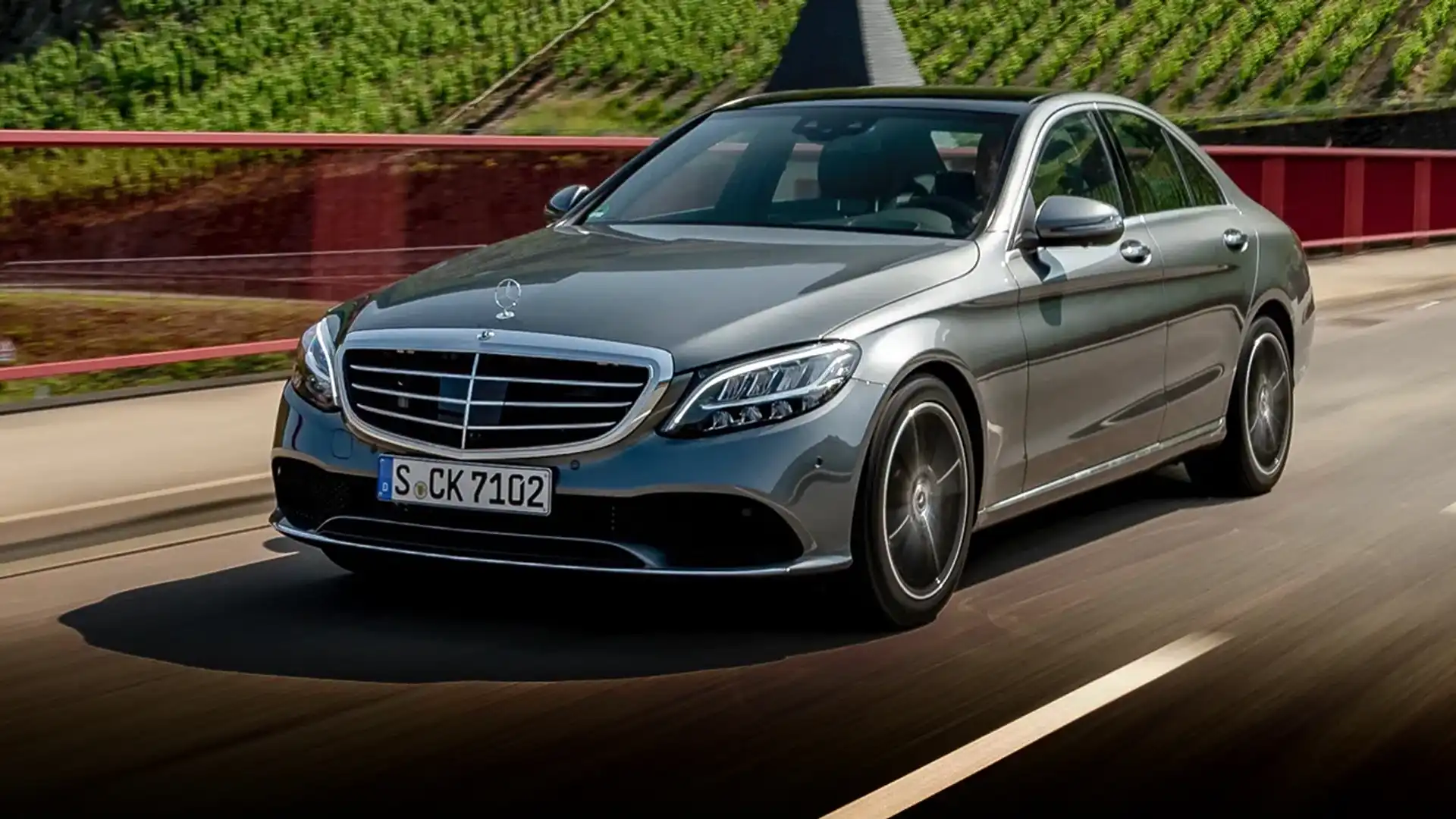
3. 2018 Mercedes-Benz C300
Luxury engineering and refined automotive craftsmanship define the 2018 Mercedes-Benz C300, a compact sedan designed to deliver comfort, performance, and advanced technology while requiring elevated maintenance investment throughout ownership. The vehicle integrates sophisticated mechanical and electronic systems that enhance driving quality, yet these same systems contribute to higher long-term service requirements.
Turbocharged engine performance delivers smooth acceleration and responsive power delivery under varying driving conditions. The engine is engineered with precision components that depend on strict maintenance schedules and high-quality fluids. Consistent servicing is required to preserve reliability, as any deviation from recommended procedures may result in expensive mechanical repairs.
Service expenses are influenced heavily by advanced electronic architecture and specialised components. Mercedes-Benz systems often require proprietary diagnostic tools operated within certified service environments. This dependency increases labour costs and limits repair options outside authorised facilities, resulting in higher ownership expenditure.
Suspension systems prioritise ride comfort and driving stability. Many configurations include adaptive damping technology that adjusts suspension behaviour according to road conditions. While this enhances ride quality, it introduces additional components that may require costly replacement or recalibration when wear occurs or electronic faults develop.
Interior design reflects premium craftsmanship, with high-grade materials and advanced digital systems integrated throughout the cabin. Comfort-oriented seating, sophisticated infotainment interfaces, and driver assistance technologies contribute to a refined driving experience. However, the presence of interconnected electronic systems increases potential repair costs as the vehicle ages.
Safety and driver assistance features introduce further technical depth. Systems such as sensors, cameras, and electronic control modules require periodic calibration and maintenance. These components improve driving support functions but contribute to higher service expenses when faults occur or recalibration becomes necessary.
Fuel efficiency remains acceptable for a luxury sedan of its class, though it does not offset the higher maintenance burden associated with ownership. Long-term costs are driven primarily by servicing requirements rather than fuel consumption. Regular maintenance adherence is required to preserve performance, reliability, and system functionality.
Selecting the Mercedes-Benz C300 represents a commitment to luxury comfort, advanced engineering, and refined driving dynamics while accepting increased maintenance expenditure. It suits drivers who prioritise premium features and are prepared for higher service-related financial responsibilities.
Also Read: 5 Convertibles for Ocean Drive In Miami vs. 5 Interiors That Melt in Florida Heat
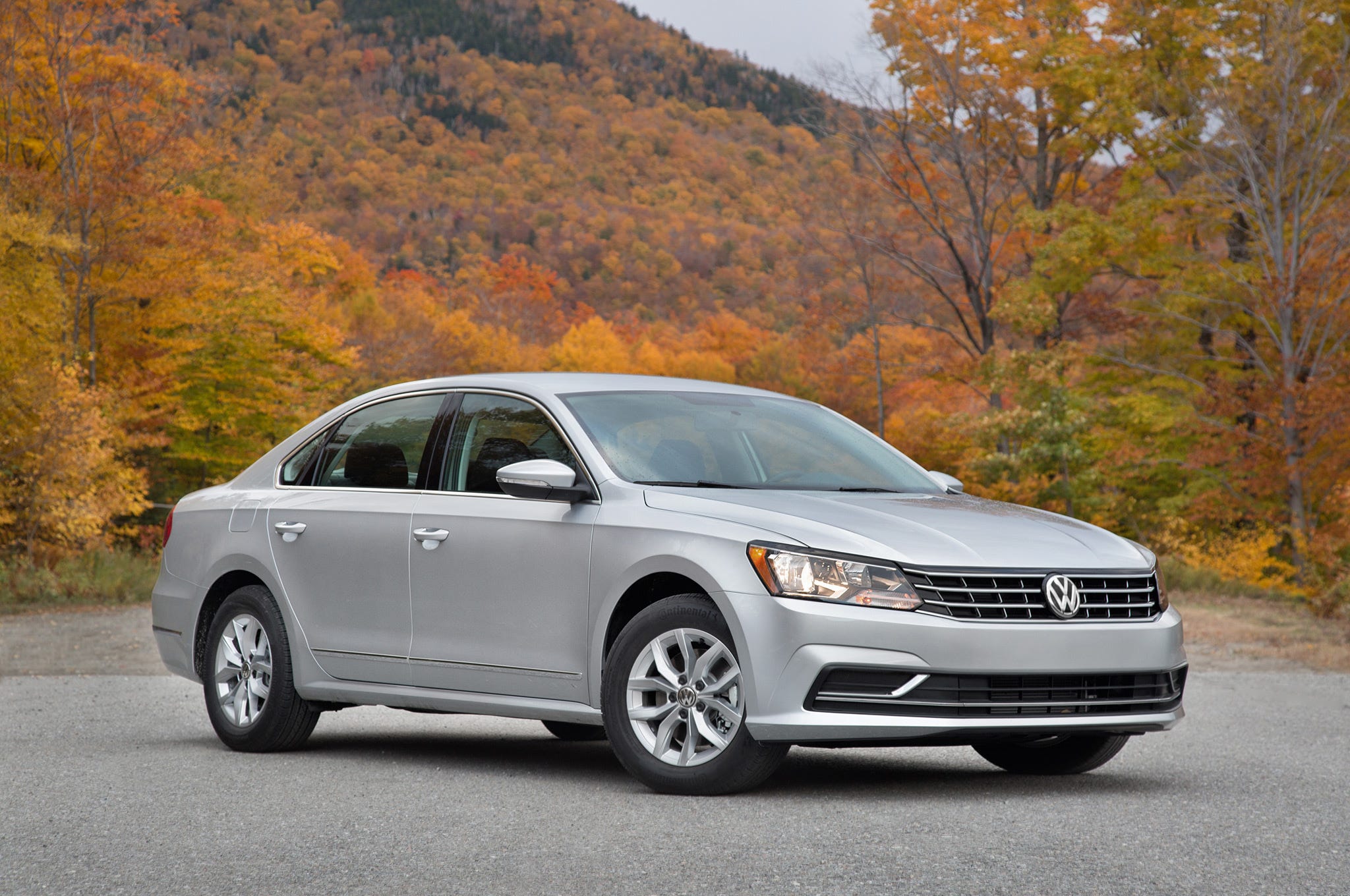
4. 2017 Volkswagen Passat 2.0T SEL Premium
European automotive refinement paired with practical mid-size sedan design defines the 2017 Volkswagen Passat 2.0T SEL Premium, a vehicle built to deliver comfort, steady performance, and modern technology while requiring a higher level of maintenance attention compared with many mainstream alternatives.
Its engineering approach prioritizes smooth driving dynamics and interior quality, yet this same sophistication introduces service demands that require careful ownership planning. Turbocharged engine performance delivers a balanced mix of power and fuel efficiency.
The 2.0-liter engine is designed to respond smoothly under acceleration while maintaining controlled fuel consumption during highway and city driving. However, this engine relies heavily on precise servicing intervals and manufacturer-approved components.
Oil quality, timing of maintenance, and adherence to service schedules play a direct role in preventing mechanical wear. Failure to follow recommended maintenance practices can result in repairs that are costly and time-consuming.
Maintenance requirements are shaped by imported parts and specialized diagnostic systems. Volkswagen vehicles frequently depend on advanced electronic scanning tools to accurately identify issues within the engine and electronic systems.
These diagnostic requirements increase labor costs at repair facilities, particularly those without brand-specific equipment. While parts availability remains relatively stable, pricing tends to be higher than what is typically seen in non-European sedans, which raises long-term ownership expenses.
Suspension tuning focuses heavily on ride comfort and stability during extended journeys. The system is designed to absorb road imperfections while maintaining a smooth and controlled driving experience at highway speeds. This comfort-oriented setup enhances passenger experience, although it introduces components that may require attention as mileage increases.
Bushings, dampers, and associated hardware may need replacement after prolonged use, especially under frequent driving conditions. Interior design reflects a strong emphasis on refinement and usability. High-quality materials, soft-touch surfaces, and a structured layout contribute to a comfortable cabin environment.
Infotainment systems, digital displays, and driver assistance technologies provide modern convenience and improved driving support. However, the presence of integrated electronic systems increases the possibility of higher repair costs when electrical or software-related issues arise.
Transmission systems, particularly dual-clutch variants available in certain configurations, introduce another layer of maintenance responsibility. These systems deliver smooth and responsive gear changes but require strict servicing intervals to maintain performance. Improper or delayed maintenance can lead to expensive repairs involving clutch packs or transmission control units.
Fuel efficiency remains competitive within its class, offering reasonable consumption for a mid-size sedan with turbocharged performance. Despite this advantage, long-term ownership costs are influenced more by maintenance and repair requirements than by fuel usage alone. Regular servicing remains essential for maintaining mechanical reliability and driving comfort.
Choosing the Volkswagen Passat 2.0T SEL Premium represents a preference for European comfort, refined interior quality, and balanced performance. Ownership requires financial readiness for consistent maintenance, making it suitable for drivers who value comfort and technology while accepting higher service-related responsibilities.
