
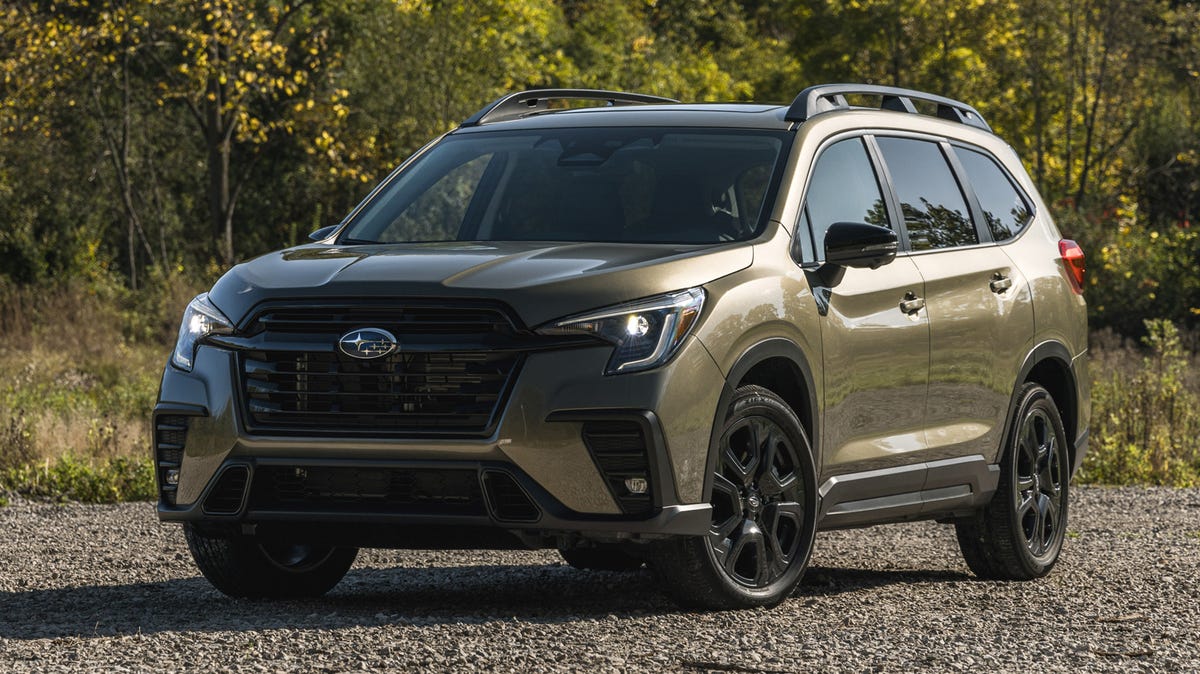
Cold months in Anchorage do not forgive weak vehicle decisions. Ice builds fast, snow piles higher than expected, and roads can change from clear asphalt to slippery sheets within a short drive. Families who move through these conditions daily need vehicles that do more than look strong on paper. They need stability during braking, control during cornering, and confidence when visibility drops and traction becomes uncertain.
SUV selection becomes a matter of trust between driver and machine. Some models hold firm when roads turn unpredictable, while others struggle the moment winter conditions begin to settle in. For family use, safety systems, drivetrain strength, and stability tuning all work together to decide how well a vehicle behaves when Anchorage weather turns harsh.
This discussion focuses on two sides of that reality. First, four SUVs that provide steady winter performance for family safety in Anchorage. These models combine all-wheel capability, balanced weight distribution, and driver assistance systems that help maintain control on icy roads. Second, a separate group of four SUVs that tend to struggle when snow and ice take over, especially when equipped with weaker drivetrain setups or less adaptive traction systems.
Every vehicle reacts differently when the temperature drops and road grip weakens. Some maintain predictable control even during sudden stops. Others require constant correction, especially on sloped streets or packed snow intersections. Understanding these differences helps families choose vehicles that support safer daily travel during long winter months.
Anchorage driving requires patience, awareness, and a machine that responds calmly under pressure. The following sections break down which SUVs provide that level of confidence and which ones fall short when winter conditions become demanding.
4 Secure SUVs for Family Safety In Anchorage
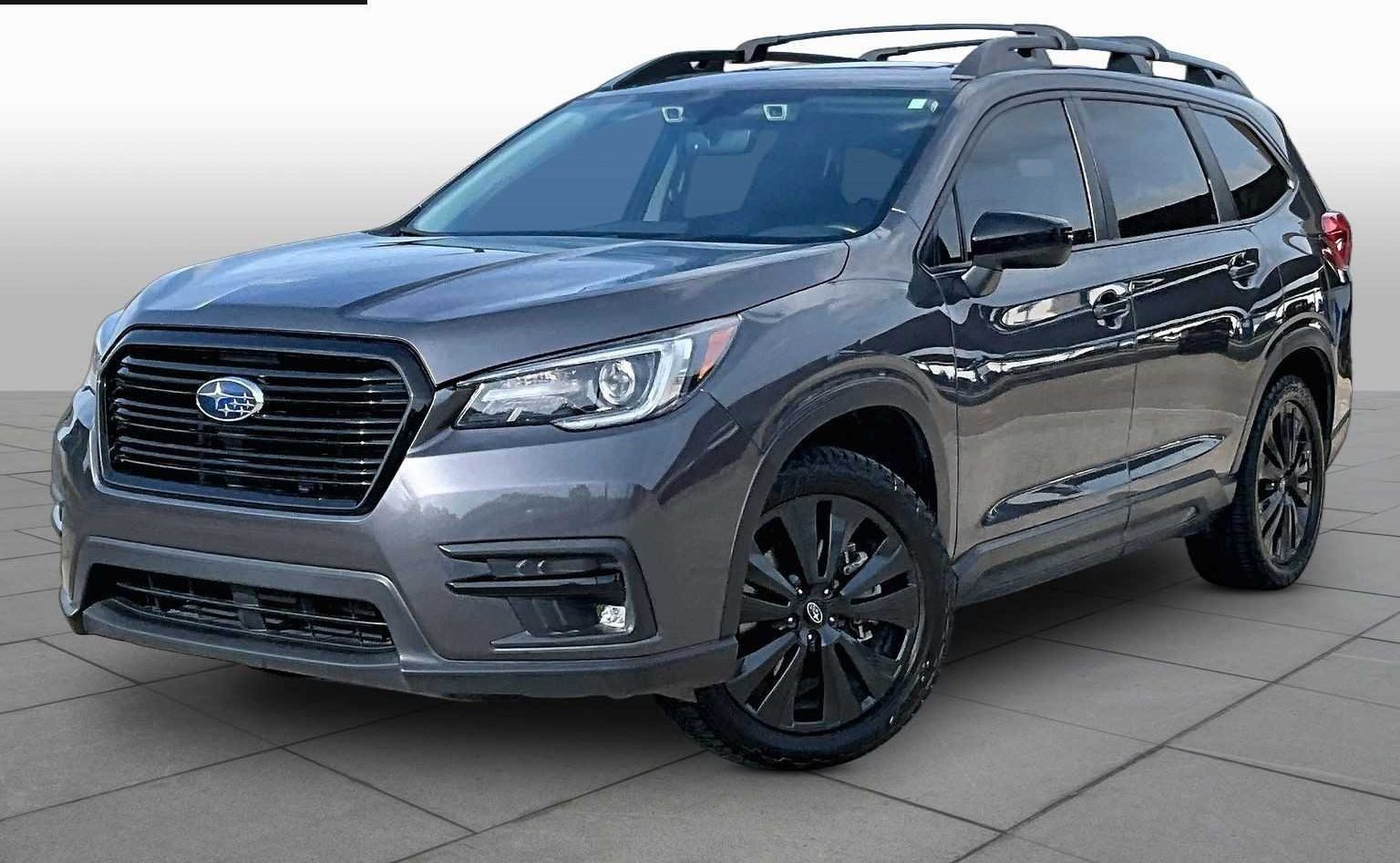
1. Subaru Ascent Onyx Edition AWD
Family safety in winter conditions often begins with traction behavior, and the Subaru Ascent Onyx Edition AWD approaches this requirement with a system built for consistent grip on snow-covered surfaces. Anchorage roads, where packed snow and ice can appear without warning, demand a vehicle that maintains direction even when steering input meets reduced friction.
This model responds with steady balance rather than abrupt reactions, giving drivers more control during early morning commutes and late evening returns. Symmetrical all-wheel drive architecture distributes power evenly, supporting stability when road conditions vary across lanes.
During icy intersections, the system adjusts power flow in a way that helps reduce wheel slip during acceleration. This behavior becomes valuable in residential Anchorage areas where snow removal may lag behind heavy storms. Drivers experience fewer sudden corrections, which contributes to smoother family transport.
Cabin structure prioritizes passenger safety through reinforced design and multiple driver assistance features. Lane monitoring, forward collision alerts, and adaptive cruise support work together to reduce strain during long winter drives. Visibility remains strong due to large windows and an elevated seating position, allowing drivers to identify road hazards earlier, including black ice patches and snow buildup near intersections.
Interior space supports family use with three-row seating that accommodates children and adults without excessive crowding. Rear cargo space adjusts easily when extra winter gear is required, such as blankets, boots, or emergency kits. Heating performance maintains a steady cabin temperature even during extended idle periods in cold conditions, which matters during school drop-offs or waiting periods in parking lots.
Steering response remains controlled rather than sharp, which suits slippery road conditions where sudden movements can lead to traction loss. Suspension tuning absorbs uneven snow-packed roads without transferring harsh movement into the cabin. This creates a more composed driving experience during winter travel across Anchorage neighborhoods and highway routes.
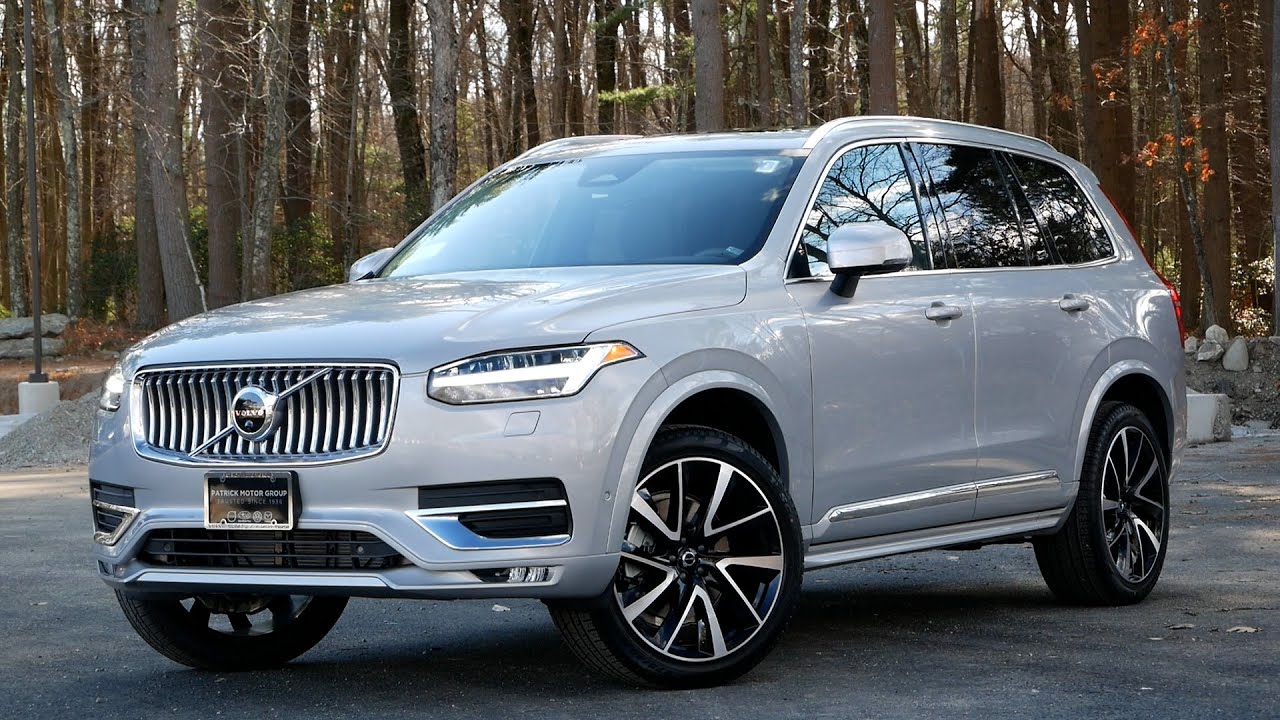
2. Volvo XC90 B6 AWD
Safety engineering takes center stage in the Volvo XC90 B6 AWD, a model widely associated with structured protection systems and stable road behavior during winter driving. Anchorage conditions place pressure on braking distance and cornering control, and this SUV responds with balanced weight distribution and steady traction management that supports family travel during freezing temperatures.
The all-wheel drive system operates with continuous adjustment, distributing torque based on road grip detection. This helps maintain stability when transitioning between cleared roads and icy patches, which commonly occur on Anchorage arterial routes. Drivers benefit from predictable handling during lane changes and highway merging in winter traffic conditions.
The driver assistance suite includes collision avoidance support, lane keeping assistance, and cross-traffic alerts. These systems work quietly in the background, assisting during low-visibility moments such as snowfall or early morning frost. Head-up display and digital instrumentation reduce distraction, allowing attention to remain on road conditions.
Interior environment emphasizes passenger protection through padded seating, reinforced cabin structure, and controlled ride comfort. Third-row seating accommodates families without sacrificing stability, although cargo space becomes more flexible when seats are adjusted. The heating system responds quickly, maintaining comfort during extended exposure to subzero temperatures.
Steering feel remains calm and measured, helping reduce overcorrection on icy roads. Suspension tuning prioritizes stability, limiting body movement during sudden directional changes caused by snow accumulation or road unevenness. This supports confidence when driving through Anchorage’s winter corridors, where road conditions frequently change within short distances.
Visibility remains strong due to the large windshield area and carefully positioned pillars, allowing drivers to track the movement of surrounding vehicles and pedestrians even during snowfall. Combined with advanced lighting systems, nighttime winter driving becomes more manageable, especially on rural roads outside central Anchorage.
Also Read: 5 Discreet Sedans for Washington, D.C. Professionals vs. 5 Flashy Alternatives
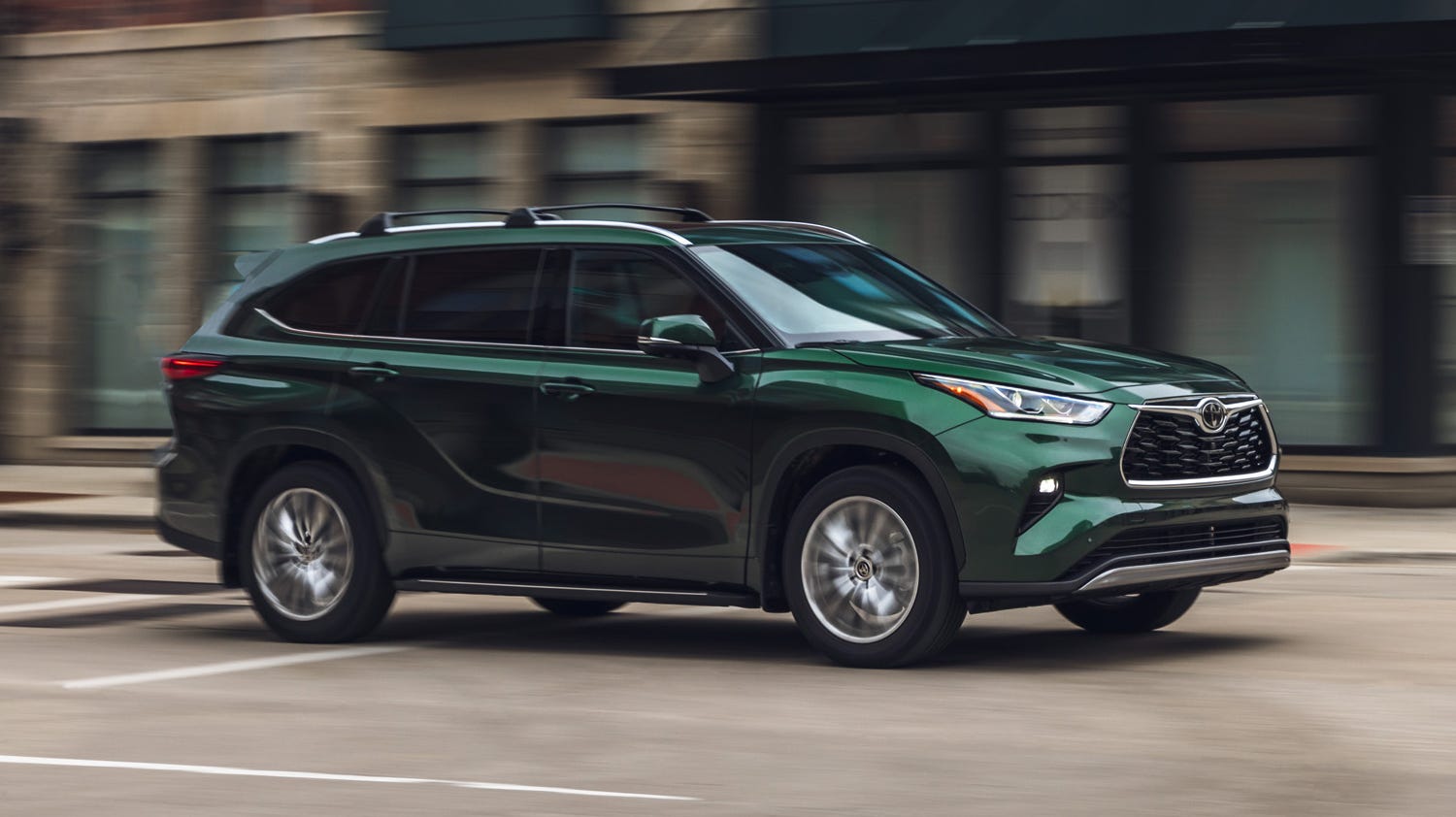
3. Toyota Highlander Platinum AWD
Anchorage winter driving places steady pressure on vehicle traction systems, especially when roads alternate between packed snow, black ice, and slushy patches within the same commute. Toyota Highlander Platinum AWD responds with a controlled power delivery approach that prioritizes stability during acceleration.
When the driver applies throttle on a snow-covered incline, torque distribution adjusts across all four wheels in a measured pattern that reduces sudden wheel spin. This behavior supports forward movement even when surface grip changes unexpectedly, such as entering shaded road sections where ice forms faster.
Power routing across the AWD system reacts quickly when a tire begins to lose contact quality with the road surface. Instead of allowing prolonged slip, torque is redirected toward the wheels with a stronger grip. This becomes especially useful on Anchorage residential streets where plowing patterns often leave uneven snow ridges.
Drivers experience smoother movement through these irregular conditions without constant steering overcorrection, which reduces strain during long winter commutes. Driving aids integrated into the Highlander Platinum AWD assist during extended cold-weather travel. Lane tracing assistance supports directional stability during highway segments where snow buildup can obscure lane markings.
Adaptive cruise control maintains steady spacing between vehicles, which helps during low-visibility snowfall where sudden braking from leading vehicles becomes more frequent. Pre-collision alerts provide additional awareness during icy intersections where stopping distances tend to extend beyond normal expectations.
Cabin structure supports long-duration comfort during winter travel routines. Three-row seating accommodates families or group travel without forcing passengers into cramped positions. Seat materials retain warmth effectively, and heating elements respond quickly during sub-zero starts.
When cargo demands increase during winter preparation periods, rear seats fold in a controlled manner, creating extended storage space for items such as insulated gear bags, snow tools, and emergency supplies. Ride behavior remains composed even when road surfaces become uneven due to freeze-thaw cycles. Suspension tuning absorbs repeated surface irregularities without transmitting sharp vibrations into the cabin.
This helps maintain passenger comfort during longer drives across Anchorage, where road conditions can vary within short distances. Cabin insulation also contributes to thermal stability, reducing heat loss and lowering dependence on continuous heater adjustment.
Steering response delivers predictable feedback during icy turns. Instead of abrupt directional changes, input translates into gradual movement that helps maintain control when surface friction drops. Visibility benefits from a raised seating position and a wide windshield design, giving drivers a clearer view of approaching intersections, pedestrian movement, and snow buildup patterns along road edges. This combination supports steady awareness during winter travel without relying solely on electronic aids.
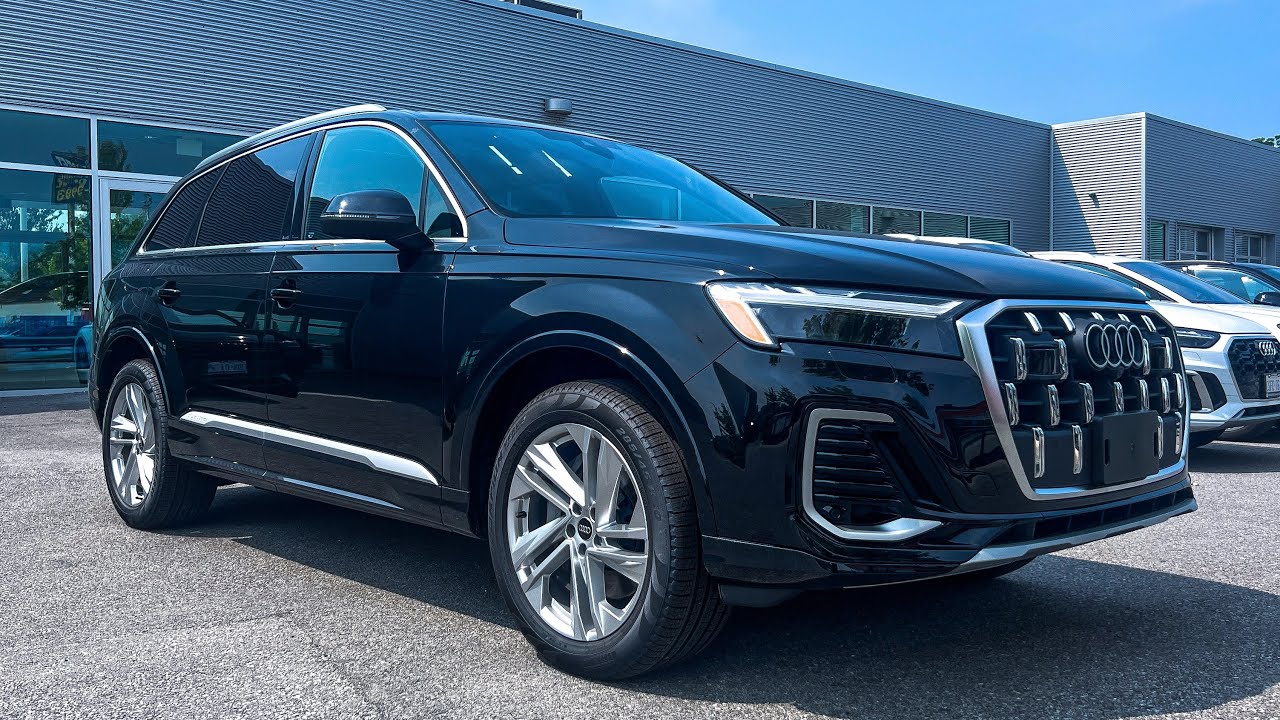
4. Audi Q7 45 TFSI quattro
Winter performance in Anchorage places heavy demand on drivetrain precision, especially when icy surfaces appear without warning during routine travel. Audi Q7 45 TFSI quattro addresses this requirement through its Quattro system, which distributes torque across all wheels with rapid adjustment.
When acceleration begins on snow-covered roads, power is assigned in a balanced manner that limits wheel spin and supports forward motion even when grip conditions change mid-movement. This becomes useful at intersections where snow polish forms under repeated vehicle stops.
Traction behavior adjusts continuously when one or more wheels lose consistent contact with the road. Instead of waiting for extended slip conditions, torque is redirected toward the wheels, maintaining stronger surface engagement. This response proves useful during Anchorage highway merges where compacted snow layers create alternating grip zones. Drivers experience steady propulsion rather than sudden jerks or hesitation, which supports controlled merging during traffic flow.
Driver assistance features support awareness during winter travel conditions, where visibility often decreases due to snowfall intensity or early evening darkness. Traffic sign recognition helps maintain awareness of speed limits when road signs become partially covered by snow.
Lane guidance systems assist with directional alignment when lane markings are faint or obscured. Adaptive braking support assists during icy braking conditions by adjusting brake force application in response to surface feedback, helping maintain directional stability during stops.
Interior construction emphasizes comfort during extended cold-weather use. Seating design supports posture stability during long drives, while cabin insulation retains internal heat efficiently. This reduces strain on climate control systems during continuous winter operation.
Rear seating provides adequate space for passengers, and folding configurations allow expanded cargo capacity when winter travel requires transport of ski equipment, winter clothing, or emergency supplies. Suspension tuning balances comfort with controlled handling. Road irregularities caused by frozen ruts or compacted snow layers are absorbed without causing excessive cabin movement.
During cornering on icy roads, body motion remains contained, supporting driver confidence when steering input must remain precise. Steering feedback maintains steady resistance, helping drivers gauge road response during low-friction conditions.
Lighting systems support winter visibility requirements by projecting strong illumination across snow-covered roads. Heated mirrors and windshield defrost systems assist in maintaining clear sightlines during freezing conditions. Combined, these features help maintain driving awareness during Anchorage winter travel, where visibility and traction conditions change frequently within a single route.
4 with Poor Winter Traction
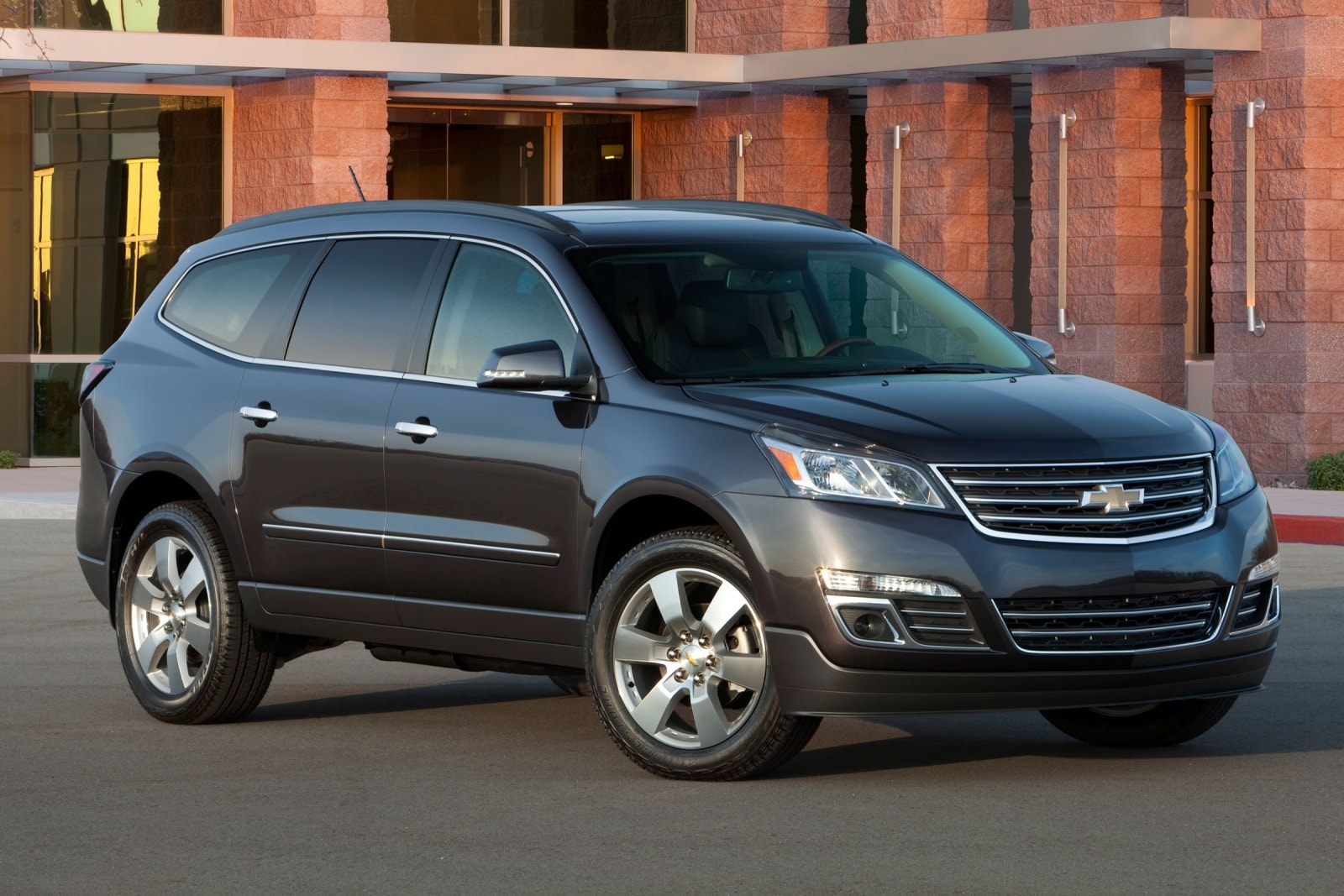
1. Chevrolet Traverse LS FWD (Weak Winter Traction Example)
Winter driving in Anchorage places direct pressure on drivetrain balance and tire grip, and the Chevrolet Traverse LS FWD struggles when those conditions intensify. Front-wheel-drive setup alone handles mild snow, yet icy intersections and packed winter roads quickly expose traction limitations.
When acceleration begins on slippery surfaces, wheel spin appears more frequently than expected, requiring driver correction to maintain forward motion. Weight distribution in this configuration leans toward the front axle, which increases reliance on front tires for both steering and propulsion.
During snowy climbs or frozen downhill approaches, steering response becomes less stable as traction varies between left and right wheels. Drivers often feel delayed movement when attempting controlled turns on icy surfaces, especially in residential Anchorage roads where plowing delays occur.
Brake performance remains predictable under dry conditions, yet winter ice introduces extended stopping distances. Without stronger traction support, ABS activation becomes frequent, which can create uneven stopping behavior during emergency braking situations. This effect reduces driver confidence during sudden road changes.
Cabin comfort remains acceptable, offering space for families and luggage. However, comfort does not compensate for reduced winter control. Heating systems perform well, yet interior comfort does not influence road grip or stability. Cargo space supports daily use, but heavier winter loads can affect handling balance due to front-weight bias.
Steering behavior feels less stable during icy cornering. Minor corrections become necessary to maintain directional control, especially when roads slope or curve. This makes long winter travel across Anchorage highways more demanding for drivers who expect consistent traction response.
Visibility remains adequate, with large windows supporting awareness during snowfall conditions. However, visibility cannot offset mechanical limitations in traction performance. The vehicle requires cautious driving habits to maintain stability during extended winter use.
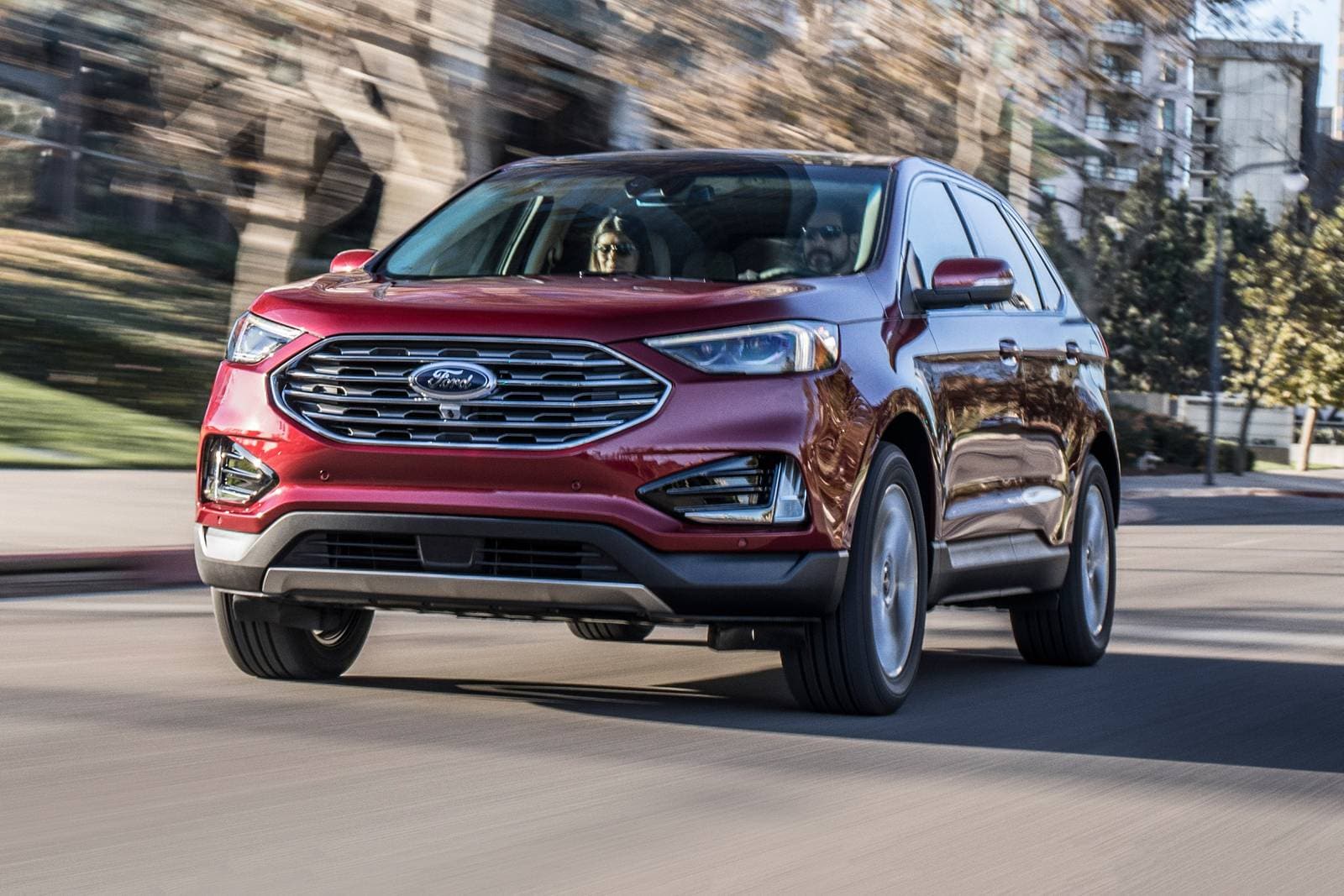
2. Ford Edge SE FWD (Limited Winter Grip Performance)
Ford Edge SE FWD presents a mid-size SUV structure that performs well under mild conditions but loses traction stability when Anchorage winter conditions intensify. Front-wheel-drive configuration limits the distribution of power during acceleration on icy roads, resulting in wheel spin when surfaces lack grip.
During snowy starts, the vehicle often requires gradual throttle input to prevent loss of traction. Even with controlled driving, icy intersections can challenge stability, especially when turning while accelerating. This behavior becomes more noticeable in areas with untreated snow accumulation.
Suspension tuning prioritizes comfort on paved roads rather than winter stability. While ride quality feels smooth on clear asphalt, snow-packed surfaces introduce uneven feedback into the cabin. Body movement becomes more noticeable during directional changes on slippery roads.
Steering response remains predictable under normal conditions but becomes less precise during winter driving. Drivers may need to correct steering more frequently when road surfaces move between ice and compact snow. This reduces confidence during highway merging and cornering in Anchorage winter traffic.
Brake response remains stable but requires an extended distance on icy surfaces. Without AWD assistance, stopping control depends heavily on tire condition and driver caution. Emergency braking can trigger ABS frequently, which reduces smooth stopping behavior on snow-covered roads.
Interior layout provides adequate space for passengers and cargo. Heating performance supports cold-weather comfort, but cabin comfort does not address traction limitations. Cargo distribution can affect balance when heavy items are loaded toward the rear.
Visibility remains strong due to the elevated seating position and wide windshield design. Drivers can observe road conditions effectively, yet visibility alone cannot compensate for reduced drivetrain capability during winter travel.
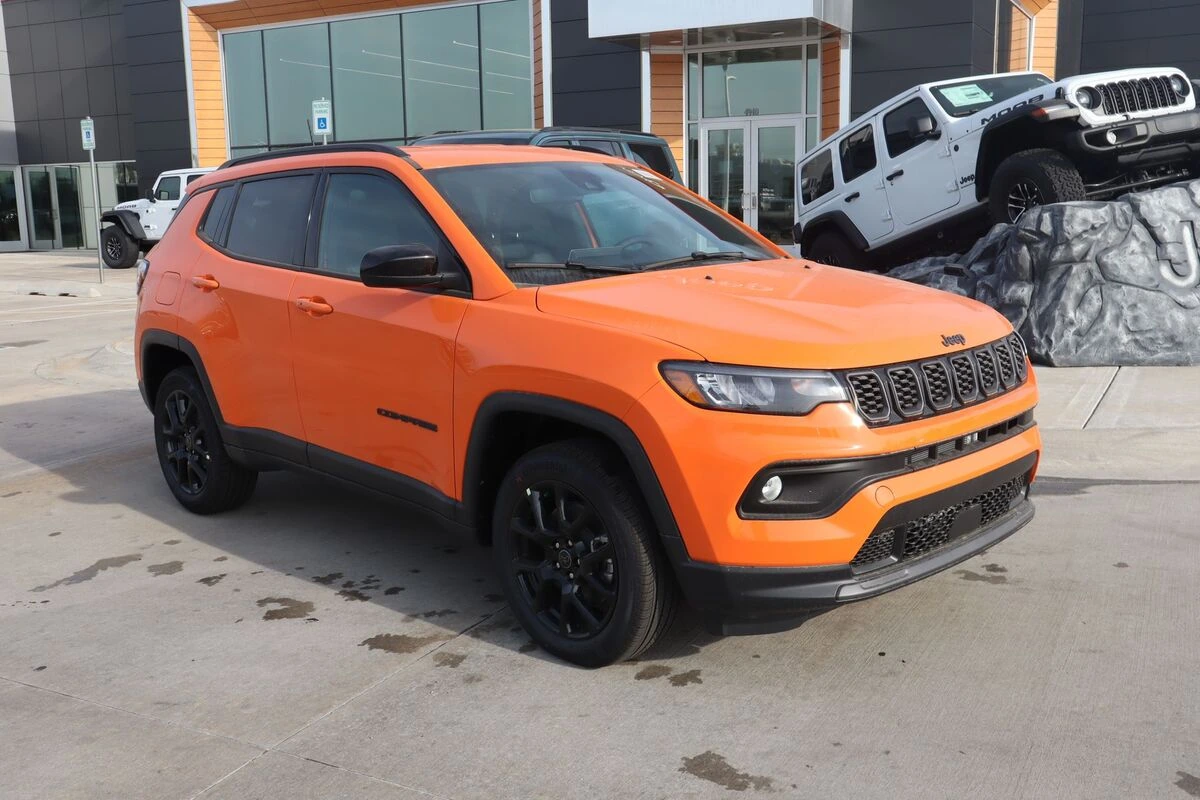
3. Jeep Compass Sport FWD (Winter Stability Limitations)
Jeep Compass Sport FWD presents compact SUV proportions suited for light urban use, yet Anchorage winter driving conditions expose clear limits in traction performance. The front-wheel-drive configuration channels engine power primarily to the front axle, which creates reduced stability when acceleration occurs on ice-covered surfaces.
During early morning starts after snowfall, wheel spin becomes more frequent, requiring careful throttle control to maintain steady forward movement. Snow-packed intersections create additional difficulty when turning and accelerating at the same time. As steering input increases while traction decreases, the vehicle tends to push outward slightly, demanding constant correction from the driver.
Uphill winter roads intensify this behavior, especially when packed snow reduces friction between tires and road surface. Drivers often need to apply gradual acceleration to prevent loss of grip, which slows movement through busy Anchorage junctions. Suspension tuning prioritizes comfort on regular paved roads rather than winter grip control.
When snow accumulates unevenly across lanes, small bumps and ridges transfer motion into the cabin more directly. This reduces smoothness during travel on winter streets, where plowing may leave inconsistent surface levels. Steering response remains relatively light at lower speeds, yet reduced traction affects precision during cornering on icy roads.
Braking behavior requires careful anticipation. On ice-covered surfaces, stopping distance increases noticeably, especially during sudden deceleration. Anti-lock braking activation becomes frequent in emergencies, producing pulsing feedback through the brake pedal that can feel uneven during controlled stops.
This requires drivers to maintain a greater distance between vehicles during winter travel to reduce sudden braking situations. Interior configuration supports compact family use, with seating suitable for daily commuting and moderate passenger loads. However, cargo flexibility remains limited compared to larger SUVs designed for winter utility.
When heavier items are placed toward the rear, front-wheel-drive weight distribution becomes less balanced, which can reduce traction efficiency during acceleration on snowy roads. Careful load management becomes necessary during winter travel to maintain stable handling.
Visibility remains strong due to the wide windshield design and elevated seating position. Drivers can observe road conditions clearly, including snow buildup, pedestrian movement, and traffic behavior during low-light conditions. Despite this advantage, strong visibility does not improve mechanical traction performance.
The vehicle still relies heavily on cautious driving behavior to maintain stability during Anchorage winter conditions, where ice patches and compacted snow frequently affect road grip.
Also Read: 5 Trucks Built for Nashville’s Music Scene vs. 5 Cars That Fall Short
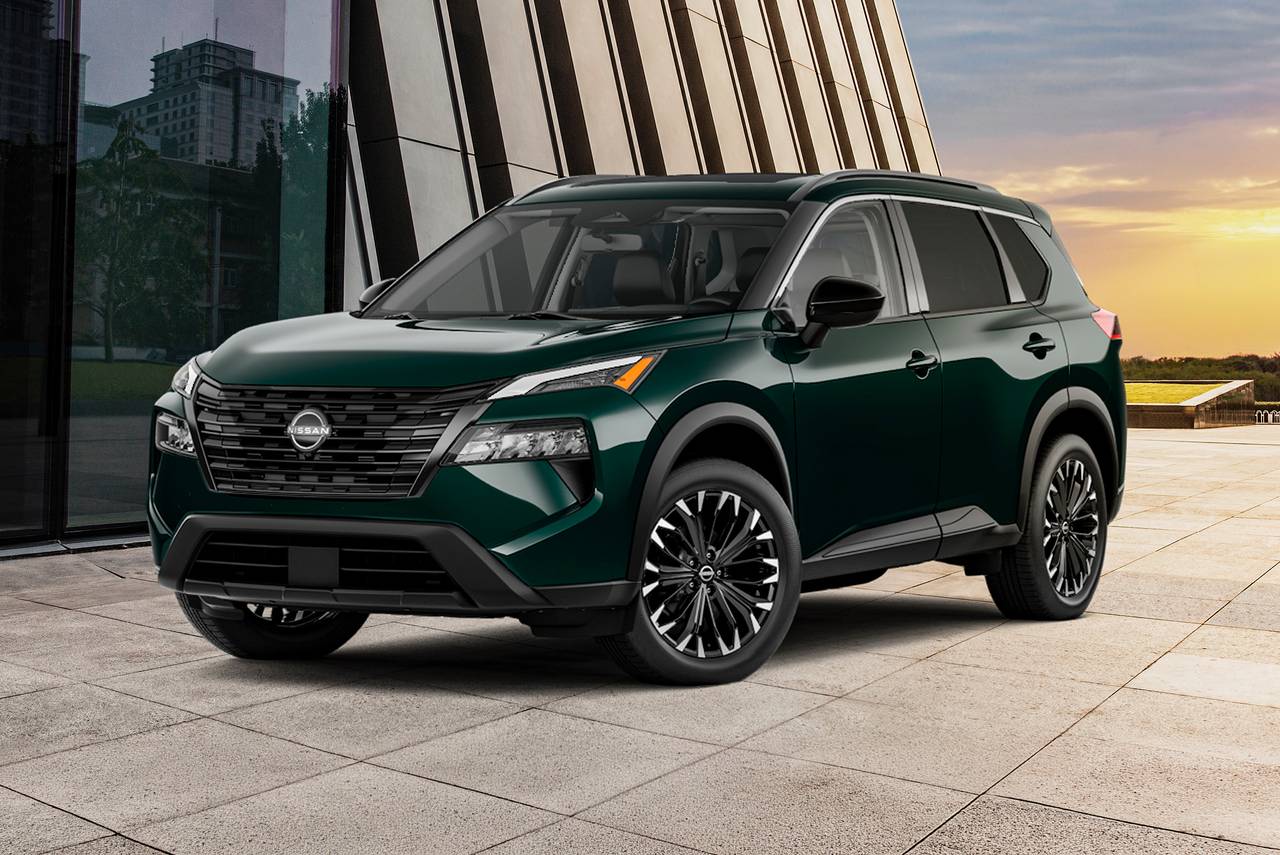
4. Nissan Rogue S FWD (Reduced Winter Traction Capability)
Nissan Rogue S FWD offers compact SUV convenience with practical interior space, yet its performance during Anchorage winter driving reveals clear limitations in traction control. The front-wheel-drive layout directs engine power to the front tires only, which reduces stability when roads become icy or covered with compact snow.
During acceleration on slippery surfaces, wheel spin occurs more frequently, especially at intersections or during uphill starts. Snow-covered junctions present handling challenges when turning and accelerating simultaneously. The front tires manage both steering and propulsion, which reduces grip during directional changes.
This condition requires careful throttle application and steady steering input to maintain control. During periods of heavy snowfall, these limitations become more noticeable in residential streets and parking lot exits. Suspension design focuses on comfort for everyday urban driving rather than winter road performance.
As snow accumulates and creates uneven surfaces, vertical movement becomes more noticeable inside the cabin. Ride smoothness decreases during longer winter drives across Anchorage roads, where plowing leaves compacted snow ridges or uneven icy patches. Steering response remains light but becomes less precise when traction levels drop.
Braking performance extends stopping distance on icy surfaces, requiring earlier braking decisions to maintain safe separation from other vehicles. Anti-lock braking system engagement occurs more frequently under sudden braking conditions, producing uneven pedal feedback during controlled stops. This makes smooth winter driving more dependent on anticipation rather than reactive braking.
Interior space provides adequate comfort for passengers and daily commuting needs. Seating arrangement supports small families or group travel, yet cargo distribution must be carefully managed. Placing heavier items toward the rear can reduce front-wheel traction effectiveness during acceleration on snow-covered roads, requiring balanced loading practices during winter use.
Visibility remains a strong point for this model. Large windows and an elevated seating position provide clear awareness of surrounding traffic, snow conditions, and roadway obstacles. Drivers can easily monitor road edges and nearby vehicles even during snowfall or low-light conditions. Despite this advantage, strong visibility cannot compensate for reduced traction capability during Anchorage winter driving conditions.
The Nissan Rogue S FWD performs adequately in mild weather environments, yet Anchorage winter conditions highlight its reduced ability to maintain steady grip and directional control on icy roads, especially during frequent snow accumulation periods.
