
Music Row in Nashville is more than just a location. It is a working ecosystem where creativity meets constant movement. Musicians, producers, technicians, and support crews move through tight schedules, often carrying instruments, recording gear, and personal equipment from one studio to another.
In such an environment, the type of vehicle someone drives becomes part of how efficiently they can operate within that space.
Trucks naturally fit into this lifestyle. They offer the kind of versatility that aligns with the unpredictable demands of music production.
Large beds allow for transporting instruments and equipment without complicated packing, while strong builds make them suitable for long days that stretch from early setup sessions to late-night recordings. In a place where flexibility matters, trucks provide a practical advantage that goes beyond simple transportation.
At the same time, not every vehicle adapts well to this environment. Smaller cars, especially those designed primarily for compact city use, often struggle to keep up with the demands of Music Row.
Limited cargo space, lower capacity, and restricted versatility can turn routine tasks into logistical challenges. What might work perfectly for a daily commute becomes insufficient when the day involves hauling gear, coordinating with multiple locations, and adjusting plans on short notice.
This contrast highlights how lifestyle shapes vehicle choice. It is not just about size or performance, but about how well a vehicle integrates into daily responsibilities. On Music Row, where efficiency and adaptability are essential, the difference becomes especially clear.
This article explores both sides of that reality. It begins with five trucks that align naturally with the demands of Nashville’s music scene, followed by five smaller cars that, despite their strengths, fall short in supporting that same lifestyle.
Also Read: 5 Compact Cars Perfect for Traffic In New York City vs. 5 That Are a Nightmare to Park
5 Trucks for Music Row In Nashville
Music Row operates on momentum. Sessions overlap, schedules shift, and opportunities can appear without warning. In such a dynamic environment, having a vehicle that supports quick transitions and varied demands becomes essential. Trucks offer that support in a way few other vehicles can.
Their utility goes beyond simple cargo capacity. It is about how easily they adapt to different tasks throughout the day. One moment they may be carrying instruments, the next they could be transporting audio equipment or helping a team move between locations. This flexibility makes them valuable tools rather than just modes of transport.
Another important factor is durability. Long days and frequent use can put strain on any vehicle, but trucks are built to handle that kind of workload. They provide a sense of reliability that allows drivers to focus on their work rather than worrying about whether their vehicle can keep up.
Comfort also plays a role. Hours spent moving between studios require a cabin that supports extended use without fatigue. Modern trucks manage to combine utility with a level of comfort that makes them suitable for both work and downtime.
The following five trucks are included because they reflect different aspects of what makes a vehicle effective in this setting. Each one offers its own approach to handling the demands of Music Row, but all share a common ability to support a lifestyle that is constantly in motion.
1. Ford F-150
The Ford F-150 feels almost inseparable from the idea of practical work, and that connection becomes especially relevant on Music Row. It is a vehicle that does not require adaptation to fit into the lifestyle. Instead, it already aligns with the kind of demands that musicians and crews face every day.
One of its most valuable traits is how effortlessly it handles cargo. Instruments, amplifiers, stands, and cases can be loaded without overthinking space or arrangement. This reduces the time spent preparing for a session, allowing more focus on the work itself. The bed becomes an extension of the workflow rather than a limitation.
What makes the F-150 particularly effective is its balance between strength and usability. It is capable of handling heavy loads, yet it does not feel difficult to drive through urban areas. This combination is important in Nashville, where drivers move between busy streets and quieter studio zones.
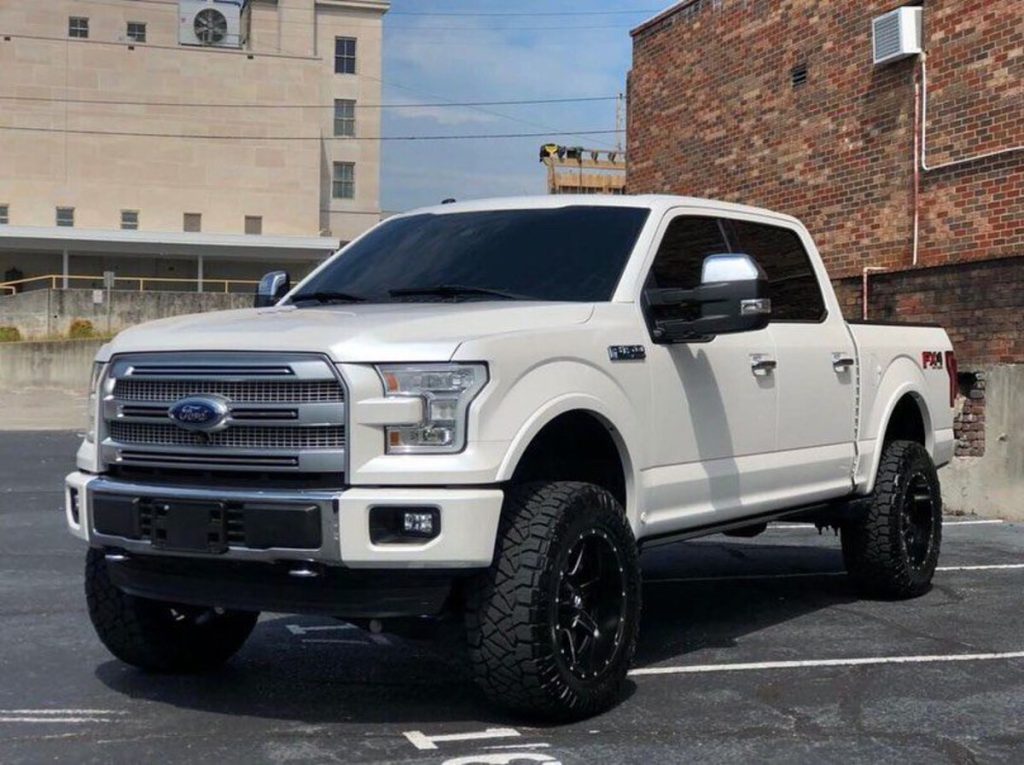
Inside the cabin, the experience shifts toward comfort and practicality. There is enough space to accommodate passengers or additional gear, and the layout supports long hours on the road. This creates an environment where drivers can transition from work to travel without feeling a disconnect.
The reason for including the F-150 is its ability to integrate seamlessly into a demanding routine. It does not stand out for one specific feature, but for how well it supports every aspect of the lifestyle. On Music Row, that kind of consistency becomes a defining advantage.
2. Chevrolet Silverado 1500
The Chevrolet Silverado 1500 approaches the same environment with a slightly different character. Where some trucks emphasize versatility, the Silverado leans into strength and presence, offering a sense of capability that feels immediately apparent. On Music Row, this translates into confidence when handling demanding tasks.
Its cargo capacity allows it to manage a wide range of equipment without hesitation. Whether it is transporting large instruments or multiple cases of gear, the Silverado provides the space needed to keep everything organized. This reduces the need for multiple trips, which can be a significant advantage when schedules are tight.
Driving the Silverado through Nashville reveals another layer of its practicality. Despite its size, it maintains a level of control that makes it manageable in urban settings. This is important in areas where traffic can become unpredictable, and quick adjustments are often required.
The interior reflects a focus on usability. Controls are straightforward, and the layout prioritizes function over unnecessary complexity. This simplicity works well in a work-focused environment, where ease of use is more valuable than elaborate features.
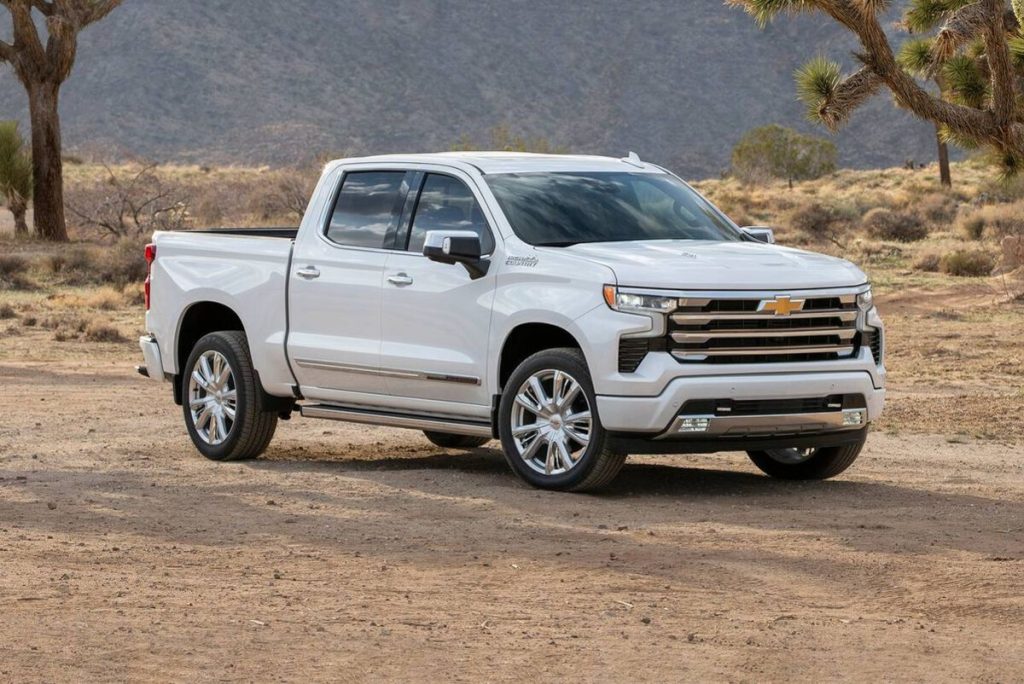
The Silverado is included because it represents a direct and confident approach to the demands of Music Row. It does not attempt to soften its capabilities. Instead, it embraces them fully, offering a vehicle that feels ready to handle whatever the day requires.
3. Ram 1500
The Ram 1500 brings a different tone to the demands of Music Row, one that blends work capability with an unexpectedly refined driving experience. In an environment where long hours and constant movement are part of the routine, this balance becomes more valuable than it might initially seem.
Instead of focusing purely on utility, the Ram 1500 creates a sense of ease for the driver. The cabin feels designed for extended use, offering a level of comfort that supports long days spent moving between studios, venues, and storage spaces.
This matters in a lifestyle where the vehicle is not just a tool, but also a space where time is spent waiting, planning, or decompressing between sessions.
Its cargo capabilities remain strong, but the way it handles that responsibility feels more composed. Loading equipment does not feel like a strain, and the truck maintains stability even when carrying heavier items. This contributes to a smoother overall experience, especially when navigating through Nashville’s mix of busy and quieter streets.
Another aspect that stands out is how it absorbs the rhythm of the city. Instead of feeling rigid or overly mechanical, the Ram 1500 adapts to stop-and-go traffic and longer drives with a consistent, controlled response. This helps reduce fatigue, allowing drivers to stay focused on their work rather than the effort of driving.
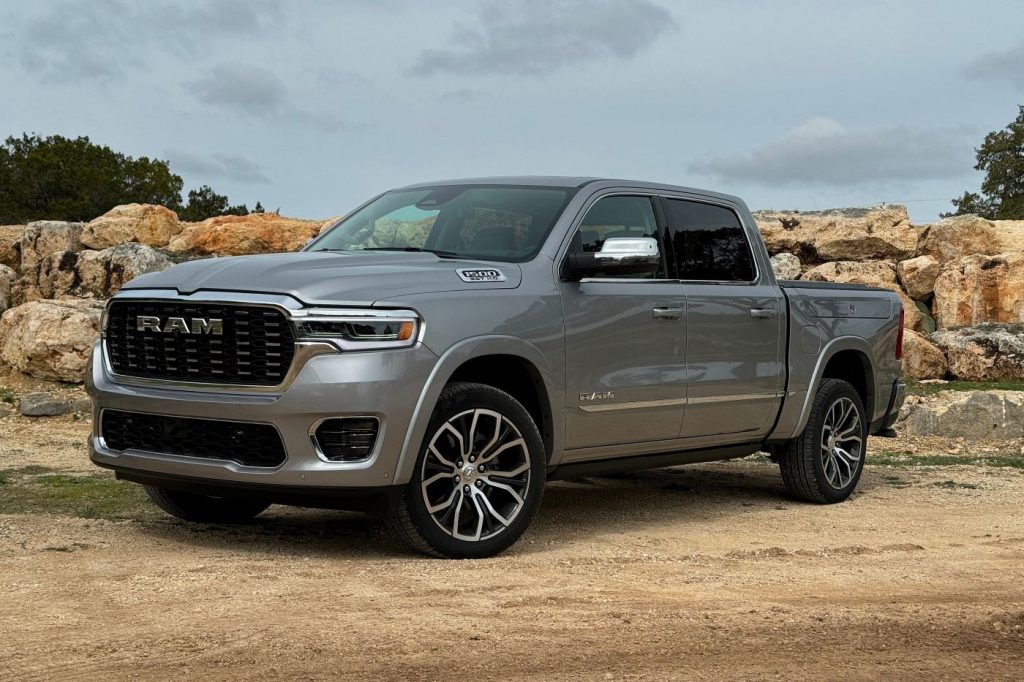
The reason for including the Ram 1500 is its ability to support both productivity and comfort. It shows that a truck can meet the practical needs of Music Row while also enhancing the daily experience of those who rely on it.
4. Toyota Tundra
The Toyota Tundra takes a more durability-focused approach, emphasizing reliability and long-term dependability in a way that aligns well with the unpredictable nature of Music Row. In a setting where schedules can shift and demands can change without warning, having a vehicle that consistently performs becomes a major advantage.
This truck does not try to impress with unnecessary complexity. Instead, it delivers a straightforward experience that drivers can rely on day after day. Whether it is carrying instruments, transporting equipment, or simply moving between locations, the Tundra handles each task with a steady and predictable performance.
Its cargo area supports a variety of needs without requiring constant adjustment. Larger items fit comfortably, and the overall layout encourages efficient loading. This reduces the time spent organizing gear, which is especially important when working within tight schedules.
Driving the Tundra through Nashville highlights its stability. It feels solid and composed, even when the day involves multiple stops and varying road conditions. This consistency allows drivers to focus on their responsibilities rather than adapting to the vehicle.
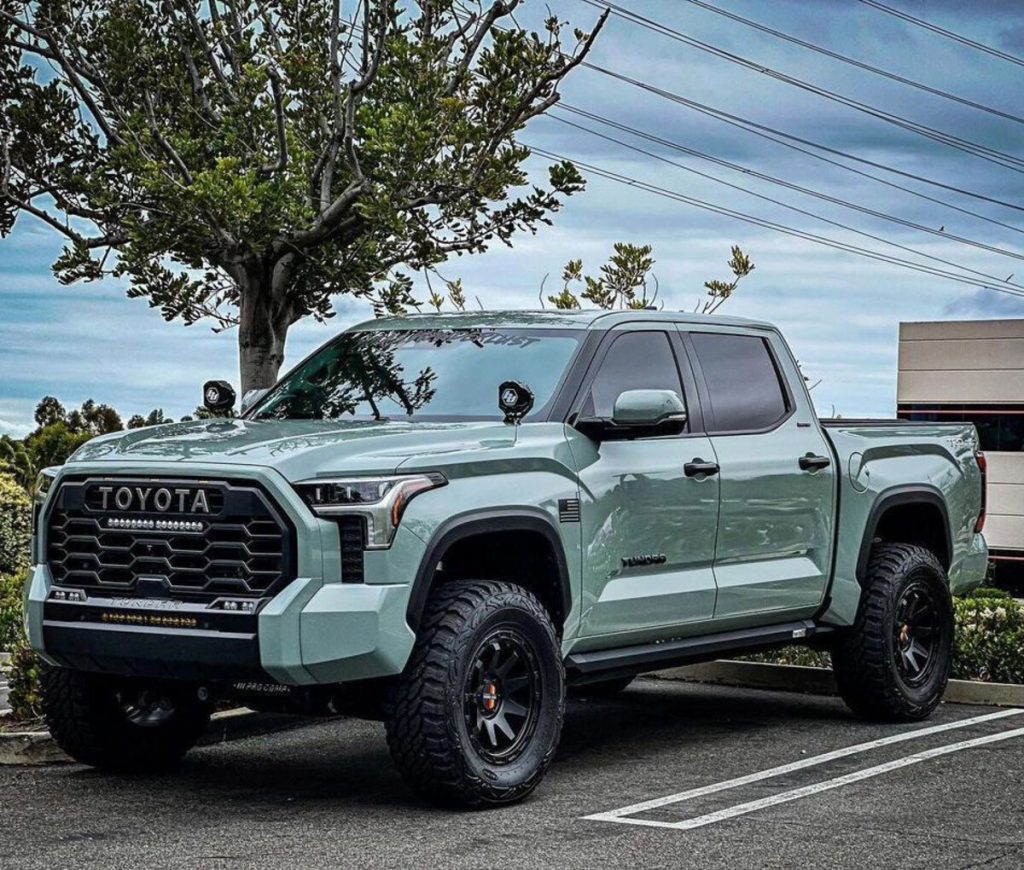
Another important factor is how it holds up over time. Music Row is not a place where vehicles are used lightly, and durability becomes a key consideration. The Tundra’s reputation for reliability makes it a practical choice for those who need a vehicle that can keep up with a demanding routine.
It is included here because it represents dependability in its purest form. It may not draw attention with flashy features, but it delivers exactly what is needed in an environment where consistency matters most.
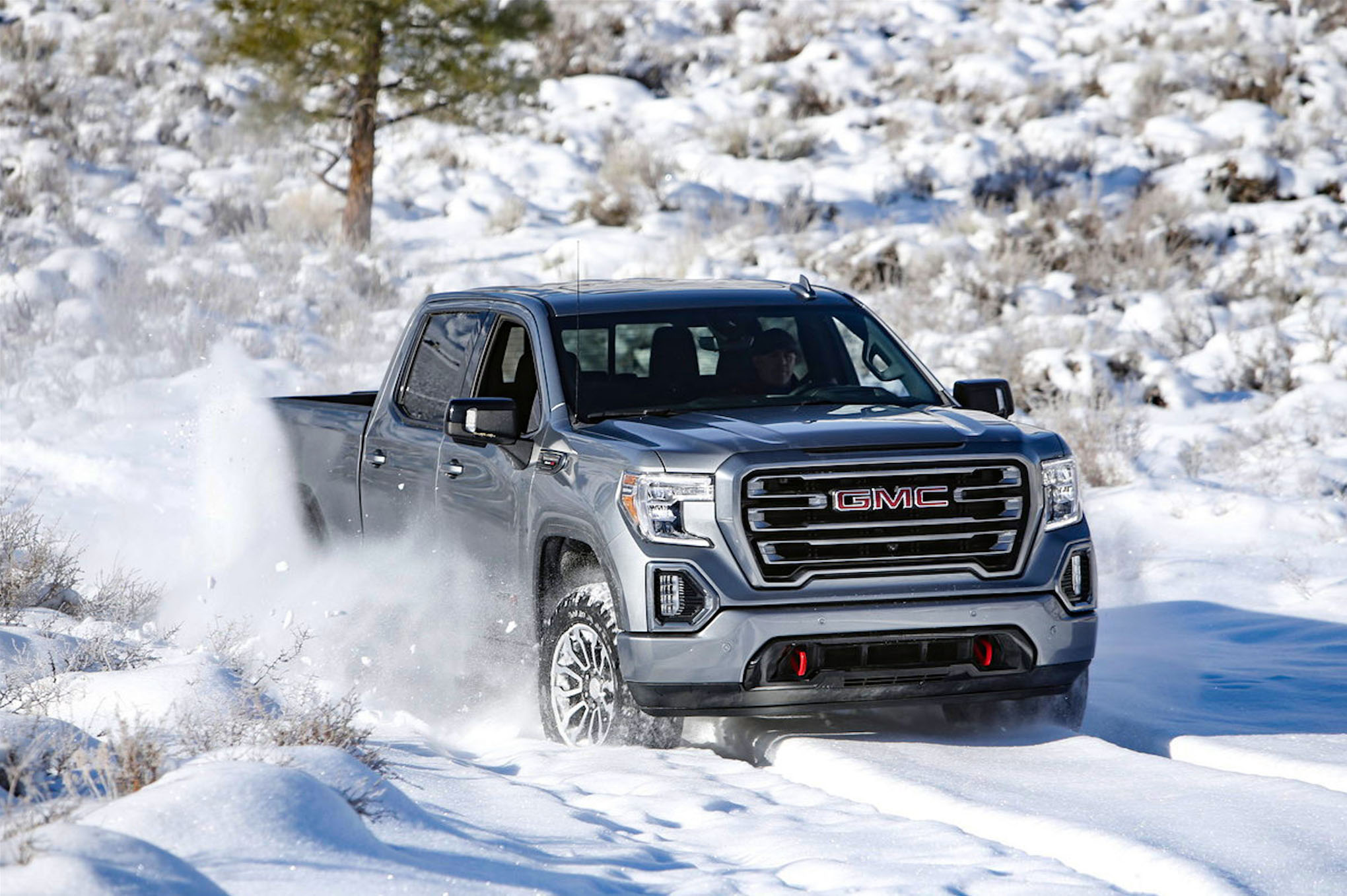
5. GMC Sierra 1500
The GMC Sierra 1500 closes out this section by presenting a truck that leans into refinement without stepping away from its core utility. On Music Row, where image and professionalism often intersect with function, this balance becomes particularly relevant. It is not just about getting the job done, but also about how the vehicle fits into a broader working environment.
This truck offers a cargo setup that feels thoughtfully integrated into daily use. Loading equipment is straightforward, and the bed provides enough room to handle a variety of gear without forcing compromises. Whether it is delicate instruments or heavier equipment, the Sierra manages the task with a sense of organization rather than excess.
What makes it stand out is how it transitions between roles. One moment it is carrying gear across the city, and the next it can arrive at a studio or meeting without feeling out of place. This dual nature supports the diverse demands of Music Row, where work and presentation often overlap.
The driving experience reflects a level of polish that reduces strain during long days. It feels controlled and composed, allowing drivers to move through Nashville traffic with confidence. This is especially useful in an environment where time is limited and efficiency is essential.
Inside, the cabin creates a space that feels both functional and comfortable. It supports extended use without feeling overly utilitarian, which adds to its appeal for those who spend significant time on the road.
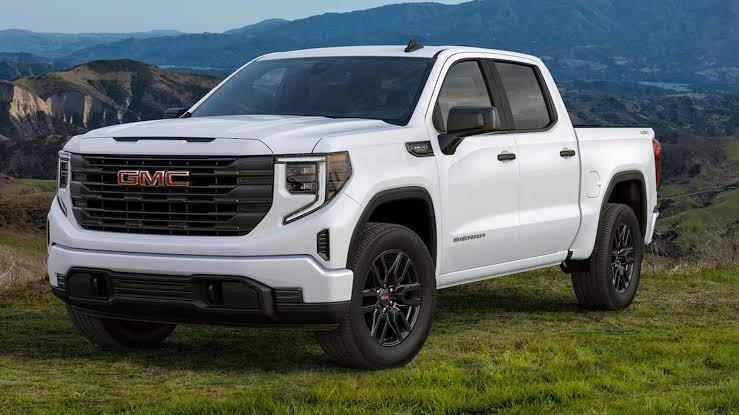
The Sierra 1500 is included because it represents a more refined approach to capability. It shows that a truck can handle the practical demands of Music Row while also fitting into the professional and creative atmosphere that defines the area.
5 Cars Too Small for the Lifestyle
Music Row is not a place where minimalism in transportation always works. The demands of the environment extend beyond simply getting from one location to another. Vehicles often need to carry instruments, equipment, and sometimes multiple people, all while adapting to a schedule that can change without notice.
Smaller cars, while efficient and easy to manage in typical urban settings, often fall short in this context. Their limited cargo space creates immediate challenges when transporting anything beyond basic personal items. What should be a straightforward task can turn into a complicated process of rearranging or making multiple trips.
Another issue is flexibility. Music Row requires vehicles that can adapt quickly to different needs throughout the day. Smaller cars tend to have fixed limitations, which makes it harder to respond to unexpected situations. This lack of adaptability can disrupt workflow and reduce efficiency.
Comfort also becomes a factor when the day involves extended periods of driving. Compact interiors may feel sufficient for short commutes, but they can become restrictive over longer stretches, especially when combined with the need to carry additional items.
The following five cars highlight these limitations. Each one has its own strengths, but in the context of Music Row, they struggle to meet the demands of the lifestyle. They serve as examples of how size and capacity can directly impact practicality in a work-focused environment.
1. Mini Cooper
The Mini Cooper is often celebrated for its compact design and engaging driving experience, but those very qualities create limitations in a setting like Music Row. Its small size, while beneficial for tight city streets, becomes a constraint when the day involves more than just personal transportation.
Cargo space is the most immediate challenge. Instruments, recording equipment, and other essential items require room that the Mini simply cannot provide comfortably. Even with careful packing, the available space quickly runs out, forcing compromises that can disrupt workflow.
The layout of the interior further emphasizes this limitation. While the front seats offer a driver-focused experience, the rear area does not provide the flexibility needed for carrying larger items. This makes it difficult to adapt the car to different tasks throughout the day.
Another aspect to consider is how the car handles multiple responsibilities. Music Row often demands quick transitions between roles, from transporting gear to picking up collaborators. The Mini struggles to support this level of versatility, as its design is centered around a more limited use case.
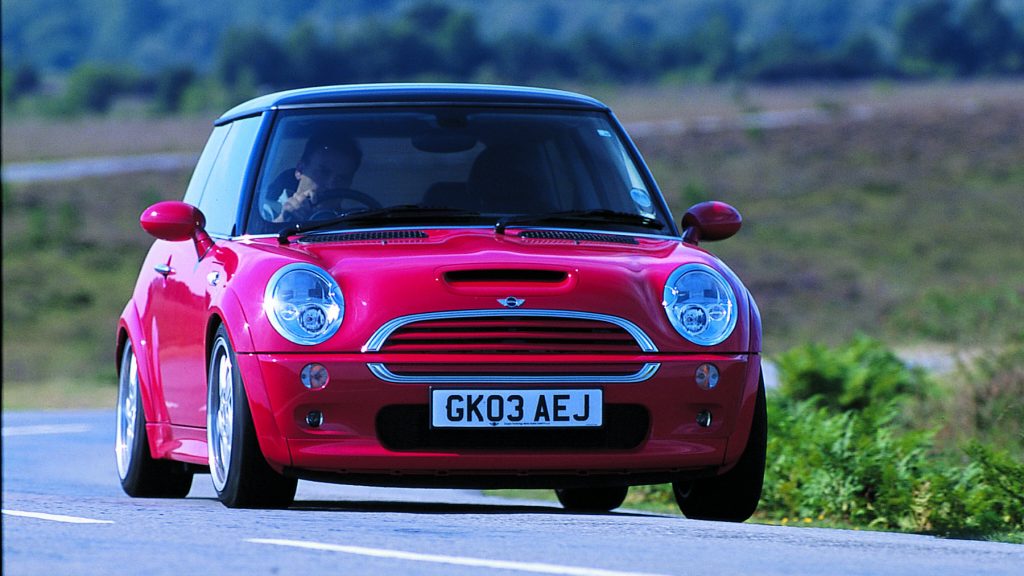
Despite these drawbacks, the Mini Cooper remains enjoyable to drive in the right context. It offers a sense of character and responsiveness that appeals to many drivers. However, in an environment where practicality takes priority, those strengths become secondary.
It is included here to illustrate how a car that excels in one area can fall short in another. The Mini Cooper works well for individual commuting, but on Music Row, its size becomes a clear limitation.
2. Mazda MX-5 Miata
The Mazda MX-5 Miata represents driving enjoyment in its purest form, focusing on lightweight design and a connection to the road. However, in the context of Music Row, this philosophy creates a mismatch with the practical demands of the environment.
This is a car built for simplicity, but that simplicity leaves little room for additional responsibilities. The lack of cargo space becomes an immediate issue when trying to transport anything beyond the most basic items. Instruments and equipment simply do not fit within its limited storage areas.
Its two-seat configuration adds another layer of restriction. Collaboration is a key part of the music industry, and the ability to carry additional passengers is often necessary. The Miata’s design does not support this, making it less adaptable to the social and professional dynamics of Music Row.
The driving experience itself, while engaging, does not compensate for these limitations. It offers enjoyment on open roads, but in a work-focused environment, that enjoyment becomes less relevant compared to practicality.
Another consideration is how the car fits into a demanding schedule. When time is limited, efficiency becomes critical. A vehicle that cannot handle multiple tasks at once can slow down the entire process, creating unnecessary complications.
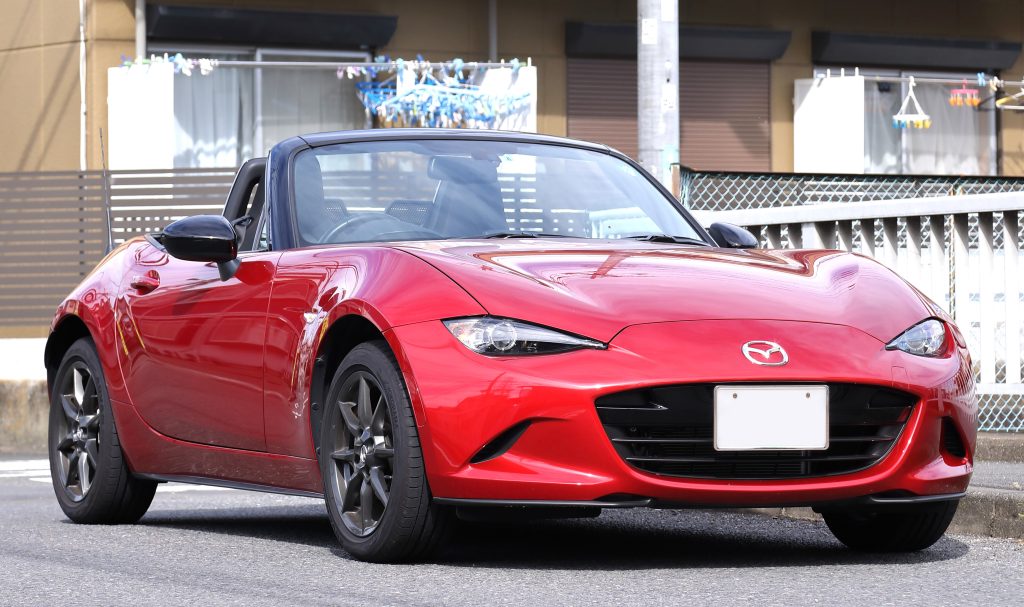
The Miata is included because it highlights the contrast between passion and practicality. It delivers a focused driving experience, but in a setting that requires flexibility and capacity, it falls short of meeting the demands of the lifestyle.
3. Fiat 500
The Fiat 500 approaches urban mobility with a sense of charm and efficiency, making it a popular choice in crowded cities where space is limited. However, the very qualities that make it appealing in those environments create clear limitations when applied to the demands of Music Row in Nashville.
This is a car that thrives on simplicity. Its compact dimensions make it easy to navigate tight streets and park in small spaces. Yet, that same compactness becomes restrictive when the day involves transporting more than just personal belongings.
On Music Row, where equipment and instruments are often part of daily movement, the Fiat 500 quickly reaches its limits.
The cargo area is minimal, and while the rear seats can be adjusted to create additional space, the overall capacity remains insufficient for larger items.
This forces drivers to make compromises, either by reducing what they carry or by finding alternative ways to transport essential gear. Neither option supports the fast-paced and flexible nature of the music industry.
Another point worth considering is how the vehicle handles longer, more demanding days. The interior, while functional, is not designed for extended use with multiple responsibilities. It works well for short commutes, but when the day stretches across multiple locations and tasks, it begins to feel less accommodating.

The Fiat 500 also lacks the adaptability required for sudden changes. Music Row often requires quick adjustments, whether that means picking up additional equipment or accommodating extra passengers. This car does not offer the flexibility needed to respond effectively.
It is included here because it represents a vehicle that is perfectly suited to one type of lifestyle but struggles in another. In a setting where capacity and versatility are essential, the Fiat 500’s compact nature becomes a clear disadvantage.
4. Smart Fortwo
The Smart Fortwo takes the concept of minimalism even further, focusing almost entirely on efficiency and space-saving design. It is a vehicle built for very specific conditions, but those conditions do not align with the realities of Music Row.
At its core, the Fortwo is designed for individual use. It provides just enough room for a driver and a single passenger, with extremely limited storage space. In an environment where collaboration and equipment transport are routine, this configuration becomes a major limitation.
The lack of cargo capacity is immediately noticeable. There is little room for anything beyond small personal items, making it impractical for carrying instruments or recording gear. This restricts the vehicle’s role to basic transportation, which is not sufficient for the demands of the music industry.
Its small size, while beneficial for parking and maneuverability, does not compensate for these shortcomings. Music Row requires vehicles that can handle multiple tasks throughout the day, and the Fortwo’s design does not support that level of versatility.
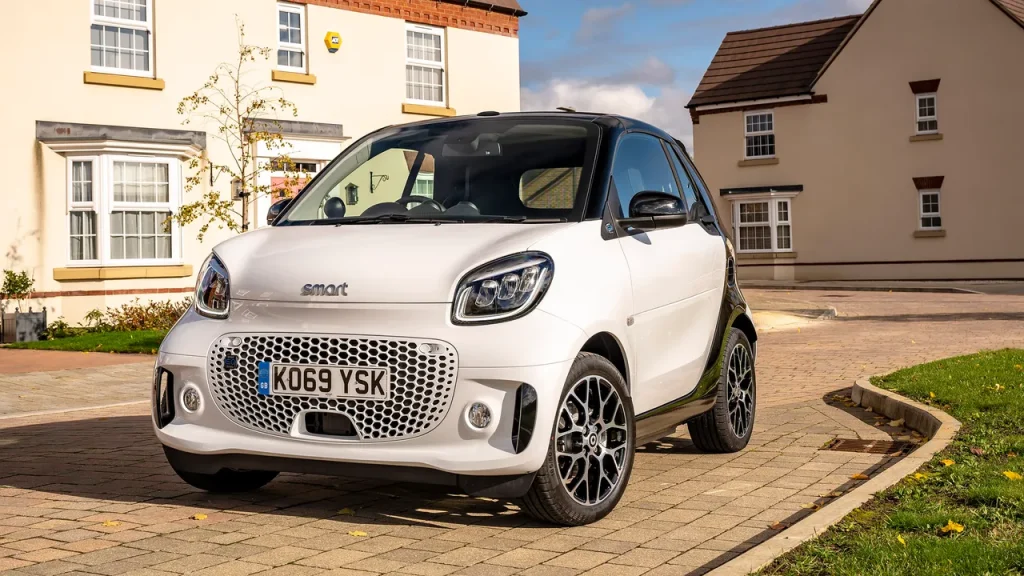
Another factor is how it fits into the pace of the environment. The need to constantly adapt and respond to changing situations is a defining aspect of Music Row. A vehicle that cannot adjust to these demands can slow down workflow and create unnecessary challenges.
The Smart Fortwo is included because it represents the extreme end of compact design. It works well in highly specific scenarios, but in a setting that requires flexibility, capacity, and collaboration, it falls significantly short.
5. Chevrolet Spark
The Chevrolet Spark is often seen as a practical and budget-friendly option for everyday commuting. It is designed to make city driving simple, affordable, and efficient. However, when placed within the demanding and constantly shifting environment of Music Row, its limitations become more noticeable.
At first glance, the Spark appears capable of handling basic transportation needs. It is easy to maneuver, fits into tight parking spaces, and keeps running costs low. These qualities are valuable in many situations, but Music Row requires more than just convenience. It demands a vehicle that can support a wide range of responsibilities throughout the day.
Cargo space is where the Spark begins to fall short. While it can manage small items, it struggles with anything larger or irregularly shaped.
Musical instruments, recording equipment, and related gear often require flexible storage solutions, something the Spark cannot provide effectively. This creates a situation where drivers must constantly prioritize what they can carry, which disrupts efficiency.
Another limitation is how the car handles extended use. Long hours spent moving between studios and locations can make the compact interior feel restrictive. It is not designed to accommodate both passengers and equipment comfortably over time, which reduces its practicality in a work-focused setting.
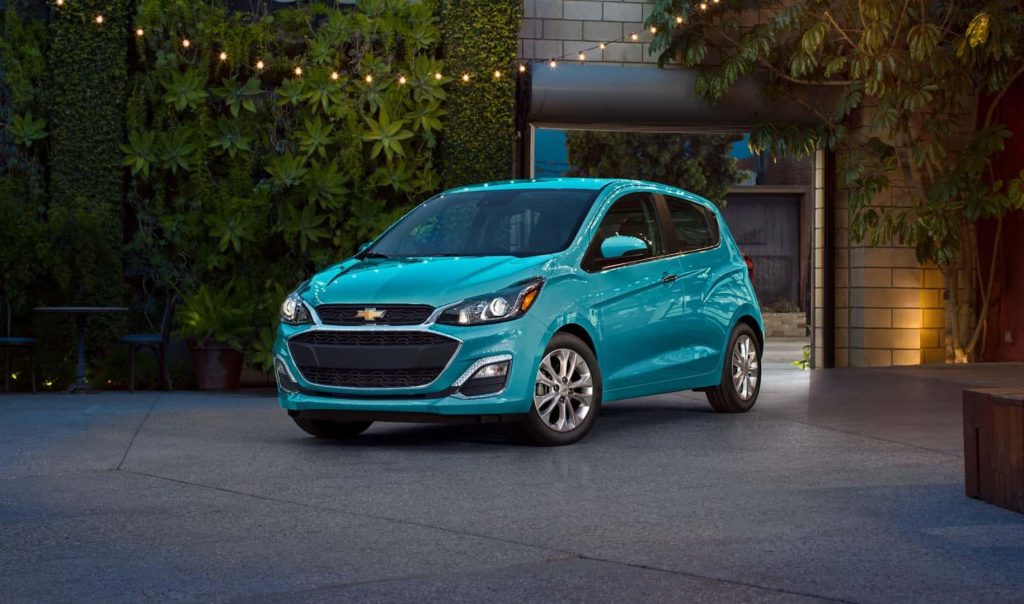
The Spark also lacks the adaptability needed for sudden changes. Music Row operates on unpredictability, and the ability to respond quickly is essential. A vehicle that cannot adjust to new demands becomes a bottleneck rather than a support system.
It is included here because it highlights the gap between basic functionality and real-world demands. The Chevrolet Spark performs well within its intended scope, but in a setting that requires versatility and capacity, it does not meet the needs of the lifestyle.
Music Row in Nashville demands vehicles that can handle more than simple transportation. Trucks like the Ford F-150, Chevrolet Silverado 1500, Ram 1500, Toyota Tundra, and GMC Sierra 1500 align naturally with this lifestyle, offering space, durability, and flexibility for transporting instruments and equipment while supporting long, demanding days.
In contrast, smaller cars such as the Mini Cooper, Mazda MX-5 Miata, Fiat 500, Smart Fortwo, and Chevrolet Spark struggle to keep up.
Their limited cargo space, reduced passenger capacity, and lack of adaptability make them less suitable for the fast-paced and unpredictable nature of the music industry, where practicality is essential.
Also Read: 5 Hybrid Commuters for the Atlanta Perimeter vs. 5 V8s to Avoid in Traffic
