
Washington D.C. is a city where perception often matters as much as performance. It is a place defined by professionalism, discretion, and an unspoken understanding of image.
From government offices to private firms, the way individuals present themselves extends beyond attire and into the vehicles they choose to drive. In such an environment, a car becomes more than transportation. It becomes part of a larger statement about intent, identity, and awareness of surroundings.
There are vehicles that align naturally with this atmosphere. Understated professional sedans blend into the city’s rhythm, offering comfort and refinement without drawing unnecessary attention.
They project confidence without excess, allowing the driver to move through high-level environments without appearing out of place. These cars reflect a mindset that values subtlety over spectacle.
On the other side are vehicles that attract attention whether intended or not. Flashy cars with bold designs, aggressive styling, or excessive presence can stand out in ways that are not always beneficial in a city like Washington D.C.
While they may offer excitement or prestige, they can also create unintended impressions, especially in professional or formal settings where restraint is often expected.
This contrast highlights an important dynamic. In some cities, standing out is the goal. In Washington D.C., blending in while maintaining a sense of authority can be far more effective. The right vehicle supports that balance, while the wrong one can disrupt it.
This article explores both ends of that spectrum. It begins with five sedans that embody professionalism and subtlety, followed by five cars that, despite their appeal, can feel out of place due to their attention-grabbing nature.
Also Read: 5 Compact Cars Perfect for Traffic In New York City vs. 5 That Are a Nightmare to Park
5 Understated Professional Sedans In Washington D.C.
Washington D.C. operates on nuance. Meetings, negotiations, and daily interactions often rely on impressions that are formed quickly and quietly.
In such an environment, the vehicles professionals choose tend to reflect a careful balance between presence and restraint. Understated sedans fit naturally into this landscape because they communicate confidence without needing to announce it.
These cars are not designed to dominate attention. Instead, they offer a composed and refined experience that supports the driver’s role rather than overshadowing it. Their styling is deliberate, often clean and conservative, allowing them to blend seamlessly into a variety of settings, from government buildings to corporate offices.
Another important aspect is comfort and reliability. Professionals in Washington D.C. often spend significant time in their vehicles, moving between appointments or navigating traffic. A sedan that provides a calm and controlled environment becomes an extension of the workday, offering a space where focus can be maintained.
There is also an element of practicality. These vehicles are typically easy to manage in urban conditions, offering a balance between size and maneuverability. They are well-suited to city streets, parking structures, and the overall pace of life in the capital.
The following five sedans are included because they represent different interpretations of what it means to be understated. Each one brings its own strengths, but all share a common ability to support a professional lifestyle without drawing unnecessary attention.
1. Toyota Camry
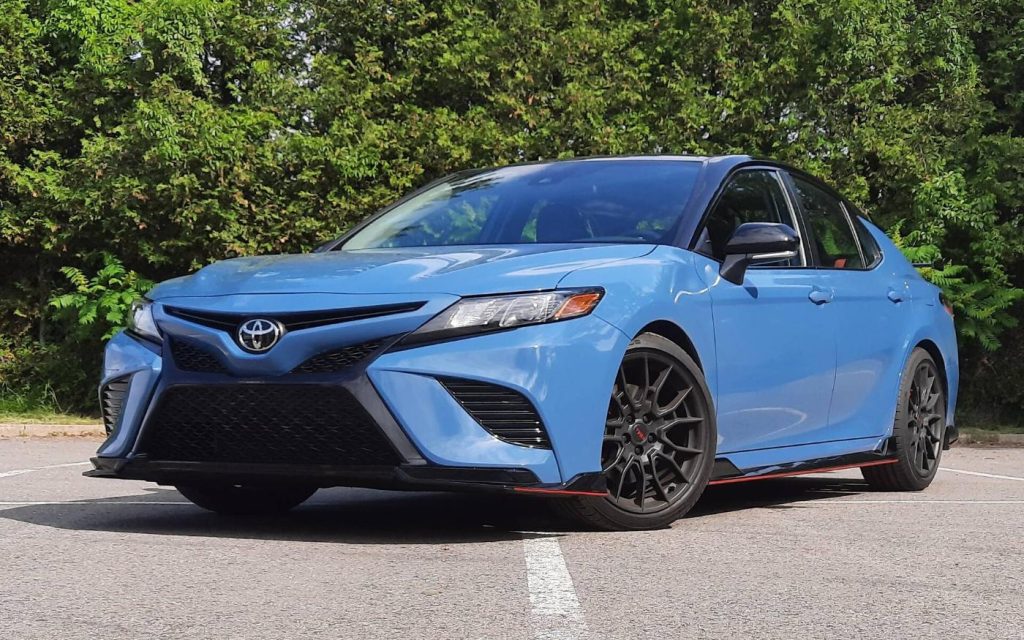
The Toyota Camry has built its reputation on consistency, and that quality aligns perfectly with the expectations of a city like Washington D.C. It does not attempt to impress through bold design or aggressive performance. Instead, it focuses on delivering a reliable and composed experience that fits naturally into a professional environment.
What makes the Camry particularly effective is how it avoids extremes. It is neither overly luxurious nor overly basic. This balance allows it to function as a neutral presence, which can be an advantage in settings where subtlety is valued. It does not send a strong message, and in many cases, that is exactly the point.
Driving the Camry through the city feels predictable in the best way. It responds smoothly to traffic conditions, making it easy to navigate busy streets without unnecessary effort. This ease of use reduces stress, allowing drivers to focus on their schedules rather than the mechanics of driving.
The interior supports this same philosophy. It provides comfort without excess, creating a space that feels practical and functional. This is important for professionals who may spend time preparing for meetings or simply needing a quiet moment between commitments.
Another reason for its inclusion is its reputation. The Camry is widely recognized as dependable, which reinforces a sense of stability. In a city where perception matters, driving a vehicle associated with reliability can subtly support a professional image.
It is included because it represents a straightforward and effective approach to professional driving. The Camry does not try to stand out, and that is precisely why it works so well in Washington D.C.
2. Honda Accord
The Honda Accord takes a slightly different path while still remaining firmly within the realm of understated professionalism. It introduces a bit more design presence than the Camry, yet it avoids crossing into territory that feels excessive. This careful balance makes it well-suited to a city where image matters but restraint is essential.
One of the defining traits of the Accord is its sense of quiet confidence. It does not rely on bold statements to establish its presence. Instead, it uses clean lines and a composed profile to create an impression that feels deliberate rather than attention-seeking. This aligns well with the expectations of professional environments in Washington D.C.
On the road, the Accord offers a driving experience that feels responsive without being aggressive. It adapts easily to changing traffic conditions, allowing drivers to maintain a steady and controlled pace. This contributes to a sense of ease that is valuable during busy days.
Inside, the vehicle provides a thoughtful layout that supports both comfort and functionality. It creates an environment where drivers can remain focused, whether they are commuting or preparing for the next engagement. This practicality enhances its appeal as a daily vehicle.
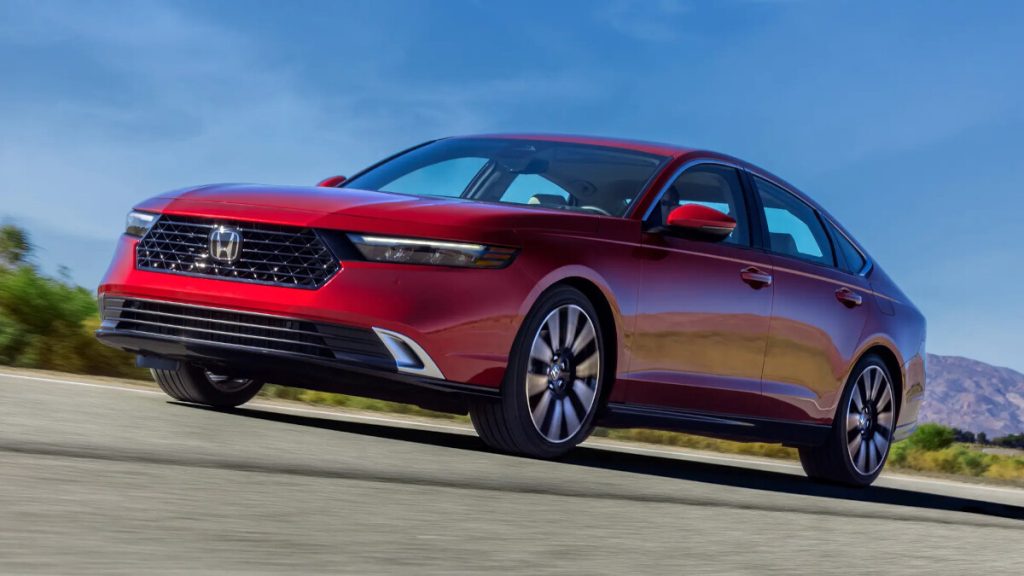
The Accord is included because it demonstrates how a sedan can offer a touch of refinement while still maintaining a low profile. It does not disappear into the background completely, but it avoids drawing unnecessary attention, making it a strong fit for Washington D.C.
3. Lexus ES
The Lexus ES approaches professionalism with a sense of quiet refinement that feels particularly appropriate in Washington D.C. It does not rely on bold styling or aggressive design choices. Instead, it creates an impression through subtle details and a composed overall presence that aligns well with environments where discretion is valued.
What sets the ES apart is how it balances comfort with restraint. It offers a premium experience, but it does so in a way that does not draw attention to itself.
This makes it especially suitable for professionals who want a higher level of comfort without appearing overly extravagant. The car communicates success, but in a controlled and understated manner.
Driving the ES through the city feels smooth and uninterrupted. It absorbs the inconsistencies of urban roads without transmitting unnecessary harshness to the cabin. This creates a calm environment, which can be valuable during long days filled with meetings and travel between locations.
The interior reflects a focus on quality and ease. Materials are carefully chosen, and the layout supports a sense of order rather than complexity. This contributes to an atmosphere where drivers can remain focused and relaxed, even in heavy traffic.
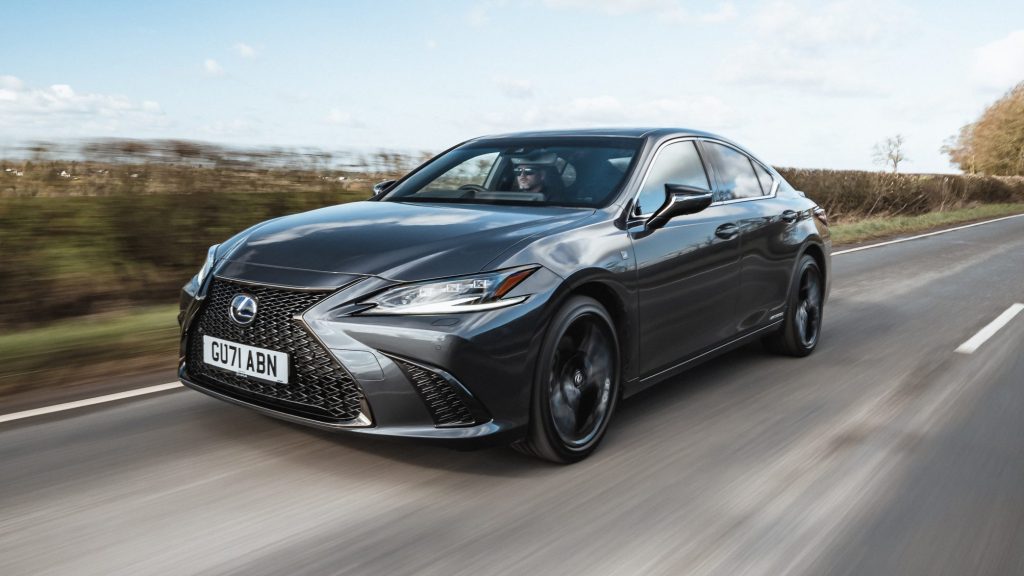
Another important factor is how the ES fits into a wide range of professional settings. It does not feel out of place in formal environments, nor does it appear excessive in more casual contexts. This versatility enhances its practicality as a daily vehicle in Washington D.C.
It is included because it represents a refined approach to understatement. The Lexus ES offers comfort and quality without compromising the subtle image that many professionals in the city aim to maintain.
4. Volvo S60
The Volvo S60 brings a distinct perspective to understated professionalism, one that emphasizes thoughtful design and a sense of calm rather than traditional luxury cues. In Washington D.C., where individuality is often expressed through subtle choices, this approach feels particularly relevant.
Its design language avoids unnecessary complexity. Clean lines and a balanced profile give it a presence that is noticeable without being intrusive. This allows it to stand out in a quiet way, appealing to those who prefer sophistication without excess.
The driving experience reinforces this character. The S60 feels controlled and composed, offering a level of predictability that supports daily commuting. It handles city traffic with ease, maintaining a steady and confident behavior that reduces stress.
Inside, the focus shifts toward simplicity and functionality. The cabin is designed to feel open and uncluttered, creating an environment that supports concentration. This is especially valuable for professionals who use their vehicles as a space to think or prepare between engagements.
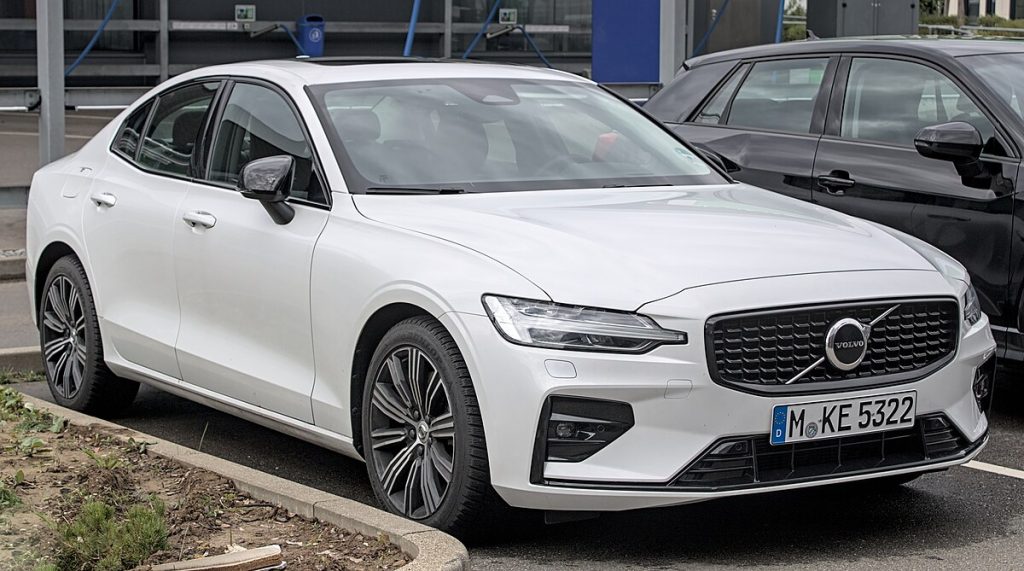
Another aspect worth noting is how the S60 reflects a different kind of professional image. It suggests a preference for thoughtful choices over conventional status symbols. This can resonate in a city where personal identity is often communicated through subtle decisions.
The Volvo S60 is included because it offers a unique interpretation of what it means to be understated. It does not follow traditional patterns, yet it fits seamlessly into the professional landscape of Washington D.C.
5. BMW 5 Series
The BMW 5 Series completes this group by offering a version of professionalism that leans slightly toward authority while still maintaining restraint. In Washington D.C., where roles often carry visible responsibility, this sedan fits into an environment where presence matters, but excess does not.
It introduces a stronger sense of identity compared to other understated options, yet it avoids becoming overly attention-seeking. The design is structured and deliberate, giving it a confident appearance that aligns with positions of leadership.
This makes it particularly suitable for individuals who want their vehicle to reflect a certain level of status without appearing flashy.
On the road, the 5 Series feels composed and capable. It handles traffic with a sense of control that supports a steady and efficient driving style. This is important in a city where time is often limited and schedules are tightly managed.
The interior reflects a blend of functionality and refinement. It offers comfort without unnecessary distraction, creating a space that supports both focus and relaxation. This balance is valuable for professionals who rely on their vehicles throughout the day.
Another reason for its inclusion is how it bridges the gap between subtlety and recognition. It is identifiable, but not in a way that disrupts the environment. Instead, it reinforces a professional image through its presence.
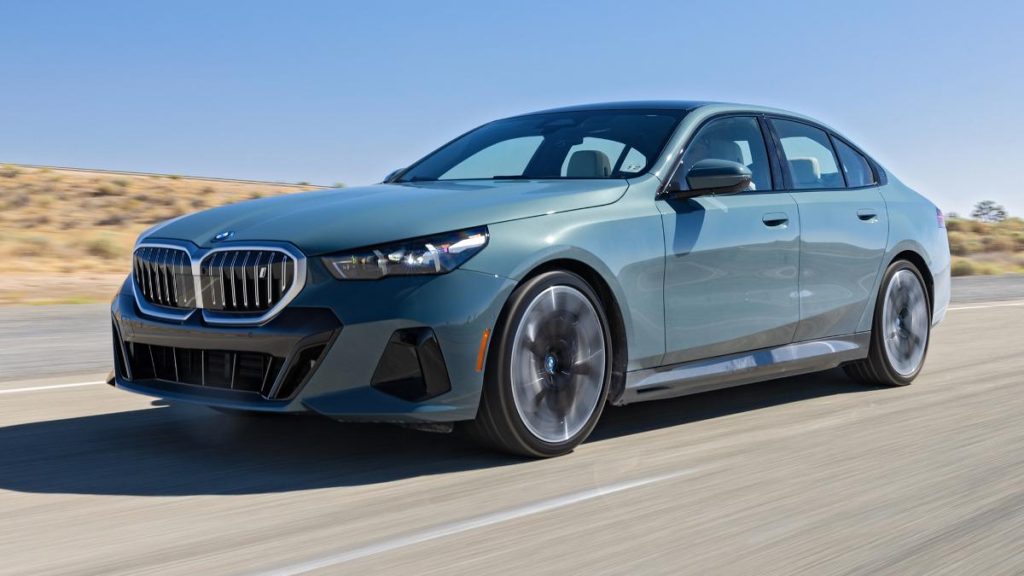
The BMW 5 Series is included because it represents a measured approach to status. It provides a sense of authority while remaining aligned with the understated expectations of Washington D.C.
5 Flashy Targets
Not every vehicle fits comfortably into the structured and often reserved atmosphere of Washington D.C. Some cars are designed to stand out, to draw attention through bold styling, aggressive performance, or a strong visual identity.
While these qualities may be appealing in other settings, they can create a different kind of presence in a city where subtlety is often more effective.
Flashy cars tend to send a clear message, whether intended or not. They signal wealth, performance, or a desire to be noticed. In certain environments, this can be an advantage. In Washington D.C., however, it can feel out of sync with the expectations of professionalism and discretion.
Another factor is how these vehicles interact with their surroundings. Bright colors, sharp lines, and distinctive shapes make them highly visible, which can attract attention in ways that are not always beneficial. This visibility can influence how drivers are perceived, particularly in formal or high-level settings.
Practical considerations also come into play. Some of these cars prioritize performance or design over everyday usability, which can make them less suitable for navigating the city’s traffic and infrastructure. This adds another layer of complexity to ownership.
The following five cars are included because they represent different forms of attention-grabbing design. Each one offers its own appeal, but in the context of Washington D.C., they stand out in ways that can feel excessive or out of place.
1. Lamborghini Aventador
The Lamborghini Aventador is designed to be seen. Every element of its structure emphasizes visibility, from its sharp angles to its dramatic stance. In Washington D.C., this level of attention becomes unavoidable, placing it firmly outside the realm of understated professionalism.
Driving the Aventador through the city creates an immediate contrast with its surroundings. It does not blend in with traffic or disappear into the background. Instead, it commands attention at every moment, which can shift focus away from the driver’s purpose and toward the vehicle itself.
Its presence also influences how others respond. In a city where perception is carefully managed, such a bold display can create unintended impressions. It may suggest priorities that do not align with the expectations of certain professional environments.
Beyond its appearance, the Aventador also presents practical challenges. Its low stance and performance-oriented design make it less suited to everyday city driving. Navigating traffic and urban conditions requires additional care, which can reduce its practicality.
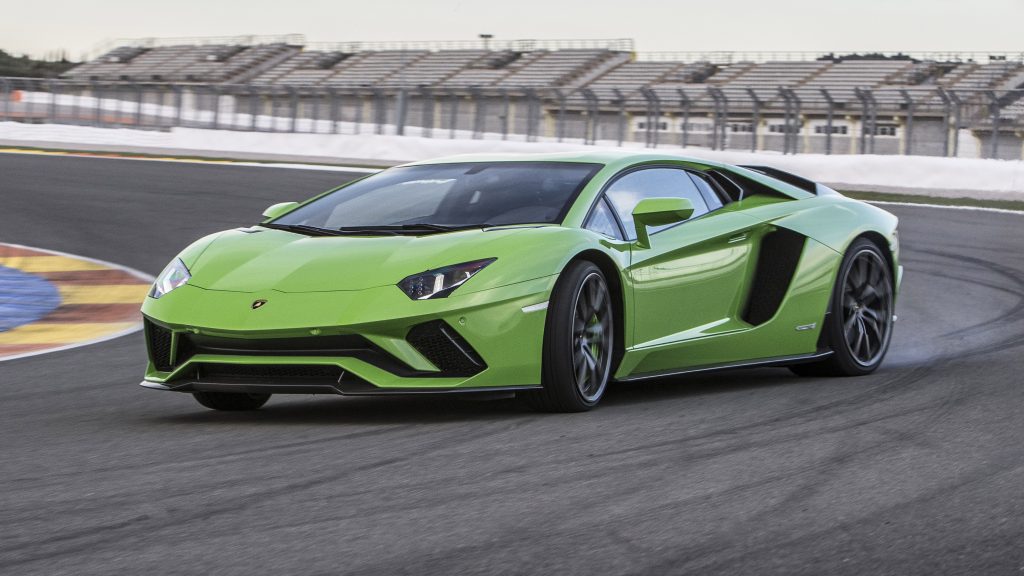
The Aventador is included because it represents the extreme end of attention-grabbing design. It excels in creating impact, but in a setting where subtlety is often more effective, that impact can become a limitation.
2. Ferrari 488 GTB
The Ferrari 488 GTB approaches visibility with a different kind of intensity. While it may appear more refined than some alternatives, it still carries a presence that is unmistakable. In Washington D.C., this makes it difficult to integrate into environments where discretion is valued.
Its design is focused and purposeful, with every detail contributing to its performance identity. This creates a vehicle that feels dynamic even when stationary. However, this same quality ensures that it stands out in any setting, drawing attention that may not always be welcome.
Driving the 488 GTB through the city highlights this contrast. It feels out of place in slower, more controlled traffic conditions, where its capabilities cannot be fully utilized. Instead of enhancing the experience, its performance focus becomes less relevant.
The interior reinforces this emphasis on driving engagement. While it offers a high level of craftsmanship, it is oriented toward performance rather than everyday practicality. This can limit its usefulness in a work-focused environment.
Another aspect to consider is how it aligns with professional expectations. In a city where subtlety often carries more weight than display, the 488 GTB’s presence can feel excessive. It communicates a message that may not align with the context.
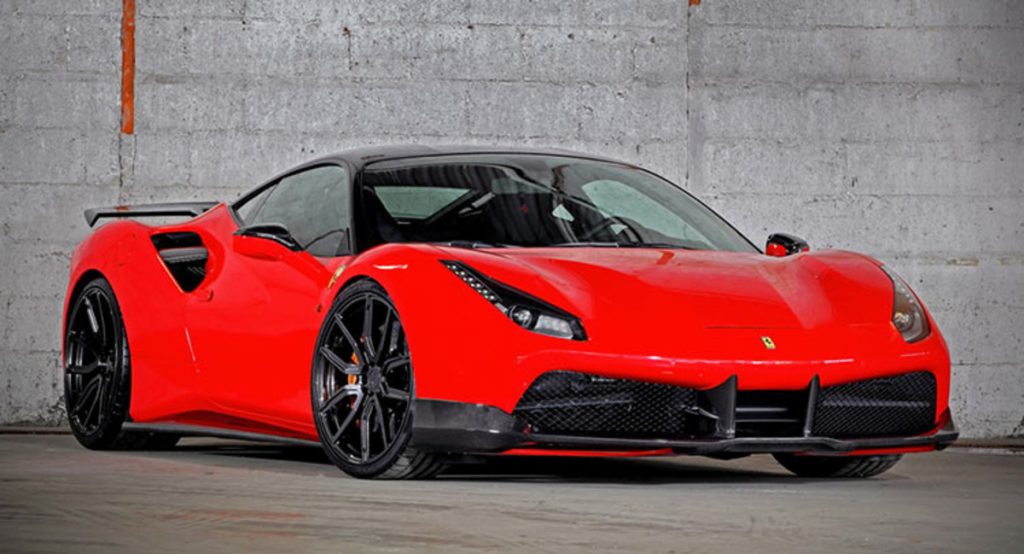
It is included because it demonstrates how even a refined and well-engineered sports car can struggle to fit into an environment that values restraint over visibility.
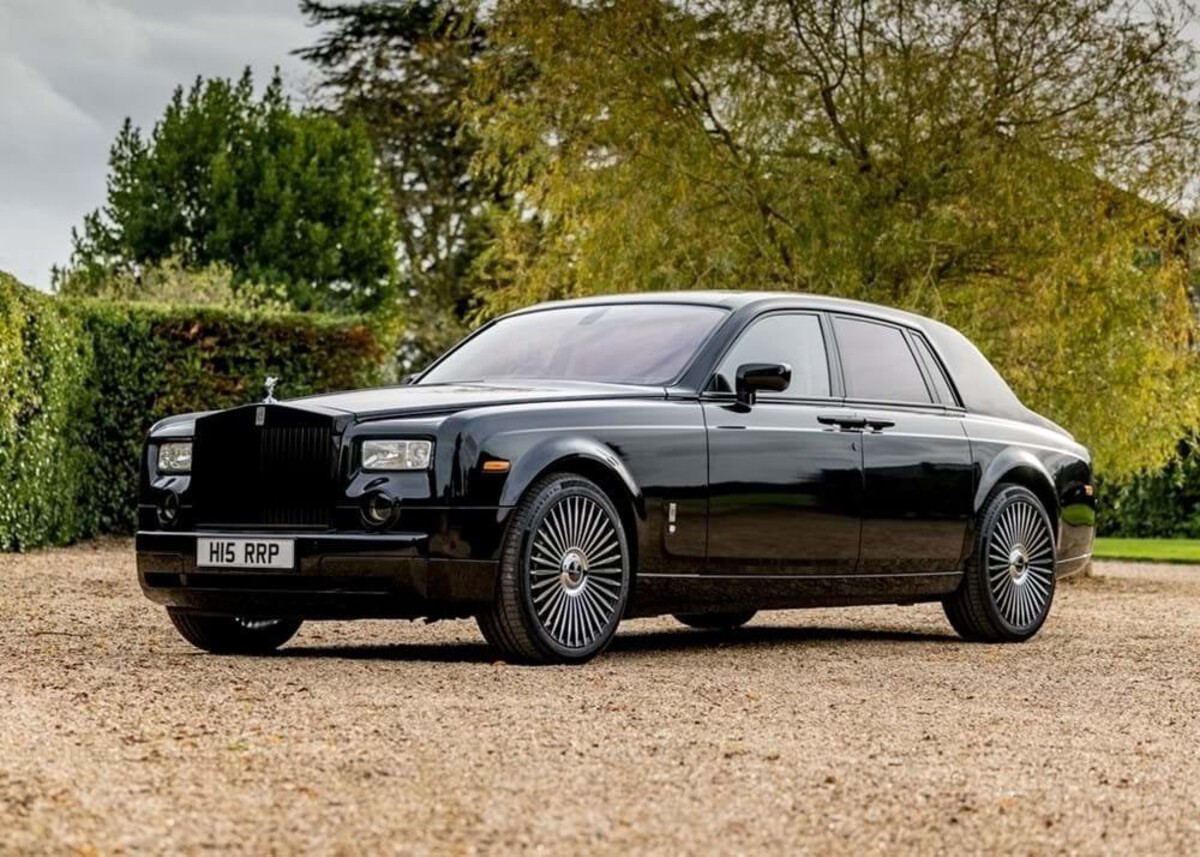
3. Rolls-Royce Phantom
The Rolls-Royce Phantom represents a different kind of visibility, one that does not rely on aggressive styling but instead projects presence through scale, craftsmanship, and unmistakable identity.
In Washington D.C., this form of attention can be just as pronounced as any high-performance sports car, making it difficult to align with environments that value discretion.
Unlike performance-focused vehicles, the Phantom communicates status through quiet authority. Its size alone sets it apart from typical traffic, creating a visual impact that is impossible to ignore.
This presence can shift focus away from the individual and toward the vehicle, which is not always desirable in professional settings.
There is also an element of symbolism attached to a car like this. It signals a level of wealth and exclusivity that can create unintended perceptions. In a city where image is carefully managed, such a strong statement can complicate interactions rather than support them.
The driving experience itself is centered on comfort and isolation. While this creates an exceptional environment for passengers, it does not necessarily translate into practicality for daily use in an urban setting. Maneuvering such a large vehicle through city streets can require additional effort and attention.
Inside, the Phantom offers a level of detail and craftsmanship that is unmatched. However, this level of luxury further reinforces its identity as a vehicle that stands apart rather than blends in. It becomes a focal point rather than a background element.
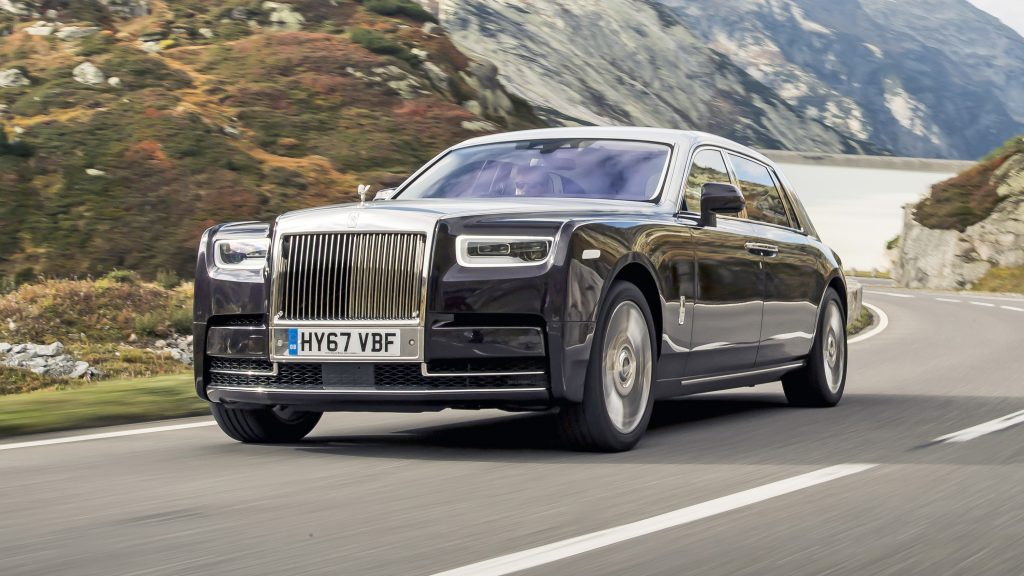
The Phantom is included because it highlights how even a car defined by elegance can become overly conspicuous in a city that values subtlety. Its presence is undeniable, but that visibility can work against the expectations of Washington D.C.
4. Mercedes-AMG GT
The Mercedes-AMG GT brings performance and design together in a way that feels both aggressive and intentional. It is a car that communicates speed and capability before it even begins to move. In Washington D.C., this type of presence can feel misaligned with the controlled and professional atmosphere of the city.
Its design is low, wide, and visually striking. These proportions create a strong road presence that naturally draws attention. While this may be desirable in certain environments, it can feel excessive in a setting where subtlety is often preferred.
Driving the AMG GT through the city introduces another layer of contrast. Its performance capabilities are not easily utilized in urban conditions, which can make the experience feel constrained. Instead of enjoying its strengths, drivers may find themselves navigating limitations imposed by traffic and infrastructure.
The interior reflects a focus on driver engagement, with controls and layout designed to enhance the driving experience. However, this emphasis does not necessarily align with the practical needs of a professional routine, where comfort and adaptability are often more important.
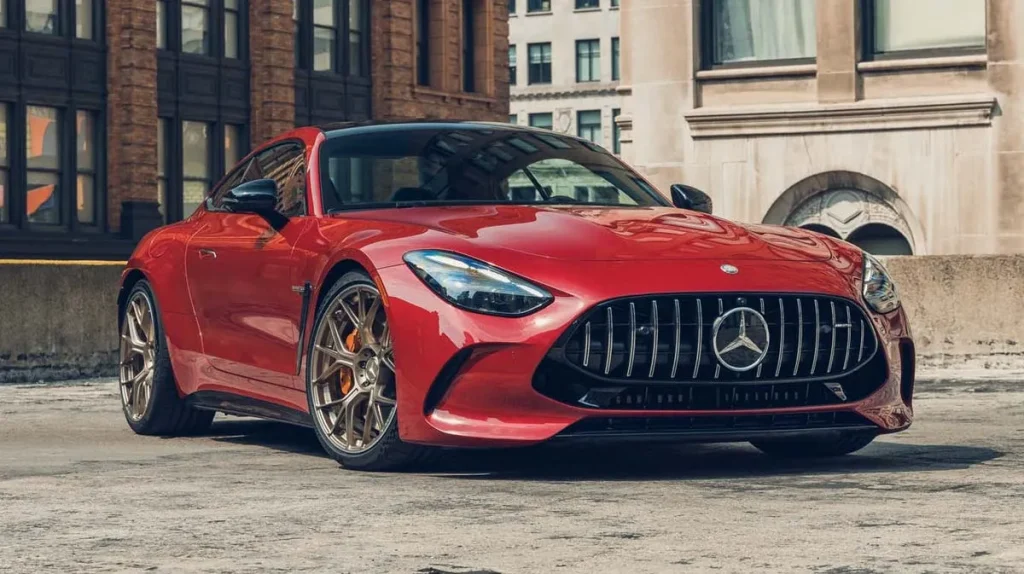
Another consideration is how the vehicle is perceived by others. Its bold appearance and performance identity can create assumptions that may not align with the driver’s professional role. In a city where impressions matter, this can become a disadvantage.
The AMG GT is included because it represents a modern interpretation of performance-driven design that prioritizes visibility. While it excels in delivering excitement, its strong presence makes it less suitable for an environment that values restraint.
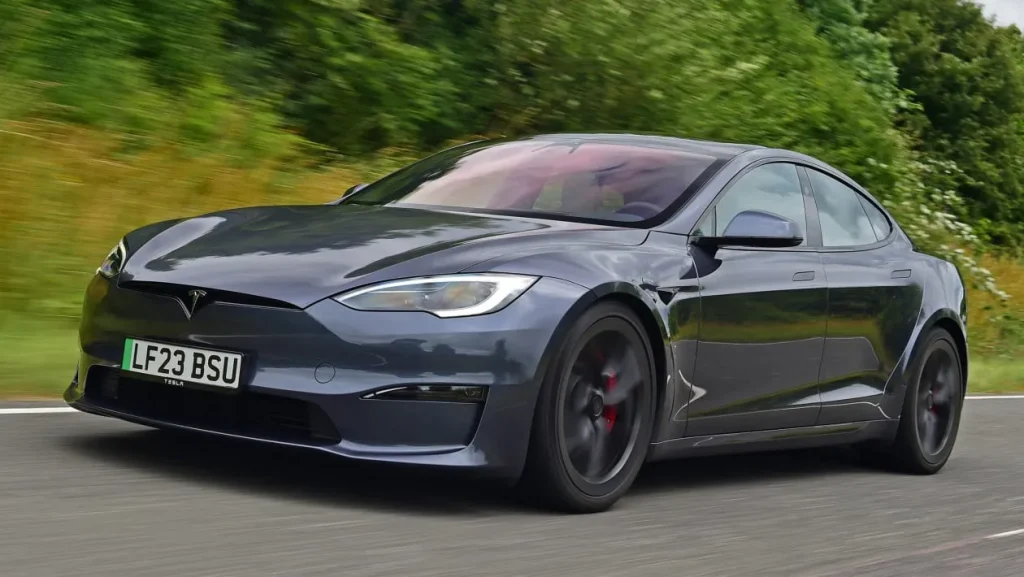
5. Tesla Model S Plaid
The Tesla Model S Plaid presents a different kind of flashiness, one that does not rely on aggressive styling or dramatic proportions, yet still manages to stand out in a way that can feel misaligned with Washington D.C.’s professional atmosphere. Its attention-grabbing nature comes from what it represents rather than how it looks at first glance.
At a distance, the Model S Plaid appears relatively restrained. Its design is clean and modern, avoiding the sharp edges and bold lines seen in traditional high-performance cars. However, its identity quickly becomes apparent through context.
It is widely recognized as a symbol of cutting-edge performance and technological dominance, and that reputation carries a certain weight.
In a city like Washington D.C., where perception is carefully balanced, this association can shift how the vehicle is viewed. It signals innovation and forward thinking, but it can also suggest a desire to stand out or make a statement. This creates a subtle but noticeable contrast with the understated approach that many professionals prefer.
Another aspect that contributes to its presence is its performance capability. The Model S Plaid is known for its extreme acceleration, which has become part of its identity. Even if that performance is not used in daily driving, the knowledge of what the car can do adds to its overall image. It becomes more than just transportation, turning into a talking point.
The interior reinforces this modern identity. Its minimalist design and heavy reliance on digital interfaces create an experience that feels distinctly different from traditional sedans. While this can be appealing, it also emphasizes its uniqueness, making it less likely to blend into conventional professional environments.
It is included here because it demonstrates that flashiness is not always about visual drama. Sometimes it comes from reputation, capability, and the message a vehicle sends. The Tesla Model S Plaid may appear subtle at first glance, but in Washington D.C., its identity ensures that it rarely goes unnoticed.
Washington D.C. is a city where image is shaped by subtlety, professionalism, and awareness of context. Vehicles play a quiet but important role in reinforcing that image. Understated sedans such as the Toyota Camry, Honda Accord, Lexus ES, Volvo S60, and BMW 5 Series align naturally with this environment.
They offer comfort, reliability, and a composed presence without drawing unnecessary attention. These cars support daily routines while blending seamlessly into both government and corporate settings, allowing the driver to remain the focus rather than the vehicle.
In contrast, flashy cars create a very different impression. Vehicles like the Lamborghini Aventador, Ferrari 488 GTB, Rolls-Royce Phantom, Mercedes-AMG GT, and Tesla Model S Plaid stand out through bold design, strong performance identity, or symbolic status.
While they may be impressive in other contexts, in Washington D.C. they can feel out of place. Their visibility can shift attention away from professionalism and toward display, which may not always align with the expectations of the city’s culture.
The comparison highlights a broader idea that vehicle choice is not just about personal taste, but about how well it fits the environment. In Washington D.C., restraint, balance, and quiet confidence often carry more value than bold statements, making understated sedans the more practical and appropriate choice.
Also Read: 5 Hybrid Commuters for the Atlanta Perimeter vs. 5 V8s to Avoid in Traffic
