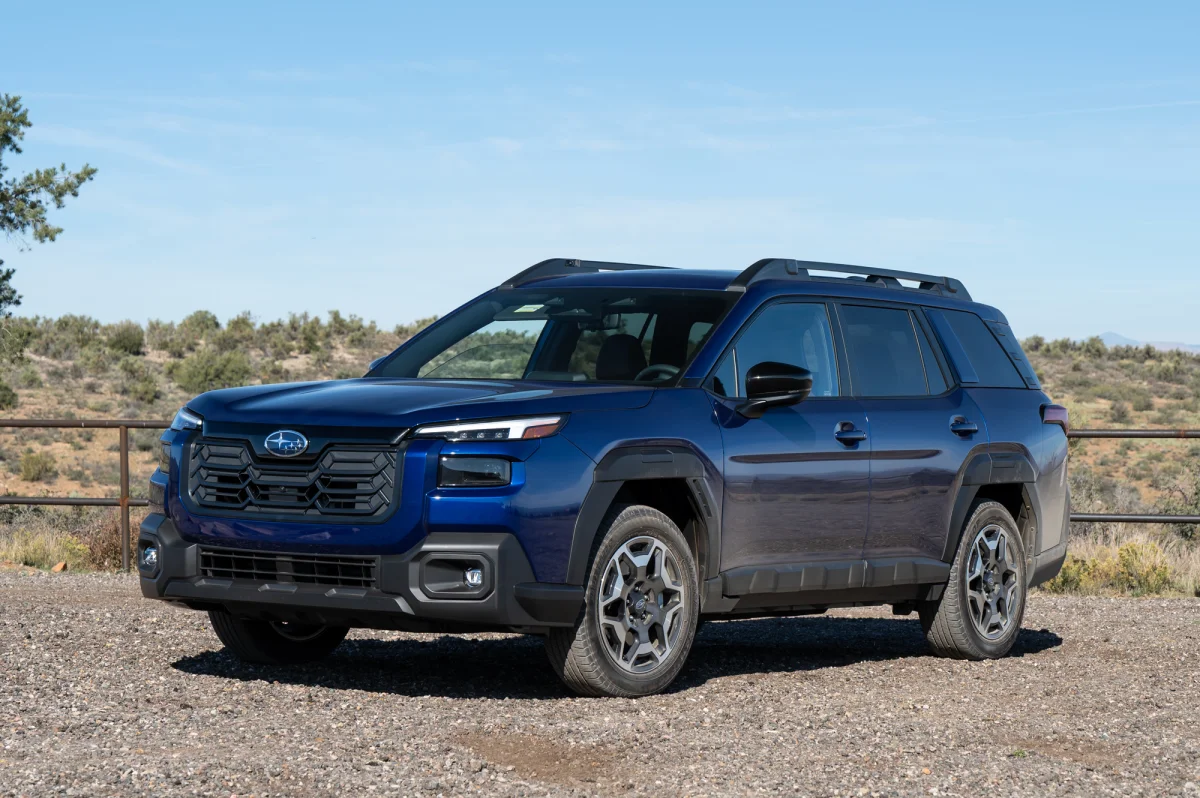
Car camping in the USA has become one of the most flexible and accessible ways to explore the outdoors, and the right SUV can make the difference between a comfortable night’s sleep and a frustrating setup.
This guide compares 6 SUVs for car-camping in the USA that offer flat or near-flat sleeping surfaces with 6 popular SUVs that do not have flat-folding seats, showing how design choices directly affect real-world camping comfort.
On one side are vehicles like the Subaru Outback, Honda CR-V, Toyota 4Runner, Chevrolet Suburban, Kia Telluride, and Ford Expedition, which prioritize flat cargo floors, spacious interiors, and easy sleeping setups. These models are often favored for “no-build” camping, where minimal modifications are needed to create a usable bed space.
On the other side are SUVs such as the Toyota RAV4, Subaru Forester, Ford Bronco, Toyota Sequoia (2023+), Jeep Wrangler 2-Door, and older Hyundai Santa Fe. These vehicles are still capable campers, but they often require workarounds like platforms, air mattresses, or aftermarket kits due to uneven or sloped cargo areas.
6 SUVs for Car-Camping In the USA
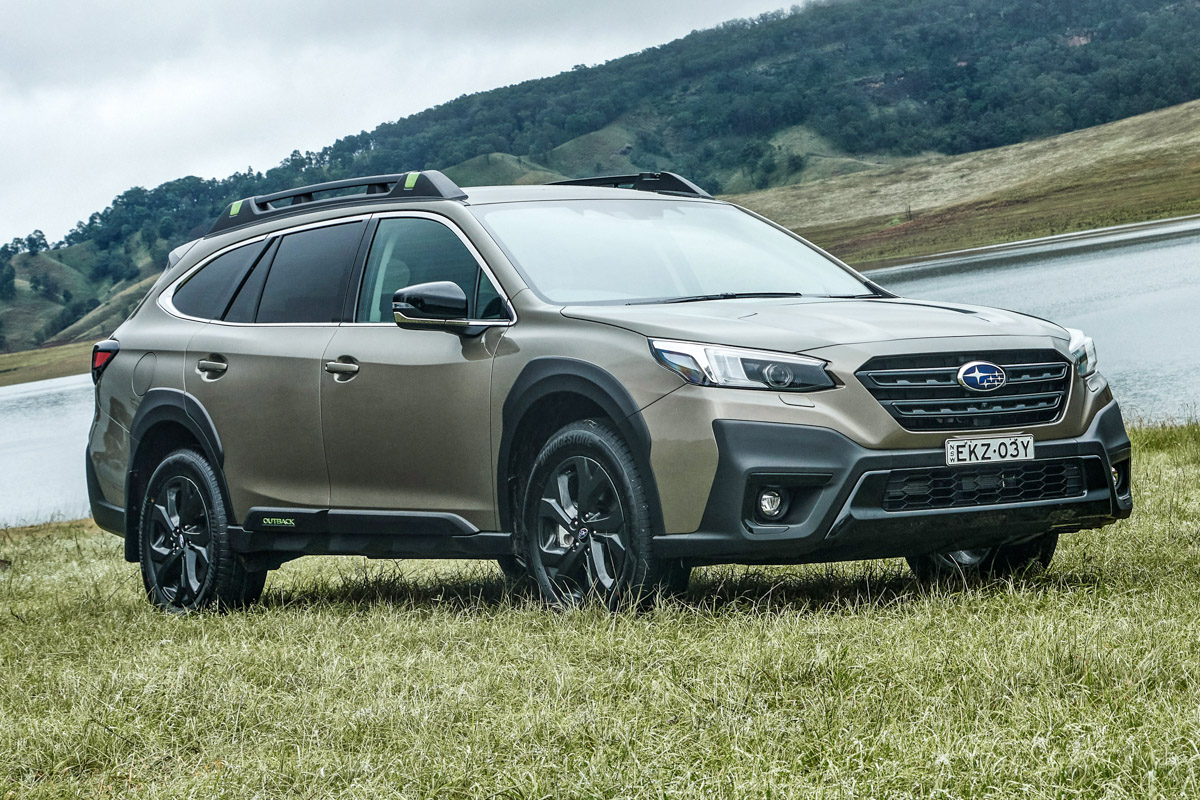
1. Subaru Outback: A Versatile Car-Camping and Adventure Wagon
The Subaru Outback is widely regarded as one of the best car-camping and all-around adventure vehicles thanks to its strong mix of practicality, comfort, and off-road capability. Its wagon-style design provides a long, nearly flat cargo area that can comfortably fit sleepers over 6 feet tall, especially when the rear 60/40 split seats are folded down.
With up to about 75.6–75.7 cubic feet of cargo space, the interior can accommodate sleeping setups comparable to a queen-sized mattress, making it ideal for road trips and overnight camping. Raised roof height in newer models also improves headroom for passengers.
A major strength of the Outback is its standard Symmetrical All-Wheel Drive system paired with 8.7 to 9.5 inches of ground clearance (depending on trim). This allows it to confidently handle dirt roads, gravel paths, snow, and uneven terrain, leading to remote campsites.
Features like X-MODE further enhance traction in challenging conditions. Despite its rugged capability, it still delivers car-like comfort and fuel efficiency, averaging around 25 mpg city and 31 mpg highway in non-turbo versions.
The Outback offers two engine options: a 180-hp 2.5-liter flat-four and a more powerful 260-hp turbocharged 2.4-liter available in XT and Wilderness trims. While the base engine is fuel-efficient but somewhat slow, the turbo version significantly improves acceleration, with the Wilderness trim reaching 0–60 mph in about 6 seconds. Towing capacity ranges from 2,700 to 3,500 pounds, depending on the engine.
Interior comfort has been modernized with a dual-screen digital layout, a large 12.1-inch infotainment system, Apple CarPlay, Android Auto, and improved materials throughout the cabin.
Cargo organization is enhanced with tie-down hooks and underfloor storage, and roof rails support tents, bikes, or cargo boxes. Safety is a major highlight, with Subaru’s EyeSight suite offering adaptive cruise control, lane-keeping assist, emergency braking, and available driver monitoring features.
The Subaru Outback stands out as a balanced vehicle that combines everyday usability, long-distance comfort, strong safety features, and genuine off-road readiness, making it a top choice for camping and adventure travel.
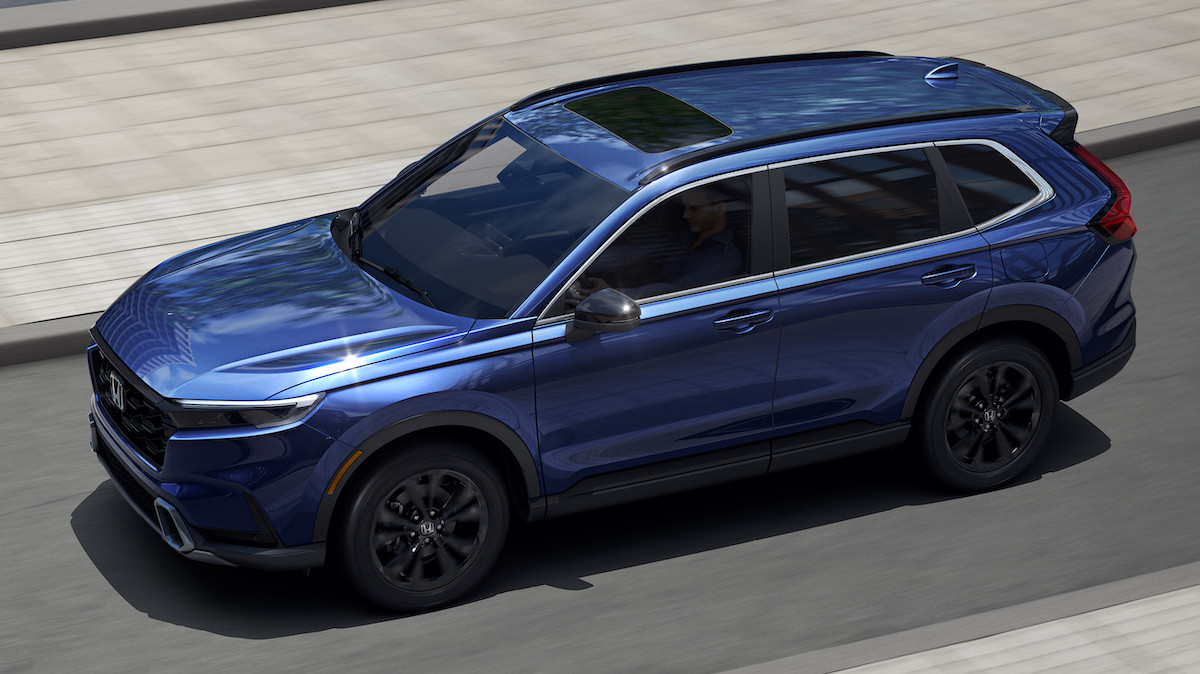
2. Honda CR-V (Pre-2023): A Reliable and Spacious Car-Camping Favorite
The pre-2023 Honda CR-V, especially the 2017–2022 fifth-generation models, is widely recognized as one of the most practical and reliable compact SUVs for camping and long-distance travel. Its standout feature is interior versatility, with rear seats that fold completely flat to create a nearly seamless sleeping or cargo surface.
This design allows for a comfortable sleeping area of roughly six feet in length, making it ideal for two-person “no-build” camping setups that require minimal modification. An adjustable cargo floor helps eliminate gaps when the seats are folded, further improving usability for sleeping or storage.
In terms of space, the CR-V offers up to about 75.8 cubic feet of cargo capacity, placing it among the best in its class. The interior is wide enough to fit a full air mattress, while the tall roofline provides enough headroom for most occupants to sit upright comfortably.
These characteristics make it highly suitable for “stealth camping,” where users sleep inside the vehicle without drawing attention or installing permanent equipment.
The CR-V is also valued for its strong reliability and fuel efficiency, particularly in its hybrid variants, which deliver excellent mileage for long road trips. Available all-wheel drive improves traction on light dirt or gravel roads, enabling access to dispersed campsites with confidence. Ride comfort is another strength, with a smooth suspension that performs well on highways and long journeys.
However, the model does have some drawbacks. The infotainment system in pre-2023 versions is often criticized for being slow and less intuitive. Road and wind noise at highway speeds can also be noticeable, and the base 1.5-liter turbo engine may feel underpowered during rapid acceleration or merging. Some interior materials are also less refined compared to competitors.
Despite these limitations, the pre-2023 CR-V remains a top choice for buyers prioritizing space, practicality, reliability, and affordability. It is especially appealing for camping enthusiasts who want a simple, efficient, and dependable vehicle without the need for expensive modifications or complex setups.
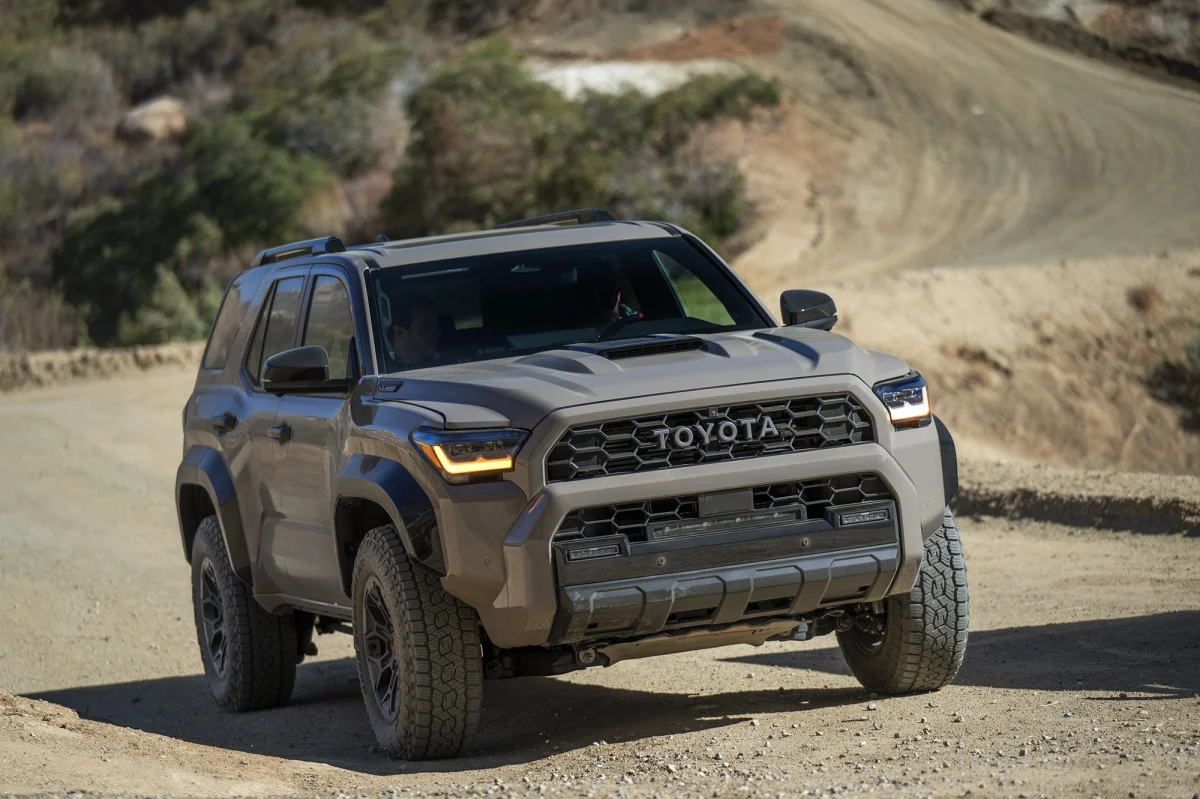
3. Toyota 4Runner: A Rugged Overlanding and Car-Camping Icon
The Toyota 4Runner is one of the most respected vehicles in the overlanding and car-camping community, known for its durability, off-road strength, and highly versatile interior.
Built on a body-on-frame platform, it is designed for serious off-road use, making it ideal for reaching remote campsites that many standard SUVs cannot access. Its high ground clearance, available four-wheel-drive systems, and optional off-road hardware such as locking differentials and disconnecting stabilizer bars further enhance its trail capability.
One of the 4Runner’s key strengths is its large and practical cargo area. With the rear seats folded flat or tumbled forward, it creates a wide, stable sleeping platform that can comfortably fit a full-size air mattress. The space is also highly usable for storing camping gear, coolers, and supplies.
In many configurations, the load floor becomes nearly level, and even small design features like wheel wells provide convenient surfaces for storing items like phones or water bottles during the night. The wide-opening rear hatch and functional tailgate also make it easy to load gear or use the back of the vehicle as a campsite workstation.
The 4Runner is also prized for its legendary reliability and long lifespan, often lasting hundreds of thousands of miles. This makes it a trusted choice for long-distance travel and extended outdoor adventures. Its strong aftermarket support means owners can easily equip rooftop tents, drawer systems, roof racks, and other overlanding accessories to further enhance camping comfort and utility.
Inside, the 4Runner offers a rugged, functional cabin with durable materials designed for outdoor use. It also includes modern technology such as an available large infotainment screen, wireless Apple CarPlay and Android Auto, and Toyota’s Safety Sense 3.0 suite with adaptive cruise control, lane-keeping assist, and emergency braking systems. Optional features like a third-row seat and a power-operated rear window add flexibility and a semi-open-air driving experience.
Powered by a 278-hp turbocharged four-cylinder engine paired with an eight-speed automatic transmission, the 4Runner delivers solid performance, reaching 0–60 mph in about 7.5 seconds. It can also tow up to 6,000 pounds and achieves fuel economy of around 20–26 mpg depending on driving conditions.
The Toyota 4Runner stands out as a durable, capable, and highly customizable SUV built for serious camping, off-road exploration, and long-term reliability in demanding environments.
4. Chevrolet Suburban: A Full-Size “Basecamp on Wheels” for Maximum Comfort
The Chevrolet Suburban is one of the most spacious and capable SUVs for car camping, offering an exceptional mix of interior space, comfort, and flexibility. With up to 144.7 cubic feet of cargo room, it provides a large, hallway-like interior that can easily support full-length sleeping setups without removing any seats.
Both the second and third rows fold completely flat, forming a long, continuous surface that works well for multiple people or heavy gear. This makes it a strong choice for families and campers who want a “living room” style experience while traveling.
One of the Suburban’s biggest advantages is its ability to function as a complete mobile basecamp. The expansive cargo area allows users to store bulky equipment such as coolers, tents, chairs, and storage bins while still leaving room for sleeping.
Its long wheelbase also contributes to a smoother, more stable ride, reducing fatigue during long road trips. High ground clearance and available four-wheel drive enable it to handle rough backcountry roads, making remote campsites more accessible.
Under the hood, the Suburban offers multiple engine options to suit different needs. These include a 355-hp 5.3-liter V8, a more powerful 420-hp 6.2-liter V8, and a 3.0-liter diesel engine that prioritizes fuel efficiency and torque. All are paired with a 10-speed automatic transmission.
The diesel variant achieves the best fuel economy, reaching up to about 21 mpg city and 26 mpg highway, while gasoline engines trade efficiency for stronger performance. The Suburban also excels in towing, with a maximum capacity of up to 8,300 pounds, making it ideal for hauling trailers, boats, or additional camping gear.
Inside, the Suburban offers a cavernous and comfortable cabin with seating for up to eight or nine passengers. Even the third row provides generous legroom, while sliding second-row seats allow flexible space management.
Modern technology includes large digital displays, Apple CarPlay, Android Auto, multiple charging ports, and available rear-seat entertainment. Safety is also a priority, with standard driver-assistance features and optional hands-free driving technology.
The Chevrolet Suburban is an exceptional choice for campers seeking maximum space, comfort, and capability, delivering a true all-in-one vehicle for extended adventures and family travel.
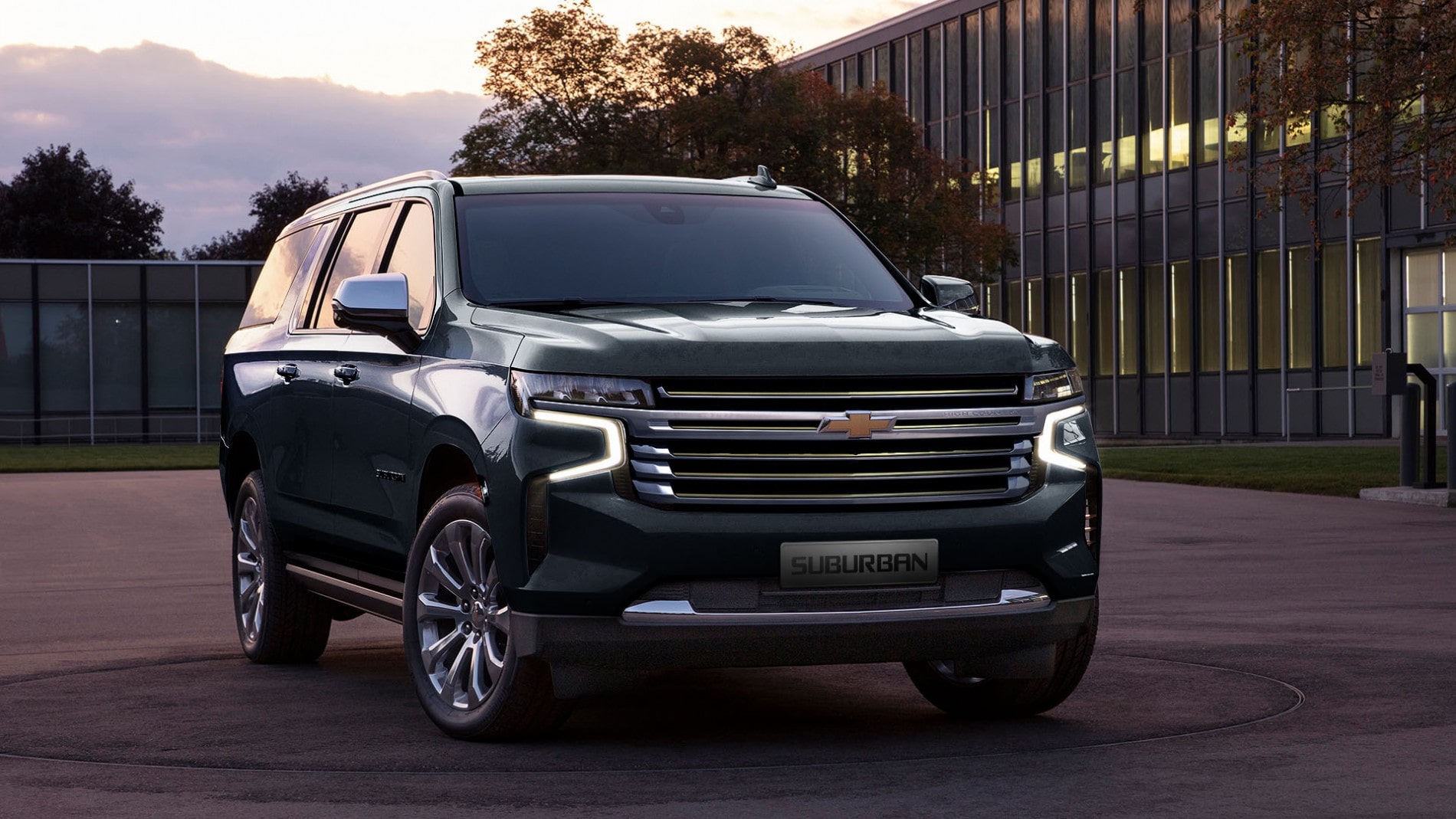
5. Kia Telluride: A Comfortable and Family-Friendly Car-Camping SUV
The Kia Telluride is a highly regarded three-row SUV that excels as a car-camping vehicle благодаря its spacious interior, modern features, and strong balance of comfort and capability. Known for its boxy design, the Telluride maximizes usable interior space, making it one of the most practical crossovers for overnight adventures.
With the second and third rows folded using one-touch power controls, it creates a flat, seamless load floor that can easily accommodate a double-wide mattress, offering a comfortable sleeping setup without requiring additional modifications.
Cargo capacity is another major strength, with up to 87 cubic feet of space when all rear seats are folded. Even with passengers onboard, the Telluride provides generous storage, including 22 cubic feet behind the third row and 46 cubic feet with the third row down.
The wide cabin and tall roofline allow campers to move more easily inside and sit upright comfortably, making it suitable for extended trips or bad-weather camping scenarios.
For those seeking light off-road capability, the Telluride offers available all-wheel drive and specialized X-Line and X-Pro trims. These versions include slightly increased ground clearance, all-terrain tires, and enhanced traction systems, allowing access to rougher campsites. The SUV also supports towing up to 5,000–5,500 pounds, making it capable of hauling small trailers or additional camping equipment.
Inside, the Telluride emphasizes comfort and convenience. Features such as ventilated seats, dual sunroofs, multiple USB ports, a household-style power inverter, and advanced climate control systems enhance the camping experience.
Smart storage solutions, including compartments around the wheel wells and roof rails, help keep gear organized. The cabin is also equipped with a 12.3-inch infotainment system, wireless Apple CarPlay and Android Auto, and optional premium audio systems.
Performance comes from a 274-hp turbocharged 2.5-liter engine paired with an eight-speed automatic transmission, delivering a smooth and quiet ride. While not designed for aggressive driving, it offers sufficient power and refinement for highway cruising and long-distance travel.
Safety is another key strength, with standard driver-assistance features such as emergency braking, lane-keeping assist, and adaptive cruise control. Combined with an industry-leading warranty, the Kia Telluride stands out as a reliable, comfortable, and versatile SUV that is well-suited for both families and campers.
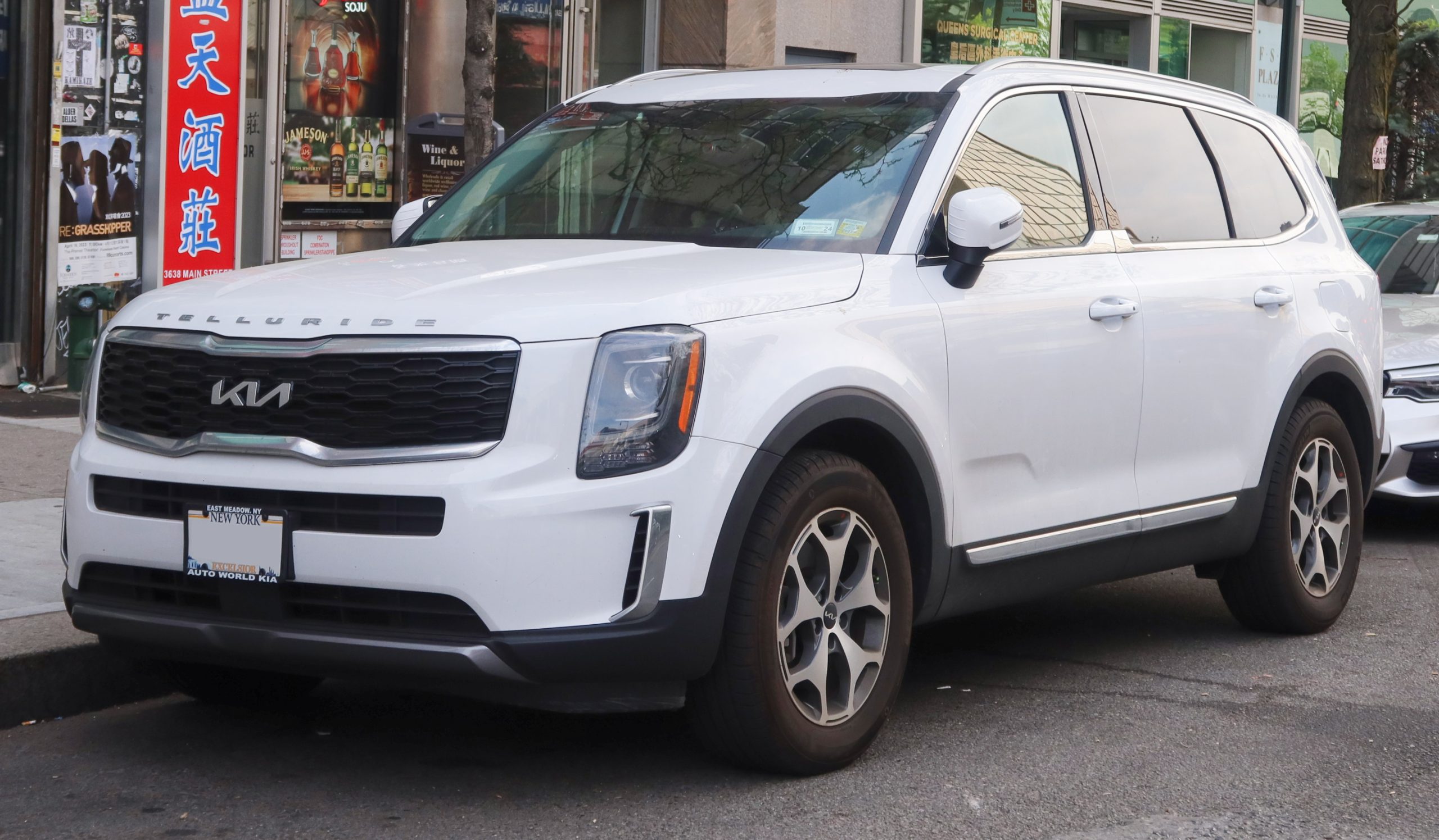
6. Ford Expedition: A Spacious and Versatile Full-Size Camping SUV
The Ford Expedition is a top-tier full-size SUV that excels in car camping благодаря its expansive interior, innovative seating system, and strong performance. One of its defining features is the ability of the second and third rows to fold completely flat using a power-folding mechanism.
With just the push of a button, the cabin transforms into a large, level cargo area suitable for sleeping, eliminating the need to manually remove seats. This design makes it especially convenient for quick camping setups.
The Expedition Max, the extended-length version, further enhances this capability by offering even more floor space, allowing taller campers to stretch out fully while still leaving room for gear.
Its independent rear suspension is a key advantage, enabling a flatter load floor compared to many truck-based rivals. Combined with its high roofline, the interior feels open and comfortable, with enough vertical space for occupants to sit up or move around more easily.
Beyond sleeping space, the Expedition is highly practical for camping use. It features multiple power outlets for charging devices, a large cargo area for storing equipment, and a functional tailgate design.
Newer models include a split tailgate, where the lower section can support weight and act as a bench, table, or cooking platform, while the upper glass opens separately for ventilation. These thoughtful details enhance its role as a mobile basecamp.
Under the hood, the Expedition is powered by a twin-turbocharged 3.5-liter V6 engine producing up to 400 horsepower, with a high-output version delivering 440 horsepower.
Paired with a 10-speed automatic transmission, it offers strong acceleration and smooth highway performance, reaching 0–60 mph in as little as 4.9 seconds in higher trims. It also boasts an impressive towing capability of up to 9,600 pounds, making it suitable for hauling trailers or additional camping gear.
The interior combines comfort and technology, featuring large digital displays, wireless smartphone connectivity, and available luxury options like leather seats and massaging front seats. Safety features include adaptive cruise control, lane-keeping assist, and Ford’s BlueCruise hands-free driving system.
The Ford Expedition is a powerful, comfortable, and highly adaptable SUV, ideal for campers who want maximum space, modern convenience, and strong towing performance for extended outdoor adventures.
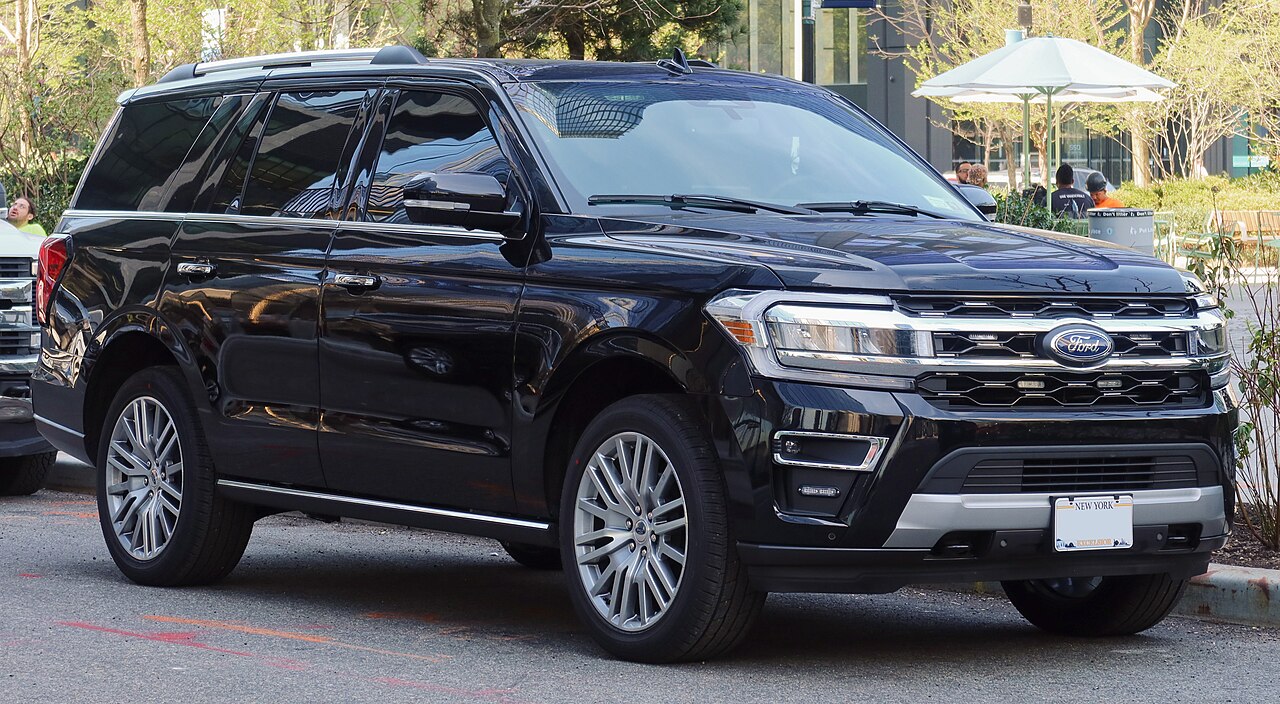
6 That Don’t Have Flat-Folding Seats
1. Toyota RAV4 (5th Gen): Practical but Imperfect for Car Camping
The 5th-generation Toyota RAV4 (2019 to present) is a widely used compact SUV that appeals to campers because of its reliability, efficiency, and functional design. One of its main drawbacks, however, is that the rear seats do not fold completely flat.
Instead, they remain at a slight upward angle, which can make sleeping inside the vehicle less comfortable and may cause users to slide toward the rear. To solve this issue, many owners rely on foam mattresses or build simple platforms to create a more level sleeping surface.
Despite this limitation, the RAV4 still offers strong practicality for camping. Its interior space is generous for its class, with a long wheelbase that helps maximize room for both passengers and cargo. The rear cargo area can handle large bags and camping gear, while the 60/40 split-folding seats provide flexibility. This setup allows users to carry equipment on one side and still have space available for resting on the other.
Another advantage is the wide availability of aftermarket accessories. Because the RAV4 is so popular, there are many products designed specifically for camping use. These include window covers for privacy and insulation, storage systems, and pre-made sleeping platforms that do not require permanent modifications. These options make it easier to adapt the vehicle for overnight trips.
Reliability is also a key strength. The 5th generation models are known for dependable performance and avoiding many issues found in earlier versions. In addition, the hybrid variant offers excellent fuel economy, which is especially useful for long-distance travel.
The Toyota RAV4 remains a practical choice for camping, especially for those willing to make small adjustments to improve sleeping comfort.
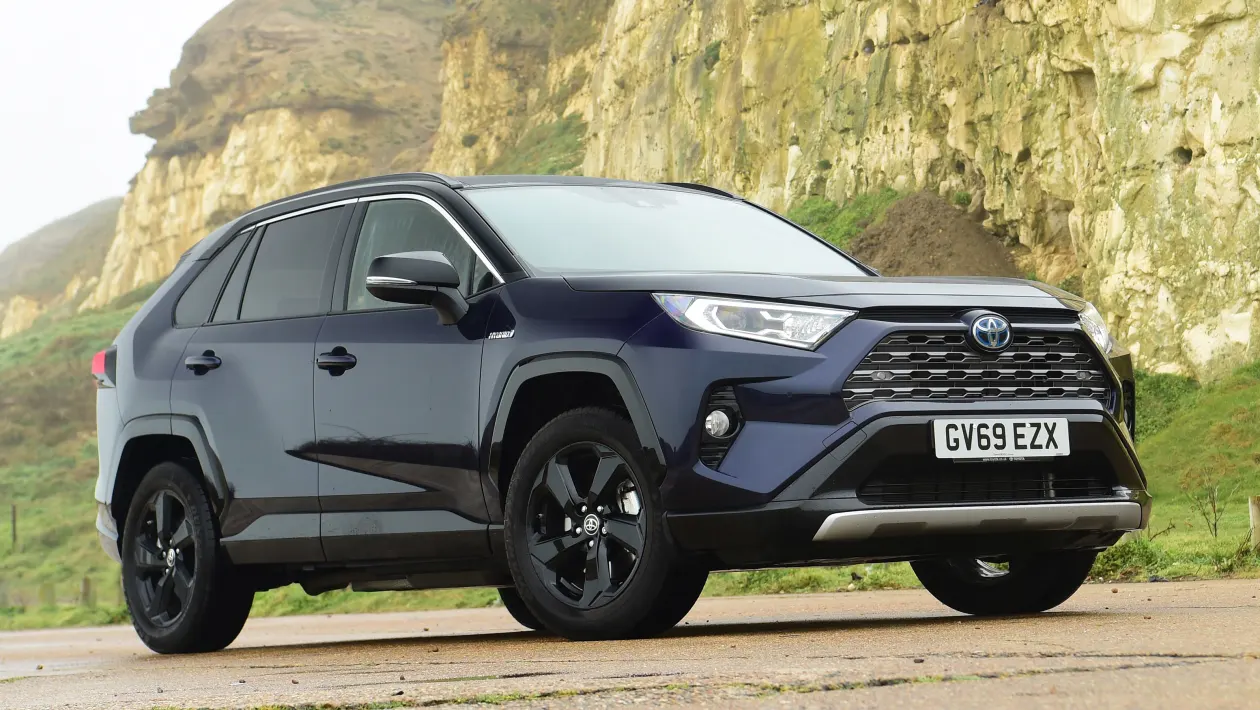
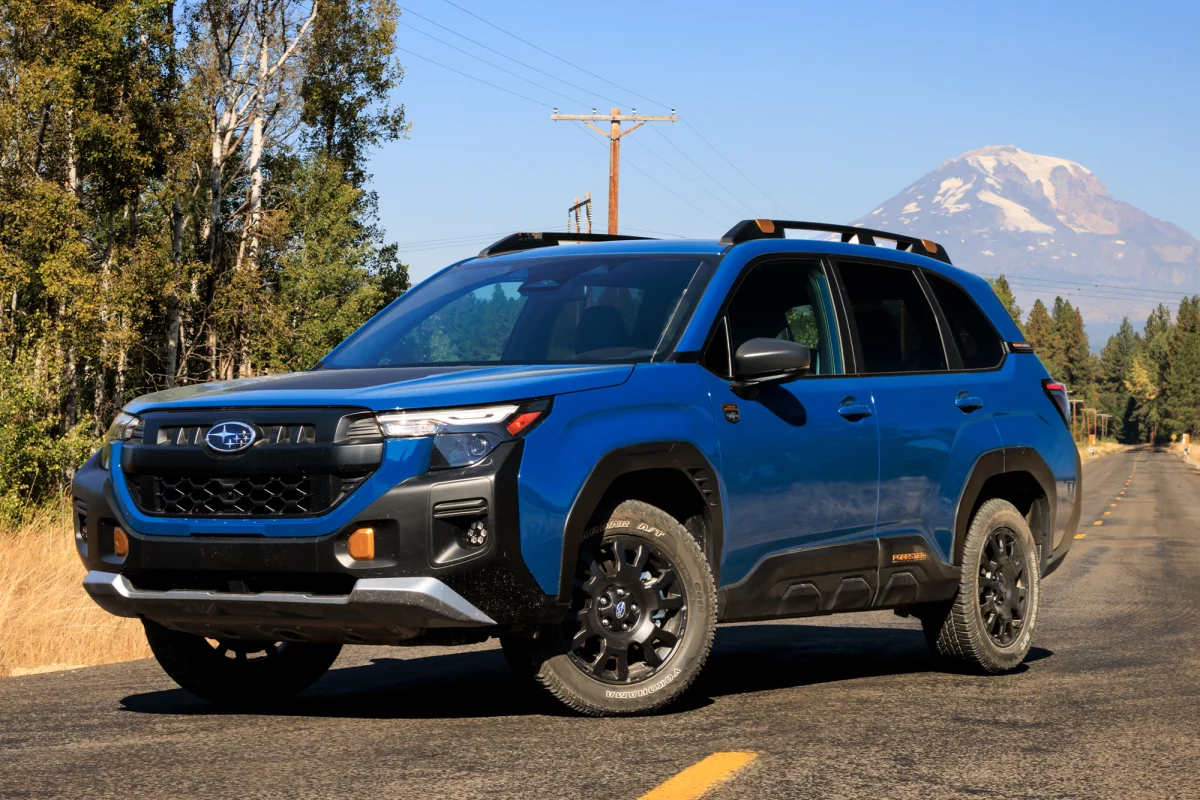
2. Subaru Forester: Compact, Capable, and Camping-Friendly
The Subaru Forester is a well-regarded compact SUV for car camping, valued for its practicality, visibility, and efficient use of interior space. While it does not offer perfectly flat-folding rear seats, it remains a popular choice among campers due to its smart design and versatility.
When the rear seats are folded, they create a slight slope or small ledge where they meet the cargo floor. Even in newer models that fold nearly flat, this minor incline can make sleeping directly on the surface less comfortable without added support.
Campers often address this issue with simple solutions. Thick sleeping pads or air mattresses can easily smooth out the uneven surface, while others build small platforms or use storage bins to create a level sleeping area. Some also place gear in the rear footwells to support a longer mattress, allowing for a more stable setup without permanent modifications.
One of the Forester’s biggest strengths is its interior height. Its tall roofline provides excellent headroom, making it easier to sit upright inside compared to many competitors.
The boxy design and near-vertical rear hatch maximize usable cargo space, creating a more practical and rectangular area for sleeping and storage. Despite its compact exterior size, it still offers enough room for two people to sleep comfortably while remaining easy to handle on narrow roads or tight campsite trails.
In addition, the Forester delivers good fuel efficiency and standard all-wheel drive, making it capable of handling light off-road conditions. Its balance of size, comfort, and capability makes it a strong option for campers who prefer a smaller, more manageable vehicle with flexible setup options.
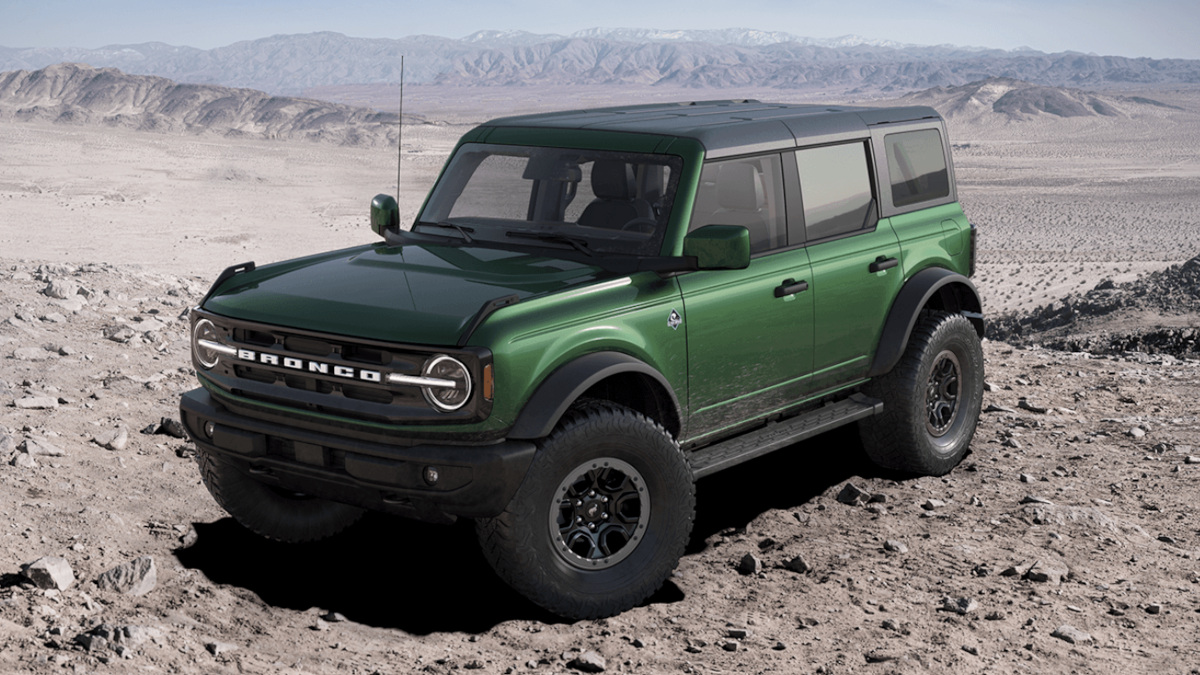
4. Ford Bronco (Full-Size): Off-Road Power with a Challenging Sleeping Setup
The full-size Ford Bronco, particularly the 4-door model, is a highly capable SUV for adventure and car camping, but it presents some challenges when it comes to sleeping inside. Unlike some SUVs with flat-folding seats, the Bronco has a noticeable step between the cargo floor and the folded rear seats.
This height difference can be several inches, making it difficult to create a comfortable sleeping surface using only a thin pad. As a result, many owners rely on custom-built platforms or cargo drawer systems to level the area and create a proper bed.
Despite this drawback, the Bronco remains a favorite among campers due to its exceptional off-road performance. It is designed to handle rugged terrain with features such as high ground clearance, advanced four-wheel-drive systems, and available locking differentials. These capabilities allow users to reach remote campsites that are inaccessible to many other vehicles.
The Bronco’s boxy shape also works in its favor. Its upright design maximizes interior space, providing plenty of room for gear storage and making the cabin feel more open. The 4-door version, in particular, offers enough length for sleeping once a platform or mattress system is installed.
In addition, the Bronco includes several practical and fun features for outdoor use. Durable interior materials make it easier to clean after trips, and small details like a built-in bottle opener add convenience. Its modular design allows the roof panels to be removed, creating an open-air experience that pairs well with camping setups such as rear vehicle tents.
The Ford Bronco is best suited for campers who prioritize off-road capability and are willing to put in extra effort to create a comfortable sleeping arrangement.
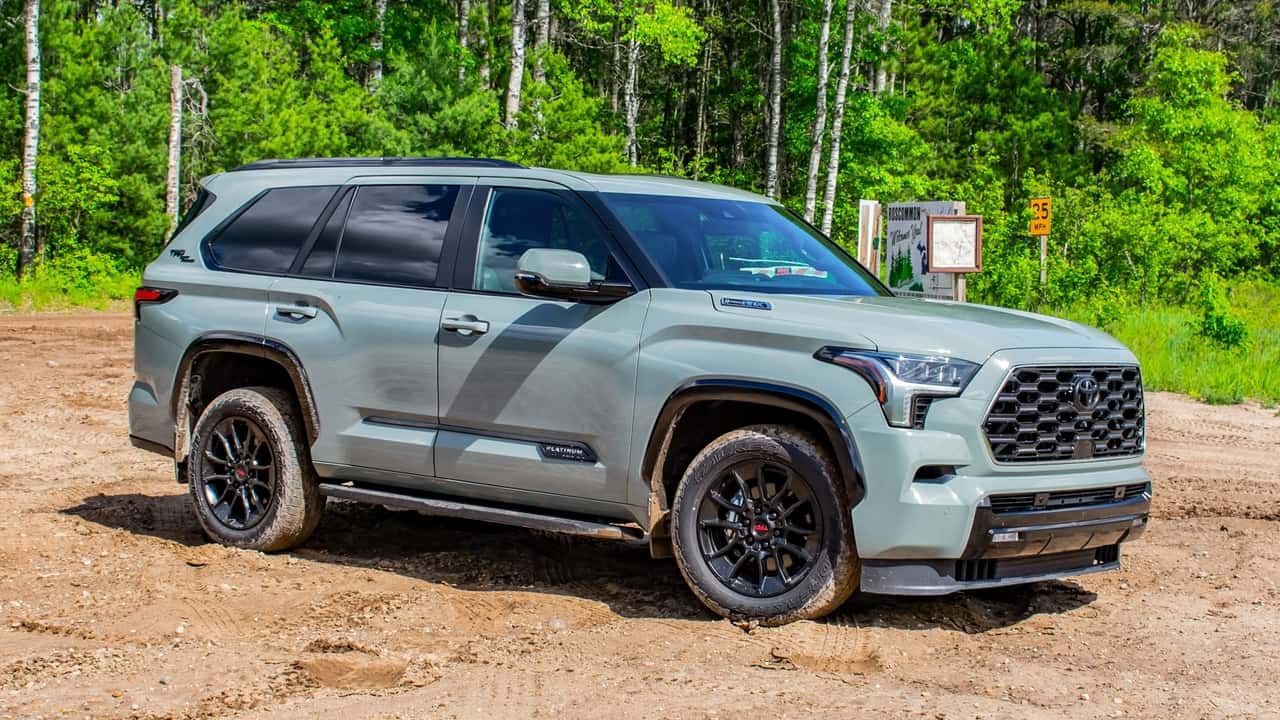
4. Toyota Sequoia (2023+): Powerful but Challenging for Interior Sleeping
The 2023 and newer Toyota Sequoia is a capable full-size SUV for camping, but its redesigned interior presents challenges for those who want to sleep inside the vehicle. Unlike older models, the latest version includes a hybrid battery and a solid rear axle that prevents the third-row seats from folding flat into the floor.
Instead, they create a raised, uneven cargo area often described as a “terrace” or hump. This makes it difficult to lay a mattress across the full length of the vehicle without modifications.
To address this issue, Toyota includes an adjustable cargo shelf system. This feature allows users to position a platform over the folded third row, creating a more level surface for sleeping. The shelf can also support weight and be set at different heights, enabling campers to store gear such as coolers or bags underneath while using the top as a sleeping area.
Many owners also turn to aftermarket solutions for a more permanent fix. Seat-delete systems are popular, allowing the third row to be removed entirely and replaced with a flat platform. Some setups extend further by removing second-row sections and adding storage drawers, creating a fully customized sleeping and storage space.
Beyond its interior limitations, the Sequoia offers strong advantages for camping. Its body-on-frame construction provides durability, and it has an impressive towing capacity of up to 9,520 pounds, making it suitable for hauling trailers or additional gear. Features like a power rear window and available onboard power outlets improve ventilation and convenience during overnight stays.
The Toyota Sequoia is best suited for campers who are willing to customize their setup in exchange for power, durability, and flexibility.
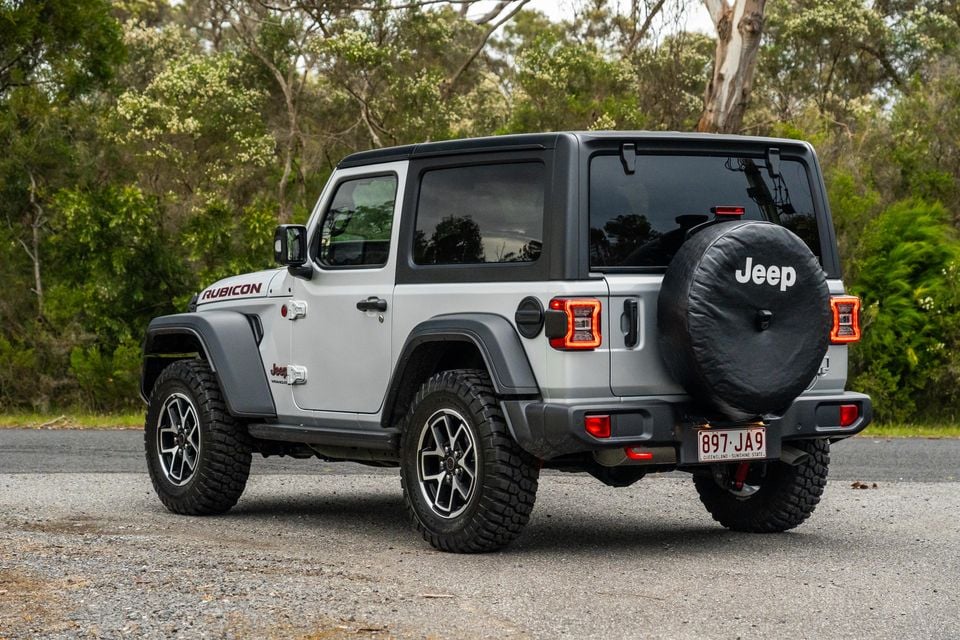
5. Jeep Wrangler 2-Door: Extreme Off-Road Capability with Limited Sleeping Comfort
The 2-door Jeep Wrangler is widely respected as one of the most capable off-road vehicles, but it is one of the least practical SUVs for sleeping inside. In most versions, the rear seats tumble forward rather than folding flat, which leaves little usable horizontal space for a bed.
Even in the larger 4-door models, the cargo floor is often uneven, making it difficult to set up a comfortable sleeping surface without modifications. As a result, many owners rely on rooftop tents or custom interior setups instead of sleeping directly inside the vehicle.
Despite these limitations, the Wrangler remains popular for camping due to its rugged, boxy design and strong off-road performance. The upright cabin structure and high roofline provide good vertical space, allowing campers to stack gear or use tall storage containers efficiently.
When the rear seats are removed or folded forward, the cargo area becomes a flexible but uneven space that can still be adapted for camping use. Many owners install storage drawers or build simple platforms to create a more level sleeping surface for one or two people.
The Wrangler is also designed for extreme terrain, making it ideal for reaching remote campsites that are inaccessible to most SUVs. Its high ground clearance, durable suspension, and trail-focused engineering allow it to handle rocky paths, sand, and steep inclines with ease. The rear swing gate and accessible cargo layout further improve usability at campsites.
For sleeping setups, campers often remove the rear seats entirely or use thick inflatable pads to reduce discomfort from uneven flooring. While not naturally suited for interior sleeping, the Jeep Wrangler 2-door remains a strong choice for adventurers who prioritize off-road capability over cabin comfort.
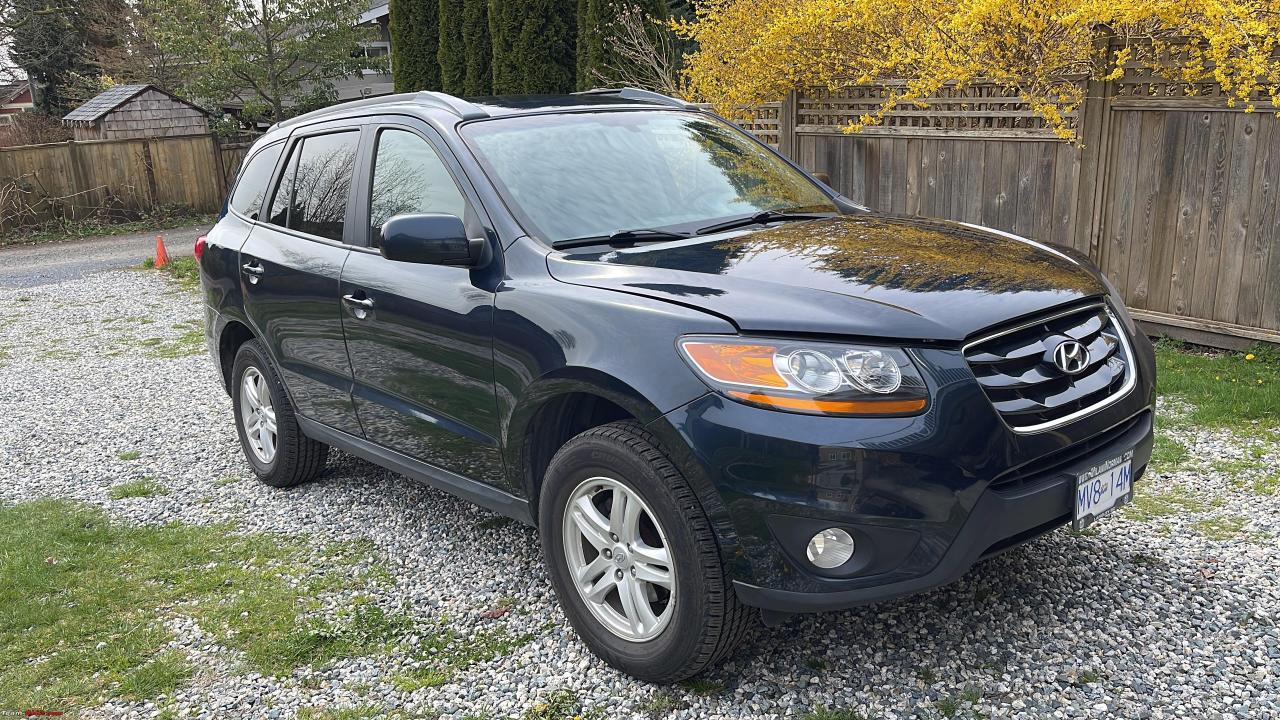
6. Hyundai Santa Fe (Older Models): Affordable and Spacious but Not Perfectly Flat for Sleeping
Older Hyundai Santa Fe models, generally from 2007 to 2018, are popular budget-friendly options for car camping in the USA due to their roomy and practical interiors. While they are not designed with perfectly flat-folding seats, they still offer a wide, boxy cargo area that can comfortably support simple sleeping setups.
The rear seats often fold at a slight incline, and in some trims the seatbacks create uneven dips or “valleys,” which can make sleeping directly on the surface less comfortable without adjustments.
Despite these limitations, the Santa Fe remains a practical choice for campers. Its interior is spacious for a mid-size SUV, with good width and a tall roofline that provides enough headroom for sitting upright inside. The cargo area is large enough to fit a twin-size air mattress or sleeping pad, and many users rely on diagonal sleeping positions or partial seat folding to maximize usable space.
One of its biggest advantages is its simplicity. The Santa Fe is often used as a “no-build” camping vehicle, meaning owners can set it up for sleeping without permanent modifications. A basic mattress or sleeping pad is usually enough to bridge small gaps or slopes in the folded seats. Some campers who want more comfort build simple wooden platforms to create a level surface.
Its affordability also makes it appealing. As an older vehicle, it provides a low-cost entry point into car camping while still offering reliability, decent storage capacity, and flexible cargo space for gear, coolers, and travel essentials.
The Hyundai Santa Fe delivers a practical balance of space, comfort, and budget-friendly usability, making it a solid choice for casual campers willing to work around its non-flat interior design.
The comparison between flat-folding and non-flat-folding SUVs shows that car camping comfort depends less on brand popularity and more on interior design practicality.
Vehicles like the Subaru Outback, Honda CR-V, and Ford Expedition stand out because they offer level or nearly level cargo floors, allowing campers to sleep comfortably with minimal setup. These SUVs are ideal for travelers who want convenience, quick setups, and reliable overnight comfort without modification.
In contrast, models such as the Toyota RAV4, Subaru Forester, Jeep Wrangler, and Toyota Sequoia (2023+) prove that strong off-road ability, reliability, and popularity do not always translate into sleeping comfort. These vehicles often require creative solutions like sleeping platforms or inflatable pads to compensate for uneven cargo areas.
The best choice depends on priorities. Campers who value simplicity and comfort will lean toward flat-floor SUVs, while those who prioritize rugged performance or affordability may accept additional setup work in exchange for capability, durability, or price advantages.
Also read: 5 Cars for Tailgating at US Stadiums vs 5 with No Tailgate Tech