
Tailgating is one of the most deeply rooted traditions in American sports culture, especially around football at both college and professional stadiums across the United States.
It is more than just a pre-game activity, it is a social event where fans gather hours before kickoff to cook food, share drinks, play music, and build anticipation for the game ahead.
Stadium parking lots transform into temporary neighborhoods filled with grills, folding chairs, flags, and the smell of barbecue drifting through rows of vehicles. In this environment, the car or truck you bring is not just transportation, it becomes the centerpiece of the entire experience.
The ideal tailgating vehicle is expected to serve multiple roles at once. It should provide enough space for passengers and gear, allow easy access for cooking and seating, and ideally include built-in convenience features that enhance entertainment. Over time, manufacturers have responded to this culture shift by integrating technology directly into vehicles.
Features such as built-in power outlets, foldable tailgates, integrated speakers, refrigerated storage, and even advanced infotainment systems have transformed certain vehicles into mobile entertainment hubs. These innovations make it easier for fans to set up full outdoor kitchens or media stations right in stadium parking lots.
At the same time, not every vehicle is designed with tailgating in mind. Many cars on the road today are built primarily for commuting efficiency, urban maneuverability, or budget transportation. These vehicles often lack cargo space, external power capability, or flexible seating arrangements.
While they can still technically be used for tailgating, they require more effort, external equipment, and improvisation to match the experience that purpose-built tailgating vehicles provide. This contrast creates a clear divide between vehicles that enhance game day and those that limit it.
The evolution of tailgating also reflects broader changes in automotive design. Trucks and SUVs increasingly incorporate features inspired by outdoor recreation, camping, and mobile workspaces.
Some models now include multi-function tailgates, onboard generators, waterproof storage compartments, and even hybrid or electric systems capable of powering appliances for hours. According to automotive industry observations, these features are not just luxury add-ons, but practical tools that directly support fan culture and outdoor entertainment needs.
This article explores both sides of that divide by highlighting five vehicles that are highly effective for tailgating at US stadiums and five vehicles that lack meaningful tailgating technology. By comparing these two categories, it becomes clear how vehicle design impacts one of America’s most iconic sports traditions.
5 Cars for Tailgating at US Stadiums
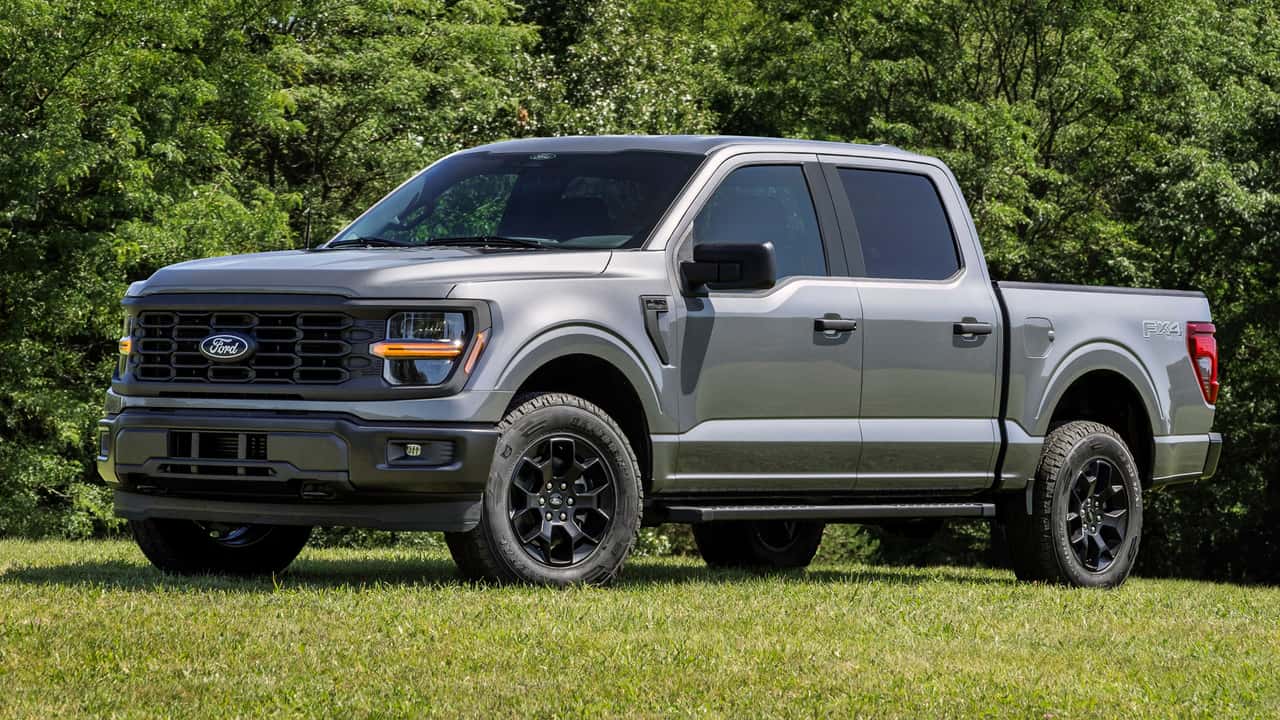
Ford F 150
The Ford F 150 is widely considered one of the most dominant and practical tailgating vehicles in the United States because it combines rugged utility with everyday comfort in a way few other vehicles can match.
Its truck bed is essentially a mobile outdoor platform, giving fans the ability to set up full tailgating stations complete with grills, folding tables, coolers, and seating arrangements.
Unlike smaller vehicles, the F 150 offers enough physical space to organize a complete social setup where multiple people can gather comfortably without feeling cramped or restricted.
One of the most important features that elevates the F 150 in tailgating culture is its available onboard power system. This system allows users to plug in and run appliances directly from the truck itself, which means items like portable refrigerators, electric grills, speakers, coffee makers, and even televisions can be powered without needing external generators.
This creates a self contained entertainment zone that can operate for hours before and after the game, making it especially valuable for fans who arrive early and stay late.
The tailgate design itself is also engineered with convenience in mind. Many modern versions include a built in step system that makes it significantly easier to climb into the truck bed, even when carrying heavy or bulky tailgating equipment.
This reduces strain and improves safety, especially in crowded stadium parking lots where people are constantly moving around. The tailgate surface can also function as a serving table or preparation station, allowing fans to organize food and drinks in a structured and efficient way.
Storage capability is another major strength of the F 150. Between the cabin and the bed, there is enough space to transport everything from large coolers and folding chairs to sports gear and cooking equipment.
This makes it ideal for group tailgating where multiple people contribute different items. The vehicle can essentially replace the need for multiple cars because of its ability to carry both passengers and large amounts of equipment simultaneously.
Finally, the in vehicle technology enhances the entire experience even before reaching the stadium. Advanced infotainment systems, Bluetooth connectivity, and high quality audio setups allow fans to stream music, coordinate with friends, or follow pre game analysis while on the road or parked. This helps create a continuous game day atmosphere that begins long before kickoff and continues throughout the tailgating event.
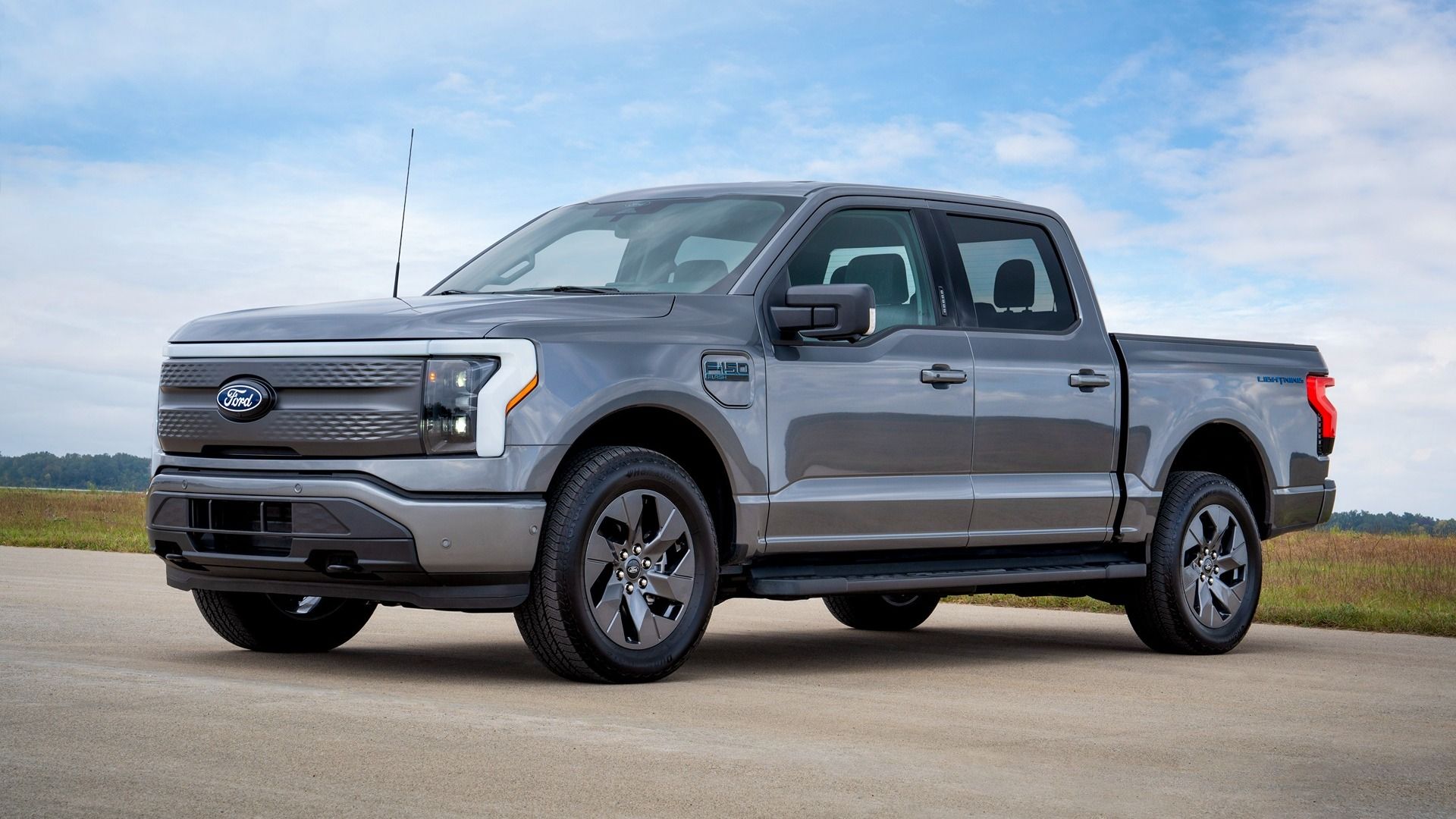
Ford F 150 Lightning
The Ford F 150 Lightning takes the already strong tailgating foundation of the traditional F 150 and elevates it through electric vehicle innovation. One of its most unique and useful features is the front trunk, commonly referred to as the frunk, which provides a sealed, insulated storage space that can easily be filled with ice and used as a large cooler.
This eliminates the need for separate bulky coolers and makes it easier to organize beverages and perishable food items in a clean and controlled environment.
The most transformative advantage of the Lightning is its ability to function as a high capacity mobile power source. Unlike traditional vehicles that require external generators for significant power needs, the Lightning can supply electricity directly from its battery system.
This allows fans to run multiple devices simultaneously, including grills, lighting systems, speakers, televisions, and even cooking appliances. For tailgating setups that resemble small outdoor events, this capability is extremely valuable and simplifies logistics significantly.
Another major improvement is the quiet operation of the electric motor. Traditional tailgating environments often include loud gasoline generators that disrupt conversations and music. The Lightning removes this issue entirely by operating almost silently when parked.
This creates a more relaxed and social atmosphere where people can interact without competing against engine noise. It also makes the vehicle more suitable for stadiums that have noise restrictions or designated quiet zones.
The cargo bed remains just as functional as the traditional F 150, providing ample space for grills, tables, and seating arrangements. However, the addition of built in power outlets directly integrated into the bed area makes setup even more efficient. Fans can plug in equipment right where they are working, reducing cable clutter and simplifying the entire tailgate organization process.
The F 150 Lightning represents a shift in how tailgating vehicles are designed. It combines traditional truck utility with modern electric innovation, creating a cleaner, quieter, and more efficient tailgating experience that aligns with the future of automotive technology.
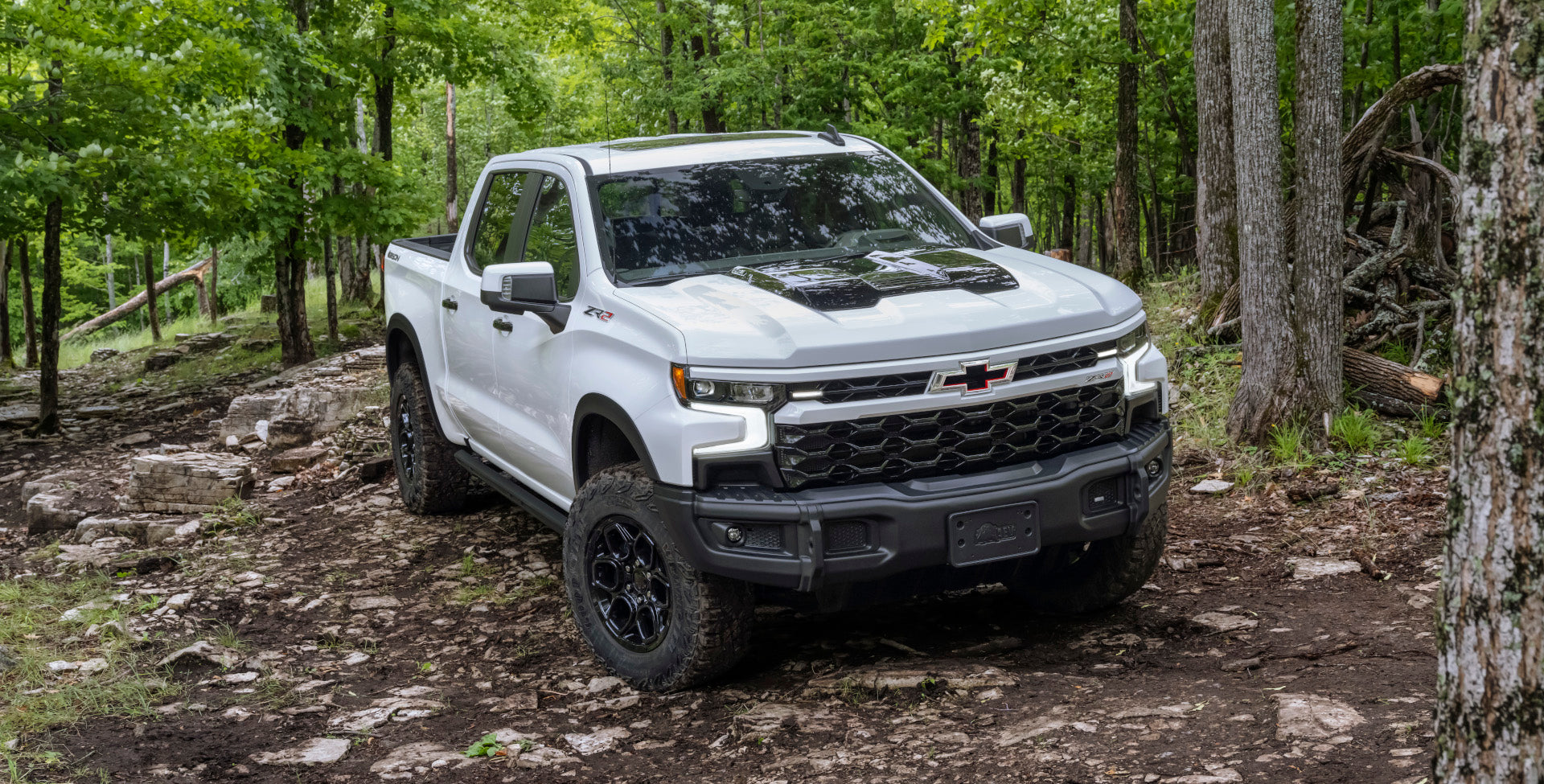
Chevrolet Silverado
The Chevrolet Silverado stands out in the tailgating world primarily because of its Multi Flex tailgate system, which introduces a level of adaptability that is extremely useful in stadium parking environments. This tailgate is not a single fixed structure but rather a multi configuration system that can transform into several functional positions.
It can act as a step for easier access, a flat work surface for food preparation, or an extended loading platform for transporting large items.
One of the most practical uses of this system during tailgating is its ability to function as both seating and serving space. Fans can sit on the extended tailgate while socializing, eating, or watching other tailgating activities happening around them. It also provides a stable surface for arranging food trays, drinks, and grilling tools, which helps create a more organized and efficient setup compared to vehicles with standard flat tailgates.
The Multi Flex design also improves cargo management during transportation. The tailgate can act as a load stop, preventing heavy items such as coolers, grills, and storage bins from sliding out of the truck bed during travel. This is especially useful when driving to crowded stadiums where sudden braking or uneven roads are common. It ensures that all tailgating equipment arrives intact and ready to use.
In addition to its tailgate innovation, the Silverado offers strong towing capability, which allows fans to bring additional trailers filled with equipment. This is particularly beneficial for large group tailgates where multiple families or friend groups combine resources. The spacious cabin also ensures that passengers travel comfortably without sacrificing storage space for gear.
The Silverado’s Multi Flex tailgate system transforms a traditional truck into a highly adaptable tailgating platform that can adjust to nearly any game day scenario, making it one of the most functional vehicles in this category.
Jeep Grand Wagoneer
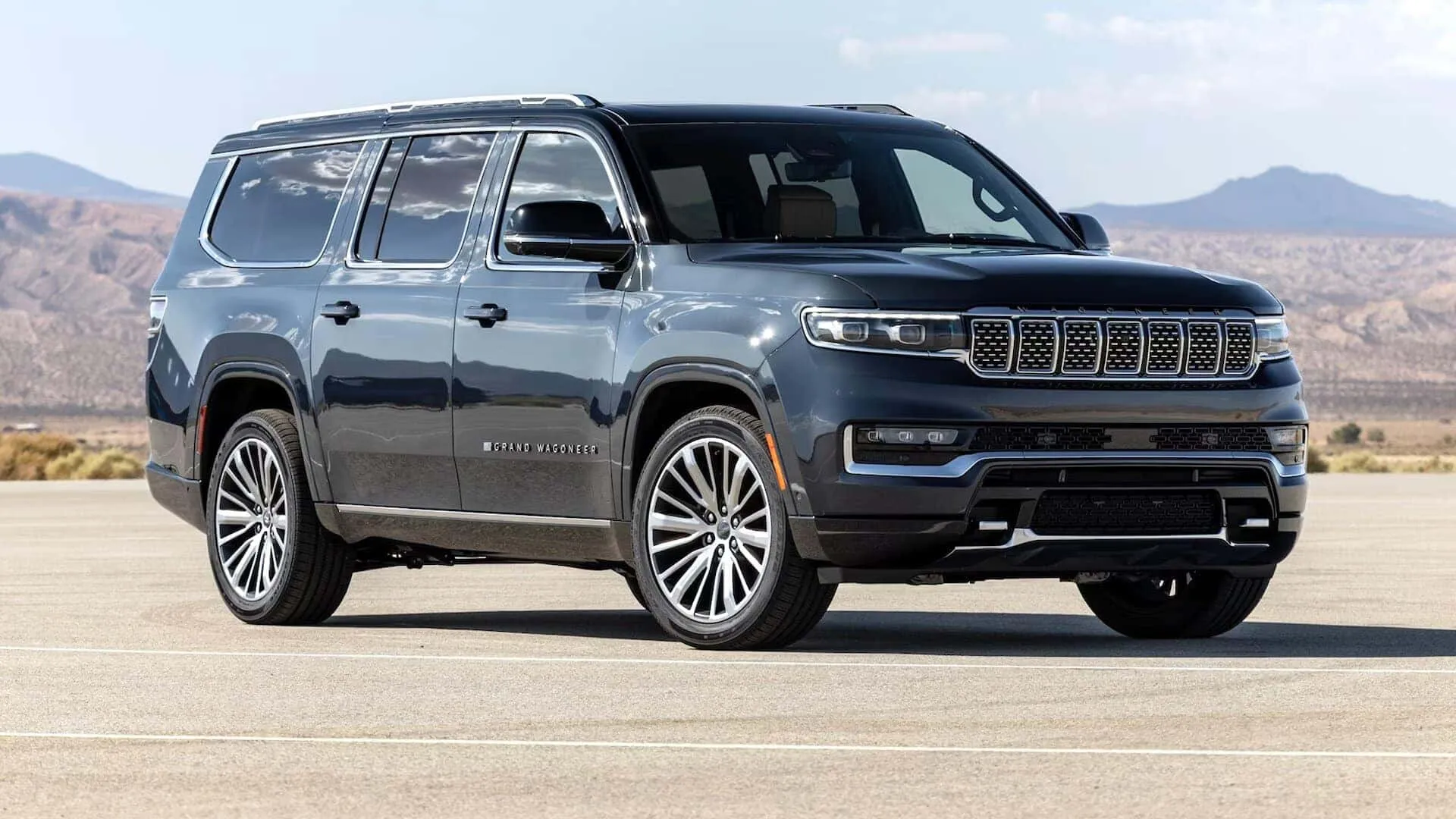
The Jeep Grand Wagoneer brings a unique luxury oriented approach to tailgating while still maintaining strong practical functionality. Unlike traditional trucks, it focuses on combining comfort, technology, and space into a premium experience that is especially appealing for fans who want a more refined game day environment. Its large cargo area allows for easy storage of food, drinks, and entertainment equipment, making it suitable for upscale tailgating setups.
One of its standout features is its high end audio system, which delivers powerful and clear sound quality. This enhances the tailgating atmosphere by allowing fans to play music or broadcast pre game shows with impressive clarity and volume. The sound experience helps create a party like environment around the vehicle, even in large and crowded stadium parking lots.
The rear liftgate design also adds functional value by creating a shaded area when open. This provides relief from direct sunlight during daytime games and creates a natural gathering space where people can stand or sit comfortably. It effectively turns the back of the vehicle into a mini lounge area, which is ideal for serving food or relaxing before the game.
Inside, the Grand Wagoneer is equipped with advanced infotainment systems, multiple charging ports, and premium seating materials. These features allow passengers to remain comfortable and connected throughout the tailgating experience. It is especially useful for long duration events where people may spend several hours before entering the stadium.
Additionally, its off road capability ensures it can handle different parking lot surfaces, including grass, gravel, or uneven terrain. This flexibility allows fans to tailgate in a wider range of stadium environments without worrying about accessibility issues.
Toyota Tundra
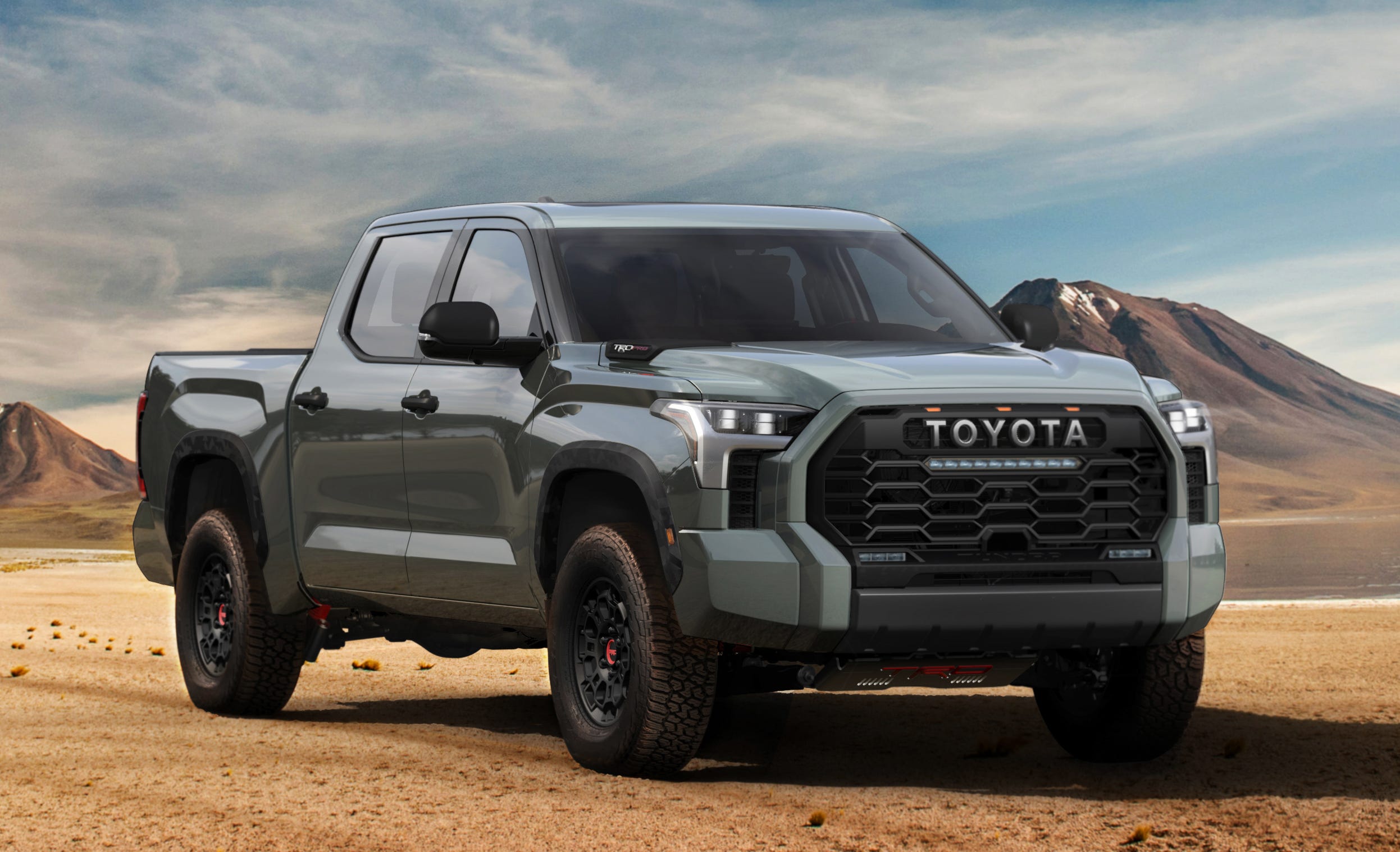
The Toyota Tundra is known for its durability, reliability, and straightforward functionality, which makes it a dependable option for tailgating without unnecessary complexity. Its large and durable truck bed provides ample space for essential tailgating gear such as grills, coolers, folding tables, and seating equipment. It is especially popular among fans who prefer a simple and rugged approach to game day setups.
One of the Tundra’s key strengths is its strong towing capacity. This allows users to bring trailers filled with additional tailgating equipment, making it ideal for large gatherings or group tailgates that require extensive preparation. It provides the flexibility to scale up the setup depending on the size of the event.
Modern versions of the Tundra include infotainment systems and optional power outlets, which provide basic but useful technological support for tailgating. While it does not offer as many advanced features as some competitors, it still allows users to connect devices, play music, and manage simple entertainment needs during pre game gatherings.
The tailgate itself is built for strength and durability, capable of supporting significant weight. This makes it suitable not only for loading and unloading equipment but also for sitting or serving food directly from the truck bed. Its simple design ensures that it remains easy to use in busy and crowded stadium environments.
5 Cars with No Tailgate Tech
Honda Civic
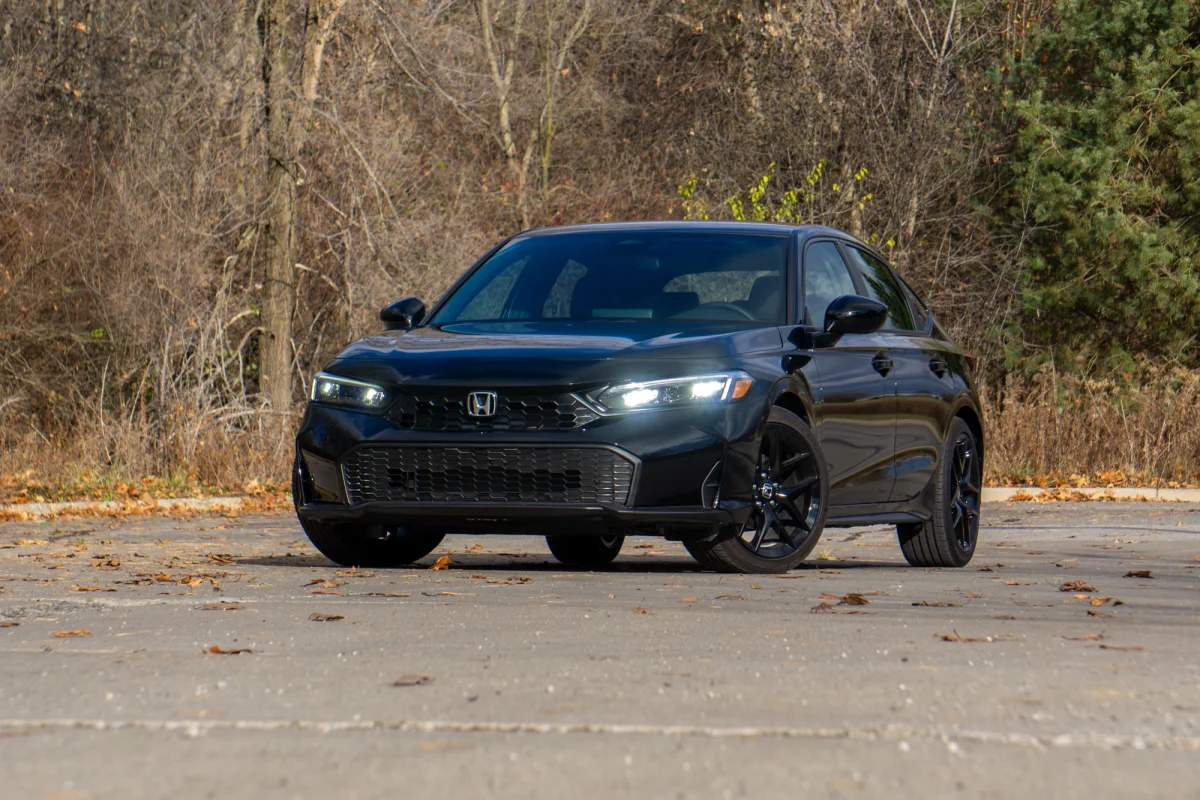
The Honda Civic is one of the most popular compact sedans in the world, known for its reliability, fuel efficiency, and affordability. However, when it comes to tailgating at US stadiums, it falls significantly short because it was never designed with outdoor social gatherings or cargo heavy activities in mind.
Its compact structure prioritizes city driving and commuting convenience rather than large scale entertainment setups. As a result, the Civic does not offer the kind of space or flexibility needed for traditional tailgating culture.
The trunk space in the Honda Civic is relatively small compared to SUVs or trucks, which limits what users can bring to a stadium parking lot. While it can hold a small cooler or a few bags of food and drinks, it cannot accommodate full tailgating essentials such as grills, folding tables, portable seating, or large beverage containers.
This forces users to significantly downsize their setup or rely on additional vehicles to transport necessary equipment, which reduces convenience and increases logistical complexity.
Another major limitation is the complete absence of tailgating oriented features such as external power outlets, foldable tailgates, or entertainment focused technology designed for outdoor use. Unlike trucks or SUVs that can support music systems or appliance power needs, the Civic depends entirely on portable battery powered devices. This means fans must bring separate speakers, portable chargers, and other accessories just to replicate a basic tailgating atmosphere.
The interior cabin, while comfortable for driving, is also limited in space, making it unsuitable for group gatherings. Tailgating is inherently a social activity, often involving multiple people interacting around a shared vehicle space.
The Civic does not provide an external platform or seating area, which restricts social interaction to inside the car or standing outside with no structured setup. This significantly reduces its usefulness in stadium environments.
The Honda Civic is an excellent commuter vehicle but lacks the physical space, structural design, and technological support required for meaningful tailgating experiences. It represents the opposite end of the spectrum compared to purpose built tailgating trucks.
Toyota Corolla
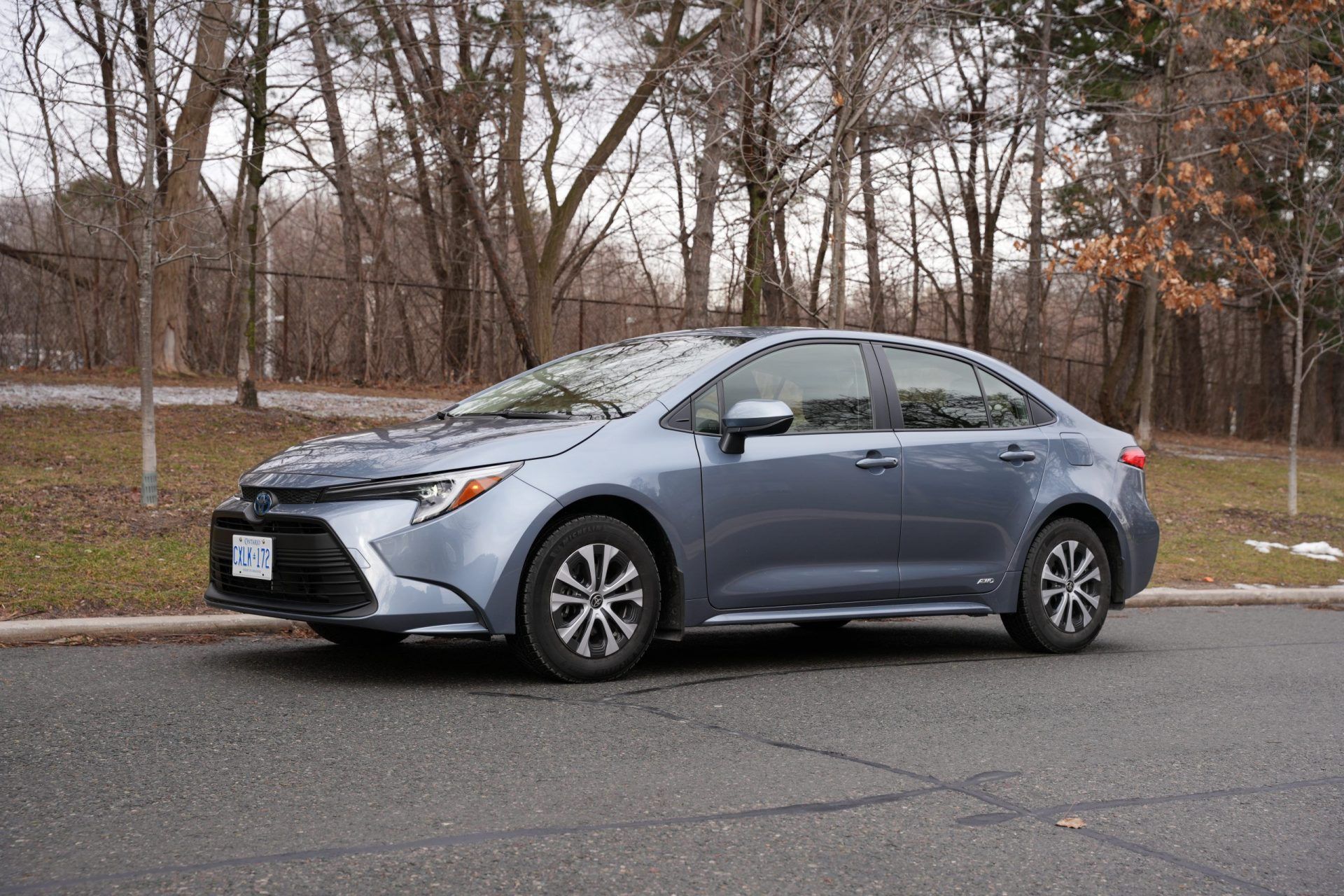
The Toyota Corolla is another highly reliable and widely used compact sedan, valued for its low maintenance costs and excellent fuel economy. However, similar to the Civic, it is not designed for recreational outdoor use such as tailgating at stadiums. Its primary purpose is efficient transportation, not event based social gatherings, and this becomes very clear when attempting to use it in a tailgating environment.
One of the biggest limitations of the Corolla is its restricted cargo capacity. The trunk is designed for everyday essentials like groceries, luggage, or small personal items, but it is not suitable for transporting bulky tailgating equipment.
Items such as grills, large coolers, folding chairs, and canopy tents simply do not fit comfortably. This forces users to either minimize their setup drastically or leave behind key components of a proper tailgate experience.
In addition, the Toyota Corolla does not offer any built in features that support outdoor entertainment or group activities. There are no external power systems, no modular seating configurations, and no tailgate specific design elements. Everything related to tailgating must be improvised using portable equipment, which reduces efficiency and increases preparation time before reaching the stadium.
The interior seating is designed for up to five passengers, but it is not intended for social gathering spaces in a stationary context. Tailgating typically involves people moving in and out of vehicles, interacting around food setups, and creating shared outdoor environments. The Corolla lacks any external structure that facilitates this type of interaction, limiting engagement to the interior cabin only.
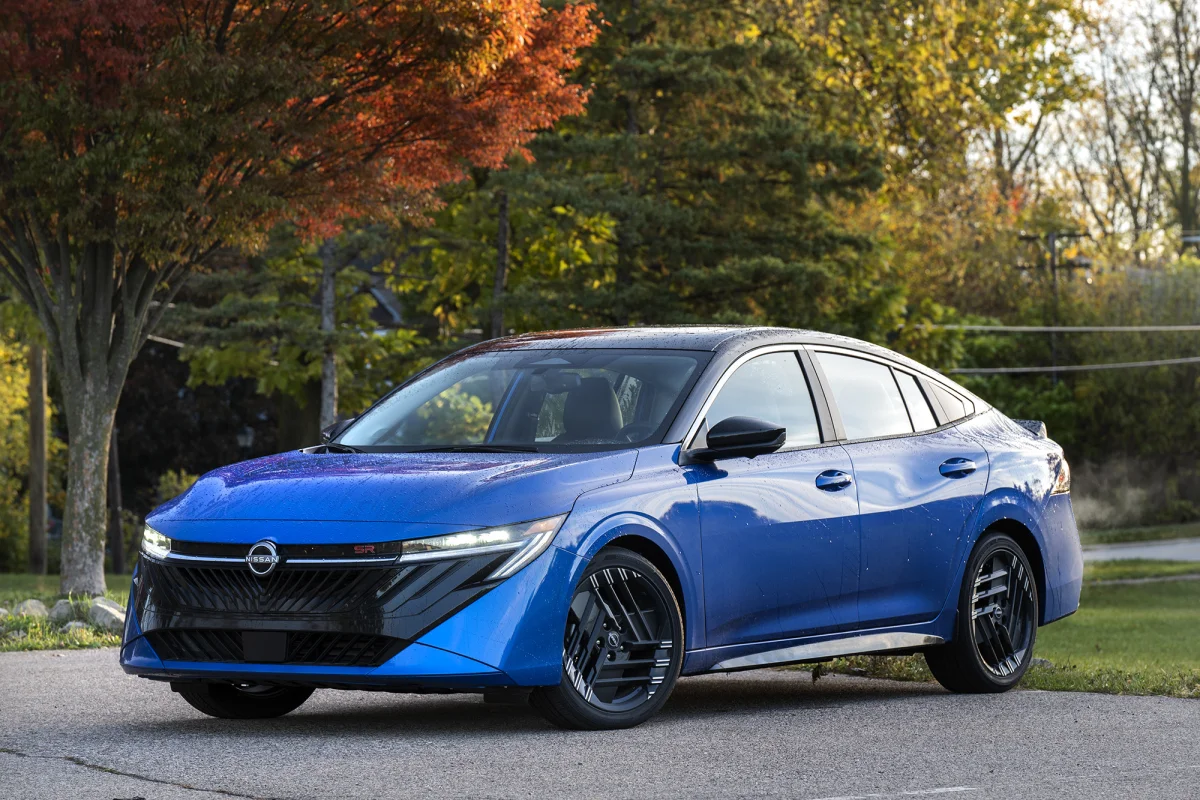
Nissan Sentra
The Nissan Sentra is a compact sedan that emphasizes affordability, fuel efficiency, and simple daily transportation. While it serves its purpose well as a commuter vehicle, it is not built to handle the demands of tailgating environments, which require space, flexibility, and outdoor functionality. Its design focuses on urban driving rather than recreational group activities in stadium parking lots.
One of the primary limitations of the Sentra is its small trunk capacity. It can handle basic items such as backpacks, small coolers, or lightweight food containers, but it struggles with larger tailgating essentials. Equipment like portable grills, large beverage coolers, folding chairs, and cooking setups cannot be easily transported. This makes it difficult for users to create a full tailgating experience without significant compromises.
The Sentra also lacks any form of built in tailgating technology. There are no external power outlets, no modular cargo systems, and no entertainment features designed for outdoor gatherings.
This means users must rely entirely on external battery packs, portable speakers, and other accessories to create even a minimal tailgating environment. This adds complexity and reduces convenience compared to trucks and SUVs that integrate these features directly.
Social interaction is another area where the Sentra falls short. Tailgating is centered around group engagement, often involving shared seating, food preparation, and outdoor entertainment. The Sentra does not provide any external platform or adaptable space that encourages this type of interaction. All activity is limited to standing outside the vehicle or sitting inside the cabin, which restricts the natural flow of tailgating culture.
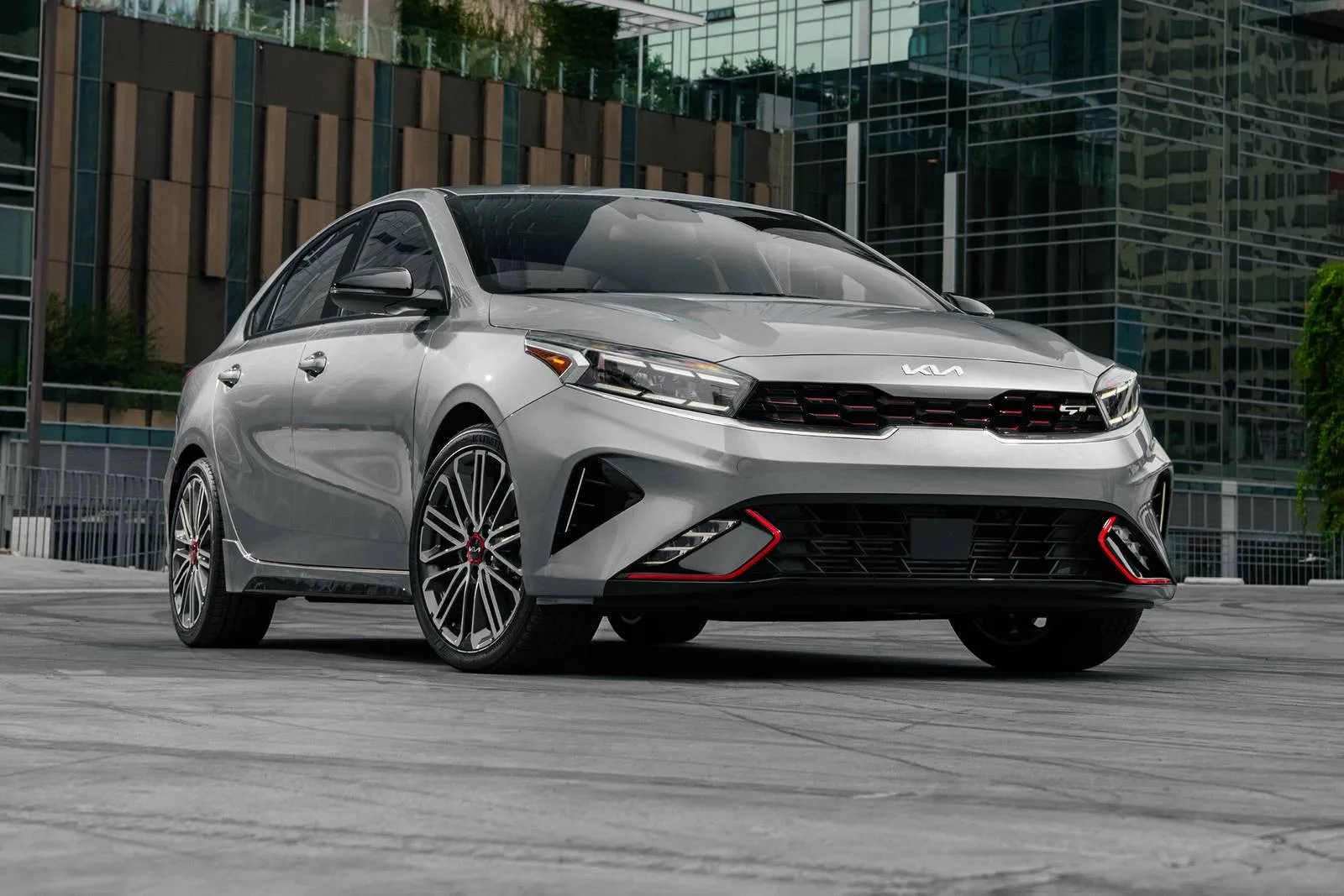
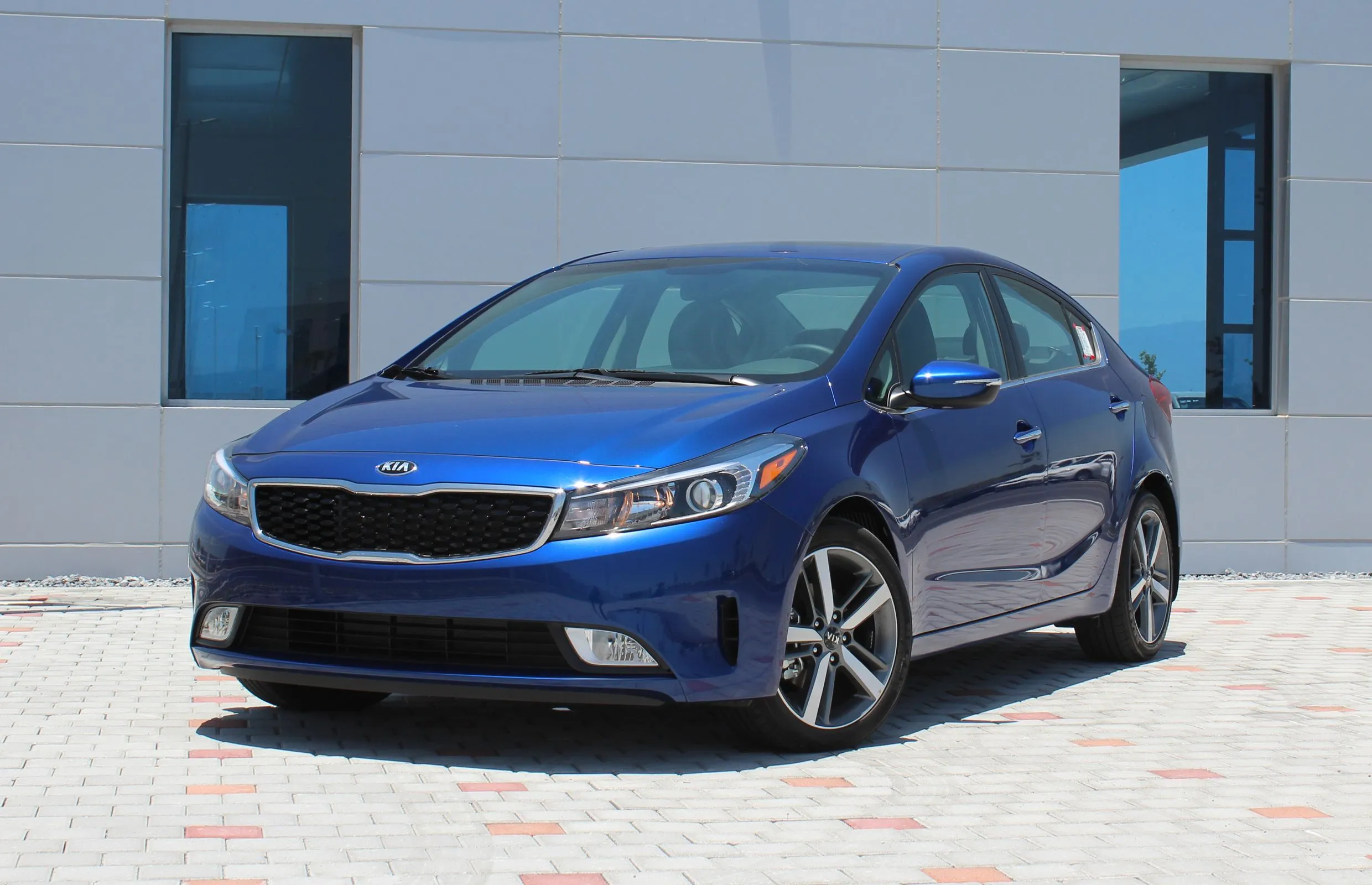
Kia Forte
The Kia Forte is designed as a budget friendly compact sedan that prioritizes affordability, fuel efficiency, and simple transportation needs. While it is a strong option for daily commuting, it does not include any features that support outdoor recreational activities such as tailgating. Its design is centered around practicality in urban environments rather than large scale social events.
Cargo space in the Kia Forte is limited to a small trunk that is suitable for basic items like groceries or travel bags. However, it cannot comfortably accommodate larger tailgating equipment such as grills, beverage coolers, folding tables, or outdoor seating gear. This restriction makes it difficult for users to build a traditional tailgating setup without requiring additional transport solutions or reducing the scale of their plans.
The Forte also lacks any integrated technology designed for outdoor entertainment or power support. There are no external charging ports, no built in sound systems for outdoor use, and no modular features that could enhance tailgating functionality. As a result, users must rely on portable devices such as Bluetooth speakers, power banks, and handheld accessories to replicate basic entertainment needs.
From a social perspective, the Kia Forte does not provide any structural advantage for group gatherings. Tailgating typically involves creating shared spaces around vehicles where people can cook, sit, and interact freely. The Forte does not offer any external seating configuration or adaptable space, which limits interaction to standing areas around the car or inside the cabin. This reduces the quality of the tailgating experience.
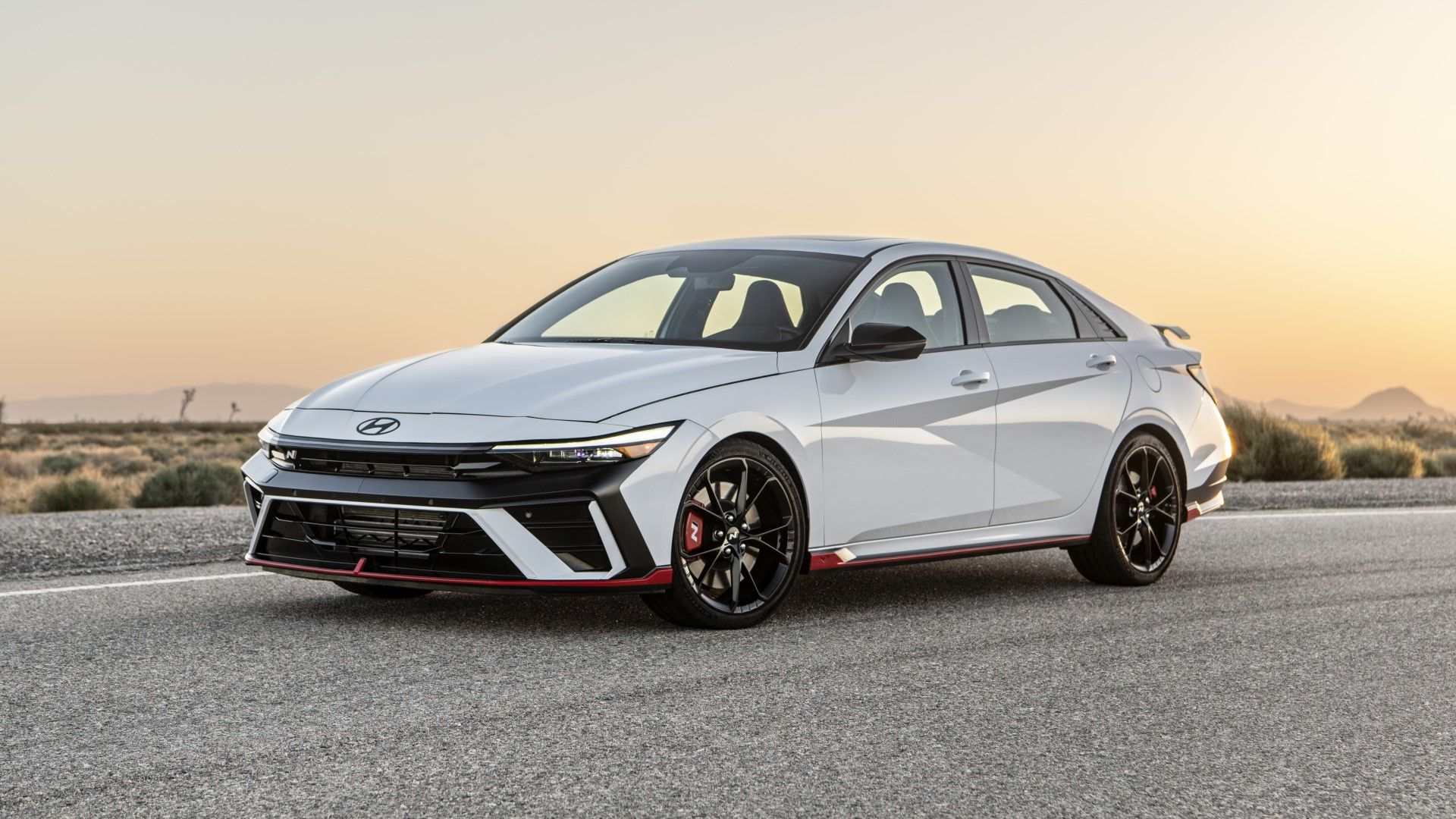
Hyundai Elantra
The Hyundai Elantra is a compact sedan that focuses on comfort, fuel efficiency, and modern styling for everyday driving. While it offers a smooth driving experience and good value for its segment, it is not designed to support outdoor entertainment activities such as tailgating at sports stadiums. Its structure and features are optimized for road use rather than stationary group events.
The trunk space in the Elantra is limited and primarily intended for small to medium sized personal belongings. It can handle items such as luggage or small grocery loads, but it is not capable of accommodating larger tailgating equipment like grills, full size coolers, or folding outdoor furniture. This significantly limits its usefulness in stadium parking environments where bulky gear is common.
In terms of technology, the Elantra does include modern infotainment systems for in car use, but it lacks any external or tailgating specific features. There are no built in power outlets for outdoor appliances, no configurable cargo systems, and no design elements that support group entertainment outside the vehicle. This forces users to depend on external gadgets, which adds inconvenience and reduces setup efficiency.
The vehicle also does not provide any external social space, which is a key element of tailgating culture. Unlike trucks or SUVs with open beds or liftgates that act as gathering areas, the Elantra confines all interaction to the interior cabin or standing around the vehicle. This limits comfort and reduces the social experience that tailgating is meant to create.
