
Some engines earn a reputation that outlasts the vehicles they power. The inline-six is one of those legendary configurations that mechanics talk about with genuine respect. It sits in a special category not because of marketing, but because of real-world proof gathered over decades of hard use.
The inline-six layout is naturally balanced. Its six cylinders fire in a smooth, overlapping sequence that eliminates the vibration common in four-cylinder and V6 engines. This means less stress on mounts, fewer cracked components, and a drivetrain that simply lasts longer under pressure.
Mechanics see every engine at its worst. They diagnose failures, pull apart worn components, and carry a mental scorecard of which engines keep coming back and which ones keep running. When a mechanic says they would never bet against a particular engine, that is the highest praise in the industry.
The nine engines on this list have earned that praise honestly. Some were built for luxury, others for trucks, and a few for pure performance. All of them share one quality that mechanics value above everything else they simply refuse to die. These are the inline-six engines that have proven themselves in workshops, on highways, and in extreme conditions around the world.
1. BMW M57 3.0-Litre Diesel Inline-Six
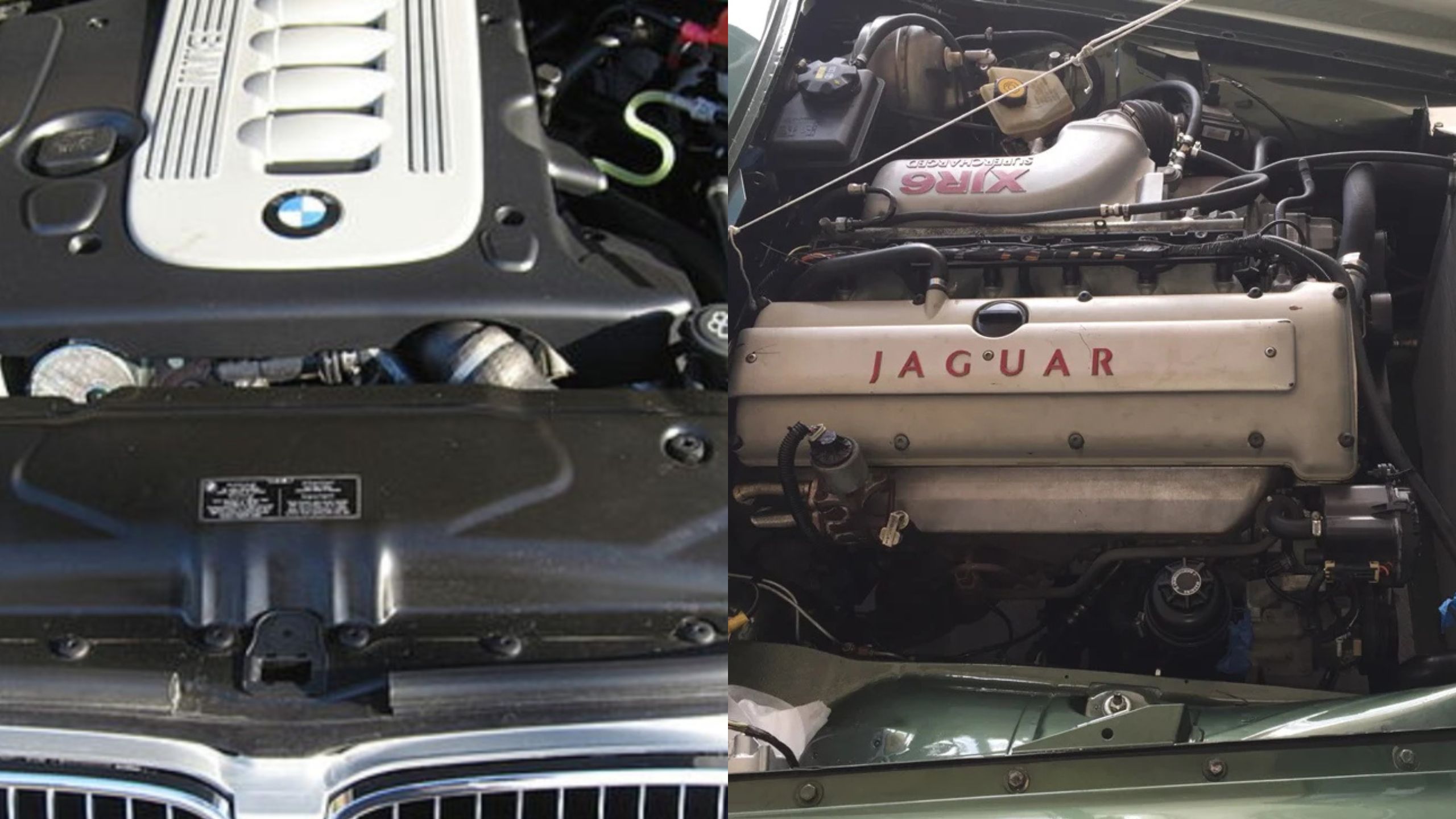
The BMW M57 is one of the most celebrated diesel engines ever produced. It was manufactured from 1998 to 2013 and powered a wide range of BMW and Land Rover vehicles. Mechanics who work on European cars regularly call it the gold standard of diesel inline-six engineering.
The M57 was engineered with an all-aluminium block and a cast-iron head. This combination gave it strength without excessive weight. BMW designed it with tight tolerances and high-quality internals that could handle the stress of turbocharging over many years.
The common rail fuel injection system was advanced for its time. It delivered precise fuel metering that improved efficiency and reduced internal wear. Mechanics appreciate engines that burn fuel cleanly, because incomplete combustion is one of the fastest ways to destroy an engine from the inside.
This engine found its way into the BMW 3 Series, 5 Series, 7 Series, and X5. It also powered the Land Rover Discovery 3 and Range Rover Sport. These are vehicles that get used hard long motorway journeys, towing, and off-road work all test an engine’s true character.
The M57 handled all of it without complaint. Owners regularly report crossing 300,000 kilometres without internal engine work. The rotating assembly, including the crankshaft, connecting rods, and pistons, is known to be exceptionally robust. Mechanics who have torn these engines down describe the internals as looking almost new at very high mileage.
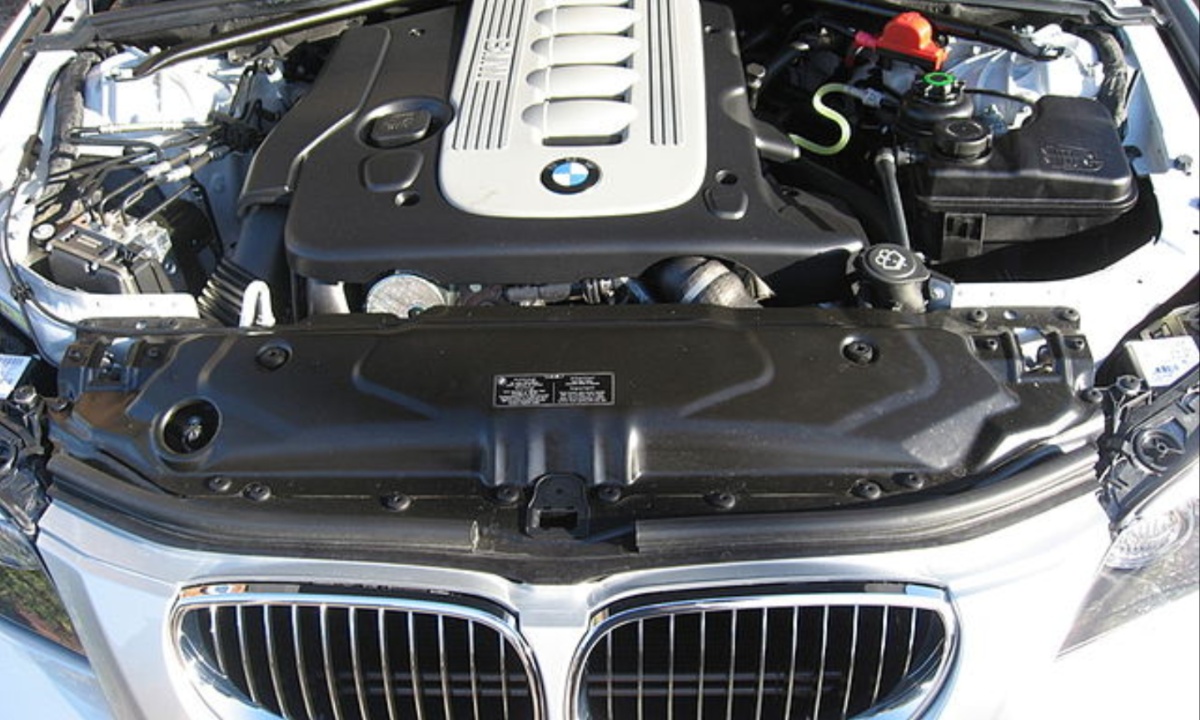
No engine is completely without fault. The M57 has known issues with the swirl flaps in the intake manifold. These small plastic flaps can break and fall into the engine, causing serious damage. However, mechanics consider this an easy preventative fix. Removing and blanking the swirl flaps takes a few hours and costs very little.
The EGR valve and cooling system components like the thermostat and water pump do need periodic attention. These are standard maintenance items that any competent mechanic can address cheaply. The critical components the block, head, crank, and turbocharger are where the M57 truly shines.
The M57 rewards owners who maintain it properly. Regular oil changes with quality synthetic diesel oil keep the turbocharger and upper engine lubricated. Mechanics know that a well-serviced M57 will outlast almost any other diesel engine on the road today.
Its combination of performance, fuel efficiency, and durability is nearly impossible to match. Mechanics do not hesitate to recommend these engines to buyers who ask. That level of trust, earned over twenty years in the field, is what puts the M57 on this list without question.
2. Toyota 2JZ-GTE Inline-Six
The Toyota 2JZ-GTE needs very little introduction in automotive circles. It was produced from 1991 to 2002 and powered the legendary Toyota Supra MK4. It has since become the benchmark by which all performance inline-six engines are judged.
The 2JZ-GTE was built around a cast-iron block. Toyota engineered it to handle far more power than it was originally rated for from the factory. The forged steel crankshaft and connecting rods give it an internal strength that remains extraordinary by any standard.
The factory rating was 280 horsepower in Japanese market specification. However, mechanics and tuners discovered early on that the engine could produce well over 600 horsepower on the stock internals with upgraded turbocharging. This tolerance for power is almost unheard of in any production engine.
The 2JZ-GTE used a sequential twin-turbo system. Two smaller turbos worked together to deliver responsive power across a wide RPM range. This system was complex but engineered to a very high standard. Mechanics who understand the system find it reliable and effective.
The head design featured a dual overhead camshaft layout with Toyota’s proven valve train technology. Oil circulation to the top of the engine was excellent. This prevented the wear that kills many performance engines at high mileage.
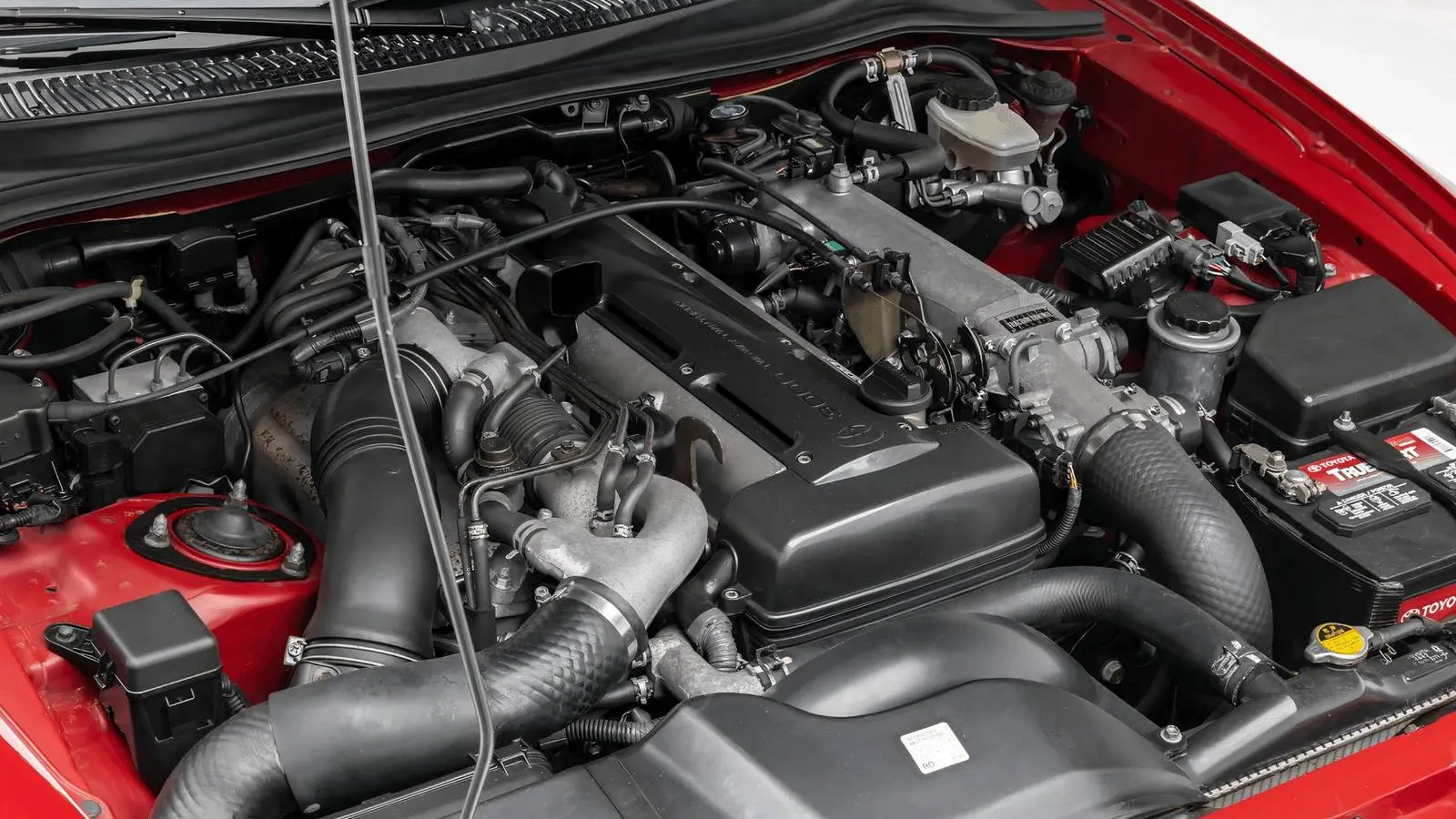
This engine has been used in everything from daily-driven street cars to full racing builds. It has competed in time attack, drag racing, and circuit racing across every continent. It holds a unique record of surviving conditions that would destroy lesser engines immediately.
Mechanics point to the cooling system design as one of its best features. Toyota engineered the coolant passages to maintain even temperatures across all six cylinders. Thermal management is critical in a turbocharged engine, and the 2JZ-GTE handles it with exceptional consistency.
Thirty years after production ended, the 2JZ-GTE is still being installed in new builds. Mechanics can source parts, find specialist knowledge, and rebuild these engines with confidence. The community around this engine is enormous and well-documented.
Mechanics refuse to bet against the 2JZ-GTE because its track record is simply unmatched. No production inline-six has proven itself in more diverse conditions while consistently surviving to tell the story.
3. Jaguar AJ6 Inline-Six
The Jaguar AJ6 was introduced in 1983 and became the foundation of Jaguar’s engine lineup for over a decade. It powered the XJ-S, XJ6, and early XK8 predecessors. Mechanics who specialize in classic British cars know this engine as one of the smoothest ever built.
The AJ6 was designed from the ground up to be refined. Jaguar’s engineers prioritised low vibration and quiet operation. The result was an engine that felt almost turbine-like in its delivery. This smoothness is not just about comfort it also reflects low mechanical stress.
The aluminium block and head kept weight down without sacrificing rigidity. Jaguar used quality castings and precise machining throughout. The engine was built to a standard that reflected Jaguar’s positioning as a premium manufacturer.
The AJ6 was used in vehicles that were expected to cover enormous distances in comfort. Jaguar owners in the 1980s and 1990s were putting serious mileage on these cars. The engine handled it remarkably well when properly maintained.
Mechanics report that the bottom end of a well-serviced AJ6 is virtually indestructible. The crankshaft and main bearings are generously sized. They distribute load evenly and resist wear over very long periods of use.
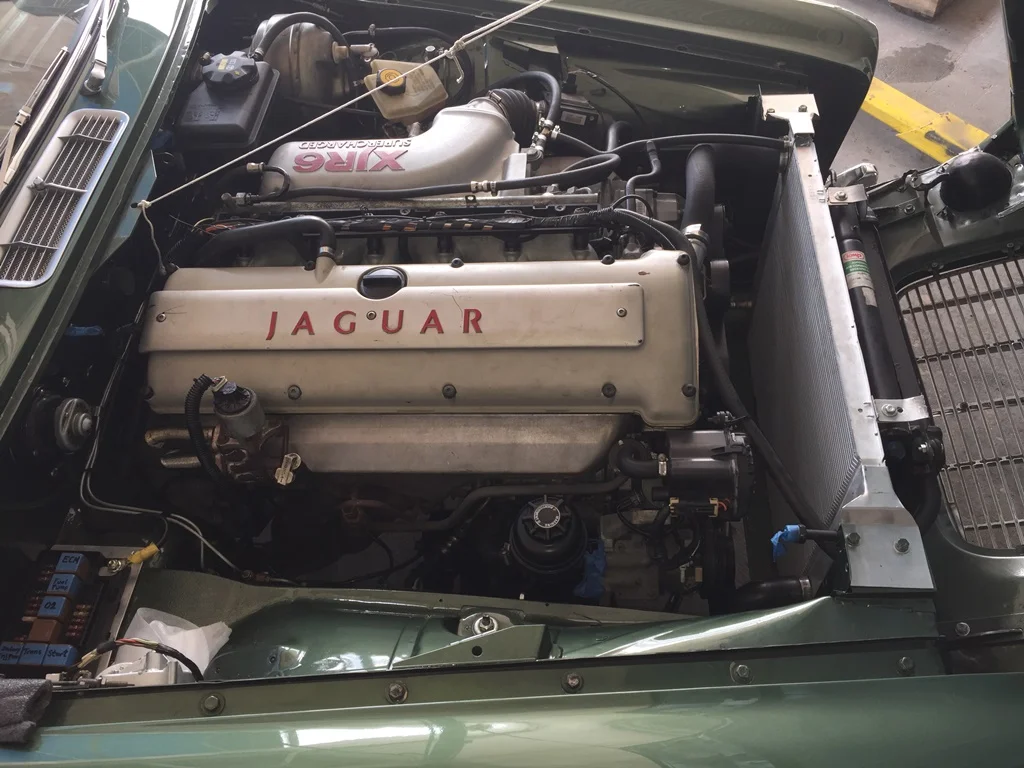
The AJ6 does require attentive maintenance. The cooling system needs regular flushing and quality coolant to prevent corrosion. The head gasket can be a weak point if the cooling system is neglected. Mechanics who stay on top of these items report very few serious failures.
The timing chain and guides are a known maintenance point. Replacing these at the correct intervals prevents catastrophic failure. Mechanics who know this engine well treat it as a straightforward task rather than a serious concern.
The AJ6 represents an era when Jaguar built engines with real engineering ambition. Mechanics who work on these cars develop a genuine respect for the design philosophy. The engine rewards careful ownership with extraordinary longevity.
Finding a high-mileage AJ6 that runs well is not unusual. These engines were built to last, and the ones that received proper care have proven that conclusively over forty years of real-world use.
4. Mercedes-Benz OM606 Diesel Inline-Six
The Mercedes-Benz OM606 is perhaps the most legendary diesel engine ever placed in a passenger car. It was produced from 1993 to 2001 and powered the W124 and W210 E-Class. Mechanics and diesel enthusiasts treat it with something close to reverence.
The OM606 used a mechanical injection pump rather than electronic common rail injection. This is considered one of its greatest strengths. Mechanical injection systems are simpler, more robust, and far easier to repair than modern electronic systems.
The lack of electronic complexity means there are fewer failure points. Mechanics can diagnose and repair this engine with traditional tools and knowledge. In an age of increasingly complex engine management systems, this simplicity is genuinely valuable.
The OM606 featured a cast-iron block that was over-engineered for the power levels it produced. Mercedes-Benz built it with substantial safety margins throughout. The bottom end is extraordinarily strong and capable of enormous mileage.
Owners regularly report mileage figures exceeding 500,000 kilometres on the original engine. Some examples have crossed one million kilometres with nothing more than routine maintenance. Mechanics have inspected these high-mileage engines and found internal wear that would be considered low on most engines at a fraction of the distance.

The OM606 responds extremely well to tuning. Mechanics and enthusiasts discovered that increasing fuel delivery could unlock significant additional power without compromising reliability. The engine’s built-in strength absorbs the extra stress without complaint.
Many examples have been transplanted into Land Rovers, trucks, and other vehicles specifically because of this combination of power, economy, and durability. Mechanics who perform these swaps become devoted advocates for the OM606.
The OM606 proves that great engineering does not require complexity. Its straightforward design, combined with Mercedes-Benz quality, produced an engine that the industry has never truly replaced. Mechanics who have worked on one understand immediately why its reputation is completely deserved.
Also Read: 4 High-Torque Climbing Vehicles In Reno vs. 4 Underpowered 4-Cylinder Cars
5. Ford Barra Inline-Six
The Ford Barra is Australia’s contribution to the list of great inline-six engines. Produced from 2002 to 2016 in the Ford Falcon, it became beloved by mechanics and performance enthusiasts across the country. Its reputation has since spread globally.
Ford Australia engineered the Barra to handle extreme conditions. Australian summers are brutal, and country driving places enormous demands on engines. The Barra was designed from the start to cope with heat, dust, and long distances without complaint.
The all-aluminium construction kept the Falcon competitive in fuel economy. The engine’s cooling system was designed for high ambient temperatures. Mechanics operating in hot climates know that thermal management is where many engines fail, and the Barra handles it well.
The naturally aspirated Barra produced competitive power for its displacement. However, it was the turbocharged versions that revealed the engine’s true character. The Barra Turbo and subsequent variants produced enormous power on stock internals.
Mechanics discovered quickly that the bottom end of the Barra was extraordinarily robust. The forged crankshaft and strong connecting rods could handle power levels far beyond the factory rating. Tuned examples producing over 700 kilowatts on the road are not uncommon.
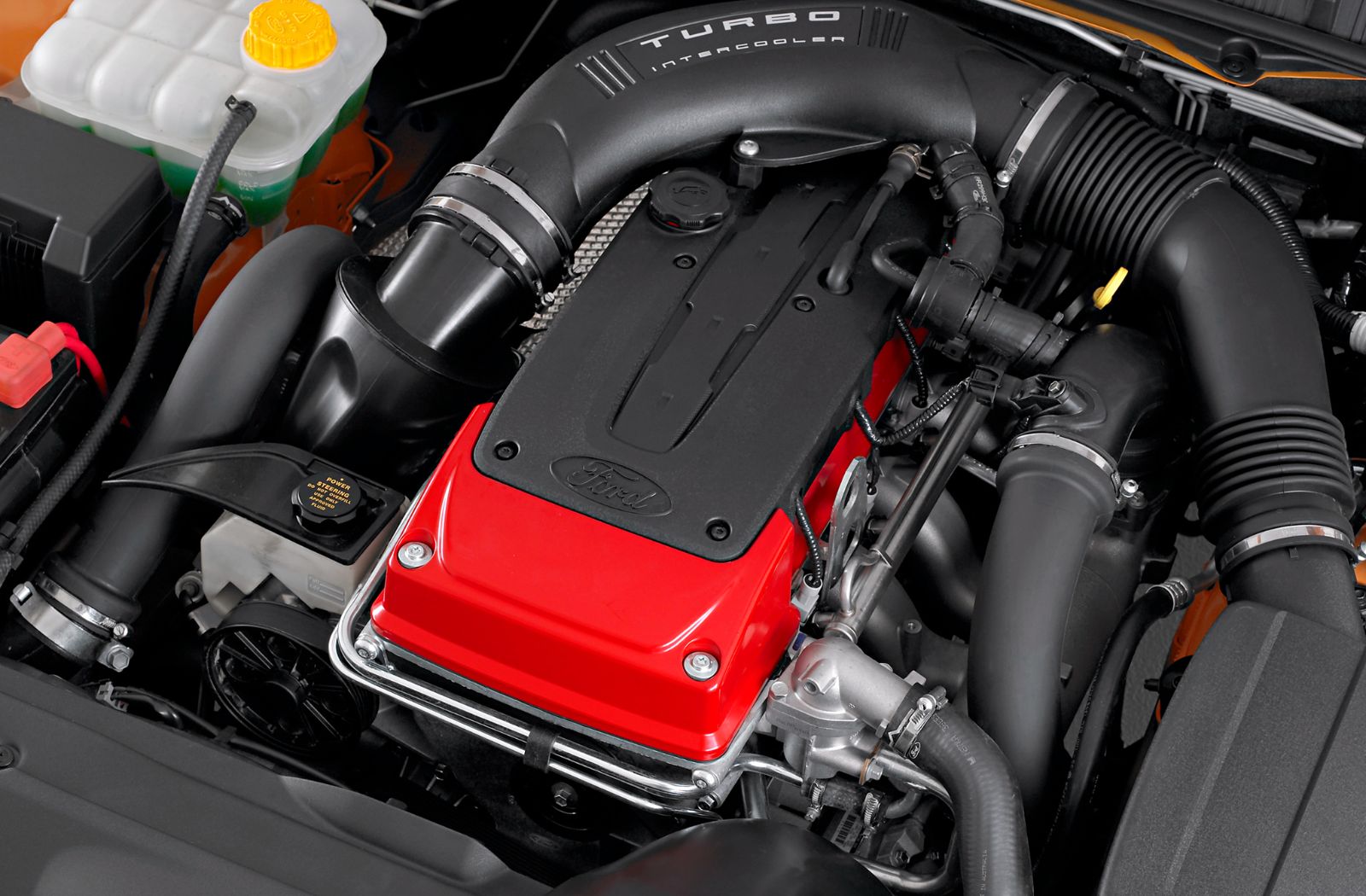
Beyond the performance credentials, the Barra was simply a reliable daily engine. Taxi operators and fleet users put enormous mileage on Falcon-based vehicles. The engine handled the punishment of continuous high-mileage use with consistency.
Regular oil changes and cooling system maintenance are all the Barra typically requires. Mechanics working on high-mileage examples find engines that have worn predictably and evenly. There are no hidden weak points waiting to cause expensive failures.
The Barra now has an international following. Mechanics and enthusiasts import these engines into other countries specifically for their reputation. This global spread of respect confirms what Australian mechanics have known for over twenty years. The Barra is a genuine all-time great.
6. BMW M20 Inline-Six
The BMW M20 was produced from 1977 to 1993 and powered some of BMW’s most iconic vehicles of that era. It appeared in the E21, E30, and E28 models. Mechanics who worked through that period remember it as one of the most reliable engines of the 1980s.
The M20 was not a complex engine. It used a single overhead camshaft and a relatively simple fuel system. BMW’s philosophy at the time was to engineer every component correctly rather than add unnecessary complexity. The result was an engine with very few failure modes.
The iron block and aluminium head combination gave the M20 excellent thermal stability. The engine warmed up quickly and maintained consistent temperatures across different operating conditions. Mechanics appreciate this predictability because it makes diagnosis and maintenance straightforward.
The M20’s one acknowledged weakness is its timing belt. Unlike many modern engines with timing chains, the M20 used a rubber timing belt that must be replaced on schedule. A broken timing belt on this engine causes catastrophic valve damage.
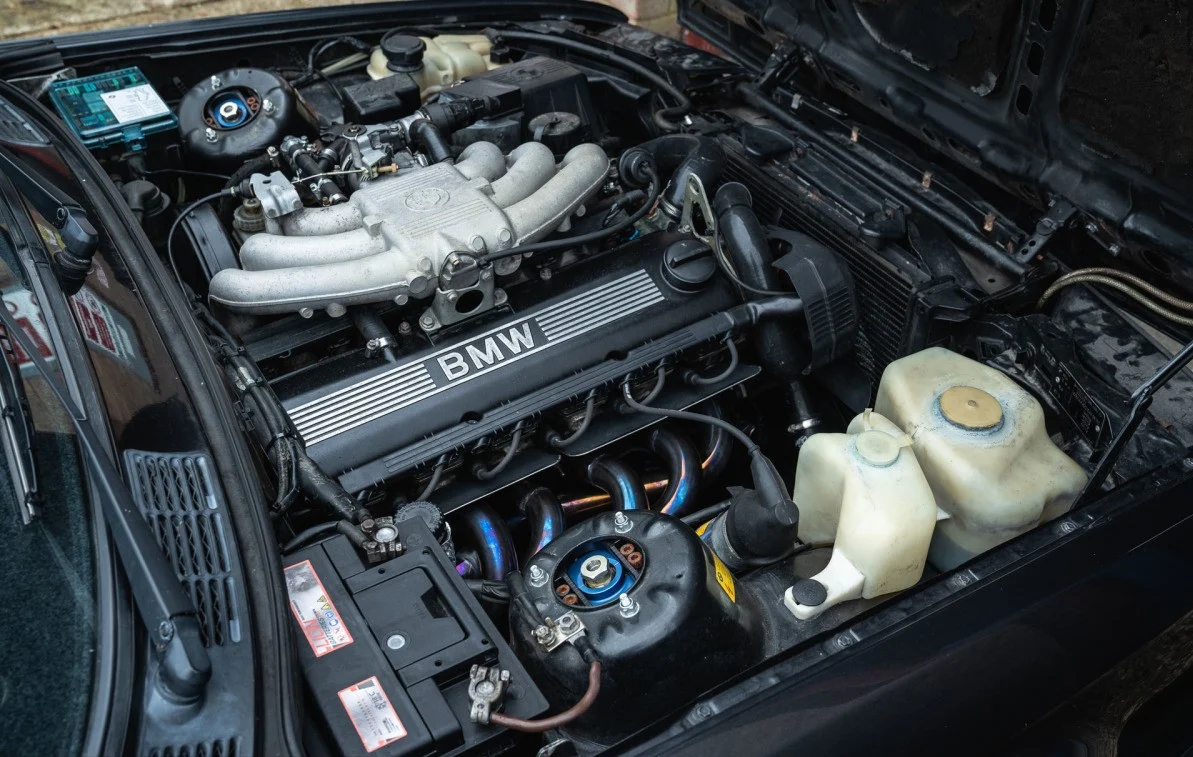
Mechanics who know the M20 treat this as non-negotiable. Replace the belt every 50,000 to 60,000 kilometres, and the engine will reward you with trouble-free operation. Neglect this interval, and the consequences are serious and expensive. It is a known quantity, and experienced mechanics handle it without concern.
The M20 powered everyday BMWs that were used as normal transport. These were not pampered collector cars. They were driven hard, serviced at independent workshops, and expected to keep running. The M20 did exactly that, year after year.
Finding original M20-powered BMWs with over 300,000 kilometres on the odometer is straightforward. The engines in these cars are often still running on their original bottom ends. This kind of documented longevity in ordinary use is the true measure of an engine’s durability.
Many mechanics argue that the M20 is what built BMW’s reputation for building driving machines that last. It combined engaging performance with genuine reliability. That combination remains BMW’s brand identity today, and the M20 is where it was truly established.
7. Nissan RB26DETT Inline-Six
The Nissan RB26DETT is the engine that powered the legendary Skyline GT-R from 1989 to 2002. It is one of the most discussed performance engines in automotive history. Mechanics who specialise in Japanese performance cars treat it as a reference point for everything that followed.
Nissan developed the RB26DETT specifically to meet the demands of Group A touring car racing. The homologation requirements meant that the road car engine had to be production-feasible while also being race-ready. This resulted in an engine built to an extraordinarily high standard.
The twin-turbo setup used ceramic turbine wheels for quick response and heat resistance. The block was iron, providing the structural rigidity that high-revving, high-boost operation demands. Every component was engineered with performance and longevity in mind simultaneously.
Nissan kept the displacement at 2.6 litres to stay within racing class regulations. However, the engine was designed with generous internal dimensions that allowed significant tuning potential. The oversquare bore-to-stroke ratio allowed high revving without excessive piston speed.
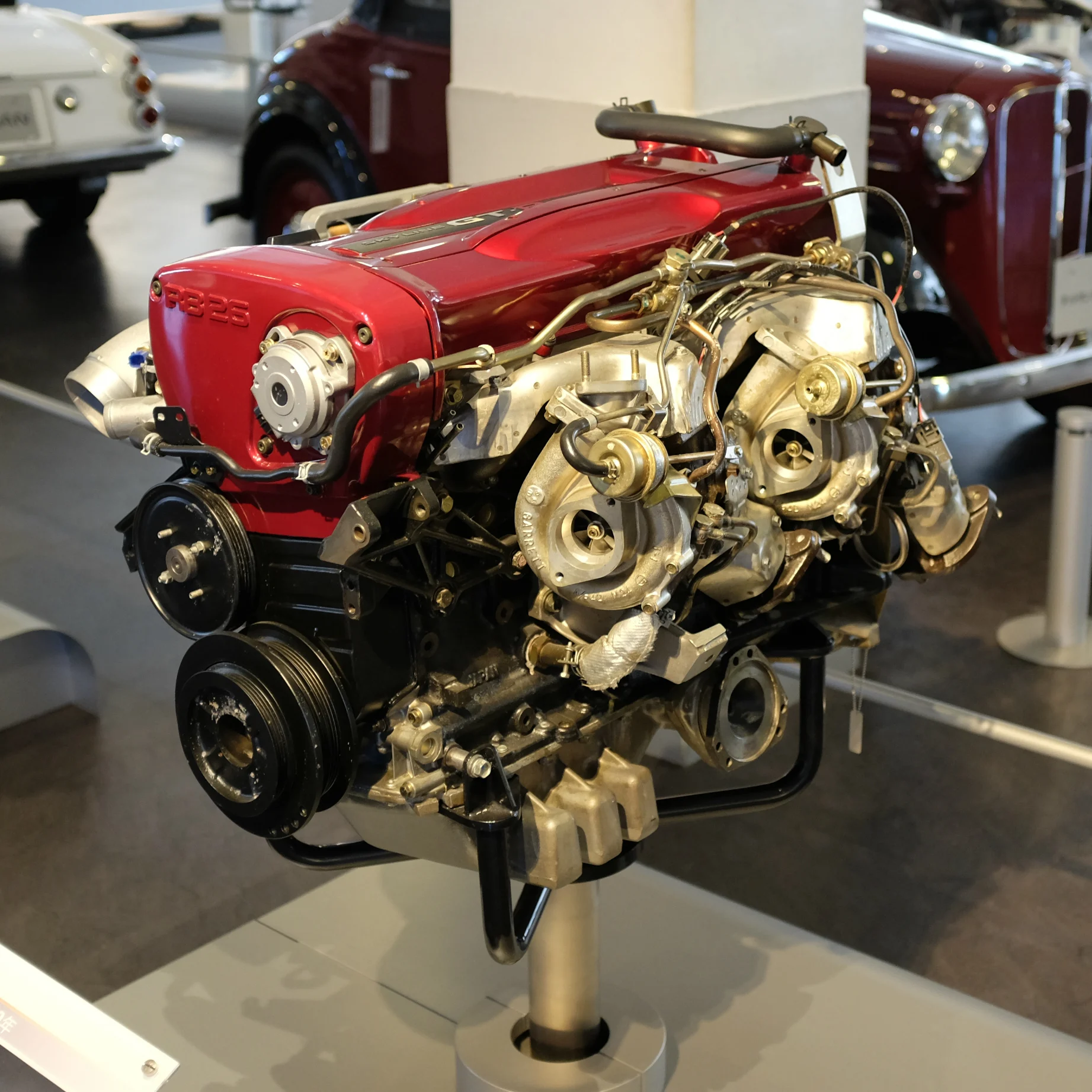
Mechanics who have rebuilt RB26DETT engines comment on the quality of the casting and machining. The tolerances are tight, the surfaces are well-finished, and the assembly quality from the factory was excellent. Nissan built this engine knowing it would face scrutiny from racing engineers.
Beyond the racing credentials, the RB26DETT has proven itself in everyday use. Skyline GT-Rs were used as serious road cars in Japan, and many have accumulated extraordinary mileage. The engine’s strength means it handles normal use with ease.
Mechanics note that properly maintained RB26DETT engines age very gracefully. Oil consumption remains low, compression stays consistent, and the engine continues to perform as designed at very high mileage. This is the mark of a truly well-engineered unit.
Thirty years after the last GT-R it powered left the factory, the RB26DETT remains in production as a crate engine through Nismo. That level of ongoing commercial demand reflects a reputation that has only grown stronger with time. Mechanics will not bet against an engine with that kind of history.
8. Land Rover 300Tdi Inline-Six (2.5 Diesel)
The Land Rover 300Tdi was produced from 1994 to 1998 and represents the peak of Land Rover’s in-house diesel engine development. It powered the Defender, Discovery, and Range Rover Classic. Mechanics who specialise in off-road vehicles consider it one of the most capable diesel engines ever produced for working use.
Land Rover developed the 300Tdi specifically for use in demanding environments. Military contracts, agricultural use, and expedition vehicles all required an engine that could survive conditions no normal engine would face. The 300Tdi was engineered to meet those demands.
The cooling system was designed for operation in extreme temperatures. The lubrication system was robust enough to handle the side loads experienced during severe off-road articulation. These are considerations that passenger car engineers rarely need to address.
The 300Tdi was mechanically straightforward. It used a direct injection system that did not require the complexity of a pre-combustion chamber. The injection pump was a tried-and-tested mechanical unit that mechanics could service with conventional tools.
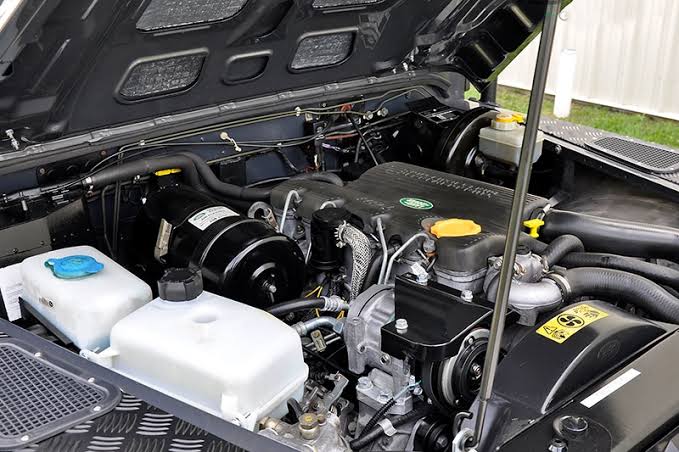
This simplicity translates directly into reliability. There are very few electronic components that can fail. The engine’s operation is governed by mechanical systems that are predictable, diagnosable, and repairable in remote locations with basic tools. This is exactly what expedition users and working vehicle operators need.
The 300Tdi has crossed deserts, climbed mountains, and worked on farms across every continent. It has been used in humanitarian operations in remote areas where engine failure could mean loss of life. The engine has consistently delivered when everything depended on it.
Mechanics who maintain working Land Rovers know that a well-serviced 300Tdi will run indefinitely. Timing belts and injectors need attention at correct intervals. The rest of the engine simply keeps operating. This reliability in real working conditions is what separates truly great engines from merely good ones.
The 300Tdi’s reputation among mechanics is built entirely on field experience. It has no marketing to support it. Its reputation comes purely from the testimony of people who have worked on it and depended on it in situations where alternatives were not available.
Mechanics who know this engine do not hesitate when asked about it. Their answer is always the same properly maintained, it will outlast everything around it.
9. Volvo B230 Inline-Four / Volvo B6304 Inline-Six
The Volvo B6304 inline-six was produced from 1990 to 2010 and powered the 960, S90, and early S80 models. It represents Volvo’s approach to the inline-six configuration prioritising longevity, smoothness, and absolute reliability above everything else.
Volvo built the B6304 to support the brand’s reputation for building the safest and most durable cars on the road. The engine was not designed for exciting performance figures. It was designed to start every morning, in every climate, and run reliably for hundreds of thousands of kilometres.
The aluminium construction kept weight sensible. The single overhead camshaft design was uncomplicated and had very few failure modes. Volvo’s engineering team focused on getting the fundamentals exactly right rather than chasing technical complexity.
The B6304 managed heat extremely well. Volvo paid careful attention to coolant flow, oil circulation, and component spacing. The result was an engine that ran at consistent temperatures even under sustained load. Thermal stability is one of the most important factors in engine longevity.
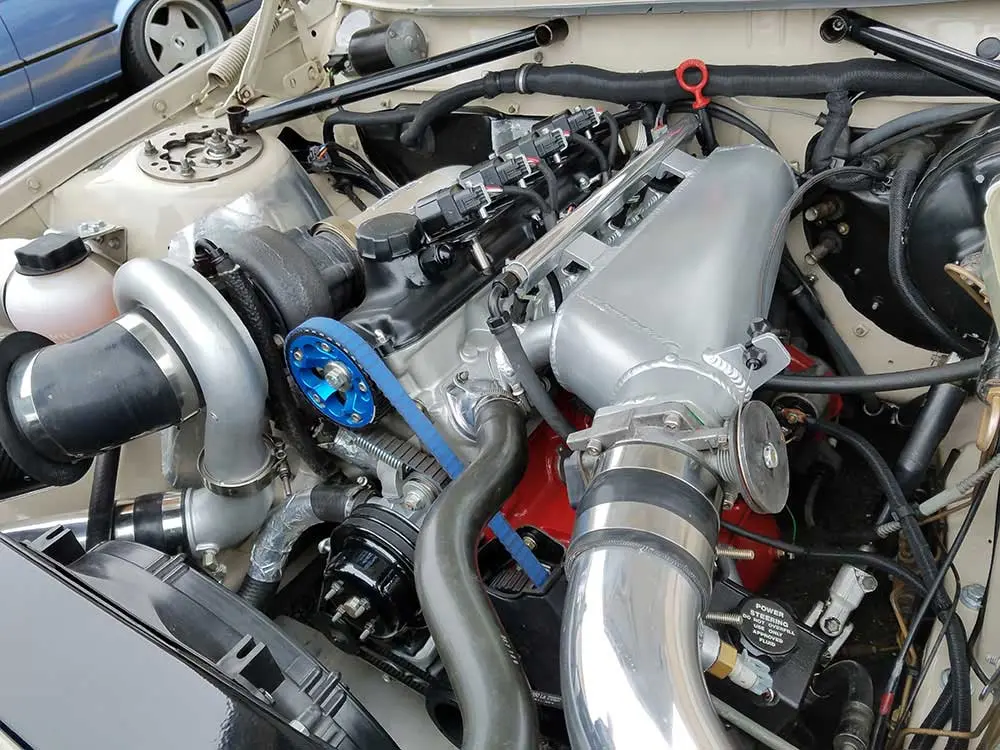
Mechanics who work on Volvos regularly comment on how evenly these engines wear. There are no hot spots that cause premature failure. The even temperature distribution means that seals, gaskets, and bearings all wear at similar rates, making maintenance predictable and manageable.
Volvo owners are famously loyal and often meticulously record their service history. This creates an unusual amount of documented evidence for the B6304’s longevity. Examples with over 400,000 kilometres are common in Volvo owner communities. Some have reached 600,000 kilometres on the original engine.
Mechanics who service these high-mileage examples confirm what the owners report. The engines are not simply surviving they are operating within acceptable parameters at mileages that would represent catastrophic wear in many other engines. This is real-world proof of genuine engineering quality.
The B6304 never attracted the same enthusiast following as the 2JZ-GTE or the RB26DETT. It was not a performance engine, and it was never designed to be one. However, among mechanics who value durability above all else, it is mentioned in the same breath as those celebrated performance units.
Volvo built the B6304 to do one thing last. It accomplished that mission with quiet consistency over two decades of production and continues to prove its quality every day in vehicles that are still running reliably well past the age when most engines have long been replaced.
Also Read: 6 Factory Audio Systems In the USA vs 6 Buzzing Plastic Doors
