
American car buyers love their music. Factory audio systems have become one of the most talked-about features in the automotive world today. Every major automaker in the USA now partners with premium audio brands. These partnerships promise concert-hall sound right inside your vehicle cabin.
But here is the dirty secret nobody talks about at the dealership. That same car delivering crystal-clear bass often rattles and buzzes from its own plastic door panels.
Factory audio systems have improved dramatically over the past decade. Brands like Bose, Harman Kardon, and Bang & Olufsen now tune systems specifically for each car model.
Yet plastic door panels, cheap clips, and vibrating trim pieces remain a stubborn engineering problem. A $3,000 premium sound upgrade can be completely ruined by a $2 plastic clip.
This article explores six of the most impressive factory audio systems available in American cars today. It also dives deep into six vehicles notorious for their maddening door buzzes and rattles.
Understanding both sides of this equation helps buyers make smarter decisions. You deserve to know what you are truly getting for your money before signing that contract.
6 Factory Audio Systems In the USA
These factory-installed audio systems are known for clear sound quality, well-tuned speakers, and solid door panel insulation, delivering a refined listening experience straight from the showroom.
Designed to suit American driving conditions and long highway commutes, they offer balanced bass, crisp vocals, and minimal cabin vibration. Their well-fitted interior panels and better sound dampening help maintain premium audio performance even after years of use.
1. Burmester 3D Surround Sound System, Mercedes-Benz S-Class
The Mercedes-Benz S-Class has long been considered the gold standard of luxury motoring. Its available Burmester 3D Surround Sound System takes that reputation even further into extraordinary territory.
Burmester is a German high-end audio company based in Berlin. They have been crafting reference-grade home audio equipment since 1977, and their automotive work reflects that same obsessive dedication to quality.
The S-Class system features 30 individual speakers spread throughout the cabin. Every seat position receives precisely calibrated sound based on its unique location inside the vehicle.
The system pumps out an astonishing 1,590 watts of total amplifier power. That is more power than many home theater setups that cost tens of thousands of dollars.
What makes Burmester truly special is their “Resonance Sound Body” technology. Certain interior surfaces of the S-Class are actually used as resonating chambers to enhance low-frequency reproduction.
The dashboard itself becomes part of the speaker system in a remarkable engineering feat. This creates a sense of acoustic space that traditional speaker placement simply cannot achieve.
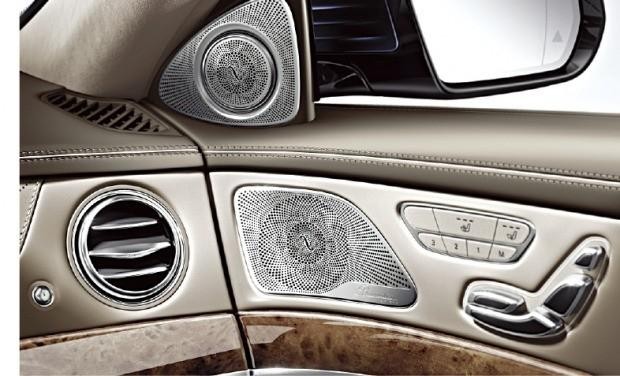
Burmester also employs “3D Sound” processing that places audio above the listener as well as around them. The effect is genuinely immersive and surprisingly convincing even for trained audiophiles.
Each S-Class interior is measured acoustically before the system is calibrated. Mercedes engineers use advanced measurement microphones to ensure every example sounds as intended.
The equalizer curves are adjusted based on which upholstery package the customer selects. Leather interiors absorb sound differently than Nappa leather, and Burmester accounts for every variable.
American buyers who option the full Burmester 3D package pay a significant premium over the base audio system. The upgrade costs approximately $6,400 when ticked on the options sheet.
However, people who experience this system consistently describe it as transformative. Many say it is the finest listening experience they have ever had outside of a dedicated listening room.
The bass response is tight, controlled, and physically present without ever becoming muddy or bloated. Midrange clarity allows vocals to float naturally in a defined stereo image directly in front of the listener.
High-frequency reproduction is silky smooth and extended without ever becoming harsh or fatiguing. Long highway drives become genuine listening sessions rather than background noise management.
Car audio reviewers across America consistently place the Burmester S-Class system among the top three factory installations ever produced. It represents the absolute pinnacle of what automotive audio engineering can currently achieve.
2. Bang & Olufsen Beosound, Audi A8
Audi has always positioned itself as a technology leader among European luxury brands sold in America. Their partnership with Danish audio legend Bang & Olufsen perfectly complements that identity.
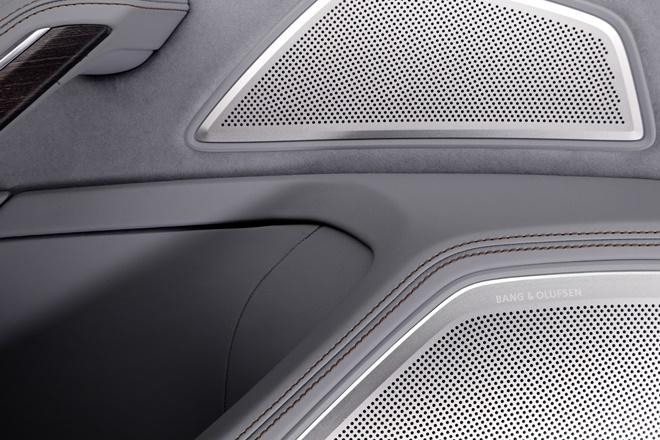
Bang & Olufsen has been synonymous with beautiful sound and beautiful design since 1925. Their signature aluminum tweeters and distinctive acoustic lenses are immediately recognizable to anyone familiar with the brand.
The Audi A8’s Beosound system features 23 speakers and a total output of 1,920 watts. That figure represents one of the highest wattage outputs available in any production luxury sedan sold in the United States.
What immediately distinguishes this system is the rising aluminum tweeter design. When you start the A8, the tweeters physically rise from the dashboard in a theatrical display of mechanical elegance.
This is not just showmanship, though the effect is undeniably dramatic. The rising tweeters position the high-frequency drivers at the ideal acoustic height for seated listeners in the front row.
Bang & Olufsen’s acoustic engineers spent over 1,000 hours tuning this system specifically for the A8 body. Every resonance, reflection, and absorption characteristic of the interior was carefully mapped and addressed.
The system uses a technology called “True Image” to create an expansive soundstage. Listeners feel as though the musicians are performing in a space much larger than the car’s physical dimensions suggest.
The subwoofer is positioned in the trunk and uses the entire spare tire well as an acoustic enclosure. This clever packaging solution maximizes bass output without sacrificing cargo space in any meaningful way.
American audiophiles who drive the A8 regularly comment on the system’s ability to handle complex orchestral passages. The separation between individual instruments remains clear and distinct even at reference listening levels.
The Beosound system handles modern streaming audio formats with particular skill. Apple Music’s spatial audio and Tidal’s MQA content both sound exceptional through this carefully engineered setup.
Bang & Olufsen also offers a “Concert Hall” listening mode that dramatically expands the perceived acoustic space. The effect is achieved through sophisticated digital signal processing rather than artificial reverb tricks.
Pricing for the B&O upgrade in the A8 runs approximately $5,500 in American market configurations. Most A8 buyers consider this one of the most worthwhile options on an already expensive vehicle.
3. Meridian Trifield, Land Rover Range Rover
Land Rover’s partnership with British audio company Meridian has produced some genuinely remarkable results. The Meridian system available in the Range Rover is a particular standout in the premium SUV category.
Meridian was founded in 1977 and quickly established itself as a reference-grade audio brand. Their DSP processors and amplifier designs are used in some of the world’s most respected audio installations.
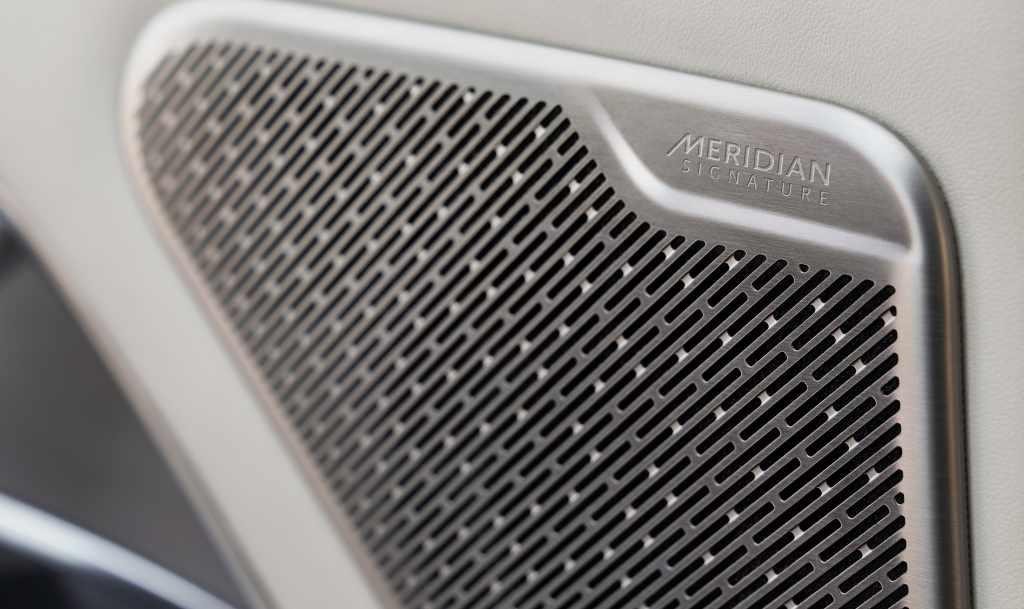
The Range Rover’s top-tier Meridian Signature Sound System features 35 speakers and 1,600 watts of power. This makes it one of the most speaker-dense cabin installations currently available on the American market.
Meridian’s signature technology is called “Trifield.” This proprietary processing creates a three-dimensional sound field that surrounds every passenger in the vehicle simultaneously.
Traditional stereo imaging only serves the driver effectively in most car audio setups. Trifield ensures that rear passengers experience equally convincing stereo imaging without any compromise to the front presentation.
The system uses sophisticated psychoacoustic processing to achieve this effect. Rather than simply playing different signals through different speakers, Trifield actually models how human hearing works and engineers the sound accordingly.
The Range Rover’s cabin acoustics presented particular challenges for Meridian’s engineers. The vehicle’s large glass area and complex interior geometry required extensive custom tuning work.
Meridian’s engineers conducted hundreds of listening sessions inside pre-production Range Rovers. They adjusted crossover frequencies, time alignment, and equalization curves iteratively until every seat sounded exceptional.
Bass management in the Meridian system is particularly impressive given the Range Rover’s dimensions. The system maintains tight, musical bass reproduction even when the vehicle is traversing rough terrain.
Meridian also incorporates a “Cabin Correction” feature that adjusts the sound profile based on how many passengers are present. More passengers absorb more sound, and the system compensates automatically in real time.
American Range Rover buyers have access to three tiers of Meridian audio. The entry Meridian system, the Meridian surround system, and the full Meridian Signature all offer progressively higher performance levels.
The Signature system represents a genuine engineering achievement in mobile audio. It transforms what might otherwise be a utilitarian cabin into a genuinely enjoyable acoustic environment regardless of road conditions.
4. Bose Performance Series, Cadillac Escalade
No discussion of American factory audio systems would be complete without acknowledging Bose. The Massachusetts-based audio giant has been a fixture in American vehicles for decades, and their Escalade installation is their current showpiece work.
Bose and General Motors have maintained a collaborative relationship since 1983. That partnership has deepened significantly with the current-generation Escalade’s Performance Series system.
The Escalade’s Bose Performance system features 36 speakers strategically positioned throughout the massive cabin. The system delivers 855 watts through a network of carefully sized and positioned drivers.
Bose’s signature technology in this installation is called “AudioPilot.” This system uses microphones mounted in the headliner to continuously monitor cabin noise levels during driving.
When road noise, wind noise, or engine noise increases, AudioPilot automatically adjusts the system’s output to compensate. The goal is maintaining consistent perceived loudness and clarity regardless of driving conditions.
The Escalade’s three rows of seating present unique acoustic challenges for any audio engineer. Bose addressed this by treating each seating zone as a semi-independent acoustic space with its own speaker assignments.
The system’s subwoofer is integrated into the B-pillar area rather than consuming cargo space. This creative packaging solution was developed specifically for the Escalade’s proportions and interior layout.
Bose engineers spent considerable time addressing the Escalade’s large glass area, which creates significant acoustic challenges. The panoramic sunroof and large side windows all contribute to complex sound reflections inside the cabin.
American truck and SUV buyers have responded enthusiastically to the Performance Series upgrade. Cadillac dealers report that audio system upgrades are among the most frequently selected options on new Escalade orders.
The system handles hip-hop and R&B music with particular authority given its subwoofer capability. However, it equally impresses with acoustic jazz and classical recordings that reveal its precise midrange performance.
Bose continues refining the system through over-the-air software updates accessible through the Escalade’s infotainment system. This means the system can actually improve after purchase as Bose releases new signal processing algorithms.
The Escalade’s Bose Performance system represents the best large-cabin audio solution available in any American domestic brand vehicle. It is a genuine point of pride for both Bose and General Motors engineering teams.
Also Read: 5 Hybrid Systems With Proven Transmission Longevity vs 5 Still Facing Recalls
5. Harman Kardon Logic 7, BMW 7 Series
BMW’s long-standing partnership with Harman Kardon has produced consistently impressive results across their lineup. The Logic 7 system available in the 7 Series represents the very best of that collaboration.
Harman Kardon is an American audio brand with roots stretching back to 1953. Their automotive division works closely with BMW’s acoustic engineers during the vehicle development process itself, not merely afterward.
The 7 Series Harman Kardon system features 20 speakers and 1,200 watts of total amplifier power. The system is designed to work in concert with the vehicle’s specific interior dimensions and materials.
Logic 7 is Harman Kardon’s proprietary surround sound processing algorithm. It takes any stereo or multi-channel audio source and processes it into a convincing seven-channel surround presentation.
The technology was originally developed for home theater applications before being adapted for automotive use. The automotive version has been substantially refined to account for the unique acoustic challenges of a car cabin.
BMW’s interior design philosophy emphasizes clean lines and minimal visual clutter. Harman Kardon accommodated this by integrating most speakers seamlessly into the door panels and headliner without visible grilles.
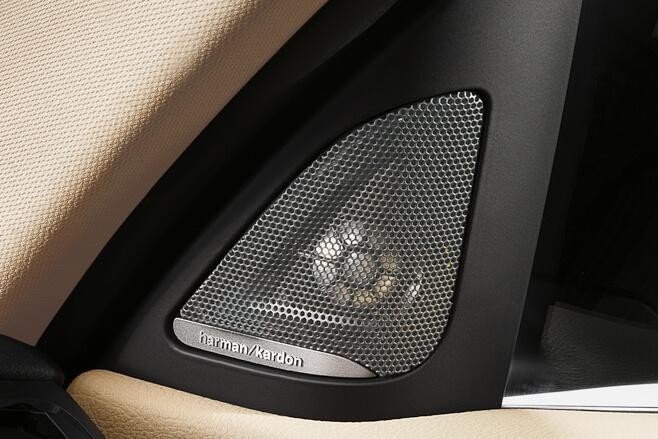
The tweeter housings are finished in premium materials that complement the 7 Series’ interior design language. Sound quality and aesthetic integration were pursued simultaneously rather than as competing priorities.
Bass reproduction in the 7 Series system benefits from the vehicle’s large door cavities. The woofer cabinets in the front doors are precision-engineered to serve as sealed acoustic enclosures with carefully calculated internal volumes.
American BMW buyers who regularly travel long distances consistently praise the Logic 7 system for its fatigue-free presentation. The system never becomes harsh or aggressive even during extended high-volume listening sessions.
Harman Kardon’s equalization curves were developed through listening panel research involving both professional audio engineers and everyday music lovers. This dual-focus approach ensures the system pleases trained ears without alienating casual listeners.
The system’s digital-to-analog converters are sourced from Harman’s reference audio division rather than being automotive-grade components. This commitment to component quality is clearly audible in the system’s performance.
The 7 Series Harman Kardon Logic 7 system represents exceptional value relative to competing European luxury brand audio upgrades. It delivers genuinely premium performance at a more accessible option price point.
6. McIntosh MX950, Jeep Grand Wagoneer
The pairing of McIntosh Laboratory audio equipment with the Jeep Grand Wagoneer is one of the most unexpected and exciting factory audio stories in recent American automotive history. McIntosh is one of America’s most revered high-end audio brands, founded in Silver Spring, Maryland in 1949.
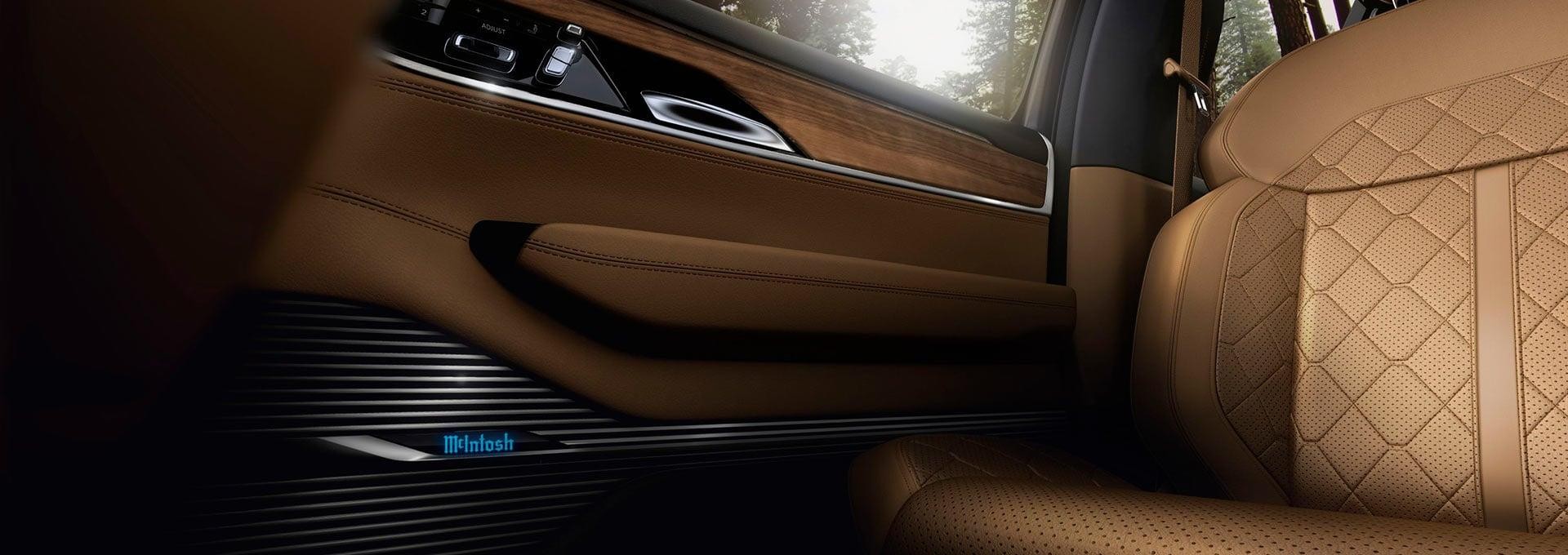
McIntosh amplifiers are legendary among serious audiophiles for their distinctive blue power meters and warm, musical sound character. Seeing McIntosh equipment in a production SUV was genuinely shocking when first announced.
The Grand Wagoneer’s McIntosh system features 23 speakers and 950 watts of total amplifier output. The signature blue-lit power meters are actually visible through a window in the dashboard, a stunning visual detail.
McIntosh engineers worked with Stellantis acoustic teams for over two years developing this system. The collaboration began during the Grand Wagoneer’s early development phase rather than being added as an afterthought.
The system’s amplifier channels are matched to specific speaker sizes throughout the cabin. Each driver receives precisely the power level it was designed to handle for optimal performance and longevity.
McIntosh’s signature “Power Guard” clipping protection technology is incorporated into the automotive system. This prevents distortion even when the system is driven hard by enthusiastic listeners.
The Wagoneer’s large cabin volume required McIntosh to develop new crossover configurations not previously used in their home audio products. This resulted in some genuinely novel acoustic engineering solutions.
Bass performance from the system’s subwoofer is particularly impressive for an American domestic brand SUV. The low-frequency extension and control rival systems in vehicles costing significantly more money.
American buyers have responded to the McIntosh branding with tremendous enthusiasm. The visible power meters have become a genuine talking point and source of pride among Grand Wagoneer owners across the country.
Car audio publications initially skeptical of the McIntosh name appearing in a mass-market vehicle were largely won over upon actual listening evaluations. The system genuinely reflects McIntosh’s musical heritage rather than simply licensing their name.
The Grand Wagoneer McIntosh system represents a significant moment for American audio in American cars. It proves that world-class audio engineering and accessible luxury vehicle pricing are not mutually exclusive goals.
6 Buzzing Plastic Doors
These vehicles are often known for poor door panel insulation and plastic trim that tends to buzz or rattle, especially when music with heavy bass is played.
Over time, clips loosen, plastic panels vibrate, and speaker mounts may weaken, creating irritating cabin noises that reduce audio quality. While the sound system itself may be decent, buzzing door panels can make the cabin feel cheap and significantly affect the listening experience.
1. Ford F-150
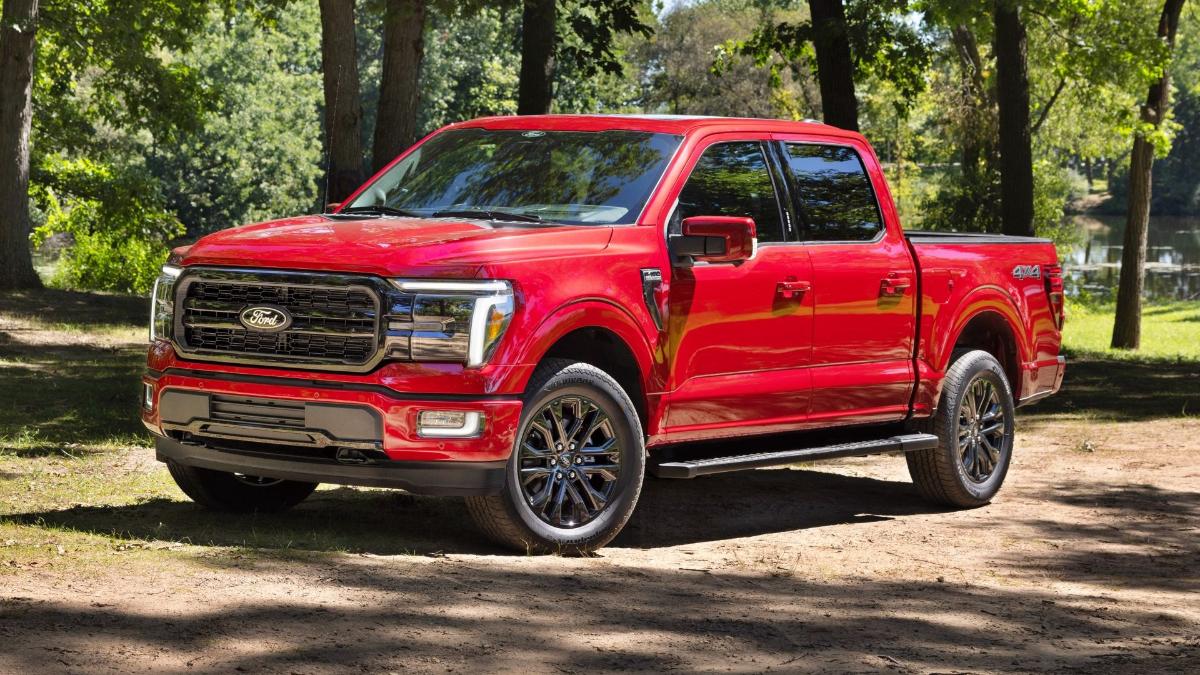
The Ford F-150 is America’s best-selling vehicle and has been for over four decades running. Unfortunately, it has also developed a persistent reputation for interior rattles that has followed it through multiple generations.
The F-150’s door panels are constructed using multiple layers of plastic cladding and interior trim pieces. These components are clipped and screwed together in a complex assembly that creates numerous potential vibration points.
At highway speeds between 65 and 75 miles per hour, many F-150 owners report a persistent buzzing sound from the door panels. The sound is often described as a cicada-like buzzing that appears and disappears with changes in road surface.
The primary culprit is typically the window regulator bracket contacting the inner door panel. Ford uses a plastic regulator guide channel that can develop microscopic clearances over time as clips fatigue.
The speaker mounting rings in the F-150’s doors are another well-documented noise source. The factory speaker mounting hardware uses plastic grommets that can loosen after repeated thermal cycling from temperature changes.
Ford has issued several technical service bulletins addressing door panel noises across multiple F-150 generations. The consistent reappearance of these bulletins suggests the root cause has never been fully engineered away.
The SuperCrew cab configuration with four full-size doors is particularly susceptible to these issues. More doors mean more potential noise sources multiplied across a larger interior surface area.
Owners on F-150 enthusiast forums across America have developed extensive DIY guides for addressing these rattles. Common fixes include applying butyl foam tape to the door speaker mounting flanges and re-securing loose clip fasteners.
The irony is particularly sharp for F-150 buyers who select the available Bang & Olufsen audio upgrade. Thousands of dollars in premium audio equipment can be completely overshadowed by a rattling door clip worth pennies.
Ford’s quality control teams are certainly aware of these issues given the volume of consumer complaints and service bulletin documentation. The challenge appears to be cost-effectively engineering out rattles during high-volume production.
Climate extremes across America’s geography make the problem worse over time. Door panels exposed to Texas summer heat and Minnesota winter cold experience significant thermal stress that accelerates clip degradation.
The F-150 remains an extraordinary vehicle in almost every other respect. The rattle issue is a frustrating asterisk on an otherwise impressive ownership experience for many American truck buyers.
2. Dodge Challenger
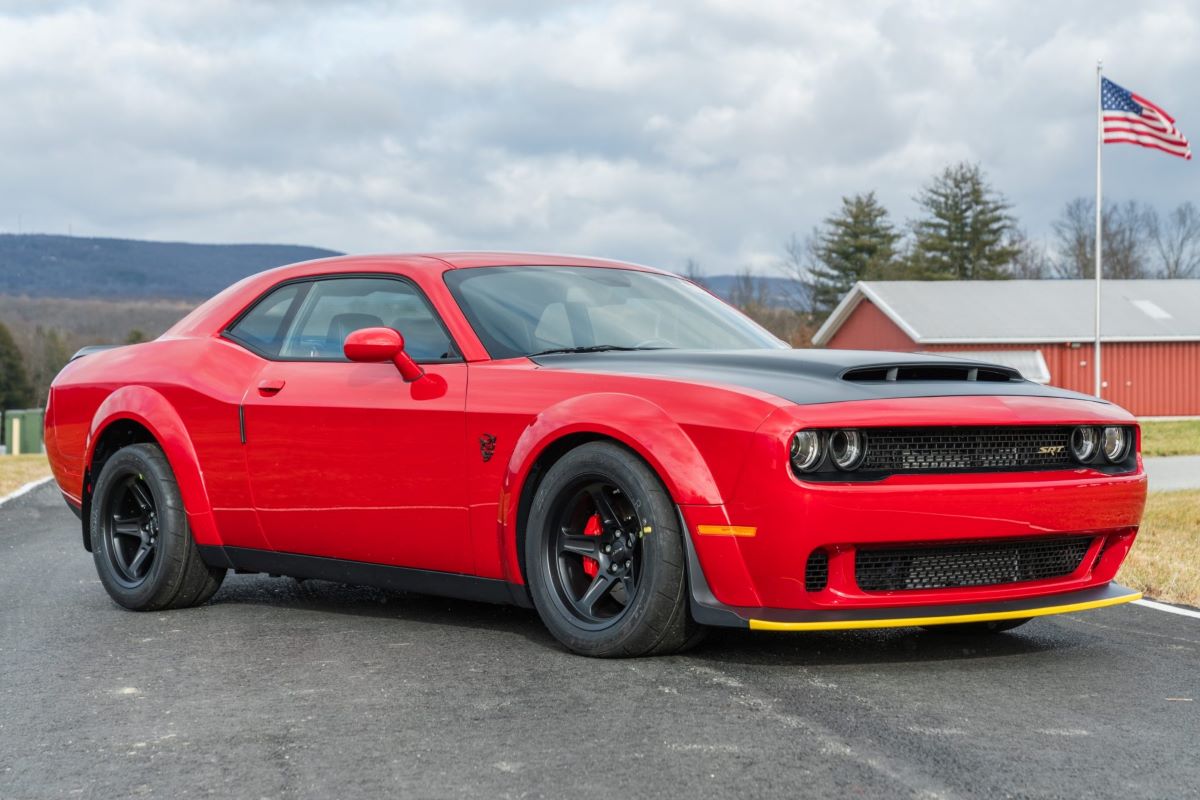
The Dodge Challenger is one of America’s most beloved muscle cars, delivering thrilling performance and unmistakable retro styling. Its interior, however, tells a different acoustic story that owners discuss candidly in online communities.
The Challenger’s interior was designed in the mid-2000s and entered production in 2008. Despite periodic refreshes, the fundamental door panel architecture remained largely unchanged throughout its production run.
The wide, flat door panels on the Challenger use large expanses of hard plastic trim that act effectively as sounding boards. Road vibrations transmitted through the body translate directly into panel resonance that is clearly audible inside the cabin.
The door panel-to-door shell interface is a particularly common noise source in the Challenger. The clips securing the inner panel to the door frame lose their grip over time, creating small gaps that generate buzzing under vibration.
Many Challenger owners report that the noise is speed-dependent and surface-dependent. Certain highway expansions and concrete road seams seem to excite specific resonant frequencies that make the doors sing unpleasantly.
The rear quarter panels where the C-pillar trim meets the rear door surround are another documented trouble area. This joint involves multiple trim pieces meeting at complex angles with marginal clip engagement from the factory.
Dodge’s interior suppliers used plastic formulations that can become more brittle in cold weather. Northern American Challenger owners in states like Michigan and Wisconsin report significantly worse rattle issues during winter months.
The door-mounted speaker grilles on base and mid-grade Challengers are particularly prone to buzzing. The grille edges contact the panel surface imprecisely and vibrate visibly when the audio system is used at moderate volumes.
Challenger owners who invest in aftermarket sound deadening products like Dynamat or Second Skin report dramatic improvements. Applying mass-loaded vinyl to the interior door skin reduces panel resonance significantly and is a popular modification.
The Harman Kardon audio system available in upper Challenger trims sounds genuinely impressive in a properly deadened installation. But the factory door panels undermine that system’s performance considerably in an untreated configuration.
Stellantis has acknowledged interior noise concerns in various customer satisfaction communications over the years. However, given the Challenger’s production lifespan, comprehensive re-engineering was never prioritized before the model’s eventual discontinuation.
The Challenger remains a deeply satisfying driver’s car in almost every meaningful way. The door rattle issue is an unfortunate reminder that interior quality and performance engineering do not always advance together.
3. Chevrolet Silverado
The Chevrolet Silverado competes directly with the Ford F-150 for America’s truck buyer loyalty. It also competes in an entirely unintended category interior plastic noise generation at highway speeds.
GM’s interior suppliers have used similar plastic formulations across multiple Silverado generations that are susceptible to thermal warping. Even small dimensional changes from heat exposure create clearances between trim pieces that become noise sources.
The Silverado’s door panel construction uses a main plastic carrier board with multiple secondary trim pieces clipped on top. Each clip attachment point is a potential rattle location that multiplies the noise risk considerably.
The window switch bezels on Silverado door panels are a well-documented source of interior buzzing. The switches sit in plastic housings that can develop minor looseness over time, creating a persistent vibration when driving over rough pavement.
Center console lid hinges on the Silverado are another frequently mentioned noise generator in owner communities. The plastic hinge mechanism develops play over time that produces clicking and rattling sounds on uneven road surfaces.
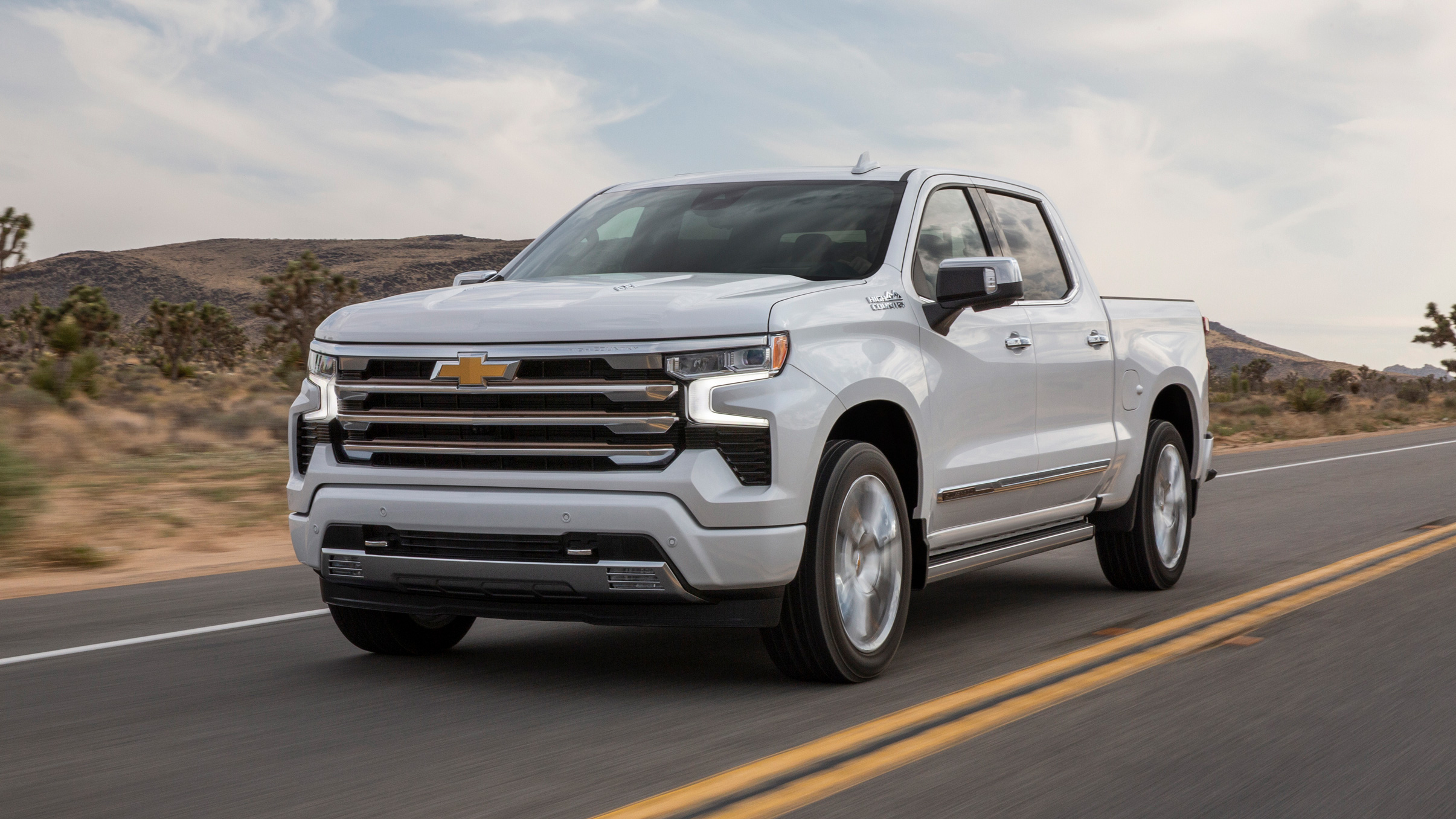
The dashboard-to-door surround transition area is a complex assembly point in the Silverado. Multiple plastic components meet at this junction, and maintaining consistent contact between all of them under real-world conditions proves challenging.
GM has issued technical service bulletins specifically addressing interior creaks and rattles in Silverado models across multiple generations. The persistence of these bulletins across model years indicates an unresolved underlying design or manufacturing challenge.
Silverado owners who upgrade to the available Bose sound system are sometimes disappointed by the rattle interference. The improved bass output from the Bose subwoofer can actually excite door panel resonances that the factory audio system never triggered.
Interestingly, the heavier-duty materials used in the Silverado HD models tend to produce fewer interior rattles. The additional structural reinforcement in the doors and body panels reduces the vibrational energy reaching interior trim pieces.
American work truck buyers often accept some degree of interior noise as an expected trade-off. However, the Silverado is increasingly positioned as a lifestyle vehicle competing with luxury trucks, where interior noise standards are significantly higher.
GM’s manufacturing quality has improved meaningfully on newer Silverado generations, particularly in build consistency. The fundamental plastic clip and panel architecture, however, continues to present challenges that engineering refinements have only partially resolved.
4. Chrysler Pacifica
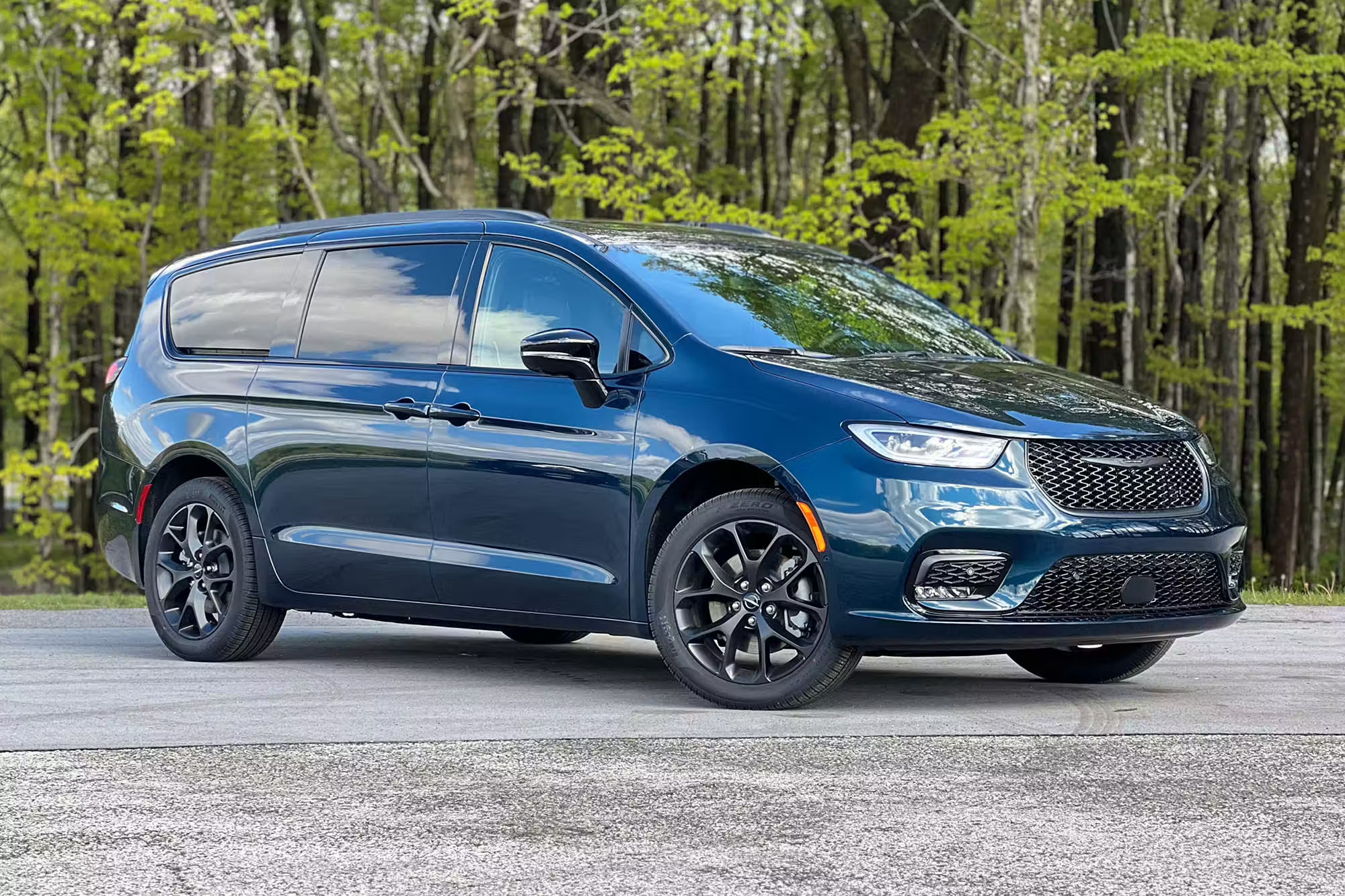
The Chrysler Pacifica occupies a unique position as America’s most thoughtfully designed minivan. It offers genuine innovation in packaging and convenience features while simultaneously frustrating owners with a comprehensive collection of interior plastic noises.
The Pacifica’s extensive use of interior plastic trim is understandable given its family-vehicle mission and price point targets. However, the sheer surface area of plastic cladding creates proportionally greater opportunities for noise generation than in smaller vehicles.
Sliding door mechanisms are among the most complex moving parts in any vehicle, and the Pacifica’s powered sliding doors are no exception. The door tracks and rollers develop wear patterns over time that create progressive noise increases audible to all passengers.
The third-row seat fold-flat mechanism involves multiple plastic components that interact during both deployment and stowage. Owners frequently report clicking and buzzing from the rear seating area even when the seats are fully locked in the use position.
Overhead console storage compartments in the Pacifica are a nearly universal complaint among long-term owners. The spring-loaded doors develop looseness that allows them to vibrate against their surrounds during highway driving.
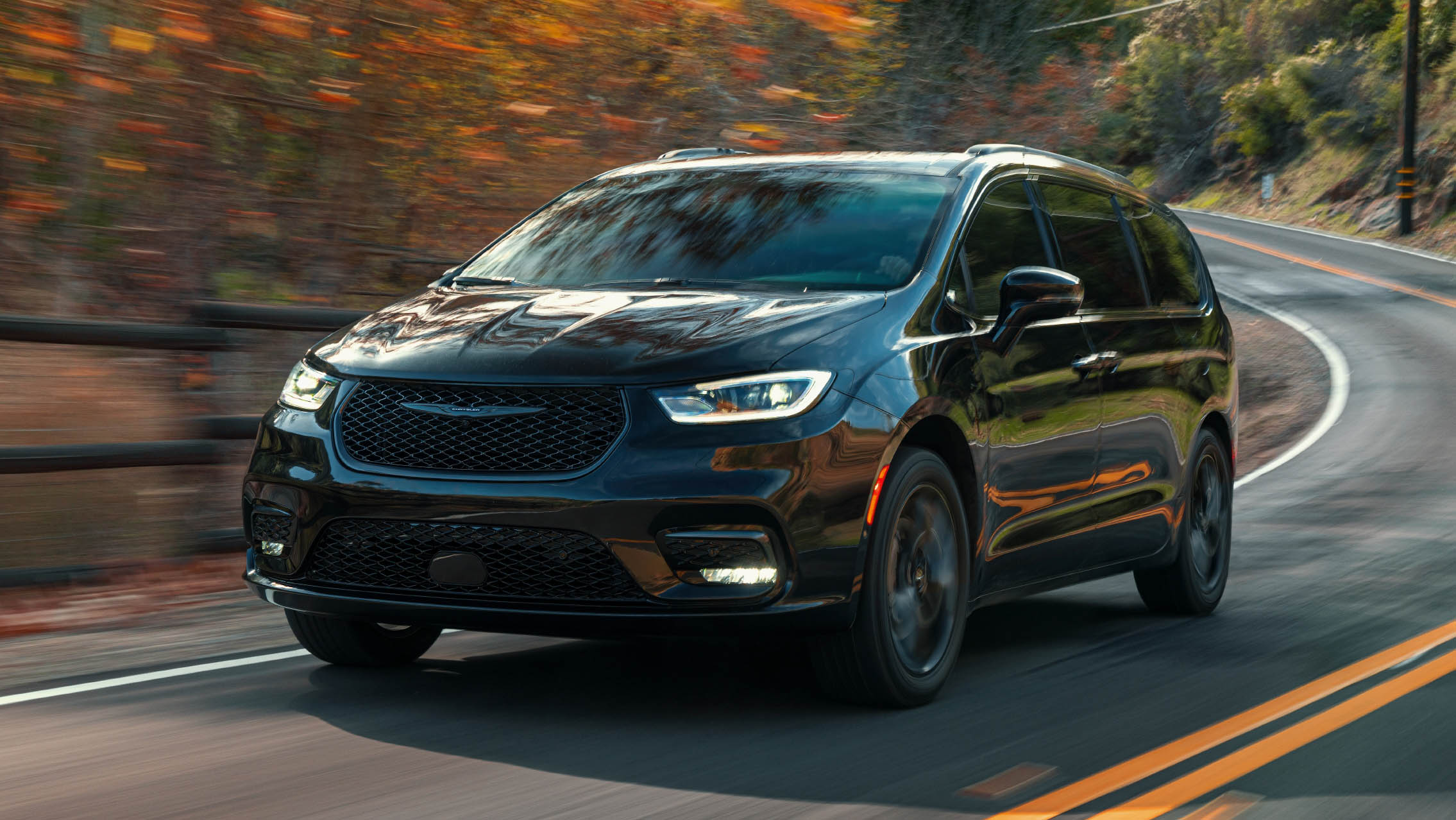
The B-pillar trim covers where sliding door seals contact the body are particularly prone to noise development. This high-stress area experiences repeated compression and release every time the sliding doors operate, accelerating wear on plastic components.
Chrysler’s Uconnect entertainment system generates significant vibration from its speakers at moderate volume levels. The door-mounted woofers in particular push energy into the surrounding door panels that the factory mounting arrangements do not adequately isolate.
Children’s car seats create additional stress on the second-row seat attachment points that can introduce squeaking between plastic seat base components and the floor-mounted anchor hardware. This is a particularly frustrating noise for parents who have exhausted other diagnostic possibilities.
Pacifica owners in the enthusiast community have developed remarkable diagnostic techniques for identifying specific rattle sources. Systematic taping of suspected panel edges to identify the noise origin is a widely shared troubleshooting approach.
Chrysler has released multiple technical service bulletins addressing specific Pacifica rattle and squeak complaints. The variety and volume of these bulletins reflects the genuine complexity of achieving quiet interiors in a vehicle with this many moving and interacting components.
The Pacifica remains the most capable and thoughtfully designed American minivan despite its noise reputation. Families who use the vehicle daily for school runs and road trips deserve better acoustic refinement than the factory currently delivers.
5. Ram 1500
The Ram 1500 has worked extremely hard to establish itself as the premium choice in the American half-ton pickup truck segment. Its interior design is genuinely more refined than its domestic competitors in most measurable ways, which makes its persistent rattle problems all the more frustrating.
Stellantis engineers deserve credit for the Ram 1500’s genuinely upmarket interior design language. The dashboard design, digital display integration, and materials selection in upper trim levels represent a meaningful step forward for American truck interiors.
However, the door panel assembly strategy reveals where cost and schedule pressures override the premium intentions. The Ram’s doors use a familiar multilayer plastic construction that introduces the same vibration pathways found in less expensive American truck interiors.
The Ram 1500’s coil spring rear suspension, a significant differentiator from its leaf-spring competitors, actually creates a different vibration profile entering the body. This unique frequency signature can excite interior components that survive the harsher inputs from leaf-spring trucks.
Interior trim pieces on the Ram’s B and C pillars are a documented noise source that appears frequently in owner forums. The trim clips used in these areas were designed with manufacturing efficiency as the primary consideration, not long-term retention force.
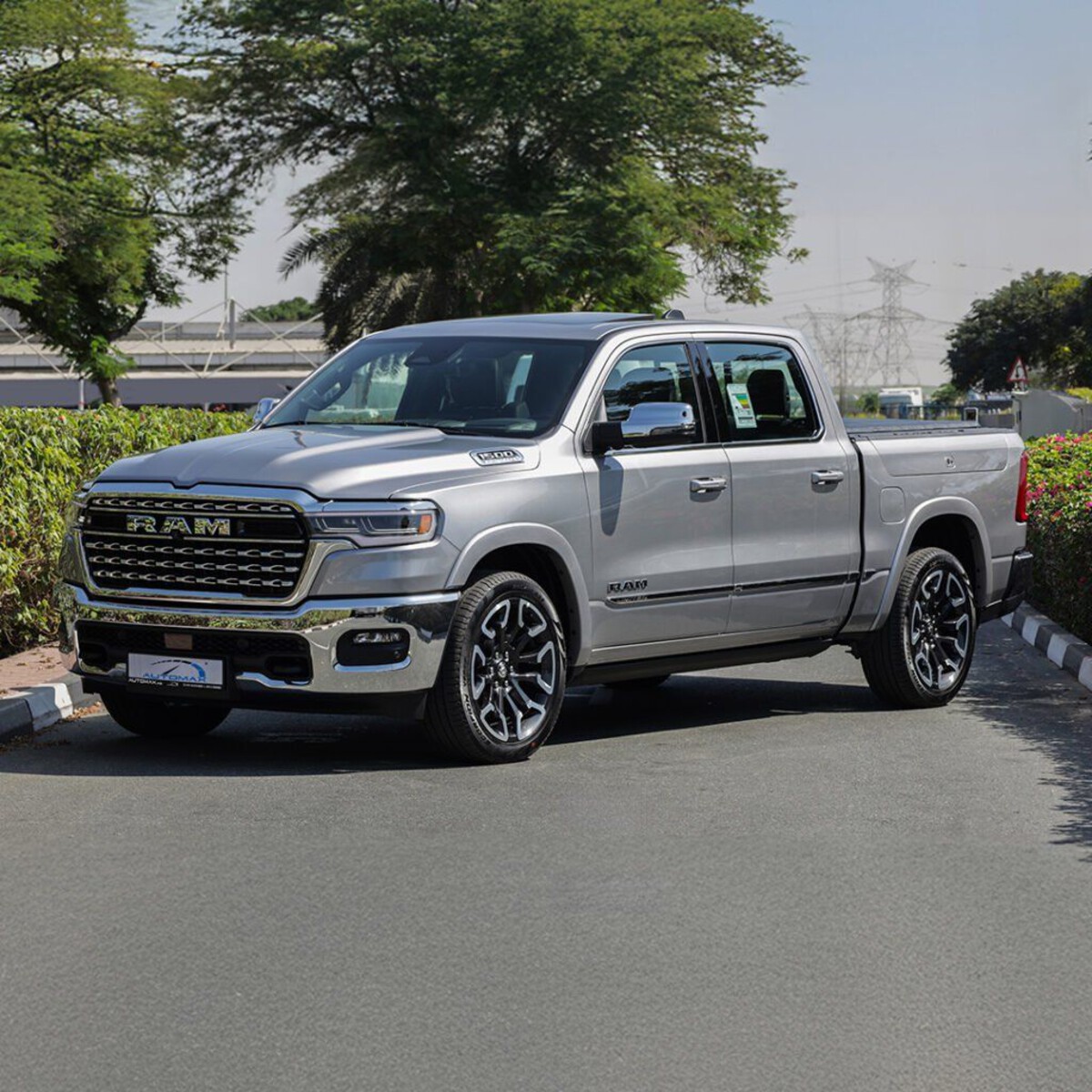
The premium Harman Kardon audio system available in the Ram 1500 Laramie and Longhorn trims is genuinely impressive in isolation. When the subwoofer delivers its output through door panels and trim pieces that vibrate sympathetically, the listening experience degrades dramatically.
Ram truck owners who spend $70,000 or more on a fully optioned 1500 Longhorn configuration have legitimate complaints about interior refinement. The rattle profile of a high-trim Ram 1500 is simply inconsistent with its price positioning and marketing messaging.
Stellantis quality engineers have been aware of these issues and have made progressive improvements through production changes. Mid-cycle production builds of the current Ram 1500 generation do show measurable improvements in interior noise levels compared to early production examples.
The Ram 1500 TRX performance model ironically exhibited fewer door panel rattles despite its extreme off-road focus. The additional body seam welds and underbody reinforcements required for its performance mission reduced the body flex that contributes to interior noise.
American Ram buyers can address many of these issues through dealer-performed noise suppression treatments or aftermarket sound deadening products. The fact that this remediation is necessary on a premium-positioned vehicle represents an ongoing quality positioning challenge for the brand.
6. Kia Telluride
The Kia Telluride has won virtually every major automotive award available to a three-row family SUV since its introduction in 2020. Motor Trend, Car and Driver, and Consumer Reports have all placed it at or near the top of its competitive segment.
Despite this extraordinary critical acclaim, the Telluride has developed a documented reputation for specific interior plastic noises that appear after the initial ownership period. The discrepancy between its awards record and its real-world rattle history is striking.
The Telluride’s panoramic sunroof is a particularly well-documented noise generator. The glass panel, its frame, and the shade mechanism create a complex assembly that develops rattles and wind noises that can be quite distracting at highway speeds.
Third-row seat headrests are a nearly universal complaint among Telluride owners with longer-term experience. The headrest posts develop looseness in their receivers that creates clicking and wobbling sounds on any road surface with imperfections.
The rear cargo area cover is another frequently mentioned noise source in Telluride owner communities across America. The retractable cover uses plastic end caps that lose their precise fit after repeated thermal cycling and exposure to cargo weight on the cover surface.
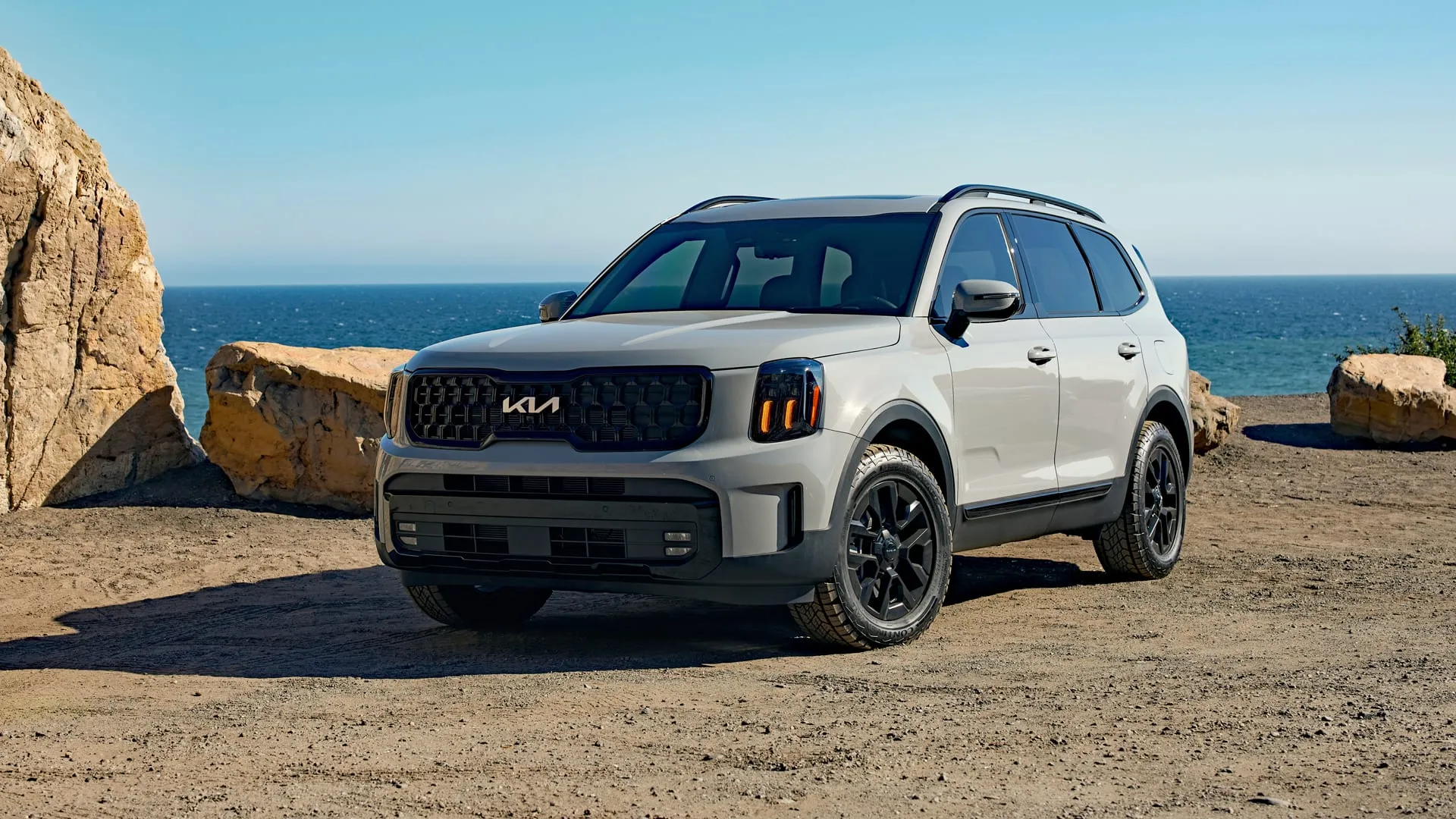
Dashboard trim pieces near the instrument binnacle on the Telluride can develop intermittent buzzing that is notoriously difficult to reproduce consistently for dealership technicians. This unpredictable nature makes warranty repair attempts frustrating for both owners and service departments.
Kia’s factory audio system in the Telluride is actually quite competent for a non-premium brand installation. The standard system delivers clear, balanced sound that serves everyday listening needs effectively without requiring an expensive upgrade option.
However, the Telluride’s door speakers can induce vibration in the surrounding door panels at bass-heavy frequencies. The speaker mounting flanges contact the panel surface in ways that create buzzing when the audio system reproduces content with significant low-frequency energy.
Kia has responded to documented complaints with running production changes that address specific issues. The seat headrest problem, for example, received a revised receiver design mid-production that substantially reduced the clicking complaint rate.
Korean automaker Kia has significantly raised its interior quality expectations over the past decade, and the Telluride genuinely represents that progress in most respects. The persistent rattle issues represent the gap between excellent intentions and the complex acoustic realities of mass-production vehicle manufacturing.
American Telluride owners who bought based on those impressive award wins deserve acknowledgment that their noise complaints are valid and widely shared. Awards evaluate vehicles at launch on carefully prepared examples, while real ownership reveals how a vehicle’s quality holds up over months and years of actual use.
Also Read: 5 Vehicles With High Quality Weather Stripping vs 5 With Wind Whistle Issues
