
Automakers spend decades building trust, refining engineering practices, and shaping public perception around reliability and performance.
Yet in some cases, a single engine program can undo years of progress. When an engine develops widespread issues, the consequences rarely stay limited to repair bills. They extend into customer confidence, resale value, and even long term brand loyalty.
Engines sit at the core of every vehicle, which means failures are not just mechanical problems but reputational ones. When drivers begin experiencing repeated breakdowns, excessive oil consumption, or catastrophic internal damage, frustration spreads quickly.
Word of mouth, service center reports, and online discussions amplify these issues, turning isolated problems into widely recognized patterns.
What makes certain engines particularly damaging is the scale of their failure. These are not rare defects affecting a small number of vehicles. Instead, they appear across multiple models and production years, affecting thousands of owners. In such situations, even strong marketing and customer service efforts struggle to contain the impact.
Another factor is how manufacturers respond. Delayed recalls, partial fixes, or unclear communication can worsen the situation. Customers who feel ignored or burdened with repair costs often associate their experience with the brand as a whole rather than a single component.
Engineering ambition sometimes plays a role as well. Pushing boundaries in performance, efficiency, or cost reduction can introduce risks. When those risks are not fully resolved before production, the result can be engines that perform well initially but fail prematurely under real world conditions.
Mechanics frequently become the first witnesses to these issues. They see patterns long before official statements acknowledge them. Repeated visits for the same engine type, identical symptoms across different vehicles, and consistent repair outcomes all point to deeper problems.
This article focuses on engines that had a significant negative impact on the brands behind them.
These engines did not just develop issues but influenced public perception in lasting ways. Understanding what went wrong provides insight into how engineering decisions, material choices, and response strategies can shape a company’s reputation for years to come.
Also Read: 8 Engines Whose Design Hasn’t Been Improved in 20 Years
1. Cadillac V8-6-4 Engine
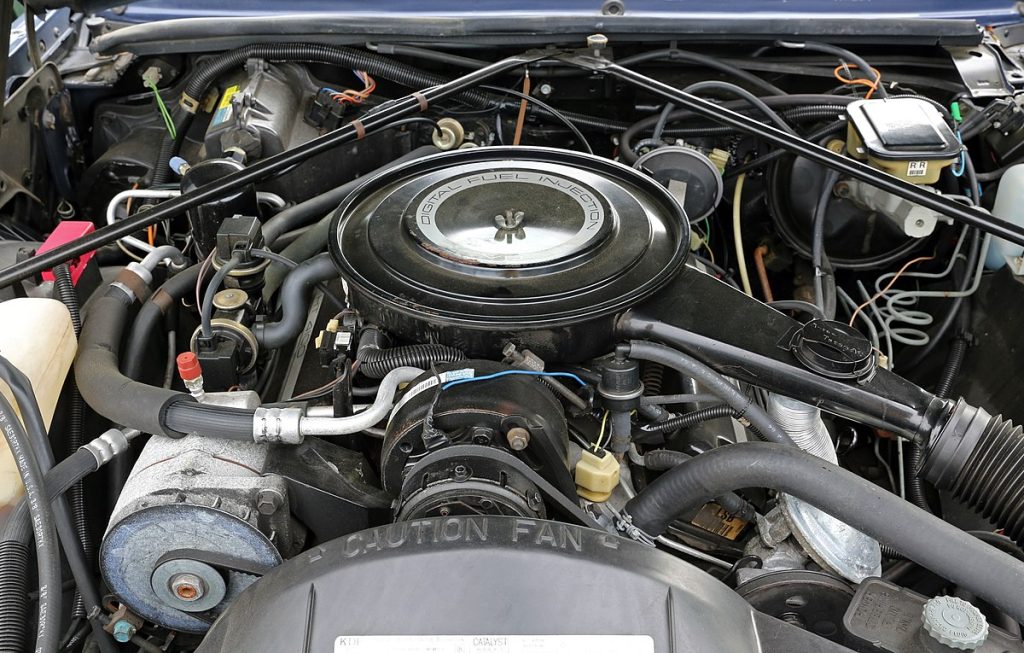
The Cadillac V8-6-4 engine represents one of the earliest examples of ambitious technology backfiring in a way that affected brand perception. Introduced during a time when fuel efficiency became a priority, this engine attempted to balance power and economy by deactivating cylinders when full performance was not needed.
On paper, the idea seemed innovative. By switching between eight, six, and four cylinders, the engine aimed to deliver fuel savings without sacrificing performance. In practice, the technology relied heavily on early electronic control systems that were not advanced enough to manage the transitions smoothly.
Drivers often experienced hesitation, rough running, and inconsistent power delivery. The system struggled to adapt to real world driving conditions, leading to frequent complaints. Mechanics found themselves dealing with engines that behaved unpredictably, making diagnosis and repair more complicated than usual.
Many owners chose to disable the cylinder deactivation feature entirely, effectively turning the engine into a conventional V8. While this restored some level of reliability, it defeated the purpose of the technology and left a lasting impression that the innovation was premature.
The impact on Cadillac’s reputation was significant. At a time when the brand was known for smooth, dependable luxury, the V8-6-4 introduced uncertainty. Customers who expected refinement instead encountered inconsistency, which led to a decline in confidence.
What makes this engine particularly notable is that its concept was not fundamentally flawed. Modern cylinder deactivation systems work effectively, but the timing of this implementation exposed the limitations of the available technology.
Mechanics who encountered these engines often viewed them as a lesson in how innovation must align with reliability. The V8-6-4 did not fail because of lack of ambition but because the supporting systems were not ready.
This engine remains a reference point in discussions about technological risk. It shows how introducing advanced features without sufficient testing can have consequences that extend beyond the product itself, affecting how an entire brand is perceived.
2. Oldsmobile 5.7L Diesel V8 Engine
The Oldsmobile 5.7L Diesel V8 stands as one of the most damaging engine programs in automotive history. Introduced as a response to fuel economy concerns, it aimed to provide diesel efficiency in a market dominated by gasoline engines. Unfortunately, the execution fell far short of expectations.
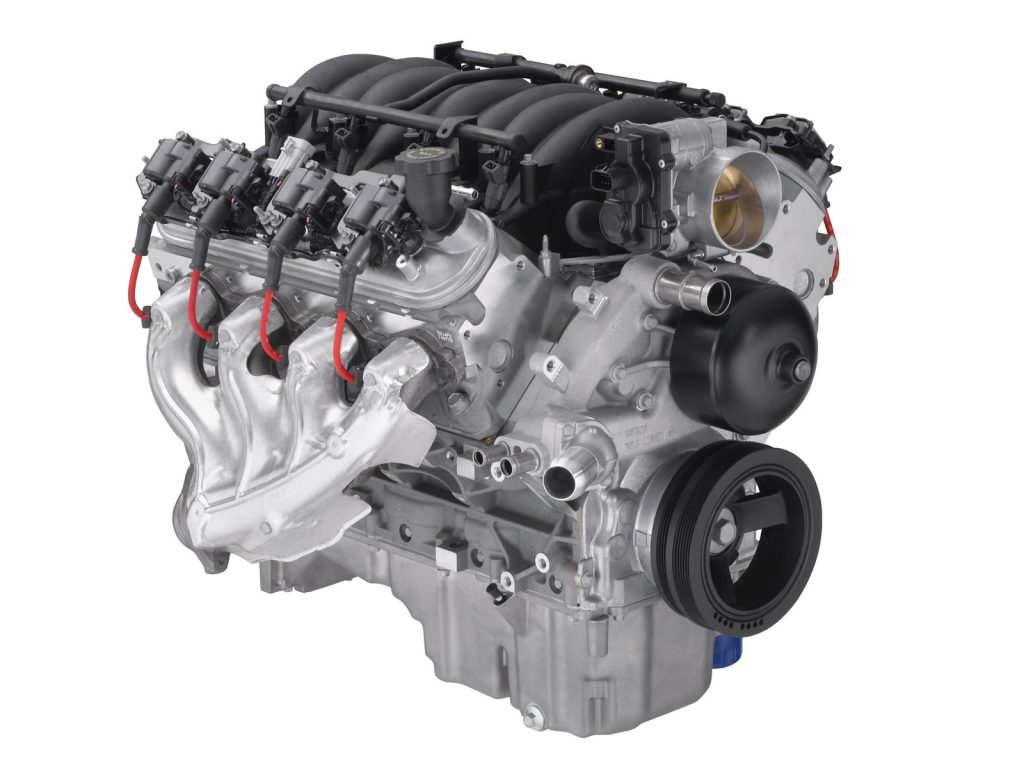
Unlike purpose built diesel engines, this one was based on a gasoline engine design. This decision created fundamental weaknesses, as the engine was not originally engineered to handle the higher compression ratios required for diesel operation. As a result, critical components were placed under stress they were not designed to endure.
Owners quickly began experiencing serious issues. Head bolts would stretch, leading to head gasket failures. Fuel system problems were also common, often resulting in poor performance and difficult starting. Mechanics frequently encountered engines with severe internal damage, sometimes at relatively low mileage.
The situation was made worse by the lack of proper diesel knowledge among many service centers at the time. Misdiagnosis and improper repairs became common, further frustrating owners. This created a cycle where problems persisted even after multiple attempts at fixing them.
Public perception of diesel engines in passenger cars suffered greatly because of this program. Many consumers associated diesel with unreliability and high maintenance costs, an image that took years to overcome.
For Oldsmobile, the impact was particularly severe. The brand’s reputation for engineering quality was undermined, and customer trust declined significantly. Even as improvements were made in later years, the damage had already been done.
Mechanics who worked on these engines often describe them as a turning point. They highlight how critical it is for an engine to be designed specifically for its intended purpose rather than adapted from an existing platform.
The Oldsmobile 5.7L Diesel V8 serves as a reminder that shortcuts in engineering can lead to long term consequences. It is not just about meeting immediate goals but ensuring that the final product can withstand real world use without compromising reliability.
3. Ford 6.0L Power Stroke Diesel Engine
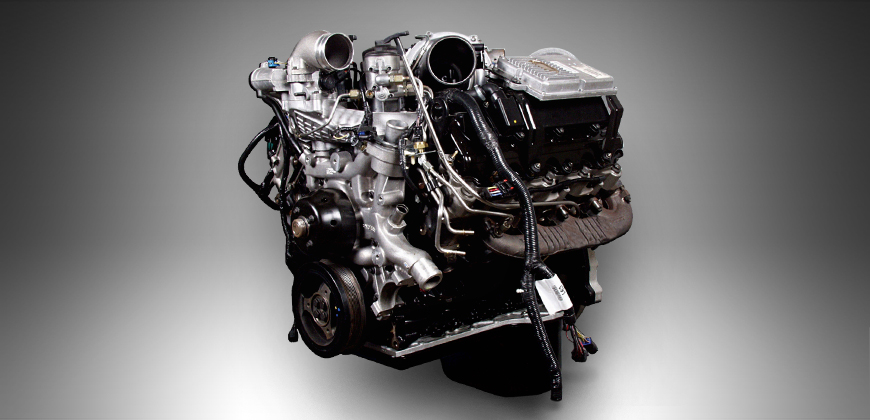
The Ford 6.0L Power Stroke diesel engine arrived with expectations of continuing a strong legacy, yet it quickly became a source of frustration for both owners and mechanics. Designed in partnership with Navistar, this engine introduced advanced features for its time, including improved emissions control and higher power output.
Unfortunately, those advancements came with a level of complexity that proved difficult to manage in real world conditions.
One of the most frequently reported problems involved the EGR cooler and oil cooler systems. When these components clogged or failed, engine temperatures would rise unevenly.
This created stress on the head gaskets, which were already under significant pressure due to the engine’s high compression design. Once the head gaskets began to fail, coolant loss and overheating became common issues.
Mechanics often describe a pattern where one failure leads to another. A clogged oil cooler restricts coolant flow, which then damages the EGR cooler, eventually resulting in head gasket failure. This chain reaction made the engine particularly challenging to maintain, as fixing one issue without addressing the others often led to repeat problems.
Another area of concern was the use of torque to yield head bolts. Under heavy load or high boost conditions, these bolts could stretch, reducing clamping force on the head gasket. This allowed combustion gases to escape into the cooling system, further increasing pressure and accelerating damage.
Owners frequently faced expensive repairs, and in many cases, upgrades such as stronger head studs and redesigned components were required to achieve long term reliability. These modifications became so common that they were almost considered necessary rather than optional.
The impact on Ford’s reputation in the diesel truck market was significant. Customers who relied on these trucks for work found themselves dealing with downtime and high repair costs, leading to a loss of confidence.
Despite its strong performance potential, the 6.0L Power Stroke became known more for its issues than its capabilities. Mechanics who worked on these engines regularly developed specific repair strategies, but the frequency of problems left a lasting impression.
This engine illustrates how increasing complexity without sufficient durability can create widespread challenges. It also highlights how interconnected systems can amplify the effects of individual component failures.
4. Volkswagen 2.0L TDI Diesel Engine
The Volkswagen 2.0L TDI diesel engine gained attention for reasons that extended far beyond mechanical reliability. While it delivered impressive fuel efficiency and torque, it became central to one of the most significant controversies in automotive history. This situation had a profound impact on the brand’s reputation worldwide.
At the heart of the issue was the emissions control system. The engine was designed to meet strict environmental standards, but the methods used to achieve compliance became the source of major problems.
Software embedded within the engine management system altered performance during testing conditions, allowing the vehicle to meet emissions requirements in controlled environments.
In everyday driving, however, emissions levels were significantly higher than expected. When this discrepancy became public, it led to widespread investigations, recalls, and legal consequences. The focus shifted from the engine’s performance to the integrity of the brand behind it.
From a mechanical perspective, the engine also presented challenges. Components such as the diesel particulate filter and EGR system required careful maintenance. When these systems failed or became clogged, performance issues and warning lights became common.
Mechanics often found themselves dealing with vehicles that required extensive diagnostics to identify the root cause of problems. The complexity of the emissions system made repairs more time consuming and costly compared to simpler diesel engines.
Owners experienced a mix of benefits and drawbacks. While fuel economy remained a strong point, the long term reliability of emissions components raised concerns. The need for frequent maintenance added to the overall cost of ownership.

The broader impact on Volkswagen was substantial. Trust in the brand declined sharply, and the company faced significant financial penalties. More importantly, customer confidence was affected in a way that extended beyond a single engine or model.
This engine serves as a reminder that reputation is influenced not only by mechanical performance but also by corporate decisions. Even a technically capable engine can contribute to brand damage when associated with larger issues.
Mechanics who encountered these engines often viewed them as examples of how complexity and external pressures can shape both engineering outcomes and public perception.
5. BMW N63 4.4L Twin Turbo V8 Engine
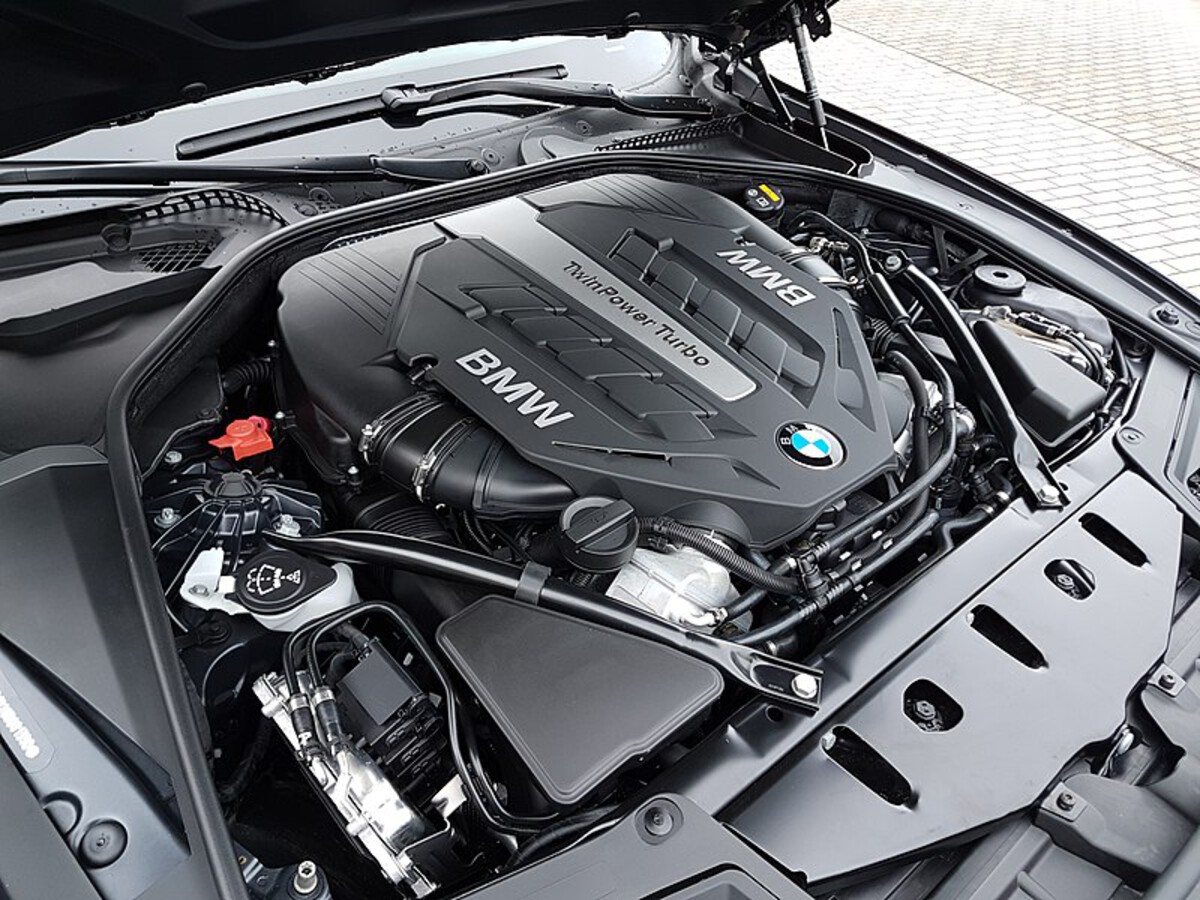
The BMW N63 engine arrived with bold intentions. It introduced a hot V turbo layout where the turbochargers were placed inside the engine valley, a design meant to improve responsiveness and packaging. While innovative, this configuration created heat concentration issues that mechanics quickly began noticing in real world use.
Instead of dissipating heat outward, the engine trapped a large portion of it within a confined space. Over time, this constant exposure to high temperatures began affecting surrounding components.
Valve stem seals, timing chains, and various gaskets showed premature wear. Oil consumption became one of the most widely reported complaints, often requiring frequent top ups between service intervals.
Owners frequently experienced a combination of warning lights, rough running, and declining performance. Mechanics often describe opening up these engines and finding multiple systems affected at once. This was not a case of a single weak component but a design that placed several parts under continuous thermal stress.
BMW responded with service campaigns and updates, including revised components and maintenance recommendations. However, the perception had already shifted. Vehicles equipped with the N63 began to carry a reputation for high maintenance costs and potential reliability concerns, particularly as they aged.
Another layer of complexity came from the engine’s advanced electronics and turbocharging system. Diagnosing issues required specialized knowledge and equipment, which increased repair time and cost. For many owners, this turned routine maintenance into a more involved process.
What stands out about the N63 is how its strengths and weaknesses are closely tied together. The same design choices that delivered strong performance also introduced long term durability challenges.
Mechanics often emphasize that the engine can perform well when maintained carefully, but it demands more attention than many drivers expect.
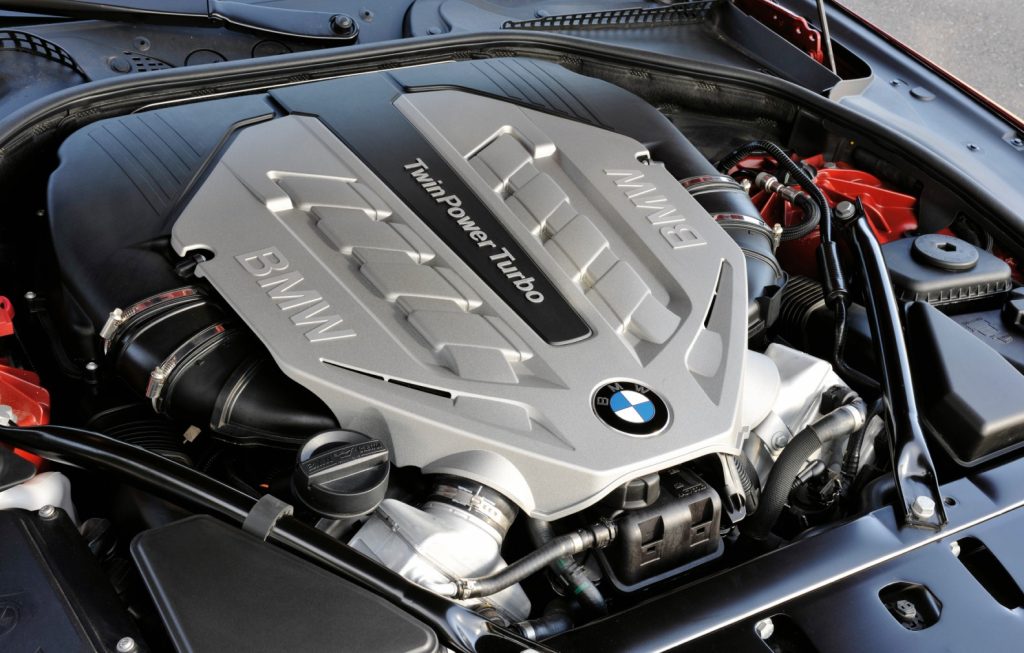
The impact on BMW’s image was noticeable. A brand known for precision engineering faced criticism for reliability, especially in markets where long term ownership costs matter greatly.
This engine illustrates how pushing engineering boundaries without fully managing heat and durability can lead to widespread concerns. It remains a case study in how innovation must be balanced with long term dependability.
6. Chrysler 2.7L V6 Engine
The Chrysler 2.7L V6 engine developed a reputation that mechanics still discuss years after its peak production. At first glance, it appeared to be a modern and efficient design, but its internal characteristics made it highly sensitive to maintenance practices, which ultimately led to widespread issues.
One of the most significant problems involved sludge buildup. The engine’s internal oil passages were relatively narrow, and when oil changes were delayed or low quality oil was used, sludge could form quickly. This buildup restricted oil flow, leading to increased friction and heat inside the engine.
As temperatures rose, the head gasket became vulnerable. The combination of heat and reduced lubrication created conditions where sealing surfaces could no longer maintain proper integrity. Coolant and oil contamination often followed, accelerating internal wear.
Mechanics frequently encountered engines with severe internal damage, sometimes requiring complete replacement rather than repair. In many cases, the damage extended beyond the head gasket to include bearings, camshafts, and other critical components.
What made this engine particularly damaging to Chrysler’s reputation was how common these failures became. Owners who followed typical maintenance schedules sometimes still experienced issues, leading to frustration and a sense that the engine lacked durability.
Another challenge was the difficulty in reversing the damage once it began. Cleaning sludge and restoring proper oil flow was not always effective, especially if the problem had progressed significantly. This meant that early detection was crucial, yet not always possible.
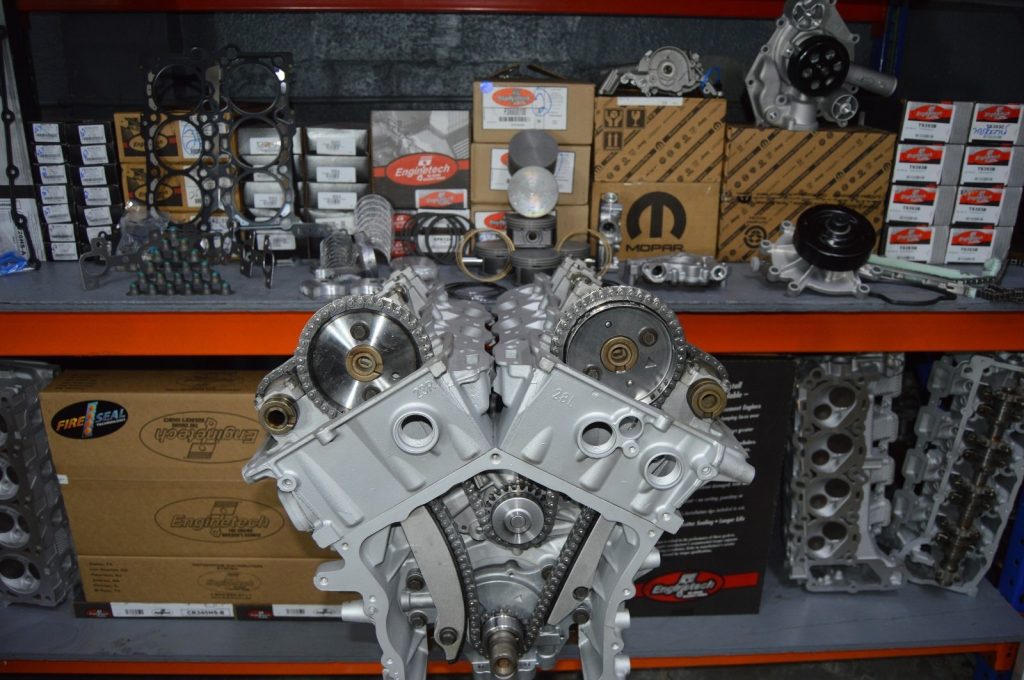
Drivers often reported symptoms such as knocking noises, overheating, and sudden loss of power. These signs usually indicated that the engine was already in an advanced stage of failure. Mechanics who inspected these engines often found extensive wear that had developed over time.
The Chrysler 2.7L V6 became an example of how maintenance sensitivity can influence public perception. Even if an engine performs well under ideal conditions, it must also tolerate real world usage patterns.
For Chrysler, the impact was significant. The engine’s reputation affected confidence in the brand, particularly among buyers seeking long term reliability.
This engine demonstrates how design decisions related to lubrication and heat management can shape not only mechanical outcomes but also how a brand is viewed by its customers.
7. Hyundai 2.4L Theta II Engine
The Hyundai 2.4L Theta II engine became one of the most widely discussed reliability concerns in recent automotive history.
It was used across multiple Hyundai and Kia models, which meant that when problems began to surface, the scale of impact grew rapidly. Mechanics started noticing a pattern long before many owners fully understood the seriousness of the issue.
At the core of the problem were manufacturing inconsistencies that affected internal engine components. Metal debris left behind during production could restrict oil flow, leading to insufficient lubrication in critical areas. Over time, this caused excessive wear on bearings and other moving parts.
Drivers often reported knocking noises from the engine, particularly under acceleration. This sound was more than just an annoyance. It indicated internal damage that could progress quickly if not addressed. In many cases, engines would fail suddenly, sometimes even while the vehicle was in motion.
Another factor that contributed to the engine’s reputation was how widespread the failures became. This was not limited to a specific model or year but affected a broad range of vehicles. As a result, customer complaints increased significantly, drawing attention from regulators and prompting investigations.
Mechanics frequently encountered engines that required complete replacement rather than repair. Once internal damage reached a certain level, rebuilding was not practical. This added to the financial burden on both owners and manufacturers.
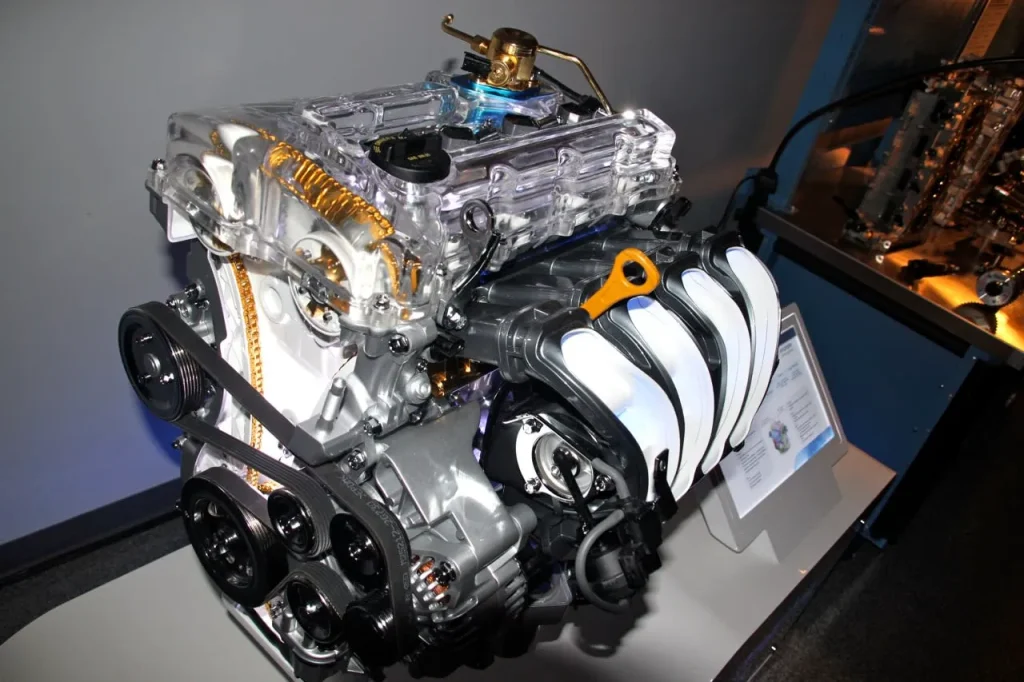
Hyundai responded with recalls and extended warranties, which helped address some concerns. However, the initial wave of failures had already influenced public perception. Customers began questioning the long term durability of the brand’s engines, even in newer models.
What makes the Theta II particularly notable is how a production issue, rather than a purely design related flaw, can have such a large impact. It highlights the importance of quality control in maintaining reliability.
The engine also serves as an example of how quickly information spreads. Reports from mechanics, combined with online discussions, created widespread awareness of the issue.
For Hyundai, the challenge was not only fixing the engines but also rebuilding trust. The Theta II became a defining moment that shaped how many consumers viewed the brand’s commitment to durability.
8. Mazda 2.3L DISI Turbo Engine
The Mazda 2.3L DISI turbo engine gained attention for its strong performance, but it also developed a reputation for issues that affected long term reliability. Found in sporty models, this engine delivered impressive power, yet its design introduced challenges that mechanics frequently encountered.
One of the primary concerns involved excessive heat generated by turbocharging. While turbochargers improve performance, they also increase thermal stress within the engine. Over time, this heat affected internal components, including seals and piston rings.
Drivers often experienced issues such as oil consumption and smoking from the exhaust. These symptoms indicated that oil was entering the combustion chamber, a problem that could worsen if not addressed early. Mechanics often found worn components that had been affected by prolonged exposure to high temperatures.
Another issue involved carbon buildup on intake valves. Direct injection systems, while efficient, can lead to deposits forming over time. This buildup affected airflow and engine performance, resulting in rough idling and reduced power.
The combination of these factors created a situation where maintenance became more demanding. Owners needed to be proactive in addressing issues, as neglect could lead to more serious damage. Mechanics often recommended regular inspections and cleaning to maintain performance.
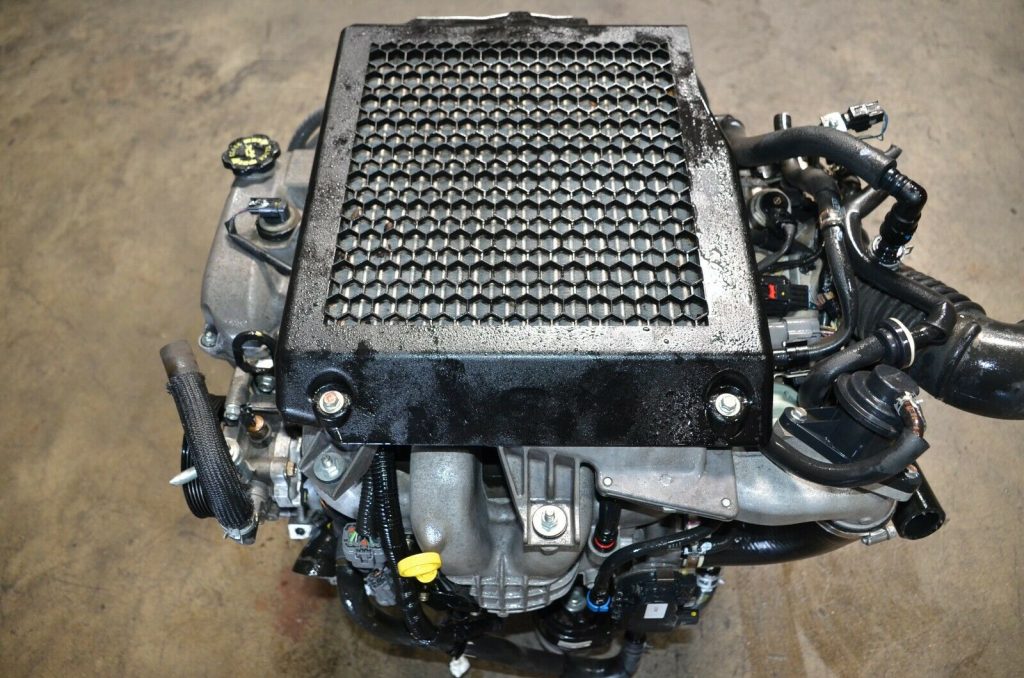
What set this engine apart was how its performance benefits were closely tied to its weaknesses. The same features that made it appealing also contributed to its challenges. This created a mixed perception among owners, with some praising its capabilities and others frustrated by its maintenance requirements.
Mazda’s reputation was influenced by these experiences, particularly among enthusiasts who expected both performance and reliability. While the brand maintained a strong following, the engine’s issues became a topic of discussion in automotive communities.
The 2.3L DISI turbo engine illustrates how high performance engineering can introduce trade offs. Without careful management, those trade offs can affect long term durability and customer satisfaction.
9. General Motors 2.4L Ecotec Engine
The General Motors 2.4L Ecotec engine became widely recognized for issues that extended beyond typical wear and tear, eventually affecting how many drivers viewed the brand’s approach to reliability. Used across a broad range of vehicles, this engine reached a large number of owners, which amplified the impact when recurring problems began to appear.
One of the most frequently reported concerns involved excessive oil consumption. Drivers often found themselves adding oil between scheduled services, sometimes at a rate that felt unreasonable for a modern engine. What made the situation more frustrating was that the problem did not always present clear warning signs in its early stages.
Mechanics frequently encountered engines with low oil levels that had already suffered internal damage.
Timing chain wear became a common consequence, as insufficient lubrication increased friction on critical components. In some cases, the chain would stretch or fail, leading to severe engine damage that required extensive repairs.
Another factor that contributed to the engine’s reputation was the inconsistency of symptoms. Some vehicles showed noticeable issues early, while others appeared normal until a sudden failure occurred. This unpredictability made it difficult for owners to anticipate problems and take preventive action.
Carbon buildup also played a role in long term performance concerns. Over time, deposits could affect airflow and combustion efficiency, leading to rough running and reduced responsiveness. These issues, combined with oil consumption, created a pattern that mechanics began to recognize quickly.
Repairing the engine often involved addressing multiple components rather than a single fault. Replacing timing chains, inspecting internal wear, and resolving oil consumption issues required time and investment. For many owners, these repairs came earlier than expected, which added to dissatisfaction.
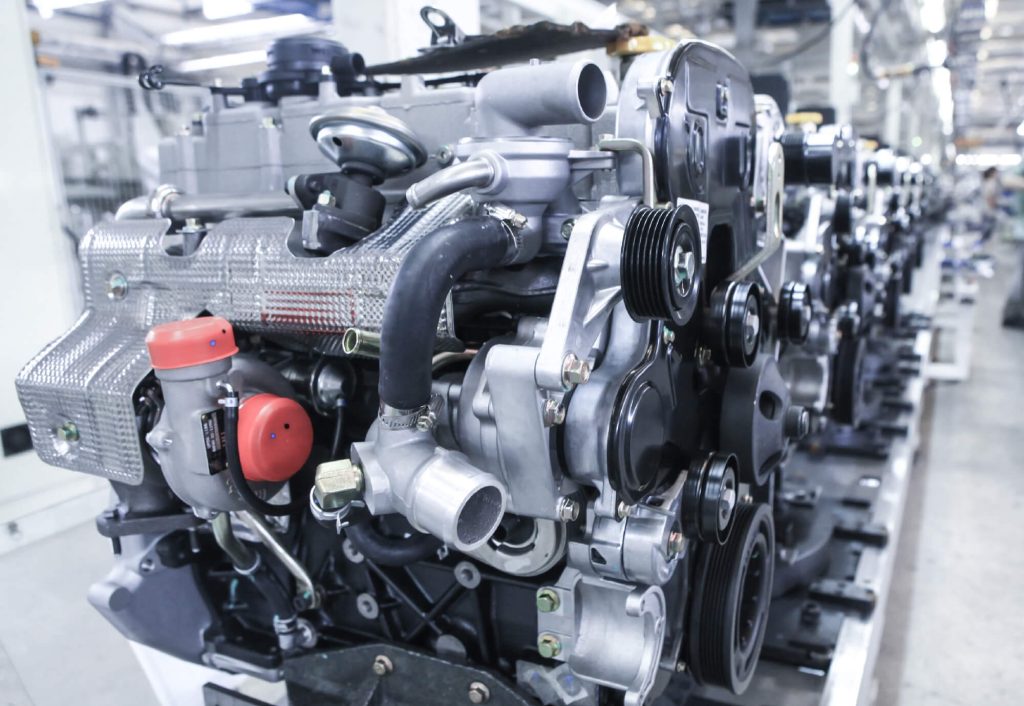
General Motors introduced updates and service recommendations to address some of these concerns, but the volume of affected vehicles meant that the perception had already shifted. Drivers began associating the engine with higher maintenance needs compared to competitors.
What makes the 2.4L Ecotec significant is how a combination of issues, rather than a single catastrophic flaw, shaped its reputation. Each problem on its own might have been manageable, but together they created a broader concern about durability.
Mechanics who worked on these engines often viewed them as examples of how small design compromises can accumulate into larger reliability challenges. The experience of repeated repairs and unexpected failures left a lasting impression on many owners.
This engine demonstrates how consistency in performance and reliability is essential for maintaining trust. When that consistency is disrupted across a large number of vehicles, the effect can extend far beyond the engine itself, influencing how an entire brand is perceived for years to come.
Also Read: 8 Truck Engines Fleet Managers Specify for Guaranteed Uptime
