
Automotive progress often brings promises of better efficiency, higher output, and smarter engineering. Yet, a curious pattern appears when certain engines refuse to change. Instead of being replaced or heavily reworked, they continue almost exactly as they were decades ago.
That persistence raises an important question. What makes an engine so effective that engineers leave it largely untouched for years? Some designs simply reach a level of balance that makes further changes unnecessary. They deliver dependable performance, manageable servicing, and consistent results across different driving conditions.
Rather than chasing new trends, these engines rely on proven construction, straightforward layouts, and durable materials. Drivers who value reliability often gravitate toward these power plants because they know what to expect. Consistency plays a major role here.
While modern engines frequently adopt new technologies, these long-standing designs maintain their original character. Their operation feels familiar, their servicing routines remain predictable, and their performance stays stable even after extended use. That stability creates trust, which becomes a major factor in long-term ownership.
Engineers sometimes recognize when a formula works well enough to resist constant revision. Instead of redesigning everything, they refine minor details while preserving the core structure. This approach results in engines that feel timeless rather than outdated.
This page highlights eight engines that have stayed remarkably close to their original designs for nearly two decades. Each one proves that innovation does not always require reinvention, and that consistency can be just as valuable as change.
1. Toyota 4Runner 4.0L 1GR-FE V6
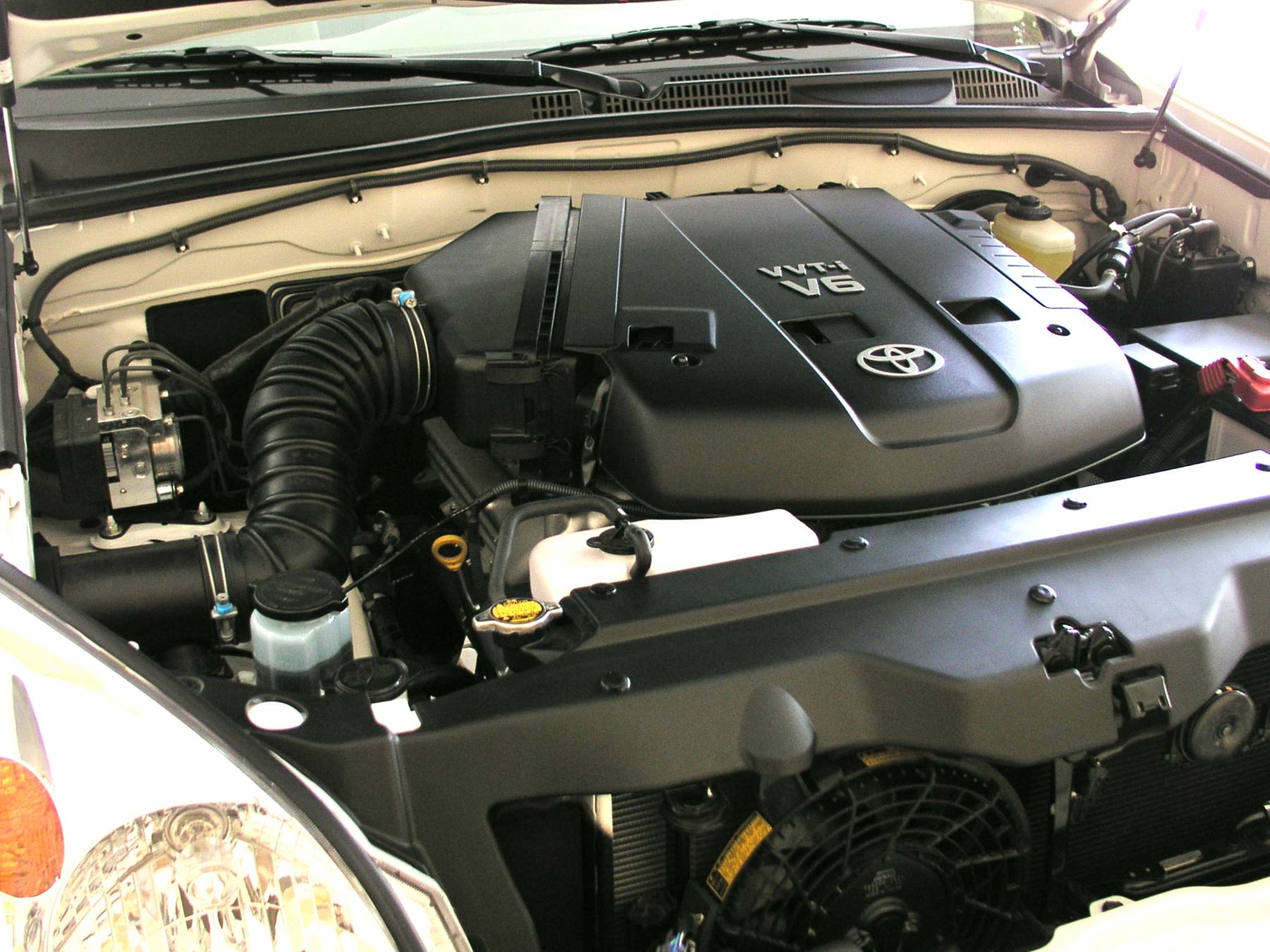
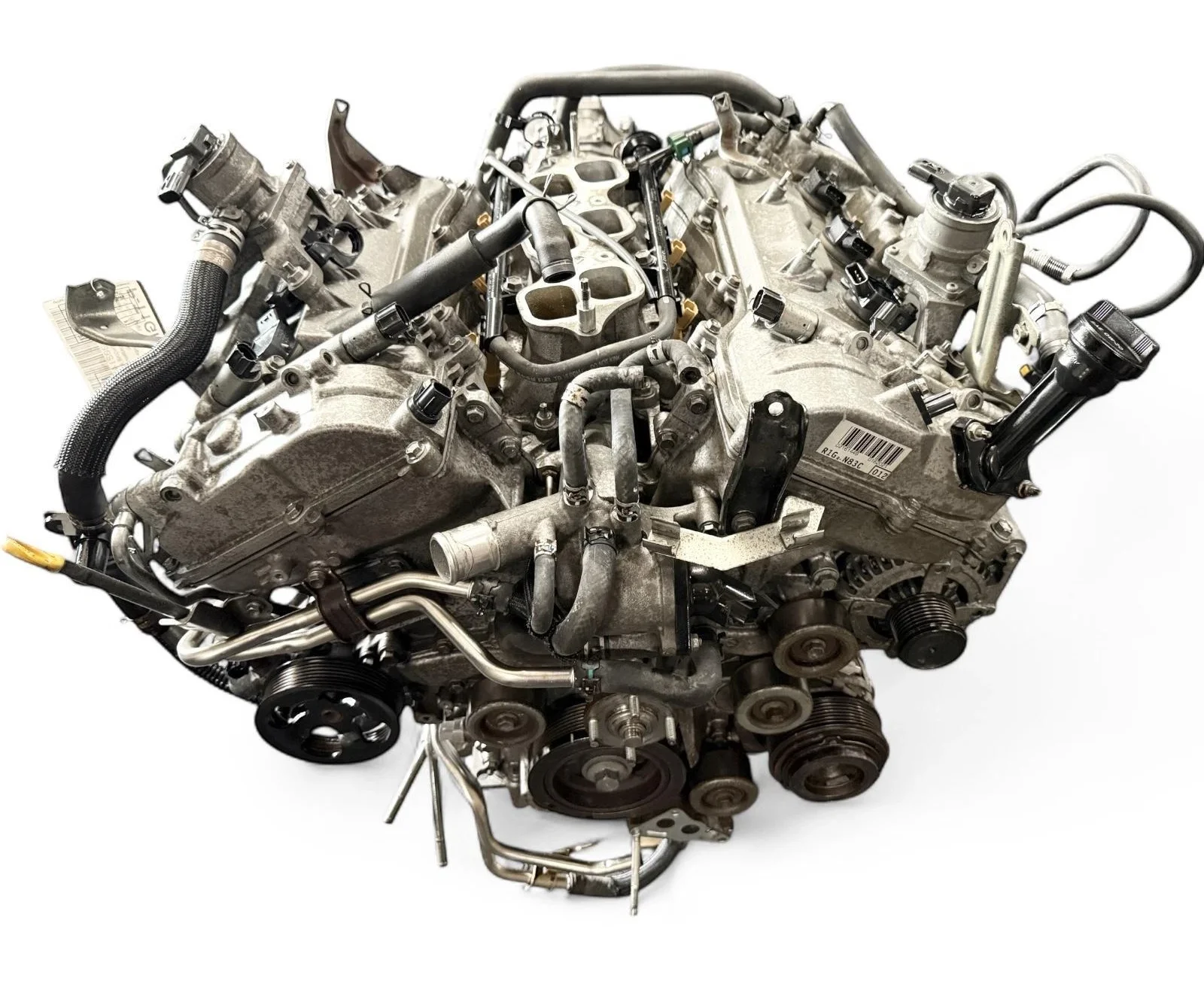
Reliability sits at the center of the 4.0-liter 1GR-FE V6 installed in the Toyota 4Runner, an engine that has stayed structurally consistent for many years. Introduced in the early 2000s, it continues to power newer 4Runner models with only minor refinements, reflecting a design direction that prioritizes endurance and steady performance rather than frequent redesign.
Simple mechanical construction forms the foundation of its reputation. Built with a strong aluminum engine block, dual overhead camshaft configuration, and a timing chain system, the 1GR-FE avoids overly complicated engineering choices that could introduce long-term maintenance concerns.
Engineers focused on a durable layout capable of handling demanding road conditions, including rugged off-road environments, long highway travel, and repeated load variations. This practical engineering approach allows the engine to maintain consistent operation without requiring structural changes.
Power delivery is smooth, controlled, and easy to predict. Instead of focusing on peak horsepower figures, the engine delivers usable torque across a wide operating range. That behavior supports steady acceleration in urban driving while also providing dependable pulling strength during off-road use.
Drivers experience a consistent response from the throttle, which builds confidence when conditions change suddenly or road becomes uneven. Long service life defines much of the engine’s reputation. Many vehicles equipped with the 1GR-FE achieve high mileage figures while still maintaining stable mechanical conditions, provided routine servicing is carried out properly.
Oil changes, cooling system care, and basic inspections are often enough to keep the engine functioning reliably for extended periods. This durability reduces pressure for redesign since the original structure already satisfies long-term expectations.
Ease of servicing strengthens its practicality. Mechanics widely understand the engine layout, replacement parts are readily available in many regions, and repair procedures do not demand highly specialized tools. This accessibility lowers maintenance barriers and supports a consistent ownership experience across different environments and usage conditions.
Fuel consumption is not the strongest advantage of the 1GR-FE. Compared to smaller modern engines or turbocharged alternatives, it uses more fuel under similar driving conditions. However, many owners accept this tradeoff due to the strong reliability record and predictable performance output. The engine prioritizes dependability over fuel economy optimization.
Thermal management is designed to support long operational periods. Cooling systems are structured to maintain stable temperature levels even during demanding driving sessions. This helps reduce internal wear and supports long-term mechanical stability, especially in regions with varying climates or challenging roads.
Durability under stress also plays a central role in its continued use. Whether used for daily commuting, long-distance travel, or off-road activity, the engine maintains consistent behavior without requiring frequent intervention. That level of resilience is a major reason it continues to appear in modern production models.
Confidence in the original engineering has allowed Toyota to retain the 1GR-FE for an extended production cycle. Instead of replacing it with a completely new platform, incremental improvements have been applied while preserving the core architecture. This decision reflects trust in a design that continues to meet expectations across a wide range of driving conditions.
2. Nissan Frontier 4.0L VQ40DE V6
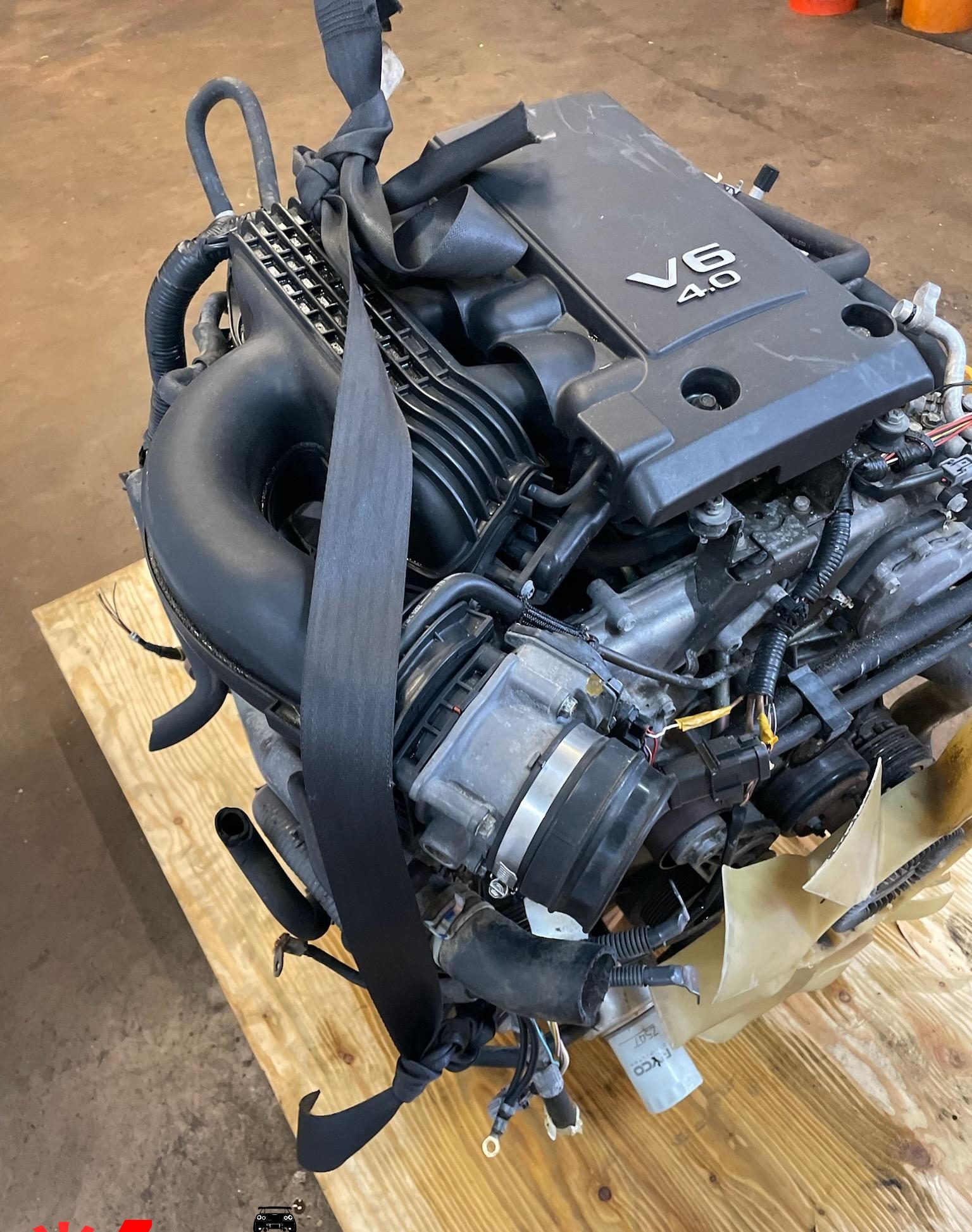
Endurance defines the 4.0-liter VQ40DE V6 used in the Nissan Frontier, an engine that has remained fundamentally consistent for nearly two decades. Introduced as part of the VQ engine family, it quickly established a reputation for strength and dependability, qualities that reduced the need for frequent redesign.
Mechanical layout emphasizes simplicity and durability. Featuring a cast aluminum block and a chain-driven timing system, the VQ40DE avoids fragile components that could compromise long-term use. Engineers designed it to handle daily driving as well as demanding workloads, making it suitable for both personal and utility applications.
Performance characteristics focus on usable output rather than extreme figures. Torque arrives early, allowing the engine to handle hauling and towing duties effectively. Acceleration feels steady, with power building in a controlled manner rather than sudden bursts.
Longevity stands out as a defining trait. Owners frequently report high mileage figures with minimal major repairs, which reinforces confidence in the design. This consistency explains why the engine has remained largely unchanged, as it continues to meet expectations without requiring major updates.
Thermal stability also plays a role in its durability. Cooling systems are designed to manage heat effectively, ensuring that the engine operates within safe temperature ranges during extended use. This stability supports long-term reliability under varying conditions.
Servicing remains straightforward due to the engine’s accessible layout. Routine tasks such as oil changes and component inspections can be performed without excessive difficulty. This ease of maintenance contributes to lower ownership stress.
While newer engines often introduce advanced technologies, the VQ40DE continues to rely on proven engineering principles. Its continued use demonstrates that a well-designed engine can remain relevant without constant reinvention.
Also Read: 8 Truck Engines Fleet Managers Specify for Guaranteed Uptime
3. Chevrolet Express 6.0L Vortec V8 (L96)
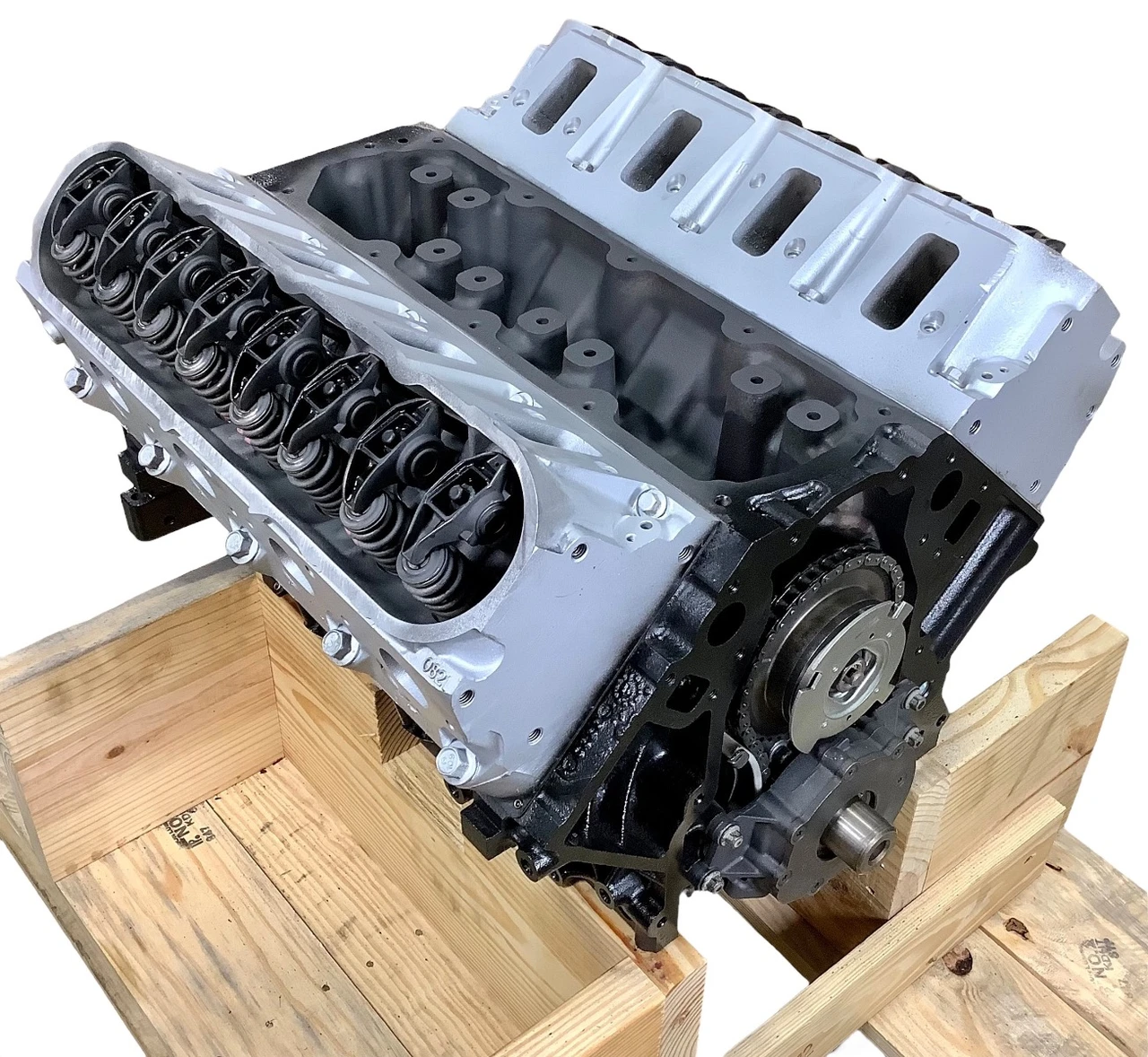
Purpose-built engines rarely chase attention, and the 6.0-liter Vortec V8 found in the Chevrolet Express demonstrates that principle with steady conviction. Labeled L96 in GM’s internal coding, this powerplant has served cargo vans, passenger shuttles, and fleet duty without demanding structural revision for long stretches of production. Its design philosophy prioritizes endurance under load, predictable operation, and service-friendly architecture.
Cast iron construction defines its strength profile. That material choice supports repeated stress from hauling weight, extended idling, and constant urban stop-and-go operation. Instead of lightweight experimentation, engineers leaned into durability, producing a block that tolerates long service intervals and varied duty cycles without requiring redesign.
Torque delivery stands at the center of its usefulness. Low rpm response allows the Express van to move heavy payloads without hesitation. Acceleration does not rely on high revs; instead, power arrives early and stays steady through the midrange. That behavior supports commercial duty where consistency matters more than speed.
Mechanical layout follows a traditional pushrod arrangement. This setup reduces valvetrain complications, which simplifies long-term service procedures. Technicians working on high-mileage units often highlight the accessibility of components, which reduces downtime during repairs or routine inspections.
Thermal management supports continuous operation. Cooling passages and oiling channels are designed for sustained load conditions, especially in environments where engines run for long periods without shutdown. That design consideration contributes to stable operating temperatures during demanding schedules.
Fuel consumption sits on the heavier side when measured against modern lightweight engines. However, the trade is accepted in exchange for predictable output and durability under commercial use. Fleet operators often prioritize uptime and service life rather than fuel optimization alone.
Long-term service data shows many L96 engines exceeding high mileage thresholds while maintaining operational stability. This endurance comes from conservative engineering choices rather than frequent redesign cycles. Parts compatibility across GM’s Vortec family also supports long-term serviceability.
Sound character reflects its utility-first nature. The engine produces a steady, functional tone without refinement tuning. It signals mechanical effort clearly, which aligns with its role in work-focused applications.
4. Jeep Wrangler 3.6L Pentastar V6
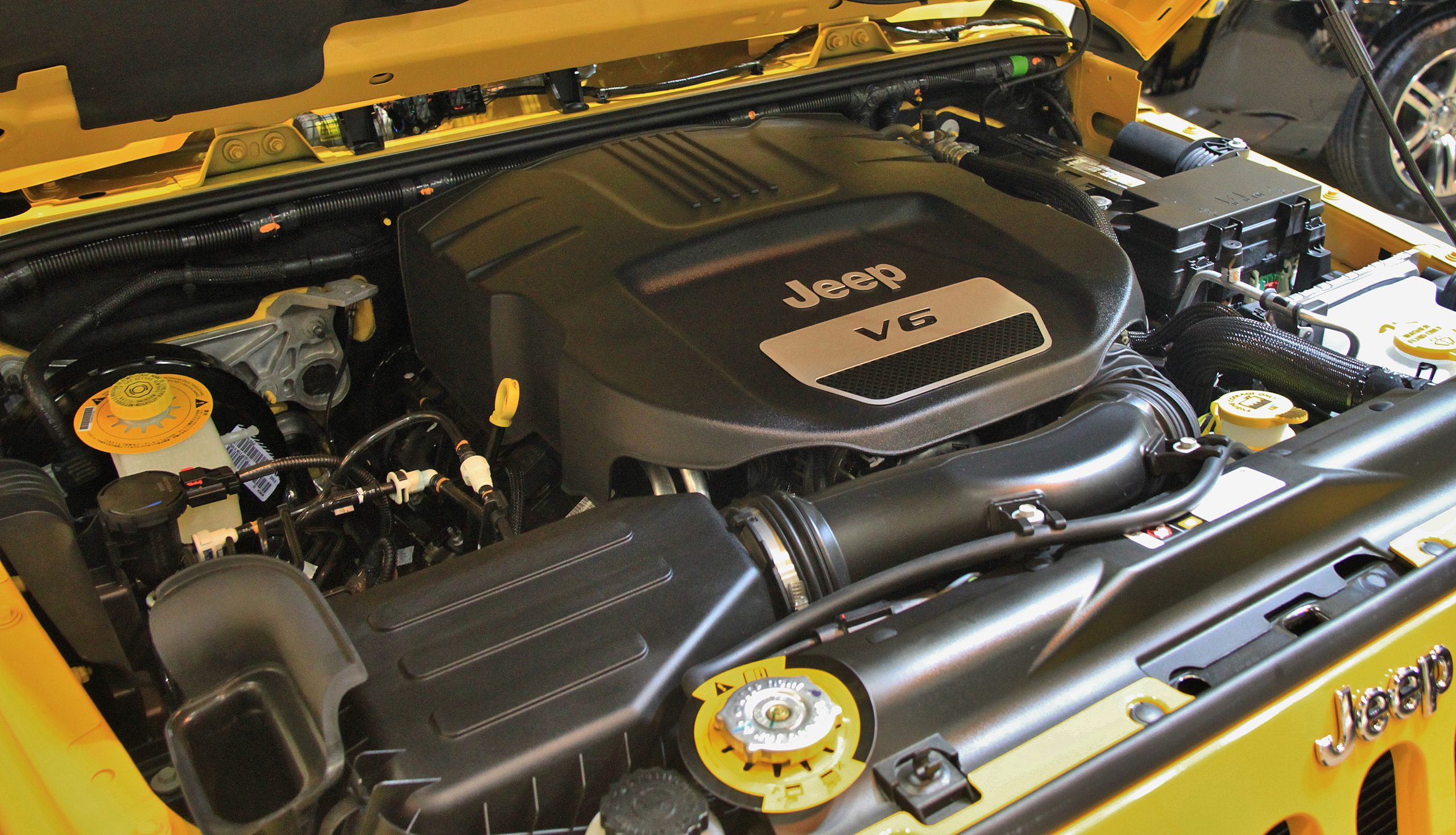
Utility and adaptability define the 3.6-liter Pentastar V6 used in the Jeep Wrangler, a powertrain that has remained mechanically stable since its introduction. Designed as a global engine for multiple Chrysler platforms, it delivers balanced performance without requiring structural reinvention across its production life.
Aluminum construction reduces mass while maintaining structural integrity. That material choice improves vehicle weight distribution, which benefits both road handling and off-road articulation. Despite modern materials, the engine architecture itself has remained consistent since early production revisions stabilized its design.
Power delivery feels smooth across a wide rpm range. Acceleration builds in a controlled manner, supporting both highway travel and low-speed trail driving. This adaptability allows the Wrangler to perform multiple roles without mechanical compromise.
Valve timing and airflow systems are engineered for efficiency across varied conditions. Dual overhead camshafts support consistent breathing, while variable timing adjusts performance behavior without altering the engine’s core structure. These systems enhance usability without requiring redesign of the base architecture.
Cooling capacity supports extended operation in harsh environments. Whether used in slow off-road climbs or sustained highway driving, temperature control remains stable. That consistency helps preserve long-term engine health under varied conditions.
Maintenance access benefits from widespread adoption across Chrysler models. Service knowledge is well distributed, and replacement components remain readily available. That service ecosystem reduces ownership friction and supports long service life.
Off-road performance highlights the engine’s torque characteristics. Low-end response allows controlled movement over uneven roads without frequent gear changes. That behavior complements the Wrangler’s off-road reputation without requiring mechanical redesign.
Fuel consumption remains moderate relative to engine size and vehicle weight. While not optimized for economy-focused driving, it aligns with the vehicle’s utility-first purpose. Mechanical reliability has kept the Pentastar V6 in continuous production without a structural overhaul. Its consistent behavior across multiple model years reflects confidence in the original engineering foundation.
5. Toyota 2JZ-GTE 3.0L Inline-Six (Toyota Supra MK4)
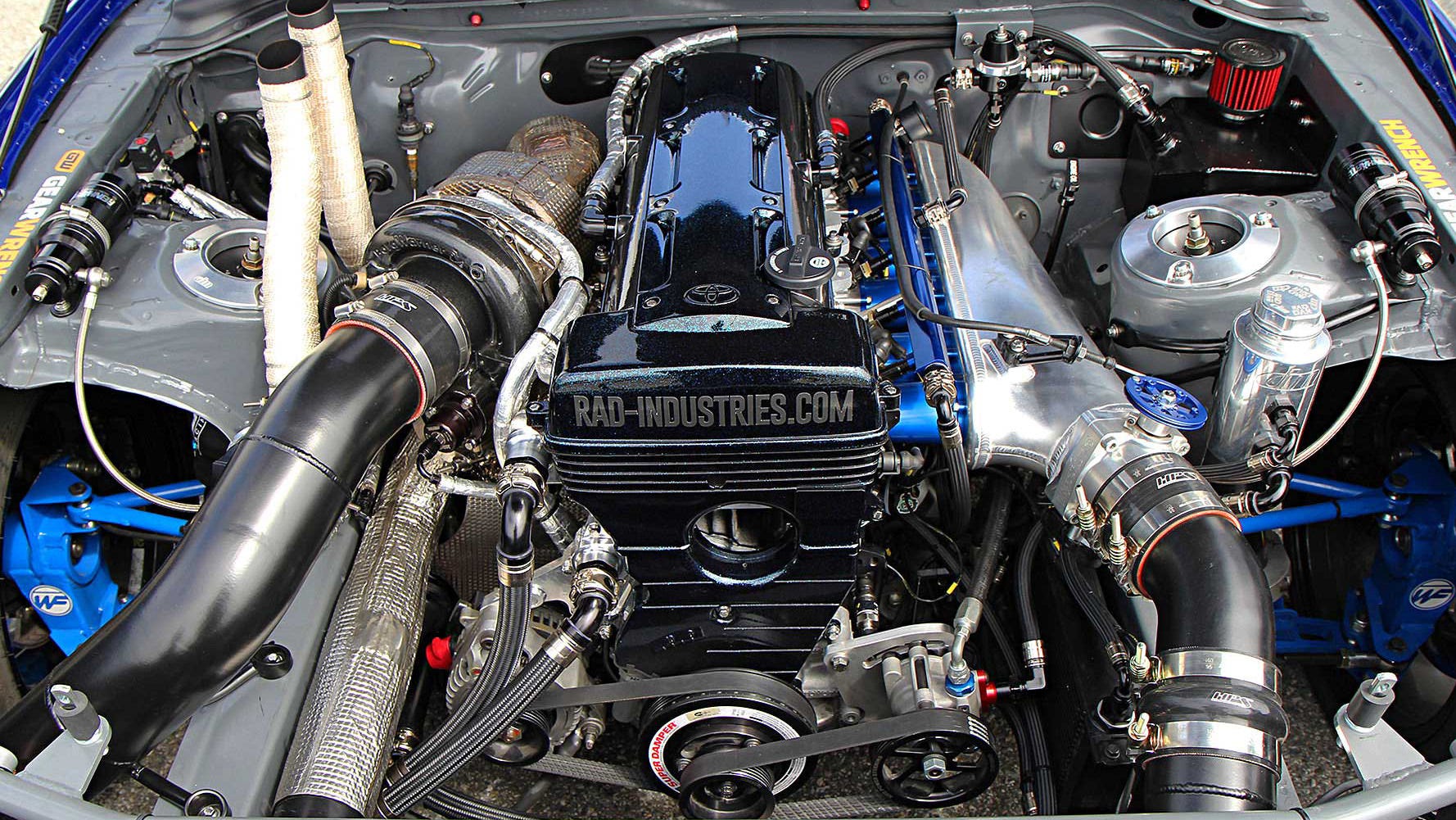
Engineering from the mid-1990s still defines this engine today. The Toyota 2JZ-GTE, found in the Toyota Supra MK4, remains a reference point for durability and tuning potential without needing redesigns to stay relevant. Built during an era when overengineering was a guiding principle, this inline-six continues to perform at a level that newer designs often try to match rather than surpass.
A cast-iron block gives the engine a strong foundation. That choice alone explains why so many examples survive extreme tuning conditions without structural failure. Internal components were designed with heavy tolerances, allowing the engine to handle forced induction with minimal modification. Stock twin turbochargers deliver smooth boost delivery, and even in factory form, the response feels controlled rather than erratic.
Torque builds in a predictable curve, which gives drivers confidence during acceleration. Unlike modern engines that rely heavily on electronic intervention, this powertrain responds directly to mechanical input. That mechanical honesty is part of why it has remained unchanged in core architecture for decades.
Cooling capacity also plays a role in its long-term stability. Factory systems were sized generously, meaning heat management remains stable even under sustained load. Many aftermarket builds push well beyond factory output, yet the base engine design continues to tolerate stress that would overwhelm newer, lightweight blocks.
Sound quality carries a distinct mechanical tone. It is not overly refined, yet it delivers a clear sense of engine speed and load. Enthusiasts often describe it as “honest,” reflecting how directly it communicates performance behavior. Modular design supports long-term use without redesign requirements. Components such as head gaskets, intake systems, and turbo setups can be upgraded independently without altering the fundamental architecture.
That flexibility has kept the engine relevant long after production ended. Many performance builders still select this engine as a foundation because its original engineering leaves little need for redesign. Its endurance is not tied to modern electronics or adaptive systems, but to mechanical strength and thoughtful factory design choices that continue to hold value decades later.
6. Honda K20A 2.0L Inline-Four (Honda Civic Type R EP3 / FD2 Era)
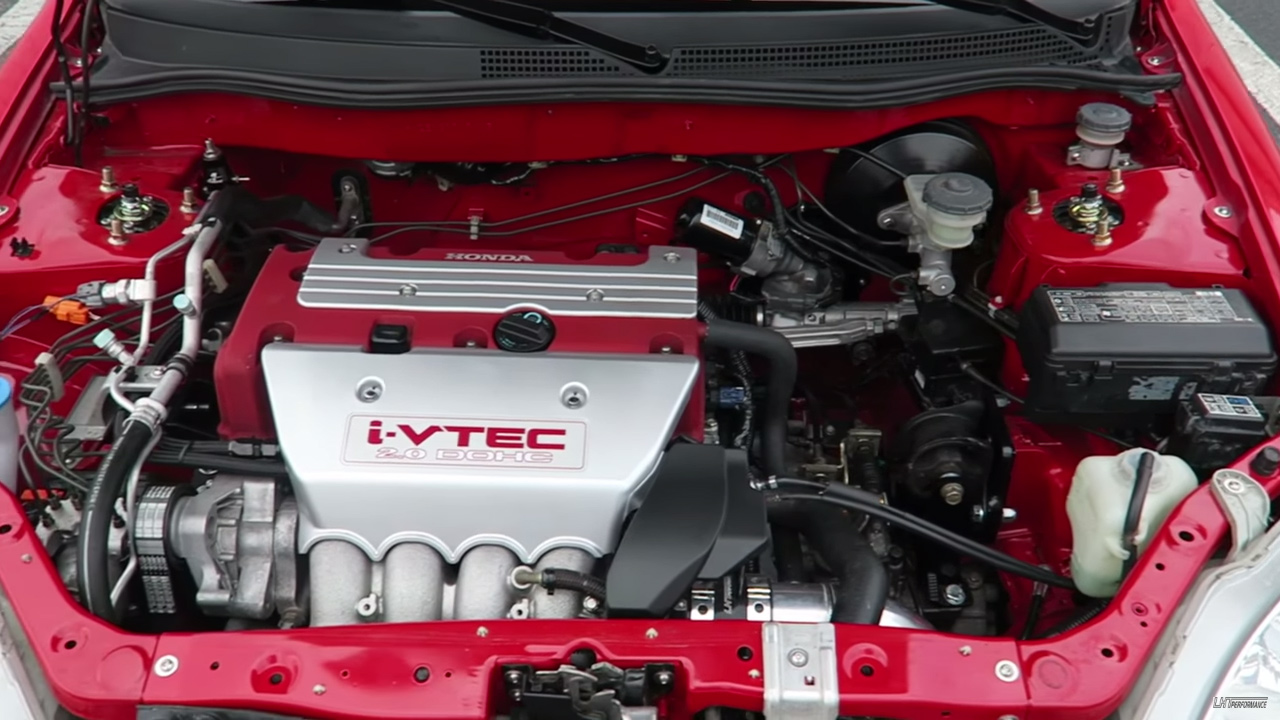
Honda’s K20A engine stands as a demonstration of precise engineering that has remained effective without structural redesign since its introduction. Found in various Honda Civic Type R models such as the EP3 and FD2 generations, this 2.0-liter inline-four continues to serve as a benchmark for high-revving naturally aspirated performance built on consistency rather than redesign cycles.
High engine speed capability defines its core behavior. The K20A operates comfortably at elevated rpm ranges while maintaining stable operation and controlled power delivery. That ability comes from lightweight internal components, carefully balanced rotating assemblies, and a valvetrain engineered to sustain repeated high-speed operation without mechanical instability.
Valve timing control through VTEC introduces a second operating character within the same engine. Once engine speed reaches a set threshold, cam profiles adjust to allow increased airflow and stronger output. That transition remains smooth due to the original mechanical design, which was engineered to handle both operating modes without requiring later structural revision.
Fuel consumption and output remain well aligned for a performance-focused engine. Even without modern redesign work, the K20A maintains efficient combustion while producing competitive horsepower for its displacement class. That balance has allowed it to remain relevant in both factory and modified configurations across different model years.
Cooling capability supports extended performance use. Engine temperature control systems maintain stability during high-rev operation, reducing thermal stress on internal components. That stability contributes to durability in both everyday driving conditions and track-focused environments.
Throttle response feels immediate due to low rotating mass within the engine assembly. Driver input translates quickly into engine reaction, which supports precise control during acceleration and gear changes. That direct response gives the engine a mechanical feel that remains consistent across operating conditions.
Service history across multiple Honda platforms shows long-term durability. Many units continue operating under both stock and modified conditions without requiring internal redesign. That continued reliability has made the K20A a preferred foundation for performance builds, where its original engineering already supports high-output applications without structural modification.
7. Mercedes-Benz M113 5.0L V8 (E55 AMG / S500 Era)
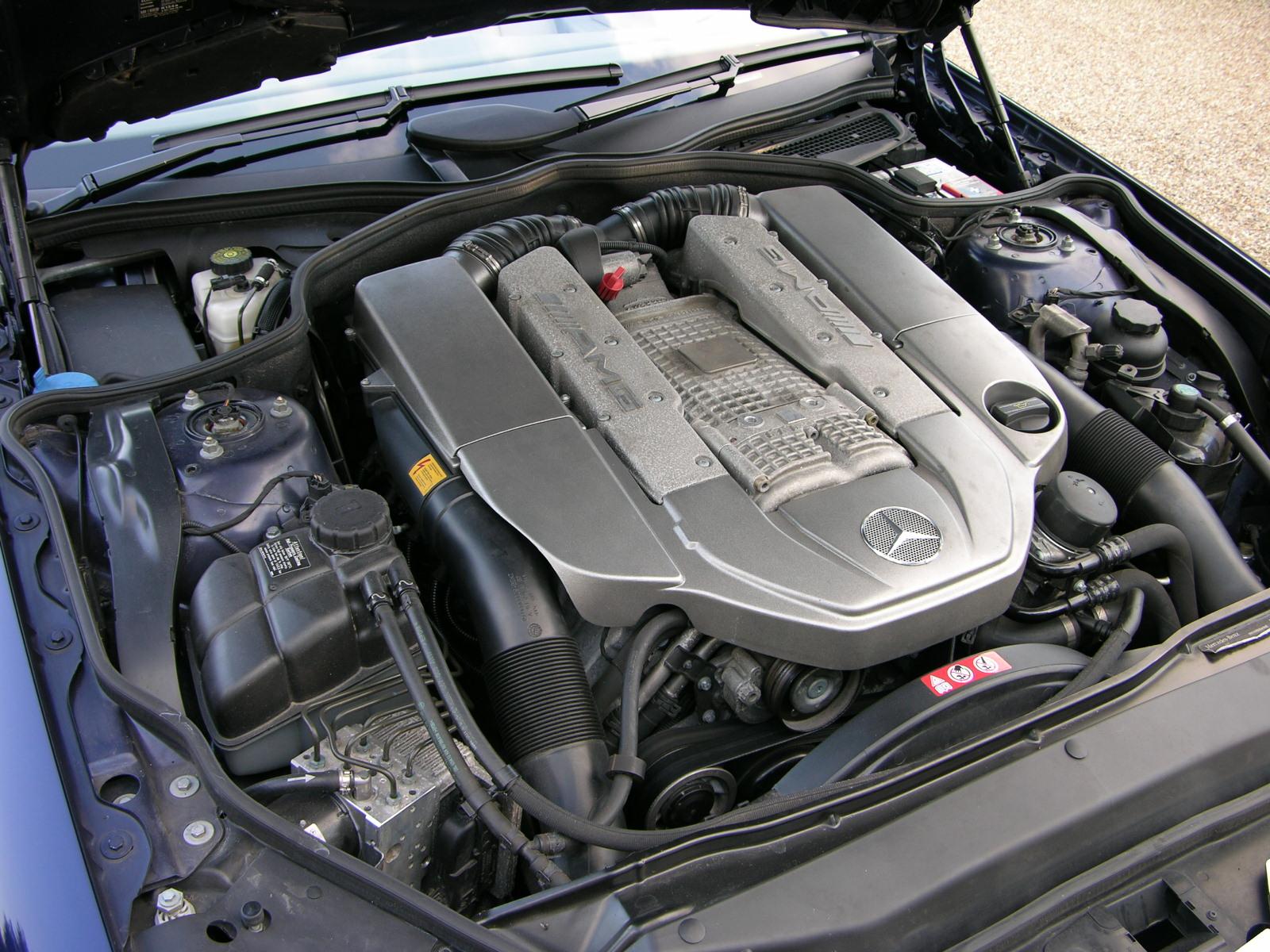
Mercedes-Benz developed the M113 V8 during a period when durability and controlled refinement guided engineering direction. Found in models such as the Mercedes-Benz E55 AMG and Mercedes-Benz S500, this engine maintains a consistent structural layout across multiple production years without major architectural alteration.
A naturally aspirated configuration defines its behavior during operation. Power delivery arrives in a steady manner, free from assistance provided by forced induction systems. That steady delivery supports smooth acceleration during both city driving and long highway travel.
Internal construction relies on reinforced mechanical components designed for long service life. Thick cylinder walls and robust rotating assemblies provide resistance to wear under sustained use. This structural strength allows the engine to maintain stable operation even after extended mileage accumulation.
Throttle response feels controlled rather than abrupt. Acceleration builds in a gradual progression, giving drivers a measured sense of power application. That behavior supports relaxed driving when needed while still allowing stronger output during more demanding acceleration.
Thermal control systems were designed for extended operation periods. Radiator capacity, coolant flow paths, and oil circulation channels work together to maintain stable engine temperatures during long-distance driving. That stability reduces thermal stress on internal components during continuous use.
Sound character reflects a refined V8 tone with a restrained profile. The acoustic output is deep and steady, designed to suit luxury-oriented vehicle cabins rather than dominate them. That sound behavior aligns with the vehicle’s emphasis on comfort during travel.
Service records across various models show long-term mechanical consistency. Many engines continue operating without structural redesign, supported by routine servicing and durable original engineering. That sustained performance has allowed the M113 to remain in active use across multiple Mercedes-Benz platforms for many years without requiring a fundamental redesign.
Also Read: 8 Engines Famous for Timing Chain Reliability That Rivals Only Hope For
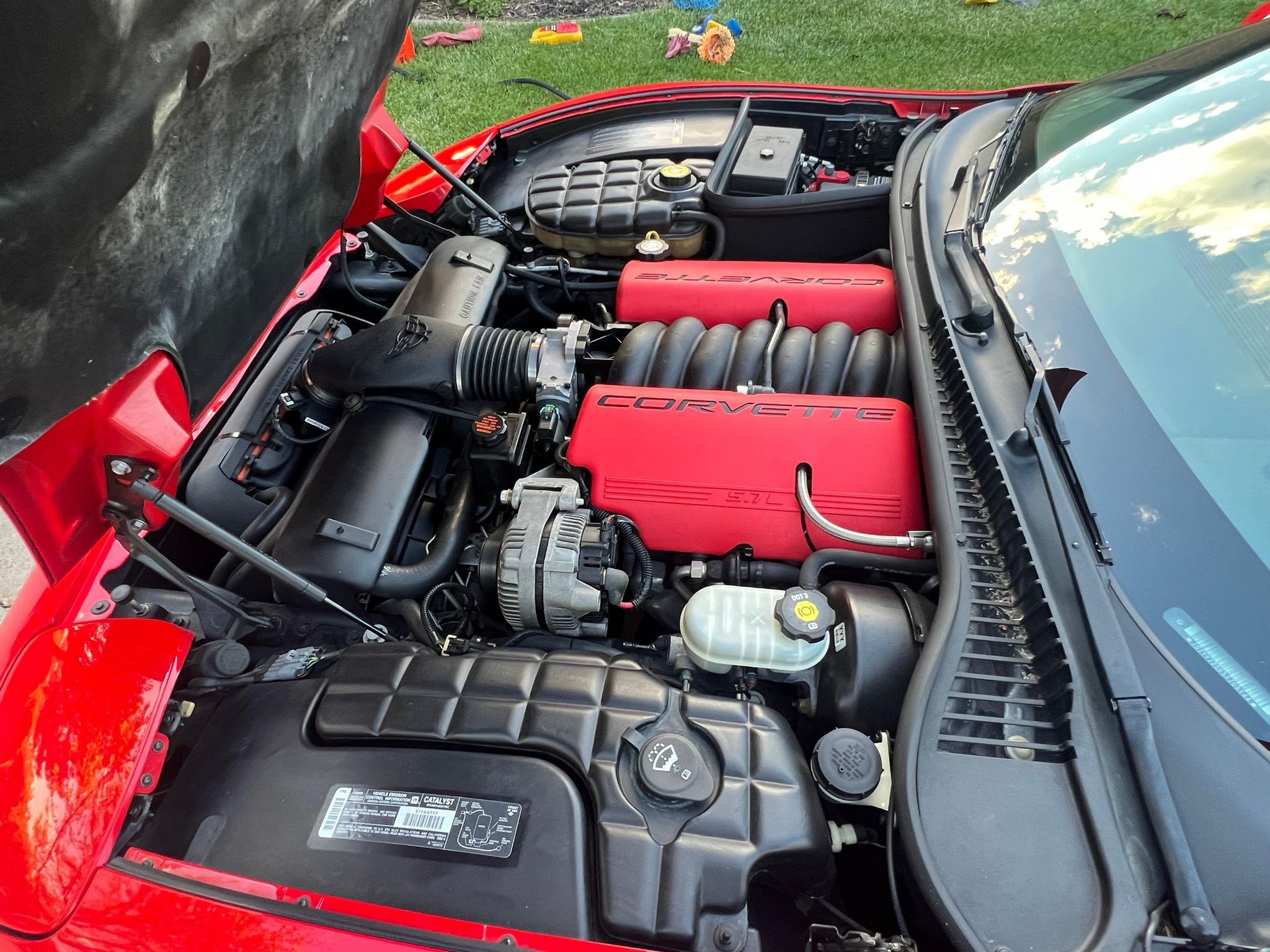
8. Chevrolet LS6 5.7L V8 (C5 Corvette Z06)
Chevrolet introduced the LS6 V8 as part of the LS engine family and placed it in the Chevrolet Corvette C5 Z06, where it served as a high-performance benchmark for early 2000s American sports engineering. The engine reflects a design approach that has stayed structurally consistent since its introduction, relying on a proven mechanical foundation rather than repeated redesign cycles.
Aluminum construction reduces total engine mass, which improves front-to-rear balance inside the vehicle. That reduction in weight contributes to sharper directional response during cornering, while still preserving structural strength required for sustained performance driving. The choice of material also supports heat dissipation, which helps maintain stable operating conditions under load.
Airflow efficiency plays a central role in how the LS6 produces power. Cylinder head architecture promotes strong intake and exhaust movement, allowing air and fuel to enter and exit the combustion chambers with minimal restriction. That design supports efficient combustion without relying on turbocharging or supercharging systems, resulting in a naturally aspirated power delivery style that feels direct and mechanical.
Throttle response remains immediate, with acceleration building in a smooth and controlled manner. Drivers experience consistent pull through the rev range, which supports predictable behavior during both highway acceleration and track use. That linear delivery allows better modulation of power during high-speed driving situations.
Cooling systems were designed with sustained performance in mind. Radiator capacity, coolant routing, and oil management all work together to maintain stable operating temperatures during extended periods of high load. This thermal stability helps reduce stress on internal components and supports repeatable performance without decline during continuous use.
Mechanical simplicity contributes strongly to the LS6’s long service life. Compared with modern forced-induction engines that include additional components such as turbochargers, intercoolers, and complicated plumbing, the LS6 maintains a more direct mechanical structure. Fewer moving parts reduce wear points, which supports durability across high mileage accumulation.
Exhaust tone delivers a strong V8 character with clear mechanical presence. The sound is deep and assertive without artificial enhancement, reflecting combustion activity directly from the engine itself. That acoustic profile has become closely associated with the Corvette Z06 driving experience.
Long-term service history shows continued use of the LS6 engine in both stock and modified applications without requiring structural redesign. Its original engineering continues to meet performance expectations in modern use cases, supporting its sustained presence among performance-oriented vehicles and enthusiast builds.
