Automotive engineering is built on trust. Buyers expect that engines will perform reliably for years, and manufacturers invest heavily in testing to ensure durability. Yet there are moments when that trust is shaken, often not by isolated defects but by widespread patterns of failure that affect thousands of vehicles.
When such patterns emerge, they do not remain confined to workshops. They move into courtrooms, leading to class action lawsuits that reshape how brands are perceived.
An engine related lawsuit usually begins with repeated complaints. Owners experience similar problems such as excessive oil consumption, premature component failure, or sudden engine shutdowns.
When these issues appear across multiple vehicles and production years, they attract attention from regulators and legal teams. What follows is often a lengthy process of investigation, negotiation, and eventual settlement.
These cases highlight more than just mechanical weaknesses. They reveal how design decisions, manufacturing processes, and corporate responses interact. Sometimes the root cause lies in material choices or engineering compromises. In other cases, the issue is not addressed quickly enough, allowing it to escalate into a larger problem.
Mechanics often see the pattern early. Repeated visits for the same engine type, identical symptoms, and similar repair outcomes point to underlying issues. By the time legal action begins, the problem is usually well established within the service community.
Settlements do not always mean a complete failure of the engine design. Some engines perform well under certain conditions but struggle under others. However, when the number of affected vehicles grows, the impact on owners becomes significant. Repair costs, downtime, and reduced resale value all contribute to dissatisfaction.
Another important aspect is how these cases influence future engineering. Lessons learned from failures often lead to improvements in later designs. While this does not undo the impact on affected owners, it shapes how manufacturers approach durability and quality control.
This article focuses on engines that became central to class action settlements. These are engines where issues extended beyond isolated incidents and led to legal consequences. Understanding these cases provides insight into how engineering challenges can evolve into larger disputes and why early resolution is critical for maintaining trust.
Also Read: 8 Flat-Plane Cranks That Reshaped American Muscle Thinking
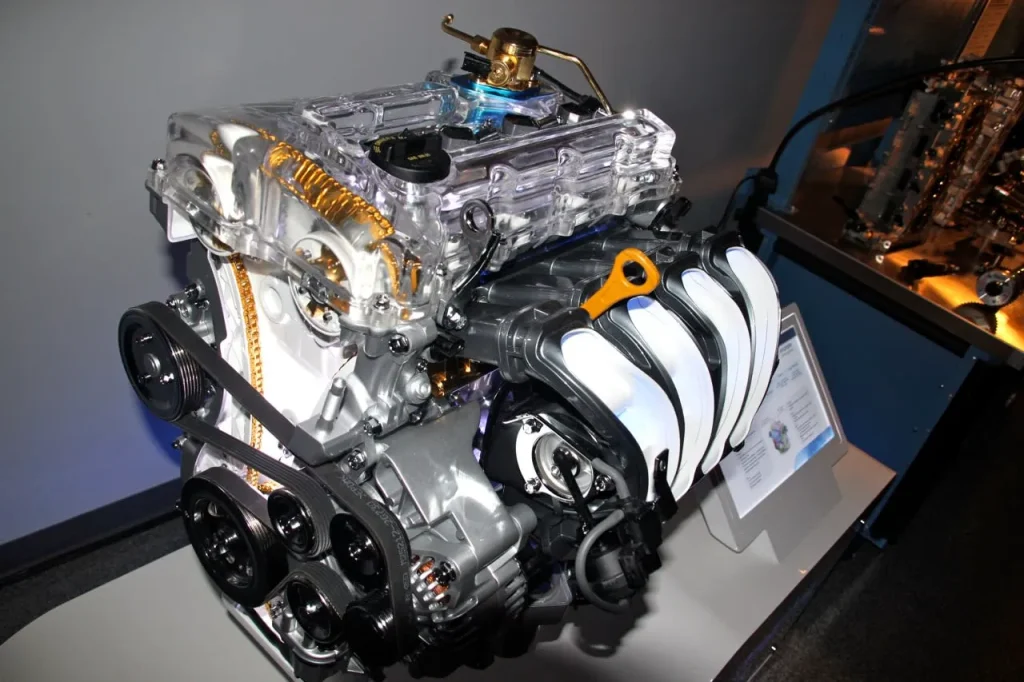
1. Hyundai 2.4L Theta II Engine
The Hyundai 2.4L Theta II engine became one of the most widely discussed cases in recent automotive history, largely due to issues that led to class action settlements. This engine was used across multiple Hyundai and Kia models, which meant that when problems began to surface, they affected a large number of owners.
At the center of the issue were manufacturing inconsistencies that left metal debris inside the engine. These particles could restrict oil flow, leading to insufficient lubrication in critical areas. Over time, this caused accelerated wear in components such as bearings.
Drivers often reported knocking sounds from the engine, especially during acceleration. This noise indicated internal damage that could progress quickly. In some cases, engines failed suddenly, leaving vehicles unable to operate.
Mechanics frequently encountered engines with severe wear that required complete replacement. Once the damage reached a certain level, repairing individual components was no longer practical. This increased repair costs and added to owner frustration.
The widespread nature of the problem led to investigations and eventually legal action. Hyundai responded with recalls and extended warranties, but the scale of the issue had already drawn significant attention. Settlements were reached to compensate affected owners and address repair costs.
Another factor that contributed to the situation was how quickly the problem could escalate. Early symptoms were sometimes subtle, allowing damage to progress before drivers realized the seriousness of the issue. This made timely intervention difficult.
The Theta II case highlighted the importance of quality control in manufacturing. Even a well designed engine can develop serious issues if production standards are not maintained consistently.
For Hyundai, the impact extended beyond repairs. The situation affected public perception and required significant effort to rebuild trust. Despite improvements in later engines, the Theta II remains a reference point in discussions about reliability.
This engine demonstrates how a combination of design and manufacturing factors can lead to widespread consequences. It also shows how legal action becomes a path for addressing large scale issues when traditional solutions are not sufficient.
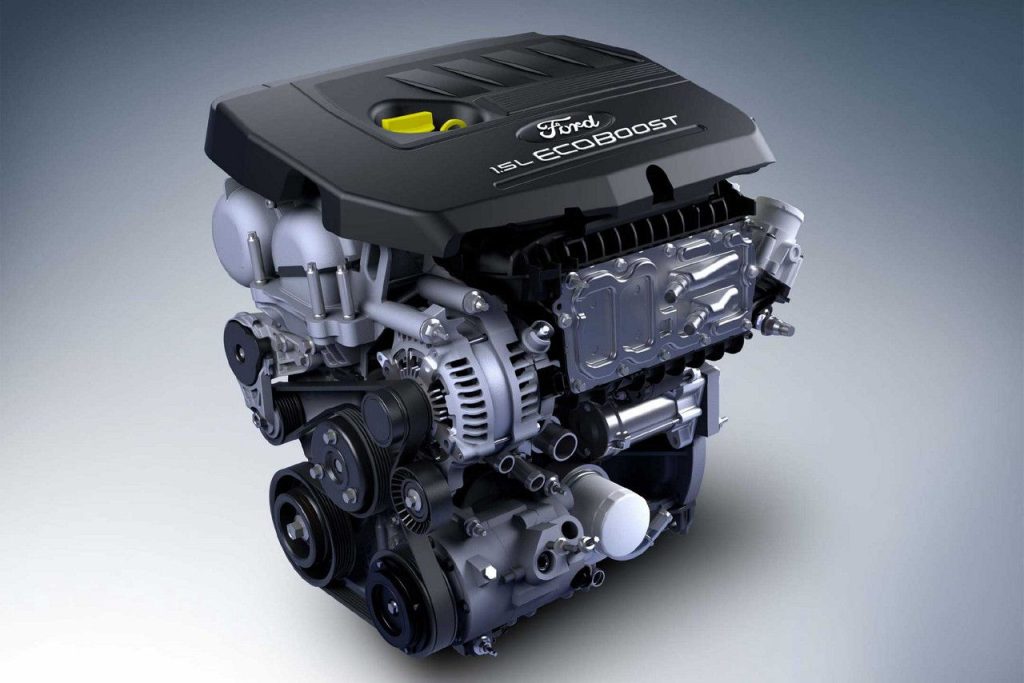
2. Ford 1.5L EcoBoost Engine
The Ford 1.5L EcoBoost engine became associated with coolant intrusion problems that eventually led to class action lawsuits. This engine was designed to deliver efficiency and performance, but certain design characteristics made it vulnerable to internal coolant leaks.
The issue often began with cracks forming in the engine block or around cylinder walls. These cracks allowed coolant to enter the combustion chamber, where it disrupted normal operation. Drivers frequently reported unexplained coolant loss without visible leaks.
As the problem progressed, symptoms such as misfires and white exhaust smoke became more noticeable. The presence of coolant in the combustion chamber affected the air fuel mixture, leading to rough running and reduced performance.
Mechanics often found that by the time these symptoms appeared consistently, internal damage had already occurred. Spark plugs could become contaminated, and cylinder walls showed signs of wear caused by improper combustion.
Repairing the issue was not always straightforward. In many cases, replacing the head gasket was not enough because the underlying problem involved the engine block itself. This meant that engine replacement was often required, significantly increasing costs.
The recurring nature of these failures led to legal action. Owners sought compensation for repairs and losses associated with the defect. Ford addressed the issue through service programs and updates, but the situation had already gained widespread attention.
Another aspect that made this case significant was how the problem developed gradually. Drivers often continued using their vehicles while topping up coolant, unaware of the internal damage taking place.
The EcoBoost design delivered strong performance for its size, but the coolant intrusion issue overshadowed these strengths. Mechanics who worked on these engines became familiar with the pattern and often recognized symptoms early.
This engine highlights how design vulnerabilities can lead to large scale consequences when they affect a broad range of vehicles. It also shows how important early detection and response are in preventing issues from escalating into legal disputes.
3. General Motors 2.4L Ecotec Engine
The General Motors 2.4L Ecotec engine became widely known not just for mechanical concerns but for the legal attention that followed.
Installed across several GM brands, this engine reached a large number of owners, which amplified the impact when issues began to surface. Mechanics started noticing a pattern long before it entered legal discussions.
The most common complaint centered on excessive oil consumption. Drivers often found themselves adding oil between service intervals, sometimes at a rate that felt unreasonable for a modern engine.
What made this more problematic was the lack of clear early warning signs. Oil levels could drop significantly without triggering immediate alerts.
As oil levels decreased, internal components began to suffer. Timing chains, in particular, were vulnerable due to insufficient lubrication. Mechanics frequently encountered stretched or damaged chains, which could lead to poor engine timing and, in severe cases, complete failure.
Another issue involved carbon buildup, which affected combustion efficiency. This contributed to rough running and reduced performance, adding to owner frustration. The combination of oil consumption and internal wear created a situation where multiple components were affected simultaneously.
Legal action followed as complaints increased. Owners argued that the engine consumed oil at an abnormal rate and that the issue was not adequately addressed. Settlements included compensation and, in some cases, extended warranties.
Repair costs could escalate quickly if the issue was not addressed early. Replacing timing chains and repairing internal damage required significant labor, turning what might have been a manageable problem into a costly repair.
Mechanics often stress the importance of monitoring oil levels closely in this engine. Regular checks can help detect issues before they lead to severe damage. However, many owners were unaware of the need for such vigilance.
The 2.4L Ecotec case illustrates how a combination of design and maintenance sensitivity can lead to widespread dissatisfaction. It also shows how patterns of failure can evolve into legal challenges when they affect a large number of vehicles.
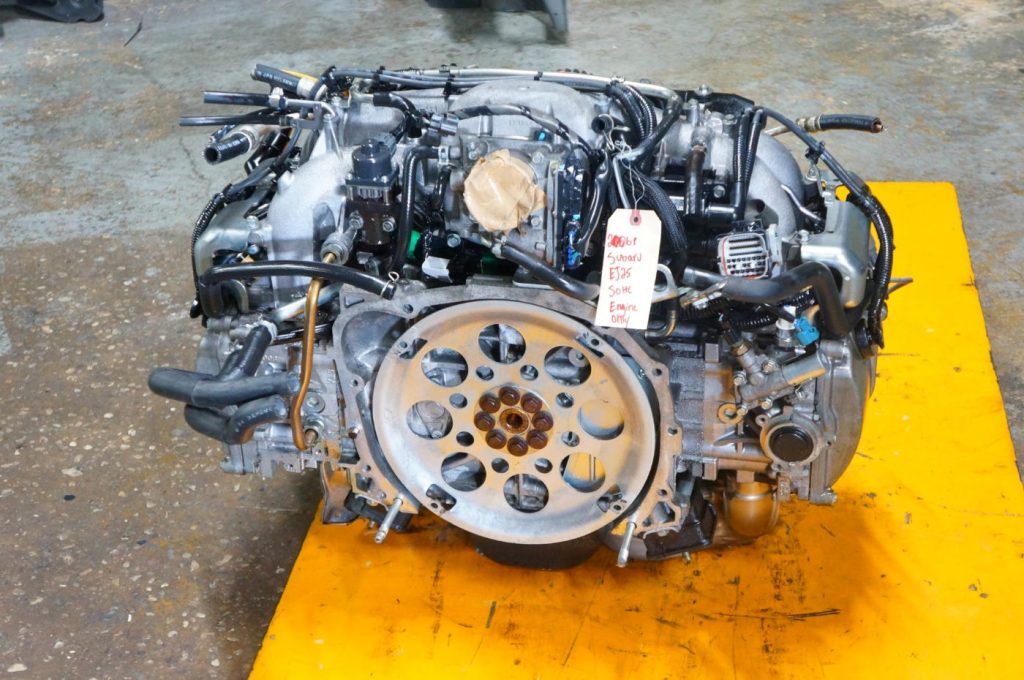
4. Subaru 2.5L EJ25 Engine
The Subaru EJ25 engine presents a different type of case, one where a long standing issue eventually contributed to legal action. Known for its use in all wheel drive vehicles, this engine developed a reputation for head gasket failures that affected many owners over time.
The problem often began with small coolant leaks around the head gasket. At first, these leaks might appear minor, leading drivers to top up coolant without addressing the underlying issue. However, the situation rarely remained stable.
As the gasket deteriorated, coolant could enter the combustion chamber or mix with engine oil. This created conditions that affected both performance and durability. Overheating became a common concern, particularly during extended driving.
Mechanics frequently encountered EJ25 engines with warped cylinder heads or compromised sealing surfaces. Once the engine reached this stage, repairs became more complex. Replacing the gasket alone was often not enough, as additional machining or component replacement was required.
The widespread nature of the issue led to legal action. Owners sought compensation for repair costs and the inconvenience caused by recurring failures. Subaru addressed the situation through extended warranties and settlement agreements.
One aspect that made this case notable was how gradually the problem developed. Many drivers continued using their vehicles for extended periods, unaware of the long term damage taking place. This delay often increased repair costs.
Despite these issues, the EJ25 remained popular due to its performance characteristics and compatibility with Subaru’s drivetrain systems. However, the head gasket problem became a defining feature of its reputation.
Mechanics who work on these engines often emphasize early intervention. Addressing leaks at the first sign can prevent more extensive damage and reduce repair costs.
The EJ25 case demonstrates how a recurring issue can persist over time and eventually lead to broader consequences. It highlights the importance of addressing known problems promptly to maintain customer trust and prevent escalation into legal disputes.
5. Volkswagen 2.0L TDI Diesel Engine
The Volkswagen 2.0L TDI diesel engine became one of the most high profile examples of how an engine program can lead to large scale legal action. Unlike cases driven purely by mechanical failure, this situation centered on emissions systems and how the engine was calibrated to meet regulatory standards.
At the core of the issue was software that altered engine behavior during emissions testing. Under controlled conditions, the engine operated in a way that reduced emissions to meet required limits.
During normal driving, however, the engine produced significantly higher emissions. This discrepancy became the focus of investigations that quickly expanded across multiple markets.
Drivers initially valued the engine for its strong fuel efficiency and torque. It delivered a balance that made it appealing in both compact and midsize vehicles. However, once the emissions issue became public, attention shifted from performance to compliance and transparency.
Mechanics also faced challenges with the engine’s emissions related components. Systems such as the diesel particulate filter and EGR required careful maintenance. When these components failed or became clogged, performance issues and warning lights became common.
Legal action followed as regulators and consumers sought accountability. Settlements included vehicle buybacks, compensation for owners, and significant financial penalties for the manufacturer. The scale of the case made it one of the most notable in automotive history.
Another important aspect was how the situation affected public perception. Trust in diesel technology declined, particularly in passenger vehicles. Even engines that were not directly involved faced increased scrutiny.

Repairing affected vehicles often involved software updates and, in some cases, hardware changes. While these measures addressed compliance, they sometimes altered performance characteristics, which led to mixed reactions from owners.
The 2.0L TDI case demonstrates that legal challenges can arise not only from mechanical reliability but also from how engines are designed to meet regulatory requirements. It highlights the importance of transparency and accurate representation in maintaining customer trust.
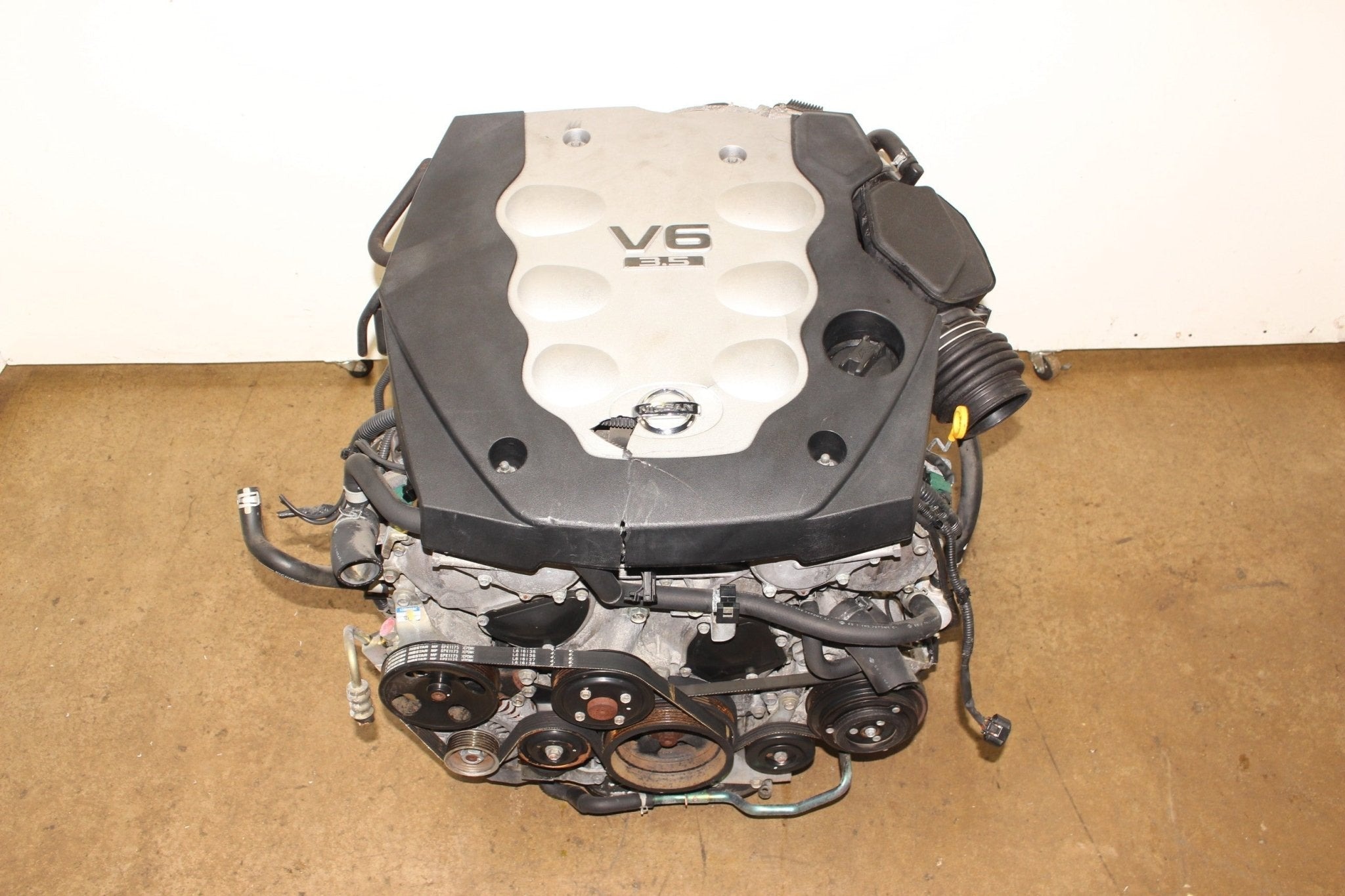
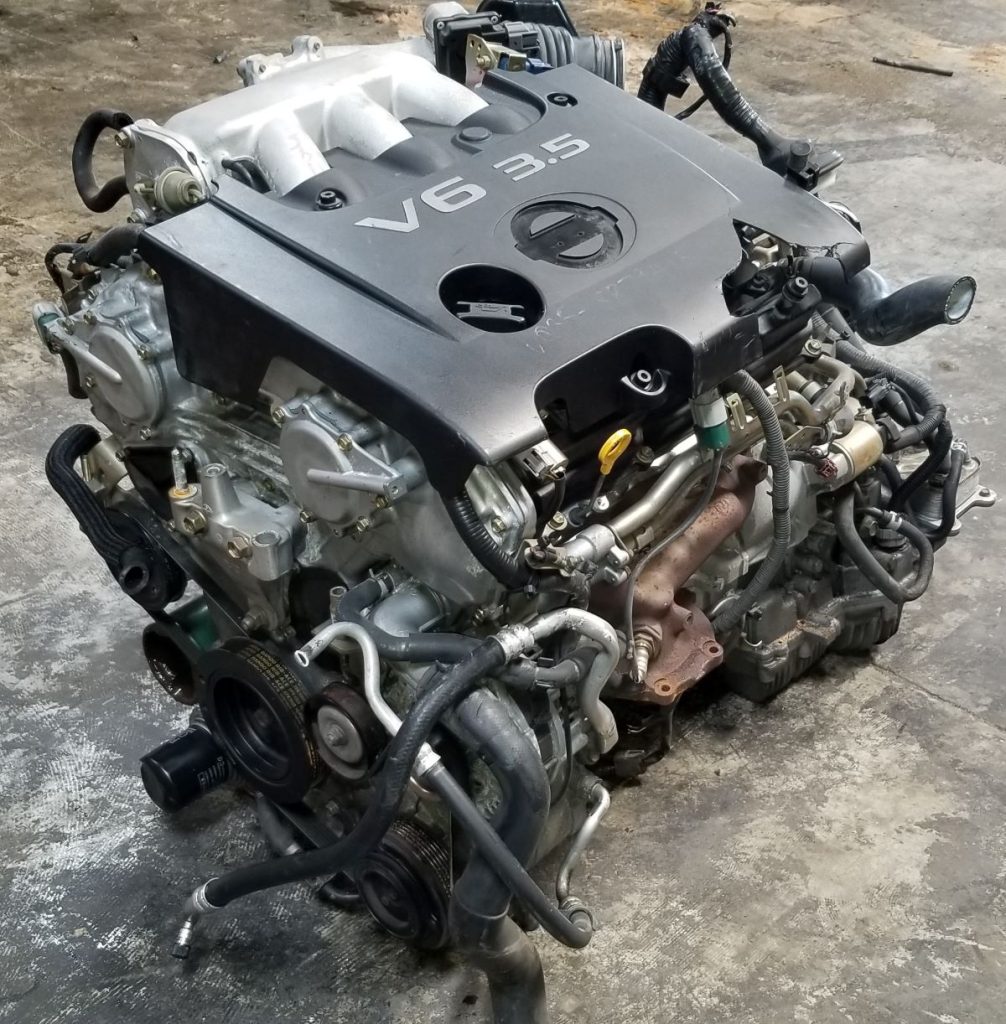
6. Nissan 3.5L VQ35DE Engine
The Nissan VQ35DE engine is widely respected for its performance, yet it also became part of legal discussions related to excessive oil consumption in certain applications. This issue did not affect every unit, but the number of complaints was significant enough to draw attention and lead to legal action.
Owners often reported that the engine consumed oil at a higher rate than expected. In some cases, oil levels dropped between service intervals without clear external leaks. This created a situation where drivers needed to monitor oil more frequently than anticipated.
The underlying cause was linked to piston ring design and wear. When the rings failed to maintain proper sealing, oil entered the combustion chamber and was burned during operation. This not only increased consumption but also affected engine efficiency.
Drivers might notice blue smoke from the exhaust or reduced performance over time. However, these symptoms often appeared after the issue had already progressed. Early stages could remain unnoticed, allowing wear to continue.
Mechanics frequently encountered engines with carbon buildup and reduced compression. Prolonged operation under these conditions could lead to damage in pistons and cylinder walls. Repairing such damage often required significant work, including engine rebuilding.
Legal action focused on the cost and inconvenience faced by owners. Settlements included compensation and, in some cases, extended warranty coverage to address repairs.
Another factor that contributed to the situation was how maintenance expectations differed from reality. While regular servicing was recommended, many owners did not anticipate the need for frequent oil checks.
The VQ35DE case highlights how even a well regarded engine can face challenges when specific issues affect a large number of vehicles. It shows how patterns of failure can lead to broader consequences beyond individual repairs.
Mechanics often advise owners of these engines to monitor oil levels closely and address any unusual consumption early. Taking preventive steps can reduce the risk of severe damage.
This engine demonstrates how a combination of design factors and usage patterns can lead to legal outcomes when they impact a significant number of customers.
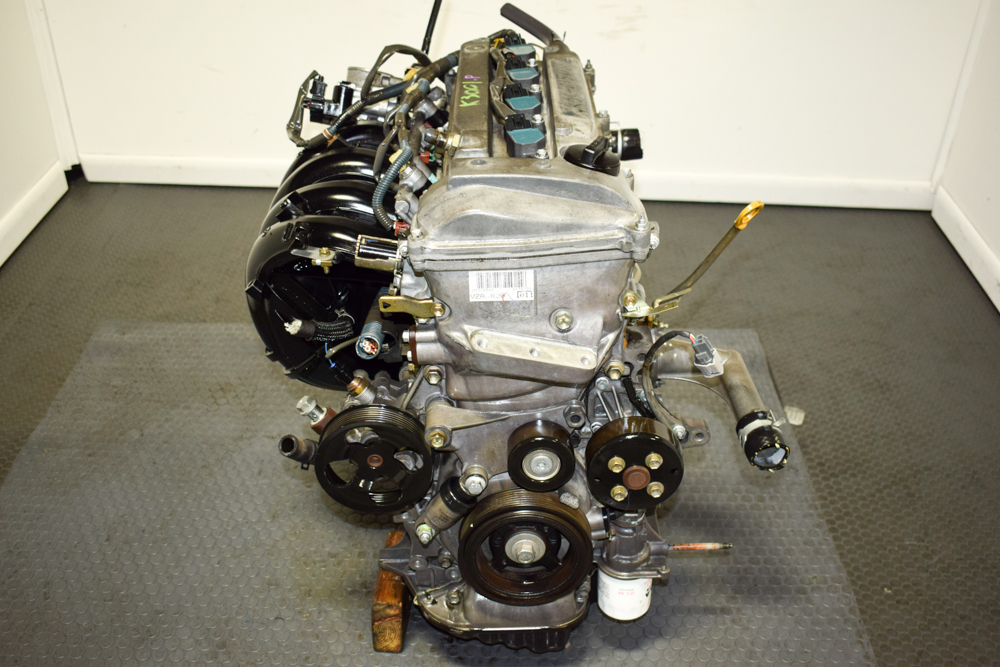
7. Toyota 2.4L 2AZ-FE Engine
The Toyota 2AZ-FE engine built a reputation for reliability in many markets, yet it also became associated with excessive oil consumption that eventually led to class action settlements. What made this case notable was how it affected vehicles that were otherwise expected to deliver long term dependability without unusual maintenance demands.
The issue centered around piston ring design. Over time, the rings could lose their ability to maintain a proper seal between the piston and cylinder wall. When this happened, engine oil entered the combustion chamber and was burned during operation. Drivers often noticed a gradual drop in oil levels between service intervals.
At first, the symptoms were subtle. There might be no visible smoke or performance loss, which made the issue difficult to detect early. Many owners only discovered the problem after the oil level dropped significantly, sometimes triggering warning lights.
Mechanics frequently encountered engines with heavy carbon buildup and reduced efficiency. Prolonged operation with low oil levels increased wear on internal components, including bearings and cylinder walls. In some cases, engine damage became severe enough to require extensive repairs.
Legal action followed as complaints increased. Owners argued that the engine consumed oil at an abnormal rate and that the issue was not adequately communicated. Toyota responded with warranty extensions and repair programs, along with settlement agreements to address affected vehicles.
Another important aspect was how maintenance expectations were challenged. While regular oil checks could help manage the issue, many drivers did not anticipate the need for such frequent monitoring in a modern engine.
The 2AZ-FE case highlights how even established brands can face challenges when design limitations affect a large number of vehicles. It also shows how gradual issues can lead to significant consequences when they are not addressed early.
Mechanics often emphasize that monitoring oil levels is essential for this engine. Early detection can prevent more serious damage and reduce repair costs.
This engine serves as a reminder that reliability depends not only on design but also on how components perform over time under real world conditions.
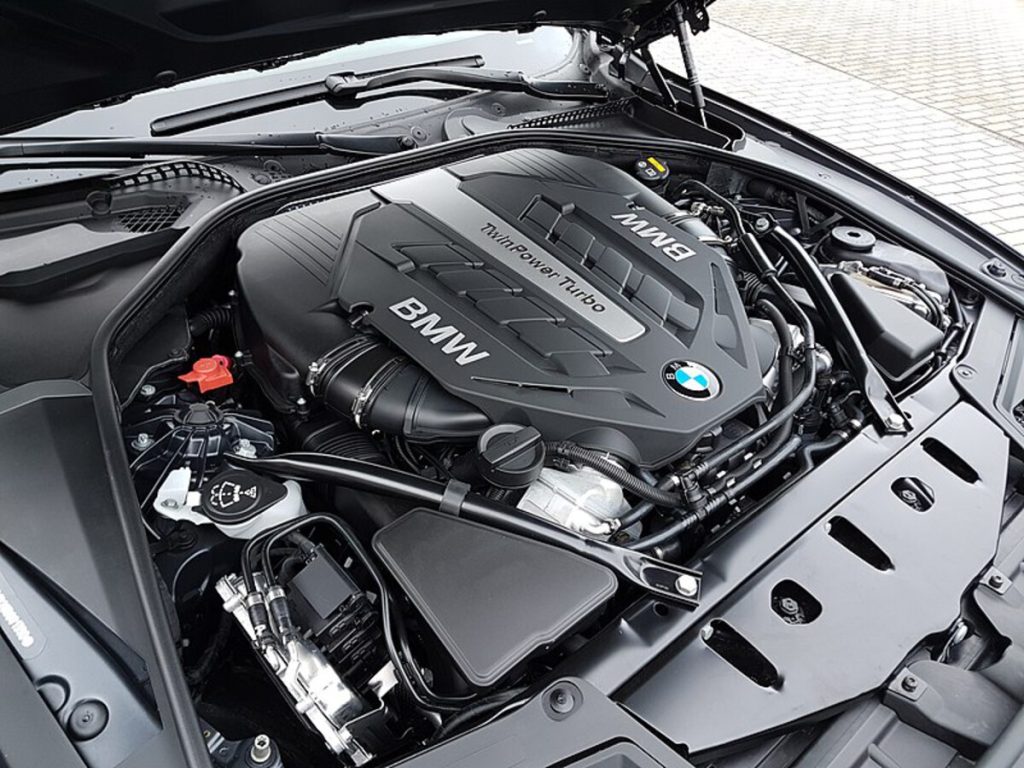
8. BMW N63 4.4L Twin Turbo V8 Engine
The BMW N63 engine represents a case where performance oriented engineering intersected with reliability concerns, leading to legal attention and settlement actions. This twin turbo V8 introduced advanced design features, including a hot V configuration where turbochargers are placed inside the engine valley.
While this layout improved responsiveness, it also created significant heat concentration. Over time, this heat affected various components, including seals, timing chains, and fuel system parts. One of the most widely reported issues was excessive oil consumption.
Owners often found themselves adding oil between service intervals, sometimes more frequently than expected. This not only increased maintenance requirements but also raised concerns about long term engine health.
Mechanics frequently encountered engines with multiple issues developing simultaneously. Valve stem seals, for example, could degrade due to heat, allowing oil to enter the combustion chamber. This contributed to both consumption and carbon buildup.
Another factor was how interconnected the problems became. Heat related wear affected several systems at once, making repairs more complex. Addressing one issue often required inspecting and repairing others.
Legal action focused on the cost of repairs and the impact on owners. BMW responded with service campaigns, updates, and extended coverage to address the concerns. These measures aimed to reduce the financial burden on affected customers.
The engine’s advanced design required precise maintenance, yet many owners did not expect the level of attention needed. This mismatch contributed to dissatisfaction and increased scrutiny.
Despite its strong performance, the N63 became known for its maintenance challenges. The combination of high output and thermal stress created conditions that accelerated wear in critical components.
The N63 case demonstrates how innovative engineering can introduce new risks if durability is not fully balanced with performance. It highlights the importance of managing heat and complexity in modern engines.
9. Chrysler 2.7L V6 Engine
The Chrysler 2.7L V6 engine became a well known example of how maintenance sensitivity and design choices can lead to widespread issues and legal action. Used in several Chrysler and Dodge models, this engine developed a reputation for sludge buildup and related failures.
The root of the problem lay in the engine’s oiling system. Narrow oil passages and high operating temperatures created conditions where sludge could form if maintenance was not consistent. Once sludge began to accumulate, it restricted oil flow to critical components.
Drivers often experienced overheating, reduced performance, or unusual engine noise. These symptoms indicated that lubrication was no longer sufficient. However, in many cases, the damage had already progressed significantly by the time these signs appeared.
Mechanics frequently encountered engines with severe internal wear, including damaged bearings and camshafts. Cleaning the sludge was often not enough to restore proper function, leading to costly repairs or engine replacement.
Legal action followed as owners sought compensation for the high repair costs and recurring issues. Settlements included coverage for certain repairs and acknowledgment of the engine’s vulnerabilities.
Another aspect that made this case significant was how quickly the problem could escalate. Once oil flow was restricted, internal damage developed rapidly, leaving little opportunity for simple fixes.
Maintenance practices played a role, but many owners felt that the engine required more attention than expected. This contributed to frustration and a decline in confidence.
The 2.7L V6 highlights how critical proper lubrication is for engine longevity. When oil flow is compromised, even a well designed engine can suffer severe damage.
This engine demonstrates how a combination of design sensitivity and real world usage can lead to widespread consequences. It remains a reference point in discussions about reliability and legal accountability in the automotive industry.
Class action lawsuits in the automotive world often emerge when engine problems affect large numbers of owners and lead to significant repair costs. The engines discussed in this article highlight how recurring mechanical or design issues can escalate beyond individual complaints into legal disputes that impact entire brands.
Several engines, such as the Hyundai Theta II and GM 2.4L Ecotec, were linked to internal damage caused by oil starvation or excessive consumption.
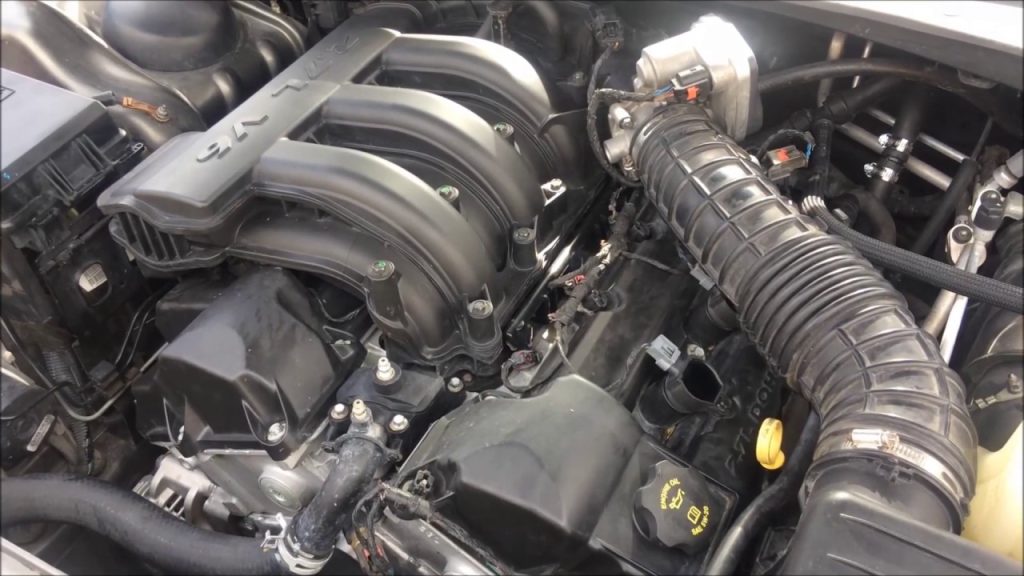
These issues often developed gradually, making early detection difficult and allowing wear to progress until major repairs were required. In other cases, like the Subaru EJ25, long standing head gasket failures created a pattern of repeated repairs that eventually led to legal action.
Some engines, including the Ford 1.5L EcoBoost, suffered from structural problems like coolant intrusion, while others, such as the BMW N63, faced challenges related to heat management and oil consumption.
The Volkswagen 2.0L TDI case stood apart by involving emissions related concerns, showing that legal consequences are not limited to mechanical failures alone.
A common theme across all these engines is how small issues can grow into widespread problems when they affect many vehicles. Delayed responses or insufficient solutions often increase frustration among owners, leading to lawsuits and settlements.
These cases emphasize the importance of quality control, clear communication, and early intervention. For drivers, recognizing warning signs and maintaining vehicles properly can reduce risk. For manufacturers, they serve as reminders that reliability and transparency are essential for maintaining long term trust.
Also Read: 8 Rotary Engines That Lasted Longer Than Expected