
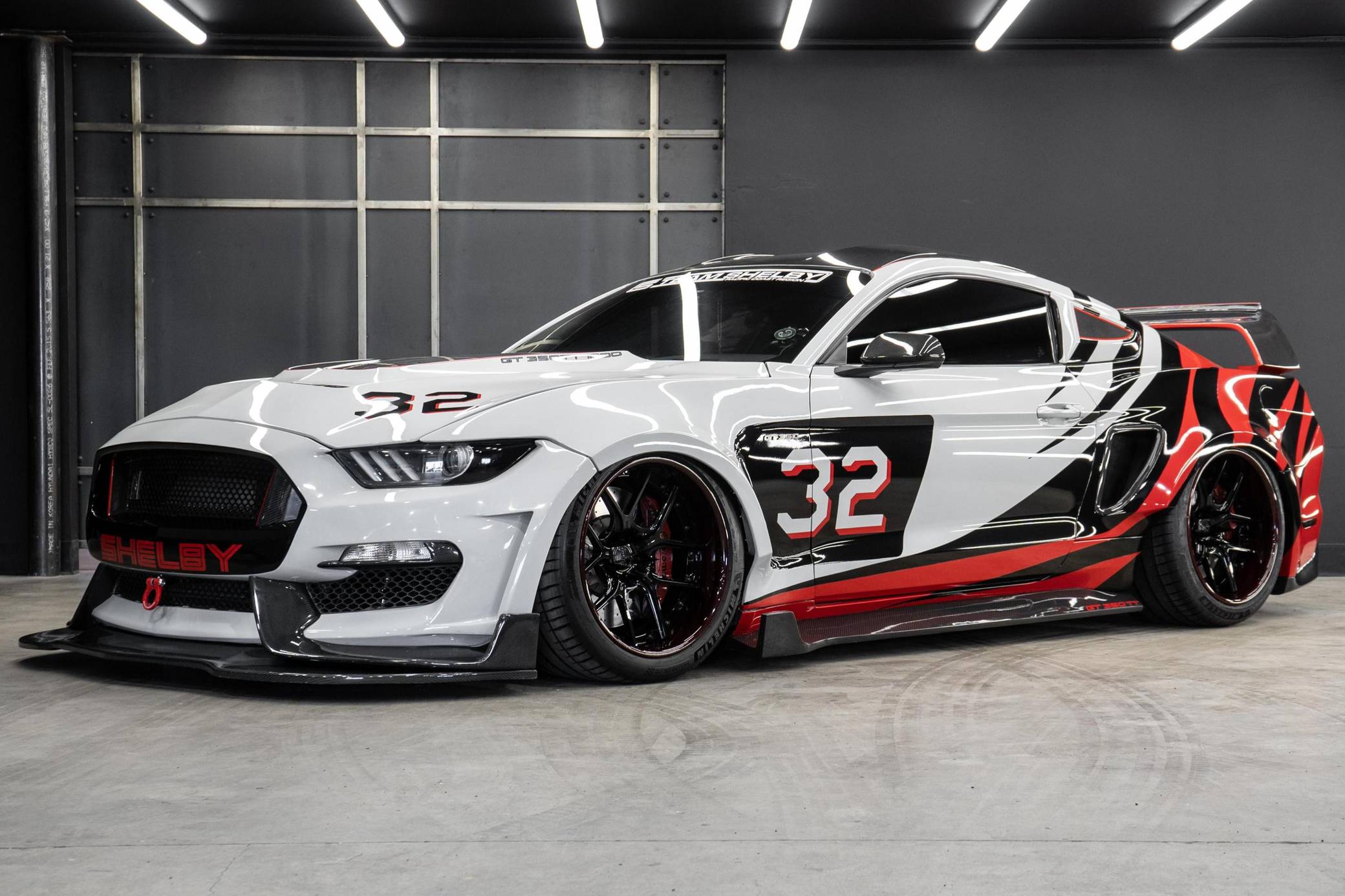
Muscle car identity has long been tied to deep exhaust notes, massive torque, and the unmistakable feel of a traditional cross-plane V8. That formula built decades of loyalty and defined performance expectations across generations.
Yet, engineering progress rarely stands still. A different approach, once associated mainly with European performance cars, gradually found its place within American performance engineering. That approach centers on the flat-plane crankshaft, a design that changes how an engine breathes, revs, and at the end delivers power.
Flat-plane crank V8 engines operate with evenly spaced firing intervals, allowing for improved airflow and faster engine response. This configuration supports higher rev limits and sharper throttle reaction, creating a driving experience that feels more immediate and precise.
While it introduces additional vibration compared to cross-plane designs, careful engineering has allowed manufacturers to manage these characteristics while preserving durability. American manufacturers began integrating this concept into select performance vehicles, challenging long-standing assumptions about what a muscle car should feel like.
Instead of relying purely on low-end torque, these engines reward drivers who engage with higher rev ranges and more precise inputs. That change has influenced how enthusiasts evaluate performance, shifting attention toward balance, responsiveness, and track capability.
What follows is a detailed look at eight vehicles that adopted flat-plane crankshaft technology and, in doing so, altered expectations within American performance culture. Each example highlights how engineering choices can reshape not only a car’s behavior but also the mindset of those who drive and appreciate it.
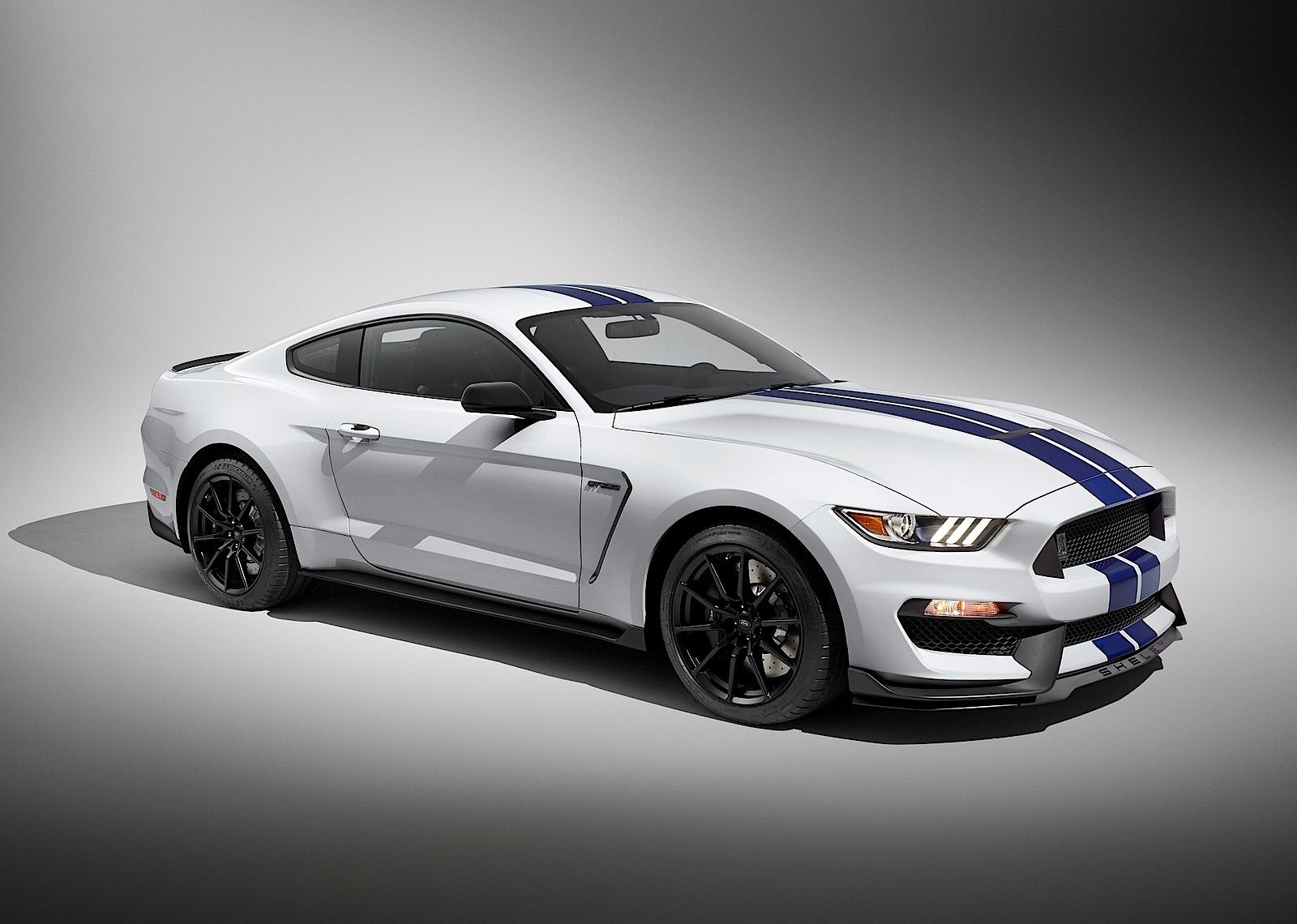
1. 2016 Ford Mustang Shelby GT350 5.2L Voodoo V8
A quiet turning point arrived with the 2016 Ford Mustang Shelby GT350, a model that introduced a mechanical direction few expected from a Mustang badge. Sitting at its center was the 5.2-liter Voodoo V8, a flat-plane crank unit that moved away from traditional American V8 behavior.
Rather than relying on familiar low-end rumble and relaxed rev characteristics, this engine pushed toward a more precise and high-speed operating style. The result reshaped expectations around what a Mustang engine could deliver in performance terms.
Auditory character was the first indicator of change. Instead of the deep, bass-heavy exhaust note associated with earlier V8 setups, the Voodoo engine produced a sharp, rising tone that intensified as engine speed increased. This sound profile resembled motorsport-derived engineering more than classic muscle car tuning. It communicated a focus on speed and mechanical clarity, especially when the engine approached higher rpm ranges.
Power delivery followed a different philosophy compared to conventional V8 setups. The engine encouraged sustained revs, rewarding drivers who kept the needle near the upper end of the tachometer. With a redline exceeding 8,000 rpm, engagement required attention and timing.
Acceleration became less about immediate low-end surge and more about maintaining momentum through controlled gear selection and precise throttle input. Mechanical construction supported this high-rev approach. Lightweight internal components reduced rotational inertia, allowing faster engine response during acceleration and deceleration phases.
Cooling systems received upgraded attention to manage heat generated during extended high-speed operation. Airflow paths through the engine bay were also refined to maintain thermal stability under demanding conditions. Each element worked toward sustained performance rather than short bursts of output.
Chassis behavior benefited directly from the engine’s characteristics. Reduced rotating mass contributed to quicker rev transitions, which translated into sharper throttle response during cornering. Drivers experienced a more immediate connection between input and vehicle reaction, especially when modulating power mid-turn. This improved precision encouraged a more engaged driving style, particularly in performance-focused environments.
Long-term ownership often appeals to individuals who appreciate a more involved driving experience. The GT350 provides both track capability and everyday usability without leaning too heavily toward either extreme. Its character supports drivers who enjoy active participation in the driving process rather than passive operation.
By integrating a flat-plane crank V8 into a Mustang platform, Ford introduced a direction that challenged long-held assumptions about American performance engineering. The GT350 demonstrated that refinement, high-rev capability, and traditional muscle car identity could exist within a single cohesive package.
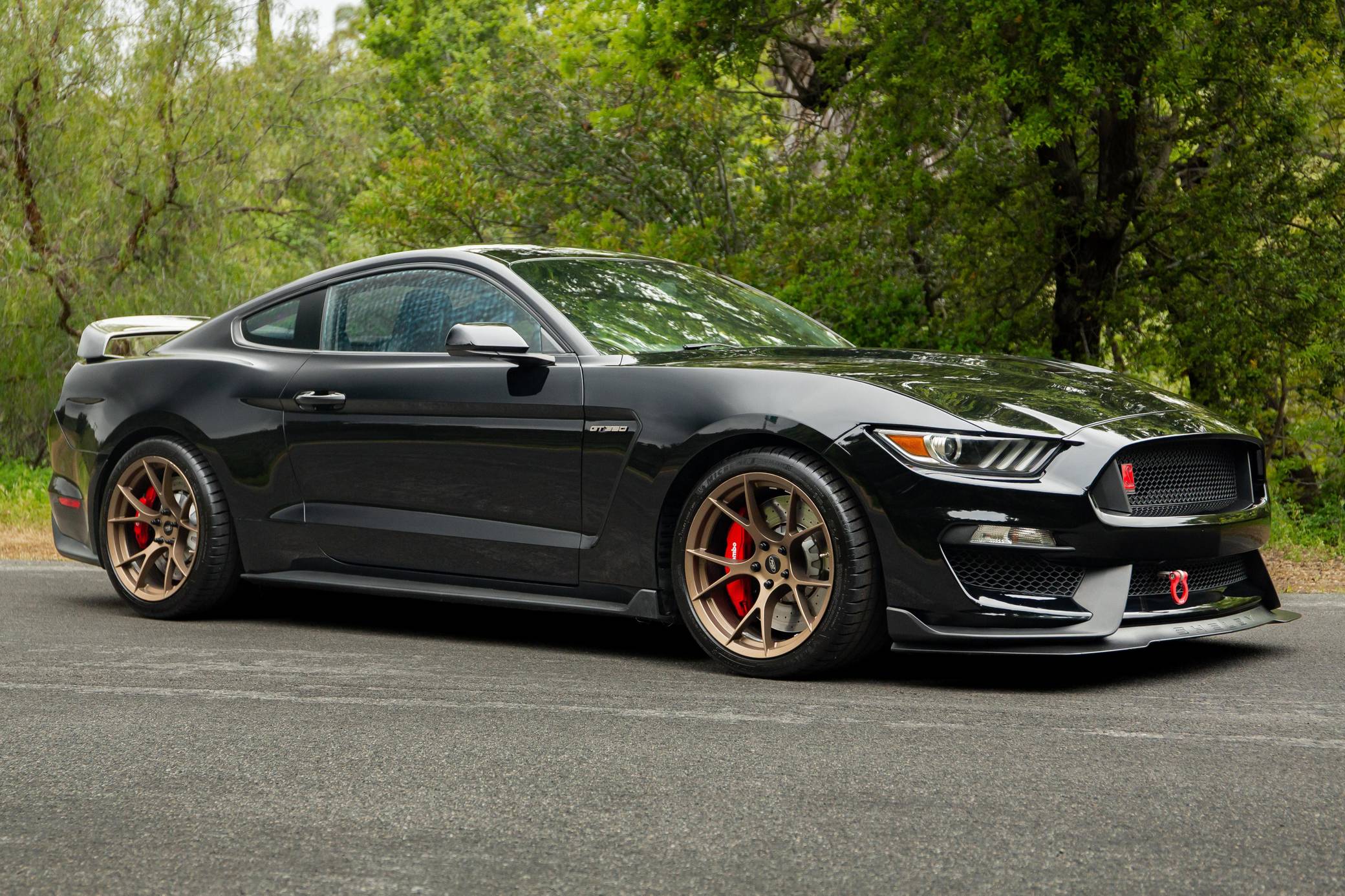
2. 2016 Ford Mustang Shelby GT350R 5.2L Voodoo V8
Track-focused development defines the 2016 Ford Mustang Shelby GT350R, a model that refined the foundation established by its predecessor. While it retained the same 5.2-liter flat-plane crank V8, every surrounding element was optimized to enhance performance under demanding conditions.
Weight reduction became a central theme. Carbon fiber wheels, a stripped-down interior, and reduced sound insulation all contributed to a lighter vehicle. These changes allowed the engine’s characteristics to shine more clearly, as less mass meant quicker acceleration and improved agility.
Throttle response felt immediate. Drivers could sense even minor inputs translating directly into movement, creating a level of precision that encouraged confidence during high-speed driving. This responsiveness made the GT350R particularly effective on road courses, where control and timing play critical roles.
Aerodynamic improvements further supported its capabilities. A larger rear wing and revised front splitter increased downforce, helping maintain stability at speed. These enhancements worked in harmony with the engine’s high-rev nature, allowing drivers to fully exploit its potential.
Interior adjustments reflected its purpose. While comfort remained present, emphasis shifted toward functionality. Supportive seating and simplified controls ensured that drivers could focus entirely on the task at hand. Durability remained a priority despite the performance focus. Cooling systems were upgraded to handle sustained high-speed operation, ensuring that the engine could maintain output without overheating.
Drivers who experience the GT350R often describe a sense of clarity in its behavior. Every input produces a predictable response, reinforcing trust between driver and machine. This model demonstrated that flat-plane crank technology could thrive not only in road cars but also in environments where precision and endurance are essential.
Also Read: 8 American Muscle Cars Enthusiasts Consider Severely Underrated
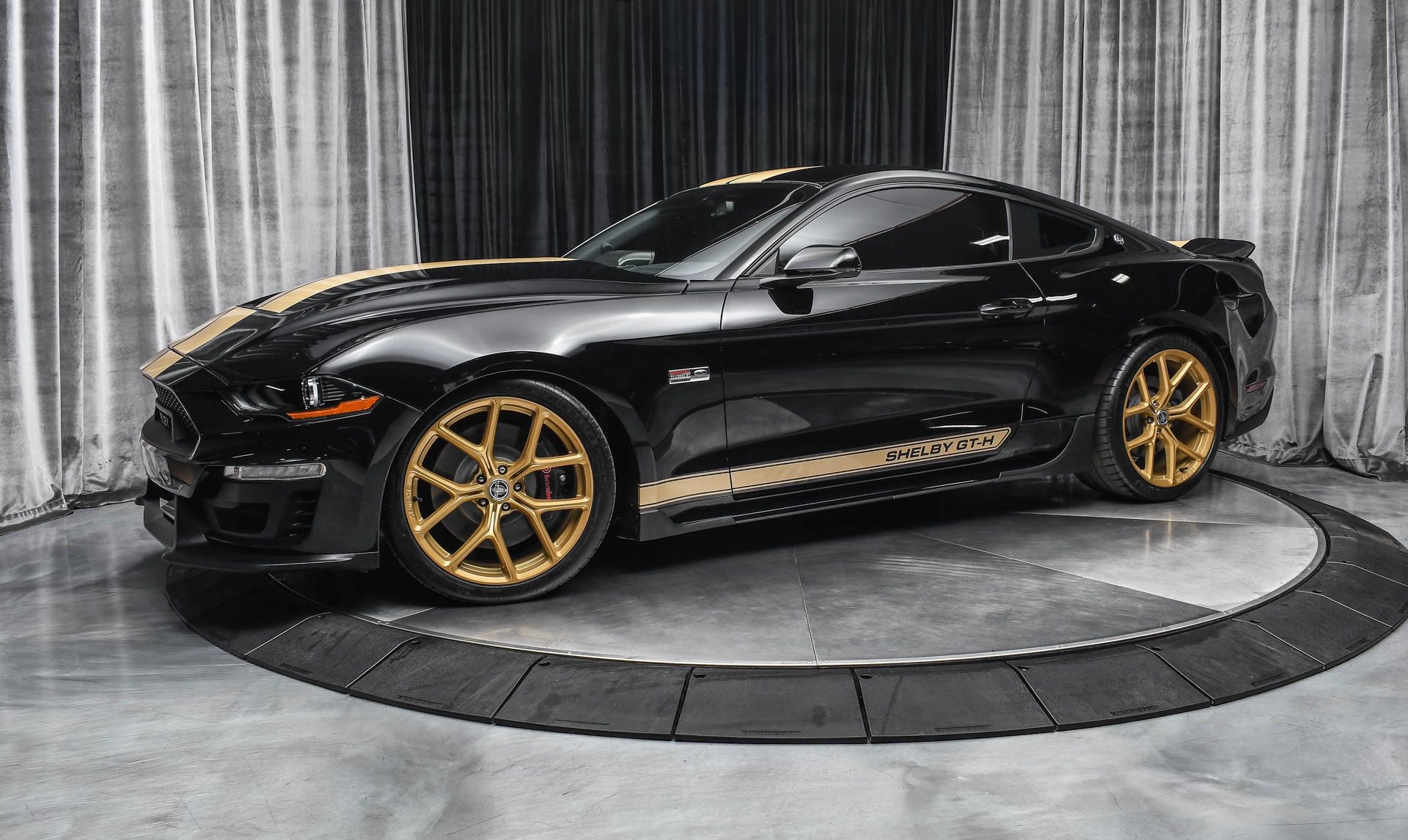
3. 2019 Ford Mustang Shelby GT350 Heritage Edition
A careful blend of legacy recognition and present-day engineering excellence defines the 2019 Ford Mustang Shelby GT350 Heritage Edition. This vehicle does not rely solely on visual nostalgia to establish its identity; rather, it integrates historical cues with a highly advanced mechanical platform that reflects contemporary performance standards.
The result is a car that respects its lineage while delivering a driving experience shaped by modern engineering precision. Exterior presentation plays an important role in establishing its character. Distinctive paint schemes and detailing draw inspiration from earlier Shelby models, creating a visual connection that enthusiasts immediately recognise.
These design elements serve as a reminder of the brand’s long-standing performance tradition. At the same time, the underlying structure, aerodynamics, and build quality reflect current engineering practices, ensuring that the vehicle performs at a level expected of a modern performance car.
Central to its appeal is the 5.2-litre Voodoo V8 engine, which features a flat-plane crankshaft configuration. This design allows for more efficient airflow and quicker engine response, enabling higher rotational speeds than traditional cross-plane V8 engines. Drivers experience a direct relationship between throttle input and acceleration, with the engine responding sharply across the rev range.
This responsiveness encourages active engagement, rewarding those who appreciate precision in performance driving. Attention to refinement distinguishes this Heritage Edition from earlier iterations. Suspension calibration has been carefully tuned to provide both stability during spirited driving and comfort during routine use.
Interior materials also reflect a higher level of finish, with improved surfaces and detailing that enhance the driving environment. These changes make the vehicle suitable for a wider range of applications without diminishing its performance credentials.
Sound quality remains a defining feature of the driving experience. As engine speed increases, the exhaust note develops progressively, producing a sharp and distinctive tone that aligns with the engine’s mechanical behaviour. This auditory feedback contributes to driver awareness and enhances the whole sense of involvement.
Ownership of the Heritage Edition often reflects an appreciation for both historical importance and technological advancement. Drivers value the visual tribute to earlier Shelby models while enjoying the benefits of modern engineering. This dual appeal strengthens its position within the performance car community.
Reliability considerations remain consistent with the broader GT350 range. With proper servicing and adherence to maintenance schedules, the engine and supporting components continue to perform effectively across extended periods of use. This durability supports long-term ownership and reinforces confidence in the vehicle’s design.
This model demonstrates that flat-plane crank technology can exist alongside historical references without conflict. By combining tradition with innovation, it presents a refined interpretation of performance that respects the past while embracing present-day capabilities.
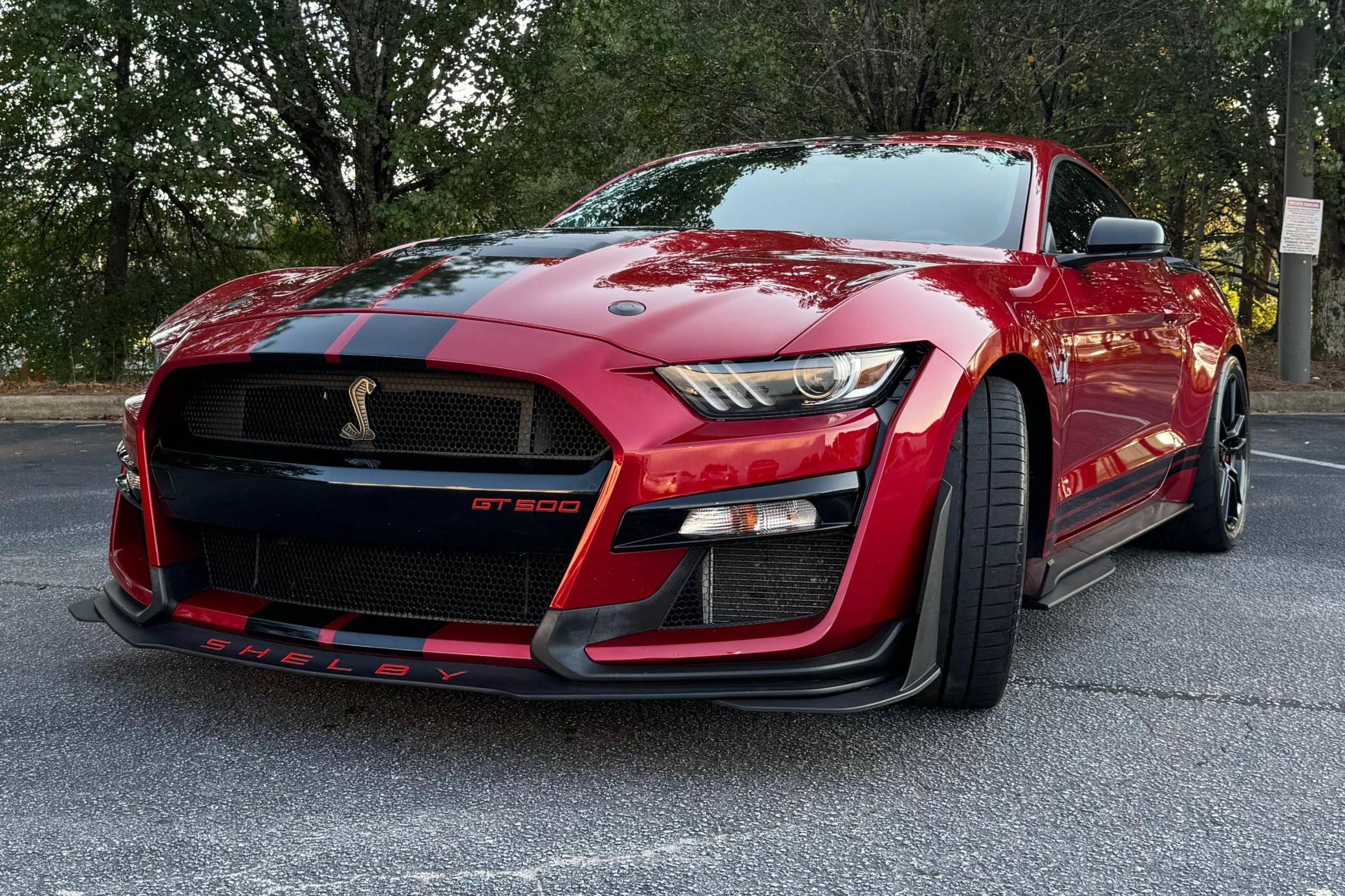
4. 2020 Ford Mustang Shelby GT500 5.2L Predator V8 (Flat-Plane Influence Engineering)
A new level of performance capability is evident in the 2020 Ford Mustang Shelby GT500, a vehicle that reflects the influence of advanced engineering approaches, including lessons drawn from flat-plane crank development. Although its 5.2-litre Predator V8 employs a cross-plane crankshaft, several aspects of its design demonstrate how alternative engineering concepts can shape performance outcomes.
Supercharging defines the engine’s performance characteristics. The addition of a high-capacity supercharger allows the engine to produce substantial power, resulting in acceleration that feels immediate and sustained. This forceful delivery creates a driving experience that emphasises strength and responsiveness, providing drivers with access to high levels of performance across a broad range of operating conditions.
Airflow management receives detailed attention within the Predator V8 design. Intake and exhaust systems have been engineered to maximise efficiency, ensuring that the engine can process large volumes of air without restriction. This approach supports consistent power delivery and contributes to the engine’s ability to perform reliably under demanding conditions. The influence of flat-plane development is evident in the emphasis placed on efficient airflow and high-speed operation.
Thermal management represents another critical area of focus. High-output engines generate considerable heat, requiring effective cooling solutions to maintain stability. Engineers addressed this requirement through the use of advanced radiators, intercoolers, and airflow channels. These components work together to regulate temperature, allowing the engine to sustain performance without compromising durability.
Driving experience combines substantial power with controlled behaviour. Electronic systems, including traction management and adaptive suspension, assist in translating engine output into usable performance. These features ensure that drivers can harness the vehicle’s capabilities with confidence, whether on public roads or in controlled environments.
Interior design reflects a balance between performance orientation and comfort. Modern technology is integrated in a manner that supports driver awareness without creating unnecessary distractions. Controls remain intuitive, allowing drivers to focus on the driving task while still benefiting from advanced features.
Owners frequently value the combination of established muscle car characteristics and contemporary engineering enhancements. The GT500 retains the presence and strength associated with its lineage while incorporating improvements that reflect current performance standards. This balance contributes to its continued appeal among performance enthusiasts.
This model demonstrates that innovation does not require a complete departure from established designs. By applying lessons derived from flat-plane crank research, engineers have enhanced a traditional configuration, resulting in a vehicle that delivers strong performance with refined control.
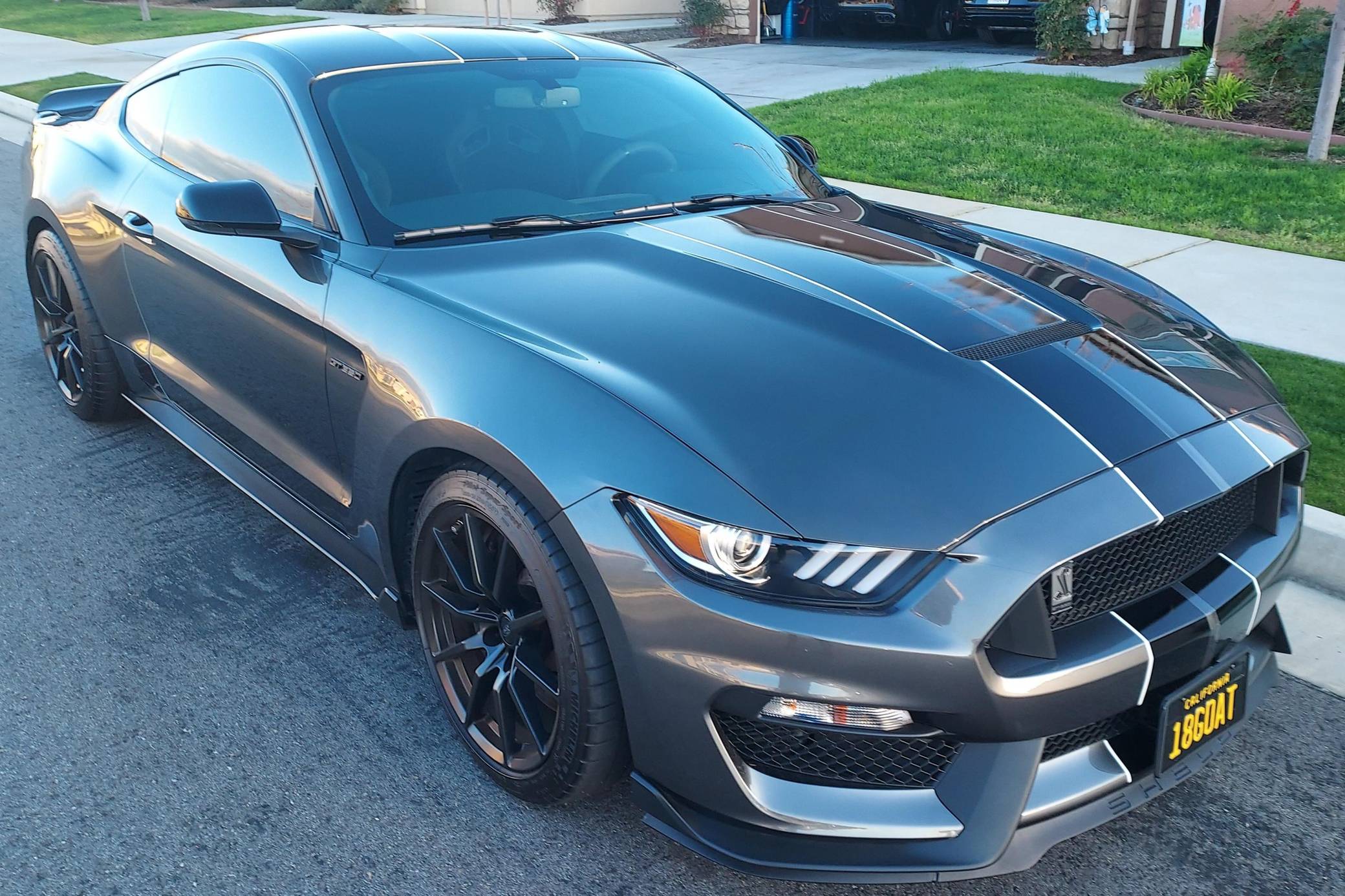
5. 2018 Ford Mustang Shelby GT350 5.2-Liter Voodoo V8 (Refined Production Evolution)
Continuous engineering development characterises the latter production phase of the 2018 Ford Mustang Shelby GT350, particularly in relation to its 5.2-litre flat-plane crank Voodoo V8 engine.
Rather than pursuing an entirely new mechanical direction, the manufacturer concentrated on refining existing systems to improve durability, driving comfort, and operational consistency under demanding conditions. This measured approach allowed the vehicle to retain its original performance identity while achieving a higher standard of reliability and usability.
Attention to internal balance formed a central part of these improvements. Flat-plane crankshaft engines, by their design, tend to produce more vibration than traditional cross-plane configurations.
Engineers addressed this characteristic through recalibration and the introduction of updated internal components, ensuring that vibration levels remained controlled.
As a result, drivers experienced a smoother engine operation without any reduction in responsiveness. This balance between refinement and performance represents a deliberate effort to enhance the driving experience without altering the engine’s fundamental character.
Thermal management received considerable focus during this stage of development. Enhanced oil cooling and transmission cooling systems were introduced to support sustained high-performance driving. These upgrades ensured that the engine could maintain stable operating temperatures even during extended periods of aggressive use, such as track driving.
Effective heat regulation contributes directly to engine longevity, and these improvements reinforced confidence among owners who regularly subject their vehicles to demanding conditions. Throttle response continued to distinguish the Voodoo V8. Immediate reaction to driver input allows for precise control, particularly during transitions between acceleration and deceleration.
This level of responsiveness creates a strong connection between driver and vehicle, making the driving experience more engaging and predictable. Precision in throttle behaviour also supports improved handling, as drivers can adjust power delivery with greater accuracy when cornering.
Acoustic refinement was also addressed. While the engine retained its characteristic high-revving tone, adjustments to the exhaust system resulted in a more controlled sound profile. This modification ensured that the engine’s distinct voice remained present without becoming intrusive during extended journeys. Such refinement enhances driver comfort while preserving the emotional appeal associated with performance vehicles.
Interior enhancements complemented the mechanical developments. Improved materials, along with better integration of modern technology, created a more comfortable and functional cabin environment. These updates made the vehicle suitable for a wider range of driving scenarios, including daily use, without diminishing its performance-oriented nature.
Owners of the 2018 Shelby GT350 frequently recognise the maturity achieved in this version. The combination of improved reliability, refined driving dynamics, and consistent performance has strengthened its reputation as a well-rounded performance car. Many drivers consider it a balanced expression of engineering progress, where attention to detail has produced measurable benefits.

9. 2016 Chevrolet Corvette Z06 C7.R Edition 6.2L LT4 Supercharged V8
Motorsport influence defines the 2016 Chevrolet Corvette Z06 C7.R Edition, a model shaped heavily by track development programs and endurance racing knowledge. At its center sits the 6.2-liter LT4 supercharged V8, an engine built to deliver sustained performance under demanding conditions.
While it does not employ a flat-plane crankshaft, its calibration and airflow behavior reflect engineering ideas commonly associated with high-efficiency racing power units. Chevrolet focused on blending raw output with controlled delivery, producing a system that responds quickly while maintaining stability during extended high-load operation.
Forced induction defines much of the engine’s character. The supercharger delivers an immediate boost, producing strong torque from low engine speeds. This early availability of power creates a driving experience where acceleration feels instant, even without high rpm usage.
As engine speed increases, power remains consistent rather than tapering, allowing the vehicle to maintain strong forward momentum across a wide operating range. Calibration work ensures throttle input translates into a predictable response, giving the driver a sense of control even during aggressive acceleration.
Thermal management forms a major engineering focus. Multiple cooling circuits regulate engine temperature, supercharger heat, and transmission fluid conditions. Heat exchangers positioned throughout the vehicle work together to prevent performance degradation during repeated high-load use.
This system design allows the Z06 to sustain strong output during track sessions or prolonged high-speed driving without rapid heat buildup affecting performance stability. Aerodynamic structure plays a direct role in maintaining vehicle stability. Carbon fiber components reduce weight while enhancing structural rigidity.
Airflow channels guide pressure across the body to reduce lift and improve downforce. At higher speeds, these aerodynamic elements help maintain chassis balance, allowing the driver to apply throttle with confidence during both straight-line acceleration and cornering scenarios.
The C7.R Edition benefits from refinements derived from racing programs, where stability under extreme conditions is a primary requirement.
Interior design reflects a focus on functional performance. Lightweight materials reduce unnecessary mass, while seating positions are optimized for lateral support during high-speed cornering. Instrument clusters provide clear and immediate feedback on engine behavior, allowing the driver to monitor performance conditions without distraction. Controls are positioned for accessibility, supporting quick adjustments during dynamic driving situations.
Auditory feedback adds another dimension to the driving experience. The supercharger produces a distinct mechanical whine that blends with the exhaust system’s deep tone.
This combination creates an audible signal of power readiness, allowing the driver to sense engine load changes even without visual input. The sound profile reinforces the mechanical identity of the LT4 and enhances situational awareness during spirited driving.
Ownership experience often centers on durability under sustained output conditions. With consistent servicing and proper cooling management, the LT4 maintains stable performance across extended use. Drivers appreciate the ability to access high power repeatedly without immediate deterioration in drivability or responsiveness.
This vehicle illustrates how racing-derived engineering principles can shape modern high-performance design without requiring a flat-plane crankshaft architecture. Through integration of forced induction, thermal control, and aerodynamic stability, the Z06 C7.R Edition demonstrates a performance philosophy rooted in endurance-level engineering discipline.
Also Read: 9 American Muscle Models Appreciating in Every Auction House
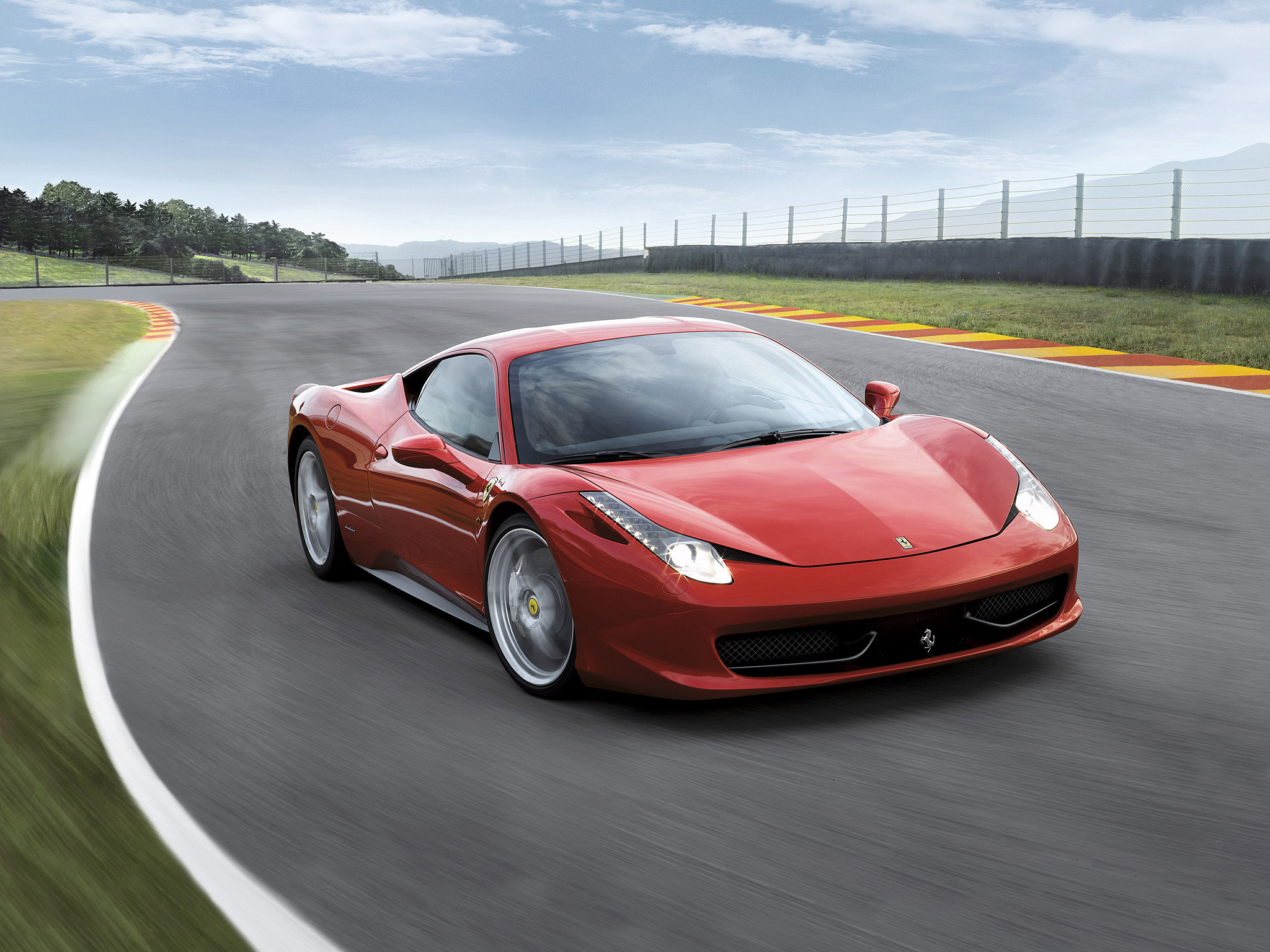
10. 2015 Ferrari 458 Italia 4.5L Naturally Aspirated V8 (Flat-Plane Benchmark Reference Engine)
Precision engineering defines the 2015 Ferrari 458 Italia, powered by a 4.5-liter naturally aspirated V8 that uses a true flat-plane crankshaft layout. This engine serves as a reference point for how such configurations deliver high-rev capability, rapid throttle response, and linear power delivery in a road-focused supercar application.
High engine speed capability forms the foundation of its character. The V8 revs freely, reaching elevated rpm levels with minimal resistance. Power delivery remains smooth through the rev range, creating a continuous acceleration feel that rewards sustained throttle input rather than short bursts.
Throttle response is immediate and finely controlled. Engine mapping allows precise modulation, enabling drivers to adjust power output with small pedal movements. This responsiveness contributes to the car’s reputation for being highly interactive during spirited driving.
Airflow efficiency plays a central role in performance delivery. Individual throttle bodies allow each cylinder bank to breathe independently, improving combustion precision. This setup supports both high output and smooth operation at varying speeds.
Chassis integration ensures that engine output translates effectively to road behavior. Lightweight construction and balanced weight distribution allow the car to respond quickly to steering input. This harmony between engine and chassis creates a cohesive driving experience.
Sound profile stands as one of its defining traits. The flat-plane crank layout produces a high-frequency exhaust note that rises sharply with engine speed. This sound is closely tied to the driver’s perception of speed and engine activity. Transmission pairing enhances the engine’s characteristics.
The dual-clutch gearbox executes rapid moves, keeping the engine within its optimal performance range. Gear changes feel direct, contributing to continuous acceleration flow. Interior design supports driver focus. Minimal distractions and ergonomic placement of controls allow attention to remain on driving input. Material quality reflects performance intent while maintaining usability.
Ownership of the 458 Italia often reflects appreciation for naturally aspirated engineering at its peak. Maintenance consistency ensures long-term performance retention, allowing the engine to maintain its high-rev characteristics across extended use periods.
This engine represents one of the clearest demonstrations of flat-plane crank principles applied at a production level, influencing how modern performance engines are evaluated and designed.
