
A great car is rarely defined by just one component, but a single weak link can still undermine an otherwise brilliant machine. Among all mechanical systems, the transmission holds a uniquely critical role.
It determines how power is delivered, how smooth the drive feels, and how durable the drivetrain remains over time. When it works well, it goes unnoticed. When it fails, it can overshadow everything else the vehicle does right.
Over the years, several automakers have created exceptional platforms with strong engines, balanced handling, and solid build quality. Yet, some of these vehicles became infamous not because of their design, but because of problematic transmissions.
These gearboxes introduced issues such as delayed shifts, overheating, premature wear, or complete failure. In many cases, the transmission problems were so widespread that they damaged the reputation of cars that were otherwise highly capable.
What makes these situations particularly frustrating is that the core vehicle often had all the right ingredients. Strong chassis engineering, dependable engines, and thoughtful design were already in place.
Buyers expected long-term satisfaction, only to face expensive repairs or inconsistent driving experiences due to transmission flaws. This disconnect between potential and reality is what makes these examples stand out.
Another important factor is how transmission issues affect ownership costs. Unlike minor mechanical problems, gearbox failures are often expensive and complex to fix. Even smaller issues such as jerky shifts or hesitation can reduce driving comfort and confidence. Over time, these problems can turn a well-designed car into a source of constant frustration.
This list focuses on eight transmissions that negatively impacted otherwise excellent platforms. Each example highlights a different type of issue, from poor engineering decisions to reliability concerns that surfaced after years of use.
The goal is not just to point out failures, but to understand how critical the transmission is in shaping the overall ownership experience.
Also Read: 9 Engines Still Running in Countries Where Parts Haven’t Been Made Since 1995
1. Ford Focus and Fiesta with PowerShift Transmission
The Ford Focus and Fiesta were, in many ways, standout compact cars. They offered sharp handling, modern styling, and fuel-efficient engines that made them highly appealing in their segment. On paper, they had everything needed to compete with the best. However, the introduction of the PowerShift dual-clutch transmission changed the narrative entirely.
Instead of delivering smooth and quick shifts as expected from a dual-clutch system, the PowerShift transmission developed a reputation for hesitation and unpredictability.
Drivers often experienced shuddering during acceleration, especially in stop-and-go traffic. This behavior made the cars feel unrefined, even though their chassis and steering dynamics were among the best in their class.
The issue was not just about driving feel. Reliability concerns began to surface as owners reported frequent clutch wear and premature failures. The dry-clutch design struggled in real-world conditions, particularly in urban environments where constant shifting is required. This led to repeated visits to service centers, creating frustration among owners who had otherwise purchased a well-engineered car.
Another complication came from software calibration. The transmission relied heavily on electronic control systems, and early versions struggled to deliver consistent performance. Updates were introduced, but they did not fully resolve the underlying issues for many users. This inconsistency made it difficult for drivers to trust the vehicle in daily use.
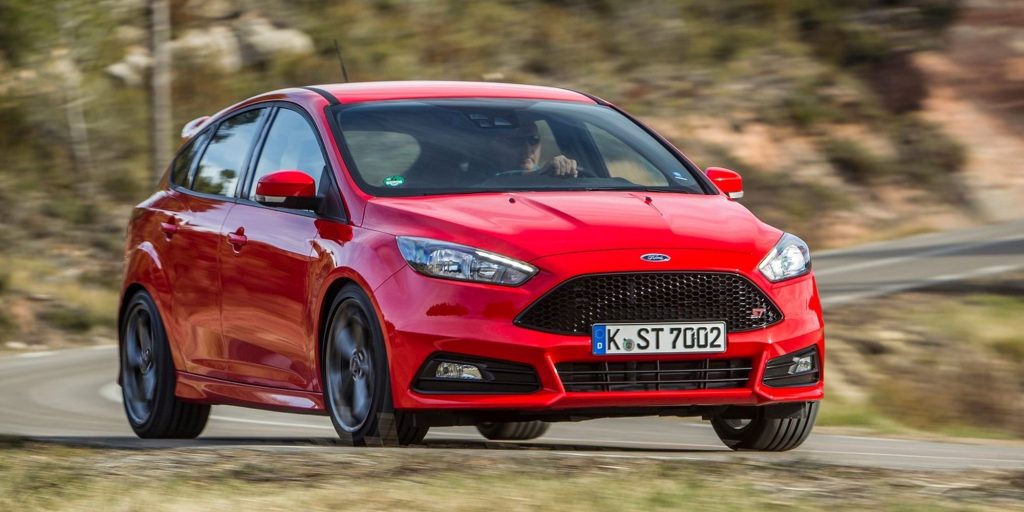
What makes this case notable is how much potential the platform had. The Focus, in particular, was praised for its engaging driving dynamics. If paired with a conventional automatic or manual transmission, it could have remained a segment leader. Instead, the gearbox became the defining weakness that overshadowed its strengths.
In the end, the PowerShift transmission turned two promising compact cars into cautionary examples of how a single flawed component can reshape public perception.
2. Nissan Altima with Early CVT Systems
The Nissan Altima has long been recognized for its comfortable ride, spacious interior, and efficient engines. It positioned itself as a practical and refined midsize sedan that appealed to a wide range of buyers. However, the early adoption of continuously variable transmission technology introduced challenges that affected its long-term reliability.
At first glance, the CVT seemed like a smart choice. It offered smooth acceleration and improved fuel efficiency by eliminating traditional gear shifts. In theory, this should have enhanced the driving experience. In practice, early versions of Nissan’s CVT struggled to maintain durability under real-world conditions.
Owners began reporting issues such as overheating, delayed acceleration, and sudden loss of power. These problems were particularly noticeable during highway driving or in hot climates, where the transmission had to work harder.
The lack of traditional gears also made the driving experience feel disconnected for some users, reducing confidence in the vehicle.
Maintenance became a significant concern as well. CVTs require specific fluids and careful servicing, and any neglect could accelerate wear. Even with proper care, some units developed problems earlier than expected. Repairs were often costly, adding to the frustration of owning what was otherwise a well-designed sedan.
Despite these transmission issues, the Altima’s core strengths remained intact. The engine performance, cabin comfort, and ride quality continued to receive praise. This contrast made the transmission problems even more noticeable, as they interrupted an otherwise pleasant ownership experience.
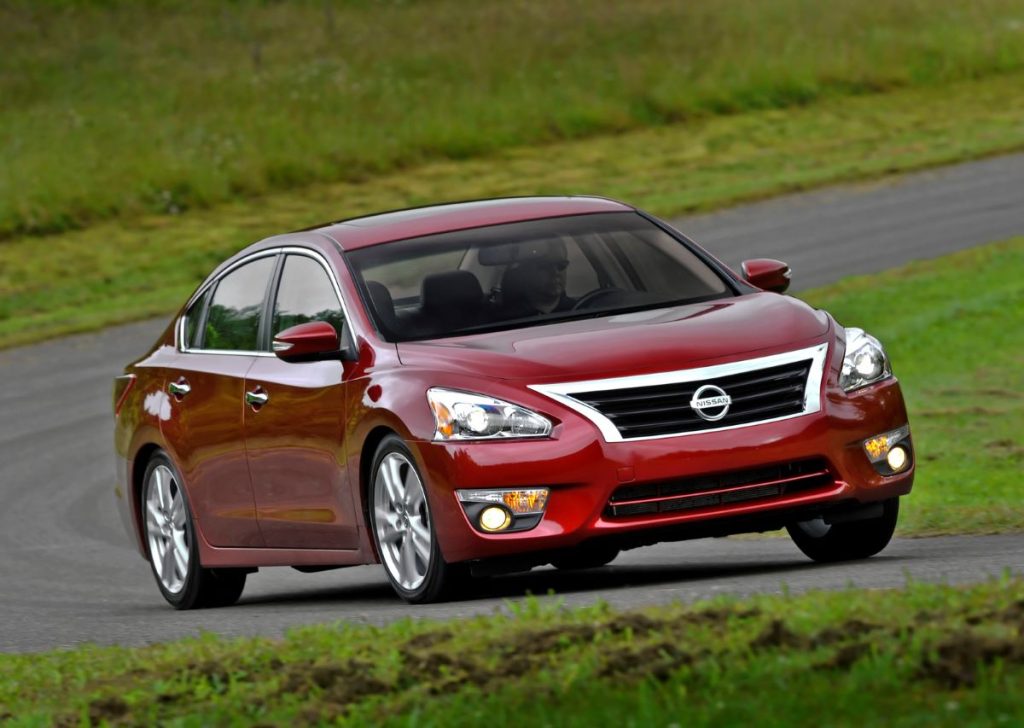
Over time, Nissan improved its CVT technology, addressing many of the early shortcomings. However, the initial reputation left a lasting impression. The Altima serves as a reminder that innovation must be matched with durability, especially when it comes to critical components like the transmission.
3. Volkswagen Golf and Jetta with DSG (Early Dry-Clutch Versions)
Volkswagen built the Golf and Jetta on platforms that were widely respected for their balance, refinement, and solid engineering. These cars delivered a driving experience that felt more premium than many competitors in their segment.
Steering precision, ride quality, and interior design all worked together to create a strong foundation. Yet, the early dry-clutch DSG transmissions introduced a layer of inconsistency that disrupted this otherwise polished package.
At a technical level, the DSG gearbox was an ambitious attempt to combine the efficiency of a manual transmission with the convenience of an automatic. In ideal conditions, it could deliver quick and seamless shifts.
However, the dry-clutch variants fitted to certain models struggled in real-world usage, particularly in dense traffic conditions where frequent gear changes were unavoidable.
Drivers often noticed hesitation when accelerating from a stop. Instead of moving forward smoothly, the car could pause briefly before engaging, which made city driving feel awkward.
Low-speed behavior became a recurring complaint, with jerky transitions that clashed with the otherwise refined nature of the vehicle. This mismatch between expectation and experience became one of the biggest concerns.
Heat management turned out to be another weak point. Dry-clutch systems rely heavily on proper cooling, and under constant stop-and-go conditions, temperatures could rise quickly.
This led to increased wear on clutch components and, in some cases, premature failures. Owners found themselves dealing with repairs that were not typically expected in cars known for their engineering quality.
The electronic control system added another layer of complexity. DSG transmissions depend on precise software calibration, and early versions were not always consistent in how they responded to driver inputs. Updates improved behavior to some extent, but the initial impression had already affected owner confidence.
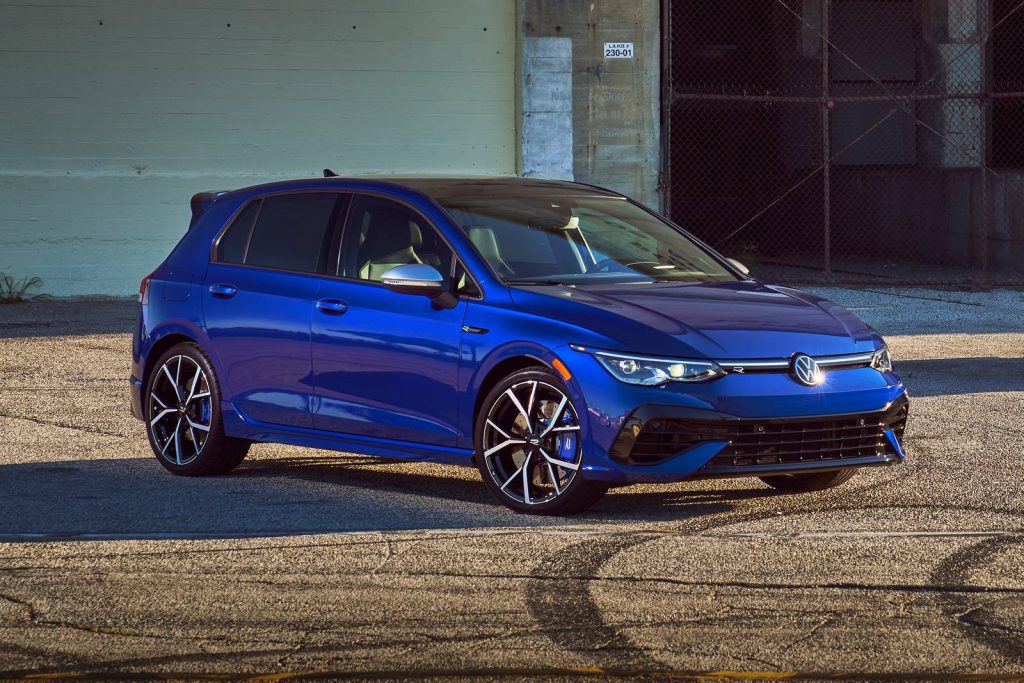
What stands out here is how much the Golf and Jetta had going for them. Their platforms were capable of delivering a near-perfect blend of comfort and performance.
A more conventional transmission choice could have reinforced their strengths. Instead, the early DSG implementation introduced issues that made daily driving less predictable.
In many ways, this situation highlights the risks of introducing advanced technology before it is fully adapted to real-world conditions. The cars themselves remained fundamentally strong, but the transmission created a disconnect that prevented them from reaching their full potential.
4. Honda Accord with Early CVT (First Implementations)
The Honda Accord has long been associated with reliability, smooth performance, and thoughtful engineering. For years, it set benchmarks in the midsize sedan segment by delivering a balanced driving experience and strong long-term durability.
When Honda began introducing CVT technology into the Accord, the intention was to improve efficiency and refinement. However, the early implementations did not fully align with the expectations built by previous generations.
The transition from traditional automatic transmissions to CVTs brought noticeable changes in driving feel. Instead of distinct gear shifts, the engine maintained a steady rev range during acceleration.
While this improved fuel efficiency, it created a sensation that some drivers found unnatural. The lack of familiar shift patterns made the car feel less engaging, even though it remained technically capable.
Performance under load revealed another limitation. During highway merging or uphill driving, the transmission could feel strained, with the engine holding higher revs for extended periods.
This behavior not only affected driving comfort but also raised concerns about long-term durability. The system was efficient, but it did not always inspire confidence when pushed harder.
Noise levels also became a point of discussion. Because the engine often stayed at a constant high rpm during acceleration, the cabin experience changed compared to earlier models. This contrasted with the Accord’s reputation for refinement, creating a perception that the car had lost some of its traditional smoothness.
Reliability, while not as problematic as some competitors, still presented concerns in the early stages. CVTs require precise maintenance, and any deviation from recommended servicing could lead to premature wear. Owners who were accustomed to the durability of older Honda automatics had to adjust to a different kind of care routine.
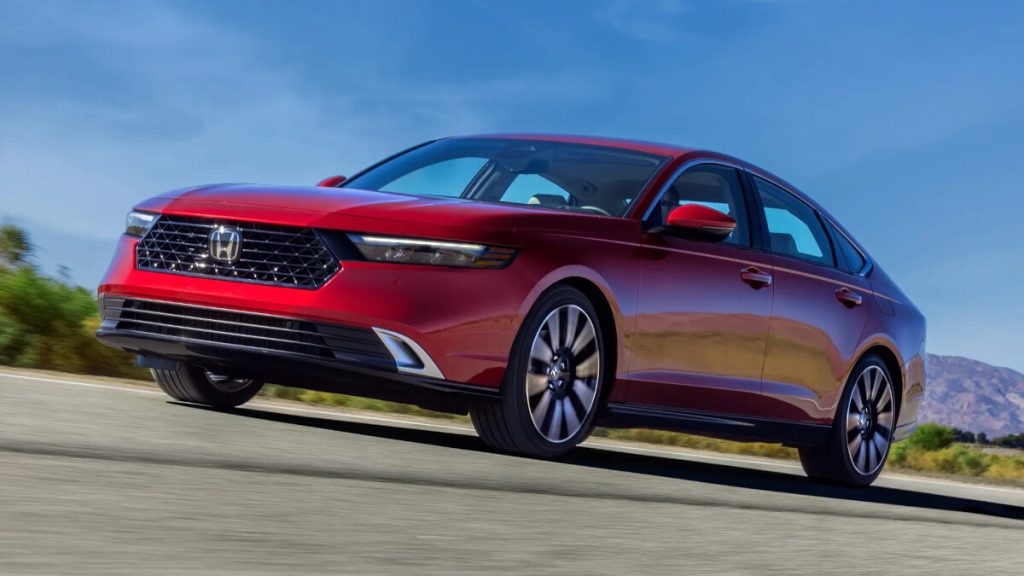
Despite these challenges, the Accord’s core strengths remained evident. Its chassis, interior quality, and overall design continued to stand out in the segment. This made the transmission’s shortcomings more noticeable, as they interrupted an otherwise cohesive experience.
Honda refined its CVT technology in later years, addressing many of these concerns. However, the early versions serve as an example of how even a well-engineered car can face criticism when a key component does not fully meet expectations.
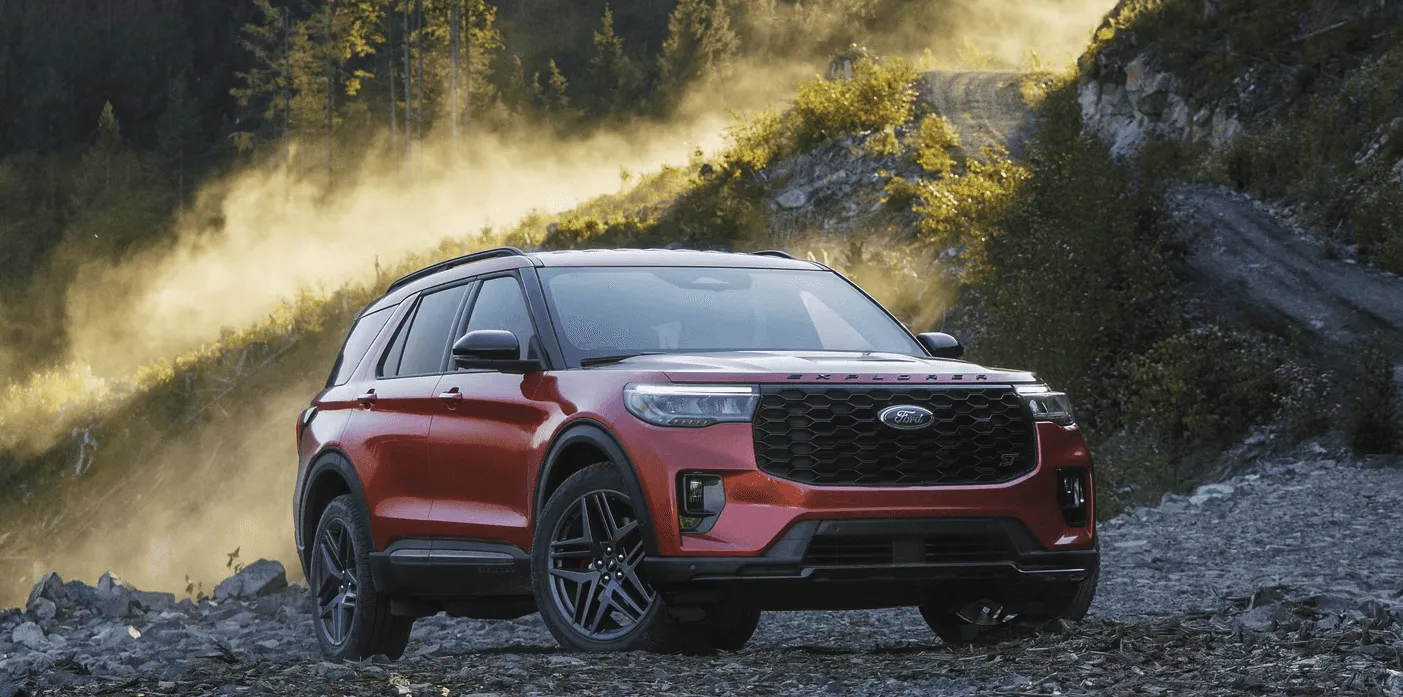
5. Ford Explorer with 5R55W Transmission
The Ford Explorer has long been associated with practicality, versatility, and a strong presence on the road. It became a popular choice for families and adventure seekers alike because of its spacious interior, capable engines, and comfortable ride quality.
The platform itself was solid, offering durability and usability that appealed to a wide audience. However, the 5R55W automatic transmission introduced a set of problems that gradually overshadowed these strengths.
This transmission was designed to provide smooth shifting and handle the demands of a midsize SUV. In theory, it had the right specifications to complement the Explorer’s capabilities. In practice, it developed a reputation for inconsistent performance.
Owners frequently reported delayed engagement when shifting from park to drive, which created an immediate sense of hesitation. This issue alone could make daily driving feel less dependable than expected from a vehicle in this segment.
As mileage increased, shifting irregularities became more noticeable. The transmission could exhibit harsh gear changes, slipping between gears, or sudden downshifts that disrupted the driving experience.
These behaviors not only reduced comfort but also raised concerns about long-term durability. A vehicle designed for reliability began to feel unpredictable, which affected driver confidence over time.
One of the underlying concerns was related to internal wear. Components such as bands and servos were prone to failure, especially under heavy use.
Since the Explorer was often used for towing or carrying loads, the transmission was frequently placed under stress. Instead of handling this stress consistently, the 5R55W sometimes struggled to maintain its performance, leading to costly repairs.
Heat management also played a role in these issues. Automatic transmissions generate significant heat, and when cooling systems are not perfectly matched to real-world usage, wear can accelerate. In the Explorer’s case, prolonged driving in demanding conditions could contribute to overheating, which further affected reliability.
Repair costs became a major concern for owners. Transmission rebuilds or replacements are among the most expensive automotive repairs, and the frequency of these issues made ownership less appealing.
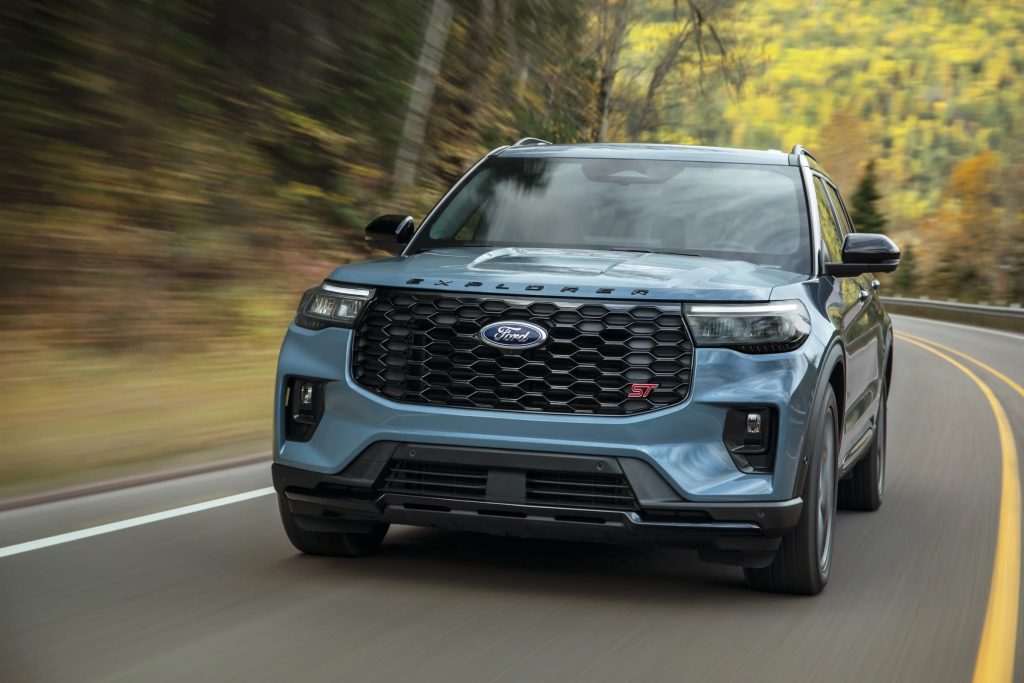
This was particularly frustrating because the rest of the vehicle often remained dependable, creating a clear contrast between the platform’s strengths and its weakest component.
The Explorer had all the qualities needed to remain a top contender in its class. Its practicality, comfort, and capability were never in question. Yet, the transmission issues introduced a level of uncertainty that changed how the vehicle was perceived.
It stands as a reminder that even a well-rounded SUV can face significant criticism when a critical system fails to meet expectations.
6. Chevrolet Cruze with 6T40 Automatic Transmission
The Chevrolet Cruze entered the compact sedan market with strong intentions. It offered modern styling, a comfortable cabin, and efficient engine options that made it an appealing choice for daily commuting.
The platform itself was well thought out, delivering a balanced ride and a sense of refinement that exceeded expectations for its price range. However, the 6T40 automatic transmission became a point of concern that affected the car’s long-term reputation.
At first, the transmission seemed to perform adequately, providing smooth shifts and reasonable responsiveness. As time went on, a pattern of issues began to emerge.
Drivers reported hesitation during acceleration, particularly when merging onto highways or navigating busy traffic. This delay in power delivery created moments of uncertainty that reduced confidence in the vehicle.
Shifting behavior became another area of complaint. The transmission could exhibit rough transitions between gears, especially at lower speeds.
Instead of maintaining a seamless driving experience, it introduced small but noticeable disruptions that made the car feel less refined. For a vehicle that aimed to compete with established rivals, this inconsistency became a drawback.
Reliability concerns were also linked to internal components. Wear within the transmission could lead to slipping, where the engine revs increased without a corresponding gain in speed.
This issue not only affected performance but also indicated deeper mechanical problems that often required significant repairs. Over time, these issues could escalate, leading to expensive maintenance that owners did not anticipate when purchasing the car.
Cooling and fluid management played an important role as well. Automatic transmissions rely on proper fluid condition to function smoothly. In some cases, the 6T40 was sensitive to fluid degradation, which could accelerate wear if not addressed promptly. This meant that maintenance had to be more precise, and any neglect could result in costly consequences.
Despite these challenges, the Cruze retained many of its positive attributes. Its comfortable ride, efficient engines, and user-friendly design continued to appeal to drivers. This contrast made the transmission issues more frustrating, as they interrupted what could have been a consistently enjoyable ownership experience.
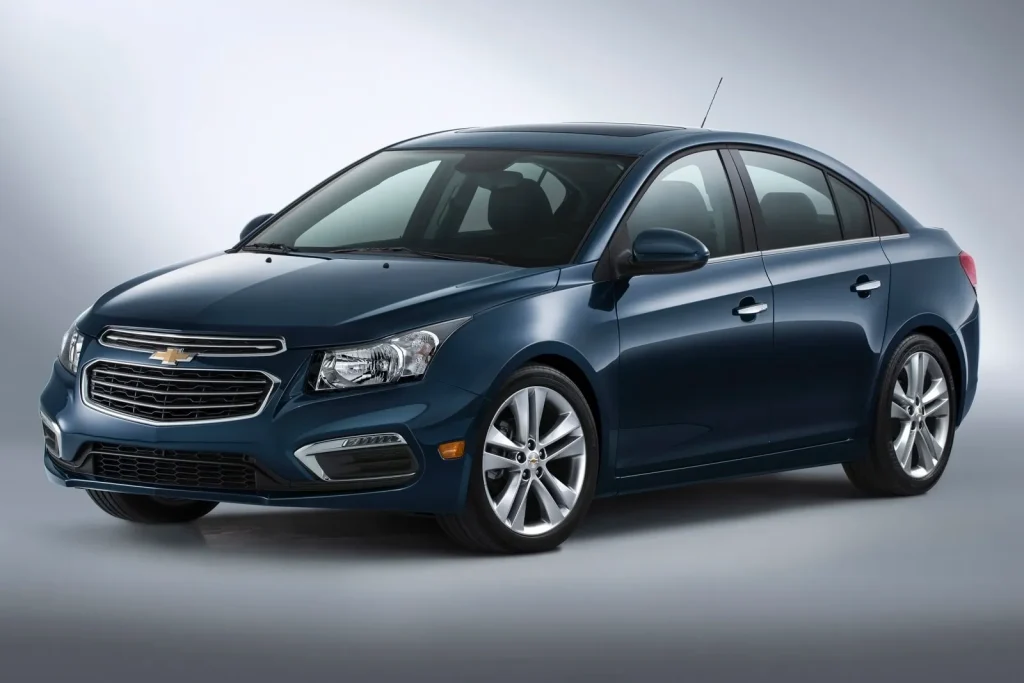
The Cruze demonstrates how a single component can influence the perception of an entire vehicle. While the platform itself was capable and well-designed, the transmission introduced complications that affected reliability and driver satisfaction.
It highlights the importance of ensuring that every part of a car works in harmony, especially when aiming to compete in a highly competitive segment.
7. Dodge Dart with Dual Dry-Clutch Transmission
The Dodge Dart returned with high expectations, built on a platform that had genuine potential. It offered sharp styling, a well-constructed interior, and handling characteristics that hinted at a more European driving influence.
Underneath, the chassis was capable, and the car felt planted on the road in a way that suggested careful engineering. Yet, the dual dry-clutch transmission became the element that prevented the Dart from delivering a consistent ownership experience.
Unlike traditional automatics, this transmission was designed to provide quick, efficient shifts without the energy losses associated with torque converters.
In ideal conditions, it could feel responsive and direct. The problem emerged in everyday driving, where conditions are far from ideal. Stop-and-go traffic exposed the system’s limitations, with frequent complaints of hesitation and jerky engagement from a standstill.
Drivers often found themselves pressing the accelerator only to experience a slight delay before the car moved forward. This pause created a disconnect between input and response, making the vehicle feel less predictable.
In tight urban environments, this behavior became more than just an inconvenience. It affected confidence, particularly when quick reactions were needed.
The transmission’s calibration played a significant role in these issues. Software tuning struggled to balance smoothness and efficiency, resulting in inconsistent behavior. At times, shifts felt abrupt, while at others, they seemed overly delayed.
This lack of consistency made it difficult for drivers to adapt, as the car did not always respond in the same way under similar conditions.
Heat and wear added another layer of concern. Dry-clutch systems are sensitive to temperature, and repeated use in traffic can accelerate wear on clutch components.
Over time, this could lead to increased shuddering or even the need for replacement parts. For a compact sedan intended for daily commuting, this kind of maintenance requirement was not ideal.
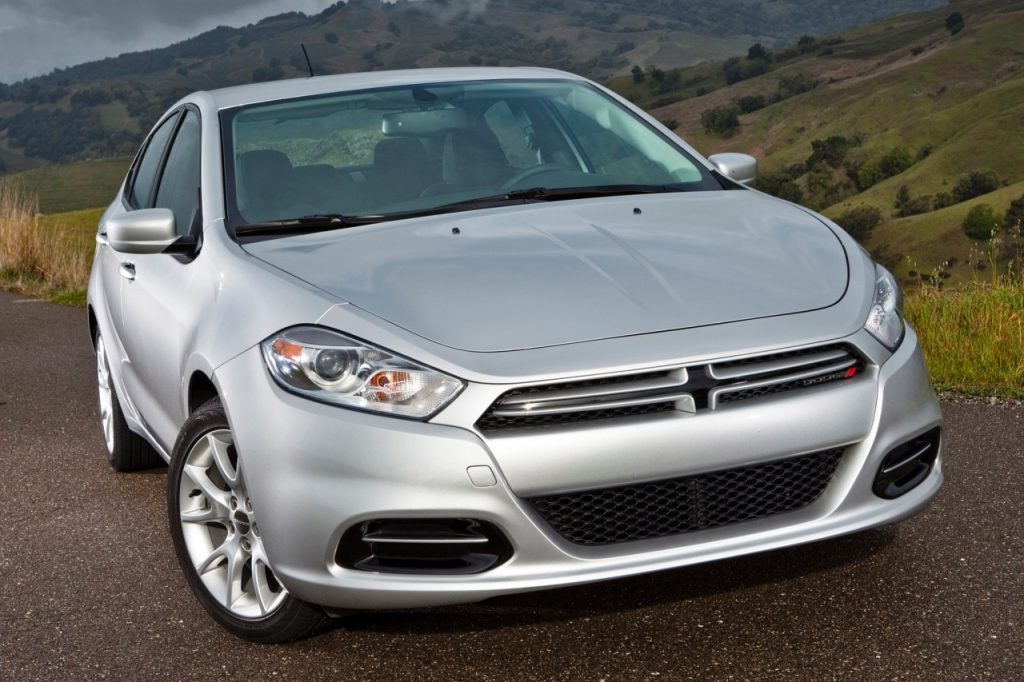
What makes this situation notable is how well the Dart performed in other areas. Its steering feel, ride balance, and interior quality showed that the platform had strong fundamentals. With a different transmission choice, it could have established itself as a serious competitor in its segment. Instead, the gearbox became a recurring point of criticism.
The Dart’s story illustrates how advanced technology must align with real-world usage. A transmission that performs well in controlled conditions may struggle in daily scenarios if not properly adapted. In this case, the dual dry-clutch system introduced complications that overshadowed the car’s many strengths.
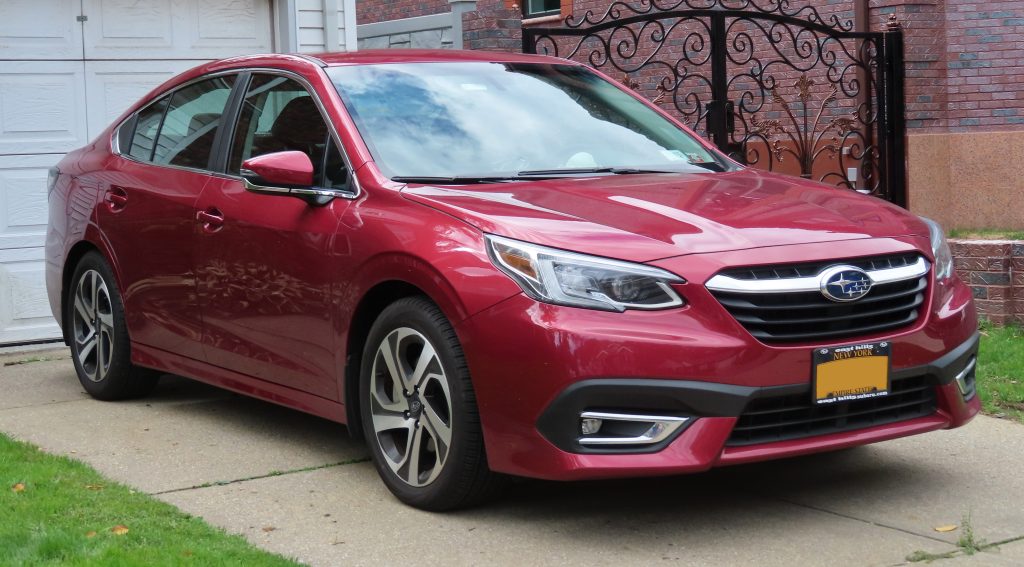
8. Subaru Legacy with Early Lineartronic CVT
The Subaru Legacy has long been valued for its all-wheel-drive capability, solid build, and practical design. It offered a sense of security and stability that appealed to drivers in a variety of conditions.
The platform itself was dependable, with a focus on balanced performance and long-term usability. However, the early versions of Subaru’s Lineartronic CVT introduced characteristics that did not fully match the expectations set by the rest of the vehicle.
Subaru adopted CVT technology to improve efficiency and provide smoother power delivery. In principle, this approach made sense, especially for a car designed to handle diverse driving conditions. In execution, the early versions of the system displayed behavior that some drivers found difficult to accept.
Acceleration often felt disconnected, with the engine revving steadily while speed increased gradually. This created a sensation that lacked the familiar rhythm of traditional gear changes.
When driving on inclines or carrying additional load, the transmission’s behavior became more noticeable.
The engine could remain at higher revs for extended periods, producing a continuous sound that contrasted with the Legacy’s otherwise composed nature. While this did not always indicate a mechanical problem, it affected the perception of refinement.
Another aspect to consider is responsiveness. In certain situations, there was a slight delay between throttle input and acceleration. This was particularly evident during overtaking maneuvers, where drivers expect immediate power delivery. Even a small hesitation could influence confidence, especially on highways or in fast-moving traffic.
Durability concerns were also part of the conversation. Early CVT systems required careful maintenance, including the use of specific transmission fluid.
Any deviation from recommended servicing could impact performance over time. While many units performed reliably, the perception of sensitivity added to owner caution and, in some cases, concern.
Despite these transmission-related drawbacks, the Legacy remained strong in other areas. Its all-wheel-drive system continued to provide excellent traction, and its overall build quality ensured long-term dependability.
This contrast made the transmission’s behavior stand out more clearly, as it interrupted an otherwise well-rounded driving experience.
The Legacy highlights how innovation can bring both benefits and challenges. While the Lineartronic CVT improved efficiency, its early execution did not fully align with driver expectations.
Over time, Subaru refined the system, addressing many of these issues. Still, the initial versions serve as an example of how a single component can influence the perception of an otherwise capable and reliable platform.
A vehicle can excel in design, performance, and practicality, yet still fall short if one critical component fails to meet expectations. This article highlights how transmissions have, in several cases, undermined otherwise strong automotive platforms.
From compact sedans to family SUVs, each example shows that even well-engineered cars can struggle when paired with problematic gearboxes.
The cases discussed reveal a pattern. Many of these vehicles had solid foundations, including capable engines, balanced handling, and comfortable interiors. However, issues such as hesitation, rough shifting, overheating, and premature wear changed the ownership experience.
In some situations, advanced transmission technologies like dual-clutch systems or CVTs were introduced with good intentions but lacked the refinement needed for real-world driving conditions.
Another key takeaway is the impact on reliability and cost. Transmission repairs are often expensive and complex, making even minor issues a source of frustration. When these problems appear frequently, they can overshadow all the positive aspects of a vehicle.
Drivers begin to associate the entire car with its weakest link, regardless of how well it performs in other areas.
The examples also show that innovation must be balanced with durability. New technologies can improve efficiency and performance, but they must be thoroughly tested and adapted for everyday use. Without that balance, even the most promising advancements can lead to disappointing results.
Ultimately, these vehicles serve as reminders that the transmission plays a central role in shaping the driving experience. A well-matched gearbox can enhance a car’s strengths, while a flawed one can redefine its reputation.
For buyers, this emphasizes the importance of looking beyond surface features and considering long-term reliability when choosing a vehicle.
Also Read: 5 Low-Emission Commuters In Sacramento vs. 5 Gas-Guzzlers with High Registration Fees
