
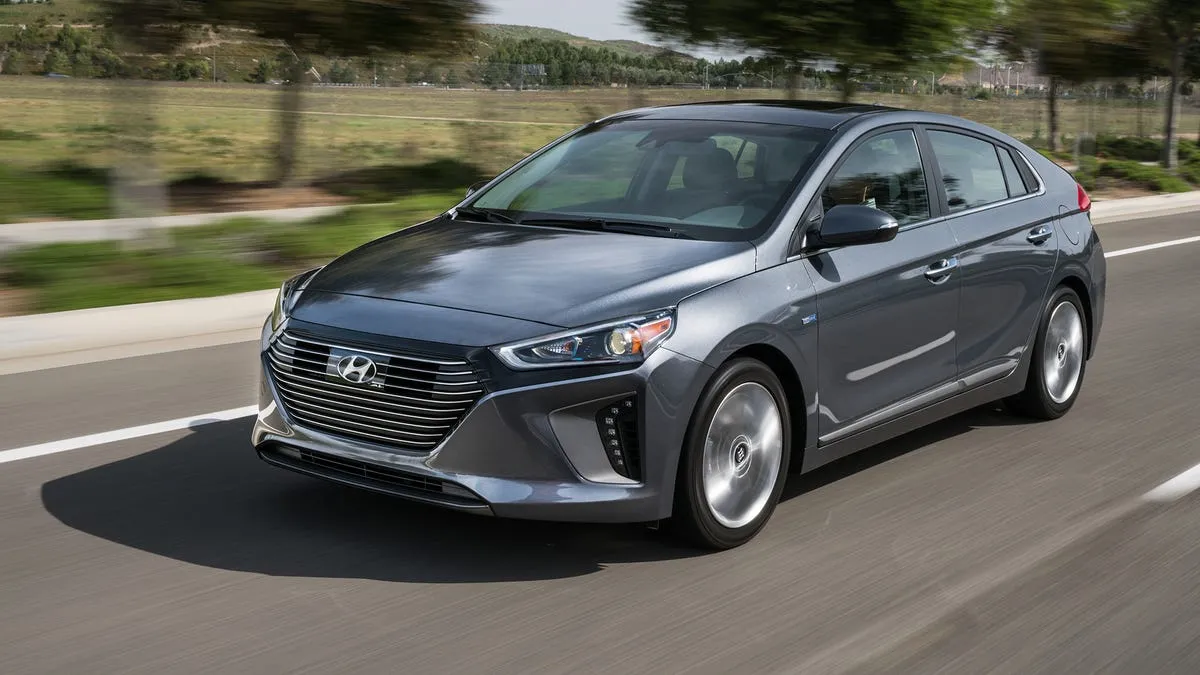
Sacramento presents a unique environment for car ownership, where efficiency is not just a preference but a financial and practical consideration. With a mix of urban commuting, growing environmental awareness, and state regulations that directly impact vehicle costs, the type of car you choose can significantly shape your daily expenses.
This is especially true when comparing low emission commuters with traditional gas hungry vehicles that come with added financial burdens.
California has long pushed for cleaner transportation, and Sacramento reflects that shift clearly. Many drivers are moving toward hybrids, plug in options, and efficient compact cars that reduce fuel consumption while also benefiting from lower emissions related fees.
These vehicles are not only cheaper to run but often align better with local policies that reward efficiency. Over time, this translates into noticeable savings and a smoother ownership experience.
On the other side, there are vehicles that carry a very different cost profile. Larger engines, heavier builds, and lower fuel efficiency lead to increased fuel expenses, but that is only part of the story.
In California, registration fees are influenced by factors such as vehicle value, weight, and sometimes environmental impact. Gas guzzlers tend to fall on the higher end of these calculations, making them more expensive to keep on the road year after year.
What makes this comparison worth exploring is how these differences play out in real world use. A car that seems appealing due to power or size can become costly when fuel and registration are factored in.
Meanwhile, a more efficient vehicle may offer a quieter, more economical experience that suits the rhythm of daily commuting in Sacramento.
This article looks at both ends of that spectrum. It begins with low emission commuters that align well with the city’s needs, then shifts to vehicles that tend to demand more in fuel and fees. Each example highlights a different reason behind its position, helping to clarify what truly matters when choosing a car in this environment.
Also Read: 5 High-Tech EVs in the USA vs 5 Basic Models with Limited Range
5 Low-Emission Commuters In Sacramento
Sacramento’s daily driving conditions reward efficiency in a way that becomes clear over time. Stop and go traffic, moderate commuting distances, and a growing emphasis on reducing environmental impact all favor vehicles that can deliver strong mileage without sacrificing usability.
Low emission commuters fit naturally into this setting, offering a balance between practicality and reduced operating costs.
What makes these vehicles stand out is not just their fuel economy, but how well they adapt to everyday routines.
Many of them are designed to handle urban driving with minimal waste, using hybrid systems or highly efficient engines that reduce emissions while maintaining smooth performance. This combination allows drivers to move through the city with fewer fuel stops and lower long term expenses.
Another important aspect is how these cars align with California’s regulatory environment. Lower emissions often mean fewer penalties and, in some cases, benefits that make ownership more appealing. This creates an added layer of value that goes beyond the immediate driving experience.
The purpose of this section is to highlight vehicles that perform well in this context, each for a different reason. By looking at specific examples, it becomes easier to understand how efficiency, design, and real world usability come together in a city like Sacramento.
1. Toyota Prius
Few vehicles are as closely associated with efficiency as the Toyota Prius, and in a city like Sacramento, its strengths become even more relevant. This car is built around the idea of minimizing fuel use, and that focus translates into a driving experience that feels tailored for daily commuting rather than occasional efficiency gains.
The hybrid system in the Prius works in a way that takes full advantage of urban driving patterns. During low speed movement and stop and go traffic, it relies heavily on electric power, reducing both fuel consumption and emissions.
This is particularly useful in Sacramento, where traffic conditions often allow the system to operate in its most efficient range.
Another reason this model stands out is its consistency. Some vehicles deliver good mileage under ideal conditions but struggle to maintain it in real world use. The Prius, by contrast, tends to perform reliably across different driving situations, which makes it easier for owners to predict and manage their fuel costs.
There is also a practical side to its design. The interior is spacious enough for daily needs, and the layout supports comfortable commuting without unnecessary complexity. This makes it a strong choice for drivers who want efficiency without giving up usability.
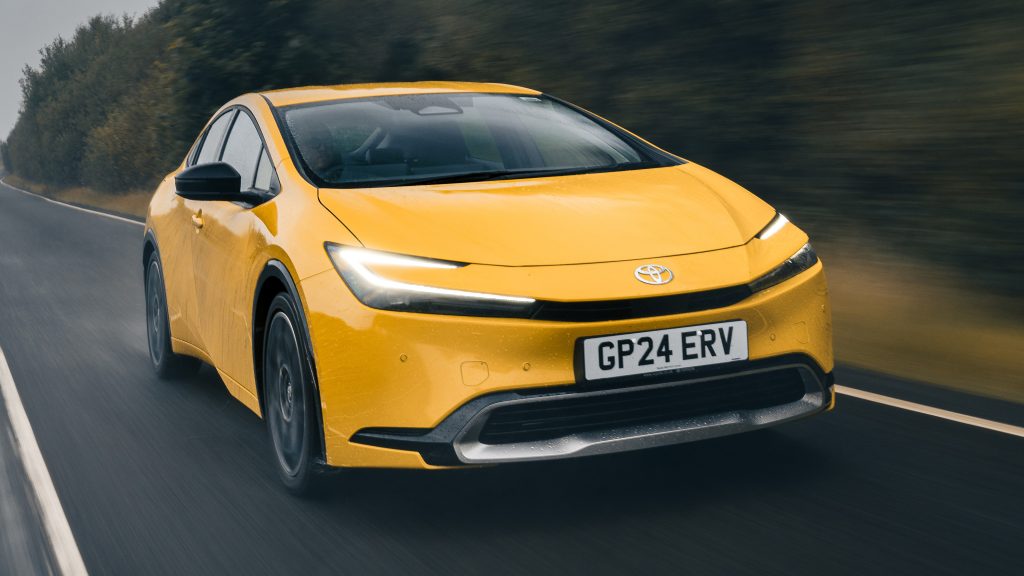
It is included here because it represents a clear example of how a vehicle can align with both environmental goals and everyday practicality in a city that values both.
2. Honda Insight
The Honda Insight approaches efficiency with a slightly different character, blending hybrid technology with a more traditional sedan feel. For drivers in Sacramento who want low emissions without adopting a distinctly different driving style, this model offers a familiar yet efficient alternative.
Its hybrid system is designed to work seamlessly in the background, assisting the engine in a way that feels natural rather than intrusive. This creates a smooth driving experience where efficiency is achieved without requiring constant attention from the driver. In daily commuting, this ease of use becomes a significant advantage.
Another strength lies in how the Insight balances performance with economy. It does not feel underpowered, yet it still delivers strong fuel savings. This balance makes it suitable for a range of driving situations, from city streets to longer highway stretches.
The car also benefits from a design that prioritizes aerodynamics and weight management. These factors contribute to lower fuel consumption and reduced emissions, reinforcing its role as an efficient commuter.
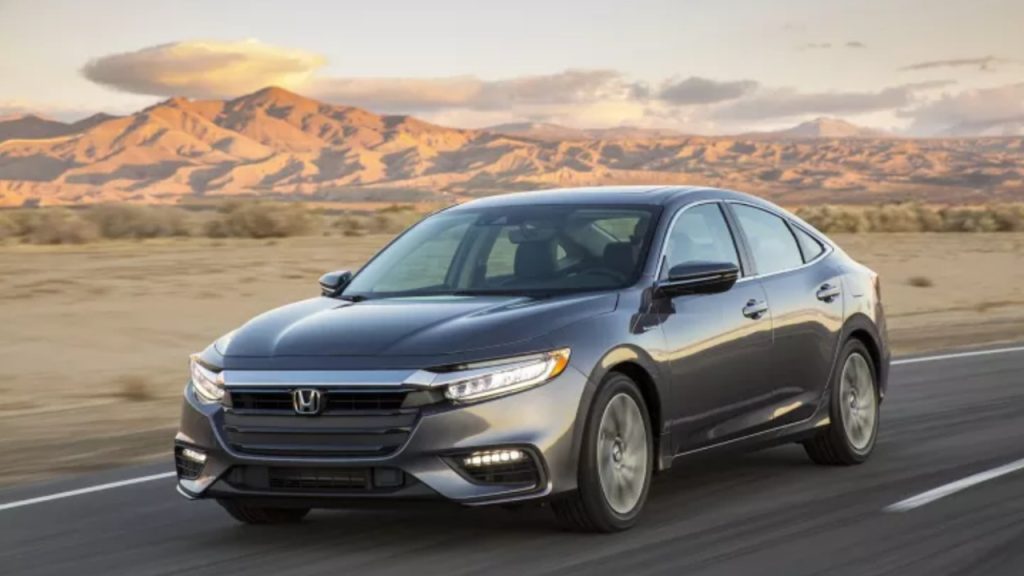
The reason for including the Insight is its ability to combine familiarity with innovation. It shows that moving toward lower emissions does not require a complete shift in driving habits, making it an appealing option for many drivers in Sacramento.
3. Hyundai Ioniq Hybrid
Efficiency sometimes comes from pushing boundaries, and the Hyundai Ioniq Hybrid takes that approach by refining every small detail that contributes to lower emissions. In a city like Sacramento, where daily commutes often involve a mix of traffic and steady cruising, this kind of precision becomes highly valuable over time.
What makes the Ioniq Hybrid interesting is how it focuses on reducing waste at every level. Its aerodynamic shape is not just a design choice but a functional element that helps the car move through the air with less resistance. This directly improves fuel economy, especially during longer drives where efficiency gains begin to add up.
The hybrid system itself is tuned for responsiveness rather than just conservation. It switches between electric and gasoline power smoothly, ensuring that energy is used in the most effective way depending on driving conditions.
In urban environments, this often means extended use of electric assistance, which lowers emissions and reduces fuel consumption without any noticeable compromise in performance.
Inside the cabin, the experience remains practical and user friendly. The layout supports daily commuting needs without unnecessary complexity, and the quiet operation of the hybrid system adds to the sense of ease during traffic heavy drives. This makes it particularly suitable for drivers who spend a significant amount of time on the road.
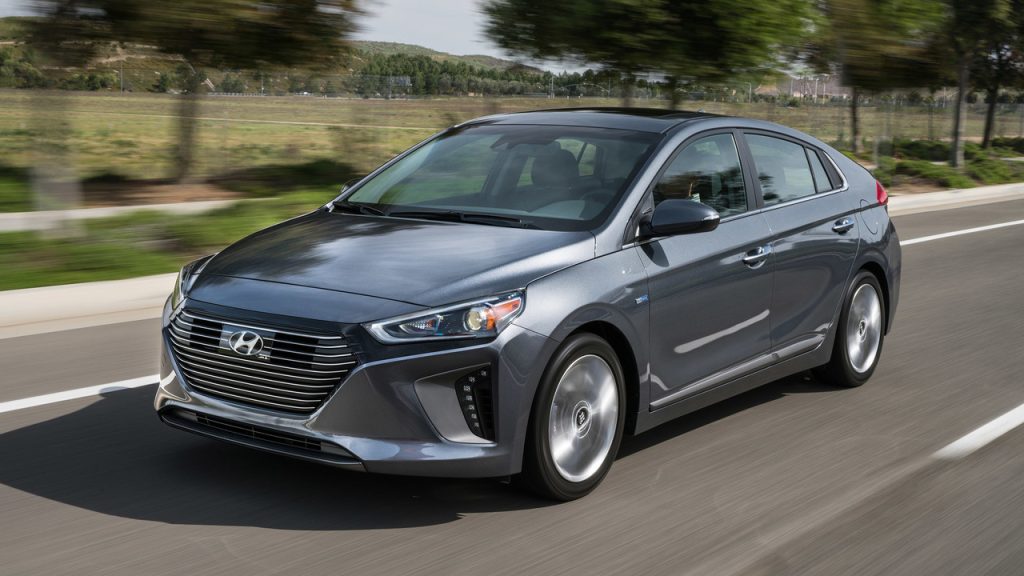
It is included here because it represents a thoughtful approach to efficiency. Instead of relying on one major feature, it combines multiple smaller improvements that work together to create a low emission vehicle well suited for Sacramento’s driving conditions.
4. Toyota Corolla Hybrid
The Toyota Corolla Hybrid takes a familiar name and enhances it with modern efficiency, creating a vehicle that fits naturally into everyday life while reducing emissions. For Sacramento drivers who want reliability combined with lower operating costs, this model offers a straightforward and dependable option.
A key strength of the Corolla Hybrid is how easily it integrates into daily routines. There is no learning curve or adjustment required to benefit from its efficiency.
The hybrid system operates quietly in the background, optimizing fuel use without drawing attention to itself. This makes it ideal for commuters who want simplicity along with savings.
Another aspect that stands out is its consistency in real world conditions. The car performs well across different driving scenarios, maintaining strong fuel economy whether navigating city streets or traveling on the highway. This reliability helps drivers plan their expenses more accurately, which is an important factor in long term ownership.
The design also supports efficiency through balanced proportions and weight distribution. These elements contribute to smoother operation and reduced energy demand, reinforcing its role as a low emission commuter.
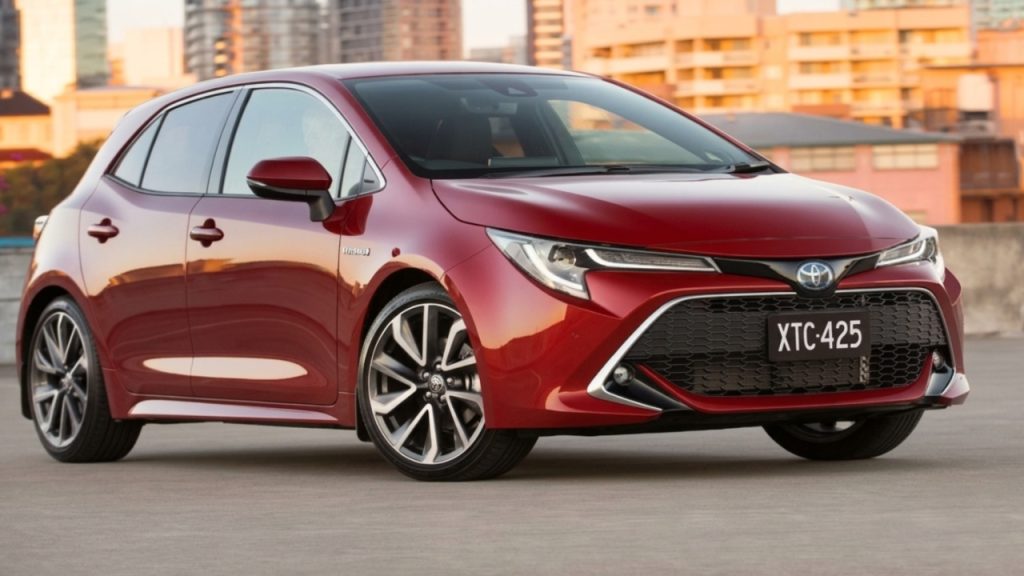
Combined with Toyota’s reputation for durability, it becomes a practical choice for those looking to minimize both environmental impact and maintenance concerns.
This vehicle is included because it shows how efficiency can be delivered in a familiar package. It proves that reducing emissions does not require sacrificing comfort or reliability, making it a strong fit for Sacramento’s evolving driving landscape.
5. Kia Niro
Some vehicles approach efficiency by refining familiar systems, while others build their identity around it from the beginning.
The Kia Niro belongs to the second category, designed as a purpose built hybrid that fits naturally into urban environments like Sacramento. Its structure, proportions, and powertrain all reflect a focus on reducing emissions without making the car feel limited in everyday use.
What stands out first is how the Niro balances practicality with efficiency. It offers the higher seating position and versatility of a compact crossover while maintaining fuel economy figures closer to smaller sedans.
This combination makes it particularly appealing for commuters who want space without accepting the fuel penalties that usually come with it.
The hybrid system is tuned to adapt quickly to changing conditions. In stop and go traffic, it leans heavily on electric assistance, allowing the vehicle to move with minimal fuel consumption.
As speeds increase, the transition to gasoline power feels smooth, ensuring that efficiency does not come at the cost of drivability. This flexibility is important in a city where driving patterns can shift throughout the day.
Another detail that adds to its appeal is how quietly it operates. Reduced engine noise during low speed driving creates a calmer environment, which can make daily commutes feel less tiring. Combined with its ability to stretch fuel usage over longer distances, it becomes a vehicle that supports both comfort and cost savings.
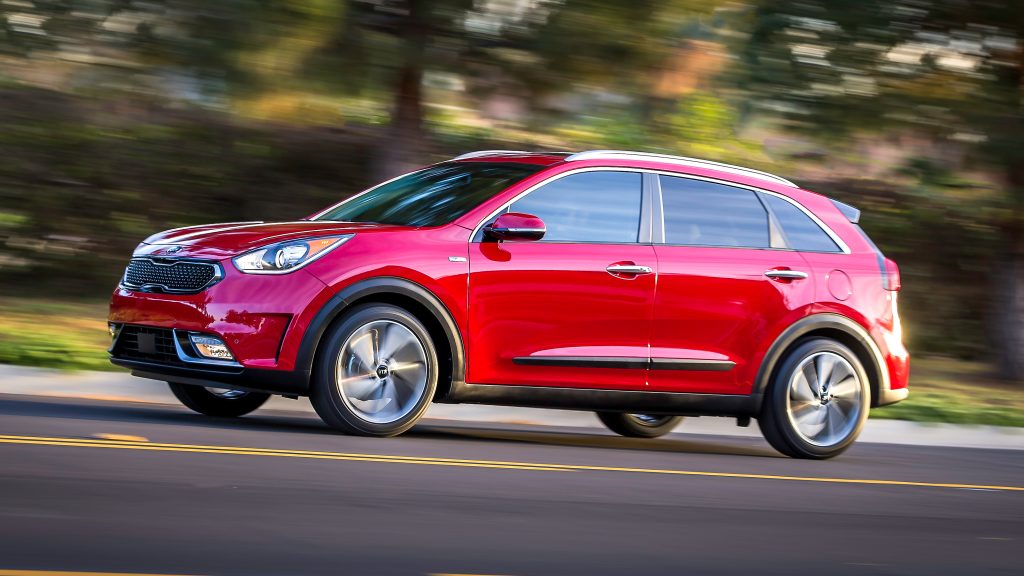
It is included here because it demonstrates how efficiency can be paired with versatility. The Niro shows that drivers do not have to choose between practicality and low emissions, making it a strong match for Sacramento’s evolving transportation needs.
5 Gas-Guzzlers with High Registration Fees
Not every vehicle fits neatly into Sacramento’s push toward efficiency. Some are built with priorities that place performance, size, or capability above fuel economy. While these vehicles may offer advantages in power or presence, they often come with higher operating costs that extend beyond the fuel pump.
In California, where registration fees can reflect vehicle value and other factors, these cars tend to sit at the more expensive end of ownership.
The impact of this becomes more noticeable over time. Higher fuel consumption means more frequent stops and greater spending, especially for those who drive daily.
At the same time, registration costs add another layer of expense that does not diminish with careful driving. Together, these factors can significantly increase the total cost of keeping such a vehicle on the road.
What makes this category worth examining is how easily these costs can be overlooked during the buying process.
A powerful engine or spacious design may seem appealing at first, but the long term financial impact becomes clear only after months or years of ownership. This is particularly relevant in a city like Sacramento, where efficiency is both encouraged and rewarded.
The following vehicles highlight different reasons why fuel consumption and ownership costs can rise. Each example focuses on a specific aspect, from engine size to structural design, showing how these elements contribute to higher expenses.
Understanding these patterns can help drivers make more informed choices before committing to a vehicle that may demand more than expected.
1. Dodge Durango
The Dodge Durango represents a category of vehicles where power and size take priority over efficiency. For drivers who need strong towing capability or a commanding road presence, it delivers on those expectations. However, in a city like Sacramento, where commuting and cost awareness play a larger role, its drawbacks become more apparent over time.
A major factor behind its fuel consumption is the engine lineup. With options that focus on delivering strong acceleration and performance, the Durango uses more fuel than smaller or more efficiency oriented vehicles. This becomes especially noticeable in urban driving, where stop and go traffic limits opportunities for fuel savings.
Another element that adds to its cost profile is weight. The Durango’s large structure requires more energy to move, which directly affects fuel economy. Even when driven conservatively, it consumes more fuel simply because of the effort needed to keep it in motion.
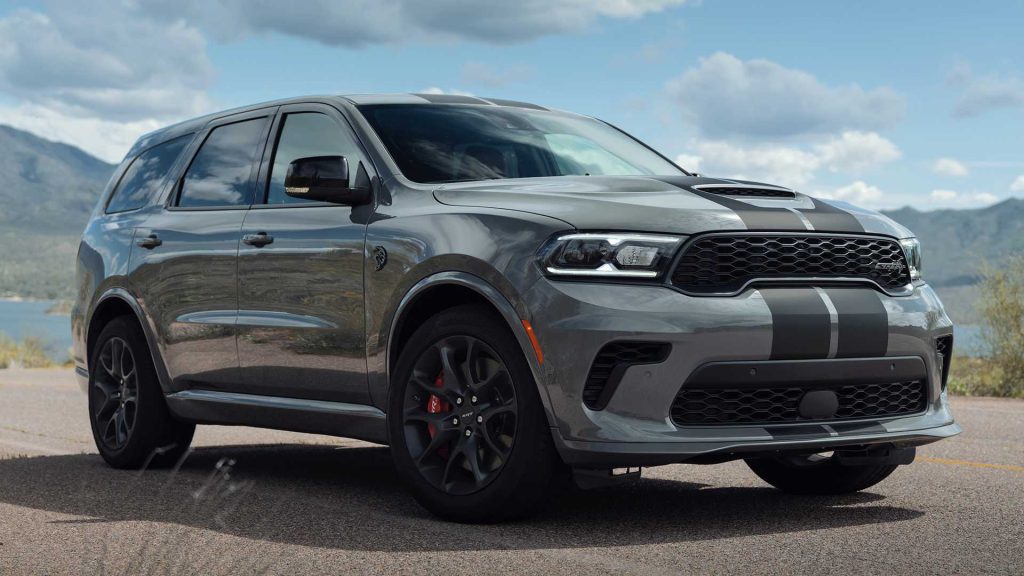
Registration costs also tend to reflect its higher value and size, adding another ongoing expense for owners. These combined factors make it a vehicle that demands more financial commitment compared to smaller, more efficient options.
It is included here because it highlights how performance focused design can lead to increased costs in environments where efficiency is more beneficial.
2. Chevrolet Tahoe
There is a certain expectation that comes with driving a full size SUV, and the Chevrolet Tahoe meets that expectation in terms of space, presence, and capability.
It is built to carry multiple passengers comfortably while offering strong towing ability, which makes it appealing for families and long distance travel. In a city like Sacramento, however, these strengths come with trade offs that become noticeable in everyday commuting.
The most immediate factor is fuel consumption. The Tahoe relies on a large engine to move its substantial weight, and this combination naturally leads to higher fuel usage.
In stop and go traffic, which is common in urban areas, the efficiency drops further because the vehicle requires more energy each time it accelerates. Over time, this results in consistently higher fuel expenses compared to smaller vehicles.
Another aspect that contributes to its cost is its overall size. A larger vehicle means more materials, higher value, and increased weight, all of which influence registration fees in California. These fees do not fluctuate based on how often the vehicle is used, making them a fixed expense that owners must account for annually.
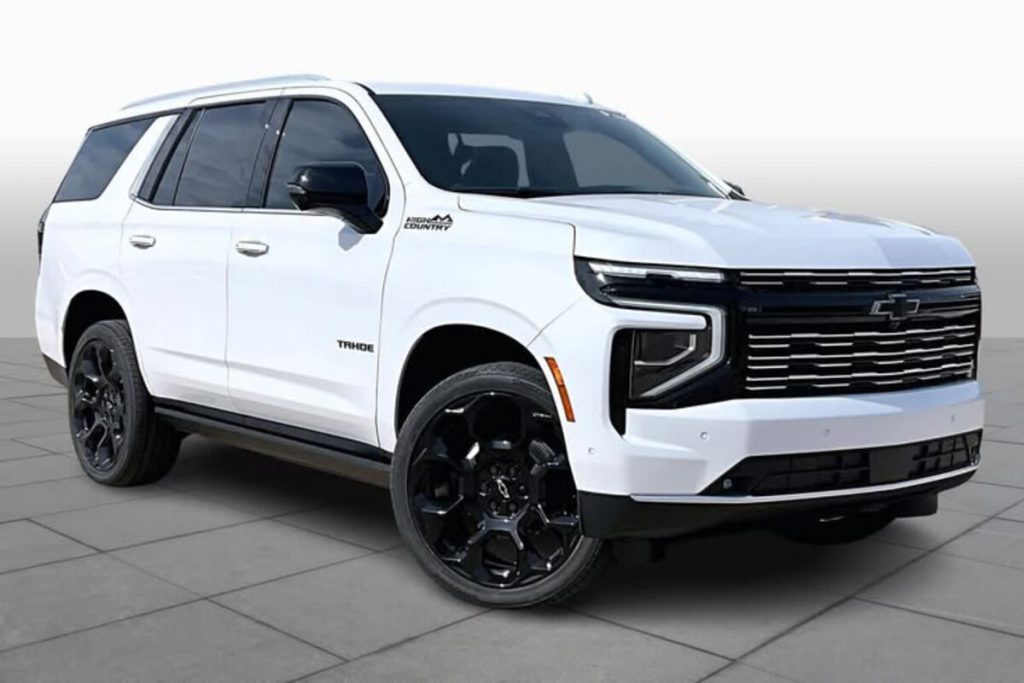
There is also the matter of practicality in daily use. While the Tahoe excels in space and comfort, that same size can feel excessive for routine commuting. Parking, maneuvering through tight streets, and navigating crowded areas can add to the overall effort required to use the vehicle regularly.
This model is included because it represents how capability and comfort can come at the expense of efficiency. It shows that a vehicle designed for versatility and power may not always align with the cost conscious demands of city driving.
3. Ford F-250 Super Duty
The Ford F-250 Super Duty is engineered with a clear purpose, and that purpose is not efficiency. It is designed to handle heavy workloads, from towing large trailers to carrying substantial payloads.
In environments where this capability is necessary, it performs exceptionally well. In Sacramento’s daily commuting context, though, those strengths translate into higher operating costs that are difficult to ignore.
The engine options available in the F-250 are built for power, and that power comes with significant fuel consumption.
Whether equipped with a large gasoline engine or a diesel alternative, the vehicle uses more fuel simply because it is designed to deliver high levels of torque and performance. This becomes especially noticeable in urban driving, where frequent stops and starts reduce any potential efficiency gains.
Weight plays an equally important role. The F-250’s heavy duty construction adds durability, but it also means the vehicle requires more energy to move. This increased demand affects not only fuel usage but also contributes to higher wear on components over time, adding to the overall cost of ownership.
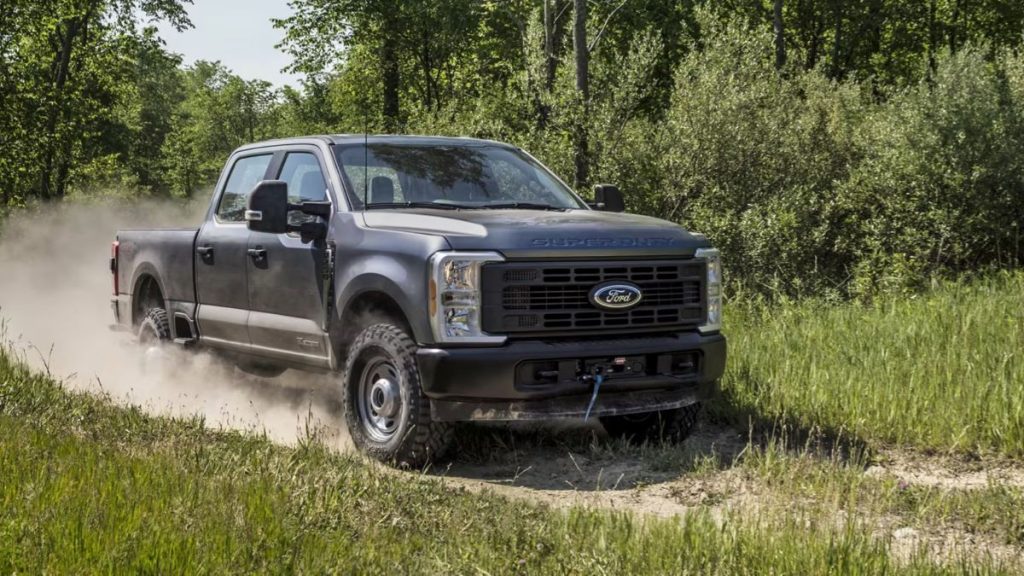
Registration fees are another factor that elevate its expense profile. Larger, more valuable vehicles typically fall into higher fee brackets, and the F-250 is no exception. This creates a recurring cost that adds to the already high fuel expenses.
It is included here because it highlights how specialization can lead to inefficiency in the wrong setting. A truck built for demanding tasks may not be the best fit for everyday commuting in a city focused on reducing costs and emissions.
4. Toyota Land Cruiser
The Toyota Land Cruiser carries a legacy built on durability and capability, often associated with extreme environments and long distance travel across difficult terrain.
It is engineered to perform where many vehicles would struggle, offering a combination of strength, reliability, and comfort that few can match. In a city like Sacramento, however, those strengths can feel excessive for routine commuting, and the cost of maintaining such a vehicle becomes more apparent over time.
At the heart of the Land Cruiser is a powerful engine designed to move a heavy and highly capable structure. This setup ensures strong performance in challenging conditions, but it also leads to significant fuel consumption during everyday driving.
In urban traffic, where efficiency matters most, the vehicle’s size and weight work against it, requiring more fuel to maintain steady movement and frequent acceleration.
Another factor that contributes to its higher costs is the level of engineering and materials involved. The Land Cruiser is built with a focus on long term durability, which increases its value and, in turn, affects registration fees.
In California, where fees are influenced by vehicle value, this translates into a recurring expense that remains high throughout ownership.
There is also a practical dimension to consider. While the Land Cruiser offers a comfortable and spacious interior, its large footprint can make daily tasks such as parking and navigating tight city streets more challenging. This adds a layer of inconvenience that may not align with the needs of typical commuting.
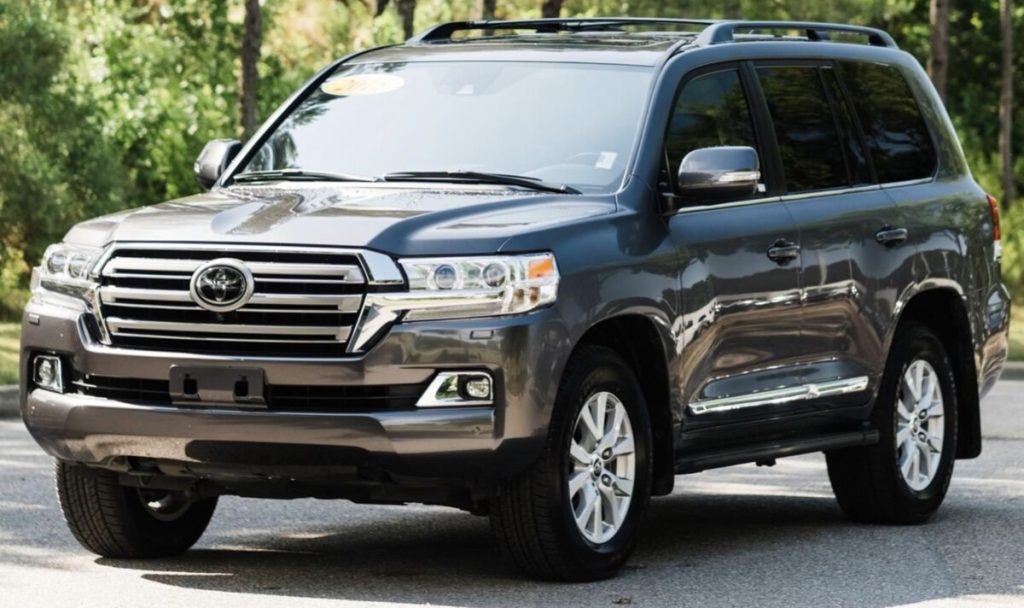
This vehicle is included because it represents how a focus on extreme capability can lead to higher costs in environments where those capabilities are rarely used. It shows that a vehicle designed for demanding conditions may not always be the most efficient choice for urban living.
5. Ram 1500 TRX
The Ram 1500 TRX stands at the far end of the spectrum when it comes to performance oriented trucks. Built with a supercharged engine and designed to deliver exceptional power, it offers an experience that is centered around speed and capability rather than efficiency.
In a setting like Sacramento, where daily commuting is more about consistency than performance, this focus creates a noticeable gap between what the vehicle offers and what the environment demands.
Fuel consumption is one of the most defining aspects of the TRX. The high output engine requires a substantial amount of fuel to operate, and this demand does not decrease significantly during normal driving. Even when used conservatively, the vehicle consumes more fuel than most trucks, making it a costly choice for everyday use.
The design of the TRX also contributes to its expense profile. Its reinforced structure, performance components, and advanced features increase its overall value, which in turn affects registration costs. These fees remain a constant factor, adding to the financial commitment required to own such a vehicle.
Beyond cost, there is the question of practicality. The TRX is built for performance and off road capability, which means its strengths are not always utilized in city driving. Maneuvering through traffic, finding suitable parking, and managing its size in urban spaces can become daily challenges.
It is included here because it highlights how extreme performance can come with equally extreme costs. In a city where efficiency and practicality are often more valuable, the TRX serves as a clear example of how priorities in design can influence long term ownership experience.
Sacramento highlights a clear divide between efficient commuters and fuel intensive vehicles, where everyday costs are shaped by both fuel use and registration expenses.
Low emission cars such as hybrids and compact commuters align well with the city’s driving patterns, offering consistent savings through reduced fuel consumption and fewer regulatory penalties. They are designed to handle stop and go traffic efficiently, making them practical for daily routines while also supporting long term affordability.
On the other side, larger SUVs and performance focused trucks bring power and capability but demand significantly higher fuel usage.
Their weight, engine size, and overall value contribute to increased registration fees, creating a continuous financial burden beyond just fuel costs. While they may serve specific needs, they often feel excessive for urban commuting.
This comparison shows that in a city like Sacramento, choosing efficiency is not only environmentally sensible but also financially practical over time.
Also Read: 5 Cars for Extreme Cold in the USA vs 5 Cars with Batteries That Struggle in Cold Weather
