
Depreciation is the one thing that nearly every new car buyer knows is coming, and nobody quite feels ready for. Drive off the lot, and you have already lost a meaningful chunk of what you just paid. Keep driving for five years, and the average vehicle has surrendered 40 to 60 percent of its original value to time, mileage, and the availability of newer alternatives. It is just how vehicles work, and most buyers factor it into their ownership math as an unavoidable cost of transportation.
Most buyers, and most vehicles. Not all. A specific and genuinely interesting set of vehicles has consistently resisted this pattern, maintaining values that challenge depreciation curves and in some cases produce used market prices that match or exceed what the vehicle originally cost new.
These are not vehicles that hold their value because of artificial supply constraints or temporary market disruptions. They are vehicles that the market has collectively decided are worth more than the mathematics of age and mileage would predict, because the reputation behind them is real, documented, and trusted by buyers who have done their research.
Reputation-driven depreciation resistance comes from several sources. Documented long-term reliability that makes buyers confident about purchasing high-mileage examples at prices closer to low-mileage equivalents than normal depreciation would justify. A capability that cannot be replicated at the same price point in newer alternatives, driving buyers back to older examples at sustained prices.
Enthusiast demand that concentrates on specific models and creates buyer competition for the limited used supply. And in some cases, a cultural status that transcends the vehicle’s mechanical specifications and makes ownership desirable in ways that pure transportation utility cannot explain.
Eight vehicles, each one with a story about how its reputation beat depreciation in a market that takes a financial toll on almost everything else.
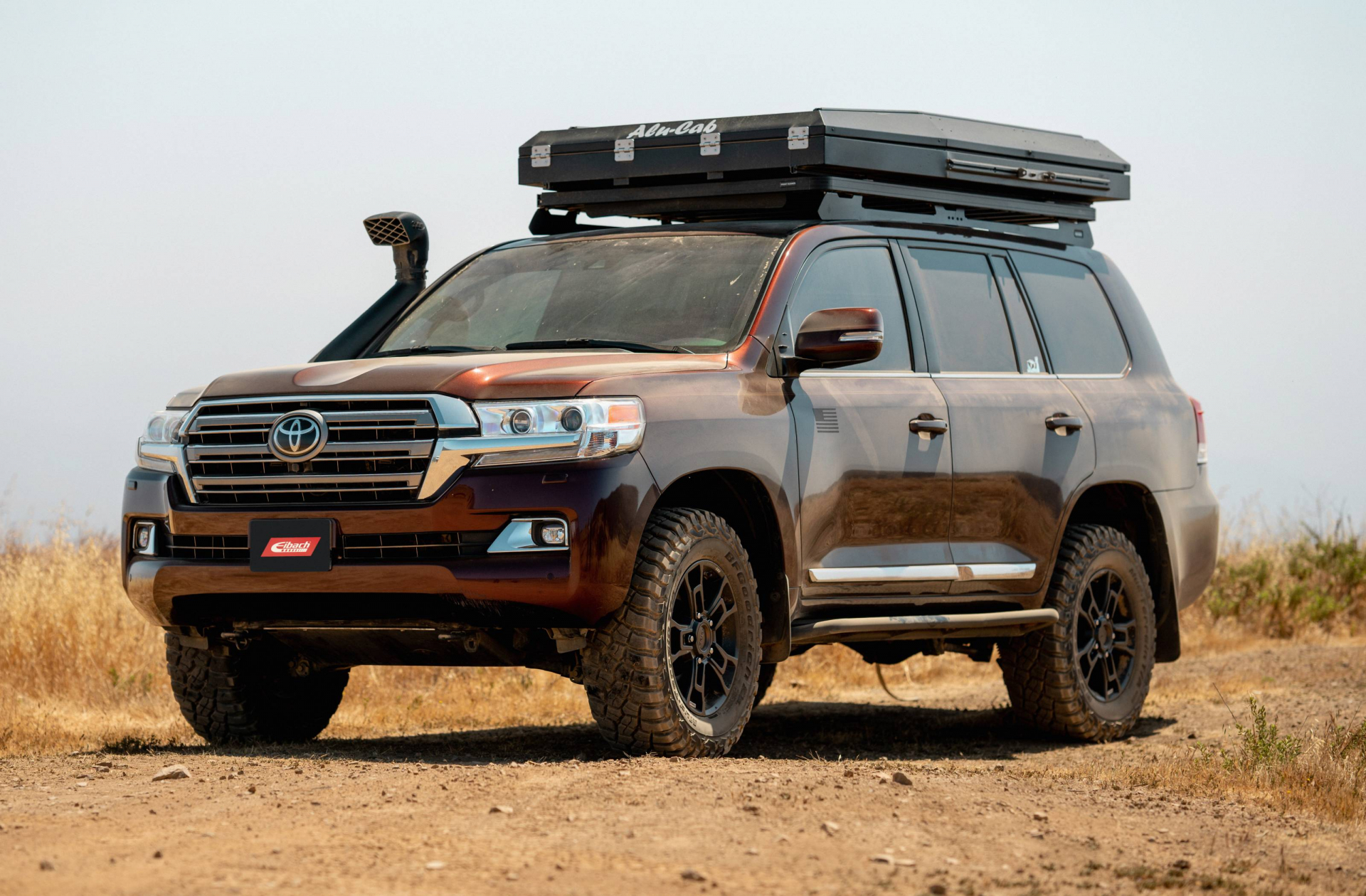
1. Toyota Land Cruiser 200 Series 4×4 (J200 Platform, 2008 to 2021)
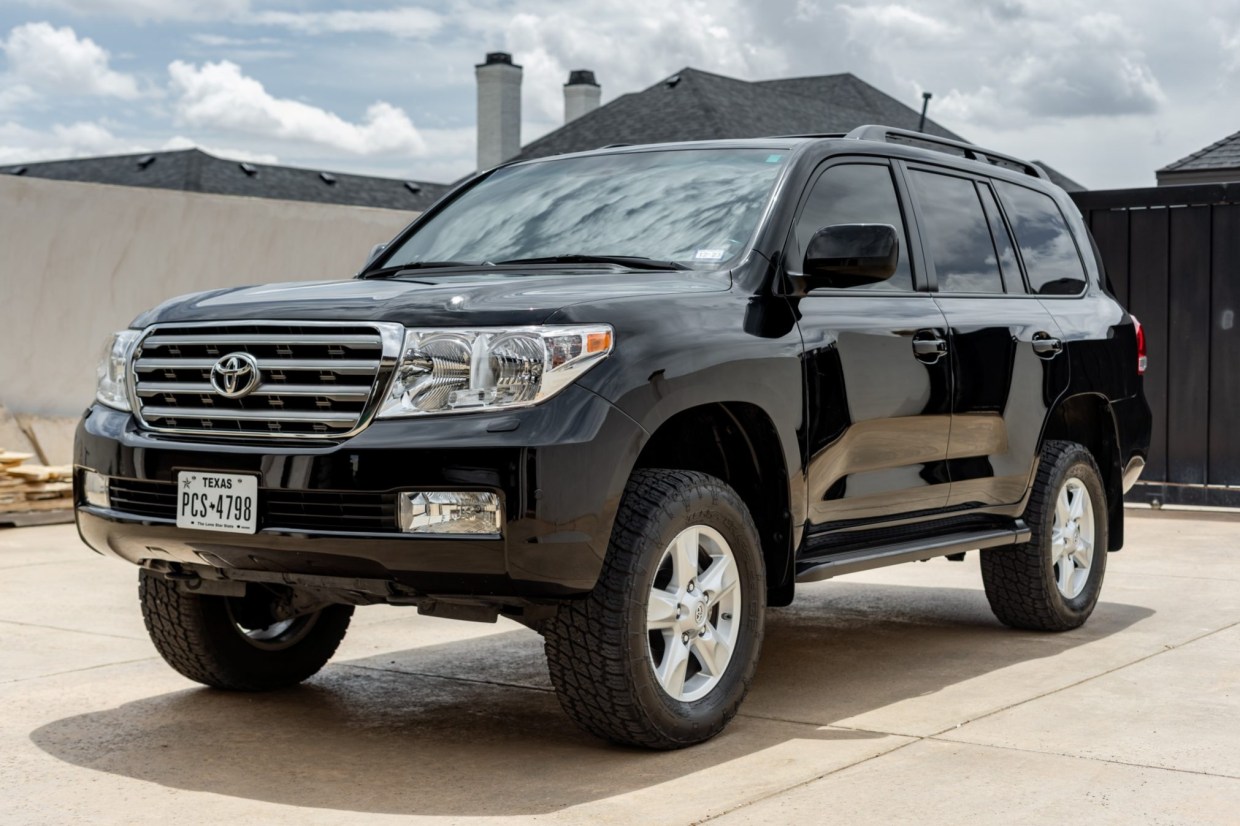
Toyota’s Land Cruiser 200 Series accumulated a used market valuation story during its production run and in the years following its discontinuation in the US market that should surprise anyone who assumed large luxury SUVs depreciate heavily. Used 200 Series Land Cruisers, particularly US-market examples from the final production years, sold in the used market at prices that defied every standard depreciation model, and that pricing behavior was not speculative enthusiasm.
It reflected a genuine capability-to-price calculation that buyers made rationally after comparing what the 200 Series offered against available alternatives. Toyota’s 5.7-liter 3UR-FE V8 in the 200 Series had accumulated a global reliability record of extraordinary consistency by the end of its US market life, with examples documented at 300,000 miles and beyond in working fleet and personal ownership applications across multiple continents.
When buyers are purchasing a used vehicle with documented evidence that the powertrain regularly achieves these service lives with appropriate maintenance, their willingness to pay closer to original value for a high-mileage example is rational rather than emotional.
Full-time four-wheel drive with a center differential lock, locking rear differential as standard equipment, and Toyota’s Kinetic Dynamic Suspension System provided a capability package that no current US-market vehicle directly replaced when Toyota withdrew the 200 Series from North American sales following the 2021 model year.
Creating a capability gap in the market for a specific type of buyer is one of the most reliable ways to support used pricing on discontinued vehicles, and the 200 Series gap was as clean as any in recent automotive history. Enthusiast community documentation of 200 Series capability, maintenance knowledge, and ownership experience created a support ecosystem that reduced the risk of high-mileage purchase for informed buyers.
Lower perceived risk supports higher willingness to pay, and the Land Cruiser enthusiast community’s comprehensive knowledge base is one of the largest and most practically useful in the SUV segment, reinforcing buyer confidence at every mileage level.
Used pricing for clean 200 Series Land Cruiser examples at 100,000 miles and beyond consistently tracked at levels that made the cost of a new equivalent vehicle in the current market look proportionate rather than excessive, confirming that reputation had successfully overcome the depreciation curve that every competitor in the full-size luxury SUV segment followed on a conventional schedule.
2. Porsche 911 Carrera S (997.2 Generation, 2009 to 2012)
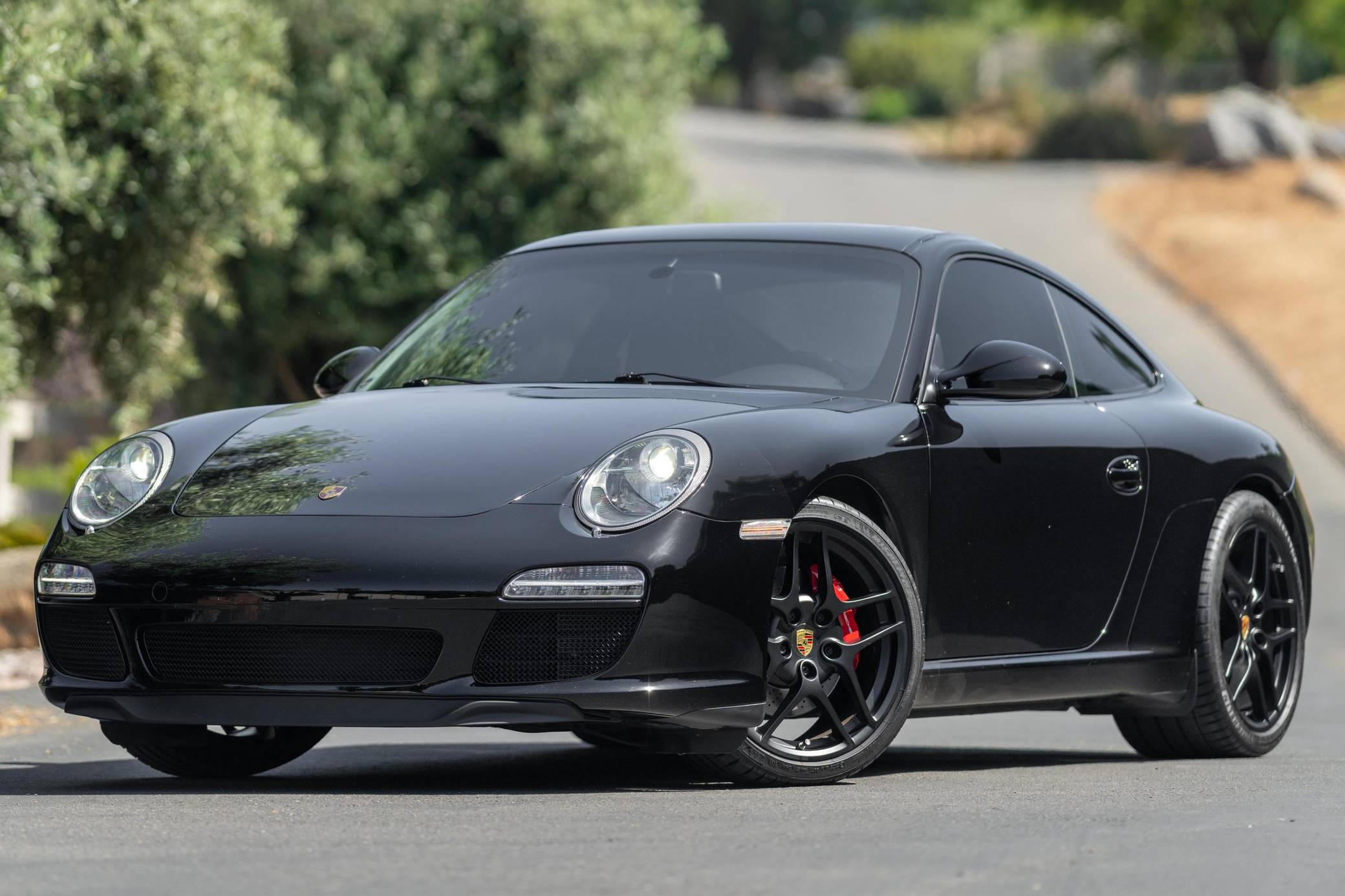
Porsche’s 911 is perhaps the clearest example in automotive history of a vehicle whose reputation has permanently altered its depreciation curve, and the 997.2 generation Carrera S provides a specific case study in how that reputation manifests in real used market pricing. High-mileage 997.2 911s command prices that would be inexplicable for any other sports car of equivalent age and mileage, but that make complete sense when reputation is included in the valuation equation.
Porsche’s flat-six engine in the 997.2 generation, specifically the 3.8-liter unit in Carrera S specification, addressed the intermediate shaft bearing failure concerns that had affected earlier 996 and early 997 engines, and the 997.2 generation’s reliability reputation benefits from both the IMS bearing design improvement and the accumulated service knowledge that the Porsche owner community had developed for maintaining these engines properly at high mileage.
An owner community that knows what a vehicle needs for longevity is a financial asset to every used buyer of that vehicle, and the Porsche 911 community’s maintenance knowledge is one of the deepest available for any sports car platform. Driving experience quality, consistently rated by automotive journalists and owner surveys as among the best available from any production sports car at any price, supports used pricing because buyers are paying for an experience that money cannot easily replace with a newer alternative at the same budget level.
A 997.2 911 Carrera S at 80,000 miles delivers a driving experience that buyers correctly assess as worth more per dollar than newer, cheaper sports cars that cannot match the 911’s specific combination of performance, usability, and daily driving competence. Used 997.2 Carrera S values have maintained a floor that many buyers attempting to enter 911 ownership at the most economical level have discovered is considerably higher than equivalent-age sports cars from competing manufacturers, even after accounting for the 911’s higher original purchase price.
That pricing floor is reputation at work, protecting used value through a combination of demand strength, ownership experience quality, and documented mechanical longevity that produces buyer confidence at high mileage.
Also Read: 9 Vehicles Where the Frame Outlives the Interior by a Decade
3. Mercedes-Benz W123 240D Diesel Sedan (1976 to 1985)
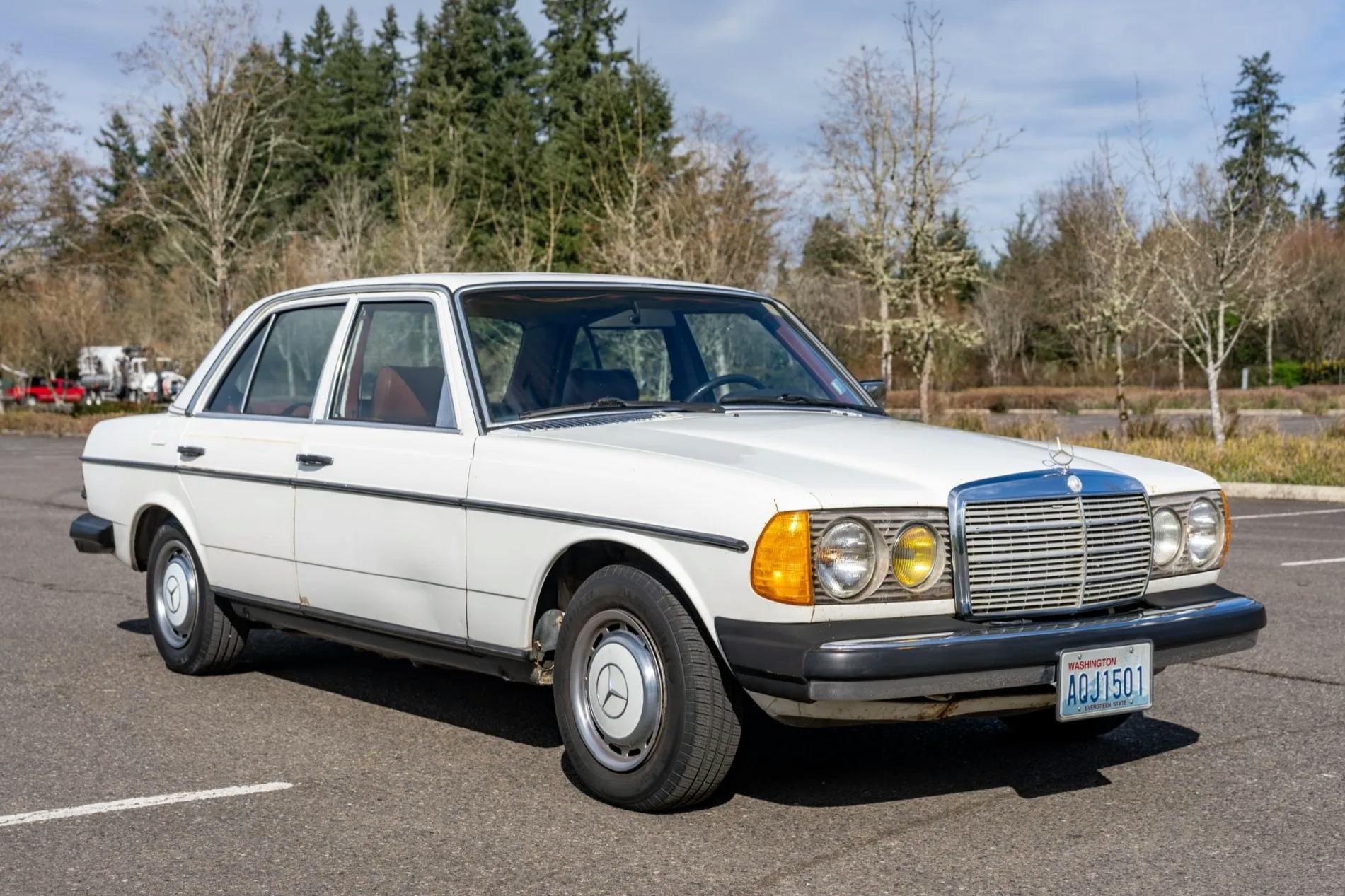
Not every depreciation defier is a recent vehicle, and few cases are more instructive than the Mercedes-Benz W123 240D, a diesel sedan whose production ended in 1985 but whose used market values have been climbing rather than declining through the 2010s and 2020s. A vehicle that gets more expensive as it gets older is not following any conventional depreciation model, and the W123 240D’s price trajectory makes sense only when reputation is understood as the primary valuation driver.
Mercedes’ OM616 2.4-liter four-cylinder diesel in the W123 is one of the most thoroughly tested production diesel engines in automotive history, with global fleet use in taxis, service vehicles, and personal transportation across multiple continents, generating a service history dataset of extraordinary depth.
Documented W123 240D examples exceeding 500,000 miles on original engines are not exceptional anomalies in this platform’s history. They are relatively common outcomes for well-maintained examples that received consistent service with diesel-appropriate oil and fuel filter replacement at manufacturer-specified intervals.
Mechanical simplicity of the OM616 means that any competent diesel mechanic can service, repair, and rebuild the engine with tools and knowledge that have been available since the vehicle’s production period. No specialized electronic diagnostic equipment, no proprietary software access, and no dealer-specific service procedures are required to maintain a W123 240D. This accessibility reduces the cost of ownership at high mileage in ways that discourage the depreciation that repair cost uncertainty drives in other older vehicles.
Collector and classic car market enthusiasm for the W123 generation reflects both genuine quality appreciation and a growing recognition that Mercedes-Benz’s pre-electronics-heavy production era represented a specific engineering ethos that current vehicles do not replicate.
Buyers who specifically want that ethos are competing for a finite supply of clean examples, and their demand concentration on a limited pool of quality survivors supports pricing that has moved in the opposite direction from normal depreciation for over a decade.
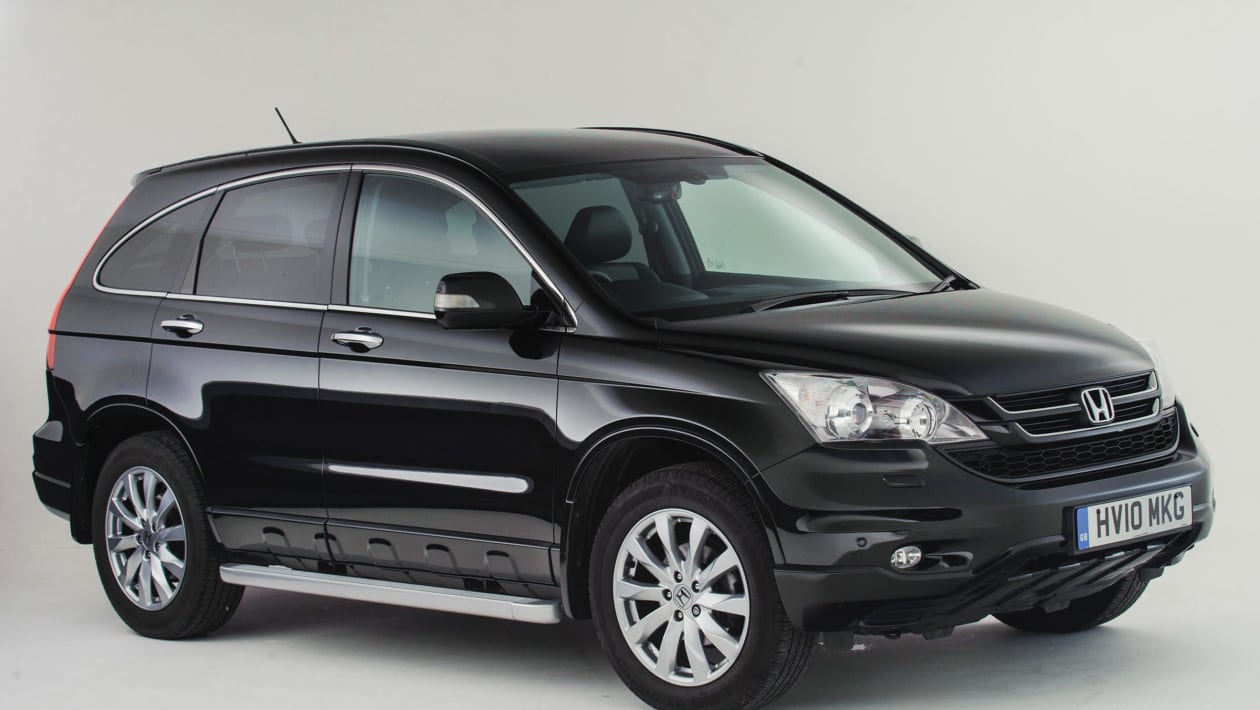
4. Honda CR-V EX AWD (Third Generation, 2007 to 2011)
Honda’s third-generation CR-V does not carry the exotic or collector status of the Porsche or Land Cruiser. It is a practical, mainstream family crossover that was purchased by ordinary buyers for ordinary transportation needs. What it does carry is one of the strongest reliability reputations in the compact crossover segment, backed by owner satisfaction data, Consumer Reports ratings, and the practical experience of hundreds of thousands of owners who drove their CR-Vs to high mileage and rarely experienced the mechanical failures that comparable competitors regularly generated.
Honda’s K24 2.4-liter four-cylinder in the third-generation CR-V is a naturally aspirated engine with documented high-mileage service histories that confirm the mechanical longevity that Honda’s reputation promises.
Owners who maintained their CR-Vs with consistent oil service, timing chain attention at higher mileages, and normal wear item replacement found engines that accumulated 200,000 to 300,000 miles without requiring major internal service, which is a documented service life that directly supports used pricing at higher mileages than competitors with shorter documented service lives command.
Real-World Practical AWD gives the third-generation CR-V all-weather capability that buyers in regions with snow and ice seasons specifically value and specifically seek in used purchases, creating demand from a buyer category whose needs make CR-V ownership functionally necessary rather than simply preferable.
Functional necessity in a buyer segment that cannot easily substitute another vehicle supports pricing premiums that vehicles lacking that functional advantage do not achieve at equivalent mileage and age. Used third-generation CR-V pricing has consistently tracked above equivalent-mileage and equivalent-age competitors like the Ford Escape and Chevrolet Equinox, a premium that reflects buyer willingness to pay for Honda’s reputation in a transparent market where price differences between available alternatives are immediately visible.
That willingness is reputation quantified in dollar terms, and the Honda CR-V’s consistently above-peer used pricing is one of the most clearly documented cases of mainstream reputation supporting depreciation resistance across years of market evidence.
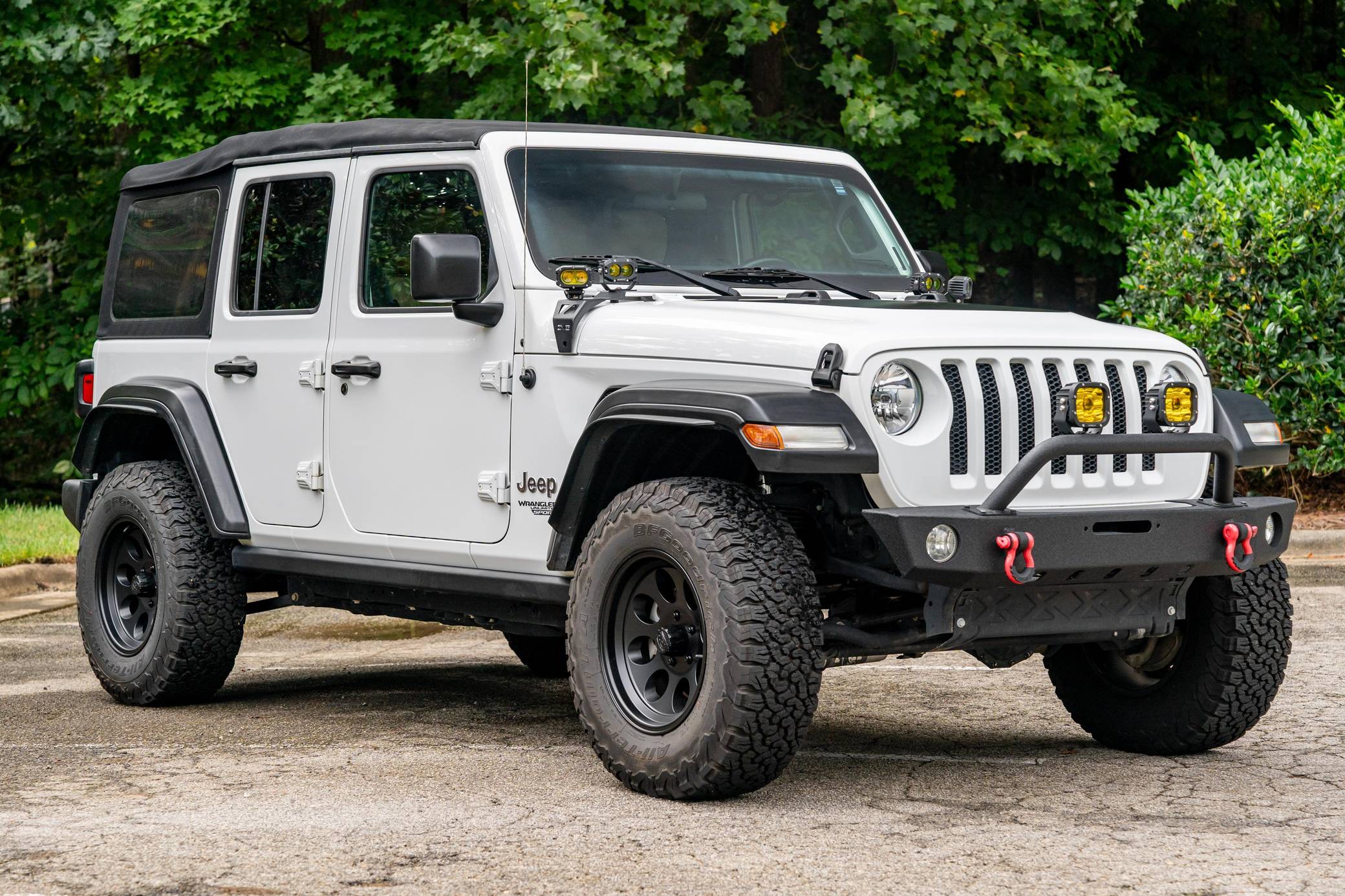
5. Jeep Wrangler Unlimited Sport S 4×4 (JL Generation, 2018 to 2023)
Jeep’s Wrangler is one of the most remarkable depreciation anomalies in the American automotive market, and the JL-generation Wrangler Unlimited Sport S 4×4 has continued the tradition of used pricing that makes buyers question whether the Wrangler follows any conventional vehicle valuation rules at all. Low-mileage used JL Wranglers have been listed and sold at prices exceeding original MSRP in multiple market conditions, and even at meaningful mileage levels, the Wrangler’s used pricing remains above what logic applied to any other vehicle at equivalent age would suggest.
Jeep’s Wrangler reputation for genuine off-road capability, supported by decades of Trail Rated validation, the institutional knowledge of one of the most active and vocal enthusiast communities in automotive culture, and documented performance in conditions where most vehicles simply stop, creates a buyer demand that sustains pricing independently of the normal depreciation triggers that affect other vehicles.
Buyers who want a Wrangler specifically want a Wrangler, and no alternative fully satisfies their specific requirement, which is the clearest possible market condition for sustained used pricing strength. Open-air driving capability, removable doors and roof, and fold-down windshield provide an experience that no closed-body vehicle can replicate, creating a unique use case that buyers value sufficiently to pay prices at or near new vehicle costs for relatively new used examples.
When a vehicle provides a specific experience that cannot be obtained elsewhere at any price point, the standard depreciation assumption that time reduces value does not apply in the same way it does for vehicles whose experience is replicated by newer alternatives.
JL generation engineering improvements over the JK, including a smoother highway ride, quieter cabin, better fuel economy, and more sophisticated driving dynamics that maintained Wrangler’s off-road capability while improving daily driver usability, expanded the buyer base beyond the core off-road enthusiast demographic into the crossover-curious buyer who wanted Wrangler’s identity without the JK’s rough-road driving compromises.
Expanding the buyer base increases the total demand pool competing for available used supply, which is the most direct possible mechanism for supporting used pricing above normal depreciation expectations.
Used JL Wrangler Unlimited pricing compared to any competing off-road SUV at equivalent age and mileage consistently shows the Wrangler commanding premiums that only its specific market position, built over decades of reputation and cultural status, can explain. That premium is one of the most transparently documented cases of reputation driving used vehicle value in the American automotive market.
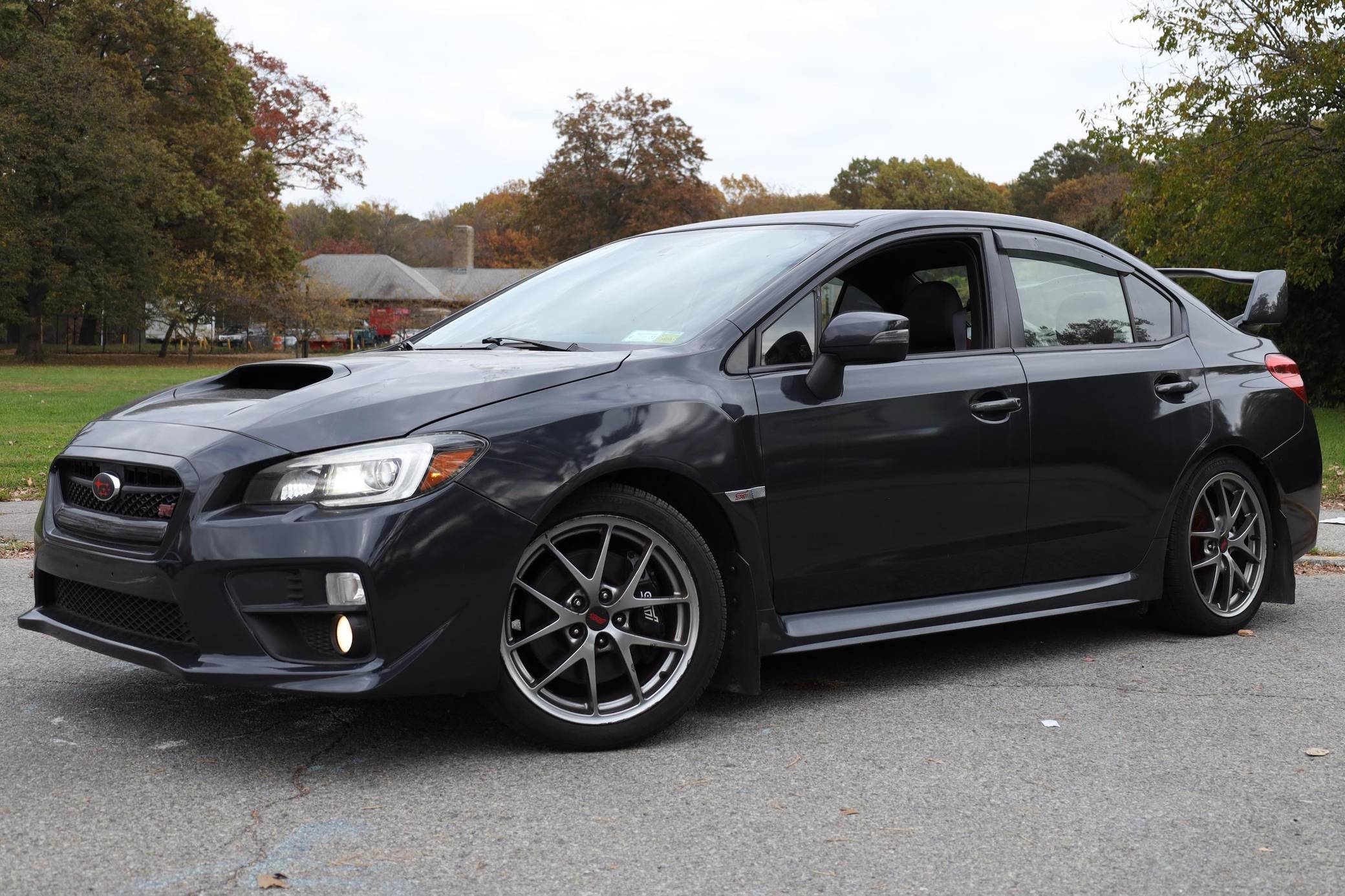
6. Subaru WRX STI Limited Sedan (VA Generation, 2015 to 2021)
Subaru’s WRX STI accumulated its reputation through a path that is more directly linked to documented performance competition results than almost any other production vehicle on this list, and that competition-derived credibility has translated into used market pricing that consistently outperforms mainstream performance sedan alternatives at equivalent age and mileage.
VA generation STI Limited sedans command used premiums that reflect buyer confidence in a vehicle whose fundamental performance engineering has been validated by professional use in some of motorsport’s most demanding conditions. Subaru’s EJ257 2.5-liter turbocharged flat-four in the VA generation STI carries a reputation that is complicated by acknowledged specific vulnerabilities, particularly the engine’s sensitivity to detonation under certain conditions and the importance of premium fuel use and appropriate maintenance for long-term reliability.
Despite these documented concerns, the STIs used market performance remains strong because the informed buyer community that specifically seeks VA generation STIs understands these vulnerabilities and knows how to manage them effectively, reducing the uncertainty that normally drives depreciation in vehicles with known failure modes.
World Rally Championship heritage behind the STI nameplate, with Subaru’s professional rally program achievements being directly cited in both manufacturer marketing and enthusiast community discourse, creates a reputation connection to competition achievement that buyers find genuinely valuable rather than purely aspirational.
When a buyer understands that their VA generation STI shares fundamental engineering DNA with competition vehicles that won championship events, the value they place on that connection is real, and it supports their willingness to pay more for used examples than equivalent-performance sedans from manufacturers without comparable competition histories.
Symmetrical All-Wheel Drive in the STI’s Subaru configuration, combined with the type of mechanically limited-slip differentials and suspension tuning that Subaru developed for competition applications before applying to production vehicles, provides a driving dynamics package whose depth of capability rewards skilled drivers in ways that electronic simulation approaches cannot replicate.
Buyers who specifically value this capability ceiling, rather than simply the everyday driving experience that a less capable AWD sedan provides, create demand concentration that supports STI used pricing above its naturally aspirated and electronically managed AWD competitors.
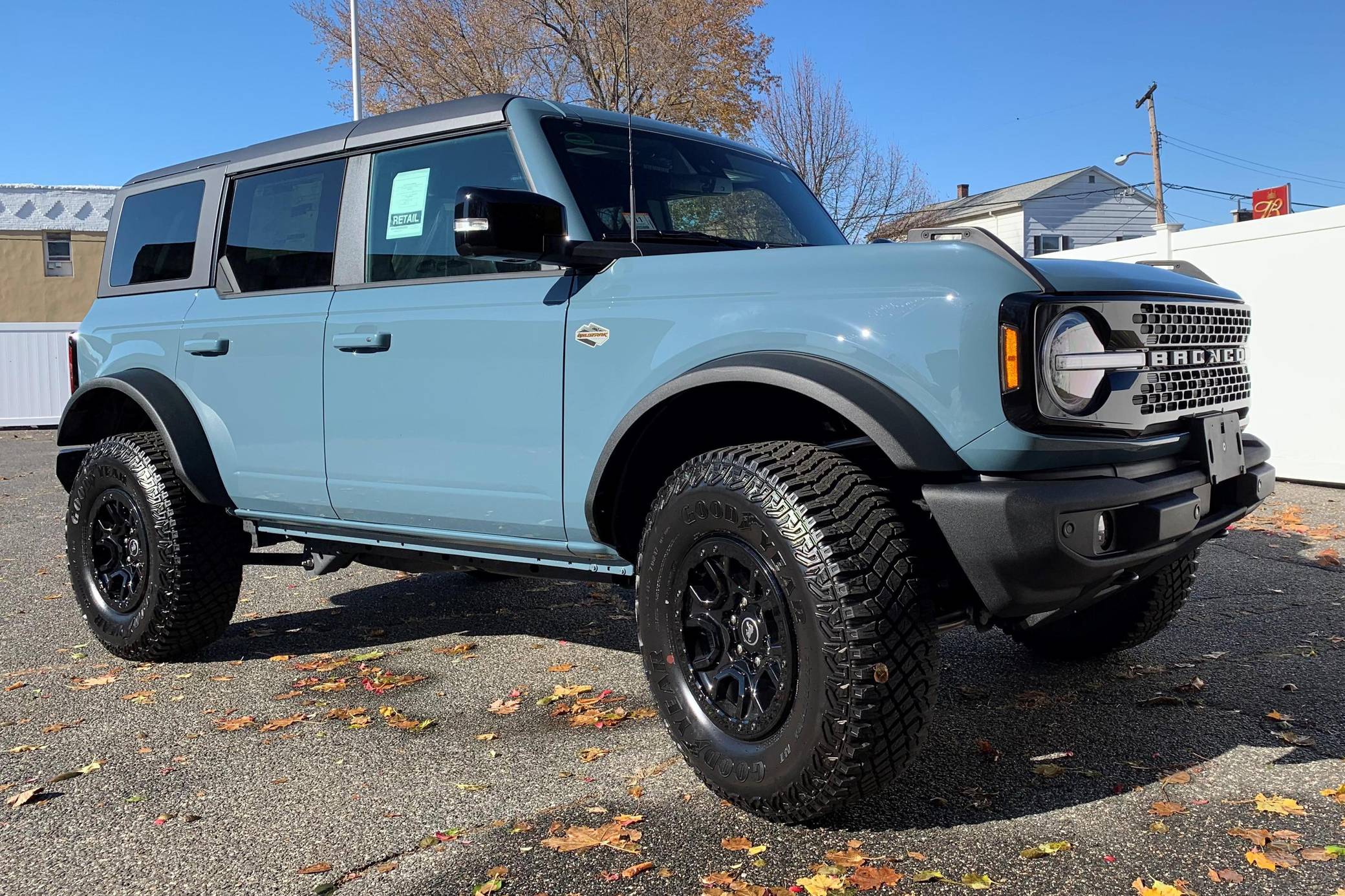
7. Ford Bronco Wildtrak 4-Door 4×4 (Sixth Generation, 2021 to 2023)
Few new vehicle launches in recent American automotive history generated the immediate and sustained reputation that Ford’s sixth-generation Bronco accumulated from its introduction, and that rapid reputation building translated directly into used market pricing that would have seemed impossible to predict before the vehicle had existed long enough to generate any actual ownership data.
Used early-production Bronco Wildtrak examples reached and sometimes exceeded MSRP in the used market within months of the first deliveries, a pricing behavior driven entirely by reputation and demand rather than any opportunity to evaluate actual long-term ownership experience.
Ford built the Bronco’s reputation on a specific and carefully constructed foundation: direct connection to the original Bronco’s heritage and status, explicit positioning as a Jeep Wrangler competitor with specific engineering choices designed to match or exceed the Wrangler’s documented off-road credentials, and a launch strategy that engaged the enthusiast community directly in the vehicle’s development story in ways that built genuine enthusiasm before any production example existed.
Wildtrak trim specification provided specific off-road hardware, including Sasquatch Package availability with 35-inch all-terrain tires and high-clearance suspension, that gave buyers a specific capability configuration whose delivered performance on trails validated the marketing claims that had built pre-launch excitement. When a vehicle performs at the level its reputation promises, the reputation is reinforced rather than undermined by actual ownership experience, creating a positive feedback loop that supports and strengthens used pricing.
HOSS Off-Road Stability System, position-sensitive Bilstein shock absorbers, and electronic locking front and rear differentials in Wildtrak specification provided a factory-built trail capability that the enthusiast community immediately validated through documented testing against known benchmark trail conditions.
This community validation, shared across enthusiast platforms with the social reach that modern automotive communities command, reached potential buyers at a scale that traditional automotive media coverage could not have achieved independently, amplifying the Bronco’s reputation-building velocity beyond any precedent from recent new vehicle launches.
Used Wildtrak pricing as the market stabilized from its initial launch-period peaks settled at values that remained above where normal one-to-three-year depreciation would have placed similar vehicles, reflecting a sustained reputation premium that the vehicle’s growing ownership experience was reinforcing rather than eroding.
A vehicle whose used pricing improves as more owners validate its performance claims is experiencing reputation-driven depreciation resistance in its most productive possible form.
Also Read: 10 Toyota Vehicles That Quietly Come With Expensive Insurance
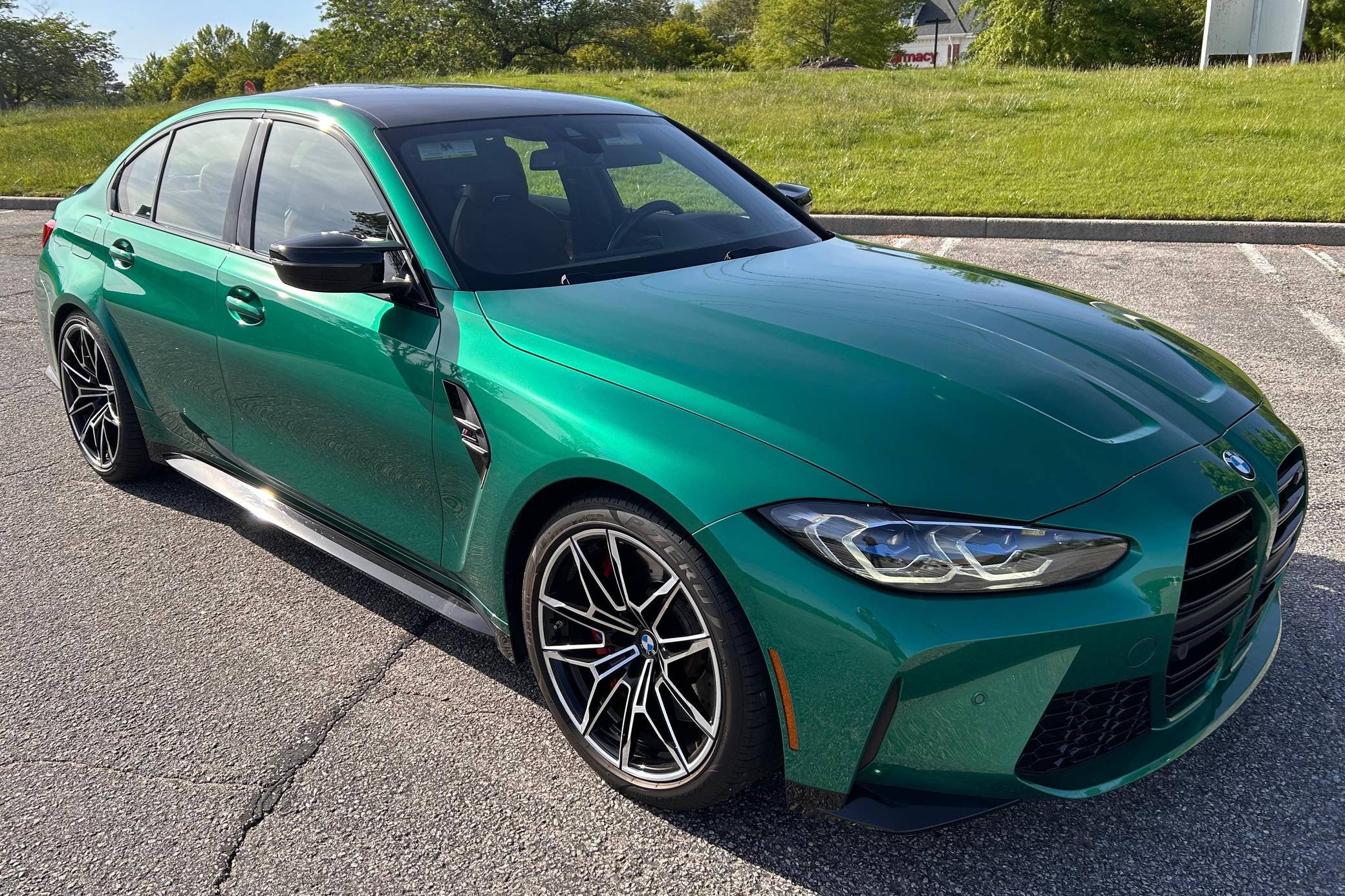
8. BMW M3 Competition Sedan (G80 Generation, 2021 to 2023)
BMW’s G80 M3 Competition Sedan has demonstrated used market pricing behavior that reflects the specific dynamics of the premium performance sedan market, where reputation for driving experience quality sustains demand from buyers who will not accept substitutes and whose willingness to pay for the specific BMW M3 experience supports values that conventional depreciation mathematics would not predict for a vehicle in this price class.
S58 inline-six twin-turbocharged engine development specifically for M3 Competition application produced one of the most comprehensively praised turbocharged performance engines from the current generation of BMW M engineering, with automotive press testing, owner experience reporting, and professional driver assessment consistently placing the S58’s combination of power delivery, sound quality, and mechanical refinement at the highest level available in the production sports sedan segment. Engines that generate this level of consistent praise across diverse evaluators develop reputations that directly influence the market demand.
Manual transmission availability on the G80 M3 Competition Sedan, specifically in the US market where many contemporary performance sedan competitors had already abandoned manual transmission options, created a specific buyer category whose preference for the manual gearbox experience made the G80 M3 Competition the only available new vehicle satisfying their specific requirements at launch.
Buyers who require a specific configuration offered by only one vehicle will pay prices that standard depreciation assumptions do not account for, and the manual G80 M3 Competition’s used pricing reflected this concentration of demand from launch through the initial production years.
xDrive AWD availability, combined with Competition-specification suspension and powertrain tuning, in a vehicle that also offered rear-drive configuration as an alternative, gave the G80 M3 Competition an unusual breadth of capability that attracted buyers across the performance-sedan spectrum rather than only the track-focused buyer demographic that purity-focused manual rear-drive configurations typically serve. Attracting multiple buyer demographics to a single model simultaneously creates the broad demand base that sustains used pricing across varied market conditions and buyer preference changes.
Used G80 M3 Competition Sedan pricing tracked consistently above conventional premium performance sedan depreciation curves from early used market appearances, reflecting the combination of strong initial demand, limited initial supply from BMW’s production allocation strategy, and the growing owner community validation that the S58-powered M3 Competition delivered on the reputation its pre-sale marketing had established.
BMW M3’s reputation, built across generations of documented performance sedan excellence, is one of the most durable reputation assets in the premium automotive segment, and the G80 generation has inherited and added to that asset in ways that used market pricing consistently confirms.
