
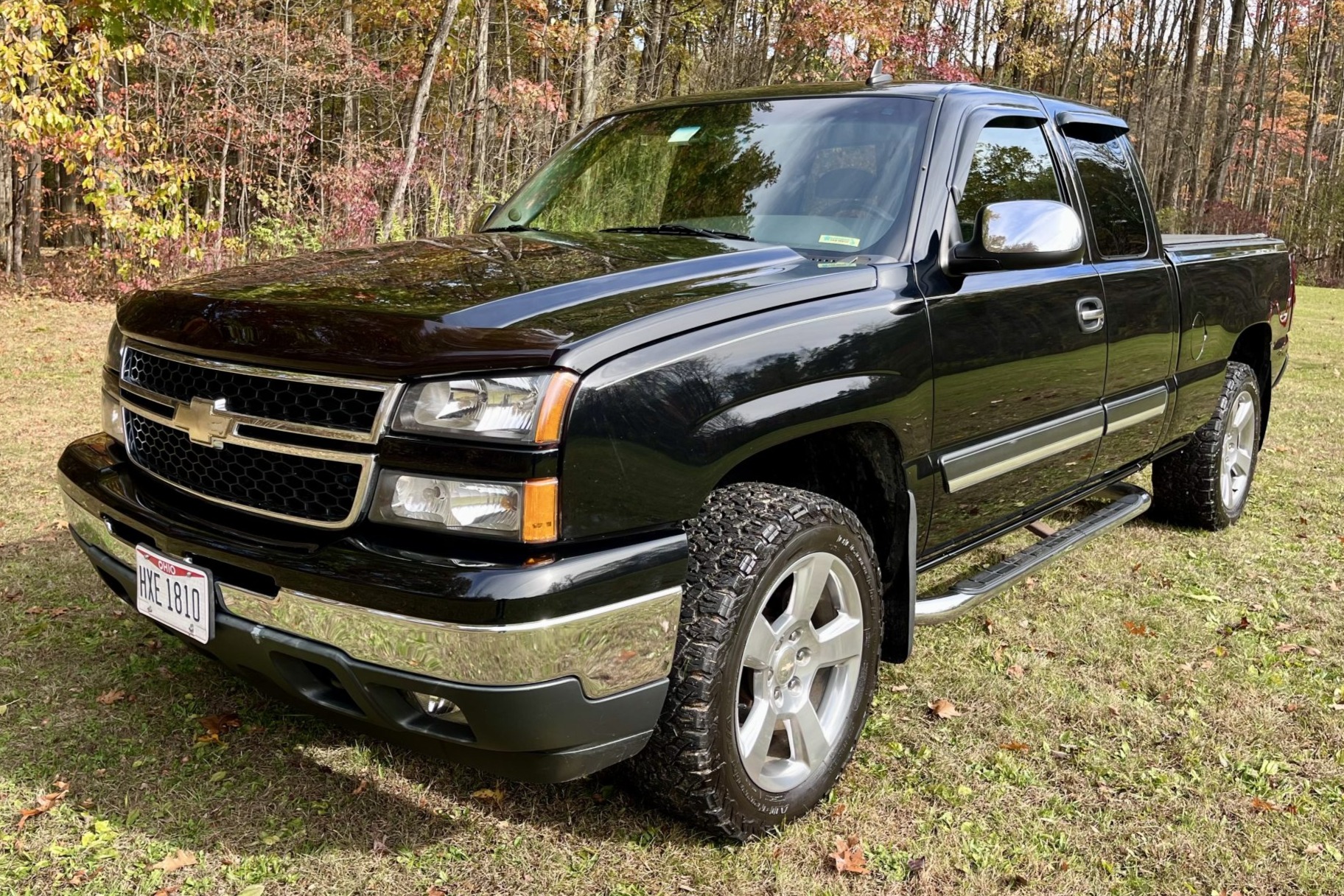
Vehicle lifespan is often measured by years on the road, yet a closer assessment shows a clear pattern. Many vehicles retain a strong mechanical condition even as their interiors begin to deteriorate. Seats lose firmness, dashboards develop cracks, and trim components loosen, while the frame continues to perform reliably under stress.
This difference reflects engineering priorities that favour structural durability over interior materials. Owners who keep vehicles for long periods observe this gap clearly. A truck or SUV may still drive well, though the cabin shows wear through faded fabric and ageing controls. Repairing the interior can become the deciding factor in keeping or replacing the vehicle.
Manufacturers have made progress in improving interior quality in recent years, though older models often reveal this gap between structure and finish. Vehicles built for work, towing, or rugged conditions tend to emphasise chassis strength, sometimes at the expense of interior longevity.
This page highlights nine vehicles where the frame often outlasts the interior by a wide margin. Each one demonstrates how engineering decisions can create machines that keep moving long after their cabins begin to age.
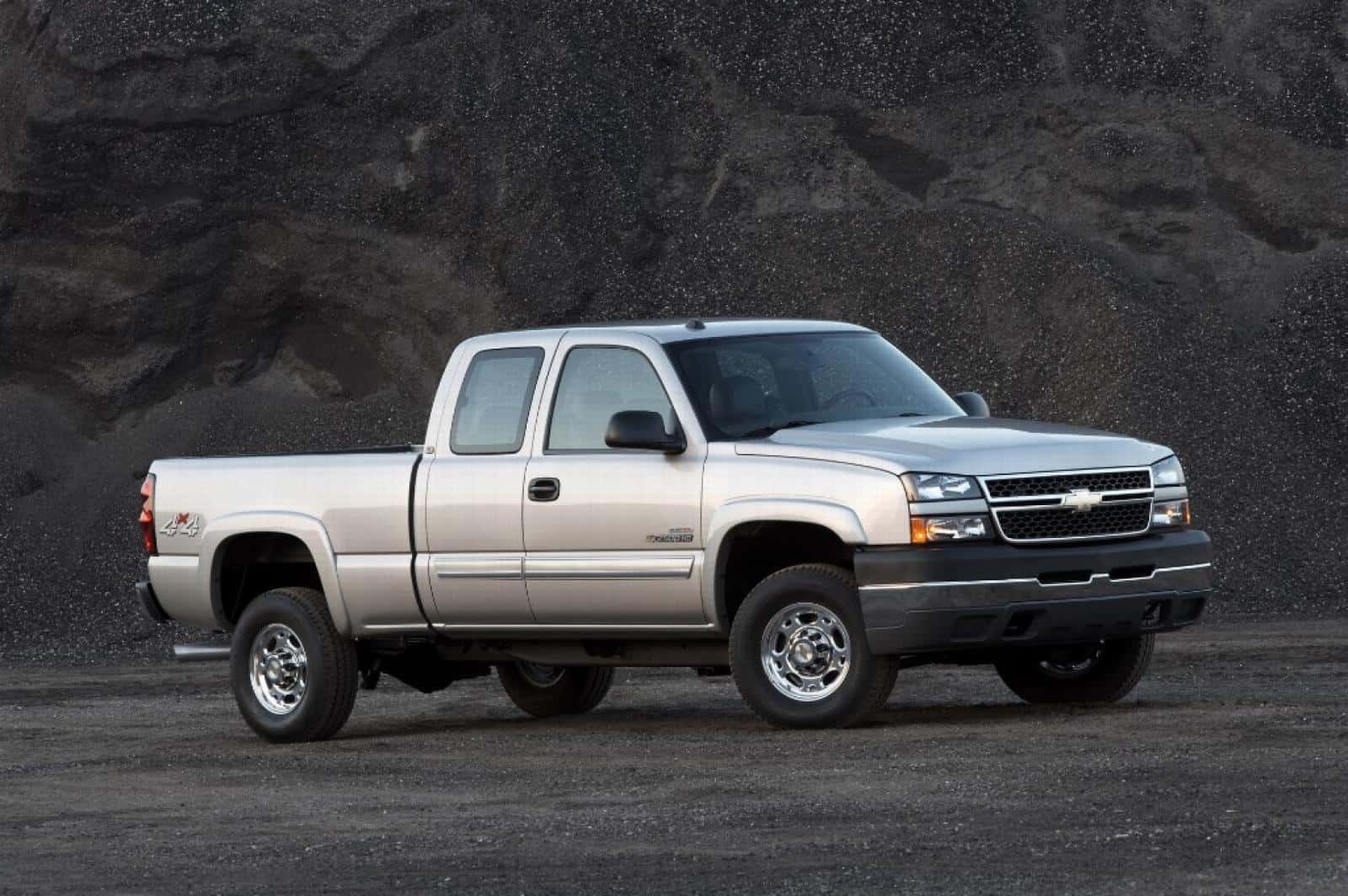
1. 2007 Chevrolet Silverado 1500
Durability defines the reputation of the 2007 Chevrolet Silverado 1500, especially in terms of its structural integrity. Built on a sturdy frame designed for heavy-duty tasks, this truck continues to perform reliably even after years of demanding use. Owners frequently report that the chassis maintains its strength through towing, hauling, and rough roads, making it a dependable option for long-term ownership.
Interior materials, however, tell a different story as time passes. Fabric seats tend to wear quickly, particularly in work environments where daily use is intense.
Plastic components within the cabin often show signs of fading or cracking, especially when exposed to heat and sunlight. Controls such as buttons and knobs may lose their finish, giving the cabin a worn appearance even when the vehicle remains mechanically sound.
Driving experience remains steady due to the truck’s strong foundation. Suspension components and frame rigidity allow it to maintain stability, even when carrying heavy loads. This consistency reinforces confidence in its structural design, which continues to perform beyond expectations.
Owners often face a choice between investing in interior restoration or continuing to use the vehicle as a workhorse. Replacement seat covers, aftermarket trim pieces, and minor upgrades can improve comfort, though many choose to prioritise functionality over aesthetics.
Market perception reflects this balance. Used examples with worn interiors still attract buyers because of their dependable frame and drivetrain. The Silverado’s ability to remain operational despite interior wear highlights its engineering focus. This model stands as a clear example of how a strong frame can outlast the cabin by a considerable margin, providing value long after cosmetic elements begin to decline.
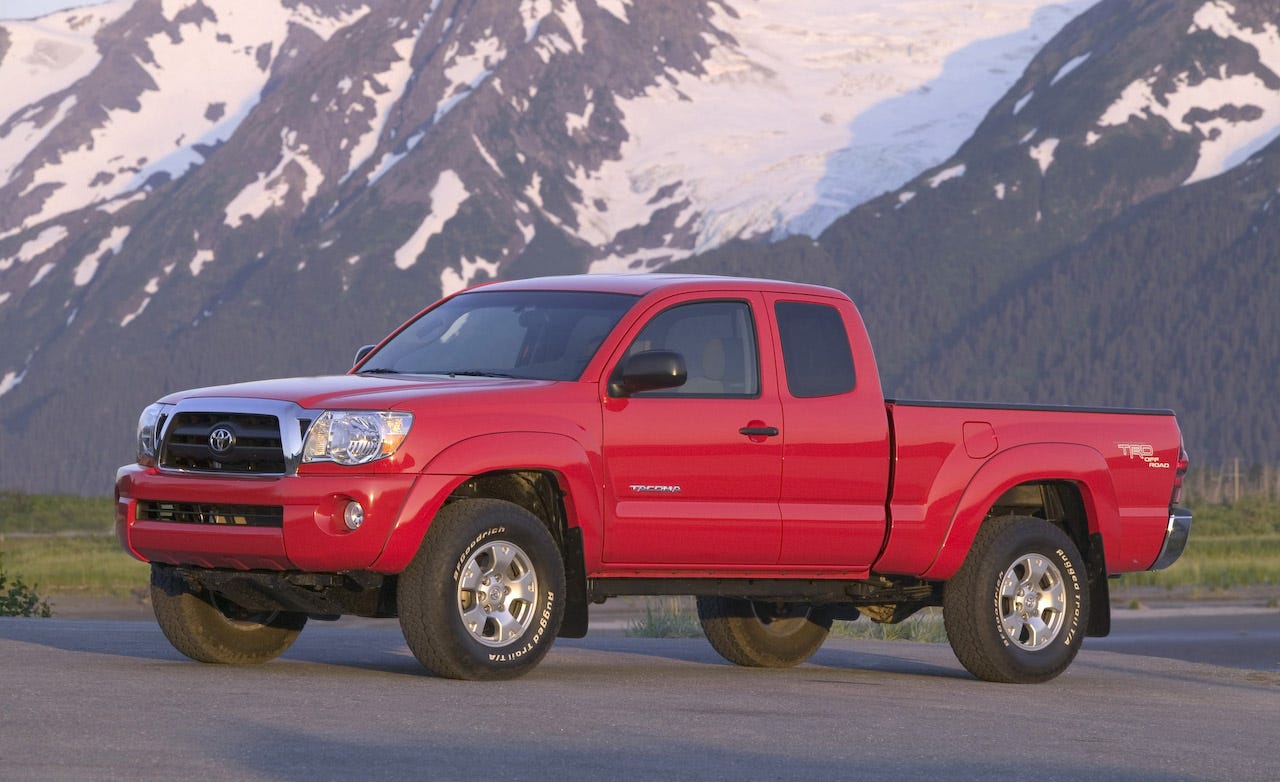
2. 2008 Toyota Tacoma
Strength in construction gives the 2008 Toyota Tacoma a reputation for longevity that extends far beyond typical expectations. Its frame is designed to endure challenging conditions, including off-road use and heavy payloads. This resilience has made it a favorite among drivers who require reliability in demanding environments.
Inside the cabin, materials tend to show wear sooner than the frame. Seat fabrics can fade or tear with frequent use, especially in climates with high temperatures. Dashboard surfaces may develop cracks, and interior plastics can become brittle as years pass. These changes create a visible gap between the truck’s external durability and its interior condition.
Performance remains consistent due to the Tacoma’s solid engineering. The frame continues to support the vehicle effectively, ensuring stability on uneven surfaces. This reliability encourages owners to keep the truck in service even when the cabin begins to age.
Maintenance decisions often focus on mechanical components rather than interior upgrades. Drivers who rely on the Tacoma for work or outdoor activities may accept interior wear as a natural result of usage. Others choose to refresh the cabin with aftermarket solutions to extend comfort.
Resale trends show that buyers are willing to overlook interior imperfections if the frame and drivetrain remain in good condition. This demand supports strong market values, reinforcing the truck’s reputation for durability. The 2008 Toyota Tacoma demonstrates how structural strength can sustain a vehicle’s usefulness, even when interior materials fall behind in longevity.
Also Read: 10 Vehicles With Brake Systems Built for 100000 Miles of Use
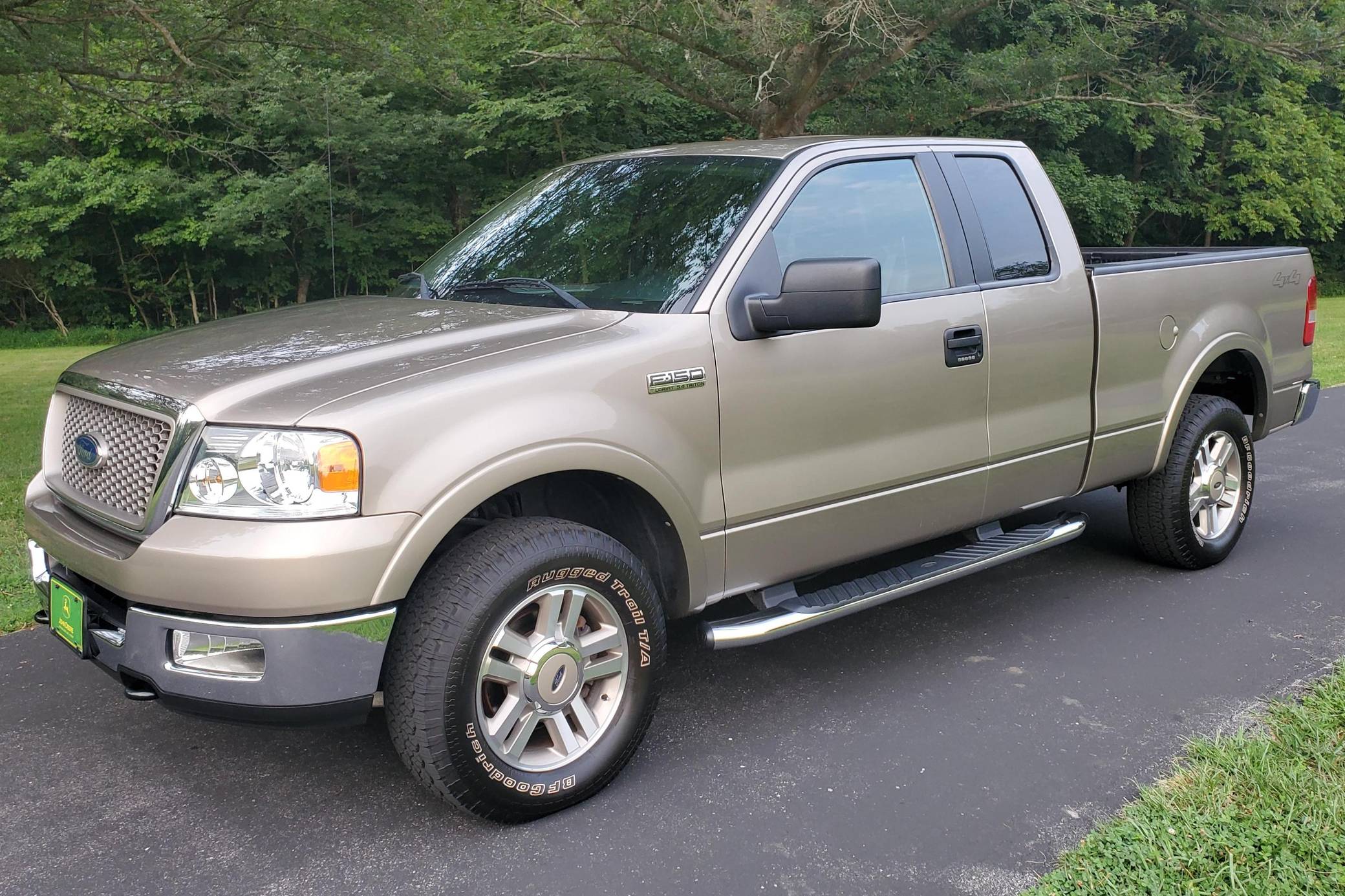
3. 2005 Ford F-150
A long-standing presence in the truck segment, the 2005 Ford F-150 showcases durability through its reinforced frame and robust construction. Designed to handle heavy workloads, this model continues to perform reliably across a wide range of conditions. Its structural integrity remains intact even after years of regular use.
Interior quality presents a different experience as the vehicle ages. Seat upholstery often shows early signs of wear, particularly in high-contact areas. Plastic panels may loosen or develop scratches, while dashboard components can fade under prolonged exposure to sunlight. These changes contribute to a cabin environment that ages faster than the underlying structure.
Driving stability remains a strong point. The frame supports consistent handling, allowing the truck to maintain control when carrying loads or towing. This reliability reinforces confidence in its engineering, encouraging long-term use. Owners frequently adapt by focusing on practicality.
Interior wear is often viewed as secondary to performance, especially for those using the vehicle in demanding roles. Simple repairs or replacements can address the most noticeable issues without requiring a complete overhaul. Market demand reflects the F-150’s enduring appeal. Buyers recognise the value of a strong frame and are often willing to accept cosmetic imperfections.
This perspective supports steady resale interest, even for vehicles with visibly aged interiors. The 2005 Ford F-150 illustrates how a well-built frame can extend a vehicle’s lifespan, maintaining functionality long after interior elements begin to decline.
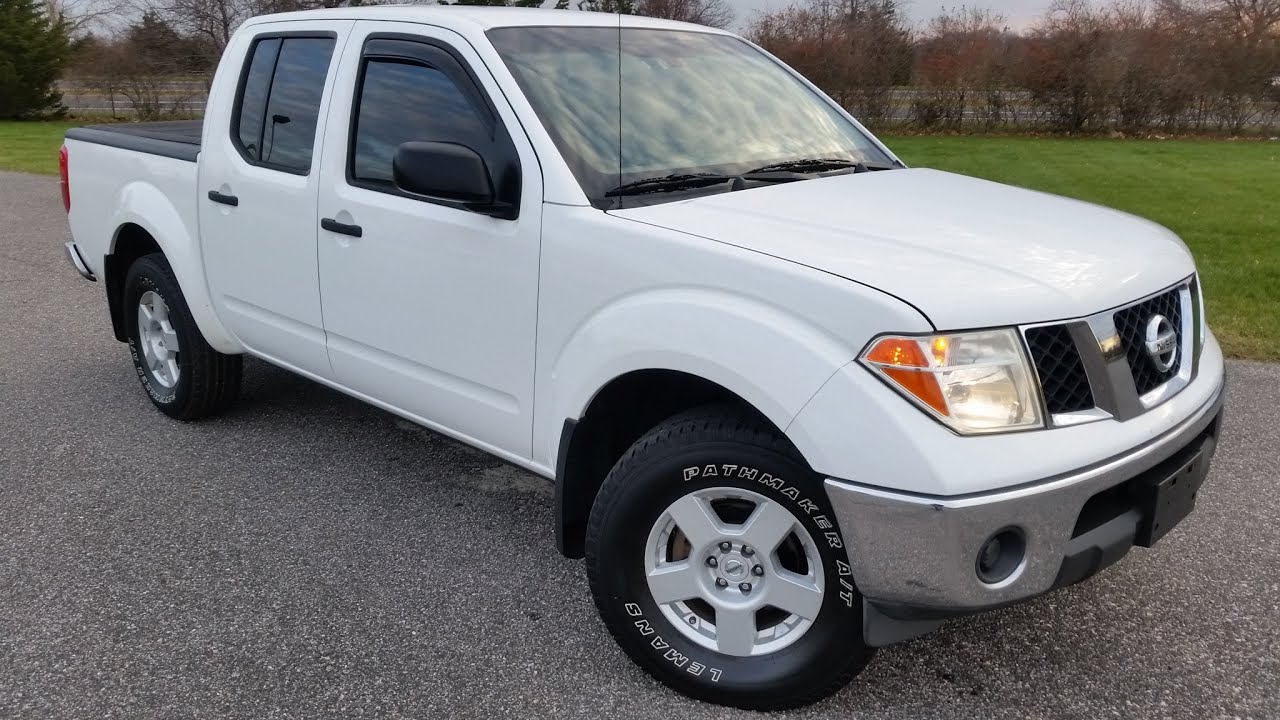
4. 2006 Nissan Frontier
The 2006 Nissan Frontier presents a clear example of durability rooted in strong structural engineering. Built with a focus on resilience, this pickup truck performs reliably in demanding conditions such as rough roads, heavy hauling, and extended daily use. Its frame construction remains one of its most dependable attributes, providing a stable foundation that continues to function effectively even after many years on the road.
Owners frequently attest to the vehicle’s ability to withstand physical stress without compromising its structural integrity, making it a trusted option for both work and personal use. Within the cabin, a different pattern becomes evident as the vehicle ages. Interior materials tend to show wear at a faster pace than the exterior structure.
Seat fabrics may lose their original firmness and develop visible signs of use, especially in vehicles subjected to frequent entry and exit. Plastic components across the dashboard and door panels often fade or experience minor deterioration due to prolonged exposure to sunlight and varying weather conditions.
Controls and switches may also exhibit signs of use, reducing the visual appeal of the cabin while the vehicle remains mechanically sound. Performance continues to reflect the strength of the Frontier’s engineering. The frame supports consistent handling and stability, even when the vehicle is tasked with carrying heavy loads or operating on uneven surfaces.
This reliability reinforces confidence among owners, encouraging continued use without concern for structural failure. The ability of the vehicle to maintain its operational standard despite visible interior wear highlights the difference between its mechanical durability and cabin longevity.
Maintenance practices often reflect a practical approach. Owners typically focus on preserving engine performance, suspension components, and structural integrity. Interior restoration is often treated as a secondary concern, addressed gradually or only when necessary. Some drivers choose to install replacement seat covers or minor trim upgrades to improve comfort without extensive refurbishment.
Resale interest remains steady due to the Frontier’s reputation for durability. Prospective buyers often prioritise the condition of the frame and drivetrain above interior appearance. As long as the vehicle continues to perform reliably, signs of cabin wear are generally considered acceptable.
The 2006 Nissan Frontier demonstrates how a well-built frame can sustain long-term usability. Its structural strength ensures continued performance, even as interior materials reflect the passage of time.
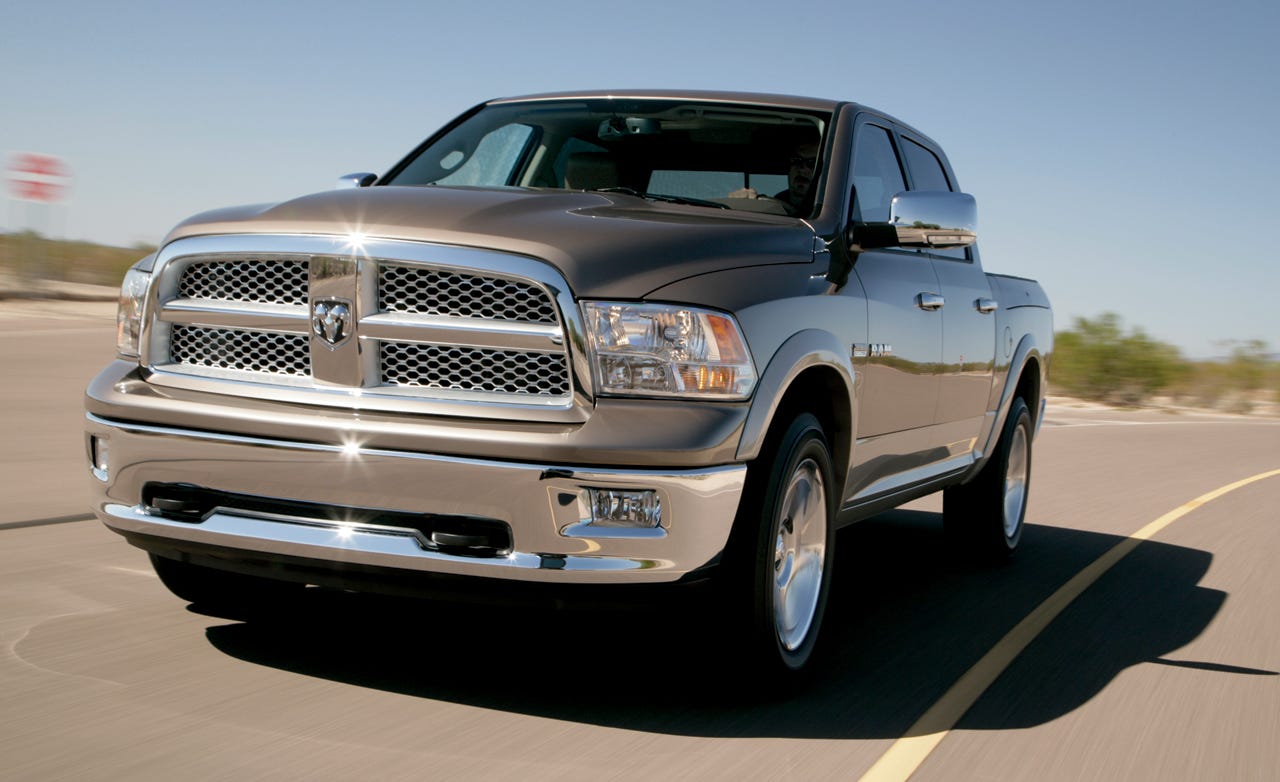
5. 2009 Dodge Ram 1500
The 2009 Dodge Ram 1500 stands out for its combination of bold design and dependable engineering, particularly in its frame construction. Developed to handle demanding workloads, this pickup truck maintains structural strength even after years of consistent use.
Owners often rely on it for tasks such as towing and transporting heavy loads, confident in its ability to perform without compromise. The frame serves as a reliable backbone, supporting the vehicle through various conditions while maintaining stability.
Interior components, however, tend to reveal signs of ageing more quickly. Seat upholstery may wear down, especially in vehicles used for daily work. Prolonged use can lead to thinning of fabric or creasing in leather surfaces. Dashboard materials are also prone to fading, particularly when exposed to direct sunlight over extended periods.
Interior trim pieces may loosen slightly, and minor imperfections can develop in frequently used areas. These changes create a noticeable difference between the truck’s durable exterior structure and its ageing cabin environment. Driving performance remains consistent due to the strength of the frame and supporting components.
The Ram 1500 continues to handle loads effectively, maintaining balance and control even under demanding conditions. This reliability encourages owners to keep the vehicle in service, recognising that its mechanical capability remains intact despite visible interior wear.
Owners often adopt practical solutions when addressing cabin concerns. Simple measures such as seat covers, replacement trim pieces, and basic repairs can improve comfort without requiring extensive investment. Many drivers prioritise functionality, accepting that interior wear is a natural result of prolonged use in a work-focused vehicle.
Market behaviour reflects this perspective. Buyers searching for a dependable pickup truck frequently place greater emphasis on structural condition and engine performance than on interior appearance. Vehicles with strong frames and well-maintained mechanical systems continue to attract interest, even when the cabin shows clear signs of use.
The 2009 Dodge Ram 1500 provides a clear illustration of how structural durability can exceed interior longevity. Its ability to remain functional and reliable ensures continued value, even as the cabin reflects years of service.
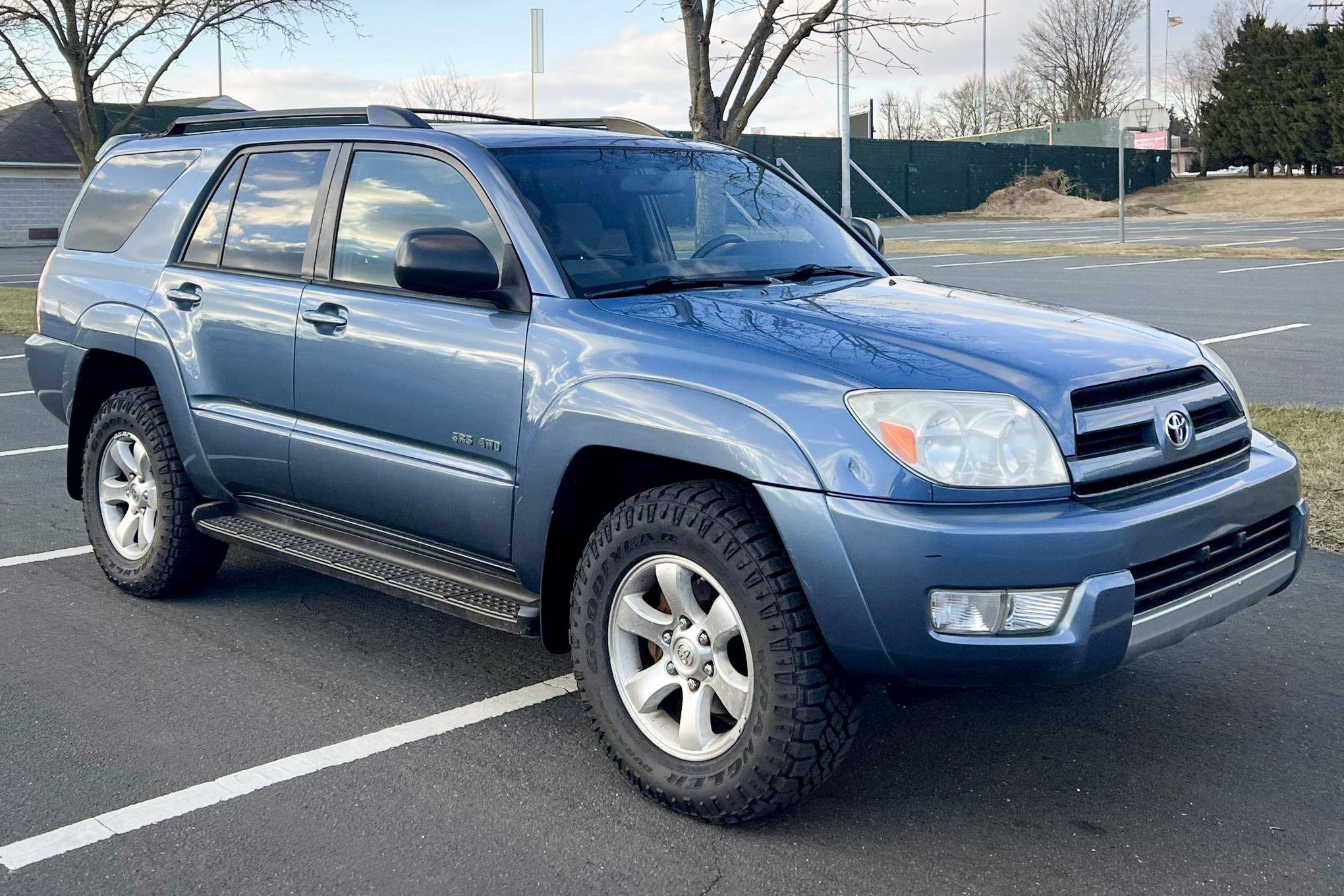
6. 2004 Toyota 4Runner SR5
Strength beneath the body defines the long-term character of the 2004 Toyota 4Runner SR5. Built on a body-on-frame platform, this SUV was engineered with durability as a primary focus. Years of use in mixed conditions, from city streets to rough trails, often leave the chassis intact and dependable.
Owners frequently describe the frame as capable of handling stress well beyond what the cabin suggests after extended use. Step inside, and a different story begins to show. Interior materials tend to age faster, especially when exposed to heat and daily wear. Seat fabric can lose its firmness, leading to visible sagging and discomfort.
Plastic surfaces on the dashboard and door panels may fade or develop minor cracks. Switchgear, including window controls and climate buttons, sometimes shows wear through loss of finish or reduced responsiveness. These changes give the impression of a vehicle that has aged more than its mechanical condition would indicate.
Performance continues to reinforce confidence in the structure. The 4Runner maintains stability during off-road use, with the frame absorbing impacts and maintaining alignment. Suspension components work in harmony with the chassis, allowing the vehicle to perform reliably even after years of demanding conditions. This level of consistency encourages owners to keep the vehicle in service long after interior wear becomes noticeable.
Maintenance priorities often reflect practical thinking. Many owners focus on engine care, suspension upkeep, and structural preservation while postponing interior refurbishment. Replacement seat covers and aftermarket trim pieces provide temporary solutions, though some drivers accept the worn cabin as part of the vehicle’s identity.
Resale value remains strong due to the reputation for durability. Buyers searching for a dependable SUV are often willing to accept cosmetic imperfections inside the cabin. A well-maintained frame and drivetrain carry more weight in purchase decisions than interior appearance.
The 2004 Toyota 4Runner SR5 demonstrates how engineering focused on structural integrity can extend a vehicle’s lifespan well beyond the durability of its interior materials, creating a clear divide between mechanical strength and cabin condition.
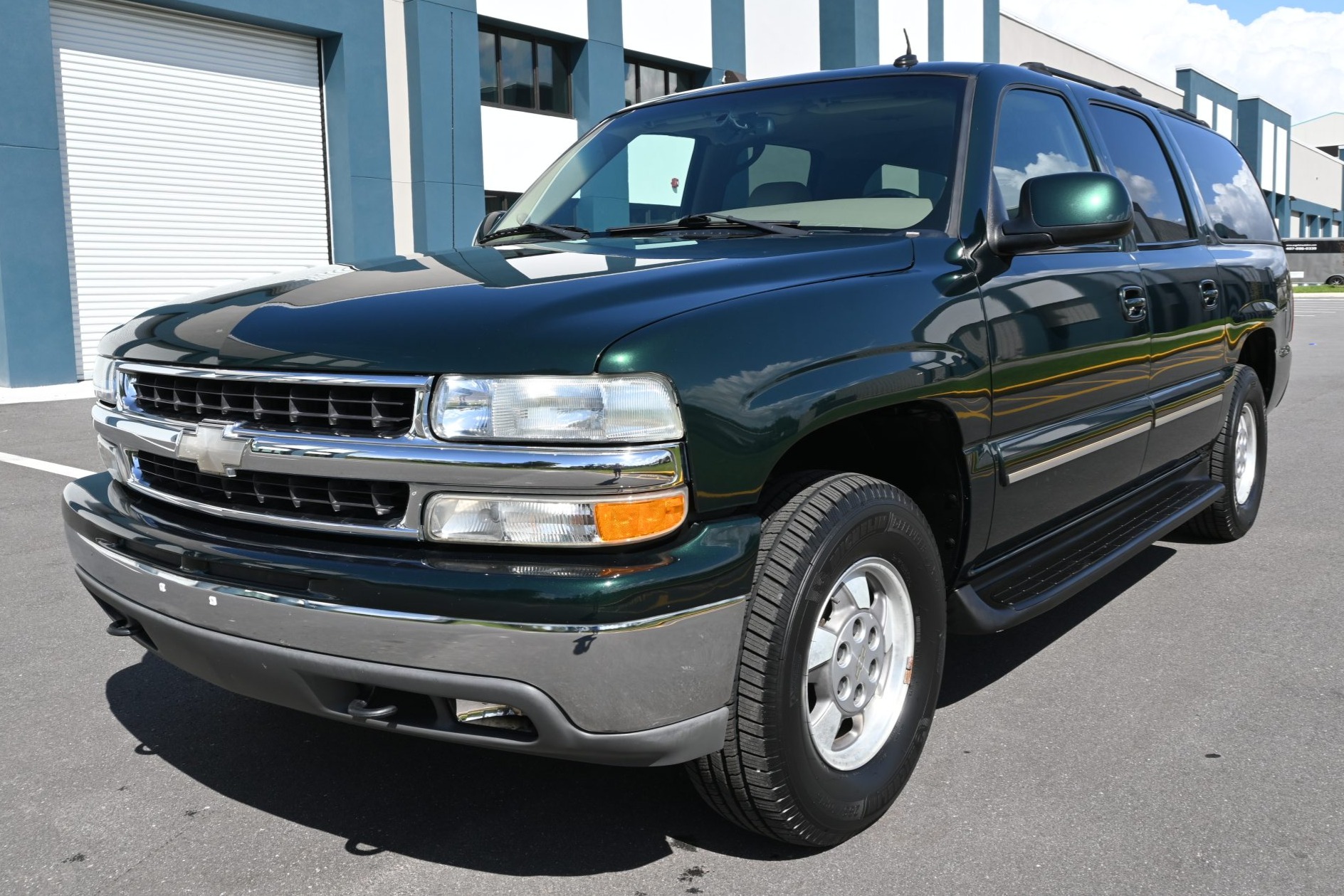
7. 2003 Chevrolet Suburban 1500
The 2003 Chevrolet Suburban 1500 stands as a dependable option for long-term utility, supported by a frame engineered to endure demanding conditions. Designed as a full-size sport utility vehicle, it provides ample capacity for both passengers and cargo, making it suitable for family use as well as commercial operations.
Its structural design enables it to carry heavy loads and cover long distances with consistency, even after years of regular use. Owners often rely on the Suburban for tasks that require strength and stability, confident in the durability of its underlying construction.
Within the cabin, signs of wear tend to become visible earlier than might be expected from a vehicle of this nature. Seating surfaces, especially those subjected to frequent use, often display cracking, thinning, or loss of cushioning. Leather upholstery may dry out as time goes on, reducing its original texture and comfort, while cloth materials can develop stains and visible wear patterns.
Dashboard components are also susceptible to fading when exposed to prolonged sunlight, and interior trim pieces may loosen slightly due to repeated use. These developments create a clear difference between the vehicle’s strong exterior performance and the condition of its interior.
Driving experience remains stable and dependable, supported by the Suburban’s solid frame. The vehicle maintains composure on highways and provides confidence when transporting heavy loads. Its ability to perform consistently reinforces its value as a long-term asset, even when interior elements begin to show age. Owners often find that the vehicle continues to meet their needs without requiring major structural intervention.
Maintenance practices usually reflect practical considerations. Many owners prioritise mechanical upkeep, focusing on engine performance, suspension integrity, and structural preservation.
Interior restoration is often approached selectively, with attention given to essential repairs such as replacing worn seat covers or addressing malfunctioning controls. Achieving a fully restored cabin is not always considered necessary for continued use.
Market demand remains steady for the Suburban, particularly among buyers seeking a reliable and spacious vehicle. Prospective owners tend to place greater emphasis on structural condition and engine reliability than on interior appearance. Visible wear within the cabin is often regarded as manageable when the vehicle continues to operate effectively.
Extended ownership experiences frequently highlight the Suburban’s capacity to remain functional well beyond a decade. Its frame withstands continuous use, supporting a lifespan that exceeds expectations. The interior may reflect the passage of time, yet the vehicle continues to fulfil its intended purpose.
The 2003 Chevrolet Suburban 1500 demonstrates how a strong structural foundation can sustain long-term usability, even when interior materials do not maintain the same level of durability.
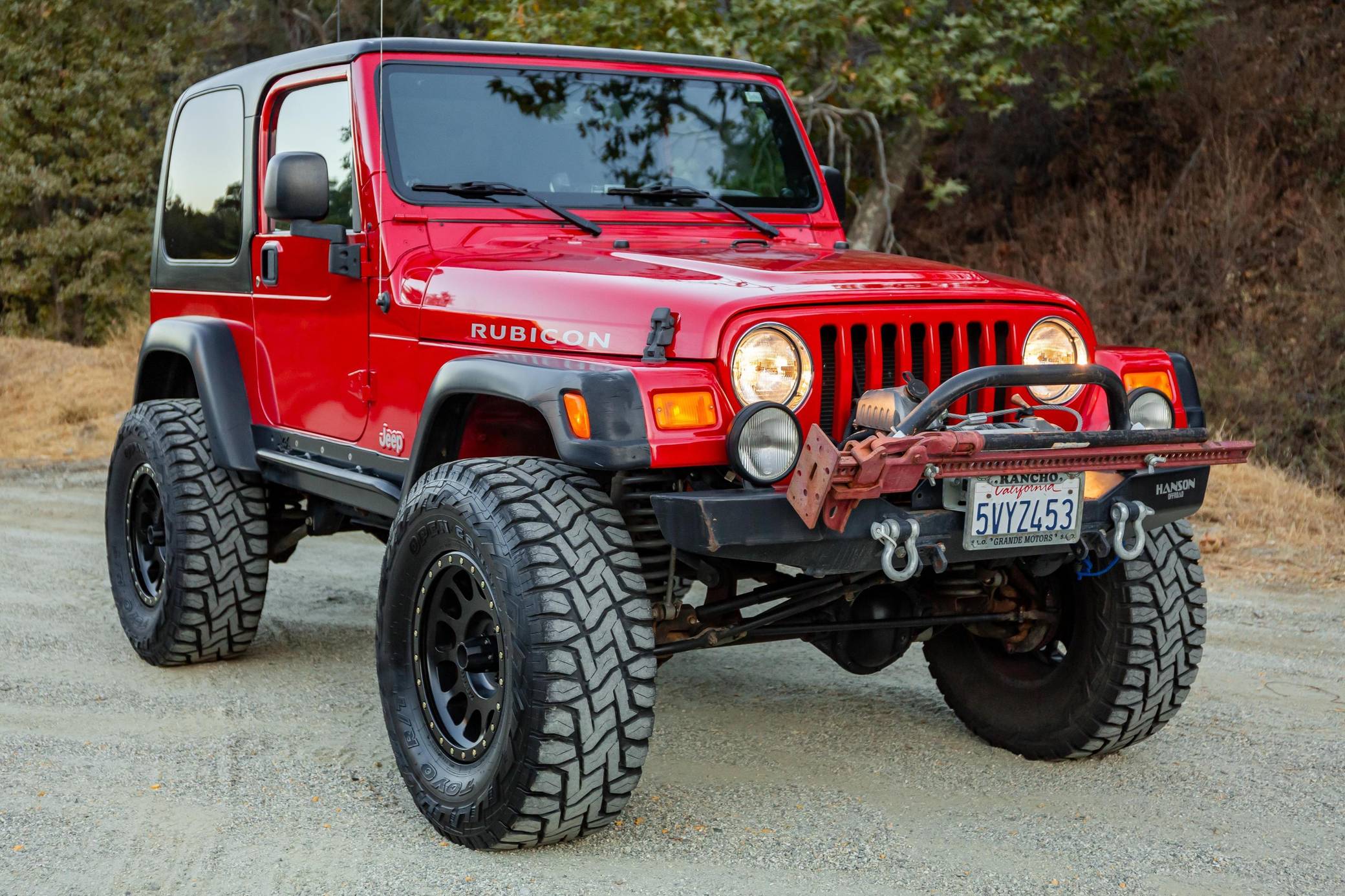
8. 2006 Jeep Wrangler TJ
The 2006 Jeep Wrangler TJ is widely recognised for its rugged capability, with a frame designed to endure demanding conditions. Built primarily for off-road performance, this vehicle is structured to handle uneven roads, environmental exposure, and continuous mechanical stress. Its frame remains one of its most reliable features, allowing it to continue functioning effectively even after many years of use in challenging environments.
Interior design within the Wrangler TJ reflects simplicity and practicality, though the durability of cabin materials does not always match the strength of the external structure. Seats often experience wear due to frequent use and exposure, particularly in configurations that allow open-air driving.
Fabric materials may fade or lose their original condition, while surfaces on the dashboard can develop cracks when subjected to prolonged sunlight. Switches and control elements may also loosen slightly, contributing to an interior that appears older than the vehicle’s mechanical state.
Driving experience is centred on interaction with the road. The frame supports flexibility and stability, enabling the vehicle to drive through obstacles with confidence.
This structural strength encourages owners to continue using the Wrangler for its intended purpose, even when the interior shows visible signs of aging. The ability to maintain performance under demanding conditions reinforces its reputation for durability.
Maintenance practices often emphasise functionality. Owners who utilise the vehicle for off-road activities may accept interior wear as a natural outcome of its usage.
Repairs and replacements are typically limited to essential components, ensuring that the vehicle remains operational. While aftermarket parts are available for interior refurbishment, many drivers choose to retain the original condition as part of the vehicle’s character.
Resale demand remains strong, supported by the Wrangler’s established reputation. Buyers seeking a capable and durable vehicle frequently prioritise structural strength and off-road performance. Cosmetic imperfections within the cabin are often considered secondary, particularly when the vehicle continues to deliver reliable performance.
Long-term ownership accounts frequently highlight the Wrangler’s ability to remain functional after extended use. Its frame withstands repeated stress, maintaining integrity under conditions that would challenge less robust vehicles. At the same time, the interior gradually reflects the effects of time and exposure.
The 2006 Jeep Wrangler TJ illustrates how a focus on structural durability and off-road capability can result in a vehicle where the frame outlasts the interior by a considerable margin, reinforcing its position as a dependable and enduring machine.
Also Read: 10 Toyota Vehicles That Quietly Come With Expensive Insurance
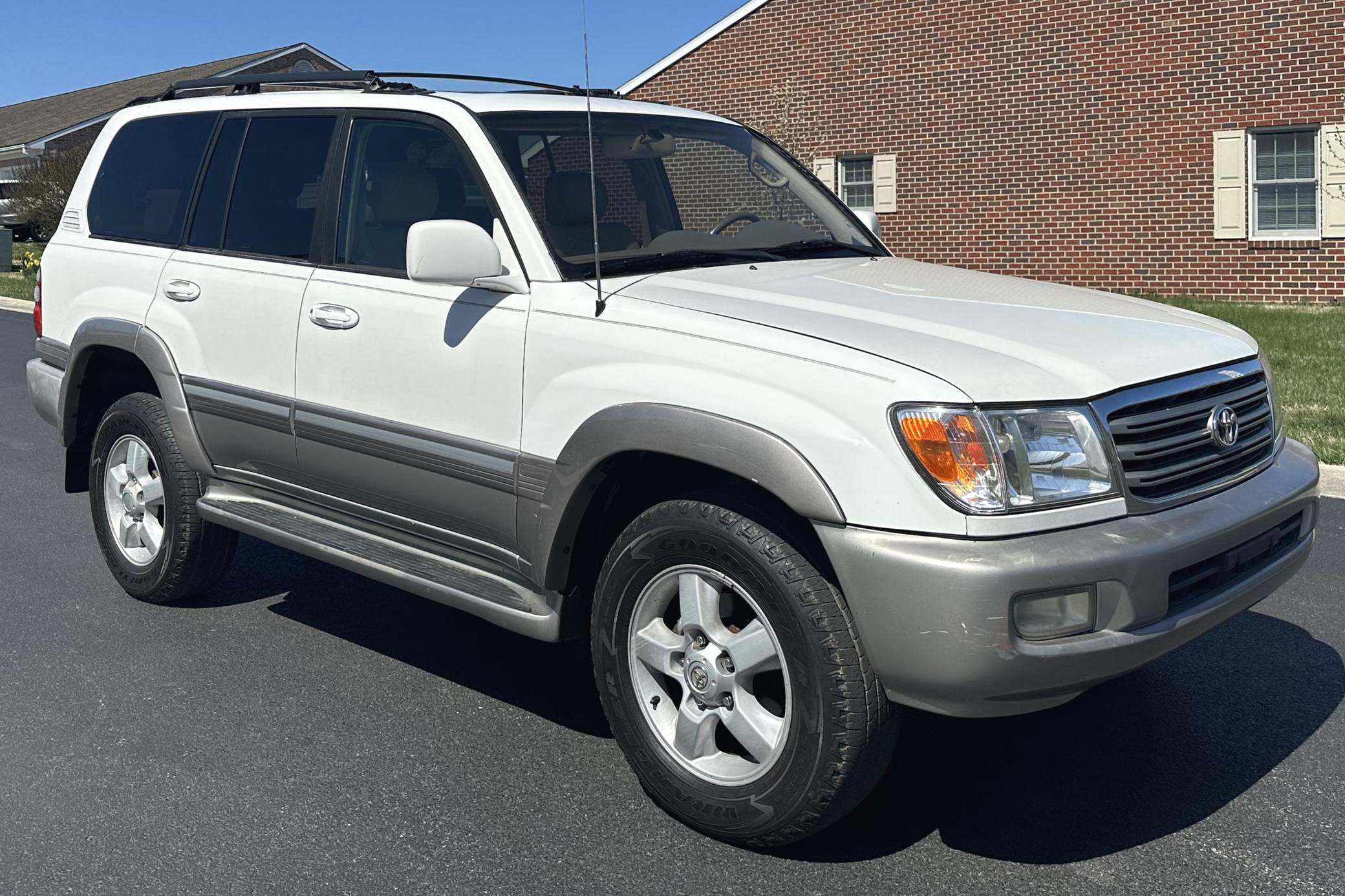
9. 2005 Toyota Land Cruiser
A reputation built on endurance places the 2005 Toyota Land Cruiser among the most durable vehicles of its class. Designed for reliability in demanding environments, this SUV features a robust frame that continues to perform effectively after extended use. Owners often rely on it for long-distance travel and challenging roads, trusting its structural integrity to remain intact.
Interior quality, while strong at the point of purchase, tends to show wear with time. Leather seating may develop cracks, particularly in frequently used areas. Wood trim and dashboard surfaces can lose their original finish, while electronic controls may require attention after years of operation. These changes create a noticeable difference between the vehicle’s enduring structure and its aging cabin.
Performance remains consistent due to the strength of the frame and supporting components. The Land Cruiser maintains stability and control across various driving conditions, reinforcing its reputation for reliability. This consistency encourages owners to retain the vehicle for extended periods.
Maintenance strategies often focus on preserving mechanical strength. Engine care, suspension servicing, and structural inspections receive priority attention. Interior restoration may be addressed selectively, depending on the owner’s preference and usage patterns.
Resale value remains strong, supported by the Land Cruiser’s reputation. Buyers are often willing to accept interior wear in exchange for proven durability. Vehicles with well-maintained frames and drivetrains continue to attract interest in the market.
Ownership experiences frequently highlight the ability of the Land Cruiser to remain operational far beyond typical expectations. The frame continues to provide support, even as interior materials reflect years of use. This balance defines its long-term appeal.
The 2005 Toyota Land Cruiser demonstrates how a focus on structural durability can extend a vehicle’s lifespan, ensuring continued performance even when the interior begins to show age.
