
The battle between V8 and V6 engines has been raging in the SUV market for decades. Buyers constantly debate which powertrain offers better value over the long haul. Most people assume that a cheaper V6 trim saves money upfront and in fuel costs. However, the resale value story tells a completely different tale.
V8-powered SUVs have consistently demonstrated stronger depreciation curves than their V6 counterparts. This phenomenon surprises many first-time buyers who focus only on the purchase price. The used car market has spoken loudly in favor of big-displacement engines. Enthusiasts, towing families, and off-road adventurers actively seek out V8 trims when shopping used.
Fuel economy improvements have made modern V8 engines far more competitive than older generations. Cylinder deactivation technology allows V8s to sip fuel during highway cruising. This advancement has narrowed the real-world mpg gap between V8 and V6 trims significantly. Buyers are no longer sacrificing as much at the pump for that extra power.
In this article, we examine ten specific SUVs where the V8 trim retains value at roughly double the rate of the V6 version. Each model has unique characteristics that drive this remarkable resale advantage. Understanding these dynamics can help buyers make smarter purchasing decisions today. Whether buying new or used, this information is worth thousands of dollars in your pocket.
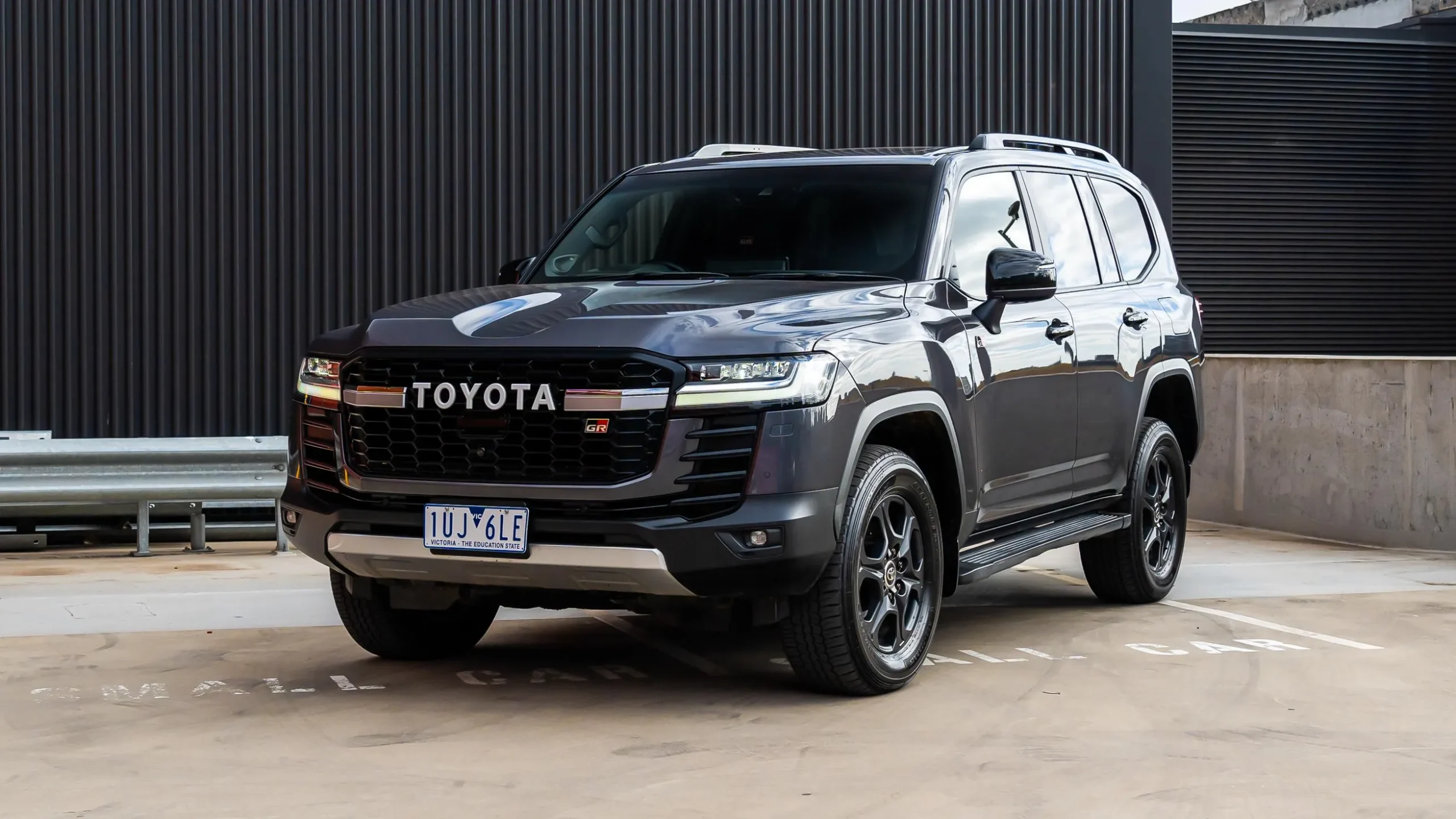
1. Toyota Land Cruiser (300 Series / Heritage V8 Editions)
The Toyota Land Cruiser is one of the most legendary SUVs ever built. Its reputation for bulletproof reliability spans over seven decades of continuous production. When Toyota phased out the V8 in certain markets, demand for V8 examples skyrocketed overnight. The resale market responded immediately, pushing V8 Land Cruiser prices to extraordinary levels.
The 5.7-liter V8 Land Cruiser produces 381 horsepower and 401 lb-ft of torque. This engine has been refined over many years into an extraordinarily dependable unit. Owners frequently report 300,000-mile odometer readings with minimal major repairs. That kind of longevity creates fierce competition among used buyers.
V8 Land Cruisers typically depreciate at roughly half the rate of most luxury SUVs. In some regions, well-maintained examples actually appreciate in value over time. The Middle East, Australia, and Africa drive enormous global demand for V8 Land Cruisers. Export markets actively compete with domestic buyers, further inflating used prices.
The V6 turbocharged replacement, while technically more advanced, has not earned the same trust. Buyers who work in remote areas specifically reject the newer turbocharged V6. They prefer the proven, naturally aspirated V8 with its simpler mechanical architecture. This preference directly translates into dramatically stronger resale values.
Land Cruiser dealers regularly report that V8 used inventory sells within days of listing. V6 examples sometimes sit on lots for weeks or months without serious offers. The price gap between equivalent-mileage V8 and V6 models can exceed $15,000 easily. That difference represents the real cost of choosing the “sensible” engine option.
Off-road capability plays a major role in the Land Cruiser’s V8 value story. Serious overlanders and expedition drivers demand the torque characteristics of the big V8. They trust the engine’s heat management and reliability in extreme conditions. This specialized demand pool keeps prices raised across all mileage ranges.
The Land Cruiser’s global cult following amplifies every resale advantage. Online communities dedicated to Land Cruiser ownership span dozens of countries and languages. Members actively trade information about pricing and available inventory worldwide. This connected buyer network ensures V8 prices remain strong regardless of local market conditions.
Insurance costs between V8 and V6 Land Cruisers are surprisingly similar. This further erodes the financial argument for choosing the V6 variant. When you factor in total cost of ownership over five years, the V8 often wins outright. Smart buyers increasingly recognize this reality and purchase accordingly.
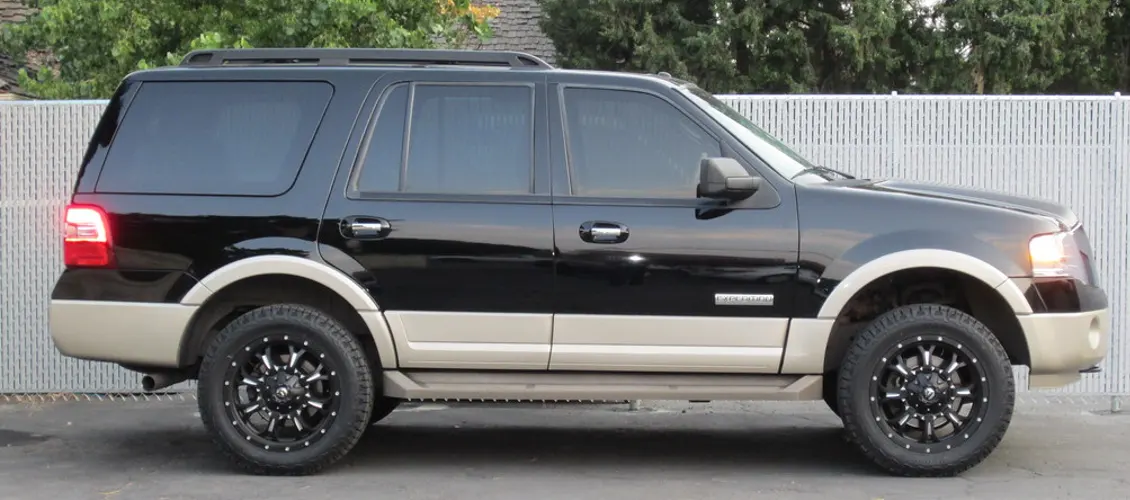
2. Ford Expedition (5.4L and 5.7L V8 vs. EcoBoost V6)
The Ford Expedition built its reputation as America’s go-to full-size family hauler. For years, robust V8 engines defined the Expedition ownership experience. When Ford introduced the twin-turbocharged EcoBoost V6, it promised equivalent power with better efficiency. The resale market, however, has never fully embraced the turbocharged replacement.
Early EcoBoost Expedition owners reported higher-than-expected maintenance costs. Turbocharger issues, intercooler condensation problems, and carbon buildup became documented concerns. Word spread quickly through online owner forums and family networks. Resale values of EcoBoost models suffered measurable consequences as a result.
V8 Expedition models from the pre-EcoBoost era remain highly sought after. Buyers seeking simplicity, proven reliability, and easy DIY maintenance target these trucks specifically. The naturally aspirated V8 has no turbochargers, no intercoolers, and no complex boost systems. This mechanical simplicity is worth real money in the used market.
A clean, low-mileage V8 Expedition commands a significant premium over comparable EcoBoost versions. Dealers in rural markets report particularly strong V8 demand from buyers who tow regularly. Horse trailers, boat haulers, and construction workers specifically request V8 inventory. Their professional needs override any fuel economy calculations.
The Expedition’s towing capacity remains comparable between V8 and V6 trims on paper. However, real-world towing comfort and long-term drivetrain stress tell a different story. V8 engines breathe more easily under sustained high-load conditions. This operational comfort factor influences buying decisions among experienced towers.
Ford’s own certified pre-owned data reflects stronger residual values for V8 trim lines. Fleet buyers and rental companies have also noted better lifecycle costs with V8 models. Extended warranty claims are measurably lower on naturally aspirated V8 powertrains. This data reinforces what private buyers have known instinctively for years.
The Expedition’s resale advantage also benefits from its size and capability. Three-row seating, maximum payload, and superior towing are tied together in the V8 package. Families who need everything the Expedition offers typically want the most capable version. That buyer preference funnels directly into sustained V8 residual values.
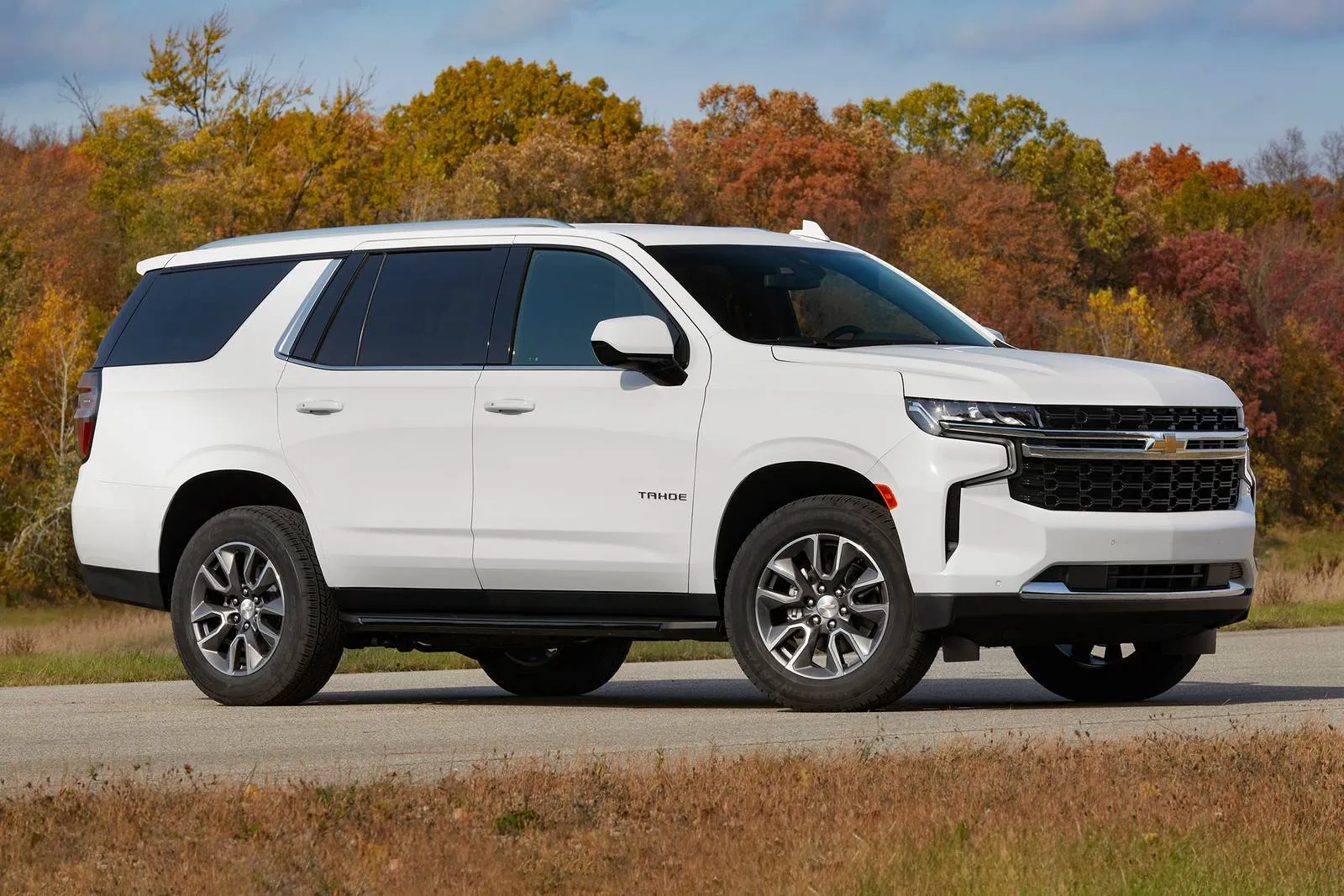
3. Chevrolet Tahoe / GMC Yukon (5.3L and 6.2L V8 vs. Duramax Diesel / Turbo-Four)
General Motors created an unexpected resale dynamic with the Tahoe and Yukon lineup. The introduction of a turbocharged four-cylinder and a diesel option complicated the value picture. Traditional buyers responded by doubling down on their preference for the proven V8. The 5.3-liter and especially the 6.2-liter V8 trims have held value remarkably well.
The 6.2-liter V8 High Country and Denali trims are the strongest value holders. These top-spec models combine maximum power with luxury appointments and premium features. Used buyers seeking the best Tahoe or Yukon experience target these trims almost exclusively. Low supply and high demand create the perfect conditions for strong residuals.
Cylinder deactivation technology on the 5.3-liter V8 improves real-world fuel economy significantly. In highway cruising conditions, the engine can operate on just four cylinders. This capability narrows the efficiency gap with the smaller turbocharged four-cylinder engine. Buyers recognize this and increasingly question the four-cylinder’s value proposition.
The diesel Duramax option offers excellent torque and fuel economy on paper. However, higher purchase prices and expensive maintenance have dampened used market enthusiasm. Diesel particulate filter service, DEF fluid costs, and specialized repair needs add up. V8 gasoline models sidestep all of these complications effortlessly.
Tahoe and Yukon V8 trims benefit enormously from their roles in American family life. These vehicles serve as school runners, sports haulers, vacation transporters, and trailer towers simultaneously. No other powertrain serves all these roles as confidently as the naturally aspirated V8. This versatility creates a wide and deep pool of motivated used buyers.
GM’s own resale data from fleet and rental return vehicles confirms the V8 advantage. High-mileage V8 Tahoes return to auction with competitive bids from independent dealers. The same mileage in a four-cylinder model attracts significantly less attention and lower bids. This wholesale market reality flows directly into retail pricing structures.
The Yukon XL and Tahoe are particular favorites among large families and service industries. Limousine operators, hotel shuttles, and executive transport companies prefer V8 reliability. When these fleet vehicles enter the used market, they are absorbed quickly at good prices. This secondary market demand layer adds another floor under V8 residual values.
4. Jeep Grand Cherokee (5.7L HEMI vs. V6 Pentastar)
The Jeep Grand Cherokee offers one of the most dramatic resale value splits in the segment. The 5.7-liter HEMI V8 creates a completely different ownership narrative than the V6. HEMI-badged vehicles carry enormous cultural weight in American automotive culture. That emotional value translates directly into hard dollars at resale time.
The HEMI produces 357 horsepower and a chest-thumping 390 lb-ft of torque. This output level satisfies both on-road performance seekers and serious off-road enthusiasts. The engine’s soundtrack is a genuine selling point that V6 models simply cannot match. Sound and feel influence used vehicle pricing more than economists would like to admit.
Grand Cherokee HEMI models equipped with the Quadra-Drive II system are especially valuable. This full-time four-wheel drive system combined with HEMI power creates a genuinely capable package. Off-road enthusiasts, rock crawlers, and trail runners specifically seek this combination. Niche demand within niche demand creates exceptional pricing power.
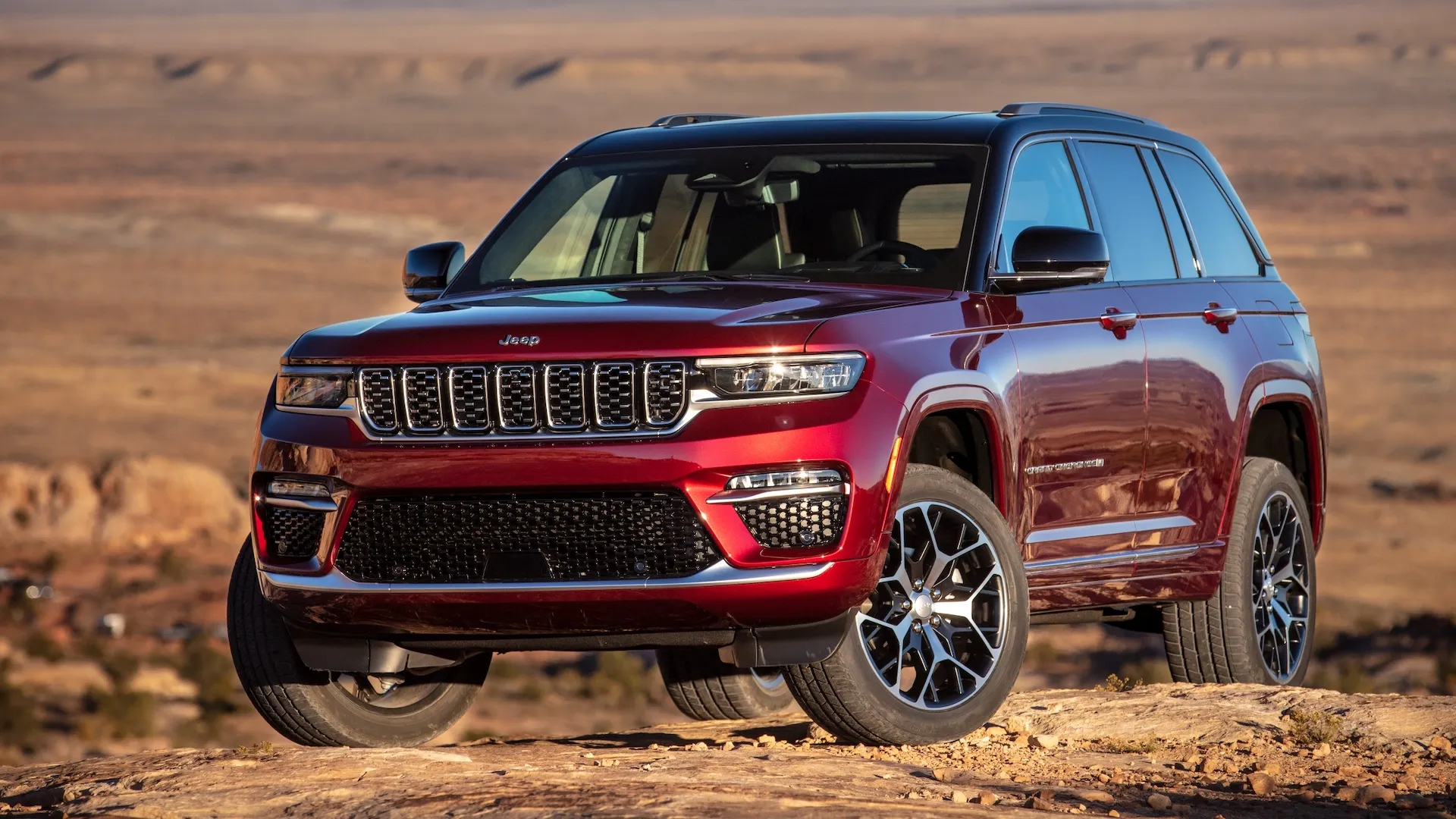
The V6 Pentastar is a smooth, refined, and genuinely good engine. It offers adequate performance for most daily driving scenarios without complaint. However, it lacks the character and brawn that Grand Cherokee buyers typically desire. This mismatch between product and buyer expectations suppresses V6 resale performance.
Jeep’s Trailhawk and high-trim variants almost exclusively feature the HEMI V8. This means that the most desirable trim levels are inherently tied to V8 power. Buyers seeking loaded Grand Cherokees with all options naturally end up in HEMI territory. The association between luxury trim and V8 power reinforces the engine’s value position.
Used HEMI Grand Cherokees sell fastest in Southern and Midwestern American markets. Buyers in these regions value towing capability, strong acceleration, and audible power delivery. A HEMI-powered Grand Cherokee meets all three criteria without compromise. Regional demand patterns further stabilize V8 residual values across the country.
The SRT and Trackhawk variants represent the extreme end of this value story. These performance SUVs use the 6.4-liter and supercharged 6.2-liter V8 engines respectively. They depreciate far slower than any V6 Grand Cherokee variant ever could. Their existence raises the aspirational ceiling for the entire HEMI lineup.
Also Read: 10 Hot Hatches That Outrun Proper Sports Cars in the Real World
5. Ford F-150 Based SUVs, Lincoln Navigator (V8 Heritage)
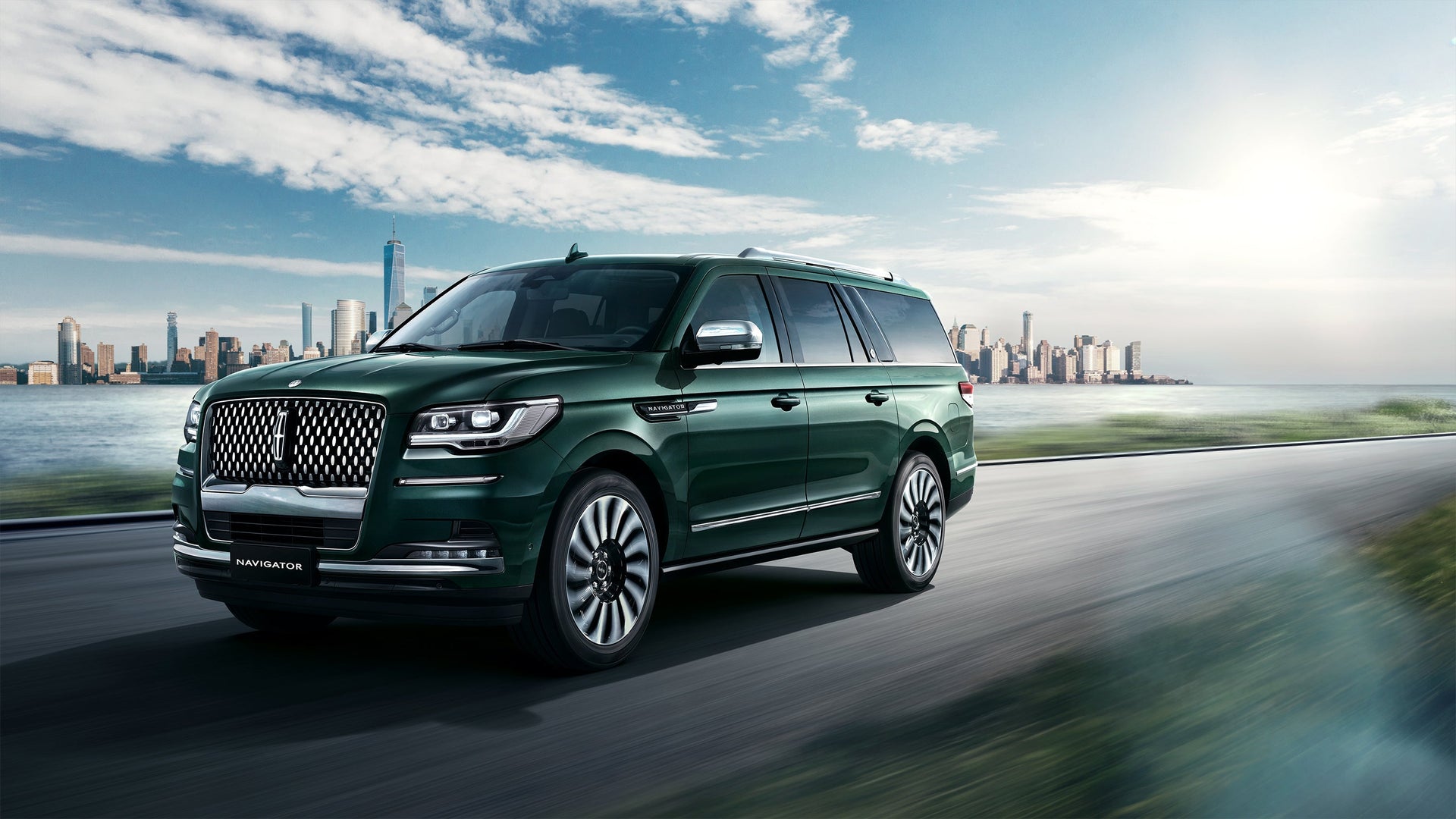
The Lincoln Navigator occupies a unique position in the full-size luxury SUV market. Its V8-powered heritage editions command extraordinary premiums over newer turbocharged versions. Luxury buyers in this segment equate V8 power with the full Navigator experience. This perception creates a resale environment that strongly favors big-displacement models.
Early Navigator models with the 5.4-liter Triton V8 have developed a devoted following. These engines, when properly maintained, demonstrate exceptional longevity and reliability. High-mileage Navigator V8 examples with documented service histories sell quickly. Buyers trust the Triton V8’s track record in ways they have not yet extended to turbocharged replacements.
The Navigator’s massive dimensions demand an engine that feels effortless at all times. The V8’s power delivery is linear, predictable, and reassuringly smooth under load. Turbocharged alternatives can feel strained when fully loaded with passengers and cargo. This experiential difference registers clearly with buyers who have driven both configurations.
Navigator buyers skew toward executives, entrepreneurs, and high-income families. These buyers are less sensitive to fuel costs and more focused on ownership experience. A V8 Navigator signals a specific lifestyle and success level that the turbocharged version struggles to match. Perception drives purchase decisions, and perception is priced into resale values.
Livery and executive transport operators specifically seek V8 Navigator inventory. Their clients expect the iconic rumble and smooth power delivery of the big V8. Switching these operators to turbocharged models requires significant convincing. Their sustained demand creates a commercial floor under V8 Navigator pricing.
The Navigator’s long wheelbase Black Label trim with V8 power represents the ultimate expression. These vehicles are essentially rolling luxury suites with genuine capability. Their resale values reflect the combination of exclusivity, power, and opulent appointments. No V6-powered Navigator can match this combination of prestige factors.
Lincoln’s brand repositioning toward ultra-luxury has actually helped V8 Navigator values. The scarcity of new V8 options makes existing examples more desirable by comparison. Collectors and enthusiasts have begun treating well-preserved V8 Navigators as long-term investments. This emerging collector mindset adds another dimension to the resale value story.
6. Toyota Sequoia (5.7L V8 vs. Twin-Turbo V6 Hybrid)
The Toyota Sequoia underwent a dramatic powertrain transformation for its third generation. The beloved 5.7-liter V8 was replaced entirely by a twin-turbocharged V6 hybrid system. This change created an immediate and significant spike in demand for second-generation V8 models. The resale market responded with price increases that stunned even seasoned automotive analysts.
The 5.7-liter i-FORCE V8 had powered the Sequoia for over a decade with distinction. Owners praised its smooth power delivery, uncomplicated maintenance, and exceptional durability. Toyota dealers began reporting that used V8 Sequoias were selling above original MSRP in some cases. This above-MSRP phenomenon is extremely rare and represents extraordinary value retention.
The new hybrid powertrain is genuinely impressive from a technical standpoint. It produces more horsepower and significantly better fuel economy than the old V8. However, it introduces complexity that many buyers find concerning for long-term ownership. Battery pack longevity, hybrid system maintenance costs, and repair expertise availability remain open questions.
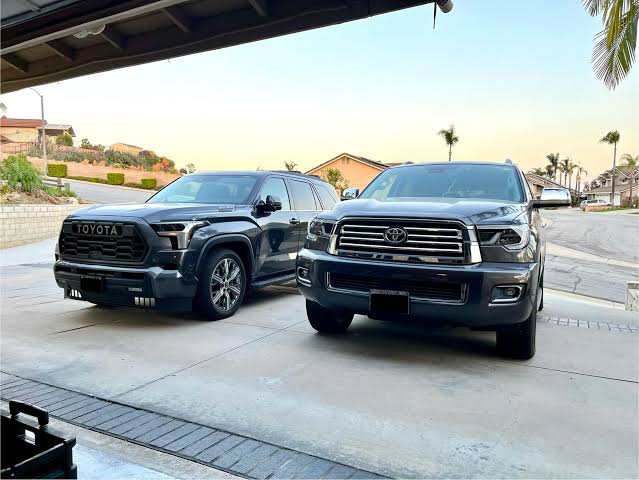
Sequoia V8 models appeal strongly to large families with predictable, demanding schedules. These buyers need absolute confidence in their vehicle’s reliability every single day. The proven V8 provides that confidence in a way the newer hybrid system has not yet earned. Trust, built over years of ownership data, is reflected directly in used pricing.
The Sequoia occupies a unique market position as Toyota’s only full-size SUV. Competition from Tahoe, Yukon, Expedition, and Armada makes the segment intensely contested. Toyota’s reputation for reliability gives the Sequoia an advantage that the V8 amplifies. Buyers seeking the most reliable full-size SUV consistently land on V8 Sequoia as their answer.
Towing families represent a particularly important buyer segment for V8 Sequoia. The 7,100-pound towing capacity with the V8 satisfies most recreational towing needs. Buyers towing boats, campers, and horse trailers specifically seek V8 Sequoia inventory. This focused demand from towers creates consistent pricing pressure on used V8 examples.
Toyota’s legendary build quality combines with the V8’s proven reliability to create a value fortress. Even high-mileage V8 Sequoias with 150,000 miles attract competitive bidding. The combination of brand trust and engine trust is simply unmatched in this segment. Buyers willingly pay a premium because they know exactly what they are getting.
7. Nissan Armada (5.6L Endurance V8)
The Nissan Armada has quietly built a devoted following around its 5.6-liter Endurance V8 engine. This engine has powered the Armada since the model’s introduction with minimal fundamental changes. That continuity of design has produced an engine with an extraordinarily well-documented reliability record. Used buyers specifically seek the Armada because of this engine’s proven track record.
The Endurance V8 produces 400 horsepower and 413 lb-ft of torque in current tune. These numbers place the Armada among the most powerful naturally aspirated SUVs available. The power delivery is immediate, linear, and deeply satisfying in daily driving conditions. This character is impossible to replicate with a smaller, turbocharged alternative.
Nissan has wisely resisted replacing the V8 with a turbocharged six-cylinder. This decision has maintained the Armada’s identity as a straightforward, powerful, reliable hauler. Buyers reward this commitment to simplicity with strong used market demand. The Armada’s value proposition becomes clearer with each passing year of consistent ownership reports.
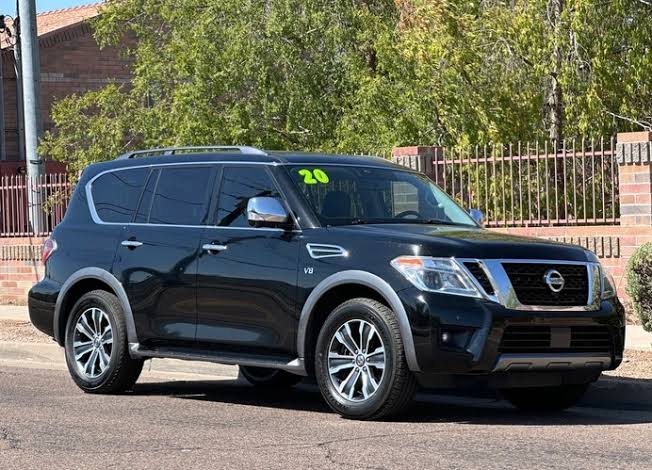
The Armada’s relationship with the Infiniti QX80 strengthens its value story considerably. Both vehicles share the same platform, engine, and fundamental architecture. QX80 prices in the used market reflect luxury premiums that raised the entire platform’s perceived value. Armada buyers effectively get QX80 mechanicals at a significant discount.
Patrol-based construction means the Armada rides on a body-on-frame platform with genuine off-road capability. This truck-based architecture is preferred by buyers who need real-world toughness and repairability. The V8 engine fits naturally into this tough, capable, no-nonsense package. Together, they create a used vehicle that appeals to a broad and committed buyer base.
Armada resale values are particularly strong in markets with harsh weather and rough terrain. Mountain communities, rural areas, and northern climates consistently generate strong demand. Buyers in these environments prioritize capability and reliability above all other considerations. The V8 Armada satisfies both requirements without compromise or apology.
Third-row seating capacity combined with V8 power creates a package few competitors can match. Families with five or more children need serious space and serious capability simultaneously. The Armada delivers both without forcing buyers to choose between comfort and power. This complete package approach drives sustained used market interest and pricing.
8. Mercedes-Benz GLS 550 / GLS 580 (V8 vs. Inline-Six Mild Hybrid)
The Mercedes-Benz GLS occupies the absolute pinnacle of three-row luxury SUV territory. Within this rarefied segment, the V8-powered 550 and 580 variants hold value dramatically better. Luxury buyers in this class equate V8 power with the proper GLS experience. This expectation, deeply embedded in the segment’s culture, directly shapes resale pricing.
The biturbo 4.0-liter V8 in the GLS 550 and 580 is a masterpiece of engineering. It produces 483 to 510 horsepower with a cultured, authoritative exhaust note. The engine’s refinement level complements the GLS’s exquisite interior perfectly. This harmony between powertrain and luxury environment creates a holistic experience that buyers pay premium prices to maintain.
Mercedes introduced the inline-six mild hybrid as a more efficient alternative. The technology is sophisticated and the performance is genuinely impressive on paper. However, luxury buyers shopping for a used GLS consistently gravitate toward V8 examples. The inline-six, despite its technical merits, is perceived as the lesser powertrain in this context.
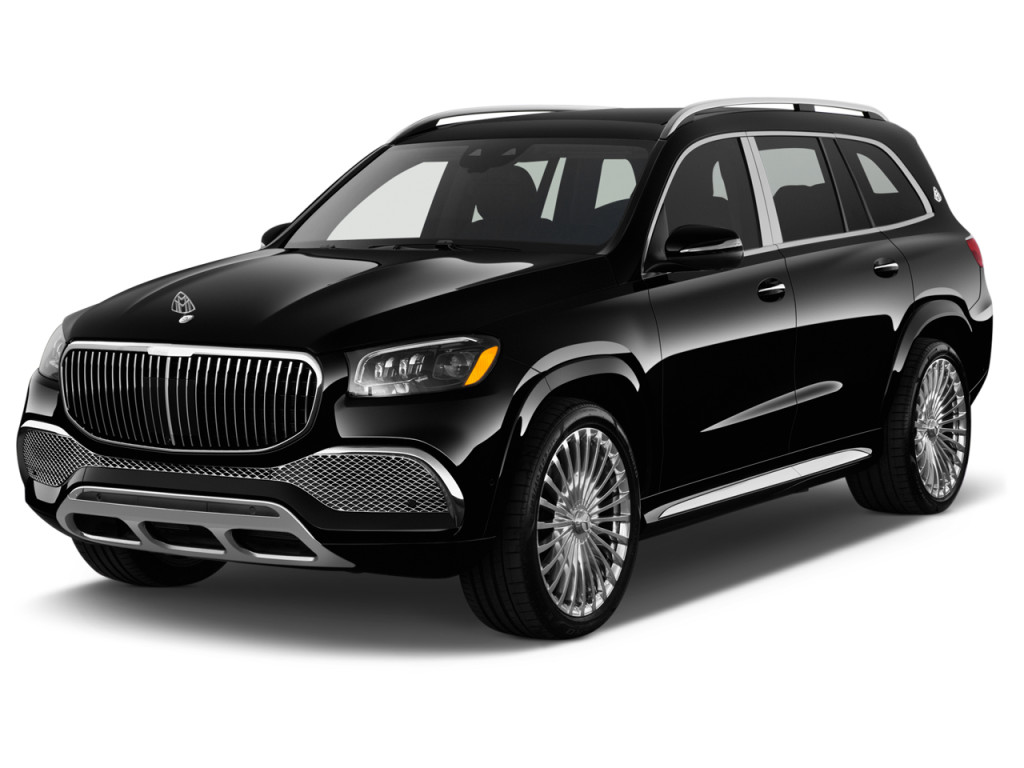
GLS V8 models benefit from the reputation of Mercedes’s AMG-developed engines. Even in standard GLS trim, the V8 carries engineering credibility associated with performance. This halo effect from the AMG brand raises every V8 GLS in the buyer’s mind. Perception of performance pedigree adds measurable dollars to used vehicle transaction prices.
The GLS 580’s EQ Boost mild hybrid system adds marginal efficiency at considerable complexity cost. Specialized battery components, 48-volt system maintenance, and limited service center expertise create ownership concerns. V8 GLS buyers sidestep these worries entirely with a simpler, more familiar powertrain. Simplicity relative to complexity is a genuine luxury in the repair and maintenance context.
European and Middle Eastern used markets particularly prize GLS V8 examples. In these regions, V8 power is considered non-negotiable for a luxury flagship SUV. Export demand from these markets creates pricing pressure that benefits American V8 GLS owners. Global desirability translates into local resale strength regardless of regional fuel prices.
AMG GLS 63 models with the high-output V8 represent the segment’s value apex. These performance-luxury hybrids hold value with astonishing tenacity compared to any inline-six variant. Their combined performance, luxury, and brand prestige create a nearly irresistible used vehicle proposition. The AMG halo effect cascades down to raise standard V8 GLS values throughout the lineup.
9. Land Rover Range Rover (V8 Supercharged vs. V6 / Inline-Six)
The Range Rover is arguably the world’s most prestigious luxury SUV. Within its lineup, V8 supercharged models occupy a special place that defies normal depreciation logic. Range Rovers are notorious for steep initial depreciation across all trim levels. However, the V8 supercharged versions consistently outperform V6 and inline-six alternatives in the used market.
The supercharged 5.0-liter V8 produces between 510 and 565 horsepower depending on tune. This power level transforms the Range Rover from a luxury hauler into a genuine performance machine. The combination of off-road supremacy and sports car power is unique in the global market. Nothing else offers this particular combination at any price point.
Range Rover V8 Autobiography and SVAutobiography trims are particularly strong value holders. These top-specification models combine maximum power with every available luxury feature. Used buyers seeking the complete Range Rover experience accept no substitutes for these models. Their exclusivity, even in the used market, commands substantial pricing premiums.
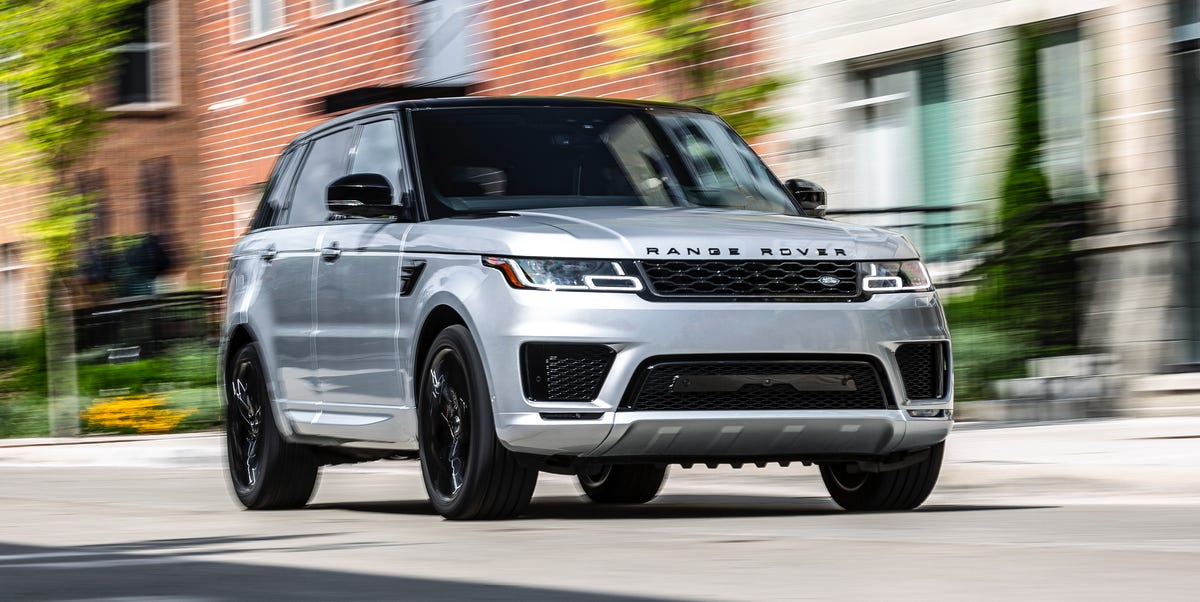
The V8’s soundtrack inside the Range Rover’s hushed cabin is a carefully crafted experience. Engineers tuned the exhaust note to be audible but refined, powerful but cultured. This acoustic engineering adds an experiential dimension that buyers actively seek. You cannot engineer this sensation into an inline-six regardless of electronic enhancement attempts.
Range Rover reliability concerns are well-documented across all powertrain configurations. Interestingly, the V8 supercharged models are often considered more predictable in their failure patterns. Experienced Range Rover mechanics are more familiar with V8 issues than newer inline-six systems. This familiarity factor influences buyer confidence and willingness to pay premium prices.
The SVR performance variant with its 575-horsepower supercharged V8 holds exceptional value. These vehicles compete directly with Porsche Cayenne Turbo and Lamborghini Urus in performance terms. Their depreciation rate is significantly lower than any six-cylinder Range Rover derivative. The performance SUV buyer pool is wealthy, motivated, and deeply brand-conscious.
Long-wheelbase V8 Range Rovers are particularly prized in international markets. Middle Eastern, Russian, and Asian luxury buyers specifically request V8 long-wheelbase examples. This international demand creates export opportunities that support domestic used pricing. Global prestige is a genuinely bankable asset in the Range Rover V8’s value story.
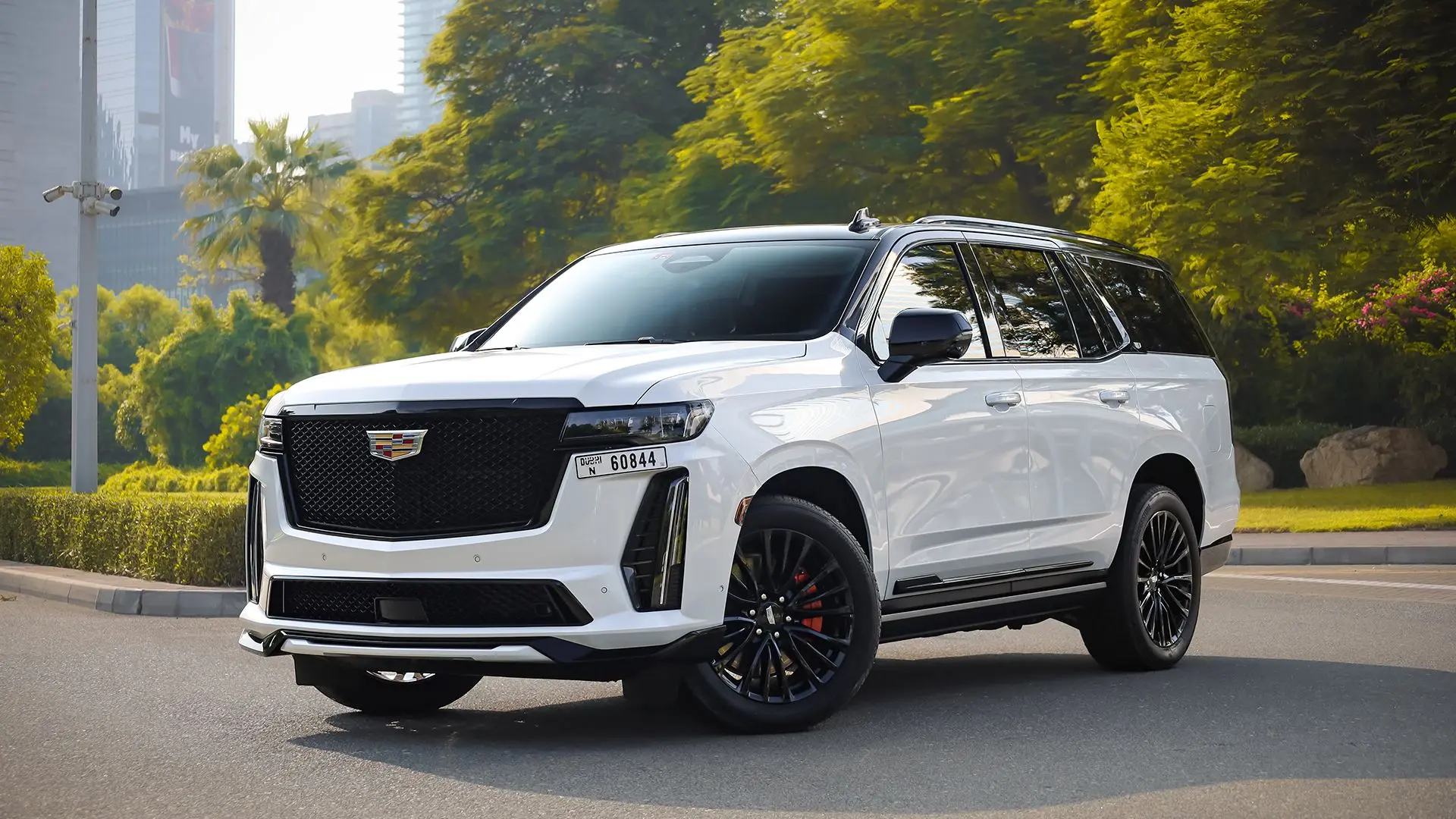
10. Cadillac Escalade (6.2L V8 vs. Duramax Diesel / Turbo-Four)
The Cadillac Escalade is the definitive American luxury SUV. Its identity is inseparable from the sonorous 6.2-liter V8 that has powered generations of this icon. When Cadillac introduced diesel and turbocharged four-cylinder options, buyers were largely unmoved. The 6.2-liter V8 remains the powertrain of choice for the vast majority of Escalade buyers.
The 6.2-liter V8 produces 420 horsepower and 460 lb-ft of torque in standard tune. This output level provides effortless acceleration for a vehicle weighing over 5,900 pounds. Passing maneuvers, highway merging, and trailer towing all feel completely unstrained. This effortlessness is the core of what Escalade buyers are purchasing when they choose V8.
Diesel Escalade models promised exceptional fuel economy and torque for towers. However, higher purchase prices and sophisticated maintenance requirements have dampened enthusiasm. Used diesel Escalades sit on dealer lots noticeably longer than comparable V8 models. The price premium that buyers paid new evaporates quickly in the used marketplace.
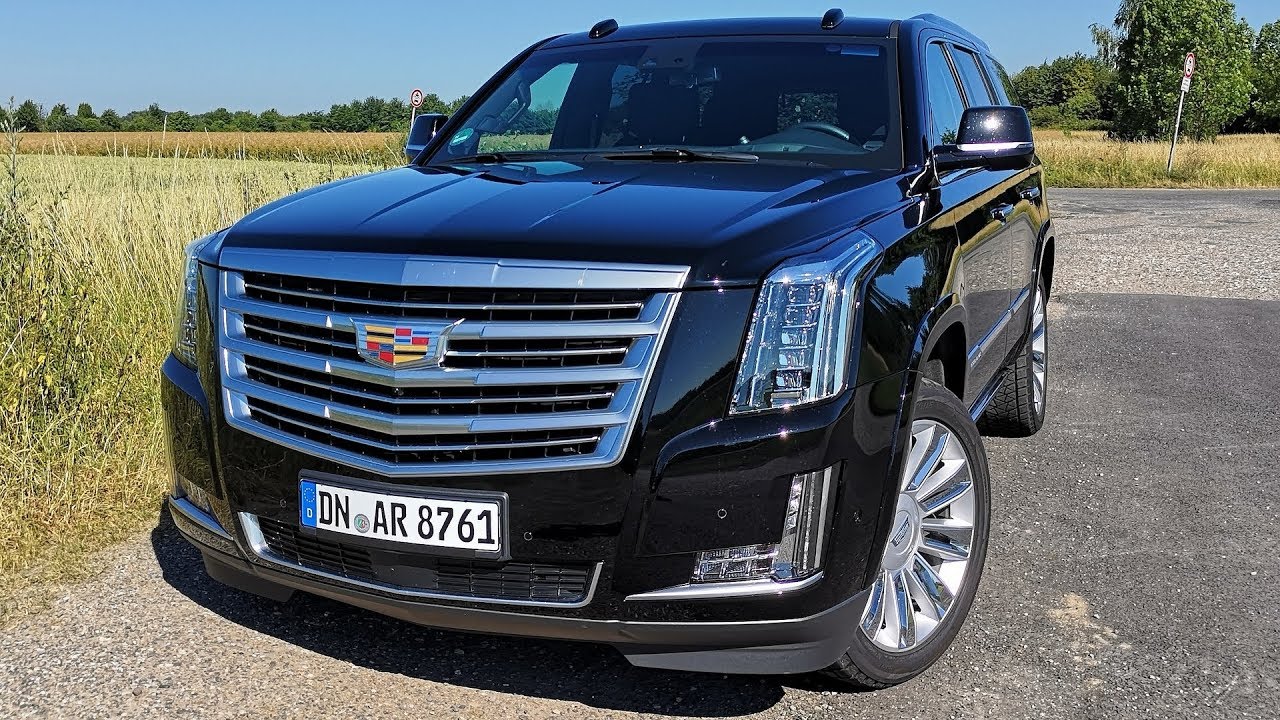
The turbocharged four-cylinder Escalade has faced an even more skeptical reception. Cultural resistance to a four-cylinder Cadillac luxury flagship runs extremely deep. Even technically savvy buyers struggle to recommend it to friends seeking the Escalade experience. This cultural mismatch between powertrain and brand identity suppresses four-cylinder resale values severely.
Escalade Sport Platinum and Premium Luxury trims with the V8 are the strongest value holders. These models combine the 6.2-liter engine with every conceivable luxury and technology feature. Used buyers seeking the complete Escalade experience target these trims without exception. The combination of maximum power and maximum luxury creates irreplaceable value.
The Escalade’s celebrity and cultural cachet adds a dimension unique among American SUVs. Music artists, athletes, executives, and entertainers have made the V8 Escalade an icon. This cultural status is baked into the vehicle’s used market value in ways that competitors cannot replicate. Brand mythology is a real and quantifiable asset in luxury vehicle residual calculations.
Super Cruise hands-free driving technology is now standard on upper Escalade trims. This feature combination with V8 power creates a uniquely compelling used vehicle package. Technology-forward buyers who also demand traditional V8 character find their answer in these models. The fusion of cutting-edge technology with proven powertrains represents the Escalade’s strongest value formula for the future.
Also Read: 10 Forgotten Engines That Are Worth Resurrecting in 2026
