
Driving in extreme summer conditions is not just about comfort; it is about endurance, reliability, and smart engineering working together.
As temperatures continue to rise globally, choosing the right SUV in 2026 has become more important than ever, especially for drivers dealing with scorching heat, long commutes, and unpredictable road conditions.
Modern SUVs are no longer judged only by power or looks. Buyers now pay close attention to thermal management systems, cabin insulation, ventilated seating, and air conditioning performance that can handle peak temperatures without compromising efficiency.
Heat resilience is becoming a defining factor, particularly in regions where summer can push both vehicles and drivers to their limits.
Automakers have responded by developing smarter cooling technologies, better battery temperature regulation for hybrids and EVs, and improved material quality inside cabins.
Features like dual or tri-zone climate control, UV-resistant glass, and heat-reflective paint coatings are no longer luxury additions but essential components for everyday usability in hot climates.
Another critical factor is engine durability. High ambient temperatures can stress engines, transmissions, and electronics, making reliability under heat a major concern. SUVs that maintain consistent performance without overheating or losing efficiency stand out as truly practical choices.
Fuel efficiency also plays a role, as running air conditioning continuously in summer can increase consumption. The best SUVs balance cooling performance with smart energy use, ensuring that drivers do not sacrifice economy for comfort.
In this list, each SUV has been carefully selected based on how well it handles extreme summer conditions, from cabin cooling to mechanical resilience. Every vehicle brings something unique, whether it is advanced climate technology, superior insulation, or proven performance in harsh environments.
The goal is simple. Help you choose an SUV that feels just as capable on a 45-degree afternoon as it does on a mild evening drive. These are machines built not just to survive summer, but to make it far more manageable.
Also Read: 8 Grand Tourers Built for Autobahn Sustained High-Speed Use
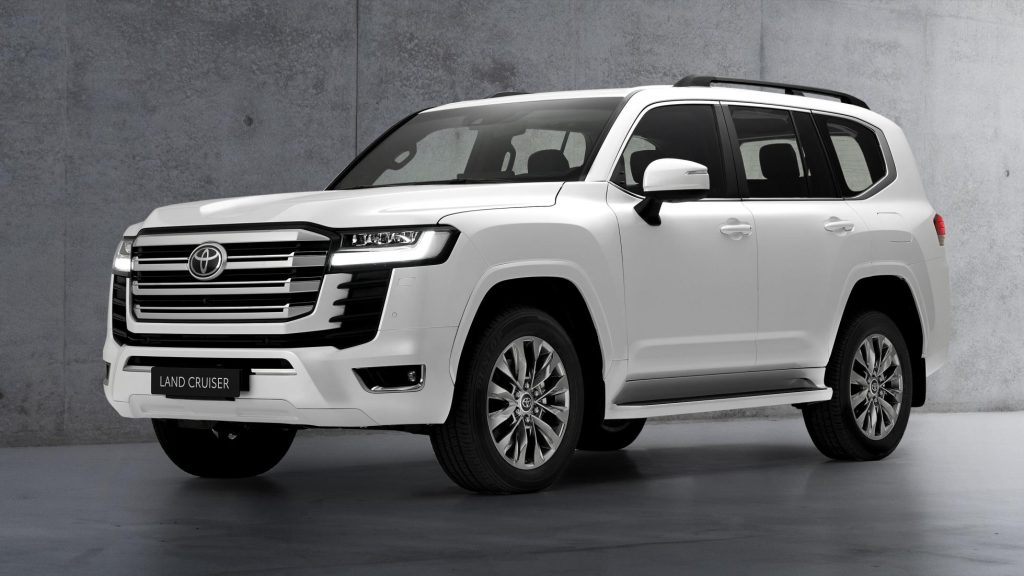
1. Toyota Land Cruiser 300
The Toyota Land Cruiser 300 has built its reputation in some of the harshest climates on Earth, and that legacy continues strongly into 2026. This SUV is engineered with durability as a priority, making it one of the most dependable choices for extreme summer driving.
One of its biggest strengths lies in its cooling system design. The Land Cruiser uses a heavy-duty radiator setup paired with advanced airflow management, allowing it to maintain stable engine temperatures even during long drives in intense heat.
This matters significantly when driving in traffic or across highways where temperatures can push vehicles beyond their comfort limits.
Inside the cabin, Toyota has focused on comfort without overcomplication. The SUV features powerful multi-zone climate control that cools the interior quickly and evenly. Even in direct sunlight, the cabin temperature drops rapidly, thanks to effective insulation and smart air distribution.
Unlike many luxury SUVs that prioritize aesthetics, the Land Cruiser emphasizes function. The materials used inside are designed to resist heat absorption, meaning seats and surfaces do not become unbearably hot after being parked outside. Ventilated seats further enhance comfort, especially during long journeys.
Performance consistency is another area where this SUV shines. The engine is tuned to operate efficiently in high temperatures, reducing the risk of overheating or performance dips. This makes it suitable not just for city use but also for off-road trips in desert-like conditions.
Another advantage is reliability over time. Many vehicles perform well when new, but the Land Cruiser is known for maintaining its capabilities even after years of exposure to harsh climates. This long-term dependability adds significant value for buyers who want peace of mind.
For drivers who prioritize ruggedness, cooling efficiency, and proven engineering, this SUV remains one of the safest bets for dealing with extreme summer environments.
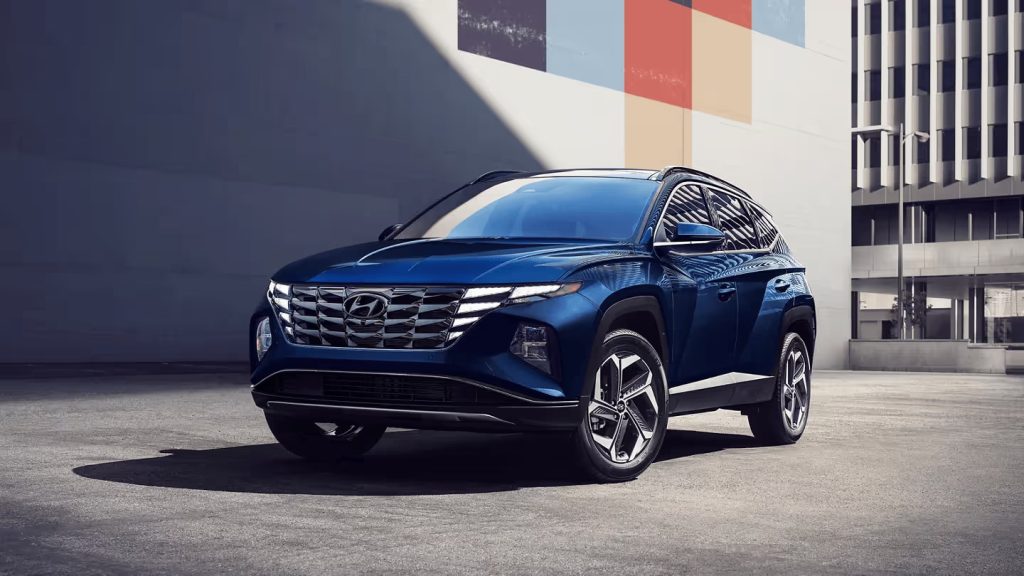
2. Hyundai Tucson Hybrid
The Hyundai Tucson Hybrid takes a very different approach compared to traditional rugged SUVs, focusing on smart technology and efficiency while still delivering impressive performance in hot weather conditions.
Instead of relying solely on mechanical strength, this SUV uses a hybrid powertrain that manages heat more intelligently. The battery system is equipped with thermal management technology that prevents overheating, ensuring consistent performance even when temperatures rise significantly.
The cabin experience is where the Tucson Hybrid truly stands out. Hyundai has invested heavily in comfort features, including ventilated front seats and dual zone climate control that adapts quickly to changing conditions. The cooling system is responsive and efficient, making it ideal for urban driving where stop-and-go traffic can intensify heat buildup.
Another important detail is the use of soft-touch materials that resist heat retention. Unlike some vehicles where interiors become uncomfortable within minutes, the Tucson maintains a more balanced temperature, reducing the need for aggressive air conditioning use.
Efficiency plays a key role in summer driving, and this SUV delivers well in that area. The hybrid system reduces fuel consumption even when the air conditioning is running constantly, which is a practical advantage for daily commuters.
The design also contributes to its summer capability. Aerodynamic shaping helps improve airflow, indirectly supporting cooling performance and reducing strain on the engine. This results in smoother operation even during extended drives in high temperatures.
From a usability standpoint, the Tucson Hybrid feels modern and well thought out. It is not built for extreme off-road heat like some larger SUVs, but for city drivers and highway users, it offers a balanced mix of comfort, efficiency, and heat management.
For those who want a more refined and tech-driven solution to summer driving challenges, this SUV presents a compelling option without sacrificing practicality.
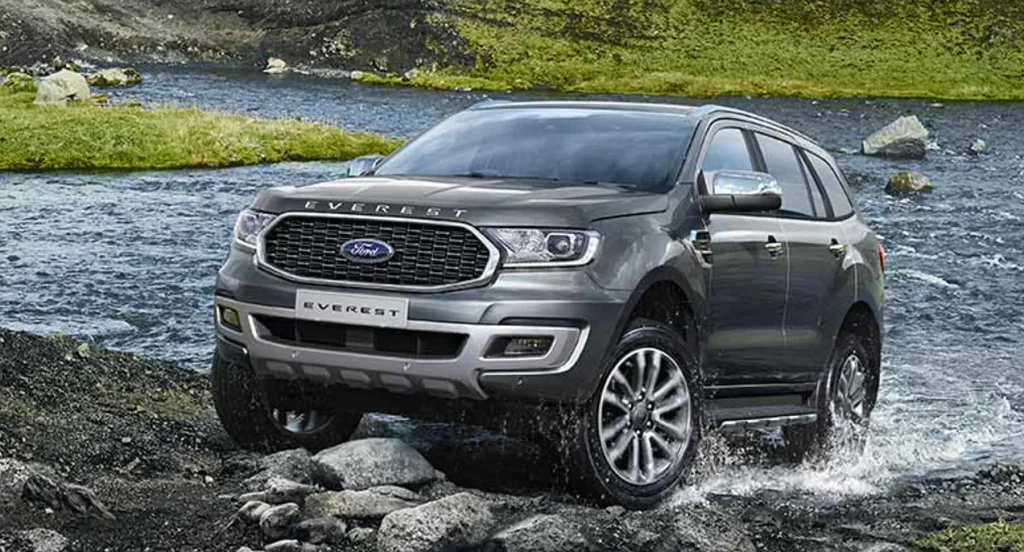
3. Ford Everest
The Ford Everest approaches summer driving from a perspective rooted in toughness and endurance. Built on a ladder frame chassis, it carries a mechanical robustness that becomes especially valuable when temperatures rise and road conditions become more demanding.
Heat management in the Everest is not just about keeping the engine cool; it is about sustaining performance under pressure. The SUV uses a high-capacity cooling system that supports prolonged driving in extreme conditions, whether that means highway cruising under direct sunlight or tackling rough terrain where airflow is limited.
Step inside, and the experience shifts toward comfort and practicality. The climate control system is calibrated to deliver strong airflow across all rows, ensuring that even rear passengers remain comfortable during peak summer afternoons. This is particularly useful for families or long-distance travelers.
What makes the Everest stand apart is its balance between rugged engineering and thoughtful cabin design. The seats are structured to allow better air circulation, and higher trims include ventilation features that prevent fatigue during extended drives.
These details may seem minor, but make a noticeable difference when temperatures stay high for hours.
The engine tuning also plays a role in its summer readiness. It delivers steady power without excessive heat buildup, which is crucial when driving with a full load or towing in hot weather. Stability in performance means fewer compromises, even when conditions are far from ideal.
Beyond mechanical aspects, the Everest is designed to handle environmental stress over time. Its components are built to endure heat exposure, reducing the chances of wear-related issues that often appear in less durable vehicles.
This SUV suits drivers who need strength, reliability, and consistent cooling performance, especially in regions where summer is not just a season but a serious challenge.
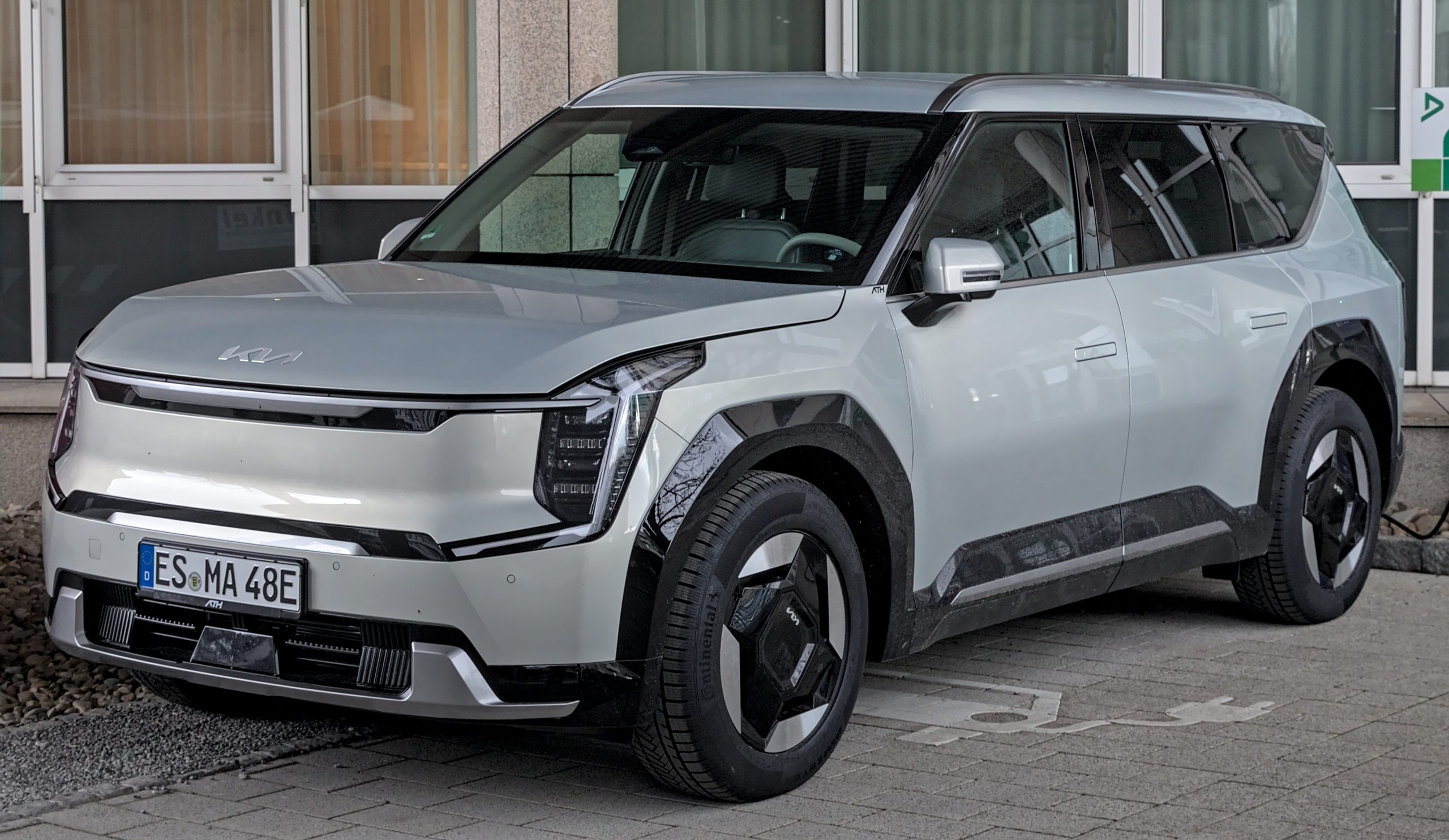
4. Kia EV9
The Kia EV9 represents a completely different philosophy, showing how electric vehicles can excel in hot climates when engineered correctly. Unlike traditional SUVs, its approach to summer driving focuses heavily on battery protection and intelligent climate systems.
One of the most critical aspects of any electric SUV in high temperatures is battery cooling. The EV9 uses an advanced thermal management system that actively regulates battery temperature, preventing overheating and maintaining efficiency. This ensures that performance remains stable even during long drives in intense heat.
Inside the cabin, the experience feels futuristic yet practical. The climate system is highly responsive and can precondition the interior before you even step inside, reducing the discomfort of entering a hot vehicle. This feature becomes particularly valuable when the SUV is parked under direct sunlight.
Material selection is another area where the EV9 makes a difference. Kia has focused on surfaces that reflect heat rather than absorb it, keeping the cabin environment more comfortable from the start. Combined with ventilated seating and multi-zone climate control, the SUV delivers a consistently cool interior.
Driving dynamics also benefit from its electric architecture. Without a traditional engine generating heat, the vehicle maintains a quieter and more controlled temperature profile. This contributes to a smoother driving experience, especially in urban settings where stop-and-go traffic can increase heat stress in conventional vehicles.
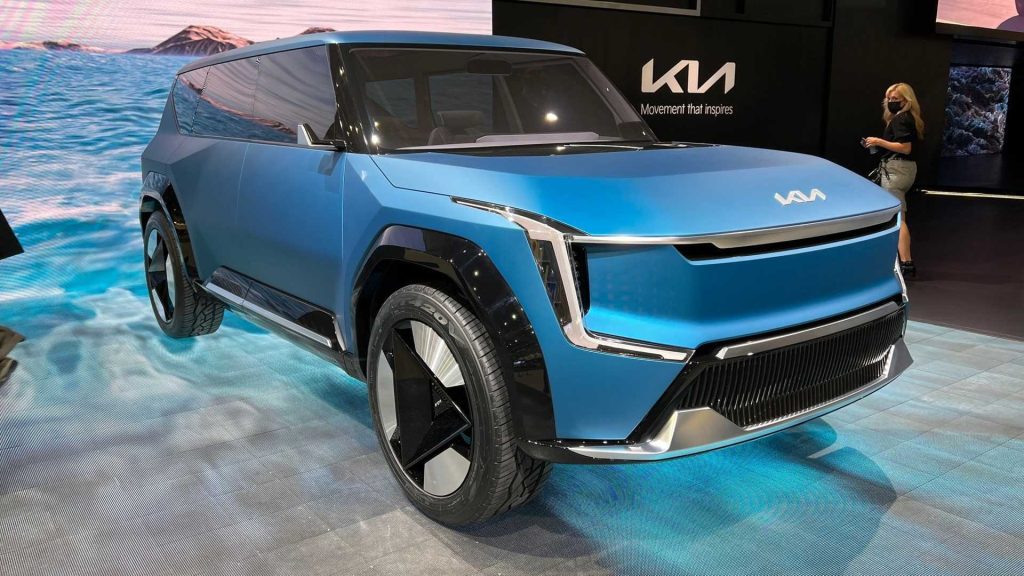
Efficiency remains a strong point as well. The EV9 manages energy usage effectively even with continuous air conditioning, ensuring that range does not drop drastically during summer use. This makes it a practical choice for both city and highway driving.
For buyers looking toward the future, this SUV demonstrates that electric mobility can handle extreme climates without compromise. It blends innovation with usability, offering a fresh take on what a summer-ready SUV can be.
5. Mahindra Scorpio N
The Mahindra Scorpio N is built with Indian conditions in mind, and that becomes immediately noticeable when summer hits its peak. This SUV does not rely on flashy technology alone; instead, it leans into practical engineering that suits high-temperature environments and rough usage patterns.
Begin with its cooling capability, which is tuned for real-world heat rather than laboratory conditions. The engine remains composed even when crawling through slow traffic under intense sun, something that often exposes weaknesses in less robust vehicles. Its thermal stability gives drivers confidence, especially on long intercity routes.
Now consider the cabin experience. Mahindra has focused on delivering strong air conditioning performance that works quickly rather than gradually.
The airflow is direct and effective, cooling down the interior in a short time even after the vehicle has been parked outside for hours. Rear passengers also benefit from dedicated vents, making the entire cabin usable in harsh conditions.
The seating layout adds another dimension to comfort. The seats are designed with firmness and spacing that prevent excessive heat buildup, and higher variants include ventilation that reduces discomfort during extended journeys. This approach keeps fatigue levels low, which is often overlooked in discussions about summer driving.
Durability is where the Scorpio N earns its reputation. Components are built to tolerate heat stress over long periods, meaning the SUV does not feel strained even after repeated exposure to extreme temperatures. This is particularly important in regions where summer lasts several months.
On the road, it maintains a steady character. Power delivery remains predictable, and the vehicle does not exhibit signs of overheating or performance drop, even when fully loaded. This reliability becomes a key advantage for families and frequent travelers.
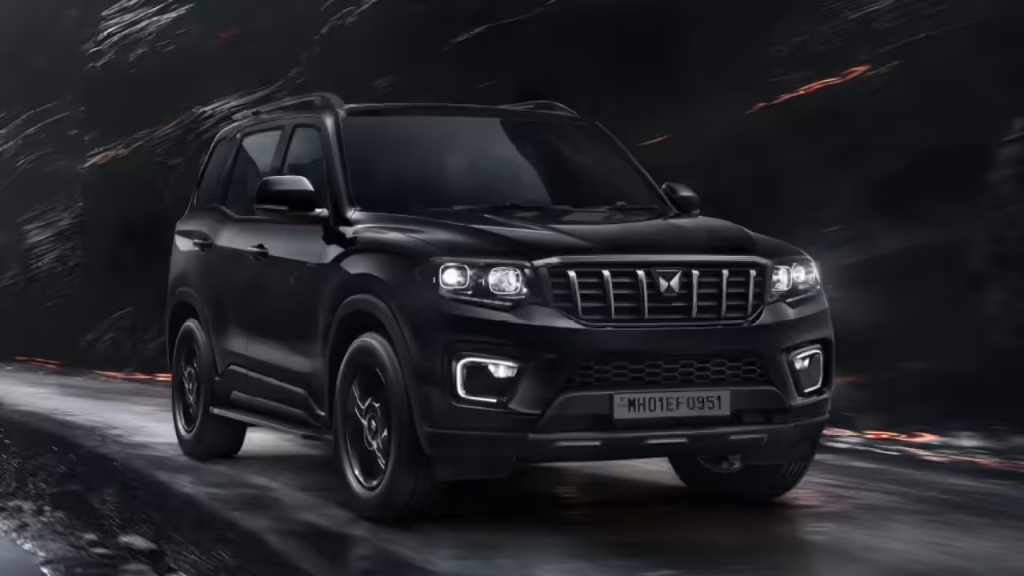
For those who want a tough, dependable SUV that feels tailored for hot climates without unnecessary complexity, the Scorpio N stands as a highly practical and well-adapted choice.
6. Jeep Grand Cherokee
The Jeep Grand Cherokee brings a premium perspective to summer driving, combining luxury features with strong environmental adaptability. It is designed to deliver comfort in extreme conditions without sacrificing capability.
Cooling performance here is refined rather than aggressive. The climate control system uses intelligent sensors to maintain a consistent cabin temperature, adjusting airflow and intensity automatically based on external heat levels. This creates a balanced environment that feels controlled rather than forced.
Step into the interior, and the difference becomes clear through material quality. Surfaces are selected not just for aesthetics but also for heat resistance, ensuring that the cabin remains comfortable even after prolonged exposure to sunlight. Ventilated and memory seats add another layer of convenience, especially for daily use.
The engineering under the hood supports this experience. The engine and transmission are calibrated to handle high temperatures without strain, maintaining smooth operation across different driving conditions. Whether cruising on highways or tackling uneven terrain, the SUV retains its composure.
Another interesting aspect is insulation. The Grand Cherokee uses advanced sound and heat insulation techniques, which help keep external heat from overwhelming the cabin. This not only improves comfort but also reduces the workload on the air conditioning system.
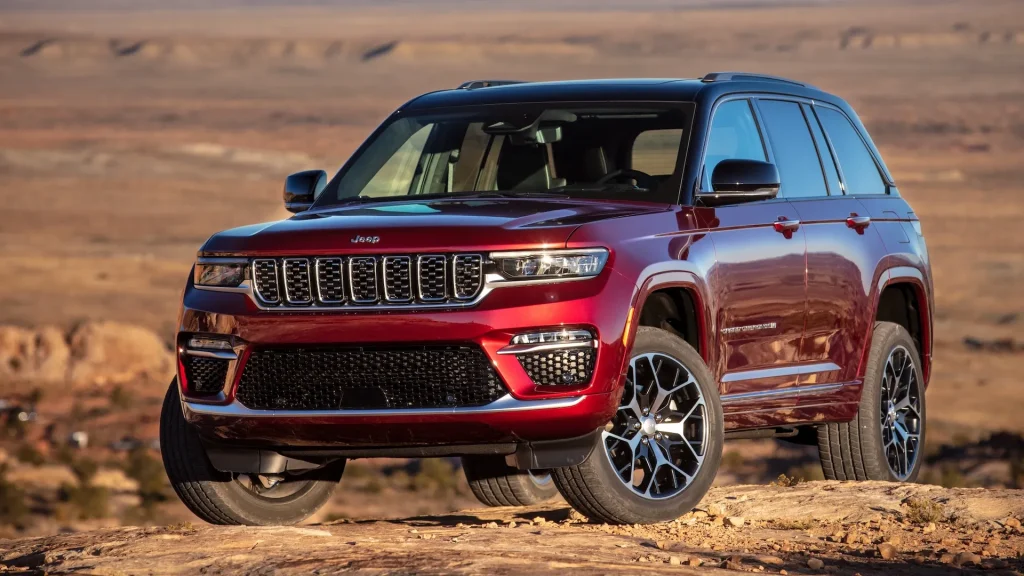
Driving it in summer feels less demanding compared to many other SUVs. The vehicle manages its systems efficiently, allowing drivers to focus on the road rather than worrying about overheating or discomfort.
This SUV suits those who want a combination of luxury, performance, and climate adaptability. It proves that handling extreme summer conditions does not require sacrificing refinement or driving pleasure.
7. Toyota Fortuner
The Toyota Fortuner has earned a reputation across hot regions for a reason, and its performance in extreme summer conditions continues to reinforce that standing. This is not an SUV that depends on a single standout feature.
Instead, it delivers a combination of mechanical resilience, strong cooling performance, and a cabin that remains usable even when temperatures climb aggressively.
Start with what matters most in harsh heat: consistency. The Fortuner’s engine is engineered to operate reliably under thermal stress, and that shows during long highway drives where temperatures remain high for extended periods.
It does not struggle with heat soak, and the cooling system works efficiently to keep operating temperatures stable even in slow-moving traffic.
The air conditioning setup deserves attention because it is tuned for real-world intensity. Rather than gradually bringing the temperature down, it pushes strong airflow that cools the cabin quickly.
This becomes extremely useful when entering a vehicle that has been sitting in direct sunlight. Rear seat passengers are not ignored either, as airflow distribution is balanced across rows.
Material choice plays a subtle but important role. Surfaces inside the Fortuner are less prone to trapping heat, so the cabin does not feel excessively hot even before the air conditioning fully kicks in. This makes short city drives more comfortable, especially when quick cooling is important.
There is also a sense of long-term reliability that cannot be overlooked. Vehicles exposed to constant heat often develop issues over time, but the Fortuner is known for maintaining its durability. Components are built with endurance in mind, reducing the likelihood of heat-related wear.
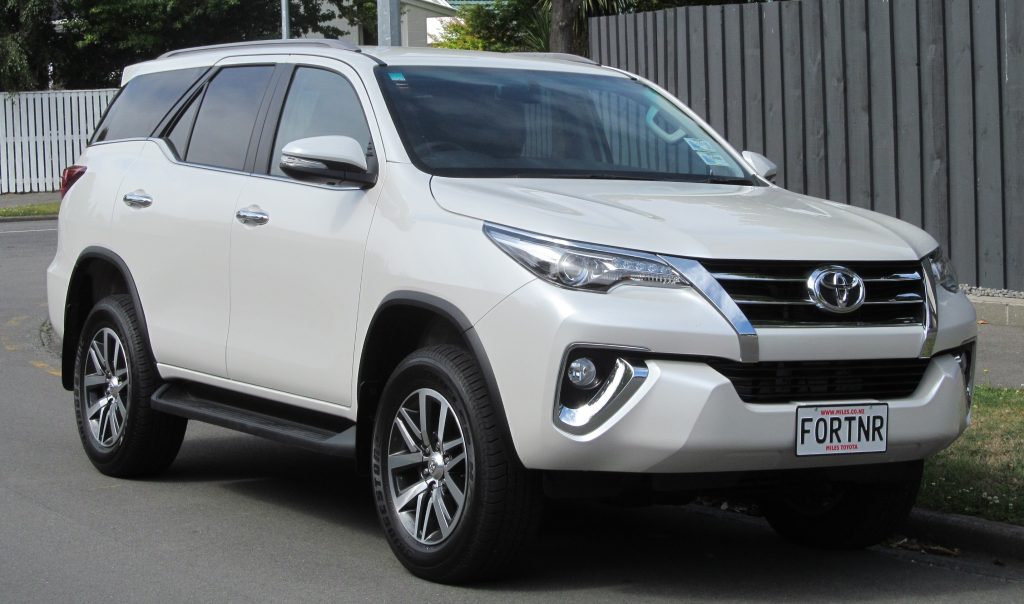
On uneven roads or during off-road trips in dry regions, the SUV continues to perform without hesitation. The suspension and drivetrain remain composed, and there is no noticeable drop in performance due to heat.
Drivers who prioritize dependability and proven performance in extreme climates will find this SUV particularly reassuring. It handles summer conditions with a level of confidence that few vehicles in its segment can consistently match.
8. Volvo XC90
The Volvo XC90 approaches hot weather driving from a completely different angle, focusing on intelligent design and passenger well-being rather than brute strength. It is an SUV that feels carefully engineered to create a calm, controlled environment even when the outside temperature is far from comfortable.
Instead of relying on sheer cooling power alone, the XC90 uses advanced climate management to maintain a steady cabin atmosphere.
The system adjusts airflow direction and intensity automatically, ensuring that cooling feels even throughout the interior rather than concentrated in one area. This results in a more natural and less intrusive experience.
The cabin materials reflect Volvo’s design philosophy. Light colored interiors, high-quality finishes, and heat-resistant surfaces all contribute to reducing heat absorption. As a result, stepping into the vehicle after it has been parked in the sun feels noticeably less uncomfortable compared to many rivals.
Another important factor is air quality. The XC90 integrates filtration systems that not only cool the air but also keep it clean, which becomes particularly valuable during summer when dust and pollution levels can rise. This creates a healthier environment for occupants during long drives.
Seating comfort is handled with precision. Ventilated seats are designed to provide consistent airflow without creating excessive noise or discomfort. The result is a cooling effect that feels subtle yet effective, especially during extended journeys.
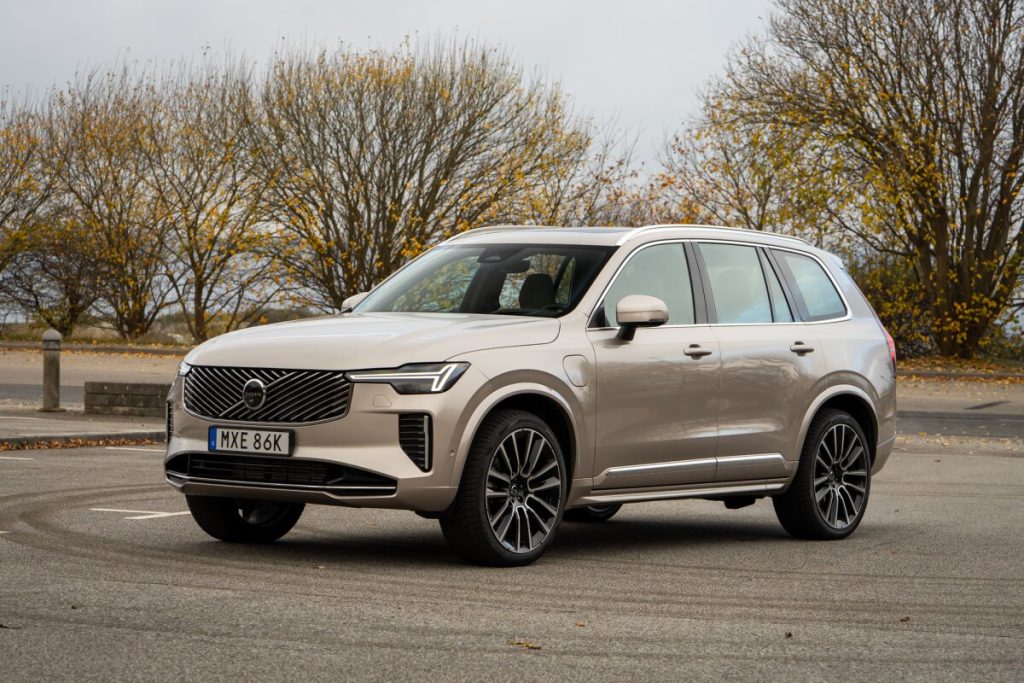
From a performance standpoint, the SUV maintains efficiency even when climate systems are running continuously. The powertrain is optimized to handle additional load without significant drops in performance, ensuring that driving remains smooth and predictable.
This vehicle is well-suited for those who value refinement and thoughtful engineering. It proves that dealing with extreme heat is not only about strength, but also about how intelligently a vehicle manages its internal environment.
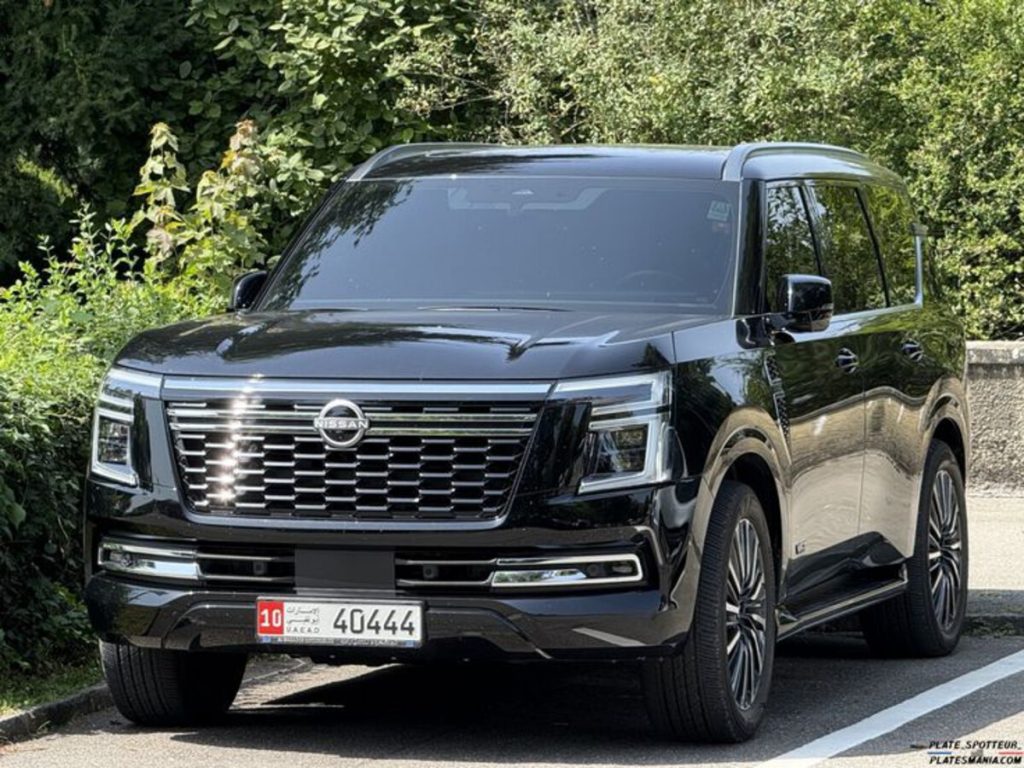
9. Nissan Patrol
The Nissan Patrol has long been associated with extreme environments, particularly in regions where summer temperatures are not just high but relentless. Its engineering reflects years of adaptation to desert climates, making it one of the most naturally suited SUVs for intense heat in 2026.
What immediately sets the Patrol apart is its cooling capability under sustained pressure. This is not just about preventing overheating during short drives, but about maintaining stability during hours of operation in scorching conditions.
The engine is supported by a heavy-duty cooling system that continues to function efficiently even when ambient temperatures push limits. Whether idling in traffic or driving across open highways, it maintains composure without noticeable strain.
The cabin tells another part of the story. Nissan has designed the interior to prioritize rapid cooling and long-lasting comfort.
The air conditioning system is powerful and consistent, capable of bringing down cabin temperature quickly after the vehicle has been exposed to direct sunlight. More importantly, it sustains that comfort level without frequent adjustments, allowing occupants to settle into a steady environment.
Seating plays a crucial role here, especially in hot climates where discomfort can build quickly. The Patrol offers well-ventilated seats that actively reduce heat buildup, making long drives far more manageable. The layout also ensures that airflow reaches all rows effectively, so passengers in the rear are not left dealing with residual heat.
Another strength lies in how the SUV handles prolonged exposure to harsh conditions. Materials used throughout the vehicle are chosen for durability, meaning they resist fading, cracking, or degradation caused by continuous heat. This contributes to a longer lifespan and a more consistent ownership experience.
Driving dynamics remain stable regardless of external conditions. The engine delivers steady performance, and the vehicle does not feel affected by rising temperatures even when carrying a full load. This reliability is especially valuable for those who travel long distances or frequently drive in remote areas.
There is also a sense of confidence that comes from its proven track record. The Patrol has been tested in some of the toughest climates, and that experience shows in how effortlessly it handles summer challenges.
For drivers who need an SUV that feels completely unfazed by extreme heat, this one stands as a strong and dependable option.
Choosing the right SUV for hot summer conditions is not simply about comfort features; it is about selecting a vehicle that can maintain performance, protect its components, and keep occupants at ease despite rising temperatures.
Each SUV in this list approaches the challenge differently, offering a unique balance of engineering, technology, and practicality.
Some models rely on rugged construction and proven durability, making them ideal for harsh terrains and long-distance travel in extreme heat. Others focus on intelligent climate systems and refined interiors, creating a more controlled and comfortable driving experience for daily use.
There are also modern hybrids and electric options that bring advanced thermal management into the equation, showing how innovation can improve summer driving in new ways.
The key is understanding what matters most for your specific needs. If your driving involves heavy loads, rough roads, or extended exposure to high temperatures, a mechanically robust SUV may be the better fit.
On the other hand, if you prioritize comfort, efficiency, and advanced features, a more refined or technology-driven option could serve you better.
What remains consistent across all these vehicles is their ability to handle heat without compromise. They are built to maintain stability, deliver effective cooling, and ensure that both driver and passengers remain comfortable even in challenging conditions.
As summers continue to grow more intense, investing in a capable SUV becomes less of a luxury and more of a necessity. The right choice can transform the driving experience, turning exhausting journeys into manageable and even enjoyable ones.
With the options listed above, you are not just choosing an SUV; you are choosing a vehicle that is ready to face summer head-on with confidence and capability.
Also Read: 9 ZF 8-Speed Applications Ranked by Long-Term Durability
