
The ZF 8-speed automatic transmission has earned a reputation as one of the most versatile and widely used gearboxes in the automotive world. Found in everything from luxury sedans to performance cars and heavy SUVs, it has proven that a single transmission design can adapt to very different driving demands.
Its appeal comes from a combination of smooth shifting, strong torque handling, and the ability to balance efficiency with performance. Yet, not every application of this transmission delivers the same long-term durability.
While the core engineering of the ZF 8-speed is highly respected, the way manufacturers integrate and tune it plays a major role in how it performs over time. Factors such as engine pairing, software calibration, cooling systems, and vehicle weight all influence how much stress the transmission experiences.
In some vehicles, it operates comfortably within its limits, leading to long service life and minimal issues. In others, it is pushed harder, which can affect longevity despite the transmission’s strong design.
Another important aspect is maintenance and usage patterns. Some vehicles equipped with this gearbox are driven conservatively, benefiting from smooth power delivery and lower wear.
Others are used in demanding conditions such as towing, aggressive driving, or heavy urban traffic, which can accelerate component fatigue. Even with the same transmission, these differences can lead to very different ownership experiences.
This ranking focuses on nine vehicles that use the ZF 8-speed transmission, arranged based on their long-term durability. The goal is not to judge the transmission itself, but to understand how well it holds up in each specific application.
Some pairings allow the gearbox to shine with minimal stress, while others reveal the limits of its design when subjected to higher demands.
By examining these examples, it becomes clear that durability is not just about the component, but about how it is used and integrated into the vehicle. The ZF 8-speed remains a benchmark in its class, but its real-world performance depends heavily on the environment it operates in.
Also Read: Nearly 19K Audi EVs Recalled Due to Brake Connection Issue
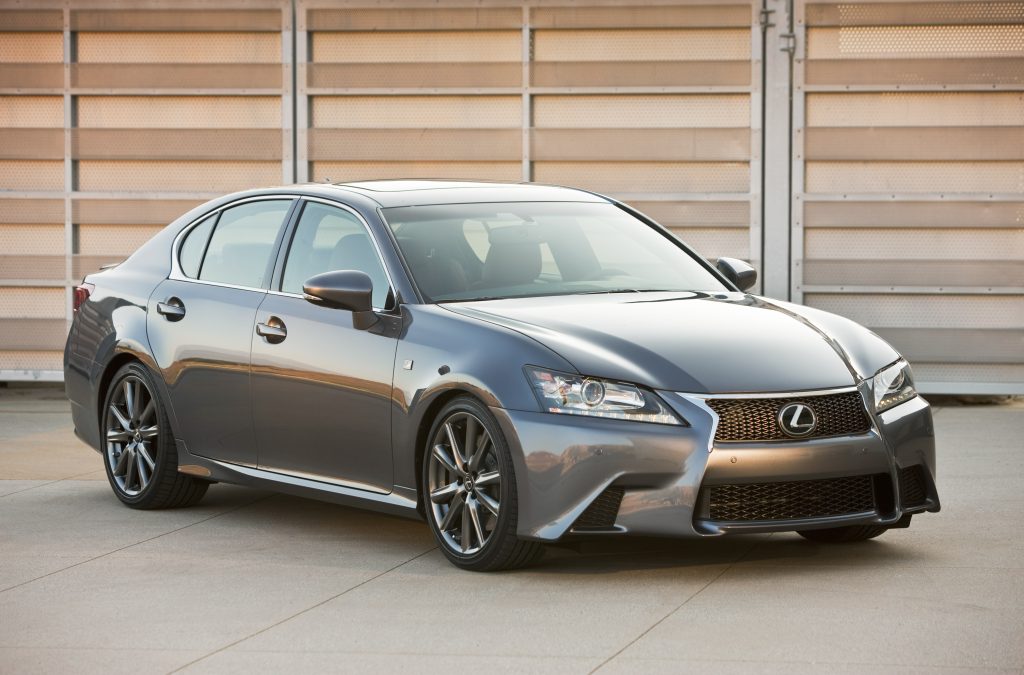
1. Lexus GS (ZF 8-Speed Variant in Certain Markets)
The Lexus GS represents a case where refinement and durability come together in a way that allows the ZF 8-speed transmission to operate under ideal conditions. Known for its smooth ride and balanced performance, the GS does not push the gearbox to extremes. Instead, it uses it in a manner that prioritizes consistency and longevity.
In this application, the transmission benefits from a well-matched engine that delivers power in a controlled and predictable way. Rather than producing sudden spikes in torque, the engine provides a steady output that reduces stress on internal components.
This allows the gearbox to maintain smooth operation without frequent strain, which contributes to its long-term reliability.
Thermal management is another area where the GS performs well. The vehicle is designed with efficient cooling systems that help maintain stable operating temperatures. Since heat is one of the main factors that affect transmission wear, this advantage plays a significant role in extending the lifespan of the unit.
The driving character of the GS also supports durability. It is not typically driven in aggressive conditions, and its tuning encourages a relaxed driving style.
Smooth acceleration and gradual gear changes reduce the load on clutch packs and internal gears, allowing them to last longer compared to more performance-oriented applications.
Serviceability adds another layer of benefit. The GS is built with accessibility in mind, making routine maintenance straightforward. When fluid changes and inspections are easy to perform, owners are more likely to keep up with proper servicing, which directly impacts long-term performance.
What sets this application apart is the harmony between components. The transmission is not just installed into the vehicle, but carefully integrated to match its character. This alignment ensures that the gearbox operates within its comfort zone for most of its life.
As a result, the ZF 8-speed in the Lexus GS demonstrates how proper pairing and thoughtful tuning can maximize durability. It stands as one of the strongest examples of how this transmission can deliver consistent performance over many years when used in the right environment.
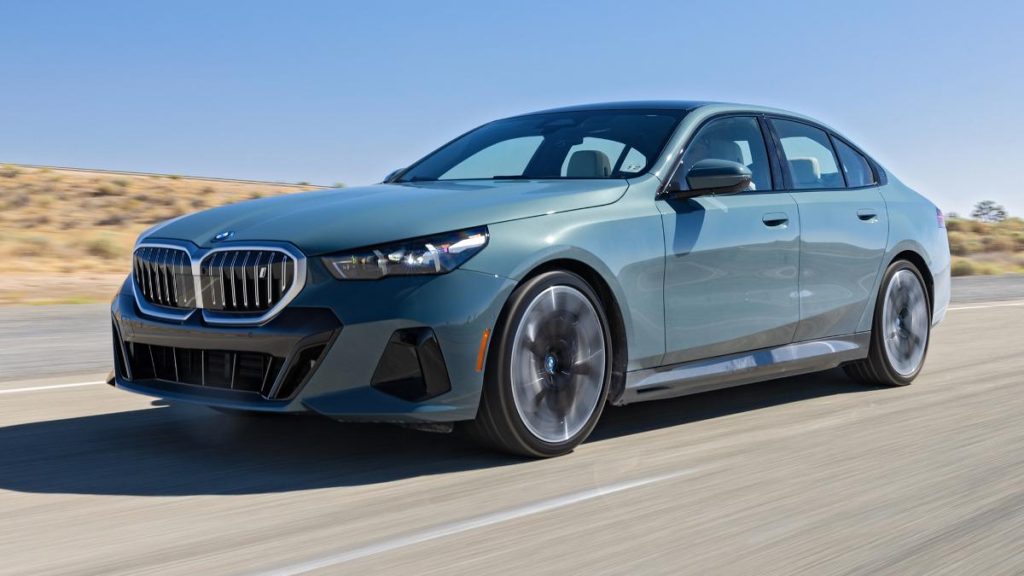
2. BMW 5 Series (G30 Generation)
The BMW 5 Series in its G30 generation showcases the ZF 8-speed transmission in a setting that balances performance with everyday usability. This application highlights how a well-calibrated system can handle a wide range of driving conditions while maintaining durability over time.
BMW’s approach to tuning the transmission plays a crucial role here. The gearbox is programmed to deliver quick yet smooth shifts, adapting to both relaxed cruising and more spirited driving.
This flexibility allows it to handle different scenarios without placing excessive strain on its internal components. Unlike more aggressive setups, the calibration avoids unnecessary harshness, which helps preserve long-term reliability.
Engine compatibility is another strength. The 5 Series offers a range of engines, many of which pair exceptionally well with the ZF 8-speed.
These engines provide strong torque delivery, but they do so in a controlled manner that the transmission can manage effectively. This balance ensures that the gearbox is rarely pushed beyond its intended limits.
Weight distribution and chassis design also contribute to durability. The 5 Series is engineered to maintain stability and efficiency, which reduces the load on the drivetrain. A well-balanced vehicle places less stress on the transmission, especially during acceleration and cornering. This helps extend the life of critical components.
Cooling systems in the G30 are designed to support sustained performance. Whether driving in city traffic or on long highway journeys, the transmission maintains stable temperatures. This consistency reduces wear and prevents issues that can arise from overheating.
Another important factor is driver behavior. The 5 Series appeals to a wide audience, from those seeking comfort to those who enjoy performance.
Despite this range, the transmission is capable of adapting without compromising its durability. Its ability to handle varied driving styles without excessive wear is a testament to its design and integration.
The G30 generation demonstrates that a transmission can deliver both performance and longevity when properly tuned. It stands as a strong example of how the ZF 8-speed can perform reliably in a premium sedan that is expected to handle diverse driving conditions.
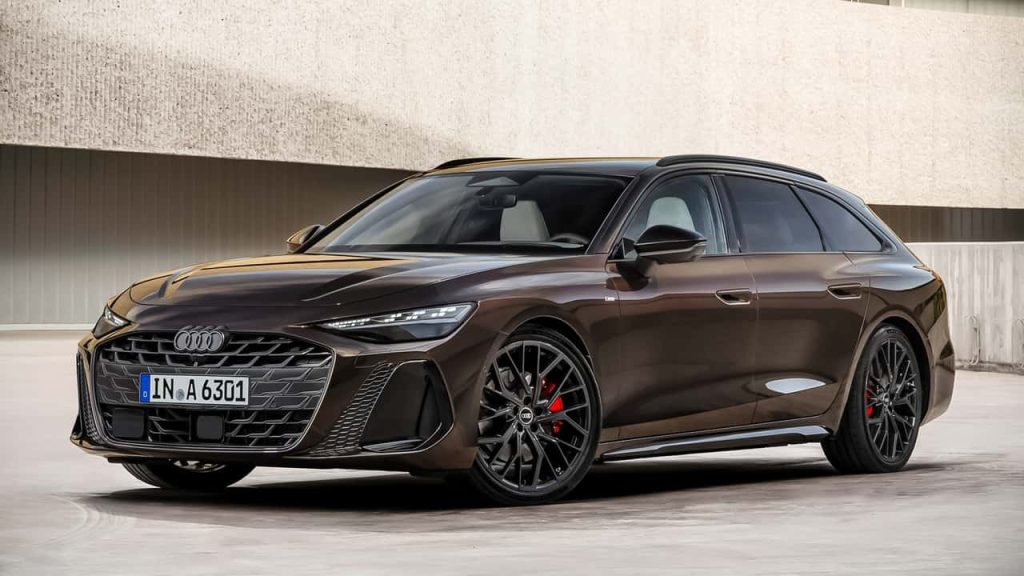
3. Audi A6 (C8 Generation)
The Audi A6 in its C8 generation presents a slightly different interpretation of how the ZF 8-speed transmission can be utilized. Instead of focusing purely on performance or comfort, Audi leans heavily into refinement and seamless power delivery.
This approach allows the transmission to function in a controlled environment, though not without its own unique pressures.
Audi’s quattro all-wheel-drive system plays a central role in how the transmission behaves. Power is constantly being distributed between the front and rear wheels, which means the gearbox is engaged in a more active role compared to rear-wheel-drive setups.
While this improves traction and stability, it also introduces additional mechanical load. Over time, this constant engagement can influence wear patterns, even if the system is engineered to handle it efficiently.
The calibration in the A6 prioritizes smoothness above all else. Gear changes are almost imperceptible, creating a driving experience that feels effortless. This tuning reduces shock loads within the transmission, which is beneficial for long-term durability.
However, the trade-off is that the gearbox is always working to maintain that smoothness, especially during variable driving conditions.
Engine pairing is another important factor. The A6 often uses turbocharged engines that deliver torque in a strong yet controlled manner.
While this helps the transmission avoid sudden stress spikes, it also means the gearbox frequently manages mid-range torque delivery. This constant load, although not extreme, is continuous and can contribute to gradual wear over extended periods.
Thermal management in the A6 is well-developed, but the complexity of the drivetrain means heat distribution is more demanding. With multiple systems interacting, maintaining optimal temperatures becomes more critical.
Audi addresses this with advanced cooling strategies, yet the system operates closer to its limits compared to simpler applications.
The driving experience remains one of the A6’s strongest points. It feels composed, quiet, and refined, which reflects the transmission’s ability to deliver power smoothly.
Still, this refinement comes with a level of complexity that requires proper maintenance to sustain over time. Fluid condition, service intervals, and driving habits all play a larger role here than in simpler setups.
In the long run, the ZF 8-speed in the Audi A6 proves durable when maintained correctly, but it operates in a more demanding environment than some of the higher-ranked applications. It highlights how added drivetrain complexity can influence longevity, even when the underlying transmission is highly capable.
4. Jaguar XF (Second Generation)
The Jaguar XF brings a distinctive character to the use of the ZF 8-speed transmission. Unlike German rivals that focus heavily on precision or consistency, Jaguar emphasizes a more fluid and engaging driving feel.
This creates a unique environment for the transmission, one that blends performance with a sense of effortlessness, though it introduces its own challenges for long-term durability.
In the XF, the transmission is tuned to complement the car’s responsive nature. Gear changes are quick when needed but remain smooth during relaxed driving.
This dual personality means the gearbox frequently adjusts its behavior, shifting between comfort-oriented and performance-focused modes. While this versatility enhances the driving experience, it also results in varying levels of stress on internal components.
The engines paired with the XF often deliver strong torque, especially in diesel and supercharged petrol variants. This torque is available early in the rev range, which means the transmission must handle substantial load even during normal driving.
Although the ZF 8-speed is designed for such conditions, repeated exposure to high torque can influence wear over extended ownership.
Weight and chassis dynamics also play a role. The XF is relatively lightweight for its class, which helps reduce overall strain on the drivetrain.
However, its sporty tuning encourages more spirited driving, and this can offset some of the benefits gained from lower weight. Drivers who take advantage of the car’s dynamic capabilities may place additional demands on the transmission.
Cooling systems in the XF are effective, but they are designed to balance performance and efficiency. During aggressive driving or in warmer climates, maintaining optimal transmission temperatures becomes more critical. Proper maintenance and fluid health are essential to ensure consistent performance over time.
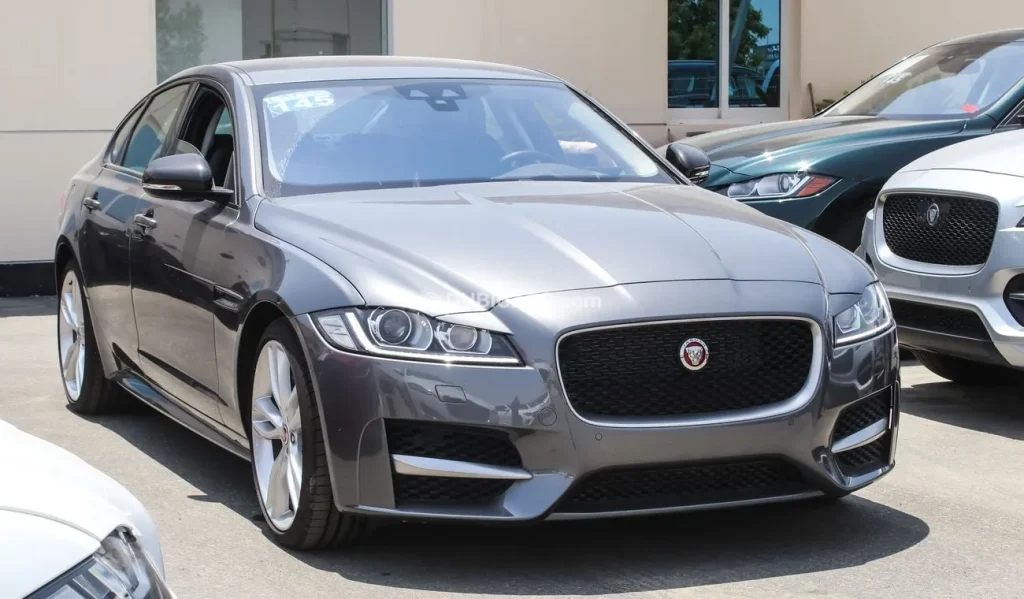
Another factor to consider is software calibration. Jaguar’s tuning prioritizes driver engagement, which sometimes results in more assertive shift patterns compared to comfort-focused vehicles. While this enhances responsiveness, it can introduce slightly higher mechanical stress during gear changes.
Despite these factors, the XF remains a compelling example of how the ZF 8-speed can adapt to a more character-driven vehicle. It delivers a rewarding driving experience while maintaining respectable durability.
However, compared to more conservatively tuned applications, it operates under conditions that require greater attention to maintenance and driving style.
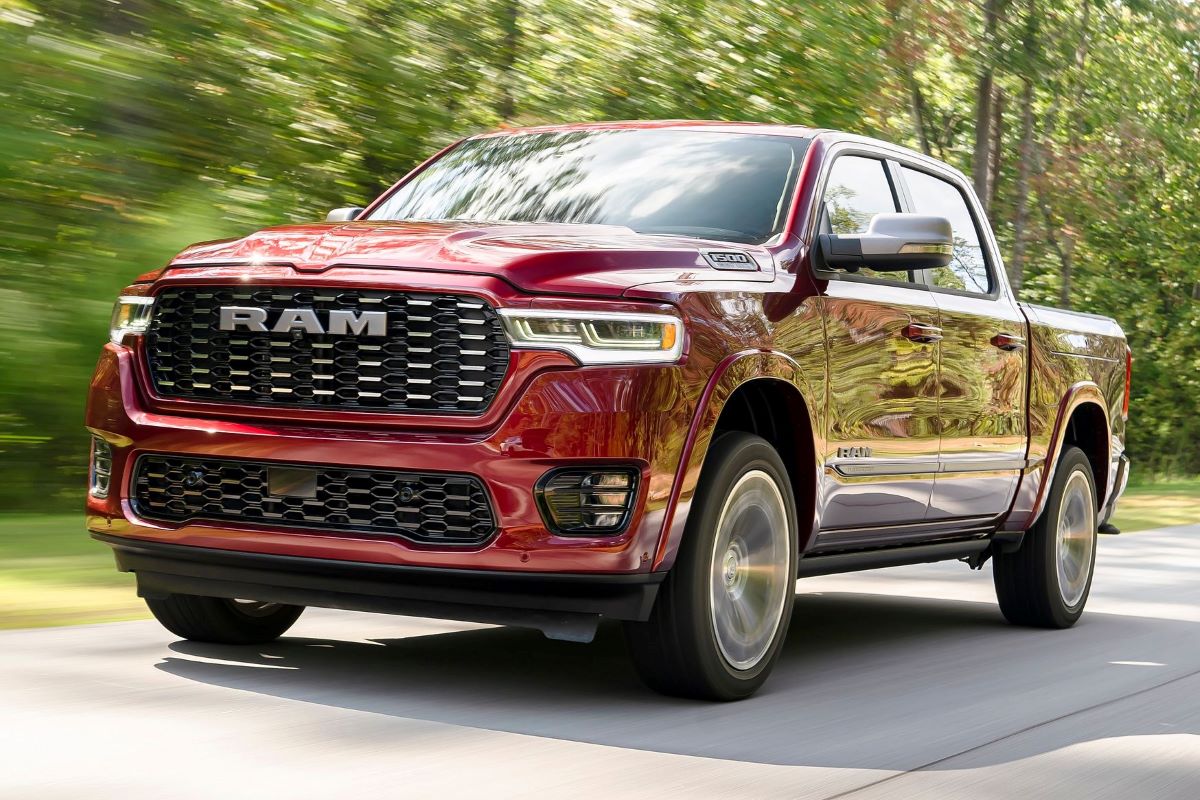
5. Ram 1500 (ZF 8HP70 / 8HP75)
The Ram 1500 represents a very different environment for the ZF 8-speed transmission compared to luxury sedans. Here, the gearbox is not just responsible for smooth daily driving but also for handling heavy workloads, towing demands, and varying terrain conditions.
This application highlights the transmission’s strength, yet it also reveals how durability can be influenced when the operating conditions become more demanding.
In this truck, the transmission is paired with engines that produce strong low-end torque. Whether it is the V6 or the larger V8 options, the power delivery is immediate and substantial.
This creates a situation where the gearbox is frequently dealing with high torque loads, especially during acceleration or when hauling weight. While the ZF unit is engineered to manage this, repeated exposure to such forces naturally contributes to long-term wear.
Towing introduces another layer of complexity. When the Ram 1500 is used for its intended purpose, the transmission must work harder to maintain performance.
Gear changes become more frequent, and heat generation increases significantly. Even with dedicated cooling systems, sustained towing can push the transmission closer to its thermal limits, which has a direct impact on longevity if not managed carefully.
Despite these challenges, the calibration in the Ram 1500 is designed to prioritize durability. Shifts are generally smooth and measured rather than aggressive, which helps reduce internal stress. The gearbox avoids unnecessary gear hunting, maintaining stability even under load. This thoughtful tuning plays a crucial role in preserving the transmission over time.
Another important factor is how the truck is used in real life. Many owners rely on the Ram 1500 for mixed duties, including commuting, highway driving, and occasional heavy work.
In lighter usage scenarios, the transmission operates comfortably, often lasting a long time without major issues. However, frequent heavy-duty use can accelerate wear, making maintenance practices even more critical.
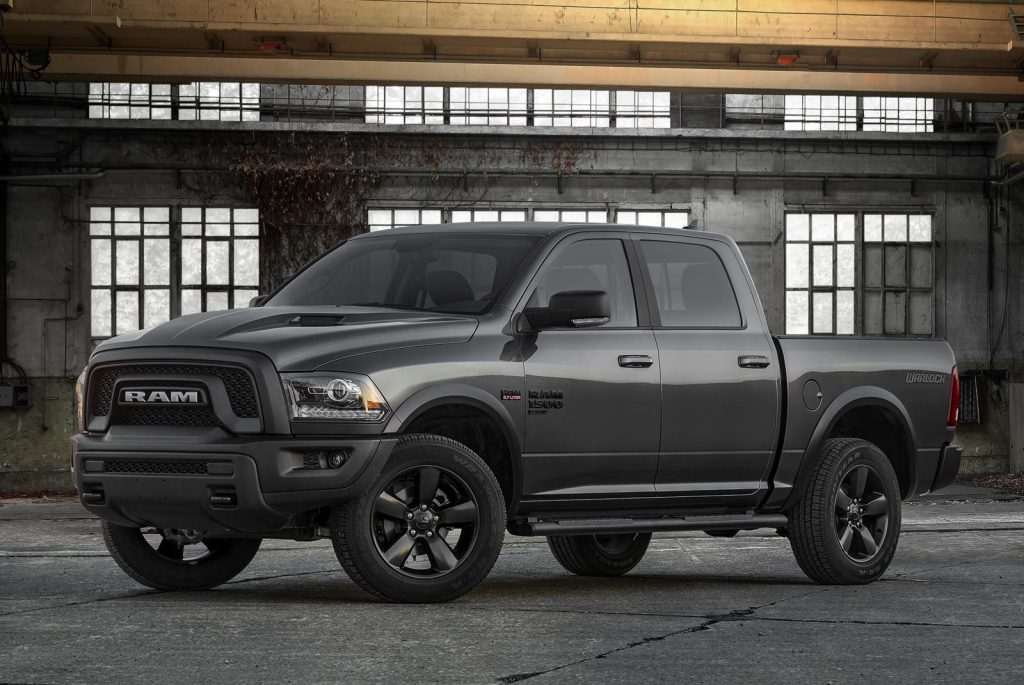
Fluid condition becomes especially important in this application. Regular servicing helps manage heat-related degradation and ensures that internal components continue to function smoothly. Owners who stay consistent with maintenance schedules tend to experience better long-term results.
The Ram 1500 demonstrates the ZF 8-speed’s ability to handle demanding tasks while still offering a refined driving experience. Its durability remains strong, but it is closely tied to how the vehicle is used and maintained, placing it in the middle of this ranking.
6. Jeep Grand Cherokee (ZF 8HP Series)
The Jeep Grand Cherokee uses the ZF 8-speed transmission in a way that blends on-road comfort with off-road capability. This dual-purpose nature creates a unique set of challenges for the gearbox, as it must adapt to both smooth highway cruising and rugged terrain.
The result is an application that showcases versatility but also places varied demands on long-term durability.
On paved roads, the transmission performs with a high level of refinement. Gear changes are smooth, and the system works seamlessly with the engine to deliver steady acceleration.
In this setting, the ZF 8-speed operates in a controlled environment, which supports long-term reliability. The challenge arises when the vehicle is taken off-road or used in more demanding conditions.
Off-road driving introduces factors such as uneven surfaces, low-speed crawling, and frequent torque adjustments. The transmission must handle these situations carefully, often operating in lower gears for extended periods.
This increases the workload on internal components and can lead to higher temperatures, especially when combined with steep inclines or loose terrain.
The Grand Cherokee’s four-wheel-drive system adds another layer of complexity. Power distribution between axles requires constant adjustments, which means the transmission is rarely operating in a steady state during off-road use. This dynamic behavior contributes to wear over time, particularly if the vehicle is regularly used in challenging environments.
Engine pairing also influences durability. The Grand Cherokee is available with a range of engines, some of which deliver significant torque. While the ZF transmission is capable of handling this output, repeated exposure to high torque levels can gradually affect internal components, especially under heavy use.
Cooling systems are designed to support these varied conditions, but they rely heavily on proper maintenance. Keeping the transmission fluid in good condition is essential, as it helps manage heat and ensures smooth operation.
Owners who neglect servicing may encounter issues sooner, particularly if the vehicle is used for both daily driving and off-road adventures.
What makes this application stand out is its versatility. The transmission is required to perform in environments that are far more diverse than those faced by typical sedans. This adaptability is impressive, but it also means that durability depends heavily on usage patterns.
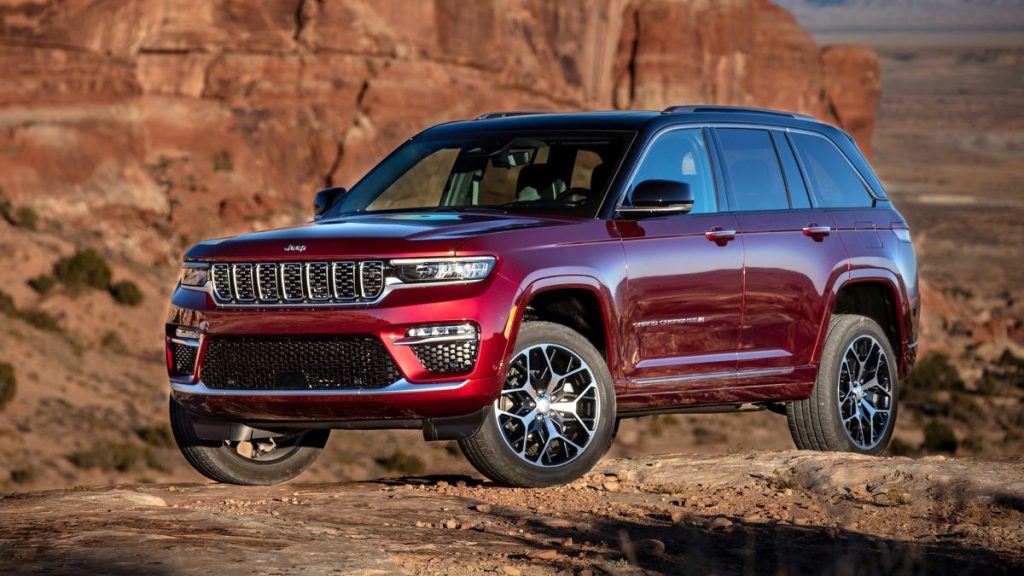
The Grand Cherokee shows that the ZF 8-speed can handle a wide range of demands, but its longevity is closely tied to how those demands are managed. It remains a capable and reliable setup, though it operates under more varied and sometimes harsher conditions than higher-ranked applications.
7. BMW X5 (F15 Generation)
The BMW X5 in its F15 generation places the ZF 8-speed transmission in a role that combines luxury, performance, and utility. This is not a lightweight sedan environment where the gearbox can operate with minimal stress.
Instead, it must manage a heavier vehicle, higher torque outputs, and a driving style that often encourages both comfort and strong acceleration.
Within the X5, the transmission is calibrated to deliver quick yet refined shifts. BMW’s tuning ensures that gear changes feel responsive, especially when the driver demands performance.
This responsiveness enhances the driving experience, but it also introduces sharper engagement compared to more comfort-focused applications. Over time, these more assertive shifts can contribute to incremental wear on internal components.
The engines paired with the F15 X5 are a defining factor. Many variants produce substantial torque, particularly the diesel and turbocharged petrol options.
This torque is available early in the rev range, meaning the transmission frequently operates under load even during routine driving. While the ZF unit is engineered to handle such demands, continuous exposure to high torque influences long-term durability.
Vehicle weight also plays a critical role. The X5 is significantly heavier than a sedan, and this mass requires more effort from the drivetrain during acceleration and deceleration.
Each gear change must account for this weight, placing additional strain on clutch packs and internal gears. Over extended use, this added load becomes a key factor in determining how the transmission ages.
Driving habits further shape the outcome. The X5 appeals to drivers who expect both comfort and performance, and many take advantage of its capabilities. Frequent acceleration, combined with urban stop-and-go conditions, creates a mixed usage pattern that can accelerate wear compared to more gently driven vehicles.
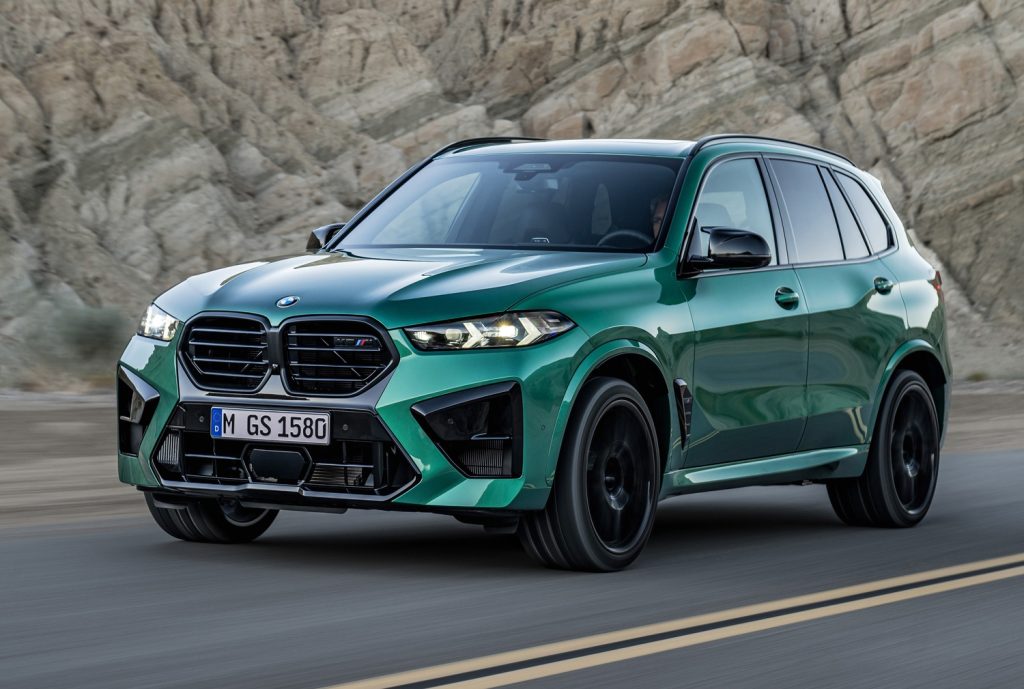
Thermal conditions are another consideration. The transmission is supported by effective cooling systems, but the combination of weight, torque, and performance driving can generate significant heat. Managing this heat is essential, as elevated temperatures directly impact fluid quality and component longevity.
Despite these challenges, the ZF 8-speed in the X5 remains a strong performer. It delivers a refined and engaging experience that aligns with the vehicle’s premium positioning.
However, the demands placed on it are higher than in earlier entries, which places it lower in the durability ranking. Proper maintenance and mindful driving can significantly extend its lifespan, but the environment it operates in is inherently more demanding.
8. Dodge Charger (High-Performance Variants with ZF 8HP90)
The Dodge Charger, particularly in its high-performance variants, pushes the ZF 8-speed transmission into a far more intense operating environment.
Unlike luxury-focused applications, this setup emphasizes power, acceleration, and aggressive driving characteristics. While the transmission is engineered to handle high torque, the way it is used in the Charger places it under constant stress.
In these variants, the gearbox is paired with engines that produce very high levels of torque. This power is delivered rapidly, especially during hard acceleration.
The transmission must respond instantly, engaging gears with precision while managing the force generated by the engine. Each acceleration event places significant load on internal components, and repeated exposure to such conditions can influence long-term durability.
Shift calibration in the Charger is designed for performance. Gear changes are quick and firm, prioritizing speed over smoothness.
This creates a more engaging driving experience, but it also means that the transmission experiences sharper mechanical engagement compared to softer, comfort-oriented setups. Over time, these aggressive shifts contribute to wear on clutch packs and other internal elements.
Driving behavior plays a major role in this application. Owners of high-performance Chargers often use the vehicle in a spirited manner, taking advantage of its acceleration capabilities.
Frequent rapid starts, high-speed driving, and dynamic conditions all increase the workload on the transmission. This usage pattern is very different from that of a typical commuter vehicle, and it directly affects how the gearbox ages.
Heat generation becomes a critical factor as well. High-performance driving produces significant thermal stress, and while the transmission is equipped with cooling systems, sustained aggressive use can still push temperatures higher than ideal levels. Managing this heat is essential to maintaining long-term reliability.
Despite these demanding conditions, the ZF 8-speed remains remarkably capable. It handles power delivery with precision and maintains consistent performance even under stress. However, compared to more conservatively tuned applications, it operates much closer to its limits in the Charger.
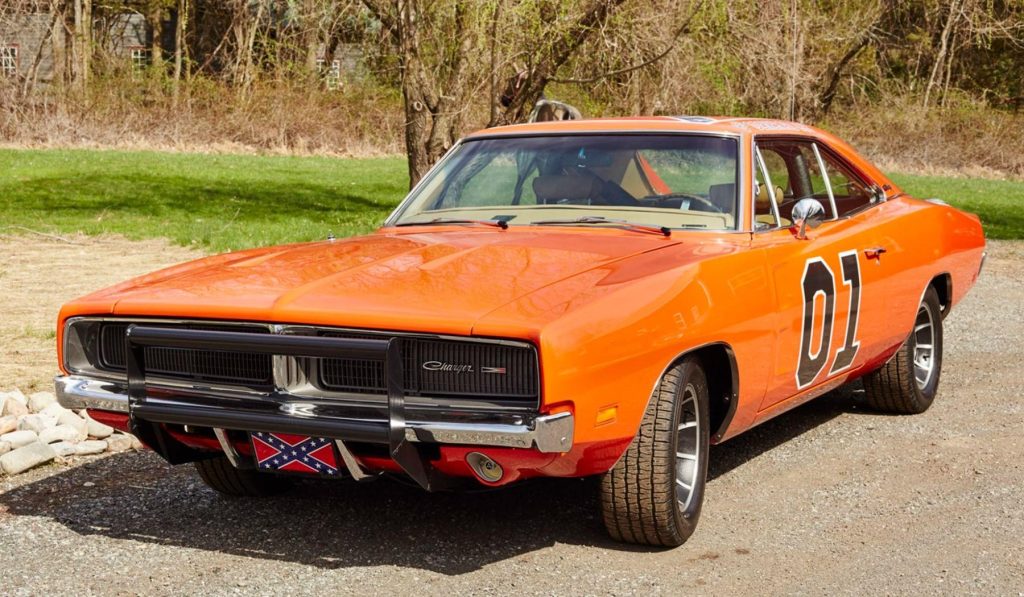
This example highlights how the same transmission can behave very differently depending on its environment. In the Charger, it delivers thrilling performance, but that performance comes with increased demands. Durability remains solid, yet it is more dependent on maintenance and driving habits than in less extreme applications.
9. BMW M5 (F90 Generation with ZF 8HP75)
The BMW M5 in its F90 generation represents the most demanding environment for the ZF 8-speed transmission among all the applications in this list. This is not a scenario where the gearbox operates within a relaxed or balanced setup.
Instead, it is pushed to deliver extreme performance while maintaining precision and control. The result is a pairing that showcases the transmission’s capabilities, yet also places it under constant pressure.
At the heart of the M5 is a high-output engine that generates immense torque. This power is delivered rapidly, often with very little delay, which means the transmission must react instantly.
Every gear change involves managing a significant amount of force, and this repeated exposure to high torque levels plays a major role in how the transmission wears over time.
BMW’s tuning in the M5 is focused heavily on performance. Shifts are fast, decisive, and sometimes intentionally aggressive to match the car’s character.
This creates an engaging driving experience, but it also means that internal components are subjected to sharper engagement compared to smoother, comfort-oriented calibrations. Over extended use, this style of operation increases mechanical stress.
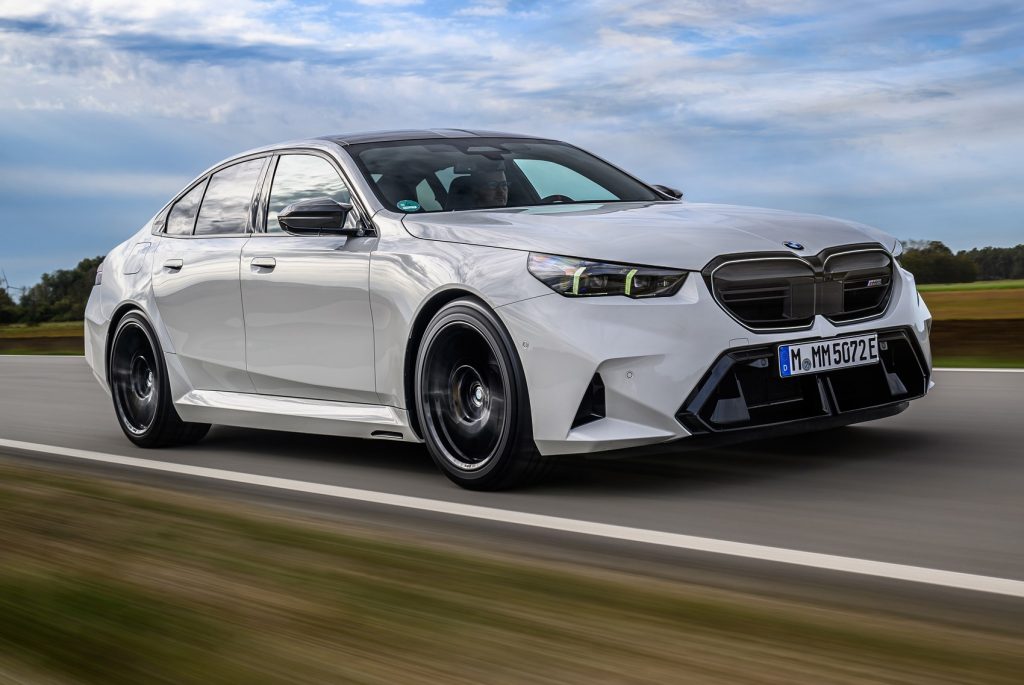
The M5’s all-wheel-drive system adds another dimension. Power is distributed dynamically between the front and rear wheels, requiring constant adjustments from the transmission.
This continuous activity means the gearbox is rarely operating under steady conditions. Instead, it is constantly adapting, which increases the complexity of its workload.
Driving behavior is perhaps the most influential factor in this case. The M5 is designed to be driven hard, and many owners take full advantage of its capabilities.
Rapid acceleration, high-speed driving, and performance-focused usage all contribute to increased wear. Unlike more conservative applications, this vehicle rarely allows the transmission to operate in a low-stress environment for long periods.
Heat management becomes critical under these conditions. High-performance driving generates substantial heat, and while the system includes advanced cooling solutions, maintaining optimal temperatures remains a challenge during sustained aggressive use.
Elevated temperatures can affect fluid quality and accelerate component wear if not properly managed.
Even routine maintenance takes on greater importance here. Regular fluid changes and careful monitoring are essential to preserve the transmission’s performance. Owners who adhere to strict maintenance schedules tend to achieve better longevity, while neglect can lead to earlier issues.
The M5 demonstrates the upper limits of what the ZF 8-speed transmission can handle. It delivers exceptional performance and responsiveness, but it does so in one of the most demanding environments possible.
As a result, its long-term durability is more dependent on usage patterns and maintenance than any other application in this ranking.
Also Read: 9 1970s Muscle Cars Now Selling for Supercar Money
