
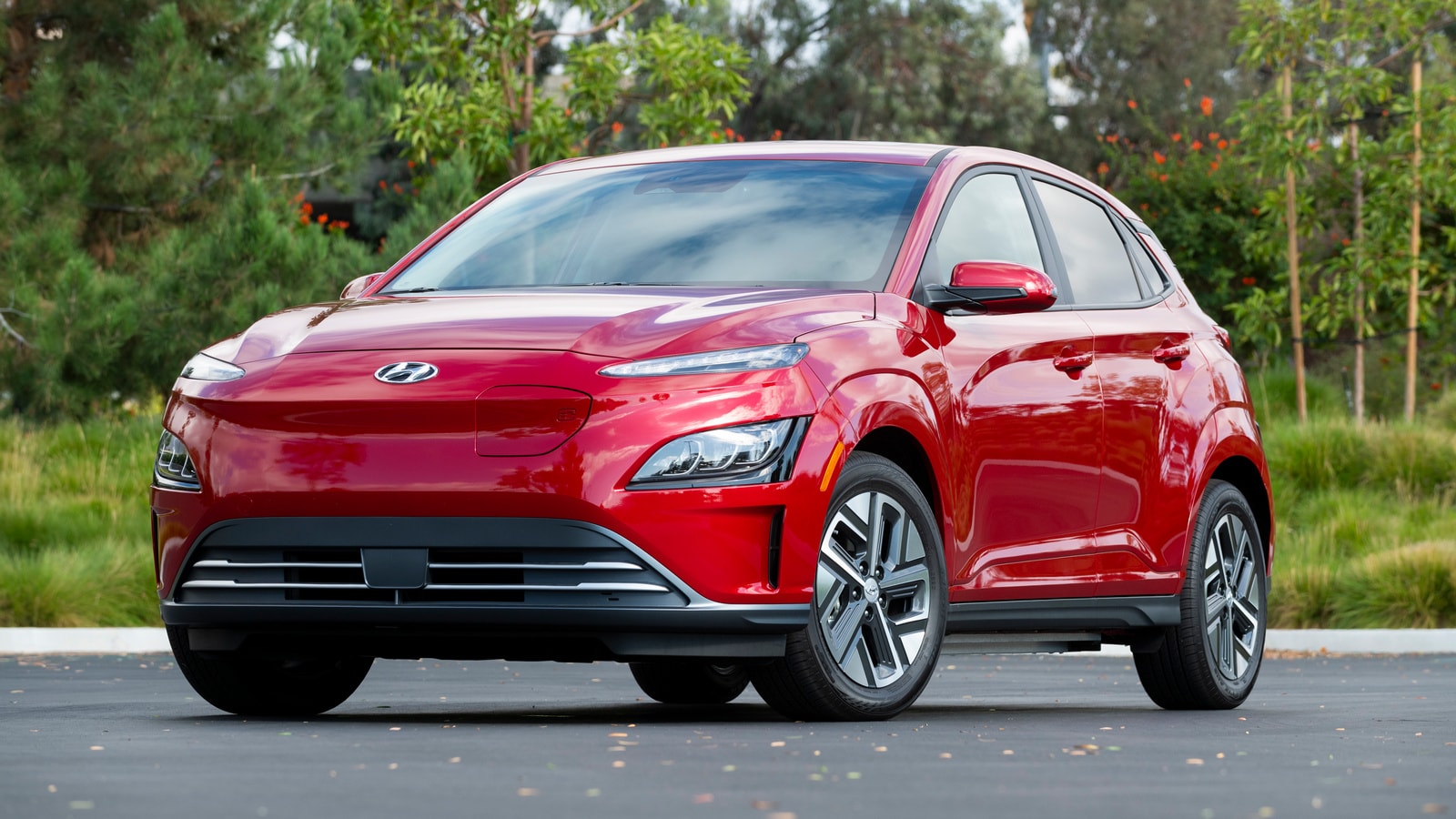
Electric vehicles have moved from being niche products to becoming a central part of the automotive industry. As adoption has increased, one concern has consistently remained at the forefront for buyers: battery longevity.
Unlike traditional internal combustion engines, where wear and tear are well understood, battery health introduces a different kind of uncertainty. This is where battery warranties become a critical factor in evaluating an EV.
Manufacturers recognized early on that confidence in battery durability would shape the success of electric mobility. As a result, many brands introduced extended battery warranties, often covering eight years or more, with guarantees tied to capacity retention.
These warranties not only protect owners from unexpected costs but also influence resale value and long-term ownership decisions.
By 2026, some electric vehicles from the late 2010s and early 2020s still carry active battery warranties, making them particularly attractive in the used market. These vehicles offer a combination of modern technology and financial reassurance, allowing buyers to experience electric driving without taking on significant risk.
Battery warranties vary in structure. Some focus on total years and mileage, while others include capacity thresholds that ensure the battery retains a certain percentage of its original performance. Understanding these differences is essential, as they directly affect how useful the warranty remains over time.
Another aspect to consider is how these warranties reflect the manufacturer’s confidence. Brands that offered longer or more comprehensive coverage often did so because of advancements in battery chemistry and thermal management systems. These improvements have contributed to better real-world durability, reinforcing trust in electric vehicles.
The following list highlights eleven EVs with some of the longest battery warranties still active in 2026.
Each vehicle represents a different approach to electric mobility, from compact city cars to larger premium models. Together, they demonstrate how battery warranty coverage has become a key part of the EV ownership experience.
Also Read: 8 Mid-Engine Exotics Outclassing Their Direct Rivals
1. Tesla Model 3 (Long Range)
The Tesla Model 3 Long Range remains one of the most influential electric vehicles of its time, and its battery warranty continues to play a major role in its appeal. Even in 2026, many units still fall within their original coverage period, offering reassurance to both current owners and prospective buyers.
The warranty structure focuses on both duration and capacity retention. Tesla designed it to ensure that the battery maintains a significant portion of its original performance over time. This approach reflects confidence in the company’s battery technology and thermal management systems.
Performance is closely tied to battery health, and the Model 3 continues to deliver strong acceleration and range. The Long Range variant, in particular, benefits from a larger battery pack, which reduces strain during regular use. This contributes to slower degradation compared to smaller battery setups.
Charging infrastructure also plays a role in preserving battery life. Tesla’s network encourages controlled charging patterns, which help maintain long-term performance. Owners who follow recommended practices often see consistent results over extended periods.
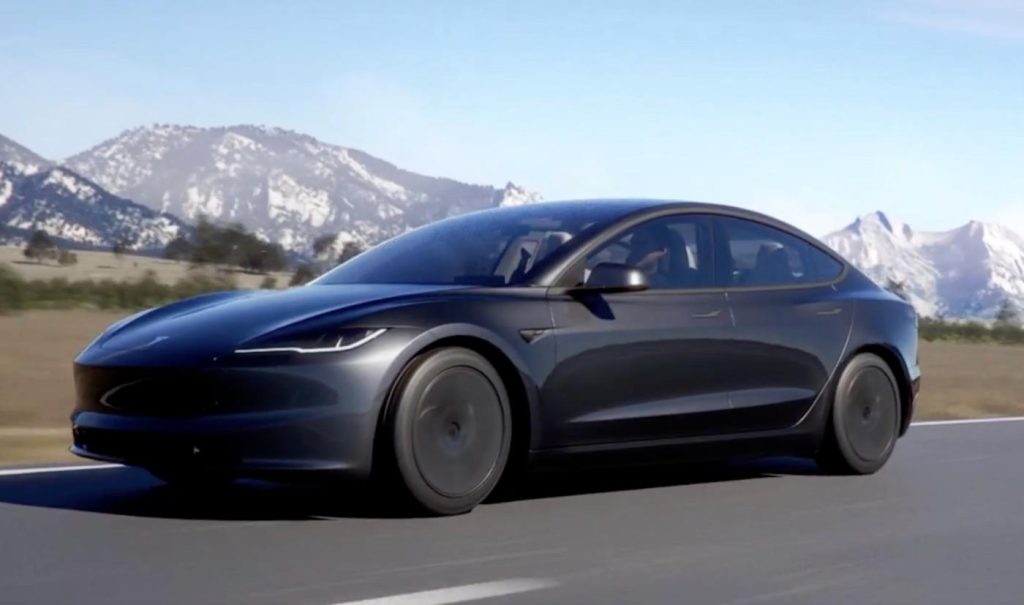
The driving experience remains engaging. Instant torque and responsive handling make the car feel quick and capable. Even years after its release, it competes effectively with newer electric vehicles in terms of real-world usability.
Interior design reflects a minimalist philosophy. While some features have evolved, the core layout remains functional. Over time, software updates have helped keep the system relevant, extending the car’s usability beyond its initial specifications.
Resale value is another area where the warranty has an impact. Buyers are more willing to consider used EVs when battery coverage is still active. This demand supports pricing and keeps the Model 3 competitive in the market.
The Model 3 Long Range demonstrates how a strong warranty can enhance the ownership experience. By combining performance, technology, and long-term support, it continues to be a compelling option for those entering the EV space.
2. Hyundai Kona Electric
The Hyundai Kona Electric approaches battery reliability with a focus on accessibility and confidence. Its warranty coverage has been one of the key reasons behind its strong reputation, and many units remain within that coverage window in 2026.
Hyundai structured its battery warranty to provide long-term assurance. This includes both time and mileage limits, along with capacity guarantees. Such coverage reduces concerns about degradation, making the car more appealing in the used market.
The battery system itself is designed for efficiency. It delivers a balance between range and durability, allowing the car to perform well in daily driving scenarios. Owners often report consistent performance, which reinforces trust in the vehicle.
Another important factor is thermal management. The Kona Electric uses systems that help regulate battery temperature, preventing excessive wear. This contributes to maintaining capacity over time, which is essential for long-term usability.
Driving characteristics are straightforward and practical. The car offers smooth acceleration and predictable handling, making it suitable for a wide range of drivers. It may not aim for high performance, but it delivers reliability in everyday conditions.
Interior design focuses on functionality. Controls are easy to understand, and the layout supports regular use without unnecessary complexity. This simplicity helps the car remain user-friendly even as technology evolves.
Ownership costs are relatively manageable. The combination of efficiency and warranty coverage reduces the financial burden associated with long-term use. This makes the Kona Electric a practical choice for those transitioning to electric vehicles.
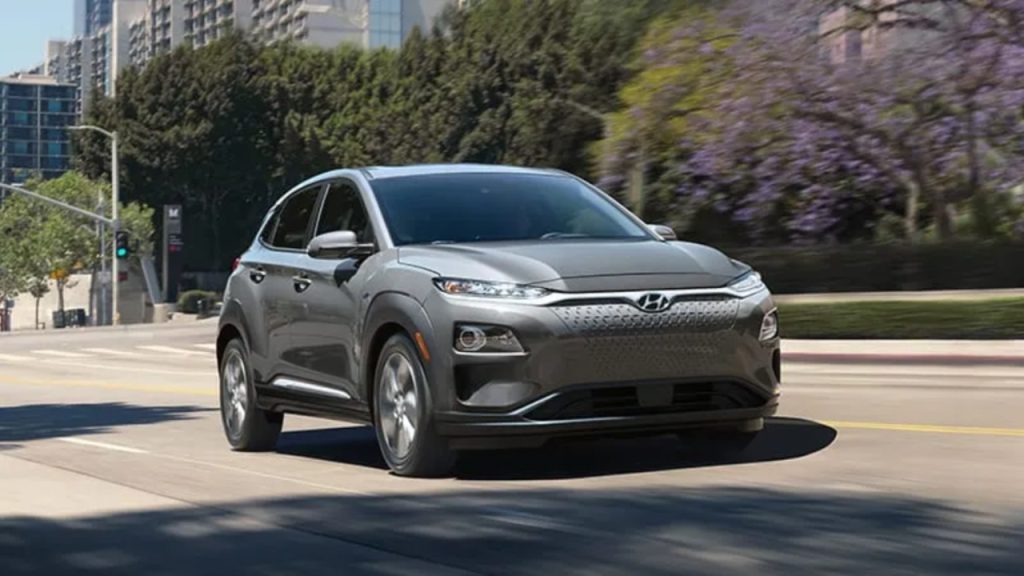
The used market has responded positively to this model. Buyers recognize the value of having an active battery warranty, especially when combined with Hyundai’s reputation for dependability.
The Kona Electric highlights how a well-structured warranty can influence perception. By addressing one of the biggest concerns in EV ownership, it continues to attract attention years after its introduction.
3. Kia e-Niro
The Kia e-Niro presents a case where practicality and long-term assurance come together in a way that continues to make sense in 2026. It was never positioned as a flashy electric vehicle, yet its battery warranty remains one of its strongest advantages years after launch.
Kia structured its coverage to provide confidence over extended ownership periods. The warranty includes both time and mileage limits along with a capacity retention promise, ensuring the battery does not degrade beyond a defined threshold. This type of protection plays a major role in keeping the car relevant in the used market.
What sets the e-Niro apart is how consistently it delivers usable range. The battery pack is not pushed to extremes, which helps preserve its health over time. Instead of focusing purely on peak numbers, it prioritizes efficiency and stability, which contributes to slower degradation.
Thermal management systems also support longevity. By maintaining stable operating temperatures, the battery avoids excessive stress during charging and driving. This reduces the risk of rapid capacity loss, a factor that many buyers consider when evaluating older EVs.
From a driving perspective, the e-Niro feels composed and predictable. Acceleration is smooth, making it easy to manage in daily traffic. It does not aim to feel aggressive, yet it remains responsive enough to handle various driving conditions comfortably.
Inside the cabin, the layout emphasizes clarity. Controls are intuitive, and the infotainment system remains functional without overwhelming the user. This straightforward design has aged well, as it avoids the complexity seen in some newer systems.
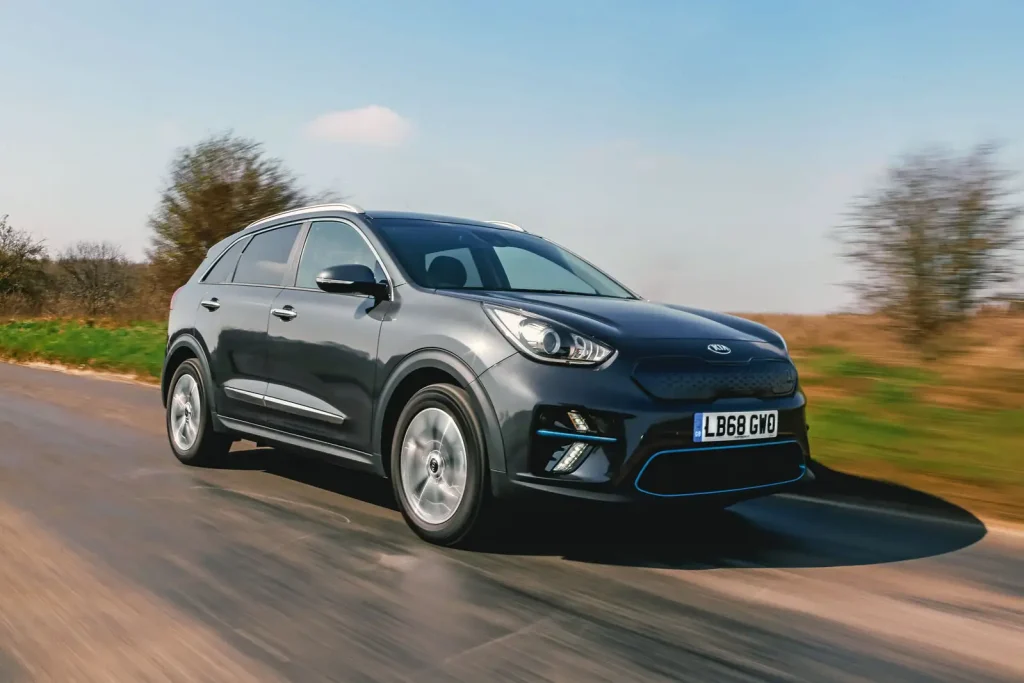
Ownership experience is another area where the e-Niro continues to perform strongly. Maintenance requirements are relatively low, and the active battery warranty adds an extra layer of reassurance. This combination makes it appealing to buyers who prioritize reliability.
Rather than relying on standout features, the e-Niro succeeds through consistency. Its ability to maintain performance, supported by a strong warranty, ensures that it remains a practical and dependable electric vehicle.
4. Chevrolet Bolt EV
The Chevrolet Bolt EV offers a different perspective on battery longevity, shaped by both its engineering and its history. In 2026, many units still carry active battery warranties, and in some cases, extended coverage due to battery replacements has added further value.
The warranty itself focuses on protecting battery capacity and functionality over time. Chevrolet designed it to address concerns about degradation, providing owners with a clear level of assurance. This structure has become even more significant given the model’s widespread availability in the used market.
One unique aspect of the Bolt EV is how battery updates have influenced its longevity. In several cases, battery replacements or improvements have effectively refreshed the vehicle’s core component. This has extended usability and strengthened buyer confidence.
Efficiency plays a major role in how the Bolt manages its battery. The car is designed to maximize range without placing excessive strain on the system. This balance contributes to maintaining consistent performance over extended periods.
Driving the Bolt EV feels straightforward. The instant torque provides quick acceleration in urban environments, making it well-suited for city use. While it is not positioned as a performance-focused EV, it remains responsive and practical.
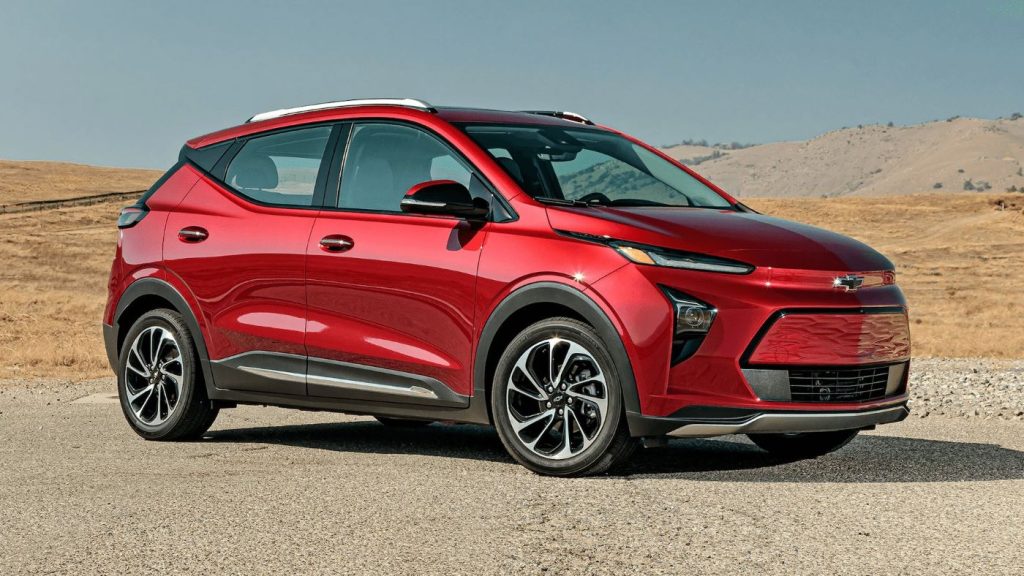
The interior reflects a functional approach. It may not feel luxurious, but it offers the essentials required for daily use. Over time, this simplicity has proven beneficial, as it reduces the likelihood of components feeling outdated.
Another factor supporting its relevance is accessibility. The Bolt EV has become one of the more affordable electric vehicles in the used market, and the presence of an active battery warranty increases its attractiveness. Buyers see it as a lower-risk entry into EV ownership.
Charging behavior also contributes to battery health. The car supports controlled charging patterns that help preserve long-term capacity. Owners who follow recommended practices often experience stable performance.
The Bolt EV demonstrates how a combination of warranty coverage and practical engineering can extend the life of an electric vehicle. It may not aim to impress with luxury or performance, but it delivers reliability and confidence where it matters most.
5. Nissan Leaf (Second Generation)
The second-generation Nissan Leaf reflects a careful evolution rather than a complete reinvention. By the time this version arrived, Nissan had already gathered years of real-world data from earlier models. That experience translated into improved battery durability, which is why many examples still carry active warranty coverage in 2026.
Unlike some competitors, the Leaf uses a relatively simple battery cooling approach. While this raised concerns initially, Nissan refined the system to better manage heat under normal driving conditions. In practice, this has resulted in more stable performance than expected, especially for drivers who avoid extreme usage patterns.
Warranty coverage focuses on capacity retention, ensuring the battery maintains a usable level of performance over time. This is particularly important for a car that is often used in daily commuting scenarios, where consistent range matters more than peak output.
The driving experience is tailored toward ease of use. Acceleration is smooth, and features like regenerative braking add convenience in urban environments. The Leaf does not aim to feel aggressive, but it delivers a predictable and relaxed experience that suits its purpose.
Inside, the cabin emphasizes functionality. Controls are straightforward, and the layout avoids unnecessary complexity. While some elements may feel dated compared to newer EVs, they remain usable and intuitive, which supports long-term ownership.
Another aspect that strengthens its position is familiarity. The Leaf has been widely adopted, and that widespread presence builds confidence among buyers. When combined with an active battery warranty, it becomes an approachable option for those entering the EV market.
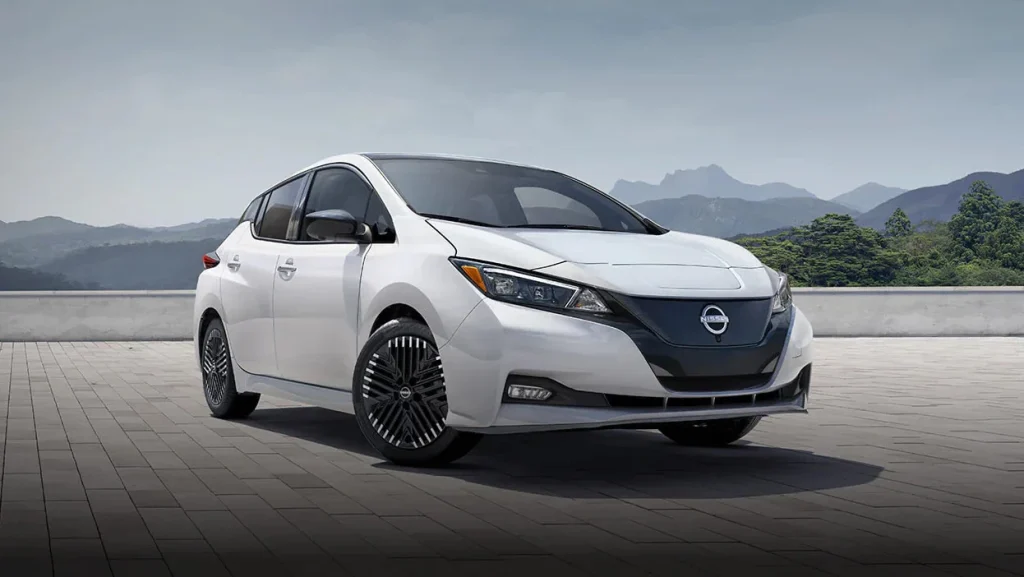
Charging habits influence how well the battery ages. Owners who follow moderate charging practices tend to see better long-term results, reinforcing the importance of user behavior alongside engineering.
The second-generation Leaf shows that incremental improvement can lead to lasting results. With a warranty that continues to provide reassurance, it remains a practical and dependable choice in 2026.
6. BMW i3
The BMW i3 stands apart from most electric vehicles due to its unconventional design and engineering approach. Despite its unique character, it has proven to be durable, and many units still benefit from active battery warranty coverage in 2026.
BMW focused heavily on weight reduction, using a carbon fiber structure that minimizes stress on the battery system. This approach indirectly supports battery longevity, as the vehicle requires less energy to operate efficiently.
The warranty structure provides protection for both battery health and performance. BMW’s confidence in its battery technology is reflected in this coverage, which has helped maintain buyer interest even years after production ended.
Driving the i3 feels different from traditional cars. Its compact size and instant torque make it highly responsive in city environments. The lightweight construction enhances agility, creating a driving experience that feels quick despite modest power figures.
The interior reinforces its distinct identity. Sustainable materials and a minimalist layout give it a modern feel that has aged surprisingly well. Instead of following conventional luxury trends, it offers a different kind of appeal.
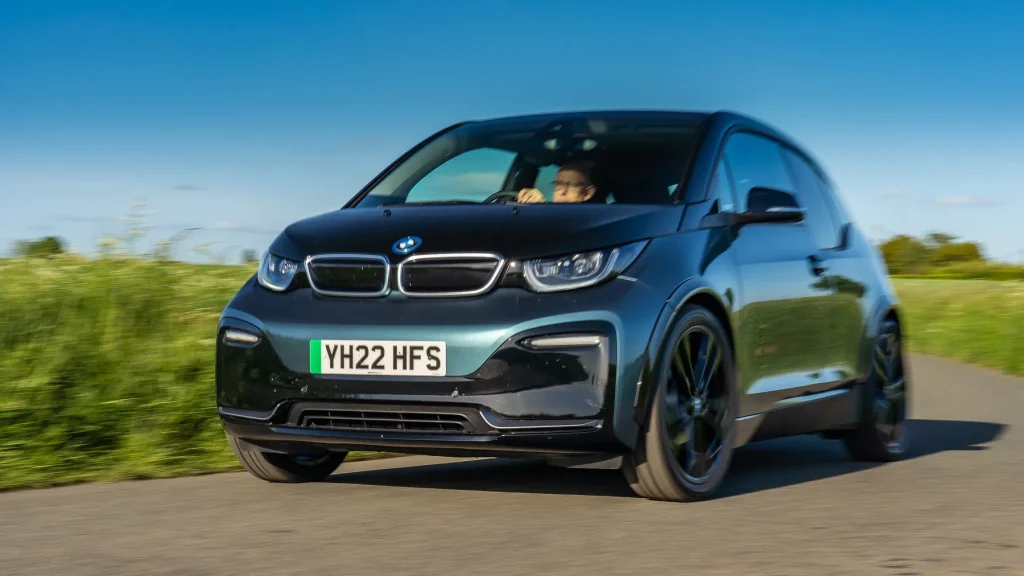
Battery management systems play a key role in its durability. The i3 regulates temperature and charging behavior effectively, helping to preserve capacity over time. This contributes to a consistent range, which is essential for daily usability.
Ownership experience is supported by relatively low maintenance requirements. While some specialized components exist, the system remains manageable. The presence of an active warranty further reduces concerns for potential buyers.
The i3 also benefits from its niche status. It attracts buyers who appreciate innovation and design, which helps sustain demand in the used market. This demand is strengthened by the reassurance provided by the battery warranty.
Rather than competing directly with mainstream EVs, the i3 offers a unique perspective on electric mobility. Its combination of engineering choices and warranty support allows it to remain relevant well into 2026.
7. Tesla Model S (Long Range Variants)
The Tesla Model S Long Range represents one of the earliest examples of a premium electric sedan that successfully combined range, performance, and long-term usability. Even in 2026, many later 2010s models still benefit from active battery warranty coverage, which continues to influence their desirability.
Tesla structured the warranty to include both mileage and capacity retention benchmarks. This ensures that the battery remains functional at a meaningful level rather than simply covering failure. That distinction matters, as it directly impacts real-world usability.
What keeps the Model S relevant is how well its battery system manages energy. The larger pack reduces stress during daily use, allowing the car to operate efficiently without frequent deep discharge cycles. This contributes to slower degradation compared to smaller battery setups.
Performance remains a defining trait. Even older Long Range variants deliver rapid acceleration, making them feel competitive with newer EVs. The consistency of that performance, supported by battery health, reinforces confidence in long-term ownership.
Interior design has evolved through updates, but the core layout remains recognizable. A large central display handles most functions, and software updates have helped extend usability. This adaptability allows the car to keep pace with newer systems to a certain extent.
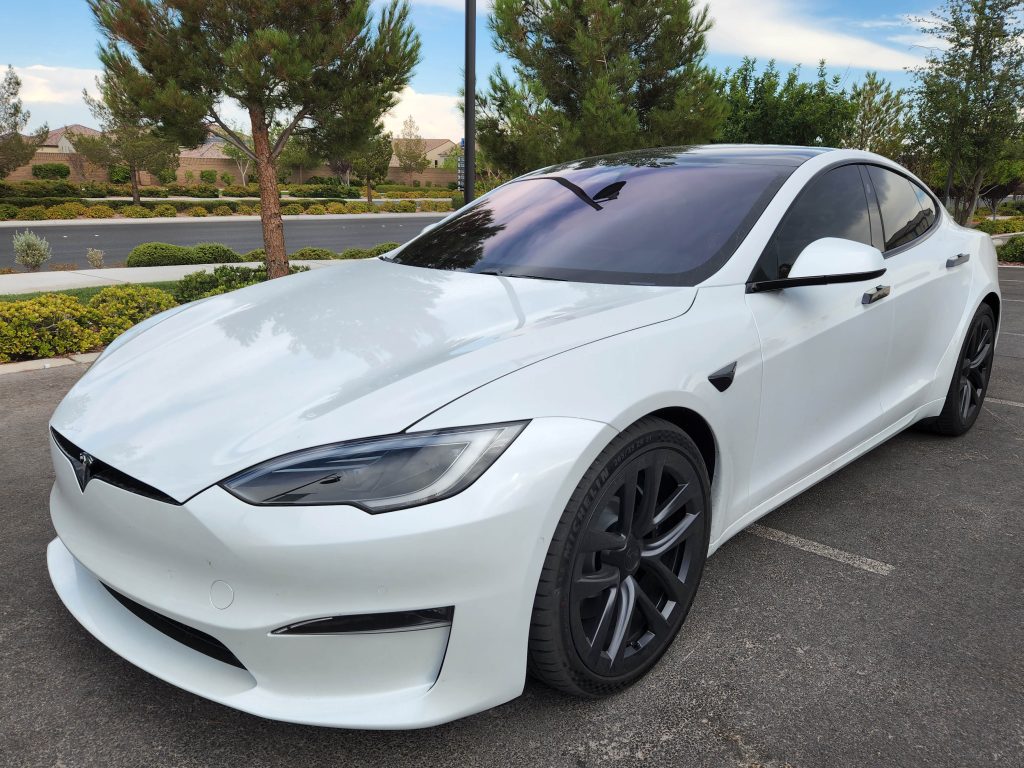
Charging infrastructure also plays a role. Access to Tesla’s network supports controlled charging habits, which can help maintain battery condition over time. Owners who follow recommended practices often see stable results.
Another factor is perception. The Model S is associated with innovation and long-range capability, and that reputation continues to support its position in the used market. Active warranty coverage strengthens that perception further.
Rather than relying solely on its past reputation, the Model S maintains relevance through a combination of engineering and support. Its battery warranty remains a key part of that equation.
8. Volkswagen ID.4
The Volkswagen ID.4 represents a newer generation of electric vehicles that were designed with long-term usability in mind from the beginning. As a result, many units still carry substantial battery warranty coverage in 2026, making them attractive in the used market.
Volkswagen structured the warranty to ensure both durability and capacity retention. This approach reflects advancements in battery chemistry and management systems, which aim to reduce degradation over time.
The battery system itself is designed for balance. Instead of pushing for extreme performance, it focuses on consistent output and efficiency. This helps maintain stable range figures, which is a key consideration for long-term ownership.
Driving the ID.4 feels composed and predictable. It prioritizes comfort, making it suitable for daily use. Acceleration is smooth, and the experience leans toward practicality rather than excitement.
Interior design follows a modern approach, with digital displays and simplified controls. While some aspects may feel less tactile than traditional layouts, the system remains functional and relatively easy to adapt to.
Thermal management plays a crucial role in battery longevity. The ID.4 uses systems that regulate temperature effectively, reducing stress on the battery during both charging and driving. This contributes to maintaining capacity over time.
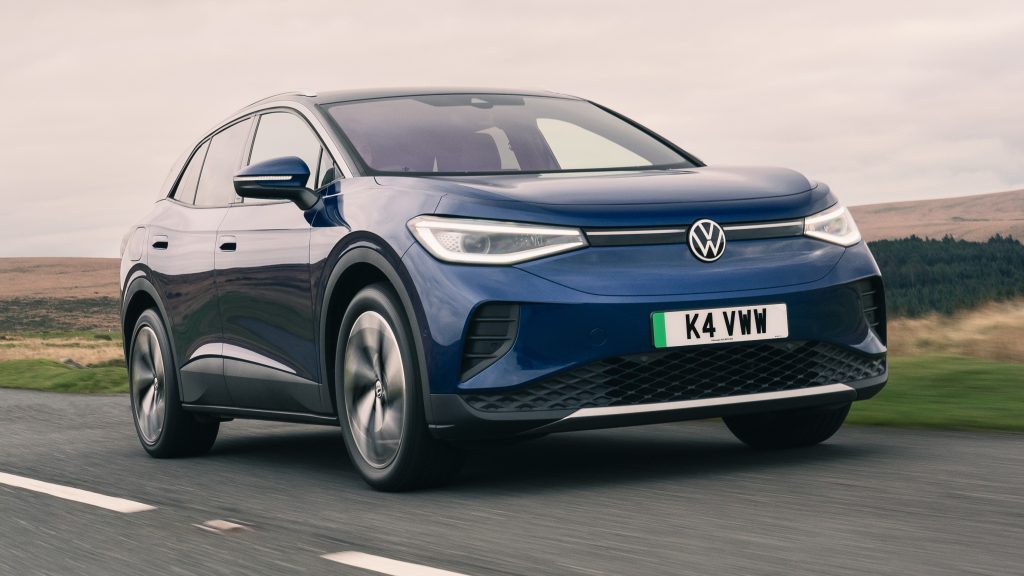
Another strength is brand familiarity. Volkswagen’s presence in global markets helps build confidence among buyers, and the structured warranty adds reassurance to that trust.
Ownership costs are also a factor. Efficiency and warranty coverage combine to create a manageable long-term experience, which is important for buyers considering a used EV.
The ID.4 shows how newer electric vehicles are being designed with longevity in mind. Its battery warranty is not just a safety net but a reflection of improved engineering standards.
9. Ford Mustang Mach-E
The Ford Mustang Mach-E represents a shift in how traditional performance brands approached electric vehicles. It combines recognizable styling with modern electric engineering, and its battery warranty remains a key factor in its continued appeal in 2026.
Ford designed the warranty to cover both time and mileage while also ensuring capacity retention within defined limits. This structure provides a clear sense of security for owners, particularly as battery health directly affects range and performance.
What makes the Mach-E stand out is how it balances performance with efficiency. The battery pack is engineered to deliver strong output without excessive strain, which helps maintain long-term durability. This balance contributes to consistent performance even after years of use.
Driving dynamics vary depending on configuration, but the car generally offers quick acceleration and stable handling. It feels responsive without being difficult to manage, making it suitable for a wide range of drivers.
Inside, the cabin reflects a modern approach. A large central display controls most functions, and the layout prioritizes simplicity. While heavily digital, the system remains usable, which helps it age better than more complicated setups.
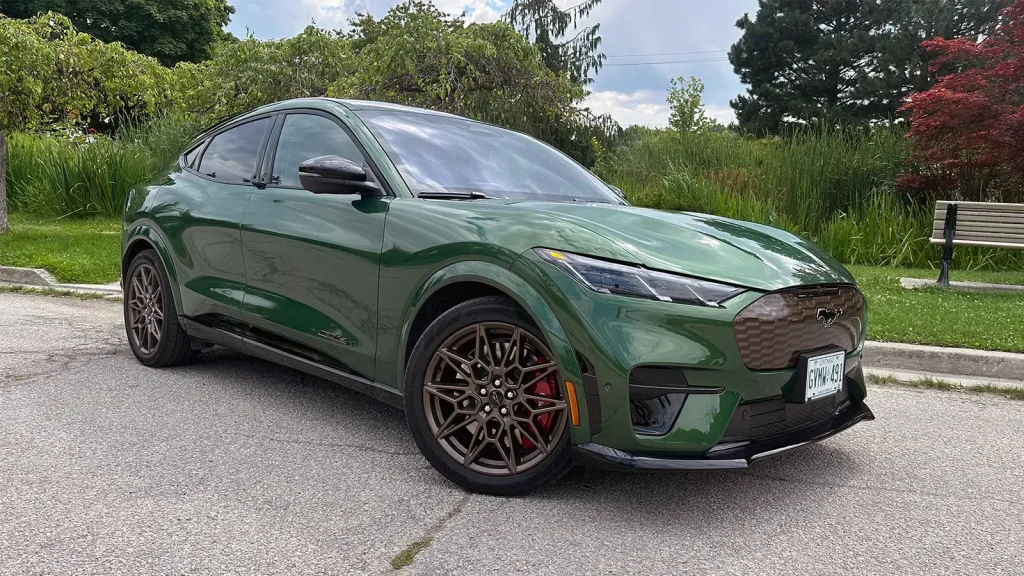
Thermal management systems support battery longevity by maintaining stable operating conditions. This reduces degradation and ensures that the car continues to deliver reliable range figures.
Another aspect that strengthens its position is familiarity. The Mustang name carries recognition, and this association helps attract buyers who might otherwise hesitate to adopt an EV. Combined with warranty coverage, it creates a sense of trust.
The Mach-E demonstrates how a blend of branding, engineering, and support can sustain relevance. Its battery warranty plays a central role in maintaining that confidence.
10. Hyundai Ioniq Electric
The Hyundai Ioniq Electric takes a more efficiency-focused approach compared to many other EVs. Rather than chasing maximum power or range figures, it emphasizes consistent performance and low energy consumption. This philosophy has helped its battery system age well, and many units still benefit from active warranty coverage in 2026.
Hyundai structured the warranty to provide long-term assurance, including capacity guarantees that protect against excessive degradation. This coverage remains one of the strongest selling points for the car in the used market.
The battery itself is designed to operate within efficient parameters. By avoiding extreme stress, it maintains stability over time. This approach may limit peak performance, but it supports durability, which becomes more valuable as the car ages.
Driving the Ioniq Electric feels smooth and predictable. Acceleration is adequate for daily use, and the car handles urban environments with ease. It is not intended to feel sporty, yet it remains responsive enough for practical driving.
Interior design focuses on clarity. Controls are easy to access, and the layout avoids unnecessary complexity. This simplicity ensures that the cabin remains functional even as newer technologies emerge.
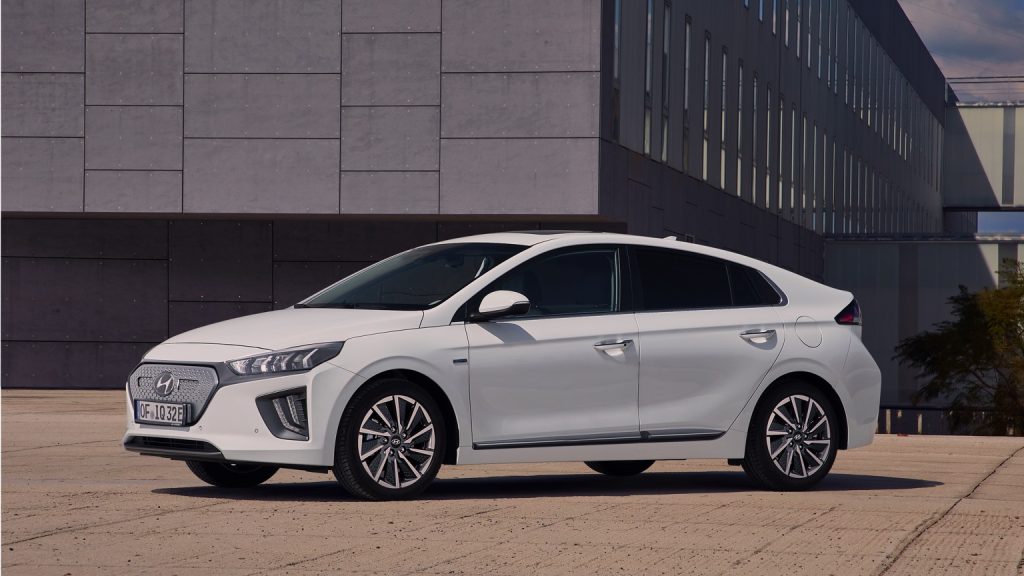
Charging behavior also contributes to battery health. The system supports controlled charging patterns that help preserve capacity. Owners who follow recommended practices often experience consistent results.
Another factor is affordability. The Ioniq Electric has become an accessible option in the used market, and the presence of an active battery warranty increases its appeal. Buyers see it as a low-risk entry into electric mobility.
The Ioniq Electric shows that efficiency and careful engineering can lead to long-term reliability. Its warranty reinforces that strength, making it a dependable choice.
11. Kia EV6
The Kia EV6 represents a more advanced generation of electric vehicles, combining modern design with improved battery technology. In 2026, many examples still have substantial warranty coverage remaining, which enhances their attractiveness in the market.
Kia structured the battery warranty to reflect confidence in its newer platform. It includes both time and mileage limits along with capacity retention guarantees, ensuring that the battery continues to perform within expected parameters.
The EV6 benefits from improved battery chemistry and management systems. These advancements reduce degradation and allow for more consistent performance over time. This makes the warranty not just a safety measure but a reflection of underlying engineering quality.
Performance is one of its defining traits. The EV6 delivers quick acceleration and stable handling, creating a driving experience that feels modern and engaging. Despite this performance, the system is designed to maintain efficiency, balancing excitement with practicality.
Inside, the cabin features a contemporary layout with dual displays and a focus on user experience. The interface remains responsive and intuitive, which helps it stay relevant as technology evolves.
Thermal management plays a crucial role in maintaining battery health. The EV6 uses advanced systems to regulate temperature, reducing stress during both charging and driving. This contributes to preserving capacity over time.
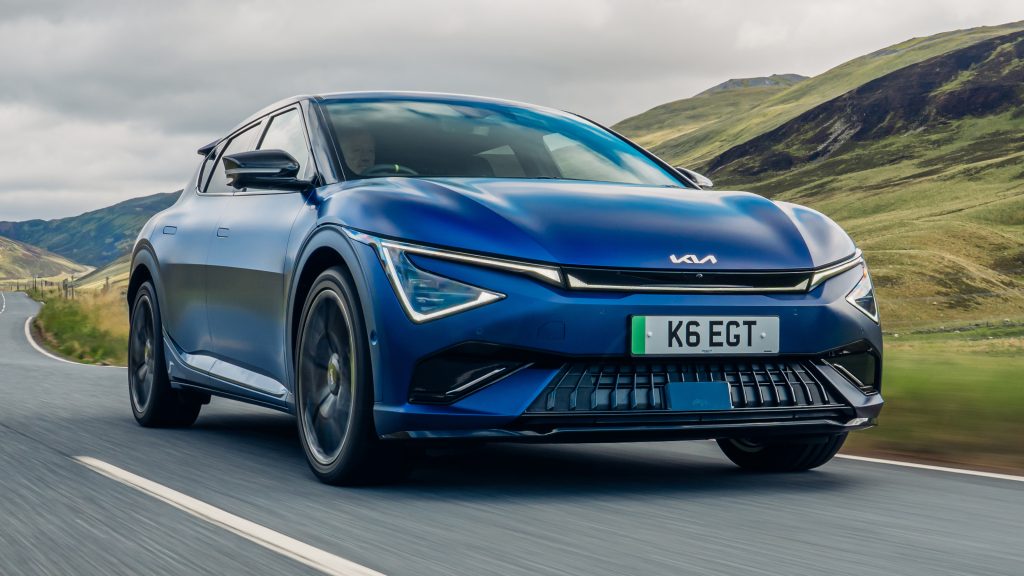
Another important aspect is charging capability. Faster charging options reduce the time spent at charging stations, while controlled systems help maintain battery condition. This combination enhances usability without compromising longevity.
The EV6 also benefits from growing brand recognition. Kia’s progress in the EV space has strengthened trust, and the warranty adds another layer of confidence for buyers.
The EV6 demonstrates how newer electric vehicles are pushing both performance and durability forward. Its battery warranty reflects this progress, ensuring that it remains a strong option well into the future.
Also Read: 8 Engines Where a Single Failed Sensor Triggers $5,000 in Damage
