
Compact cars have long held a special place in the global automotive market due to their affordability, fuel efficiency, and ease of maintenance. In 2026, despite the rapid rise of SUVs and electric vehicles, compact cars continue to dominate as dependable daily drivers for millions of households.
What truly sets a few models apart, however, is not just their popularity or fuel economy, but their ability to survive across multiple generations of owners while maintaining reliability, safety, and performance.
A car that survives three generations of ownership typically means it has been passed down within families or repeatedly resold over decades while still functioning reliably. This level of endurance is rare and is usually associated with strong engineering, simple yet durable powertrains, and a design philosophy focused on longevity rather than short-term innovation.
Brands like Toyota, Honda, and Mazda have consistently dominated this category due to their commitment to mechanical simplicity and proven technology.
In this article, we explore 8 compact cars that have demonstrated exceptional long-term survival rates in 2026. These vehicles are not just popular for their initial affordability but are also known for reaching 200,000 to 300,000 miles or more with proper maintenance. Many of them have been handed down from parents to children and even grandchildren, proving their durability across decades of real-world use.
We will examine why these compact cars have lasted so long, what makes them mechanically reliable, and how they continue to perform in modern driving conditions.
From legendary models like the Toyota Corolla and Honda Civic to underrated but durable options like the Mazda3 and Hyundai Elantra, each vehicle on this list has earned its reputation through consistent performance and low long-term ownership costs.
Understanding why these cars last so long is not just useful for buyers, but also for anyone interested in automotive engineering and reliability trends. Factors such as engine design, transmission type, maintenance simplicity, and manufacturing quality all play a role in determining whether a car survives one generation or three.
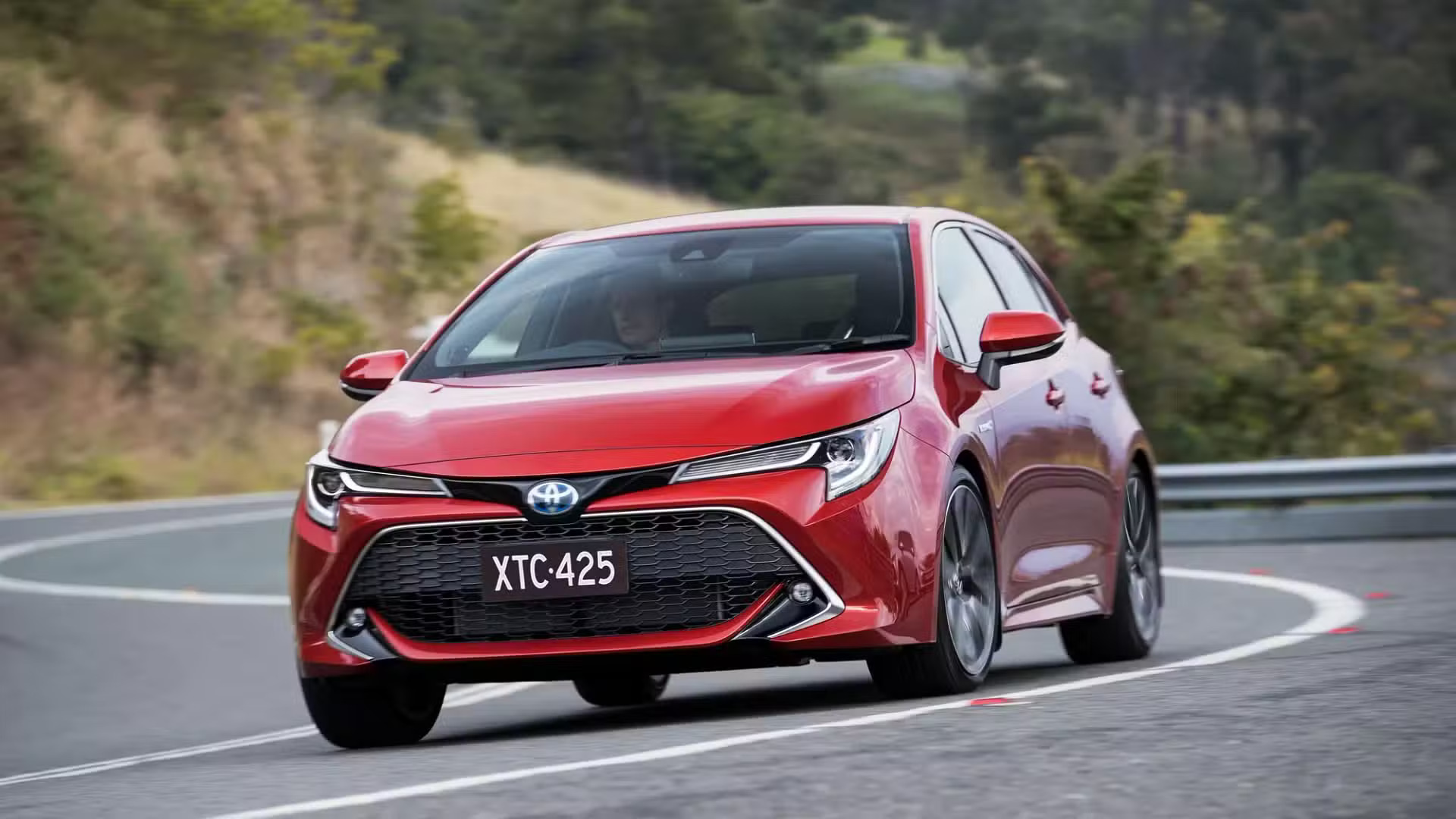
1. Toyota Corolla
The Toyota Corolla is widely regarded as the most reliable compact car in automotive history, and its reputation in 2026 remains stronger than ever. Since its introduction in 1966, the Corolla has gone through numerous generations, yet its core philosophy has never changed: deliver simple, efficient, and extremely durable transportation.
This consistency is one of the main reasons the Corolla is so frequently passed down through families across three generations. In many households, it is not unusual to see a Corolla bought by grandparents still being used by grandchildren decades later, often with only routine maintenance and minor repairs.
One of the key strengths of the Corolla lies in its extremely conservative engineering approach. Toyota deliberately avoids overcomplicating its powertrains, instead focusing on naturally aspirated engines and well-tested automatic or manual transmissions.
This means fewer failure points and lower long-term mechanical stress. Unlike many modern vehicles that rely heavily on turbochargers and complex electronics, the Corolla is built around long-term dependability rather than short-term performance gains. This philosophy allows the vehicle to consistently reach 250,000 to 300,000 miles or more when maintained properly.
Another major factor contributing to its generational survival is the global availability of parts and servicing. Because the Corolla is one of the best-selling cars in history, spare parts are widely available almost everywhere in the world, often at very low cost.
This makes it easy for owners to repair rather than replace the vehicle. In rural and urban areas alike, mechanics are highly familiar with Corolla systems, which reduces diagnostic time and repair costs. This accessibility plays a huge role in why families continue to keep the car running instead of upgrading to newer models.
Fuel efficiency is another important advantage that supports long-term ownership. Even older Corolla models remain surprisingly economical compared to many modern vehicles, especially in mixed driving conditions.
This reduces the cost of ownership over decades, making it financially sensible for families to retain the vehicle across generations. Combined with its low insurance costs and high resale value retention, the Corolla becomes more of a long-term asset than a depreciating product.
Finally, the Corolla has proven its durability across different climates and road conditions worldwide. Whether driven in hot deserts, cold winters, or congested city traffic, it consistently performs with minimal issues. This adaptability ensures that even as ownership passes from one generation to the next, the car continues to function reliably without requiring major structural or mechanical overhauls.
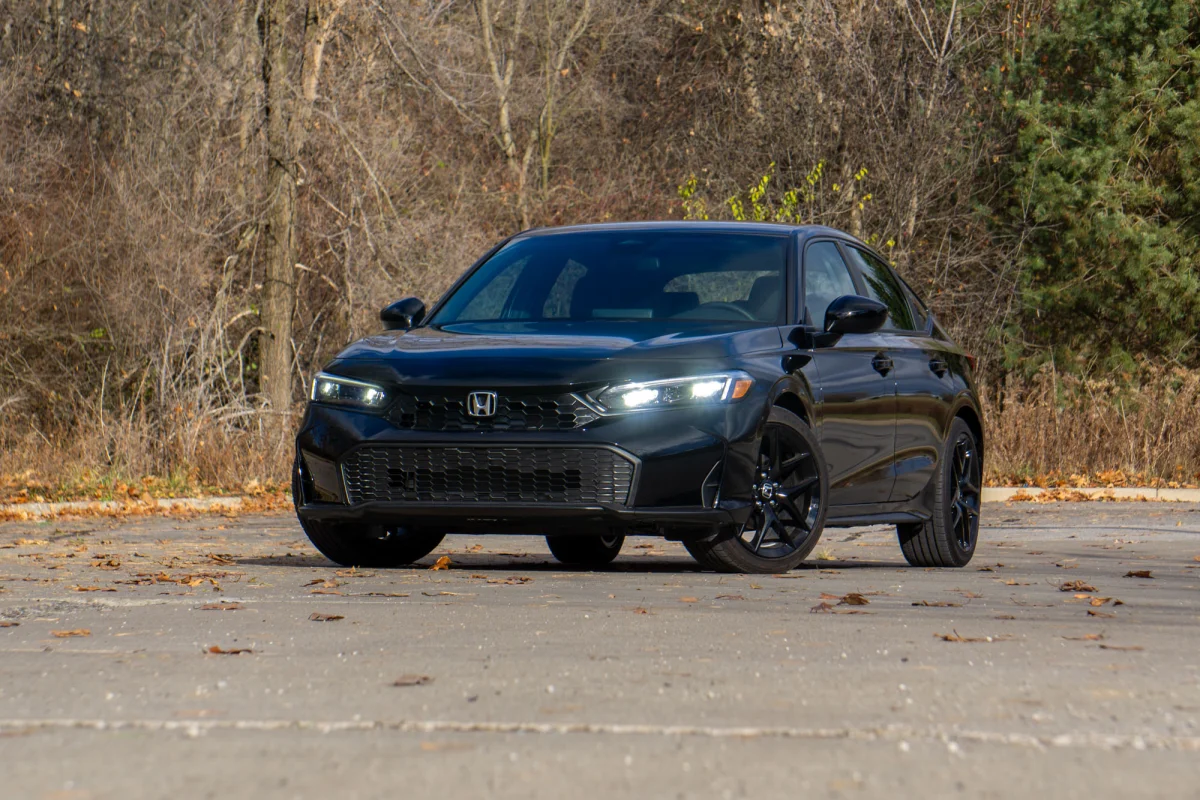
2. Honda Civic
The Honda Civic has built an equally strong reputation for longevity, making it one of the most trusted compact cars for multi-generational ownership in 2026. Since its launch in 1972, the Civic has evolved from a simple economy car into a globally respected compact vehicle that balances efficiency, performance, and long-term durability.
What makes the Civic particularly special is its ability to remain mechanically reliable while still offering a more engaging driving experience compared to many competitors in its class.
At the heart of the Civic’s durability is Honda’s engineering philosophy, which emphasizes precision and mechanical efficiency. The engines, especially the naturally aspirated four-cylinder variants found in many older generations, are known for their ability to run smoothly for extremely high mileage periods.
With proper maintenance, it is not uncommon for Civics to exceed 200,000 to 300,000 miles without requiring major engine overhauls. This makes them ideal candidates for long-term family ownership, where the same vehicle may be driven across decades by different generations.
Another major strength of the Civic is its relatively simple mechanical layout compared to more modern compact cars. While newer models include advanced electronics and turbocharged engines, older Civic generations were built with straightforward systems that are easier to repair and maintain.
This simplicity ensures that even as the vehicle ages, repair costs remain manageable. Many mechanics around the world are deeply familiar with Civic platforms, which further increases its long-term serviceability.
The Civic also benefits from a strong enthusiast and community support base. Because it has been popular for so many years, there is extensive documentation, aftermarket support, and shared knowledge available for maintenance and restoration.
This means that even older Civics can be kept in excellent condition for decades with relatively low effort. In many cases, younger family members inherit Civics and are able to maintain them using widely available resources and affordable parts.
In addition, the Civic retains strong resale value, which indirectly contributes to its generational survival. Instead of being discarded early, many owners choose to either sell or pass the car down because it still holds value in the used car market. This cycle of retention and reuse is one of the key reasons the Civic continues to appear across multiple generations within families.
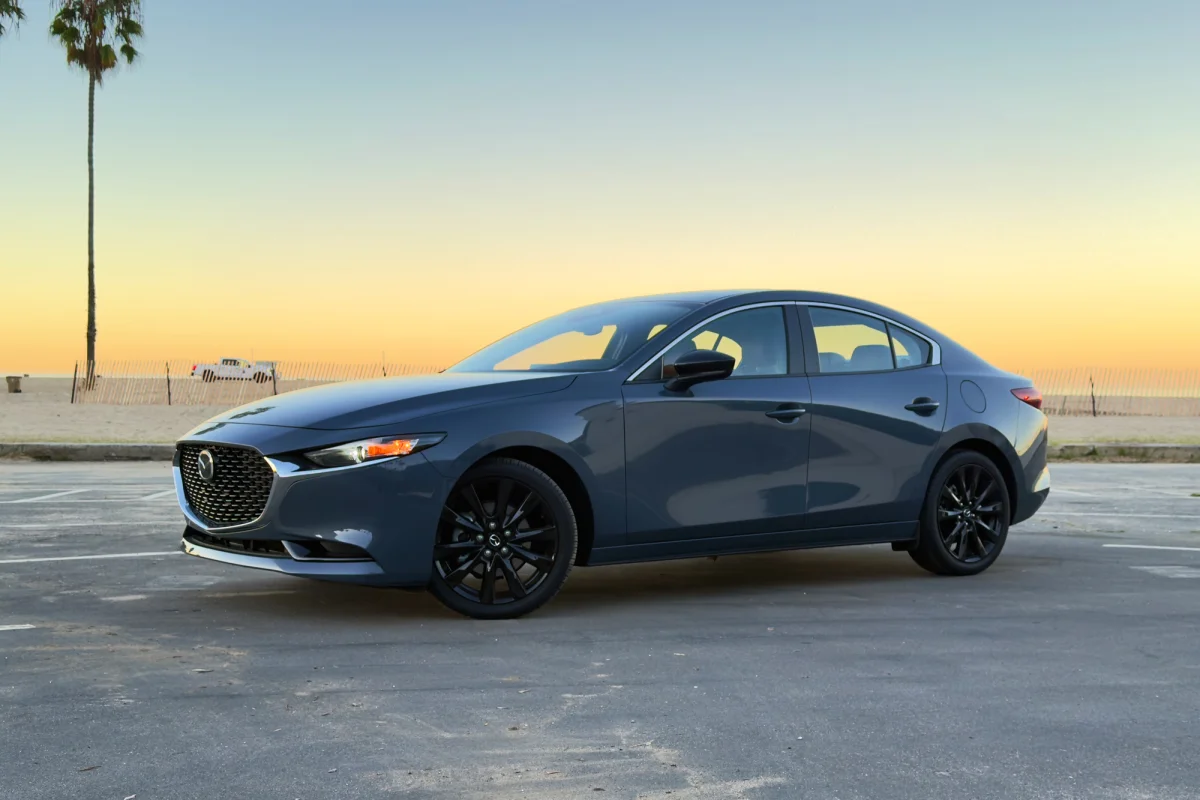
3. Mazda3
The Mazda3 has quietly built a strong reputation as one of the most durable and well-engineered compact cars available in 2026. While it may not have the same decades-long legacy as Toyota or Honda, it has proven itself as a vehicle capable of surviving long-term ownership cycles, including being passed down through multiple generations.
Mazda’s focus on driving dynamics combined with reliability has made the Mazda3 a unique player in the compact car segment.
One of the main reasons the Mazda3 lasts so long is Mazda’s Skyactiv engineering philosophy. This approach focuses on optimizing every aspect of the engine and drivetrain for efficiency and durability.
Instead of relying on overly complex turbocharged systems in many of its base models, Mazda has emphasized high compression naturally aspirated engines that deliver both performance and longevity. This careful balance reduces internal stress on components, allowing the engine to maintain consistent performance over high mileage.
The Mazda3 also benefits from strong chassis engineering. Its body structure is designed with rigidity and lightweight efficiency in mind, which reduces wear on suspension and steering components over time.
This means that even after years of daily driving, the vehicle maintains stable handling characteristics. This structural durability is especially important in ensuring that the car remains safe and reliable when passed down between generations.
Another contributing factor is Mazda’s improved rust protection and build quality in recent generations. Older compact cars often suffered from corrosion issues, but Mazda has significantly improved its manufacturing standards. This ensures that the Mazda3 remains structurally sound even after long exposure to varying climates. Families living in regions with harsh winters or humid conditions particularly benefit from this improvement.
Maintenance simplicity also plays a role in the Mazda3’s longevity. While it offers a more premium driving experience compared to some competitors, it does not rely on overly complex systems that are expensive to repair. Routine servicing is straightforward, and parts are generally accessible, which encourages long-term ownership instead of early replacement.
Also read: 5 Cars Designed For Long Trips And 5 That Get Tiring After An Hour In 2026
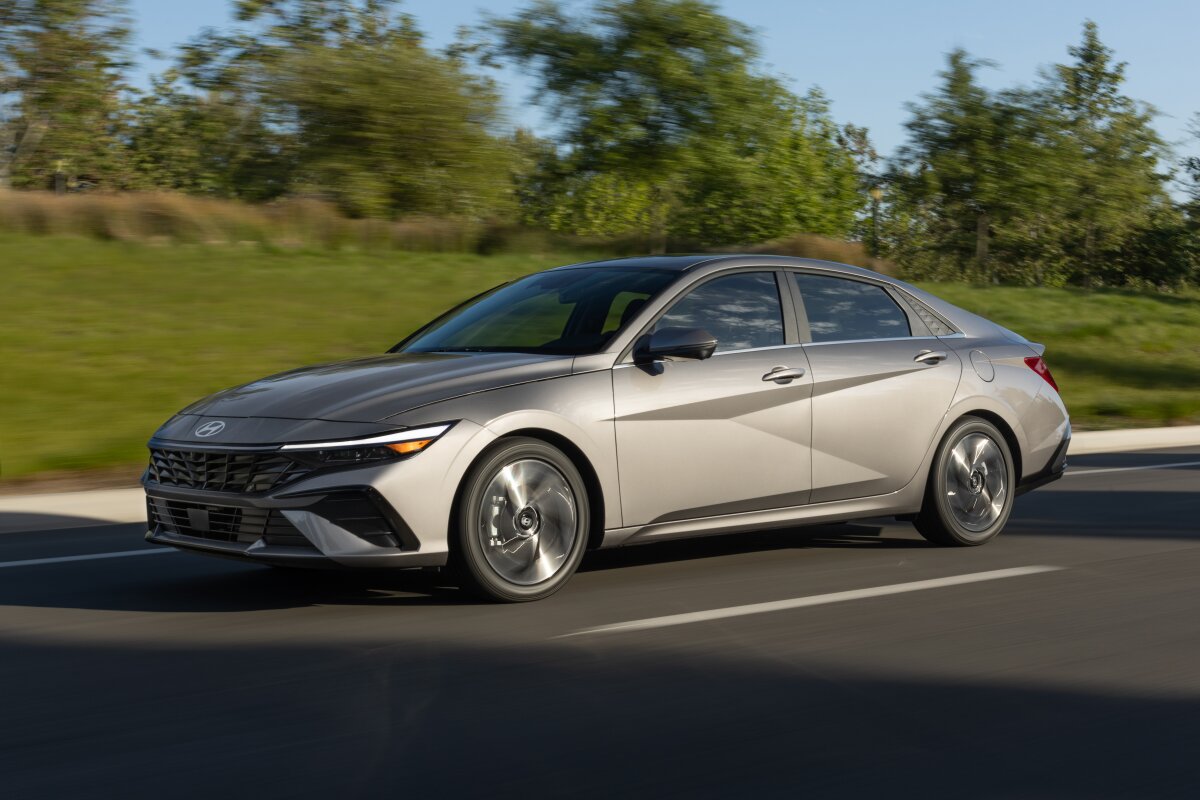
4. Hyundai Elantra
The Hyundai Elantra represents one of the most impressive transformations in the compact car segment, evolving from a budget-friendly option with mixed reliability to a strong contender capable of surviving multi-generational ownership in 2026.
Modern Elantra models have significantly improved in build quality, engine durability, and long-term dependability, making them a realistic choice for families looking for a car that can last decades.
One of the biggest improvements in the Elantra is its engine reliability. Hyundai has invested heavily in refining its powertrain technology, focusing on improving thermal efficiency, reducing internal wear, and enhancing long-term durability.
As a result, newer Elantra engines are capable of reaching high mileage thresholds when maintained properly. This has helped shift the brand’s reputation from short-term affordability to long-term dependability.
Transmission reliability has also improved significantly. Earlier generations sometimes faced issues with automatic gearboxes, but modern versions have been engineered for smoother operation and longer service life. This improvement plays a crucial role in ensuring that the vehicle can survive multiple ownership cycles without major drivetrain failures.
Affordability is another key factor that contributes to the Elantra’s generational survival. Because it is relatively inexpensive to purchase and maintain, owners are more likely to invest in regular servicing rather than replacing the vehicle early. This consistent maintenance behavior is essential for long-term durability, as it allows the car to remain in good condition even after many years of use.
Hyundai’s extended warranty programs have also indirectly improved long-term reliability. By covering major components for longer periods, early issues are addressed before they become severe. This leads to better-maintained vehicles entering the used car market, which increases their chances of being passed down or reused within families.
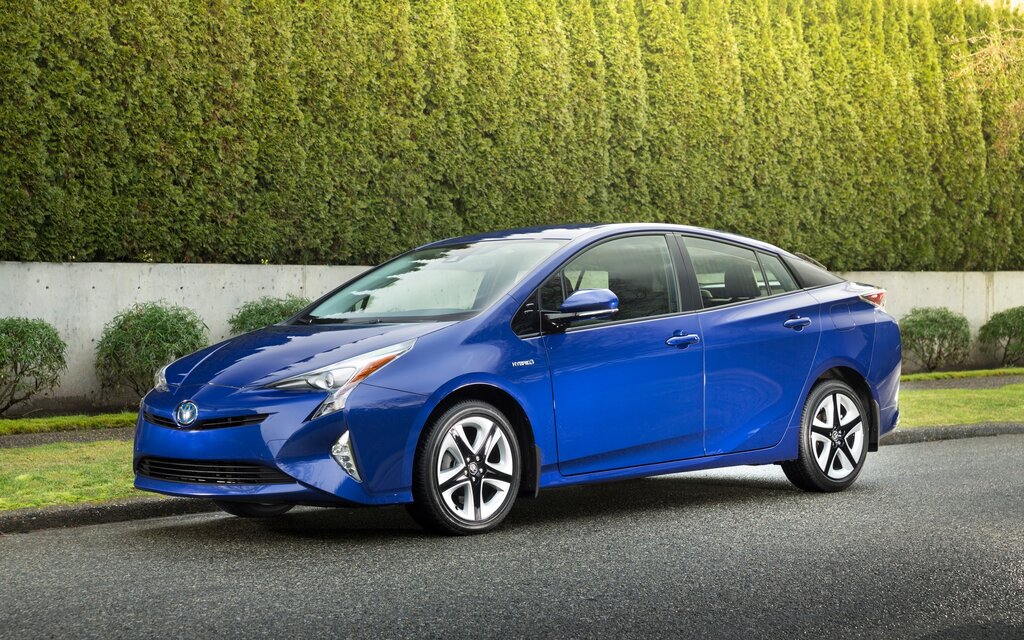
5. Toyota Prius
The Toyota Prius stands as one of the most reliable hybrid compact cars ever produced, and in 2026, it continues to demonstrate exceptional longevity across multiple generations of ownership. Since its introduction, the Prius has become synonymous with hybrid efficiency, but what many people overlook is its impressive long-term durability.
Many Prius vehicles have exceeded 250,000 miles while still operating efficiently, making them ideal candidates for multi-generational use.
The hybrid system in the Prius is one of the most refined in the automotive industry. Toyota engineered it with durability in mind, ensuring that both the gasoline engine and electric motor work together efficiently with minimal strain.
Unlike traditional vehicles that rely heavily on mechanical braking, the Prius uses regenerative braking, which significantly reduces wear on brake components. This contributes to lower maintenance costs and longer lifespan.
Another major factor in the Prius’s longevity is the durability of its battery systems. While hybrid batteries were once considered a weak point in early generations, Toyota has made significant improvements in battery chemistry and thermal management.
As a result, modern Prius batteries are capable of lasting many years, often matching the lifespan of the vehicle itself under normal usage conditions.
The Prius is also widely used in commercial environments such as taxi fleets and rideshare services. These high-mileage applications serve as real-world durability tests, proving that the vehicle can withstand continuous heavy usage without major mechanical failure.
This commercial reliability translates directly into confidence for private owners who intend to keep the car within their families for decades.
Finally, the Prius benefits from Toyota’s reputation for reliability and its global support network. Parts availability, mechanic familiarity, and low maintenance requirements all contribute to its ability to survive across generations. For many families, a Prius is not just a fuel-efficient car, but a long-term investment in sustainable and dependable transportation.
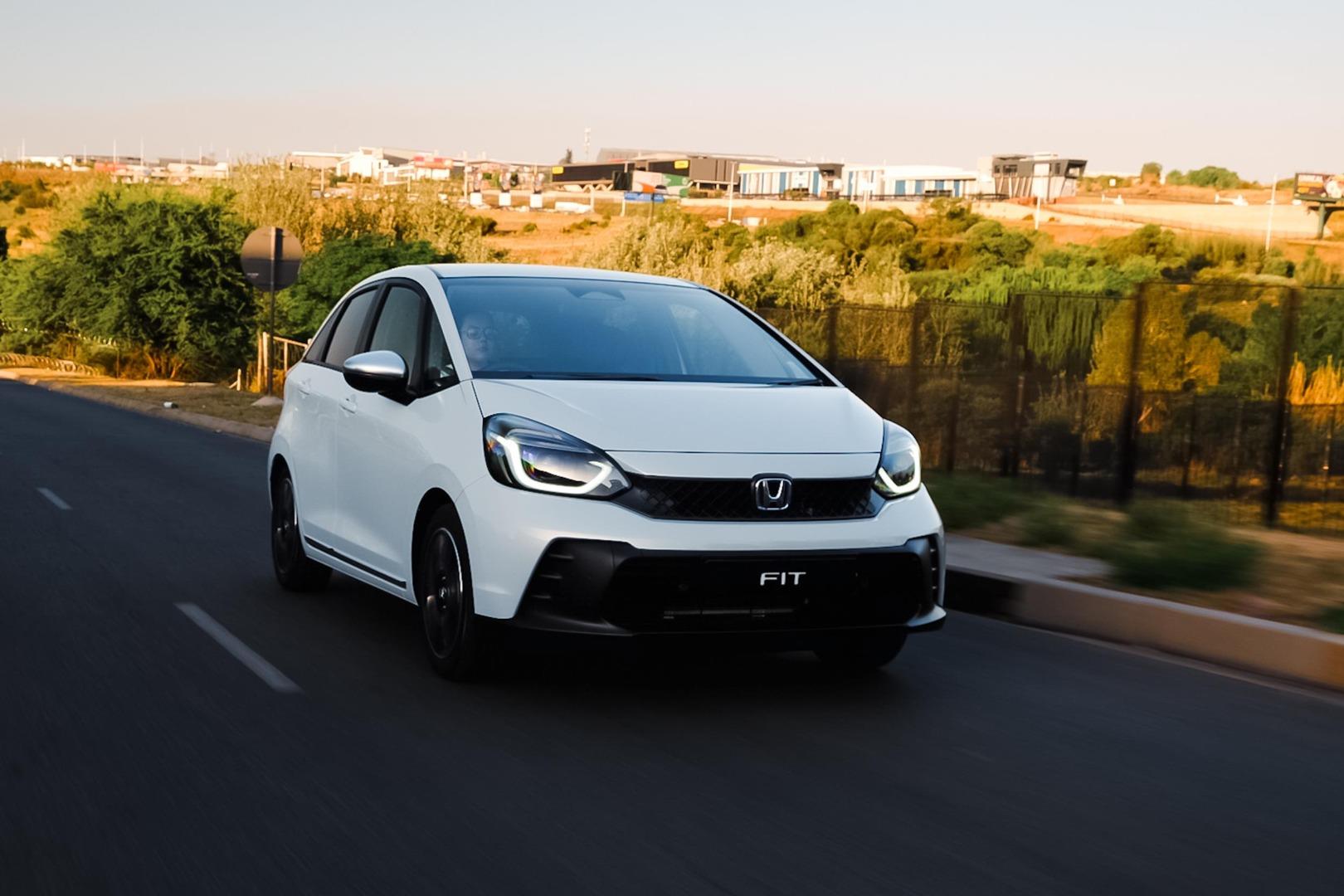
6. Honda Fit
The Honda Fit has earned a strong reputation as one of the most practical and surprisingly durable compact hatchbacks ever produced. While it is often recognized for its compact exterior and highly efficient use of space, its real strength lies in its long-term mechanical reliability and ability to survive across multiple generations of ownership.
In 2026, the Honda Fit continues to be a favorite among urban families who need a small but dependable vehicle that can easily last for decades with proper care. Its design philosophy prioritizes functionality and simplicity, which directly contributes to its long lifespan.
One of the most important reasons the Honda Fit lasts so long is its highly efficient and low-stress engine design. Honda engineered the Fit with small displacement engines that are not overworked during daily driving conditions. This reduces internal wear and tear over time, allowing the engine to maintain consistent performance even after high mileage use.
Many Fit vehicles are known to exceed 200,000 miles without requiring major engine repairs, provided that routine oil changes and servicing are followed. This makes it an ideal candidate for families who intend to pass the vehicle down from one generation to another.
Another key factor is its lightweight construction, which significantly reduces strain on mechanical components. Because the vehicle does not carry unnecessary weight, the suspension, brakes, and drivetrain experience less stress compared to heavier vehicles.
This contributes to slower wear rates and reduces the frequency of major repairs. Even after years of daily driving in congested urban environments, the Honda Fit tends to maintain its structural integrity and driving stability, making it a reliable long-term asset.
The Fit is also known for its extremely versatile interior design, which indirectly contributes to its longevity in families. Its flexible seating arrangements and spacious cargo capacity make it useful for a wide variety of purposes, from daily commuting to family travel and small business use.
This versatility ensures that owners are less likely to replace it quickly, as it continues to serve multiple needs over time. As a result, the vehicle often remains in families longer than many other compact cars.
In addition, maintenance costs for the Honda Fit are relatively low, which encourages long-term ownership. Parts are widely available, and the vehicle is simple enough for most mechanics to service without specialized tools.
This accessibility ensures that even as the car ages, it remains affordable to maintain, increasing its chances of being passed down across generations instead of being discarded prematurely.
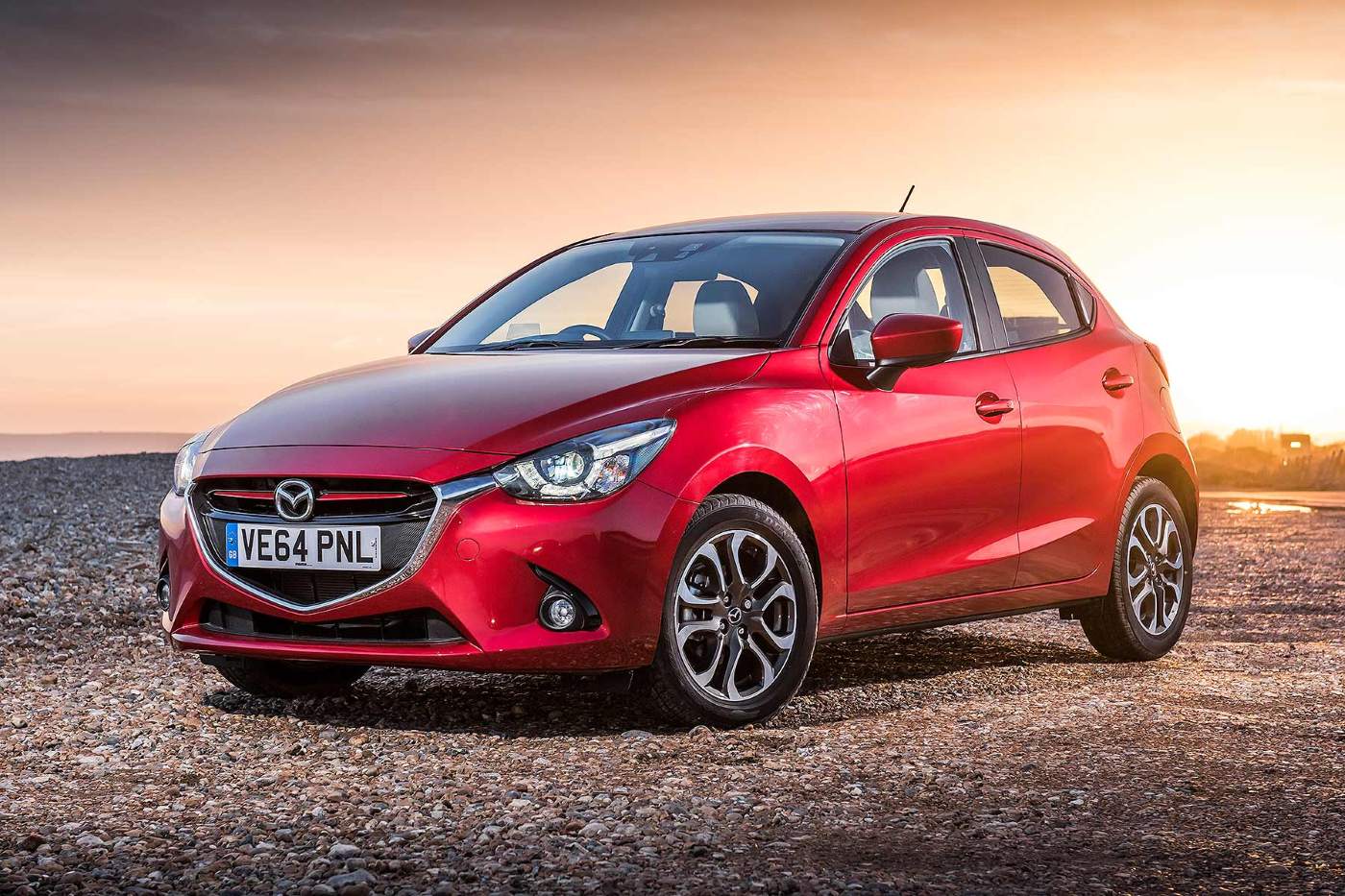
7. Mazda2
The Mazda2 is a compact car that often flies under the radar, yet it has proven itself to be a highly reliable and durable vehicle in the long run. In 2026, it continues to be appreciated in global markets for its simplicity, efficiency, and ability to withstand years of consistent use.
While it may not have the global recognition of larger Mazda models or competitors like the Corolla and Civic, the Mazda2 has quietly built a reputation for surviving long ownership cycles, especially in regions where compact, fuel-efficient vehicles are essential for daily transportation.
One of the primary strengths of the Mazda2 lies in its straightforward mechanical design. Mazda engineered this model with simplicity in mind, avoiding unnecessary complexity in its powertrain systems. The engines used in the Mazda2 are typically small, efficient, and designed to operate under low-stress conditions.
This allows the vehicle to maintain long-term reliability even when used extensively in city driving environments. With proper maintenance, many Mazda2 units are capable of reaching high mileage milestones without requiring major mechanical overhauls.
Another important factor contributing to its durability is its lightweight structure. The Mazda2 is designed to be compact and easy to maneuver, which reduces strain on key components such as the suspension system, brakes, and transmission.
Because the vehicle does not carry excessive weight, it experiences less mechanical fatigue over time. This makes it particularly well-suited for urban environments where stop-and-go traffic is common, as the reduced stress helps extend the life of essential systems.
The Mazda2 also benefits from improved manufacturing quality in newer generations. Mazda has significantly enhanced its rust protection and body durability standards over the years, ensuring that the vehicle remains structurally sound even after long-term exposure to different weather conditions.
This is particularly important for regions with humidity, rain, or seasonal temperature changes, where corrosion can otherwise shorten a vehicle’s lifespan.
Maintenance affordability is another reason the Mazda2 survives across generations. The vehicle is relatively inexpensive to repair, and most components are easy to access and replace. This encourages owners to maintain the car regularly rather than replacing it early.
Over time, this consistent maintenance behavior contributes to its ability to remain in families for extended periods, often being passed down to younger drivers who inherit a reliable and already well-maintained vehicle.
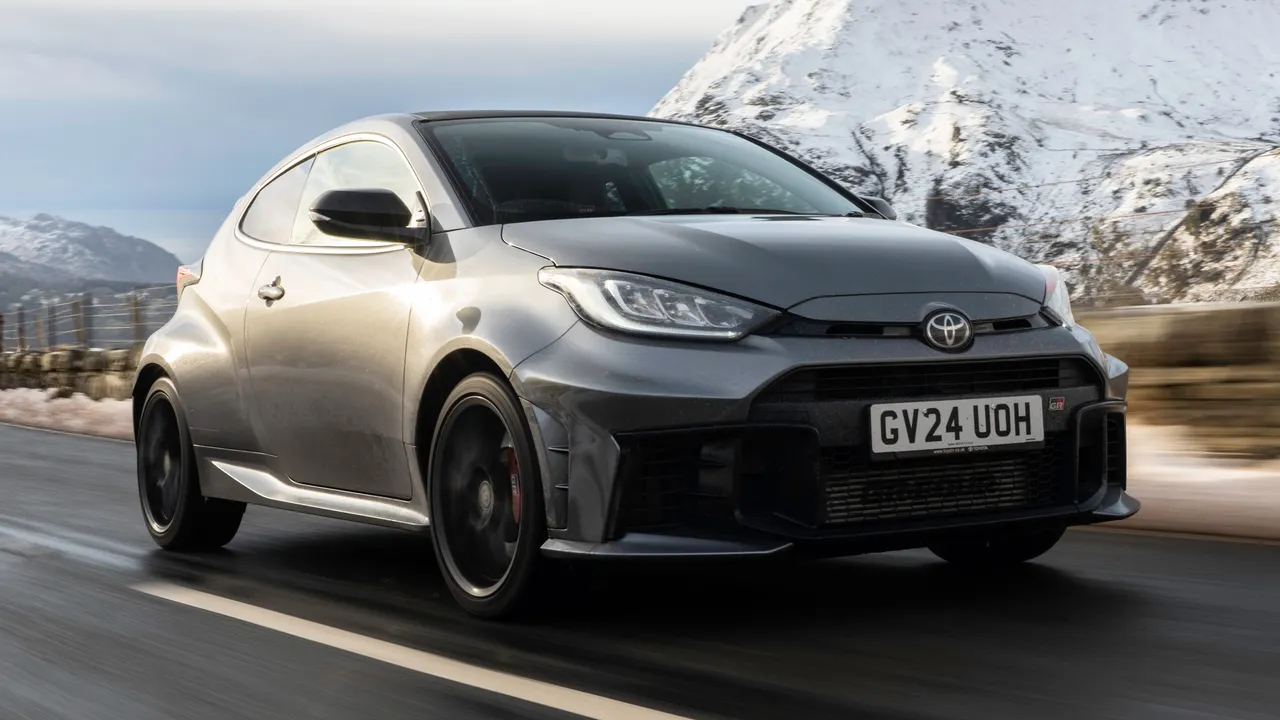
8. Toyota Yaris
The Toyota Yaris is one of the most dependable entry-level compact cars ever produced, and its reputation for longevity remains strong in 2026. Designed as a simple, efficient, and affordable urban vehicle, the Yaris has consistently proven that small cars can still deliver exceptional durability when engineered correctly.
Across multiple global markets, it has become a trusted option for families who want a vehicle that can reliably serve them for many years and even be passed down through generations.
One of the key reasons for the Yaris’s long lifespan is its extremely simple engineering approach. Toyota designed this model with minimal mechanical complexity, focusing instead on reliability and ease of maintenance.
The engines used in the Yaris are small, fuel-efficient, and built to handle daily commuting without excessive strain. This simplicity significantly reduces the likelihood of major mechanical failures, allowing the vehicle to remain operational for hundreds of thousands of kilometers when properly maintained.
Another important factor is its excellent fuel efficiency, which makes it highly economical to run over long periods of time. Because operating costs remain low, owners are more likely to keep the vehicle for extended durations rather than replacing it with newer models. This long-term ownership pattern increases the chances of the car being passed down within families, contributing to its multi-generational survival rate.
The Yaris is also known for its strong reliability in urban environments. It performs well in stop-and-go traffic, narrow roads, and tight parking conditions, which are common in cities around the world.
Its compact size reduces stress during daily driving, and its lightweight design ensures that components do not wear out quickly. Even after years of consistent use, the Yaris tends to maintain stable performance with only basic maintenance.
In addition, Toyota’s global reputation for reliability plays a major role in the Yaris’s longevity. Parts are widely available, and mechanics are highly familiar with its systems, making repairs simple and cost-effective.
This ensures that even older Yaris models remain serviceable and roadworthy, which is essential for vehicles that are passed down across generations. For many families, the Yaris represents a practical and dependable transportation solution that continues to perform long after purchase.
Also read: 10 Cars From 1995 That Are Now Hitting 25-Year Import Eligibility In 2026
