
Long road trips are one of the greatest joys of owning a car. There is something deeply satisfying about hitting the open highway with your favorite playlist and a full tank of fuel. However, not every car is built for the journey. Some vehicles make every kilometer feel effortless, while others turn a three-hour drive into a physical ordeal.
In 2026, the automotive world will never be more divided. Manufacturers are pushing comfort and technology to new heights in some models. At the same time, certain cars still prioritize style, sportiness, or affordability over long-distance livability. The difference between a great road trip car and a miserable one often comes down to seat design, suspension tuning, cabin noise, and technology.
Choosing the wrong car for a long trip can leave you with a stiff back and frayed nerves. Choosing the right one can make the miles disappear like magic. This article breaks down five cars that were practically born for the open road in 2026.
It also exposes five cars that will have you desperately searching for the nearest rest stop. Whether you are planning a cross-country adventure or a weekend getaway, this guide will help you make the right choice.
5 Cars Designed For Long Trips
These exceptionally comfortable vehicles feature ergonomic seating and refined powertrains perfectly suited for effortless highway cruising, providing fatigue-free long-distance capability through supportive seats maintaining comfort during marathon drives, quiet cabins isolating occupants from wind and road noise, and smooth powertrains delivering relaxed cruising without constant gear hunting or engine drone at highway speeds.
Their thoughtful engineering includes adjustable lumbar support and excellent visibility that resists the fatigue patterns found in poorly designed alternatives while delivering seats shaped to support spines properly during eight-hour drives, suspension tuning that absorbs pavement irregularities without transmitting harshness, and intuitive control placement allowing operation without taking eyes off distant horizons.
1. Mercedes-Benz S-Class (2026)
The Mercedes-Benz S-Class has always been the gold standard of long-distance luxury. In 2026, it continues to dominate the segment with an almost supernatural level of refinement.
Every detail of this car has been engineered with the long-haul driver in mind. From the moment you settle into the driver’s seat, the road ahead feels less like a challenge and more like an invitation.
The seats in the S-Class are nothing short of extraordinary. They are wide, deeply cushioned, and wrapped in the finest Nappa leather available. They offer heating, cooling, and a massage function that works across multiple zones of your back and thighs.
After four or five hours of driving, your body feels just as fresh as when you started. That is a rare and genuinely impressive achievement in any vehicle at any price point.
The suspension system deserves special attention. Mercedes uses an active air suspension that reads the road surface ahead using cameras. It adjusts each wheel independently before hitting a bump or rut.
The result is a ride quality so smooth it borders on surreal. Potholes and road imperfections simply vanish beneath you without disturbing the cabin in any meaningful way.
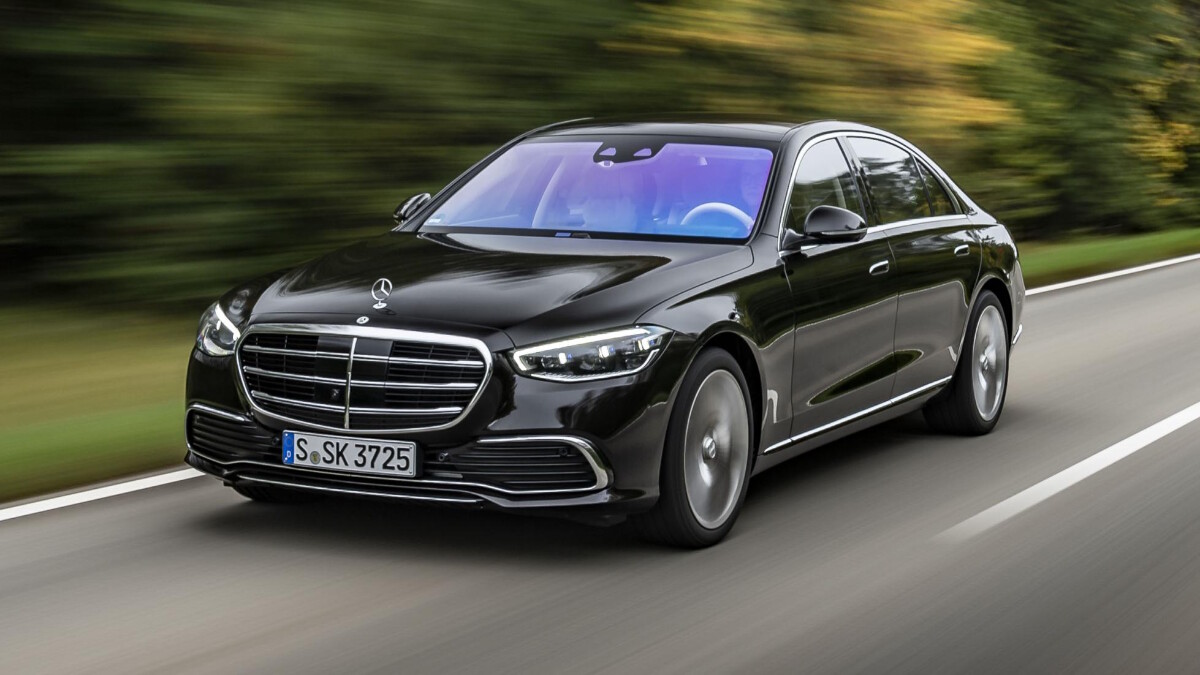
Noise isolation in the S-Class is equally remarkable. The cabin is sealed so effectively that wind and road noise are almost eliminated at highway speeds. You can hold a normal conversation at 120 km/h without raising your voice at all. The Burmester sound system fills that quiet space with concert-hall audio quality that makes every song feel brand new.
The technology suite is built specifically for long drives. The MBUX infotainment system is intuitive, responsive, and packed with navigation intelligence. It learns your preferences over time and suggests routes based on your habits and traffic patterns. The heads-up display projects all critical information directly onto the windshield in clear, easy-to-read format. You never have to take your eyes off the road for anything important.
Driver assistance features in the 2026 S-Class are among the most advanced. The car can maintain lane position, adjust speed, and even steer semi-autonomously on highways. This reduces driver fatigue significantly over long distances. The system hands control back smoothly and with plenty of warning when it needs you to intervene.
Rear passengers are treated just as generously as the driver. The rear seats recline deeply and offer their own massage and climate functions. Legroom is generous enough for very tall passengers to stretch out completely. The panoramic roof floods the cabin with natural light, making long journeys feel open and airy rather than claustrophobic. The S-Class does not just handle long trips well. It transforms them into genuine pleasures.
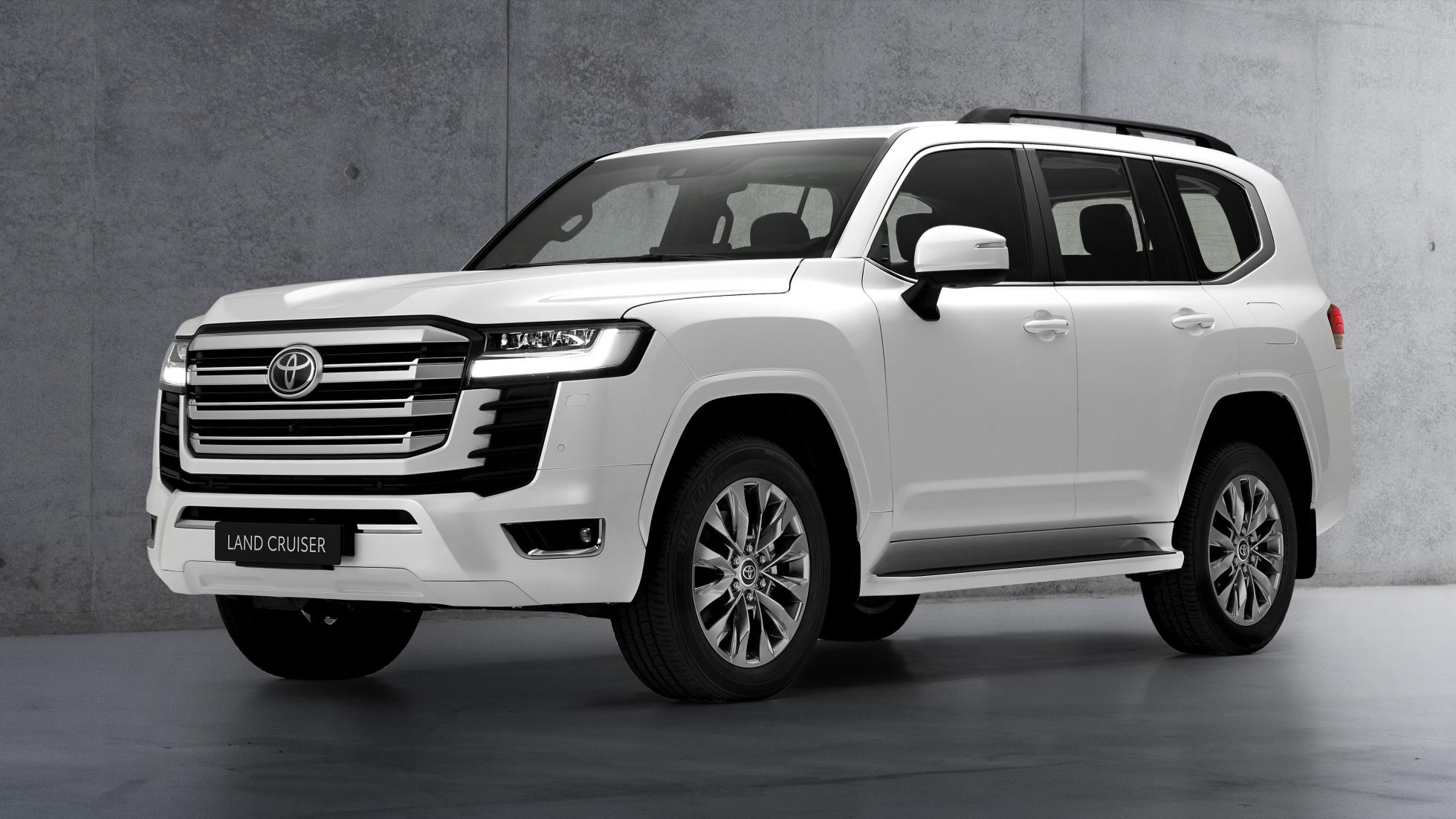
2. Toyota Land Cruiser 300 (2026)
The Toyota Land Cruiser 300 is a machine that was built for endurance above all else. It has been conquering long distances across every terrain imaginable for decades. The 2026 model continues that proud tradition with a refined interior and a powerplant that never feels stressed. Whether the road is smooth tarmac or rough gravel track, this SUV handles it all with quiet confidence.
The seats in the Land Cruiser are designed for long occupation. They are firm enough to provide proper lumbar support but soft enough to remain comfortable over many hours. The front seats are electrically adjustable with memory functions and offer ventilation in hot climates. This is particularly important on long summer drives where heat builds up quickly in the cabin. The second and third rows are equally well-considered for passenger comfort.
Toyota has invested heavily in sound insulation for the 2026 Land Cruiser. The cabin is noticeably quieter than previous generations at highway speeds. The twin-turbocharged V6 engine hums along smoothly without intruding on conversation or music. Road noise from even coarse surfaces is well-controlled and never becomes fatiguing. This refinement makes a significant difference on long drives that stretch into many hours.
The infotainment system has been completely modernized for 2026. It features a large touchscreen with wireless Apple CarPlay and Android Auto compatibility. Navigation is precise and updated in real time using cloud-based traffic data. The system is easy to operate even with gloves on, which is useful during winter road trips. Physical shortcut buttons for key functions mean you are not always hunting through menus while driving.
The Land Cruiser’s driving position is one of its greatest strengths for long trips. You sit high and commanding with excellent visibility in every direction. This reduces the mental effort required to monitor traffic and road conditions over many hours. The large windows and upright seating position prevent the sense of confinement that affects many lower-slung vehicles. Everything you need to see is right there in plain sight.
Storage and practicality are exceptional throughout the cabin. There are deep door pockets, a large center console, and multiple USB and charging points throughout. The boot space is enormous and easily swallows luggage for multiple passengers on extended trips. The optional rear entertainment screens keep passengers occupied during long journeys. The Land Cruiser understands that road trip happiness depends on far more than just the driver’s comfort.
Reliability is perhaps the Land Cruiser’s most important long-trip credential. Toyota’s legendary build quality means you are unlikely to face mechanical surprises in the middle of nowhere. The 2026 model benefits from decades of engineering refinement and real-world durability testing. When you are hundreds of kilometers from the nearest city, that reliability is worth more than any luxury feature. The Land Cruiser earns your trust completely and never lets it go.
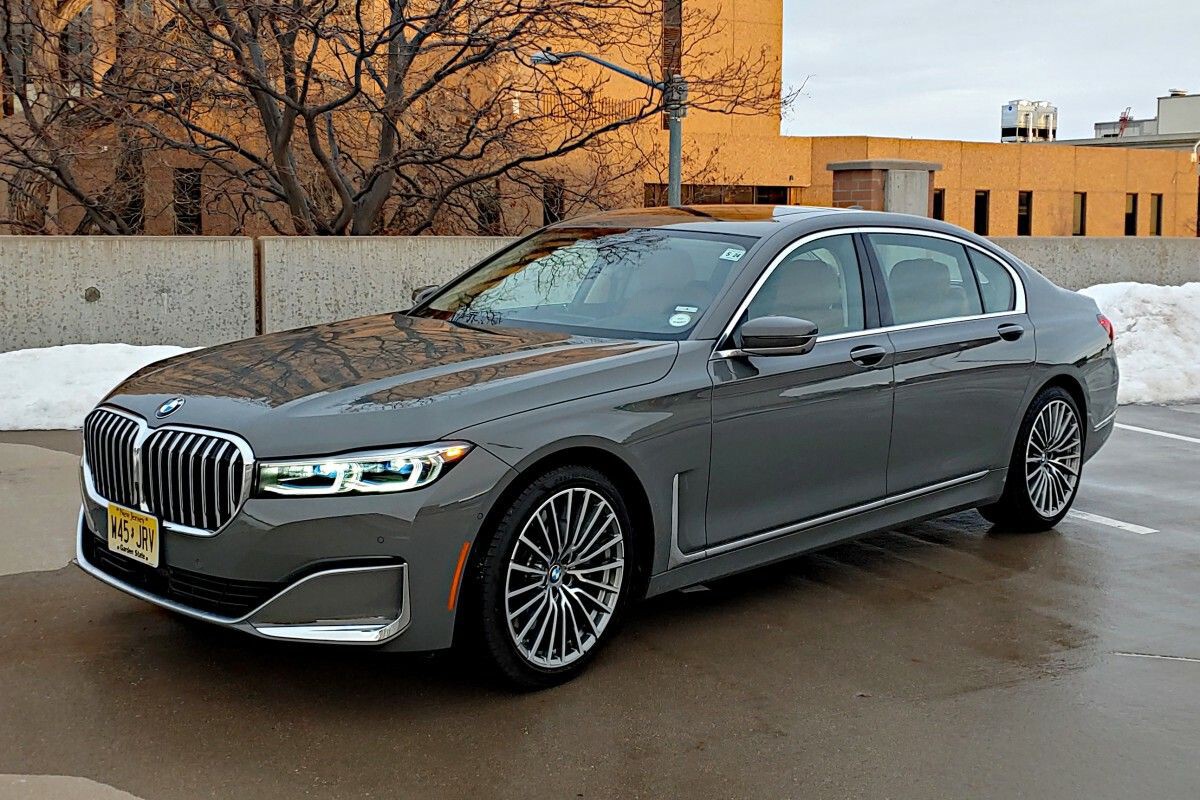
3. BMW 7 Series (2026)
The BMW 7 Series has always walked a fine line between sporting intent and executive luxury. In 2026, it leans more heavily toward comfort without losing its driver-focused character entirely. The result is a long-distance machine of remarkable ability. It makes every kilometer feel purposeful and every hour feel shorter than it actually is.
BMW’s Executive Lounge seating in the rear of the 7 Series is genuinely world-class. The rear right seat reclines to almost flat and extends a footrest for full relaxation. Passengers being chauffeured will find the experience comparable to a first-class airline seat. Even those sitting upright will enjoy deeply cushioned, heated, and massaging seats that adapt to body shape. Long journeys are simply not tiring when you are seated this well.
The suspension on the 2026 7 Series uses BMW’s latest adaptive air suspension technology. It processes road data continuously and adjusts damping in milliseconds. Sharp-edged bumps are absorbed smoothly without bouncing or jarring the occupants. The system also lowers the car at higher speeds to improve aerodynamic stability. This makes the 7 Series feel planted and serene on the motorway in a way that builds genuine confidence.
BMW’s panoramic sky lounge roof is a standout feature for long-distance comfort. It spans almost the entire cabin ceiling and can display ambient lighting patterns through the glass. The effect is calming and makes the interior feel far more spacious than its actual dimensions suggest. On night drives, it creates a genuinely serene atmosphere that reduces stress and fatigue. It sounds like a gimmick, but it genuinely improves the long-trip experience.
The iDrive infotainment system in 2026 remains the benchmark for usability in luxury cars. The large curved display combines the driver’s instruments and infotainment into a seamless screen. Voice control is highly capable and understands natural speech without requiring memorized commands. The navigation integrates live traffic and suggests stops for fuel and food proactively. It acts less like a tool and more like a knowledgeable travel companion.
Highway driving assistance on the 7 Series is smooth and natural-feeling. The car maintains lane position and follows traffic with gentle, confidence-inspiring inputs. It does not feel robotic or nervous the way some driver assistance systems can. Transitions between manual and assisted driving happen without drama or surprise. This is crucial for reducing fatigue on long motorway stretches where constant active steering is exhausting.
The 7 Series also benefits from a truly impressive sound system as standard. The Bowers and Wilkins surround sound option fills the cabin with audio that is genuinely moving. Combined with the low ambient noise levels, it creates an almost private concert experience. Music sounds better in this car than it does in most dedicated listening rooms. The 7 Series understands that great sound is not a luxury it is a long-trip essential.
4. Volvo XC90 (2026)
The Volvo XC90 has quietly established itself as one of the finest family road trip vehicles on the planet. Its Scandinavian design philosophy prioritizes human well-being above all else.
Every surface, control, and feature has been considered through the lens of how it affects driver and passenger comfort over time. The 2026 model refines this philosophy further with updated technology and even more thoughtful ergonomics.
Volvo’s seats are consistently rated among the best in the automotive world. They are developed in collaboration with ergonomics specialists to support the spine correctly over long durations.
The cushioning uses a multi-layer foam structure that prevents pressure buildup and numbness on long journeys. Heating and ventilation are quick, effective, and easy to adjust without distraction. After five hours in a Volvo seat, your back tells you very little happened, and that is the highest compliment possible.
The XC90’s air quality system is a genuine differentiator on long trips. Volvo’s CleanZone system filters and monitors the cabin air continuously. It removes pollutants, allergens, and particles before they reach the occupants.
On long highway drives through industrial areas or cities, this keeps everyone in the car feeling alert and comfortable. Clean air is something you rarely notice until it is absent, and then you notice it very much indeed.
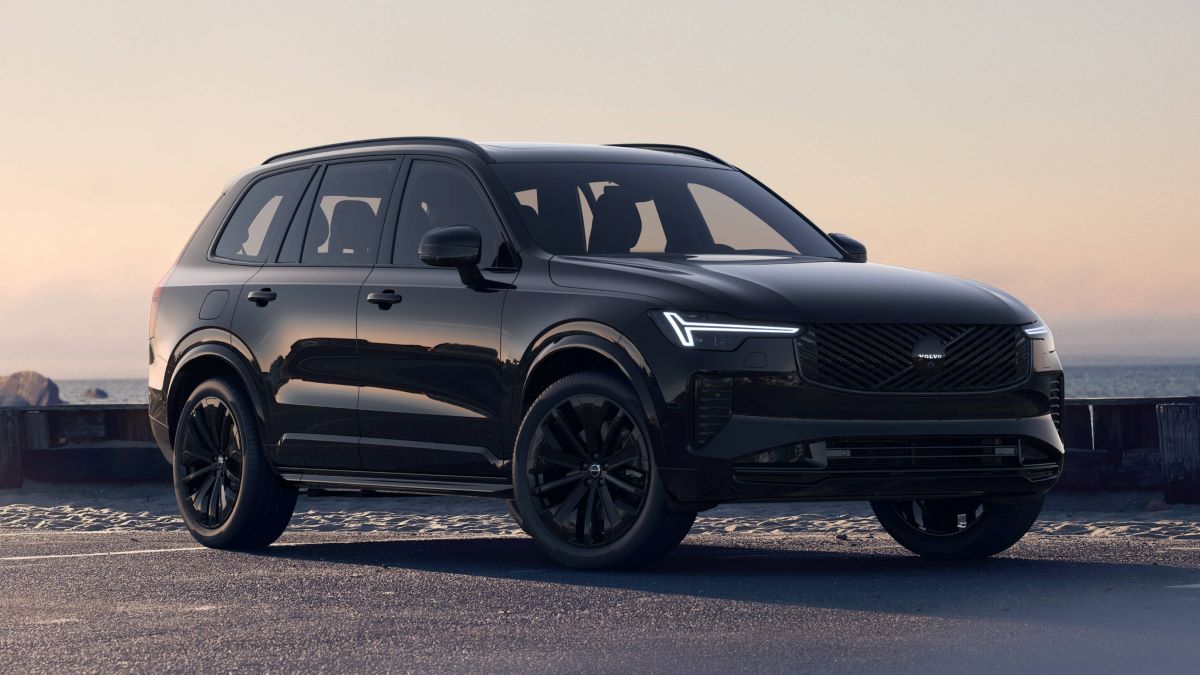
The Sensus infotainment system has been replaced in recent years by a Google-based platform. It is clean, logical, and deeply integrated with the car’s functions. Google Maps provides navigation with excellent live traffic data and route optimization. Voice commands work smoothly using Google Assistant without requiring a phone connection. The system is refreshingly easy to use for drivers of all ages and technical comfort levels.
Pilot Assist, Volvo’s semi-autonomous driving aid, is one of the smoothest in the industry. It handles steering, acceleration, and braking on well-marked roads with gentle, natural inputs. The transition from driver to system and back again is so smooth that passengers rarely notice it happening. On long motorway stretches it reduces driver fatigue dramatically without creating anxiety. It feels like driving with a very calm, very capable co-pilot sitting beside you.
The XC90 offers genuine seven-seat capability without compromising the first two rows. Third-row passengers on shorter stretches will find adequate space for adults. The boot, even with all seats in use, retains useful capacity for bags and essentials. Folding the third row flat creates a vast, flat load area for luggage-heavy adventures. Practicality and comfort coexist in the XC90 in a way that very few rivals manage as convincingly.
Safety technology in the XC90 for 2026 is comprehensive and confidence-inspiring on long drives. Volvo’s commitment to occupant protection means the car is loaded with collision avoidance, blind spot monitoring, and run-off-road protection systems. Knowing the car is actively watching out for you reduces subconscious stress on a long journey. That reduced vigilance burden adds up significantly over many hours of driving. Peace of mind is itself a form of comfort, and Volvo delivers it in abundance.
5. Kia EV9 (2026)
The Kia EV9 represents the future of long-distance travel in a way that feels completely ready for the present. This large electric SUV combines a genuinely impressive range with a cabin that is designed for extended occupation. It challenges several established luxury players at a price point that makes it accessible to a far wider audience. For families planning long electric road trips in 2026, the EV9 is the most complete package available.
The interior of the EV9 is built around the flat floor that electric architecture makes possible. There are no transmission tunnels or driveshaft humps to go around. This creates a living-room-like cabin space that feels genuinely different from combustion-engine alternatives. The second-row seats swivel to face rearward when the car is parked, creating a social space perfect for rest stops. This kind of thoughtful design makes long journeys feel like experiences rather than endurances.
Seat quality in the EV9 is well above what you would expect at its price point. The first and second rows use relaxation seats that recline significantly and offer multi-directional adjustment. Heating and ventilation are standard across most trim levels. The upholstery uses sustainable materials that are soft to the touch and breathable over long durations. Your body does not protest after several hours, which is a true measure of seat quality.
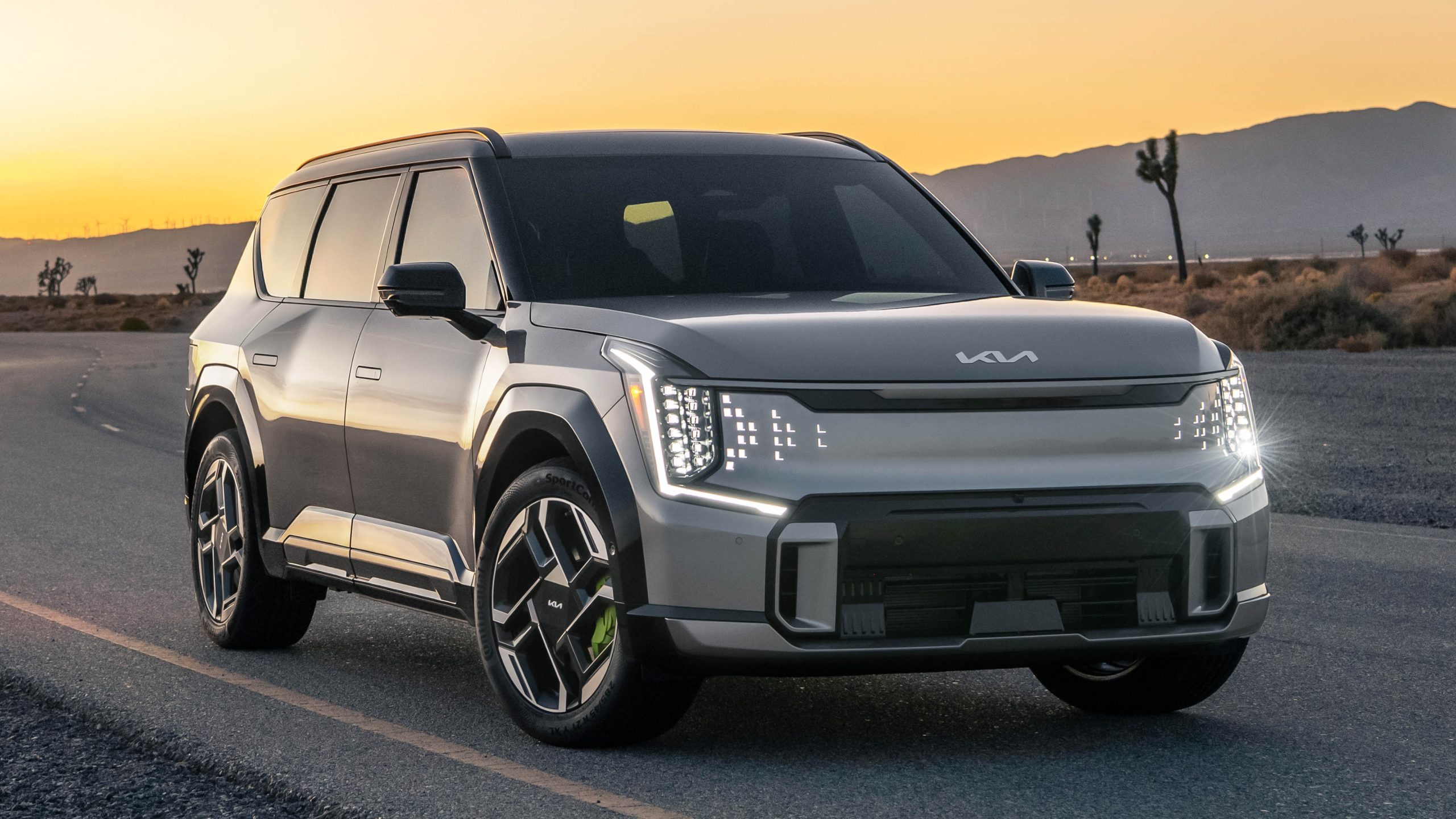
Range and charging are the critical concerns for any long-distance EV. The 2026 EV9 offers up to 541 kilometers of range in its long-range rear-wheel-drive configuration. The 800-volt charging architecture allows rapid replenishment at compatible fast chargers. Adding around 100 kilometers of range takes approximately ten to fifteen minutes at a high-speed charger. The navigation system proactively plans charging stops and integrates them naturally into the route.
The infotainment system in the EV9 is Kia’s latest and most sophisticated to date. A massive panoramic curved display dominates the dashboard in an elegant and purposeful way. It is sharp, responsive, and logically organized across its various functions. Wireless connectivity for both major smartphone platforms works reliably without pairing delays. The system learns from your habits and begins anticipating your preferences after just a few long drives.
Passenger space in the EV9 is genuinely class-leading for the segment. Second-row occupants in the six-seat configuration enjoy captain’s chairs with significant legroom and armrests. The panoramic roof runs the length of the cabin and floods every row with natural light. Third-row passengers are treated as real people rather than an afterthought, which is unusual in this class. Families traveling with children will find the EV9 handles the social dynamics of long trips better than almost any rival.
The EV9 also benefits from Kia’s Vehicle-to-Load capability. You can power camping equipment, laptops, and other devices directly from the car’s battery during rest stops. This adds genuine utility to long adventures that go beyond simple point-to-point driving. Combined with a quiet, smooth electric drivetrain that never sounds strained, the EV9 makes a compelling case for electric long-distance travel. It does not ask you to compromise it simply delivers.
5 Cars That Get Tiring After An Hour
These exhaustingly uncomfortable vehicles suffer from poorly designed seats and harsh ride quality that create genuine fatigue within a single hour of highway driving, transforming road trips into ordeals as unsupportive seating causes lower back pain, excessive road noise creates mental fatigue from constant din, and firm suspension transmitting every pavement irregularity gradually beats occupants into submission during extended drives.
1. Mazda MX-5 Miata (2026)
The Mazda MX-5 Miata is one of the most beloved sports cars. It is nimble, beautiful, and puts a smile on your face within the first thirty seconds of driving. Nobody disputes its brilliance as a weekend canyon carver or a coastal morning drive companion. However, ask it to cover serious long-distance mileage and its limitations become uncomfortable realities very quickly.
The seats in the MX-5 are the first problem to reveal itself on a long journey. They are relatively flat and offer limited lateral support for the thighs and lower back. After around forty-five minutes, a persistent pressure builds across the lower lumbar region. By the ninety-minute mark, most drivers are shifting positions frequently to find relief. There is no amount of seat adjustment that fully resolves the fundamental narrowness and flatness of the cushioning.
The cabin noise levels are difficult to ignore on long trips. The roof, whether soft-top or the optional hardtop, allows significant road and wind noise into the small interior. At motorway speeds, conversation becomes genuinely effortful. Music needs to be turned up considerably to compete with the aerodynamic noise surrounding the car. Over three or four hours, this constant background roar becomes mentally tiring in a way that sneaks up on you gradually.
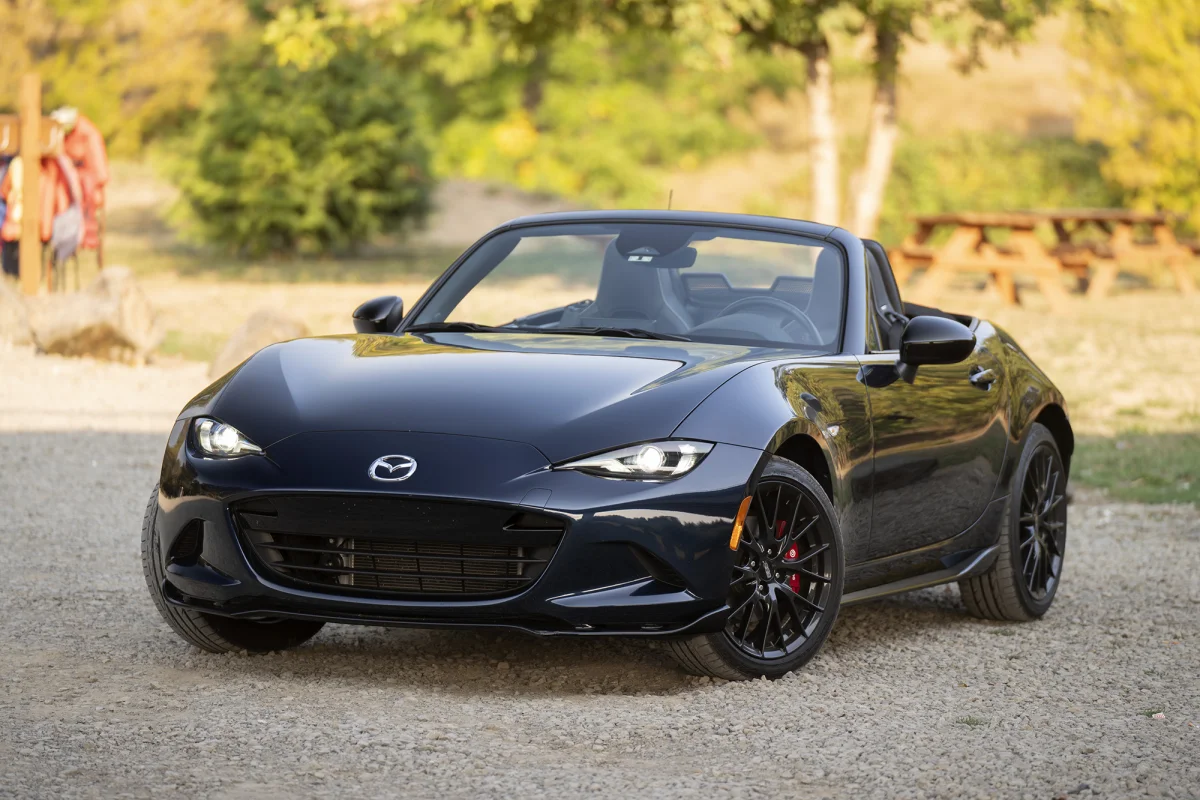
Interior storage in the MX-5 is almost nonexistent for practical purposes. The boot is tiny, barely large enough for two small overnight bags. There are no proper door pockets, and the center console offers only modest storage. On a long trip, keeping water, snacks, phones, and small essentials accessible becomes a constant low-level frustration. The organization quickly becomes a game of careful compromise rather than natural convenience.
The infotainment system in the MX-5 is basic compared to most rivals in 2026. The screen is small and positioned low on the dashboard. It takes your eyes too far from the road to interact with safely at speed. Smartphone integration is present but feels like an afterthought rather than a well-integrated solution. On a long trip where navigation and music management are important, the limitations become genuinely annoying.
The MX-5 is also very low to the ground, which creates difficulties for drivers of varying heights. Taller drivers will find headroom marginal and the seating position cramped and low.
Getting in and out at fuel stops becomes an athletic endeavor after your joints have stiffened from sitting. The small steering wheel and close pedal placement are perfect for spirited driving, but contribute to fatigue in sustained cruising. The MX-5 is a car you want to drive to your destination, not a car you want to drive as your destination.
2. Fiat 500 (2026)
The Fiat 500 is one of the most charming and stylish city cars ever made. It is perfect for urban environments where its small footprint and nimble handling are genuine advantages.
The 2026 electric version has added usefulness with zero-emission capability in city centers. But charm and practicality for long-distance travel are very different things, and the Fiat 500 runs out of the latter very quickly.
The first issue on a long drive is the ride quality. The Fiat 500 uses a relatively firm suspension tuned for flat urban streets. On motorway imperfections and long highway undulations, the car bounces and jiggles persistently.
This constant motion is not jarring enough to be alarming but is irritating enough to become tiring over time. By the time you have covered a hundred kilometers, your body is already registering quiet but growing objections.
Seating space is the 500’s most fundamental long-trip limitation. The front seats are small and offer a limited adjustment range for taller occupants. Rear seat passengers suffer even more acutely, with legroom that would challenge anyone over 160 centimeters in height.
A family of four attempting a long journey in a Fiat 500 will be in various stages of discomfort well before the halfway point. The car simply was not dimensioned with long-distance occupation in mind.
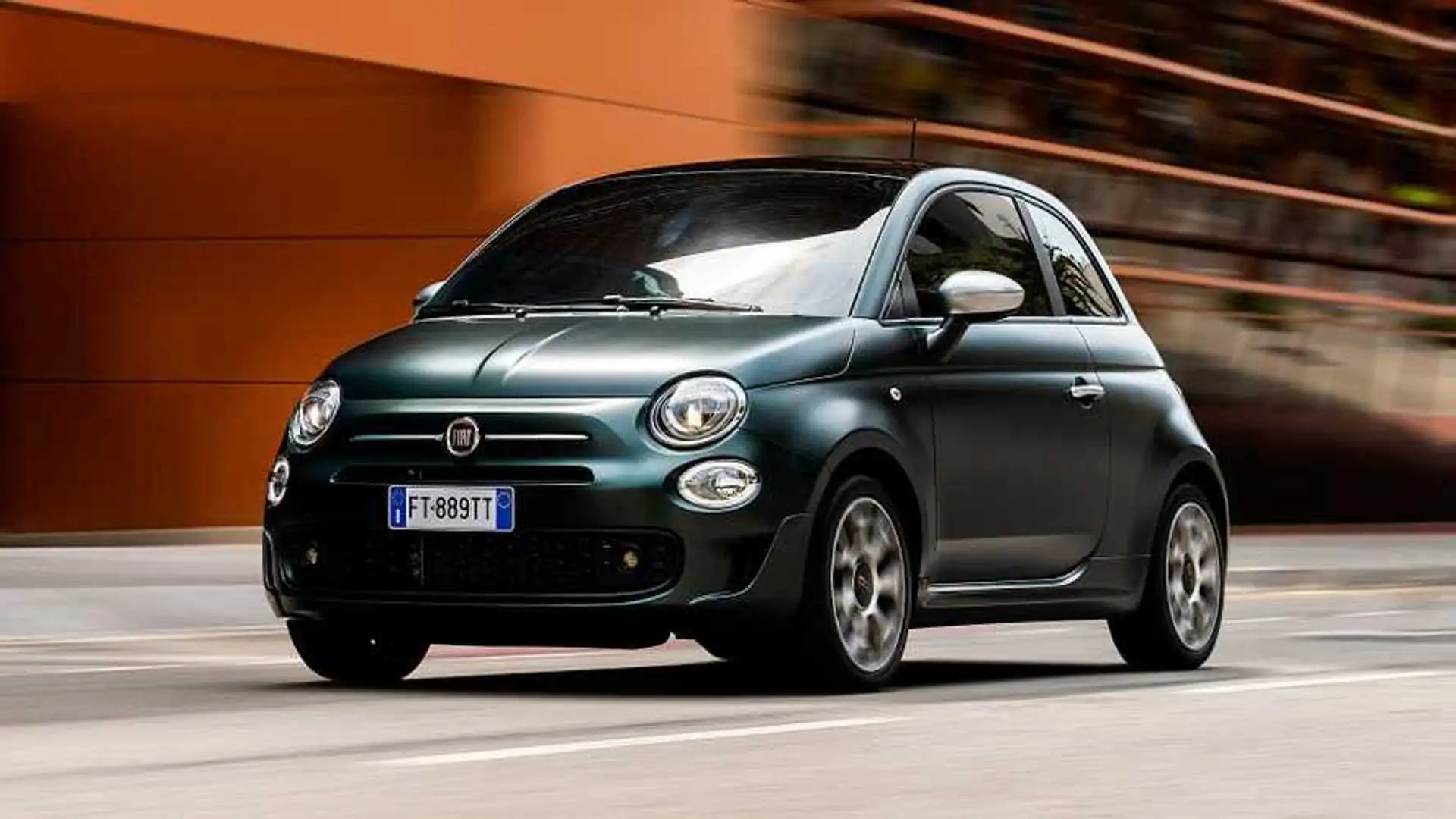
The electric version’s range is also a limiting factor for long trips. The Fiat 500e offers approximately 320 kilometers in ideal conditions. Real-world motorway driving at consistent high speeds reduces this significantly.
Charging stops become more frequent than in larger electric vehicles with bigger battery packs. On a genuinely long trip, the multiple charging pauses begin to feel like interruptions rather than natural rest opportunities.
Noise isolation in the Fiat 500 is adequate for city speeds but insufficient for extended motorway driving. Wind noise increases noticeably above 100 km/h and begins to compete with the audio system. The cabin’s small volume seems to amplify rather than absorb external sound. Passengers in the rear are particularly exposed to tire and road noise on coarse surfaces. After an hour at motorway pace, the cumulative noise fatigue is noticeable and real.
The infotainment screen is small but functional for basic navigation tasks. However, the interface requires more interaction than is ideal for a driver managing motorway conditions. The limited phone-mounting options mean devices often end up in awkward positions.
The climate control is simple to operate but takes significant time to achieve comfortable temperatures in extreme weather. The Fiat 500 is wonderful in its natural urban habitat. On the open road for hours at a time, it begins to feel like a fish swimming upstream.
3. Subaru BRZ (2026)
The Subaru BRZ is one of the finest driver’s cars available at its price point in 2026. It handles with precision, communicates beautifully through its steering, and makes enthusiastic driving genuinely joyful. Its naturally aspirated flat-four engine is responsive and characterful in a way that turbocharged engines rarely match. But all of these sporting virtues come packaged in a body that makes long-distance travel surprisingly punishing.
The driving position is low and reclined in the classic sports car manner. This is wonderful for performance driving, where body control and feedback matter enormously. For extended cruising on straight highways, however, it means your neck and upper back must work harder to maintain comfortable visibility. The position also places the pedals close together in a way designed for heel-toe technique rather than relaxed cruising. Your left leg has almost nowhere to rest comfortably for long periods.
The suspension tuning is firmly biased toward handling response rather than comfort. The BRZ rides on stiff springs and dampers that communicate every road surface texture faithfully to the occupants. On smooth billiard-table roads, this is acceptable if not plush. On typical highway surfaces with patches, joints, and imperfections, the constant vibration and movement accumulate into genuine fatigue. Your kidneys remind you of every road imperfection you thought you had already forgotten.
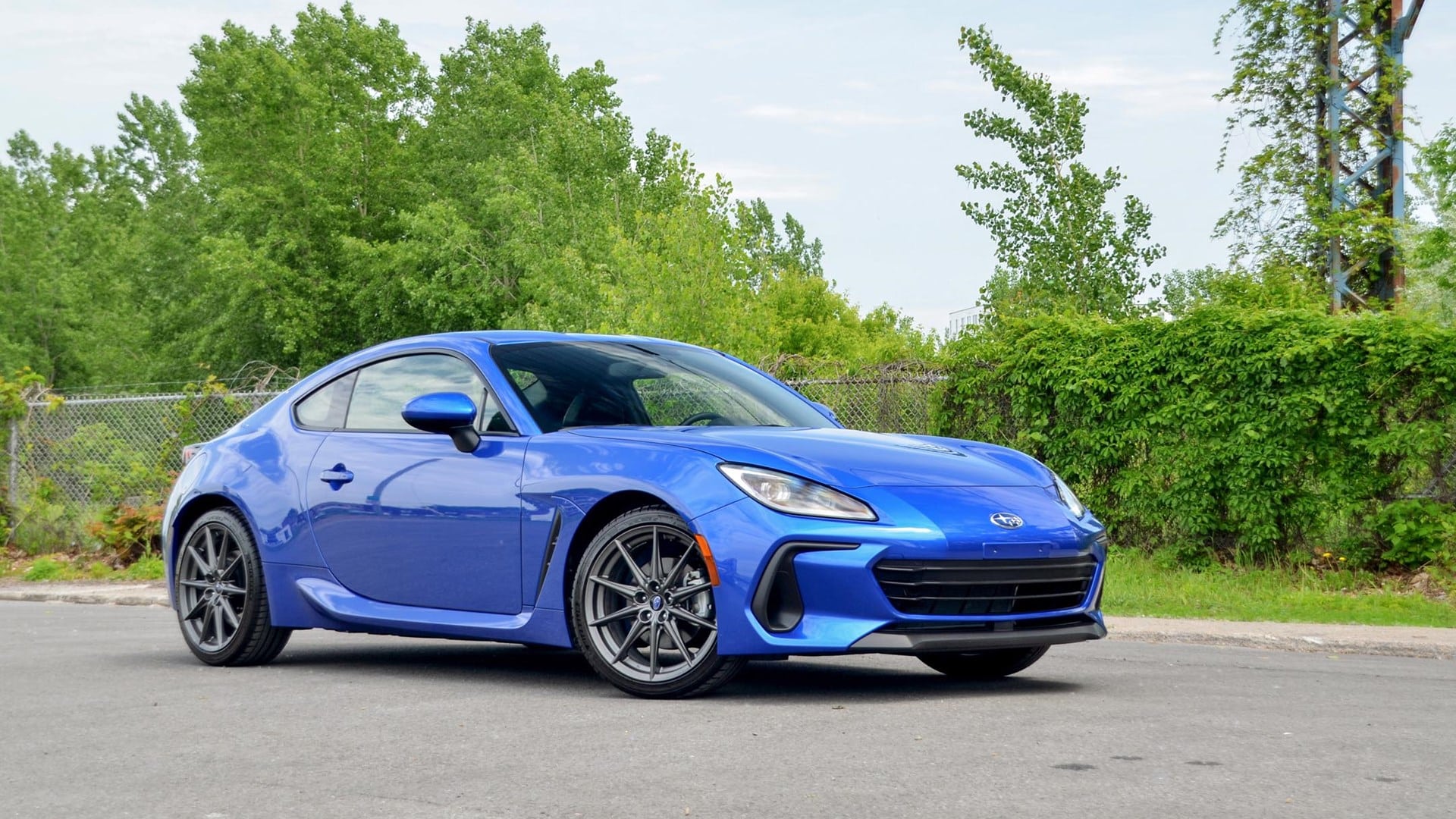
Cabin noise in the BRZ is a known characteristic that owners accept in exchange for the driving experience. The exhaust note is deliberately tuneful and engaging during spirited driving. At constant motorway speeds, that same note becomes a relentless drone that sits at an unfortunate frequency. Adding road and wind noise to the mix, the interior noise level on the highway is well above what is comfortable for hours at a time. Conversations require raised voices, and music requires significant volume.
Rear seat practicality in the BRZ is technically present but practically negligible. Two seats exist, but legroom is measured in centimeters rather than generous allocations. Adults will find the rear unusable for journeys longer than thirty minutes. Children can manage longer, but will complain long before the destination is reached. The boot is small, and the loading lip is high, making even modest luggage for two people a puzzle to fit efficiently.
The 2026 BRZ does not offer significant driver assistance technology to offset driver fatigue. Adaptive cruise control is available but lacks the smooth lane-centering function of luxury rivals. Long motorway stretches require constant active driving input without meaningful assistance. For drivers who love being involved, this is part of the appeal. For anyone covering several hundred kilometers who would appreciate a moment of reduced effort, the BRZ offers little relief. It demands your full attention and energy, which is thrilling for an hour and exhausting for five.
4. Smart #1 (2026)
The Smart #1 is a compact electric crossover with a modern design and urban appeal. It is well-priced, well-equipped, and genuinely clever in many of its features. In city environments and short suburban commutes, it performs its role admirably and with considerable style. Extend the journey to true long-distance territory, and its limitations emerge with increasing persistence over each passing hour.
The seats in the Smart #1 are stylish and visually appealing in the showroom. They are trimmed with premium-feeling materials and offer a contemporary aesthetic. However, the cushioning is on the thin side, and the lumbar support is limited in its adjustability. Over medium distances of one to two hours, the seats perform adequately. Beyond that point, the lack of deeper cushioning becomes a physical conversation you would rather not be having on a motorway.
Range anxiety remains a real concern in the Smart #1 for long-distance travel. The available range is sufficient for daily driving and regional trips with planned charging. On a full, long-distance day of driving with a loaded car, adults, and climate control running, the numbers become tighter than comfortable.
The charging network compatibility and charging speed are reasonable but not class-leading. Each charging stop requires more careful planning than in a vehicle with greater range and faster charging capability.
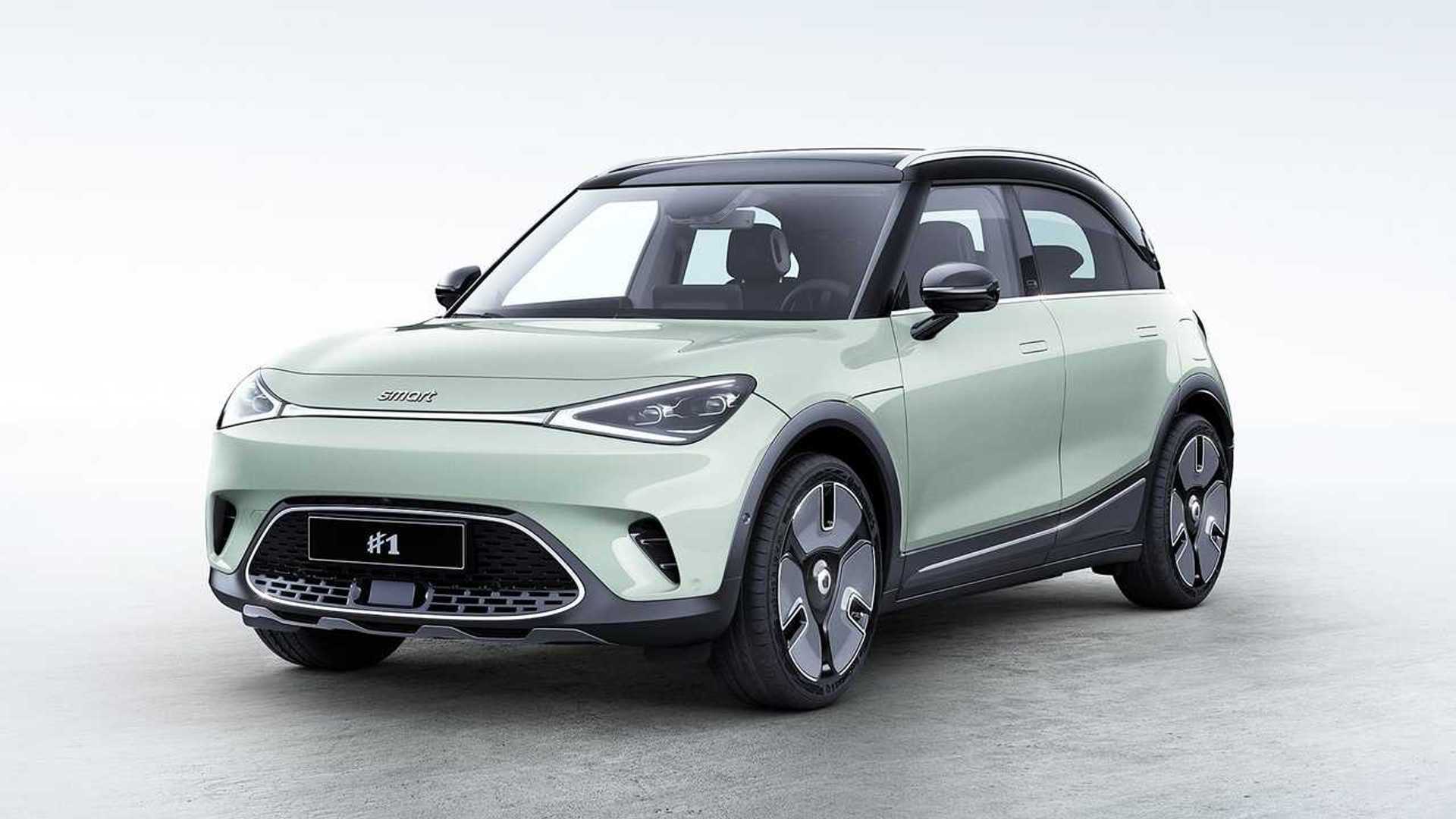
The suspension is tuned relatively firmly for a car of this size and category. It handles well in corners and feels composed in urban traffic, where it was designed to excel. On motorway surfaces, particularly those with concrete joints or coarser textures, the ride becomes bouncy and unsettled. Passengers in the rear feel this more acutely than the driver. The constant movement and noise on rough highway surfaces add to a sense of effort that builds over a long journey.
The infotainment system is generally well-regarded and easy to operate. The large vertical screen is crisp and responsive to touch inputs. However, the navigation system’s trip planning for electric vehicles is less sophisticated than class leaders like Tesla or Kia. It does not always account optimally for real-world range consumption at motorway speeds. This can create moments of uncertainty on long trips that introduce stress into what should be a relaxed experience.
Interior storage and passenger space feel constrained on long trips with multiple occupants and full luggage. The boot is compact, and the interior packaging, while clever, cannot overcome the car’s fundamental small dimensions. Road trips with luggage for more than two people require careful external cargo management. The Smart #1 is a genuinely excellent car for its intended purpose. That purpose, however, does not comfortably extend to demanding multi-hour highway journeys.
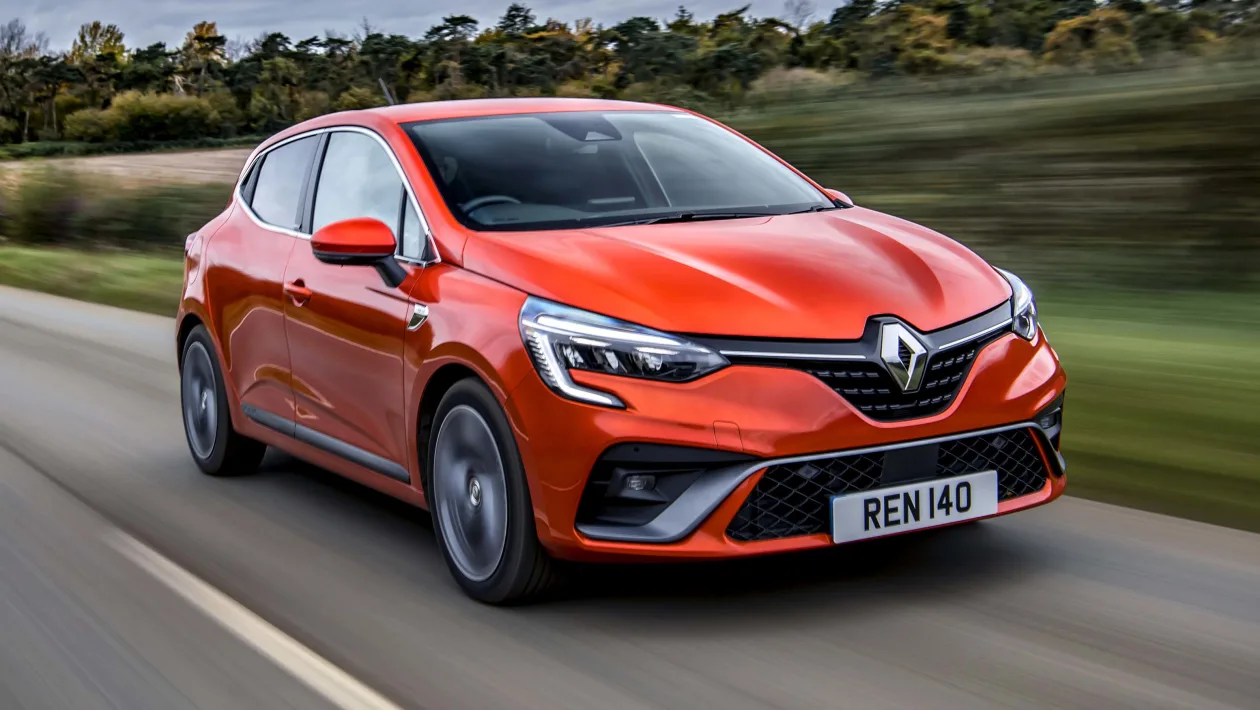
5. Renault Clio (2026)
The Renault Clio is one of Europe’s best-selling and most respected small hatchbacks. It is refined, attractive, and offers surprisingly good value across its range. The hybrid powertrain in the 2026 version delivers genuine fuel economy improvements in urban and mixed driving. As a daily driver or city runabout, the Clio earns consistent praise and genuine affection from its owners. As a long-distance touring vehicle, it reveals limitations that accumulate into genuine discomfort.
The front seats in the Clio are comfortable for the first hour of driving. They are reasonably well-shaped and offer a decent range of adjustment for most body types. But the cushioning depth is limited, as is typical in the supermini class. After ninety minutes to two hours of continuous driving, the lack of deeper support becomes apparent. By the three-hour mark, most drivers report significantly lower back discomfort that regular stops can temporarily address but not fully resolve.
Highway noise management in the Clio is adequate but not exceptional. Wind and road noise are controlled well enough for a car in this class and price bracket. At sustained motorway speeds above 110 km/h, the noise level increases to a point that is noticeably tiring. Conversations at speed require raised voices that would not be necessary in a larger or more acoustically engineered vehicle. The hybrid system adds its own occasional sounds as it transitions between electric and combustion power.
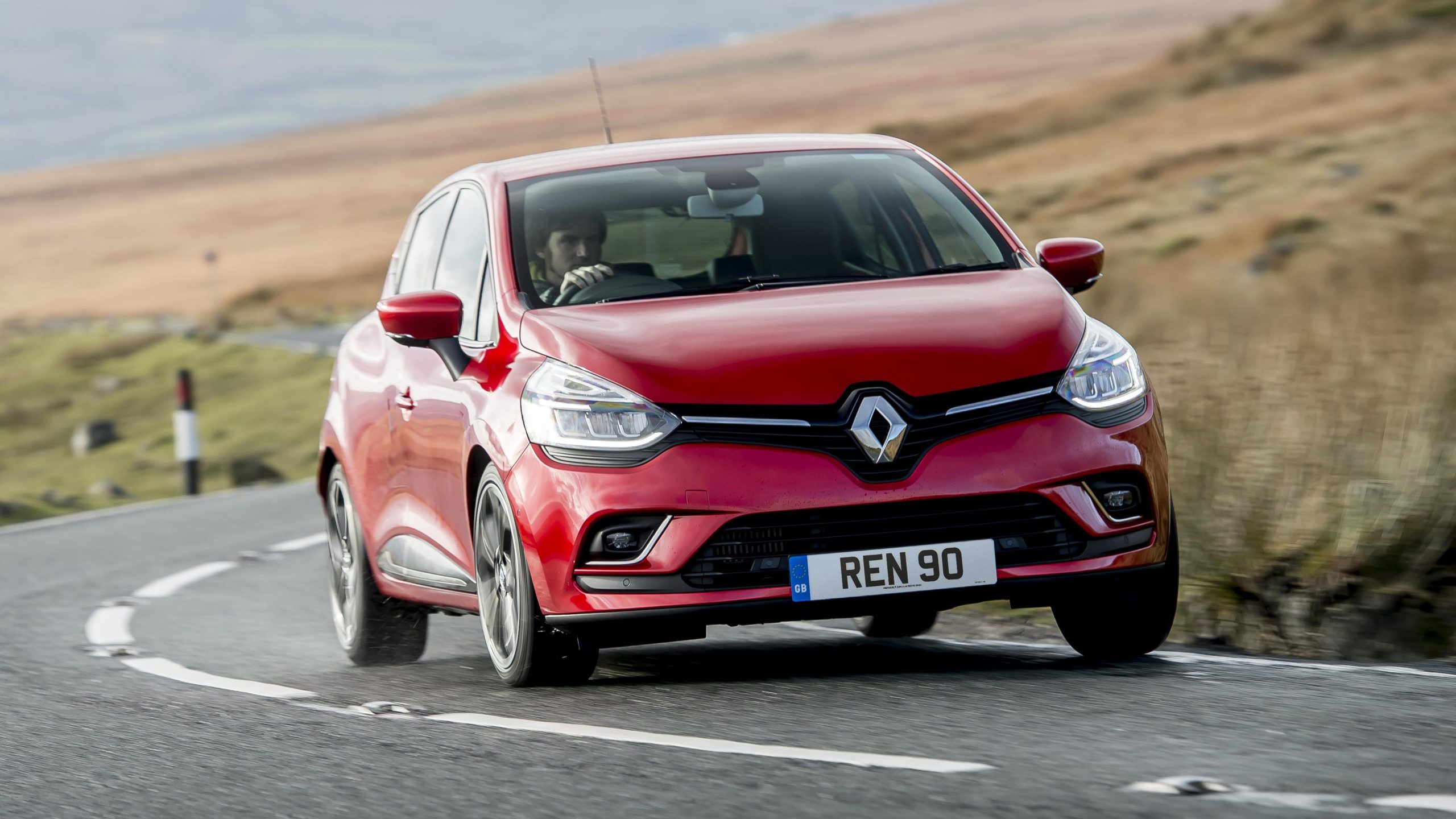
The rear seat space in the Clio is limited for adult passengers on long journeys. Taller rear passengers will feel legroom tighten against the front seats if they are adjusted for a tall driver. Headroom is acceptable for most, but the position becomes uncomfortable for extended periods.
Children manage better but still need regular breaks to keep the journey manageable. Fitting meaningful luggage for four people alongside a functional rear seat experience requires a degree of optimization.
The Clio’s infotainment system in 2026 is competent but not class-leading for navigation on long trips. The screen is a reasonable size, and the interface is logical enough. However, the connected services and real-time routing intelligence lag behind more premium options.
Fuel stop suggestions and service area information are basic rather than proactively useful. On a long, unfamiliar route, this means more active driver intervention than ideal.
The hybrid powertrain performs well in mixed and urban conditions but feels less suited to constant motorway speeds. Sustained high-speed driving reduces the fuel economy advantage significantly compared to pure combustion alternatives at the same pace.
The transitions between electric and petrol power can occasionally feel slightly abrupt on gradient changes at motorway speed. None of these issues is serious in isolation. Together, across many hours of driving, they combine into a picture of a car working harder than it was truly designed to. The Clio is wonderful at being a Clio. It simply was not designed to be a touring car.
Also Read: 10 Japanese Engine Tuners Swap Into Everything Else
