
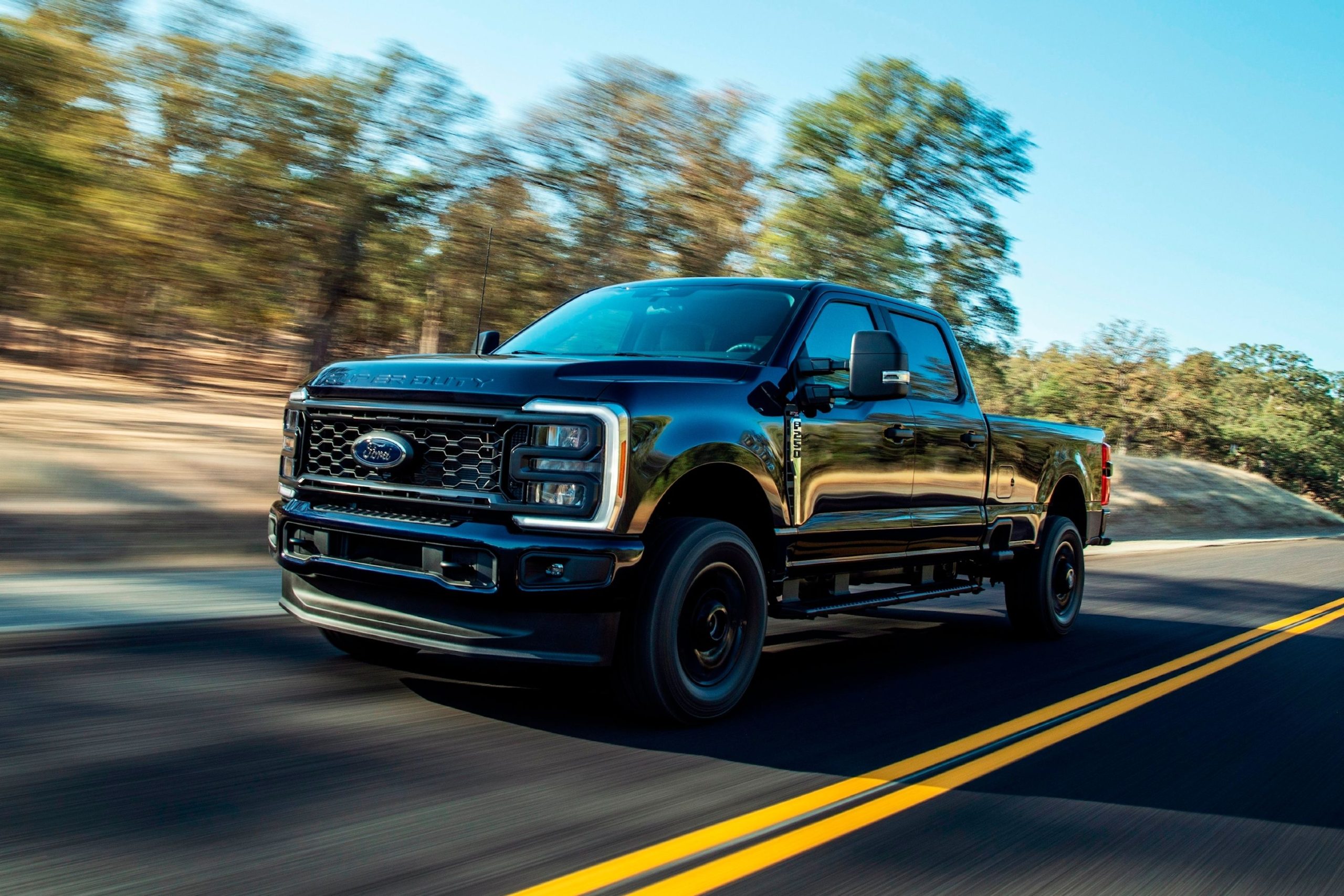
Buying a camper changes how you think about your truck. Before the camper, the truck was transportation. It hauled things occasionally, looked capable in the driveway, and handled whatever came up without much planning required. After the camper, the truck becomes the entire foundation of your outdoor lifestyle, and whether that foundation is solid determines everything about the experience from the moment you hitch up until the moment you back into the campsite.
A truck that tows a camper without breaking a sweat is not the same as a truck that can technically tow a camper. Maximum towing capacity ratings tell you the number at the very edge of the truck’s engineering limits, which is not where you want to be operating when you are loaded up with a four-season travel trailer on a mountain grade at 85 degrees Fahrenheit with the air conditioning running.
Real towing confidence comes from operating well within the truck’s capacity, which means choosing a truck whose maximum rating exceeds your camper’s loaded weight by a comfortable margin. Trailer sway control, integrated trailer brake controllers, exhaust brake systems on diesel trucks, and dedicated tow haul modes that adjust transmission behavior for sustained downhill grades are all features that transform the camper towing experience from stressful management of a vehicle combination that barely handles the load to confident, relaxed travel in a system that is working comfortably within its design parameters.
This guide covers eight trucks whose towing credentials come from genuine engineering investment rather than optimistic marketing copy. Each one handles common camper weights with room to spare, provides the stability and control technology that safe towing requires, and delivers the powertrain confidence that takes the anxiety out of mountain passes, headwinds, and loaded interstate merging.
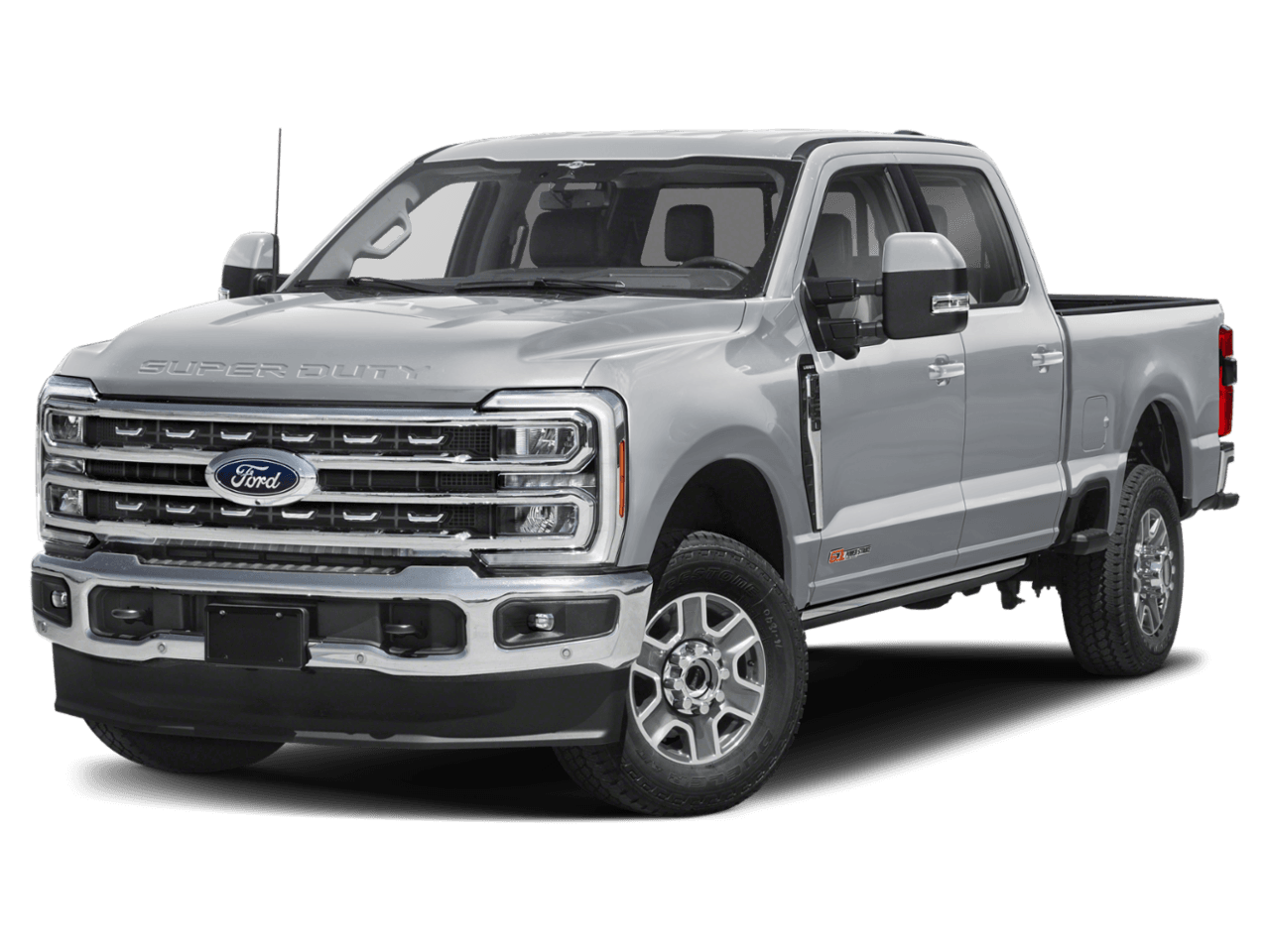
1. Ford F-250 Super Duty Lariat Crew Cab 4×4 6.7L Power Stroke Diesel (2024)
When serious camper-tower start their truck research, the conversation usually arrives at the Super Duty platform quickly, and the F-250 Lariat with the 6.7-liter Power Stroke turbodiesel is the configuration that best balances genuine heavy-duty capability with the daily driver refinement that buyers who use their trucks for everything appreciate during the weeks between camping trips.
6.7-liter Power Stroke turbodiesel producing 500 horsepower and 1,200 pound-feet of torque in its highest output configuration provides towing capacity up to 20,000 pounds with the Fifth Wheel/Gooseneck Prep Package, which means that conventional travel trailers, fifth wheel campers, and even the largest Class A diesel pushers are handled with enormous reserve. Operating a 10,000-pound trailer behind a truck rated for 20,000 pounds means working at 50 percent of capacity, which is exactly the margin that produces effortless towing rather than stressed, near-maximum operation.
Ford’s Pro Trailer Backup Assist turns the skill-intensive task of backing a trailer into a manageable operation by using knob control input to guide the trailer backward while the truck’s steering corrects automatically. For campers who back into tight campsite spots multiple times per season, this technology reduces the parking anxiety that trailer backing creates for drivers who have not spent decades developing this specific skill set.
Lariat trim adds content that the towing experience benefits from directly, including a 360-degree camera system with trailer-specific views, adaptive cruise control that maintains selected following distance and speed without driver intervention during highway towing, and a 12-inch SYNC 4 touchscreen with trailer management integration.
Trailer management integration allows the driver to monitor tire pressure and other trailer systems from the truck’s display, which is relevant for extended trips where checking trailer systems manually at every fuel stop is impractical. Integrated Trailer Brake Controller included as standard equipment eliminates the aftermarket brake controller installation that some competitors require as an additional purchase and installation step, providing brake system integration between truck and trailer without additional hardware or calibration effort from the buyer.
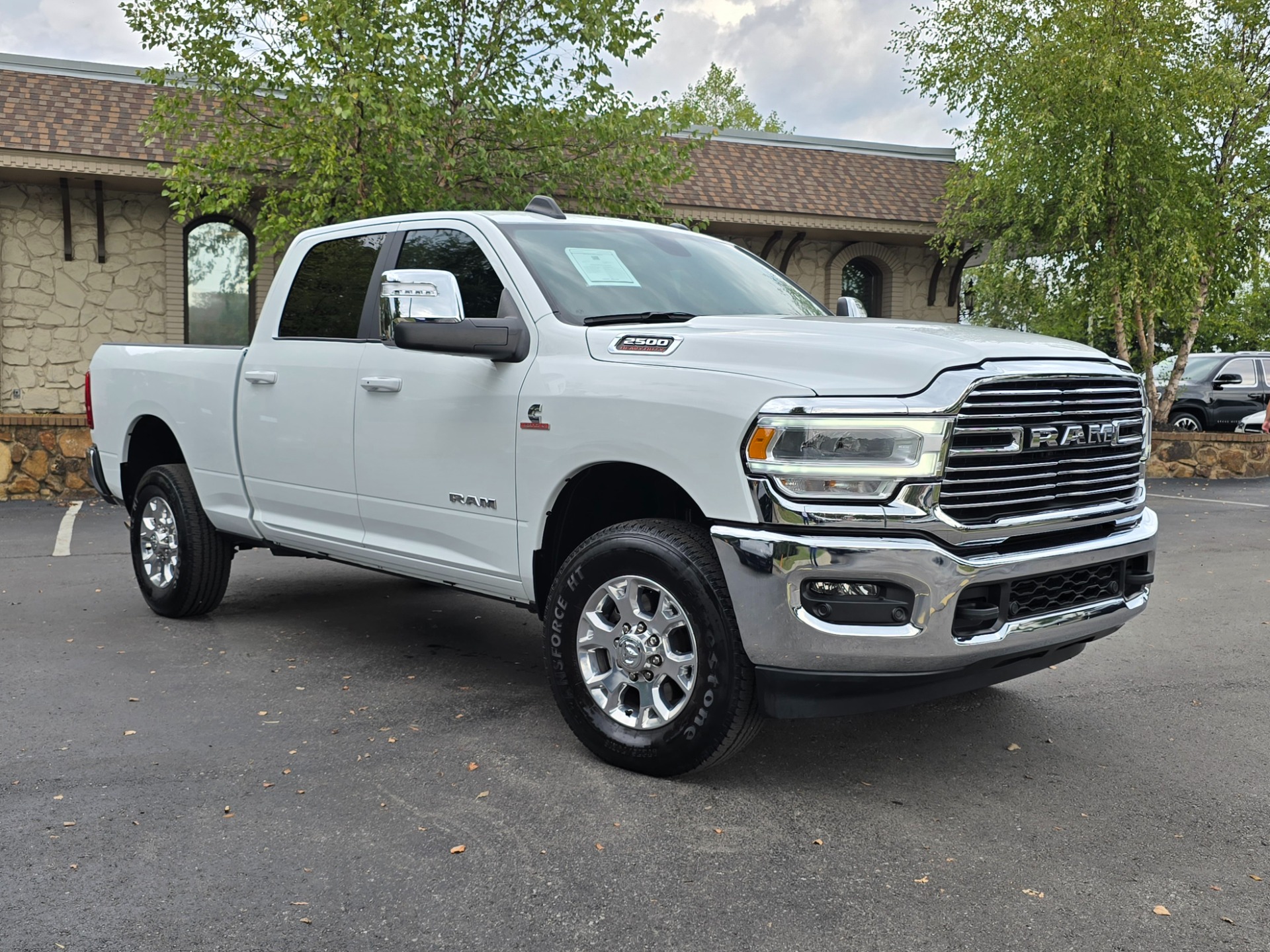
2. Ram 2500 Laramie Crew Cab 4×4 6.7L Cummins Turbo Diesel (2024)
Ram’s 2500 platform with the 6.7-liter Cummins inline-six turbodiesel has earned a specific and persistent loyalty among serious towers that the numbers alone do not completely explain, because there is something about how the Cummins delivers its torque that long-distance towing enthusiasts describe as fundamentally different from competing diesel applications.
900 pound-feet of torque at 1,700 RPM from the Cummins High Output configuration provides the immediate, low-RPM pulling force that towing demands from the moment the truck begins moving with a loaded trailer rather than requiring high RPM to access the engine’s tow-relevant power.
Towing a fully loaded fifth wheel through a steep uphill grade does not require the engine to wind up before providing assistance. Power is available from the initial throttle application, which produces confidence in the drivetrain behavior that more peak-focused powertrains do not replicate in the same way.
Ram’s available Air Ride Suspension on the Laramie specification provides automatic load leveling when a trailer is connected, and the tongue weight presses down on the truck’s rear axle. Maintaining a level vehicle attitude under towing loads improves both handling stability and headlight alignment, which are practical safety considerations that buyers who tow in low-light conditions or on mountain roads where level sight lines matter appreciate directly.
Aisin’s six-speed automatic transmission, available with the Cummins engine, provides transmission durability that heavy-duty towing specifically demands, with a robust torque converter and clutch pack design that handles the sustained load of long grades without the heat buildup that lighter-duty automatic transmissions develop under equivalent conditions. Ram’s own Torqueflite transmission is also available and performs well, but the Aisin option is specifically sought by buyers who prioritize transmission longevity under the most demanding towing conditions.
Trailer sway control calibrated specifically for the 2500’s towing mass applies individual wheel braking and throttle management to detect and correct trailer sway before it develops into a dangerous oscillation, which is the safety feature that makes the difference between a trailer correction that the driver barely notices and a sway event that becomes a serious handling emergency.
Also Read: 10 Cars With Sun Visors That Slide To Block Side Glare
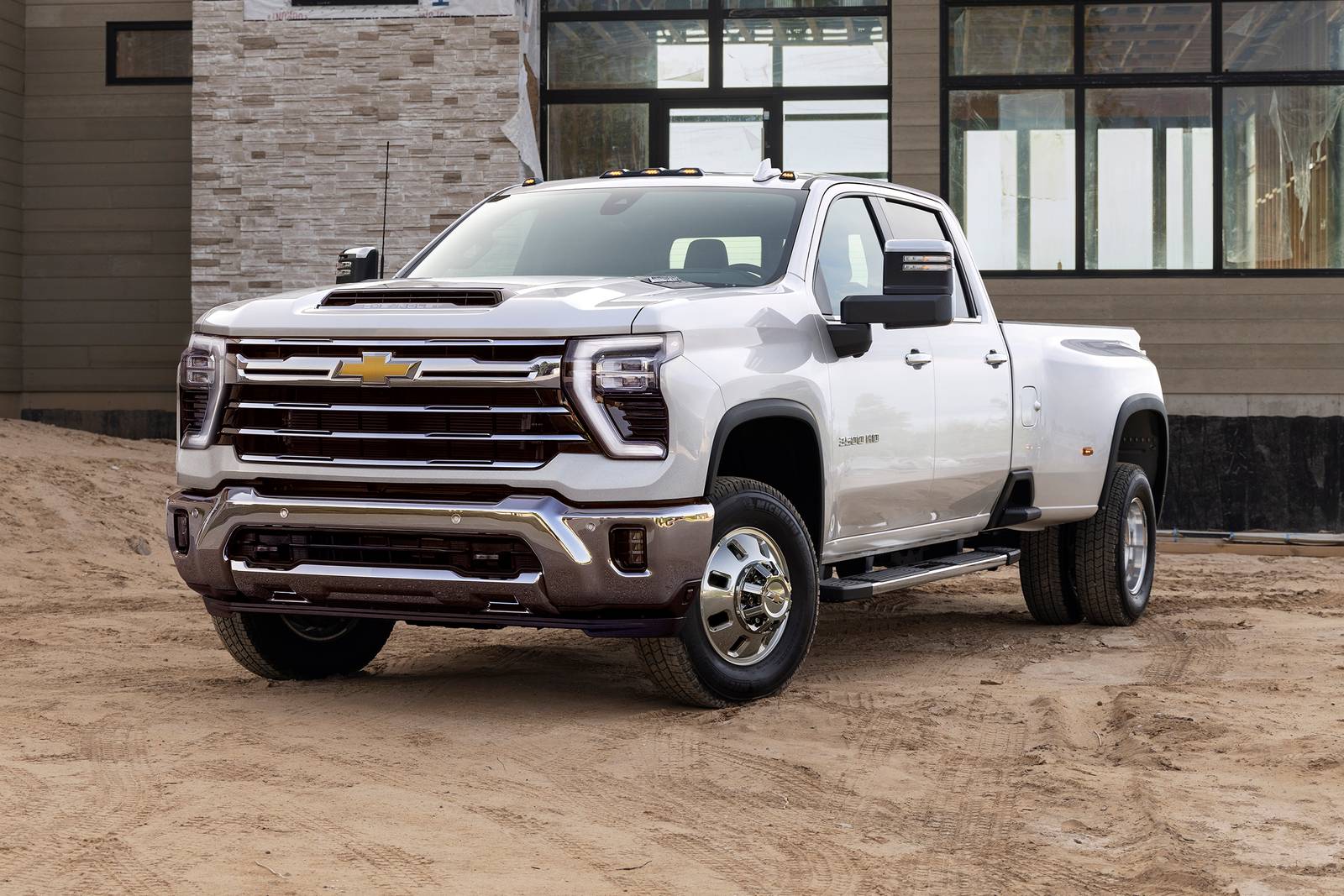
3. Chevrolet Silverado 2500HD LTZ Crew Cab 4WD 6.6L Duramax (2024)
Professional-grade towing capability is clearly expressed in the 2024 Chevrolet Silverado 2500HD LTZ Crew Cab 4WD equipped with the 6.6-litre Duramax L5P turbodiesel engine. This configuration reflects years of engineering refinement supported by extensive feedback from commercial fleet operators whose daily activities place sustained demands on vehicle durability.
As a result, the truck is structured to handle both recreational towing and continuous heavy-duty applications with confidence. Power delivery from the Duramax engine is both strong and controlled. Producing approximately 470 horsepower and 975 pound-feet of torque, the engine supplies sufficient pulling force for large travel trailers and fifth-wheel campers.
This level of torque ensures that the vehicle does not operate at its limits during towing, which contributes to long-term mechanical stability. The engine is paired with an Allison 10-speed automatic transmission, a system designed specifically for heavy-duty use rather than adapted from passenger vehicle applications. Gear transitions occur smoothly, maintaining steady power delivery even under load, which enhances driver confidence during highway travel.
Towing capacity reaches up to 18,500 pounds when properly configured. This capability accommodates a wide range of recreational trailers, allowing owners to transport large loads without difficulty. Equally important is the truck’s braking support system.
The integrated exhaust brake uses engine resistance to slow the vehicle during downhill driving. By reducing reliance on traditional friction brakes, this system helps manage heat buildup and preserves braking efficiency during long descents. Visibility during towing is supported by Chevrolet’s advanced camera system.
Multiple camera views, including side perspectives, assist the driver in monitoring trailer position and surrounding traffic conditions. This feature addresses the common limitation of reduced visibility caused by wide trailers, providing a clearer understanding of the vehicle’s surroundings without requiring extended mirrors.
Interior refinement within the LTZ trim enhances long-distance usability. Heated and ventilated front seats provide comfort across varying weather conditions, while a large touchscreen interface supports navigation and vehicle controls. Wireless charging and a premium audio system contribute to a pleasant cabin environment, particularly during extended journeys.
Chassis construction is designed to handle repeated load-bearing tasks without compromising structural integrity. Suspension components are tuned to balance ride comfort with durability, ensuring stability when carrying heavy loads. This design approach allows the vehicle to perform reliably across different road conditions.
The 2024 Chevrolet Silverado 2500HD LTZ Crew Cab 4WD with the 6.6-litre Duramax engine stands as a dependable solution for drivers who require strong towing capability combined with refined interior comfort. Its engineering supports consistent performance across both recreational and professional applications.
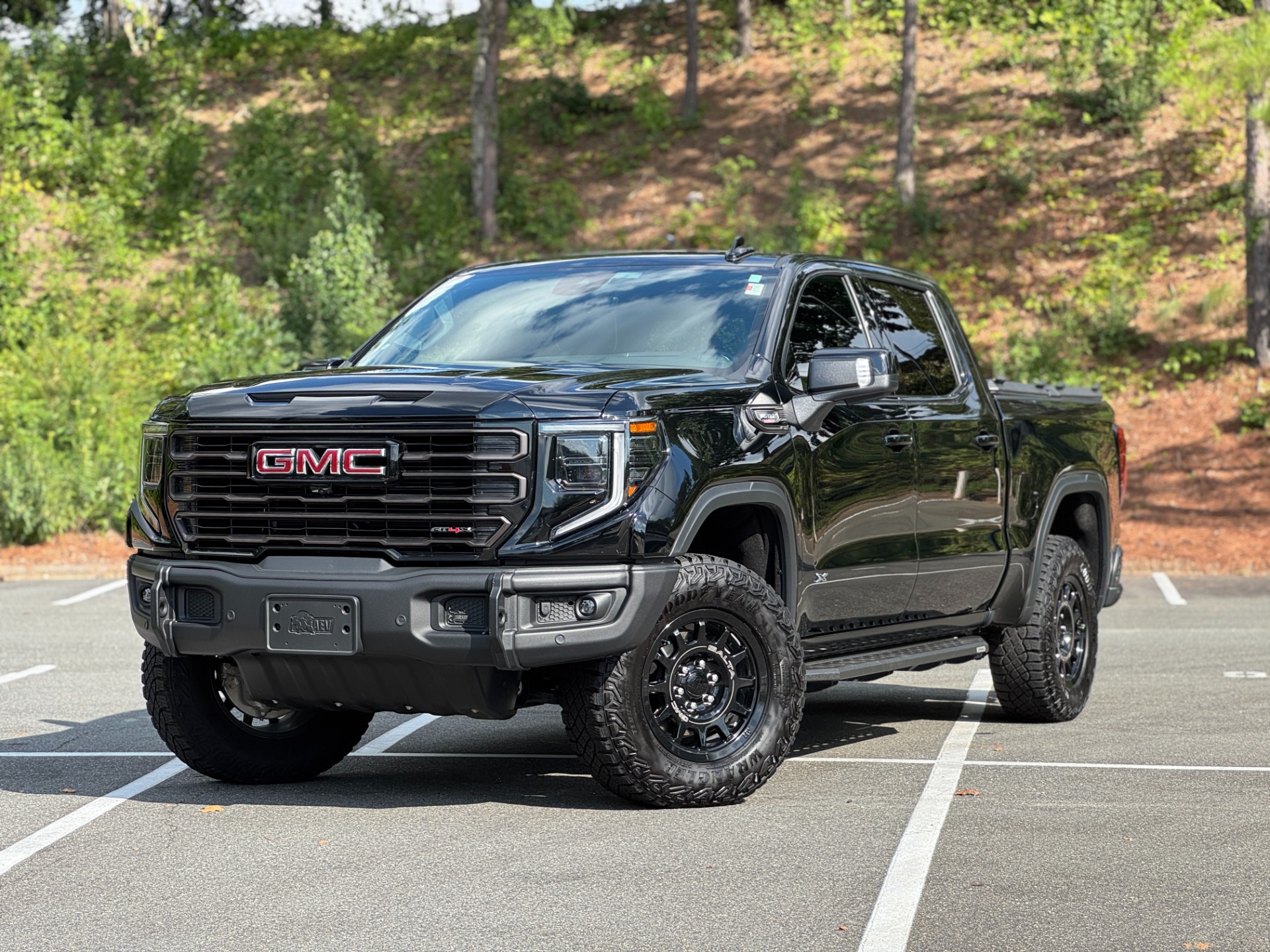
4. GMC Sierra 1500 AT4X AEV Edition Crew Cab 4WD 3.0L Duramax Diesel (2024)
Purpose-built versatility defines the 2024 GMC Sierra 1500 AT4X AEV Edition Crew Cab 4WD with the 3.0-litre Duramax diesel engine. This configuration addresses the needs of drivers who require moderate towing strength alongside enhanced off-road capability. By combining efficient diesel performance with specialised suspension and structural upgrades, the vehicle supports access to remote locations while maintaining daily usability.
The 3.0-litre Duramax inline-six engine delivers approximately 305 horsepower and 495 pound-feet of torque. This output provides sufficient strength for towing mid-size travel trailers while maintaining fuel efficiency that surpasses many gasoline alternatives. Diesel engines maintain consistent performance under load, which becomes evident during extended towing trips where fuel consumption remains more controlled.
Maximum towing capacity reaches approximately 9,300 pounds when properly configured. This figure covers a large portion of the mid-size trailer segment, allowing drivers to transport camping equipment with confidence. The engine is paired with a 10-speed automatic transmission that delivers smooth gear changes, ensuring steady power delivery during both highway driving and off-road conditions.
The AT4X AEV Edition introduces enhancements developed for demanding environments. These include reinforced rock rails, a specially designed front bumper with winch capability, and suspension tuning that increases ground clearance. These modifications enable the vehicle to access rugged campsites that standard road-focused trucks may find challenging. Increased ground clearance also reduces the risk of underbody damage when travelling on uneven surfaces.
Trailer management systems contribute to ease of use. An integrated trailer brake controller allows precise control of braking force, while trailer profile memory enables drivers to store settings for different trailers. This feature simplifies the process of switching between towing configurations, reducing the need for repeated adjustments.
Interior design supports both comfort and practicality. Durable materials withstand outdoor use, while modern technology features provide convenience during travel. Infotainment systems offer connectivity and navigation support, ensuring that drivers remain informed during long trips. Seating comfort is maintained through supportive cushioning and adjustable configurations.
Vehicle dimensions remain manageable compared to larger heavy-duty trucks. This size advantage improves maneuverability in tight spaces such as campgrounds and narrow access roads. Drivers benefit from easier parking and reduced turning effort, particularly in environments not designed for larger vehicles.
All-wheel drive capability enhances traction across varied conditions. Whether travelling on gravel paths, wet surfaces, or uneven roads, the system distributes power effectively to maintain stability. This feature extends the vehicle’s usability across different environments and seasons.
The 2024 GMC Sierra 1500 AT4X AEV Edition Crew Cab 4WD with the 3.0-litre Duramax engine provides a balanced solution for drivers seeking towing capability combined with off-road readiness. Its engineering supports both practical travel needs and access to less developed locations, making it suitable for a wide range of driving conditions.
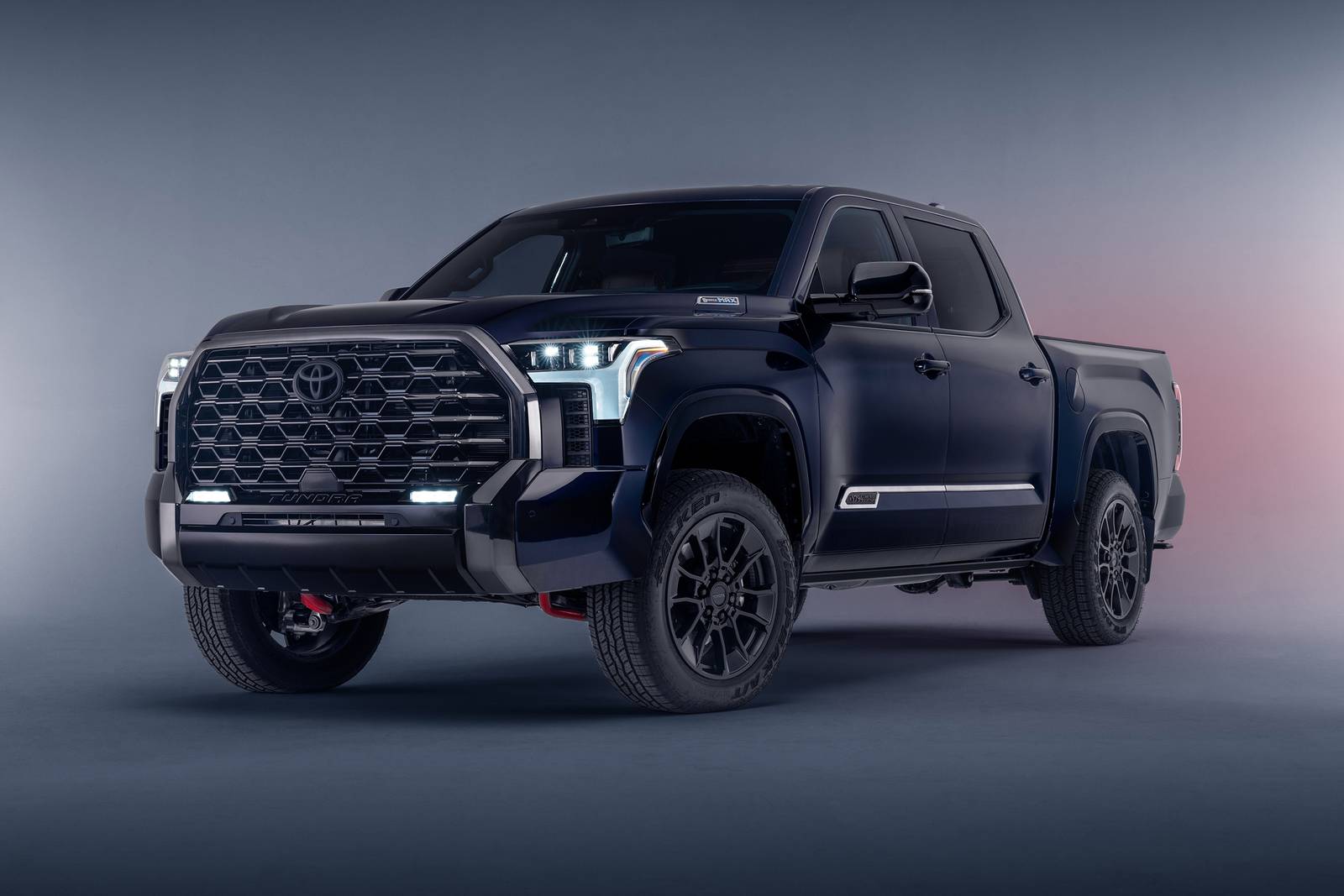
5. Toyota Tundra TRD Pro Crew Max 4×4 3.5L iForce MAX Hybrid (2024)
Toyota’s redesigned Tundra with the iForce MAX hybrid powertrain changed the towing conversation for the full-size half-ton segment by demonstrating that hybrid technology could enhance towing performance rather than representing a compromise for buyers who prioritize efficiency.
Previous assumptions about hybrid trucks centered on limited towing capacity and battery management concerns under load. iForce MAX addressed both with a system specifically engineered for towing performance rather than adapted from a passenger car hybrid architecture.
iForce MAX twin-turbocharged 3.5-liter V6 with electric motor integration producing 437 horsepower and 583 pound-feet of torque provides maximum towing capacity of 11,455 pounds in TRD Pro Crew Max configuration, which covers travel trailers in the 8,000 to 10,000-pound range with operating reserve that prevents the stressed drivetrain behavior that near-maximum towing creates.
Electric motor torque available from zero RPM supplements the combustion engine’s output precisely when towing demands are highest, which is during launch from a stop with a loaded trailer and during initial grade climbing when the engine is transitioning from light-load to heavy-load operation.
Toyota’s integrated trailer brake controller and trailer sway control provide the electronic safety systems that confident camper towing requires, and the TRD Pro specification adds a Multi-Terrain Monitor with cameras that display underside and surrounding views during off-road campground access, where rocks and obstacles beneath the truck are not visible from the driver’s position.
Off-road campground access capability from the TRD Pro’s improved ground clearance, locking rear differential, and TRD-tuned suspension extends the Tundra’s camping utility beyond destinations accessible on paved roads. Hybrid battery thermal management specifically engineered for sustained towing load conditions prevents the battery temperature issues that poorly designed hybrid systems exhibit under the consistent high-power-demand conditions of towing across mountain grades.
Toyota’s battery management calibration during towing draws electric motor assistance at a sustainable rate rather than depleting the battery quickly and then operating in combustion-only mode, which eliminates the hybrid system’s contribution to towing performance.
Toyota’s long-term reliability reputation among recreational vehicle owners who specifically depend on their tow vehicles for multi-week camping seasons provides confidence in high-mileage towing use that competitors with shorter track records in demanding applications cannot match from equivalent documented ownership data.
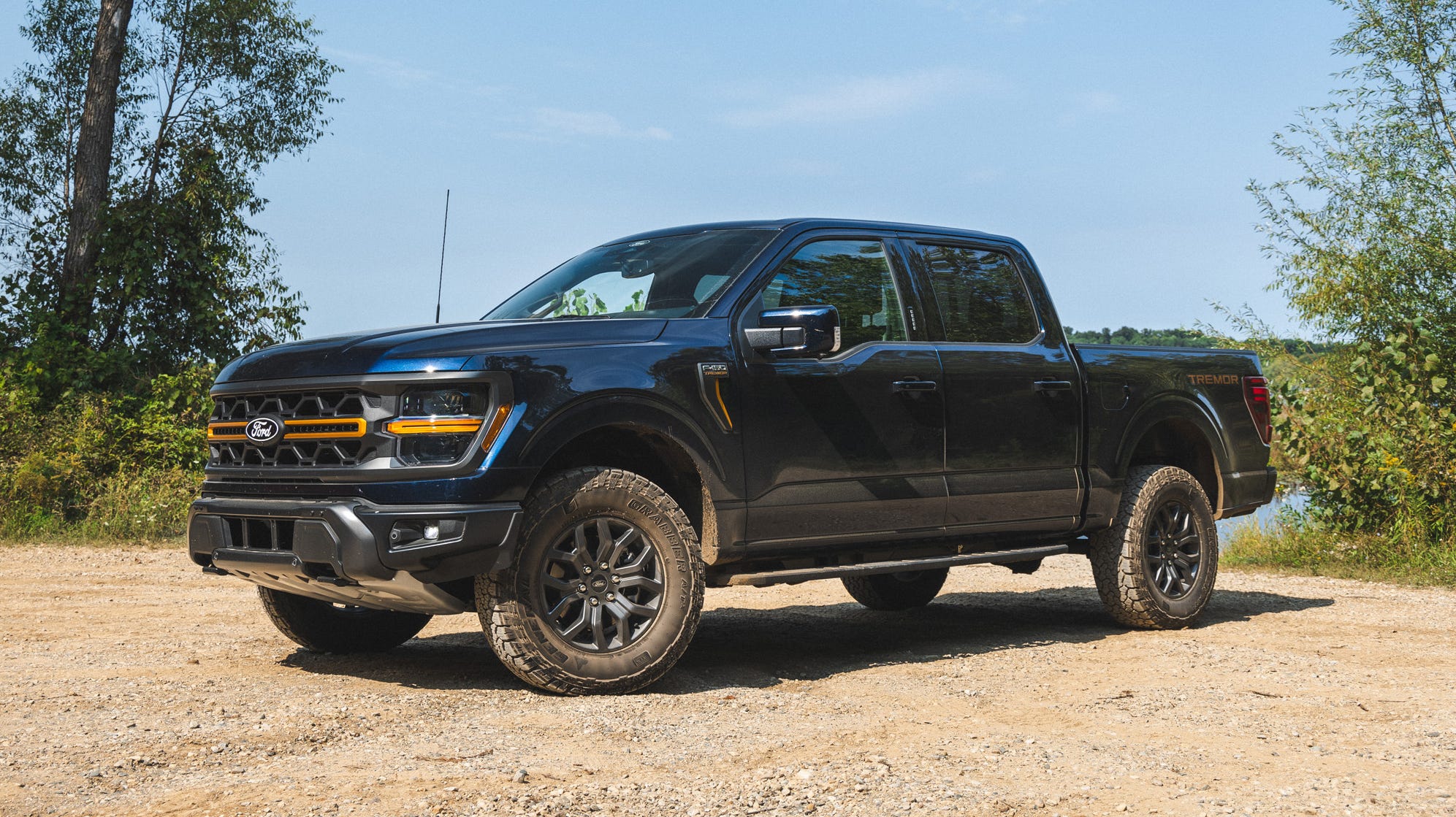
6. Ford F-150 PowerBoost Hybrid XLT SuperCrew 4×4 3.5L EcoBoost (2024)
Ford’s F-150 PowerBoost hybrid generates enthusiasm from buyers who want the F-150’s established versatility, fuel efficiency, and technology leadership combined with towing capability that covers the mid-size and large travel trailer categories that represent the most popular camper segments in the American recreational vehicle market.
PowerBoost 3.5-liter twin-turbocharged EcoBoost V6 with electric motor integration producing 430 horsepower and 570 pound-feet of torque provides maximum towing capacity of 12,700 pounds in properly configured F-150 applications, which is the highest towing capacity available in any half-ton hybrid truck and which covers the majority of travel trailers sold in North America with meaningful reserve.
Operating a 9,000-pound travel trailer behind a truck rated for 12,700 pounds provides the operating margin that keeps the powertrain in its efficient, confident range rather than pushing into the thermal and mechanical stress zone where near-maximum towing operation exists.
Pro Power Onboard generator capability built into the F-150 PowerBoost provides 7.2 kilowatts of exportable power that allows operation of campsite equipment, power tools for outdoor projects, and emergency power without requiring a separate generator.
Campers who previously carried a gas generator for campsite power find that the Pro Power Onboard system eliminates the generator’s weight, storage requirement, fuel logistics, and noise from their camping setup, which simplifies the camping trip preparation and execution considerably.
Intelligent Adaptive Cruise Control with a towing-specific calibration maintains following distance when towing by accounting for the longer stopping distance that a trailer adds to the truck’s braking calculation, reducing the cruise control speed management behavior that standard adaptive cruise systems sometimes exhibit when they are calibrated without accounting for trailer weight in the following distance calculation.
Trailer-aware adaptive cruise provides genuine cruise control utility during highway towing rather than the constant intervention-required behavior that non-tow-aware cruise calibrations produce when following distance thresholds do not account for loaded trailer stopping requirements.
Ford’s BlueCruise hands-free highway driving capability available on XLT and higher trims provides hands-free operation during compatible highway segments, which reduces driver fatigue during long towing drives between home and distant campgrounds where highway miles accumulate across multiple hours of sustained attention.
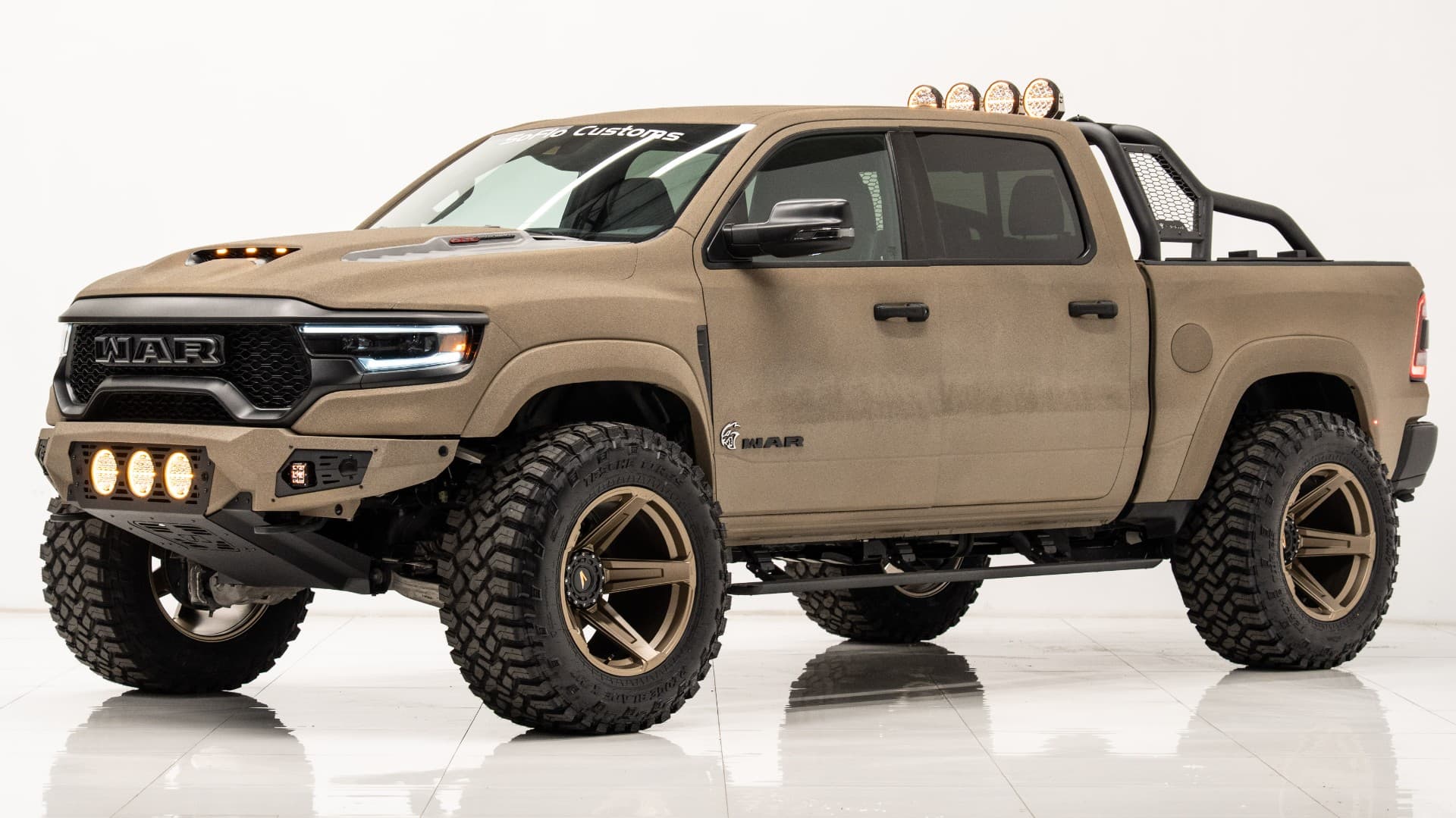
7. Ram 1500 TRX Crew Cab 4×4 6.2L Supercharged HEMI V8 (2024)
Choosing the Ram 1500 TRX for a camper towing article might initially seem like choosing the wrong truck for the right list, because the TRX’s most publicized attributes are its 702 horsepower output, its Baja off-road capability, and its quarter-mile time rather than its trailer management technology and towing stability.
But the maximum towing capacity of 8,100 pounds from a truck with the powertrain reserve that the supercharged 6.2-liter HEMI provides creates a towing experience where confidence comes from overwhelming capability rather than adequate capability, which is a different and genuinely compelling towing proposition. 6.2-liter supercharged HEMI V8 producing 702 horsepower and 650 pound-feet of torque in a half-ton body creates a power-to-weight relationship that makes 6,000 to 7,000-pound travel trailers feel genuinely weightless to the drivetrain.
When a truck has 702 horsepower available and is pulling 6,500 pounds of trailer, grade climbing that challenges adequate towing trucks becomes a non-event that does not require any adjustment to the typical driving style or any concern about maintaining highway speed on grades that affect less powerful alternatives.
TorqueFlite eight-speed automatic transmission calibration in the TRX uses launch control software and transmission management algorithms developed for the truck’s performance application, which produces trailer acceleration behavior that is smooth and controlled despite the supercharger’s boost pressure adding aggression to full-throttle power delivery.
Towing with the TRX requires disciplined throttle input to prevent the available power from overcoming trailer traction rather than the opposite concern that adequate-towing trucks create, but experienced drivers find this characteristic preferable to insufficient power reserve in challenging towing conditions.
Bilstein Black Hawk e2 electronically controlled shock absorbers in the TRX provide adaptive suspension management that the truck adjusts based on detected driving conditions, which, during towing, stabilizes the rear suspension against the pitch and bounce that trailer tongue weight and trailer dynamics create.
Electronically adaptive rear damping specifically improves towing stability compared to fixed-rate alternatives by resisting the suspension articulation that trailer-induced pitch creates rather than simply absorbing it after it has already affected vehicle attitude.
Buyers who choose the TRX for towing acknowledge that they are paying a substantial premium for capability they use only during towing, which the rest of the TRX’s attributes compensate for through off-road access and performance that no comparably rated towing truck provides from the same vehicle.
Also Read: 8 Cars That Are Easy To Park In Tight City Spots
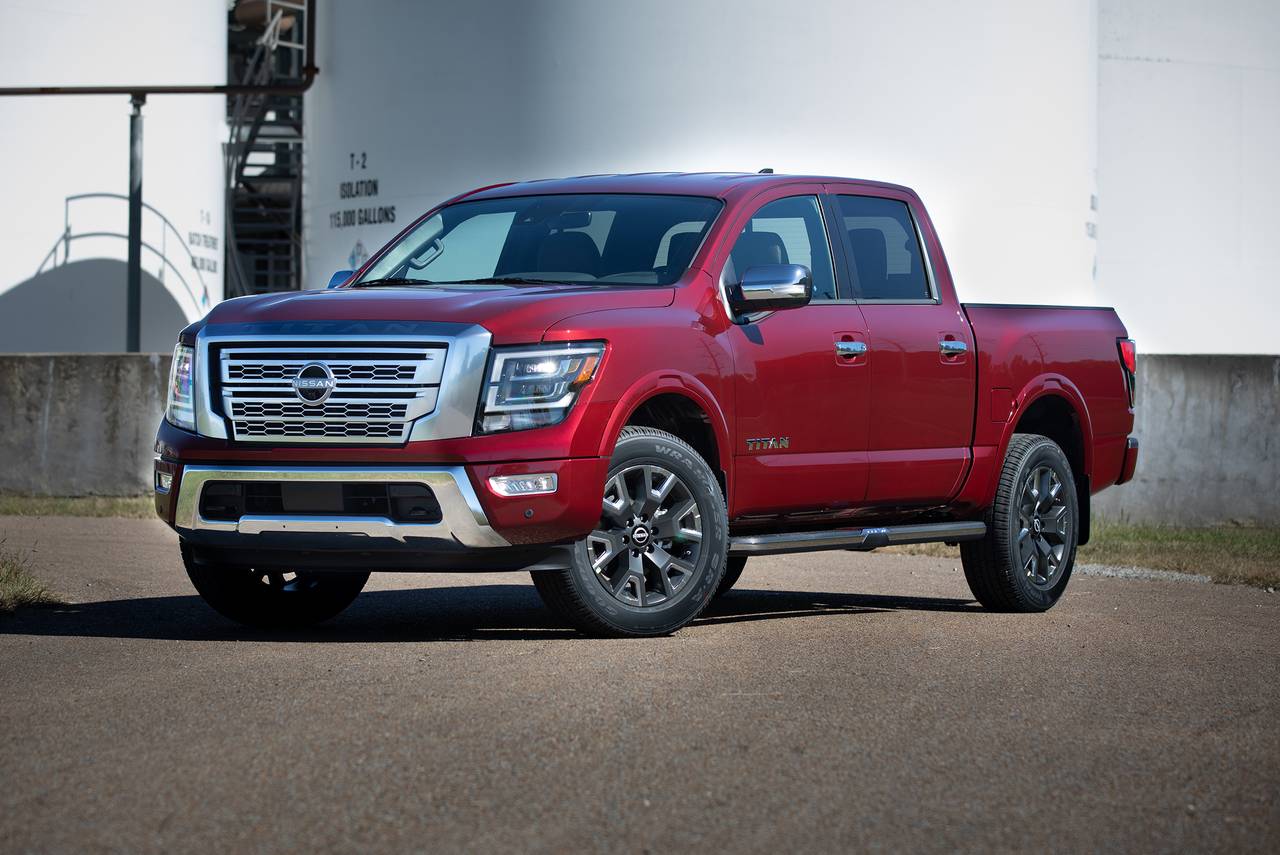
8. Nissan Titan XD Pro-4X Crew Cab 4WD 5.6L V8 (2024)
Nissan’s Titan XD positions itself between traditional half-ton pickups and full heavy-duty trucks, offering a balanced solution for drivers who require stronger towing capability without committing to the size and operating demands of a larger platform. This middle-ground approach allows the vehicle to deliver improved hauling strength while maintaining manageable dimensions for daily driving, parking, and general maneuverability.
When properly configured in Pro-4X form, the Titan XD achieves a maximum towing capacity of approximately 11,040 pounds. This level of capability comfortably supports travel trailers within the 9,000 to 10,000-pound range, providing a margin that promotes stable and controlled towing. Drivers benefit from this reserve capacity, particularly during highway driving or when handling varying road conditions.
Power comes from a 5.6-litre Endurance V8 engine that produces about 400 horsepower and 413 pound-feet of torque. As a naturally aspirated engine, it delivers smooth and linear acceleration without the variations associated with turbocharged systems. This consistency simplifies throttle control during towing, making it easier for drivers to maintain steady speed and predictable performance under load.
Off-road capability is enhanced through Pro-4X-specific features. Bilstein shock absorbers improve ride control on uneven surfaces, while an electronic locking rear differential increases traction when driving on loose or slippery ground. Ground clearance and optimized approach and departure angles allow access to remote areas, supporting outdoor activities that extend beyond paved roads. This combination enables the Titan XD to serve both as a towing vehicle and as a platform for reaching less accessible locations.
Towing support systems are integrated to assist the driver. A built-in trailer brake controller provides direct control over the braking force applied to the trailer, while trailer sway control uses selective braking to maintain stability. A hitch-view camera simplifies the process of aligning the trailer during connection, reducing effort and improving accuracy.
Warranty coverage adds another layer of confidence. Nissan provides a five-year or 100,000-mile powertrain warranty, offering extended protection for major components. This coverage supports long-term ownership, especially for drivers who use the truck frequently for towing and accumulate higher mileage.
The Nissan Titan XD delivers a practical combination of towing strength, off-road capability, and everyday usability within a single platform.
