
The compact car market for American Gen-Z buyers has become a clear split between smart budget choices and expensive emotional purchases. On one side are practical hatchbacks that focus on affordability, fuel efficiency, safety, and everyday usability.
On the other side are premium compacts that push styling, performance, or branding to justify much higher prices without always delivering proportional value. This comparison of “4 Budget Hatchbacks for American Gen-Z vs. 4 Overpriced Compacts” highlights how far apart these two directions have become in 2026.
The budget group, led by models like the Toyota Corolla Hatchback, Kia K4 Hatchback, Subaru Impreza Hatchback, and Mitsubishi Mirage, prioritizes real-world needs such as low ownership costs, reliability, and practicality.
Meanwhile, the premium group, including performance-focused and luxury-leaning compacts, targets buyers willing to pay significantly more for design, speed, or badge appeal. Together, these eight vehicles define the modern divide between sensible transportation and lifestyle-driven spending in the compact segment.
4 Budget Hatchbacks for American Gen-Z
1. 2026 Toyota Corolla Hatchback
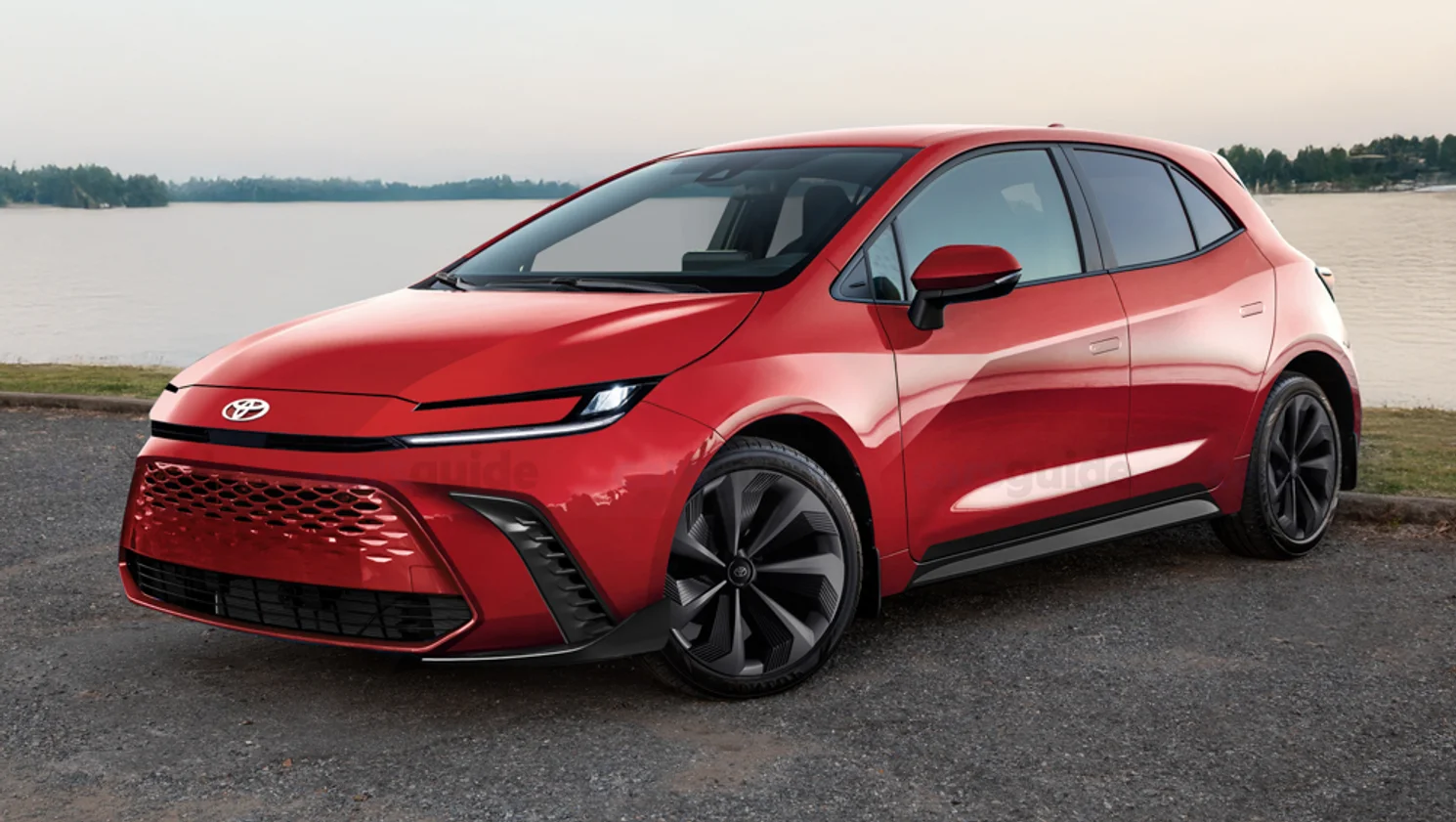
For young drivers entering the car market, finding a vehicle that balances cost, reliability, and style can be challenging. The 2026 Toyota Corolla Hatchback meets those needs by offering a well-rounded package that emphasizes long-term value without feeling dull or outdated. With a starting price of around $23,000, it remains accessible while still delivering a modern design and useful features that appeal to a new generation of drivers.
The exterior design gives the Corolla Hatchback a sporty edge, with sharp lines and a low, aggressive stance that helps it stand out in a crowded segment. The FX Edition enhances this look further by adding a rear spoiler and blacked-out trim, giving buyers a more customized appearance without pushing the price too high. This blend of affordability and visual appeal makes it especially attractive to Gen-Z buyers who want both function and style.
Under the hood, the car is powered by a 2.0-liter four-cylinder engine producing 169 horsepower, paired with a continuously variable transmission. It is not designed for speed, but it delivers steady and predictable performance that suits daily driving. Acceleration is moderate, and the engine can sound strained under heavy throttle, yet the ride remains smooth and composed. The suspension handles most road imperfections well, while sport-oriented trims such as the SE and XSE offer improved handling through a firmer suspension setup and larger wheels.
Fuel efficiency continues to be one of the Corolla’s biggest strengths. Gas models achieve up to 32 mpg in the city and 41 mpg on the highway, while hybrid versions provide even better fuel savings. This makes the car a practical option for both urban commuting and longer drives, especially for drivers who want to minimize fuel expenses.
Inside, the cabin focuses on simplicity and functionality. The dashboard layout is clean, and the materials feel solid for the price range. Standard features include an 8-inch touchscreen infotainment system with Apple CarPlay and Android Auto. Optional upgrades include a larger 10.5-inch display, wireless charging, and a JBL sound system. While rear passenger space is somewhat limited, the hatchback design offers about 17.8 cubic feet of cargo space, which can be expanded by folding down the rear seats.
Safety is a major highlight, with every model equipped with Toyota Safety Sense 3.0. This suite includes adaptive cruise control, lane-keeping assist, forward-collision warning, and automatic emergency braking. These features enhance driver confidence and can help reduce insurance costs.
The 2026 Corolla Hatchback stands as a reliable and efficient choice for drivers who value practicality, modern styling, and affordability in a daily vehicle.
2. 2026 Kia K4 Hatchback
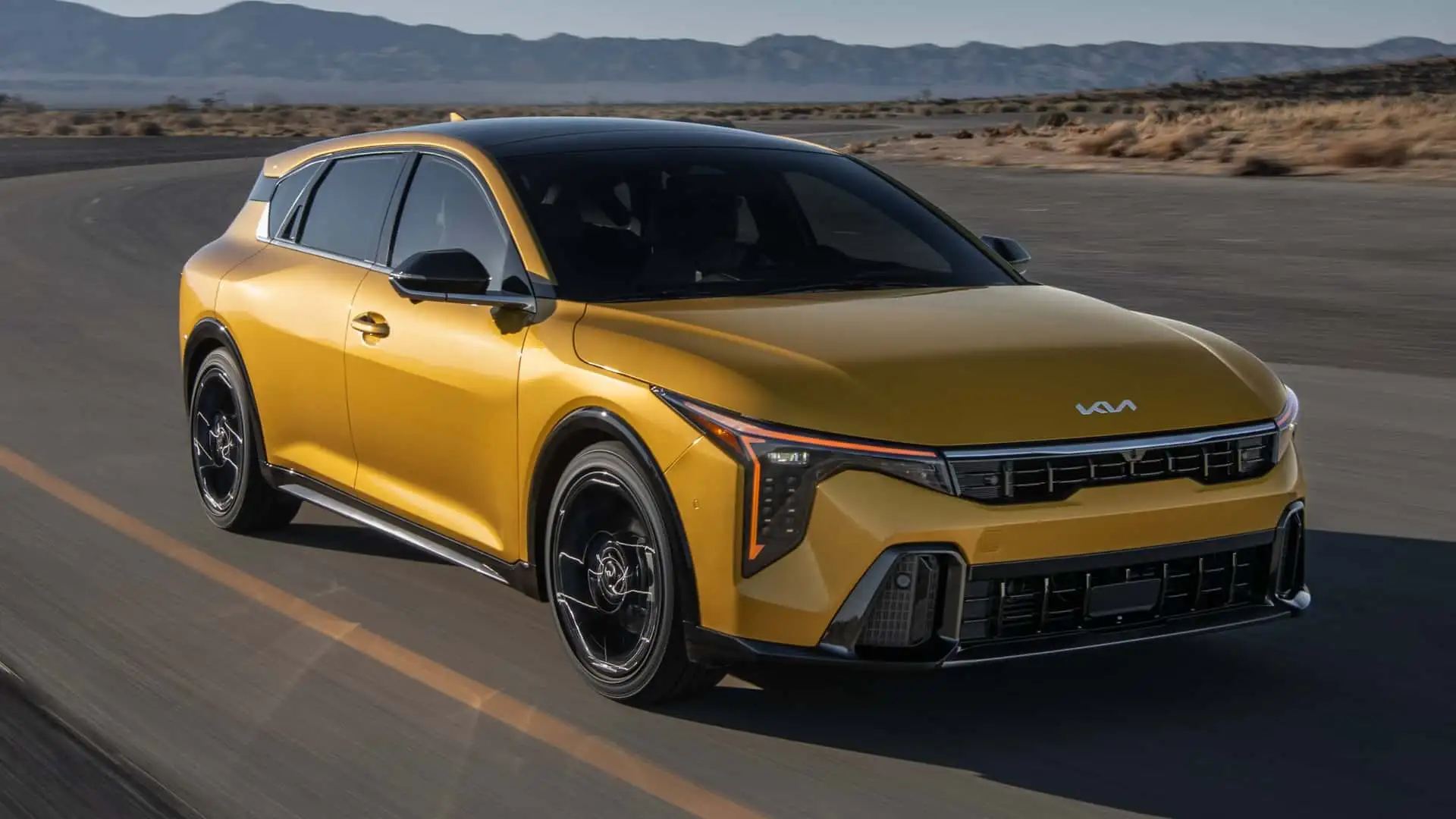
For drivers who want a compact car that feels modern, expressive, and versatile, the 2026 Kia K4 Hatchback presents a strong option. Taking over from the Forte, it brings a completely new identity that blends bold styling with practical features suited for everyday use. With a starting price in the mid-$20,000 range, it remains accessible while offering a level of design and technology that feels more premium than expected at this price point.
The exterior design is a major highlight, shaped by Kia’s “Opposites United” philosophy. It features a wide, planted stance, sharp body lines, and a futuristic look that gives it a distinctive presence on the road. Elements such as sleek LED lighting, sculpted rear fenders, and a clean rear profile contribute to its upscale appearance.
Its proportions and styling have drawn comparisons to more expensive hatchbacks like the Volkswagen Golf GTI and Audi A3 Sportback, making it especially appealing to younger buyers who value aesthetics.
Inside, the K4 Hatchback focuses on delivering a tech-forward and comfortable cabin. The dashboard is dominated by dual 12.3-inch displays that function as the infotainment system and digital instrument cluster. Standard Apple CarPlay and Android Auto provide seamless connectivity, while physical buttons remain available for ease of use.
The materials are practical but refined, with SynTex upholstery offering a leather-like finish. Higher trims include added comfort features such as ventilated seats, which make the driving experience more enjoyable and comfortable in everyday use.
Performance is designed to suit a wide range of drivers. The base engine is a 147-horsepower 2.0-liter four-cylinder paired with a continuously variable transmission, offering steady and efficient performance for daily commuting. For those seeking more power, a 190-horsepower turbocharged 1.6-liter engine paired with an eight-speed automatic transmission is available.
This version delivers quicker acceleration, reaching 0 to 60 mph in about 7 seconds. The ride quality is smooth and composed, with a suspension that absorbs road imperfections well, though it prioritizes comfort over sporty handling.
Practicality is one of the K4 Hatchback’s strongest attributes. Compared to the sedan version, it offers more rear headroom and significantly greater cargo capacity. There is about 22 cubic feet of space behind the rear seats, which expands to 59.3 cubic feet when the seats are folded. This makes it a versatile choice for carrying passengers, luggage, or larger items, while still being easier to maneuver than most SUVs.
Safety and long-term ownership value are also key strengths. The K4 Hatchback holds a 5-star safety rating from the National Highway Traffic Safety Administration and comes equipped with a range of driver-assistance features. Kia’s 10-year powertrain warranty adds further reassurance for buyers planning to keep the vehicle for years.
The 2026 Kia K4 Hatchback combines bold design, modern technology, and everyday practicality, making it a compelling choice for drivers who want both style and substance in a compact car.
3. 2026 Subaru Impreza Hatchback
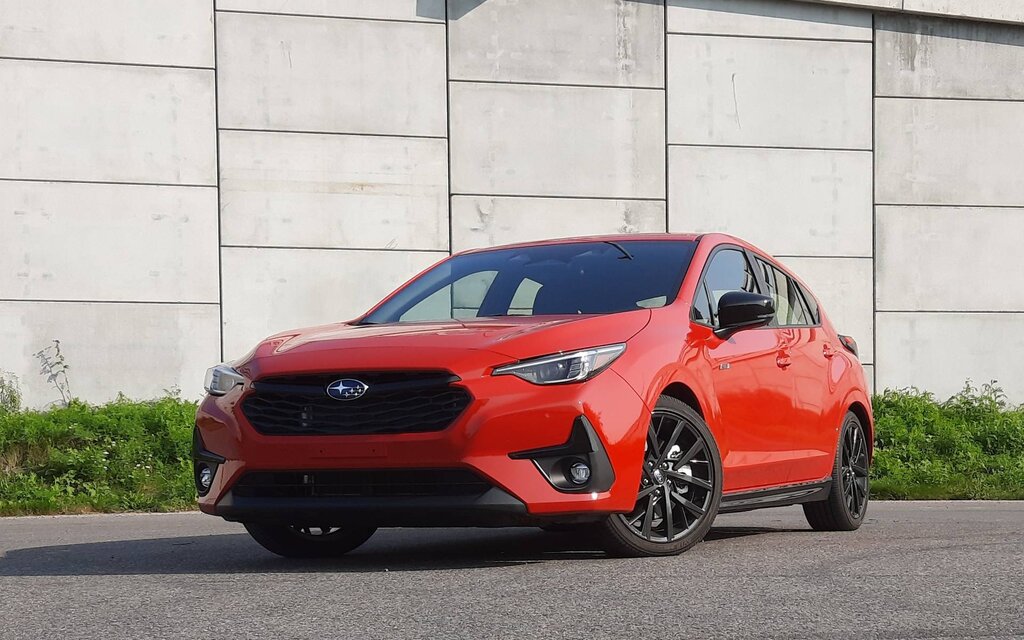
For drivers who need dependable transportation in all seasons without stretching their budget, the 2026 Subaru Impreza Hatchback offers a straightforward and capable solution. Positioned at around $24,500, it remains one of the few compact cars in its class to include standard all-wheel drive, making it especially appealing for regions with snow, rain, or rough road conditions. Subaru focuses this model on durability, practicality, and confidence behind the wheel rather than flashy design or aggressive performance.
The Impreza Hatchback is built around everyday usefulness and outdoor flexibility. Its exterior supports active lifestyles with easy compatibility for roof racks, making it suitable for bikes, skis, and camping gear. The design itself is simple and functional, emphasizing visibility and ease of use over bold styling. Inside, the cabin follows the same practical approach, offering a spacious layout with excellent outward visibility that helps new and experienced drivers feel more secure in traffic and tight spaces.
Technology receives a meaningful upgrade with an 11.6-inch touchscreen infotainment system. It supports wireless Apple CarPlay and Android Auto, allowing easy smartphone integration without cables. Physical climate and audio controls remain available, which improves usability while driving. The interior is not luxurious, but it is durable and thoughtfully arranged for daily life.
Cargo flexibility is a key advantage of the Impreza Hatchback. It provides about 20.4 cubic feet of space behind the rear seats, expanding to roughly 56 cubic feet when the seats are folded down. This makes it capable of handling larger items such as luggage, sports equipment, or camping supplies. The rear seats feature a 60/40 split-fold design, allowing different combinations of passenger seating and cargo storage depending on the situation.
Under the hood, the Impreza offers two naturally aspirated flat-four engines. The base 2.0-liter engine produces 152 horsepower, while the RS trim upgrades to a 2.5-liter engine with 180 horsepower. Both are paired with a continuously variable transmission and Subaru’s standard all-wheel-drive system. Acceleration is modest, with the RS reaching 0 to 60 mph in about 7.8 seconds. The driving experience focuses on stability and comfort rather than speed, with a smooth ride and controlled handling that performs well in daily conditions.
Fuel efficiency is another practical strength. The Impreza achieves up to 27 mpg in the city and 33 mpg on the highway, with real-world testing showing even higher highway efficiency in some cases. This makes it a cost-effective option for commuting and long-distance travel.
Safety remains a core priority. Subaru’s EyeSight driver-assistance suite comes standard and includes adaptive cruise control, lane centering, and automatic emergency braking. Additional features, such as blind-spot monitoring, are available on higher trims.
The 2026 Impreza Hatchback delivers dependable all-weather performance, strong practicality, and modern safety features, making it a solid choice for budget-conscious drivers with active lifestyles.
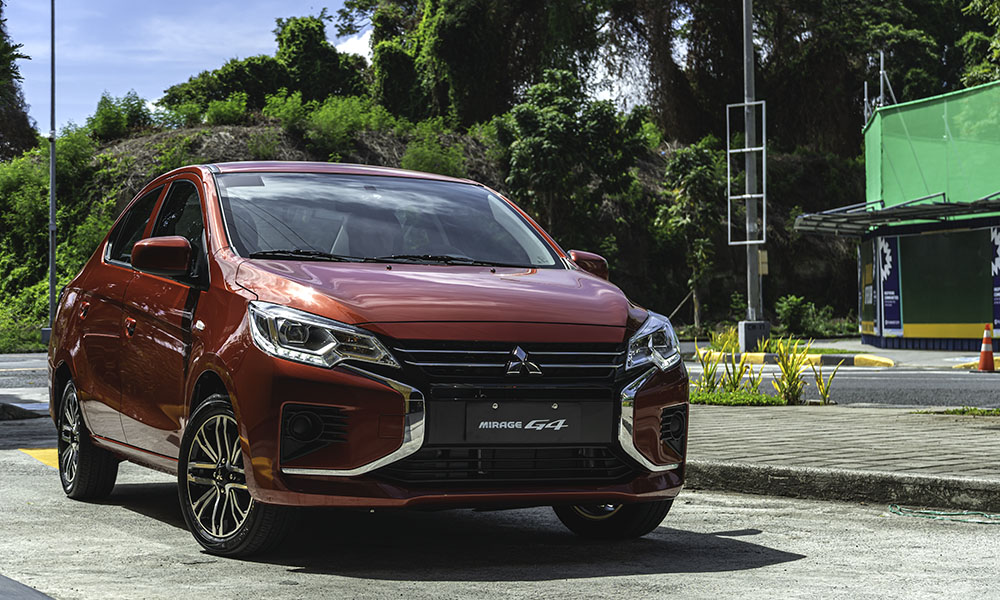
4. 2026 Mitsubishi Mirage
Built for drivers who want dependable transportation at the lowest possible price, the 2026 Mitsubishi Mirage focuses on keeping costs down while covering everyday driving needs. With a starting price under $19,000, it remains one of the most affordable new cars on the market, making it a common choice for students, first-time buyers, and anyone prioritizing low monthly payments over features or performance.
Fuel efficiency is a major strength of the Mirage. Its small 1.2-liter three-cylinder engine is tuned for economy rather than power, delivering modest acceleration but helping achieve up to 43 mpg on the highway. This makes it a practical option for commuting and long-distance driving where fuel savings matter most. Performance is basic, with a 0 to 60 mph time of over 12 seconds, but it is designed for steady and predictable movement rather than speed.
The Mirage is especially suited for city environments. Its compact size allows it to navigate tight streets and fit into small parking spaces with ease. A tight turning radius of about 4.6 meters and light steering make it simple to handle in dense traffic, which is helpful for new drivers or those who regularly drive in crowded urban areas. While it does not offer sporty handling, it provides straightforward control for daily use.
Inside, the cabin is functional and minimalistic. The design prioritizes durability and simplicity over modern styling or premium materials. While some surfaces and design elements feel outdated compared to newer competitors, the layout remains easy to understand and operate. Passenger space is reasonable for a small hatchback, and cargo capacity measures around 175 liters, which is enough for groceries, small luggage, or daily errands.
Technology is present but limited to essential features. A 7-inch infotainment system offers Apple CarPlay and Android Auto compatibility, allowing smartphone integration for navigation, music, and communication. Higher trims provide touchscreen functionality, but advanced tech features remain limited across the lineup. The focus stays on affordability and basic usability rather than advanced digital systems.
Safety equipment includes core driver-assistance features such as forward collision mitigation, stability control, brake assist, and hill-start assist. These systems support safer everyday driving, although more advanced safety technologies found in newer rivals are not included. One of the Mirage’s strongest advantages is its long warranty coverage, including a 10-year powertrain warranty, which adds reassurance for long-term ownership.
Driving dynamics are simple and geared toward convenience. The suspension is comfortable enough for city roads but can feel less composed on rough surfaces. Steering is light and easy to use for parking and maneuvering, though it lacks precision. The driving experience is not designed for excitement but for straightforward, low-cost transportation.
The 2026 Mitsubishi Mirage appeals to budget-focused drivers who want an affordable, efficient, and easy-to-maintain vehicle for everyday commuting and basic travel needs.
Also read: 5 Cars for American Drive-In Movies vs. 5 Cars with Distracting Auto-Lights
4 Overpriced Compacts
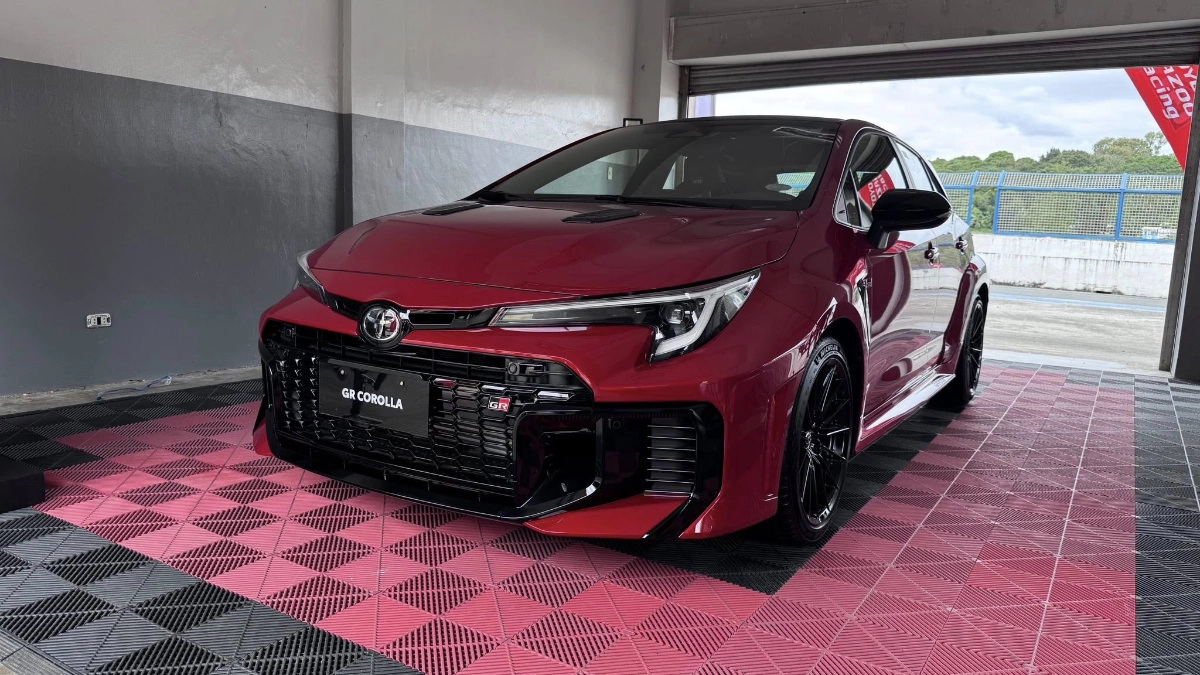
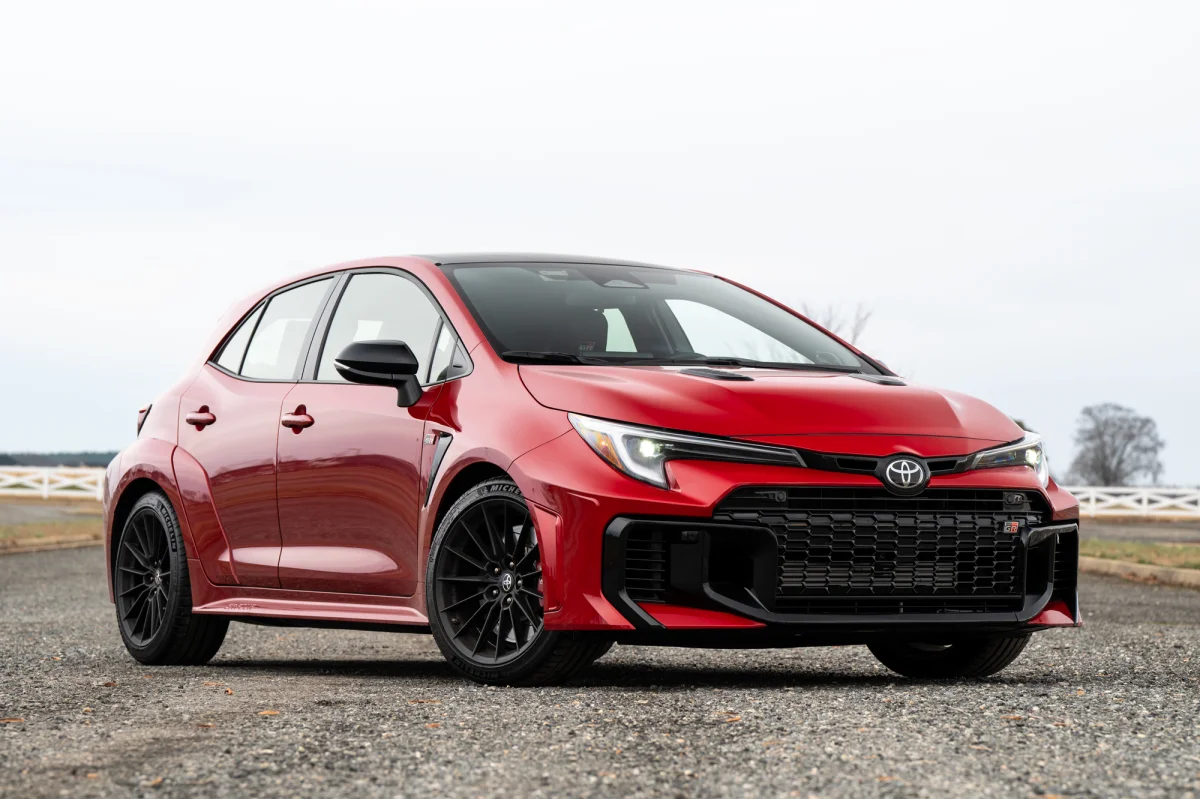
1. 2026 Toyota GR Corolla
A rally-inspired hot hatch with serious performance credentials, this compact Toyota model is built for driving enthusiasts rather than budget-focused buyers. It sits in a much higher price bracket than typical economy hatchbacks, often starting around $37,000 and climbing close to $50,000 with higher trims and dealer markups. That pricing places it firmly in the enthusiast segment, where performance takes priority over affordability and everyday practicality.
Power comes from a 1.6-liter turbocharged three-cylinder engine producing about 300 horsepower, paired with Toyota’s GR-Four all-wheel-drive system. This setup gives the car strong acceleration, confident traction, and a highly responsive feel on both street and spirited driving routes. The driving experience is energetic and engaging, reflecting its rally-inspired engineering and focus on performance capability.
Practicality is more limited compared to standard compact hatchbacks. The interior layout is similar to the regular Corolla, which helps with familiarity but does not match the premium expectations that come with its price. Materials are durable but basic, and rear-seat space is tight, making longer trips less comfortable for passengers. Cargo capacity is also modest, which reduces its usefulness as a daily utility vehicle.
Technology features provide a modern touch but are not especially advanced for the cost. A 12.3-inch digital instrument cluster adds a performance-oriented display, while the infotainment system remains relatively small compared to rivals. This creates a noticeable gap between its high-performance image and its more functional interior design.
Ownership costs are another important consideration. The engine requires premium fuel, and maintenance is more expensive due to its performance-focused tuning. Some concerns have also been raised about warranty coverage under heavy driving conditions, which may affect buyers who plan to use the car aggressively or regularly push its limits.
In the performance hatchback segment, it competes with alternatives such as the Hyundai Elantra N, which offers similar excitement at a lower price point. This comparison highlights how this model leans more toward enthusiast appeal rather than mainstream value.
Strong acceleration, advanced all-wheel drive, and rally-inspired handling define its character, but the high price, limited practicality, and elevated running costs place it in a niche category aimed primarily at dedicated performance drivers rather than everyday compact car shoppers.
2. 2026 Volkswagen Golf R
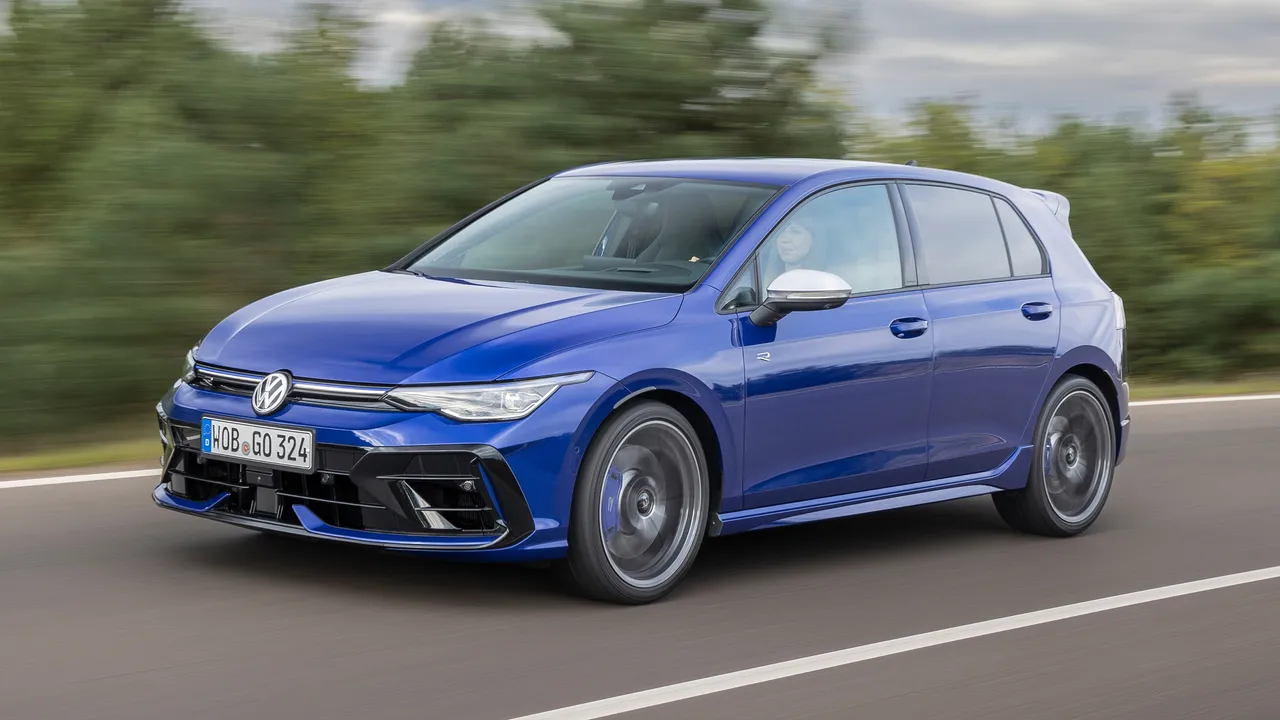
What was once a relatively attainable performance hatchback has now moved firmly into premium territory, with the 2026 Volkswagen Golf R carrying a price close to $50,000. This shift places it in a very different category from traditional compact cars, aligning it more closely with entry-level luxury vehicles than budget-friendly hot hatches. As a result, it appeals more to dedicated enthusiasts with higher budgets than to younger buyers building financial stability.
Performance remains the Golf R’s defining strength. It uses a turbocharged engine producing around 315 horsepower, paired with all-wheel drive and advanced driving systems such as drift mode. The result is strong acceleration, confident grip, and a refined yet highly capable driving experience. It feels composed at high speeds and offers a level of stability and control that makes it suitable for both daily commuting and spirited driving.
Inside, the Golf R delivers a modern but polarizing cabin experience. The design relies heavily on digital interfaces and touch-sensitive controls with haptic feedback. While the layout looks futuristic and feature-rich, many drivers find the controls less intuitive compared to traditional physical buttons. The interior is well-equipped and comfortable, but usability concerns stand out more at this price level.
The driving experience is also shaped by some notable compromises. The 2026 model does not offer a manual transmission, relying instead on a dual-clutch automatic. This reduces driver engagement for those who enjoy a more hands-on connection with the car. While it performs well on the road, it is not as track-focused as rivals like the Honda Civic Type R, especially considering its higher cost.
Pricing plays a major role in how it is perceived. With its premium positioning, the Golf R now competes with entry-level luxury sedans and SUVs from brands like BMW and Audi. This overlap makes its value harder to justify for buyers who expect either more luxury or more raw performance for the money.
Despite these concerns, it still offers a strong appeal through its blend of speed, practicality, and refinement. It remains a capable all-rounder, but its high price and reduced driver engagement narrow its audience to enthusiasts willing to pay a premium for a polished hot hatch experience.
3. 2026 Acura Integra
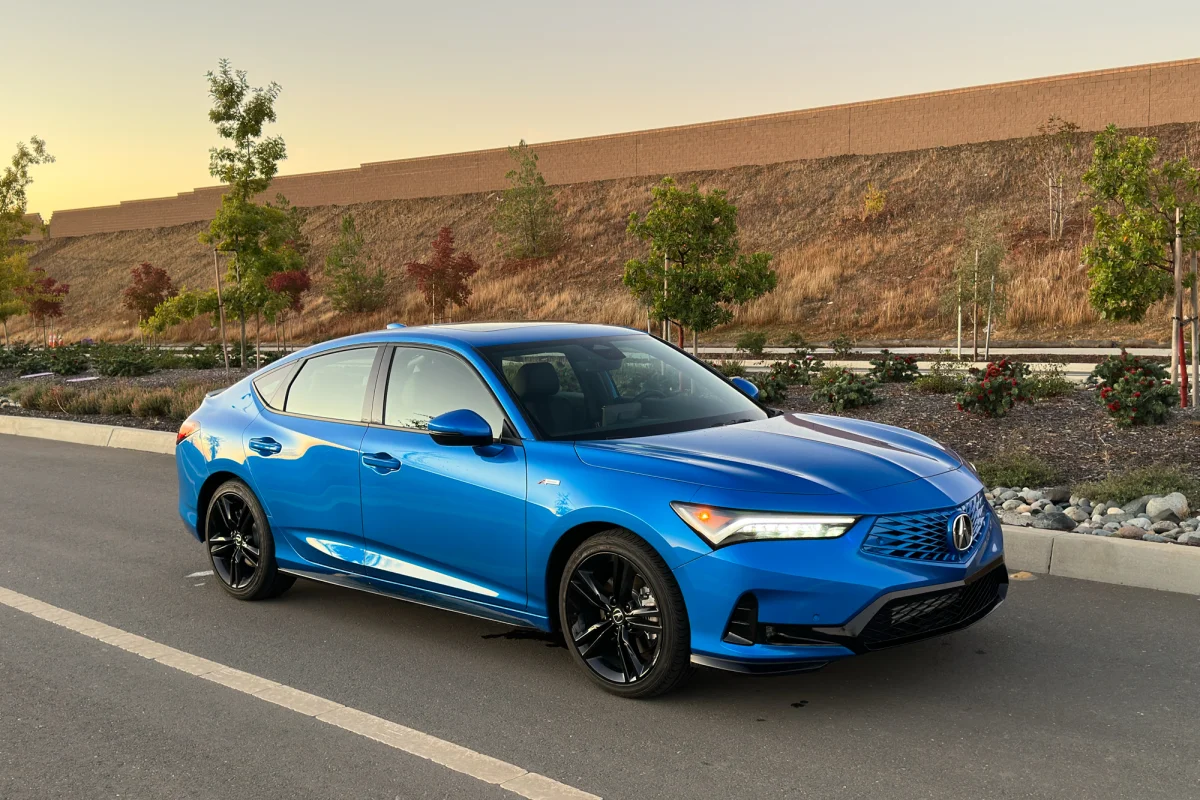
Blending luxury branding with mainstream engineering, the 2026 Acura Integra sits in an unusual space where style and prestige carry much of its identity. It is positioned as a more refined alternative to the Honda Civic, yet its pricing often reaches around $40,000 for higher trims, placing it much closer to entry-level luxury sedans than compact economy cars. This gap between perception and mechanical reality shapes how it is viewed by many buyers.
Underneath the premium badge, the Integra is closely related to the Honda Civic, sharing its platform, chassis, and turbocharged 1.5-liter engine that produces about 200 horsepower. While it offers a smooth and capable driving experience, performance gains over the Civic Si are relatively modest. Acceleration and handling remain solid but do not represent a major leap, which makes the higher price feel more tied to branding and design upgrades than engineering differences.
The Integra’s strongest appeal comes from its design and feature enhancements. Its liftback body style improves practicality, offering easier access to cargo space compared to traditional sedans. Inside, the cabin feels more upscale than its Honda counterpart, with upgraded materials and a cleaner, more premium layout. Technology features include a 9-inch touchscreen, wireless Apple CarPlay, and an available ELS premium audio system, all of which enhance daily usability and comfort.
Despite these improvements, some elements of the interior still feel familiar to Honda products, which can reduce the sense of exclusivity expected from a premium badge. Higher trims, particularly those with the Technology Package, push pricing closer to luxury territory, where competitors often offer stronger performance or more refined interiors.
The Integra also offers a 6-speed manual transmission, which adds appeal for enthusiasts who value engagement in their driving experience. Combined with its practical liftback design and strong fuel efficiency, it remains a versatile option for daily use.
The 2026 Acura Integra delivers a balance of style, practicality, and premium branding, but its close ties to the Civic and limited performance upgrade make its elevated price a key point of debate among value-conscious buyers.
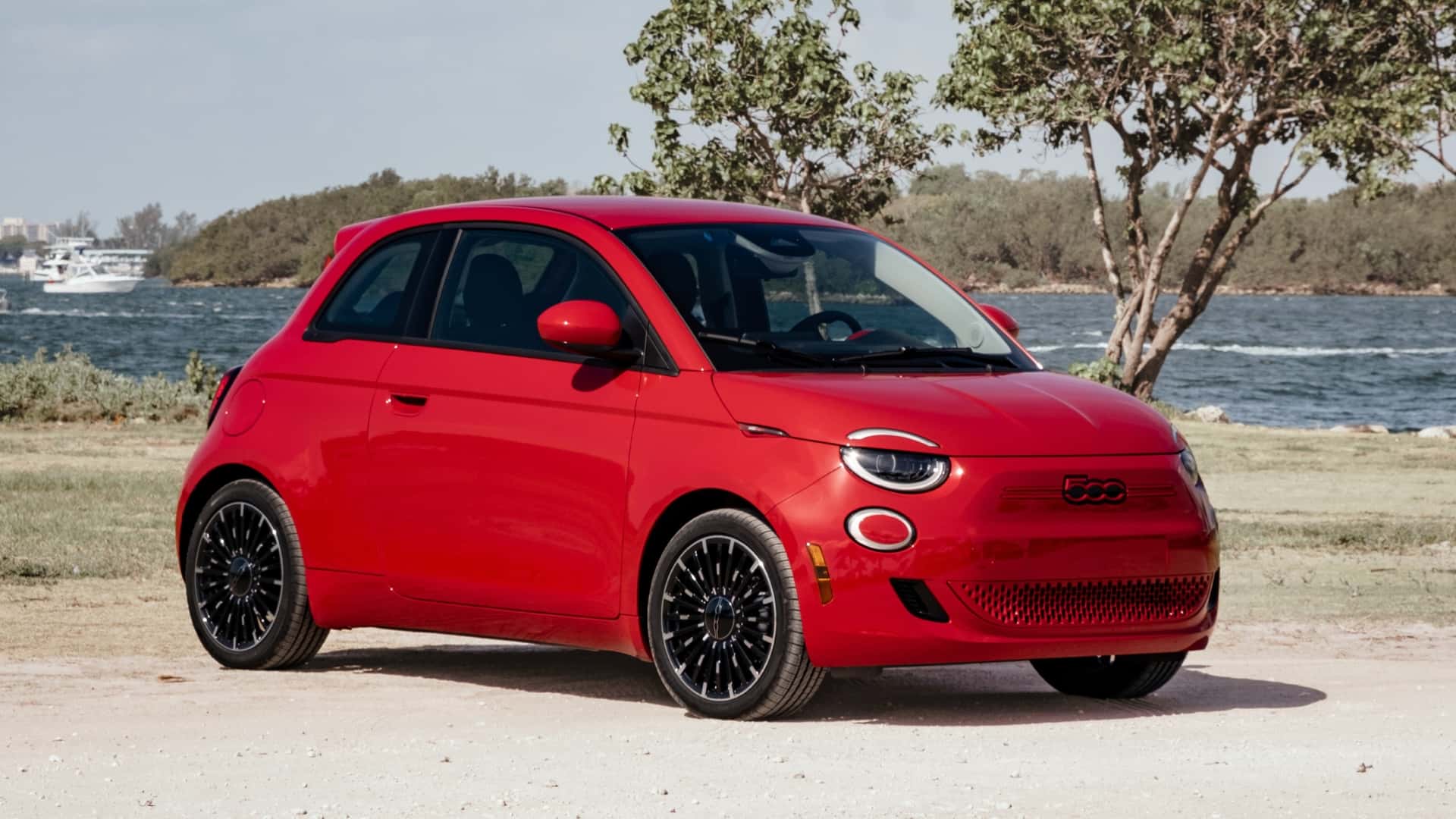
4. 2026 Fiat 500e
A small electric city car with strong design appeal, the 2026 Fiat 500e is built for short-distance urban driving rather than long-range travel or versatility. It continues Fiat’s focus on compact, fashion-forward vehicles, but its pricing of around $35,000 places it in a challenging position against larger and more capable electric competitors that offer greater range and space.
Performance is modest, with an electric motor producing about 117 horsepower and an estimated driving range of roughly 140 miles per charge. This makes it suitable for daily commuting, errands, and dense city environments where charging is accessible. Fast-charging capability helps reduce downtime by adding range quickly, but it does not fully address limitations for drivers who need extended travel flexibility.
Its compact design is one of its key advantages in urban settings. The small footprint makes parking and maneuvering in tight streets simple and stress-free. However, this same design significantly limits interior space. Rear seating is minimal, and cargo capacity is restricted, making it better suited for solo drivers or occasional passenger use rather than practical family transportation.
Inside, the cabin focuses heavily on style and simplicity. The design is modern and visually appealing, aligning with its image as a trendy city vehicle. Material quality is functional but relies on a noticeable amount of hard plastics, and storage space is limited. While it delivers a distinctive aesthetic, it does not match the refinement or practicality of similarly priced electric vehicles.
At its price point, it faces strong competition from larger EVs that offer more range, space, and features. This comparison highlights its narrow focus as a specialized urban commuter rather than a multi-purpose vehicle. For buyers who need a single car for varied driving needs, its limitations become more apparent.
Despite these constraints, it remains attractive to drivers who prioritize compact size, easy city mobility, and distinctive styling over long-distance capability and practicality.
Looking at both sides of “4 Budget Hatchbacks for American Gen-Z vs. 4 Overpriced Compacts,” the contrast becomes hard to ignore. Budget hatchbacks succeed by focusing on what young drivers actually need: affordability, efficiency, safety, and everyday practicality without unnecessary cost inflation. They are built to handle commuting, errands, and long-term ownership without putting financial pressure on the driver.
The overpriced compacts, while often impressive in performance, technology, or branding, tend to stretch far beyond what most entry-level buyers can comfortably justify. Whether it is premium pricing, limited practicality, or underwhelming value for the money, they shift away from being simple transportation tools and into niche lifestyle or enthusiast purchases.
Together, these two groups show how the compact segment has evolved into a choice between financial sense and emotional appeal. For Gen-Z buyers especially, the decision often comes down to whether the priority is building stability or chasing a more premium driving experience.
Also read: 10 Cars With Resale Values So High That Buying Used Is a Financial Mistake
